25 Toys Kids Traded on the Playground
The playground operated as an informal economy, with standard exchange rates and negotiated deals happening under teachers’ supervision. Possessing duplicates meant bargaining power. Rare variants or limited editions carried disproportionate value.
The trading didn’t involve money—it was pure commerce, driven by scarcity and desirability. Some items appeared as trades only once per year, elevating them to legendary status by the time children actually held them.
Garbage Pail Kids Cards
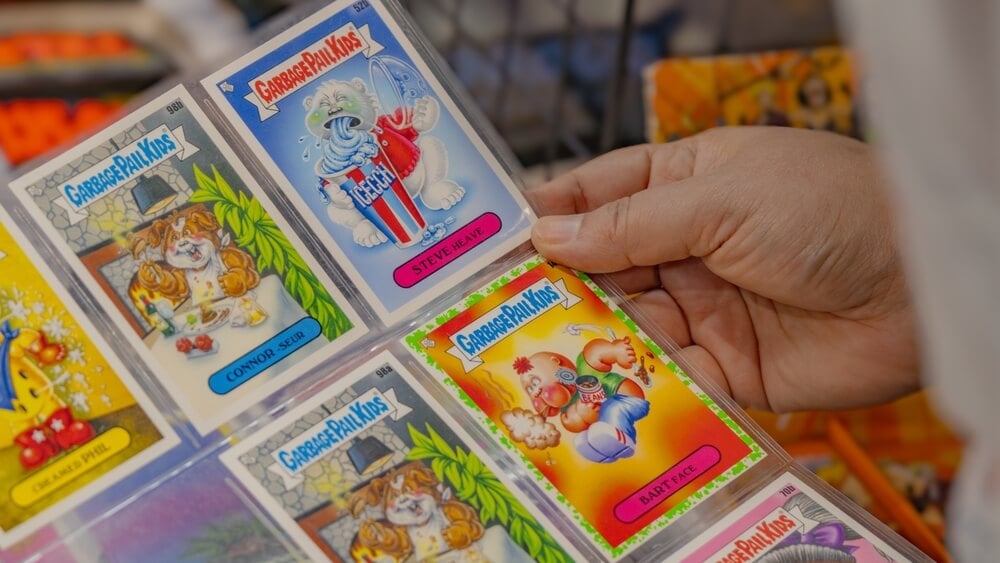
These trading cards featured gross humor and disgusting scenarios that shocked parents. The stickers and cards became playground currency despite school efforts to ban them.
Finding rare cards elevated status instantly; possessing complete sets meant trading power.
Scratch-and-Sniff Stickers
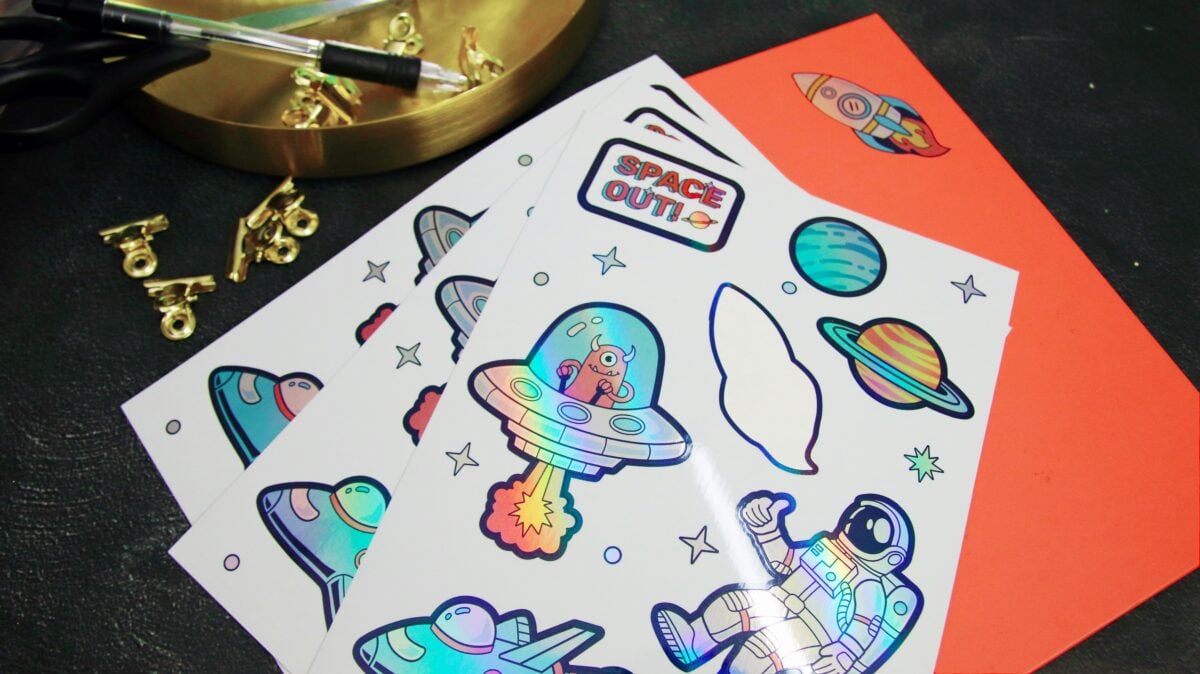
These stickers released scent when scratched, with varieties including cherry, grape, and pizza. The scents faded with use and repeated scratching.
Kids traded them obsessively despite their minimal function beyond novelty.
Pog Discs
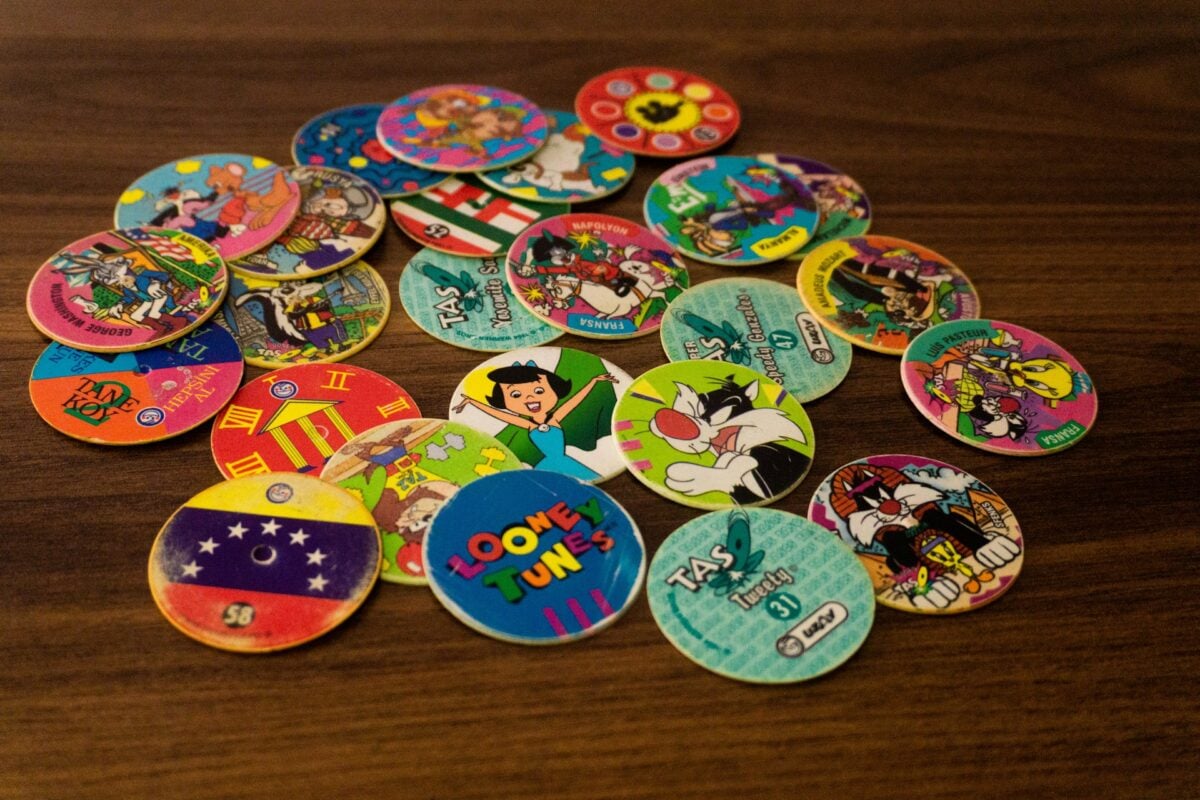
These circular cardboard pieces with themed designs stacked in games requiring flipper pieces. The games created clear winners and losers, making pogs valuable betting chips.
Trading reflected wins and strategic acquisition of themed sets.
Slammer Pieces
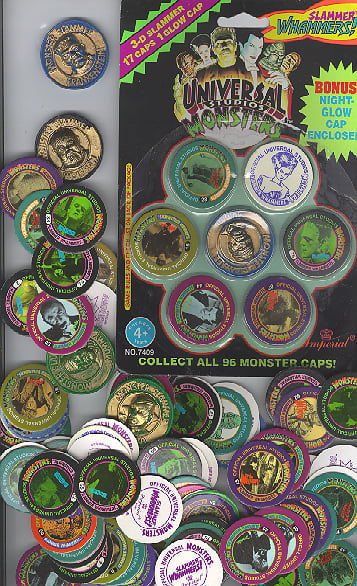
These weighted discs used in pog games to flip the stack determined game outcomes. Certain slamers possessed special properties or rare designs.
Collecting complete slammer sets became a status pursuit comparable to coin collecting.
Matchbox Cars

These miniature vehicles came in hundreds of variations and special editions. Kids traded for models they didn’t own, and rarer versions commanded premium exchanges. The small scale meant carrying entire collections in a shoebox was feasible.
Hot Wheels Cars
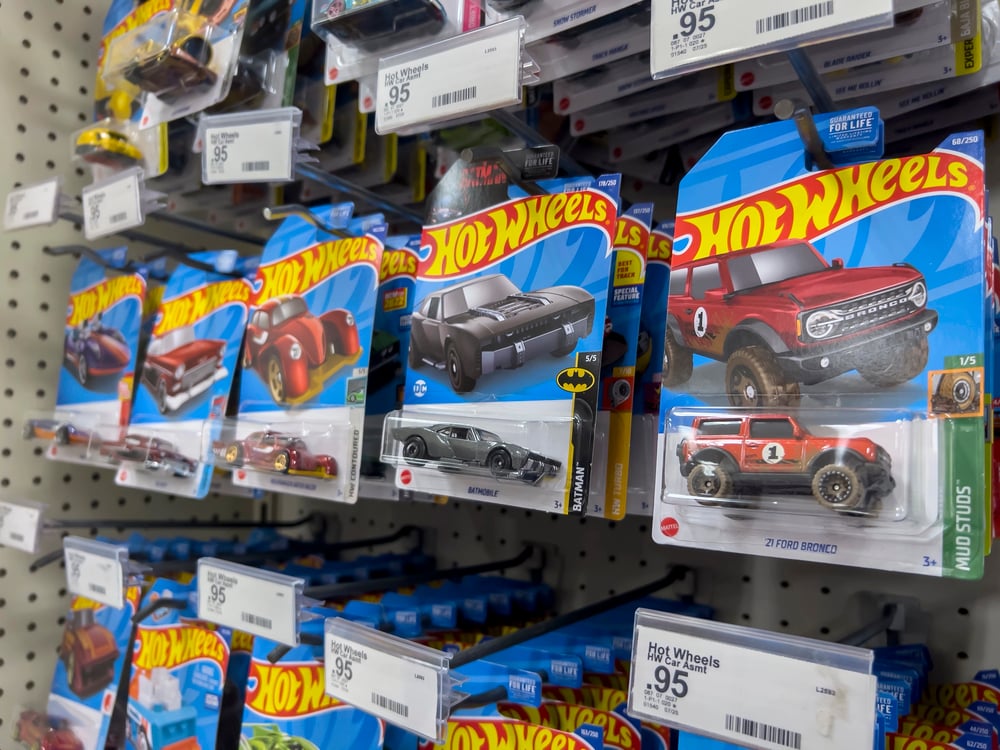
Larger than Matchbox versions, these cars featured more detail and special editions. Certain models appeared once per year, creating excitement around new releases. Trading represented attempts to complete collections.
Plastic Army Men
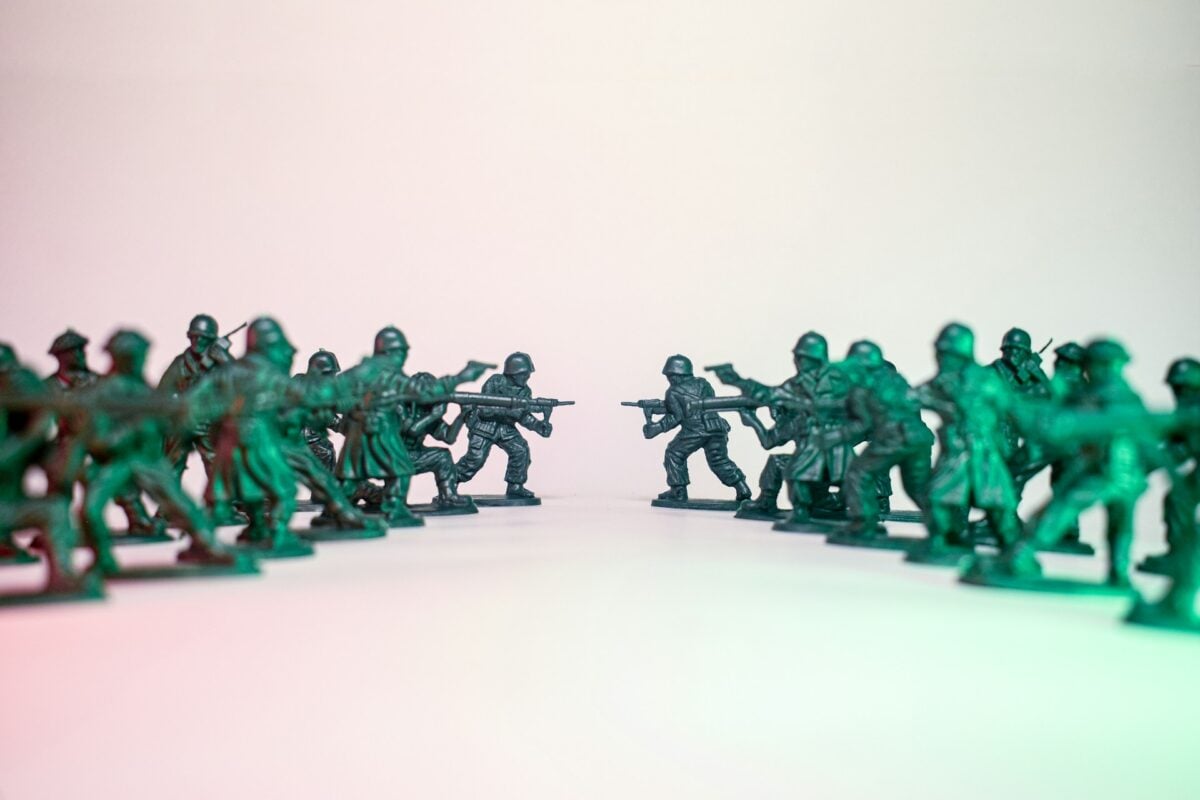
These small green or tan figurines came in various poses representing different military roles. Trading was less common because they came in large sets, but rare colors or specific poses sparked exchanges. Mixing colors or poses created unique armies.
Trading Pins (Disney and Others)
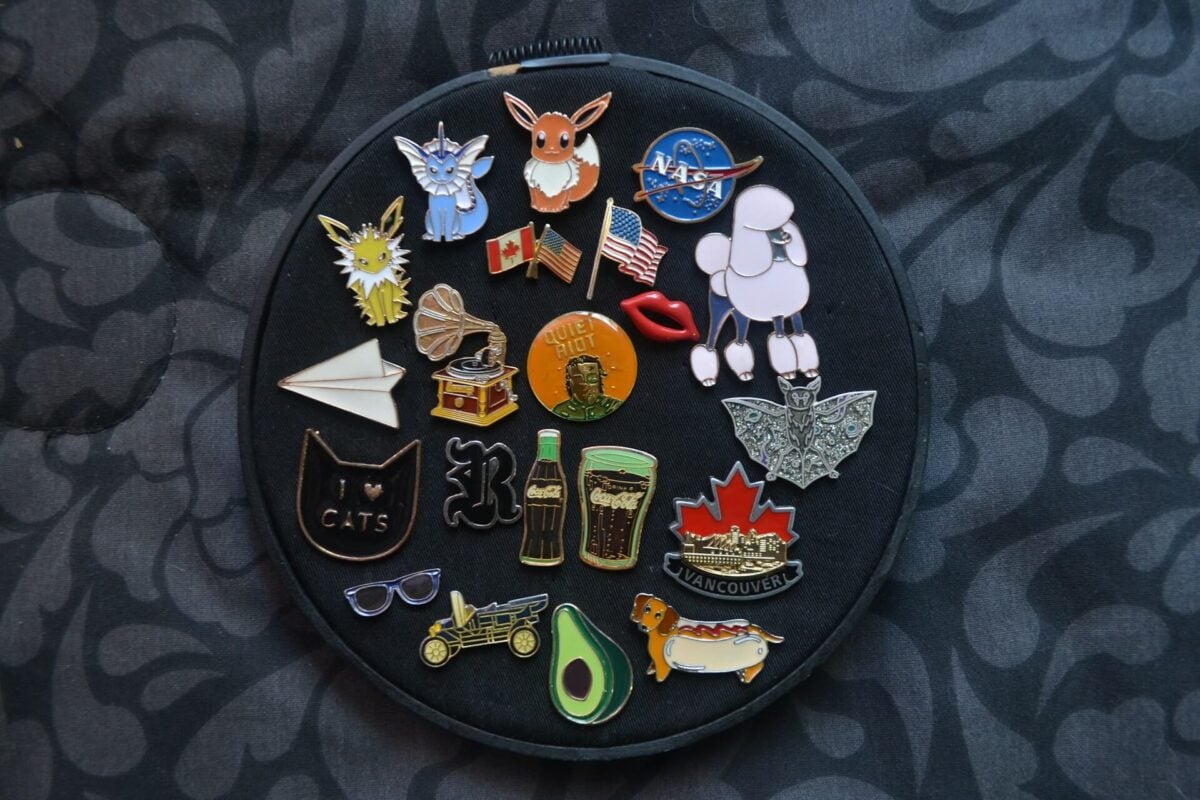
These enamel metal pins featured licensed characters and limited editions. Trading pins created formal trading culture with established values and exchange protocols. The pins stayed with children throughout adulthood, retaining emotional value.
Marbles (Aggies and Cat’s Eyes)

These glass spheres with swirled colors held intrinsic beauty and gameplay value. The heavy glass felt substantial in pockets. Trading reflected preferences for specific colors and patterns.
Yo-yos
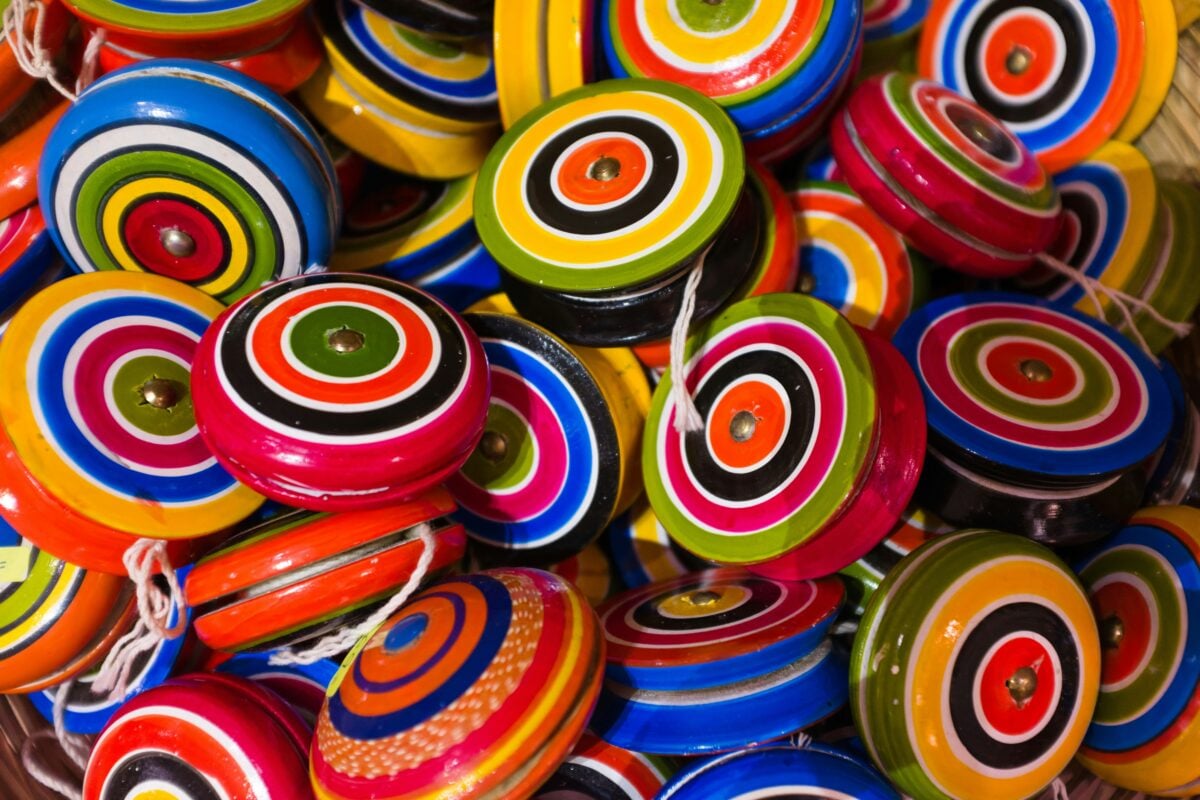
These spinning discs returned to hands through string tension. Various brands and materials created product differentiation. Tricks and performance specifications made certain yo-yos more desirable.
Skip-It Toys
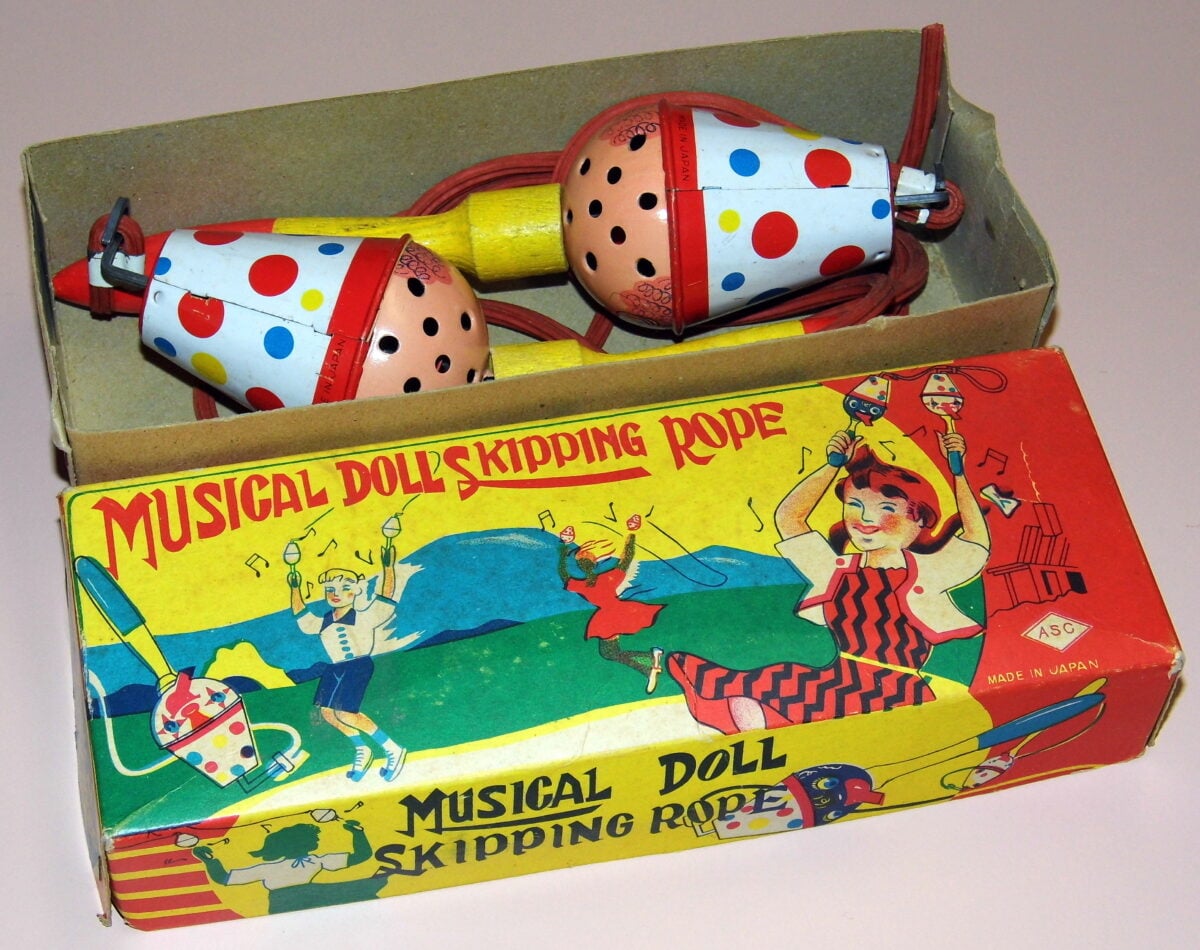
Photo by Joe Haupt, via Flickr. Licensed under CC BY-SA 2.0
This ankle-worn device with a counting mechanism and attached weight clicked as wearers jumped over it. The competition to achieve highest counts made possessing newer models valuable. Trading allowed access to different colors and designs.
Slap Bracelets

These rolled metal strips wrapped around wrists when slapped, holding coiled positions. Various colors and licensed themes meant collecting and trading. The novelty wore quickly despite trading activity.
Loom Bracelets
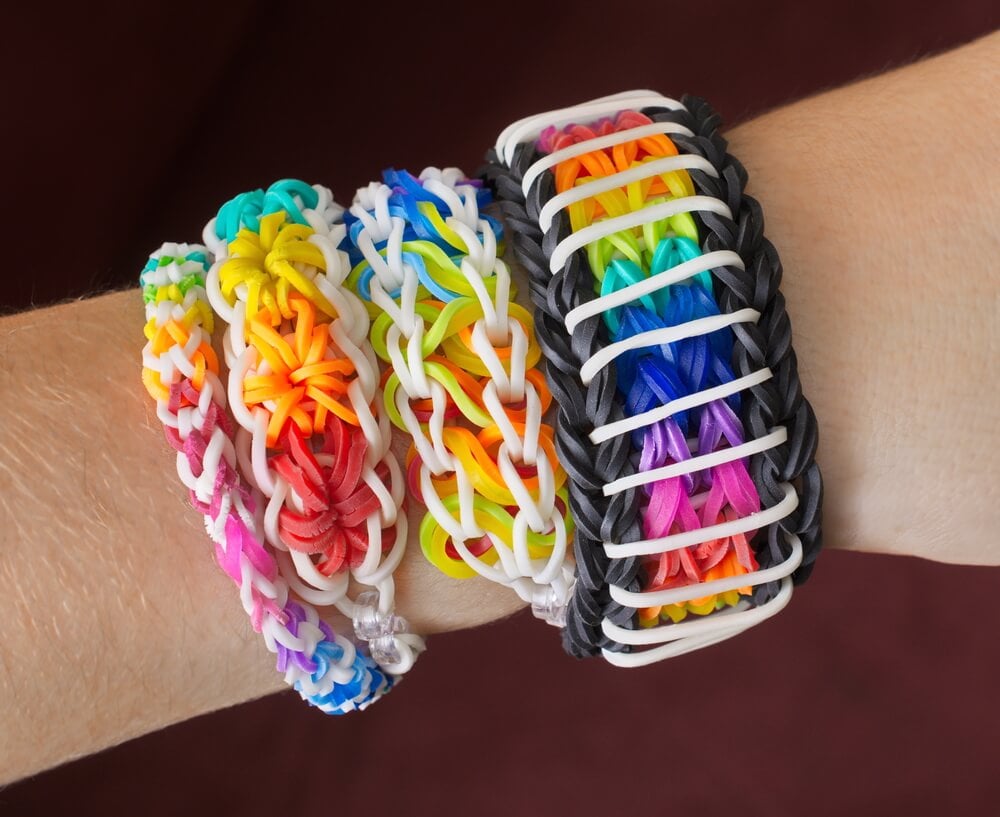
These rubber band bracelets woven on plastic looms created intricate patterns. Trading reflected the time investment required to produce them. Wearing multiple bracelets indicated productivity and trading success.
Silly Bandz

These shaped rubber bands worn as bracelets had collectible designs. The simplicity and low cost meant massive quantities available for trading. Certain designs appeared more rarely, driving exchange activity.
Magic Eye Books

These stereoscopic image books revealed hidden 3D pictures when viewed correctly. Trading reflected different books and difficulty levels. The novelty of seeing hidden images made possessing multiple books valuable.
Erasers (Novelty Shaped)
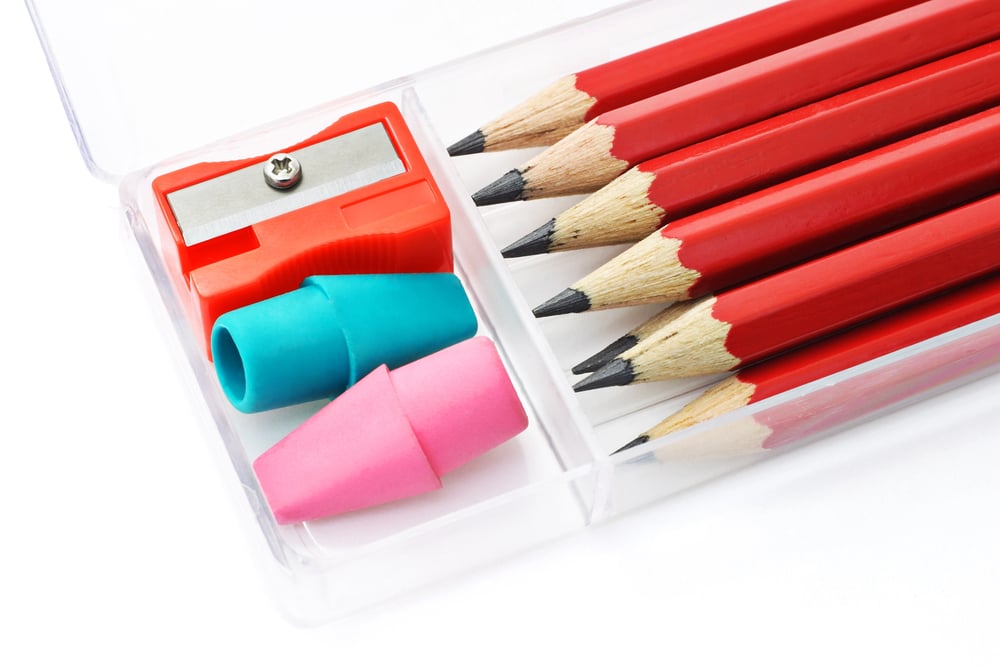
These shaped rubber erasers came in animal, food, and object designs. Rarity and appeal of shapes determined trading value. Collecting varieties represented serious eraser enthusiasm.
Pencil Toppers

These decorative caps fitting pencil ends came in character, animal, and abstract designs. Trading reflected personal preferences and collection status. The items were small enough to carry dozens simultaneously.
Comic Books

These sequential art publications had variant editions and limited printings. Trading reflected specific titles and issue numbers. The collecting series drove serious trading negotiations.
Sports Cards
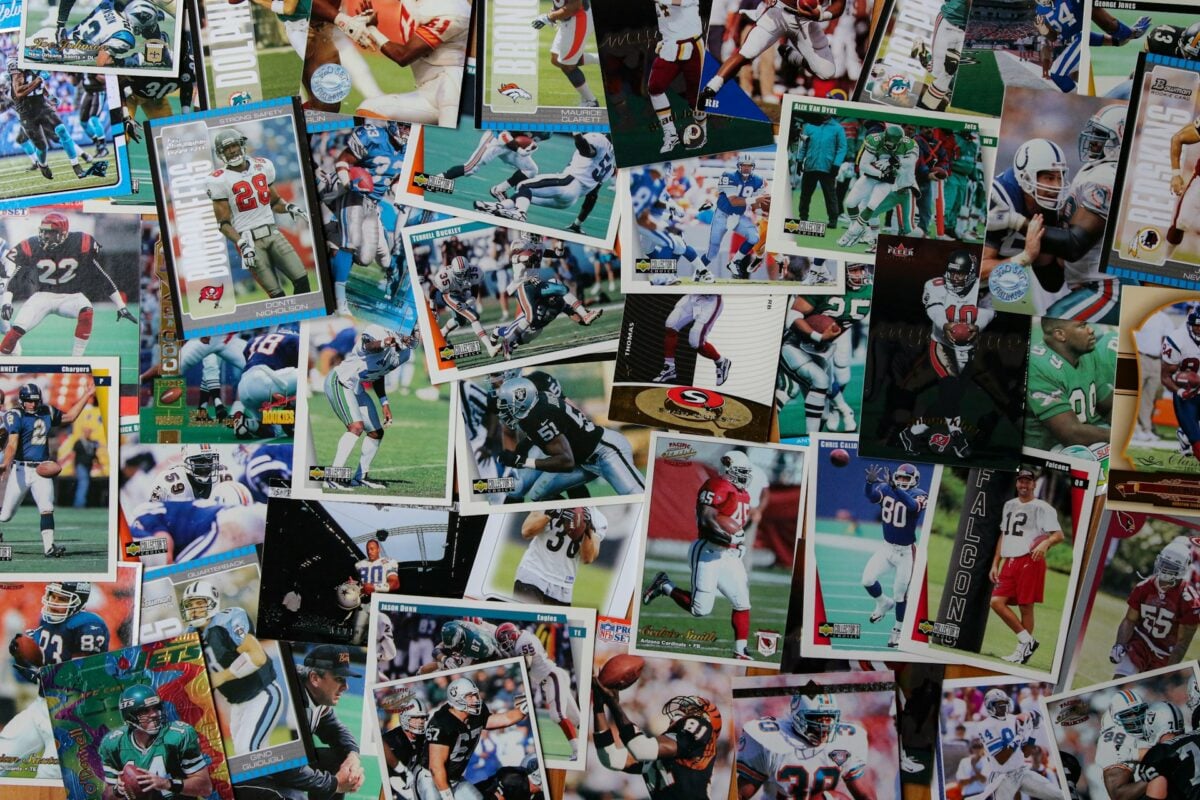
These cards featuring athletes on one side and statistics on the other created serious collecting culture. Rare players commanded premium trades. The cards’ potential future value drove trading speculation.
Pogs with Patterns
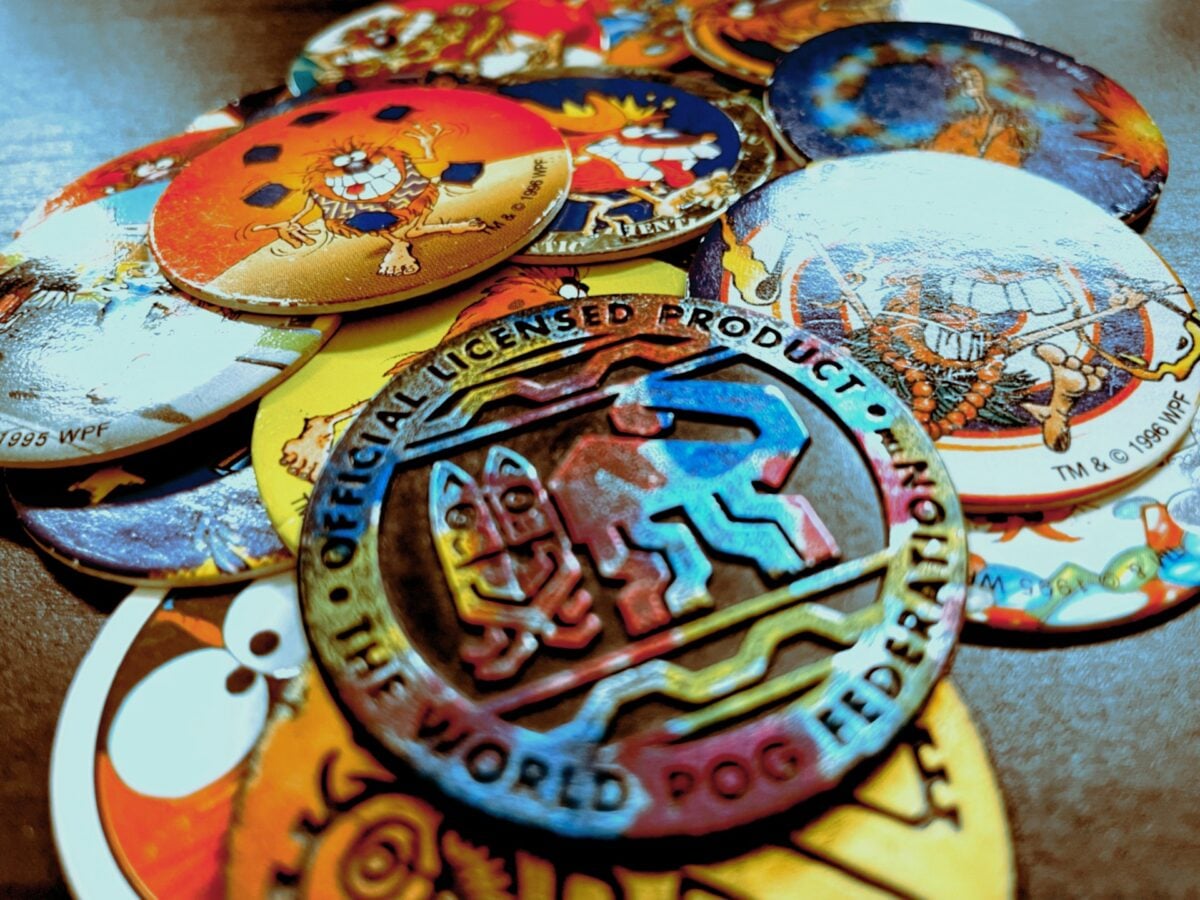
Specific pattern variations or holographic editions appeared rarely. The premium over standard versions created negotiation leverage. Some patterns appeared only in specific regional releases.
Miniature Toys in Gumballs
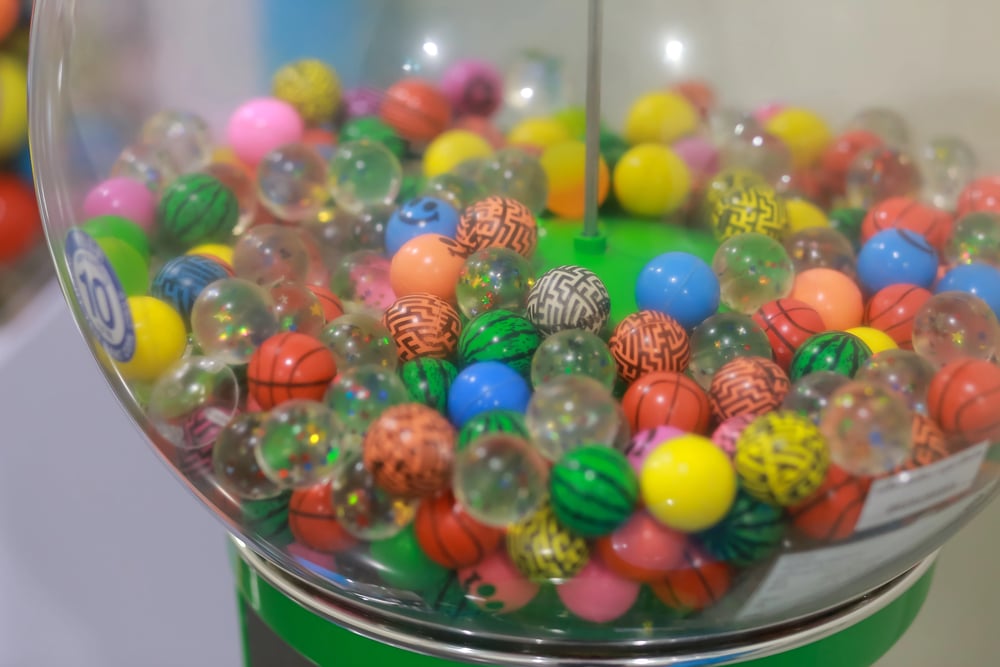
These capsule toys from vending machines included small figurines and surprise elements. Trading reflected which toys appeared in specific quarters. The randomness made trading necessary for completing sets.
Action Figure Variants
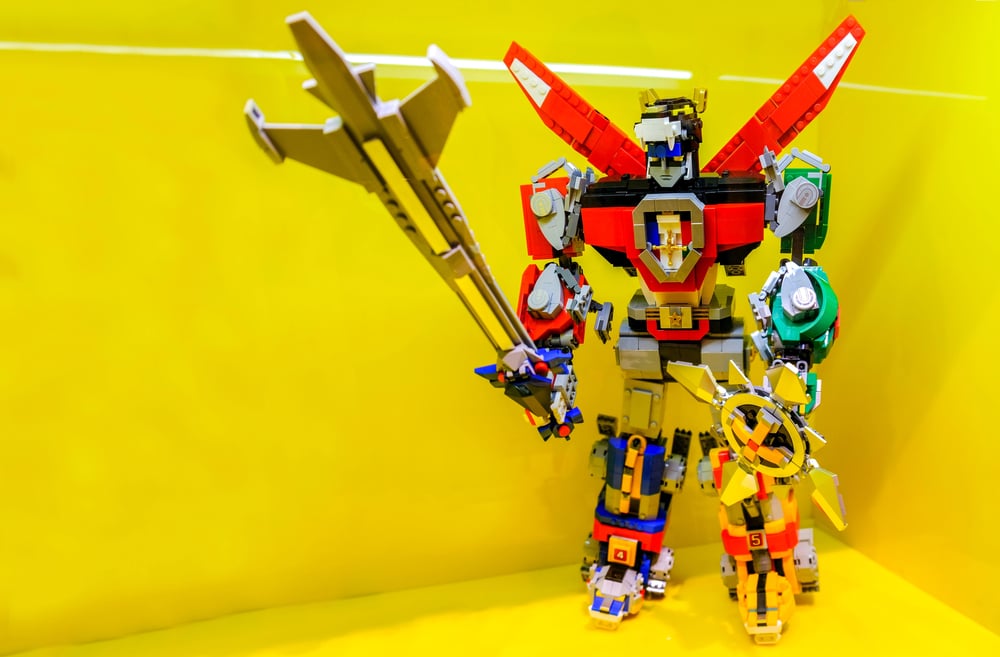
Certain action figure lines produced variant editions or color differences. Trading represented attempts to collect multiple versions. Original packaging added significant value to trades.
Character Pencils
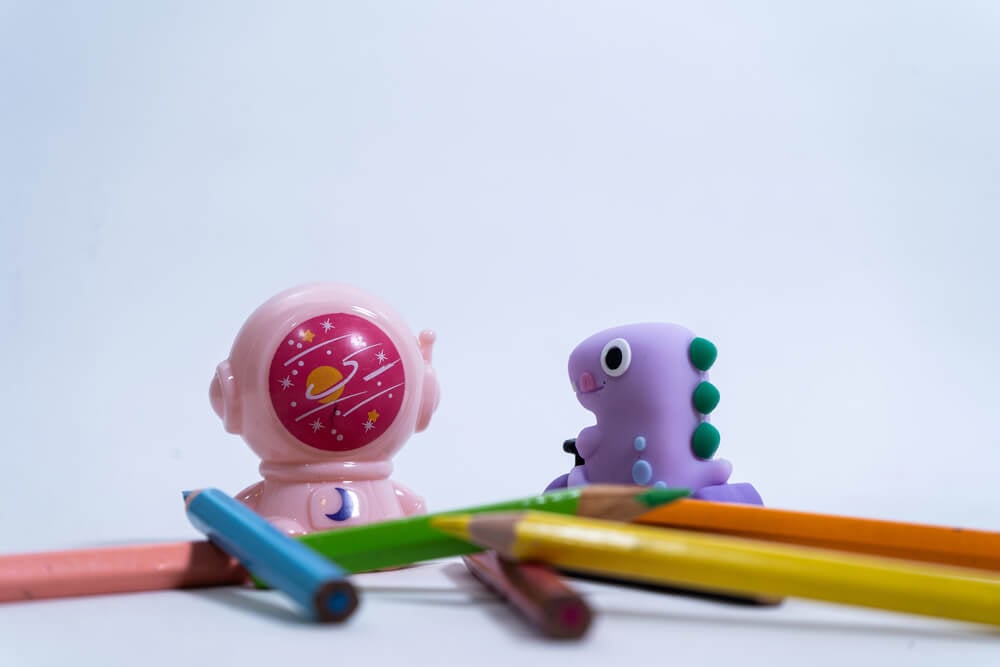
These pencils with character toppers or shaped like characters came with limited availability. Trading reflected character preferences and rarity. Using the pencils risked damaging valuable collectibles.
Light-Up Toys

These battery-powered toys featuring LED lights or glow-in-the-dark elements attracted trades. The visible light and novelty made them high-value items. Batteries dying reduced trading appeal.
Holographic Trading Cards
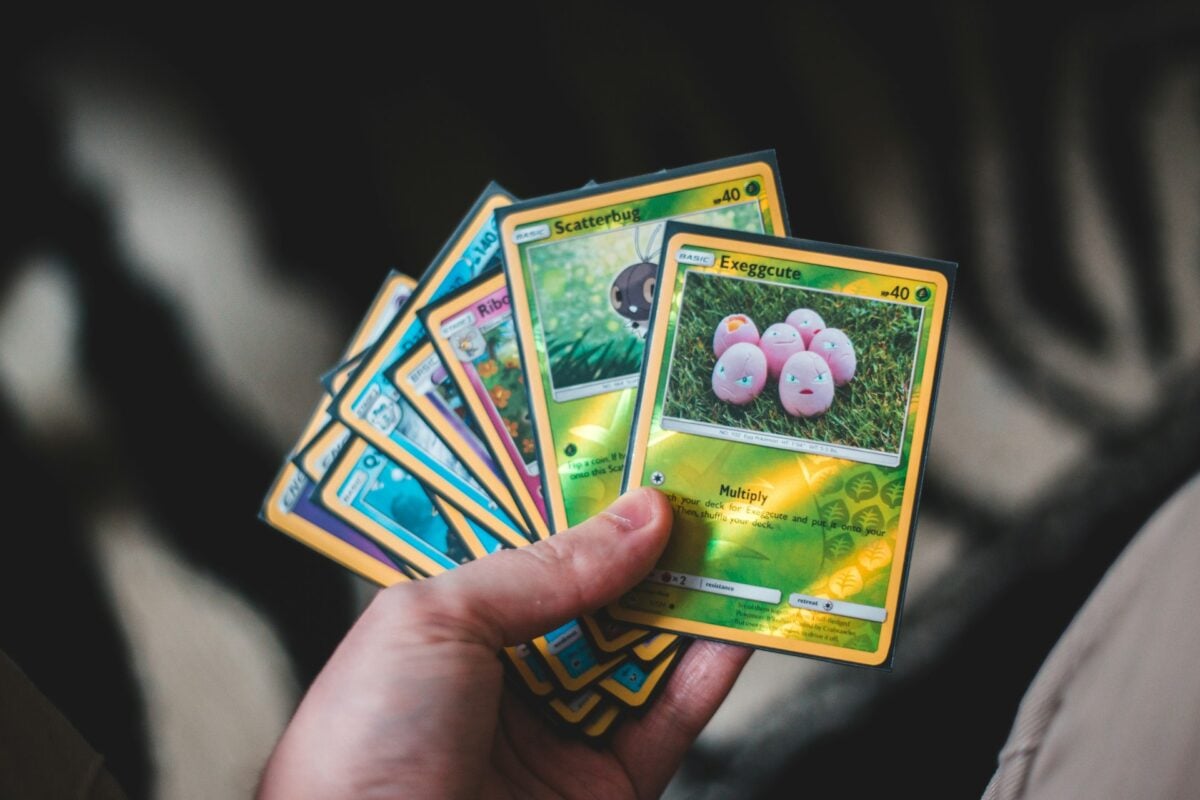
These cards with three-dimensional shimmer effects caught light and reflected it. The visual effect created premium status among card collectors. Trading holographic variants meant accessing rare visual variants of standard cards.
The Trading Economy
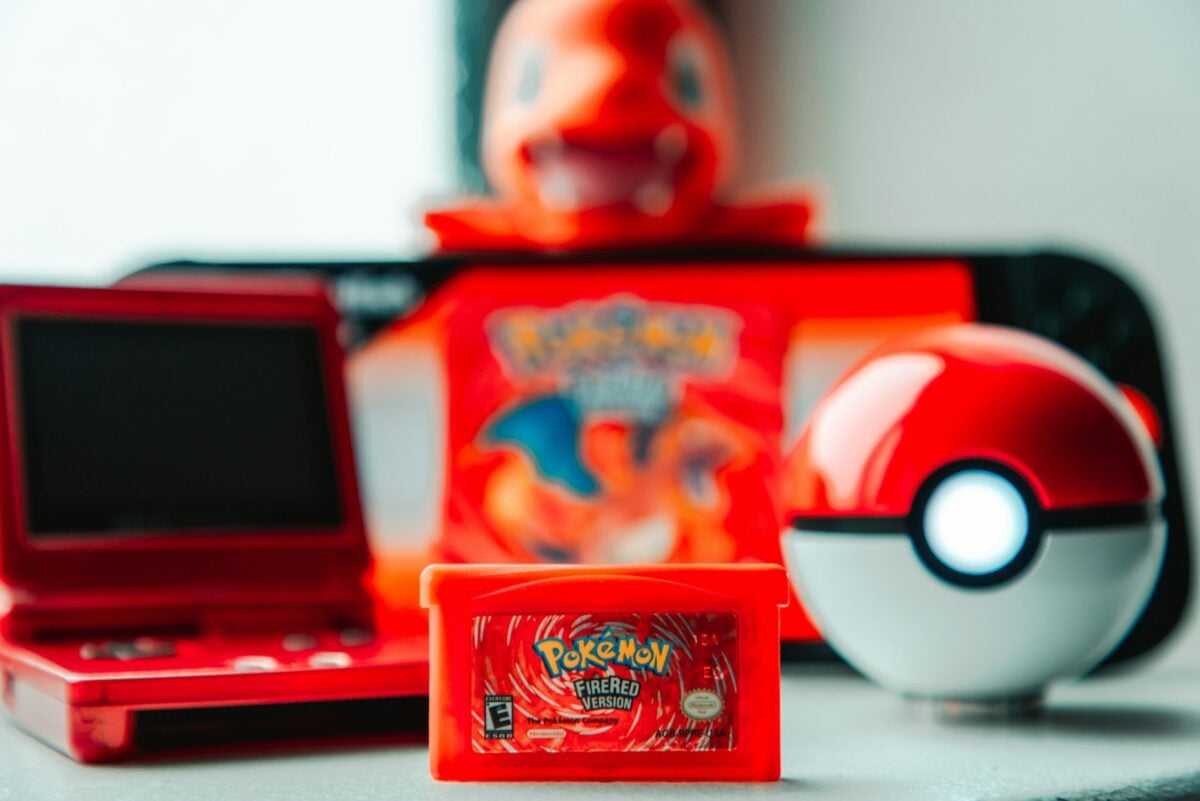
Playgrounds developed complex informal economies around these items, with kids developing negotiation skills and understanding scarcity value. Trading wasn’t about money—it was about access and collection completion. The economics were real despite occurring entirely outside adult systems.
More from Go2Tutors!

- The Romanov Crown Jewels and Their Tragic Fate
- 13 Historical Mysteries That Science Still Can’t Solve
- Famous Hoaxes That Fooled the World for Years
- 15 Child Stars with Tragic Adult Lives
- 16 Famous Jewelry Pieces in History
Like Go2Tutors’s content? Follow us on MSN.