Parks That Were Once Dumps
Finding a peaceful place to relax in a city isn’t always easy. Green spaces get squeezed out as buildings go up and roads expand.
But some of the most beautiful parks you’ll visit today started as something completely different—piles of trash, industrial waste, and forgotten debris. These transformations show what’s possible when cities commit to change.
The Fresh Kills Park Transformation

Staten Island’s Fresh Kills handled garbage from New York City for over 50 years. At its peak, the landfill covered more than 2,200 acres and rose higher than the Statue of Liberty.
Trash trucks arrived daily, dumping waste that seemed to have no end. The site closed in 2001, and the transformation began.
Today, Fresh Kills Park is becoming one of the largest parks in New York City. The project will take decades to complete, but sections are already open to the public.
Visitors bike, bird watch, and kayak where garbage once piled up. Native grasses cover the hills, and wildlife has returned.
How Millennium Park Started Beneath the Surface
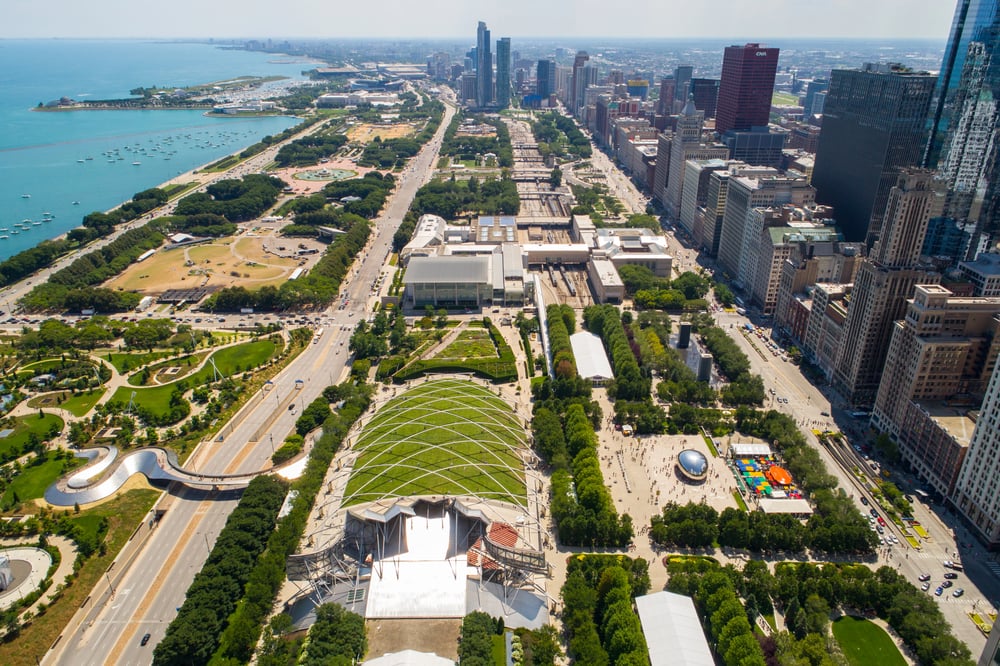
Chicago’s Millennium Park sits on top of a former railroad yard and parking lot that once served as an unofficial dump. The area collected debris, abandoned materials, and contaminated soil for years.
Nobody wanted to spend time there. The cleanup required removing contaminated soil and building a complex system to support the park above underground parking and rail lines.
The project cost hundreds of millions more than planned, but the result changed downtown Chicago. The park attracts millions of visitors each year.
Virginia Key Beach Park’s Hidden History
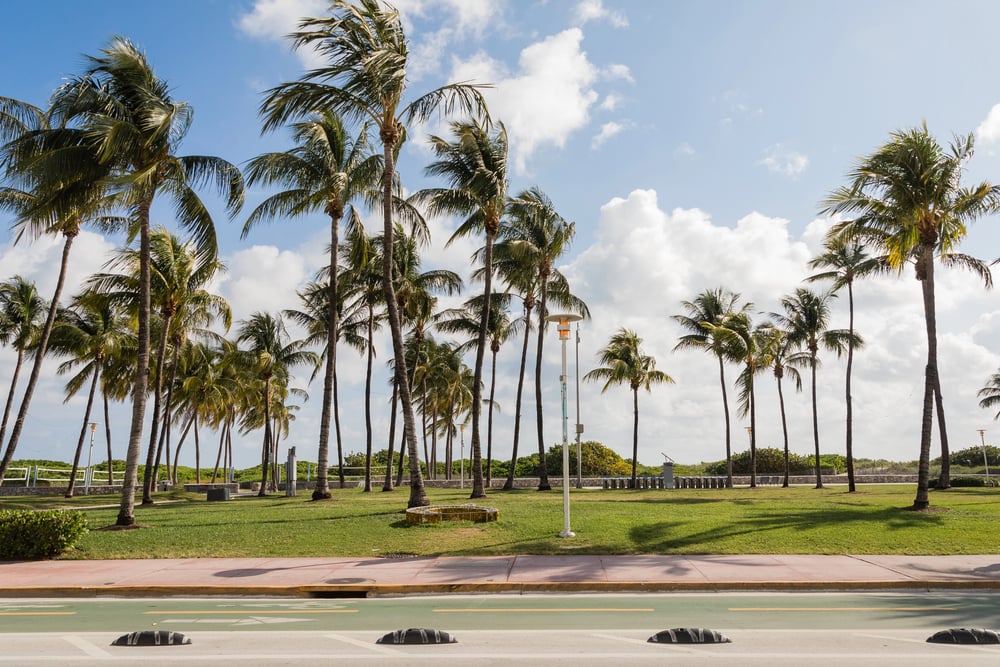
Miami’s Virginia Key Beach served as a segregated beach for Black residents during the Jim Crow era. After integration, the site fell into neglect and became an illegal dumping ground.
People discarded everything from construction materials to household waste. The restoration took years.
Workers removed debris, tested soil, and rebuilt infrastructure. The beach reopened as a park that honors its history while providing recreation space.
The transformation preserved an important cultural site that nearly disappeared.
Marina Barrage in Singapore
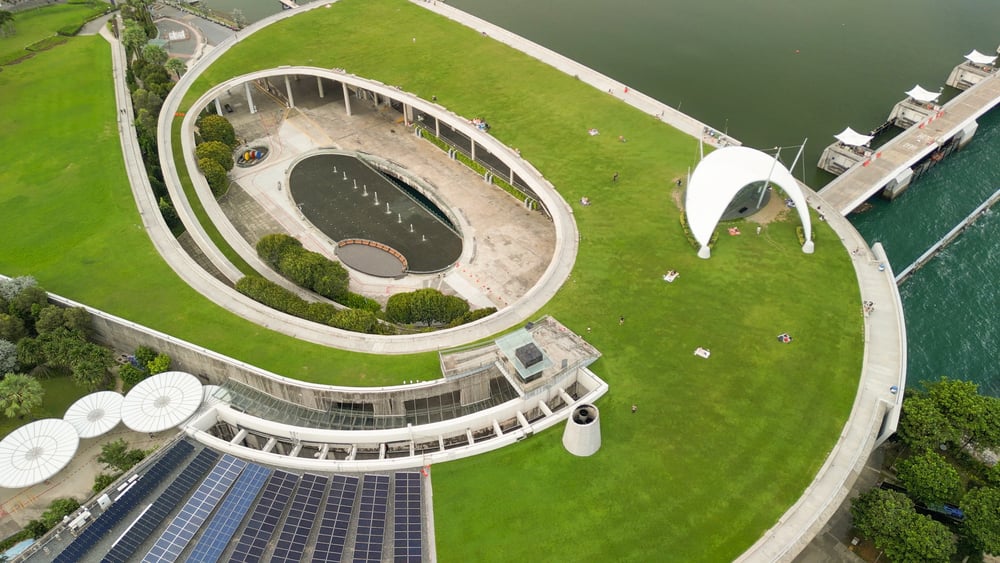
Singapore needed more water storage and flood control, but land was scarce. The Marina Bay area had accumulated sediment, debris, and pollution from years of urban development and shipping activity. The waterway needed major intervention.
The solution involved building a dam across the bay, cleaning the water, and creating a new freshwater reservoir. The roof of the barrage structure became a park with green spaces, picnic areas, and kite-flying lawns. The project solved multiple problems while adding public space.
Gas Works Park Keeps Industrial Remnants
Seattle’s Gas Works Park takes an unusual approach. The site operated as a coal gasification plant until 1956, leaving behind contaminated soil and industrial structures.
Rather than completely erasing the past, designers incorporated some of the old machinery into the park design. The cleanup addressed the worst contamination, but monitoring continues.
The rusting towers and equipment remain as sculptures and climbing structures. The approach sparks debate about whether industrial sites should be fully remediated or partially preserved as historical artifacts.
Downsview Park’s Military Past
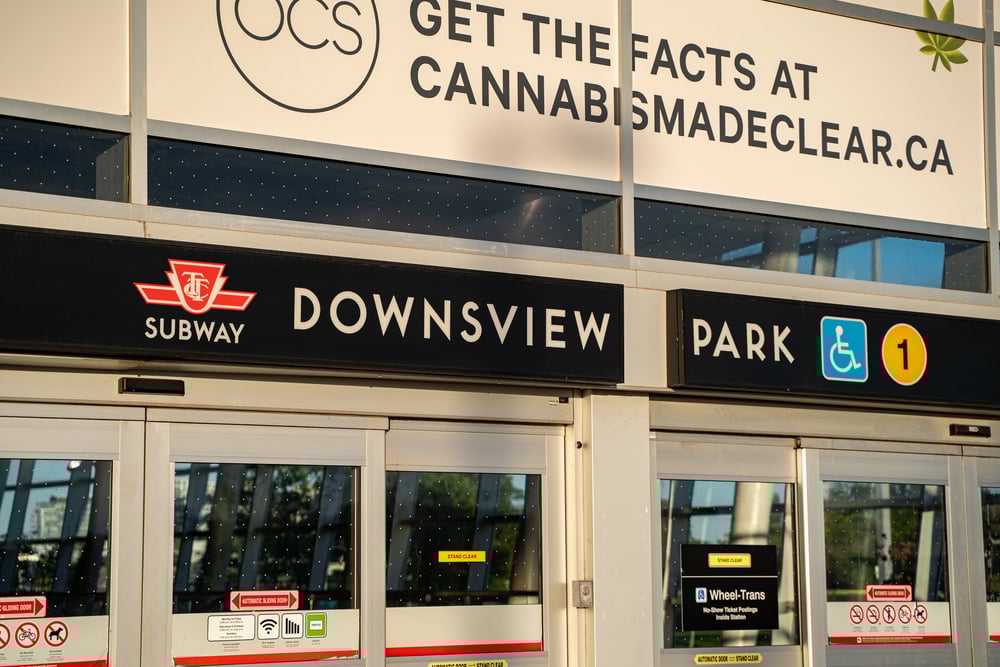
Toronto’s Downsview Park occupied land that served as a military base and manufacturing site. The area accumulated industrial waste, contaminated soil, and abandoned structures over decades of military use.
Converting the space required extensive environmental assessment. The cleanup removed contaminated materials and prepared the land for public use.
The park now offers sports fields, natural areas, and event spaces. Parts of the site still undergo restoration as different sections open to the public.
The Landfill That Became Cesar Chavez Park
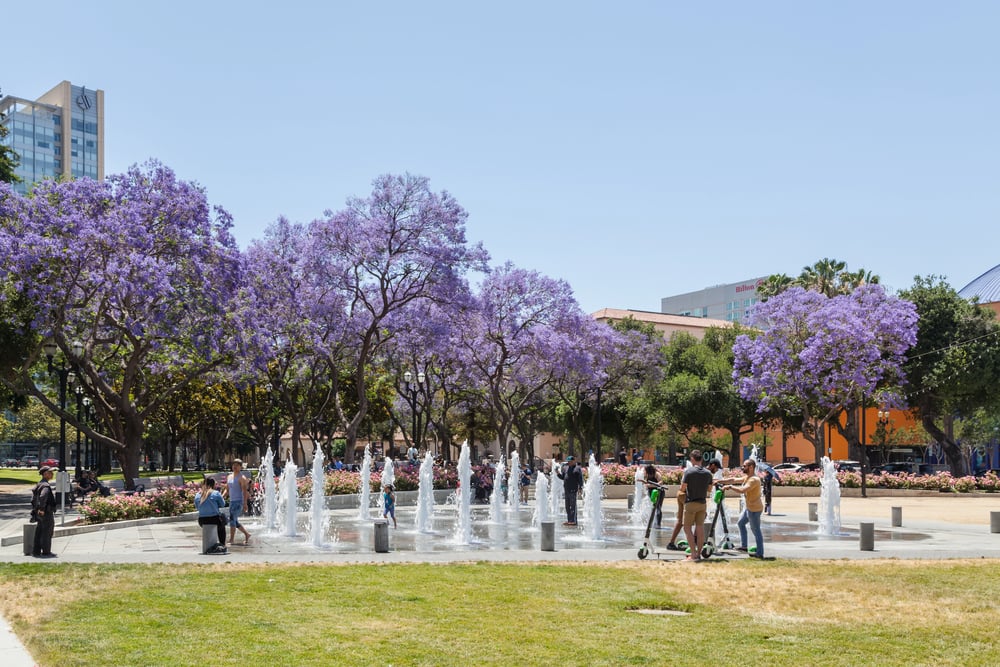
Berkeley’s waterfront included a landfill that accepted garbage from the East Bay area. The site closed in the 1980s after reaching capacity.
The buried waste created challenges for any future development. Engineers capped the landfill and installed systems to manage methane gas.
The park opened with walking paths, native plants, and views of San Francisco Bay. The design works with the limitations of building on a closed landfill while creating usable public space.
Spectacle Island’s Boston Harbor Rebirth
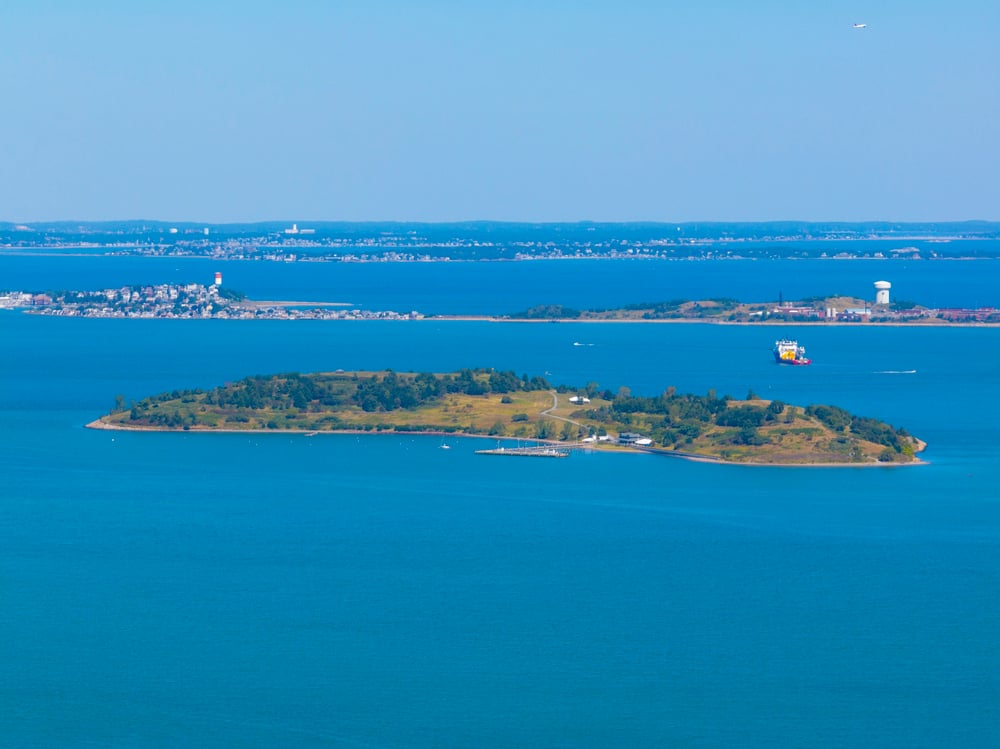
Spectacle Island in Boston Harbor spent years as a dump for horse carcasses, construction debris, and city waste. The island smoldered with underground fires.
The smell carried across the harbor. The cleanup used clean fill from the Big Dig tunnel project to cap the contamination and reshape the island.
The new topography created hills that rise 157 feet above sea level. The island reopened as part of the Boston Harbor Islands National Recreation Area with beaches, trails, and visitor facilities.
Freshwater Wetlands Park in New York

Freshwater Wetlands Park in Staten Island grew from a small landfill that served local communities. The site collected household waste and construction materials for years.
After closing, the area sat vacant and overgrown. The restoration focused on creating wetland habitat rather than typical park amenities.
The design filters stormwater, provides wildlife habitat, and offers nature trails. The park serves environmental functions while giving residents access to natural areas.
Telok Blangah Hill Park Built on Quarry Waste
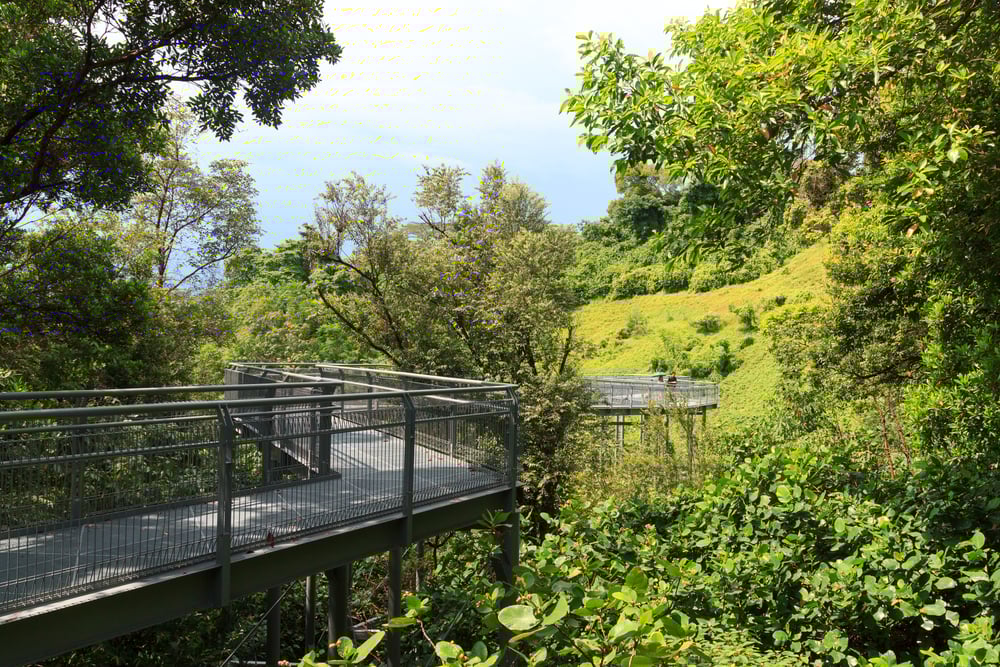
Singapore’s Telok Blangah Hill Park sits on land that was quarried for granite and later used for waste disposal. The excavation created steep slopes and unstable terrain.
The dumping added contamination concerns. The park design worked with the challenging topography.
The Henderson Waves bridge connects to nearby parks, creating a network of green spaces. The transformation required significant engineering to stabilize slopes and create safe public areas on difficult terrain.
Bishan-Ang Mo Kio Park’s Concrete Past
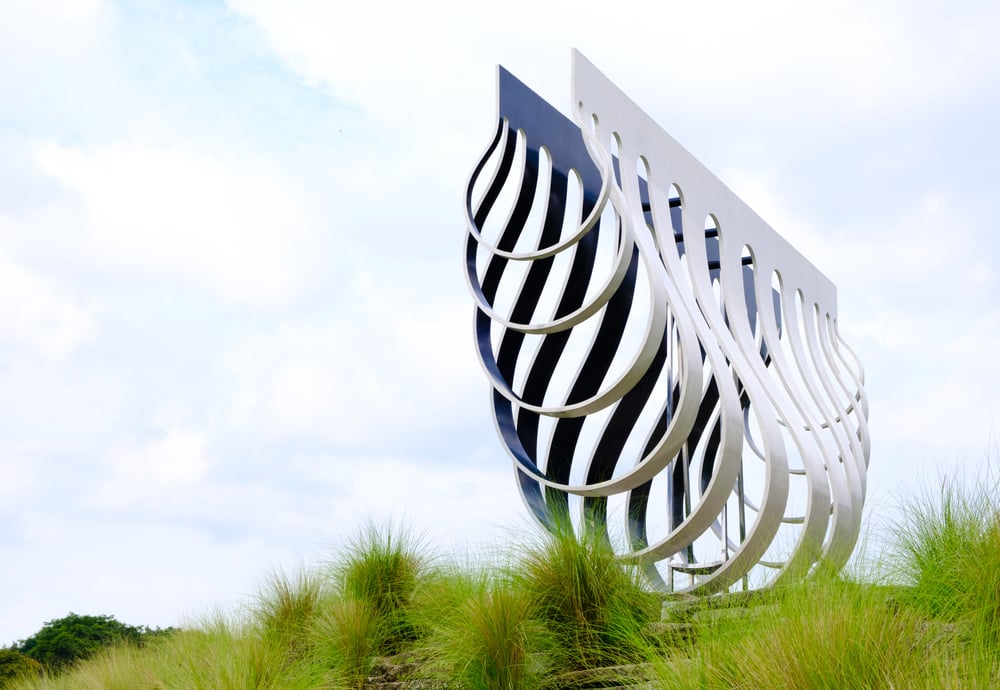
Singapore’s Bishan-Ang Mo Kio Park replaced a concrete drainage canal that collected trash and debris. The canal moved water efficiently but offered nothing for wildlife or people.
The concrete corridor divided neighborhoods. The renovation removed concrete, restored natural river curves, and created wetlands.
The park allows flooding during heavy rains, which actually improves water management. The design shows that infrastructure can serve multiple purposes.
Mount Trashmore in Virginia Beach
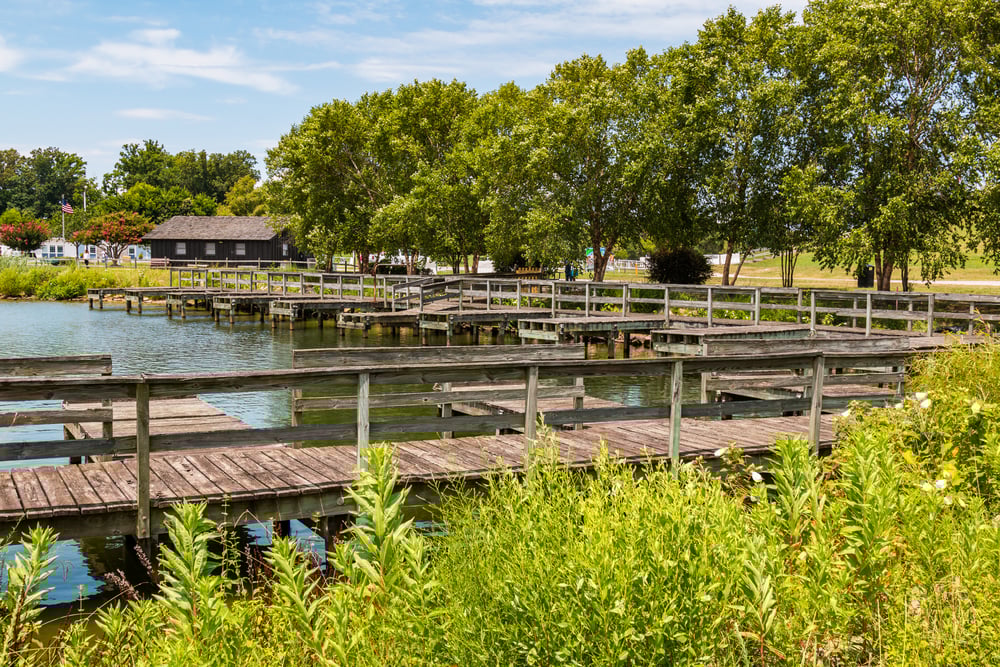
Virginia Beach created Mount Trashmore Park by compacting layers of trash with layers of clean soil. The method created hills in the flat landscape.
The name acknowledges the site’s origin rather than hiding it. The park includes two man-made mountains, lakes, and recreation facilities.
Methane vents dot the landscape as reminders of what lies beneath. The park functions well despite its unusual foundation.
Freshkills South Park’s Wildlife Return

Another section of Staten Island’s Fresh Kills focuses on habitat restoration. This area prioritizes native species over active recreation.
The grasslands attract birds that rarely visit urban areas. The restoration removed invasive plants and reintroduced native species.
The results exceeded expectations. Bird populations increased dramatically.
The park demonstrates that former waste sites can support biodiversity.
Amsterdam’s Recycled Industrial Sites
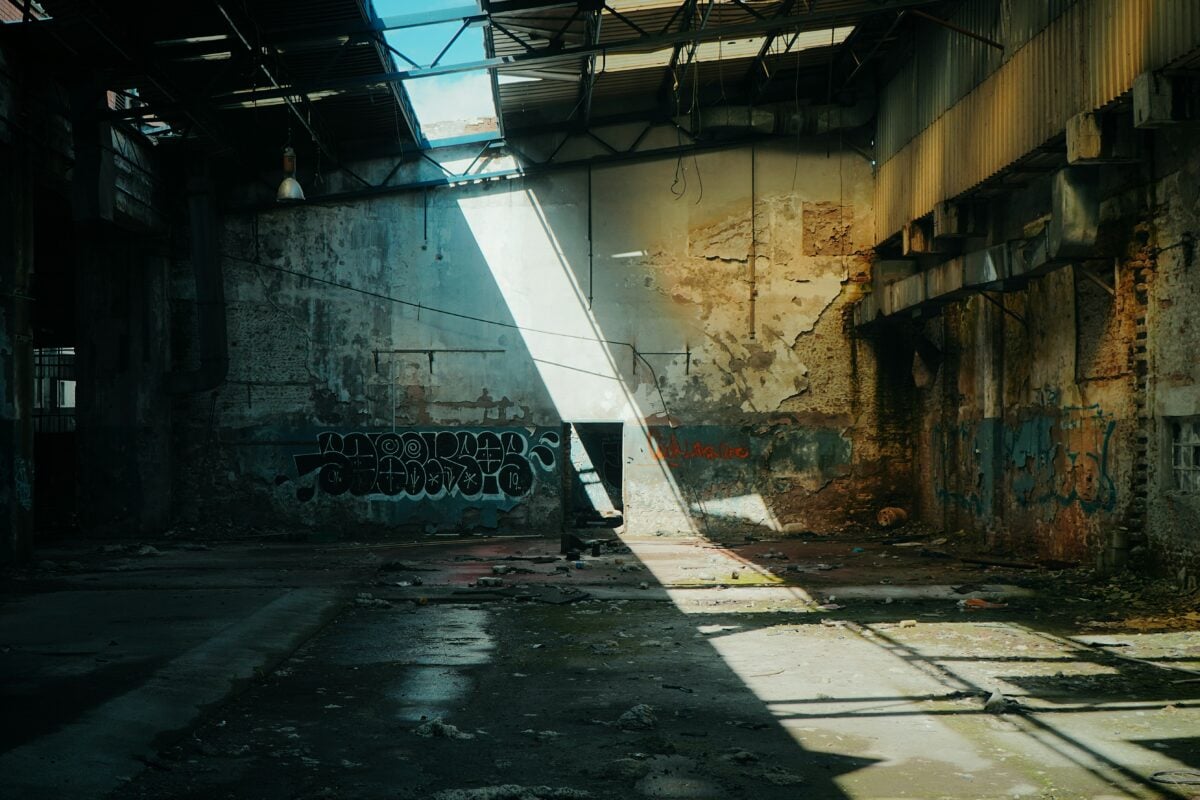
Amsterdam turned old factory zones and waste spots into green spaces across town – each spot came with its own pollution problems, yet needed a unique fix. Some parks go for elevated planters filled with fresh dirt.
Meanwhile, a few tackle toxins right where they sit. Different methods pop up because one-size-fits-all fixes rarely cut it on polluted land.
These spots still offer open nature areas despite old industrial messes.
Where Trash Becomes Ground
These parks came about when urban areas had no spots left for trash. As dumpsites expanded, they eventually shut down.
For a long while, those plots stayed unused – too polluted for regular purposes, yet too useful to leave alone. Changing them meant cash, effort, plus fresh ideas on rubbish and shared outdoor zones.
Some parks don’t have to cover up old times. Others feel more alive by showing what used to stand there.
Rusted factories, shaped mounds of earth, planned water paths – each hints at a city learning new ways. Just sitting here lets you spot traces of the past alongside fresh possibilities.
More from Go2Tutors!

- The Romanov Crown Jewels and Their Tragic Fate
- 13 Historical Mysteries That Science Still Can’t Solve
- Famous Hoaxes That Fooled the World for Years
- 15 Child Stars with Tragic Adult Lives
- 16 Famous Jewelry Pieces in History
Like Go2Tutors’s content? Follow us on MSN.