Places With More Bacteria Than Toilets
Most people think toilets are the dirtiest spots in any building. That makes sense since everyone knows what happens there.
But here’s the surprising truth: dozens of everyday surfaces actually carry way more germs than your average toilet seat. Scientists have tested common items and locations for years, and the results might change how you see your daily routine.
Your kitchen sponge

That sponge sitting by the sink is basically a tiny apartment building for bacteria. Research shows a single kitchen sponge can hold up to 10 million bacteria per square inch.
Toilets typically have around 1,000 bacteria per square inch, which means your sponge beats it by 10,000 times. The warm, damp environment creates the perfect home for microbes to multiply like crazy.
Rinsing it with water doesn’t really help much either.
Cutting boards in the kitchen

Raw meat leaves behind plenty of bacteria when you prepare dinner. Studies found that cutting boards carry about 200 times more fecal bacteria than toilet seats.
The grooves and cuts in the surface trap tiny food particles and moisture. Plastic and wooden boards both harbor germs, though they do it in slightly different ways.
Washing with soap helps, but those deep knife marks stay contaminated.
Office keyboards
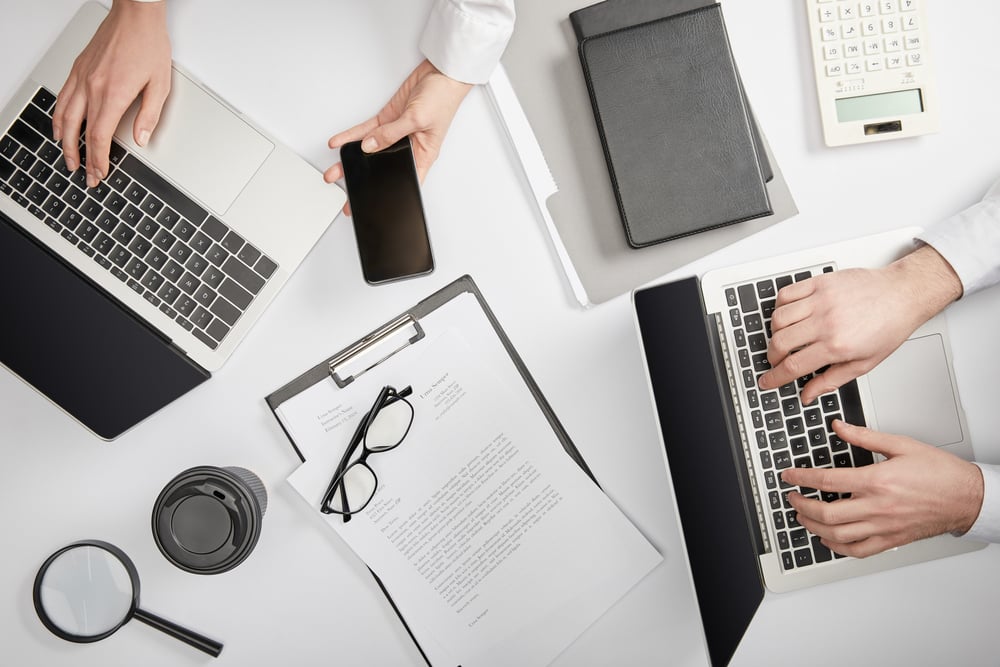
Think about how many times your fingers touch a keyboard during the workday. Researchers discovered that keyboards can have 20,000 times more bacteria than a toilet seat.
Crumbs fall between the keys, oils from skin build up, and dust settles everywhere. People often eat lunch at their desks too, which adds food particles to the mix.
Most folks never actually clean their keyboards properly.
Restaurant menus

Menus pass through dozens of hands every single day. One study found that restaurant menus carry about 100 times more bacteria than a typical toilet seat.
People cough, sneeze, and touch them with unwashed hands after using the restroom. The laminated ones might seem cleaner, but bacteria love those smooth surfaces.
Restaurants rarely disinfect menus between customers either.
Your cell phone screen
Phones go everywhere with their owners, including bathrooms. Tests show that smartphones can carry 10 times more bacteria than most toilet seats.
The screen stays warm from constant use, which bacteria really enjoy. People touch their faces right after scrolling through apps.
Phones rarely get cleaned despite being pressed against cheeks during calls.
ATM buttons

Thousands of people punch those same buttons every week. Studies discovered that ATM keypads contain bacteria from food, mucus, and other unpleasant sources.
The buttons have nearly as much fecal matter as public toilet handles. Cash machines sit outside in all weather conditions, collecting dirt and grime.
Banks don’t send workers to sanitize them very often.
Pet food bowls

Dogs and cats eat from the same dishes day after day. Research found that pet bowls rank as the fourth germiest item in most homes.
Bacteria from saliva and old food build up in the cracks and edges. Some pet bowls contain dangerous germs like E. coli and Salmonella.
People often forget to scrub them as thoroughly as their own dishes.
Carpet flooring
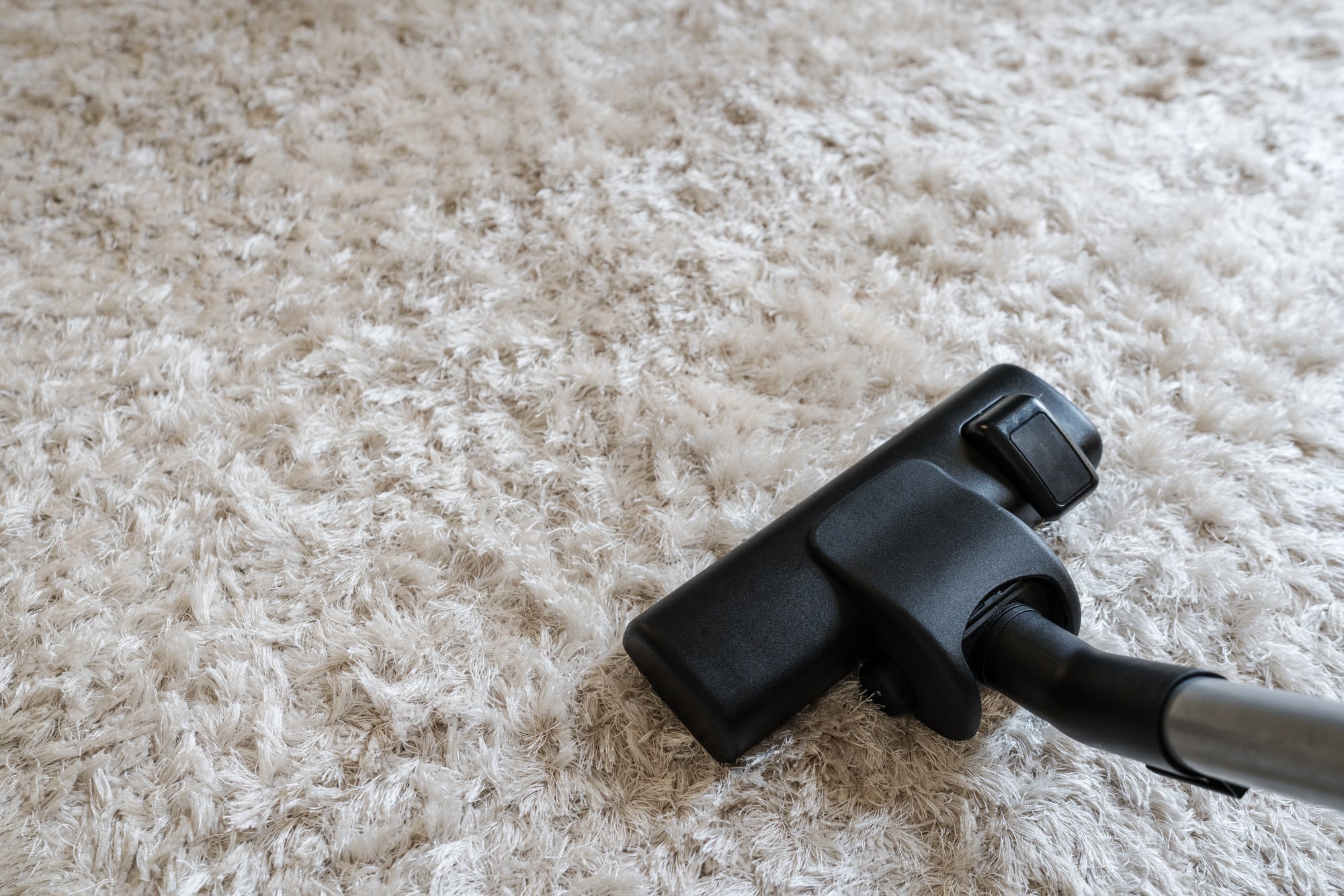
Carpets trap everything that falls or gets tracked inside. Scientists estimate that carpets can hold up to 200,000 bacteria per square inch.
Shoes bring in dirt, animal waste, and germs from outside. Spills soak deep into the fibers where regular vacuuming can’t reach.
The padding underneath stays damp and dark, creating another breeding ground.
Ice from drink machines
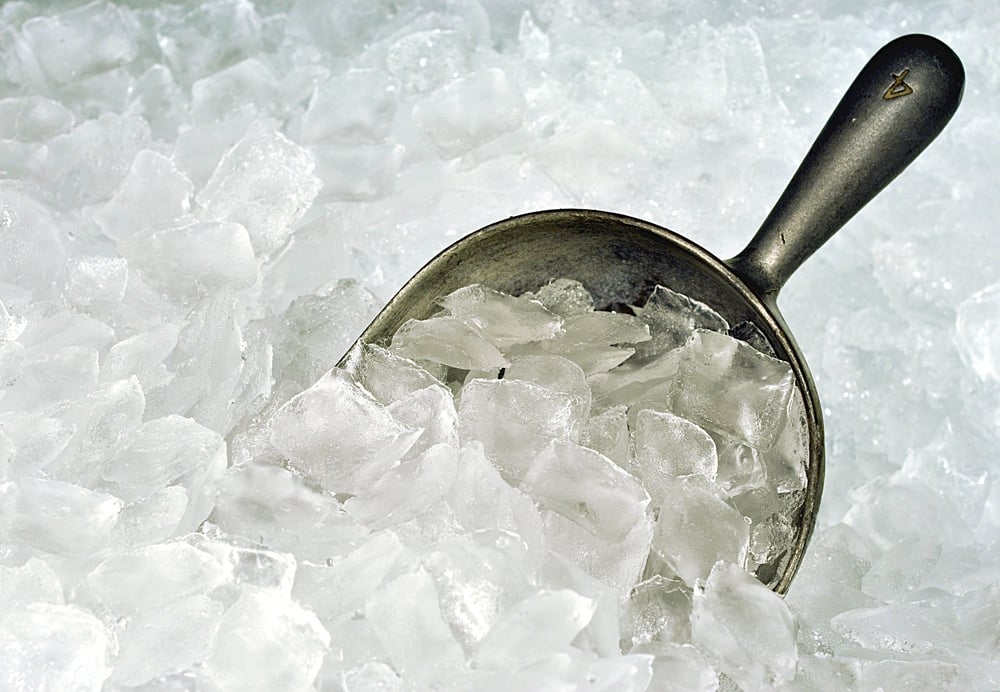
Ice machines don’t get cleaned as often as they should. Studies show that restaurant ice can contain more bacteria than toilet water.
Mold grows inside the machines where it stays dark and wet. People often scoop ice with their bare hands or use dirty containers.
The cold temperature doesn’t actually kill bacteria like many folks assume.
Shopping cart handles

Everyone grabs those handles while walking through stores. Research found that shopping cart handles carry more bacteria than public restrooms.
Kids sit in the carts, raw meat packages leak, and people sneeze into their hands before pushing. Stores might offer sanitizing wipes, but most carts never get properly cleaned.
The handles collect germs from hundreds of shoppers each week.
Bathroom light switches

People flip these switches right after using the toilet. Tests revealed that light switches can have more fecal bacteria than the toilet itself.
Hands might not be fully clean yet when someone reaches for the switch. The plastic or metal surface provides a good spot for germs to hang around.
Cleaning crews often skip over light switches during their routine work.
Reusable grocery bags

These bags seem like a smart choice for the environment. However, studies found that reusable bags carry bacteria levels similar to underwear.
Meat juices leak inside, leaving dirt behind, and the bags sit in hot cars between uses. Most people never throw them in the washing machine.
The fabric or plastic material holds onto moisture and food particles.
Hotel room remote controls

Remote controls get touched constantly but cleaned rarely. Research shows hotel remotes can have up to 20 times more bacteria than toilet handles.
Previous guests flip through channels with unwashed hands. The rubber buttons and plastic casing collect oils, sweat, and germs.
Housekeeping staff usually don’t include remotes in their cleaning routine.
Toothbrush holders

These containers catch water and toothpaste residue every single day. Studies discovered that toothbrush holders rank as the third germiest household item.
The damp environment lets bacteria and mold grow freely. Splashes from the sink add more moisture and germs.
People rarely take them apart for a thorough cleaning.
Gas pump handles

Drivers squeeze these handles for just a few seconds, but that’s enough. Tests found gas pump handles carry bacteria from countless unwashed hands.
The rubber grip collects oils, dirt, and whatever else people touched before filling up. These handles sit outside in summer heat and winter cold.
Gas stations almost never sanitize them.
Kitchen faucet handles
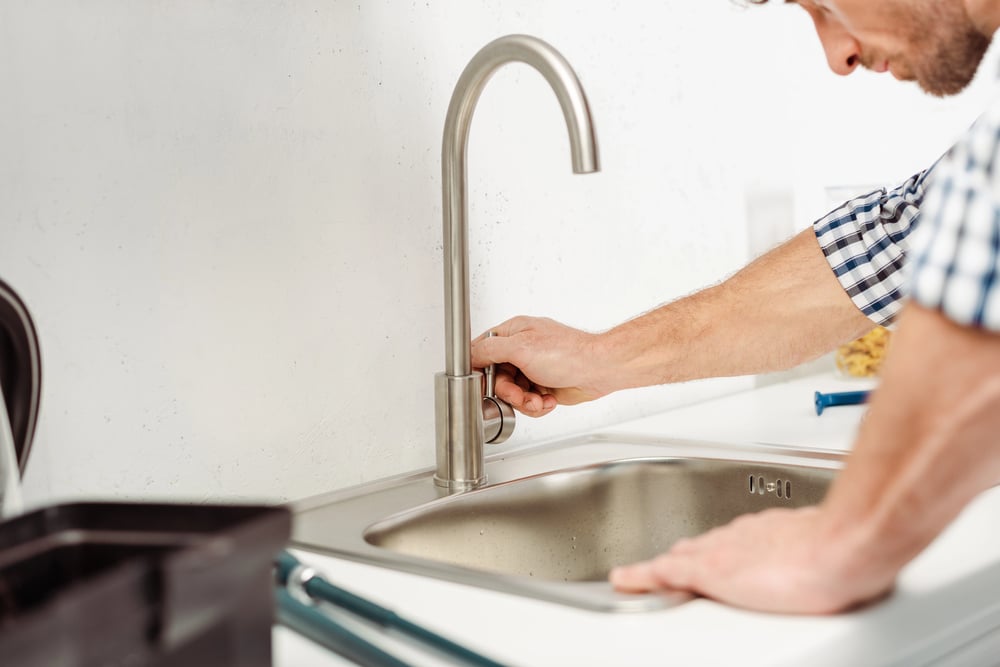
Hands graze the tap soon after dealing with uncooked meat or grimy plates. Studies find kitchen taps host nastier germs compared to restroom ones – even more than toilets.
Splashing water coats the knobs daily, leaving moisture behind. Bits of food cling to stainless steel or plastic surfaces.
Gunk piles up near the bottom rim where cleaning rarely reaches.
Money and coins

Cash moves from one person to another many times. Research shows banknotes might hold more bugs than your bathroom floor.
Coins? They’re no safer – germs love clinging to metal. Folks grab cash right after they’ve touched dirty stuff.
That money then piles up in grimy wallets, pants pockets, or drawers that rarely see a wipe.
Gym equipment handles
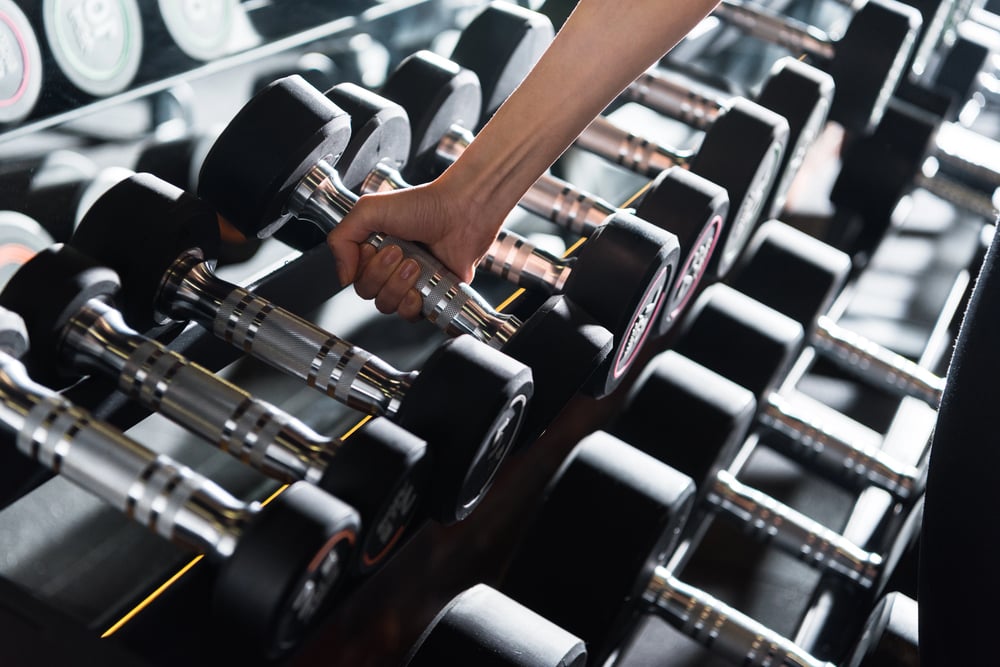
Sweaty hands clutch familiar grips, over and over. Studies show dumbbells may carry up to 362 times more bugs than a bathroom seat.
Treadmill rails, workout benches, even bike seats – each picks up microbes from whoever uses them. Some gyms offer disinfectant sprays; still, people often skip cleaning gear.
Heat mixed with sweat creates perfect spots for bacteria to grow.
The truth about common microbes around us
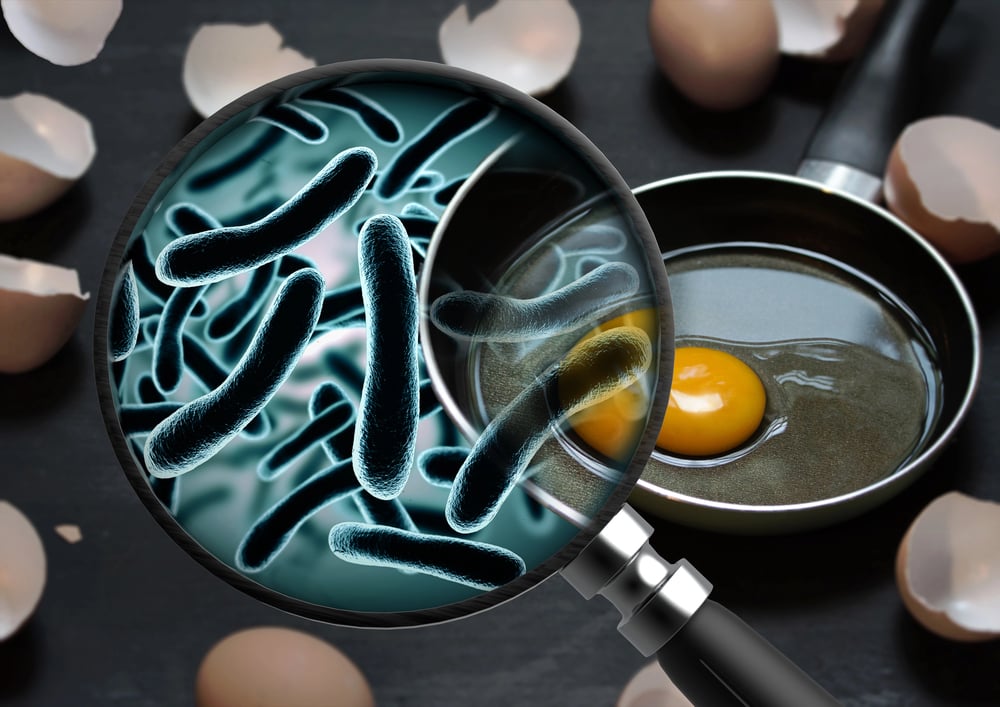
Bacteria are all around us – way beyond just the bathroom. Knowing where germs pile up can guide better cleanliness habits.
Wiping down everyday objects often cuts contact with nasty bugs a lot. So before fretting over the toilet lid, maybe eye that soggy kitchen sponge first.
More from Go2Tutors!

- The Romanov Crown Jewels and Their Tragic Fate
- 13 Historical Mysteries That Science Still Can’t Solve
- Famous Hoaxes That Fooled the World for Years
- 15 Child Stars with Tragic Adult Lives
- 16 Famous Jewelry Pieces in History
Like Go2Tutors’s content? Follow us on MSN.