30 Native American Inventions Still Used Today
A surprising amount of ordinary life runs on ideas that Indigenous peoples of the Americas worked out long before European ships arrived. Some of those ideas sit in garages and closets.
Others show up at breakfast, at the hardware store or in the fine print of an ingredient label. Many arrived in English with their original names still attached, which makes the trail easy to follow once someone points it out.
Kayaks Built for Arctic Seas
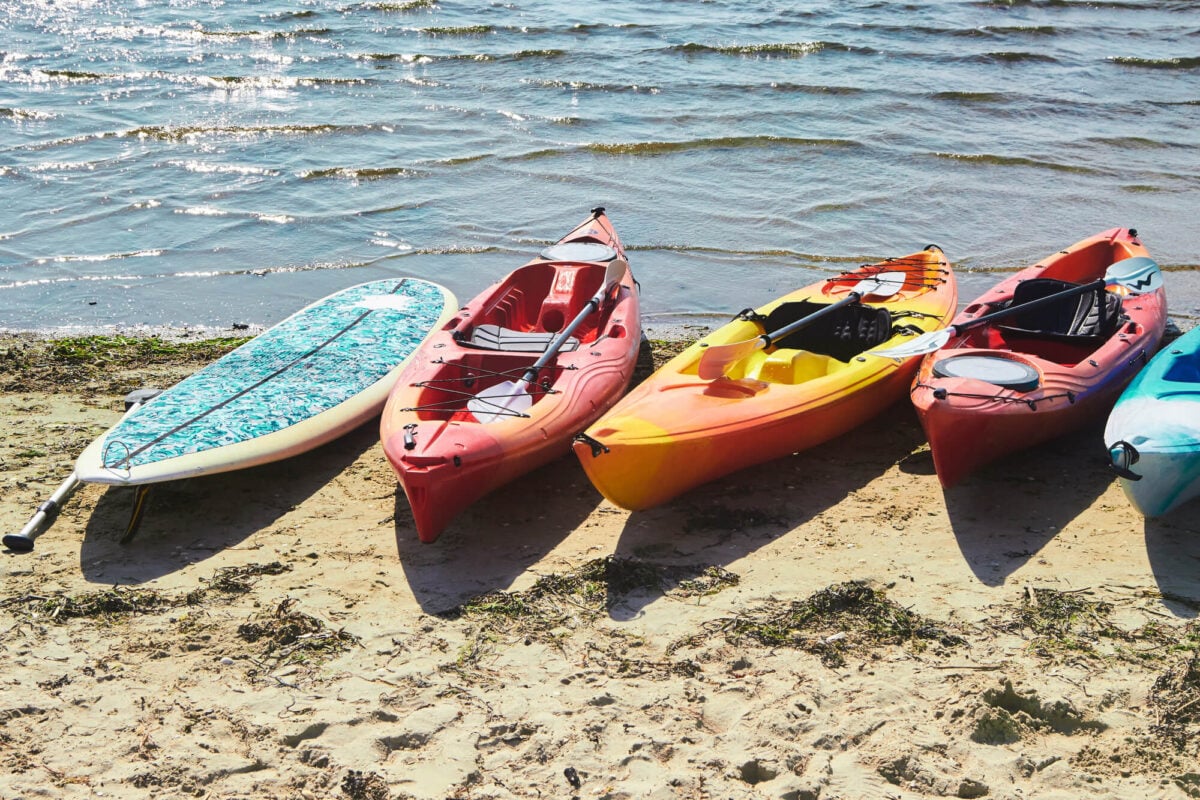
Inuit, Unangan and Yupik hunters built kayaks from driftwood or bone frames stretched with sealskin, creating a narrow boat that could slip up on seals and walrus without a sound. The word itself comes from the Inuit term qajaq.
Builders sized each kayak to the paddler’s own body, measuring with arm spans and hand widths rather than rulers. Modern plastic and fiberglass versions follow the same basic plan, a sealed deck around a single cockpit that keeps the paddler dry in cold water.
A hunter who capsized could roll the boat upright again, a technique sea kayakers still practice in swimming pools.
Birchbark Canoes of the Northern Woods
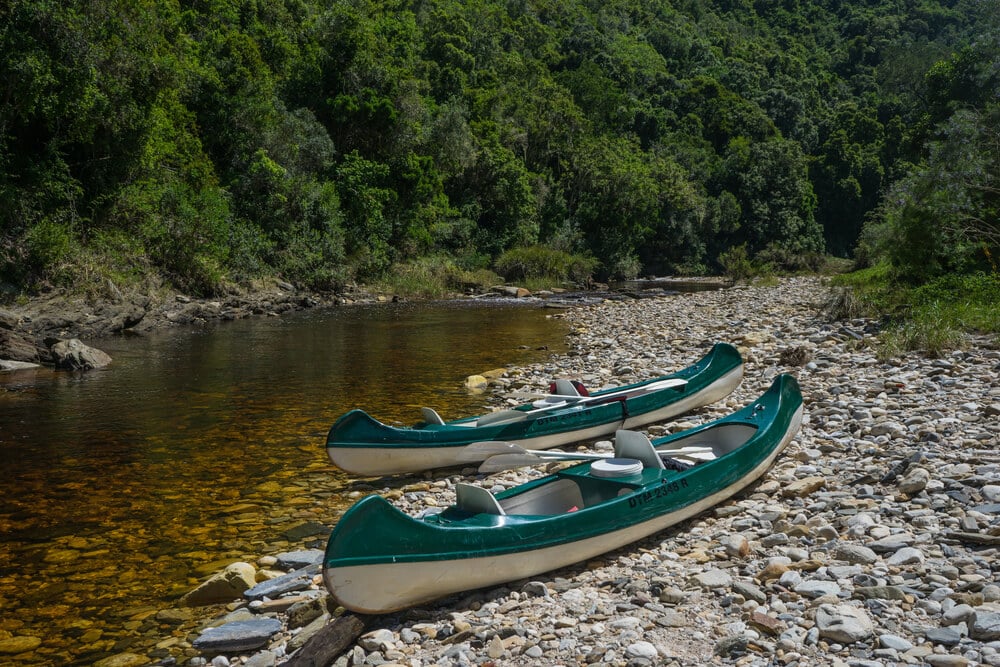
Peoples of the eastern woodlands, including the Ojibwe, Algonquin and Mi’kmaq, built canoes by sewing sheets of birchbark over cedar ribs with spruce root and sealing the seams with heated spruce gum. The result was light enough for one person to carry around rapids and sturdy enough to haul furs across the Great Lakes.
French fur traders adopted the design so completely that the voyageur economy depended on it. The English word canoe traces back to canoa, a Taino term recorded by Spanish sailors in the Caribbean.
Aluminum and composite canoes sold today keep nearly the same profile.
Toboggans Hauling Loads Over Snow

Before it was a winter toy, the toboggan was a freight vehicle. Algonquian-speaking peoples of the north, including the Mi’kmaq and Innu, bent thin boards so the front curled up and over, letting the flat, runnerless sled float on deep, soft snow instead of sinking into it.
Hunters dragged meat, firewood and household goods across frozen country on them. The English word reached the language through Canadian French, borrowed from a Mi’kmaq term.
Rescue teams still use toboggan-style sleds to move injured skiers, a job the original design handles better than anything with runners.
Snowshoes Shaped for Different Snows
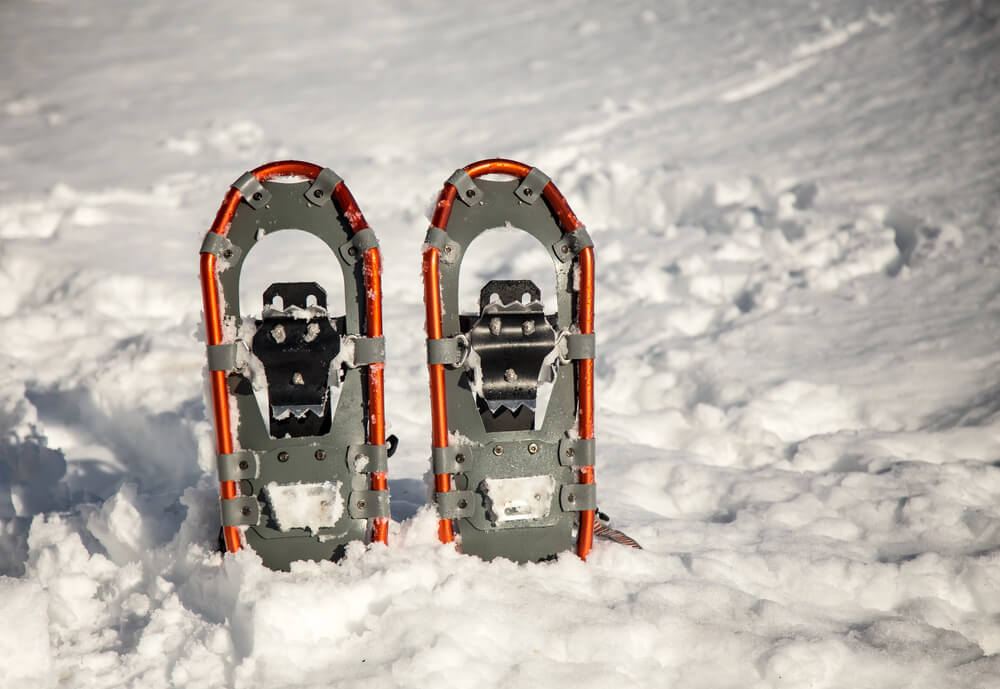
Snowshoes appeared in more than one part of the world, but Native peoples of North America refined them into specialized tools. Cree, Ojibwe and other northern nations laced rawhide webbing across bent wooden frames and shaped them for specific conditions, with long narrow designs for open country and wide rounded ones, often called bearpaws, for tight brush.
A hunter on snowshoes could run down moose or caribou floundering in deep drifts. Modern aluminum snowshoes with crampons borrowed the principle of spreading body weight over a wide surface.
Traditional wood and rawhide pairs are still made and sold in Canada and the northern United States.
Snow Goggles Carved From Bone and Wood
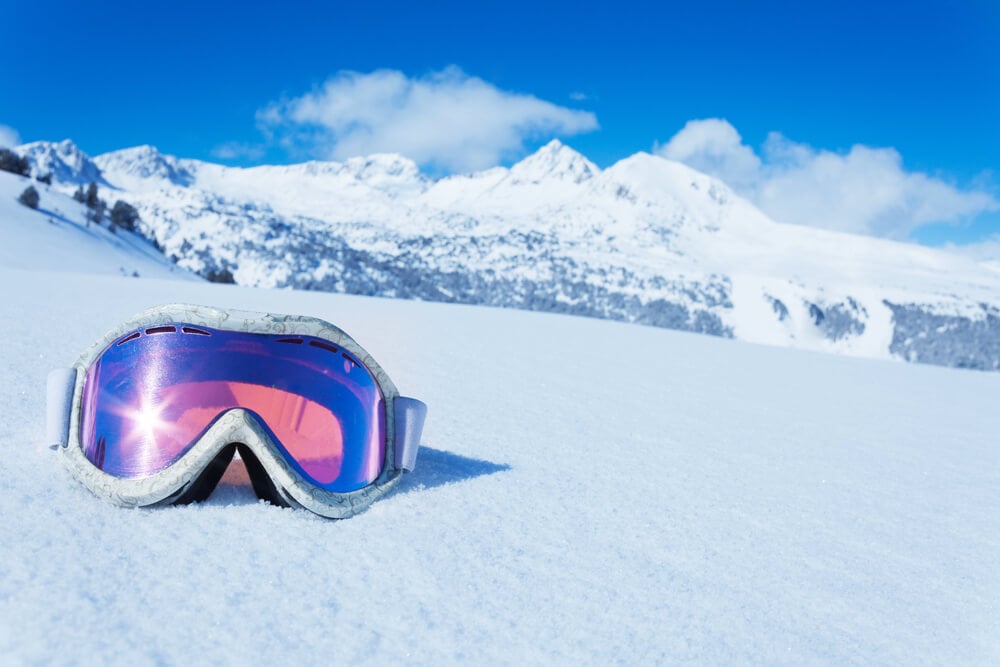
Long before tinted lenses, Inuit and Yupik peoples solved snow blindness with a narrow slit. Goggles carved from bone, ivory, antler or driftwood fit snugly against the face, and a thin horizontal opening let in only a sliver of light, cutting the glare reflected off ice and snow.
Some versions had soot rubbed on the inside to reduce glare even further. Archaeologists have recovered examples that are many centuries old.
The idea of shielding the eyes from reflected light carries straight through to modern ski and glacier goggles, and some contemporary eyewear designers have produced slit-style frames inspired by the originals.
Anoraks and the Hooded Pullover
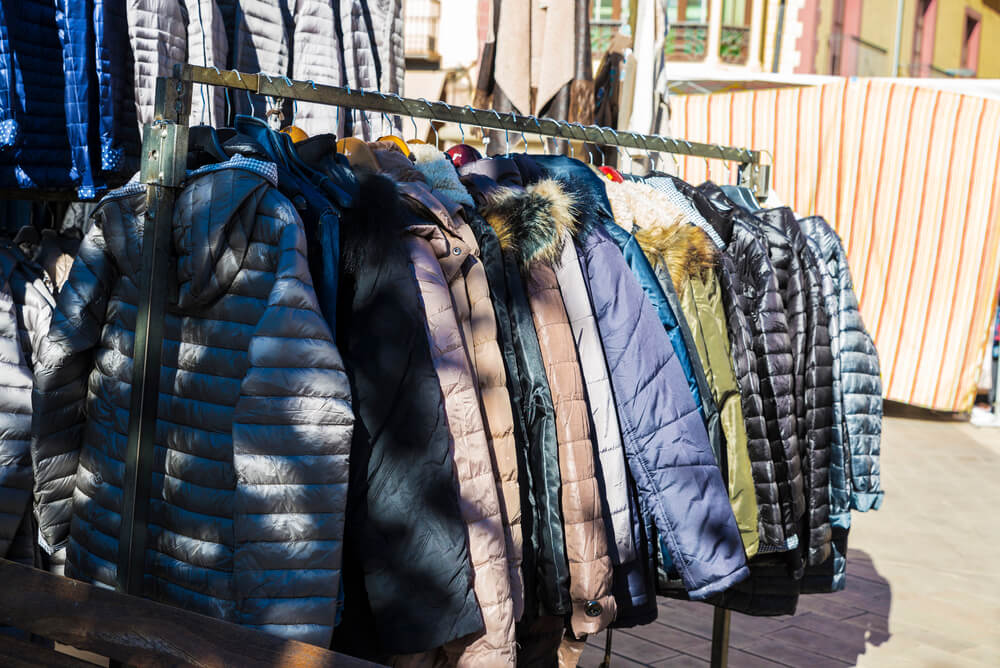
The pullover hooded jacket worn by millions every winter comes from Arctic peoples who needed clothing without gaps for the wind to find. Greenlandic Inuit called their version anoraq, and the word passed into English as anorak.
Traditional versions were sewn from sealskin or caribou hide with fine sinew thread and tight stitches that kept seams watertight. European explorers who copied Inuit clothing fared far better in polar conditions than those who stuck to wool coats.
Today’s technical shells and pullover windbreakers still follow the same logic of a hood, a closed front and a long hem.
Moccasins With Soft Leather Soles
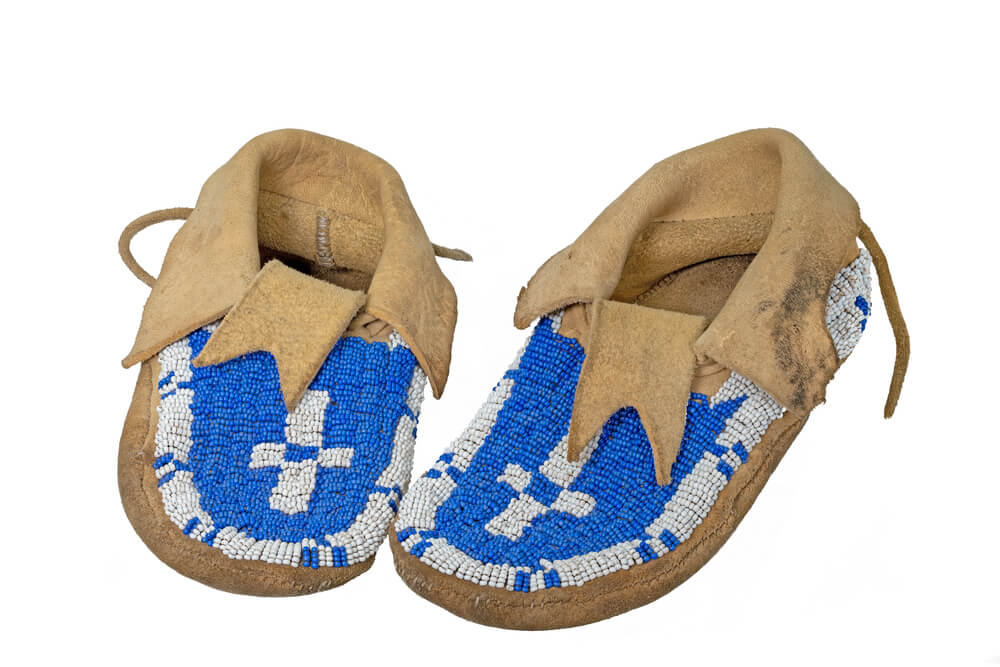
Moccasins began as practical footwear made by nations across North America, each with its own cut, seam placement and decoration. The word comes from an Algonquian language, related to the Powhatan makasin.
A soft sole let the wearer feel the ground and move quietly, which mattered for hunting. Plains styles often added a hard rawhide sole for rocky terrain, while woodland styles stayed soft throughout.
Shoe companies including Minnetonka, founded in Minnesota in 1946, built entire businesses around the shape, and the classic driving loafer owes its stitched top to the same design. Many Native makers still sell beaded moccasins made by hand.
Hammocks From the Caribbean
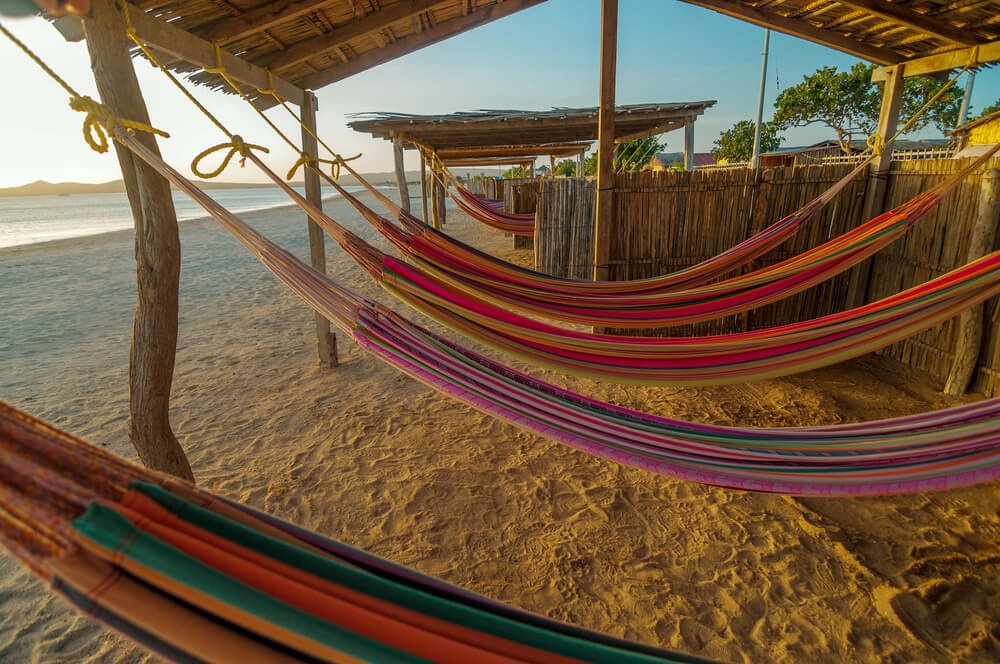
When Columbus reached the Caribbean, his crews saw Taino people sleeping in woven nets slung between posts. The Taino word, recorded in Spanish as hamaca, became hammock in English.
Hanging beds kept sleepers off damp ground and away from crawling insects, and cotton netting let air flow in tropical heat. European navies adopted hammocks for sailors because they swayed with the ship and could be rolled up during the day.
Hammocks remain a standard bed in parts of Brazil and Mexico, especially the Yucatan, where entire families sleep in them and weaving them is a local trade.
Lacrosse, the Creator’s Game

Lacrosse grew out of stick games played by many nations, most famously the Haudenosaunee, who call it the Creator’s game and still treat it as a medicine game with spiritual meaning. Early contests could involve hundreds of players and stretch across miles of ground.
French observers gave the sport its modern name after the curved stick, which reminded them of a bishop’s crozier, or crosse. The Haudenosaunee Nationals compete internationally under their own flag, a rare status for an Indigenous team.
Lacrosse, in a short-sided format called sixes, is scheduled to appear at the 2028 Los Angeles Olympics.
Rubber Processed by Ancient Mesoamericans
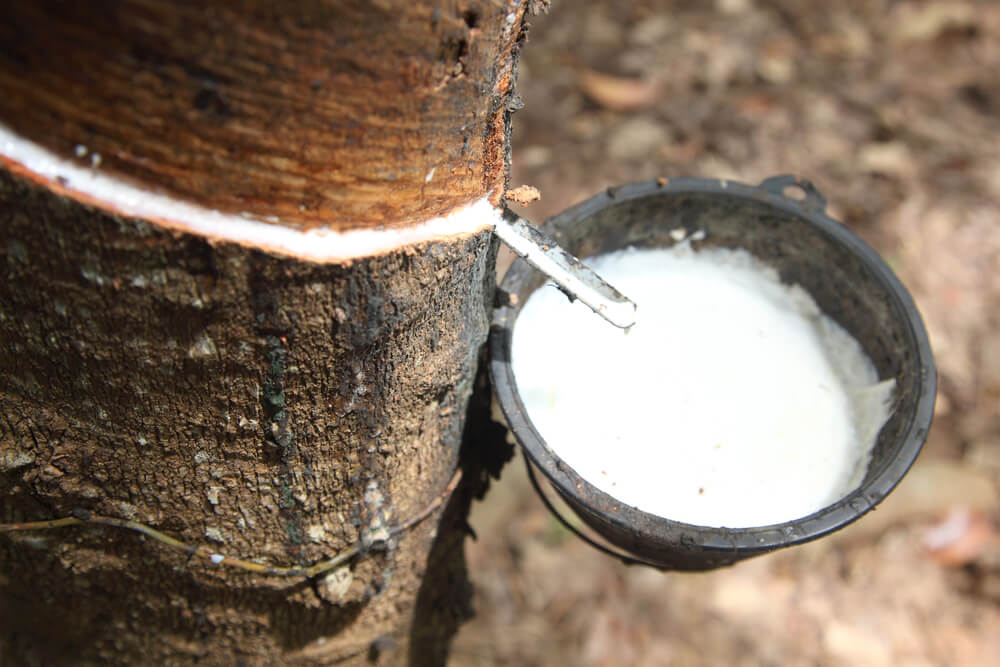
Mesoamericans were working with natural rubber roughly 3,000 years before Charles Goodyear patented vulcanization in 1844. They tapped latex from Castilla elastica trees and mixed it with juice from a morning glory vine, a process that made the material bouncier and more durable.
Researchers at MIT recreated the technique in a series of studies beginning in the late 1990s and found that changing the ratio produced rubber suited to different uses, from sandal soles to heavy game equipment. The name Olmec comes from a Nahuatl word often translated as rubber people.
Tires, gaskets and rain boots all descend from that early work with tree sap.
Chewing Gum From Tree Resin
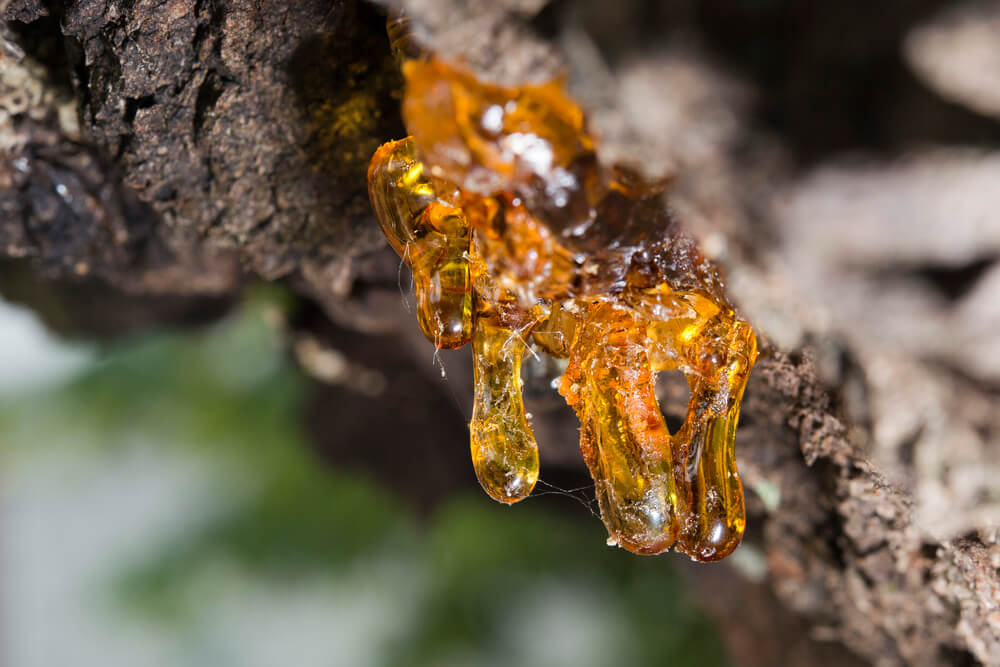
Chewing gum has two Native roots. In Mesoamerica, the Maya and Aztecs chewed chicle, the gummy sap of the sapodilla tree.
In New England, colonists picked up the habit of chewing spruce resin from Native neighbors, and a Maine businessman named John Curtis was selling spruce gum commercially by 1848. Chicle reached the mass market through Thomas Adams of New York, who sold chicle gum in the 1870s after learning about it through the exiled Mexican general Antonio Lopez de Santa Anna.
The brand name Chiclets preserves the original ingredient. Most modern gum uses synthetic bases, though a few makers have returned to natural chicle.
Popcorn, Thousands of Years Old

Popping corn is one of the oldest snack foods on record. Archaeologists working at coastal sites in Peru found corncobs showing that people there were popping corn roughly 6,700 years ago, according to a study published in 2012.
Popcorn requires a particular type of maize with a hard, moisture-sealing hull that bursts under heat, so early farmers had to select for it deliberately. The snack was common across the Americas long before European contact.
The microwave bag and the movie theater bucket are simply the latest containers for a treat that has been made the same basic way for millennia.
Pemmican, the Original Energy Bar
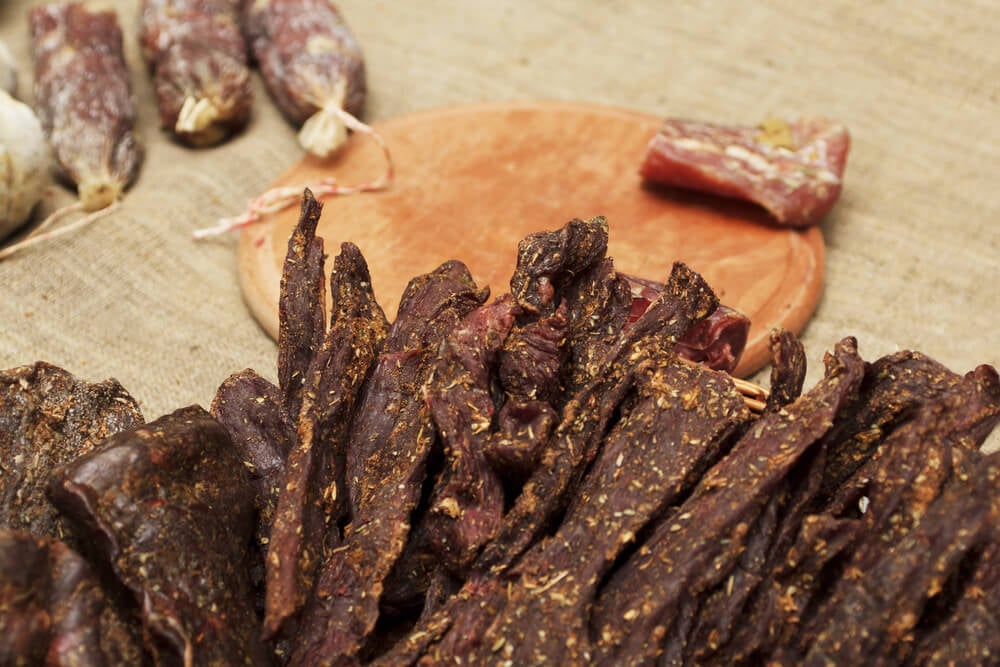
Pemmican was a dense mix of dried, pounded meat, usually bison, combined with rendered fat and sometimes dried berries. The name comes from the Cree word pimihkan.
Packed into rawhide bags, it kept for months and delivered enormous calories in a small weight, which made it the fuel of the North American fur trade. The Hudson’s Bay Company and its rival, the North West Company, bought it by the ton, and later polar expeditions relied on it too.
The Tanka Bar, launched on the Pine Ridge Reservation in South Dakota, revived the idea as a modern bison and cranberry snack.
Jerky and the Quechua Word Charqui
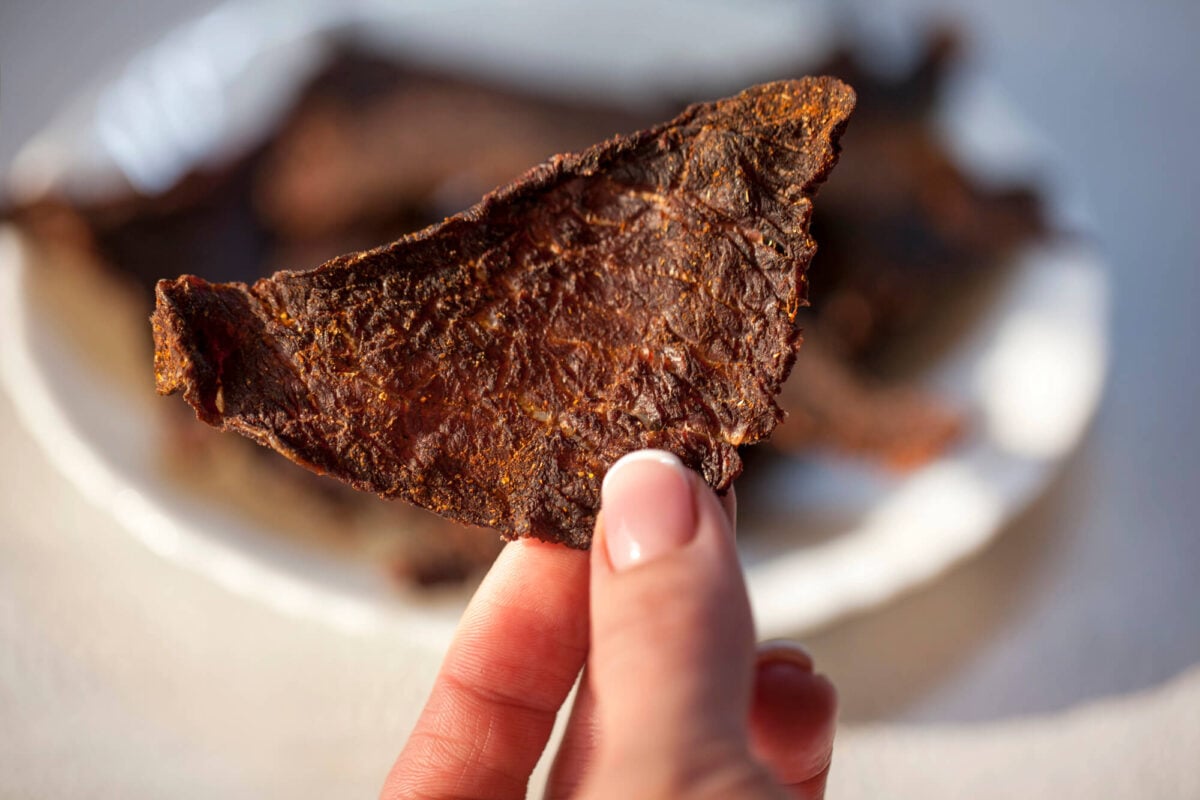
Drying thin strips of meat in sun, wind and cold air is an old idea in many places, but the name on the supermarket bag comes from the Andes. Quechua speakers called dried llama and alpaca meat ch’arki, which Spanish colonists recorded as charqui and English speakers eventually turned into jerky.
High altitude, intense sunlight and freezing nights made the Andes ideal for preserving meat without refrigeration. Inca storehouses along the road network held dried food for armies and travelers.
Modern jerky adds marinades and smoke flavor, but the core method of removing moisture to stop spoilage has not changed.
Chuno, Freeze-Dried Potatoes of the Andes
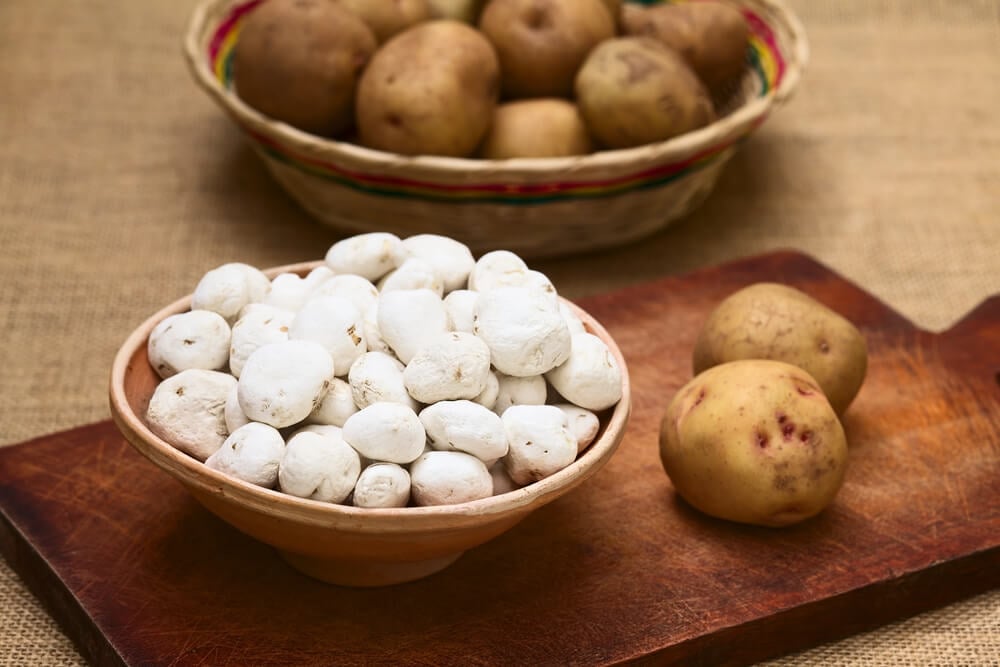
Andean farmers were freeze-drying food centuries before laboratories made it a technology. To make chuno, they spread potatoes on the ground during the high-altitude dry season, letting them freeze overnight and thaw in the daytime sun.
Over several days, families trampled the potatoes to squeeze out moisture, producing light, rock-hard tubers that could be stored for years. Chuno helped Andean communities, including the Inca state, survive droughts and bad harvests.
It is still made and sold in markets across Peru and Bolivia, rehydrated in soups and stews, and the same principle sits behind every pouch of freeze-dried camping food.
Maple Syrup and the Sugaring Season
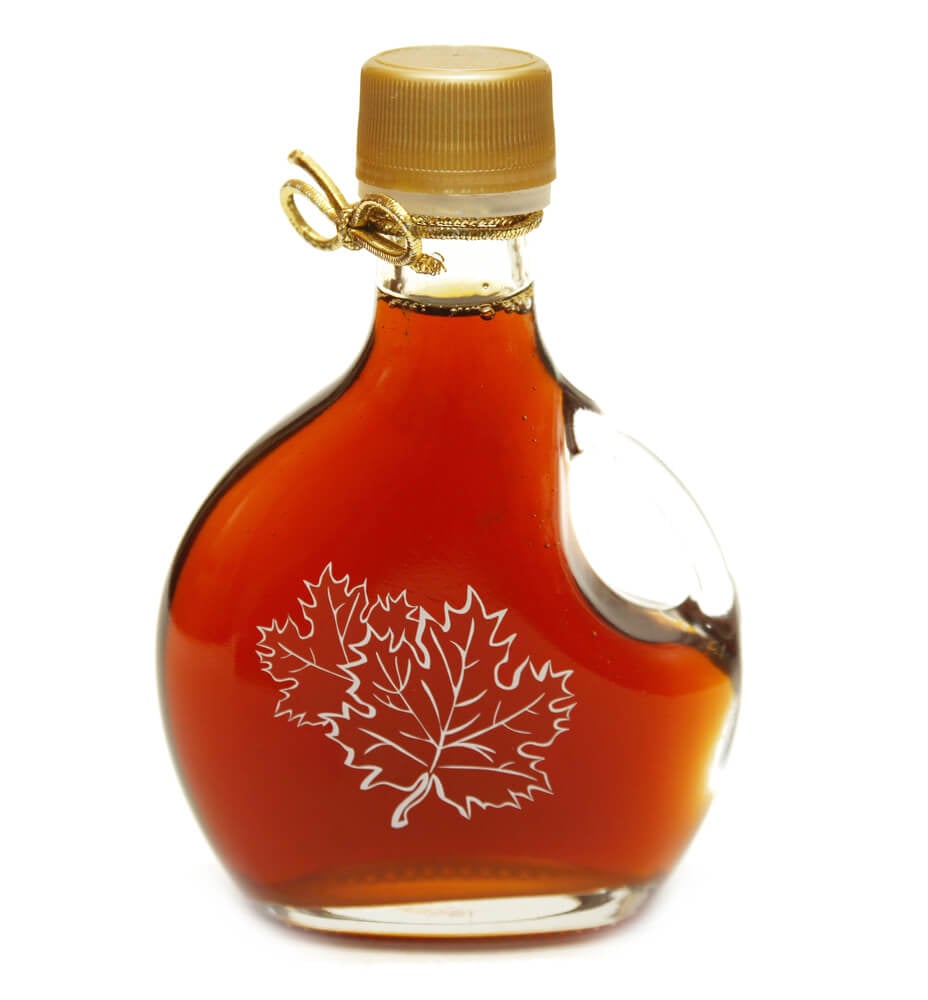
Native peoples of the northeastern woodlands, including the Haudenosaunee and Anishinaabe, discovered how to turn maple sap into sugar. Each spring, they cut the trees, collected the flowing sap in birchbark containers, and concentrated it by boiling or by repeatedly freezing it and discarding the ice.
European colonists learned the process from them, swapping in iron kettles and later metal spouts. The basic calendar remains the same, timed to the freeze and thaw cycles of late winter.
Quebec now produces most of the world’s maple syrup, and roughly 40 liters of sap still boil down to make a single liter of syrup.
Nixtamalization, the Chemistry Behind Tortillas
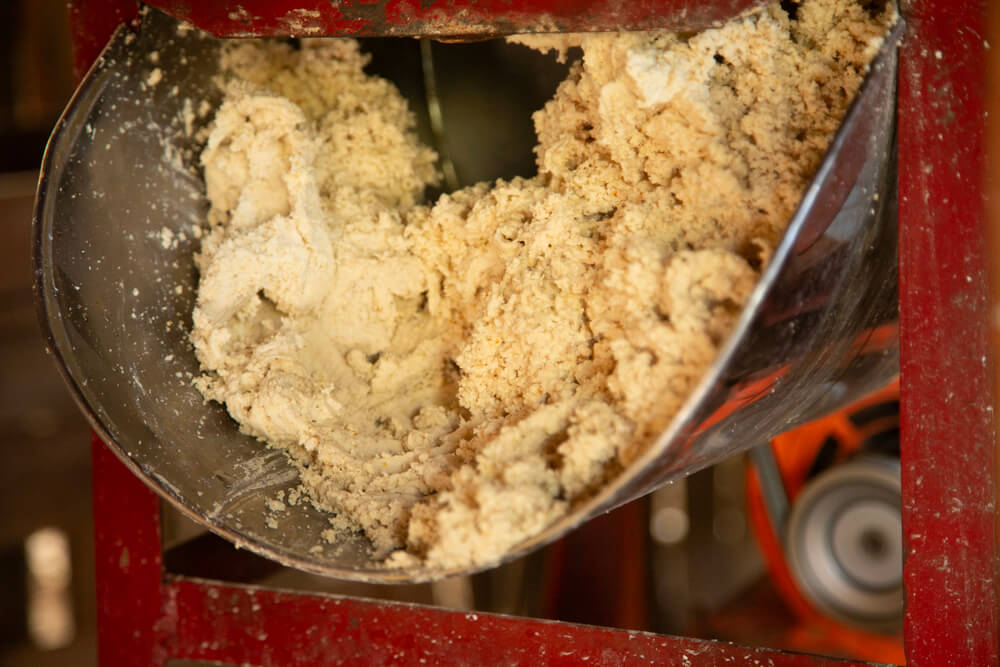
Mesoamerican cooks discovered that soaking and cooking dried corn in an alkaline solution of lime or wood ash transformed it. The process, called nixtamalization from Nahuatl words, loosens the tough hull, improves flavor, makes dough possible and releases niacin, a B vitamin that plain corn locks away.
When corn spread to Europe and the American South without this technique, communities that ate it as a staple suffered pellagra, a deficiency disease that killed thousands. Every corn tortilla, tamale and bag of tortilla chips made from masa still depends on the method.
Hominy and grits made from treated corn come from the same chemistry.
Chinampas, the Floating Gardens
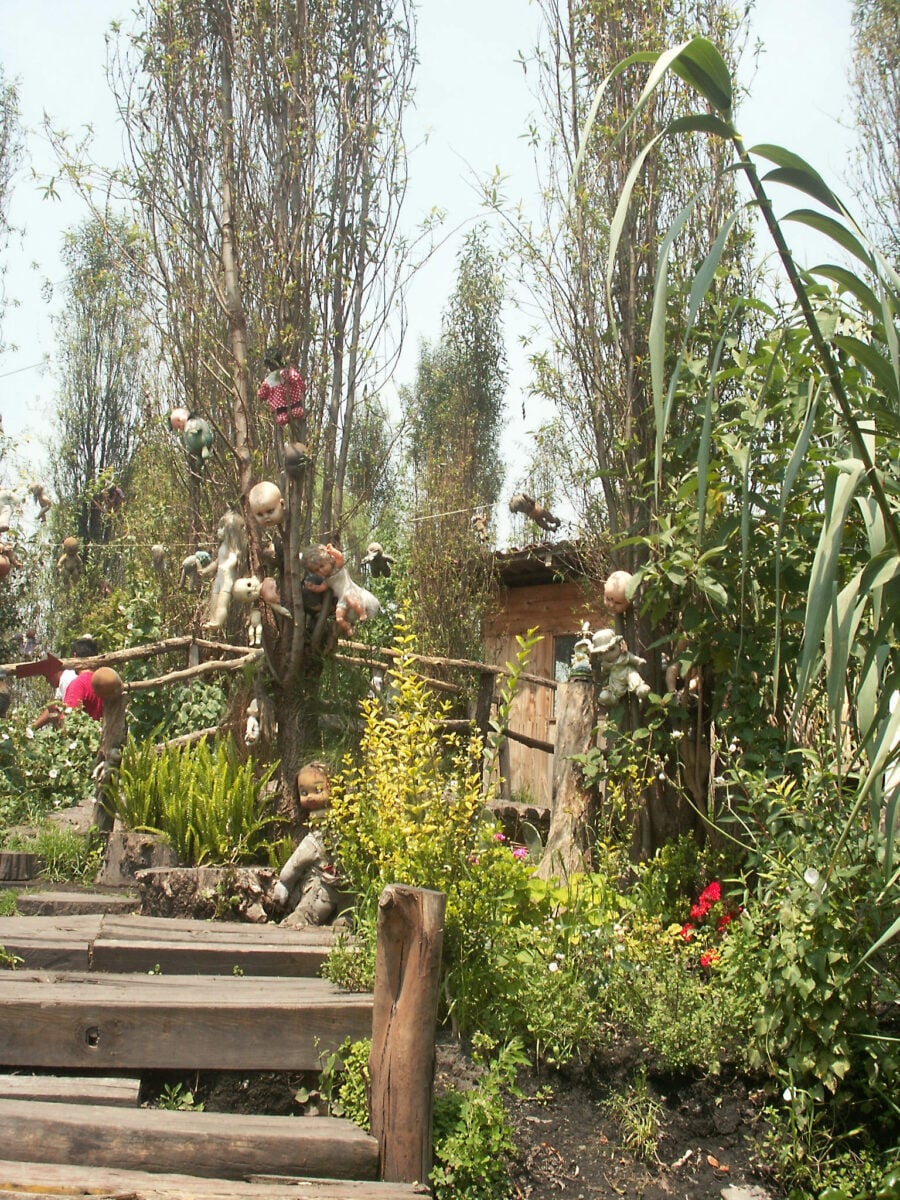
The Aztecs built farmland on water. Chinampas were long rectangular plots constructed in shallow lakes by layering mud, vegetation and lake sediment inside fences of woven reeds, then anchoring the edges with willow trees.
Canals between the plots provided water and transport, and nutrient-rich muck dredged from the canals refertilized the soil. The system fed Tenochtitlan, among the biggest urban centers on Earth in the early 1500s.
Farmers in Xochimilco, on the southern edge of Mexico City, still work chinampas today, and the area holds UNESCO World Heritage status. Urban farming researchers study them as a model for growing food sustainably.
Andean Terraces Carved Into Mountains
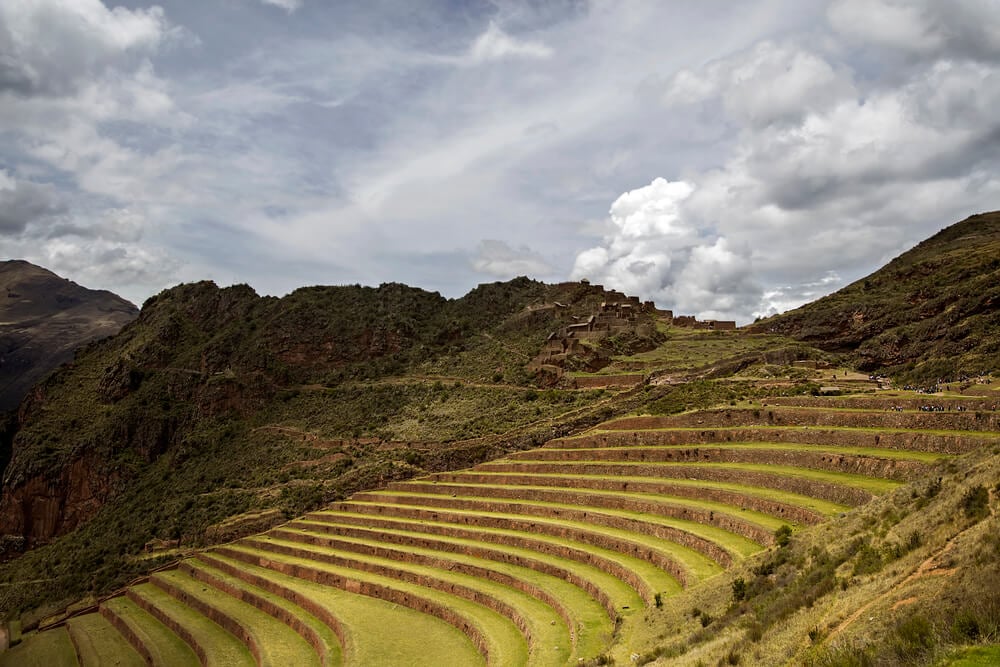
Steep Andean slopes became productive farmland through stone terracing, a system the Inca expanded across their empire. Each terrace was built with layers of stones for drainage, then gravel and topsoil, holding water and preventing erosion.
Stone walls absorbed daytime heat and released it at night, protecting crops from frost. At Moray, near Cusco, concentric circular terraces create temperature differences between the top and bottom levels, and some researchers think the site served as an agricultural testing ground.
Farmers in places such as the Colca Valley still plant terraces built centuries ago, and development agencies have helped restore abandoned ones.
Three Sisters Planting
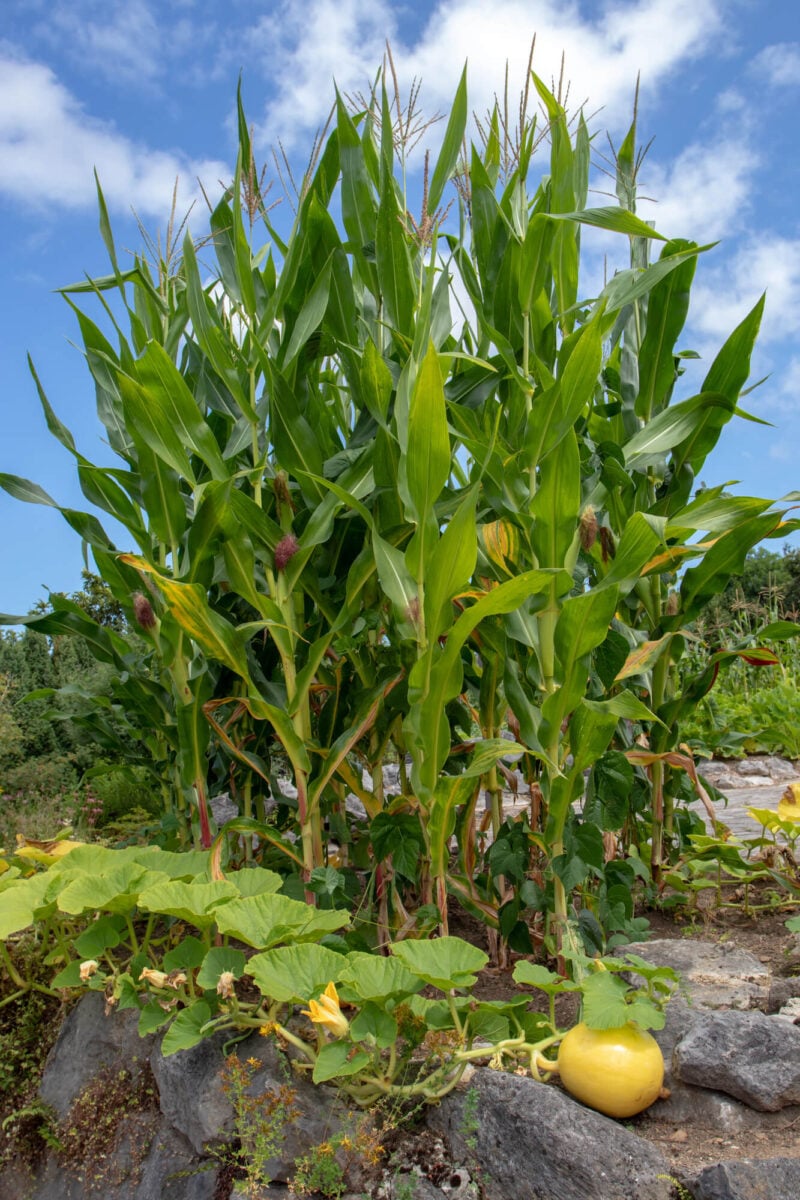
Corn, beans and squash grown together formed the agricultural core of many Native nations, especially the Haudenosaunee, who call the crops the Three Sisters. Each plant helps the others.
Cornstalks give the bean vines something to climb, beans add nitrogen to the soil, and broad squash leaves shade the ground to hold moisture and block weeds. Eaten together, the three crops also provide a more complete diet than any one alone.
Gardeners, schools and seed savers across North America plant Three Sisters mounds today, and agronomists study this form of intercropping as a way to reduce fertilizer use.
Hohokam Canals Beneath Phoenix
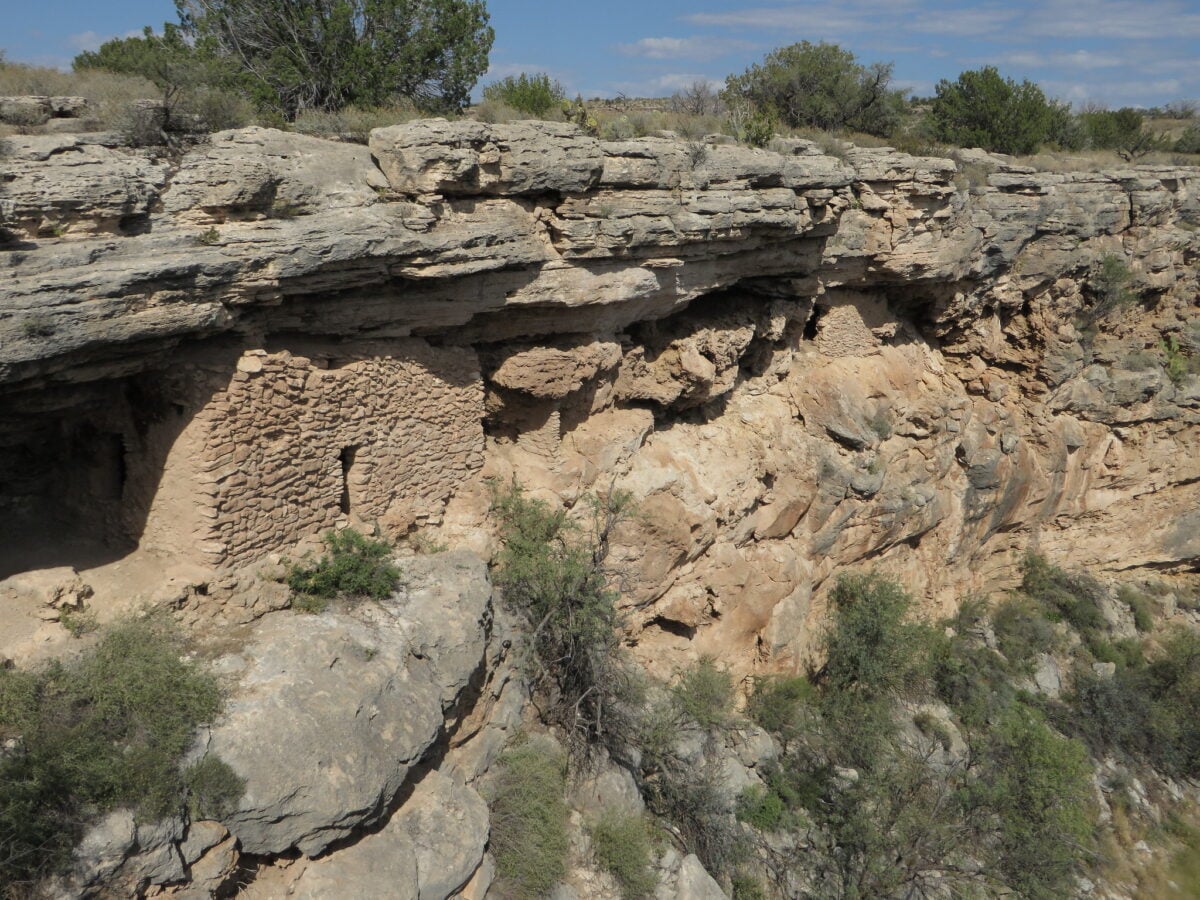
Over many centuries before about 1450, the Hohokam people of central Arizona dug hundreds of miles of irrigation canals off the Salt and Gila Rivers, turning desert into farmland with stone tools and woven baskets for moving soil. Some main canals were wide and deep enough to carry water many miles.
When American settlers arrived in the 1860s, they cleared and reused parts of the abandoned Hohokam network. Several modern canals in the Phoenix area follow routes the Hohokam laid out.
The city’s name itself refers to a new settlement rising from the ruins of an older one.
Q’eswachaka and the Woven Grass Bridge
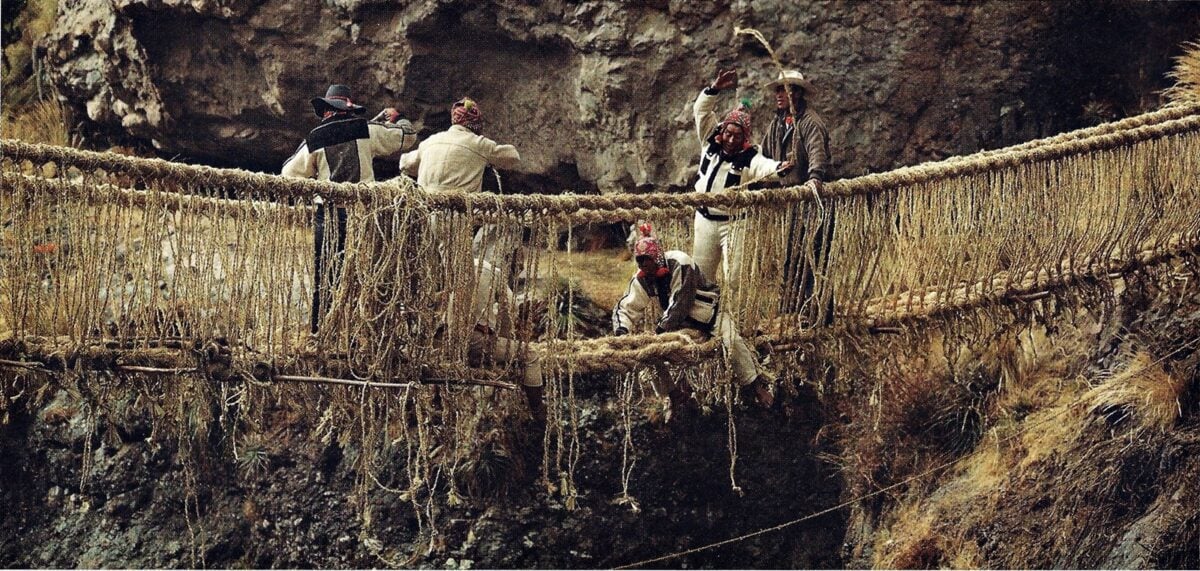
Inca engineers spanned deep Andean gorges with suspension bridges woven from grass, and one still survives in use. Every year, Quechua communities near Huinchiri, Peru, rebuild the Q’eswachaka bridge over the Apurimac River, twisting a local grass into cords that become thick cables.
The work takes several days and follows traditions passed down for centuries. UNESCO added the knowledge and rituals of the rebuilding to its intangible cultural heritage list in 2013.
After the old bridge collapsed in 2021, when pandemic restrictions delayed the annual renewal, the communities rebuilt it in 2022. Modern suspension bridges rely on steel, but the principle is the same.
Yucca Root Soap
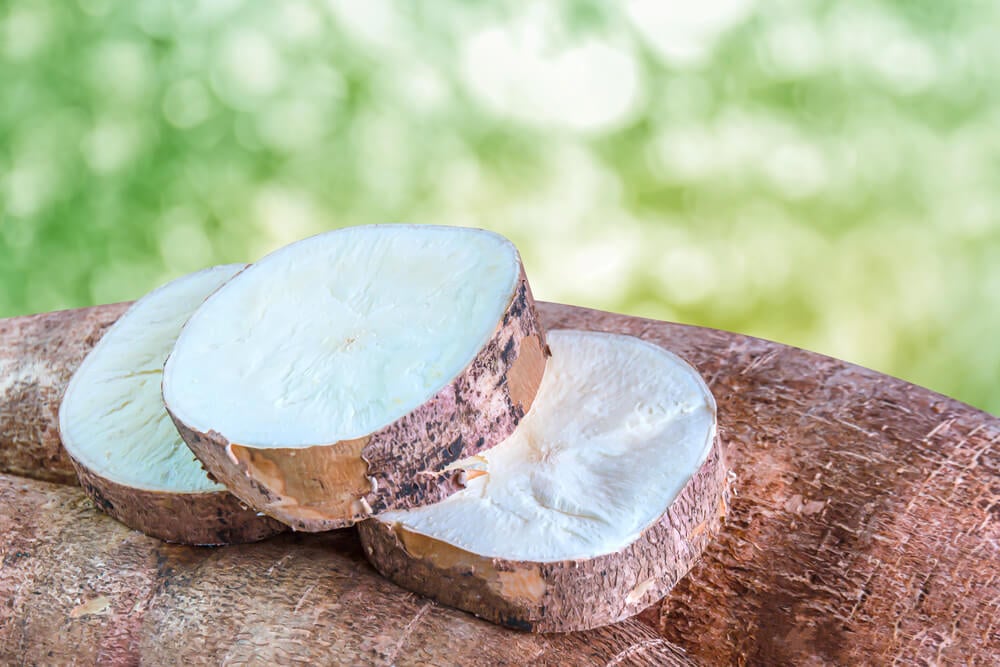
Before commercial shampoo, many peoples of the Southwest, including the Navajo, or Dine, and the Pueblo nations, washed hair and wool with yucca root. When peeled and pounded in water, the root releases saponins, natural compounds that foam and clean.
Yucca suds were also used in ceremonies, and Dine families still use them in certain traditions. The plant’s cleaning properties were well known enough that one species picked up the common name soaptree yucca.
Yucca extract appears today in commercial shampoos, soaps and some animal feeds, and handmade yucca soaps remain a staple at Southwestern markets and trading posts.
Upland Cotton From Mesoamerica
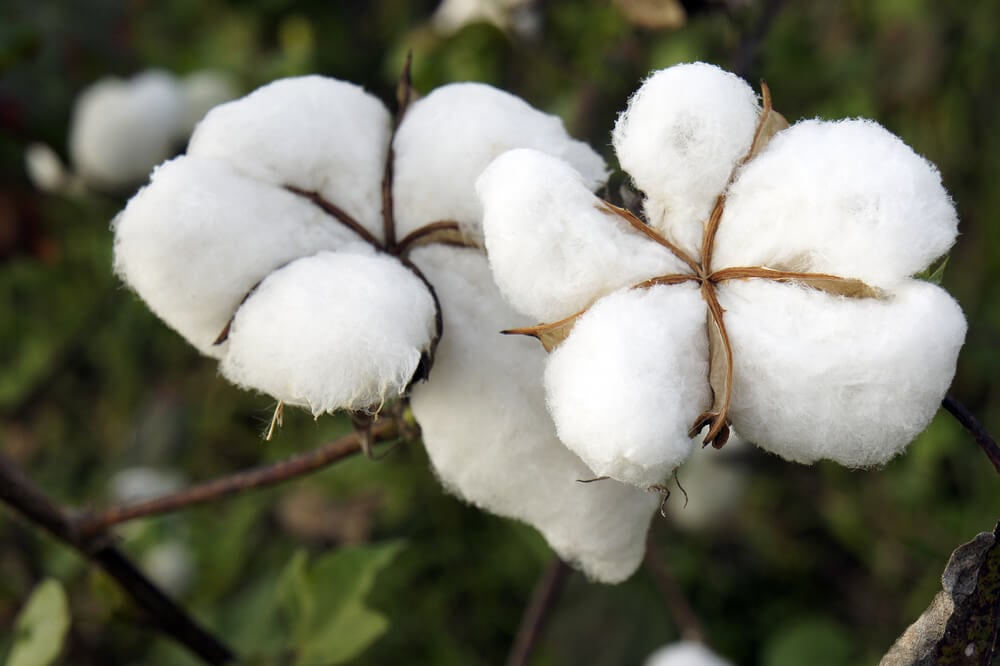
Most of the cotton in the world’s clothing comes from a species first domesticated by Indigenous farmers in Mesoamerica. Gossypium hirsutum, known as upland cotton, was cultivated in what is now southern Mexico thousands of years ago, and its fibers were spun and woven into fine textiles by the Maya and other cultures.
Quilted cotton armor impressed Spanish soldiers enough that some wore it themselves. Upland cotton now makes up roughly 90 percent of global cotton production.
A plain T-shirt, a pair of jeans or a bath towel almost certainly began with a plant Mesoamerican farmers selected and improved.
Duck Decoys From Lovelock Cave
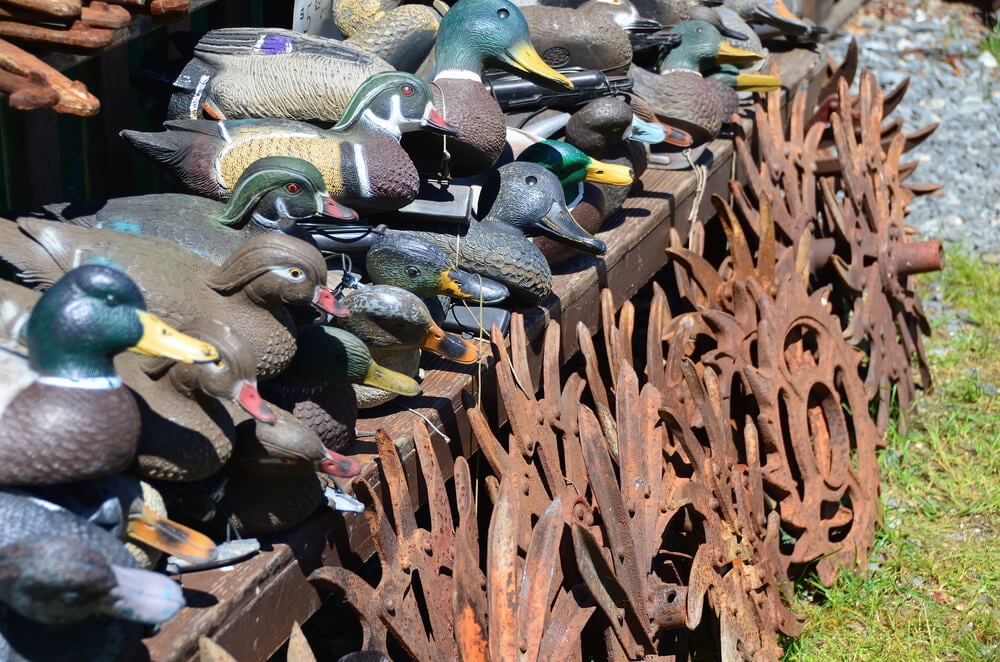
In 1924, archaeologists excavating Lovelock Cave in Nevada found a cache of duck decoys made from bundled tule reeds, painted and feathered to resemble canvasback ducks. Radiocarbon dating later placed them at roughly 2,000 years old, making them among the oldest decoys known anywhere.
Hunters floated them on marshes to lure live birds within range. Several are now held by the Smithsonian’s National Museum of the American Indian.
Wooden and plastic decoys sold in every hunting supply store follow the same idea, and antique carved decoys have become serious collectibles. The Lovelock examples show the craft was well established long before Europeans arrived.
Cultural Burning to Manage Land
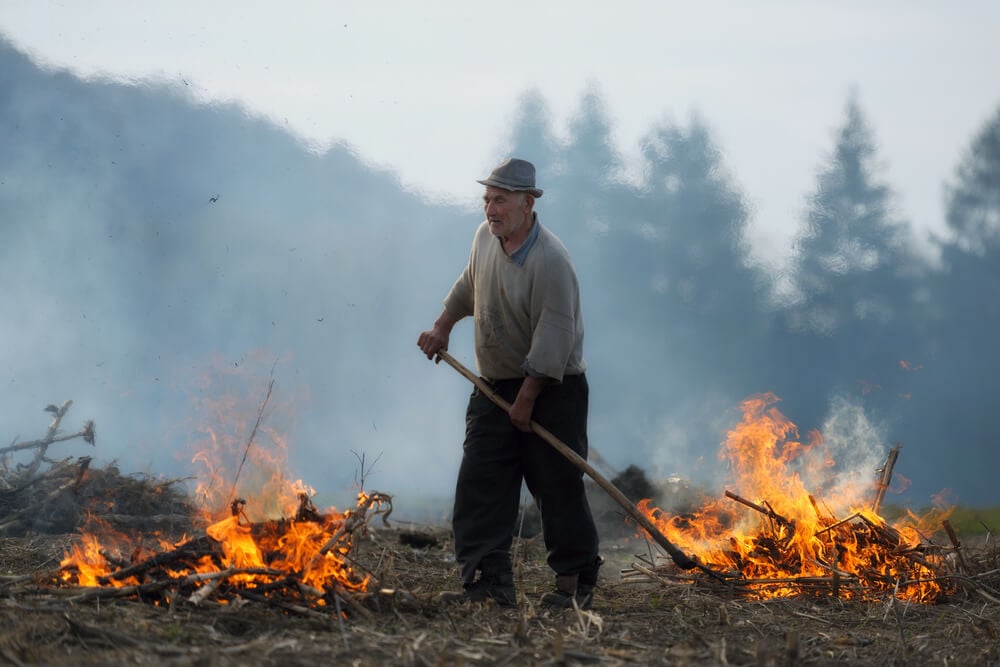
For thousands of years, Native nations across North America set carefully controlled fires to clear underbrush, encourage useful plants, improve habitat for game and reduce the fuel that feeds catastrophic wildfires. Federal and state agencies spent much of the twentieth century suppressing those fires, and many forests grew dense and dangerous.
Land managers have since returned to the practice. In California, the Karuk, Yurok and other tribes now partner with agencies on cultural burns, and state law has changed to make prescribed burning easier.
The modern prescribed fire, now a standard wildfire prevention tool, is a direct descendant of Indigenous fire stewardship.
Barbacoa and the Raised Grill
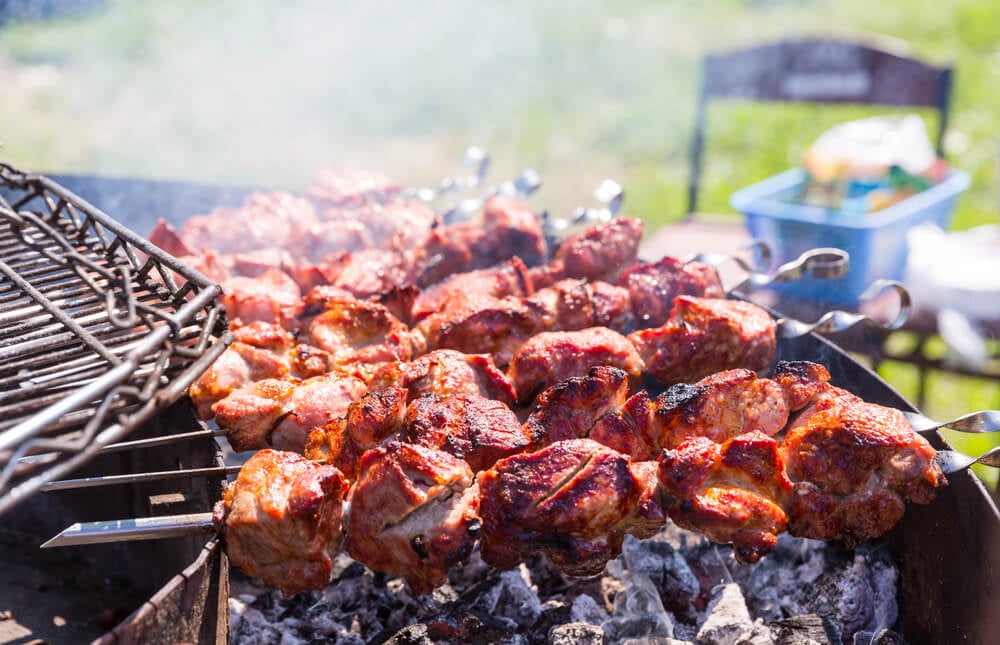
The word barbecue traces back to the Caribbean. Spanish chroniclers recorded the Taino term barbacoa for a raised framework of green sticks used to cook or dry meat and fish over a slow fire, and sometimes for raised platforms used for sleeping or storage.
The term traveled through Spanish into English by the late 1600s. The cooking method spread with it, mixing with African and European traditions across the American South and the Caribbean.
Mexican barbacoa, slow-cooked meat often prepared in an earth oven, keeps the original name, while every backyard grill rack echoes the wooden frame.
Dreamcatchers of the Ojibwe
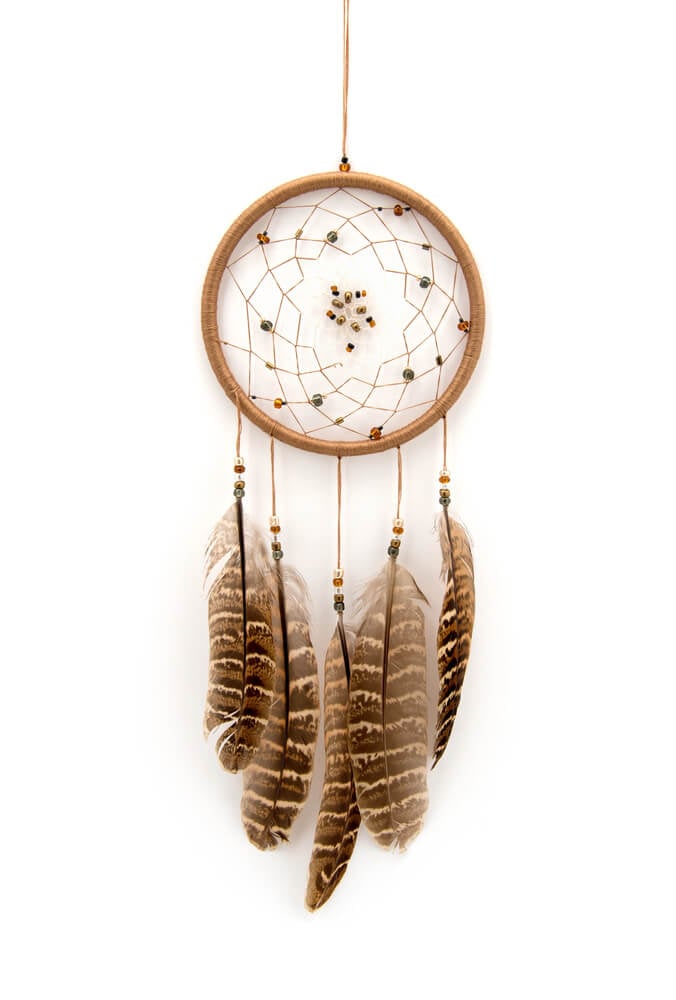
Dreamcatchers originated with the Ojibwe, who made small hoops of bent willow wrapped with a web of sinew or plant fiber and hung them over infants’ cradleboards. Ojibwe tradition connects them to Asibikaashi, the Spider Woman who protects children.
The web was said to catch bad dreams while good ones passed through. During the 1960s and 1970s, dreamcatchers spread to other nations as a broad symbol of Native identity, and later became a mass-market decoration.
Many Ojibwe artists still make traditional small dreamcatchers and encourage buyers to look for authentic Native-made pieces instead of factory imports.
Cochineal, the Red in Food and Cosmetics
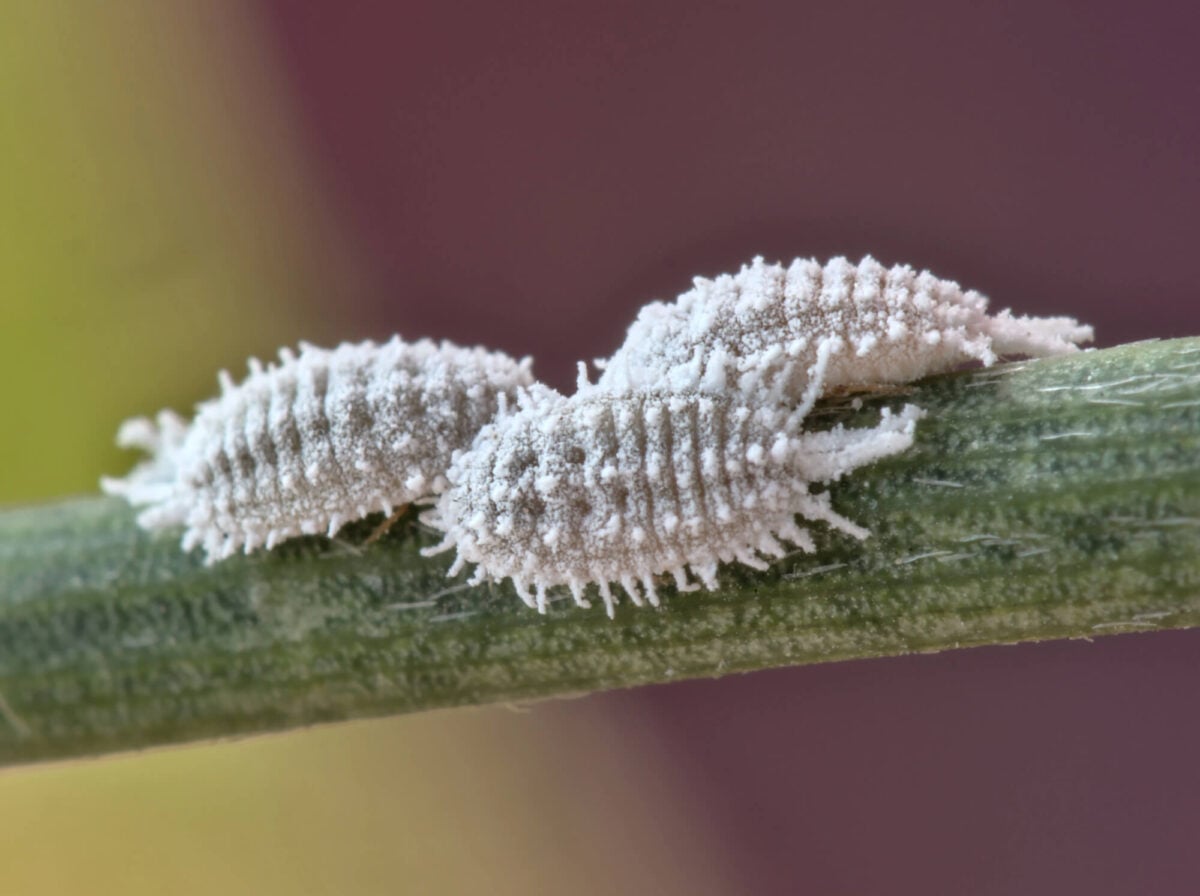
Mesoamerican dyers produced a brilliant, lasting red from cochineal, tiny insects that live on prickly pear cactus. The Aztecs demanded bags of dried cochineal as tribute, and after the Spanish conquest it became one of New Spain’s most valuable exports, second only to silver by some accounts.
European painters and textile makers prized it. Cochineal is still farmed today, with Peru as a leading producer.
Its extract, labeled carmine or carminic acid, colors yogurts, candies, lipsticks and drinks around the world, which means plenty of people eat a Mesoamerican insect dye without knowing it.
The Ulu, a Knife for Everything
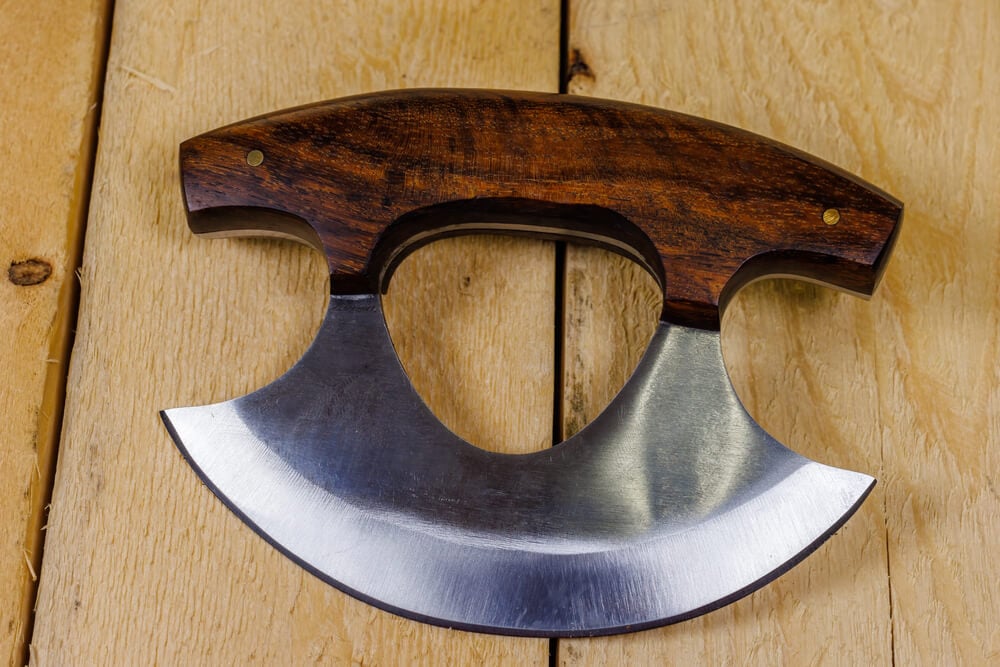
Inuit, Yupik and Inupiat women have used the ulu for generations, a crescent-bladed knife with a handle set above the center of the blade. The rocking motion it allows makes quick work of skinning, cleaning fish, cutting meat and trimming hide, and it was also used to cut hair.
Traditional blades were made of slate, later replaced by metal, with handles of bone, antler or wood. The ulu remains an everyday kitchen tool in Alaska and northern Canada.
Mezzaluna-style rocking knives used for chopping herbs work on a similar principle, and ulus are widely sold in Alaskan shops.
Everyday Objects Carry Long Memories
Many of these inventions survived because they worked too well to replace. A kayak, a canoe or a pair of snowshoes solved a physical problem so precisely that later materials changed the shell but not the shape.
Other entries, such as nixtamalization and the Three Sisters, carried chemistry and ecology that outside scientists took centuries to explain. The names tell their own story.
Words like hammock, toboggan, anorak and jerky slipped into English along with the objects, while the people who developed them were pushed aside or left out of official histories. Knowing where everyday things came from is a small correction, but it is an honest one.
More from Go2Tutors!

- The Romanov Crown Jewels and Their Tragic Fate
- 13 Historical Mysteries That Science Still Can’t Solve
- Famous Hoaxes That Fooled the World for Years
- 15 Child Stars with Tragic Adult Lives
- 16 Famous Jewelry Pieces in History
Like Go2Tutors’s content? Follow us on MSN.