16 Sitcom Houses Fans Remember
Some television shows come and go, but the houses where our favorite characters lived stick with us forever. Whether it’s the cozy family kitchen where everyone gathered for breakfast or that impossibly spacious apartment that somehow fit into a comedy writer’s budget, these homes became characters themselves in the stories we loved.
From classic family sitcoms of the ’70s to the apartment-sharing comedies of the ’90s and beyond, certain houses have become so iconic that fans still drive by them decades later hoping for a glimpse. Here is a list of 16 sitcom houses that left lasting impressions on viewers everywhere.
The Brady Bunch House

The Brady Bunch house at 11222 Dilling Street in Studio City, California, is the second most photographed home in the U.S., used for the series’ exterior shots. This split-level ranch became the ultimate symbol of blended family life in the early ’70s.
The house gained even more fame when HGTV purchased and renovated the property in 2018, transforming the interior to match the iconic set design that millions of viewers remember.
Full House Victorian
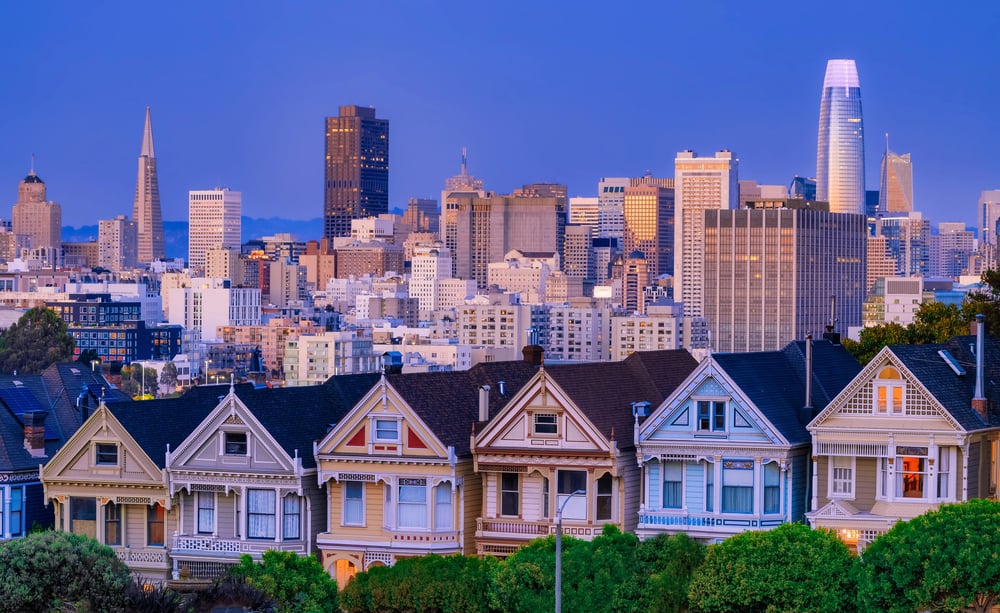
This 1883-built Victorian from the Full House TV show is one of the most famous TV show houses of all time, and it’s pretty pricey to boot. Located in San Francisco, the colorful Victorian housed the Tanner family and became a tourist magnet.
The distinctive architecture and that memorable front stoop where Danny, Uncle Jesse, and Joey would sit became as much a part of the show’s charm as the characters themselves
Friends Apartment Building

The apartment building at Bedford and Grove Street in New York’s Greenwich Village housed both Monica’s spacious apartment and Joey and Chandler’s place across the hall. While the interior scenes were filmed on a soundstage in Los Angeles, the exterior shots of this corner building made it instantly recognizable to millions of fans.
The building’s red brick facade and corner location perfectly captured the essence of young adult life in Manhattan during the ’90s.
The Fresh Prince Mansion

Will Smith’s fictional Bel-Air mansion represented the ultimate in luxury living for a streetwise kid from Philadelphia. The real house used for exterior shots sits in the exclusive Brentwood neighborhood of Los Angeles, featuring the grand entrance and circular driveway that became synonymous with the Banks family’s wealth.
This sprawling estate perfectly embodied the culture clash that drove the show’s comedy.
Cheers Bar

While technically a bar rather than a house, the Boston tavern ‘where everybody knows your name’ became home to a beloved cast of regulars. The exterior shots were filmed at the Bull & Finch Pub on Beacon Hill in Boston, which later changed its name to Cheers and became a major tourist destination.
The warm, wood-paneled interior created the perfect atmosphere for the workplace family dynamic that made the show so endearing.
The Cosby Show Brownstone

The Huxtable family’s Brooklyn Heights brownstone represented upper-middle-class African American family life in 1980s New York. The elegant four-story townhouse with its distinctive stoop and classic architecture provided the perfect backdrop for Cliff and Clair’s successful professional lives and their parenting adventures.
The home’s warm, lived-in feeling made viewers want to pull up a chair at the Huxtable dinner table.
Roseanne’s House

The modest two-story house in Lanford, Illinois, became the setting for one of television’s most realistic portrayals of working-class family life. Unlike the pristine homes of many sitcoms, the Conner house felt genuinely lived-in, complete with mismatched furniture and the kind of clutter that comes with raising three kids on a tight budget.
This authenticity made it relatable to millions of viewers who saw their own struggles reflected on screen.
The Addams Family Mansion

This spooky Victorian mansion at 0001 Cemetery Lane became the perfect home for television’s favorite creepy and kooky family. The Gothic architecture, complete with towers, gargoyles, and perpetually gloomy atmosphere, matched the family’s macabre sensibilities perfectly.
The mansion’s elaborate interior, featuring everything from a torture chamber to Morticia’s conservatory, created a world where being weird was wonderful.
The Simpsons House

Located at 742 Evergreen Terrace in Springfield, the Simpson family home has become one of the most recognizable houses in television history. The simple ranch-style house with its garage, backyard, and Ned Flanders living next door represents the quintessential American suburban home.
Despite being animated, this house feels more real to many fans than actual live-action TV homes.
Seinfeld’s Apartment

J. Upper West Side apartment became the central gathering place for his neurotic group of friends throughout the show’s nine seasons. The apartment’s simple layout – living room, kitchen, bedroom, and bathroom – provided the perfect setting for the show’s observational humor about everyday life.
The building’s exterior, located on West 129th Street, became a pilgrimage site for fans of the show about nothing.
Family Ties Suburban Home

The Keaton family’s suburban Ohio home represented the changing dynamics of American family life in the 1980s. The comfortable middle-class house provided the backdrop for the generational clash between liberal parents Elyse and Steven and their conservative Republican son Alex.
The home’s traditional colonial style contrasted perfectly with the progressive values and political discussions that filled every episode.
Happy Days House

The Cunningham family home in Milwaukee, Wisconsin, epitomized 1950s suburban middle America. The modest two-story house with its front porch and backyard became the gathering place for Richie, Potsie, Ralph Malph, and of course, the Fonz.
The garage apartment above the Cunninghams’ garage became Fonzie’s cool bachelor pad, complete with his motorcycle and that magical ability to fix anything with a well-placed hit.
Growing Pains Residence

Dr. Jason Seaver’s Long Island home served as both family residence and office, since he worked as a psychiatrist from home to take care of the kids. The large suburban house with its warm, wood-paneled family room became the setting for the Seaver family’s daily adventures and life lessons.
The house’s layout perfectly accommodated the show’s blend of family comedy and heartfelt moments.
Three’s Company Apartment

The Santa Monica apartment shared by Jack Tripper, Janet Wood, and Chrissy Snow became famous for its ridiculous living arrangements and constant misunderstandings. The modest two-bedroom apartment above the Regal Beagle bar represented the struggling young adult lifestyle of the late 1970s.
Despite the cramped quarters and the need to pretend Jack was gay to satisfy their conservative landlord, this apartment felt like the perfect place for three friends to figure out life together.
The Munsters Mansion

Located at 1313 Mockingbird Lane, the Munster family home perfectly matched its monster inhabitants with Gothic Revival architecture and perpetually spooky atmosphere. The mansion featured all the classic haunted house elements – creaking stairs, cobwebs, and a laboratory in the basement where Grandpa conducted his experiments.
Unlike the scary exterior, the interior was filled with the warmth of a loving, if unusual, family.
All in the Family House

Archie and Edith Bunker’s modest Queens row house became the setting for groundbreaking television that tackled serious social issues through comedy. The small, cluttered home with its worn furniture and lived-in feel reflected the working-class reality of many American families in the 1970s.
The house’s cramped quarters often intensified the family conflicts that drove the show’s powerful social commentary.
From Screen to Street

These fictional houses became more than just sets – they turned into cultural landmarks that shaped how we think about home, family, and the American dream. Many of these properties continue to attract tourists decades after their shows ended, proving that a well-designed TV home can outlast the series itself.
Whether representing aspirational luxury or relatable struggle, these 16 houses remind us that sometimes the most memorable characters in our favorite shows weren’t people at all, but the places where those people lived, laughed, and learned life’s most important lessons.
More from Go2Tutors!

- The Romanov Crown Jewels and Their Tragic Fate
- 13 Historical Mysteries That Science Still Can’t Solve
- Famous Hoaxes That Fooled the World for Years
- 15 Child Stars with Tragic Adult Lives
- 16 Famous Jewelry Pieces in History
Like Go2Tutors’s content? Follow us on MSN.