28 Common Products Developed for the Military
Open your kitchen drawer and you’ll find a small museum of warfare. The roll of grey tape, the tin of beans, the sunglasses you toss on the dashboard before the school run.
None of them look dangerous. But plenty of the things you use without a second thought started life in a barracks, a laboratory with a defence contract, or a muddy trench somewhere in Europe.
That history isn’t something to feel guilty about. Armies have always had urgent problems, big budgets and very little patience, and that combination produces practical inventions fast.
When the fighting stops, the useful stuff wanders into civilian life and quietly stays there. Here are 28 everyday products with a military past, some obvious, a few surprising.
1. Duct Tape
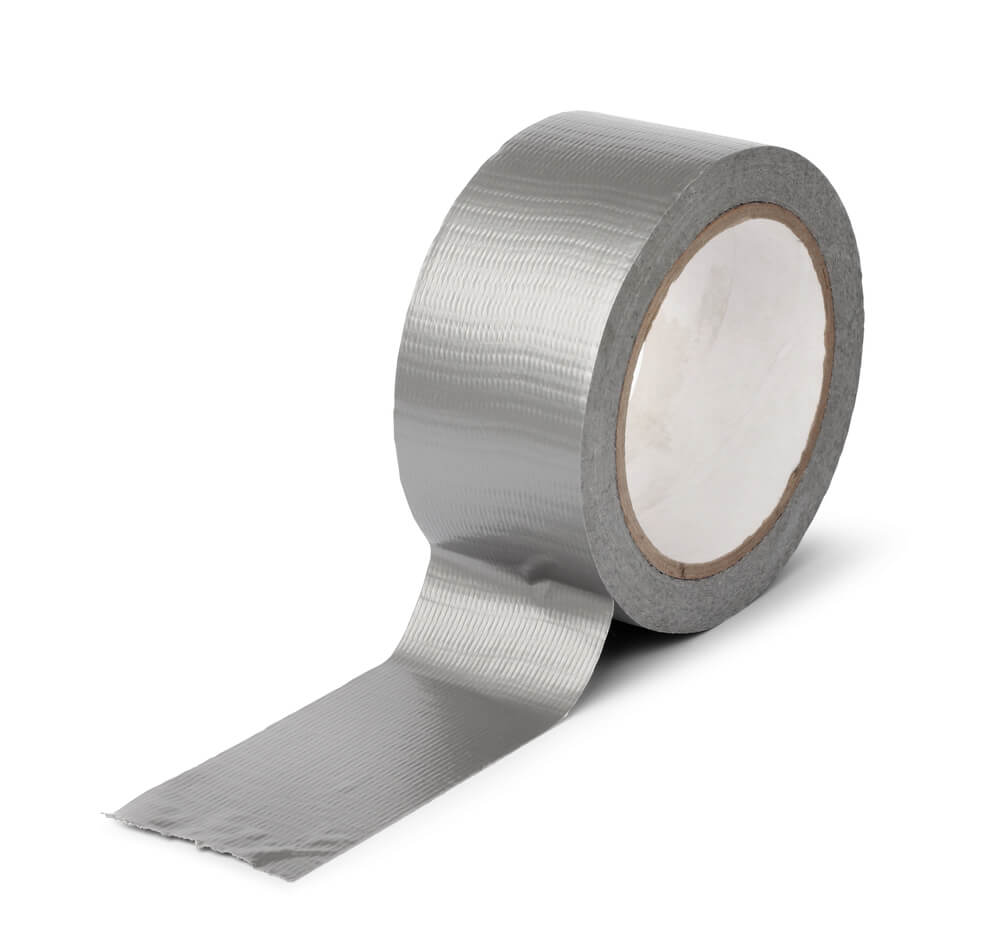
During the Second World War, a mother of two sons in the US Navy was working at an ordnance plant in Illinois. Her name was Vesta Stoudt, and her job involved packing rifle cartridge boxes sealed with paper tape and a thin tab.
The tape tore. The tab ripped off.
Soldiers under fire were left clawing at boxes.
Stoudt suggested a waterproof cloth tape and, when her supervisors shrugged, she wrote directly to President Franklin Roosevelt. The letter got passed along, and Johnson & Johnson’s Permacel division produced a strong, water-resistant cloth tape.
Troops called it “duck tape” because water rolled off it.
After the war it moved into homes and onto heating ducts, and the name shifted with it. Today you can buy a roll at any South African hardware store for less than the price of a takeaway coffee.
One factory worker’s letter did that.
2. The Microwave Oven
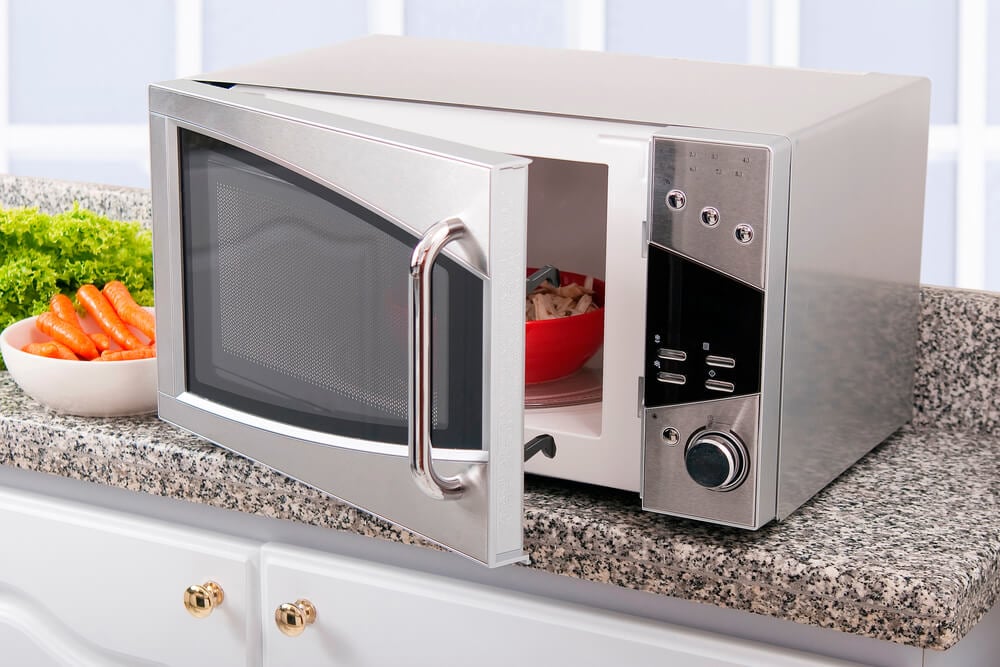
Percy Spencer was an engineer at Raytheon, a company building magnetrons for Allied radar sets. In 1945, while working near an active magnetron, he noticed the chocolate bar in his pocket had melted.
Most people would have just been annoyed about the chocolate. Spencer tried popcorn kernels next, and they popped.
Raytheon filed a patent and released the first commercial microwave, the Radarange, in 1947. It stood taller than most adults and weighed roughly 340 kg.
Restaurants and ship galleys bought them. Homes didn’t, not for another two decades, when Amana released a countertop version in 1967.
So the next time you reheat last night’s bobotie in under two minutes, you’re using a piece of wartime radar.
3. GPS
The US Department of Defense launched the first satellite of its Navstar Global Positioning System in 1978. The goal was simple to state and fiendishly hard to build: let soldiers, ships and missiles know exactly where they are, anywhere on Earth, in any weather.
Civilian access arrived because of a disaster. In 1983 the Soviet Union shot down Korean Air Lines Flight 007 after it strayed into Soviet airspace.
President Ronald Reagan then announced that GPS would be made available for civilian use once complete. The full constellation became operational in 1995, but the signal for civilians stayed deliberately blurred until May 2000, when the US switched off that degradation.
Accuracy jumped overnight. That’s why your phone now guides you around a jammed N1 on-ramp with confidence, and why delivery drivers in Soweto find your gate without a phone call.
4. The Internet

In 1969 the US Defense Department’s Advanced Research Projects Agency funded ARPANET, a network linking computers at universities and research centres. On 29 October that year, a student at UCLA tried to send the word “LOGIN” to a computer at Stanford.
The system crashed after two letters.
So the first message ever sent across the network that grew into the internet was “LO”. Fitting, really.
ARPANET’s designers built it so data could travel along multiple paths, which made the network hard to knock out. That same design is why your WhatsApp voice note reaches a cousin in London in seconds.
5. Aviator Sunglasses
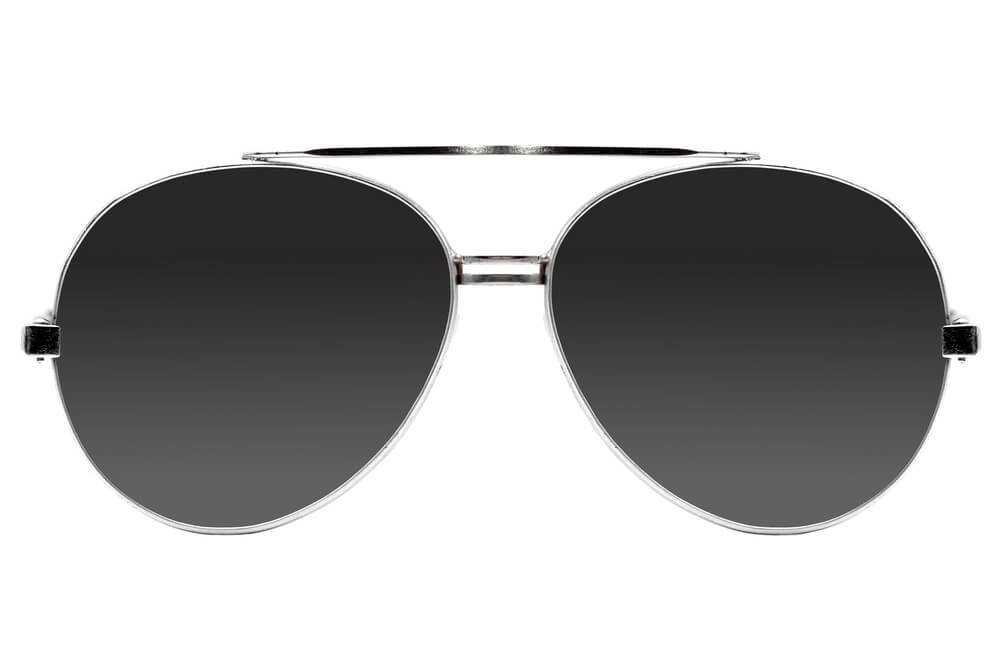
Pilots flying at high altitude in the 1930s were dealing with fierce glare and headaches. The US Army Air Corps wanted eyewear that cut the brightness without blocking vision.
Bausch & Lomb answered, and in 1937 the company launched the design under a new brand name: Ray-Ban.
The teardrop shape covered the full range of an eye’s movement, which mattered to a pilot glancing down at instruments. When General Douglas MacArthur was photographed wading ashore in the Philippines in 1944 wearing a pair, the look went public.
It hasn’t left since.
6. The Trench Coat
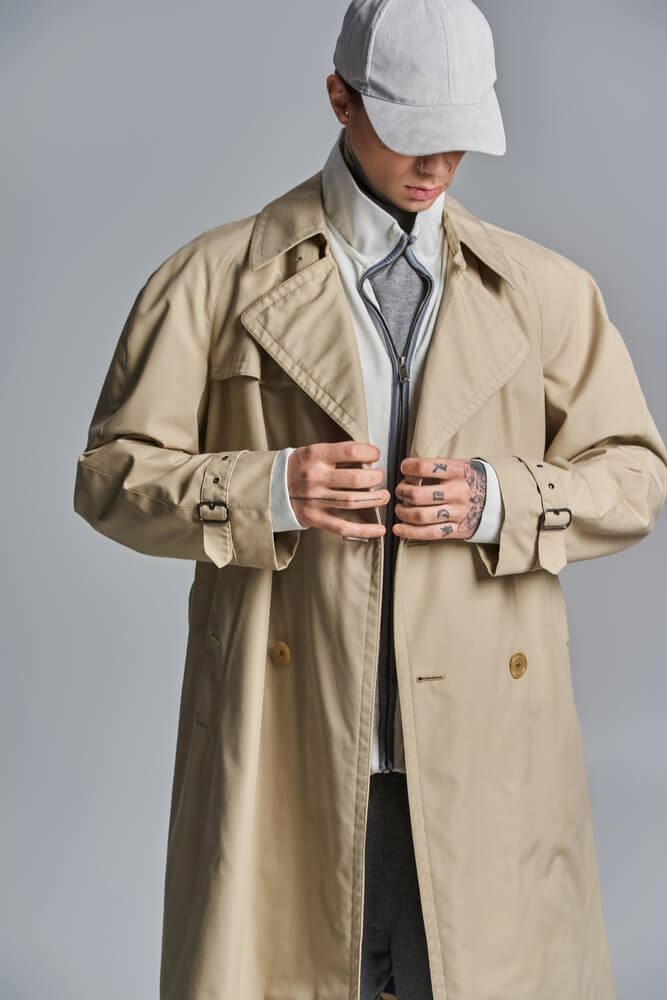
British officers in the First World War needed something lighter than the heavy wool greatcoat, which soaked up rain and turned into a wet blanket. Burberry and Aquascutum both supplied waterproof coats to officers, and both companies still claim credit for the design.
Thomas Burberry had already invented gabardine in 1879, a tightly woven, weatherproof fabric. The wartime coat added epaulettes for rank, D-rings on the belt for kit, and a storm flap at the shoulder.
Every one of those features had a job. Most of them are now pure decoration.
7. The Wristwatch
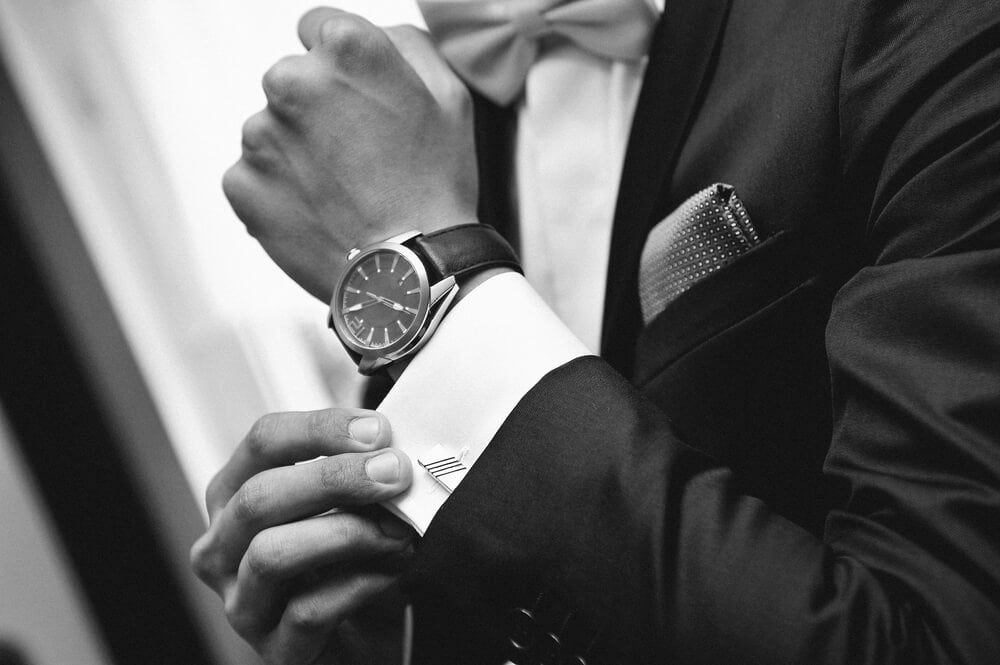
Before the First World War, a wristwatch was considered a lady’s accessory. Gentlemen carried pocket watches on chains.
Then came trench warfare, where officers had to coordinate infantry advances with artillery barrages down to the minute.
Fumbling for a pocket watch while holding a rifle or a whistle made no sense. Soldiers started strapping watches to their wrists, and manufacturers began producing “trench watches” with wire guards over the glass.
Men came home wearing them. The stigma was gone by the 1920s, and the pocket watch never recovered.
8. Khaki Chinos
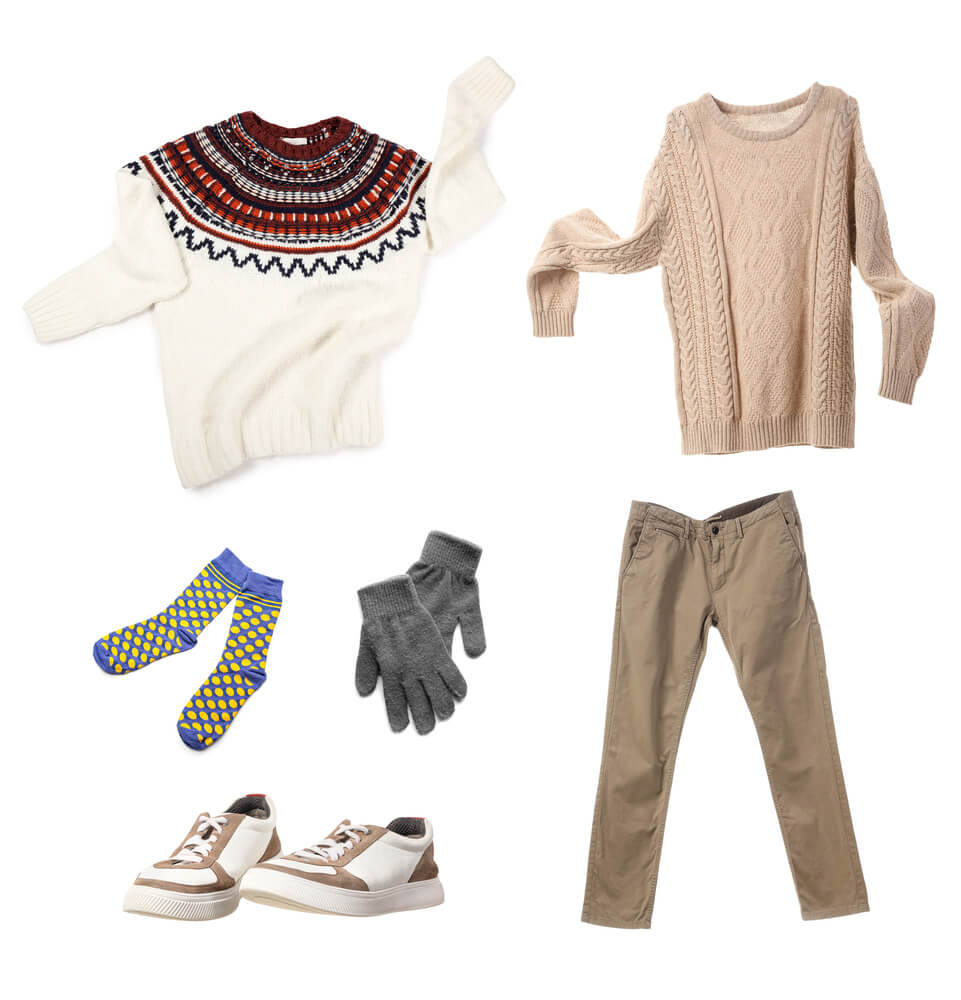
The word “khaki” comes from Hindustani and means dust-coloured. British troops in India began dyeing their uniforms that shade in the 1840s, because bright scarlet made a soldier an easy target.
South Africa played a part in the colour’s spread. During the Anglo-Boer War from 1899 to 1902, British soldiers in khaki faced Boer marksmen who were experts at picking off anything that stood out against the veld.
The lesson stuck, and khaki became standard service dress across the British Army.
American troops wore khaki cotton too, some of it woven from Chinese twill, which is where the word “chinos” comes from. After the Second World War, veterans kept wearing the trousers on campus.
Your smart-casual Friday outfit owes something to the hills of Natal.
9. Canned Food
Napoleon reportedly said an army marches on its stomach. Whether or not he said it, his government acted like it.
In 1795 France offered a prize of 12,000 francs to anyone who could find a reliable way to preserve food for troops.
A Parisian confectioner named Nicolas Appert spent years sealing food in glass bottles and boiling them. He claimed the prize in 1810.
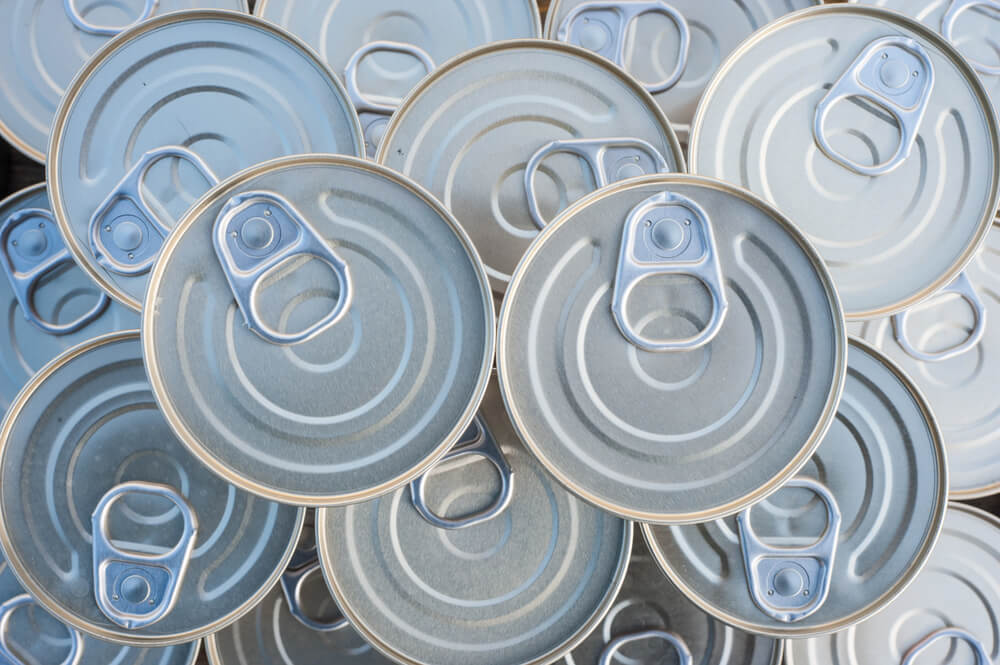
That same year, Englishman Peter Durand patented the idea of using tin-plated iron cans instead of glass, which were lighter and far less likely to shatter in a supply wagon.
Here’s the strange part. The can opener didn’t appear until decades later.
Soldiers opened their rations with bayonets, knives and, when desperate, rocks. Remember that the next time you struggle with a stiff ring-pull on a tin of pilchards.
10. Super Glue
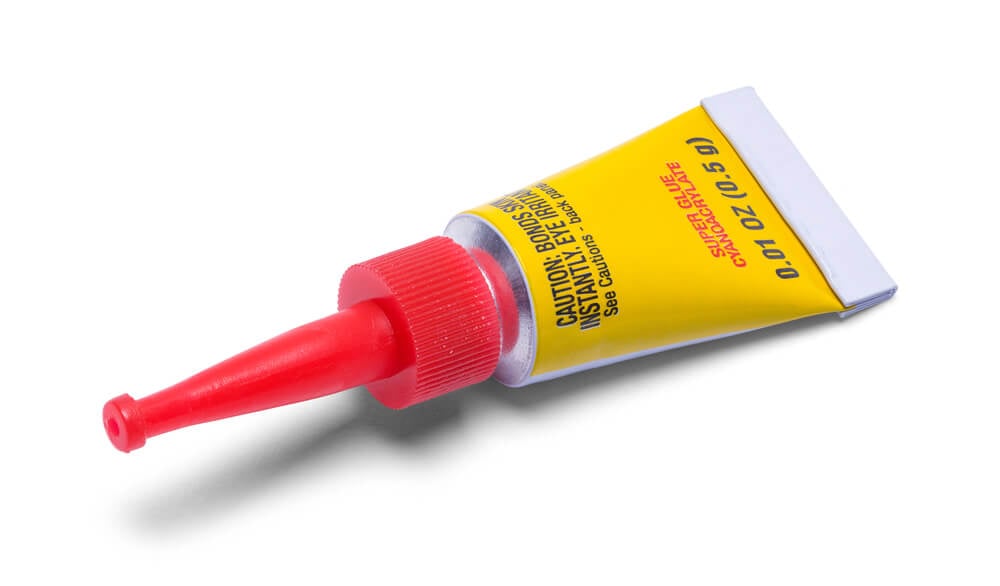
In 1942, Harry Coover was working at Eastman Kodak on clear plastic gun sights for the war effort. He stumbled across a group of chemicals called cyanoacrylates.
They stuck to everything they touched, which made them useless for gun sights. He set them aside.
Nine years later, Coover and a colleague were testing materials for jet canopies and ran into the same chemicals again. This time Coover saw the potential.
Eastman sold the first version in 1958.
The glue went back to war in Vietnam, where medics used a spray form to close wounds quickly on the battlefield. Doctors still use medical-grade versions on cuts today.
The product failed at its first job and found a better one.
11. The Jeep
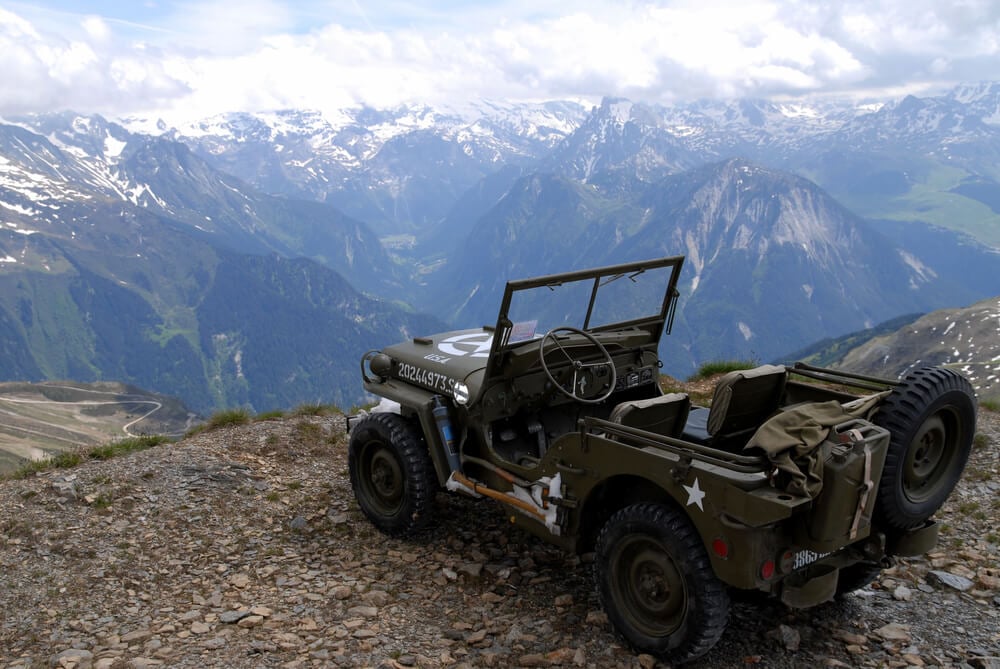
In 1940 the US Army asked manufacturers for a light four-wheel-drive reconnaissance vehicle. The deadline was brutal.
A small company called American Bantam built a working prototype in 49 days, but the army handed most of the production to Willys-Overland and Ford, which had bigger factories.
More than 600,000 were built during the war. The vehicle hauled soldiers, towed guns, carried stretchers and even ran on railway tracks when fitted with the right wheels.
Willys trademarked the name and sold a civilian version from 1945.
Every SUV you see parked outside a Durban shopping centre carries a little of that DNA. Most will never see anything rougher than a speed bump.
12. Mass-Produced Penicillin
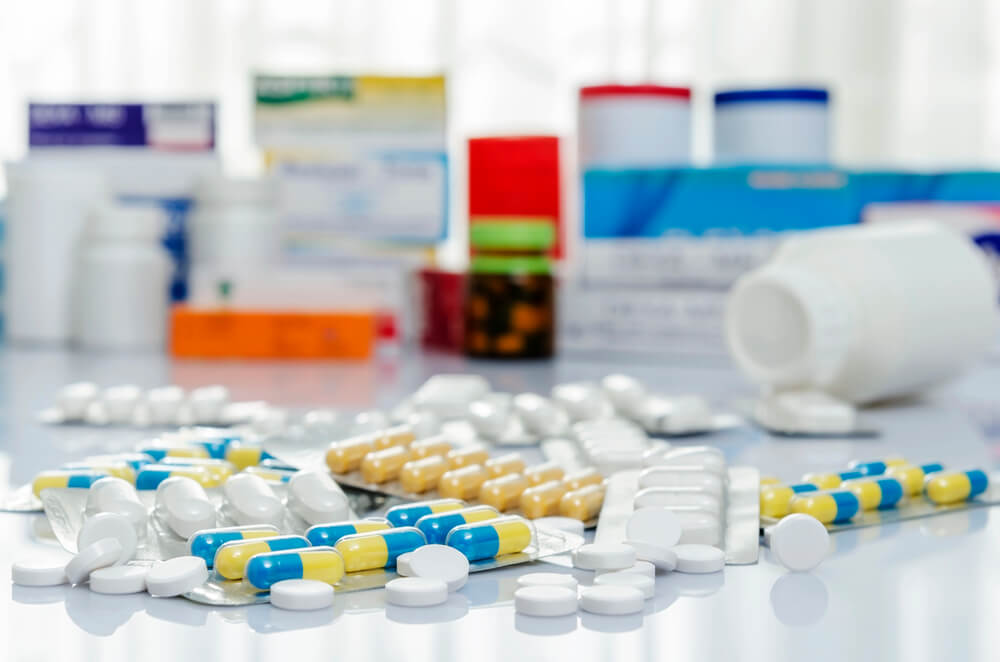
Alexander Fleming discovered penicillin in 1928, but for over a decade it stayed a laboratory curiosity. Nobody could make enough of it.
Then the Second World War created a desperate need: soldiers were dying from infected wounds more than from the wounds themselves.
British scientists Howard Florey and Ernst Chain took their research to the United States, where government agencies and drug companies threw resources at the problem. A researcher in Peoria, Illinois found a high-yield strain on a mouldy cantaloupe from a local market.
Production soared. By D-Day in June 1944, around 2.3 million doses were ready for the Allied landings.
That push turned penicillin from a miracle into a medicine. When your doctor writes a script for an infection, you’re benefiting from a wartime production line.
13. The Walkie-Talkie
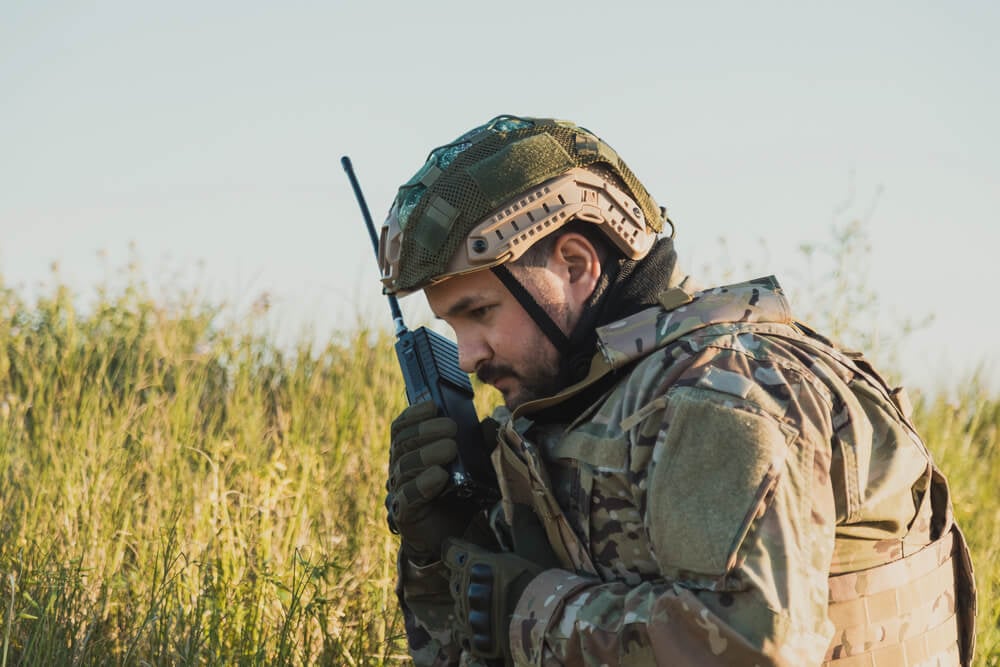
Canadian inventor Donald Hings built portable two-way radios in the late 1930s, and his sets went to Canadian troops during the war. In the United States, Motorola, then called Galvin Manufacturing, produced the SCR-300, a backpack radio that soldiers nicknamed the walkie-talkie.
A smaller handheld model followed.
Before these radios, a unit in the field relied on runners, wires and flags. Afterwards, a platoon leader talked to his commander in real time.
That shift changed how battles were fought and, eventually, how security guards at a Pretoria mall check in with each other.
14. Cargo Pants
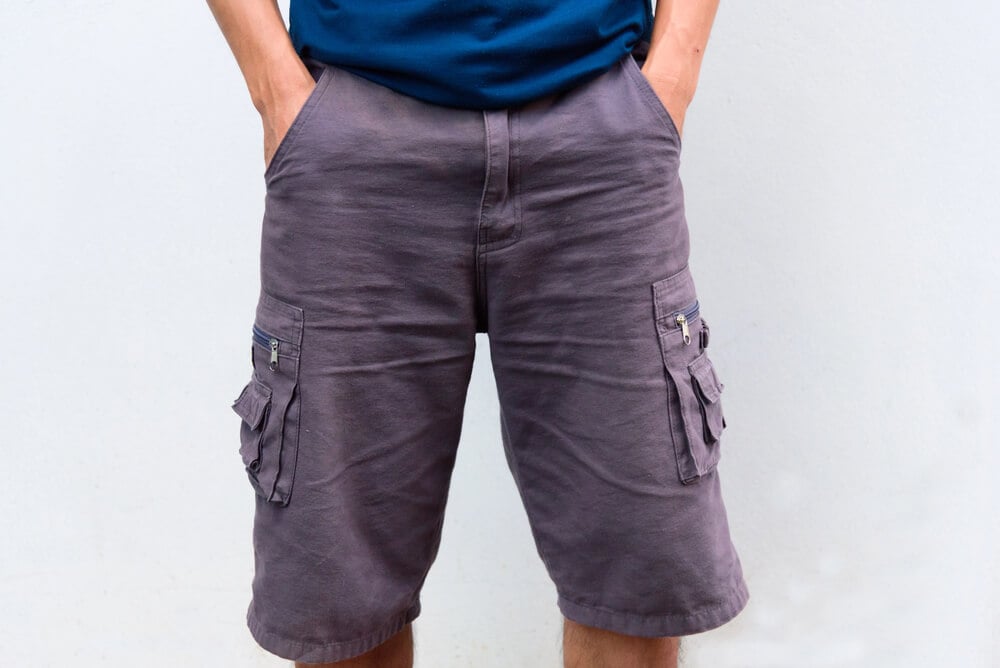
The British Army introduced battledress trousers in 1938 with a large patch pocket on the front of the thigh, designed to hold a field dressing and maps. American paratroopers got their own version in 1942, with big bellows pockets on the sides for ammunition and supplies.
Paratroopers dropped behind enemy lines with no guarantee of resupply. Every pocket mattered.
Decades later, those pockets hold car keys and phone chargers at braais across the country.
15. The T-Shirt
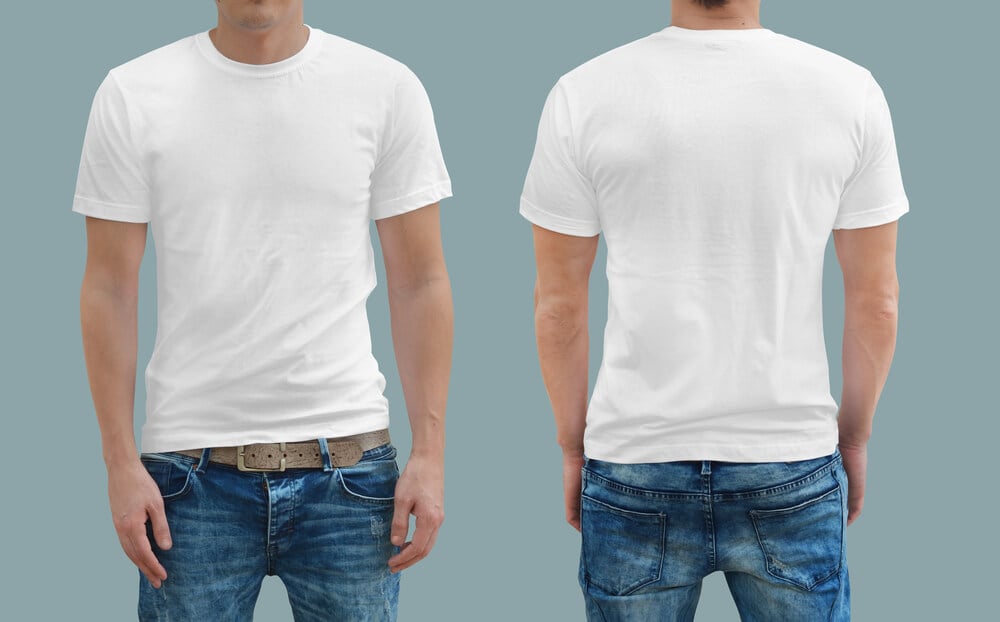
The US Navy issued a short-sleeved, crew-neck cotton undershirt to sailors around 1913. It was cheap, easy to wash and comfortable in hot engine rooms.
Sailors often stripped down to it while working.
Its shape gave it the name. When Marlon Brando wore one in A Streetcar Named Desire in 1951, an undergarment became a fashion statement.
Now it’s the most common item of clothing on the planet. Check your cupboard.
16. The Bomber Jacket
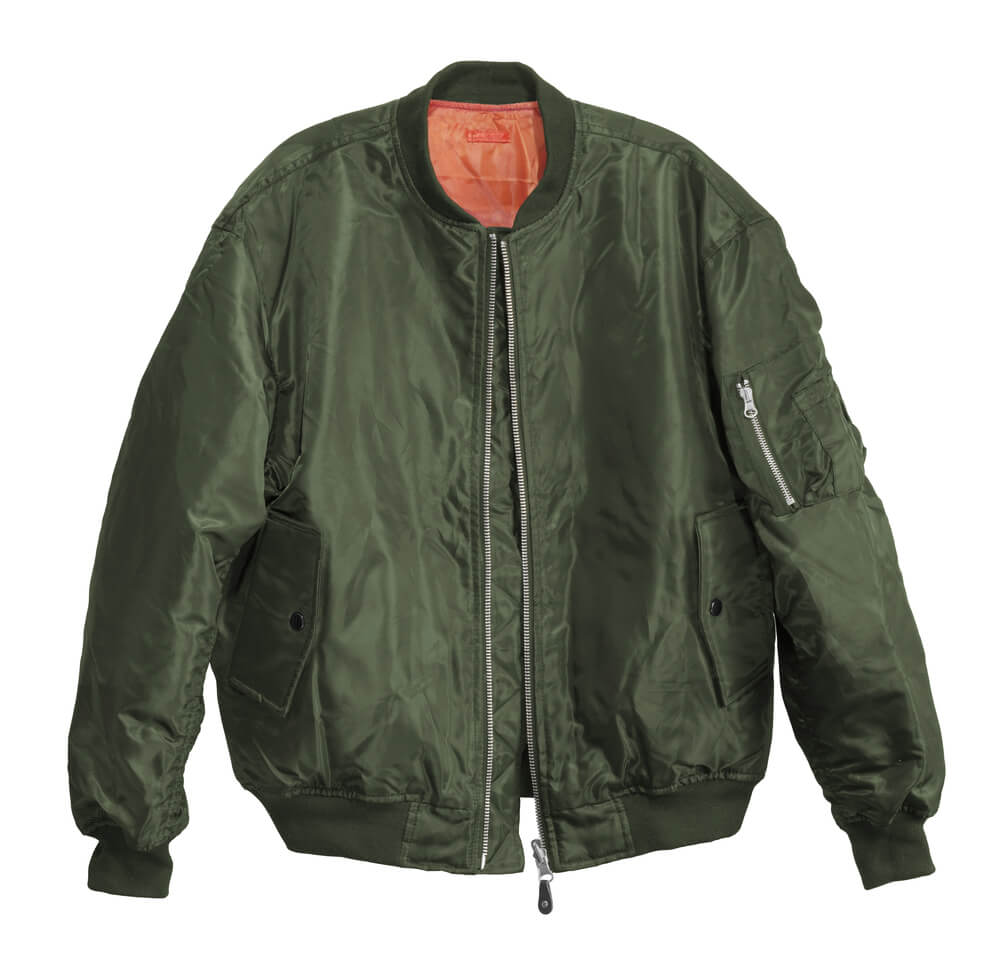
Open-cockpit flying in the early days of aviation was punishingly cold. The US Army Air Corps adopted the A-2 leather flight jacket in 1931, with a snug waist and cuffs to keep the wind out.
The jet age brought the MA-1 in the 1950s, made from nylon because leather struggled with moisture at high altitude. Its bright orange lining let a downed pilot turn the jacket inside out and become visible to rescuers.
Fashion kept the jacket and forgot the reason.
17. The Electronic Computer
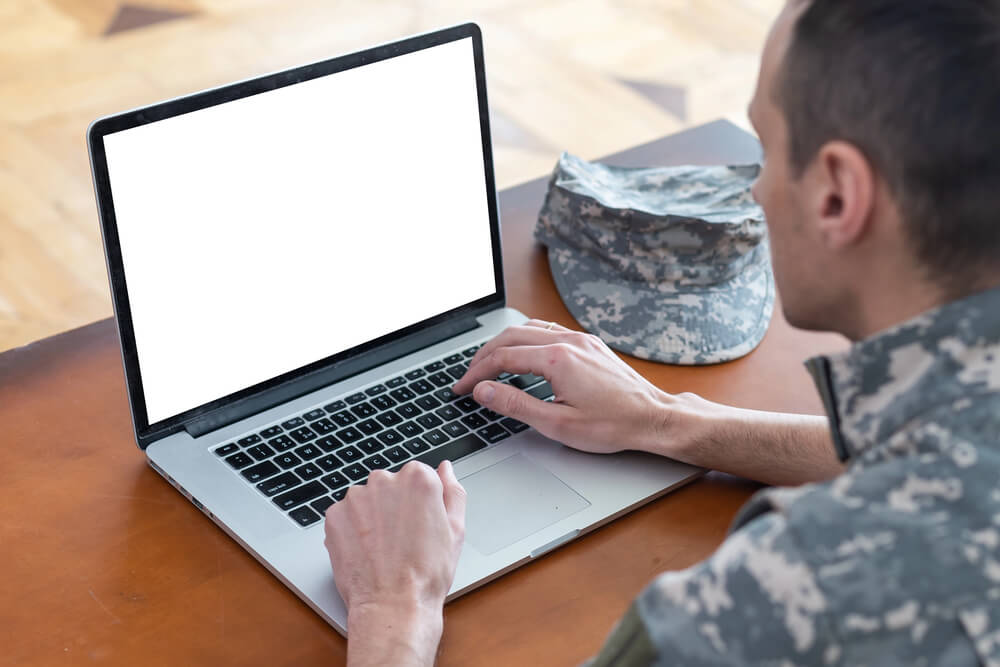
During the Second World War, the US Army needed firing tables for artillery, which told gunners how to aim depending on distance, wind and terrain. Calculating each table by hand took teams of human “computers” weeks.
The army funded a machine at the University of Pennsylvania called ENIAC, designed by John Mauchly and J. Presper Eckert. It used around 18,000 vacuum tubes, filled a large room and weighed about 27 tonnes.
It was unveiled in 1946. Six women did much of the programming, rewiring the machine by hand, and for decades they barely got a mention.
The laptop on your desk has more processing power than ENIAC by a margin too large to describe meaningfully. But the idea started with an artillery problem.
18. Sanitary Pads and Tissues
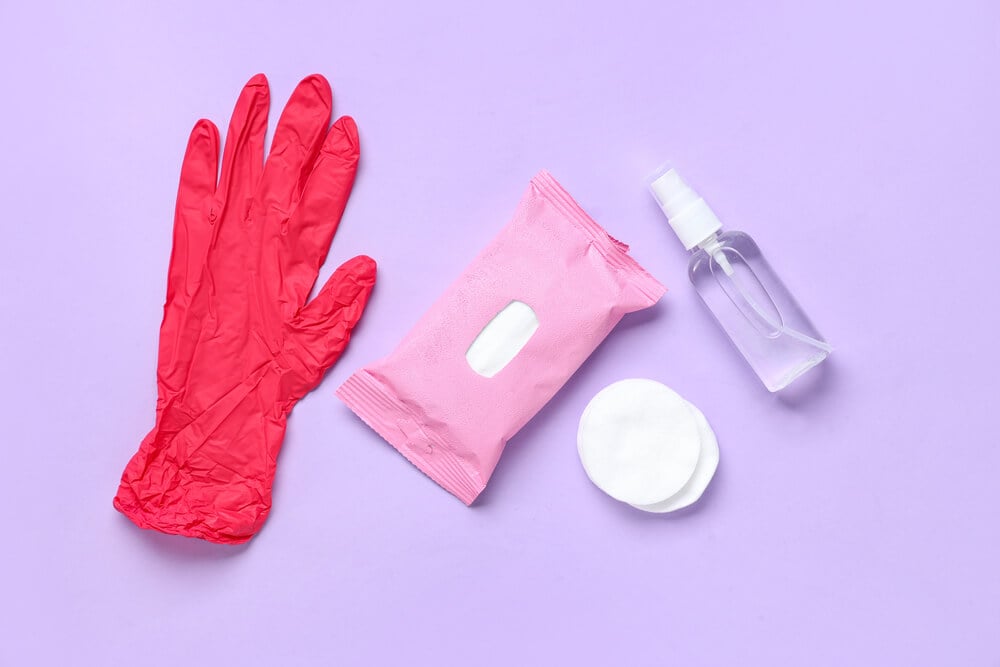
Kimberly-Clark developed a material called Cellucotton just before the First World War, made from wood pulp and far more absorbent than cotton. It became a wound dressing for the war, and it was cheaper than cotton, which the army needed for uniforms.
Red Cross nurses working at the front noticed something else. Cellucotton worked as a disposable sanitary pad.
After the war, Kimberly-Clark had a large surplus and launched Kotex in 1920.
The same material was also used in gas mask filters. In 1924, the company repackaged it as a cold cream remover called Kleenex.
People started using it to blow their noses instead, and the company followed the customers. Two household staples came out of one wartime bandage.
19. Silly Putty
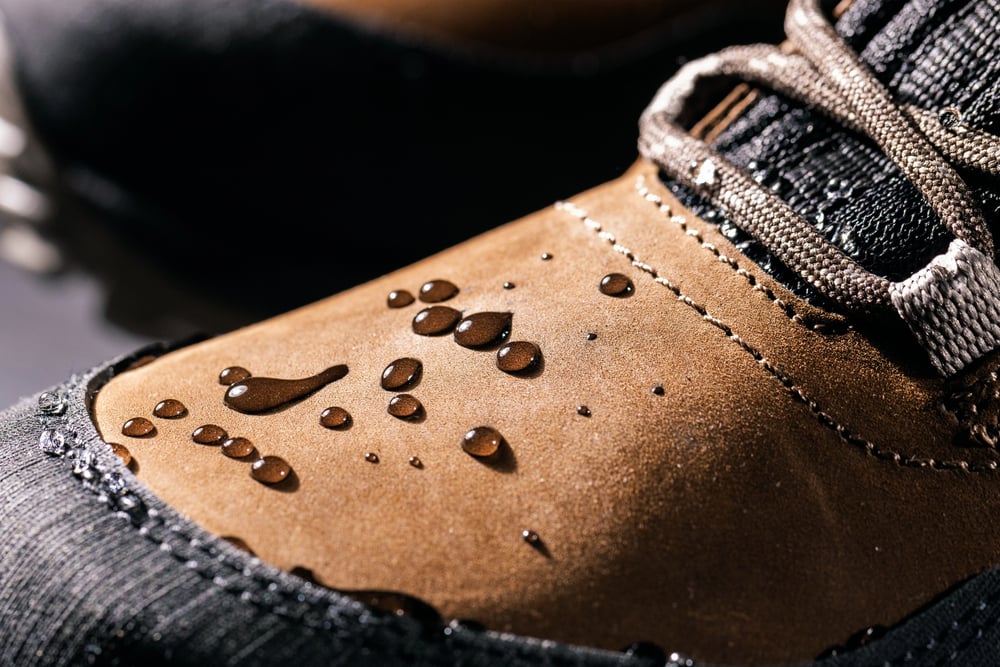
Japan’s advance across Southeast Asia during the Second World War cut the Allies off from key rubber supplies. The US government urgently wanted a synthetic substitute for tyres, boots and aircraft parts.
In 1943, James Wright, an engineer at General Electric, mixed boric acid with silicone oil. The result bounced, stretched, and snapped if you pulled it fast.
It was a terrible rubber substitute. A marketer named Peter Hodgson saw a toy instead, packaged it in plastic eggs and started selling it in 1950.
It made him rich.
20. The Slinky
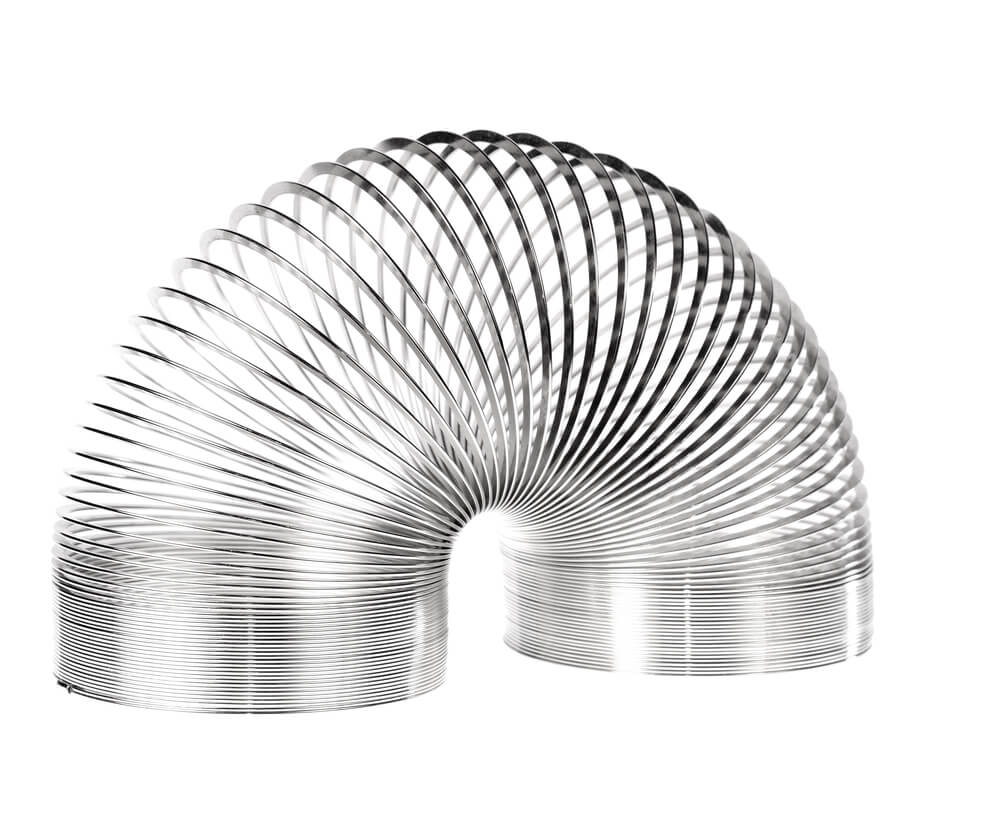
Richard James was a naval engineer in Philadelphia in 1943, working on springs that would keep sensitive instruments steady aboard ships at sea. One day a spring fell from a shelf and kept moving, flipping end over end across the floor.
James and his wife Betty spent two years refining the idea. Betty found the name in a dictionary.
When they demonstrated it at a Philadelphia department store in late 1945, they sold out of their stock within about an hour and a half. Not bad for a spring that failed at its intended job.
21. Paracord
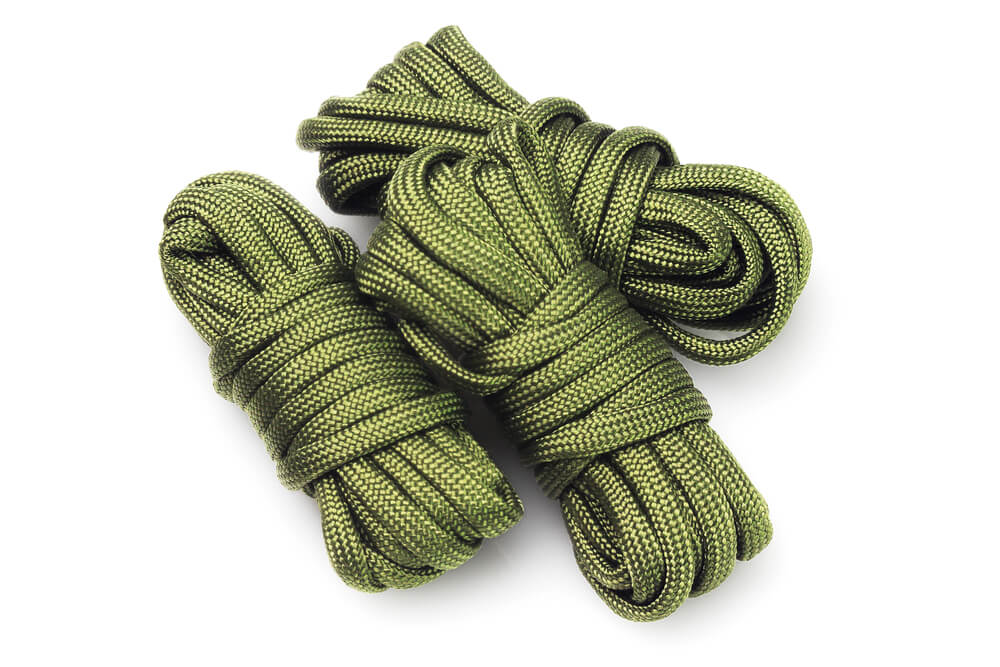
The suspension lines on American parachutes during the Second World War used nylon cord with a woven outer sheath and inner strands. Paratroopers who landed safely soon found the cord useful for everything else: lashing gear, rigging shelters, repairing boots.
The standard type became known as 550 cord because of its tensile strength in pounds, roughly 250 kg. Today hikers in the Drakensberg carry it, dog owners braid it into leashes, and people wear it as bracelets they’ll never unravel.
22. The Swiss Army Knife
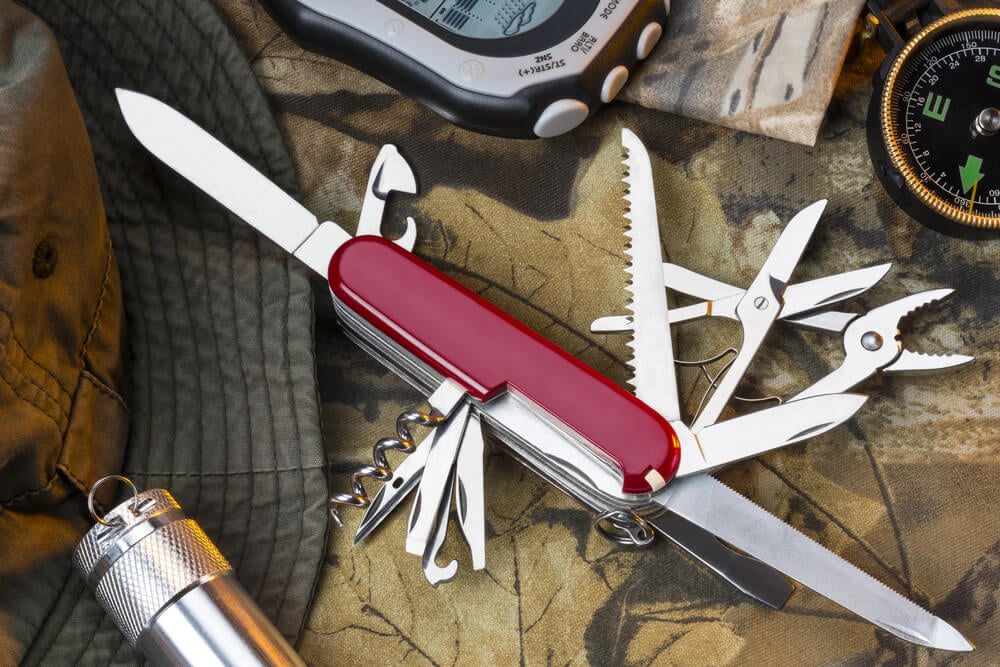
In 1891, the Swiss Army began issuing a folding knife to soldiers so they could open tinned food and take apart their service rifles. Cutler Karl Elsener supplied the knives, and in 1897 he patented a lighter “officer’s knife” with extra tools, including a corkscrew.
That corkscrew is the giveaway. No army needed it for combat.
It’s there because officers had standards, and Elsener knew who was buying. His company later took the name Victorinox, and the little red knife became a souvenir, a gift and a camping essential all over the world.
23. The Aerosol Can
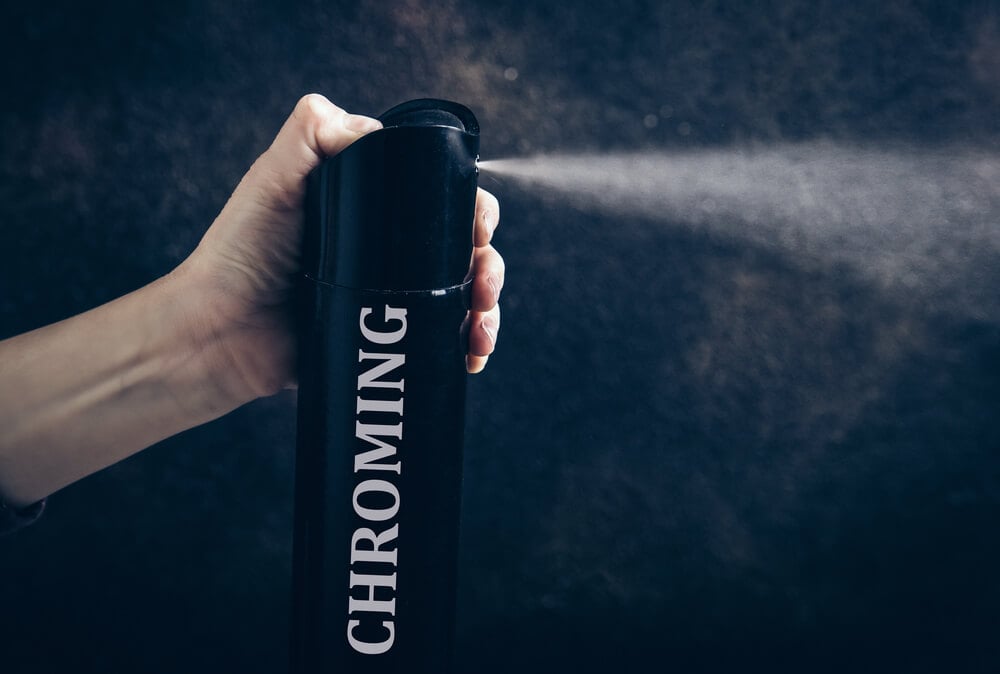
Malaria and other insect-borne diseases were killing soldiers in the Pacific during the Second World War. In 1941, two US Department of Agriculture researchers, Lyle Goodhue and William Sullivan, developed a pressurised can that sprayed insecticide in a fine mist.
Troops called it the “bug bomb”.
After the war, manufacturers adapted the idea for paint, hairspray, whipped cream and deodorant. When you blast a mosquito in your bedroom on a humid Durban night, you’re using the product almost exactly as its inventors intended.
24. M&M’s
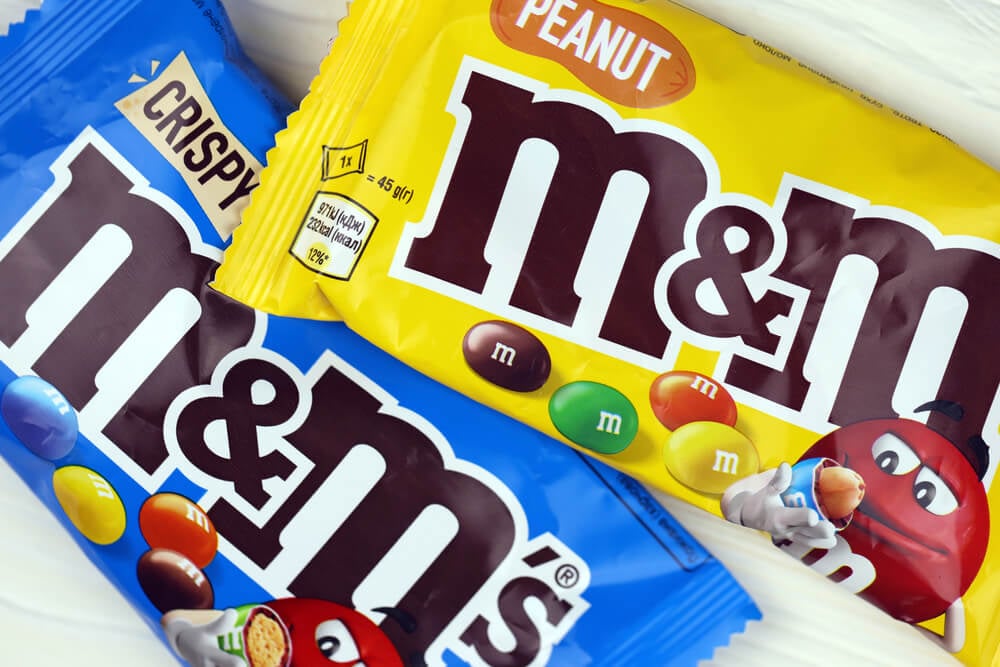
Forrest Mars noticed soldiers eating chocolate pellets with a hard sugar shell during the Spanish Civil War. The coating stopped the chocolate from melting in a hot pocket or a field pack.
Mars patented his own version in 1941, and the US military became its main customer during the Second World War. Soldiers got them in their rations.
They came home craving them. Civilian sales took off after 1945, and the slogan about melting in your mouth, not in your hand, tells you exactly where the idea came from.
25. Stainless Steel
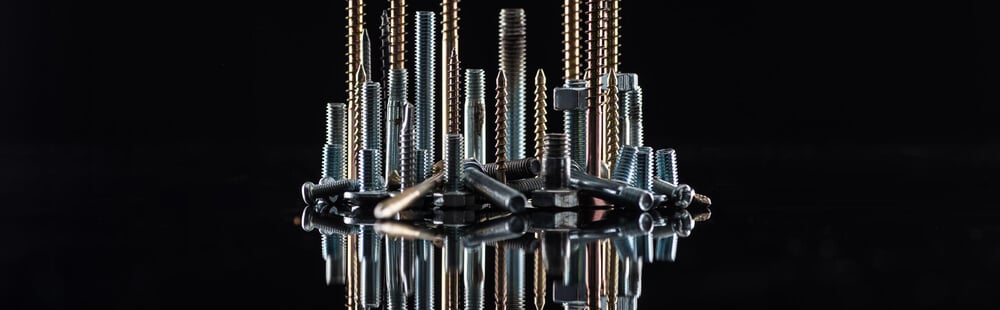
In 1913, Sheffield metallurgist Harry Brearley was investigating why rifle barrels wore out so fast from heat and friction. He experimented with steel alloys containing chromium.
One sample, with about 13 percent chromium, refused to rust or etch when he tested it with acid.
Brearley saw that it made poor gun barrels but superb cutlery. Sheffield’s knife makers took it up.
Now it’s in your fork, your kettle, your kitchen sink and the surgical tools in every hospital theatre from Cape Town to Polokwane.
26. Cardigans and Balaclavas
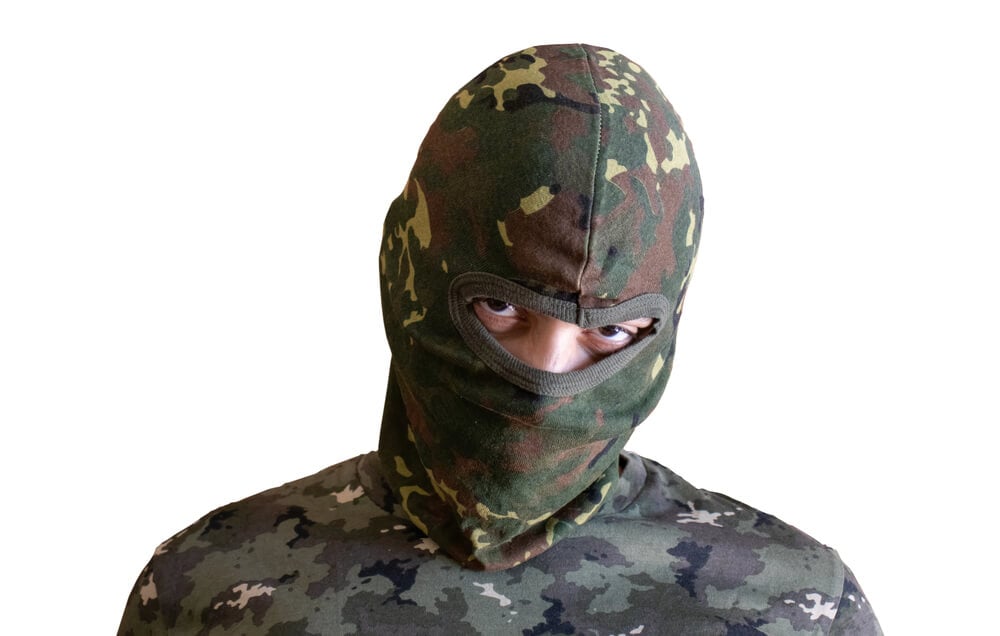
The Crimean War of 1853 to 1856 gave your wardrobe two of its winter staples. James Brudenell, the 7th Earl of Cardigan, led the doomed Charge of the Light Brigade in 1854.
He and his officers wore knitted wool waistcoats with sleeves, buttoned down the front. The garment took his name.
That same brutal winter, people in Britain knitted woollen head coverings and sent them to troops freezing near the town of Balaclava, on the Crimean peninsula. The town’s name stuck to the hat.
A third garment came from the same war. Lord Raglan, the British commander, gave his name to the raglan sleeve, a cut that runs in one piece from collar to cuff.
Three items of clothing, all from one disastrous campaign.
27. The Jet Airliner
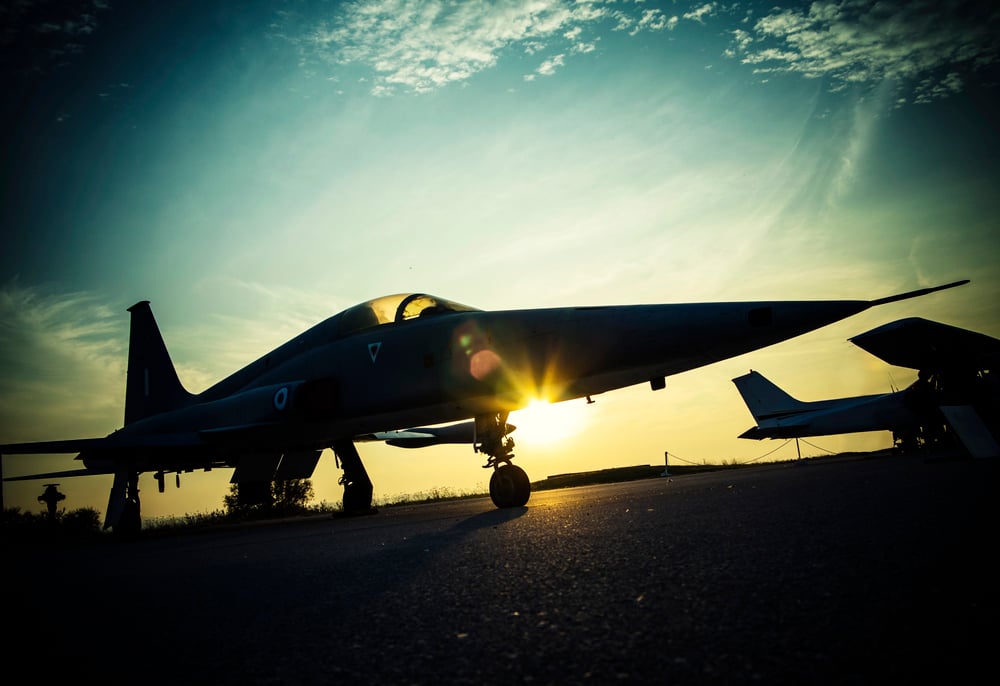
Frank Whittle was a young Royal Air Force officer when he patented a design for a jet engine in 1930. Germany’s Hans von Ohain worked on the same idea independently, and a German jet aircraft flew first, in 1939.
Britain’s Gloster E.28/39 followed in 1941. Both countries pushed jet fighters into service before the war ended.
Peace turned the technology into air travel. On 2 May 1952, a BOAC de Havilland Comet took off from London on the world’s first scheduled commercial jet passenger service.
Its destination was Johannesburg. South Africa sat at the far end of the very first jet route, a fact surprisingly few locals know.
Every long-haul flight out of O.R. Tambo traces back to an RAF officer’s sketches and a war that demanded faster aircraft.
28. The EpiPen
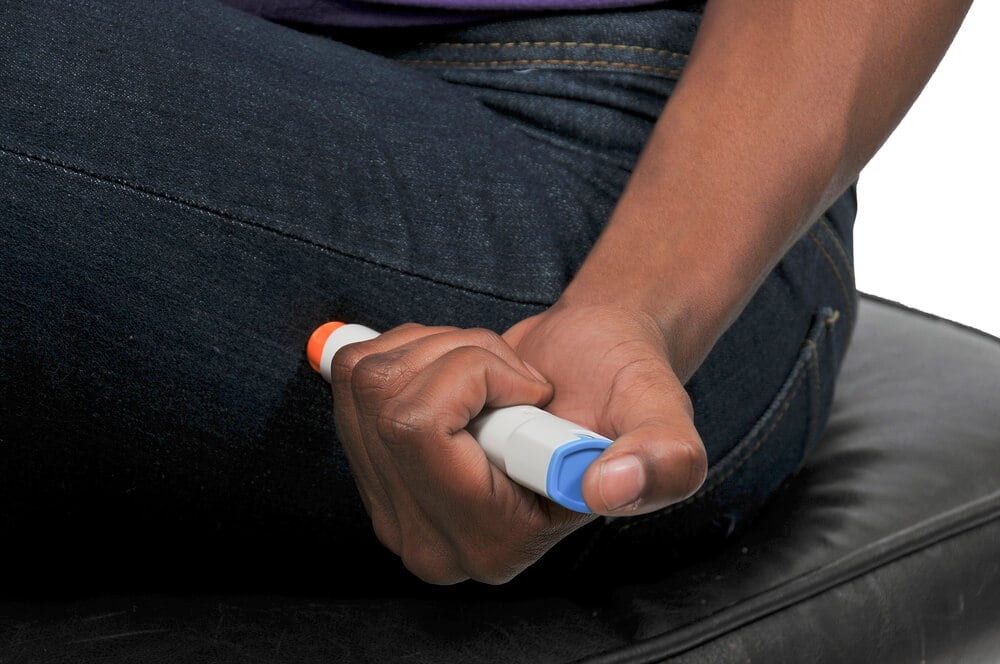
Cold War militaries feared nerve agents. These chemicals act within minutes, and a soldier needs an antidote injected immediately, often while panicking, wearing gloves and a gas mask.
Engineer Sheldon Kaplan developed an autoinjector for the US military that delivered a dose with a single press against the thigh.
The same mechanism was adapted for adrenaline, and the EpiPen won approval in the United States in 1987. For a child with a severe peanut allergy, that pen is the difference between a scary afternoon and a funeral.
A device built for chemical warfare now rides in school bags.
What the Barracks Left Behind
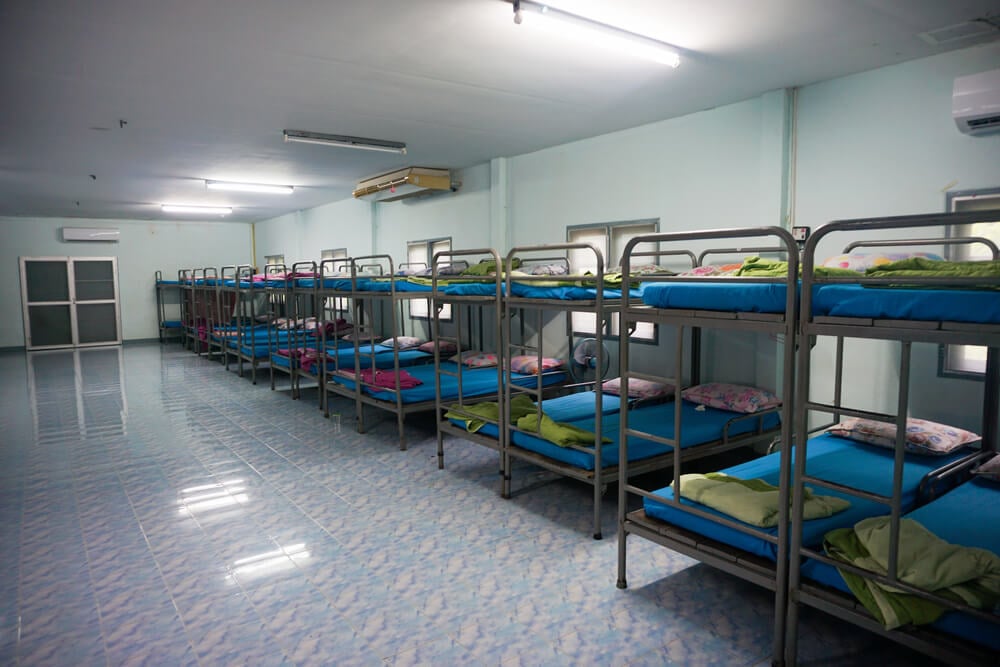
There’s an uncomfortable truth in this list. War is terrible, and it drives invention because people are desperate.
The duct tape, the penicillin and the jet engine all came from moments when lives were on the line and failure had a body count.
But look at what happened next. Each product outlived its original purpose and found a gentler one.
A gun sight failure became glue for a broken mug. A radar part warms up your leftovers.
A wound dressing turned into a box of tissues on a bedside table.
You don’t need to treat your kitchen drawer like a war memorial. Just notice it once in a while.
The next time you rip a strip of grey tape to fix a leaking pipe, think of Vesta Stoudt at her packing table, worried about her sons and annoyed enough to write to a president. Ordinary people solving urgent problems built most of what fills your home.
That’s the part worth remembering.
More from Go2Tutors!

- The Romanov Crown Jewels and Their Tragic Fate
- 13 Historical Mysteries That Science Still Can’t Solve
- Famous Hoaxes That Fooled the World for Years
- 15 Child Stars with Tragic Adult Lives
- 16 Famous Jewelry Pieces in History
Like Go2Tutors’s content? Follow us on