27 Banned Foods From Around the World
Every country draws its own line between dinner and contraband. A dish that counts as a national treasure in one place can be seized at the border of another, and a candy sold in every European supermarket can be confiscated at an American airport.
The reasons range from food safety and animal welfare to religion, conservation and plain cultural squeamishness. A few of these bans are decades old. Others were written within the last few years.
Casu Marzu, Sardinia’s Maggot Cheese
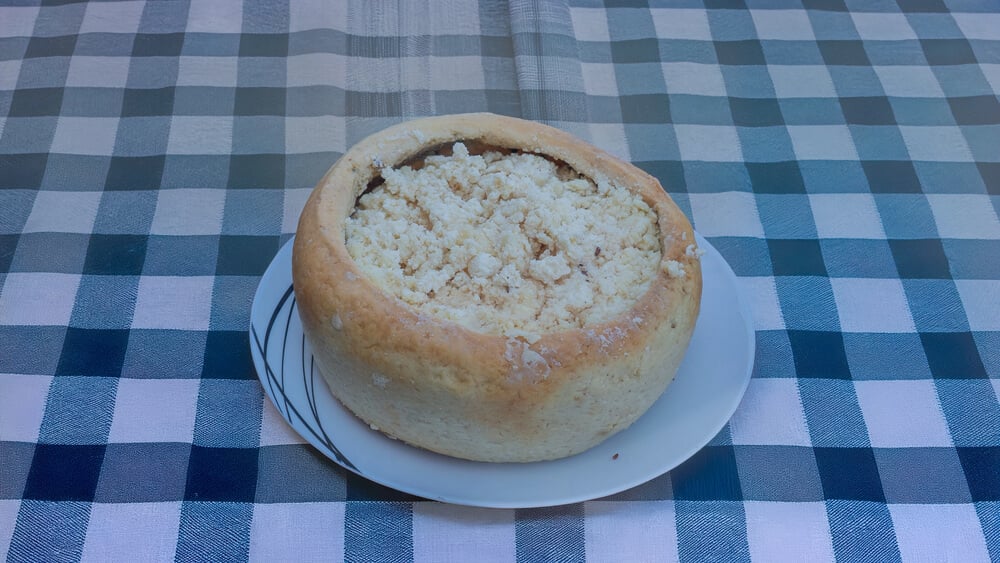
Casu marzu is a traditional Sardinian sheep’s milk cheese that is deliberately left out so that cheese fly larvae can hatch inside it. The larvae break down the fats, leaving a soft, pungent, almost liquid texture.
Traditionally the cheese is eaten with the live larvae still inside, sometimes on flatbread. European Union hygiene rules effectively make its sale illegal, since food containing live parasites cannot be legally marketed.
It is still made and shared privately in Sardinia. Local supporters have pushed for it to be protected as a traditional food product.
Haggis Under a US Import Ban
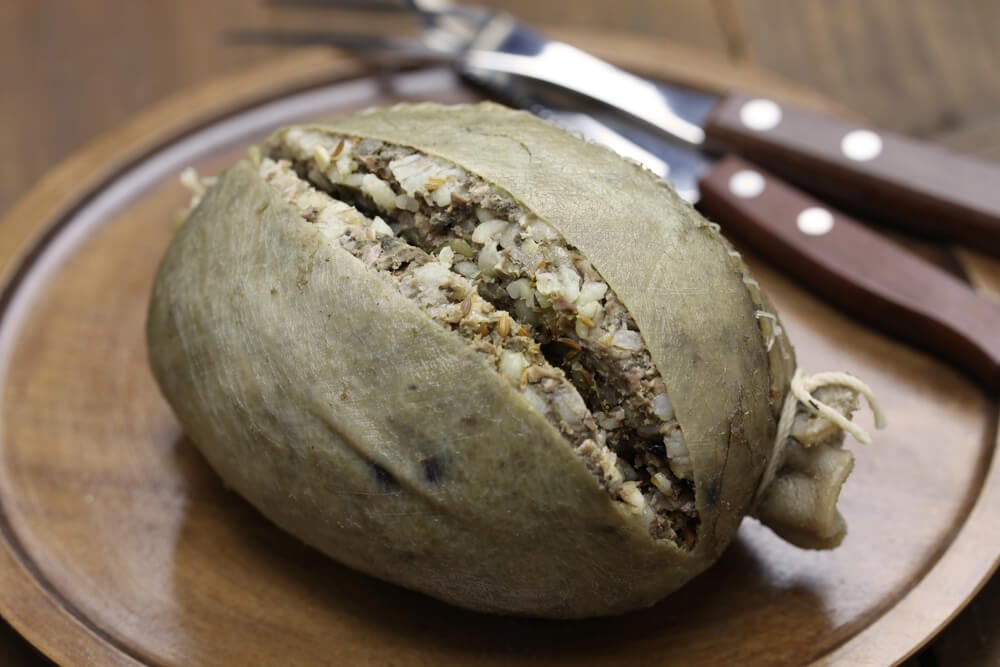
Haggis, Scotland’s national dish, is made from sheep’s heart, liver and lungs mixed with oatmeal, onion and spices, traditionally cooked in a sheep’s stomach. The United States has banned food made with livestock lungs since 1971, which rules out traditional haggis.
American restrictions on British lamb imports tied to mad cow disease concerns added another obstacle for decades. Scottish producers have developed lung-free versions to sell in the American market.
Burns Night suppers held in the United States on January 25 often rely on those adapted recipes.
Kinder Surprise Eggs at the US Border
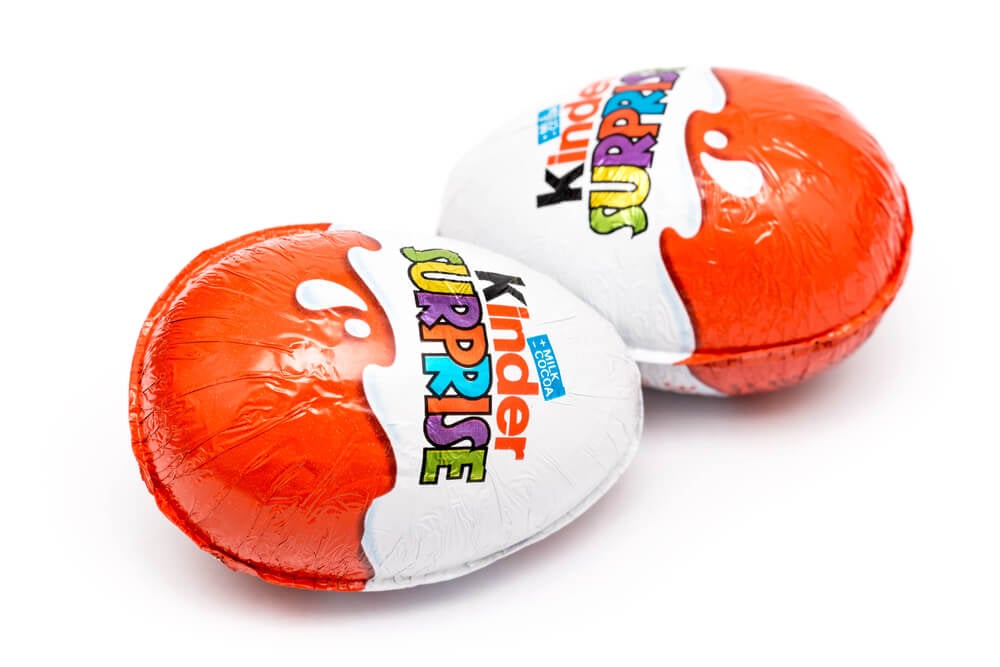
Kinder Surprise is a hollow milk chocolate egg made by the Italian company Ferrero, with a plastic capsule inside holding a small toy. It is sold widely in Europe and much of the world.
In the United States, however, the Federal Food, Drug, and Cosmetic Act of 1938 bans confectionery with non-nutritive objects embedded inside. US Customs and Border Protection has seized thousands of the eggs from travelers over the years.
Ferrero later launched Kinder Joy, which keeps the toy in a separate sealed half of the package and is legal in American stores.
Ackee and Its Restricted Imports
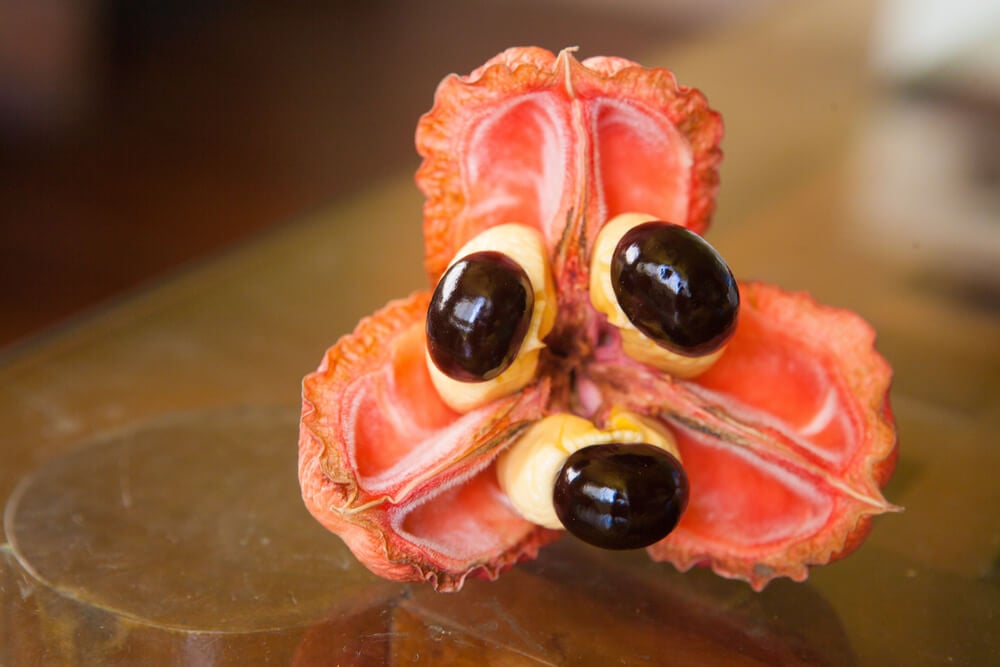
Ackee is the national fruit of Jamaica and the key ingredient in the country’s national dish, ackee and saltfish. The fruit is safe to eat only when it ripens and opens naturally on the tree.
Unripe ackee contains hypoglycin A, a toxin that can cause severe drops in blood sugar and serious illness. Because of that risk, the US Food and Drug Administration long restricted imports of ackee.
Canned and frozen ackee is now allowed only from processors that meet strict FDA requirements. Fresh raw ackee is still generally not allowed into the country.
Fugu Kept Out of the European Union
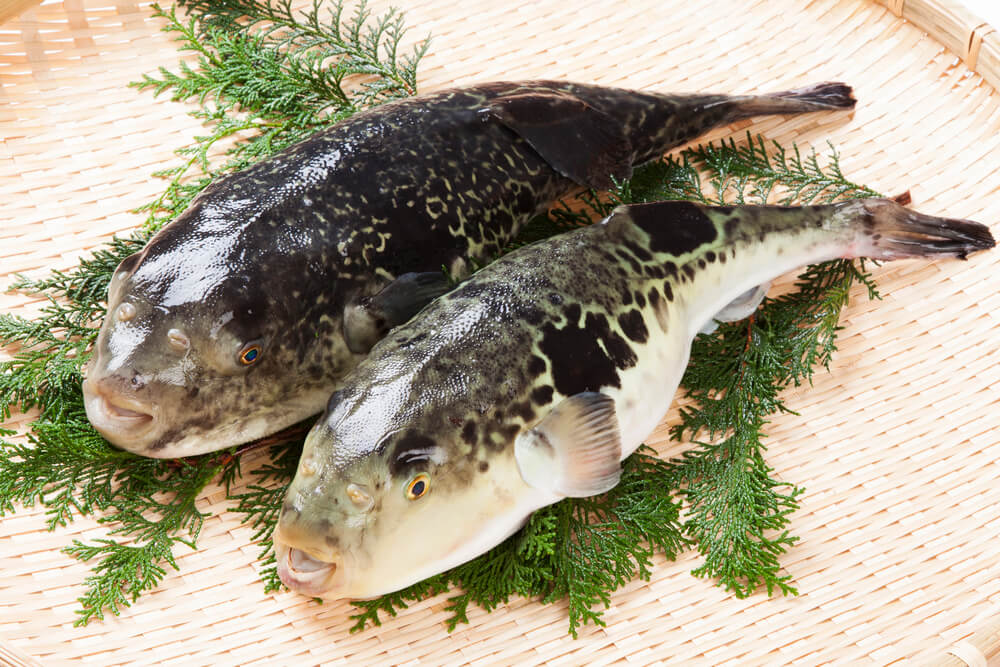
Fugu, or pufferfish, is a prized delicacy in Japan, but parts of the fish contain tetrodotoxin, a poison far more powerful than cyanide with no known antidote. In Japan, chefs must train for years and pass a licensing exam before they can prepare it.
The European Union does not allow pufferfish or products made from them to be placed on the market, citing the risk of poisoning. The United States allows only limited imports from a handful of approved facilities.
Even in Japan, the liver of the fish has long been banned from restaurant menus.
Foie Gras in California
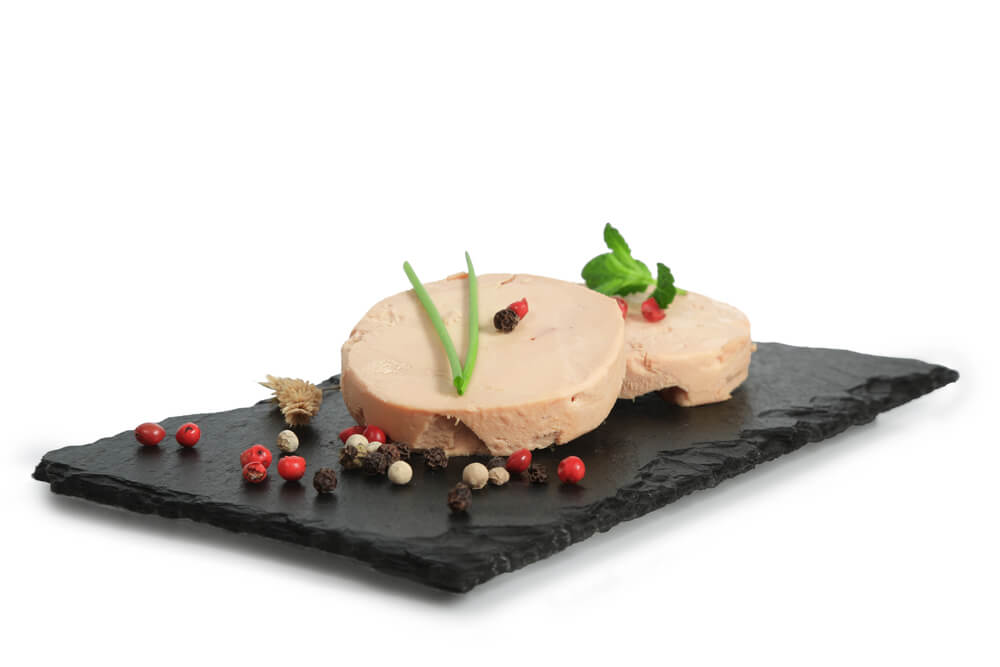
Foie gras is made from the fattened livers of ducks or geese, traditionally produced by force-feeding the birds through a tube. California passed a law in 2004 banning the sale of products made by force-feeding birds, which took effect in 2012.
Legal challenges kept the issue in court for years, and the US Supreme Court declined to hear the case in 2019, leaving the ban in place. Several European countries, including the United Kingdom, ban producing it while still allowing imports.
New York City passed its own sales ban, which faced challenges of its own.
Shark Fin Soup in the United States
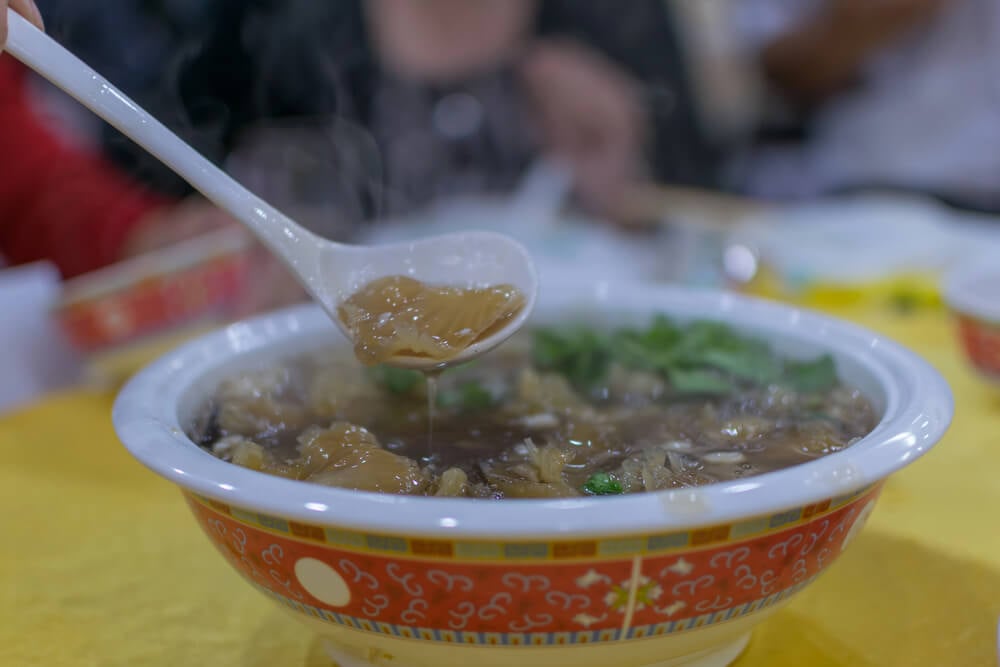
Shark fin soup is a traditional Chinese luxury dish served at weddings and banquets. Conservation groups say the trade drives the killing of tens of millions of sharks a year, often through finning, where fins are cut off and the sharks thrown back into the ocean.
Several US states banned the sale of shark fins beginning in 2010. In December 2022, the federal Shark Fin Sales Elimination Act became law as part of a defense spending bill, banning the buying and selling of shark fins nationwide.
Restaurants still serve imitation shark fin soup made with gelatin or other substitutes.
Raw Milk Across Canada
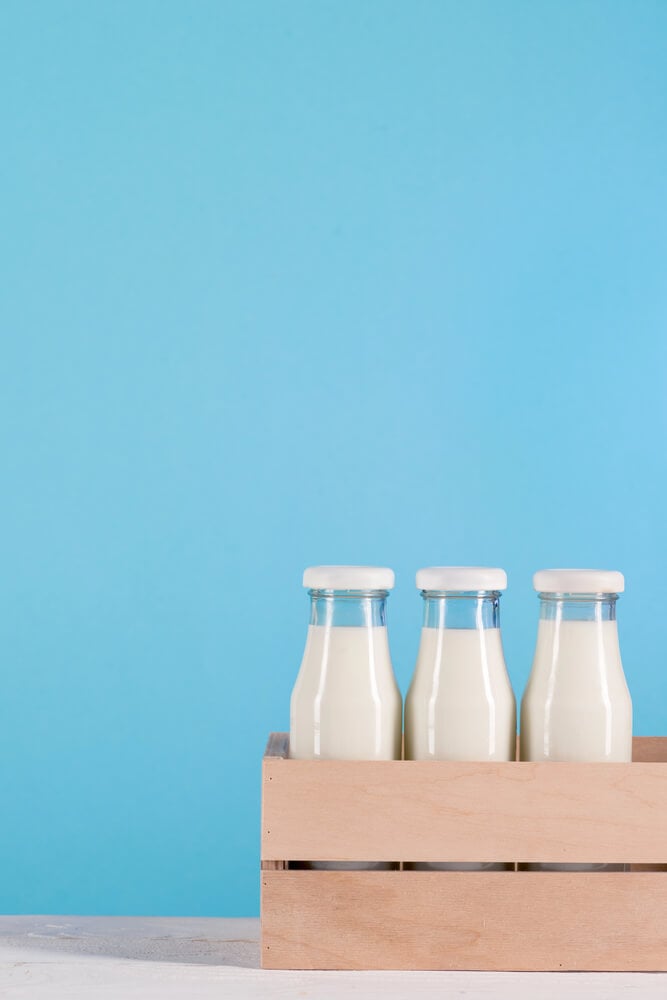
Canada bans the sale of unpasteurized milk nationwide under federal food regulations, making it one of the strictest countries on the issue. Health authorities point to the risk of bacteria such as E. coli, salmonella and listeria.
The ban has been tested in court, most notably in the long legal battle of Ontario farmer Michael Schmidt, who tried to supply raw milk through a cow-share arrangement. In the United States, rules vary by state, and the interstate sale of raw milk for human consumption has been banned since 1987.
Raw milk is sold legally in many European countries, sometimes from vending machines.
Absinthe and the Green Fairy Panic
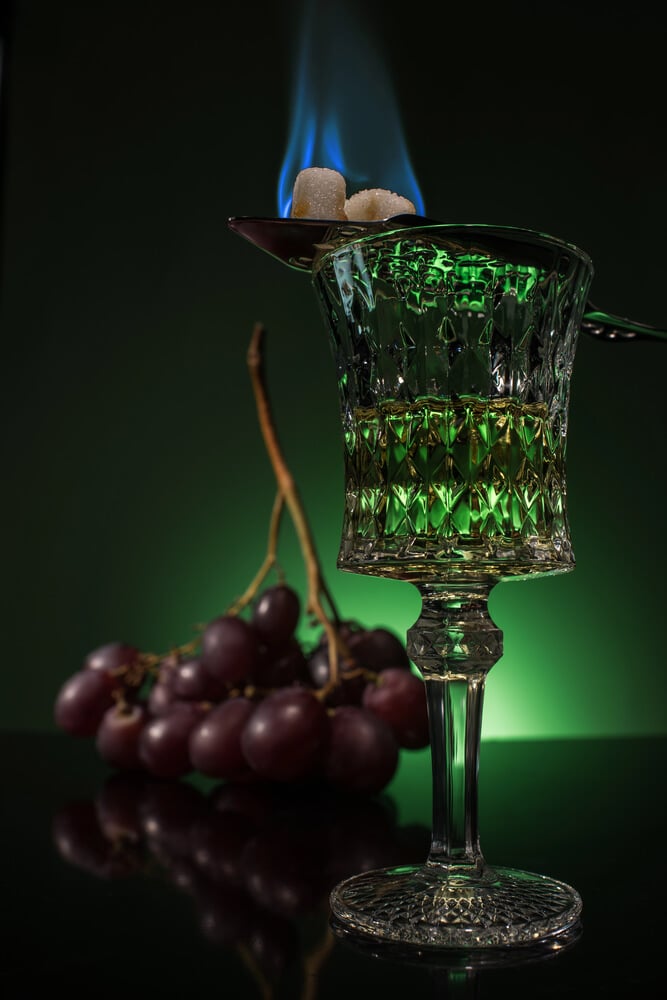
Absinthe is an anise-flavored spirit made with wormwood, which contains a compound called thujone. In the early 20th century it was blamed for madness and violent crime, and it was banned in Switzerland in 1910, the United States in 1912 and France in 1915.
Modern research has found that absinthe’s effects came mostly from its high alcohol content, not thujone. The United States allowed absinthe back onto the market in 2007, provided it met strict thujone limits.
France formally repealed its ban in 2011, nearly a century after it was imposed.
Brominated Vegetable Oil in Sodas
Brominated vegetable oil, or BVO, was used for decades to keep citrus flavoring evenly mixed in soft drinks, including some versions of Mountain Dew and Sun Drop. Concerns about bromine building up in the body led several countries, including the members of the European Union and Japan, to restrict its use.
Most major American soda makers had phased it out by the early 2020s. In July 2024 the US Food and Drug Administration revoked its authorization for use in food, with the rule taking effect in August 2024.
California had already passed a state ban in 2023.
Red Dye No. 3 in American Candy
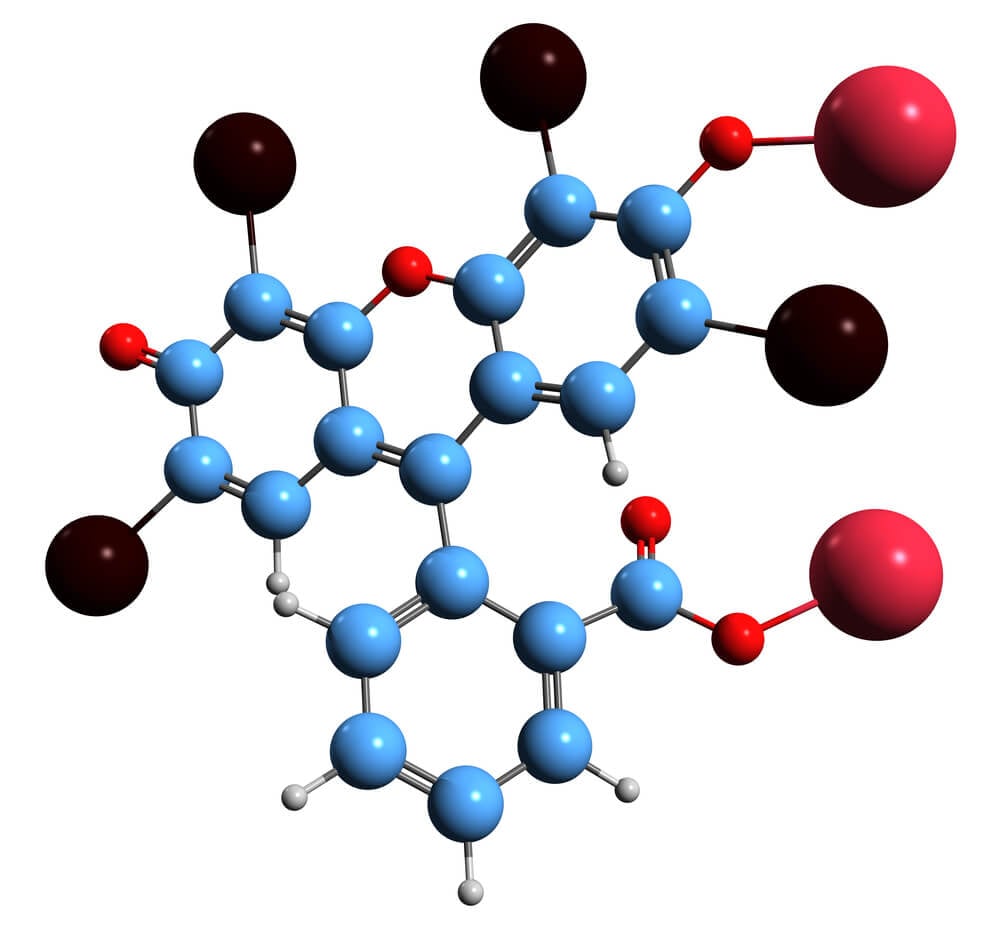
Red Dye No. 3, also called erythrosine, gives a bright cherry red color to candies, frosting and some medications. In 1990 the FDA banned it from cosmetics and topically applied drugs after studies linked high doses to cancer in rats, but it remained legal in food for decades afterward.
In January 2025, the FDA announced it would ban the dye from food and ingested drugs, with food makers given until January 2027 to reformulate. California had already passed a state ban in 2023.
Many European countries restrict the dye to a few specific uses, such as cocktail cherries.
Potassium Bromate in Bread

Potassium bromate is a dough conditioner that strengthens dough and helps bread rise higher in the oven. It has been classified as a possible human carcinogen by the International Agency for Research on Cancer.
The European Union, the United Kingdom, Canada and several other countries ban it in food. In the United States it is still allowed under federal rules, although many large bakers have stopped using it.
California passed a law in 2023 banning it, along with several other additives, effective in 2027. Bread made with it is supposed to carry a warning label in California already.
Chewing Gum in Singapore
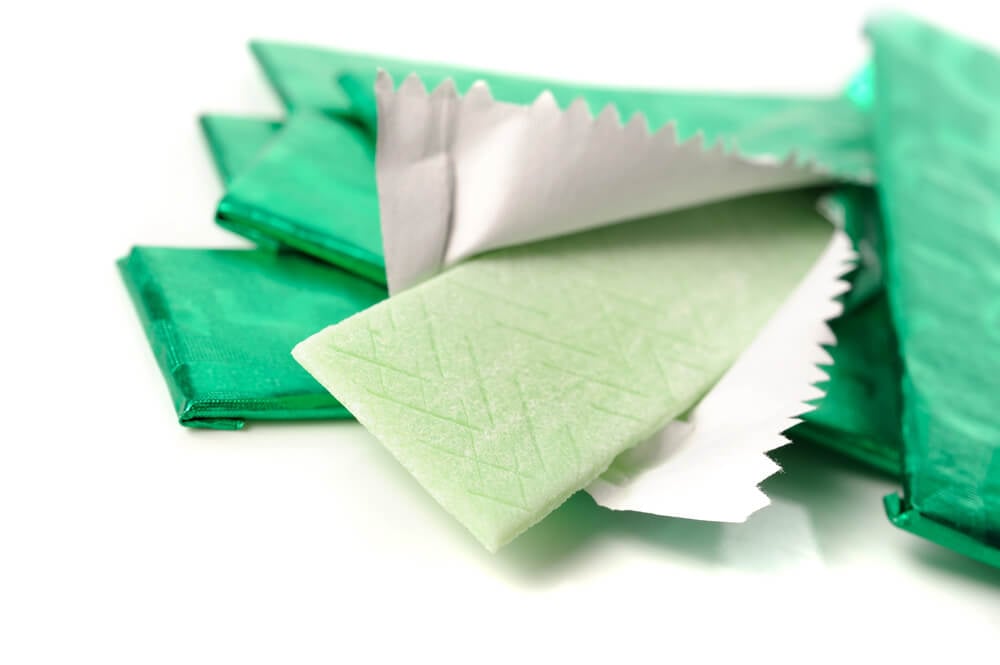
Singapore banned the import and sale of chewing gum in 1992, after years of complaints about gum stuck on sidewalks, public housing elevators and the doors of the new Mass Rapid Transit trains. Chewing gum itself is not illegal, but bringing large amounts into the country can lead to fines.
The ban was eased in 2004 as part of a trade agreement with the United States, allowing therapeutic gums such as nicotine gum to be sold by pharmacists. Customers must register with a pharmacist to buy it.
Ordinary gum remains unavailable in shops.
Ortolan and the Napkin Ritual
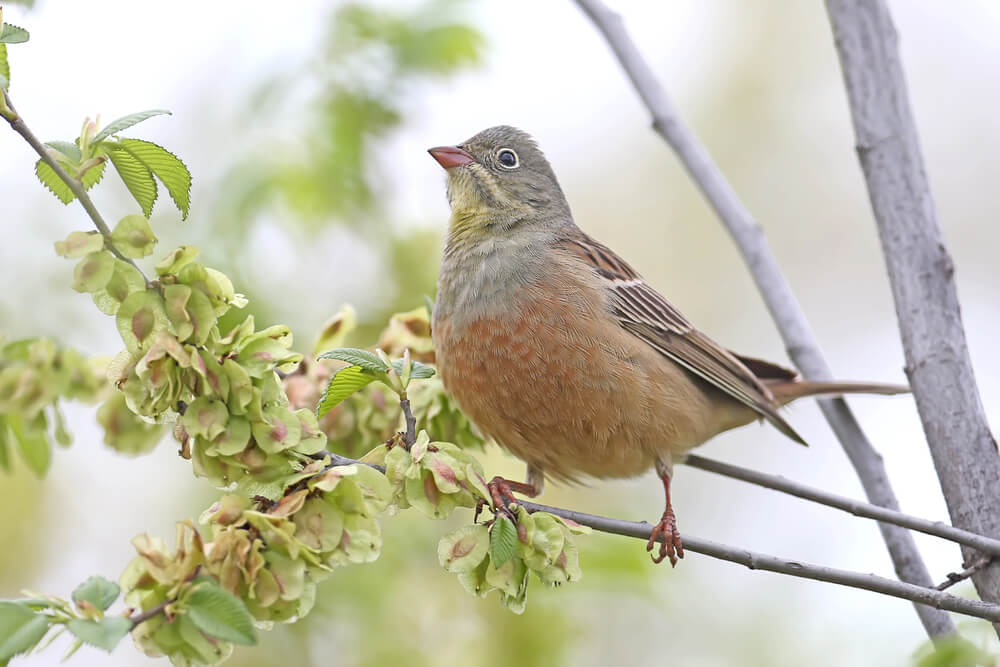
The ortolan is a small songbird that was once a celebrated French delicacy. Traditionally, the birds were trapped, fattened in the dark, drowned in Armagnac and roasted, then eaten in a single bite while the diner covered their head with a napkin.
Hunting the bird was banned in France in 1999 in line with European Union bird protection rules, and enforcement tightened in 2007. Former President Francois Mitterrand reportedly ate ortolan at a final meal shortly before his death in 1996.
Some French chefs have campaigned for a limited legal season, so far without success.
Sassafras and the Original Root Beer
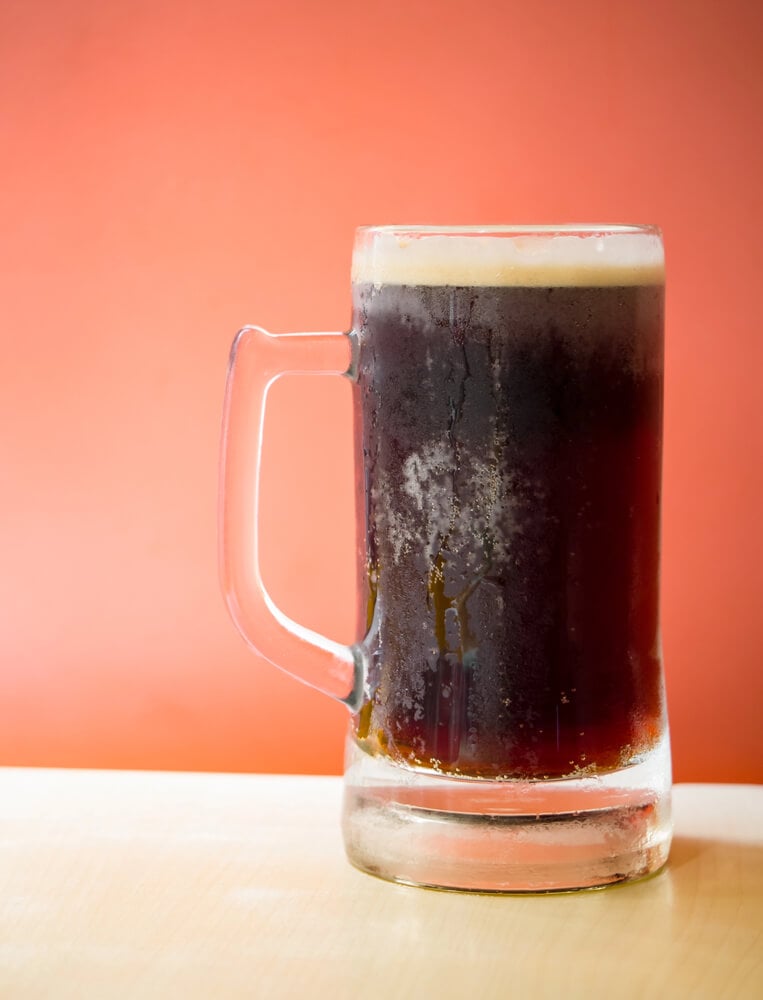
Sassafras root bark was the key flavoring in early American root beer and is also used to make file powder, a thickener for gumbo. In 1960 the FDA banned the use of safrole, the main aromatic compound in sassafras oil, in food after studies linked high doses to liver cancer in rats.
Root beer makers switched to artificial flavoring or to sassafras extract with the safrole removed. Dried sassafras leaves used for file powder contain much less safrole and remain on sale.
The ban explains why modern root beer often tastes different from older recipes.
Beluga Caviar at the US Border
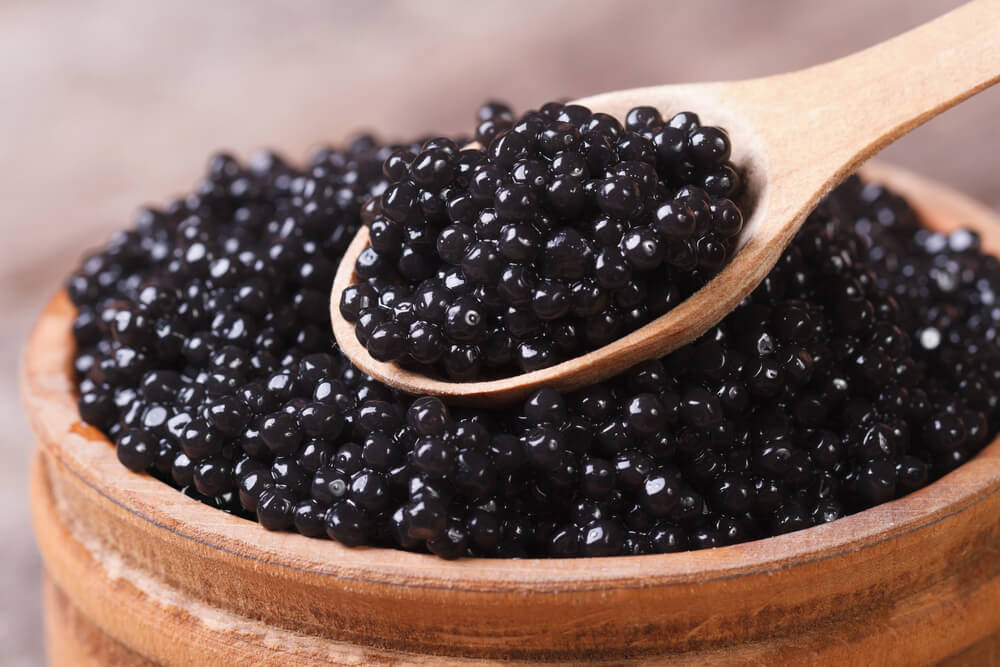
Beluga caviar comes from the beluga sturgeon of the Caspian and Black Seas, a fish that can live for more than a century and take two decades to mature. Overfishing and poaching have pushed it close to extinction.
In 2005, the US Fish and Wildlife Service banned imports of beluga caviar from the Caspian Sea region under the Endangered Species Act. Wild beluga caviar has since become extremely hard to find legally anywhere.
Farm-raised alternatives and hybrid sturgeon caviars have filled much of the gap, often at prices of several hundred dollars per ounce.
Mimolette and Its Cheese Mites
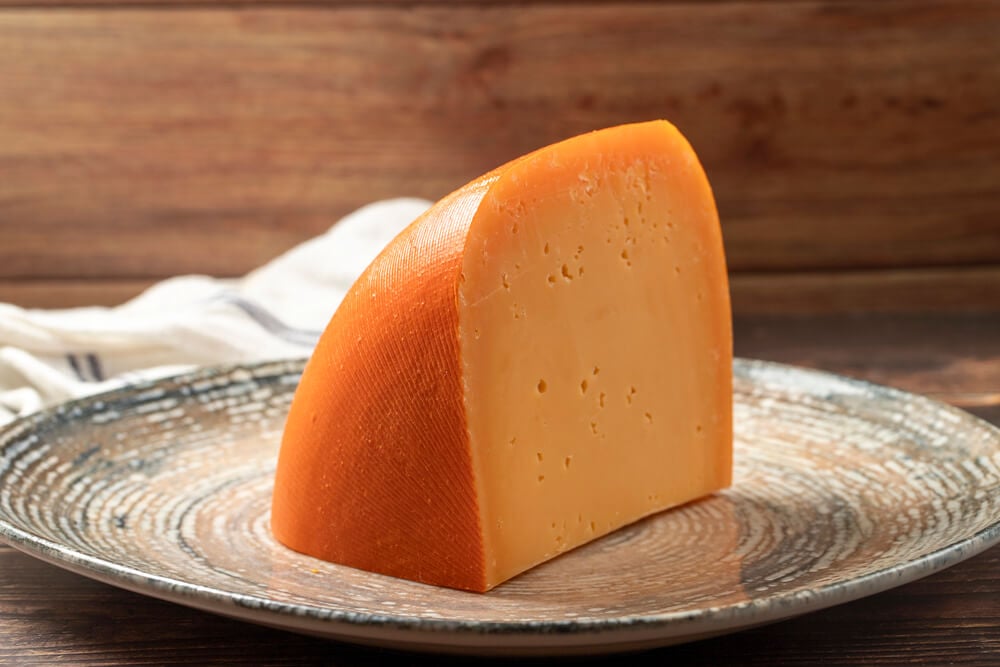
Mimolette is a bright orange cheese from northern France, shaped like a melon and famous for its rough, cratered rind. That rind gets its look from tiny cheese mites deliberately allowed to live on the surface, where they help develop the flavor.
In 2013, the FDA held up imports of Mimolette at the border, saying it contained too many mites. The holdup caused an uproar among cheese lovers, and some American fans organized protests.
Imports eventually resumed under tighter limits, and the cheese is now available again in some US stores.
Ketchup in French School Cafeterias
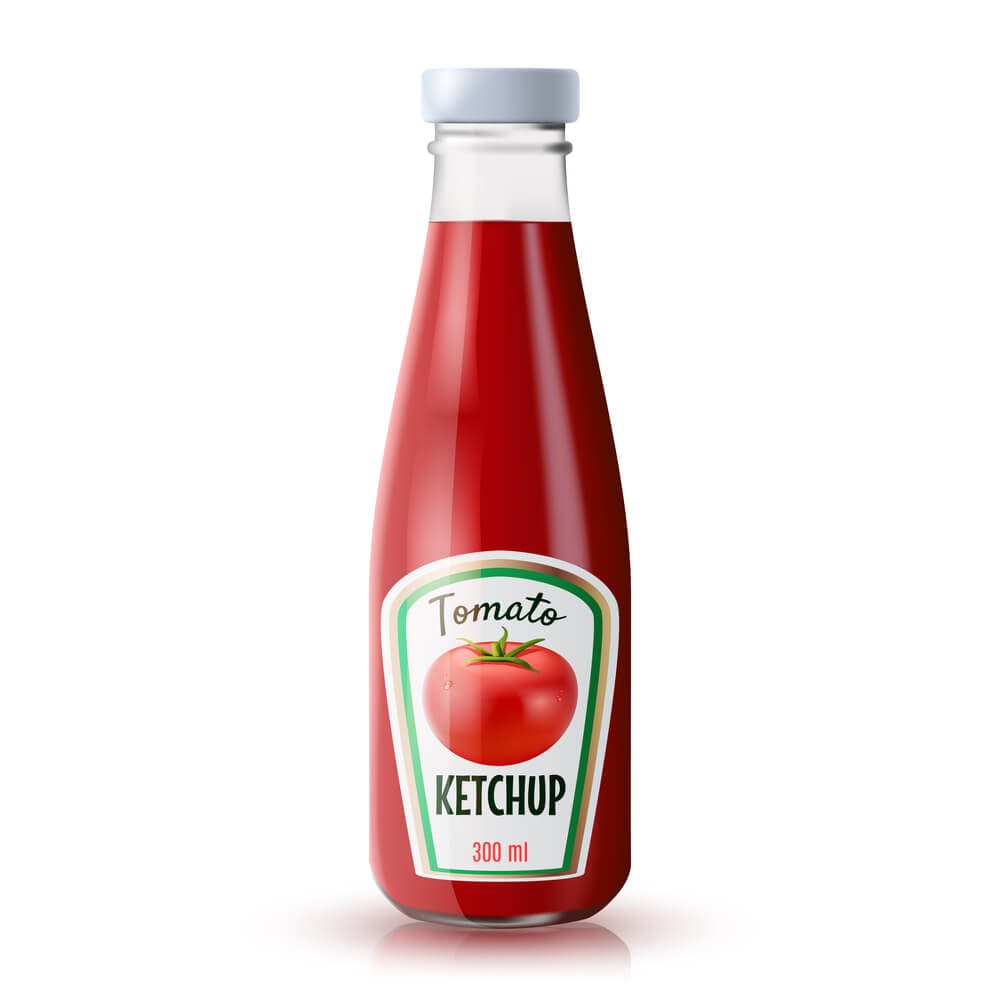
In 2011 France issued rules limiting how often ketchup could be served in school cafeterias, allowing it essentially only alongside french fries, which were themselves restricted to about once a week. Officials said the goal was to improve nutrition and protect traditional French cuisine from processed condiments.
Mayonnaise and vinaigrette were limited too. The decision drew wide attention outside France, with headlines treating it as a ban on ketchup.
Inside France, it was mostly seen as one detail in a broader plan to improve school meals.
Dog Meat in South Korea

South Korea passed a law in January 2024 banning the breeding, slaughter and sale of dogs for meat, ending a centuries-old practice. The law gave farmers, slaughterhouses and restaurants a three-year grace period, with the ban taking full effect in 2027.
Supporters pointed to animal welfare and changing attitudes, as most younger Koreans no longer eat dog meat. The government offered compensation to help farmers close their businesses or move into other work.
Officials estimated that hundreds of thousands of dogs were still being raised on farms when the law passed.
Durian on Singapore’s Trains
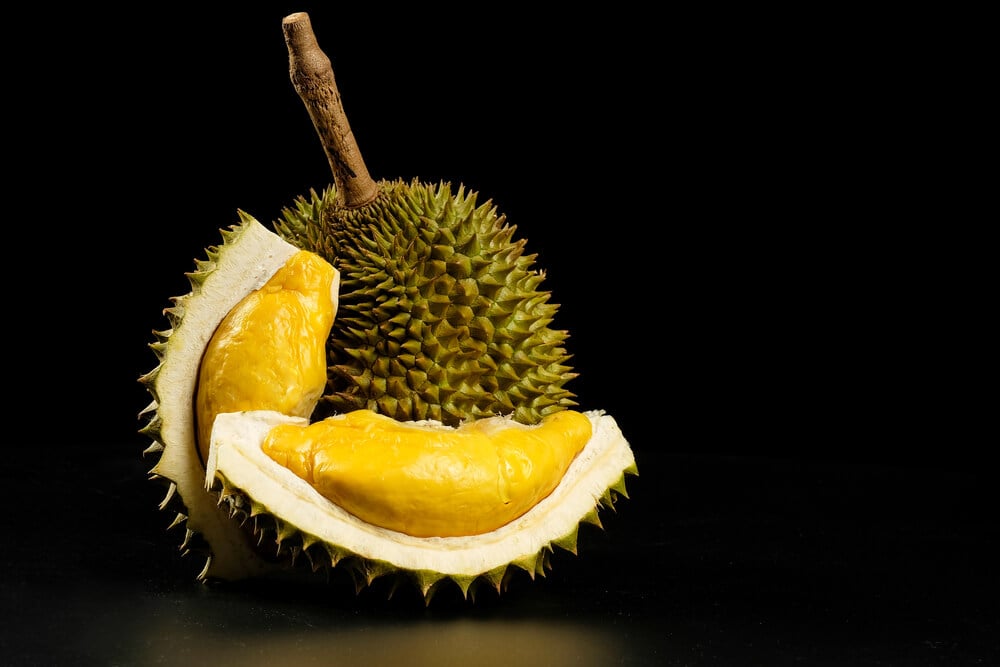
Durian, the spiky tropical fruit beloved across Southeast Asia, has a smell so strong that critics compare it to rotting onions or old socks. In Singapore, durian is banned on Mass Rapid Transit trains and many buses, and signs at stations often show a durian with a red line through it.
Many hotels in the region also forbid guests from bringing the fruit into their rooms. The fruit is not illegal to eat or buy, and it is sold widely at street stalls.
The bans are about the smell lingering in enclosed spaces long after the fruit is gone.
Chlorine-Washed Chicken in Europe
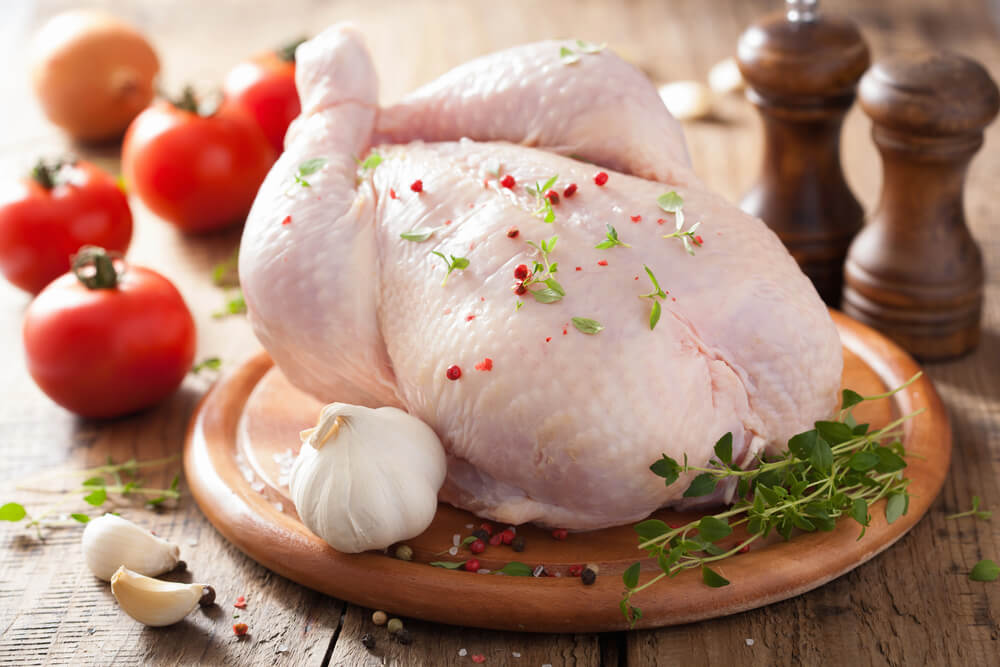
American poultry producers often rinse chicken carcasses in chlorinated water or other antimicrobial solutions to kill bacteria such as salmonella. The European Union has banned imports of chicken treated this way since 1997.
European officials argue that rinses can hide poor hygiene earlier in the production chain, while American officials and producers say the process is safe. The issue has become one of the biggest obstacles in trade talks between the United States and both the European Union and the United Kingdom.
Chlorinated chicken is often held up as a symbol of the larger dispute over food standards.
Hormone-Treated Beef in the European Union
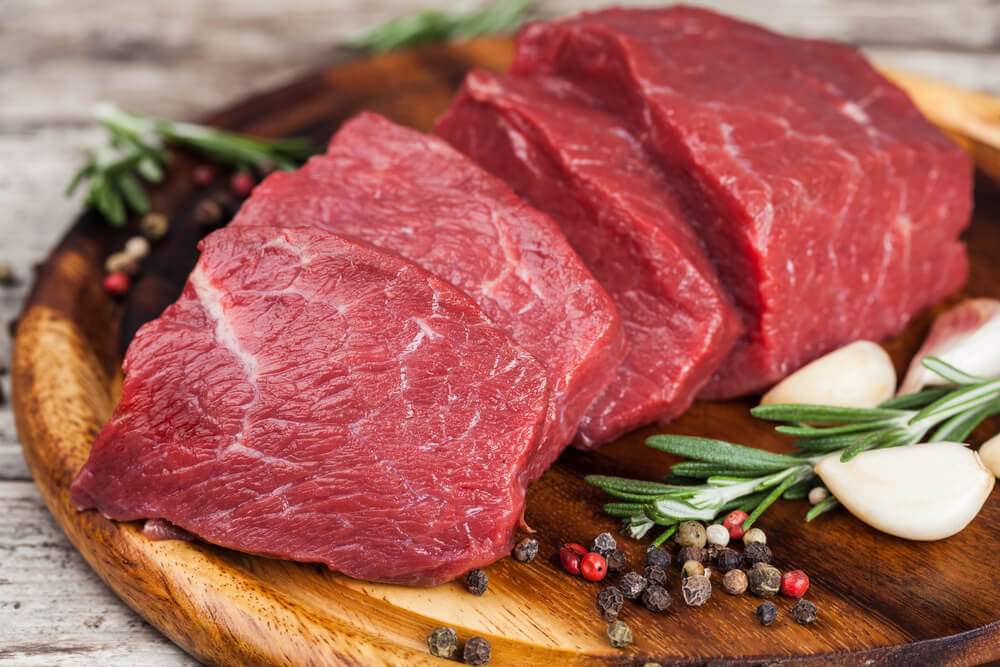
The European Union banned the use of growth-promoting hormones in cattle and the import of beef from treated animals in 1989. Many American and Canadian cattle are given hormone implants to speed weight gain.
The ban led to a long dispute at the World Trade Organization, which ruled against the European Union in the 1990s and allowed the United States and Canada to impose retaliatory tariffs. A 2009 agreement eased the conflict by letting more hormone-free beef enter Europe.
The ban itself remains in place.
Caffeinated Alcoholic Drinks in the United States
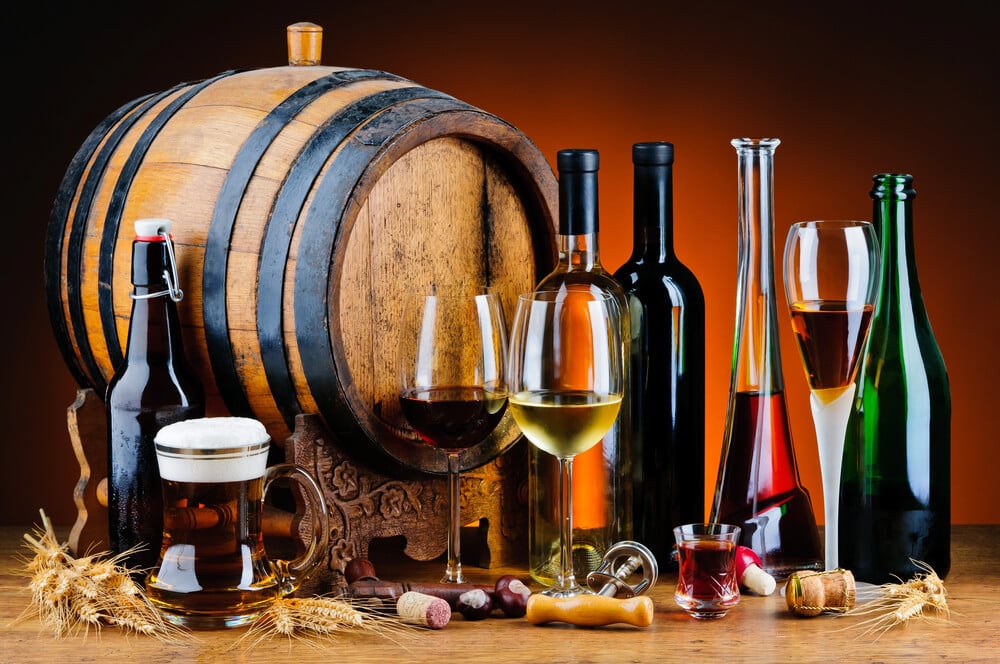
Alcoholic drinks premixed with caffeine became popular in the late 2000s, with brands such as Four Loko packaging high alcohol content in large, brightly colored cans. Critics worried that the caffeine masked the effects of the alcohol and encouraged binge drinking.
After a series of hospitalizations of college students, the FDA sent warning letters to several makers in November 2010, saying caffeine was an unsafe additive in alcoholic beverages. The companies removed the caffeine from their drinks.
Four Loko is still sold today, but without the caffeine that made it controversial.
Beef in Much of India
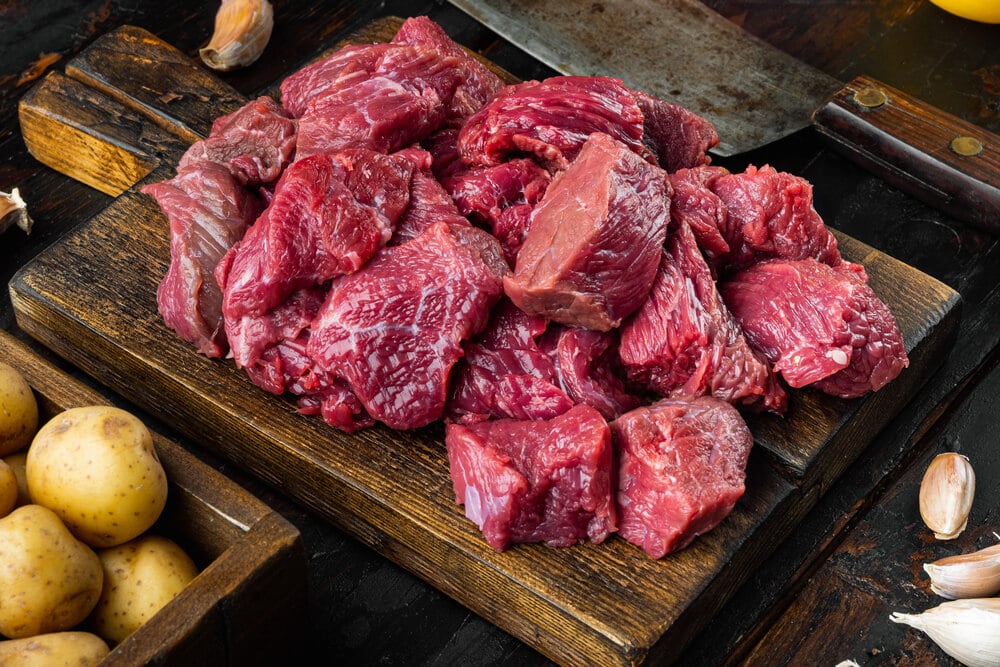
India has no single national beef ban, but most Indian states have laws restricting or banning the slaughter of cows, which are sacred to many Hindus. The rules vary widely, with some states banning slaughter of cows and bulls entirely while others allow beef with fewer restrictions.
Penalties in some states include prison sentences. In other states, such as Kerala, Goa and several in the northeast, beef is commonly eaten.
Water buffalo meat is legal in many areas and is part of a large export trade, making India one of the world’s leading exporters of bovine meat.
Horse Meat From American Slaughterhouses
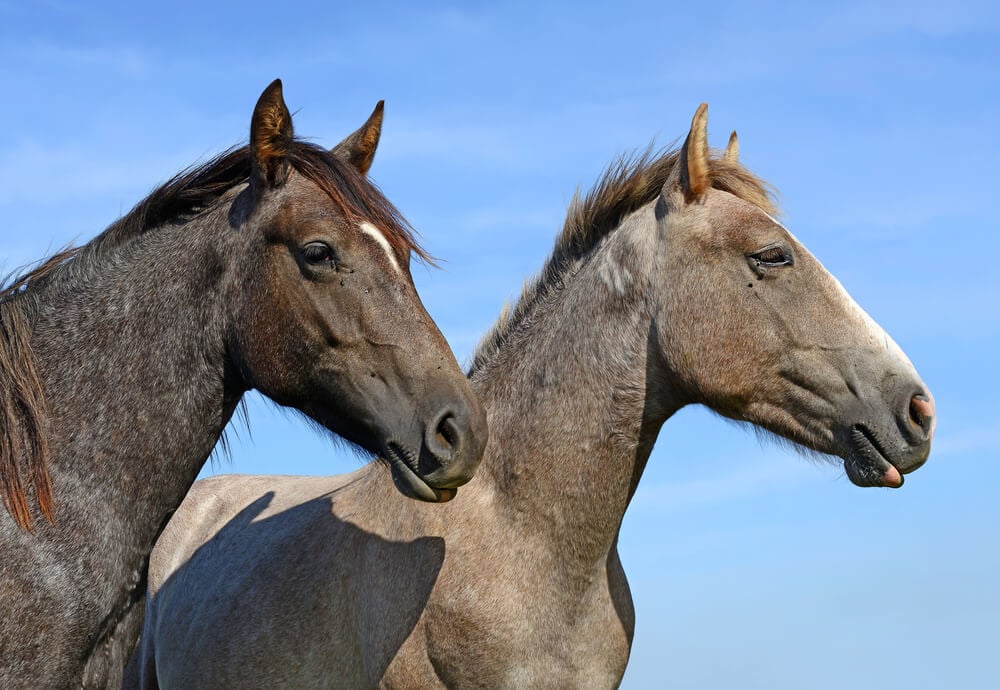
Horse meat is eaten in countries including France, Belgium, Kazakhstan and Japan, but it has long been taboo in the United States. American slaughterhouses for horses closed after Congress stopped funding federal inspections of horse meat in 2006 and courts blocked workarounds in 2007.
Without inspections, the meat cannot legally be sold for human consumption. The funding ban has been renewed regularly since, apart from a short gap.
American horses are still sometimes shipped to Mexico and Canada for slaughter, a practice animal welfare groups have tried to ban.
Young Raw-Milk Cheese in the United States
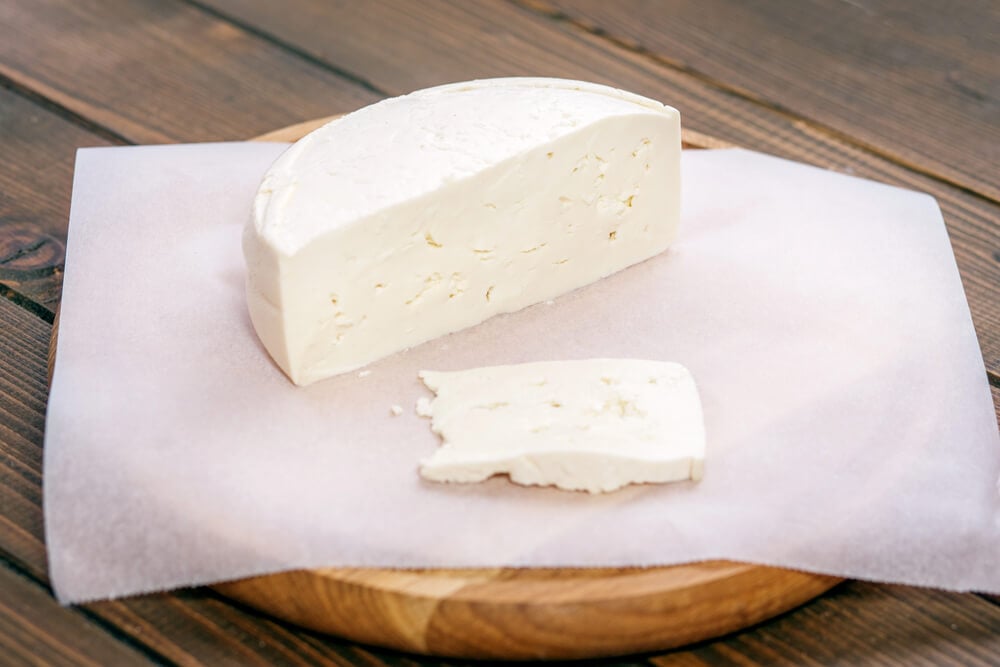
Federal rules in the United States require cheese made from unpasteurized milk to be aged for at least 60 days before it can be sold. The rule dates back to 1949, and the logic is that aging helps kill harmful bacteria.
It means that many famous soft cheeses made in Europe from raw milk, including traditional versions of Brie de Meaux and Camembert de Normandie, cannot legally be sold in the United States. American shoppers find pasteurized versions instead, which cheese experts say taste noticeably different.
Aged hard cheeses such as Parmigiano-Reggiano are not affected.
Pork in Saudi Arabia
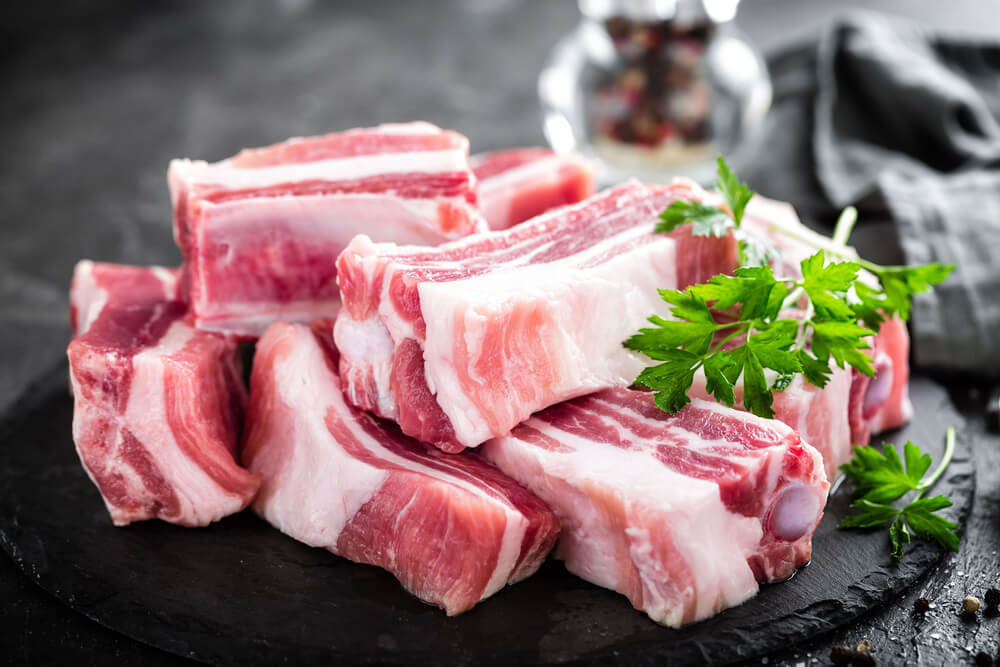
Saudi Arabia bans the import and sale of pork and pork products, in line with Islamic dietary law that forbids Muslims from eating pig meat. The ban extends to products containing pork-derived ingredients, including some gelatins and flavorings.
Travelers bringing pork products into the country can have them confiscated at customs. Several other Muslim-majority countries have similar restrictions, though some allow sales to non-Muslims in designated shops.
Food companies selling in the region often produce special versions of products made with beef or chicken gelatin instead.
Menus Drawn by Lawmakers
A list like this can read as a set of national quirks, but most of the bans follow clear logic. Some protect public health, others protect animals, and still others protect religious or cultural traditions.
Food safety science changes over time, which is why absinthe came back while Red Dye No. 3 is on its way out. The same item can be a delicacy in one country and contraband across the border.
The bans also reveal how much of eating is about trust. Shoppers rarely know where their food came from or how it was made, so governments make those decisions on their behalf.
Travelers who find a favorite treat confiscated are running into a system built on very different ideas of acceptable risk. Every grocery aisle is, in part, a map of a country’s history and its fears.
More from Go2Tutors!

- The Romanov Crown Jewels and Their Tragic Fate
- 13 Historical Mysteries That Science Still Can’t Solve
- Famous Hoaxes That Fooled the World for Years
- 15 Child Stars with Tragic Adult Lives
- 16 Famous Jewelry Pieces in History
Like Go2Tutors’s content? Follow us on MSN.