Vintage Festival Foods Worth Seeking Out
County fairs and festivals used to offer a completely different menu than what people see today. Before funnel cakes and deep-fried everything became the norm, fairgoers lined up for treats that have mostly disappeared from modern midways.
These vintage festival foods tell the story of American celebrations through the decades, with flavors and traditions that deserve a comeback. Some of these treats still pop up at small-town fairs and regional festivals.
Others have vanished almost completely, remembered only by people who grew up eating them.
Candied apples
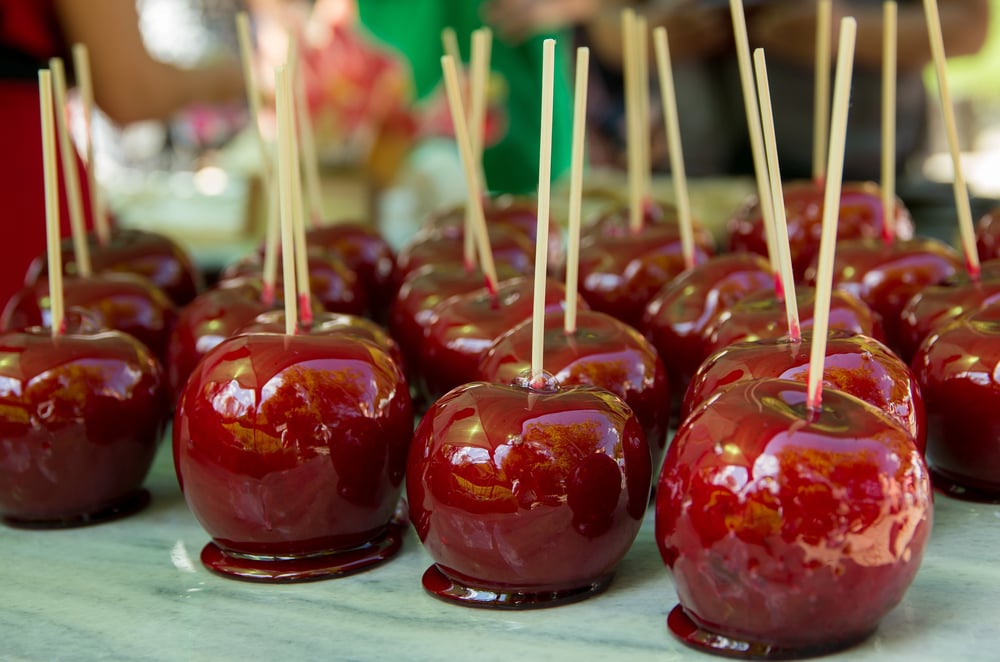
The glossy red coating on a candied apple once signaled fall festivals and harvest celebrations across America. Vendors would stick whole apples on wooden sticks and dip them in hot sugar syrup that hardened into a sweet, crackly shell.
The trick was biting through the candy without losing any teeth or making a complete mess. Caramel apples eventually pushed candied apples aside because they were easier to eat and less likely to cause dental emergencies.
Old-fashioned candied apples still appear at some autumn festivals, though finding them requires a bit of searching.
Pulled candy stands

Festival candy pulling used to be a spectator sport as much as a snack. Workers would stretch long ropes of candy on big metal hooks, folding and pulling the candy until it turned from translucent to opaque.
Kids would press their faces against the glass, watching the whole process before buying a wrapped piece. The labor-intensive nature of hand-pulled candy meant fewer vendors kept up the tradition as pre-made candies became cheaper.
Boardwalk towns and historic villages preserve this tradition better than most modern festivals.
Fresh roasted peanuts

The smell of roasting peanuts once drew crowds at every circus, carnival, and fair in the country. Vendors would roast the peanuts right there in rotating drums, filling the air with a warm, nutty aroma that competed with popcorn for attention.
People would buy them still hot in striped paper bags, cracking shells and tossing them on the ground. Health regulations and concerns about allergies have made fresh-roasted peanut stands increasingly rare at festivals.
The few remaining vendors who still roast on-site create an instant wave of nostalgia for anyone who remembers the original experience.
Pink popcorn
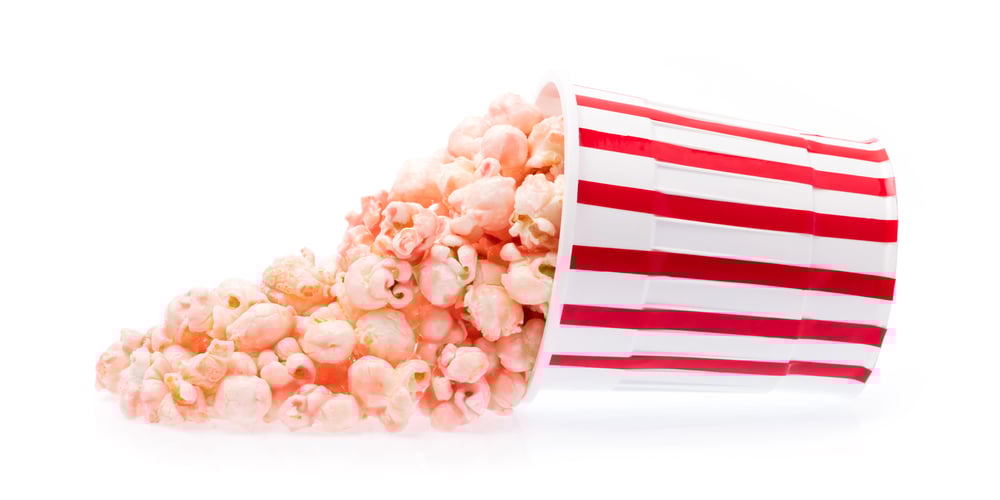
This sweet, pink-colored popcorn showed up at carnivals and fairs throughout the mid-20th century, looking almost too bright to be real. The coating mixed sugar with artificial strawberry flavoring and food coloring, creating something that tasted more like candy than popcorn.
Vendors would pile it high in clear bags, making it impossible to walk by without noticing. Health-conscious trends and a shift toward ‘natural’ foods pushed pink popcorn out of favor by the 1990s.
Vintage candy shops and nostalgia-focused vendors occasionally bring it back for special events.
Corn dogs on a stick

The original corn dogs at state fairs looked and tasted different from what most people eat today. Vendors would hand-dip hot dogs in a thick cornmeal batter and fry them to order, creating a crispy, golden coating that actually tasted like cornbread.
The batter had texture and flavor instead of being just a bland wrapper for the meat inside. Modern corn dogs often come pre-made and reheated, losing the fresh-fried quality that made them special.
Small regional fairs sometimes still make corn dogs the old way, and the difference is immediately obvious.
Lemonade from real lemons

Fresh-squeezed lemonade stands used to be a fair staple, with workers cutting and juicing real lemons right in front of customers. Giant glass containers showed off the cloudy, pulpy lemonade that tasted both sour and sweet.
The process took more time and effort than pouring from a mix, but the flavor made people willing to wait. Most festivals eventually switched to powdered mixes because they were cheaper and faster, sacrificing taste for convenience.
Craft fairs and farmers markets have brought back fresh-squeezed lemonade, though it rarely appears at larger festivals anymore.
Saltwater candy

Despite the name, saltwater candy never contained actual ocean water, but it became synonymous with beach boardwalks and seaside festivals. The chewy candy came in dozens of flavors, each piece individually wrapped in wax paper with the brand name printed on it.
Candy shops would sell it by the pound from large displays, and people would spend ages picking out their favorite flavors. The golden age of saltwater candy peaked in the mid-1900s before other candies pushed it aside.
Coastal towns still sell it to tourists, though fewer festivals include it as a must-have treat.
Frozen custard

Before soft-serve ice cream took over, frozen custard reigned supreme at fairs and amusement parks across the Midwest. The addition of egg yolks made custard richer and denser than regular ice cream, with a texture that held up better in summer heat.
Vendors would serve it fresh from special machines that kept it at the perfect temperature. Frozen custard stands started disappearing as soft-serve franchises expanded nationally in the 1970s and 80s.
A few dedicated shops and historic stands still make authentic frozen custard, treating it as a point of regional pride.
Caramel corn in boxes

Fairgoers used to carry home decorative boxes filled with freshly made caramel corn, often buying them as gifts for people who couldn’t attend. The corn had a thin, crispy caramel coating instead of the thick, sticky stuff that comes in modern bags.
Vendors would pop the corn fresh and coat it on-site, selling it in colorful boxes with festival logos. Pre-packaged caramel corn from factories eventually replaced the fresh-made version at most events.
Artisan popcorn companies have revived the tradition at some craft fairs, though the special boxes are harder to find.
Fried dough with powdered sugar

Long before funnel cakes dominated fair food, simple fried dough with powdered sugar satisfied sweet cravings at festivals. The dough was just that, basic bread dough stretched thin and dropped into hot oil until it puffed up golden and crispy.
A heavy dusting of powdered sugar was the only topping, letting the flavor of the fresh-fried dough shine through. The evolution toward more elaborate toppings and different shapes pushed plain fried dough out of the spotlight.
Italian festivals and New England fairs still serve it the traditional way, proving that simple can be perfect.
Hokey pokey ice cream
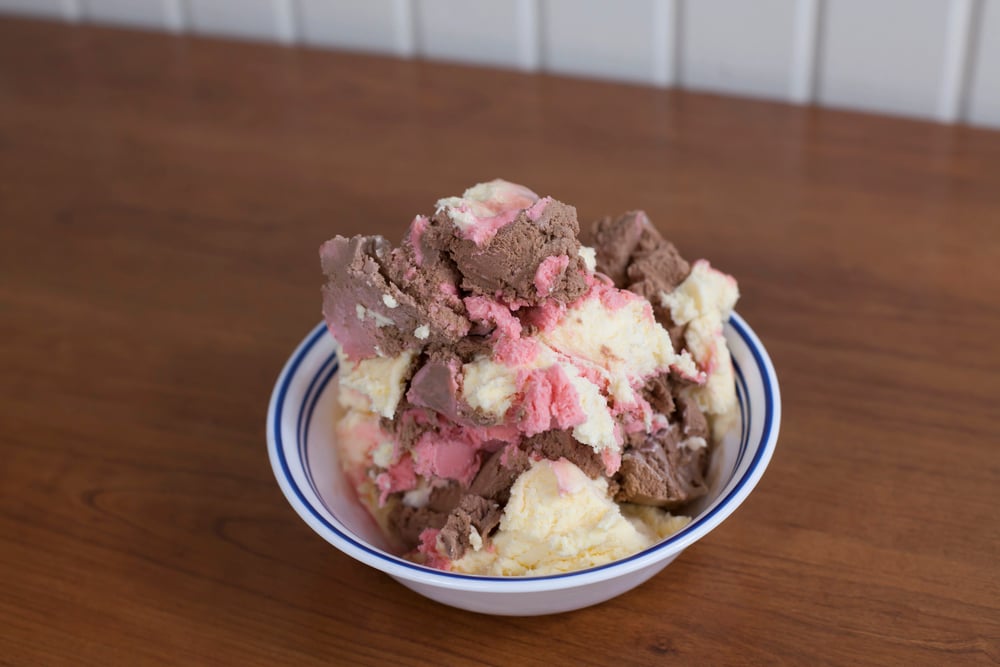
This crunchy, honeycomb-textured treat mixed into ice cream was a festival favorite in the early 1900s, especially at seaside celebrations. The name ‘hokey pokey’ came from street vendors who would call out to sell their ice cream, though the origin of the phrase remains debated.
The honeycomb candy added a unique crunch that people couldn’t get anywhere else. Commercial ice cream flavors eventually replaced these hand-mixed creations at most festivals.
New Zealand still celebrates hokey pokey ice cream as a national favorite, but it rarely appears at American festivals anymore.
Peanut brittle made on-site

Watching vendors make peanut brittle at festivals used to be as entertaining as eating it. They would cook the mixture in copper pots over open flames, then pour it onto marble slabs to cool before breaking it into irregular chunks.
The whole process filled the air with the smell of caramelized sugar and roasted peanuts. Modern health codes and the availability of pre-made brittle ended most on-site production.
Historic demonstrations at living history museums keep this tradition alive, showing younger generations what they missed.
Cotton candy in paper cones

The original cotton candy came served in paper cones instead of plastic bags, and vendors spun it fresh for each customer. The machine would whirl and hum while sugar transformed into wispy threads that wrapped around a paper cone in a growing pink or blue cloud.
Getting it home without it disappearing or getting squashed was nearly impossible. Modern cotton candy often comes pre-bagged, losing the experience of watching it being made.
Old-fashioned carnival operators and vintage fair recreations still spin it the traditional way, much to everyone’s delight.
Roasted corn on the cob

Festivals once served corn still wrapped in its husk, roasted on flames or spun in metal barrels till the grains got crispy gold. A little burn on the shell gave it a deep roast taste – butter and salt made it pop.
Folks pulled off the steamy layers and ate it warm, chatting in small circles. Over time, boiled ears and ready-to-eat versions took over since they saved effort and cut waiting.
Some rural county fairs keep the old fire-roast method alive, mainly when crops come in.
Maple sugar candy

New England and Canadian fairs used to showcase maple candy shaped like leaves or critters – each piece handcrafted. Instead of mass-making, sellers boiled real syrup till thick, pouring it into little forms to cool down.
These sweets packed a strong maple punch, totally different from fake breakfast syrups sold in bottles. Over time, factory-made candies took over, pushing these artisanal bites out of the spotlight.
But today, small sugar huts and seasonal events across Vermont and Quebec keep the old method alive when sap starts flowing.
Root beer floats served straight from barrels

Long before big chains took over, fair stands served root beer floats straight from wooden barrels, piling on fresh scoops of vanilla ice cream right then. Because the soda was icy and fizzy, it bubbled like crazy once it touched the frozen treat – way more froth than you’d expect.
Since each vendor mixed their own brew, every drink had a unique kick – not one floated quite like another. Once bottled pop and machine-made swirls rolled in, tapping kegs felt slow and old-school by comparison.
Now small-batch brewers at local fests are reviving that messy, hand-poured ritual, showing folks how good it can actually taste.
Gingerbread treats tied with string
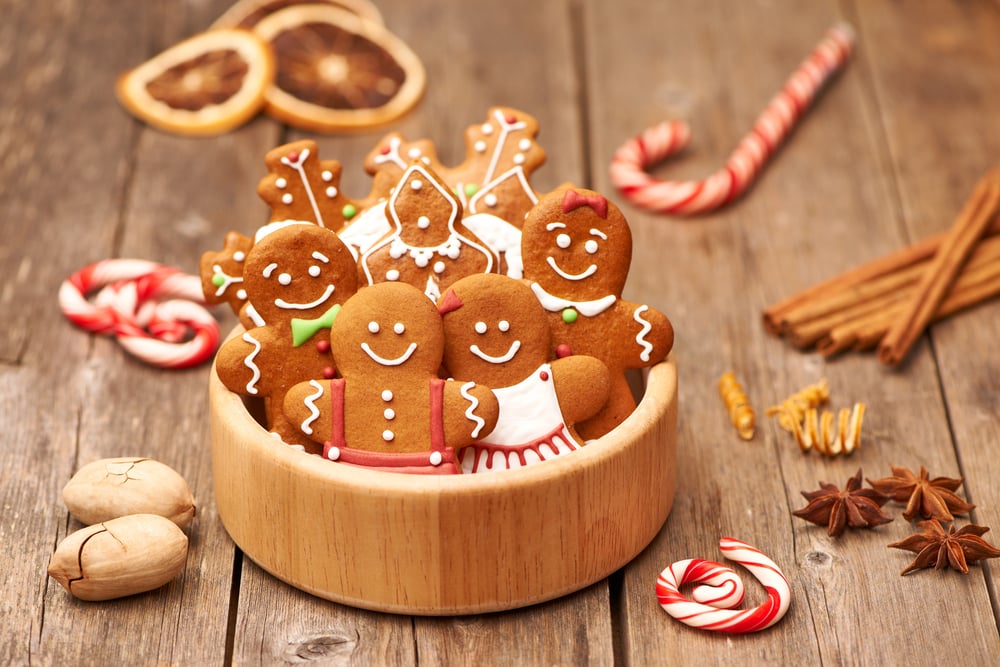
Back in the day, folks at German-themed fairs chowed down on sturdy gingerbread treats covered in sweet frosting, tied with string so they could dangle from their necks. Instead of tossing them aside, people took small bites now and then while strolling around stalls.
These weren’t your flimsy kind – spiced up with actual ginger plus thick molasses, they held up fine for hours. Over time, ready-wrapped snacks hit shelves, tastes shifted, so you stopped seeing those hand-decorated ones popping up everywhere.
But if you hunt a bit, old-school heritage events or real-deal German Christmas markets still offer ’em, passing the habit forward quietly.
What’s Old Becomes New Again

Those old-time festival snacks vanished – not due to flavor issues or lack of interest. Instead, speed, lower expenses, and new rules made way for simpler alternatives.
Nowadays, mobile kitchens and small craft sellers are slowly reviving them, noticing folks crave real, on-the-spot cooked fair eats. If you spot someone pulling candy by hand or juicing lemons fresh, don’t walk past – grab one.
These cooks are holding onto tasty customs worth saving.
More from Go2Tutors!

- The Romanov Crown Jewels and Their Tragic Fate
- 13 Historical Mysteries That Science Still Can’t Solve
- Famous Hoaxes That Fooled the World for Years
- 15 Child Stars with Tragic Adult Lives
- 16 Famous Jewelry Pieces in History
Like Go2Tutors’s content? Follow us on MSN.