28 Retro Appliances Fetching Strong Prices
Mid-century kitchens were full of machines built to last, with steel housings, chrome trim and motors that could be repaired with a screwdriver. Many of them still run, decades after their warranties expired and their owners moved on.
That durability, plus a strong taste for vintage design, has turned certain old appliances into reliable sellers. Some sell to collectors who want a showpiece, while others go to cooks who simply prefer a mixer or toaster that was built to outlive them.
Sunbeam T-20 Radiant Control Toaster
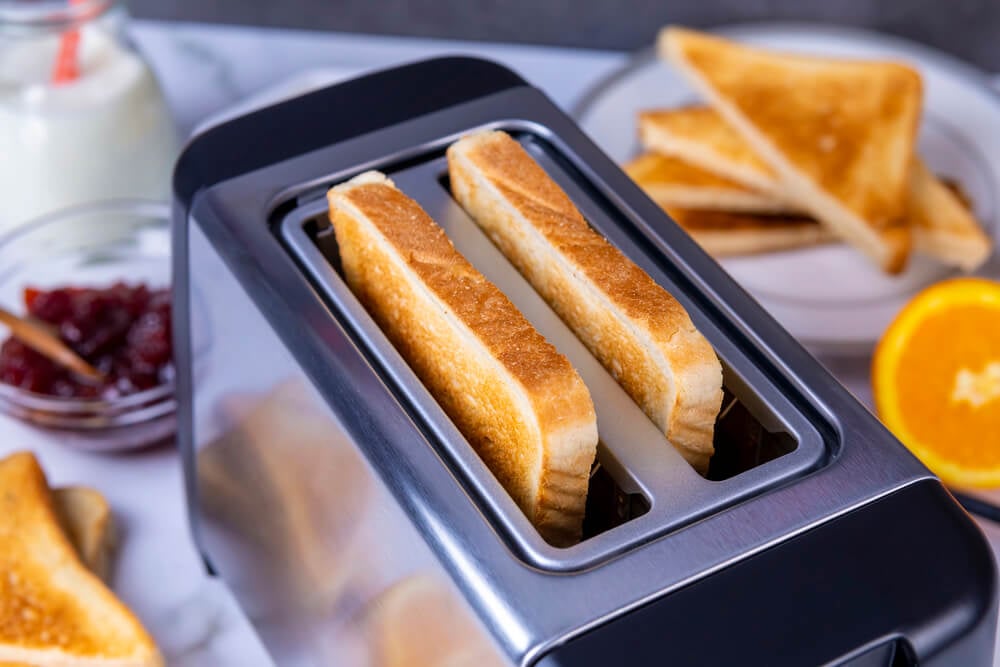
Sunbeam’s T-20 toaster, introduced in 1949, lowered the bread automatically when it was dropped into the slot and raised it gently when done, with no lever at all. Designer Ludvik Koci gave it a rounded chrome body that still looks futuristic on a modern counter.
The mechanism relied on a thermostat that sensed the surface temperature of the bread, which made it more consistent than many toasters made today. Working examples typically sell for 100 to 300 dollars, with mirror-bright chrome bringing the most.
Pitted chrome, frayed cords and sluggish mechanisms lower the price.
Toastmaster Pop-Up Toasters
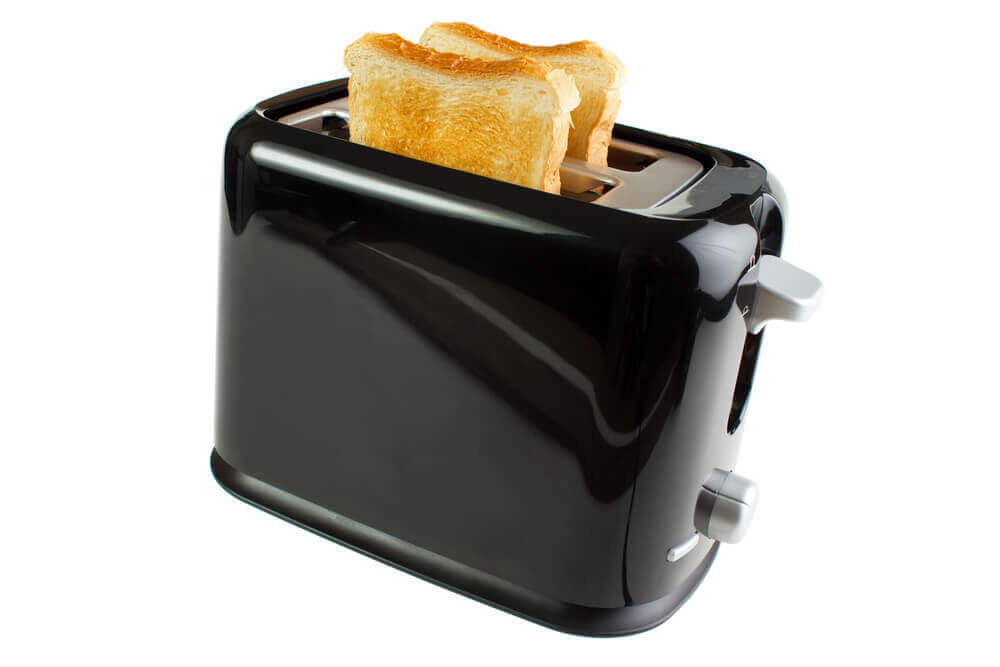
Charles Strite patented the automatic pop-up toaster in the early 1920s, and the Toastmaster Model 1-A-1, released for home use in 1926 by the Waters-Genter Company, brought the idea into American kitchens. Early Toastmasters featured heavy chrome bodies and timers that ejected the toast automatically.
Collectors prize the first home models, which can sell for several hundred dollars in good condition. Later Toastmaster models from the 1940s and 1950s are more common and typically sell for less than 100.
Cords and heating elements often need replacing, which affects value.
Westinghouse Turnover Toasters
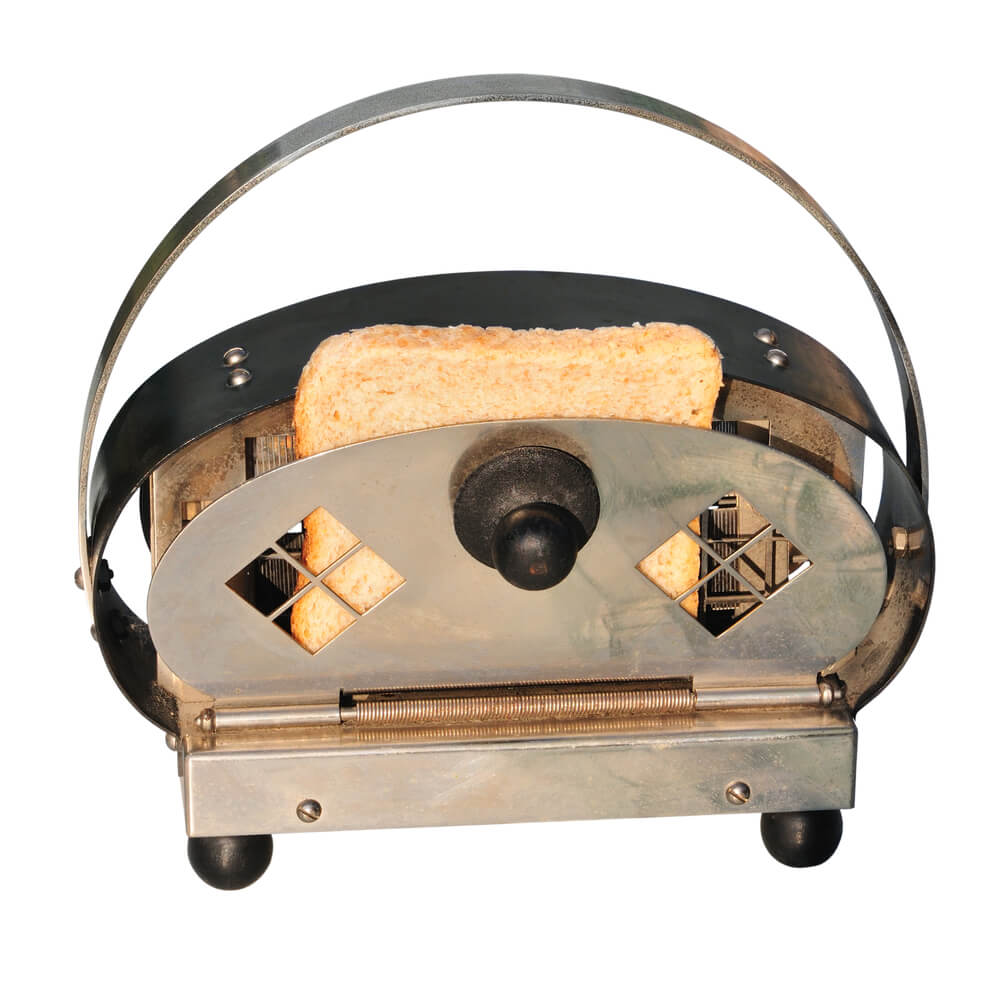
Before pop-up toasters became standard, Westinghouse and other makers sold turnover toasters with hinged doors that flipped the bread to toast the other side. These early electric toasters from the 1910s and 1920s often featured nickel plating and decorative cutouts.
Collectors value them as examples of early electric kitchen design. Clean, working examples typically sell for a hundred dollars or more, with rare designs bringing several hundred.
Frayed cloth cords and worn plating are common issues that buyers inspect carefully. Many are bought purely for display, since their exposed heating wires make daily use risky.
Sunbeam Mixmaster
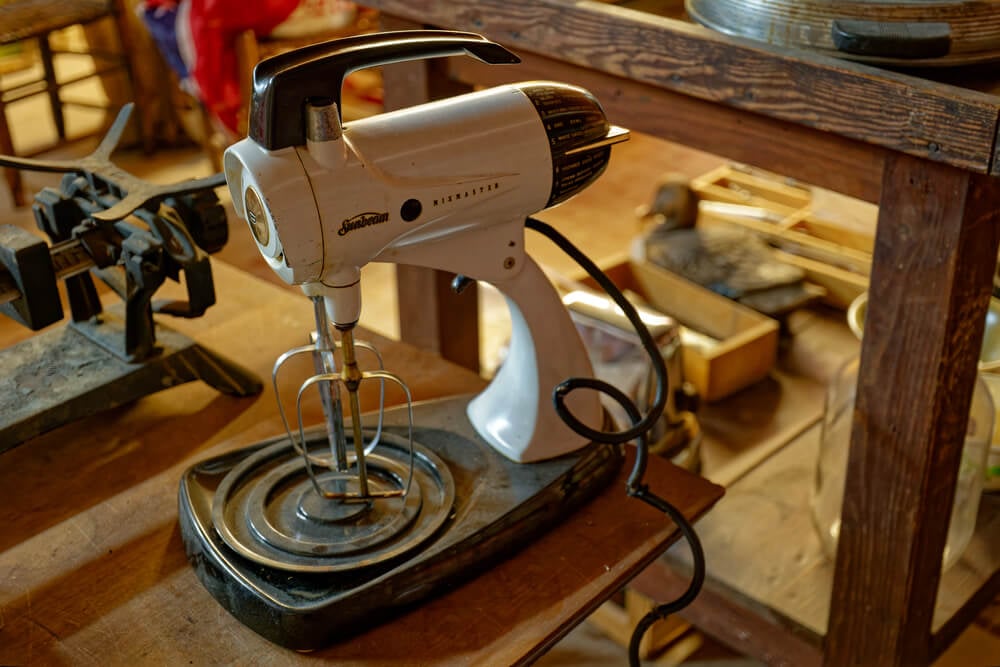
Ivar Jepson designed the Sunbeam Mixmaster, introduced in 1930 by the Chicago Flexible Shaft Company, and it became one of the best-selling kitchen appliances of the mid-century era. Its twin beaters and rotating bowl made mixing easier than ever.
Vintage models in colors such as jadeite green, pink or turquoise are especially sought after. Working examples typically sell for 100 to 300 dollars, with rare colors bringing more.
Original bowls and attachments add value, while chips or cracks in the bowls reduce it. The milky jadeite-style glass bowls are often worth nearly as much as the mixer itself.
Hobart-Era KitchenAid Mixers
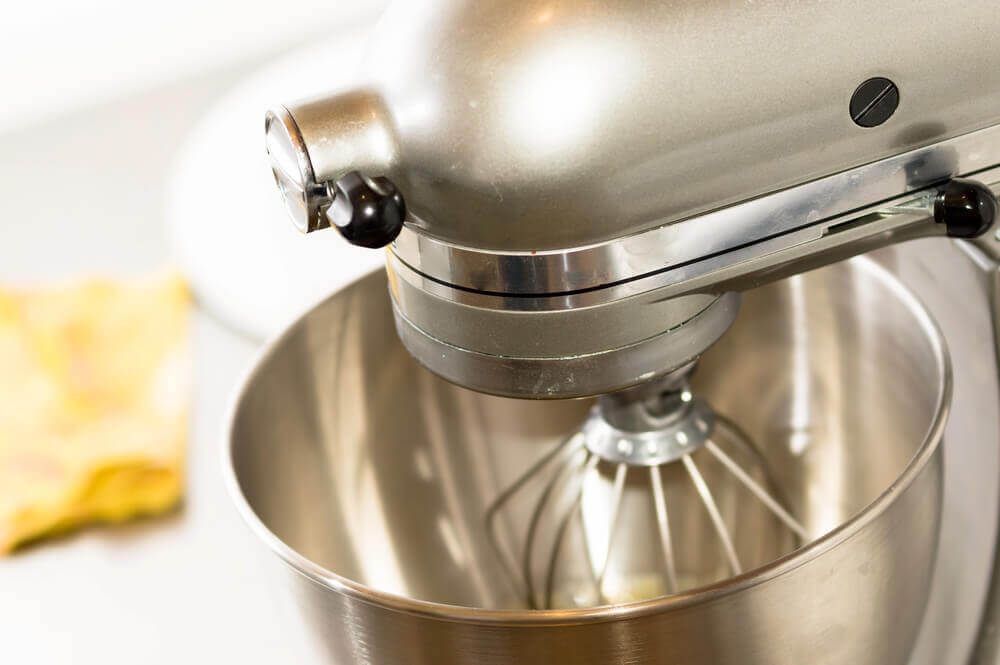
KitchenAid stand mixers were made by Hobart until 1986, when Whirlpool acquired the brand, and collectors prize the Hobart-era models for their durable metal gears and powerful motors. Egmont Arens designed the Model K in 1937, a shape that remains largely unchanged today.
Vintage examples typically sell for 200 to 500 dollars, depending on model and condition. Rare colors and original attachments add value.
Buyers check for worn gears, frayed cords and chipped paint. Bakers often prefer a reconditioned Hobart model to a new machine, which keeps demand steady well beyond collector circles.
Pastel shades from the 1950s are especially popular.
Waring Blendor
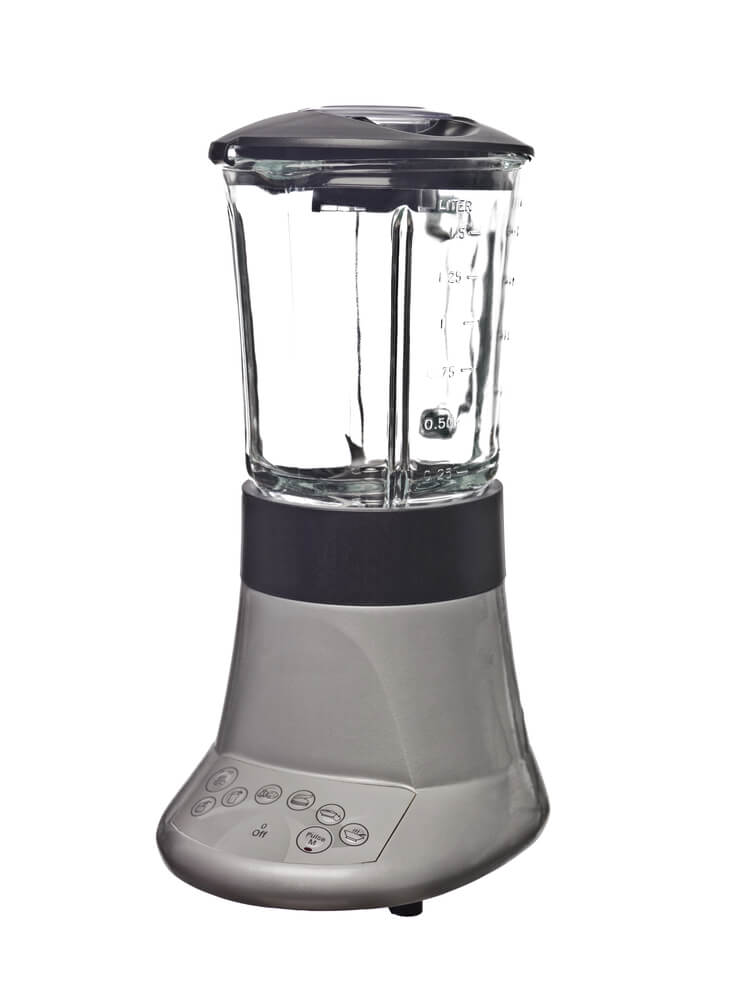
Bandleader Fred Waring financed the development of a mixing machine invented by Fred Osius, and the Waring Blendor reached the market in 1937, spelled with an o to set it apart. It became a fixture in bars, hospital kitchens and laboratories, and Jonas Salk is widely reported to have used one during his polio vaccine research.
Early models with heavy chrome bases and thick cloverleaf-shaped glass jars draw the most collector interest. Working examples typically sell for 100 to 300 dollars, with rare early versions bringing more.
A cracked jar or a motor that smells hot when running cuts the price sharply.
Osterizer Beehive Blenders
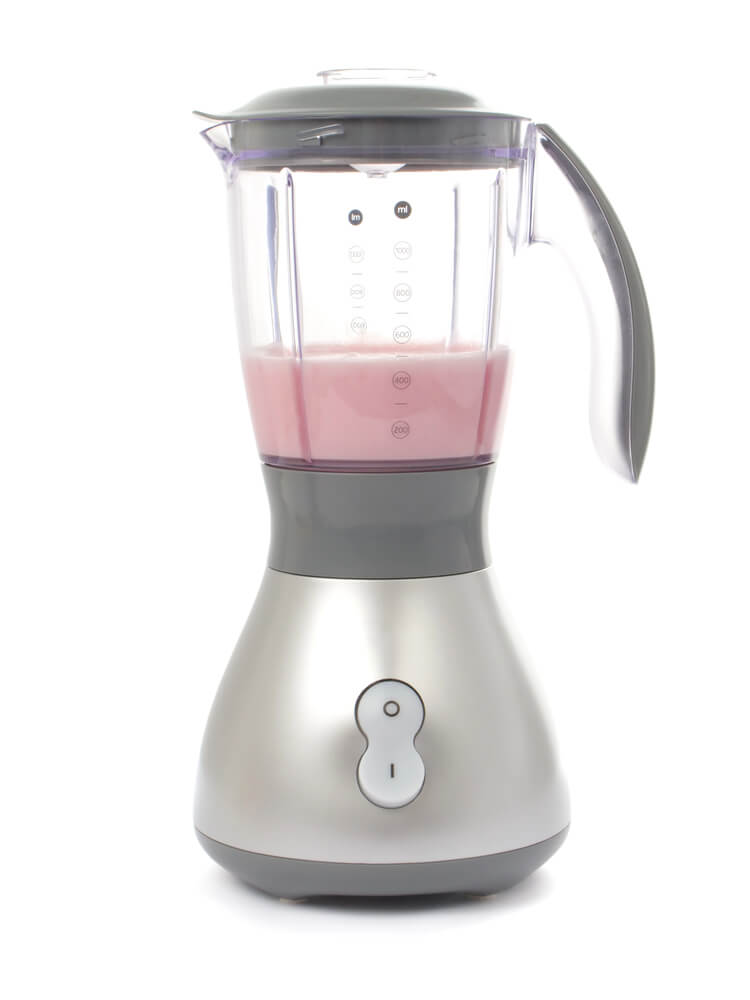
John Oster bought the blender business of inventor Stephen Poplawski in 1946 and sold the machines under the Osterizer name. The ribbed, beehive-shaped chrome bases of the 1950s became design classics that still look striking on a modern counter.
These blenders were built with sturdy motors and heavy glass jars, and many still run perfectly. Working examples typically sell for 75 to 200 dollars, with gleaming chrome and original jars bringing the most.
Buyers check that the push buttons engage cleanly and that the jar threads are not chipped.
Hamilton Beach Drink Mixers
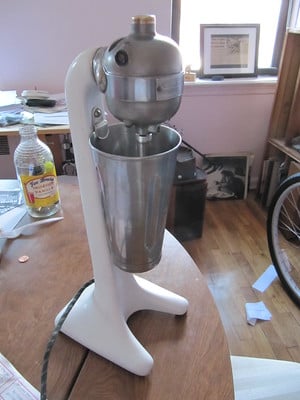
Hamilton Beach, founded in Racine, Wisconsin, in 1910, built its reputation on electric drink mixers that became staples of soda fountains, drugstores and diners. Vintage spindle mixers with green enamel or chrome finishes are especially collectible, partly for the malt shop nostalgia they bring.
Working examples typically sell for 100 to several hundred dollars, and multi-spindle commercial models bring more. Original stainless steel cups add value, since many were lost or replaced.
Buyers listen for smooth motor operation and check enamel for chips and rust.
Vita-Mix 3600
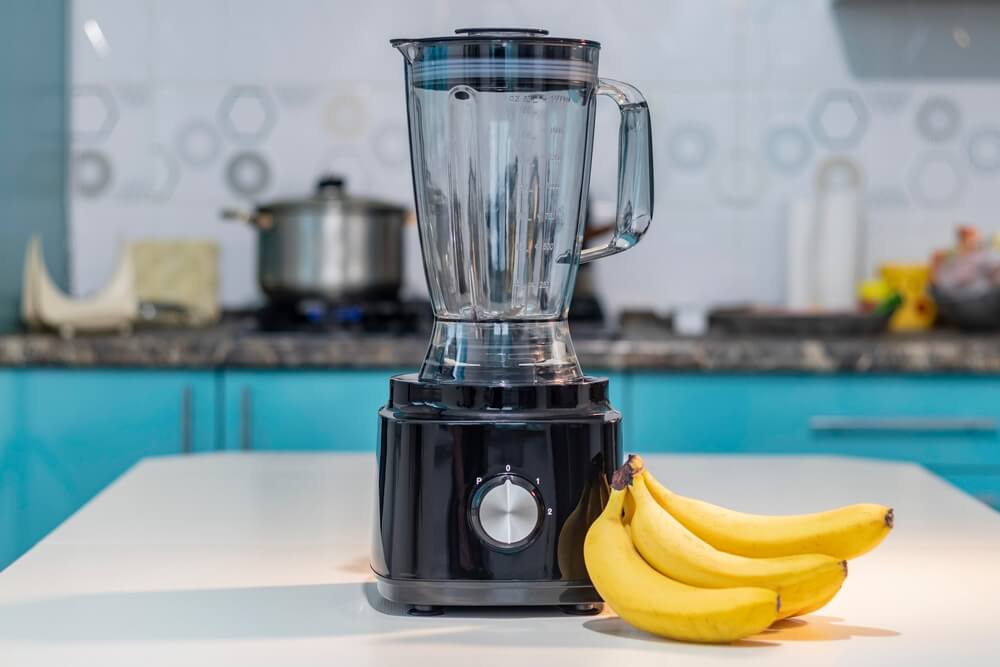
Vita-Mix, founded by William Barnard in 1937, introduced the 3600 model in 1969, a heavy-duty blender powerful enough to heat soup through blade friction alone and to grind dry grains into flour. Its stainless steel container and industrial motor made it a favorite of health food enthusiasts long before high-powered blenders became common.
Working examples typically sell for 100 to 250 dollars. Original containers, lids and manuals add value.
Buyers check that the reversing switch works and that the container shows no cracks or loose seals. Its brushed steel looks right at home in a modern kitchen.
Original Cuisinart Food Processor
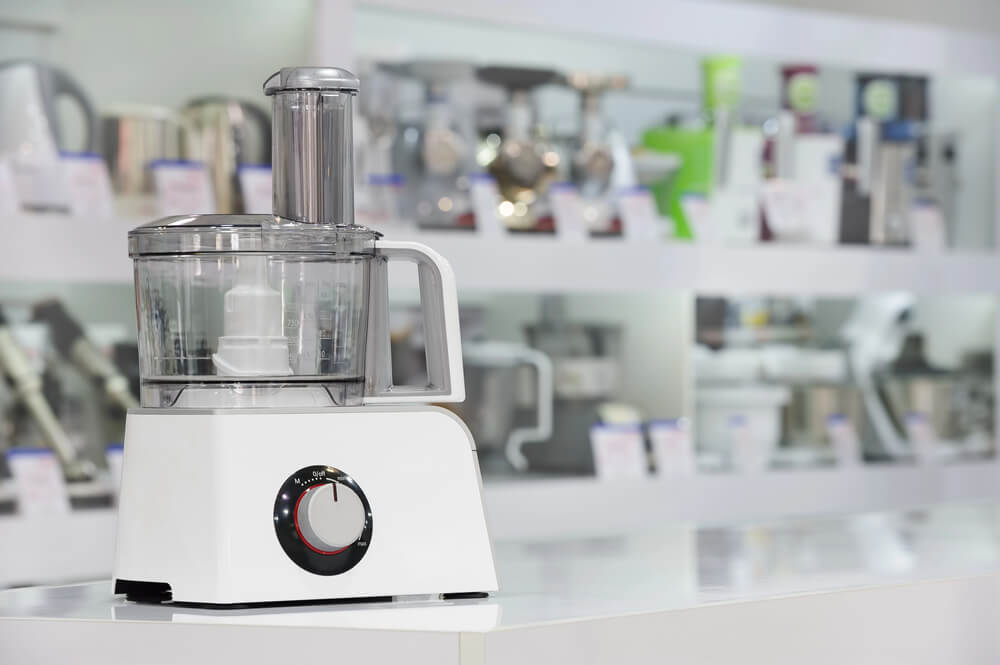
Carl Sontheimer saw a French commercial machine called the Robot-Coupe at a trade show, refined it for home kitchens and introduced the Cuisinart food processor in 1973. The early models, with their simple controls and powerful direct-drive motors, quickly became essential tools for serious home cooks.
Vintage Cuisinarts from the 1970s and 1980s still sell steadily, often for 75 to 200 dollars. Original blades, discs and bowls add value.
Buyers check for cracks in the bowl and lid, since replacement parts for early models can be difficult to find.
Rival Crock-Pot
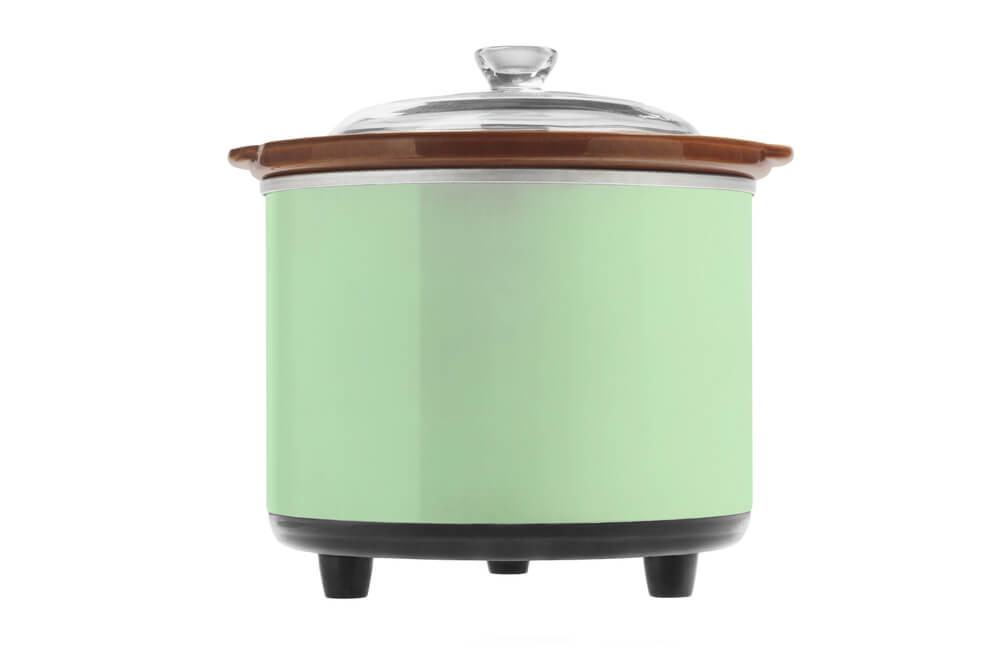
Rival bought a company that made a slow cooker called the Naxon Beanery and relaunched it as the Crock-Pot in 1971, just as more women entered the workforce and wanted dinner ready when they came home. Early Crock-Pots in harvest gold, avocado green and burnt orange now draw nostalgic buyers.
Typical examples sell for 30 to 100 dollars, with mint pieces in original boxes bringing more. Removable stoneware inserts arrived later, so early models have fixed crocks.
Buyers check for crazing in the glaze and heating that runs evenly.
Corning Electric Percolators
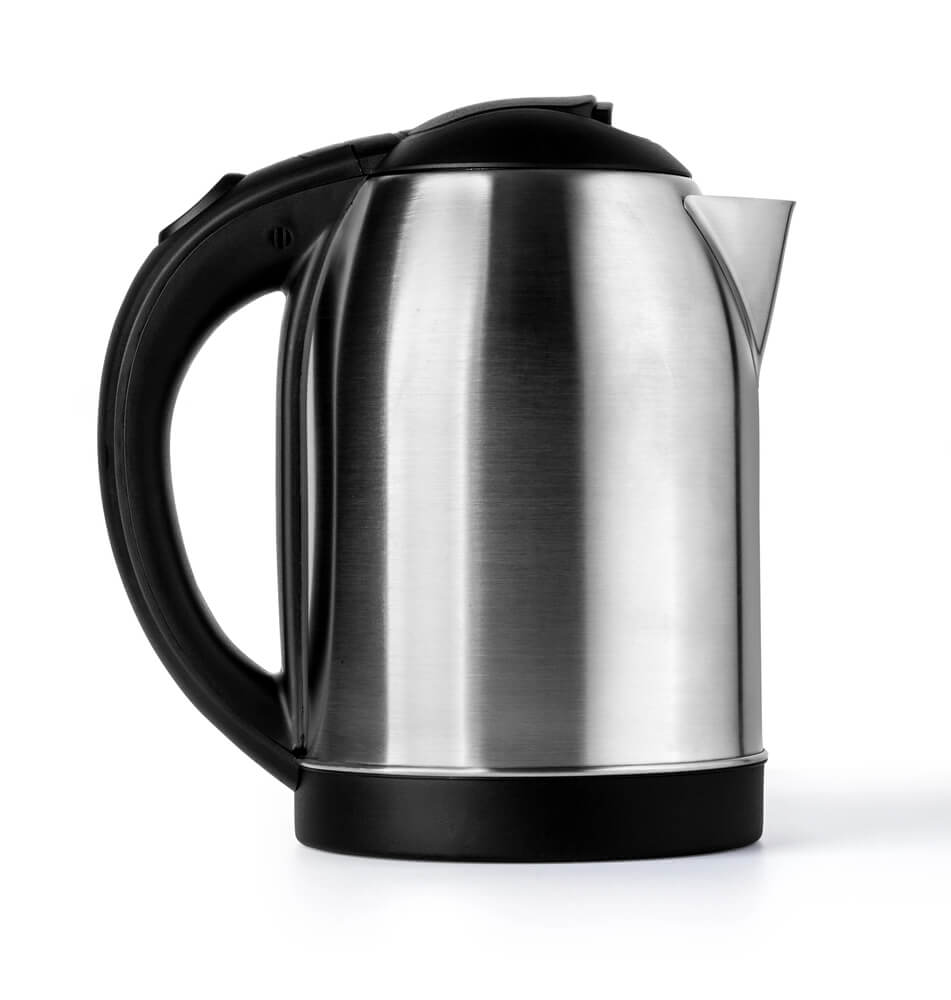
Corning made electric percolators decorated with its Blue Cornflower pattern, matching the white Corning Ware casseroles found in kitchens across the country in the 1960s and 1970s. Collectors prize them for their crisp white glass-ceramic bodies and the way they complete a vintage Corning Ware set.
Working examples typically sell for 50 to 150 dollars. The special power cords were often lost, so cords and lids add value.
Buyers check the glass-ceramic body for chips and cracks, and they test whether the unit still brings water to a steady perk.
Universal Coffee Percolators
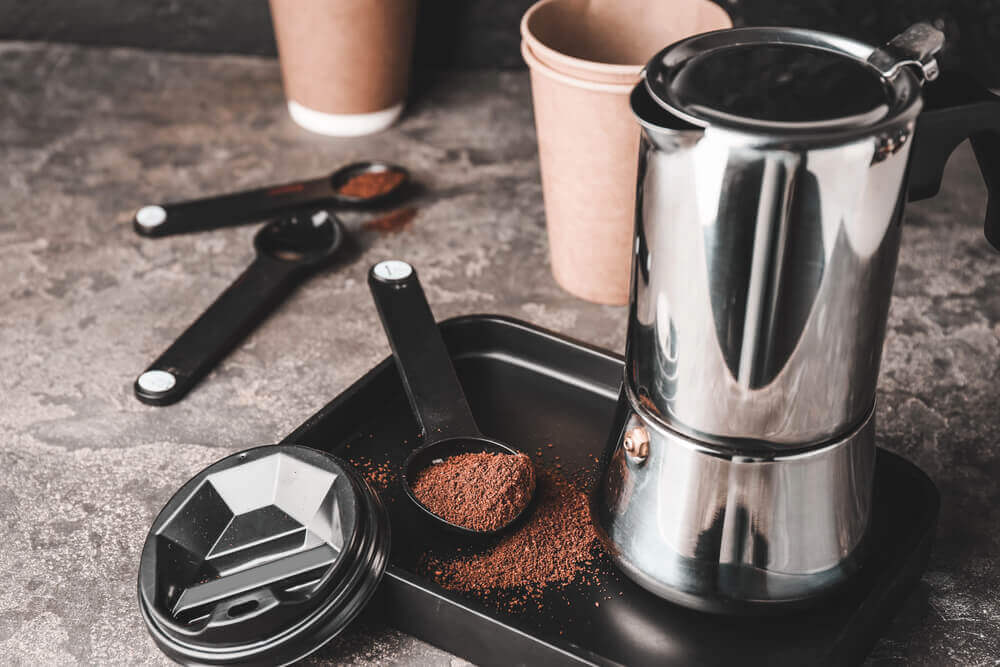
Landers, Frary and Clark of New Britain, Connecticut, sold small appliances under the Universal brand, including some of the earliest electric coffee percolators made for home kitchens. Pieces from the 1910s through the 1930s often featured nickel or chrome finishes, ebony handles and Art Deco details.
Working examples typically sell for 50 to 200 dollars, depending on style and condition. Matching sugar bowls, creamers and trays turn a single percolator into a valuable set.
Buyers look for corrosion inside the pot and cloth cords that may need replacement.
Sunbeam Coffeemaster
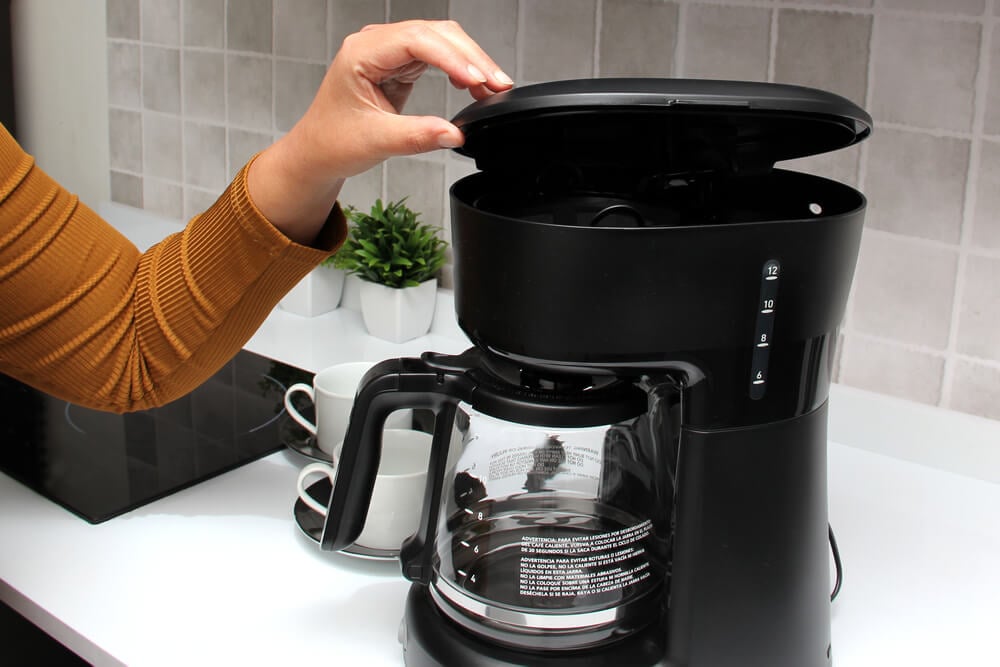
Sunbeam introduced the Coffeemaster vacuum coffee maker in the late 1930s, using a two-chamber glass or metal design that pushed water up and drew brewed coffee back down. Later models switched off automatically and kept coffee warm, a novelty at the time.
Its chrome base and theatrical brewing process made it a showpiece in postwar kitchens. Working examples typically sell for 75 to 200 dollars.
Original glass bowls and filter rods add value, and buyers check rubber gaskets, which often dry out and crack with age.
Presto Hot Dogger
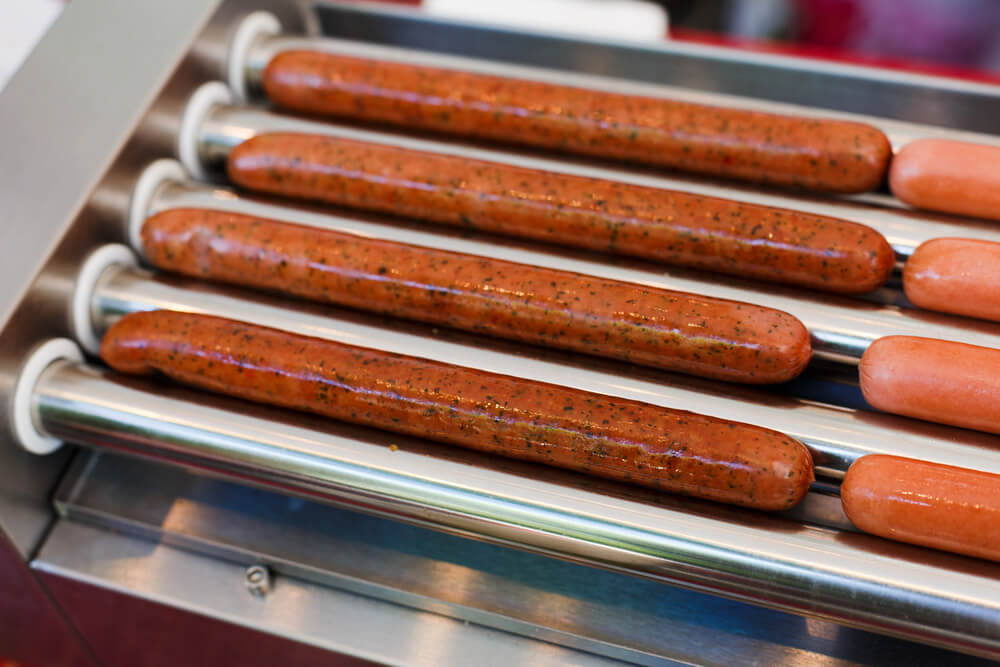
Presto introduced the Hot Dogger in the 1960s, a gadget that cooked six hot dogs at once by passing household electricity directly through them between metal spikes. A safety interlock cut the power when the lid opened, and the process took about a minute.
The appliance has become a cult collectible for its sheer oddness. Working examples typically sell for 30 to 100 dollars, with boxed units bringing more.
Buyers check that the safety switch works properly, since a faulty interlock makes the gadget genuinely dangerous to use.
GE Toast-R-Oven
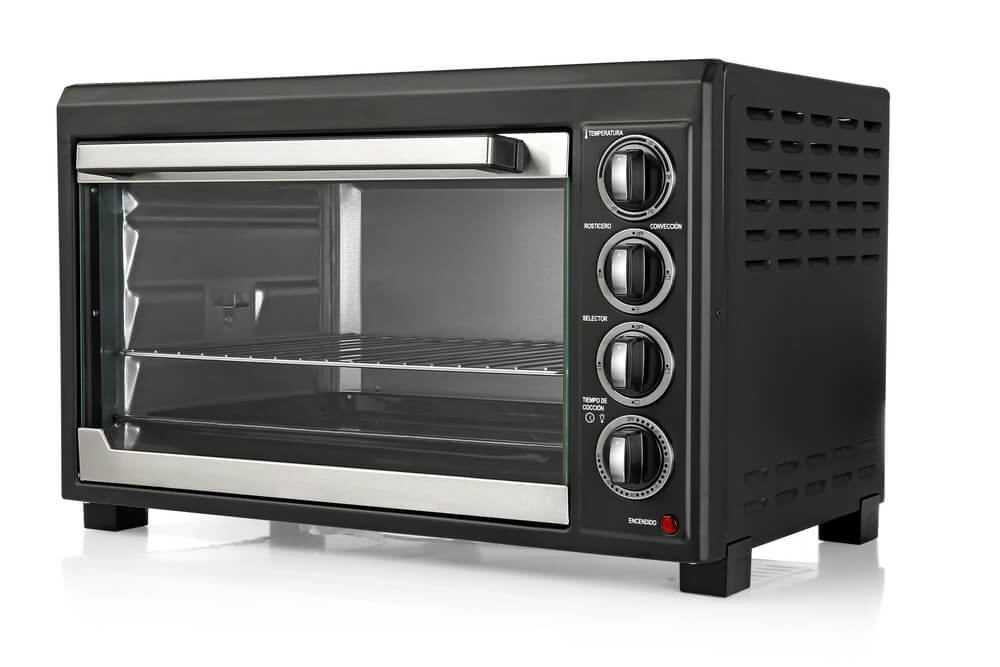
General Electric introduced the Toast-R-Oven in 1956, combining a toaster with a small oven that could heat rolls and melt cheese. The concept paved the way for the countertop toaster ovens now found in millions of kitchens.
Vintage chrome models from the late 1950s and 1960s sell well for their design. Working examples typically sell for 50 to 150 dollars.
Original crumb trays and baking trays add value, and buyers check that the door hinges open smoothly and the heating elements glow evenly. Clean chrome without pitting is the main thing collectors want.
Manning-Bowman Waffle Irons
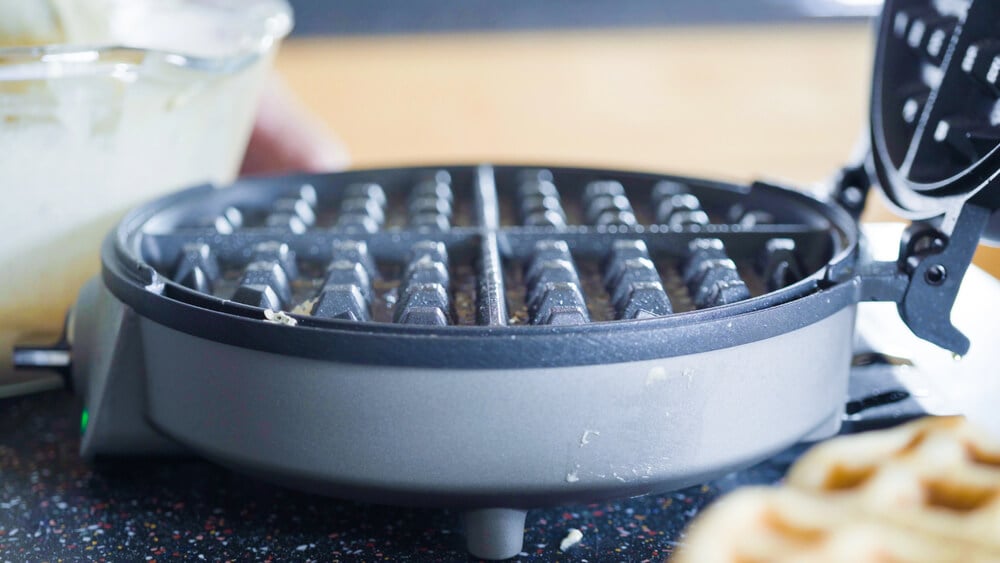
Manning-Bowman of Meriden, Connecticut, made decorative small appliances in the early twentieth century, and its waffle irons stand out for their nickel and chrome finishes and Art Deco styling. Some featured decorative porcelain inserts on the lid and temperature gauges on top.
Working examples typically sell for 50 to 200 dollars. Original cords and intact grid plates add value.
Buyers check for pitted plates, worn finishes and hinges that no longer close evenly, since these affect both use and appearance. Matching sandwich grill plates, when present, raise the price.
Westinghouse Roaster Ovens
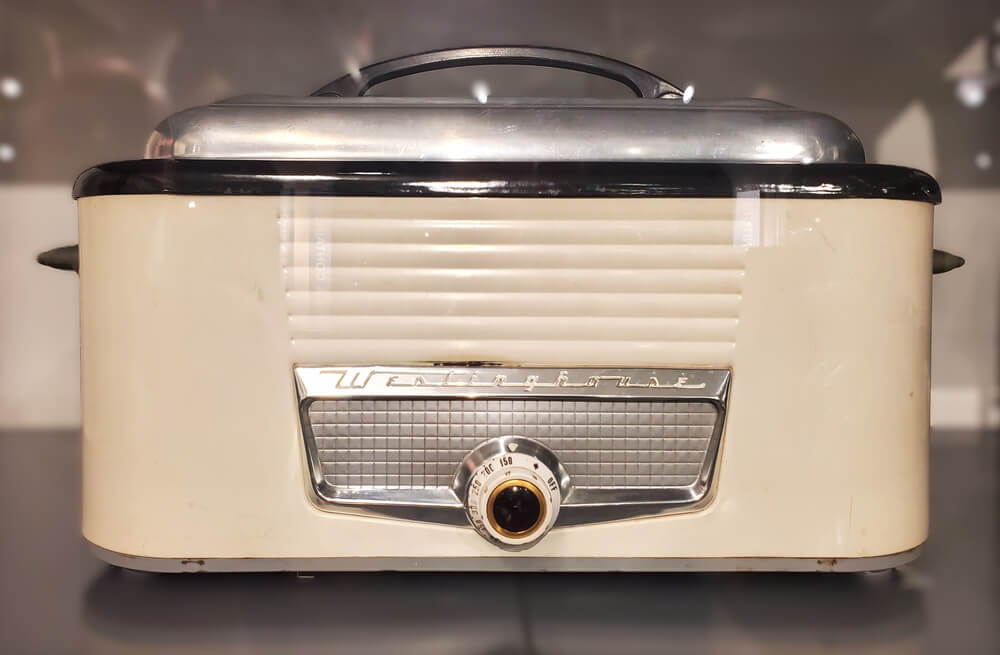
Westinghouse roaster ovens, popular in the 1940s and 1950s, let cooks roast a turkey or bake a casserole on a countertop, freeing up the main oven for holidays. These large enameled roasters came with inserts and racks that made them surprisingly versatile.
Working examples typically sell for 50 to 150 dollars, with complete sets bringing more. Original inserts, racks and cookbooks add value.
Buyers check enamel for chips and test the thermostat, since uneven heating is a common problem with age. Many still see use every Thanksgiving.
Chambers Ranges
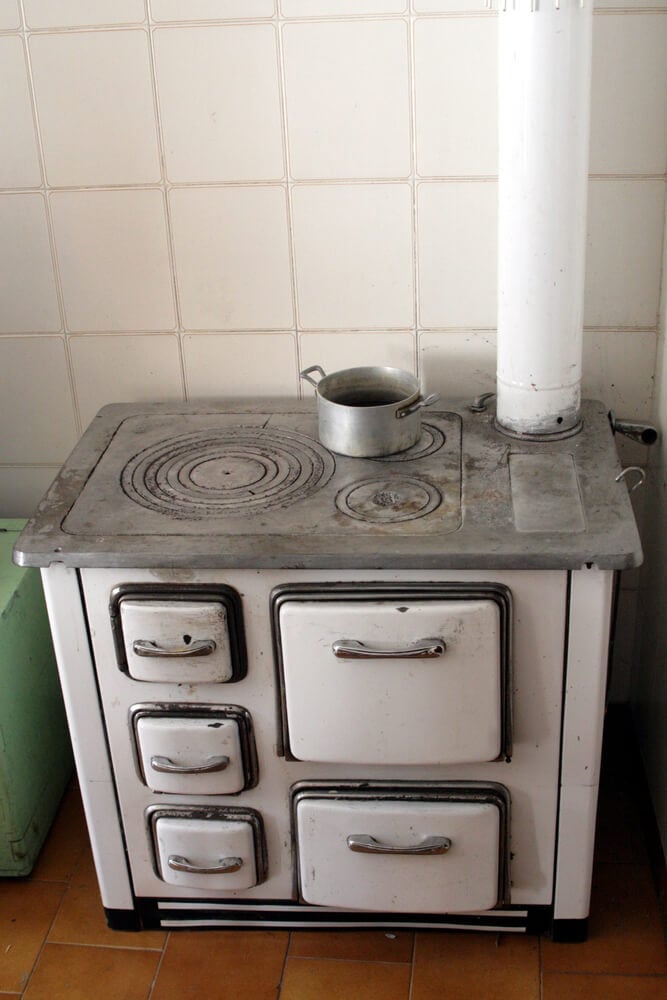
Chambers ranges, built in Shelbyville, Indiana, were famous for heavily insulated ovens that could finish cooking with the gas turned off, using retained heat. Many also featured a Thermowell, a deep insulated pot well for slow cooking.
Restored Chambers ranges commonly sell for thousands of dollars to buyers who want both vintage style and serious cooking performance. Original parts, including knobs and chrome trim, add value.
Rust, missing burners and damaged enamel are the main issues buyers check. A devoted community of owners trades parts and restoration advice, which helps keep these ranges cooking.
Unrestored ranges still sell for hundreds.
O’Keefe and Merritt Stoves
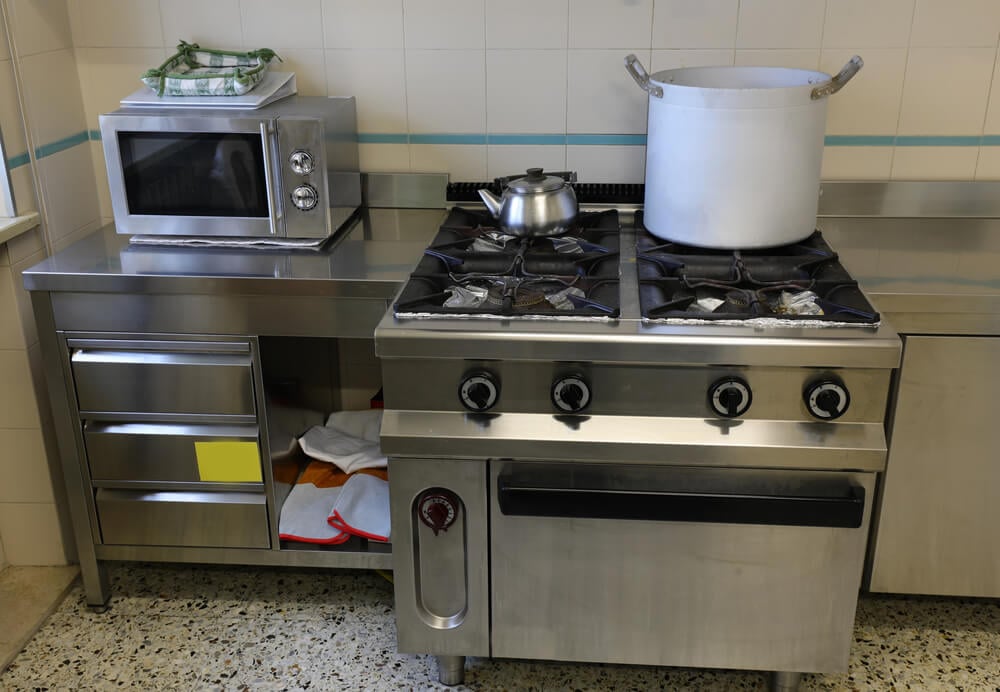
O’Keefe and Merritt of Los Angeles made chrome-trimmed gas stoves in the 1940s and 1950s, and models such as the Aristocrat became symbols of postwar Southern California style. Many featured griddles, clocks, salt and pepper shakers and pull-out broilers.
Restored examples commonly sell for thousands of dollars, with fully loaded models bringing the most. Original chrome, knobs and accessories add value.
Buyers check for rust, cracked enamel and missing parts, since restoration can be costly. Specialist shops in California rebuild them for buyers across the country, and a professionally restored range is often treated as the centerpiece of an entire kitchen remodel.
Frigidaire Flair Ranges
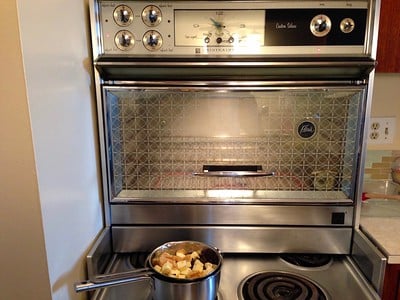
Frigidaire introduced the Flair range in the early 1960s, featuring a cooktop that pulled out like a drawer and wall ovens with glass doors that lifted upward. The futuristic design became famous on the television show Bewitched.
Restored examples can sell for thousands of dollars to collectors and fans of mid-century design. Original parts are scarce, so complete ranges command a premium.
Buyers check for working elements, intact glass and smooth-sliding cooktops. Colors such as turquoise and pink draw the strongest interest, and some buyers design entire retro kitchens around a single Flair.
GE Monitor Top Refrigerators
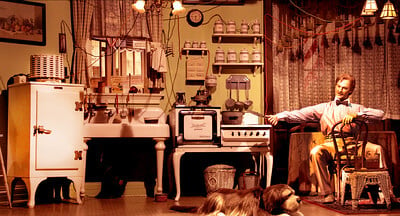
General Electric introduced the Monitor Top refrigerator in 1927, with a round compressor mounted on top that reminded people of the gun turret on the Civil War ironclad USS Monitor. It was one of the first affordable electric refrigerators for homes.
Working examples can sell for 1,000 dollars or more, with restored units bringing considerably more. Original shelves and badges add value.
Buyers check for working compressors and rust, since repairs require specialists familiar with old sealed systems. Some still run in daily use nearly a century later.
Emerson Electric Fans
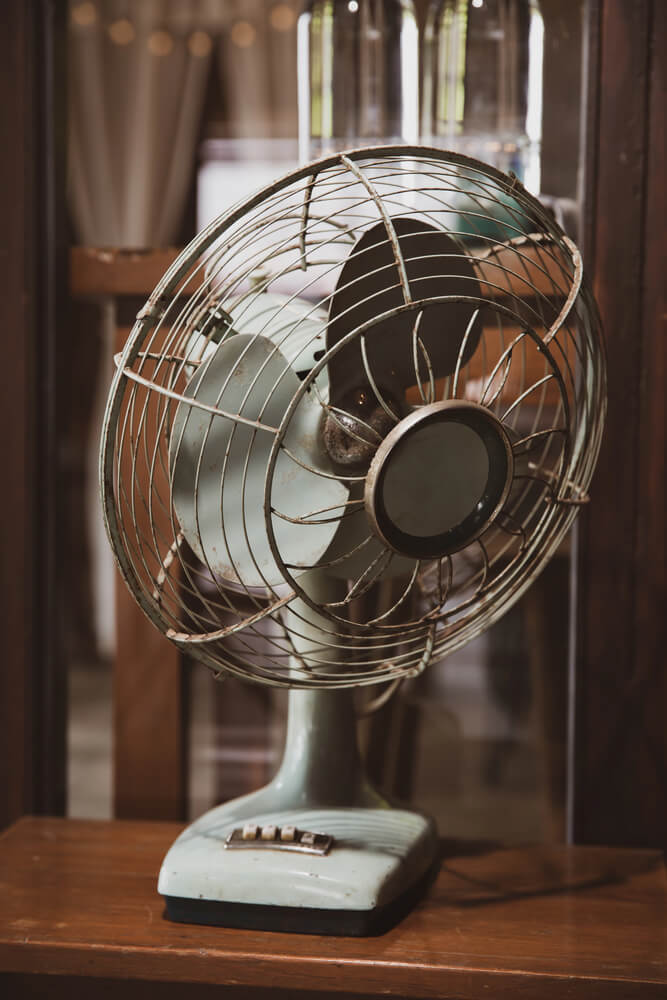
Emerson Electric of St. Louis made fans with brass blades and cages in the early twentieth century, and these heavy, well-built fans are prized by collectors. Many still run quietly after a century of use.
Working examples typically sell for hundreds of dollars, with rare models bringing thousands. Original paint, badges and cords add value.
Buyers check for bent blades, cracked castings and motor function, since restoration work can be expensive. Early fans with stamped patent dates and the Emerson name on the hub interest collectors most.
Overpainted or heavily polished examples are worth less than honest originals.
Vornado Fans
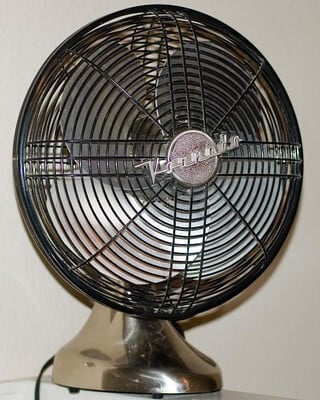
Vornado, founded by the O.A. Sutton Corporation in Wichita, Kansas, introduced its distinctive fans in 1945, designed to create a swirling column of air that circulated through an entire room. Vintage Vornado fans from the 1940s and 1950s, with their deep cages and bold styling, are prized by collectors.
Working examples typically sell for 100 to several hundred dollars. Original paint and badges add value.
Buyers check for motor function and rust on the cages. Models with unusual colors or wood-grain finishes bring premiums, and many restored fans run as quietly as new ones.
Electrolux Model XXX Vacuum
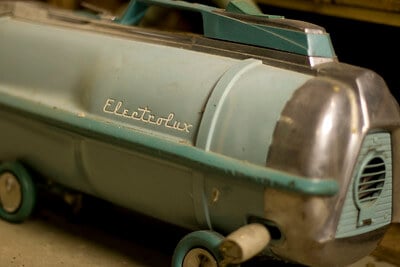
Electrolux introduced the Model XXX vacuum cleaner in 1937, with a streamlined canister on sled runners designed by Lurelle Guild. Its chrome finish and Art Deco shape made it a design classic.
Working examples typically sell for 100 to 300 dollars. Original hoses and attachments add value.
Buyers check for motor function and dents in the canister. Guild was one of the leading industrial designers of his day, and the vacuum’s shape reflects the streamlining craze that also shaped trains and cars.
Collectors often display it as sculpture. Complete sets with every brush and wand are rare, since the small attachments wandered off over the decades.
Kenwood Chef Mixers
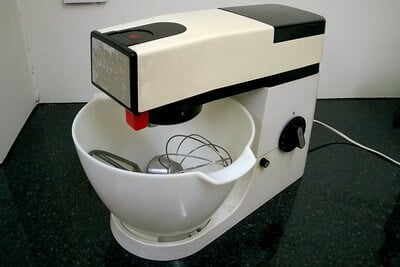
Kenneth Wood introduced the Kenwood Chef mixer in England in 1950, and it became a favorite in British kitchens before spreading worldwide. Vintage models such as the A700 and A701 are prized for their sturdy motors and many attachments.
Working examples typically sell for 100 to 300 dollars. Original bowls and attachments add value.
Buyers check for motor function and worn gears. The Chef’s planetary mixing action and long list of add-ons, from mincers to juicers, made it a do-everything machine.
British buyers in particular hunt for complete A701 sets, and spare parts remain fairly easy to find, which keeps these mixers in use.
Coca-Cola Chest Coolers
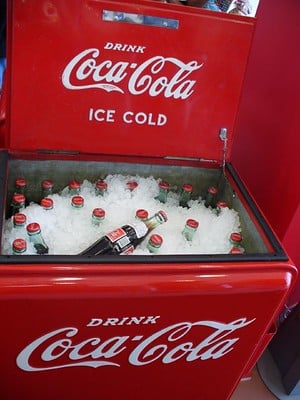
Westinghouse and other makers built Coca-Cola chest coolers in the 1940s and 1950s, with red paint, embossed logos and bottle openers on the side. These coolers were fixtures in gas stations and general stores.
Restored examples can sell for 1,000 dollars or more. Original paint and parts add value.
Buyers check for rust and working refrigeration. Some used ice instead of electric cooling, which affects value.
The coolers have become popular in game rooms and outdoor kitchens. Reproductions exist, so originals with factory tags and serial plates sell for more.
Heavy rust in the floor of the cooler is the most expensive problem to fix.
Maytag Wringer Washers
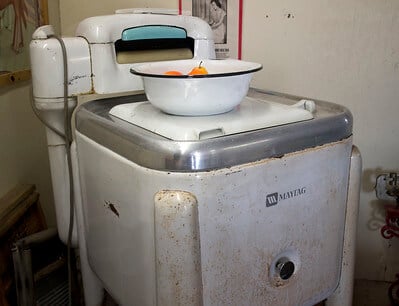
Maytag built wringer washers for decades, and the company’s Gyrafoam agitator, introduced in 1922, helped make it a household name. Some models used gasoline-powered Multi-Motor engines for farms without electricity.
Working examples typically sell for 100 to 500 dollars, with gas-powered versions bringing more. Original wringers and tubs add value.
Buyers check for rust and leaks. Maytag kept making wringer washers into the 1980s, and some communities that avoid modern conveniences still use them.
Restored machines with polished tubs and working wringers sell well to collectors and homesteaders. Original manuals and instruction tags are a bonus.
Chrome Built to Be Repaired
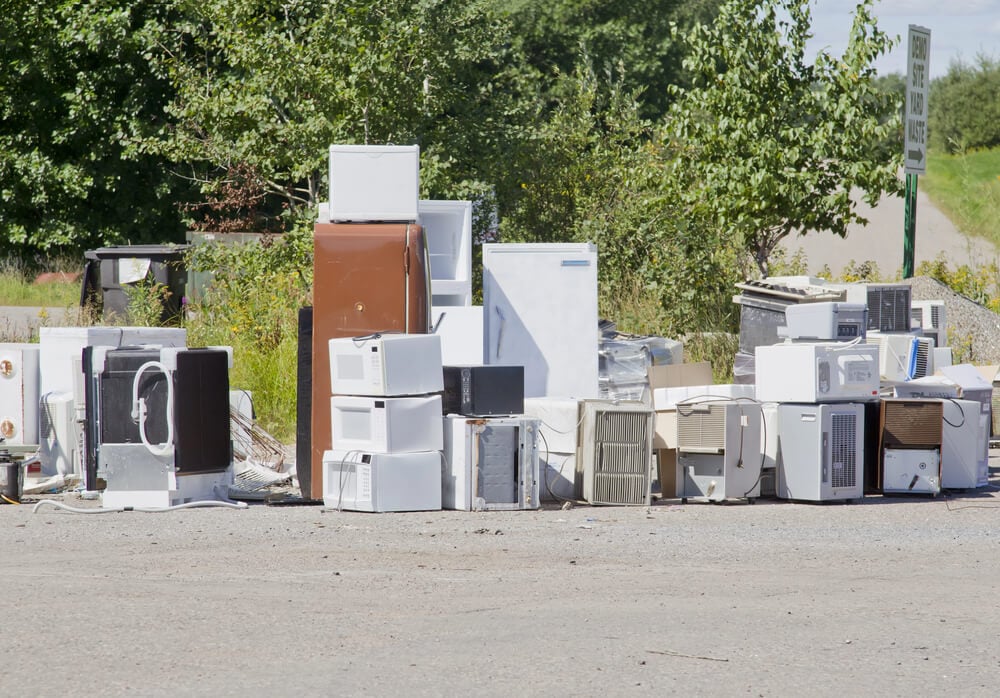
Old appliances were built to last, with steel housings, simple controls and motors that could be repaired with basic tools. That durability, combined with mid-century style, keeps them in demand among collectors and cooks.
Buyers pay for quality that modern appliances rarely match.
Checking an appliance’s model, condition and completeness can reveal surprising value. Many of these machines still work after decades of use.
A toaster headed for the curb might be the most valuable thing in the garage sale.
More from Go2Tutors!

- The Romanov Crown Jewels and Their Tragic Fate
- 13 Historical Mysteries That Science Still Can’t Solve
- Famous Hoaxes That Fooled the World for Years
- 15 Child Stars with Tragic Adult Lives
- 16 Famous Jewelry Pieces in History
Like Go2Tutors’s content? Follow us on MSN.