26 Famous Athletes Who Served In The Military
Some of the most celebrated careers in American sports have a gap in the middle of them. The record books show a missing season here, three missing seasons there, and the reason is usually a draft notice, an enlistment office, or a commission handed over at graduation.
Those gaps hide flight logs, landing craft, artillery bases and training camps. A Hall of Fame plaque rarely mentions any of it, and the athletes themselves often talked about their service far less than fans talked about their statistics.
Ted Williams Flew Combat Missions in Two Wars
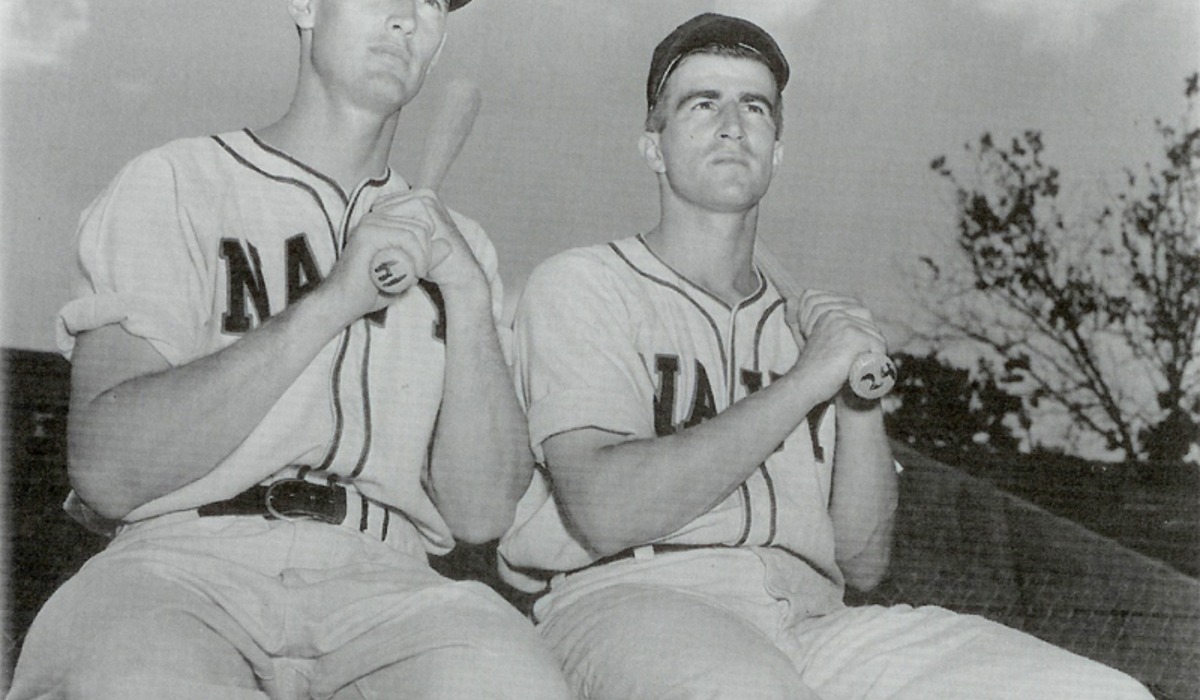
Ted Williams hit .406 for the Boston Red Sox in 1941 and then spent three prime seasons as a Marine Corps aviator during World War II, mostly as a flight instructor. The Marines recalled him in 1952 for the Korean War, and this time he flew 39 combat missions in an F9F Panther jet, several of them with future astronaut John Glenn in the same squadron.
On one mission in February 1953 his jet was hit by enemy fire and he brought the burning aircraft down to a belly landing. Williams lost nearly five seasons to military service and still retired with 521 home runs.
Joe Louis Gave Away His Purses to Military Relief Funds
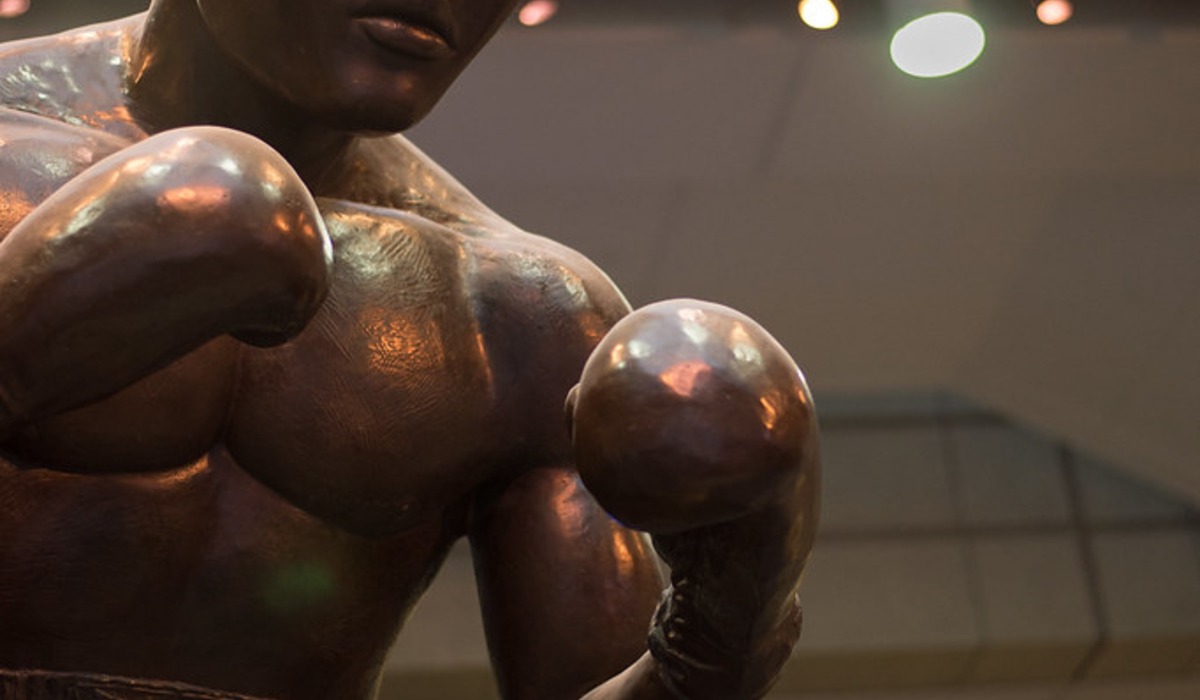
Heavyweight champion Joe Louis defended his title against Buddy Baer in January 1942 and donated his purse to the Navy Relief Society. Two months later he beat Abe Simon and gave that purse to the Army Emergency Relief fund, then entered the Army himself.
Louis spent the war boxing exhibitions for troops across the United States and overseas, logging thousands of miles to entertain soldiers. He also used his influence quietly, pressing for Black soldiers to get fair access to officer candidate school.
The Army awarded him the Legion of Merit in 1945 for his contribution to morale.
Jackie Robinson Won a Court-Martial Before He Changed the Majors
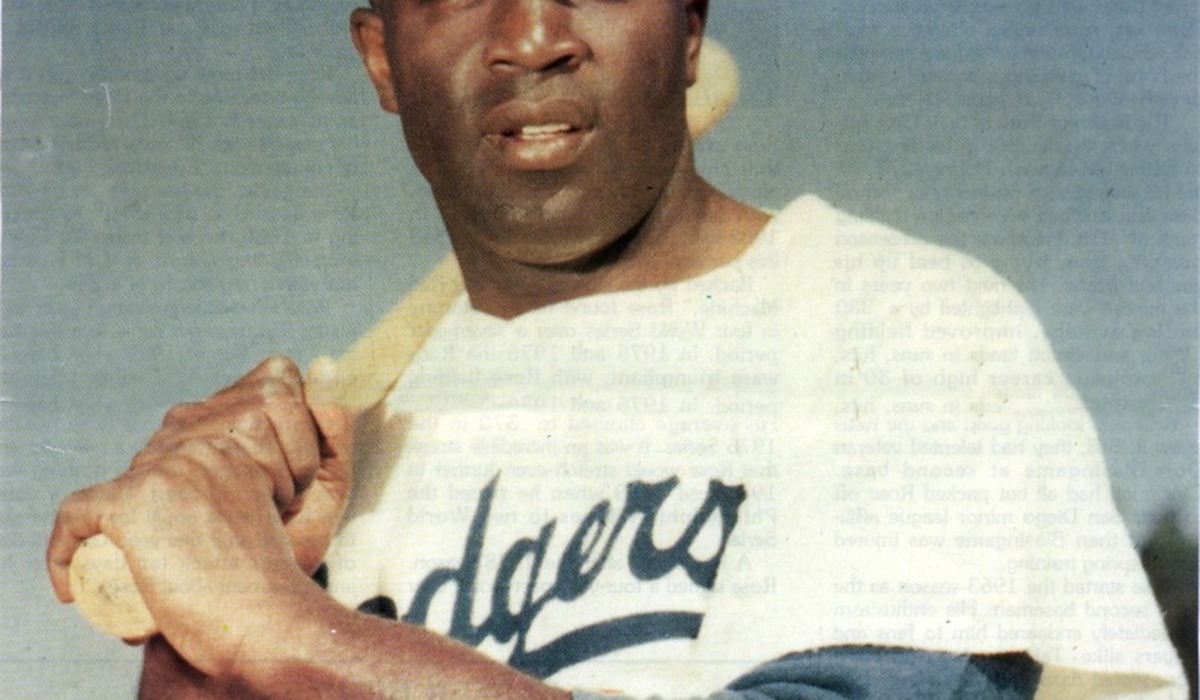
Jackie Robinson was drafted in 1942 and earned a commission as a second lieutenant, eventually landing with the 761st Tank Battalion at Camp Hood, Texas. In July 1944 he refused a bus driver’s order to move to the back of an Army bus, and the incident escalated into a court-martial on charges that included insubordination.
A panel of officers acquitted him in August 1944, and he received an honorable discharge that November. Less than three years later he took the field for the Brooklyn Dodgers and broke the color line in the big leagues.
His battalion went on to fight in the Battle of the Bulge without him.
Yogi Berra Was Offshore at Omaha Beach on D-Day
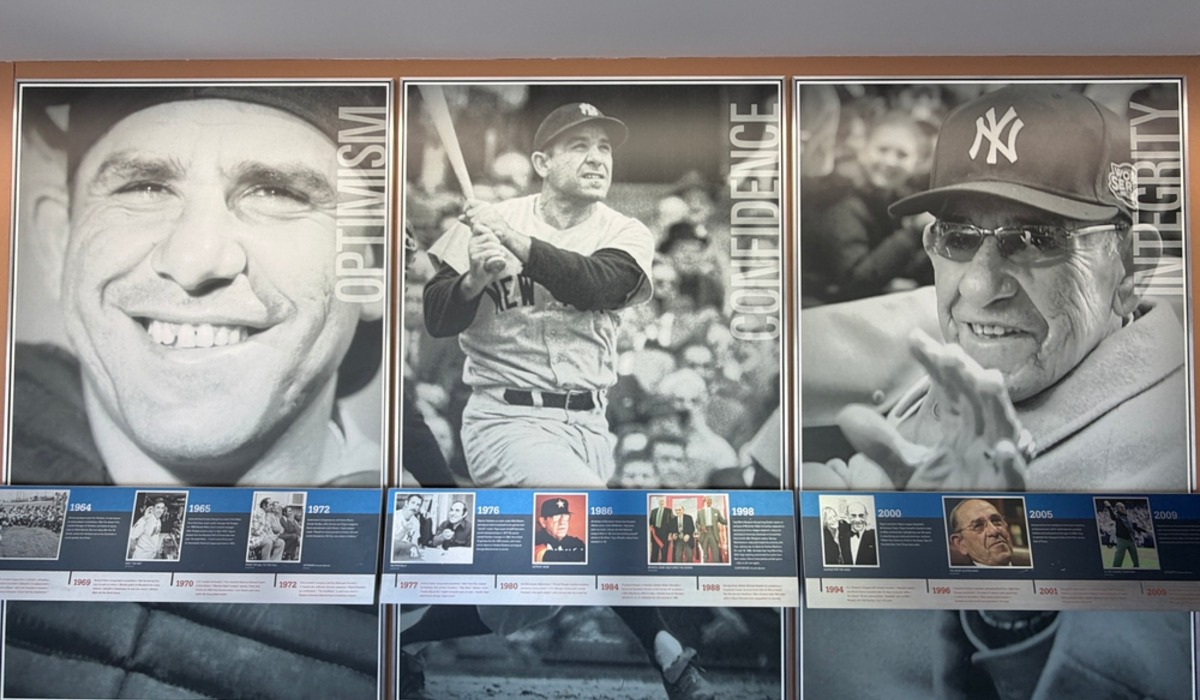
Yogi Berra joined the Navy at 18 and volunteered for duty on rocket boats, small landing craft designed to fire salvos onto beaches ahead of invading troops. On June 6, 1944, the 19-year-old was off Omaha Beach, part of the crew providing fire support as the assault waves went ashore.
He later served in the Mediterranean before coming home to begin a career that produced 10 World Series rings as a player with the New York Yankees. Berra rarely dwelled on the war in public, and for decades many fans had no idea he had been there.
Bob Feller Enlisted the Day After Pearl Harbor
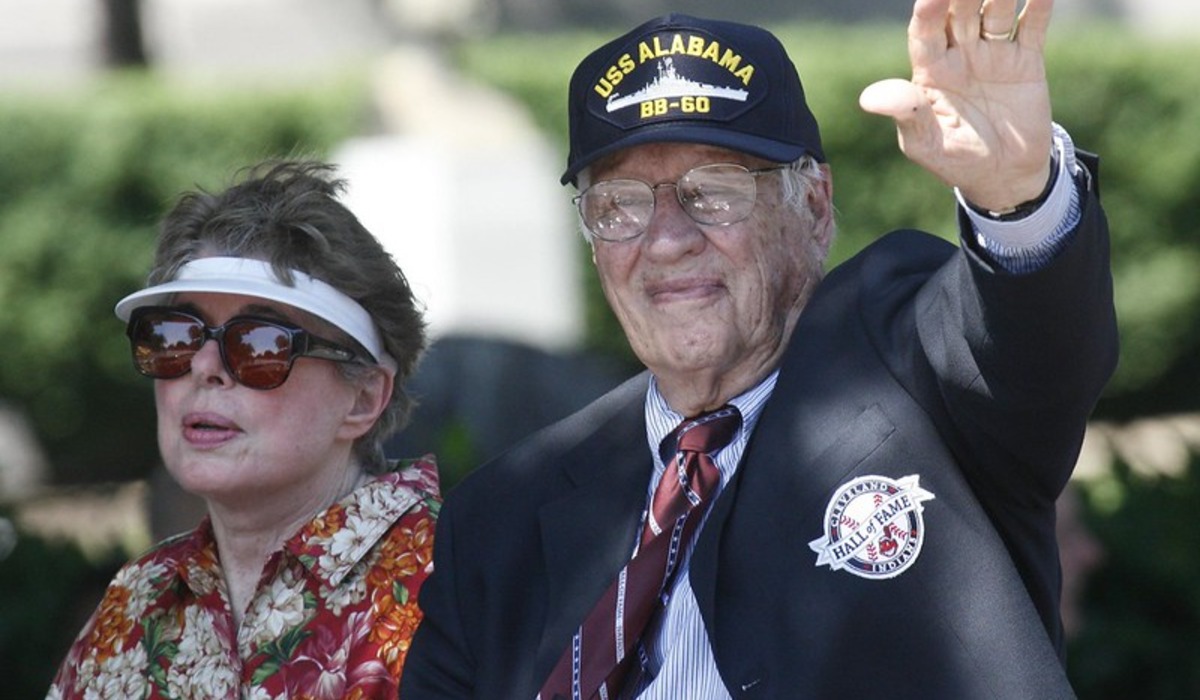
Cleveland pitcher Bob Feller had already won 25 games in 1941 when he enlisted in the Navy right after the Pearl Harbor attack, and he is widely cited as the first American pro athlete to volunteer for World War II. He could have sought a deferment because his father was gravely ill, but he chose to serve.
Feller became a chief petty officer and gun captain on an antiaircraft mount aboard the battleship USS Alabama, which saw action in the Pacific. He earned eight battle stars and lost nearly four seasons, which makes his 266 career wins look even more remarkable.
Warren Spahn Earned a Battlefield Commission at Remagen
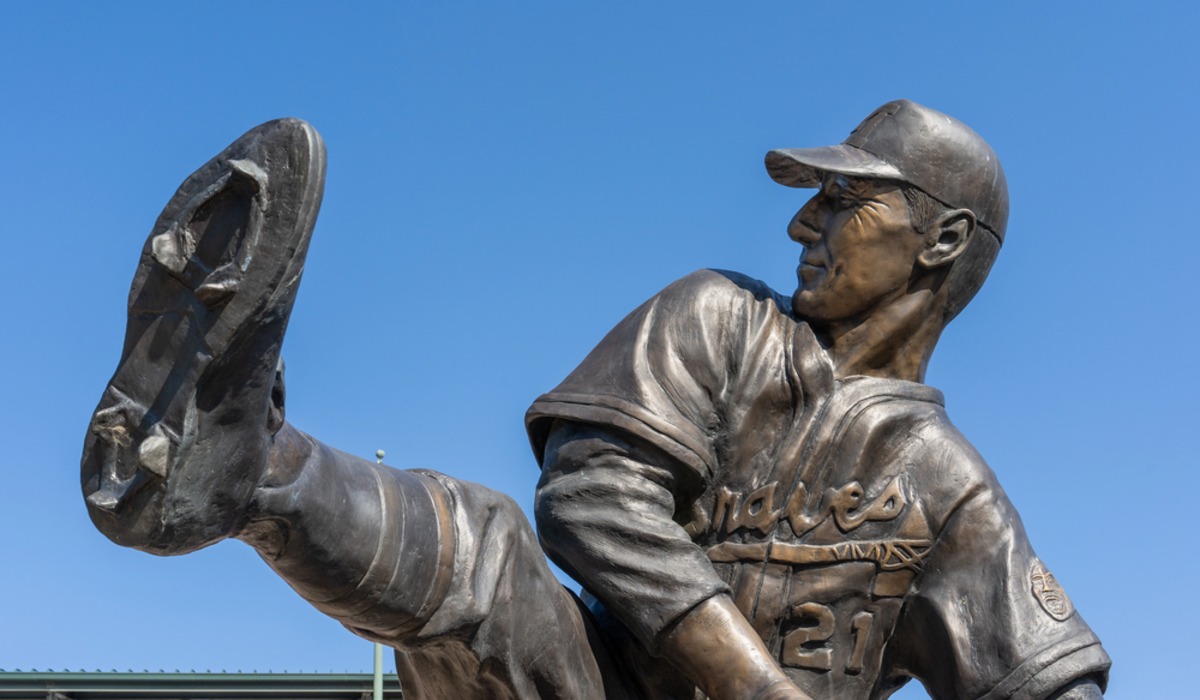
Warren Spahn pitched briefly for the Boston Braves in 1942 before entering the Army, where he served as a combat engineer in Europe. He fought in the Battle of the Bulge and later worked on the Ludendorff Bridge at Remagen, where he was wounded shortly before the span collapsed in March 1945.
Spahn received a Purple Heart, a Bronze Star and a battlefield commission as a second lieutenant. He did not win his first big league game until age 25, yet he finished with 363 victories, the most ever by a left-handed pitcher.
He credited the war with giving him perspective on pressure.
Hank Greenberg Went Back In After Being Sent Home
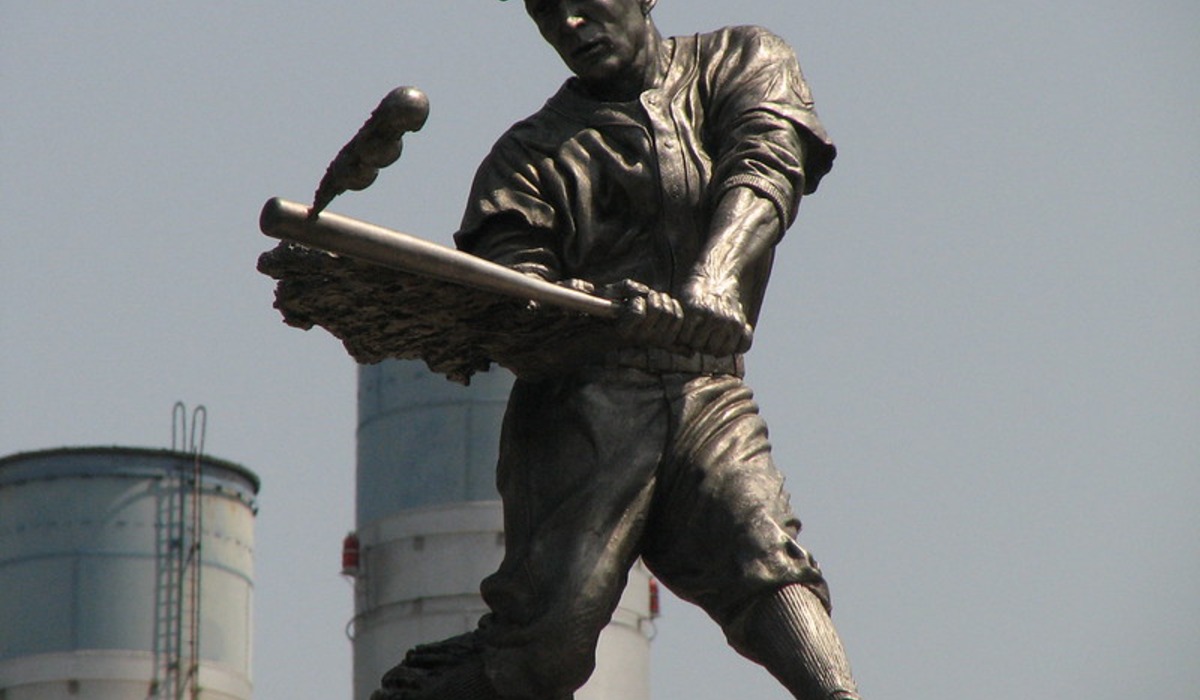
Detroit slugger Hank Greenberg was drafted in 1941, then released on December 5 of that year under a rule discharging men over 28. Two days later Pearl Harbor was attacked, and Greenberg promptly volunteered to return, becoming one of the first major leaguers to rejoin.
He served in the Army Air Forces and spent time in the China-Burma-India theater supporting B-29 bomber operations. Greenberg returned to the Tigers in mid-1945 and, on the final day of that season, hit a grand slam that clinched the American League pennant.
Detroit then won the World Series that October.
Joe DiMaggio Traded Pinstripes for Army Air Forces Khakis
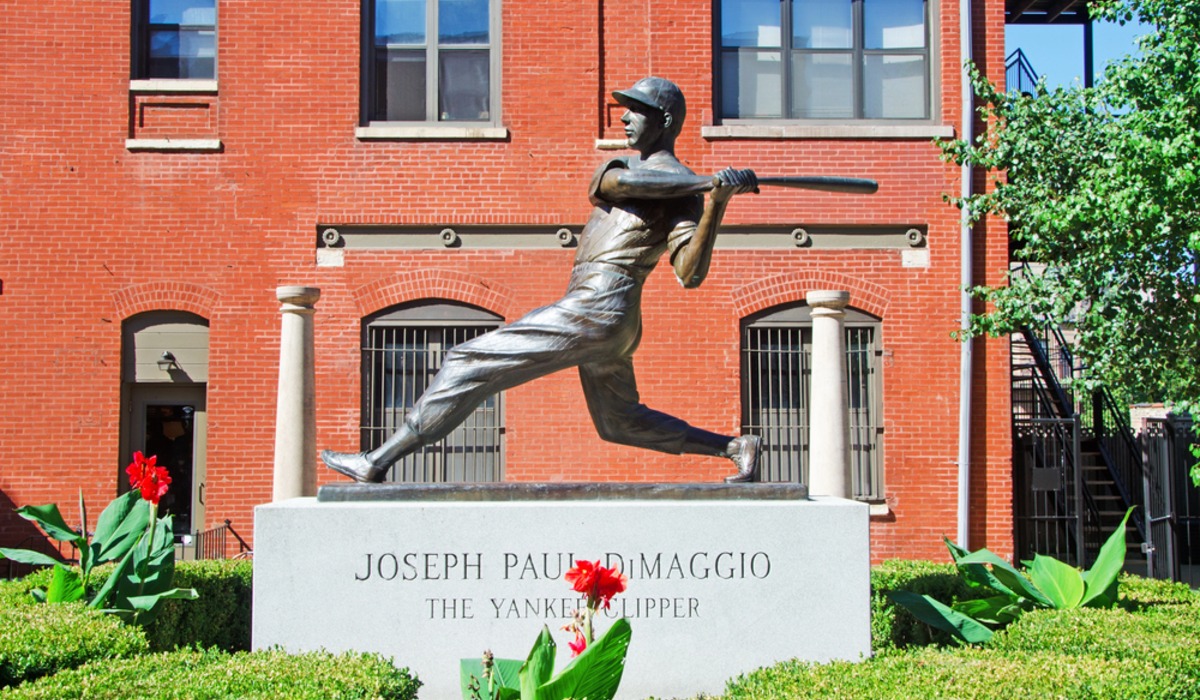
Joe DiMaggio enlisted in the Army Air Forces in February 1943, less than two years after his 56-game hitting streak. The Yankee Clipper spent most of his service as a physical training instructor and played on service teams in California and Hawaii, where military brass prized his presence for morale.
The posting was far from combat, but it was hard on his health, and he developed stomach ulcers that sent him to the hospital more than once. DiMaggio was discharged as a staff sergeant in September 1945.
He missed three full seasons at the peak of his career and returned to win three more titles with New York.
Willie Mays Spent Two Seasons at Fort Eustis
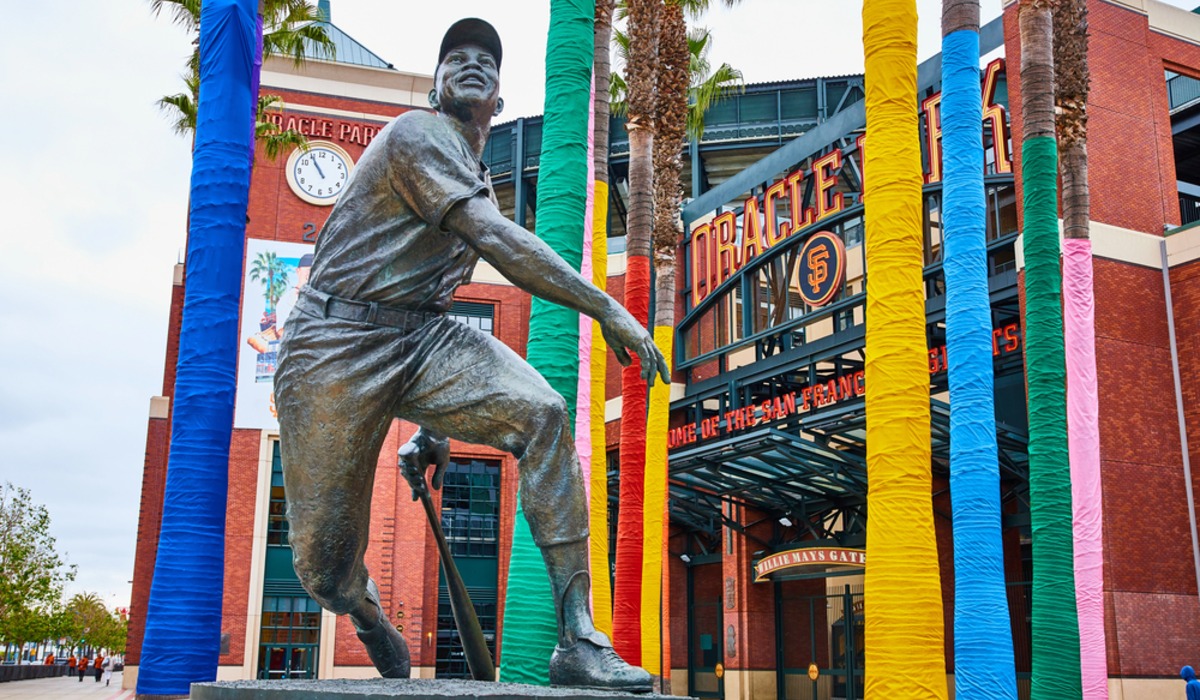
Willie Mays was the reigning National League Rookie of the Year when the Army drafted him in May 1952. He was stationed at Fort Eustis, Virginia, where he spent much of his time playing for the post team and teaching other soldiers the game.
Mays missed most of 1952 and all of 1953, and the New York Giants struggled without him. He came back in 1954 and won the batting title and the league MVP award.
That fall he made his famous over-the-shoulder catch in the World Series against Cleveland, a play still replayed constantly in highlight reels.
Roberto Clemente Trained as a Marine Reservist
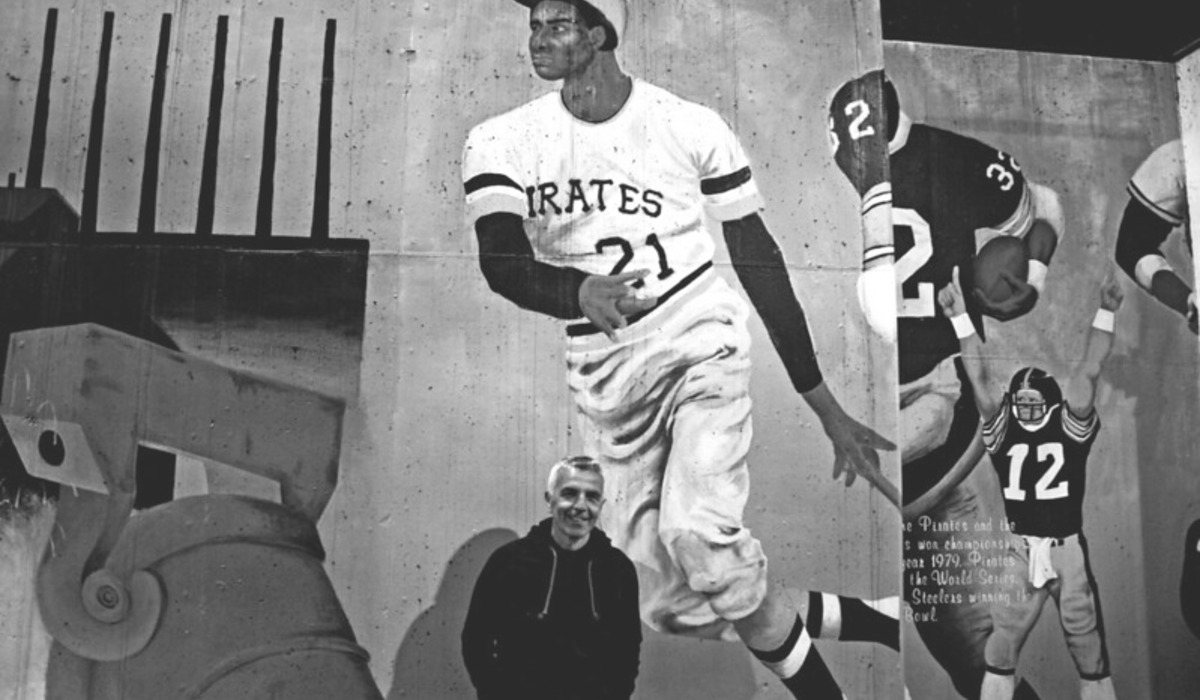
Pittsburgh Pirates star Roberto Clemente enlisted in the Marine Corps Reserve in September 1958 and went through recruit training at Parris Island, South Carolina. He followed it with infantry training at Camp Lejeune, North Carolina, and remained a reservist into the 1960s.
Clemente later said the physical conditioning helped a back problem that had nagged him, and he gained weight and strength during his time in uniform. He finished his career with exactly 3,000 hits.
In 1972 he died in a plane crash while flying relief supplies to earthquake victims in Nicaragua.
Larry Doby Served on a Remote Pacific Atoll
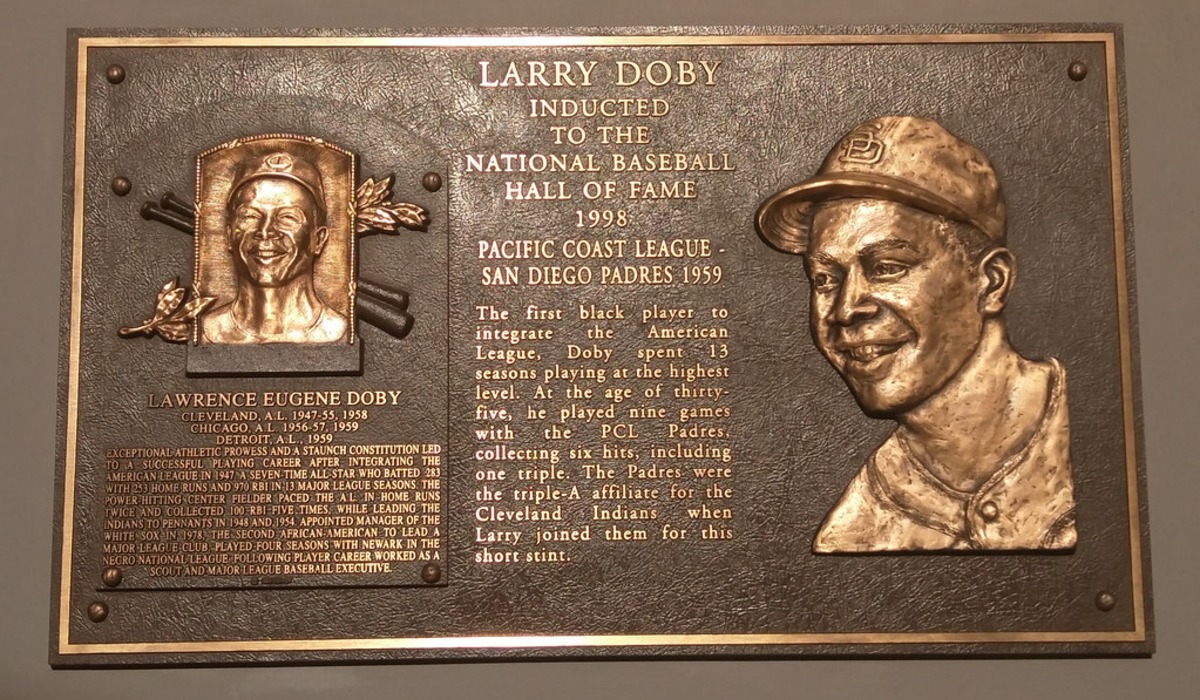
Larry Doby joined the Navy in 1944 and was eventually stationed on Ulithi, an atoll in the western Pacific that served as a major fleet anchorage. Like most Black sailors of the era, he served in a segregated Navy, but he played on base teams alongside white players, an experience he later described as formative.
Doby was discharged in 1946, and in July 1947 he joined the Cleveland Indians as the first Black player in the American League. He reached the Hall of Fame in 1998, and Congress awarded him a Congressional Gold Medal in 2023.
Moe Berg Carried a Pistol to a Physics Lecture
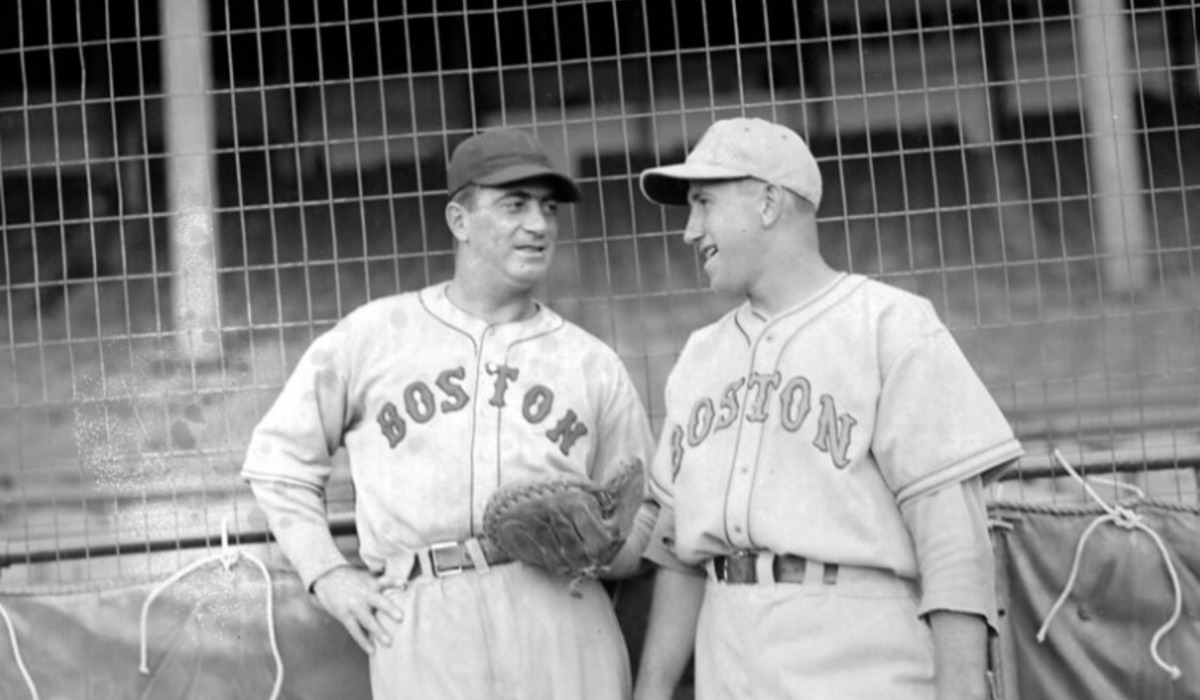
Moe Berg was a journeyman catcher with a Princeton degree and a gift for languages, which made him an unusual recruit for the Office of Strategic Services in World War II. In December 1944 the OSS sent him to Zurich to attend a lecture by German physicist Werner Heisenberg.
Berg carried a pistol and reportedly had orders to shoot Heisenberg if the lecture suggested Germany was close to an atomic bomb. He concluded it was not and let the scientist leave unharmed.
Berg was later offered the Medal of Freedom and turned it down, and he never explained why.
Christy Mathewson Paid a Lasting Price in World War I
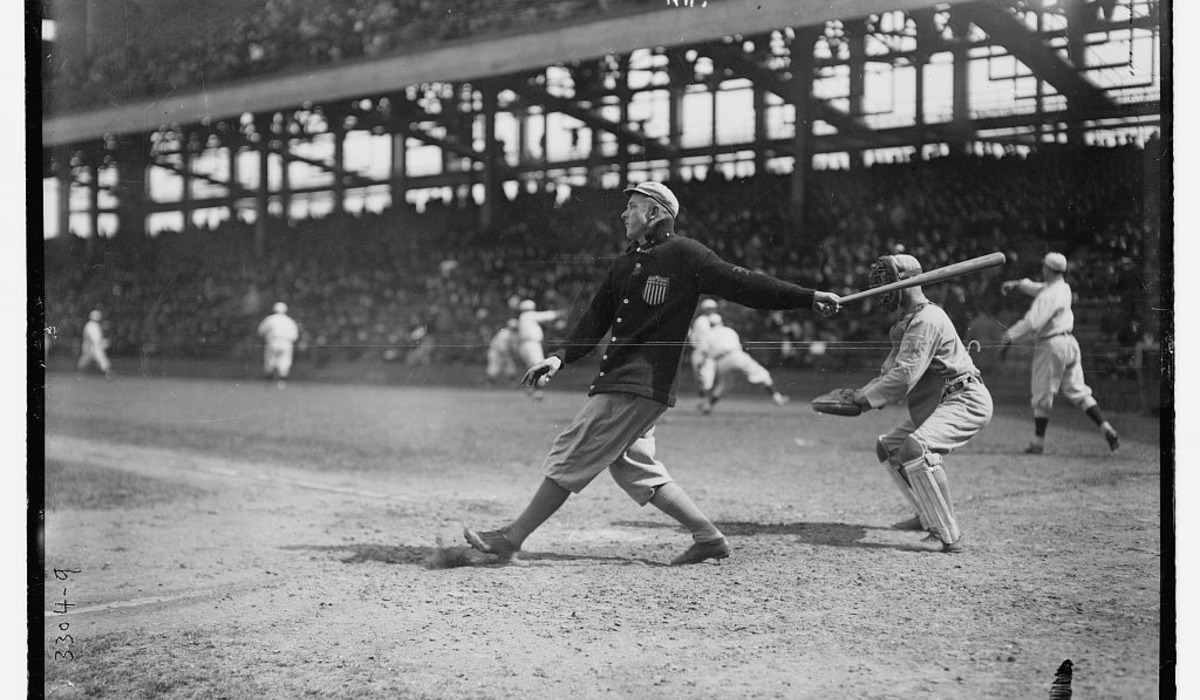
Christy Mathewson won 373 games and was one of the most admired pitchers of his era when he volunteered for the Army in 1918. He received a captain’s commission in the Chemical Warfare Service, the same unit that included Ty Cobb and Branch Rickey.
During a training exercise in France he was accidentally exposed to poison gas. Mathewson came home with damaged lungs and later developed tuberculosis, which killed him in 1925 at age 45.
In 1936 he was among the first five players elected to the Hall of Fame, alongside Cobb, Babe Ruth, Honus Wagner and Walter Johnson.
Pat Tillman Walked Away From the NFL After 9/11
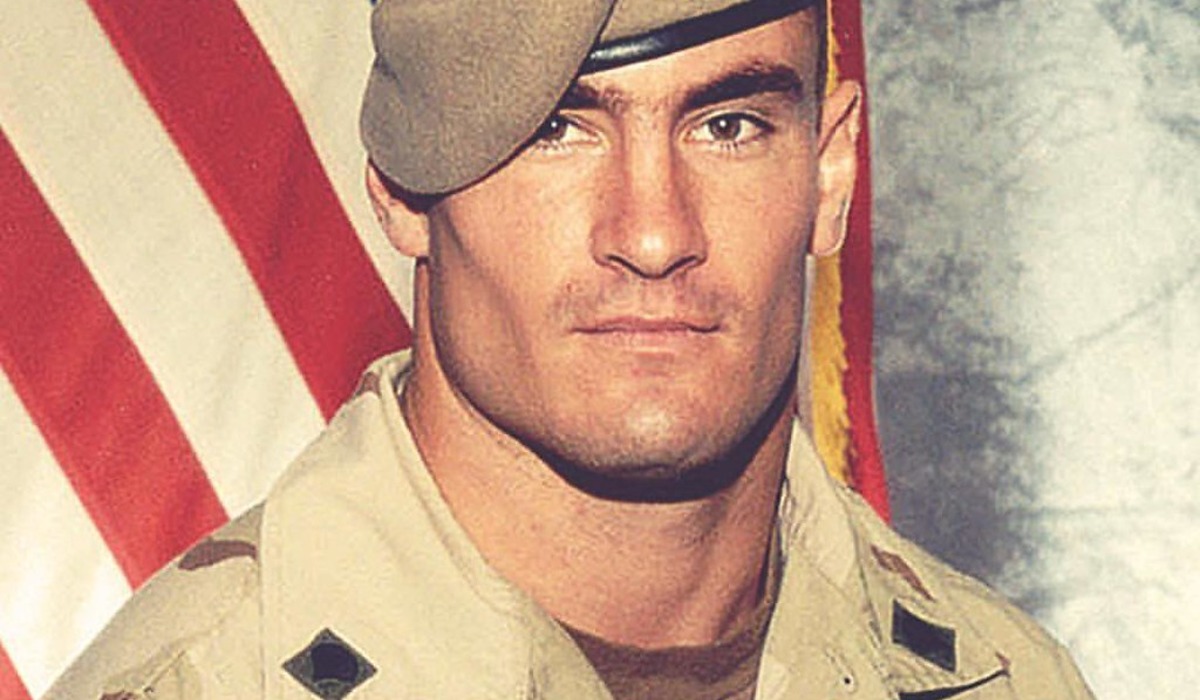
Pat Tillman was a hard-hitting safety for the Arizona Cardinals when the September 11 attacks led him to rethink his life. In 2002 he turned down a multiyear contract offer worth millions and enlisted in the Army with his brother Kevin.
Both men became Rangers and deployed to Iraq and Afghanistan. Tillman was killed in Afghanistan on April 22, 2004, and the Army later acknowledged that he died by friendly fire after initially reporting otherwise.
He was posthumously awarded the Silver Star, and the Cardinals retired his number 40.
Roger Staubach Did a Tour in Vietnam Before Joining Dallas
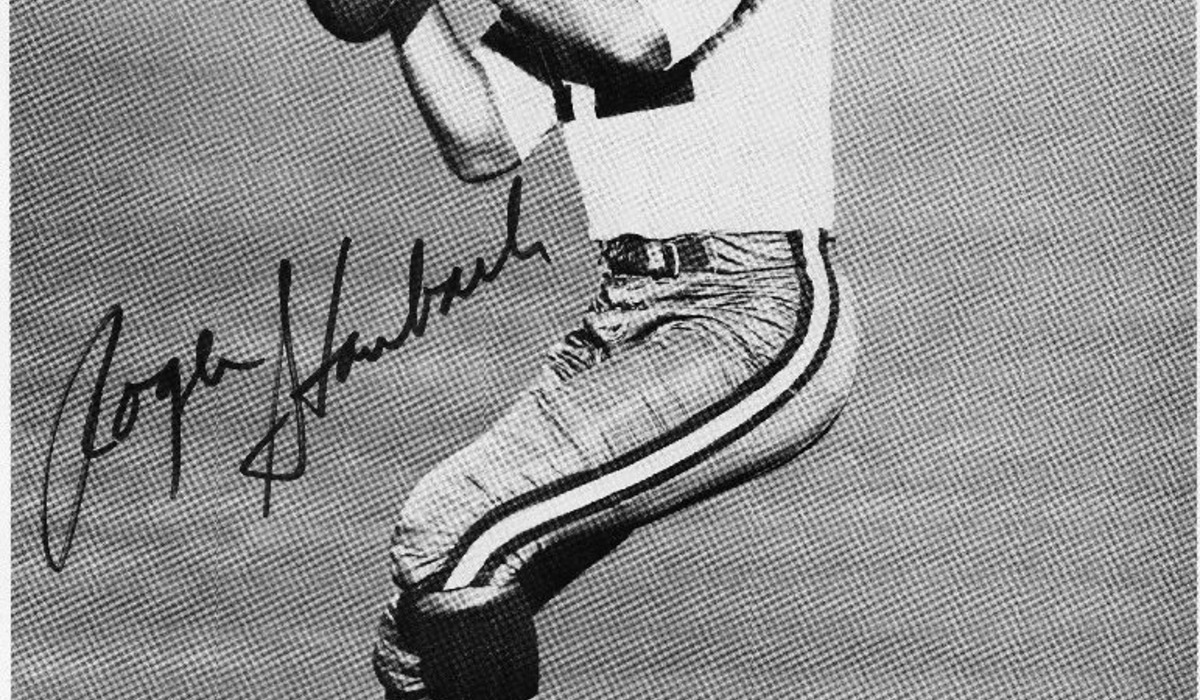
Roger Staubach won the Heisman Trophy at the Naval Academy in 1963, then owed the Navy four years of active duty after graduation. He volunteered for Vietnam and spent a year as a supply officer at Chu Lai, overseeing shipments for the base there.
The Dallas Cowboys had drafted him knowing they would have to wait, and Staubach did not play his first NFL season until 1969, when he was a 27-year-old rookie. He went on to win two Super Bowls with Dallas.
Captain America, as fans called him, entered the pro gridiron Hall of Fame in Canton in 1985.
David Robinson Grew Too Tall for Navy Ships
David Robinson entered the Naval Academy at around six feet six inches and kept growing until he stood about seven feet one inch. That made him too tall for most shipboard duty, so after graduation he served as a civil engineering officer at Naval Submarine Base Kings Bay in Georgia.
The San Antonio Spurs made him the first overall pick in the 1987 NBA draft and waited two years for him to complete his service. Nicknamed the Admiral, Robinson debuted in 1989, won Rookie of the Year and later helped the Spurs win titles in 1999 and 2003.
Rocky Bleier Came Back From Wounds Doctors Called Career-Ending
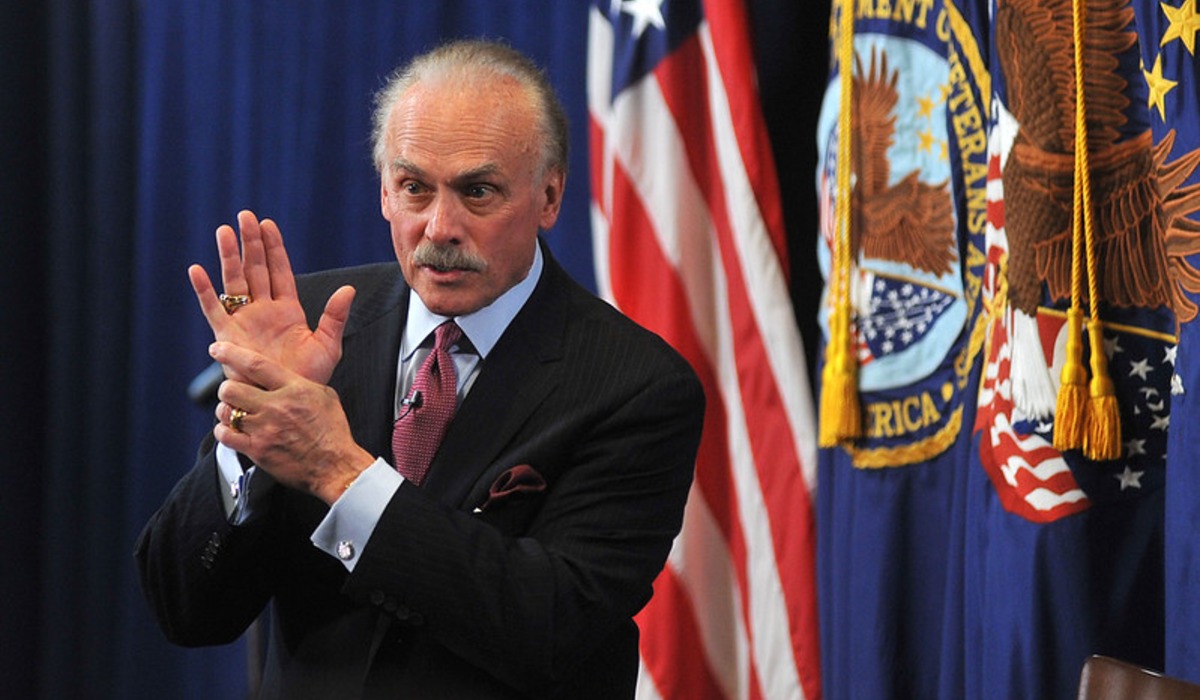
Rocky Bleier had played just one season for the Pittsburgh Steelers when he was drafted into the Army in 1968. In August 1969, on patrol in Vietnam near Hiep Duc, he was shot in the thigh and then wounded in the legs and feet by grenade fragments.
He received the Purple Heart and the Bronze Star, and doctors told him he would never play pro gridiron again. Bleier spent years rebuilding his body, made the Steelers roster and earned the first-string running back job.
He won four Super Bowls and rushed for more than 1,000 yards in 1976.
Chuck Bednarik Flew 30 Missions as a B-24 Gunner
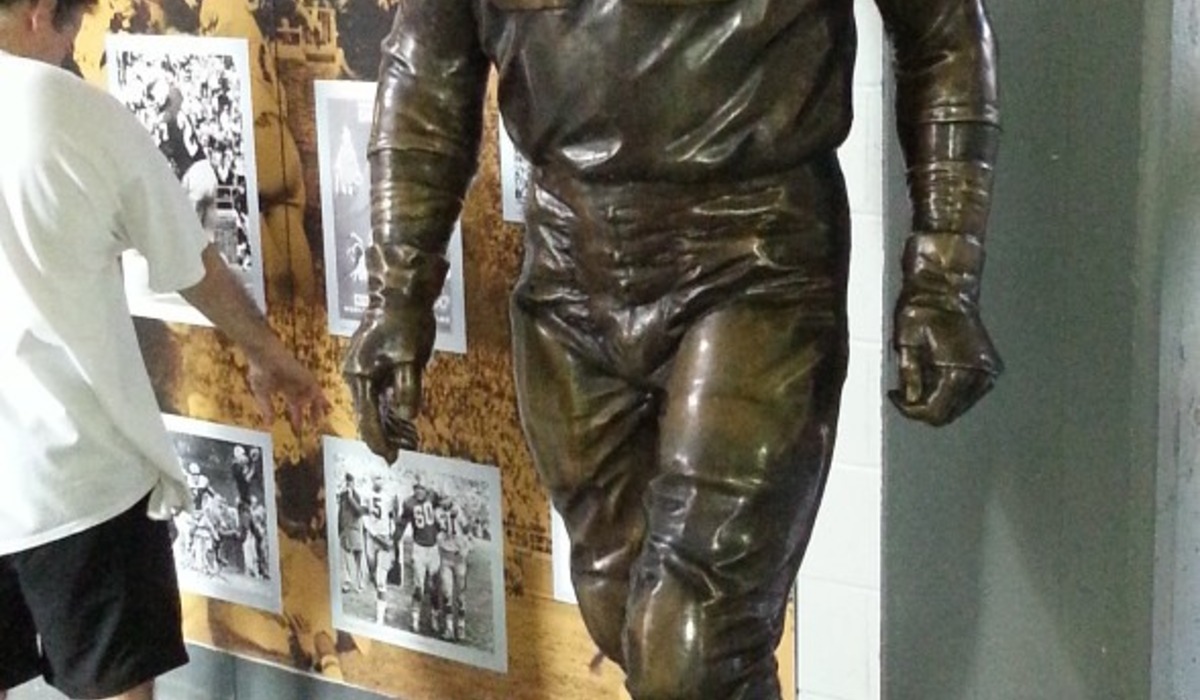
Before he became Concrete Charlie, Chuck Bednarik was a teenage waist gunner on B-24 Liberator bombers with the Eighth Air Force. He flew 30 combat missions over Germany and earned the Air Medal among other decorations.
After the war he played at the University of Pennsylvania and then spent 14 seasons with the Philadelphia Eagles. Bednarik was one of the last true two-way players in the NFL, lining up at center on offense and linebacker on defense.
In the 1960 NFL Championship Game he made the final tackle as time expired to preserve the Eagles win over Green Bay.
Tom Landry Survived a Crash Landing in a B-17
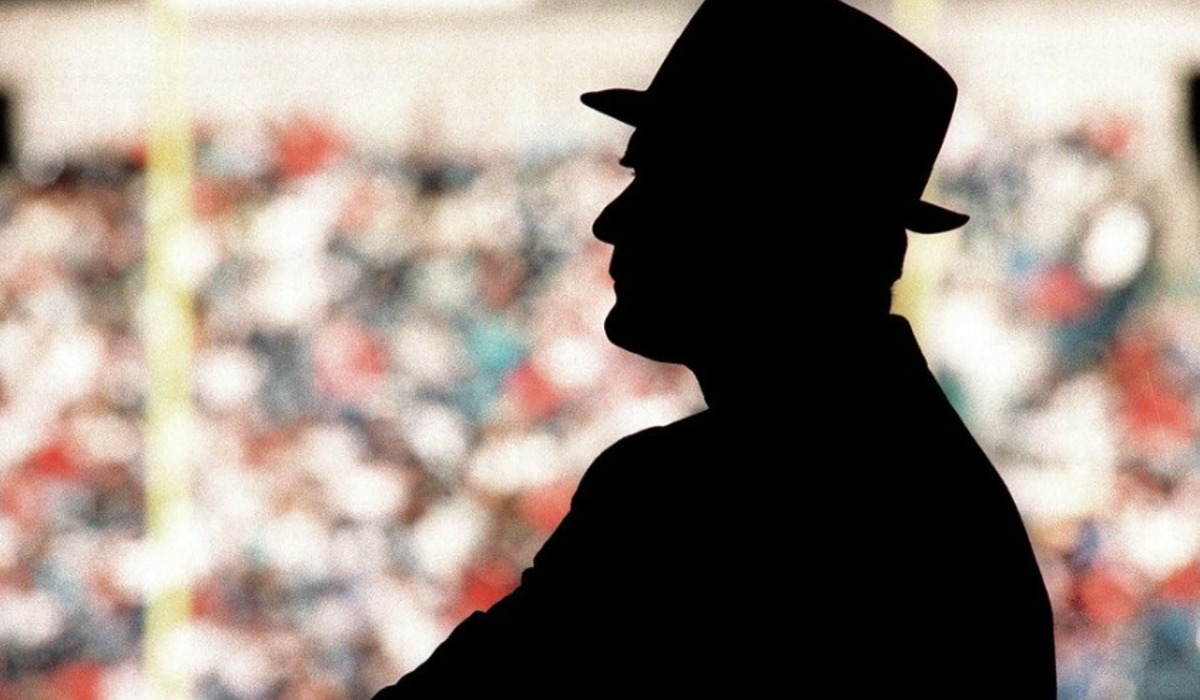
Tom Landry left the University of Texas to join the Army Air Forces after his older brother Robert was killed in a bomber accident. Landry flew 30 combat missions as a B-17 copilot with the 493rd Bomb Group in Europe.
On one mission his plane ran out of fuel and he survived a crash landing in Belgium. He later played for the New York Giants before becoming the first head coach of the Dallas Cowboys in 1960.
Landry stayed for 29 seasons and won two Super Bowls, always wearing his trademark fedora.
Alejandro Villanueva Went From Army Ranger to Pro Bowl Tackle
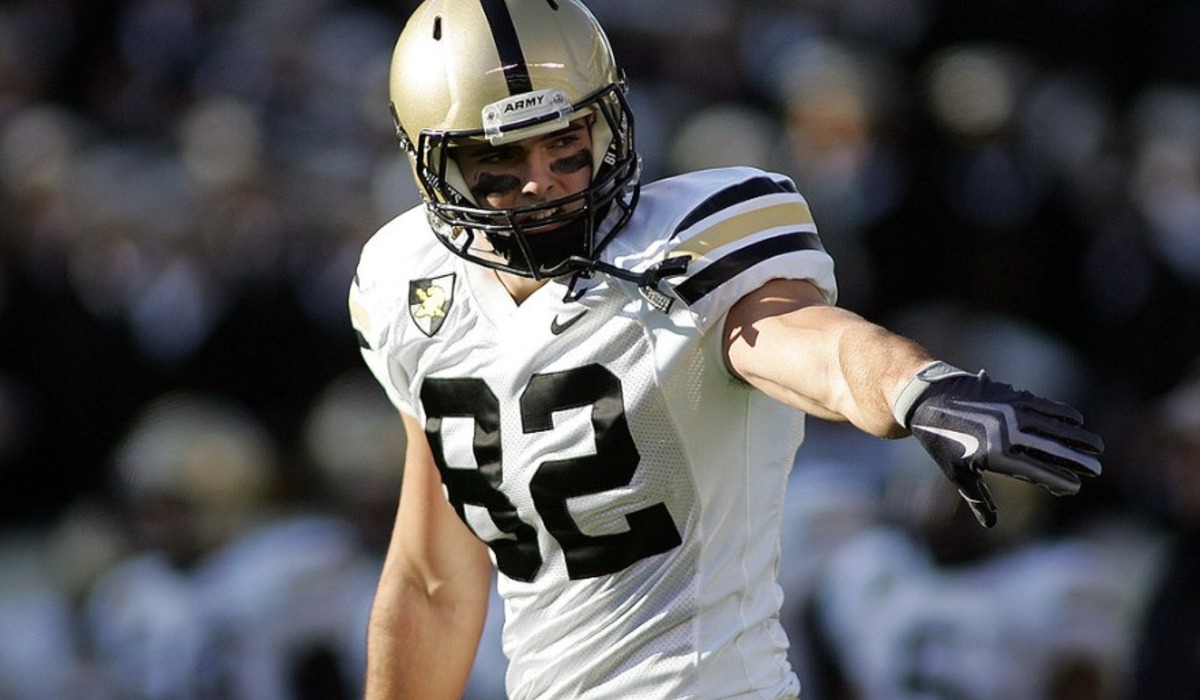
Alejandro Villanueva played at West Point, graduated in 2010, and served as an Army officer with three deployments to Afghanistan, including time with the 75th Ranger Regiment. He earned a Bronze Star with a valor device for rescuing wounded soldiers under fire.
At six feet nine inches he was too big to overlook, and after a tryout with the Philadelphia Eagles he signed with the Pittsburgh Steelers. Villanueva became their first-string left tackle and was named to the Pro Bowl in 2017 and 2018.
Few NFL linemen have arrived by such an unusual route.
Chad Hennings Flew A-10s Over Northern Iraq
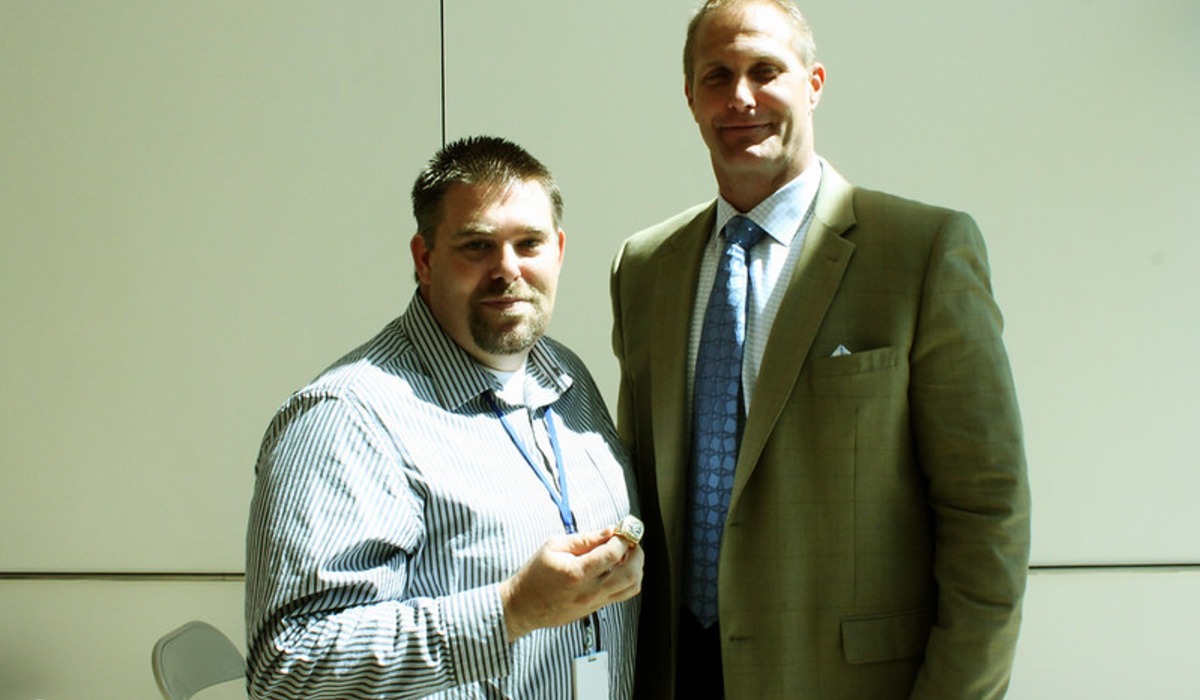
Chad Hennings won the Outland Trophy as the nation’s top interior lineman at the Air Force Academy in 1987. The Dallas Cowboys drafted him in 1988, but he first served as a pilot of the A-10 Thunderbolt II, the low-flying attack jet known as the Warthog.
Hennings flew 45 missions in Operation Provide Comfort, the effort to protect Kurdish refugees in northern Iraq after the Gulf War. He finally joined Dallas in 1992 as a 27-year-old defensive lineman.
Hennings won three Super Bowls with the Cowboys in four seasons.
Arnold Palmer Spent Three Years in the Coast Guard
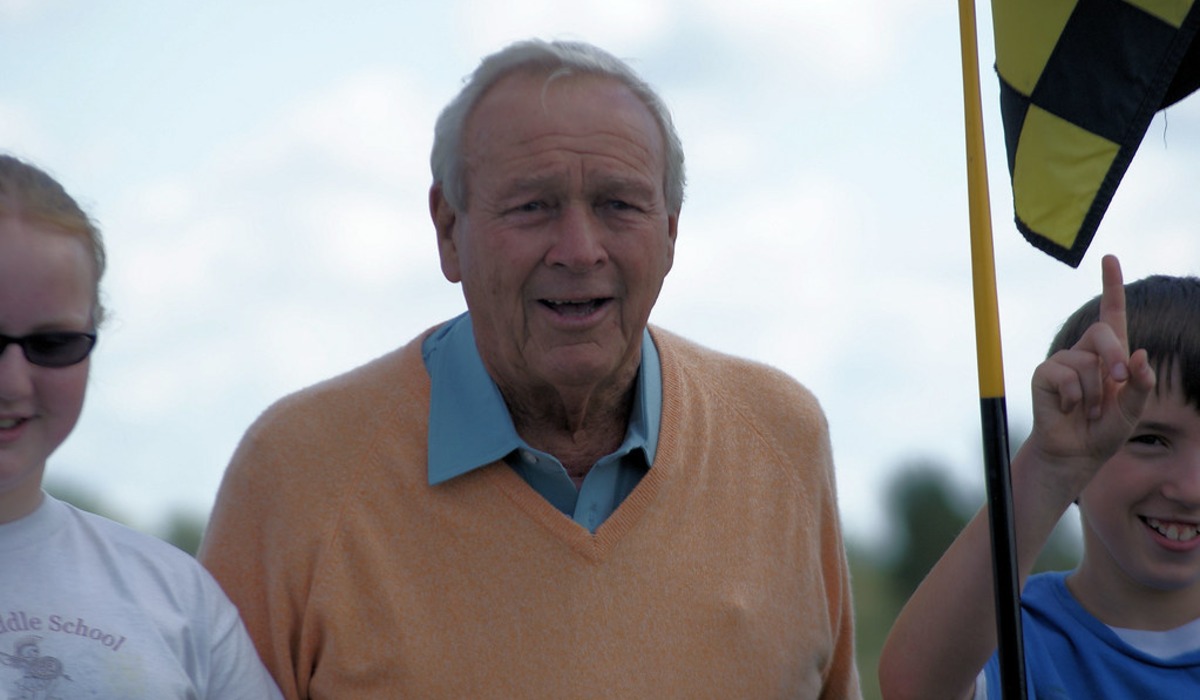
Arnold Palmer was a student golfer at Wake Forest when his close friend Bud Worsham died in a car accident in 1950. Shaken, Palmer left school and enlisted in the Coast Guard, serving from 1951 to 1954.
He was stationed at Cape May, New Jersey, and later in Cleveland, where he worked as a yeoman and still found time to play. Soon after his discharge he won the 1954 US Amateur, which launched his professional career.
Palmer went on to win seven major championships and 62 PGA Tour events.
Lee Trevino Honed His Game in the Marines
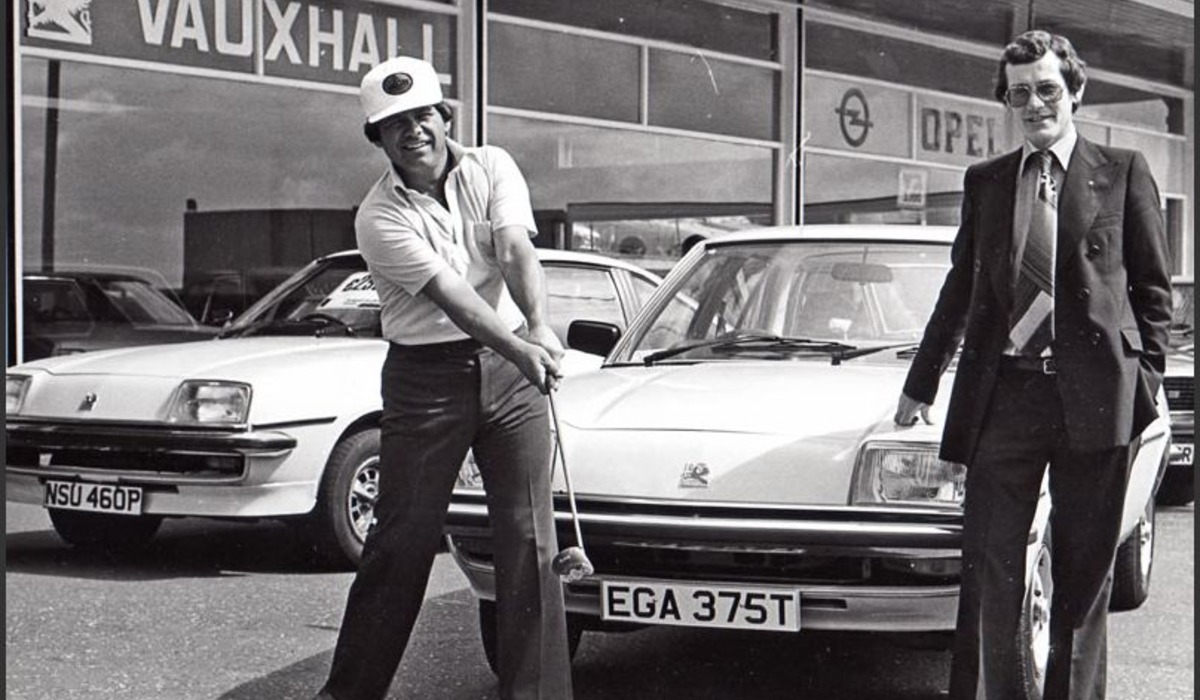
Lee Trevino grew up poor in Dallas and joined the Marine Corps at 17, serving four years in the late 1950s. He trained as a machine gunner and spent much of his enlistment in the Far East, including Okinawa.
The Marines also put his raw talent to use, and he played a great deal of golf on service teams, often with officers. Trevino later turned pro and won six major championships, including two US Opens.
In 1975 he survived being struck by lightning during the Western Open, an episode he later joked about.
Billy Mills Won Olympic Gold as a Marine Officer
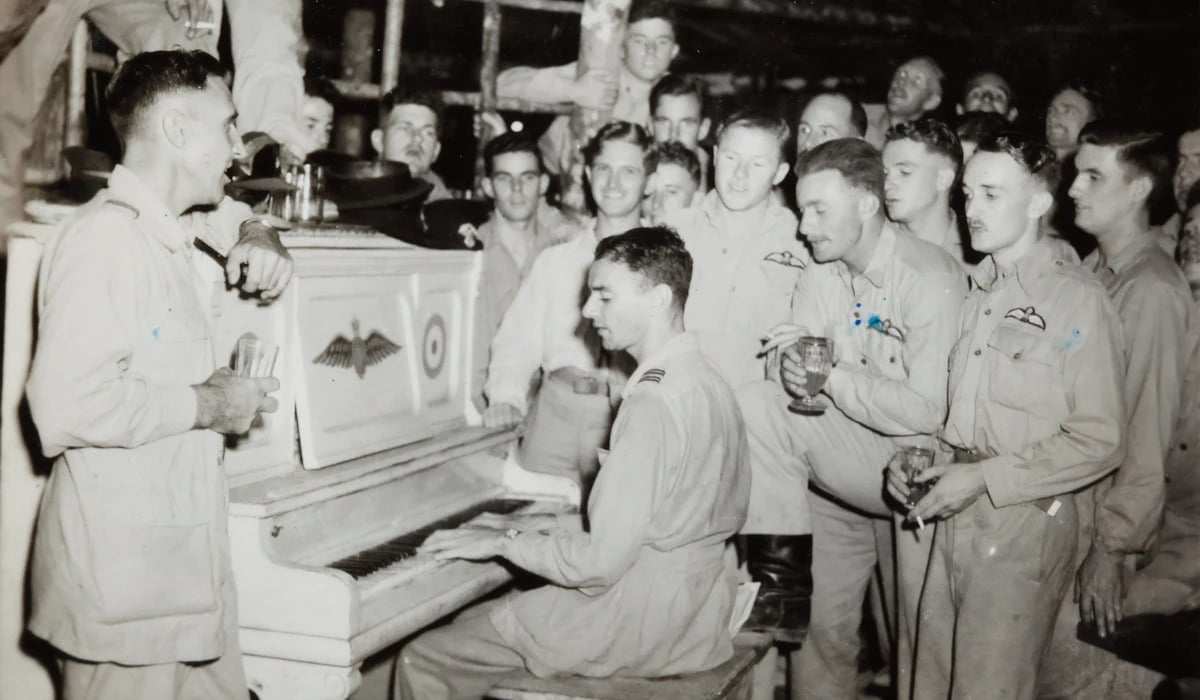
Billy Mills, an Oglala Lakota runner from the Pine Ridge Reservation in South Dakota, was a Marine Corps first lieutenant when he entered the 10,000 meters at the 1964 Tokyo Olympics. Almost no one considered him a contender.
On the final lap he surged past world record holder Ron Clarke and Tunisia’s Mohammed Gammoudi to win in an Olympic record time. Mills remains the only American man to win Olympic gold at that distance.
The Marine Corps later made the race a point of pride, and Mills spent decades working with Native American youth programs.
Rocky Marciano Learned to Box in the Army
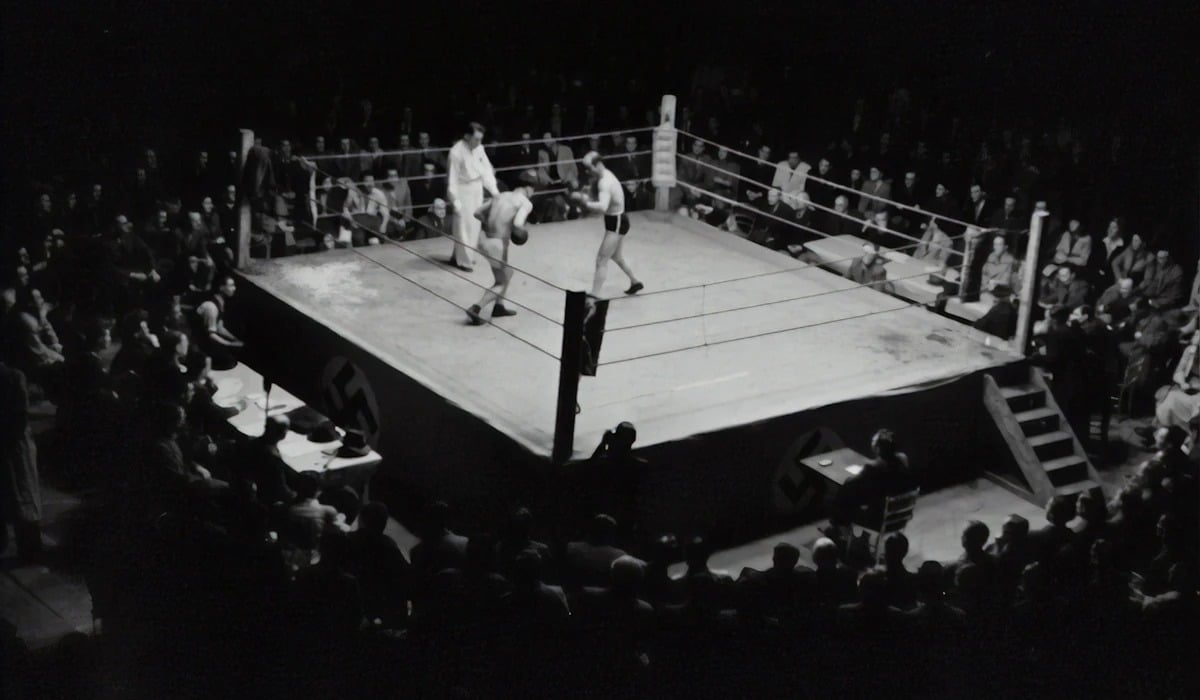
Rocky Marciano was drafted in 1943 and served with the 150th Combat Engineers, a unit that ferried supplies across the English Channel to Normandy. Stationed later in the United States, he took up boxing in Army tournaments and found that his punch could end fights quickly.
After his discharge he turned pro, and in 1952 he knocked out Jersey Joe Walcott to win the heavyweight title. Marciano retired in 1956 with a record of 49 wins and no losses.
He remains the only heavyweight champion to retire undefeated across an entire professional career.
Gene Tunney Became Champion of the Expeditionary Forces
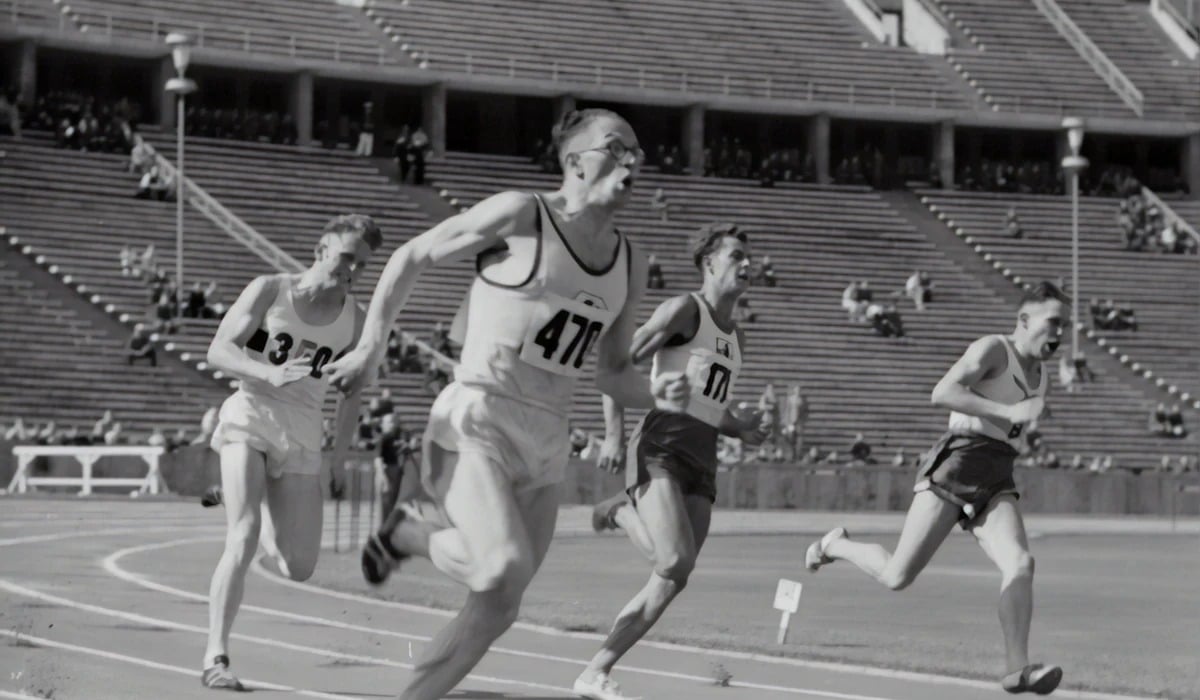
Gene Tunney enlisted in the Marine Corps during World War I and was sent to France with the American Expeditionary Forces. In 1919 he won the light heavyweight championship of the AEF in Paris, a tournament among troops that earned him the nickname the Fighting Marine.
Back home he moved up to heavyweight and twice beat Jack Dempsey, in 1926 and in the famous long count fight of 1927. Tunney retired as champion and later served in the Navy during World War II, where he ran a physical fitness program for sailors.
Uniforms That Came Before the Jerseys
Most of these athletes went into service at an age when their careers were supposed to be peaking. They gave up seasons, statistics and paychecks that were never returned, and many of them spent the rest of their lives saying the war mattered more than the games.
The record books cannot show any of that. A career total of 266 wins or 521 home runs looks different once the missing years are added back in.
The details also show how varied military service can be. Some of these men were on beaches and in bombers, while others ran fitness programs or played on base teams because that was where the service placed them.
What connects them is that each one answered when called, then went back to a profession that measured worth in numbers. The numbers were never the full story.
More from Go2Tutors!

- The Romanov Crown Jewels and Their Tragic Fate
- 13 Historical Mysteries That Science Still Can’t Solve
- Famous Hoaxes That Fooled the World for Years
- 15 Child Stars with Tragic Adult Lives
- 16 Famous Jewelry Pieces in History
Like Go2Tutors’s content? Follow us on MSN.