25 Grocery Brands That Quietly Disappeared
Grocery stores rarely announce a funeral. A product simply stops appearing on the delivery truck, the shelf tag lingers for a week and then something else takes its place.
Most shoppers notice only when they reach for an old favorite and come up empty.
These are the drinks, cereals, cookies and snacks that slipped away from American shelves. Some lasted decades, others barely a year.
Each one still has fans who remember exactly where it sat in the aisle.
Crystal Pepsi, the Clear Cola
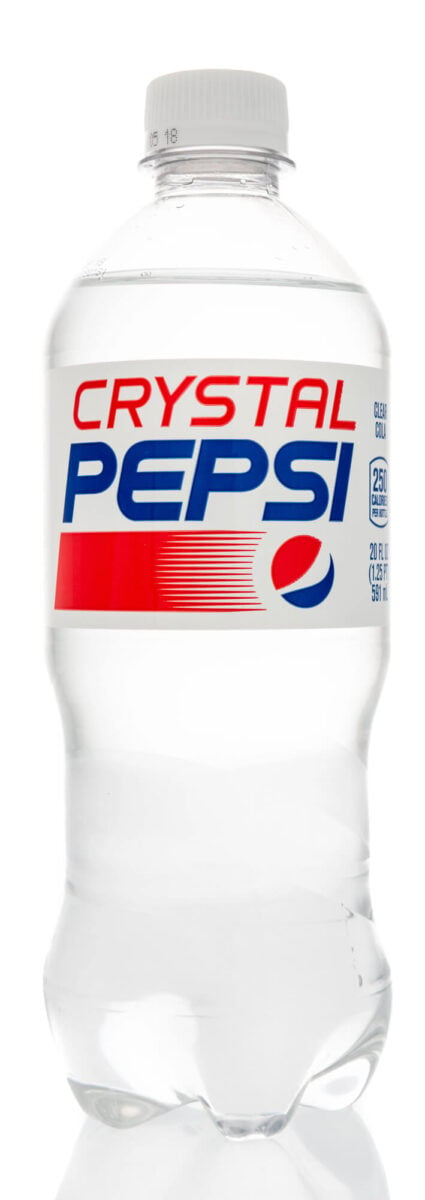
PepsiCo launched Crystal Pepsi nationally in 1992 during a brief national obsession with clear products, which were marketed as purer and lighter. It tasted like a softer, less acidic cola and came in a transparent bottle.
Early sales were strong, but curiosity faded fast, and the drink was largely gone by 1994. Coca-Cola even released its own clear Tab Clear, which some marketing writers have described as a deliberate effort to drag the category down.
Limited revivals have appeared since, mostly to satisfy nostalgic fans.
OK Soda From Coca-Cola
In 1993 Coca-Cola test-marketed OK Soda, a fruity cola aimed squarely at Generation X. The cans featured artwork by alternative comics artists, including Daniel Clowes and Charles Burns, and the advertising was deliberately strange and self-aware.
A telephone hotline let callers listen to odd recorded messages. The soda was sold in a limited number of test cities and never reached national distribution.
It was discontinued in 1995. Today its cans are collectibles, and the brand is often cited as an example of marketing that was too clever for its own good.
Hi-C Ecto Cooler
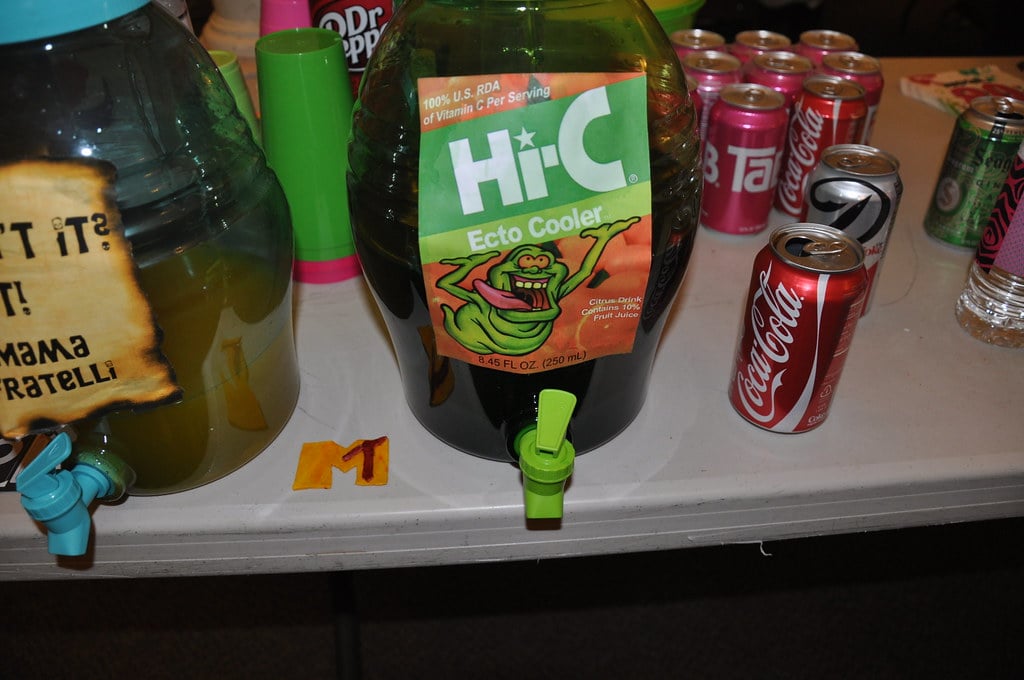
Hi-C introduced Ecto Cooler in 1987 as a tie-in with The Real Ghostbusters cartoon, and the green ghost Slimer appeared on every box. The citrus drink was bright green and wildly popular with kids.
It stayed on shelves long after the cartoon ended, but in 1997 the name changed to Shoutin’ Orange Tangergreen, and the drink was discontinued in 2001. A limited return in 2016 coincided with the release of a new Ghostbusters film.
Fans still trade empty juice boxes and recreate the flavor at home with mixes of orange and tangerine drinks.
Josta, the Early Energy Drink
PepsiCo launched Josta in 1995, making it the first energy drink introduced by a major American beverage company. It combined caffeine with guarana, a South American plant, and its label featured a stylized jaguar.
The drink never found a large audience, and PepsiCo dropped it in 1999. Fans launched a Save Josta campaign and kept it running online for years.
Its timing was the real problem, since few shoppers in the mid-1990s knew what an energy drink was supposed to do. A few years later, energy drinks became one of the fastest-growing categories in the beverage aisle.
Orbitz With Floating Gel Beads
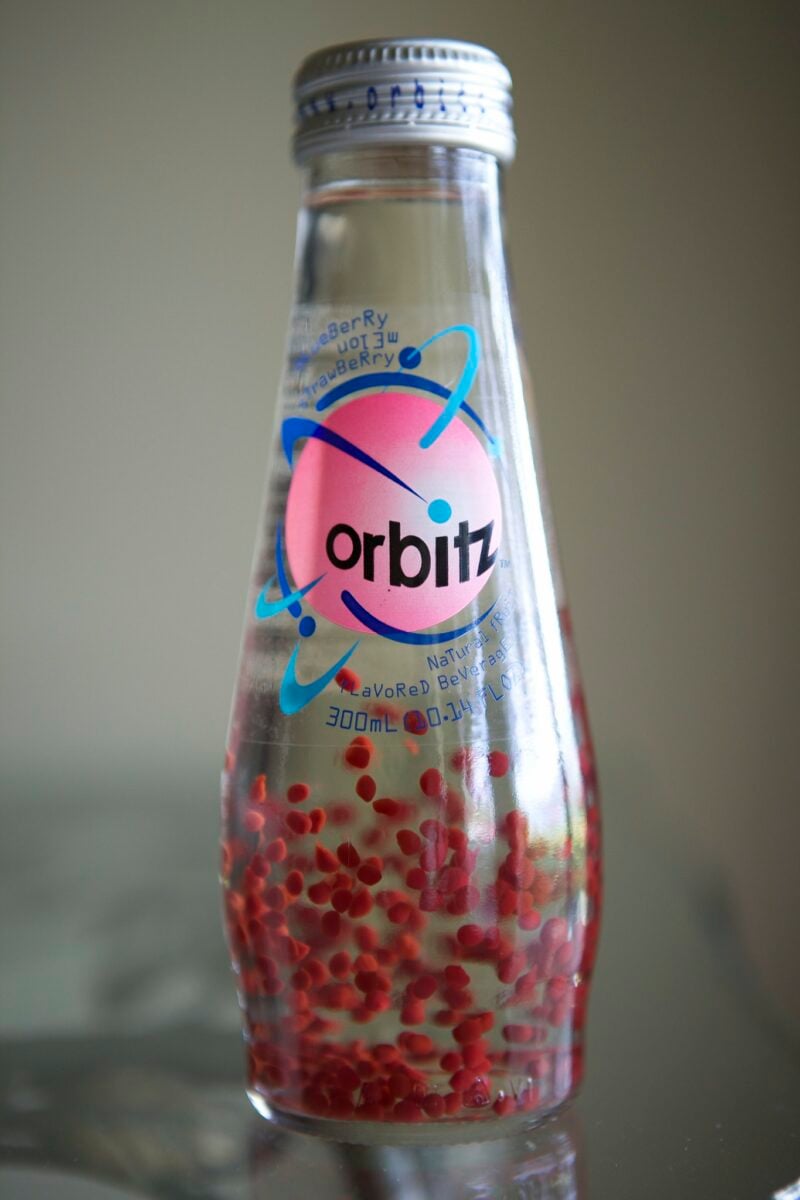
Clearly Canadian introduced Orbitz in the late 1990s, a noncarbonated fruit drink filled with small colored gel beads that floated in suspension. The bottles looked like lava lamps, and flavors included raspberry citrus and blackberry cherry.
Curiosity drove early sales, but many people found the texture off-putting. The drink was discontinued by around 1999.
The company later said the equipment used to make it had broken down. Orbitz has since become a cult object, and unopened bottles occasionally appear on auction sites with the beads still floating.
Squeezit in Squeezable Bottles
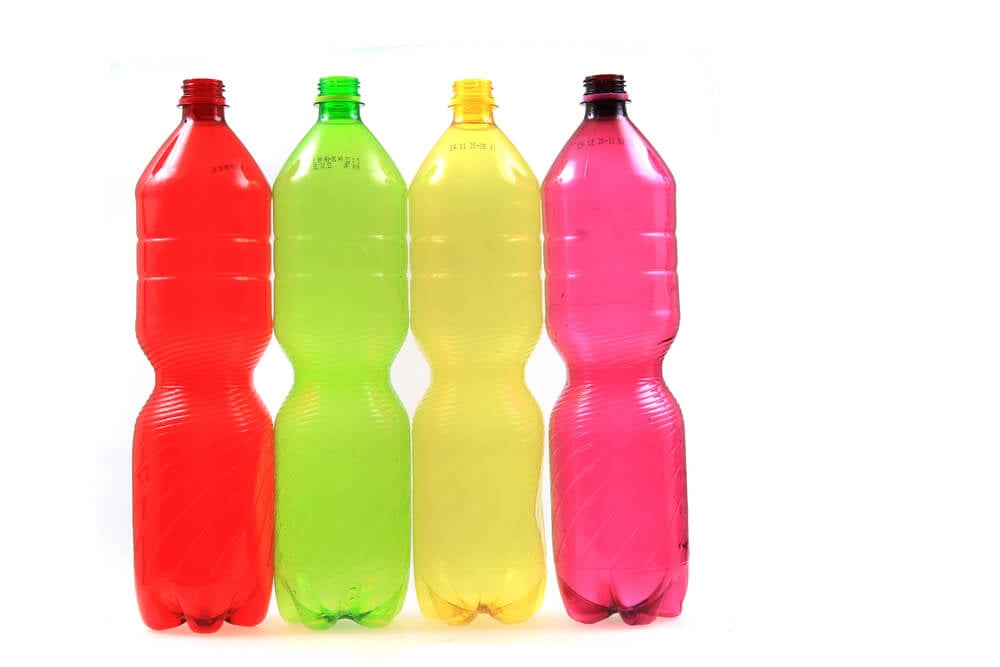
General Mills introduced Squeezit in 1985, a fruit drink sold in soft plastic bottles that had to be squeezed to drink. Each flavor had its own character on the bottle, including names such as Chucklin’ Cherry and Berry B. Wild.
The bottles became a lunchbox staple and were sold in vending machines in schools and malls. Kids often popped the top with their teeth, which was not the intended method.
The drink was discontinued in 2001. Fans have since petitioned General Mills to bring it back, with no success.
Pepsi Blue
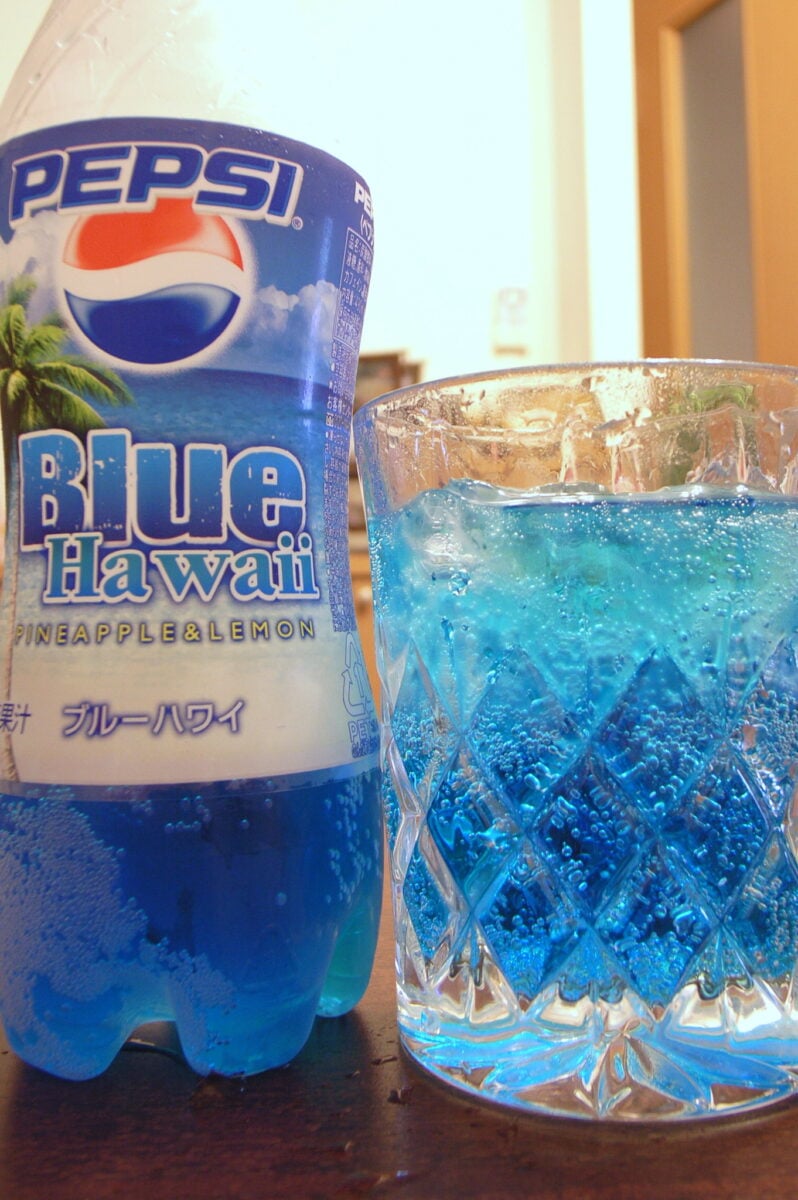
Pepsi Blue arrived in 2002 with a bright blue color and a berry flavor aimed at teenagers. Its launch was backed by heavy advertising and pop music promotions.
The color was controversial, partly because of the artificial dye used to achieve it. The drink was discontinued in the United States by 2004, though it remained available in some other countries.
It returned briefly in 2021 as a limited release. For a few years, the sight of a blue cola in a vending machine was a novelty that defined the early 2000s.
Coca-Cola Blak, the Coffee Cola
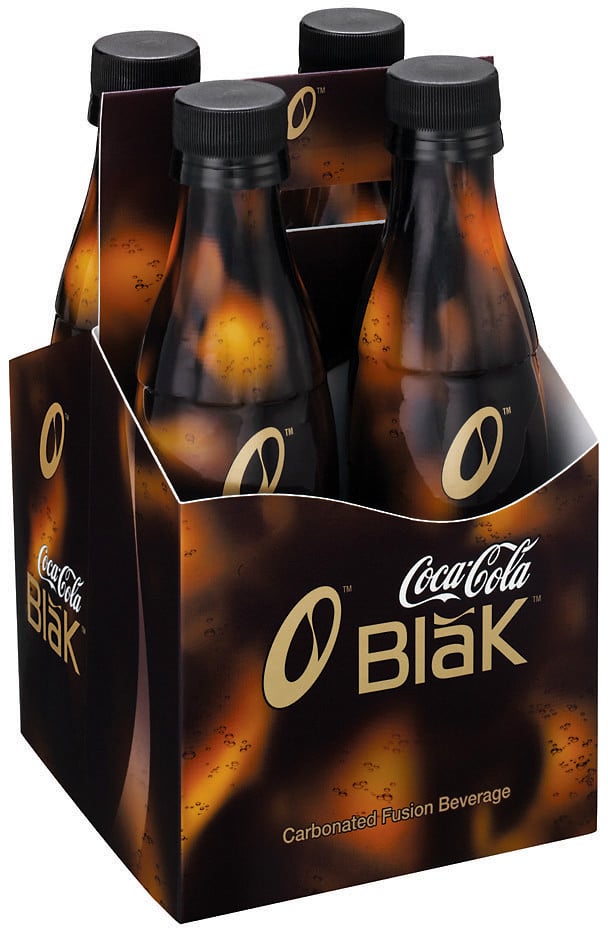
Coca-Cola introduced Blak in 2006, a carbonated cola infused with coffee and sold in a sleek glass bottle. It was marketed to adults as a premium afternoon drink.
Reviews were mixed, with many drinkers unsure whether it was a soda or a coffee. The drink was discontinued in the United States in 2008.
Coffee-flavored sodas have reappeared since then, suggesting the concept was not entirely wrong. Blak remains a frequent entry on lists of failed beverage experiments, mostly because it arrived before people were ready for it.
Tab and Its Pink Can
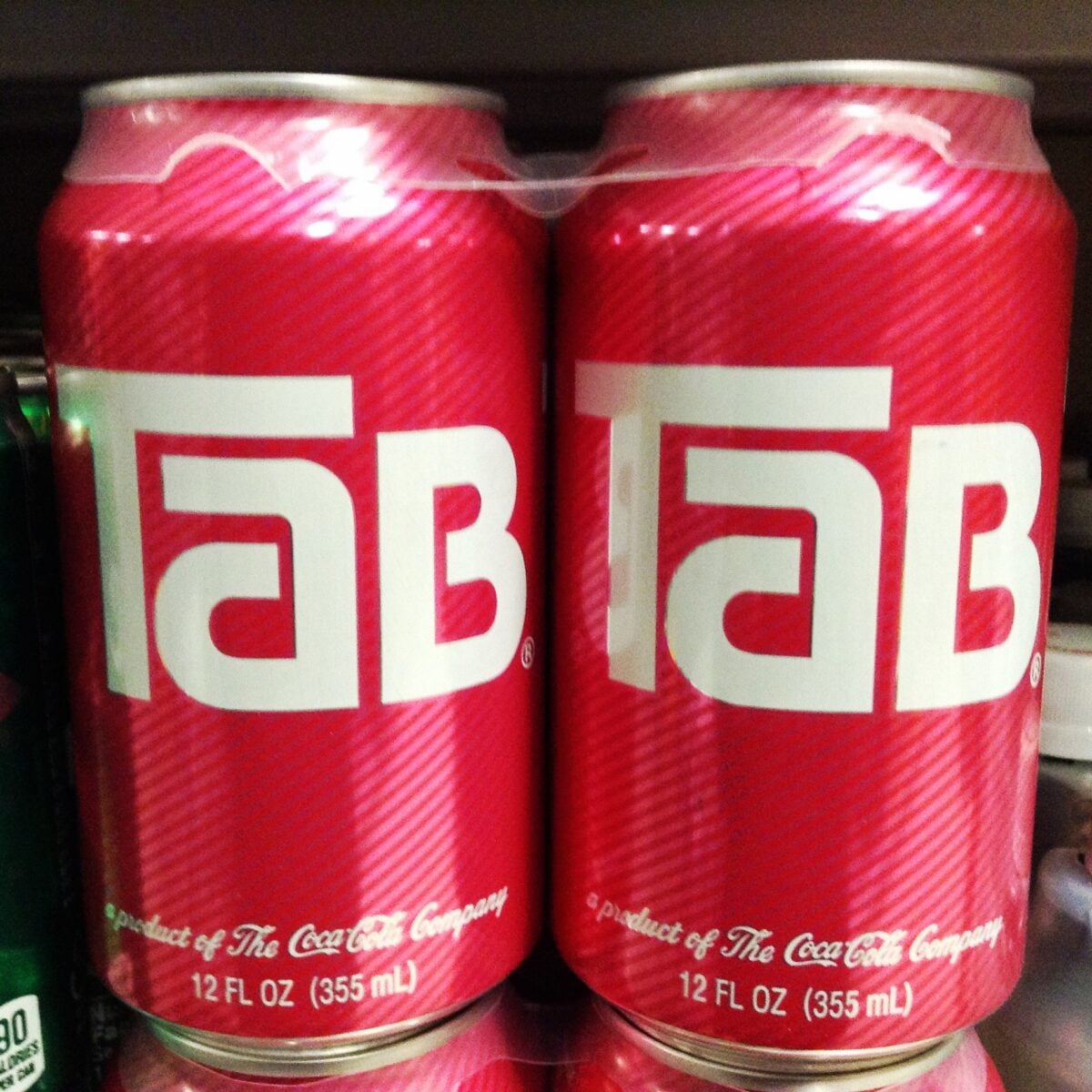
Coca-Cola introduced Tab in 1963 as a diet soda, and its pink can became a symbol of the calorie-counting era. It was especially popular with women and became a cultural shorthand for 1970s and 1980s dieting.
Diet Coke arrived in 1982 and steadily took its customers. Coca-Cola discontinued Tab at the end of 2020 as part of a wider effort to trim its lineup.
Loyal drinkers stocked up on the final cases. Even in its last years, a dedicated group of fans tracked down stores that still carried it.
Surge Citrus Soda
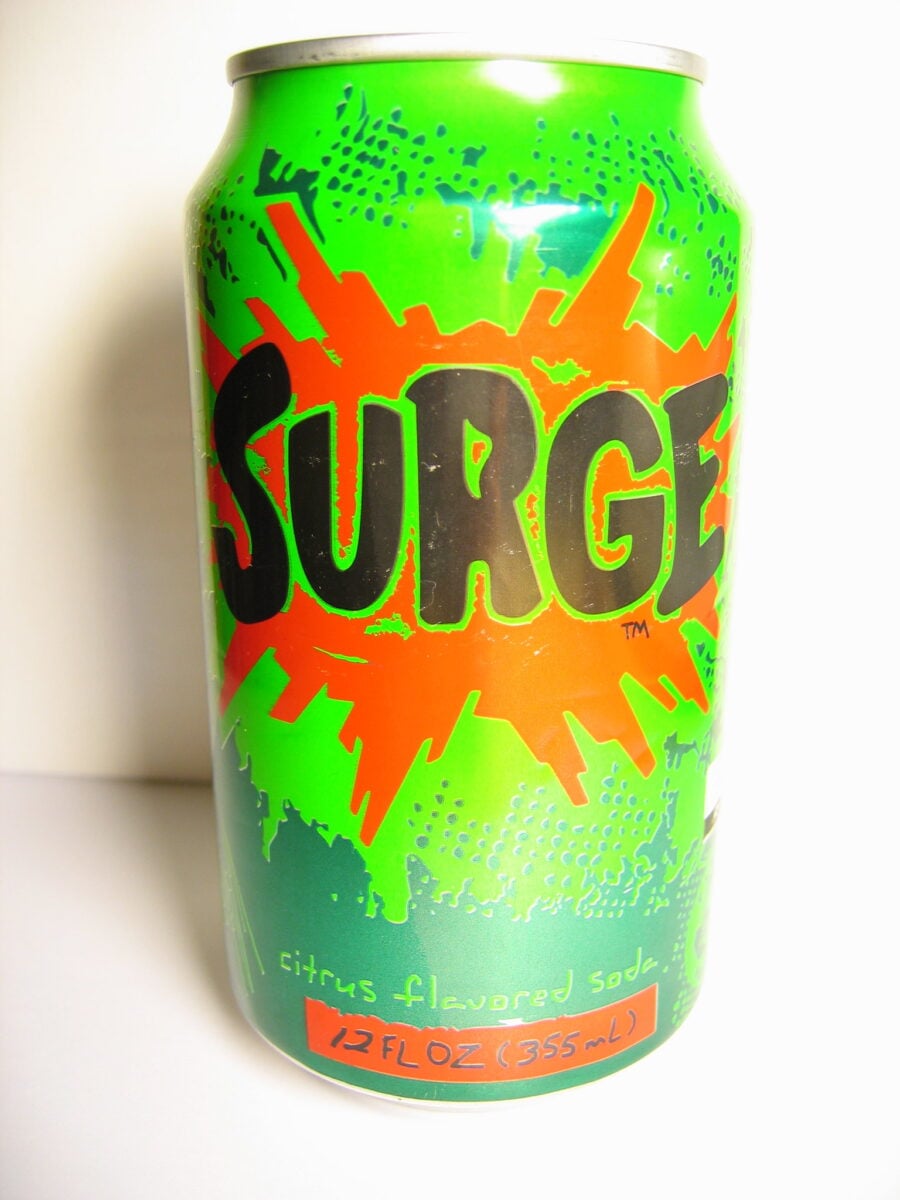
Coca-Cola launched Surge in 1997 as a high-energy citrus soda aimed at teenagers and positioned against Mountain Dew. Its advertising featured extreme sports and loud graphics.
Sales declined after the initial burst, and the drink was discontinued in 2003. Fans formed an online campaign, and in 2014 Coca-Cola brought Surge back through online sales after fans bought billboard space to lobby for its return.
That revival was limited. Surge remains a case study in how fan campaigns can bring back a product, at least for a while.
Snapple Elements
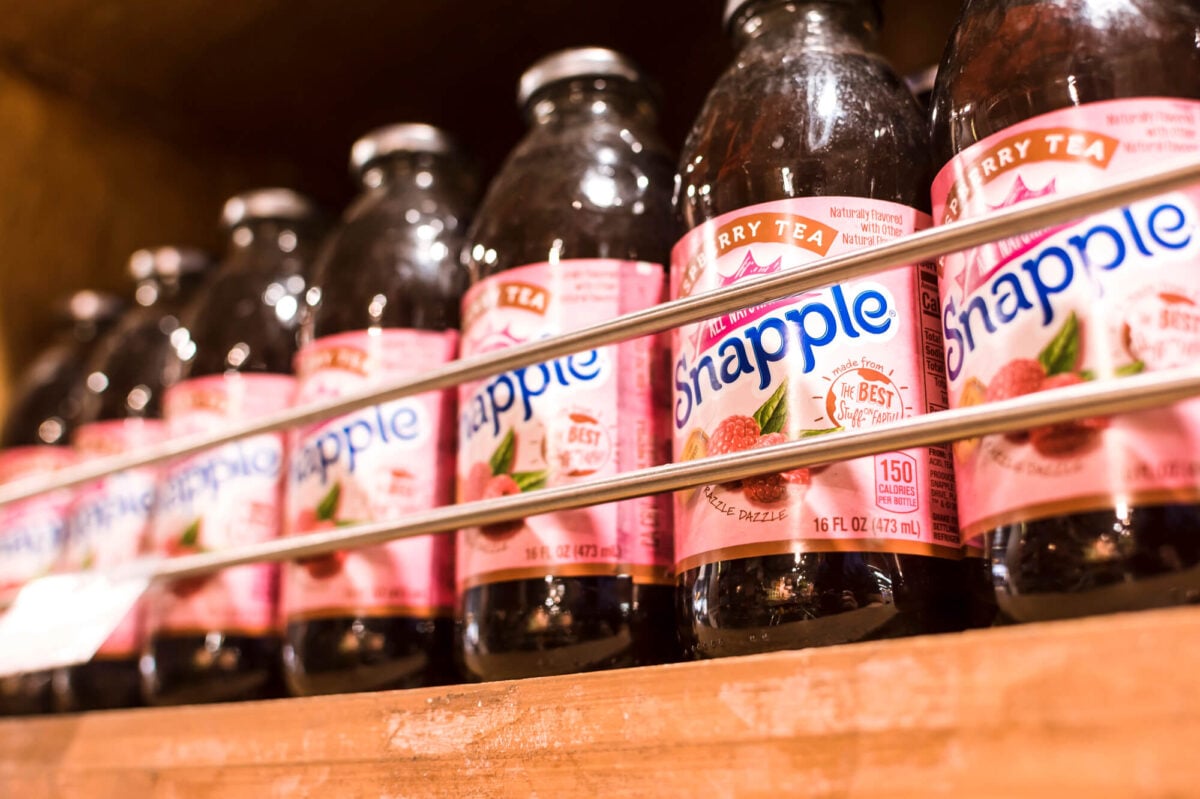
Snapple released a line of drinks called Elements in 1999, with names such as Rain, Earth, Air and Fire. Each came in a distinctive bottle designed to look like a work of art.
The flavors blended fruits, herbs and teas in combinations that were unusual for the time. The line did not last long and disappeared within a few years.
Collectors still seek out the bottles, which were sturdy and attractive. The drinks hinted at the coming trend of botanical and functional beverages, arriving too early to benefit from it.
Maxwell House Ready-to-Drink Coffee
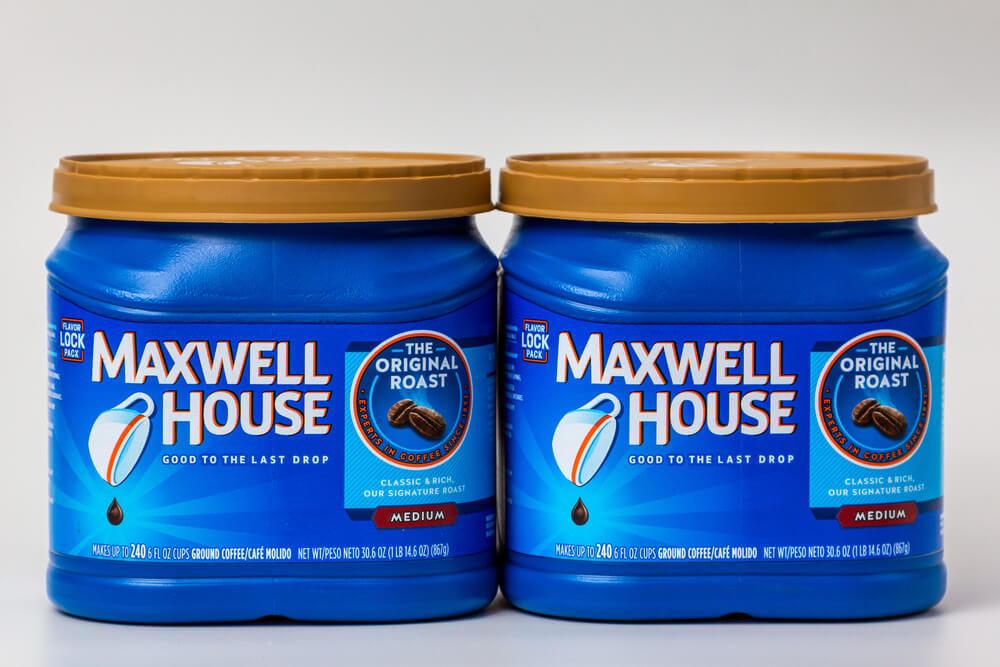
Maxwell House tried selling cold, ready-to-drink coffee in refrigerated cartons around 1990. The idea was that shoppers could pour a cup and warm it in the microwave.
Customers did not embrace reheated coffee from a carton, and the product was gone by about 1991. The concept seems ahead of its time now, since bottled cold brew and canned coffee drinks are everywhere.
But in 1990, most Americans still brewed coffee at home. The product is a reminder that timing can matter as much as the idea.
Pillsbury Space Food Sticks
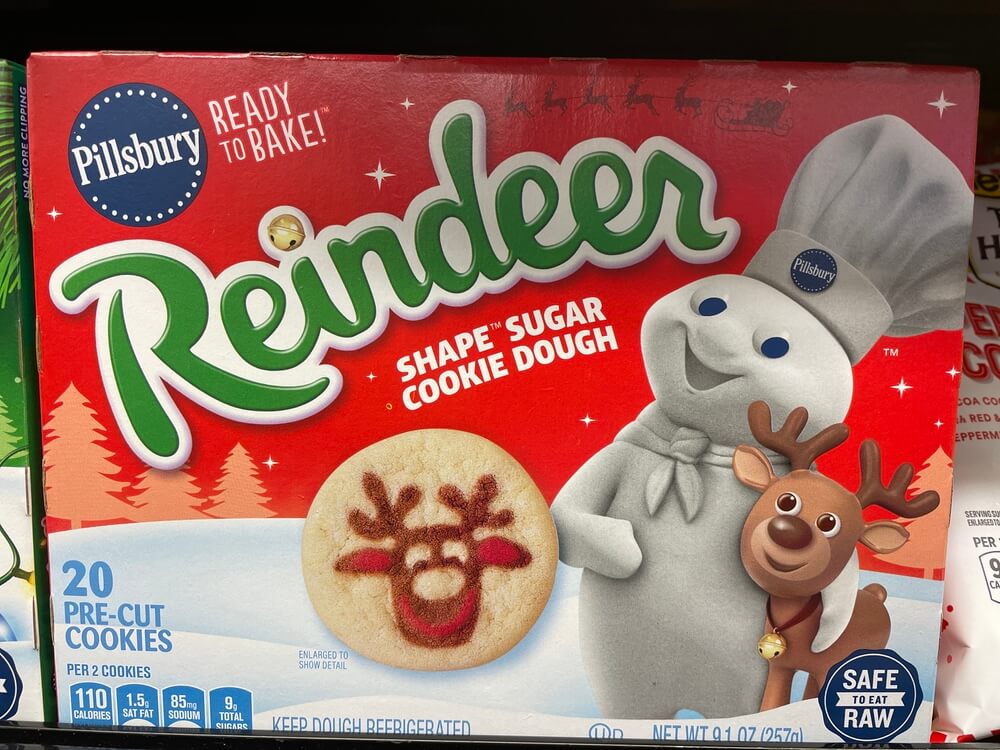
Pillsbury introduced Space Food Sticks around 1970, inspired by its work developing food for the American space program. The chewy sticks came in flavors such as chocolate, peanut butter and caramel, and their packaging leaned heavily on astronaut imagery.
They were marketed as a nutritious snack for active kids. Sales faded as interest in the space program cooled, and the sticks disappeared by the 1980s.
A small company revived the name in the 2000s, but most people remember the original foil-wrapped versions from the moon landing era.
Jell-O Pudding Pops
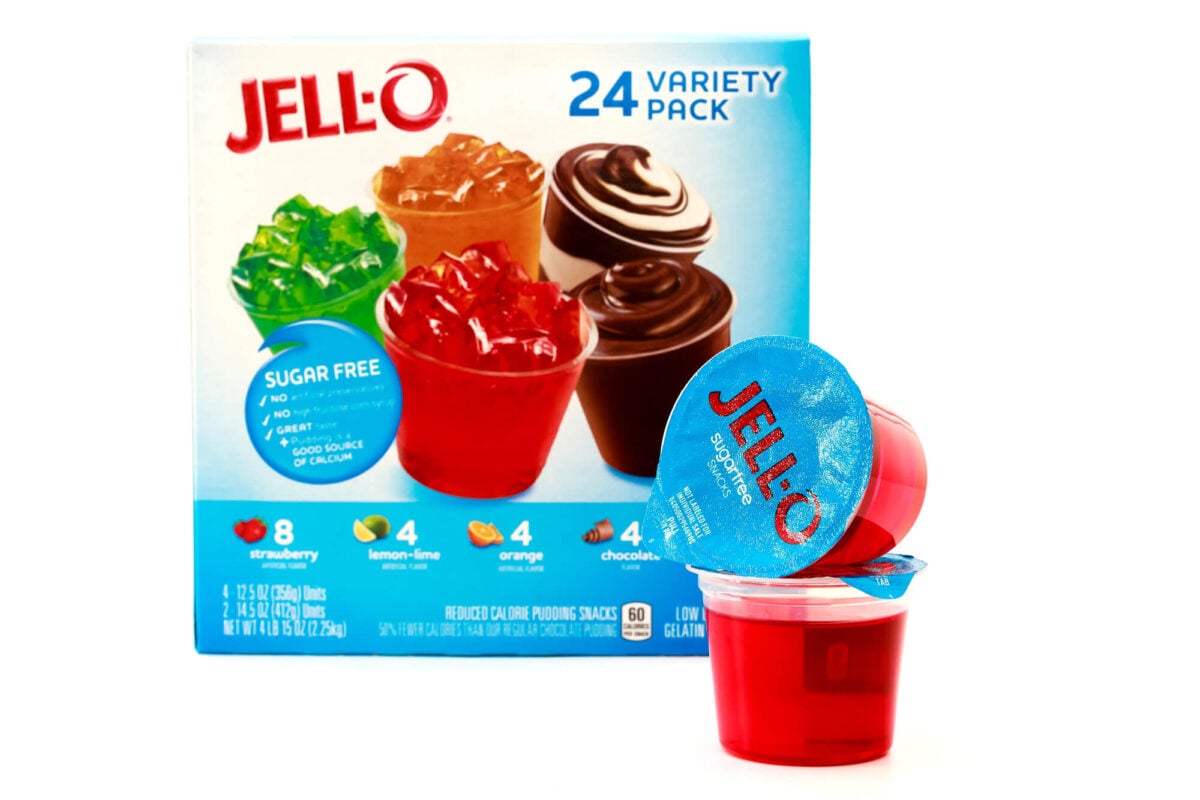
Jell-O Pudding Pops were frozen pudding on a stick, sold in chocolate, vanilla and swirl flavors in grocery store freezers from the late 1970s onward. They became a huge hit in the 1980s.
The texture was creamy and dense, unlike an ice pop. Sales eventually declined, and the brand changed hands before disappearing in the early 2000s.
Several companies have released similar products, but fans say none match the original. Pudding Pops remain one of the most frequently requested discontinued foods on nostalgia forums, often mentioned in the same breath as summer afternoons.
Keebler Magic Middles
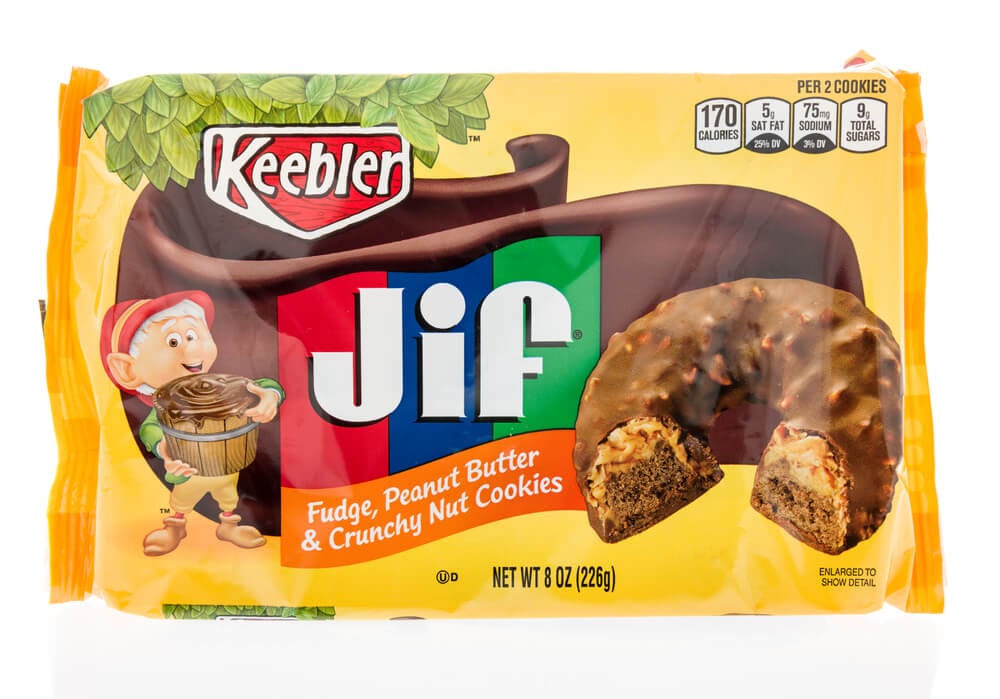
Magic Middles were Keebler shortbread cookies with a soft chocolate fudge center hidden inside. Kids loved breaking them open to see the filling.
The cookies were sold in the 1980s and 1990s and disappeared by the early 2000s. Keebler’s elf mascots appeared on the packaging and in commercials.
Fans have petitioned for their return for years, and copycat recipes that hide a disk of fudge inside cookie dough are common online. The cookies were simple but clever, and their absence left a gap that no other packaged cookie has quite filled.
Oreo Big Stuf
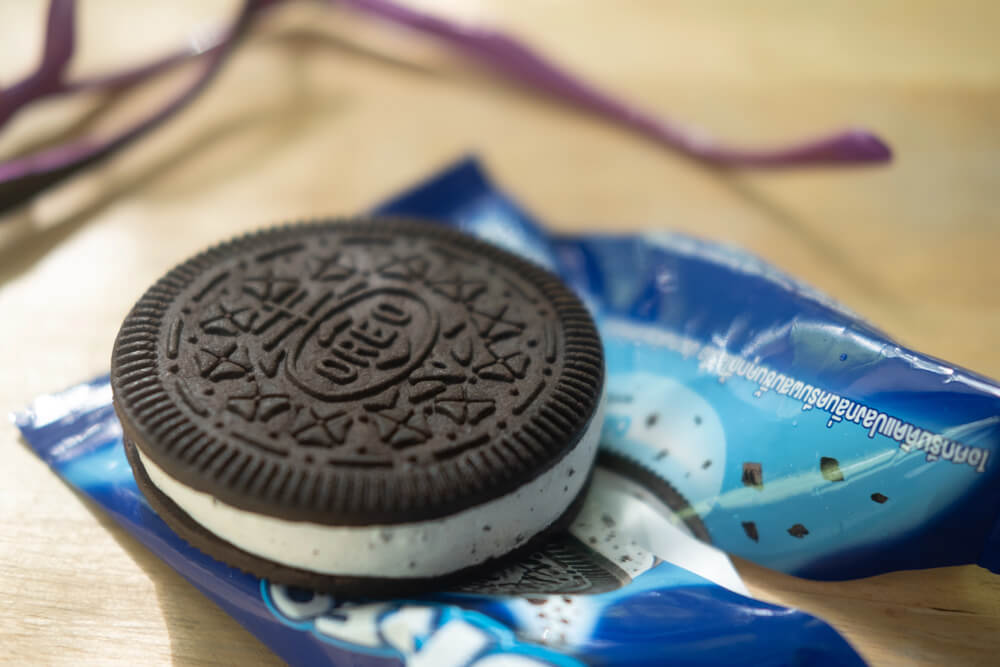
Nabisco introduced Big Stuf in 1987, a single giant Oreo about the size of a palm, individually wrapped. It was sold as a snack rather than a cookie to be eaten by the stack.
The giant cookie had a thick layer of creme and a huge chocolate wafer on each side. Big Stuf was discontinued in 1991 after about four years.
It anticipated later Oreo experiments with extra creme. For kids in the late 1980s, finding one in a lunchbox was a rare treat, and it made every other cookie on the table look small.
Hydrox, the Original Sandwich Cookie
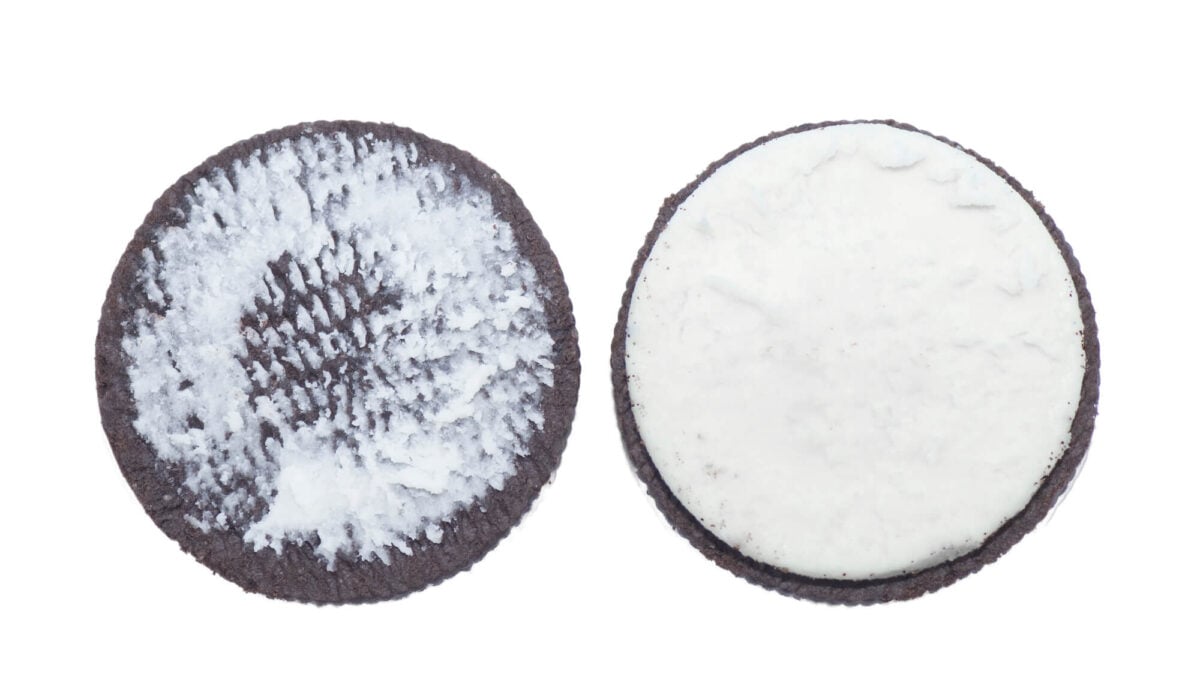
Sunshine Biscuits introduced Hydrox in 1908, four years before the Oreo appeared. Despite being first, Hydrox was often assumed to be the imitation.
Keebler acquired Sunshine in 1996, renamed the cookie Droxies in 1999 and discontinued it in 2003. Fans protested, and Leaf Brands revived Hydrox in 2015, selling it mainly online.
The revival has kept the name alive, but the cookie no longer sits beside Oreos on most grocery shelves. Loyal fans say Hydrox had a crisper wafer and a less sweet filling, and they never tire of pointing out which cookie came first.
Funny Face Drink Mix
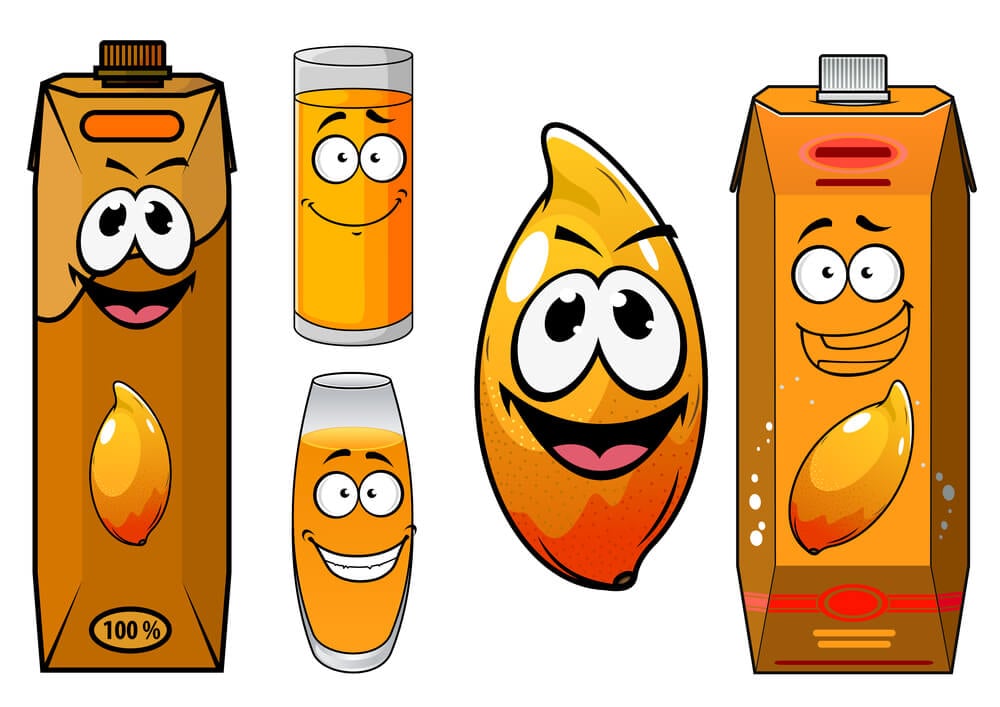
Pillsbury introduced Funny Face powdered drink mix in 1964, with cartoon characters on each packet and names such as Goofy Grape and Freckle Face Strawberry. It competed directly with Kool-Aid and was sweetened in the packet, which meant no added sugar was needed.
Two original flavor names drew complaints and were renamed Jolly Olly Orange and Choo Choo Cherry. The brand changed hands and faded from most stores in the following decades.
Former kids still remember the character faces more than the flavors, and vintage packets now sell to collectors of advertising art.
Screaming Yellow Zonkers
Lincoln Snacks introduced Screaming Yellow Zonkers in 1968, a sweet glazed popcorn sold in a black box covered with irreverent jokes. The packaging was as much of a draw as the snack itself, and the black box broke every rule of cheerful snack design at the time.
The brand was discontinued, revived and discontinued again over the years. Its humor and bold design influenced snack packaging for decades.
For many people, the box was the first funny thing they ever read in a grocery store.
Kellogg’s C-3PO’s Cereal
Kellogg’s released C-3PO’s in 1984, a cereal named after the golden droid from the Star Wars films. Each piece was shaped like a pair of joined rings, and the boxes carried cut-out masks of film characters and collectible cards on the back.
The cereal was sweetened oat and corn, and the commercials leaned heavily on the droid’s fussy personality. It disappeared after a short run.
Unopened boxes are now valuable collectibles. For children of the 1980s, it captured an era when nearly every major film franchise had its own breakfast cereal.
Quaker Mr. T Cereal
Quaker Oats released Mr. T Cereal in 1984 at the peak of the actor’s fame from The A-Team. The cereal pieces were shaped like the letter T, and the box featured the star in his signature gold chains and mohawk.
It was a sweetened corn and oat cereal, not very different from other kids’ cereals of the day. The product was discontinued after a few years.
Today the box is a sought-after piece of 1980s pop culture memorabilia. The cereal itself was ordinary, but the branding made it unforgettable to anyone who grew up watching Saturday morning television.
Post Smurf-Berry Crunch
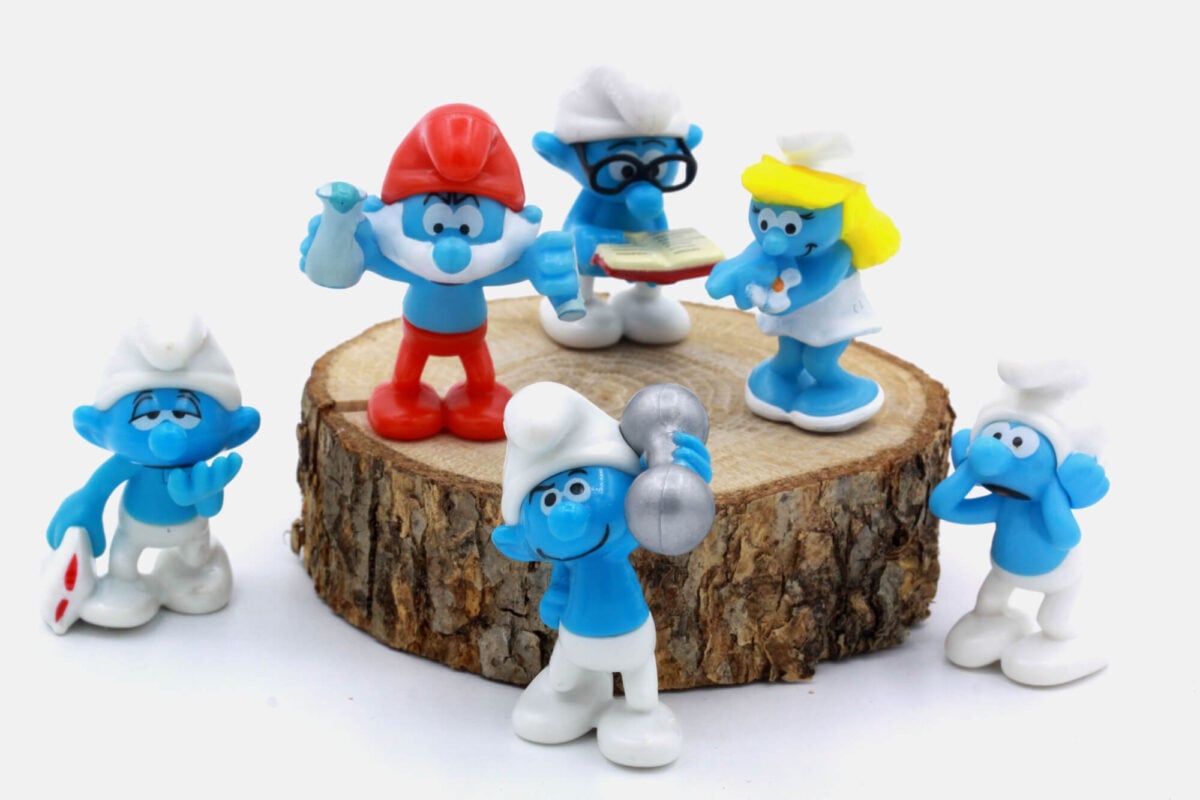
Post released Smurf-Berry Crunch in 1983, riding the enormous popularity of The Smurfs cartoon on Saturday morning television. The cereal was berry flavored and brightly colored, with pieces shaped like tiny berries in the cartoon’s style.
A later version called Smurf Magic Berries added marshmallows. The cereal disappeared by the late 1980s as interest in the little blue characters faded.
Boxes with intact premiums are now collectibles. It remains one of the most frequently mentioned discontinued cereals among Generation X and older millennials, who still remember the sugary aftertaste and the dyed milk.
Ralston Urkel-Os
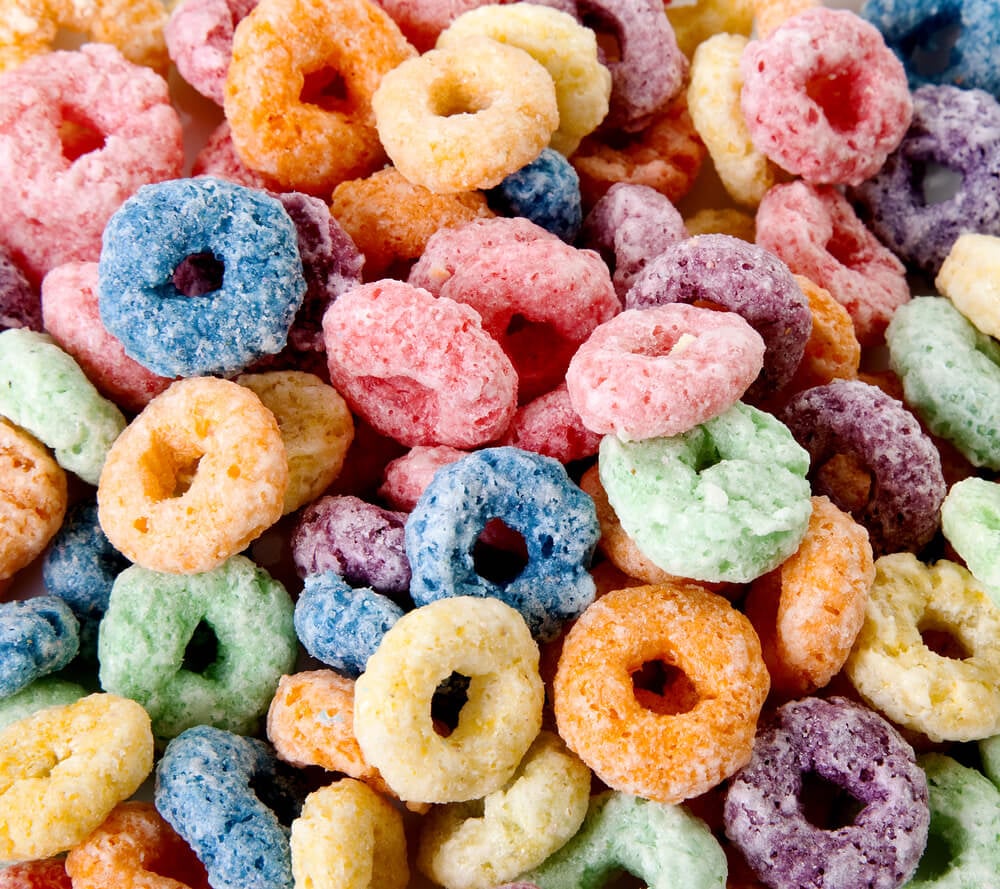
Ralston released Urkel-Os in 1991, named after Steve Urkel, the nerdy neighbor from the sitcom Family Matters. The cereal was strawberry-banana flavored, and the box featured the character’s oversized glasses and familiar catchphrases.
It was a short-lived product, disappearing within a year or two. Boxes are now collectibles, and the cereal often appears on lists of strange celebrity tie-ins.
For fans of the show, it was a fun novelty that matched the character’s goofy energy. For collectors, it is a perfect snapshot of early 1990s marketing, when a sitcom catchphrase could sell almost anything.
Betty Crocker Fruit Wrinkles
Fruit Wrinkles were rippled fruit snacks sold under the Betty Crocker name in the 1980s and 1990s. They came in flavors such as strawberry and orange, and their wavy shape set them apart from the round and animal-shaped fruit snacks that crowded the same shelf.
Television commercials emphasized their chewy texture and bright colors. The product disappeared as newer fruit snacks with cartoon tie-ins took over the market.
Fans still remember them as one of the best fruit snacks of their childhood. The name alone sparks instant recognition among many adults who once traded them at lunch.
Nestle Quik Before Nesquik
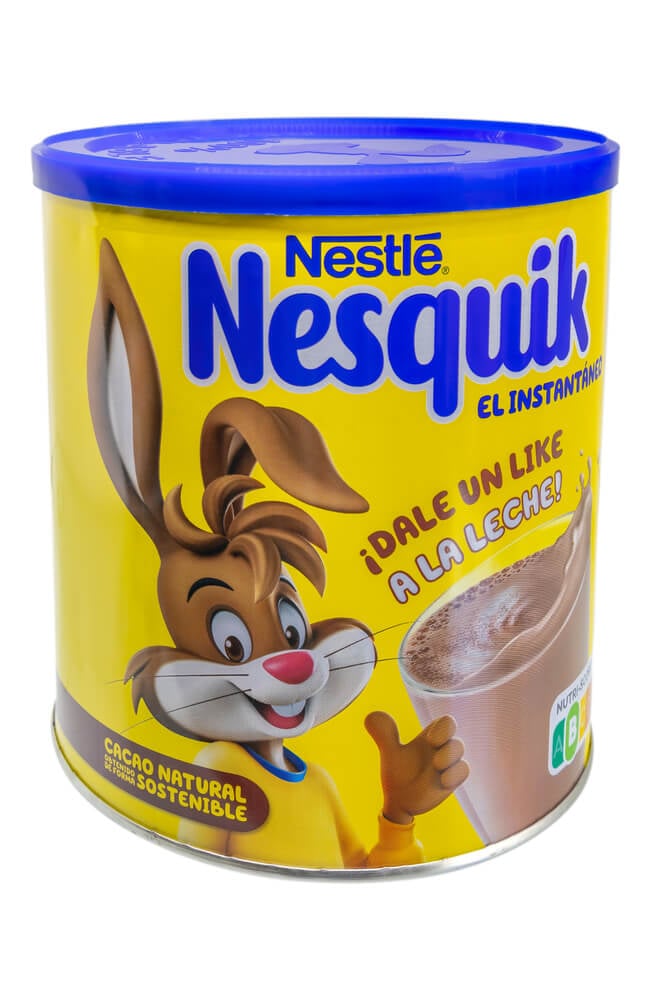
For decades, American kids stirred chocolate powder labeled Nestle Quik into their milk. In 1999 the brand was renamed Nesquik in the United States to match the name used in other countries.
The rabbit mascot, Quicky, remained, but the old name disappeared from shelves. The product itself survived, yet the change still bothers people who grew up with the original yellow canister.
It is a reminder that a familiar brand can disappear even when the product stays. Old Quik canisters and advertising pieces now turn up at antique malls, priced as nostalgia rather than as groceries.
Shelf Tags, Petitions and Brand Ghosts
Brands disappear for many reasons, including poor sales, mergers, changing tastes and shifting strategies. Shoppers rarely hear the explanation.
They only notice an empty space on the shelf. That silence is part of why these products linger in memory.
Nostalgia keeps them alive. Fans launch petitions, collect packaging and share memories online.
Sometimes companies respond with limited revivals. More often, the brands remain ghosts, remembered by people who can still describe the taste, the box and the moment they realized it was gone.
More from Go2Tutors!

- The Romanov Crown Jewels and Their Tragic Fate
- 13 Historical Mysteries That Science Still Can’t Solve
- Famous Hoaxes That Fooled the World for Years
- 15 Child Stars with Tragic Adult Lives
- 16 Famous Jewelry Pieces in History
Like Go2Tutors’s content? Follow us on MSN.