How The Polaroid Changed The Way We Capture Life
In the past, photography was a waiting game. You would take a picture, send off the film, and hope that the pictures were actually good when you picked up your prints a week later.
During a 1943 vacation in Santa Fe, Edwin Land’s young daughter asked him a famous question that changed everything: why couldn’t she see the picture he had just taken of her immediately? That straightforward inquiry set off years of development that would ultimately transform photography from a formal process into something impromptu, whimsical, and intensely personal, changing the way people record their lives. In addition to making photography faster, the Polaroid camera completely changed how we interacted with taking pictures.
Prior to Polaroid, most people viewed photography as a ritual for special occasions that required careful planning and posing. After Polaroid, taking photos was as commonplace as talking to someone. Here are ways that the Polaroid revolutionized life photography.
The Model 95 Launch

On November 26, 1948, the day after Thanksgiving, the first Polaroid Land Camera Model 95 went on sale at Jordan Marsh department store in Boston for $89.75—about $1,100 in today’s money. All 56 cameras brought to that demonstration sold out within minutes, proving instant demand for instant photography.
The camera produced sepia-toned prints initially, with black-and-white film following in 1950, though users still had to manually time the development, pull out the print, peel it apart, and coat it with a stabilizer to preserve the image.
Making Photography Accessible

Polaroid democratized photography in ways that traditional cameras never could. The Model 95 eliminated the need for darkrooms, professional developers, and specialized knowledge about chemicals and processing.
Anyone could pick up a Polaroid, take a shot, and see results within minutes, transforming photography from something you hired professionals to do into something you could do yourself at a family gathering.
Like Go2Tutors’s content? Follow us on MSN.
The Instant Feedback Revolution
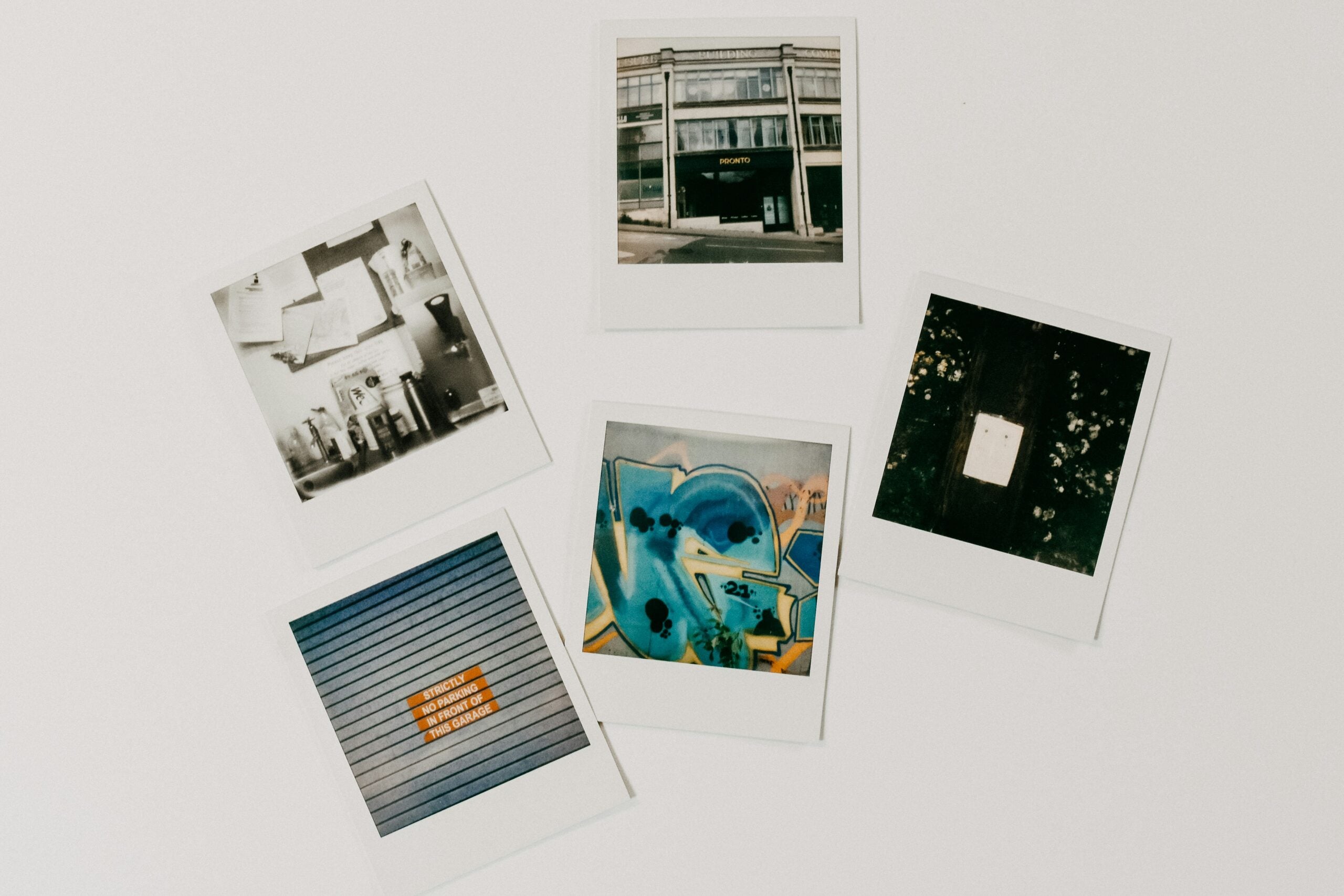
For the first time in history, photographers could immediately see if they got the shot they wanted. Professional photographers no longer had to wait days to discover that the lighting was wrong or someone blinked at the crucial moment.
This instant feedback loop changed how people approached taking pictures, encouraging experimentation and multiple attempts until they captured exactly what they envisioned.
Polacolor Film Breakthrough

Polaroid introduced Polacolor instant film in 1963, bringing the magic of instant photography into full color for the first time. This peel-apart color process required separating the negative from the positive print, but it made Polaroid photos feel alive and real in ways that sepia and black-and-white images couldn’t match.
The technology represented a major leap forward, though it would be another decade before integral self-developing color film eliminated the peeling process entirely.
The SX-70 Game Changer

When Edwin Land pulled a folded SX-70 from his suit coat pocket at a company meeting in April 1972 and produced five photographs in just ten seconds, jaws dropped across the room. This was the world’s first instant single-lens reflex camera, and it used revolutionary integral self-developing color film that automatically ejected and developed without any peeling or chemical residue.
The SX-70 featured automatic exposure, precise focusing as close as 10.4 inches, and a folding design that made it incredibly portable for its time.
Like Go2Tutors’s content? Follow us on MSN.
Photography as Gift-Giving

Polaroid created an entirely new social ritual around photography that had never existed before. You’d take a photo of someone, watch it develop together, and then hand them the physical print as a gift right there on the spot.
This act of immediate sharing transformed photos from formal keepsakes stored in albums into spontaneous tokens of affection and friendship that people could carry away with them.
The Artist’s Tool

Artists like Andy Warhol, David Hockney, Ansel Adams, and Chuck Close embraced Polaroid cameras as serious creative tools, not just consumer gadgets. Warhol took 12,000 Polaroid photos in the early 1970s alone, using them as visual diaries and sketches for his larger works.
Hockney created elaborate photo collages from Polaroids, while Adams praised the tonal quality of Polaroid film and said many of his most successful photographs from the 1950s onward were made with it.
Spontaneity Over Perfection

The Polaroid mindset encouraged people to capture unguarded, authentic moments rather than stiffly posed portraits. Because film was relatively expensive and you could see results immediately, people became more thoughtful about what they shot, but also more willing to experiment with candid, playful images.
This shift away from formal photography toward capturing real life as it happened changed how generations understood what photos were supposed to look like.
Like Go2Tutors’s content? Follow us on MSN.
The Swinger Revolution

In 1965, Polaroid released the Swinger camera for just $19.95, making instant photography affordable for teenagers and young adults for the first time. Marketed directly to youth culture, this lightweight plastic camera with a wrist strap became Polaroid’s first mass-market hit, selling over 4 million units in just two years.
The Swinger featured a viewfinder that displayed the word ‘YES’ when exposure was correct, and it sparked a boom in vernacular photography that got millions of regular people interested in taking pictures as entertainment.
Complex Legacy with Communities

Polaroid cameras gave many families control over their own image-making in ways that traditional photography hadn’t allowed, eliminating the need to involve lab technicians who might censor or damage photos. However, Polaroid’s history is complicated—the company’s technology was controversially used for apartheid-era ID photos in South Africa during the 1970s.
After significant pressure from activists, Polaroid divested from South Africa in 1977, showing how technology designed for personal empowerment could also be co-opted for oppressive purposes.
The Precursor to Selfies

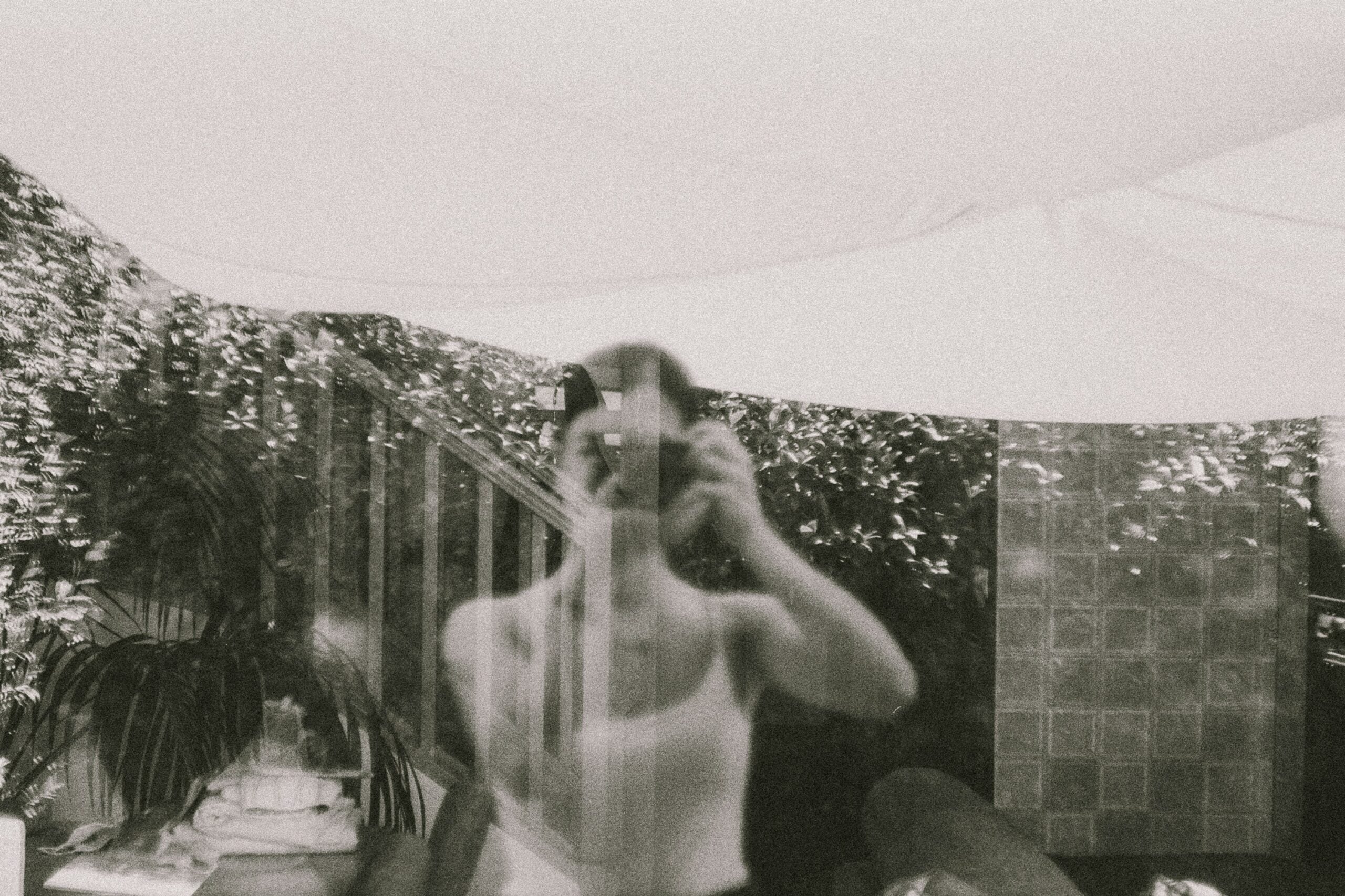
Long before smartphones and front-facing cameras, people were using Polaroids to take pictures of themselves. The instant feedback and ease of use made self-portraits accessible and fun rather than technically challenging.
Andy Warhol famously said he took so many Polaroids to create a visual diary and know where he was every minute—a philosophy that sounds remarkably similar to how people use Instagram and smartphone cameras today.
Like Go2Tutors’s content? Follow us on MSN.
Film with Built-In Batteries
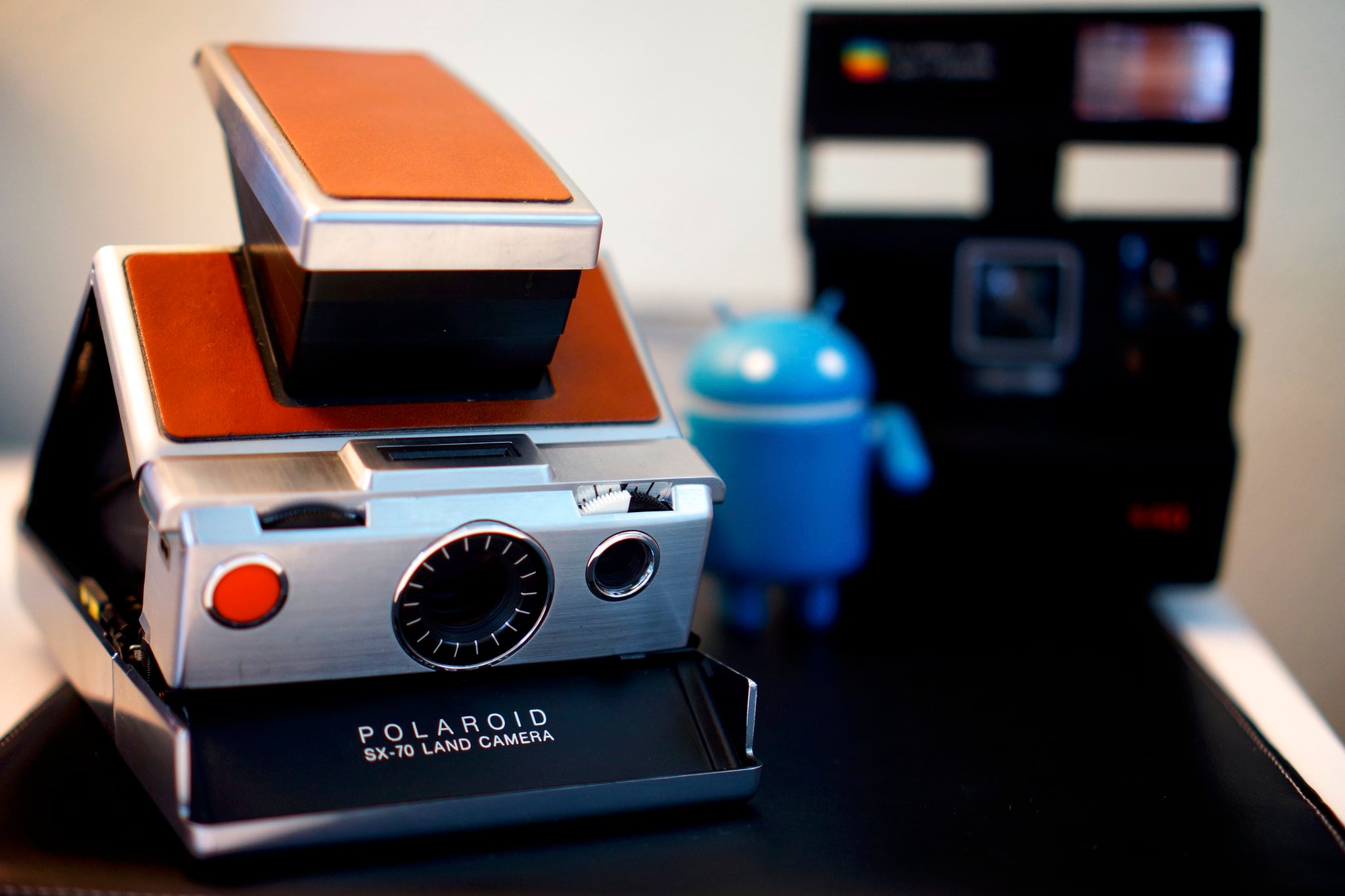
The SX-70 introduced an ingenious innovation: each pack of film contained its own battery to power the camera motors and exposure control. This meant you always had a charged battery as long as you had film in the camera, eliminating the frustration of dead batteries ruining photo opportunities.
This feature continued with later 600-series film packs, though it added to film costs and frustrated environmentalists concerned about battery waste.
Manipulating Developing Photos

Artists discovered they could manipulate SX-70 photos while they were still developing, pushing the emulsion material around to create effects similar to impressionist paintings. This technique, particularly popular with Time-Zero film, turned instant photography into a medium for creating unique, one-of-a-kind artworks.
The ability to physically interact with a photo as it came into being blurred the line between photography and painting in fascinating ways.
The Nostalgia Renaissance
Something unexpected happened after Polaroid stopped making films in 2008 and declared bankruptcy twice, in 2001 and 2008. In the same year, The Impossible Project was established, purchasing Polaroid’s final factory and resuming the production of instant films.
In 2017, the company changed its name to Polaroid Originals, and in 2020, it simply became Polaroid. Holding a real photo that develops in front of your eyes still has a certain magic that transports us back to a time when taking pictures felt more real, intentional, and tangible.
This resurgence demonstrated that even in our hyper-digital world.
Like Go2Tutors’s content? Follow us on MSN.
More from Go2Tutors!

- 16 Historical Figures Who Were Nothing Like You Think
- 12 Things Sold in the 80s That Are Now Illegal
- 15 VHS Tapes That Could Be Worth Thousands
- 17 Historical “What Ifs” That Would Have Changed Everything
- 18 TV Shows That Vanished Without a Finale
Like Go2Tutors’s content? Follow us on MSN.