30 Phone Habits From Before Cell Phones
A phone call used to happen in one fixed spot, usually the kitchen or a hallway, and everyone within earshot knew about it. Households built routines around that single device, guarded it, waited on it and fought over it.
Children learned its rules the way they learned table manners.
Most of those habits disappeared so gradually that nobody marked the day they ended. Looking back at them now reads like a field guide to a lost culture, one with its own etiquette, tricks and small dramas.
Memorizing a Dozen Numbers by Heart
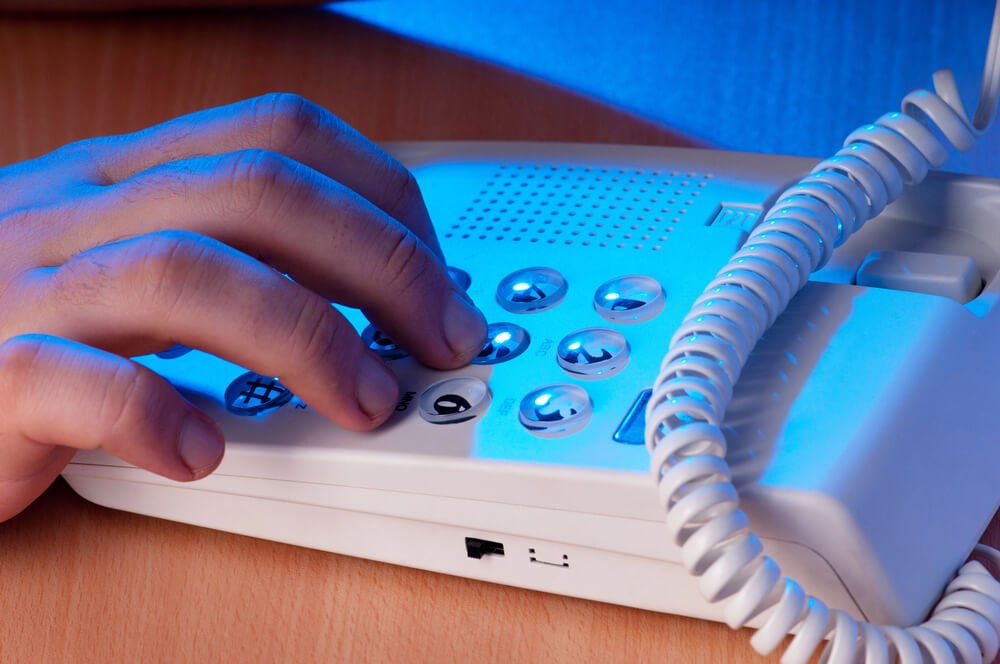
Most households carried a mental directory of seven-digit numbers for grandparents, best friends, the pizza place and the family doctor. Children learned their own number as early as their address, often through a singsong rhythm that stuck for life.
Plenty of adults who cannot recall a spouse’s current cell number can still recite a childhood friend’s landline from 1985. Older numbers once began with letters, since exchanges carried names such as PEnnsylvania 6 or BUtterfield 8, and phone companies phased those names out in favor of all-number dialing during the 1960s.
Remembering was not optional when the number lived nowhere else.
Waiting Out the Rotary Dial
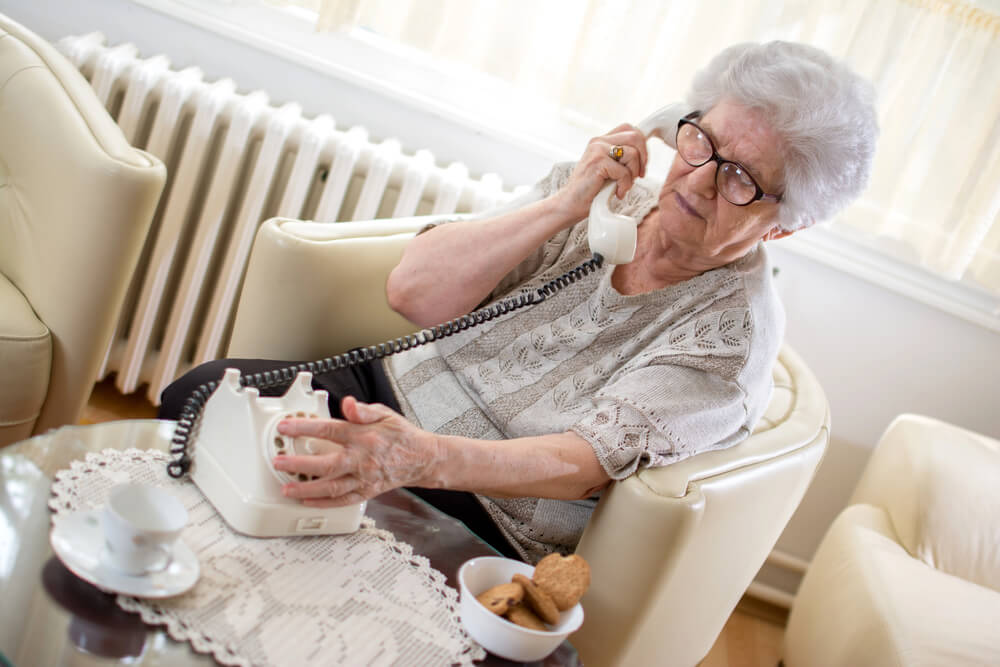
Dialing on a rotary phone took real time, because the finger wheel had to spin back to its resting point after every digit. A zero sent ten pulses down the line and took longest of all, while a slip of the finger meant hanging up and dialing again from the beginning.
That delay is often cited as one reason big cities received quick-to-dial area codes such as 212 for New York and 312 for Chicago when the national plan arrived in 1947. Bell rolled out Touch-Tone push buttons in 1963, yet rotary sets lingered on kitchen walls for decades.
Patience was built into every call.
Sharing a Party Line With the Neighbors

Rural families often shared a single circuit with several other households, each assigned its own pattern of long and short rings. Picking up the receiver to make a call could mean interrupting a neighbor mid-sentence, so polite users listened for silence before dialing.
Quietly lifting the handset to hear someone else’s news was a well-known pastime, and everyone on the line assumed somebody might be listening. Party lines held on in parts of rural America for decades because a private line cost more each month.
Gossip traveled faster than any newspaper when four families shared one wire.
Calling Collect and Gaming the Operator

A collect call shifted the charges to the person receiving it, which made it the standard move for college students, travelers and teenagers stranded without coins. An operator came on the line and asked whether the other party would accept the charges, and a refusal ended the call on the spot.
Plenty of families worked out a free signal, with the caller giving a coded name to the operator so relatives at home could decline the charges and still get the message. MCI later turned the practice into a heavily advertised business with 1-800-COLLECT in the 1990s.
Thrift and ingenuity went hand in hand.
Dialing Zero for a Real Person
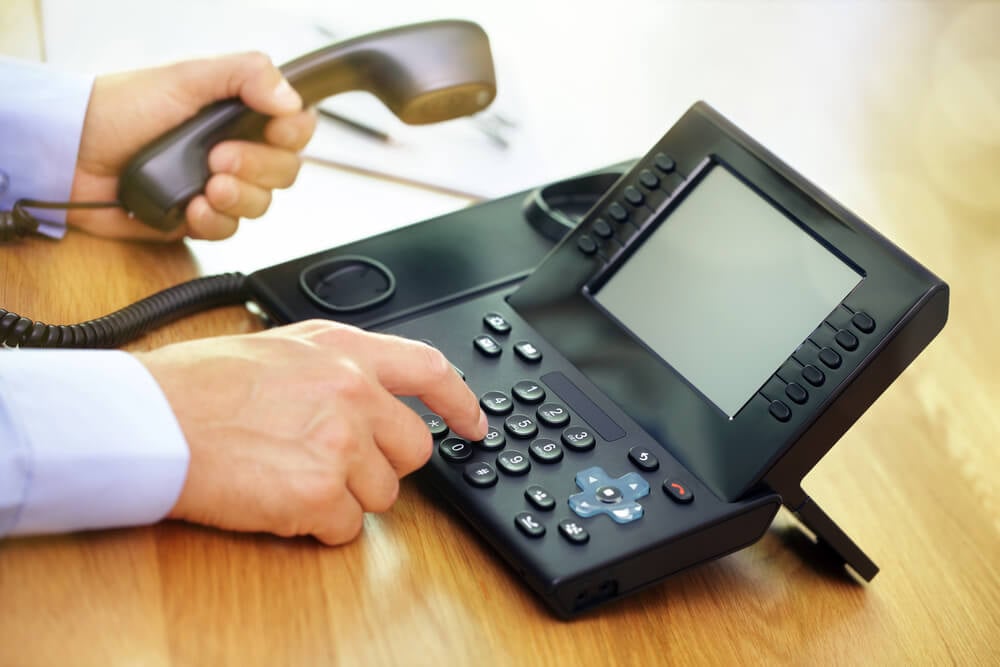
Before automated menus, dialing zero connected callers to a human operator who could place long-distance calls, check a troubled line or connect a person-to-person call. Switchboard work was one of the most common jobs for women through much of the twentieth century, and operators handled requests ranging from the routine to the bizarre.
Person-to-person calls cost extra but were billed only if the named individual came to the phone, which led to plenty of creative misuse. A calm voice on the other end was simply part of the service.
Many people knew their regular operators by voice in smaller towns.
Thumbing Through the White Pages
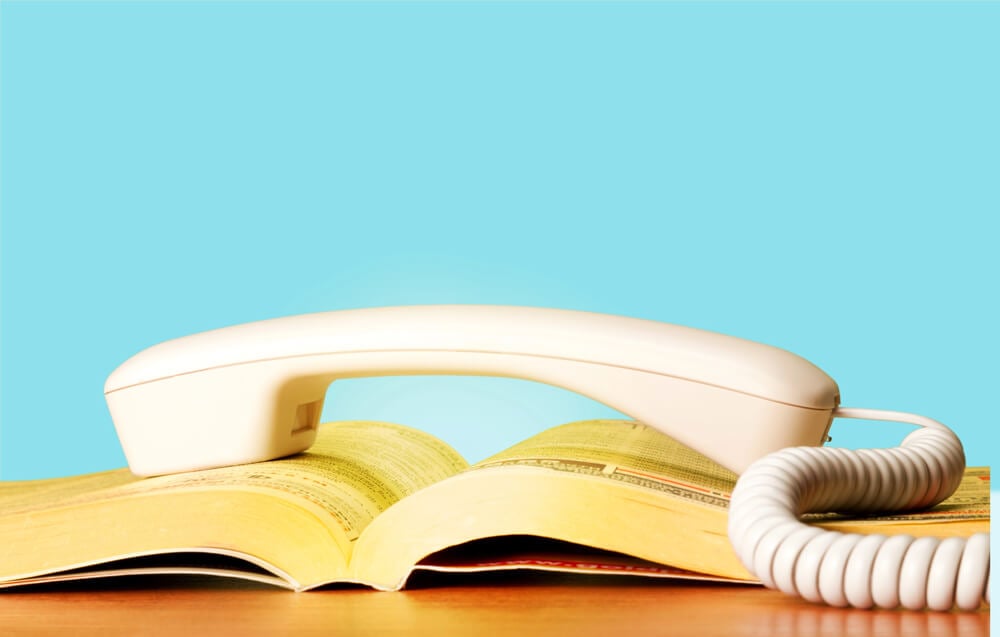
Every household kept a thick phone book, delivered free each year, with residential listings on white paper and businesses in the Yellow Pages. Looking up a classmate’s number meant knowing a parent’s name, since listings usually went under the head of household with a street address printed right beside it.
Families who wanted privacy paid the phone company a monthly fee for an unlisted number. Old directories also served as booster seats for small children at the dinner table and as presses for flowers.
The walking fingers logo on the Yellow Pages cover was a familiar sight in kitchen drawers across the country.
Information Please at 411
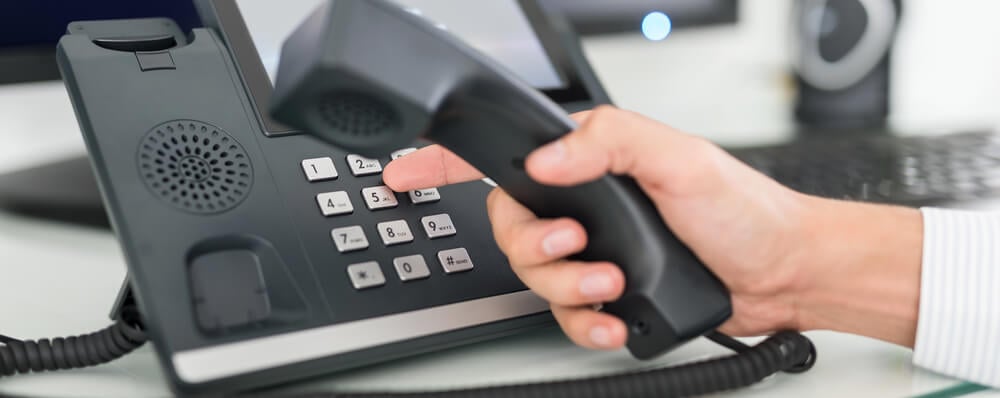
When a number was not in the book, callers dialed information, which in most of the United States meant 411, and an operator searched the listings by name and city. Directory assistance was free for years before phone companies in many areas began charging per call during the 1970s.
Finding an out-of-town number meant dialing the area code plus 555-1212, the same 555 prefix that Hollywood borrowed for fictional numbers because almost nothing else used it. Callers kept a pencil ready, since the operator read the number once and moved on.
A second request often meant a second charge.
Saving Long-Distance Calls for Sundays

Long-distance calls once cost real money by the minute, and rates dropped sharply on nights and weekends. Families saved calls to faraway grandparents for Sunday afternoons, then passed the receiver around the room while someone watched the clock.
A long-distance ring at an odd hour could send a jolt through the house before anyone said hello, because it usually meant important news. Carriers fought hard over those rates after the 1984 breakup of the Bell System, flooding television with ads about cheaper evenings.
Keeping it short was a household rule, and everyone knew who broke it.
Screening Calls Through the Answering Machine
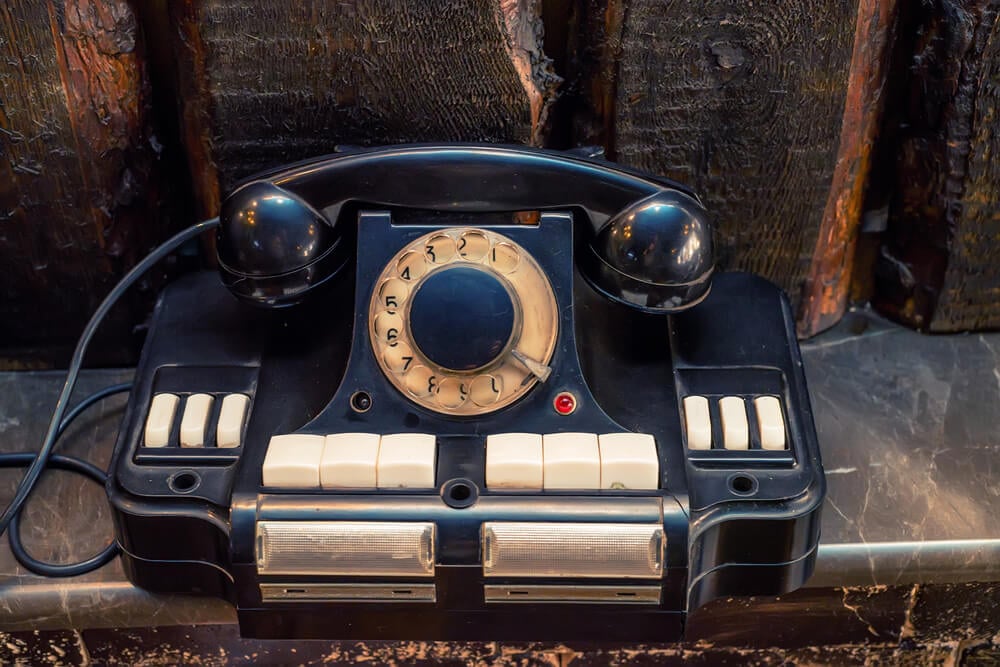
Home answering machines spread through the 1980s, recording messages on small cassettes and announcing them with a blinking red light. Owners recorded greetings that ranged from stiff to theatrical, and some borrowed music or comedy bits to sound clever.
The real power was screening, since the machine played the caller’s voice aloud and the household could decide whether to pick up mid-message. Accidentally erasing a saved message, or having a parent hear one meant for a teenager, caused genuine domestic drama.
Tapes of old greetings still turn up in thrift store bins, voices and all.
Redialing Through a Busy Signal
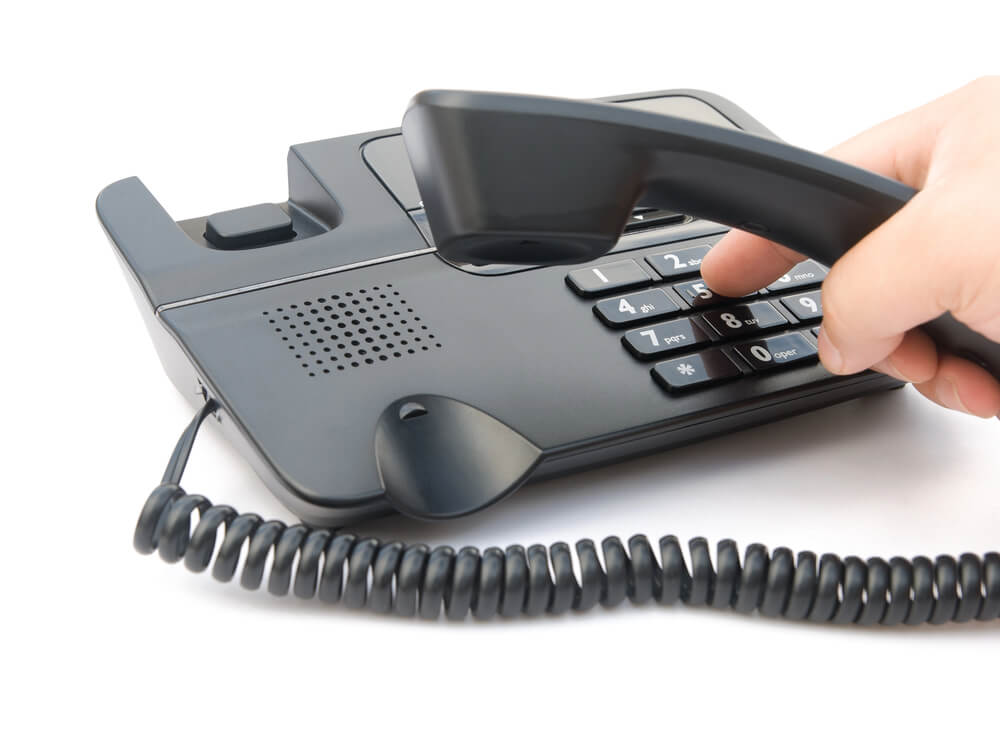
A busy signal meant exactly one thing, that the other person was already on the phone, and there was no way to leave a message or get in line. Callers hung up, waited a minute and tried again, sometimes for an hour when a chatty teenager held the line on the other end.
Ticket sales and concert hotlines produced marathon redialing sessions, and the redial button on later phones felt like a luxury. Call waiting spread as a paid add-on during the 1980s, finally letting a second caller break through with a soft beep.
Before that, persistence was the only strategy.
Stretching the Cord Into Another Room
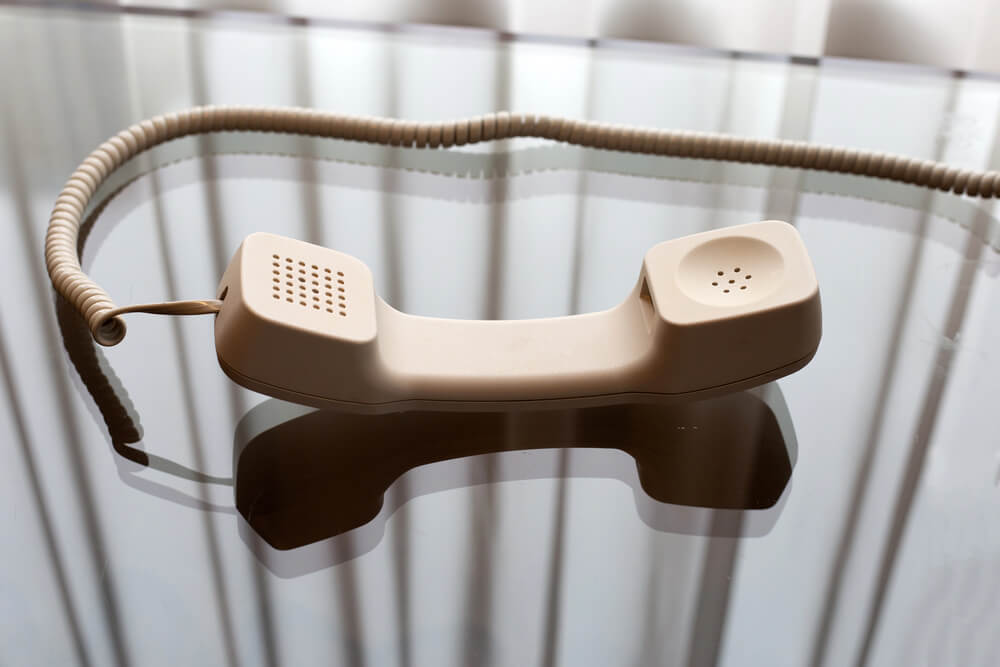
Kitchen wall phones came with coiled cords that families stretched as far as physics allowed, usually around a corner and into a pantry or closet for privacy. Extra-long replacement cords of 25 feet were a popular hardware store purchase, and they tangled into knots that no amount of spinning the handset would fix.
Teenagers sat on stairs, under tables and inside coat closets just to put a door between themselves and the family. The cord set the exact limit on how private any conversation could be.
A permanent kink in the coil was proof of years of heavy use.
Carrying Change for the Pay Phone
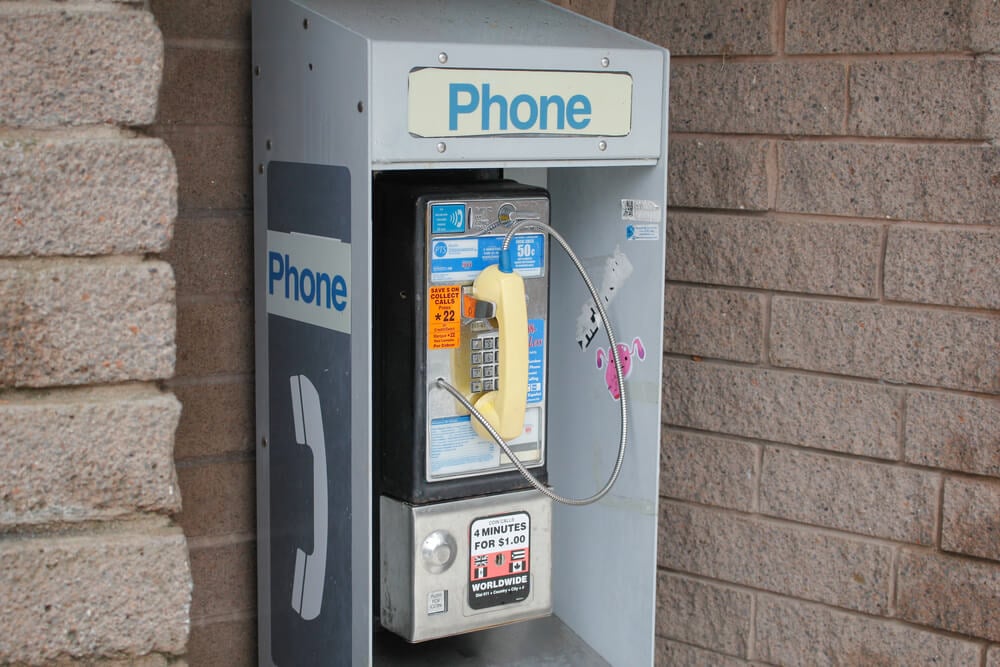
Anyone heading out for the evening kept a few coins in a pocket, because a pay phone was the only way to call home from the road. A local call cost a dime for decades before climbing to a quarter in many places during the 1980s.
William Gray installed what is generally credited as the first coin-operated telephone in Hartford, Connecticut, in 1889, and his idea spread to street corners nationwide. Parents told kids to call from a pay phone when they needed a ride, and a missing coin could mean a long walk.
Some kids taped a quarter inside a shoe for emergencies.
Ducking Into a Glass Phone Booth
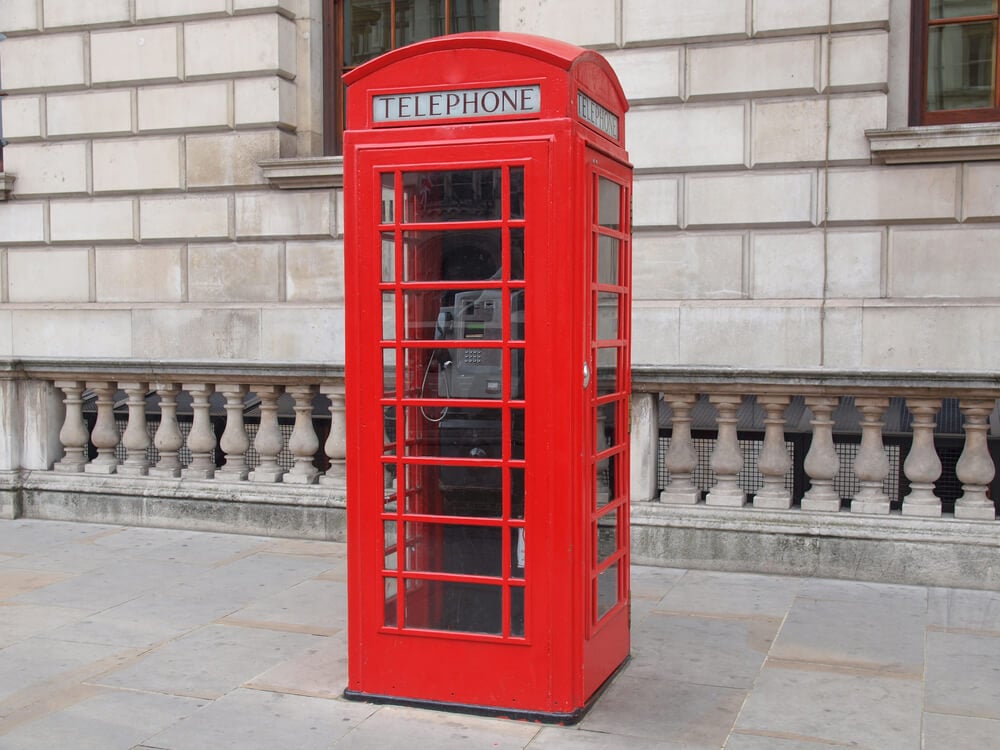
Enclosed phone booths once stood on sidewalks and in train stations, hotel lobbies and drugstores, offering a folding door, sometimes a small seat and a little privacy. In 1959, students turned them into a contest, cramming as many bodies inside as possible in a craze widely traced to students in Durban, South Africa, before it spread to American campuses.
Booths usually held a phone book on a chain, often missing the page someone needed. Comic book readers knew the booth as the place Clark Kent changed into Superman.
Very few enclosed booths survive outside museums, film sets and a handful of stubborn small towns.
Time and Temperature on Demand
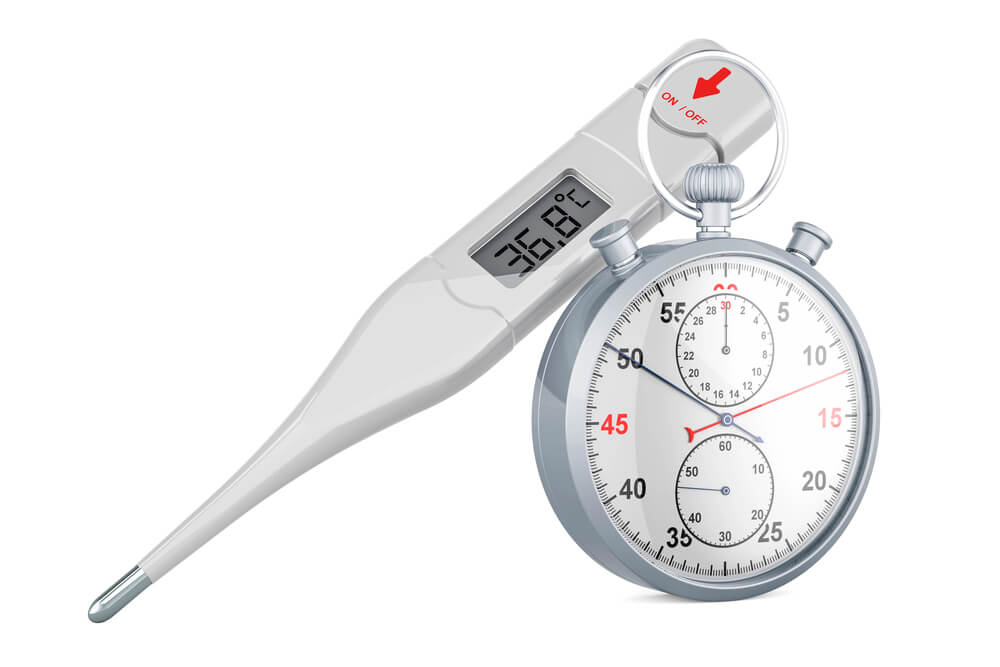
Before clocks set themselves, people corrected their watches by calling a local time number that answered with a recorded voice announcing the time and often the temperature. In California, the service could be reached by dialing POPCORN until it was shut down in 2007.
Jane Barbe recorded time announcements and intercept messages used by phone systems across the country, which made hers one of the most widely heard voices in America even though few callers knew her name. Banks often sponsored local lines and slipped in a short ad.
The line always picked up on the first ring.
Radio Station Call-In Contests

Radio contests rewarded the seventh or tenth caller with concert tickets, cash or a T-shirt, and listeners kept a finger poised over the dial when the DJ opened the lines. Request lines worked the same way, with teenagers calling to dedicate a song to someone and then waiting all evening to hear it on air.
Getting through felt like winning even before any prize was mentioned. Many listeners kept a blank cassette loaded to record favorite songs, pressing the button the moment the DJ stopped talking.
A caller who actually reached the station often froze when asked to say something on air.
Prank Calling From the Phone Book

Kids with an evening to kill and a phone book on hand called random numbers to ask silly questions, the most famous being whether a refrigerator happened to be running. Without caller ID, the prankster stayed anonymous unless someone laughed too loudly into the receiver.
Sleepovers were prime time for this, with a ring of giggling friends around a single handset. The Jerky Boys turned prank calls into best-selling comedy albums in the 1990s, proving the habit had grown into an art form.
An angry callback from a parent who had figured things out ended many careers in mischief.
Answering Without Knowing Who Was Calling

Every ringing phone was a total mystery until someone said hello. It could be a friend, a telemarketer, a bill collector or a relative with bad news, and family members either raced to answer or argued over who had to.
Caller ID reached consumers in the late 1980s, with New Jersey among the first places to offer it, and early versions arrived as separate little display boxes that sat beside the phone. Before that, screening required an answering machine or a sibling willing to pick up and claim nobody was home.
Every ring carried a small gamble.
Answering With the Family Name

Children were taught to answer with a formal greeting such as “Johnson residence,” followed by a polite question about who was calling. Parents treated the phone as the public face of the family, and a sloppy greeting reflected on everyone in the house.
Taking a proper message, with the caller’s name, number and the time written down, was a skill kids practiced like spelling words. Those phone manners also prepared young people for first jobs, where answering a front desk line was routine.
Many adults still slip into that crisp tone without thinking whenever a landline rings.
Getting Past a Friend’s Parents
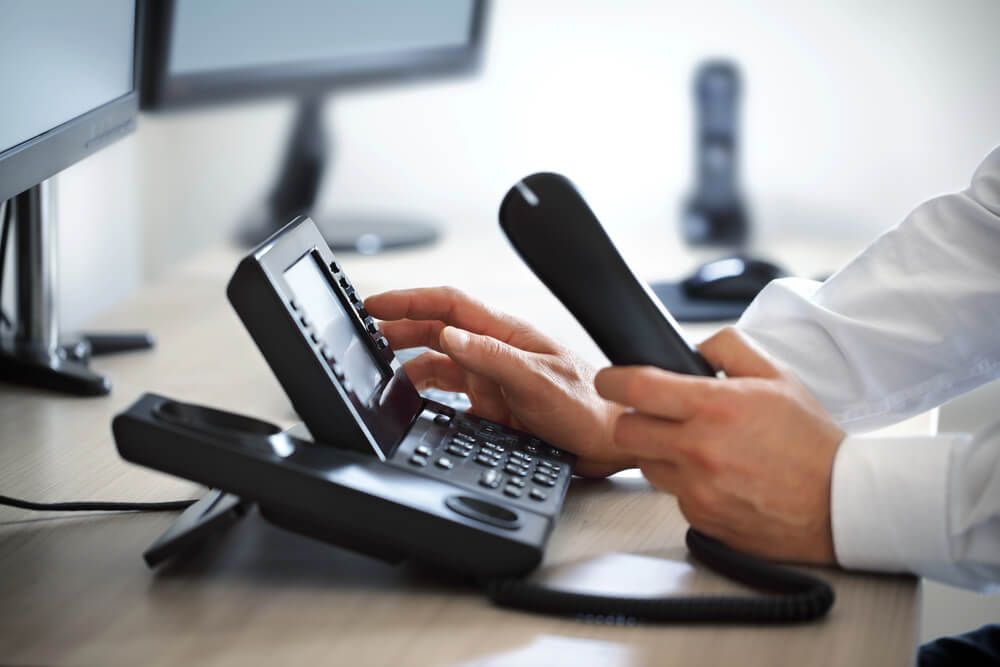
Calling a friend, especially a crush, usually meant talking to a parent first, since the phone belonged to the entire household. Callers rehearsed a polite opener, asked whether the friend was home and then waited through an awkward pause while the parent shouted across the house.
Many families enforced a cutoff for incoming calls, often around nine at night, and a late ring brought consequences. Some fathers made a point of asking a few pointed questions before handing over the receiver.
That brief interrogation was often the first real meeting between a date and the family.
Listening In on the Upstairs Extension

Many homes had more than one phone on the same line, perhaps a kitchen wall unit and a Princess phone in a bedroom, a model Bell introduced in 1959 with a dial that lit up in the dark. Any extension could join any call, so siblings and parents could eavesdrop by lifting a receiver slowly and holding their breath.
A faint click on the line was the giveaway, usually followed by a furious demand to hang up. The same setup let two family members talk to a distant relative at once.
Holiday calls became crowded affairs with several voices talking over each other.
Paging Someone and Waiting for a Call Back
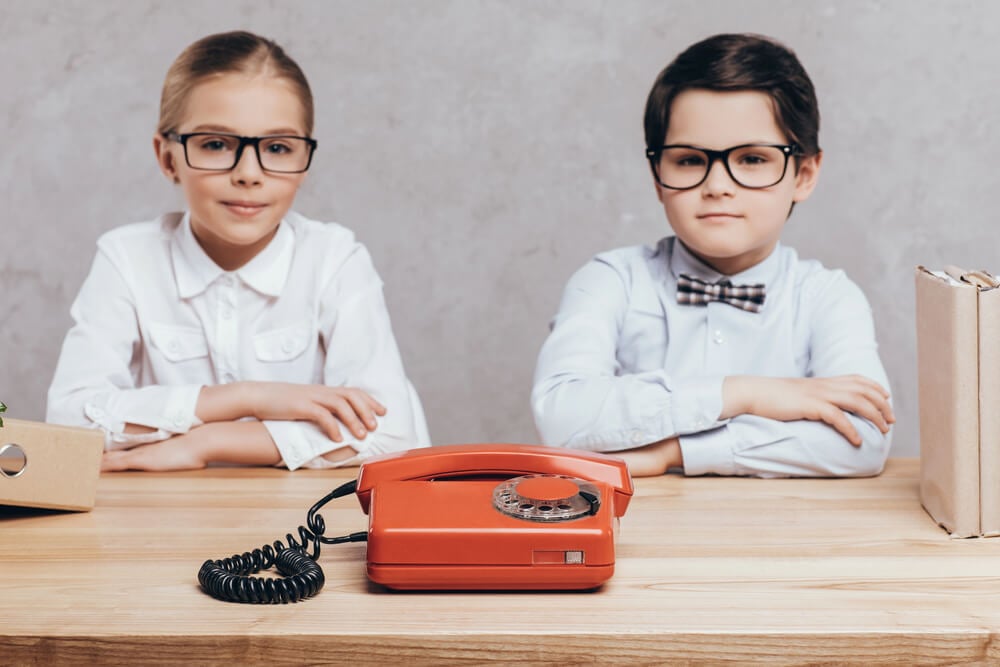
In the late 1980s and 1990s, beepers clipped to belts let doctors, salespeople and eventually teenagers receive a phone number on a tiny screen. The person paged then had to find a landline or pay phone to return the call, sometimes rushing out of a restaurant to do it.
Because early pagers showed only digits, users invented numeric codes, such as 143 for a three-word declaration of love and 911 for anything urgent. Motorola was the best-known maker, and its devices became fashion statements in schools that tried to ban them.
A generation learned to flirt in numbers.
Leaving a Note by the Phone
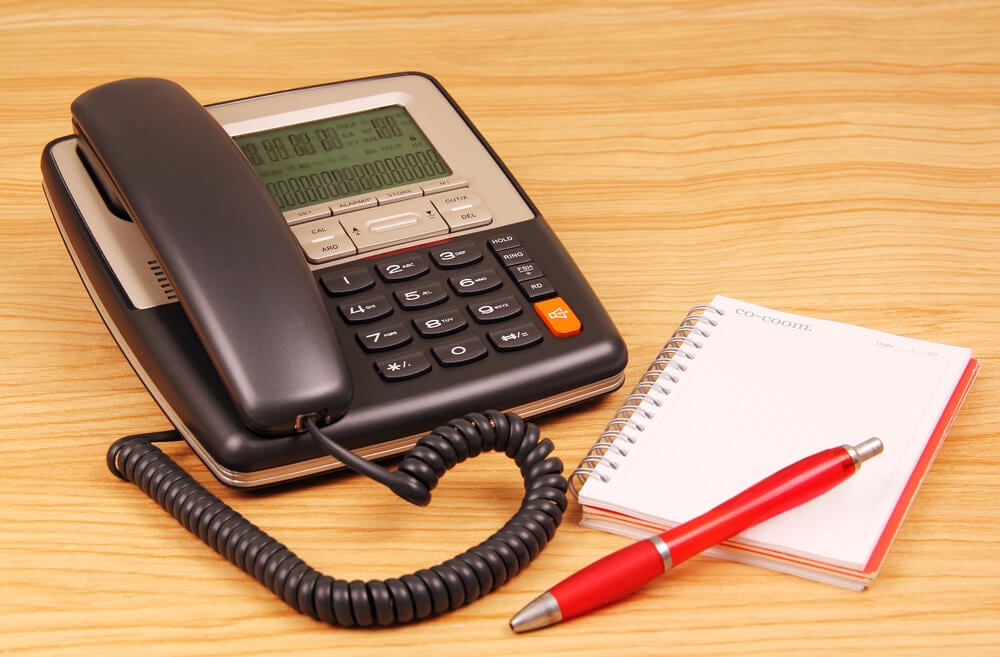
A notepad and pen sat beside most home phones, often with the pen tied on a string so nobody walked off with it. Whoever answered wrote down messages for absent family members, and a lost message could spark an argument that lasted for days.
Some families kept a corkboard nearby with numbers for the doctor, the neighbors and the babysitter. Long calls left the margins of those pads covered in doodles, spirals and boxed-in initials.
The phone corner functioned as the household’s command center, a role now spread across a dozen apps.
Keeping a Rolodex or Address Book
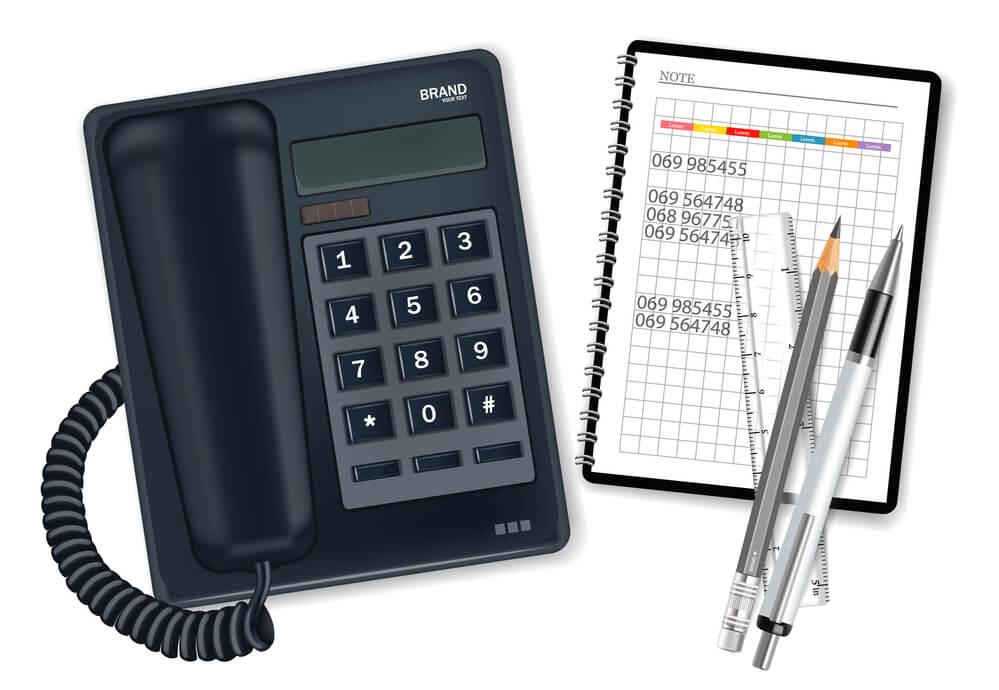
Phone numbers lived on paper, in pocket address books, kitchen notebooks and the Rolodex rotary card file that Arnold Neustadter’s company introduced in 1956. Updating meant crossing out old numbers and squeezing new ones into margins until entries turned into puzzles.
Losing an address book was a minor disaster, because some numbers existed nowhere else on earth. Offices judged a person’s network by the thickness of the Rolodex, and the word itself became shorthand for professional connections.
Vintage models now sell as mid-century desk decor, sometimes with the old cards still inside.
Renting the Phone From the Phone Company
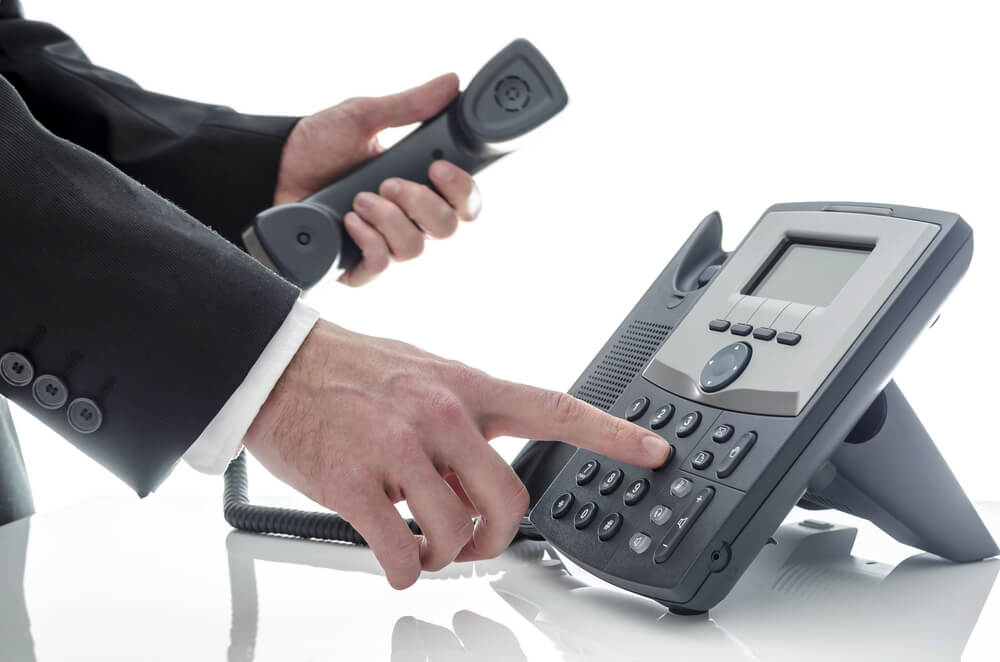
For most of the twentieth century, households did not own their telephones. They leased them from the Bell System, which manufactured them through Western Electric and folded a rental fee into the monthly bill.
Phones were built to survive decades because the company had to repair them, and many Western Electric Model 500 sets from the 1950s still work today. Once the Bell System was broken up in 1984, customers could buy phones outright, and some realized they had paid rent many times over the value of the set.
Ownership felt strange at first.
Dialing Up Recorded Hotlines
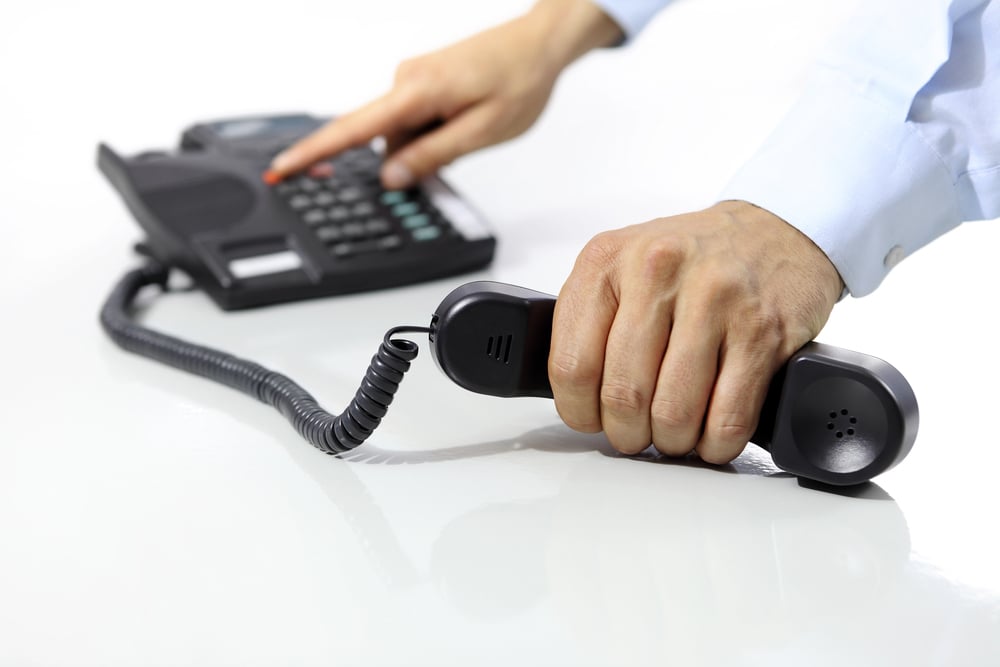
Recorded lines kept people entertained and informed long before the internet, offering everything from Dial-a-Joke and Dial-a-Prayer to sports scores, weather forecasts and movie showtimes. Moviefone, which launched in New York in 1989, let callers hear listings and eventually buy tickets by phone.
Holiday seasons brought Santa hotlines for kids, while 900 numbers in the same era charged by the minute for horoscopes and celebrity messages. Those pay-per-minute lines sometimes left parents staring at shocking phone bills.
A single kitchen phone could connect a household to an entire menu of voices.
Emergency Help Before 911
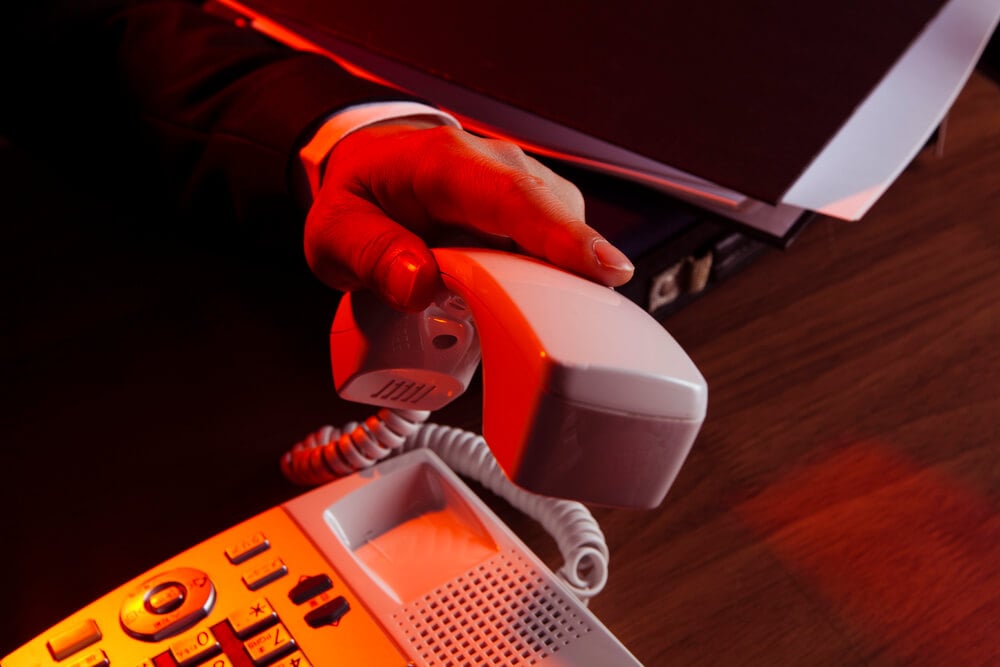
Emergency calls once required dialing zero or knowing the direct number for local police and fire departments, which families wrote inside the phone book cover or posted on the wall. The first 911 call in the United States was placed in Haleyville, Alabama, on February 16, 1968, but coverage spread unevenly for decades afterward.
Some rural areas still lacked the service into the 1990s, so stickers with local emergency numbers stayed on phones long after the three-digit code became famous. Children drilled those numbers the way they drilled their own address.
Knowing them could matter in a crisis.
Waiting by the Phone for a Call

An expected call, in the days before voicemail and texting, meant staying home. Teenagers refused to leave the house in case a date called, job seekers hovered nearby after interviews, and families stayed close to the kitchen when awaiting news from a hospital.
Picking up on the first ring looked too eager, so some deliberately let it ring twice. Stepping into the shower seemed to guarantee the phone would go off.
Waiting by the phone became a staple scene in movies and pop songs about longing, because nearly everyone had lived through a version of it.
Slamming the Receiver Down
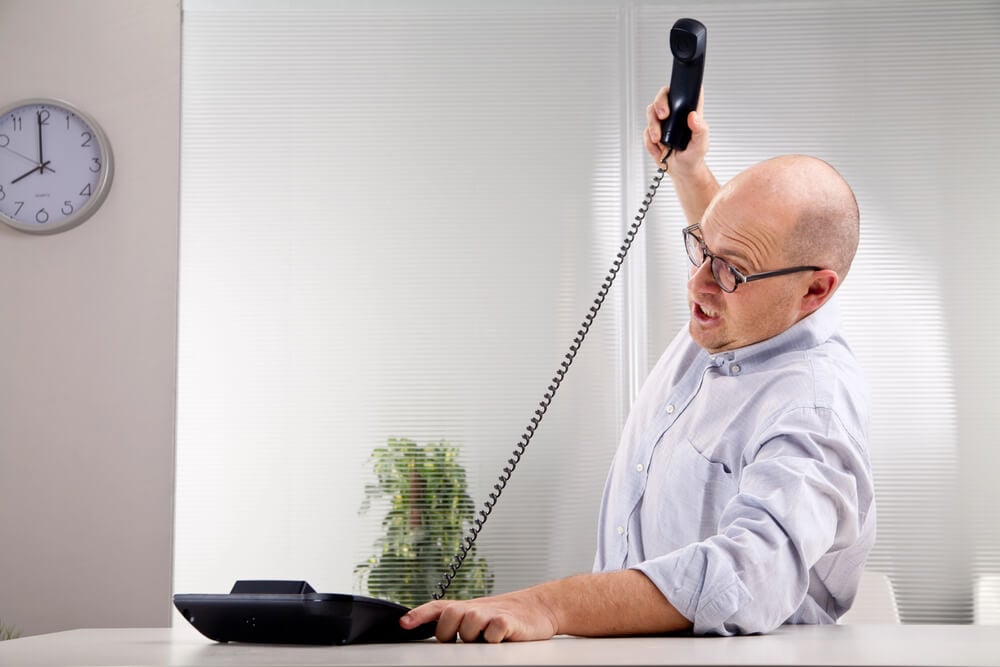
Hanging up a landline could carry real emotion, since a heavy handset slammed into its cradle made a satisfying crack. Arguments ended that way, with a dramatic bang on one end that the other person heard as a click and a dial tone.
Western Electric handsets were tough enough to survive years of this treatment without complaint. Cordless and cell phones quietly retired the gesture, because jabbing a small red button carries none of the same force.
Some people still miss having a proper way to end a call angrily.
Leaving the Phone Off the Hook
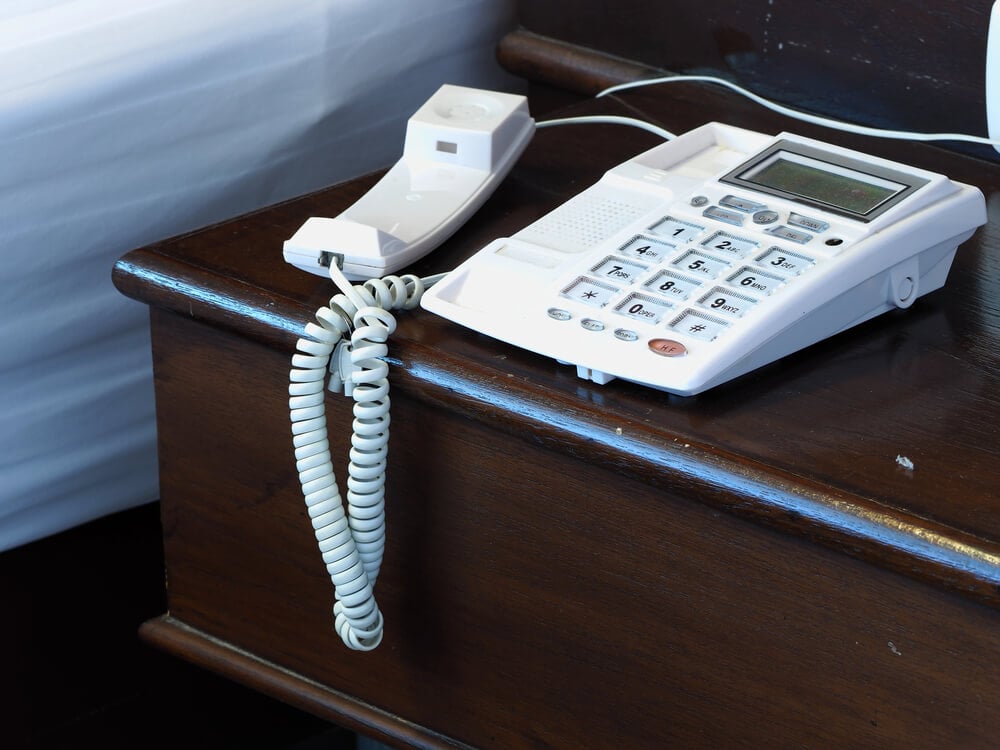
When a household wanted peace, someone simply lifted the receiver and set it on the counter, guaranteeing a busy signal to anyone calling in. After a while, the phone system responded with a loud, warbling off-hook tone, sometimes called the howler, along with recorded instructions to hang up in some areas.
Students used the trick during exam weeks, and exhausted parents used it during dinner or after a new baby arrived. The method was blunt and effective.
Forgetting to hang it back up, however, could leave relatives worried for hours.
Buying a Prepaid Phone Card
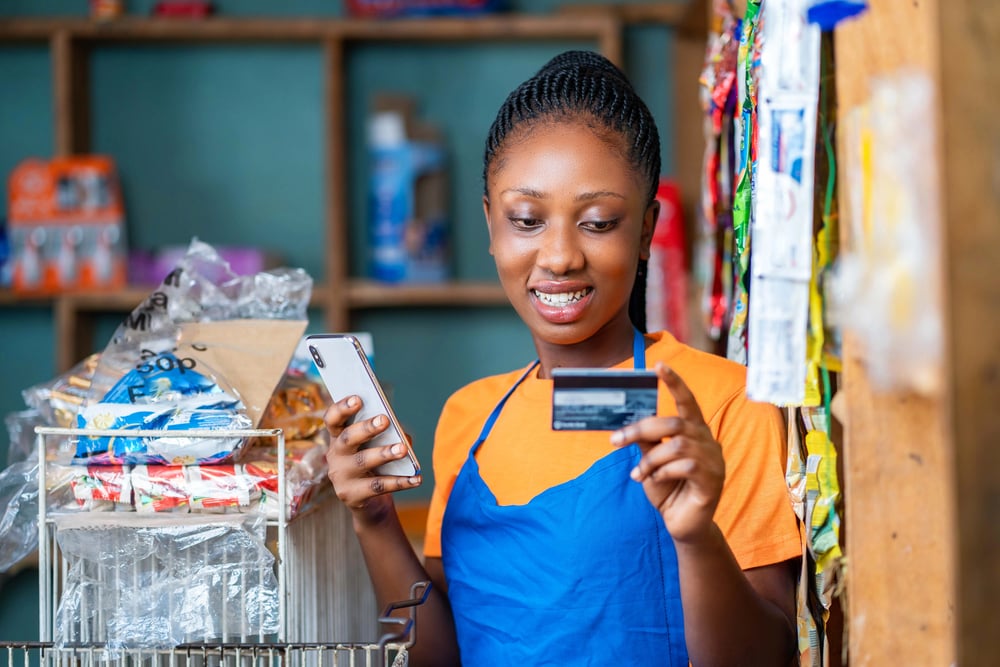
In the 1990s, prepaid calling cards sold at gas stations and drugstores offered a fixed number of minutes, which made long-distance and international calls cheaper for travelers, students and immigrant families calling relatives overseas. Users dialed a toll-free access number, punched in a long code from the back of the card and then the destination number, often while standing at a pay phone.
Some cards carried colorful artwork, and a small hobby grew around collecting used ones. They faded from checkout counters once cell plans included nationwide calling.
Many still sit forgotten in old wallets.
Cords, Coins and Patience
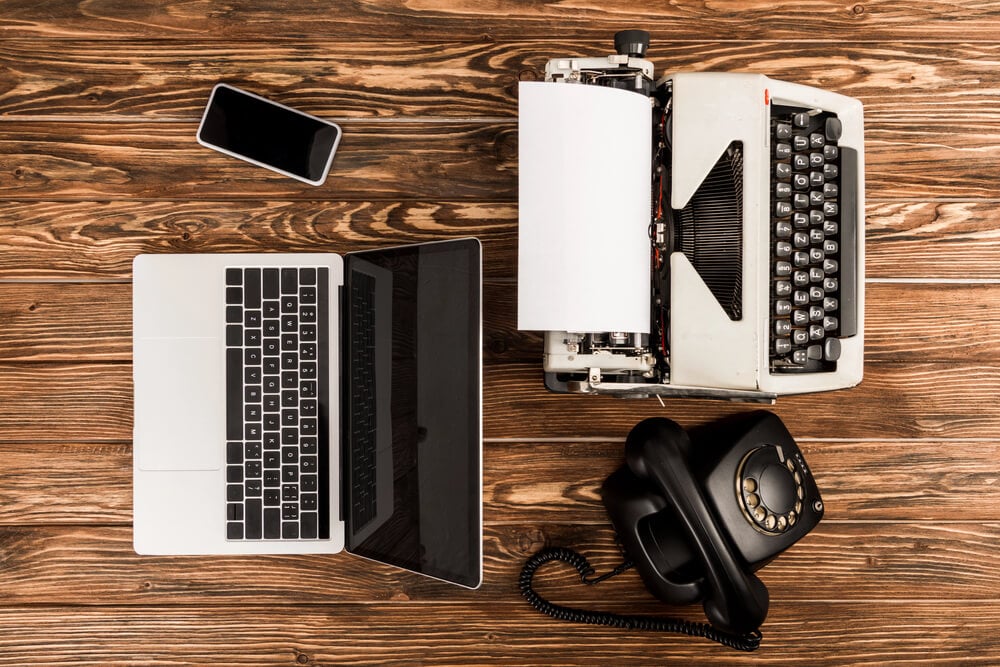
Every one of these habits came from a single limitation, which was that the phone stayed in one place and served everyone. That limit forced people to plan, remember, wait and share in ways that now seem almost ceremonial.
It also made a phone call feel like an event rather than background noise.
Nobody needs to memorize numbers or carry dimes anymore, and few would trade back. Still, the old routines taught patience, manners and a certain respect for other people’s time.
A ringing kitchen phone once meant someone had gone to real effort to reach the household, and that was worth answering properly.
More from Go2Tutors!

- The Romanov Crown Jewels and Their Tragic Fate
- 13 Historical Mysteries That Science Still Can’t Solve
- Famous Hoaxes That Fooled the World for Years
- 15 Child Stars with Tragic Adult Lives
- 16 Famous Jewelry Pieces in History
Like Go2Tutors’s content? Follow us on MSN.