17 Unusual Transportation Methods That Actually Existed (Briefly)
Throughout history, human ingenuity has produced remarkable transportation solutions. While cars, trains, and airplanes dominate our modern landscape, numerous creative—albeit sometimes impractical—transportation methods have appeared, thrived momentarily, and then vanished into obscurity. These forgotten conveyances represent fascinating chapters in our never-ending quest for innovative ways to move people and goods.
Here is a list of 17 unusual transportation methods that actually existed, however briefly, before disappearing from common use or becoming mere historical curiosities.
Pneumatic Subway
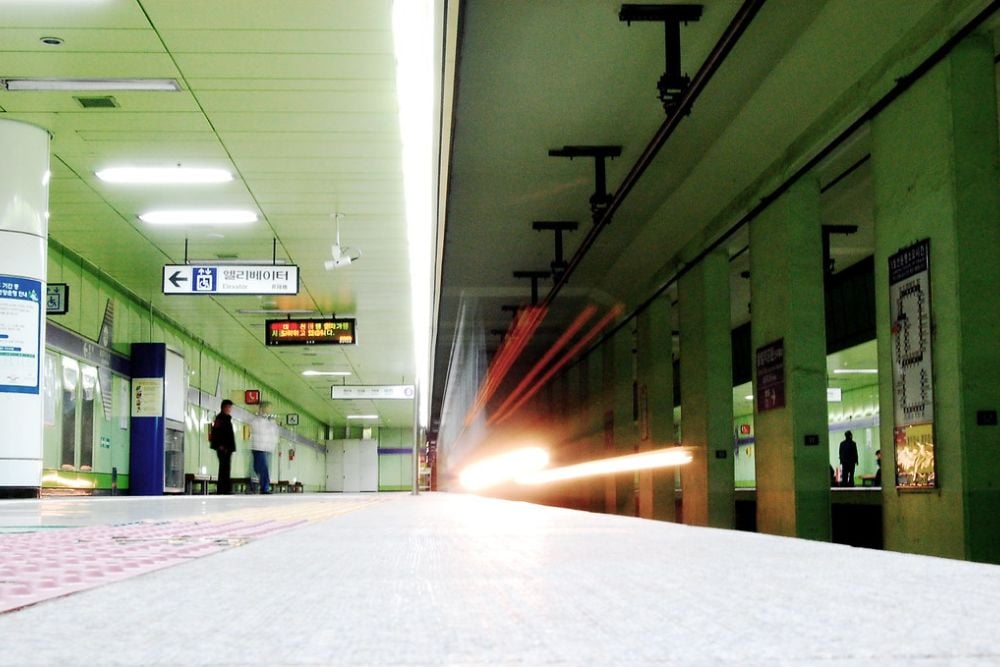
In 1870, New York City ran an experimental pneumatic subway that propelled cars through a tunnel using air pressure. Running for only three years under Broadway, the Beach Pneumatic Transit moved passengers only 312 feet with massive fans generating air pressure behind the car.
Though technically successful, financial problems following the 1873 market crash crippled this ahead-of-its-time transit system.
Pony Express
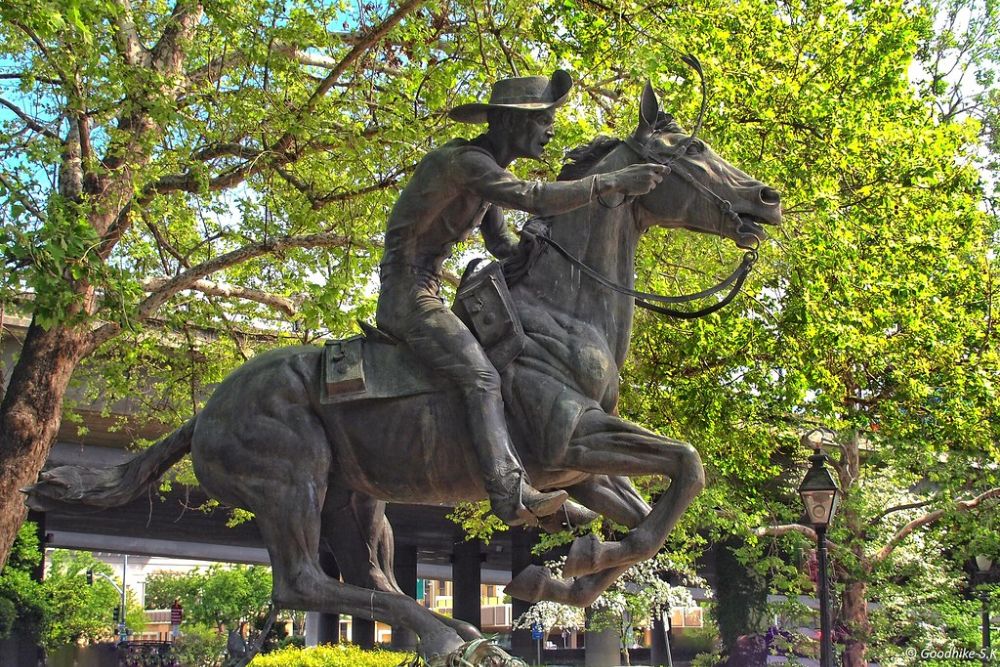
Using a relay of horseback couriers, the famed mail service linked Missouri to California in only ten days. Running for just 18 months between April 1860 and October 1861, the Pony Express used roughly 80 riders who swapped horses at sites roughly 10 miles apart.
The transcontinental telegraph’s completion made this lovely but commercially unviable service obsolete practically quickly.
Jeep-a-Trenes
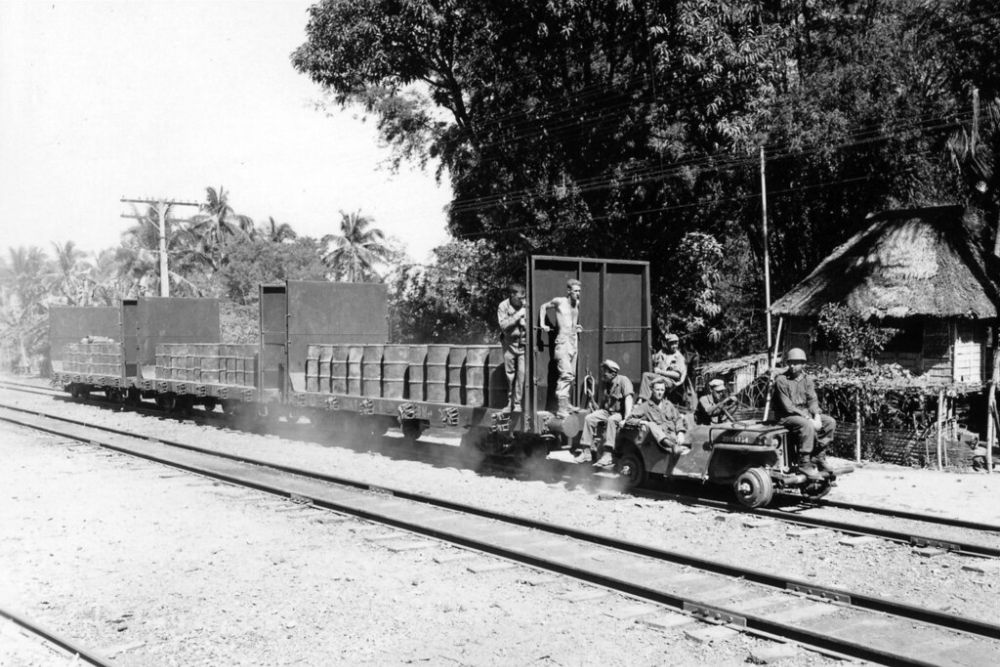
Operating in rural Cuba during the 1950s fuel shortages, these unusual hybrid cars combined a Jeep front end with several connected passenger carriages. Pulling multiple makeshift train-like vehicles down narrow-gauge tracks laid across hitherto inaccessible terrain, the Jeep acted as the locomotive.
Though creative for their day, these devices disappeared as modern infrastructure finally arrived at distant locations.
Gyro-Monorail
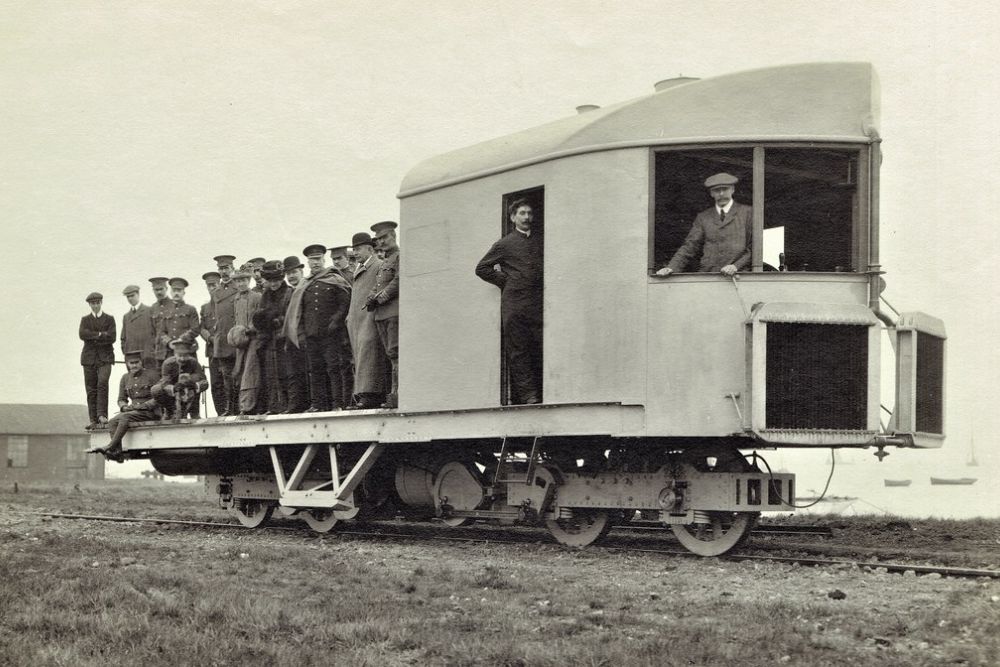
The Brennan Gyro-Monorail used massive spinning gyroscopes to maintain balance while traveling on a single rail. Demonstrated successfully in 1909, this improbable vehicle could even navigate curves at high speed without toppling over.
Despite impressive public demonstrations carrying up to 40 passengers, concerns about gyroscope failure and the complexity of the balancing system prevented widespread adoption.
Atmospheric Railway
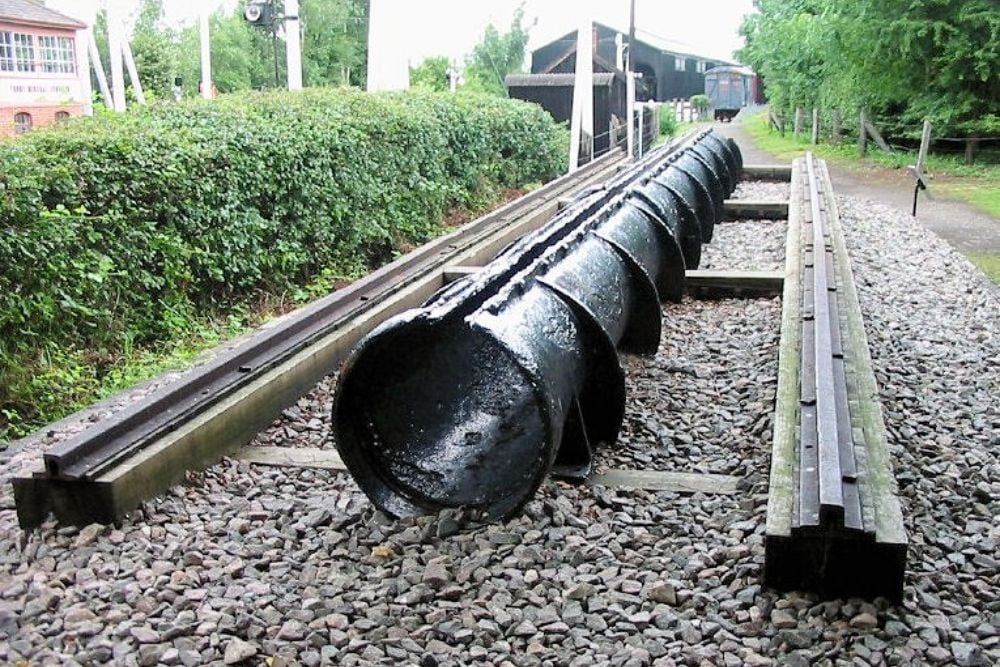
Victorian engineers created railways powered by vacuum tubes running between the tracks instead of onboard engines. The Dalkey Atmospheric Railway near Dublin operated from 1844 to 1854 using stationary pumping stations that created vacuum pressure in iron tubes, pulling specially designed trains forward.
Maintenance problems, particularly keeping the leather seals airtight, ultimately made these systems impractical compared to steam locomotives.
Mail Rockets
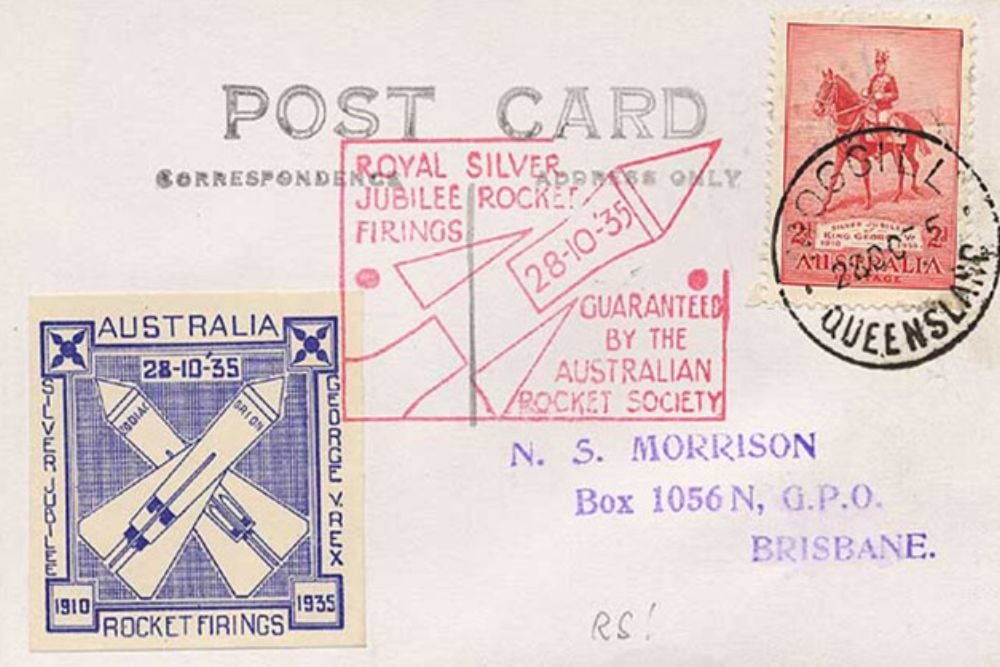
Claiming they could deliver mail between challenging areas, German inventor Gerhard Zucker tried to send mail in the 1930s using rockets. When the rocket detonated, dispersing burnt mail over the Scottish countryside, his 1934 presentation for British postal authorities ended in disaster.
Though no rocket mail system has ever shown consistent enough for regular service, similar efforts persisted sporadically over decades.
Like Go2Tutors’s content? Follow us on MSN.
Caterpillar Trains
The Boirault machine, nicknamed the ‘mechanical centipede,’ was an early French attempt to create a vehicle that could cross World War I battlefields. Instead of conventional tracks, this bizarre transport consisted of a complete loop of track sections that rotated around the entire vehicle.
The prototype moved at just 1 mile per hour and proved so cumbersome that even its inventors abandoned it after limited trials.
Lartigue Monorail
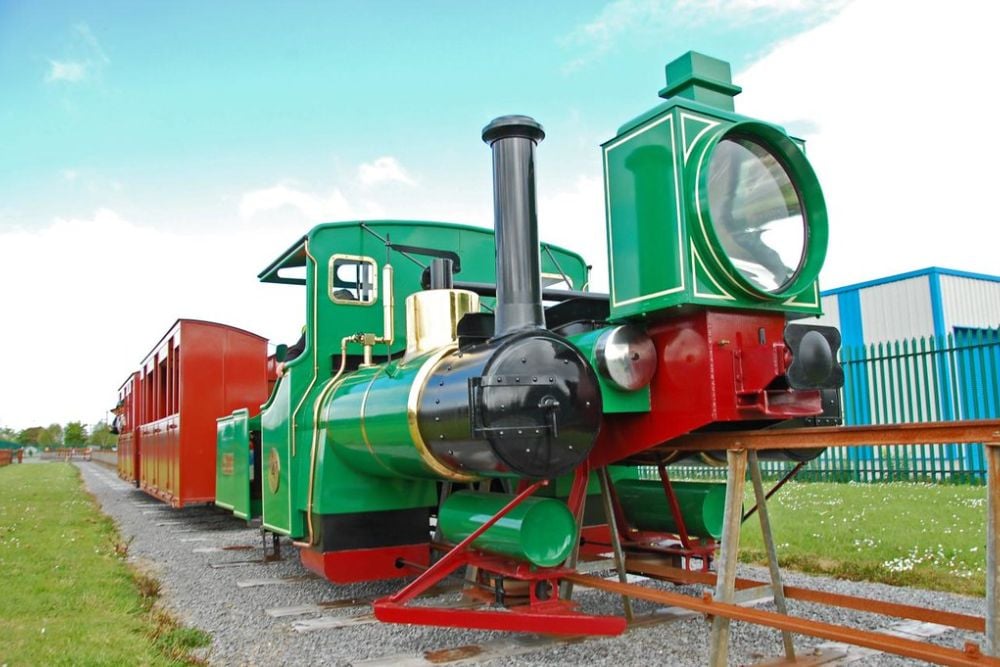
This unusual A-frame monorail system balanced trains on a center rail with stabilizing wheels running on lower guide rails. The Listowel and Ballybunion Railway in Ireland operated successfully from 1888 to 1924, carrying passengers and goods along a 9-mile route.
The system’s inability to accommodate traditional railway switches and the need for everything, including livestock, to be carried in specially balanced pairs led to its eventual abandonment.
Railplane
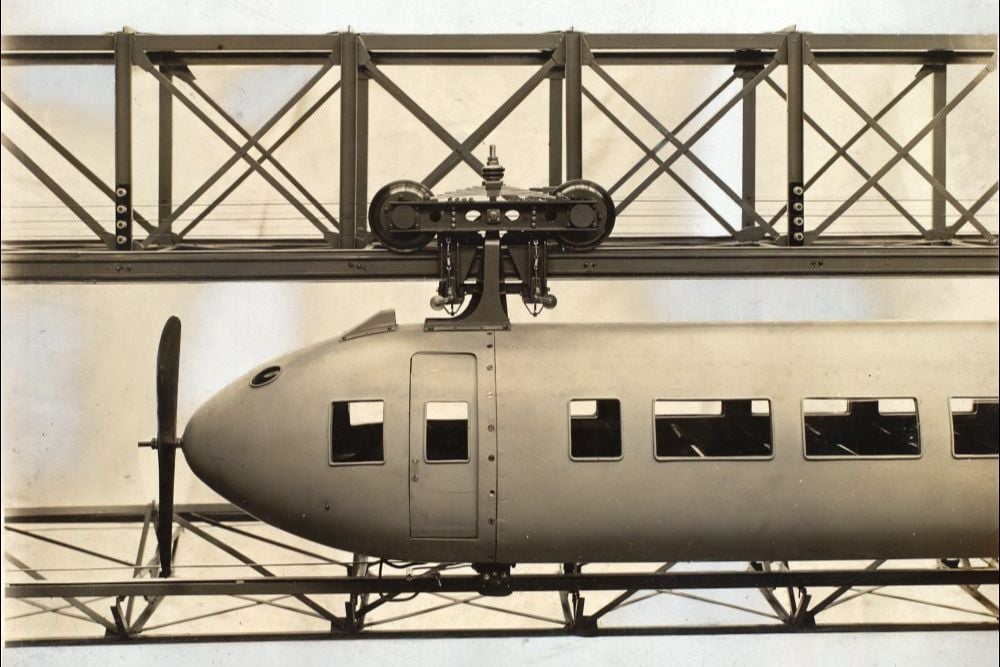
With propellers giving forward drive, George Bennie’s Railplane system hung passenger coaches from an overhead rail. Operating in Glasgow, Scotland in the early 1930s, a test track showed how these streamlined vehicles could go above current railway lines without affecting them.
Bennie’s concept of a transportation system actually hung until it was destroyed in 1956 since the Great Depression kept him from obtaining more money.
Nuclear-Powered Vehicles

Ford’s Nucleon concept car from 1958 imagined a future of atomic-powered personal transportation requiring refueling just once every 5,000 miles. The design placed a small nuclear reactor in the rear of the vehicle, replacing conventional engines with atomic power.
Practical concerns about radiation shielding, accident safety, and the reality that a consumer-safe miniature reactor couldn’t actually be built confined this transportation method to prototype models only.
Moving Sidewalks
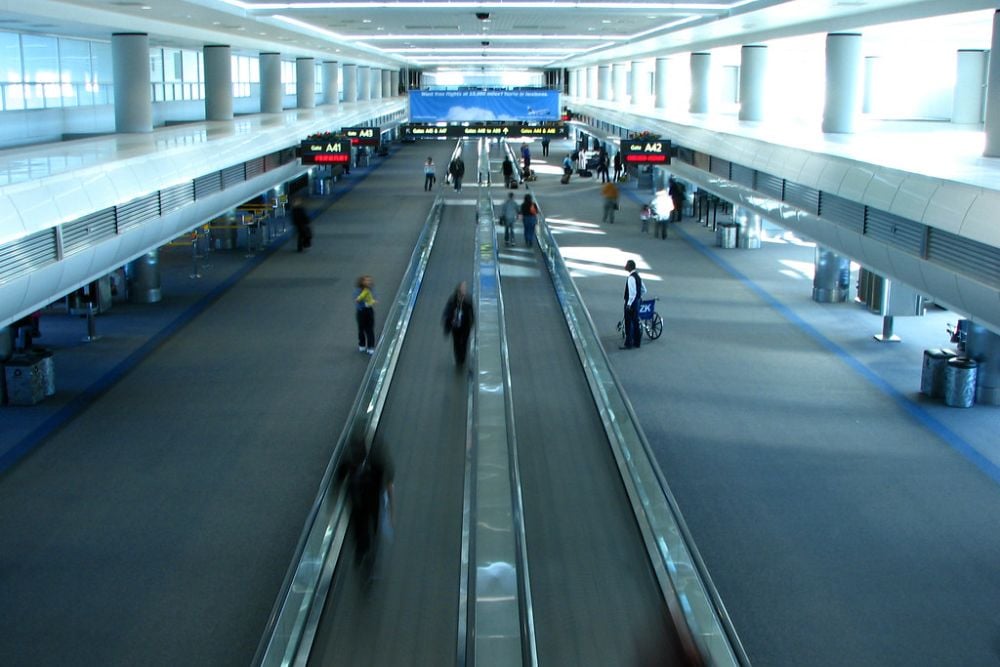
The 1893 Chicago World’s Fair featured the world’s first moving walkway, a loop of wooden platforms that carried visitors around exhibits at three miles per hour. Paris improved upon this concept at the 1900 Exposition with a multi-speed system that included both slow and express lanes reaching speeds of nearly nine miles per hour.
Despite their early popularity, maintenance challenges and safety concerns relegated moving sidewalks to limited applications in airports and shopping centers.
Strandbeests
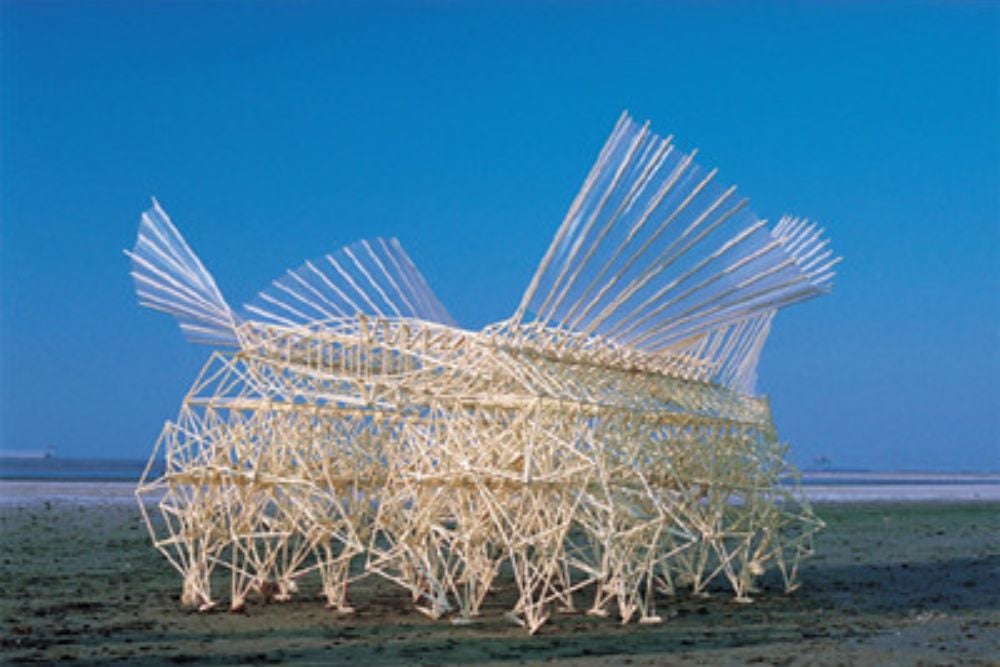
Dutch artist Theo Jansen created massive wind-powered walking sculptures capable of transporting people along beaches without motors or electricity. These mechanical creatures use intricate leg systems and sail-like wings that harness coastal breezes to move across sand with remarkably lifelike motion.
Though primarily artistic rather than practical, these human-carrying creatures represent an entirely unique approach to wind-powered transportation.
Reeves Octo-Auto
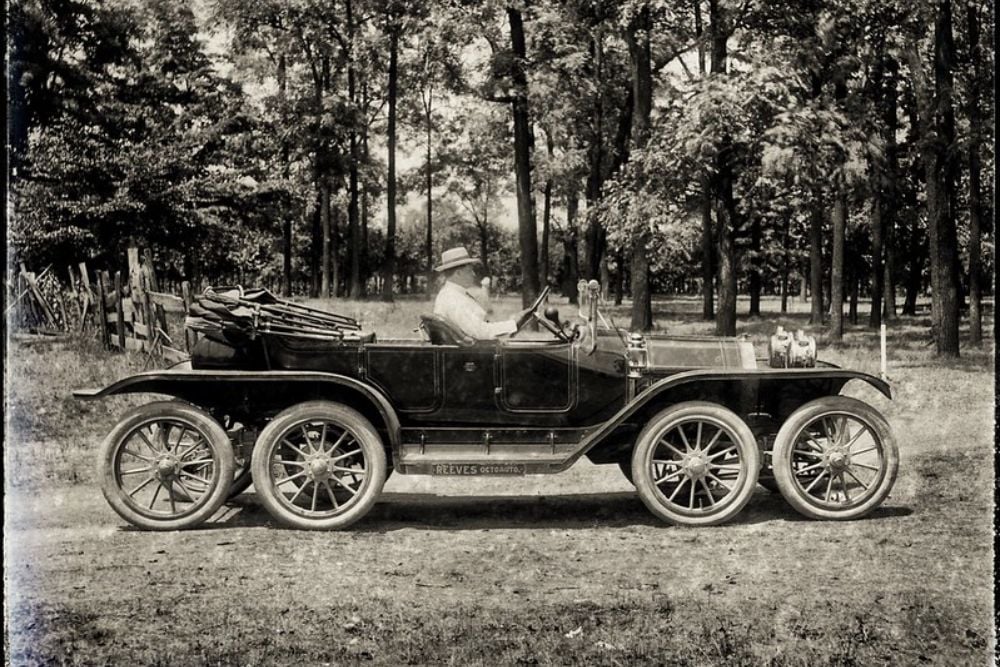
Milton Reeves built an eight-wheeled automobile in 1911, believing that more wheels would provide a smoother ride than conventional four-wheeled cars. The massive vehicle stretched over 20 feet long and proved unwieldy to maneuver despite its theoretical advantages.
After failing to convince automakers or the public of the benefits of this unusual wheel arrangement, Reeves abandoned the concept after building just one prototype.
Corbins Electric Boat Carriage
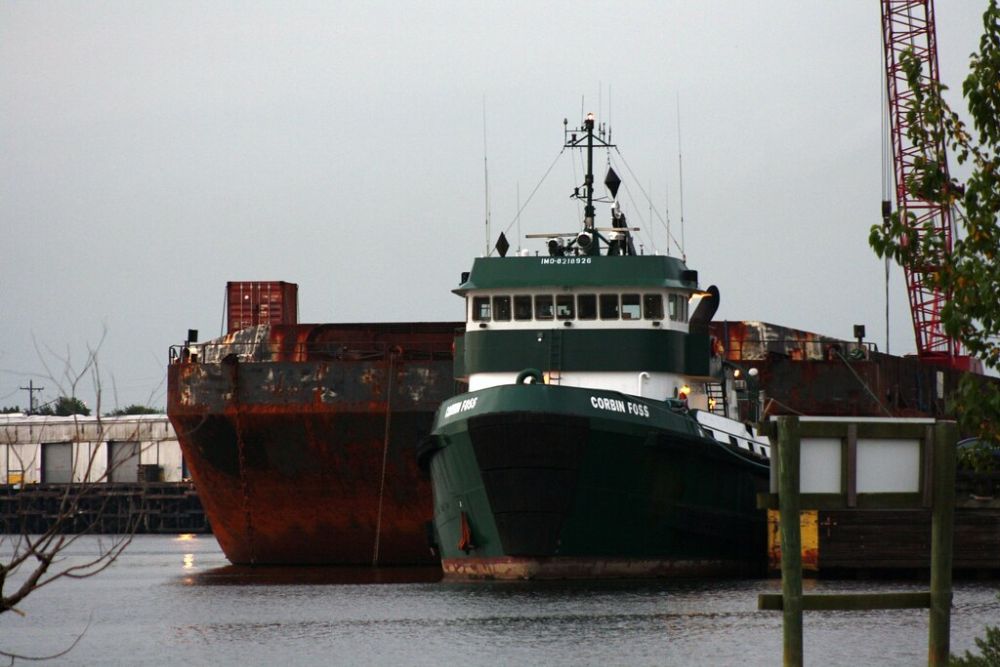
In 1897, an enterprising inventor created a horse-drawn carriage equipped with electric motors for navigating both land and water. The amphibious vehicle could transition from road travel to water crossing without passengers disembarking, using its motorized propellers when the wheels lost contact with solid ground.
Despite functioning demonstrations on the Seine in Paris, the complex maintenance requirements and limited applications prevented widespread adoption.
Aerial Steam Carriages
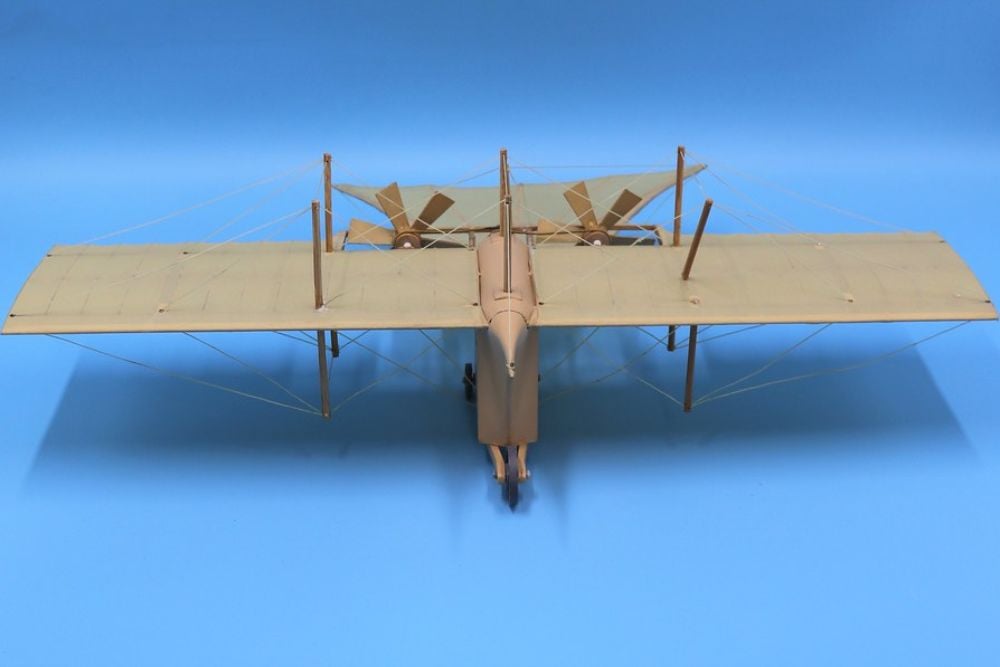
The Aerial Steam Carriage represented an ambitious 1843 attempt at powered flight decades before the Wright brothers. Inventor William Samuel Henson designed this steam-powered monoplane to carry passengers and mail across continents at 50 miles per hour.
Though beautifully illustrated in contemporary publications and even incorporated as a business venture, the vehicle never successfully flew beyond small-scale models due to power-to-weight ratio limitations of steam engines.
Bicycle Railways
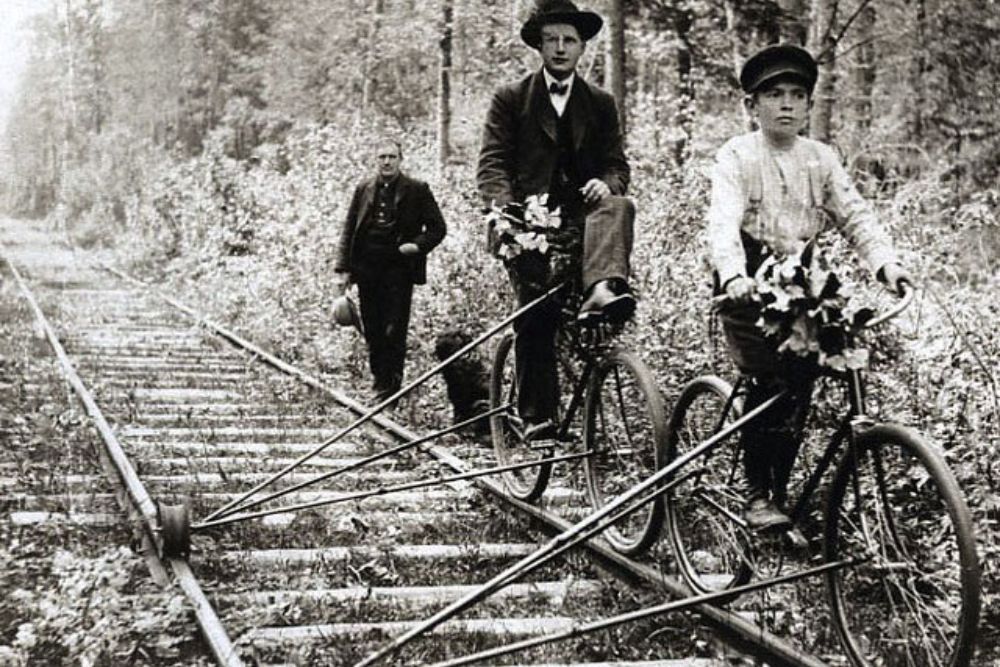
The Mount Holly & Smithville Bicycle Railway in New Jersey operated from 1892 to 1898, featuring specially designed cycles that traveled along a single elevated rail. Passengers straddled modified bicycles with stabilizing wheels running in grooves on either side of the main rail, propelling themselves along the 1.8-mile route.
Though offering an affordable alternative to conventional railways, safety concerns and weather vulnerability contributed to its short operational lifespan.
Dynasphere
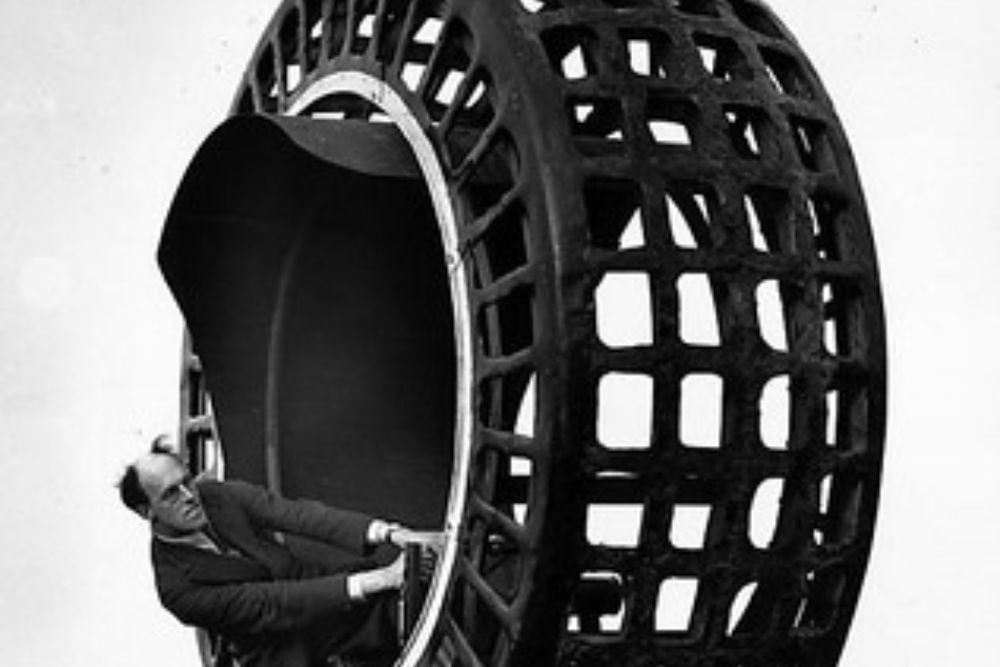
Dr. J. A. Purves created the Dynasphere in 1932, a single-wheeled vehicle where the driver sat inside a massive motorized hoop. The 10-foot-tall metal wheel encased the operator who controlled steering and speed from a stationary position as the entire structure rolled forward.
After building several working prototypes that reached speeds of 30 miles per hour, Purves discovered the fundamental design flaws – the vehicle proved nearly impossible to steer and threatened to continue rolling when stopping on hills.
Forgotten Transit Pioneers
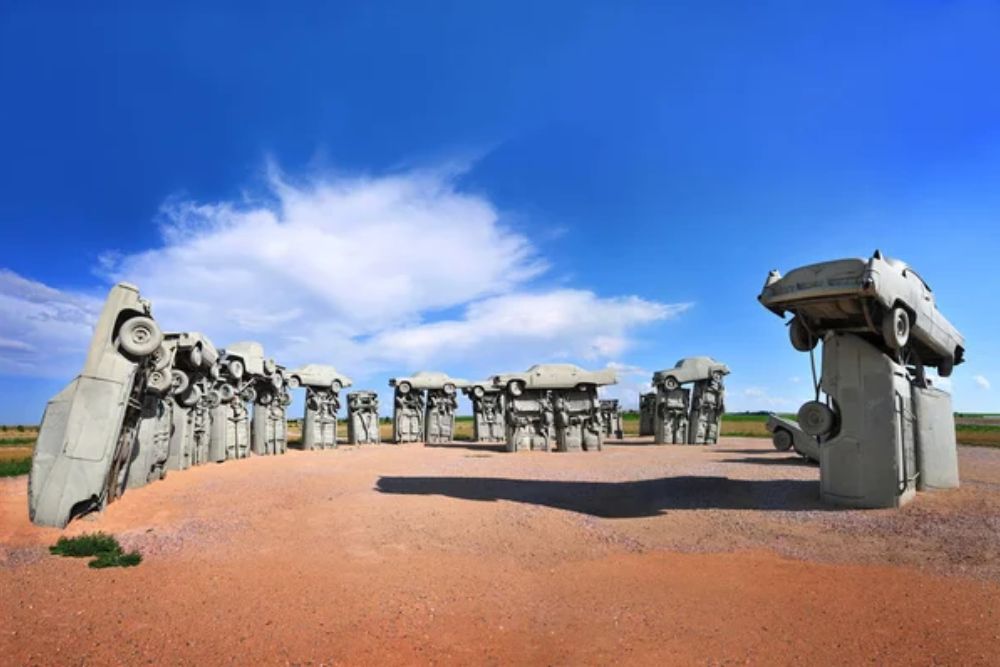
These unusual transportation methods remind us that innovation rarely follows a straight line. Many represented technological dead-ends while others contained ideas ahead of their time that would resurface decades later in more viable forms.
The principles behind pneumatic tubes, monorails, and even nuclear propulsion continue influencing modern transportation development. These abandoned experiments prove that even seemingly impractical transportation concepts contribute valuable lessons to our ongoing journey toward more efficient and imaginative ways of moving through our world.
More from Go2Tutors!

- The Romanov Crown Jewels and Their Tragic Fate
- 13 Historical Mysteries That Science Still Can’t Solve
- Famous Hoaxes That Fooled the World for Years
- 15 Child Stars with Tragic Adult Lives
- 16 Famous Jewelry Pieces in History
Like Go2Tutors’s content? Follow us on MSN.