Fictional Worlds Adapted Into Theme Parks
Standing in line for a ride, you hear the soundtrack from a movie you loved as a kid. The smell of themed food drifts past.
Someone dressed as a character walks by, and suddenly you’re not just at an amusement park anymore. You’ve stepped into a world that used to exist only on screen or between the pages of a book.
Theme parks have always offered escape, but something changed when they started building entire lands based on fictional universes. These aren’t just rides with a coat of paint.
They’re immersive environments where every detail matters, where the stories you grew up with become places you can actually visit.
The Wizarding World Sets the Standard

When Universal Orlando opened its Harry Potter land in 2010, it changed what people expected from theme parks. You could walk through Hogsmeade, drink Butterbeer, and ride through Hogwarts castle.
The attention to detail went far beyond previous attempts at movie-themed areas. Every shop sold items you recognized from the books.
The wands actually interacted with elements throughout the park. Even the bathrooms stayed in theme.
This wasn’t just a section of a park with some Potter branding. It felt like actually visiting the world from the stories.
Other parks noticed. When something works this well, everyone takes notes.
Star Wars Creates a Living Planet

Disney’s Galaxy’s Edge took the concept even further. They didn’t just recreate scenes from the movies.
They built an entire planet that exists within the Star Wars universe—Batuu, a remote outpost on the edge of known space. Cast members stay in character.
The story continues throughout your visit. Events that happen during your time there affect what happens next.
You’re not watching Star Wars. You’re in it.
The Millennium Falcon sits there, full-size, ready to board. The marketplace sells items that look like they belong in that universe, not like standard theme park merchandise with logos slapped on.
Every texture, every sound, every sight pulls you deeper into the world.
Middle-earth Finds a Home in New Zealand
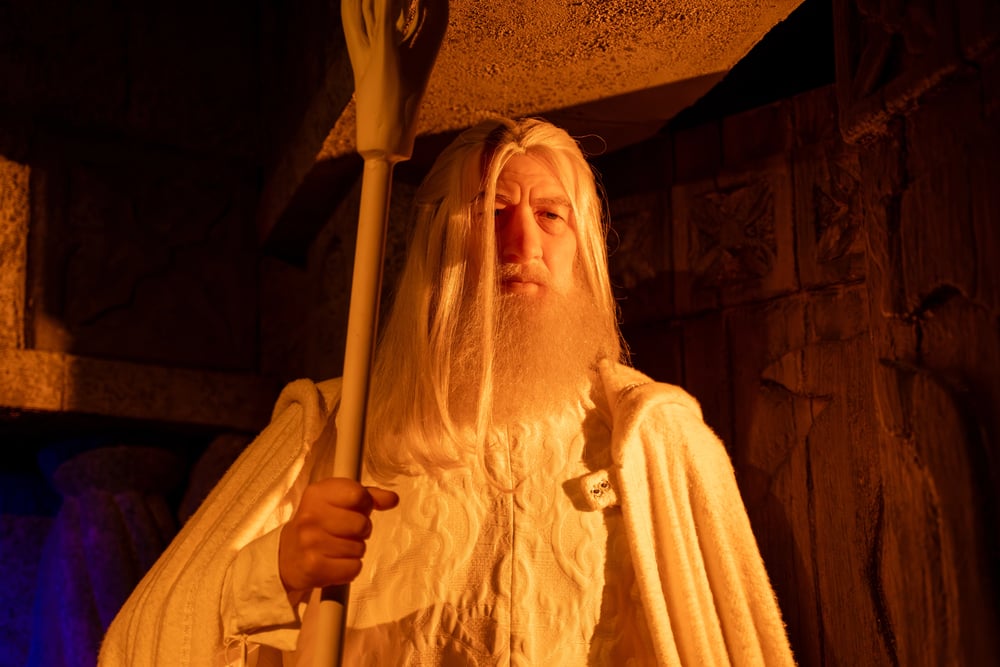
The Lord of the Rings films used New Zealand’s landscapes as Middle-earth, and now visitors can tour the actual Hobbiton set. Unlike most movie sets that get torn down after filming, this one stayed.
You walk the same paths the characters walked. The hobbit pits built into the hillside look exactly as they did in the films.
Gardens grow around them. The Green Dragon Inn serves food and drinks.
It’s not a massive theme park, but it doesn’t need to be. The power comes from standing in a place that thousands of people around the world recognize instantly.
This smaller-scale approach shows that immersion doesn’t always require enormous budgets and cutting-edge technology. Sometimes authenticity matters more than size.
Pandora Brings Alien Flora to Florida

Creating an entirely alien world presented unique challenges for Disney’s Pandora. The floating mountains from Avatar needed to feel massive and otherworldly.
The plants needed to glow at night. Everything needed to look like nothing on Earth.
The queue for the Flight of Passage ride winds through detailed caves and bioluminescent forests. Even waiting becomes part of the experience.
At night, the whole land transforms as the plants light up in blues and purples. This land proved that theme parks could create environments that don’t exist anywhere in our reality.
They’re not bound to recreating real-world locations or even Earth-like settings.
Springfield Makes Animated Comedy Tangible
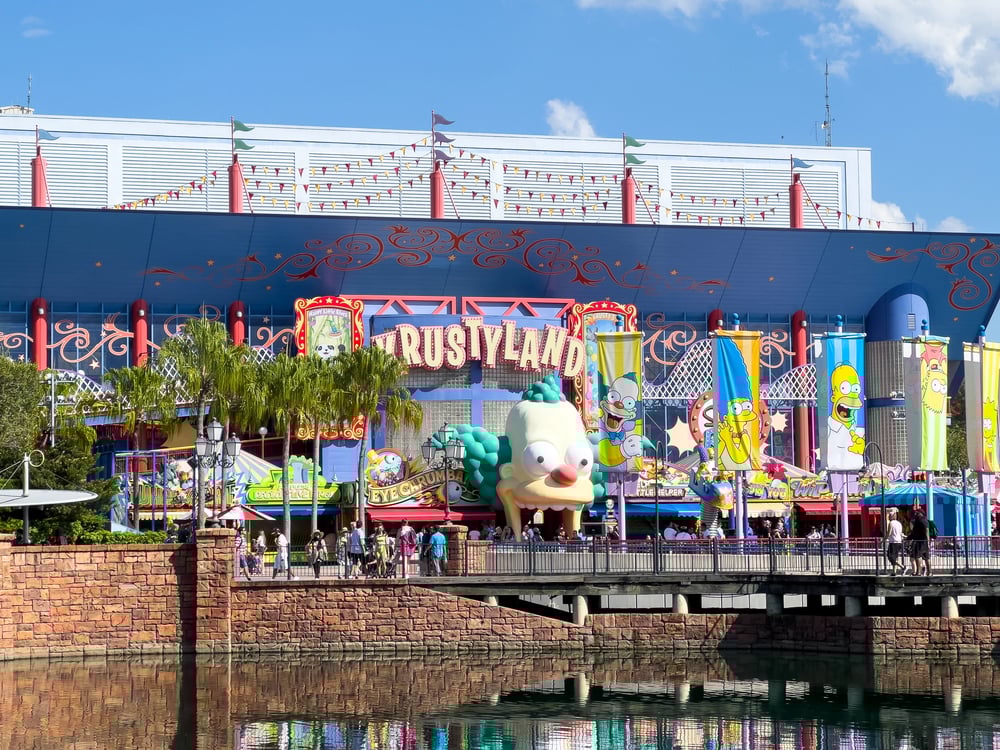
The Simpsons’ Springfield at Universal Studios takes a different approach. Instead of dramatic fantasy worlds, it recreates a comedic animated town full of absurd details.
Moe’s Tavern sits next to Krusty Burger. The Kwik-E-Mart sells actual Squishees.
The humor translates surprisingly well into physical space. The rides play with the show’s meta-humor.
The food items reference running gags from decades of episodes. You can finally try a Krusty Burger or a Lard Lad donut.
Comedy-based worlds face different challenges than dramatic ones. The tone needs to stay light without becoming exhausting.
Springfield manages this balance, proving that not every themed land needs to be epic or serious.
Marvel Superheroes Get Their Own Campus

Marvel’s themed areas at Disney parks combine multiple stories into one cohesive location. Rather than focusing on a single film, they create a place where all these heroes exist together.
The Spider-Man ride uses new technology to make you feel like you’re swinging through the city. The Guardians of the Galaxy attraction reimagines a classic ride with new story elements.
These areas celebrate the breadth of the Marvel universe rather than zeroing in on one narrative. This approach works for properties with extensive interconnected storylines.
It gives designers freedom to pick and choose the best elements from multiple sources.
Toy Story Shrinks You Down
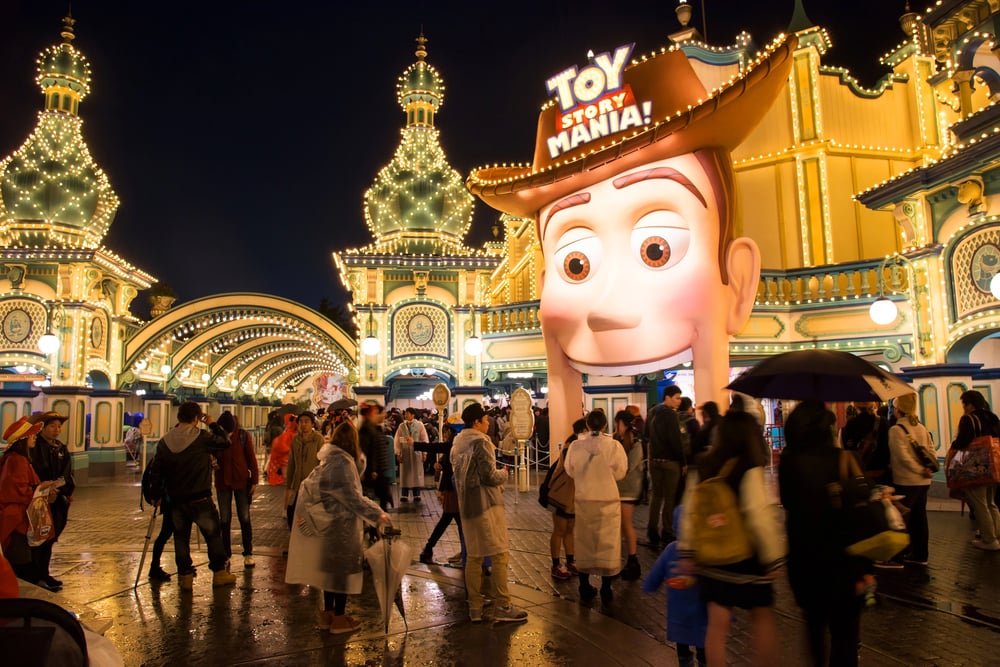
The Toy Story lands at Disney parks play with scale in clever ways. You’ve shrunk to toy size, so everything around you looks huge.
A block becomes a seat. Building blocks form structures.
Andy’s toys tower over you. This concept requires reimagining familiar objects from a completely different perspective.
A game of Jenga becomes architecture. Tinker Toys create massive frames.
The rides lean into this scale shift, making you feel genuinely small. The land shows how a simple concept—seeing the world from a toy’s perspective—can drive every design choice in a themed environment.
Jurassic Park Brings Dinosaurs Back
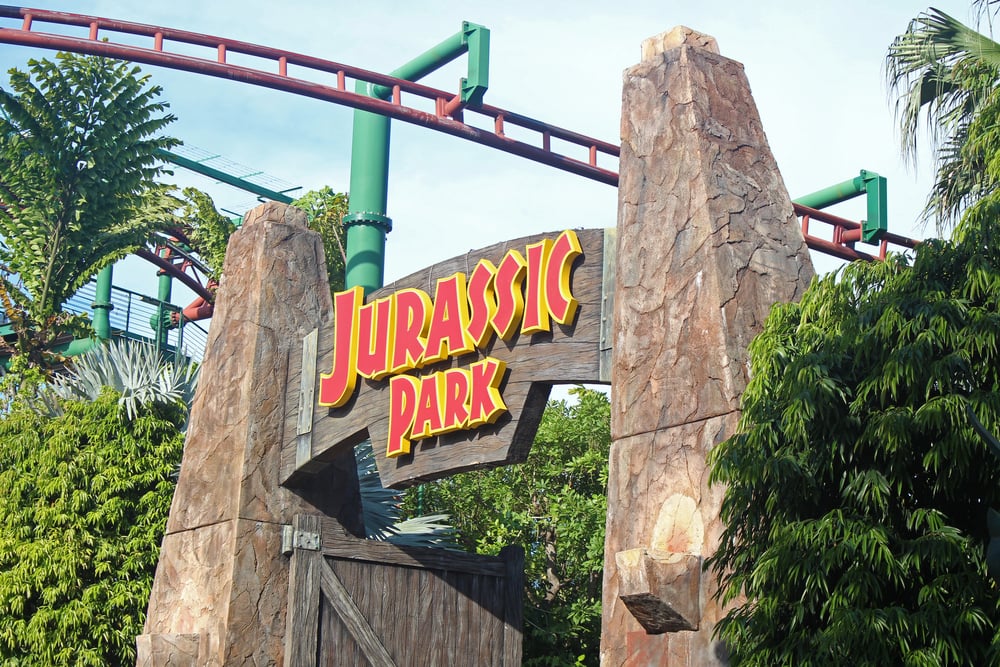
Jurassic Park lands at Universal parks have existed for years, but they keep evolving. The VelociCoaster adds intense thrills to the dinosaur theme.
The river adventure still draws crowds decades after opening. These lands benefit from a premise that’s inherently theme park friendly.
People want to see dinosaurs. They want to feel that mix of wonder and danger.
The films already explored what a dinosaur park would look like, so translating that to reality feels natural. The longevity of these areas proves that strong core concepts can sustain interest across generations.
Especially when parks keep updating the experiences.
Super Nintendo World Gamifies Physical Space
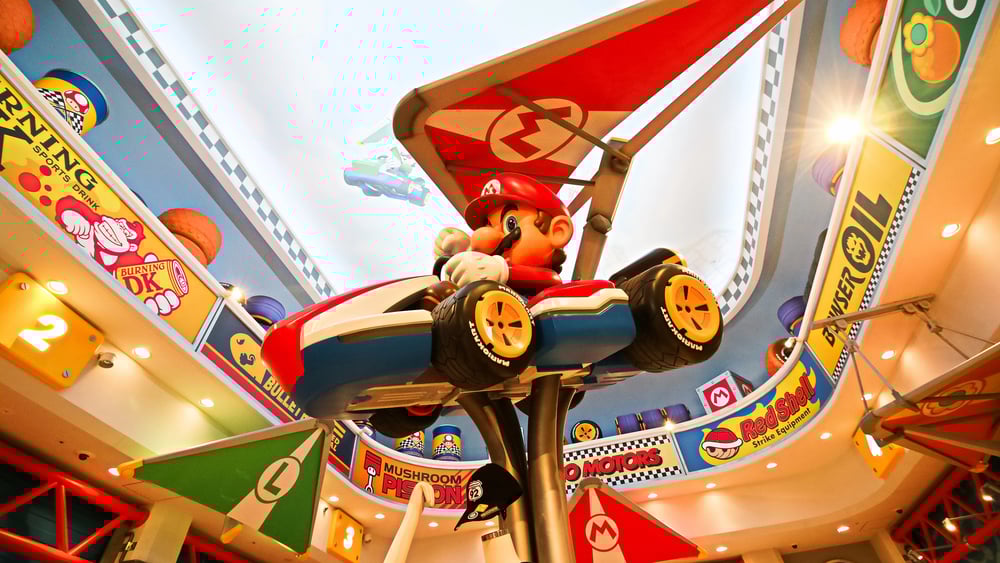
Universal’s Nintendo land takes interactive elements to new levels. You wear a wristband that tracks progress as you complete challenges throughout the land.
Punch blocks to collect coins. Compete with other visitors.
The whole area becomes a real-world video game. This only works because Nintendo’s aesthetics are so distinctive.
The bright colors, the iconic sounds, the recognizable characters—all of it translates clearly into physical form. Walking through feels like stepping into a game.
The technology enhances rather than dominates the experience. You can ignore the interactive elements entirely and just enjoy the environment.
Or you can engage fully with the game aspects.
Transformers and Giant Robots
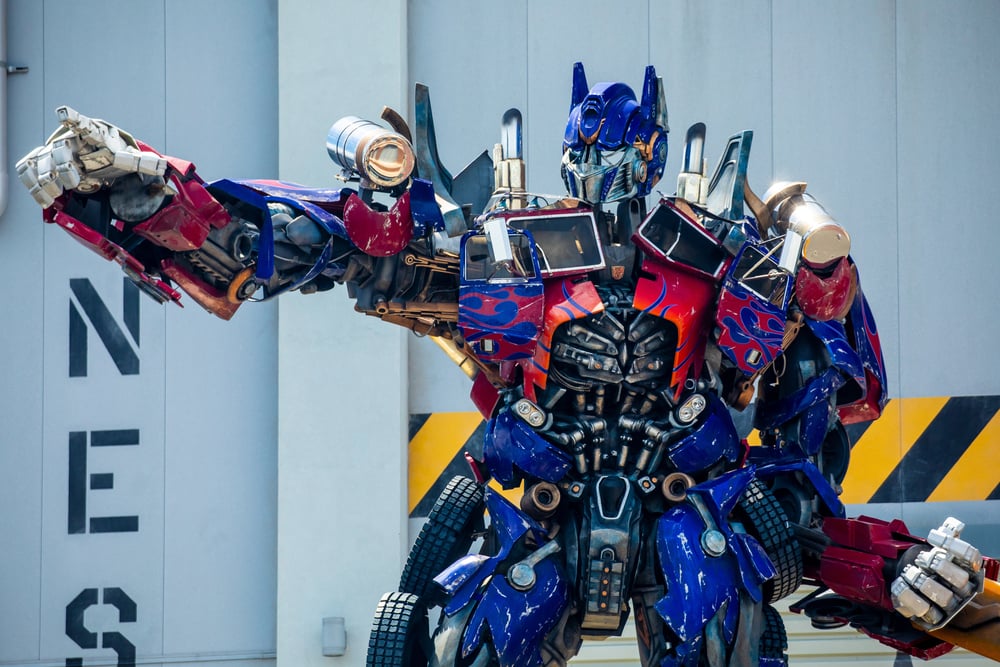
Transformers areas at Universal parks face an interesting challenge. How do you create an immersive environment around giant robots that constantly change form?
The solution focuses on the action and scale rather than trying to recreate specific locations. The rides emphasize movement and spectacle.
You’re caught in the middle of a battle between Autobots and Decepticons. The architecture reflects the mechanical, industrial aesthetic of the films.
Everything feels massive and metallic. This demonstrates that sometimes theme park lands need to capture the feel and energy of a property rather than recreating specific settings from it.
Diagon Alley Perfects Urban Fantasy
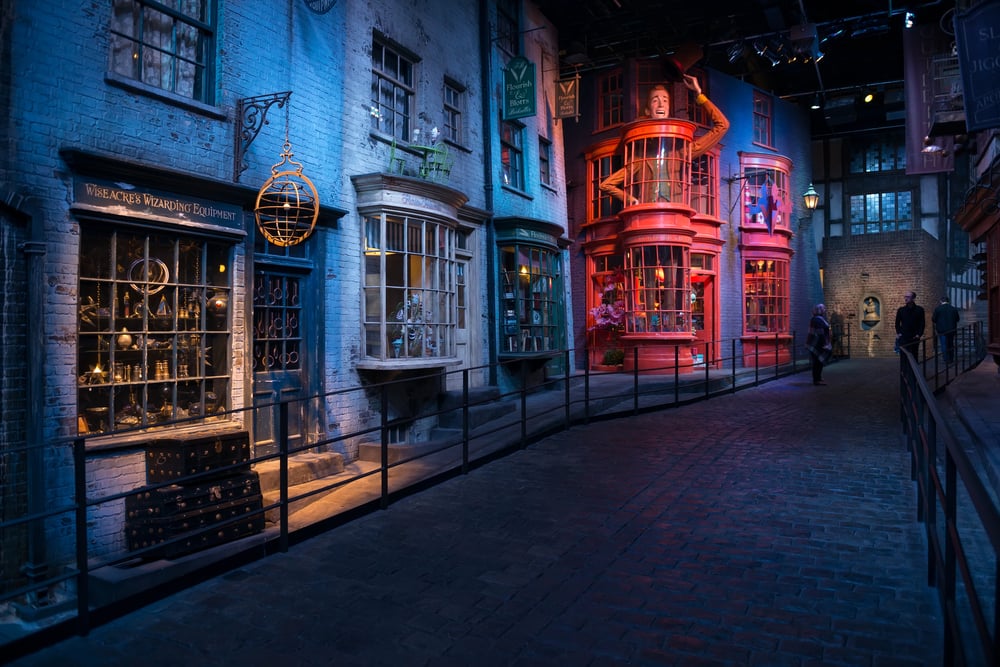
Universal’s second Harry Potter land, Diagon Alley, might actually surpass Hogsmeade. The London facade hides the magical street behind brick walls.
You take the Knight Bus or walk through a hidden entrance. Once inside, you’re surrounded by shops you’ve read about for years.
Gringotts Bank dominates the streetscape. Weasleys’ Wizard Wheezes sells actual joke products.
You can watch a show at the theater. The level of detail makes you want to examine every window, every sign, every corner.
The Hogwarts Express connects the two Harry Potter lands, creating a journey between them that’s an experience in itself. This shows how themed areas can work together to create something larger than the sum of their parts.
The Mandalorian Expands the Galaxy

As Disney continues expanding Galaxy’s Edge, elements from newer Star Wars shows like The Mandalorian find their way into the experience. Characters appear.
References get updated. The land evolves with the franchise.
This flexibility shows the advantage of creating a new location within an existing universe rather than just recreating famous scenes. New stories can be incorporated without breaking the established theme.
The land grows with the franchise it represents.
Future Worlds Waiting to Open
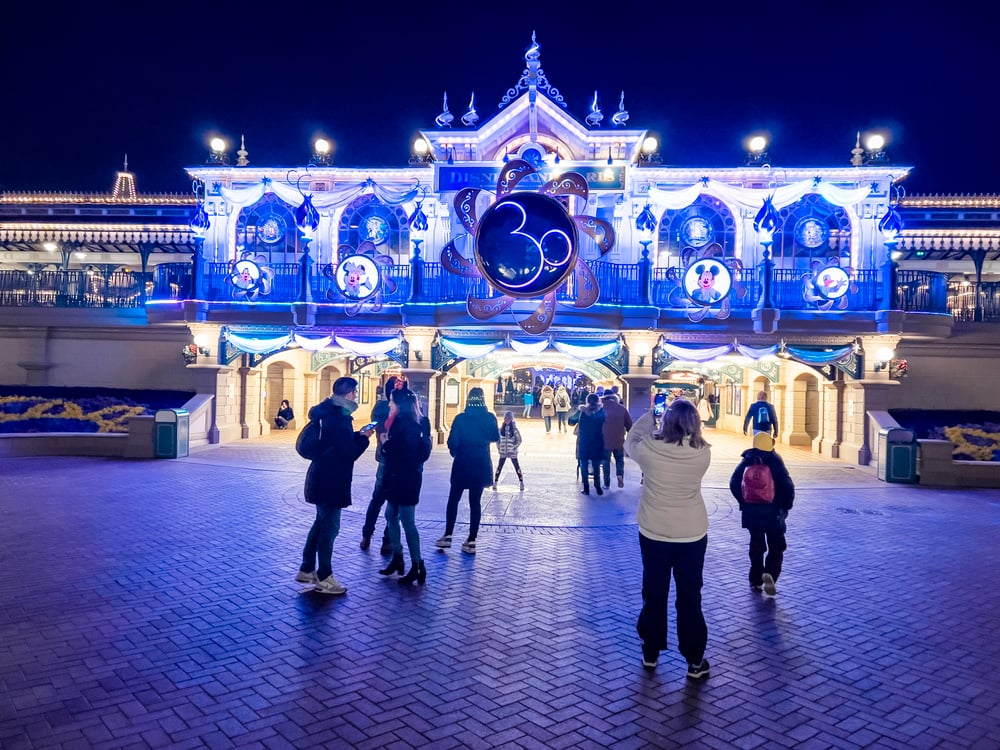
More fictional worlds wait for their theme park adaptations. Some face logistical challenges.
Others might not translate well from screen to physical space. But the success of existing lands shows that audiences want these experiences.
The question isn’t whether more fictional worlds will become theme parks. It’s which ones will work best, and how designers will solve the unique challenges each property presents.
Where Stories Become Places
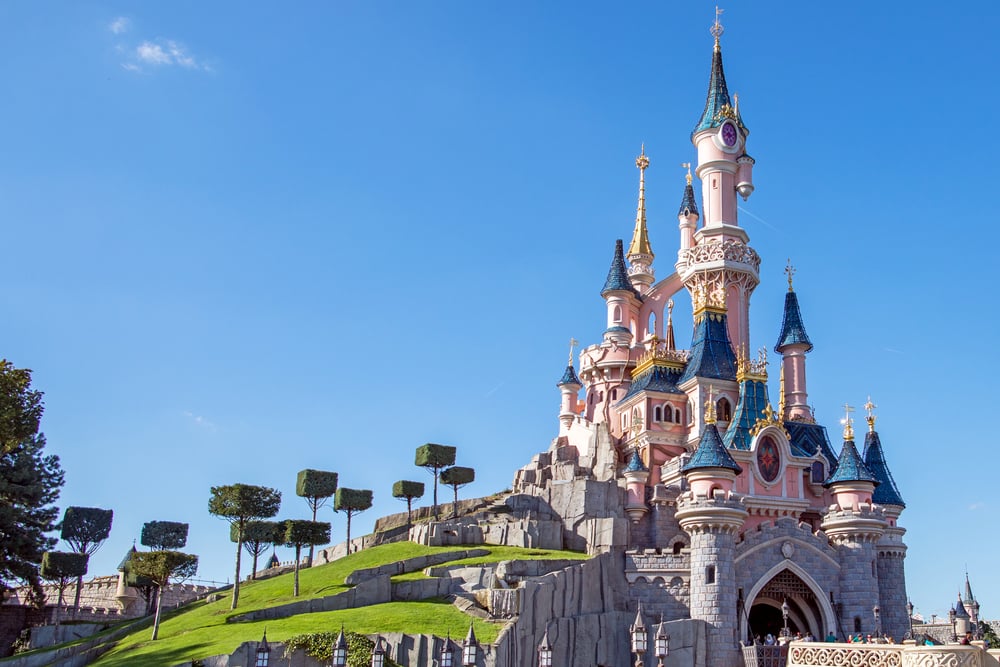
Something shifts when you walk through these lands. A story you experienced through a screen or a page becomes a place you can touch, smell, and inhabit.
The line between fiction and reality blurs in a way that’s become increasingly sophisticated. These aren’t perfect recreations.
They can’t be. But they capture something essential about the worlds they represent—enough that standing in them triggers the same feelings you had when you first encountered these stories.
That’s what makes them work. That’s why people plan trips around them, spend hours in them, and keep coming back.
The best ones make you forget, just for a moment, that you’re in a theme park at all.
More from Go2Tutors!

- The Romanov Crown Jewels and Their Tragic Fate
- 13 Historical Mysteries That Science Still Can’t Solve
- Famous Hoaxes That Fooled the World for Years
- 15 Child Stars with Tragic Adult Lives
- 16 Famous Jewelry Pieces in History
Like Go2Tutors’s content? Follow us on MSN.