24 Discontinued Candy Bars People Still Miss
Every candy aisle is a quiet graveyard. Bars that once had jingles, mascots and prime spots by the register disappear with no announcement, and the people who loved them only notice when they reach for one and find an empty hook.
Some of these bars lasted decades. Others barely made it through a single school year.
All of them left behind a loyal following that still trades wrappers online and argues about which modern bar comes closest.
Marathon and its Braided Caramel
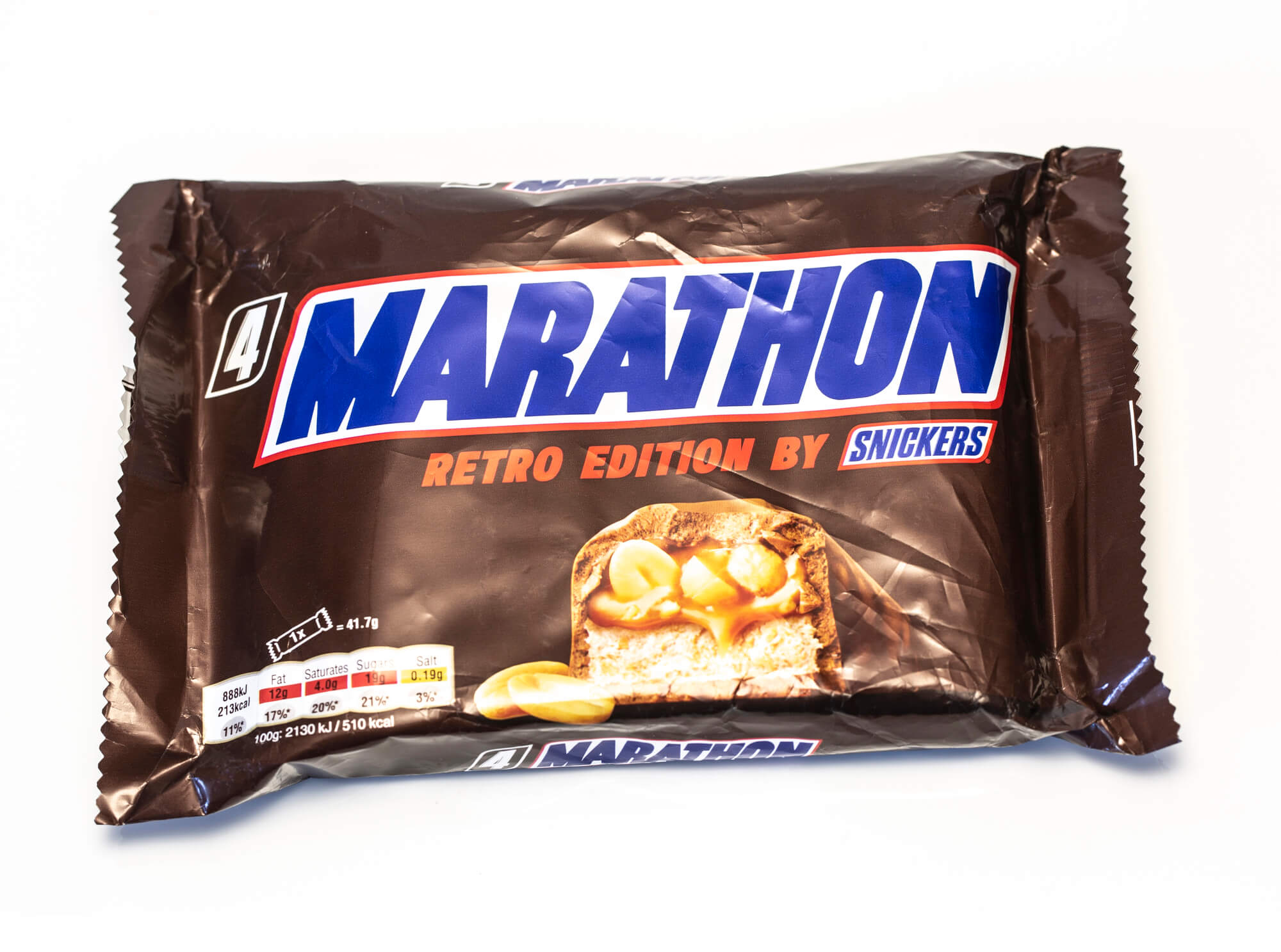
Mars launched the Marathon bar in 1973, and it was hard to miss. A long rope of braided caramel covered in milk chocolate came packaged with a ruler printed on the wrapper, and kids remember it as the biggest thing a quarter could buy.
Television ads starred a cowboy named Marathon John who warned that nobody ate one quickly. The chewing really did take a while.
Sales slipped, and Mars dropped the bar around 1981. Cadbury’s Curly Wurly, sold in Britain and online, is the closest relative still available.
Reggie Bar and the Yankee Stadium Shower
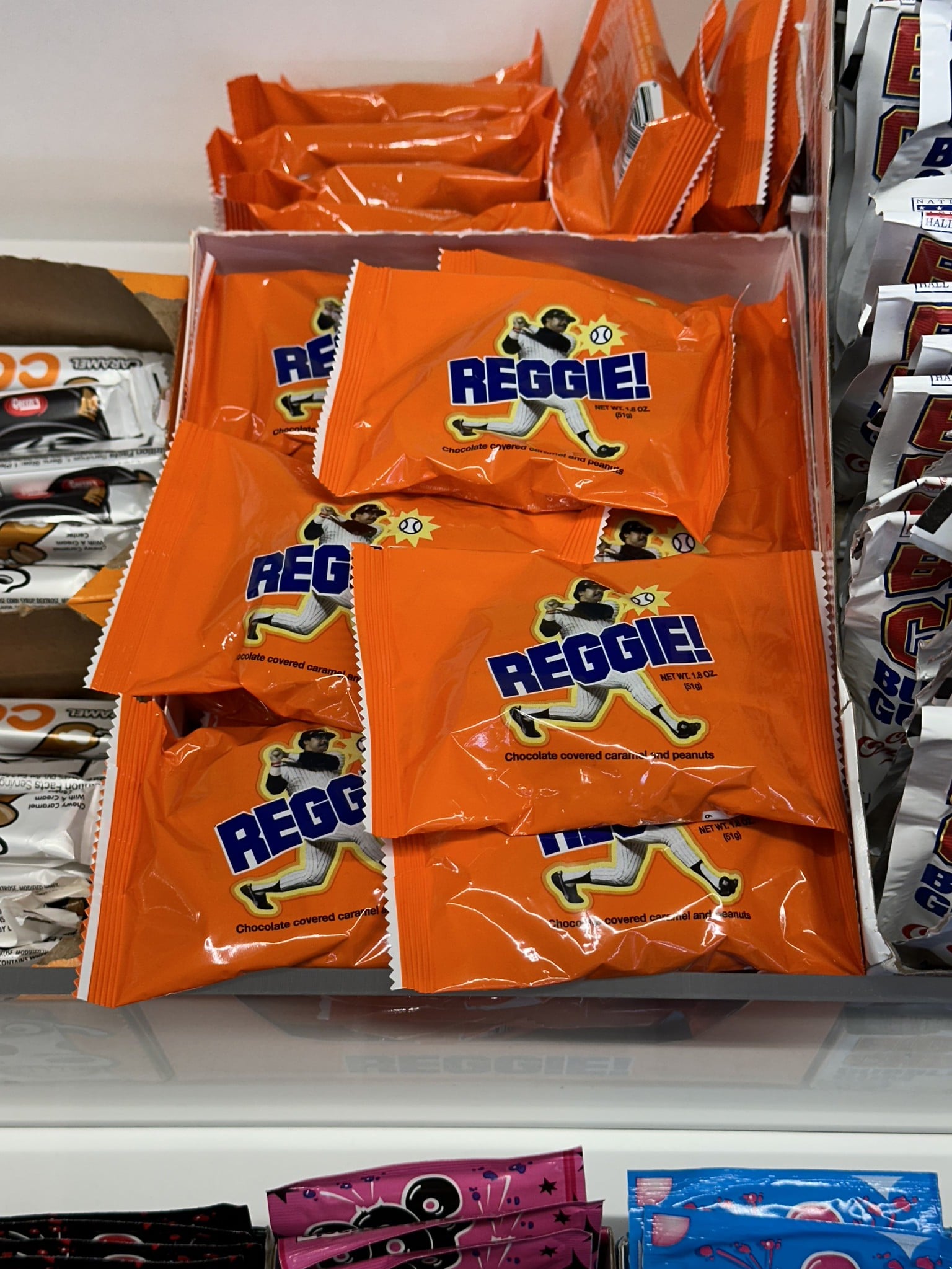
Standard Brands named this round patty of peanuts, caramel and chocolate after Reggie Jackson, who had joked that if he played in New York they would name a candy bar after him. The bar arrived in 1978, and free samples were handed out to fans at Yankee Stadium’s home opener that year.
When Jackson homered, many of those bars ended up thrown onto the field. The Reggie lasted only until about 1981.
A brief revival later on did not stick, and the bar now survives mostly as sports trivia.
Hershey’s Bar None
Introduced in 1987, Bar None layered chocolate wafers with chocolate filling and chopped peanuts, all coated in milk chocolate. It was sold as Temptation in Canada, and its advertising leaned hard on the idea of a wild chocolate craving that needed taming.
Hershey reformulated it in the early 1990s, splitting it into two pieces and adding caramel, which many fans considered a mistake. The bar was discontinued in 1997.
A small candy company revived the name in 2019, but supply was limited, and most former fans never saw one on a store shelf again.
PB Max on a Cookie Base
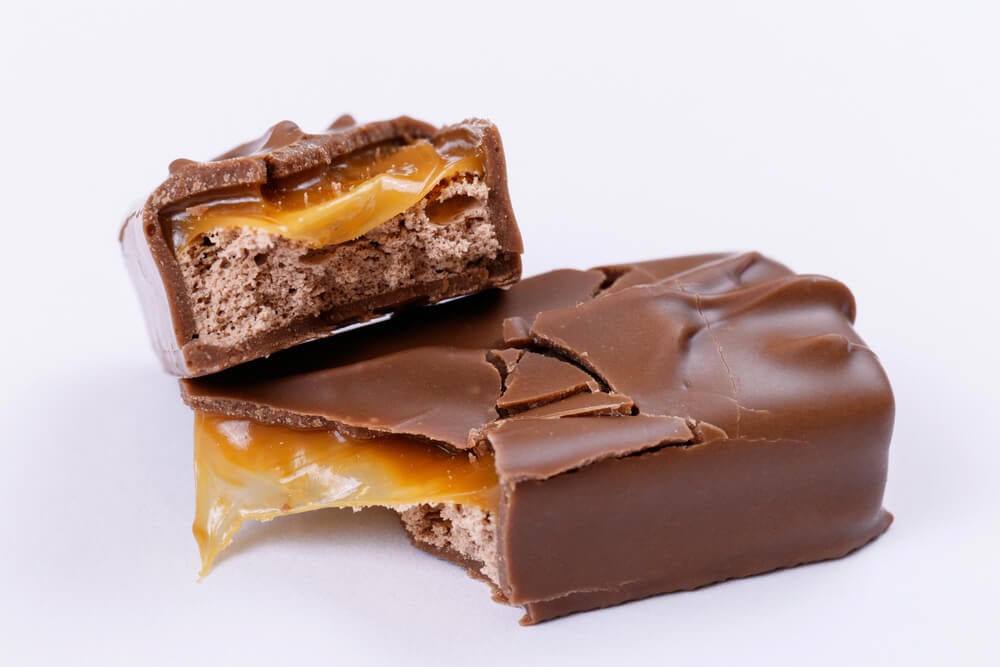
Mars introduced PB Max in 1989 as a square of creamy peanut butter set on a crunchy cookie, covered in milk chocolate. It sold well enough, yet it disappeared by the mid-1990s.
The reason remains a matter of debate. Joel Glenn Brenner’s book The Emperors of Chocolate repeats the theory that the Mars family simply did not like peanut butter, though other explanations point to cost and strategy.
Fans still call it one of the best bars ever made. Several online petitions and a dedicated social media following have kept its memory going for three decades.
Summit Cookie Bar
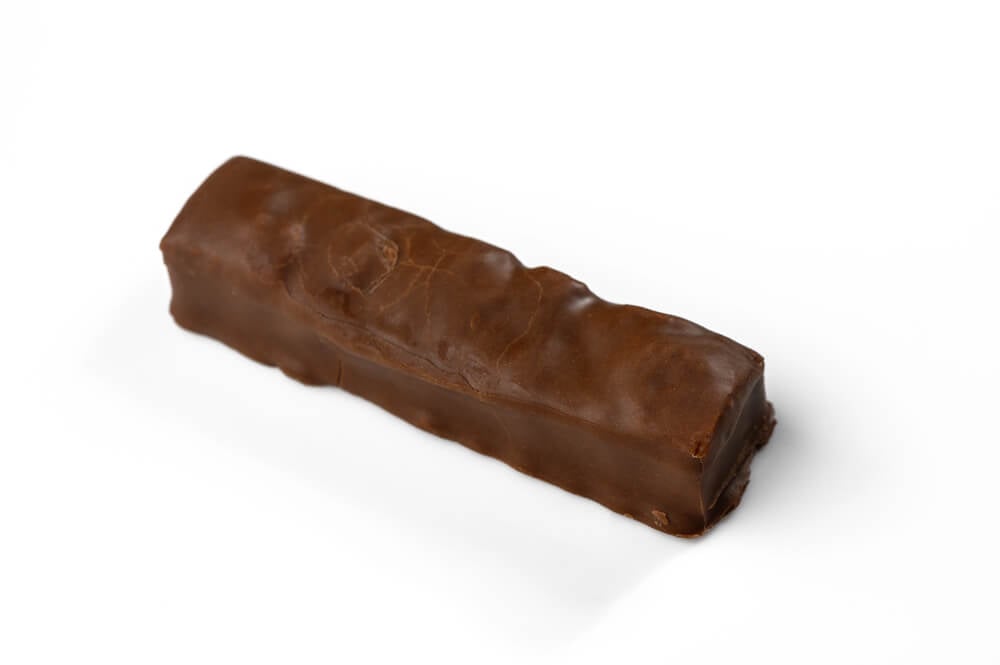
Summit came from Mars in 1977 and paired wafer cookies with peanuts under a chocolate coating, packaged as two slim sticks. It was marketed toward teenagers and adults rather than small children.
The bar had a reputation for melting quickly, partly because its coating was not traditional milk chocolate. It was gone by the mid-1980s.
Fans who remember it often compare it to a Kit Kat with peanuts, which captures the texture but not the particular snap of the original. Collectors of candy wrappers consider Summit wrappers a minor prize.
Choco’Lite and its Air Pockets
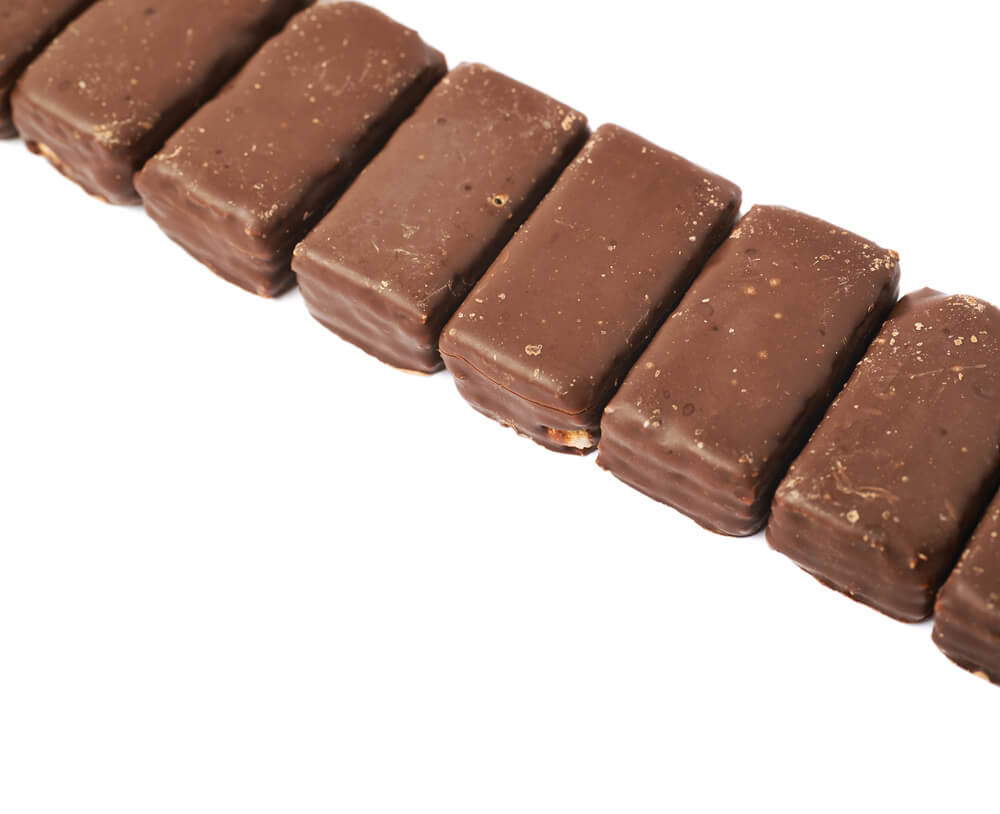
Nestle introduced Choco’Lite in the early 1970s, during a period when candy makers chased anything that sounded lighter. The bar was milk chocolate whipped full of tiny air bubbles, with crispy bits mixed in, which gave it a texture fans still struggle to describe.
Nestle ran promotions tying it to the original Star Wars films. By the early 1980s it had vanished.
Aero bars from Britain and Canada share the bubbly structure, though fans insist the crisp pieces in the American bar made it something different.
Nestle Alpine White with Almonds
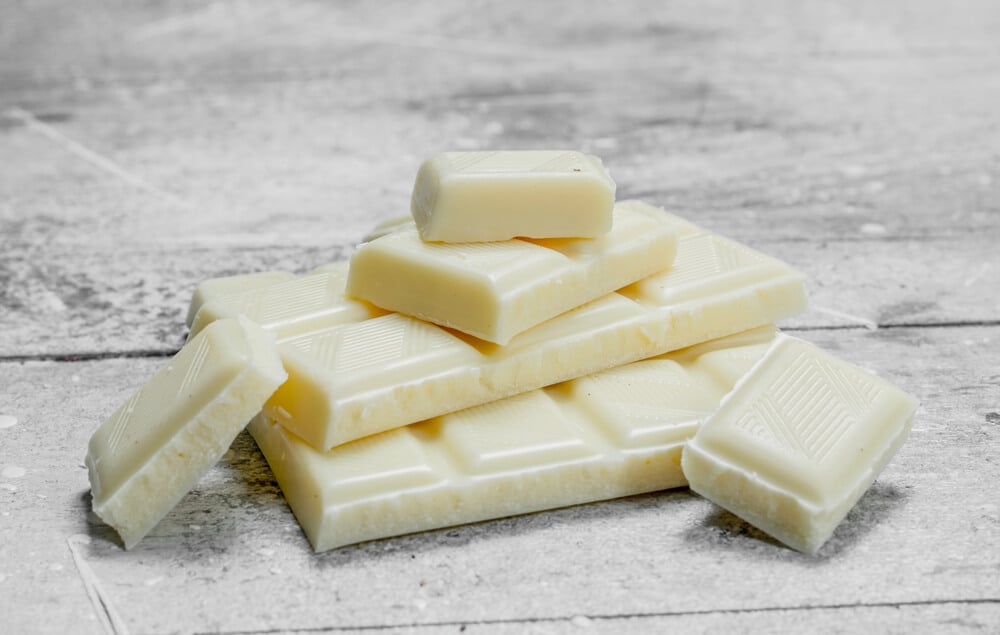
White chocolate was still unusual in American candy aisles when Nestle released Alpine White in the mid-1980s. The bar contained white chocolate studded with almonds, and the wrapper boasted of only five ingredients.
A dreamy 1986 television commercial, inspired by the paintings of Maxfield Parrish and set to a synthesizer jingle, became more famous than the bar itself. Alpine White briefly became one of Nestle’s best sellers before sales faded.
It was gone by about 1993, and a petition to bring it back circulated online decades later.
Milkshake Bar from Hollywood, Minnesota
The Hollywood Candy Company of Hollywood, Minnesota, created the Milkshake bar in 1927 to compete with the Milky Way. It combined malted milk nougat and caramel under a milk chocolate coating, and fans said it really did taste like a malted shake.
Some people froze them in summer and ate them like ice cream bars. The bar kept going after its original maker faded and passed through several corporate owners.
It was finally discontinued in the late 1990s after Hershey acquired the company that held the brand. Its malted flavor has no exact equivalent today.
Seven Up Bar with Seven Fillings
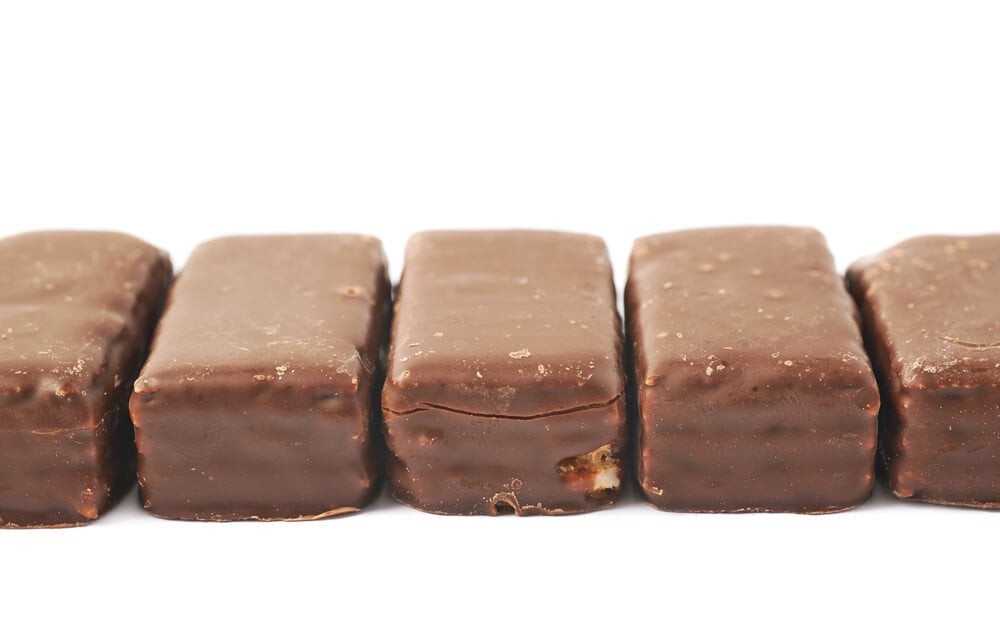
Each Seven Up bar was a row of seven chocolate pockets, and each pocket held a different filling, which might include caramel, coconut, fudge, mint, cherry and nougat depending on the year. Pearson’s Candy Company of Saint Paul took the bar over in 1951 from its original maker.
Production ended in 1979 amid a naming dispute with the 7Up soda company, which by then was a far bigger brand than the candy bar. Candy historians note that the bar was also expensive to make, since every pocket needed its own filling.
Chicken Dinner, Which Contained No Chicken
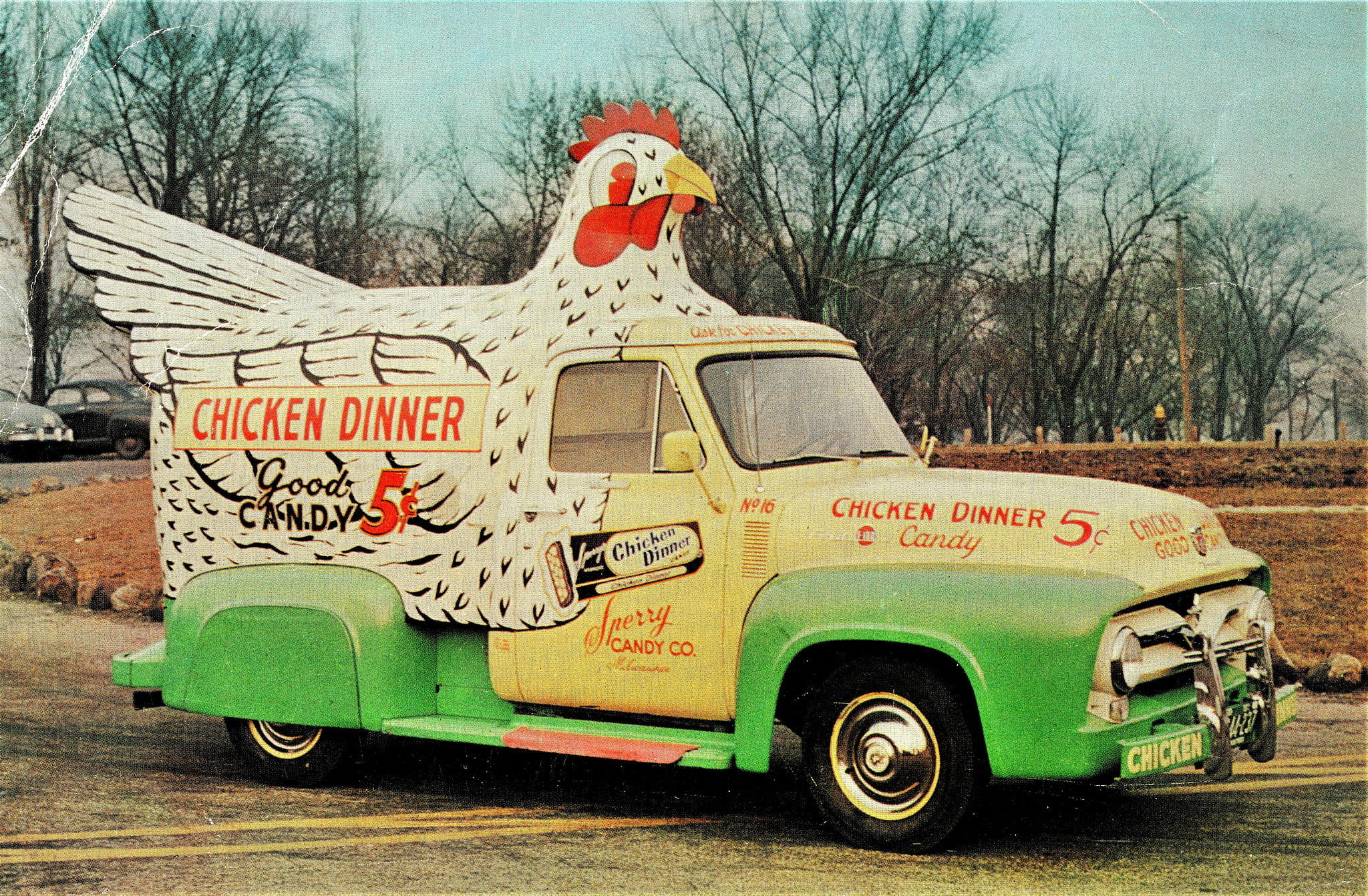
The Sperry Candy Company of Milwaukee sold the Chicken Dinner bar, a roll of nuts and chocolate, beginning in the 1920s. The name was a marketing idea built on the idea of prosperity, since a chicken dinner was a symbol of good times, and early ads billed it as candy made good.
It contained no poultry of any kind. The bar sold for decades, but production stopped after Pearson’s bought Sperry in 1962.
Today it is a favorite example in any discussion of strange candy names, and the wrapper still gets a double take from anyone who sees it for the first time.
Peter Paul Caravelle
Caravelle combined milk chocolate, caramel and crisped rice in a soft, chewy bar that fans compare to a 100 Grand with better texture. Peter Paul, best known for Mounds and Almond Joy, made the bar in the 1960s and 1970s.
It was discontinued after Peter Paul merged with Cadbury Schweppes in 1978, when the combined company trimmed its lineup. Former fans often say the caramel was softer and the rice crunchier than anything available now.
It has never been revived, and vintage wrappers are now sought after by candy collectors.
PowerHouse from Peter Paul
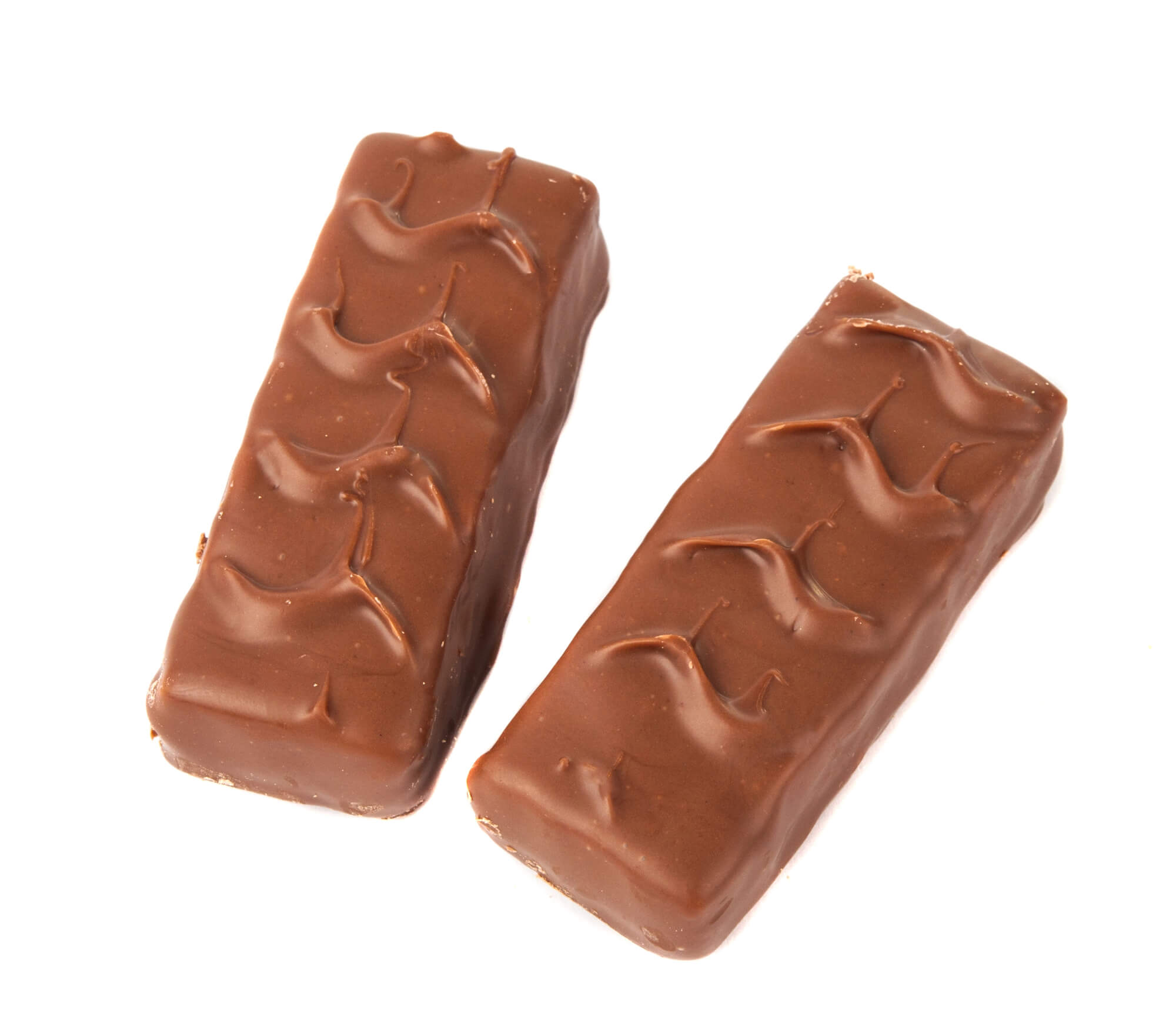
At roughly 2 ounces, the PowerHouse was a hefty bar of caramel, fudge and peanuts coated in chocolate. Peter Paul sold it for more than two decades, marketing it as filling and energizing at a time before energy bars existed.
Hershey acquired Peter Paul’s American candy business in 1988 and kept the famous coconut bars. The PowerHouse did not make the cut and disappeared by the end of the 1980s.
Its size and heft made it a working person’s snack, and many fans remember buying one from a factory vending machine.
Hershey’s Rally Bar
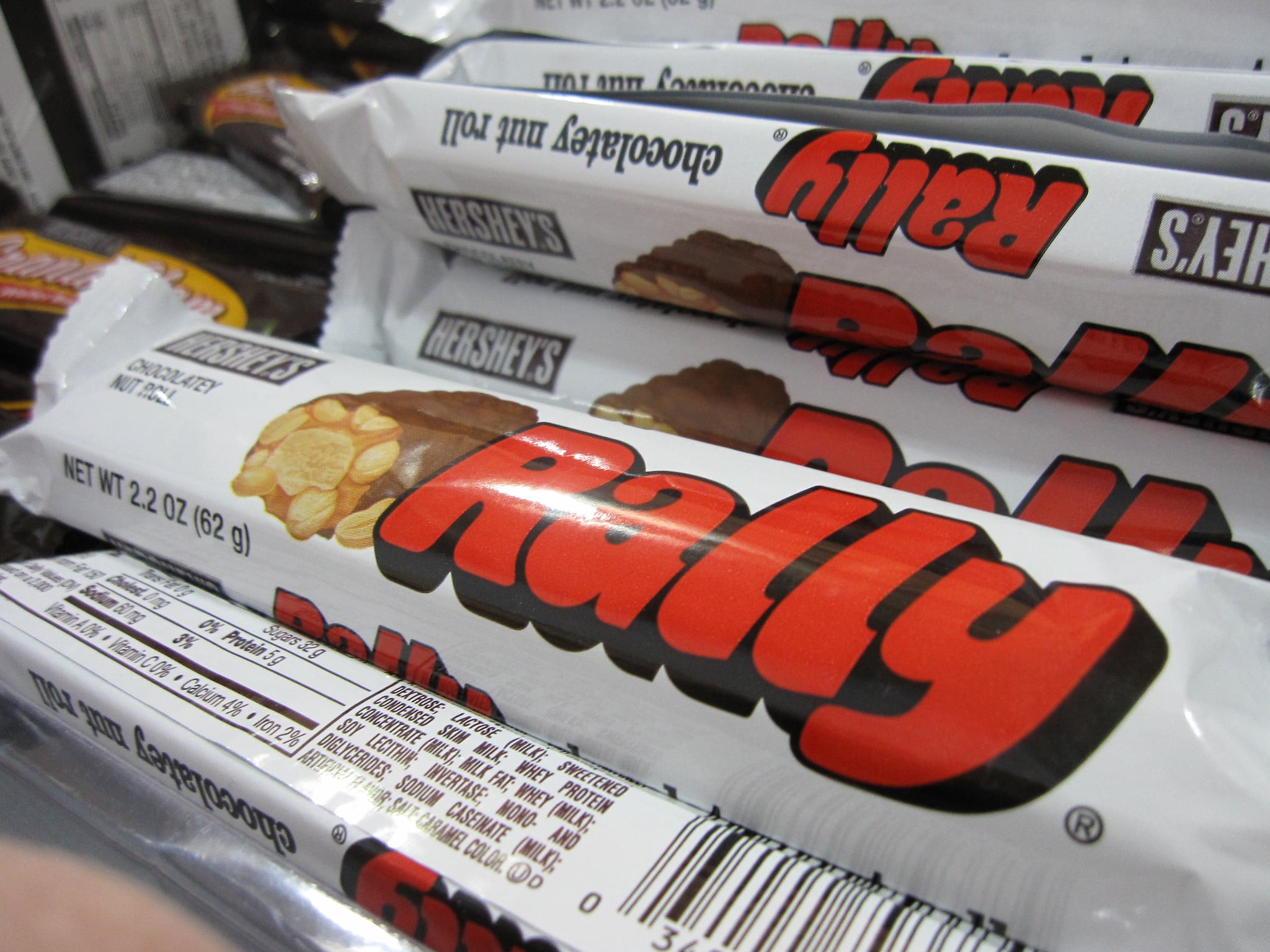
Rally arrived from Hershey in the late 1960s and lasted until 1979, according to most candy histories. The bar layered caramel, peanuts and a nougat-style center under milk chocolate, and its advertising played on how many ingredients were packed inside.
It never reached the fame of Hershey’s flagship products, but it built a loyal following among 1970s kids. In a strange postscript, Hershey later used the Rally name in parts of the United States for a Canadian-made bar similar to Oh Henry.
The original recipe has not returned.
Forever Yours in Dark Chocolate
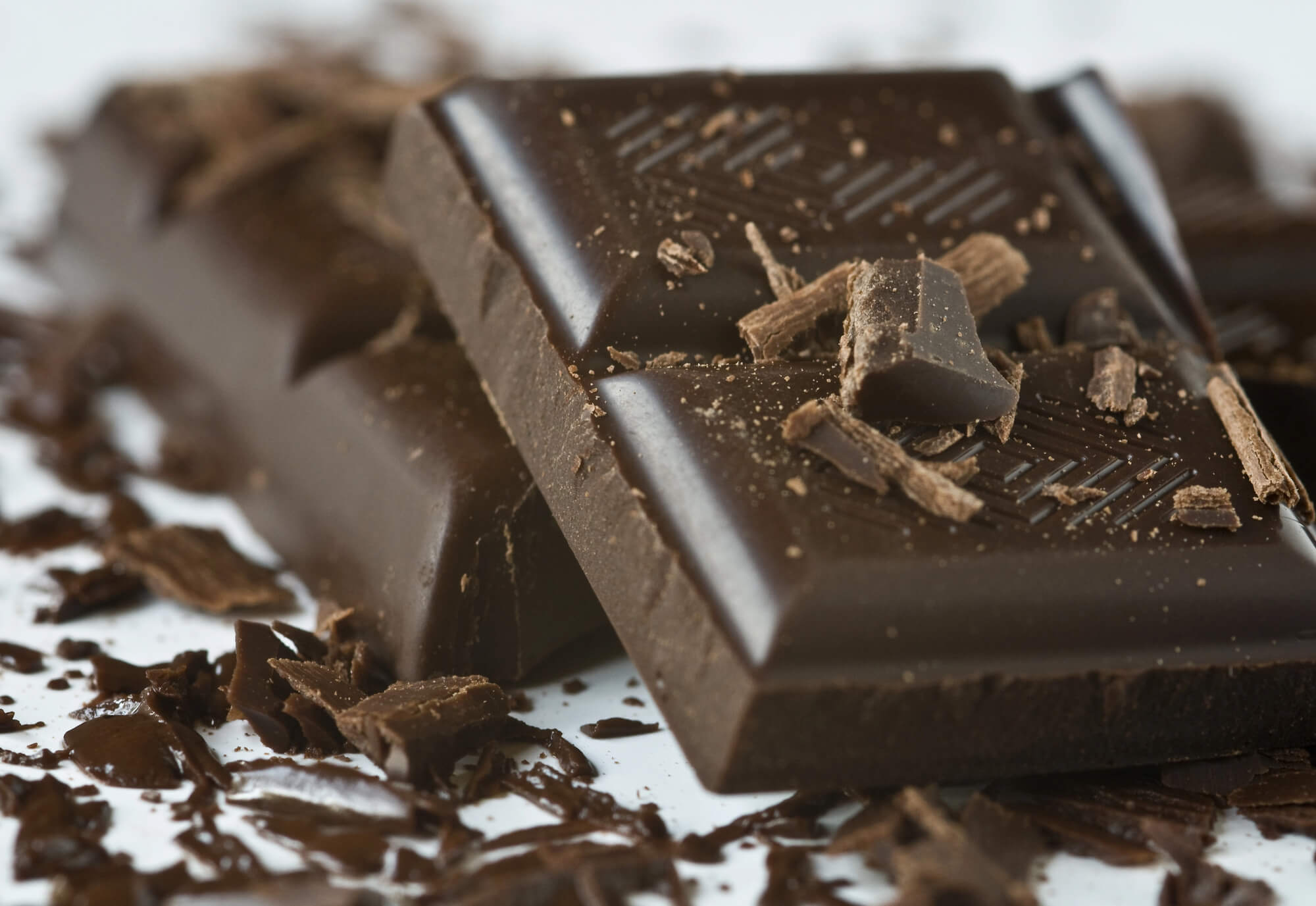
Long before Milky Way Midnight, Mars sold a dark chocolate bar with vanilla nougat and caramel called Forever Yours. The bar carried that name from 1936 until 1979, when slow sales led Mars to retire it.
Fans complained, and a decade later the recipe returned in 1989 as Milky Way Dark. It was renamed Milky Way Midnight in 2000.
Older candy lovers argue that the Forever Yours name had a romance that the replacement lacks. It is one of the few discontinued bars that came back under a new identity.
American Mars Bar with Almonds
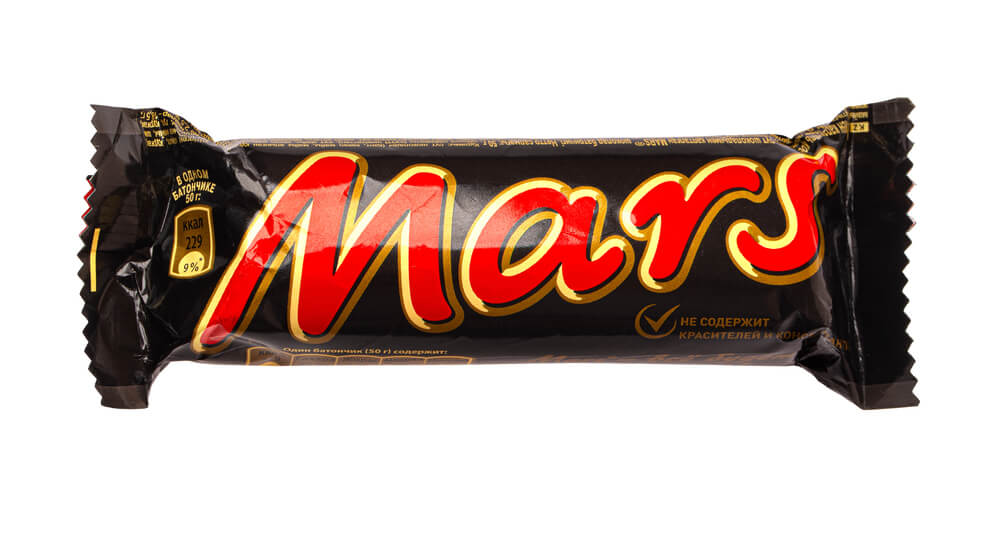
In the United States, the Mars bar was quite different from the British version. It combined nougat, caramel and plump almonds under milk chocolate, and the slogan promised an almond in every bite.
Mars discontinued it in 2002 and replaced it the following year with Snickers Almond, which uses smaller almond pieces. The original returned briefly through Walmart in 2010 and disappeared again within about two years.
Many Americans who grew up eating it still think of Snickers Almond as an imitation, and online forums regularly ask where to buy the original.
Full-Size Krackel
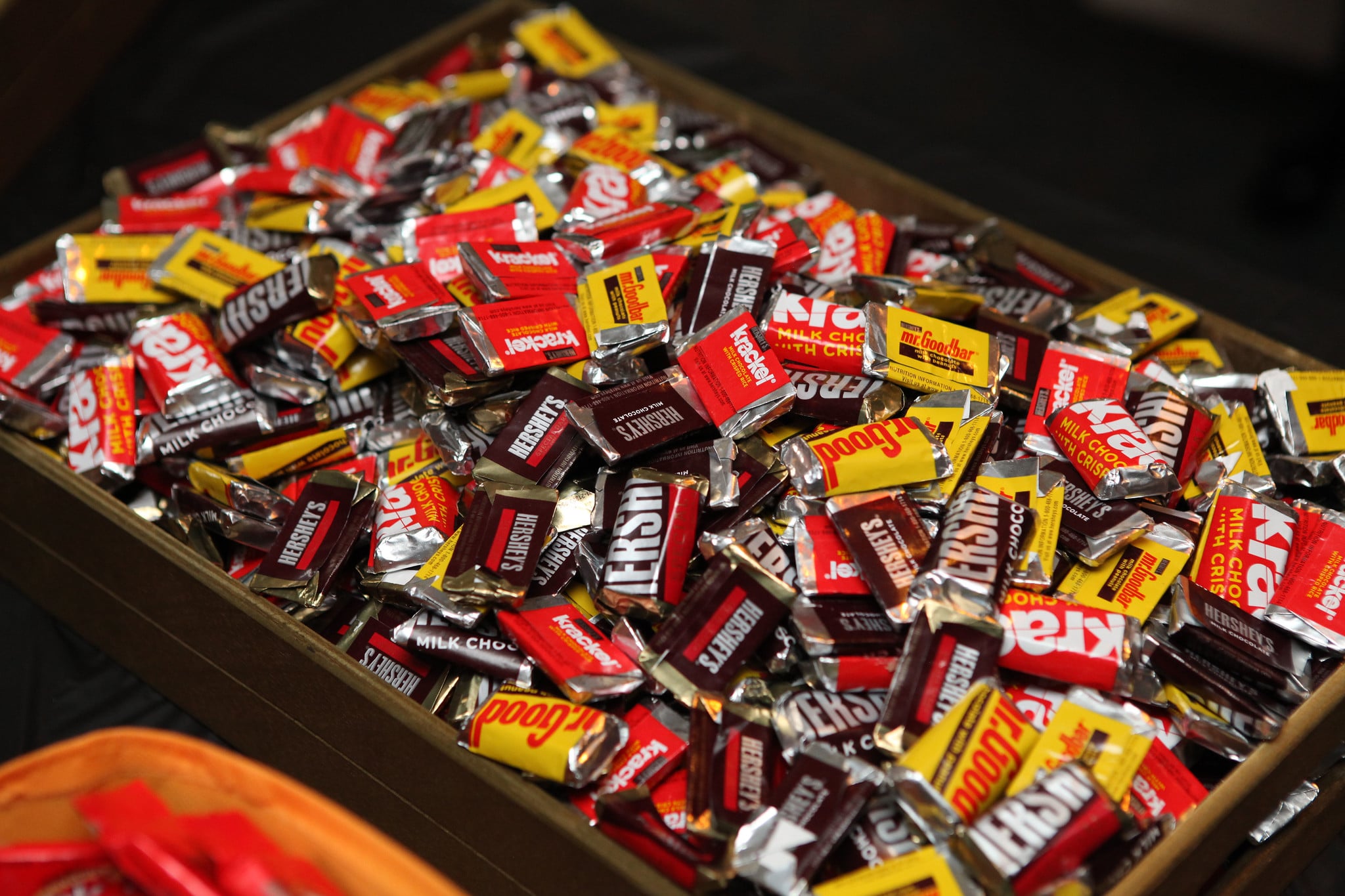
Krackel, a Hershey milk chocolate bar with crisped rice, was once sold as a full-size bar alongside the brand’s standard milk chocolate bar. The full-size version was discontinued in the 1990s, leaving Krackel available mainly in the bags of Hershey’s Miniatures.
Hershey briefly brought back full-size bars in 2014, to the delight of fans, before dropping them again. Krackel still exists, but most people now meet it only as a tiny square in a Halloween assortment.
For longtime fans, the bar never felt the same at miniature size.
Wonka Bar from the Candy Shelf
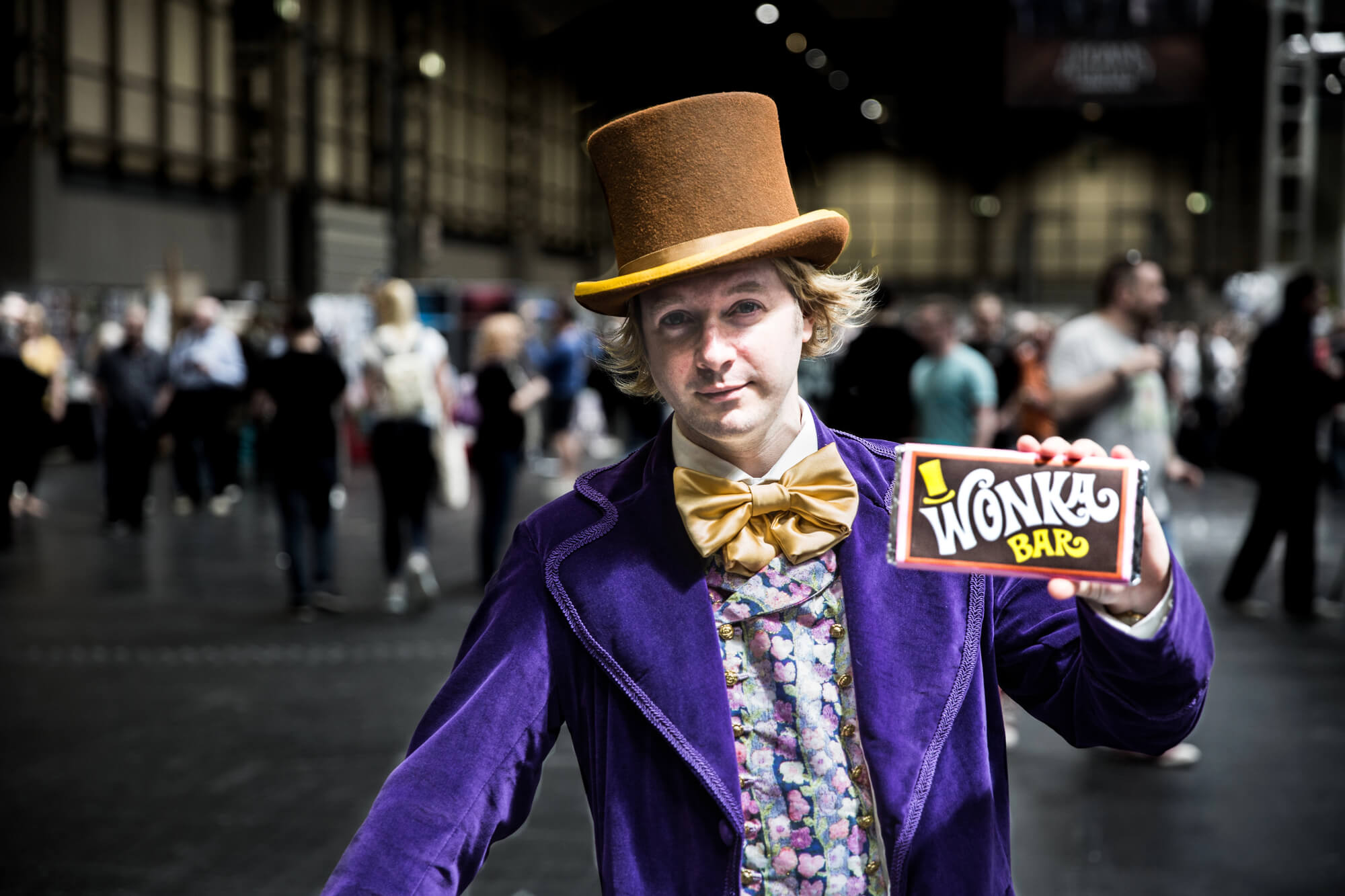
After the 1971 film Willy Wonka and the Chocolate Factory, real Wonka Bars appeared in stores, and the brand eventually landed with Nestle. Over the years the bars came in several varieties, including versions with graham cracker pieces and later premium flavored bars.
Nestle discontinued them in the United States around 2010 after weak sales. Other Wonka candies, such as Nerds and Everlasting Gobstoppers, kept going under new owners.
For fans of the film, an actual Wonka Bar in a gold-trimmed wrapper had a magic that no other candy could match.
Milky Way Simply Caramel
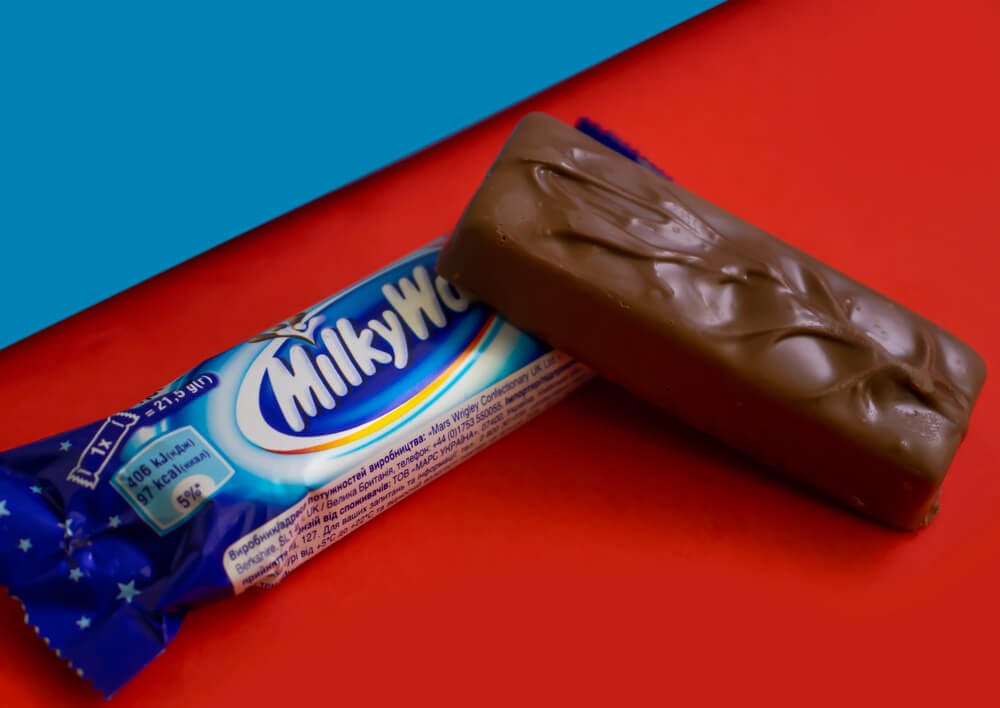
Introduced in 2010, Milky Way Simply Caramel removed the nougat and filled the bar entirely with caramel under milk chocolate. It quickly built a following among people who considered nougat the least interesting part of a candy bar.
A salted variation appeared later. Mars discontinued Simply Caramel in the summer of 2023, which surprised many fans who thought it was a permanent fixture.
Social media filled with complaints soon after. It is one of the most recent entries on this list, which proves that discontinued favorites are not only a thing of the past.
Kudos Granola Bars
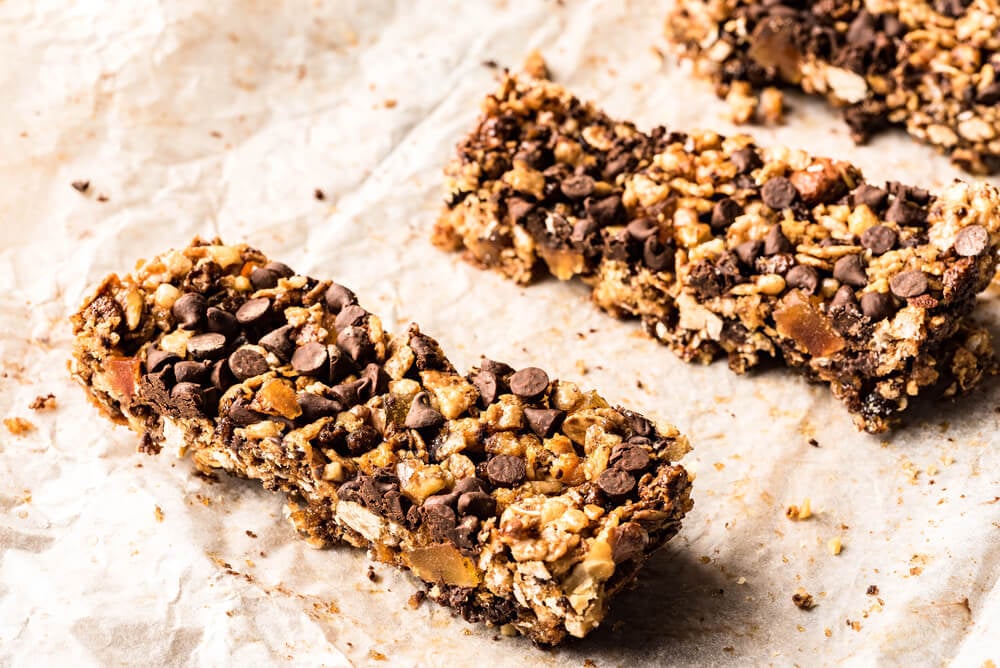
Mars launched Kudos in 1986 as a granola bar that tasted very much like candy. The original flavors were nutty fudge, chocolate chip and peanut butter, and later versions added pieces of M and M’s and Snickers.
Its jingle played on the name with a promise of devotion, and parents often bought it believing it was a healthy choice. The trade press of the era called it more candy than granola.
Mars confirmed in a 2017 social media post that Kudos had been discontinued. Fans still lament its loss, though few defend its nutritional reputation.
Three-Flavor 3 Musketeers Packs
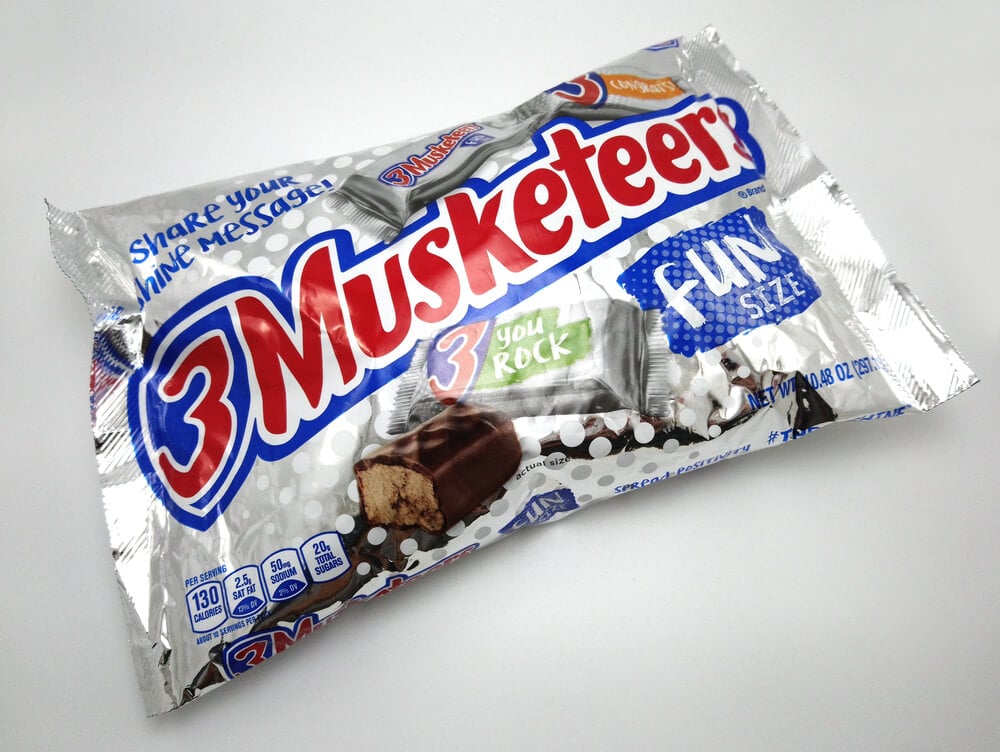
When Mars introduced 3 Musketeers in 1932, each package held three small bars in chocolate, vanilla and strawberry, which explains the name. The three pieces sold together for a nickel.
Rationing and ingredient shortages during World War II pushed Mars to simplify, and by around 1945 the bar was chocolate only. It has stayed that way ever since, apart from limited editions.
Few people alive remember the original trio, but the story still surprises anyone who wondered why a single chocolate bar was named after three swordsmen.
Hundred Thousand Dollar Bar
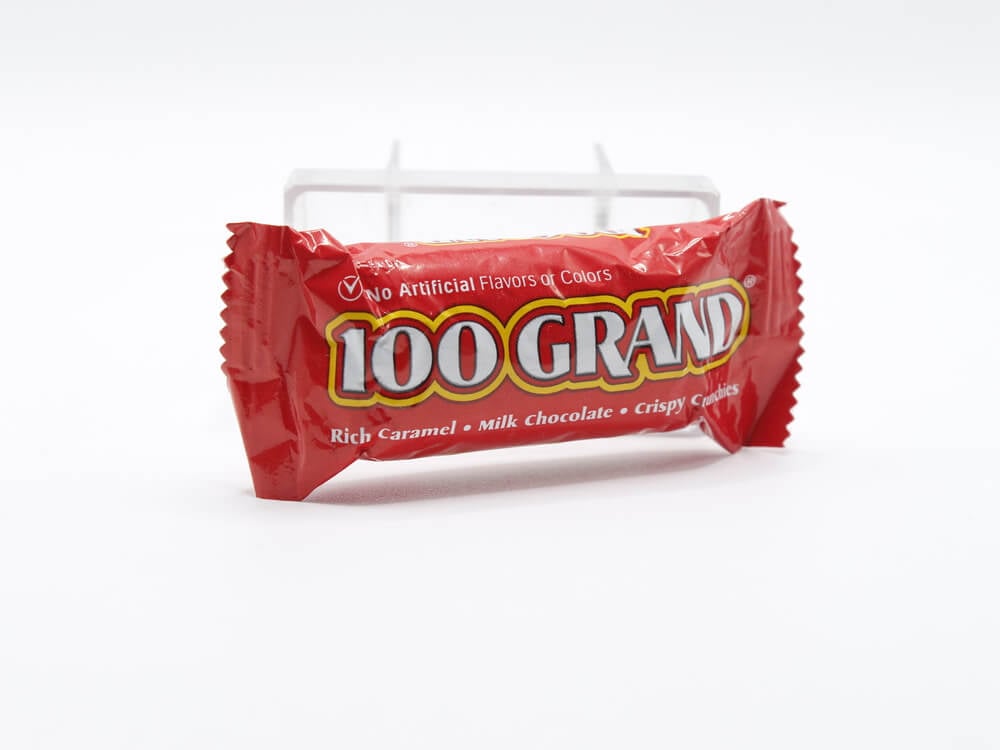
Nestle introduced a bar of caramel and crisped rice in milk chocolate in the mid-1960s and sold it for years under a name built around a large dollar figure. The original name referred to 100,000 dollars, which made for clever advertising and countless jokes.
In the mid-1980s it was renamed 100 Grand, and the bar continues under that name today. The rename counts as a loss for people who remember the old wrapper.
Comedians and radio hosts have long played on the name, offering prizes of 100 Grand that turned out to be candy.
Oh Henry in the United States
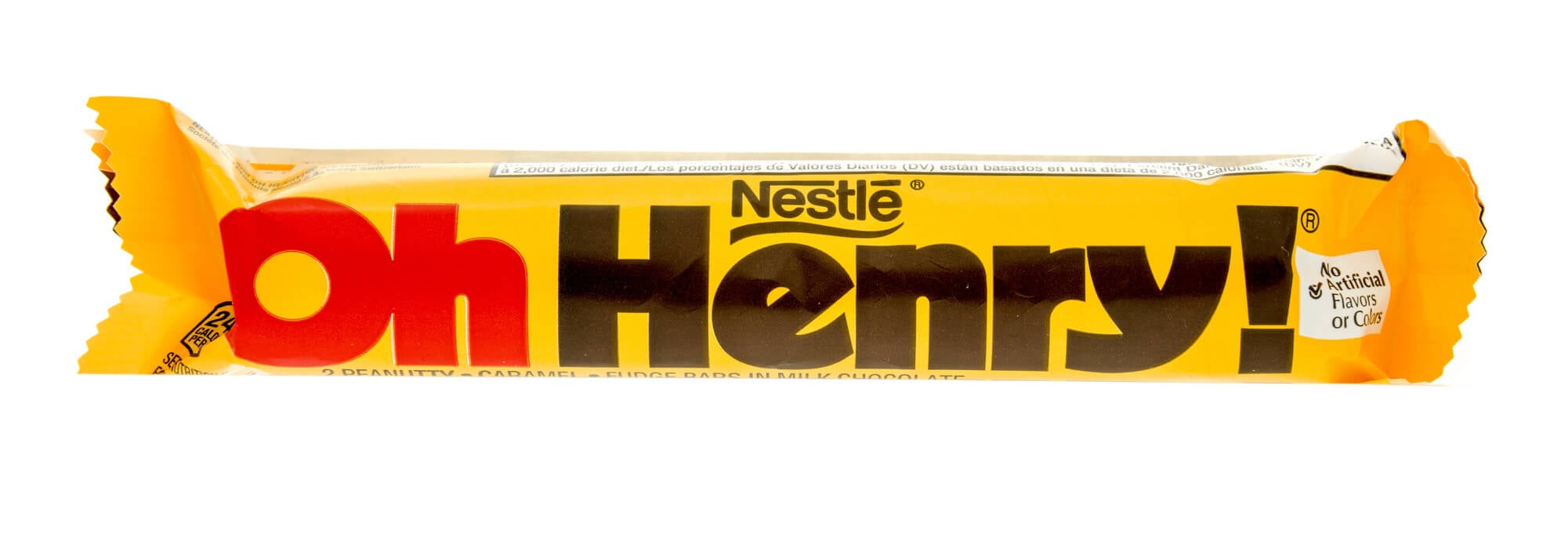
The Williamson Candy Company of Chicago introduced Oh Henry in 1920, and it combined peanuts, caramel and fudge under a chocolate coating. Legends about the name include a young man who flirted with the shop girls and a candy maker named Tom Henry.
Nestle held the American rights for decades before selling its American candy business to Ferrara in 2018. Ferrara quietly discontinued the American version in 2019, just shy of its 100th anniversary.
A Canadian version still exists, but fans say it tastes noticeably different.
Original Whatchamacallit Without Caramel
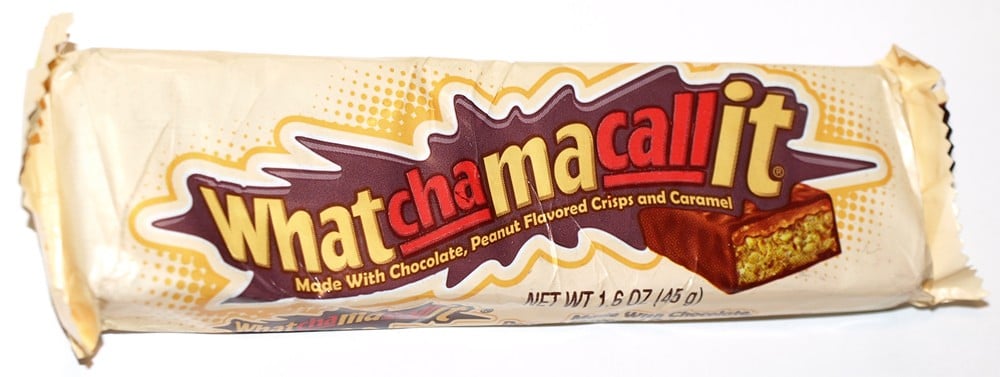
When Hershey introduced Whatchamacallit in 1978, it was a bar of peanut-flavored crisp covered in a thin layer of chocolate. There was no caramel at all.
In the late 1980s Hershey added a layer of caramel, and the original recipe disappeared. The bar itself survives, so many people do not realize there was ever a different version.
Those who remember the 1978 bar say it was lighter and crunchier. It is a small example of a broader trend in which recipes are changed rather than discontinued, quietly erasing a taste memory.
Hershey’s Tropical Bar for Soldiers
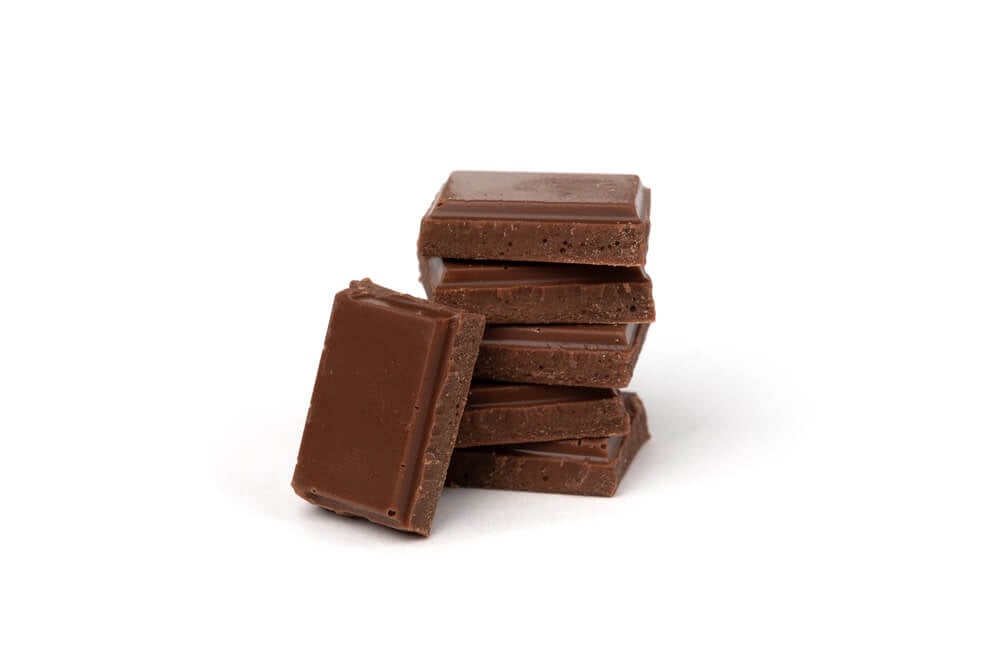
During World War II, Hershey developed a chocolate bar designed for soldiers serving in hot climates. The Tropical Bar was formulated to resist melting at temperatures up to about 120 degrees Fahrenheit, which made it dense and less sweet than a regular candy bar.
Millions were produced for the military, and the wrapper’s plain design reflects its practical purpose. Many veterans remembered it fondly, while others recalled it as a chore to chew.
It is gone now, but military history buffs still trade the wrappers.
Wrappers, Petitions and the Long Afterlife of Candy
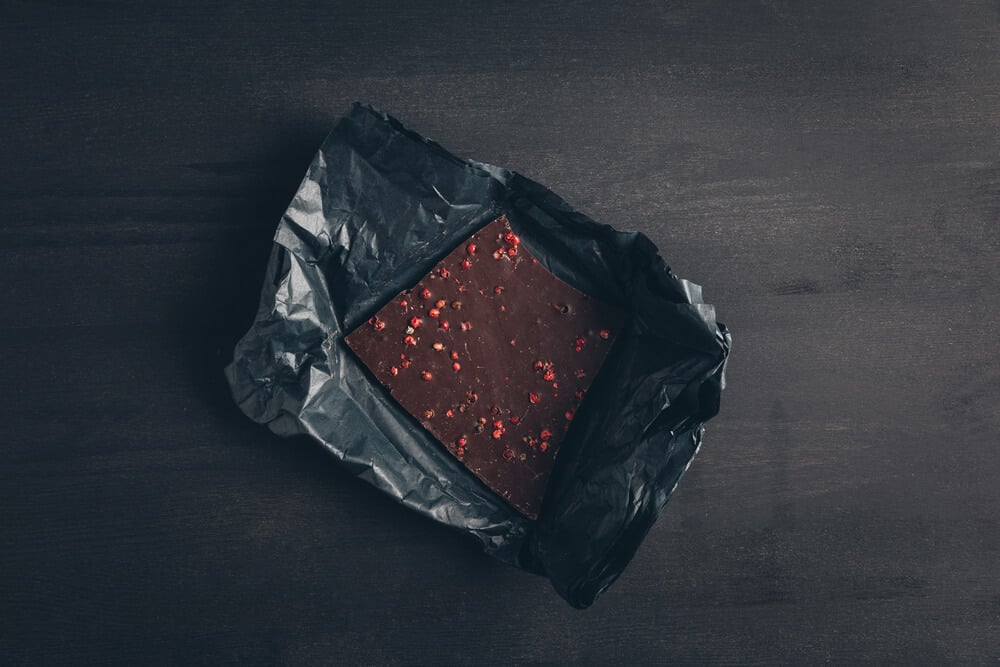
Candy bars disappear for practical reasons, including slow sales, rising costs, factory changes and corporate mergers. Yet the people who loved them rarely accept those explanations.
Online petitions, fan pages and wrapper collections keep these bars alive long after the last batch shipped. Some companies notice and bring back a version, though it rarely satisfies.
Memory has something to do with it. A candy bar is tied to a time and a place, such as a corner store, a stadium or a long bus ride.
Recreating the recipe is possible, but recreating the moment is not. That is why fans keep searching for their favorite, even when they know it is gone.
More from Go2Tutors!

- The Romanov Crown Jewels and Their Tragic Fate
- 13 Historical Mysteries That Science Still Can’t Solve
- Famous Hoaxes That Fooled the World for Years
- 15 Child Stars with Tragic Adult Lives
- 16 Famous Jewelry Pieces in History
Like Go2Tutors’s content? Follow us on MSN.