27 Childhood Activities That Seem Unthinkable Today
Ask anyone who grew up before the 1990s about a typical summer day, and the answers can sound like a list of future lawsuits. Kids roamed for hours, rode in places with no seats, and handled materials that now come with hazard labels.
Most of them turned out fine, which is exactly the point they like to make.
Some of these habits disappeared for good reasons, backed by injury data and new laws. Others faded mostly because parenting norms shifted, and telling the two apart is half the fun.
Riding in the Open Bed of a Pickup
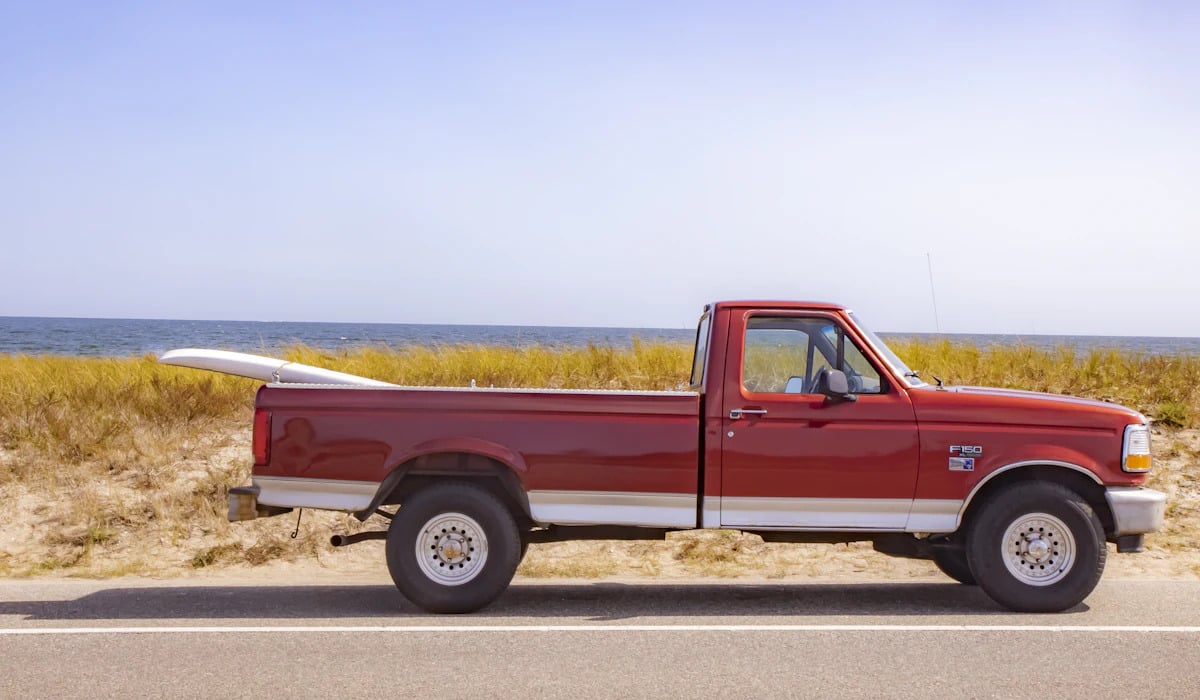
Kids once piled into the bed of a pickup truck for rides to the lake, the county fair, or the hardware store, sitting on the wheel wells with the wind in their faces. Nobody considered it reckless, and the bumpiest back roads were the most fun.
Today many states restrict or ban passengers in truck beds, especially children, and safety groups point out that riders have nothing to hold them in place during a crash or a sudden stop. The practice still turns up on rural roads and in parades, but parents who allow it now risk a ticket and a lecture.
For plenty of farm kids, that ride was the best part of the trip.
Standing Up on the Front Seat
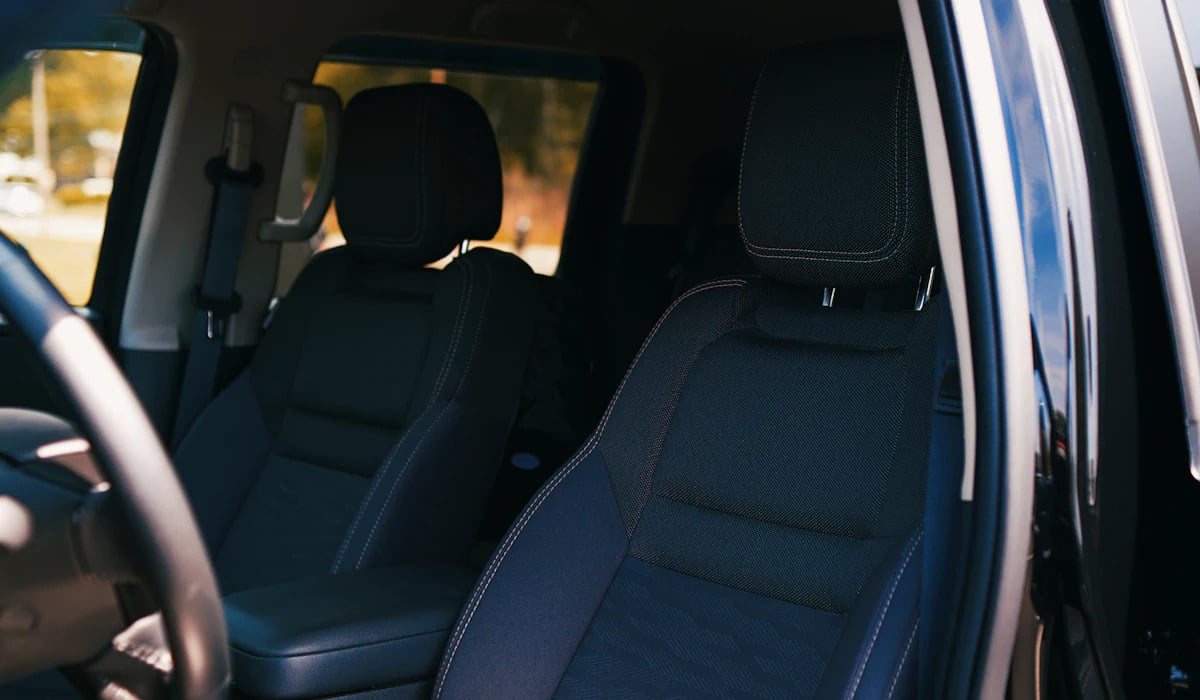
Before car seats were routine, toddlers stood on the front bench seat with a parent’s outstretched arm serving as the only restraint during a hard stop. Tennessee passed the first state law requiring child safety seats in 1978, and every state had one by the mid-1980s.
Adult seat belt laws followed, beginning with New York in 1984. Before that, belts often stayed tucked between the cushions, unused for years.
Rear-facing infant seats, booster seats, and age and height rules now govern every trip, and a child bouncing on the front seat of a moving car would alarm almost anyone who saw it.
Sprawling in the Station Wagon Way-Back
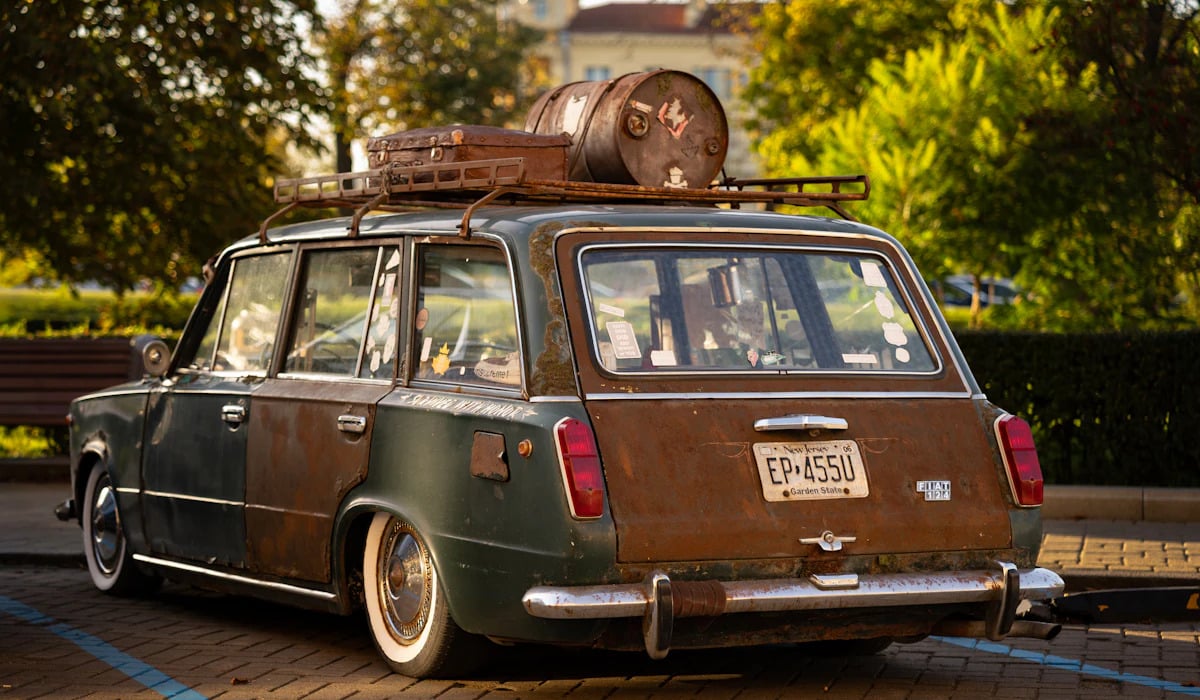
The cargo area of a station wagon, known in many families as the way-back, served as a rolling playroom on long trips. Kids lay on sleeping bags, played cards, napped, and made faces at drivers behind them, with no seat or belt in sight.
Some wagons even offered a rear-facing third row that put children just above the rear bumper. Minivans and SUVs took over family duty in the 1980s and 1990s, and modern rules expect every passenger to be buckled into a proper seat.
The way-back survives mainly in memory, in old vacation photos, and in the occasional restored wagon at a car show.
Biking Without a Helmet
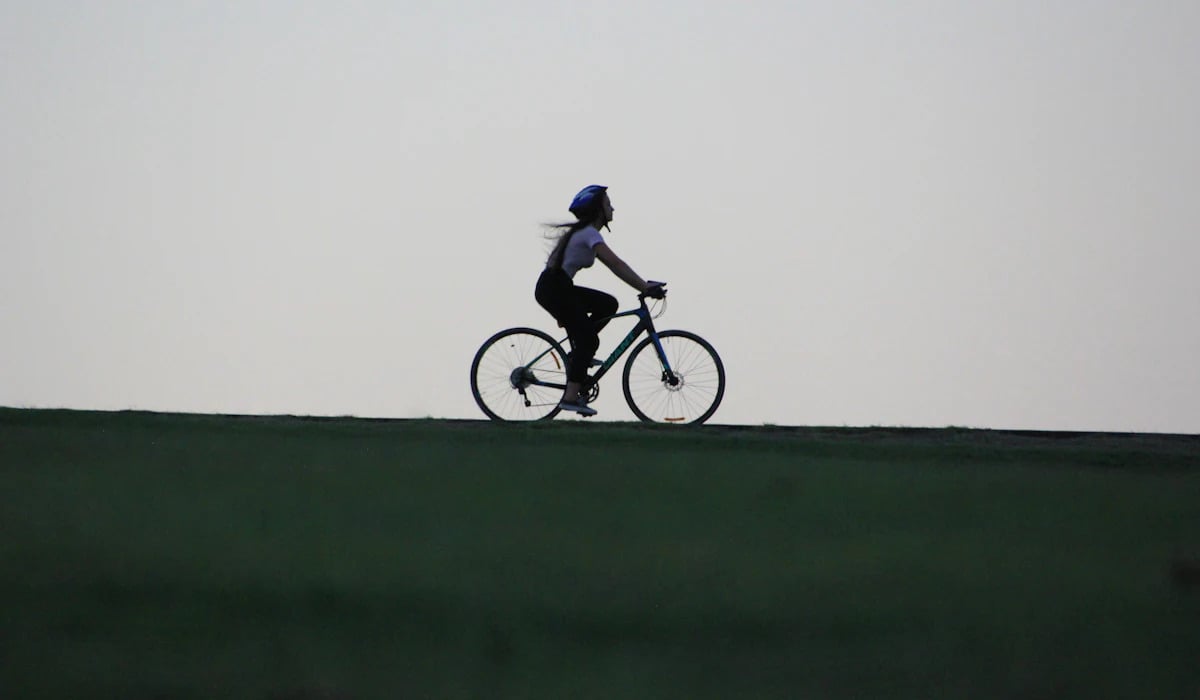
For most of the twentieth century, a bike helmet on a child would have drawn stares. Kids rode to the pool, the creek, and each other’s houses bareheaded, often two to a bike with one perched on the handlebars.
Statewide helmet laws for young riders began appearing in the late 1980s, and about 20 states now require helmets for children, along with many local ordinances. Pediatric groups credit helmets with sharply reducing serious head injuries among young cyclists.
The bareheaded summer ride with a friend balanced on the handlebars now looks like a dare rather than an ordinary afternoon.
Throwing Lawn Darts

Lawn darts, sold under names like Jarts, were weighted metal-tipped spikes about a foot long that players tossed underhand at plastic rings on the grass. They were marketed as a family game for backyard cookouts and summer parties.
After years of injury reports, including deaths involving children, the Consumer Product Safety Commission banned their sale in the United States in December 1988. Canada followed with its own ban soon after.
Today, the only versions sold have blunt, soft tips, and the originals sit in garages as reminders of how casually families once handled sharp, heavy objects around small kids.
Staying Out Until the Streetlights Came On
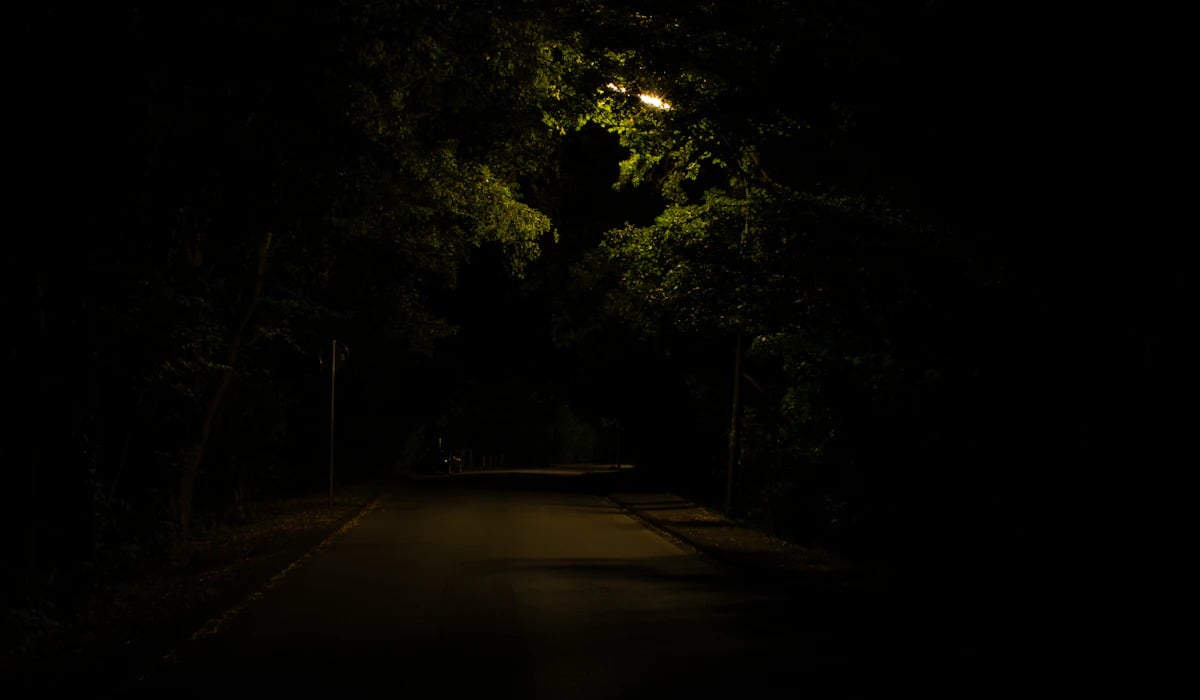
In countless neighborhoods, the only household rule for summer was simple: be home when the streetlights come on. Kids left after breakfast, drifted between friends’ yards, woods, and vacant lots, and checked in only when hungry.
Parents rarely knew exactly where their children were and did not expect to. Phone tracking apps, scheduled activities, and worries about strangers and traffic have since shrunk that roaming radius dramatically.
Surveys of parents have found that many allow far less independent roaming than they enjoyed themselves. The streetlight rule now sounds like something from another century, which, strictly speaking, it is.
Walking to School Alone
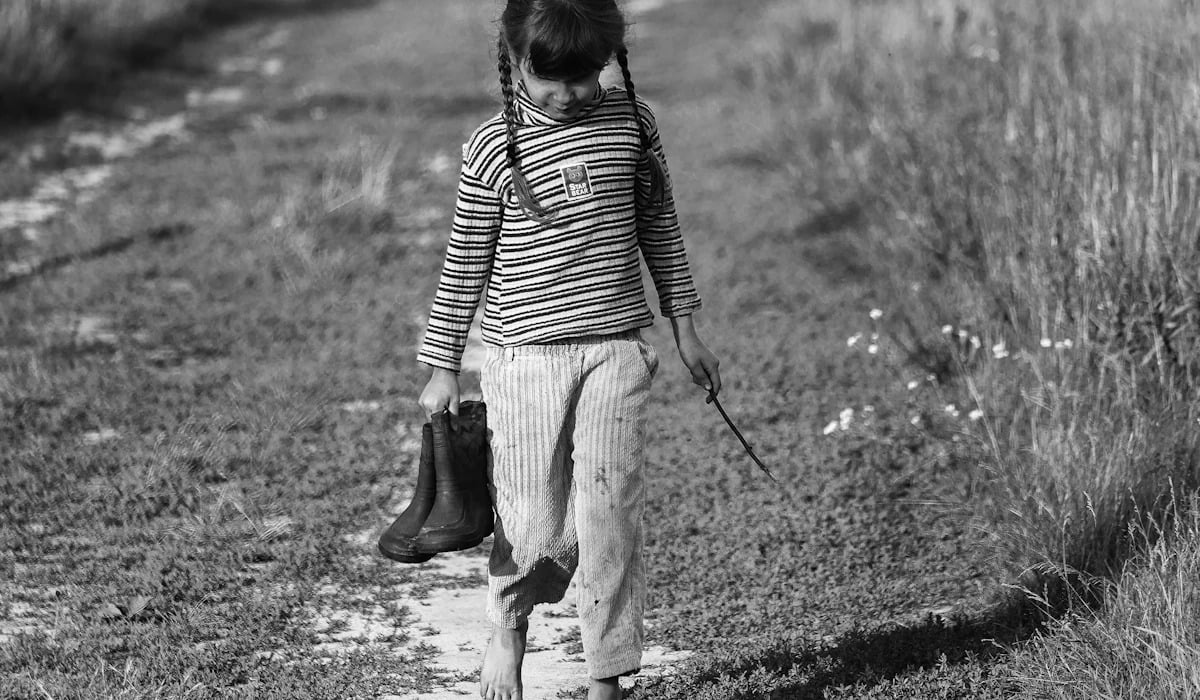
In 1969, about 48 percent of American students walked or biked to school, according to federal travel surveys. By 2009, that figure had fallen to roughly 13 percent.
Distance explains some of the drop as districts consolidated schools, but fear explains much of the rest. In 2008, New York writer Lenore Skenazy let her nine-year-old son ride the subway home alone and was labeled America’s worst mom in the press.
Utah later passed the first free-range parenting law in 2018, protecting parents who let children walk, play, or wait alone when they are mature enough to handle it.
Hitchhiking to the Beach
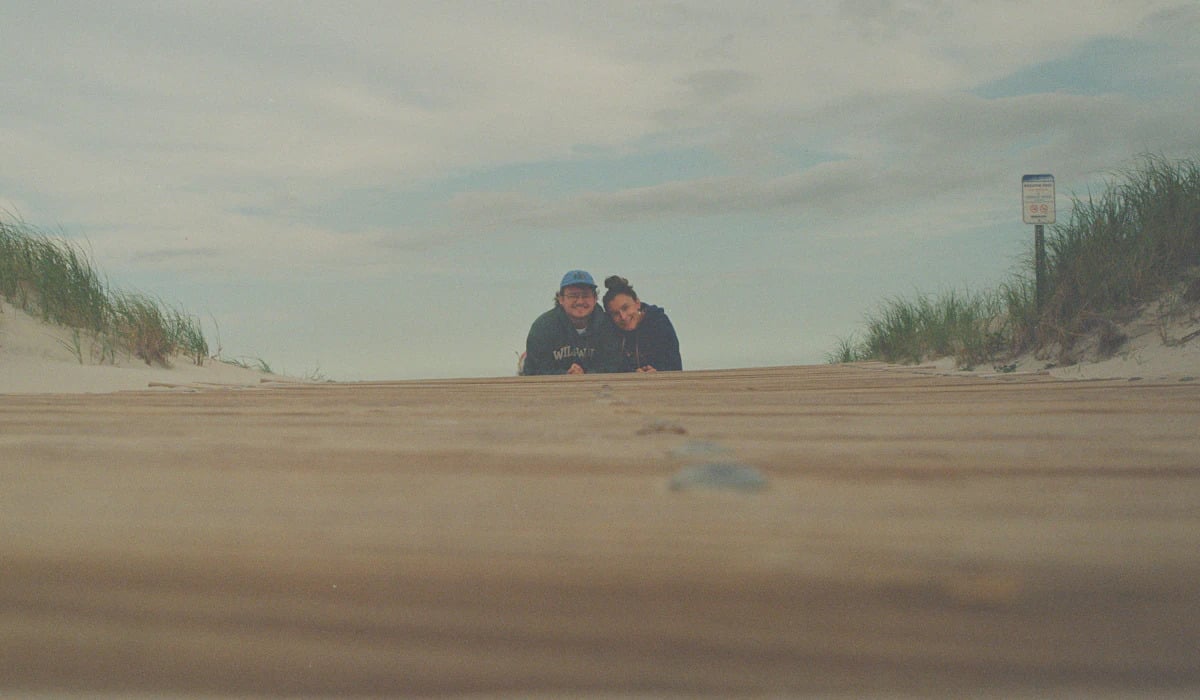
Teenagers once stuck out a thumb on the side of the road to get to the beach, a concert, or the next town, and plenty of drivers stopped for them. In the 1960s and early 1970s, hitchhiking was a common way for young people without cars to get around, and few parents thought twice about it.
A run of widely reported crimes involving hitchhikers in the 1970s, along with public safety campaigns, changed attitudes quickly. Many states now restrict standing in the roadway to solicit rides.
A teenager doing it today would likely prompt a call to the police rather than an offer of a lift.
Hot Metal Slides Over Asphalt
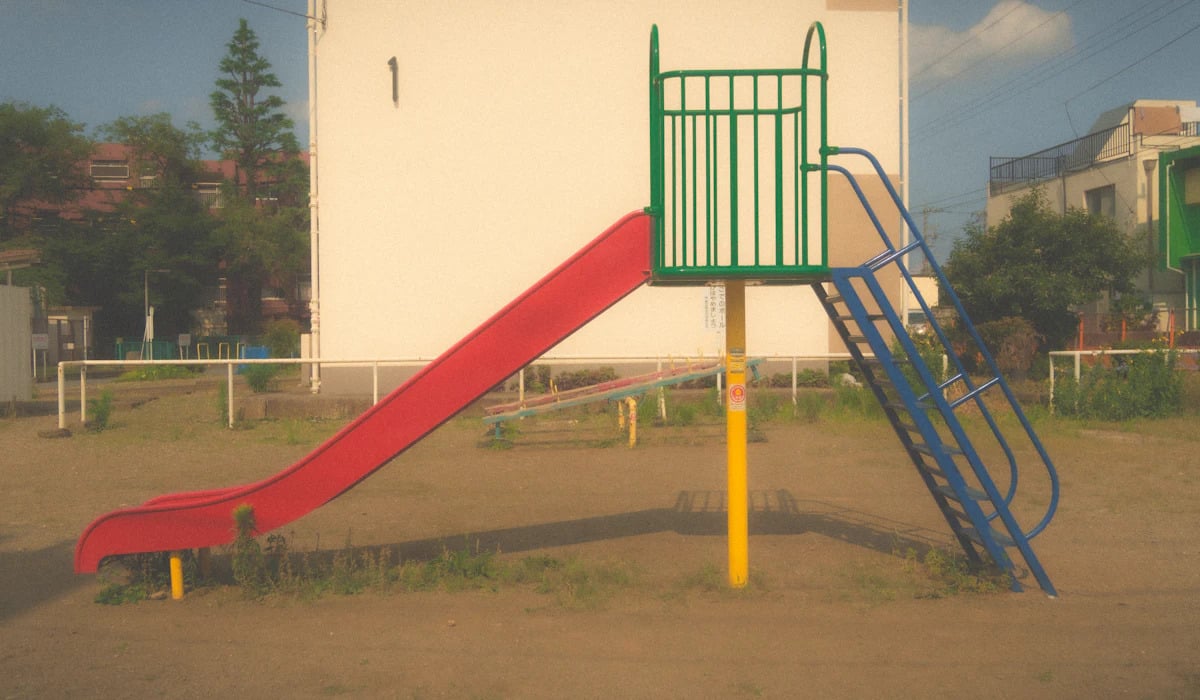
Playgrounds of the 1960s and 1970s featured tall steel slides, metal monkey bars, merry-go-rounds that spun at alarming speeds, and seesaws, often set directly over concrete or asphalt. On summer afternoons, a metal slide could get hot enough to burn bare legs.
The Consumer Product Safety Commission published its first Handbook for Public Playground Safety in 1981, and later guidelines pushed for impact-absorbing surfaces like wood chips and rubber. Many cities eventually replaced the old equipment entirely.
Scraped knees and slide burns were once weekly events, and the bandage box stayed within easy reach of every back door.
Chemistry Sets With Real Chemicals

Mid-century chemistry sets came stocked with substances that would alarm a modern safety inspector, and some kits included alcohol burners and glass tubing for good measure. The most notorious was the Gilbert U-238 Atomic Energy Lab, sold around 1950 and 1951, which came with samples of uranium ore and a working Geiger counter.
It cost about 50 dollars, a steep price at the time, and sold poorly. Later regulations and liability concerns stripped most kits down to safe, mild reagents.
Today’s science kits focus on crystals, slime, and volcanoes made from baking soda, a long way from radioactive rocks.
Playing With Mercury
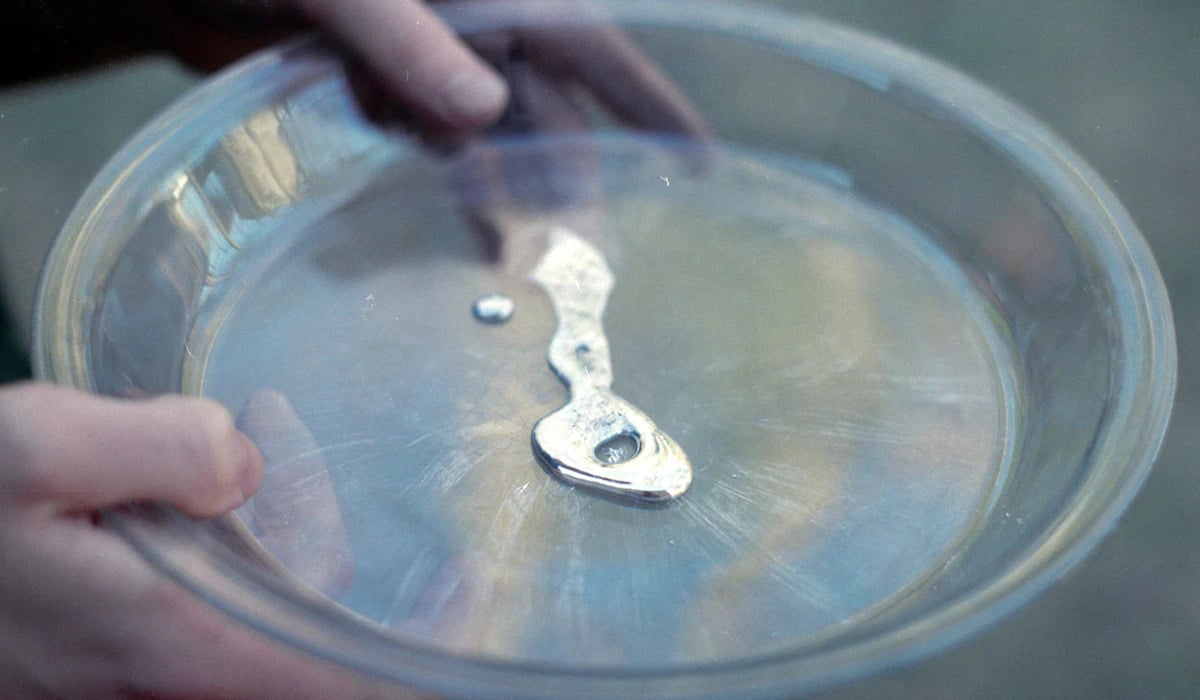
Broken thermometers once gave kids a toy they found irresistible: beads of liquid mercury that rolled across a table and split into tiny droplets. Some children pushed the silver blobs around with their fingers or rubbed them on pennies until the coins turned shiny.
Nobody worried much about the vapor. Health agencies now treat mercury spills as hazardous, with specific cleanup instructions, and many states have banned the sale of mercury fever thermometers altogether.
A child handling liquid mercury today would set off an emergency response, and the old kitchen table experiment is now a cautionary tale.
Trick-or-Treating Without an Adult

Halloween once meant groups of kids roaming the neighborhood on their own after dark, collecting homemade fudge, caramel apples, and cookies from neighbors. Fears about tampered candy grew in the 1970s and 1980s, and some hospitals even offered to X-ray children’s candy hauls.
Homemade treats largely disappeared from the routine, replaced by sealed commercial candy. Many families now trick-or-treat with an adult in tow or attend organized events in parking lots and church halls.
The unsupervised pillowcase run across several neighborhoods, lasting until the porch lights went dark, has mostly faded into memory.
Drinking From the Garden Hose
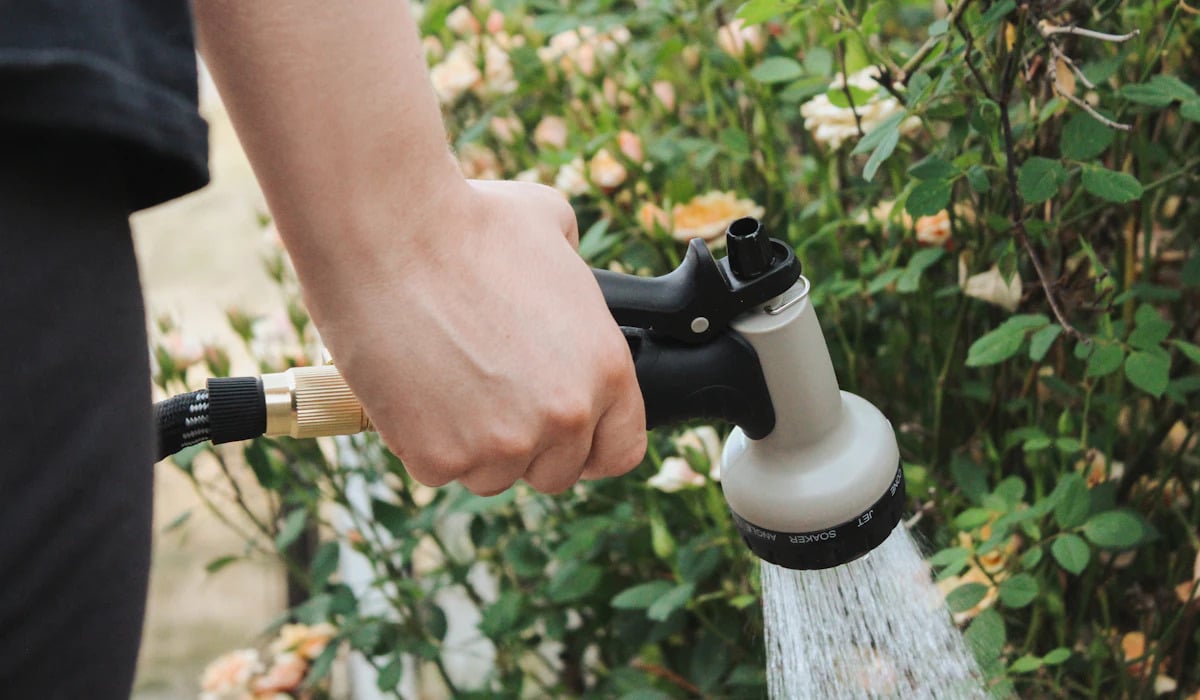
On a hot day, kids did not go inside for a glass of water. They grabbed the garden hose, let the first warm blast run out, and drank straight from the nozzle without a second thought.
It was a ritual of summer in every suburb. Testing later found that many standard garden hoses could leach lead and other chemicals, especially after sitting in the sun, and some manufacturers now sell drinking-water-safe hoses as a separate product.
Health agencies advise against drinking from ordinary hoses. The taste of rubber and warm water was once simply part of growing up.
Coming Home to an Empty House
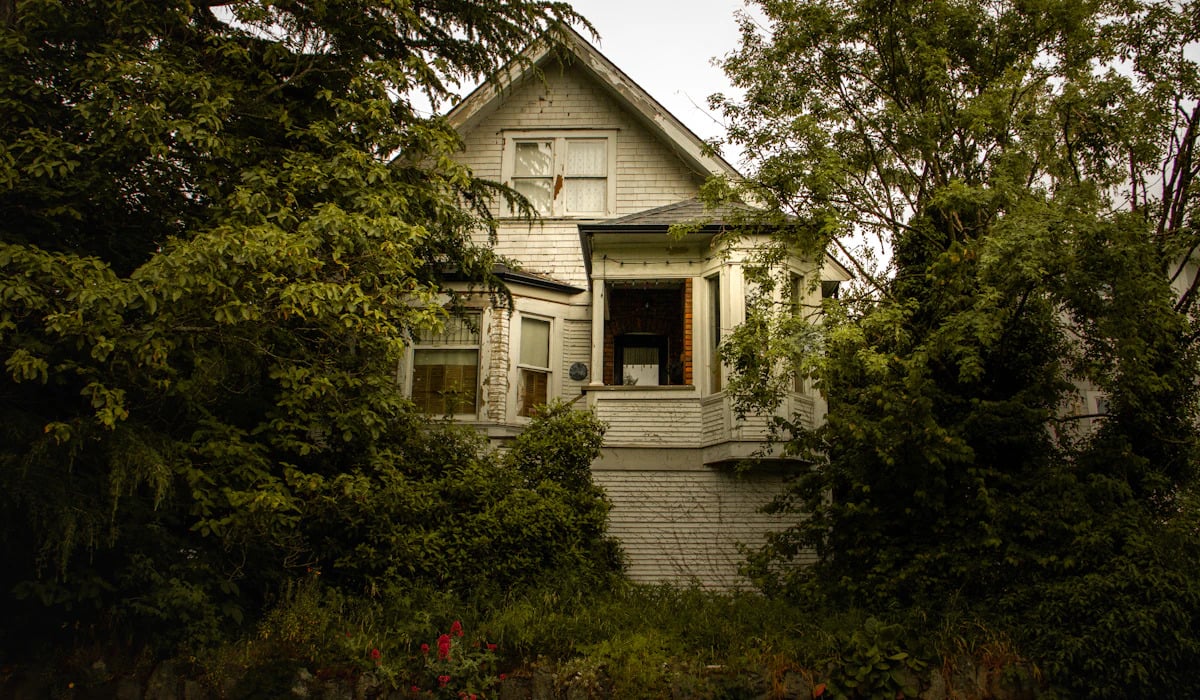
Latchkey kids, named for the house key many wore on a string around their necks, let themselves in after school and stayed alone until a parent got home from work. The arrangement became common in the 1970s and 1980s as more mothers joined the workforce.
Children as young as seven or eight made their own snacks, watched cartoons, and handled homework unsupervised for hours. Some states now have guidelines or laws on the minimum age for staying home alone, and after-school programs have expanded widely.
The house key on a shoelace has mostly given way to a phone check-in.
Three-Wheeler ATVs
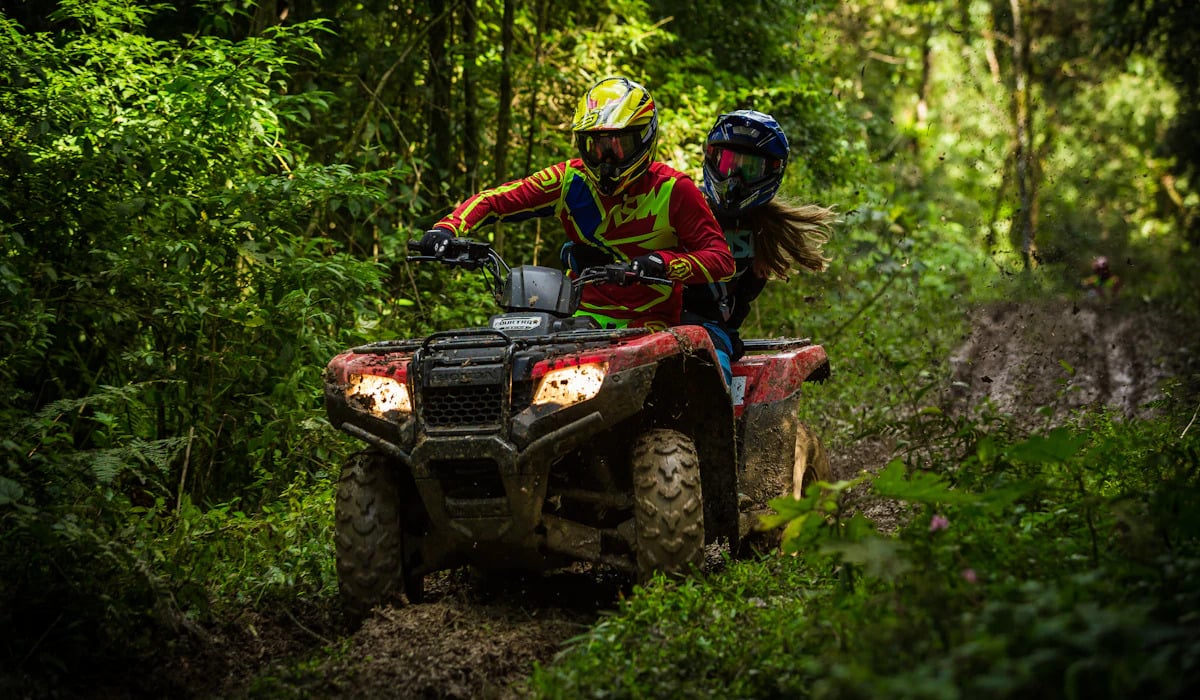
In the early 1980s, three-wheeled all-terrain vehicles were a hit with families in rural and suburban areas, and children often drove them with little instruction. The design proved unstable, especially on turns and hills, and injury and death totals climbed through the decade.
In 1988, manufacturers agreed in a consent decree with the federal government to stop selling new three-wheelers in the United States. Four-wheel models replaced them, along with age recommendations tied to engine size.
Used three-wheelers still exist, but buying a new one for a child has been off the table for decades.
Bouncing Off the High Dive
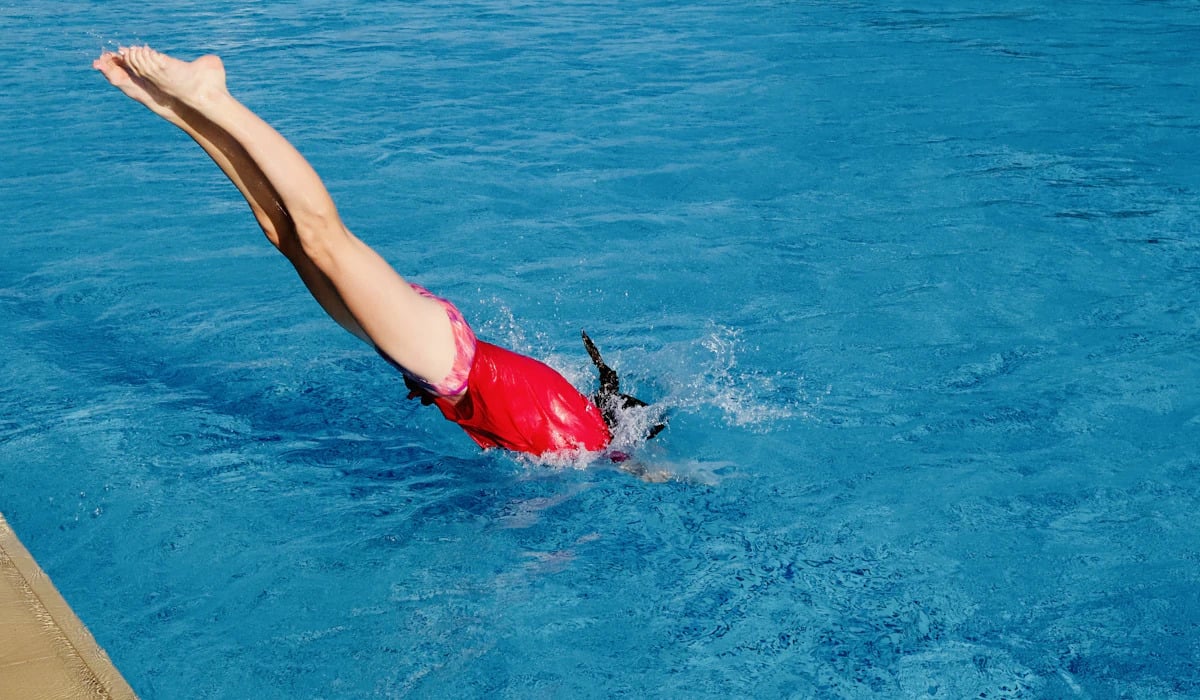
Public pools once came with high diving boards, sometimes ten feet or more above the water, and climbing the ladder was a rite of passage. Insurance costs and injury concerns led many municipal pools and hotels to remove their boards, especially the tallest ones, beginning in the 1980s.
Many newer pools are built too shallow for diving at all. Kids now get waterslides, splash pads, and lazy rivers instead.
Standing at the end of the high board with a line of impatient kids waiting below was a lesson in nerve that few modern pools still offer.
Eating Raw Cookie Dough

Licking the beaters or sneaking spoonfuls of raw cookie dough was a standard perk of baking day. Concern centered first on raw eggs and salmonella, but in 2016 an outbreak of E. coli linked to raw flour prompted a major recall and new warnings from the Food and Drug Administration.
Health agencies now advise against eating any raw dough or batter, no matter how tempting. Grocery stores sell edible cookie dough made with heat-treated flour and no eggs as a separate product.
The bowl-licking privilege that once rewarded every young helper now comes with a footnote.
Delivering the Morning Paper

Paper routes once gave kids as young as eleven or twelve their first job, along with a bike, a canvas bag, and a predawn alarm. Carriers folded papers, tossed them onto porches, and went door to door each month to collect payment, which taught bookkeeping and nerve in equal measure.
As newspapers shifted delivery to adult contractors driving cars, and as print circulation fell, the youth paper route nearly vanished. Few parents today would send a child out alone at five in the morning to knock on strangers’ doors asking for money.
Shooting BB Guns in the Backyard
BB guns like the Daisy Red Ryder, introduced in 1940, were a common birthday or holiday gift, and kids shot cans and paper targets with little supervision. The 1983 film A Christmas Story built its entire plot around one boy’s campaign for that exact model.
Many cities now regulate where air guns can be fired, and some states set minimum ages for buying or possessing them. A federal rule requires bright orange markings on toy guns, though real air guns are exempt.
A kid wandering the neighborhood with a BB gun today would alarm most of the neighbors.
Lighting Firecrackers Unsupervised

Kids once bought firecrackers by the brick at roadside stands and lit them with punks, sometimes holding them until the last second for bragging rights. Federal rules tightened over the decades, limiting the explosive content of consumer fireworks, and powerful devices like the M-80 were banned from consumer sale in 1966.
Some states still prohibit most consumer fireworks entirely. Many towns now host public displays as the main way families celebrate.
Emergency rooms still see a surge in fireworks injuries every July, which is why the unsupervised firecracker afternoon now looks so reckless.
Trampolines With No Nets
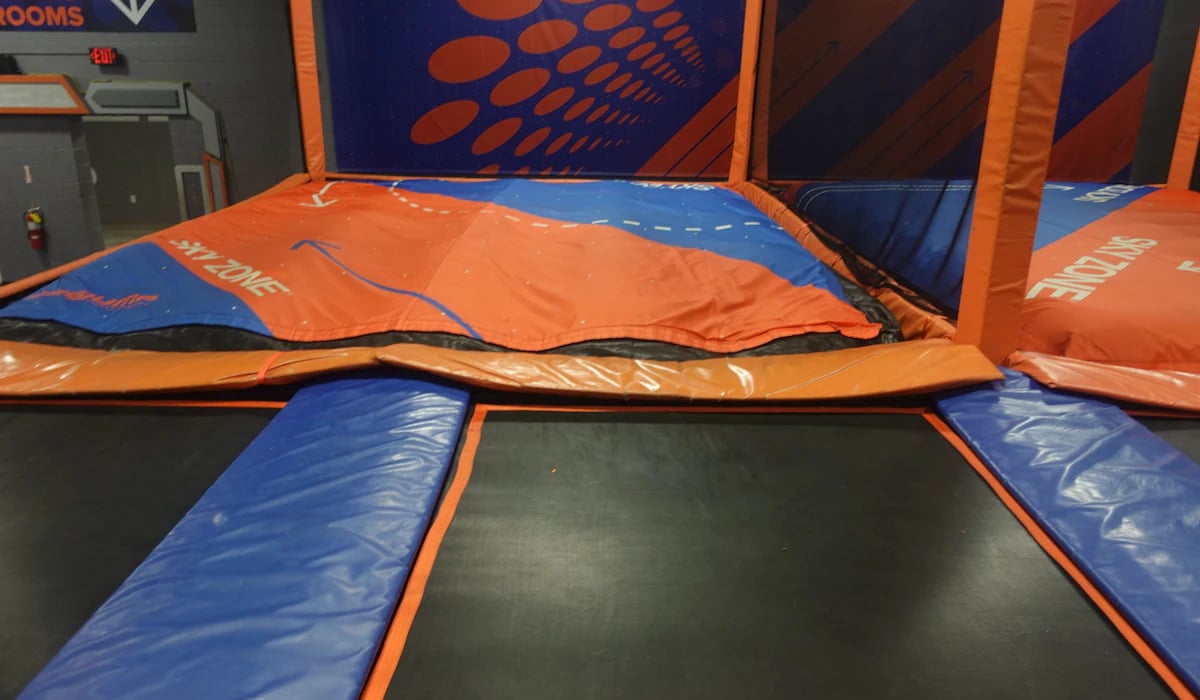
Backyard trampolines of the 1970s and 1980s were bare frames and exposed springs with no padding and no safety enclosure. Kids attempted flips and double bounces, and several often jumped at once.
The American Academy of Pediatrics has long discouraged recreational trampoline use at home, and modern models nearly always include padded springs and tall mesh enclosures. Many homeowners’ insurance policies charge more for them or exclude them entirely.
A bare trampoline with exposed springs would struggle to find a buyer today, and the stories of what happened on the old ones are told with a wince.
Baking in Baby Oil

Teenagers once spent summer afternoons slathered in baby oil, sometimes lying on foil-covered reflectors to intensify the sun, chasing the darkest tan possible. Sunscreen was optional, and standardized sun protection ratings did not become common on American labels until the late 1970s.
Dermatologists now link childhood sunburns to higher skin cancer risk, and pediatricians urge broad-spectrum sunscreen, hats, and shade. Many states also restrict tanning bed use by minors.
The baby oil tan has become a cautionary tale, told mostly by people who now visit a dermatologist every year.
Swimming in Quarries and Creeks
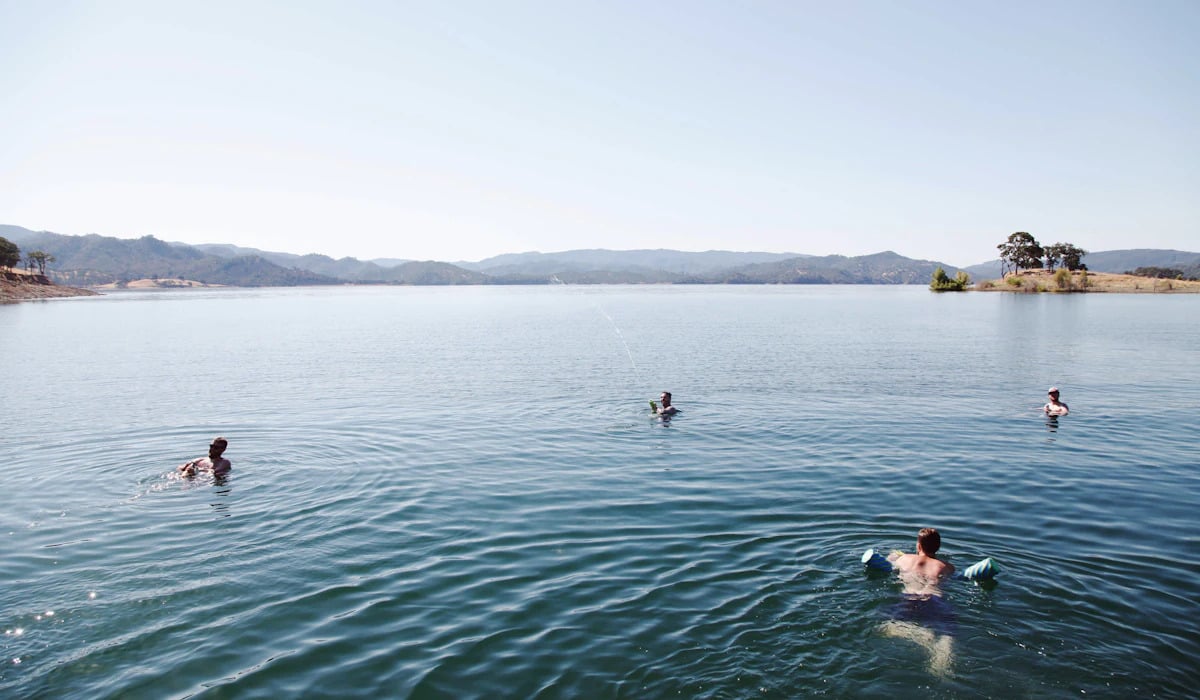
Summer swimming once meant the local creek, pond, or abandoned quarry, often reached by bike with no adult anywhere nearby. Kids swung out on rope swings and jumped from rock ledges into water of unknown depth.
Many former quarries are now posted with no-trespassing signs because of cold water, hidden debris, and drowning risks, and some have been fenced off or filled in. Organized swim lessons at public pools have replaced much of the wild swimming.
The old rope swing over the creek remains a powerful memory for anyone who grew up near one.
Roaming the Mall Without a Parent
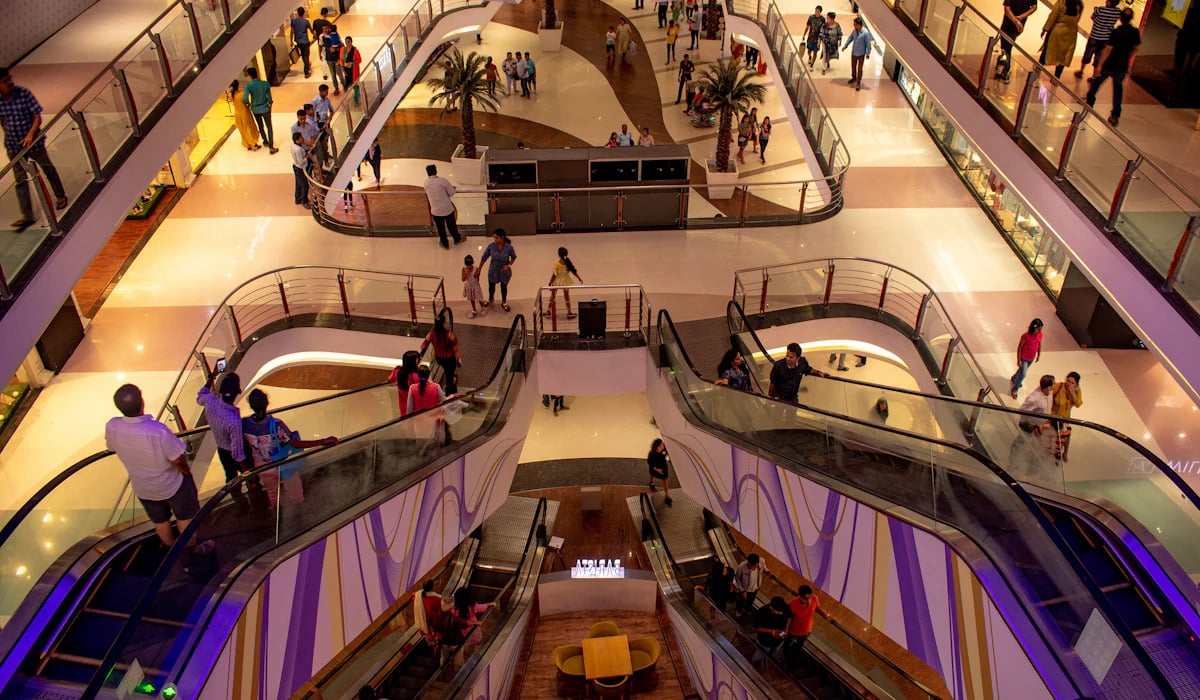
For teenagers of the 1980s, the shopping mall was a social hub, and groups spent entire weekends there with no adults in sight. Arcades, food courts, and record stores made it a destination of its own.
In 1996, the Mall of America in Minnesota adopted a parental escort policy requiring visitors under 16 to be accompanied by an adult on Friday and Saturday evenings, and other malls followed with similar rules. Combined with online shopping and the decline of malls themselves, the unsupervised Saturday mall crawl has largely disappeared from teenage life.
Babysitting at Eleven

Plenty of eleven- and twelve-year-olds once took full charge of younger children, sometimes infants, for an evening while parents went out to dinner. Families paid a dollar or two an hour and thought nothing of it.
The American Red Cross now offers babysitting courses aimed at ages eleven to fifteen, with lessons in first aid and safety, and many parents prefer sitters who are older or certified. Child sitters still exist, but the casual arrangement of handing a newborn to a sixth grader with a phone number on the fridge now gives most parents pause.
Waiting Alone in the Parked Car
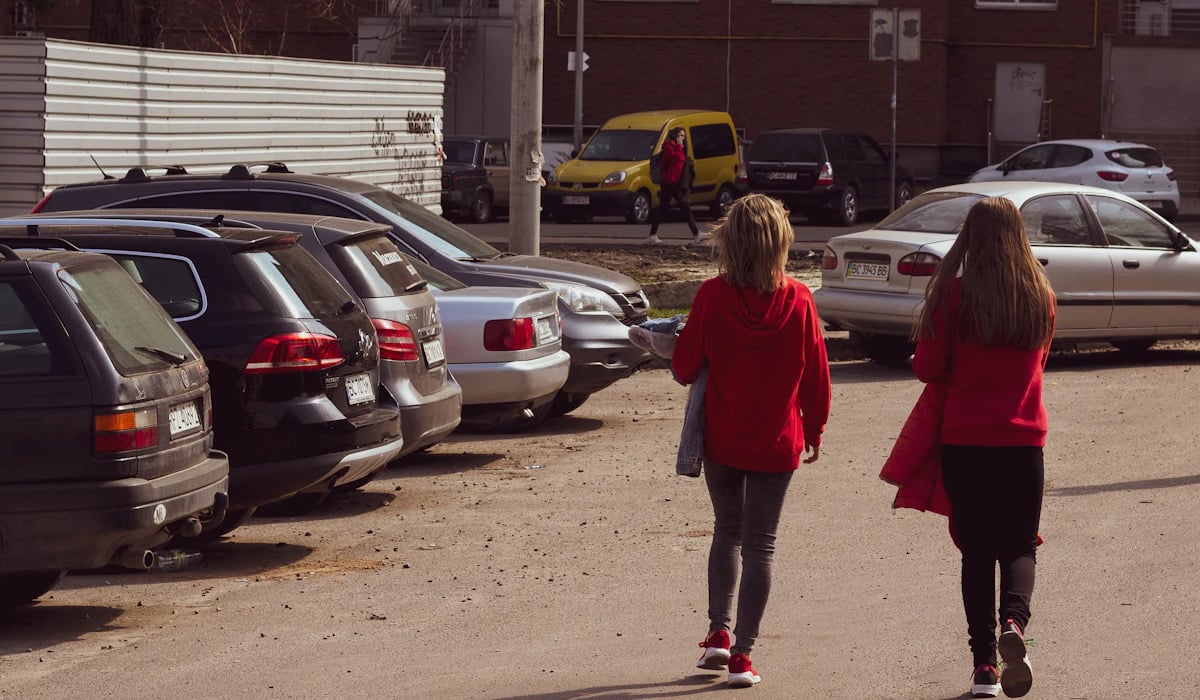
Parents once left kids in the car while they ran into the grocery store or the bank, sometimes for half an hour, with the windows cracked and the radio on. Children read comics, fought with siblings, and played with the window cranks until someone came back.
Many states now have laws addressing children left unattended in vehicles, driven in large part by heatstroke deaths in hot cars. Bystanders are quick to call police when they spot a child alone in a parked car.
The quick errand with kids waiting outside has become a genuine legal risk.
Sledding Down the Steepest Hill
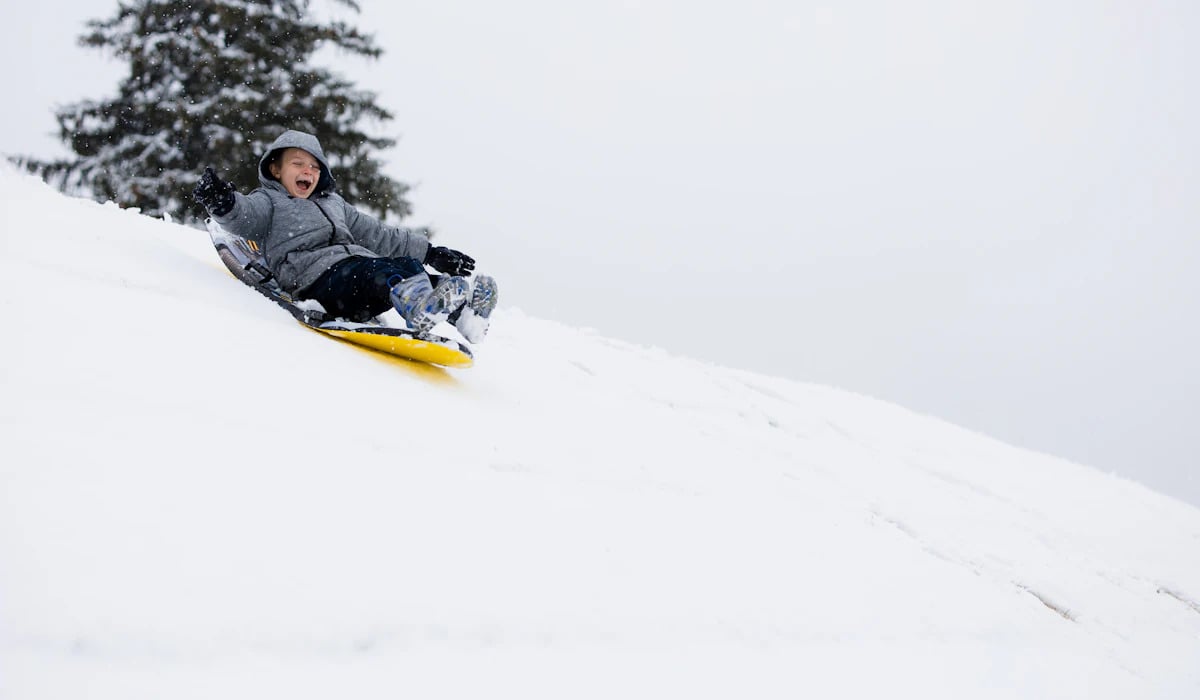
Snow days once sent kids to the steepest hill in town on wooden runner sleds and metal saucers, often with trees and fences waiting at the bottom. Nobody wore helmets, and nobody asked permission.
Liability concerns have since led some cities to restrict sledding on public hills, and Dubuque, Iowa, drew national attention in 2015 when it limited sledding to a small number of parks. Pediatric groups now recommend helmets for sledding as well.
The wild run down the biggest hill in town is getting harder to find, at least legally.
Freedom Measured in Scraped Knees
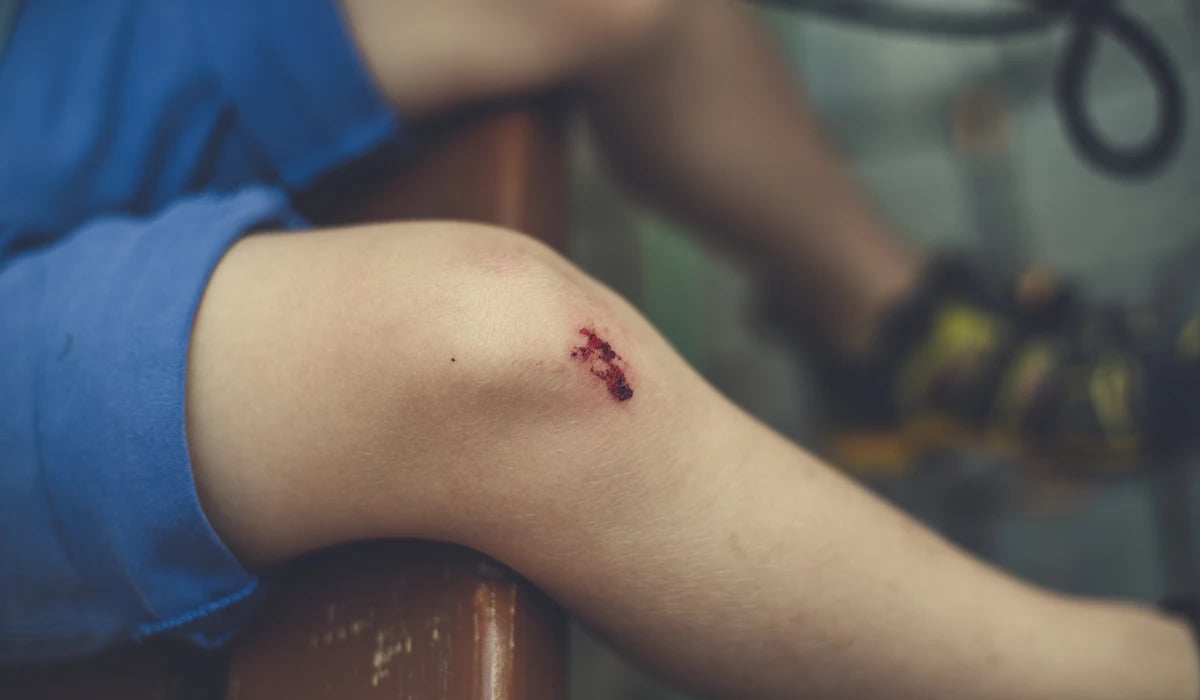
Some of these changes saved lives, plain and simple. Car seats, bike helmets, and the end of three-wheelers show up clearly in injury statistics, and nobody seriously argues for bringing back lawn darts.
Those lessons were learned the hard way.
Others reflect something harder to measure, a steady shrinking of the space children are allowed to explore on their own. Kids who once ranged across entire towns now move between scheduled activities.
The challenge for modern families is keeping the safety without losing the independence. That balance was never easy, and it is not getting easier.
More from Go2Tutors!

- The Romanov Crown Jewels and Their Tragic Fate
- 13 Historical Mysteries That Science Still Can’t Solve
- Famous Hoaxes That Fooled the World for Years
- 15 Child Stars with Tragic Adult Lives
- 16 Famous Jewelry Pieces in History
Like Go2Tutors’s content?Follow us on MSN.