28 Common Items Invented by Accident
A surprising share of the modern kitchen, medicine cabinet and toy box exists because someone made a mistake and paid attention. A melted candy bar, a spilled flask and a stick left out overnight all turned into products sold by the billions.
Luck alone never did the job, though. In almost every case, the person nearby understood enough to see what had just happened, and stubborn enough to turn an odd result into something people would actually buy.
Penicillin From a Moldy Petri Dish
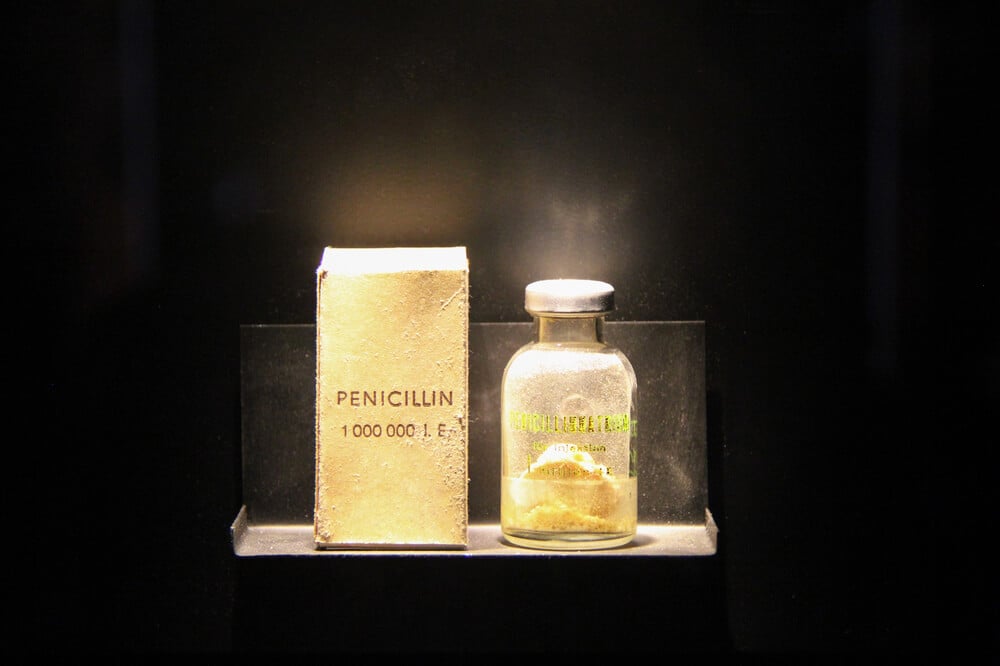
Alexander Fleming returned to his laboratory at St Mary’s Hospital in London in September 1928 after a summer holiday and found that mold had contaminated one of his bacteria cultures. Around the fuzzy spot of Penicillium, the Staphylococcus colonies had died off.
Fleming identified the substance and named it penicillin, but turning it into a usable drug took more than a decade. Howard Florey, Ernst Chain and their Oxford team developed it into a treatment in the early 1940s, and mass production arrived in time for World War II.
Fleming, Florey and Chain shared the Nobel Prize in 1945.
Microwave Ovens and a Melted Candy Bar
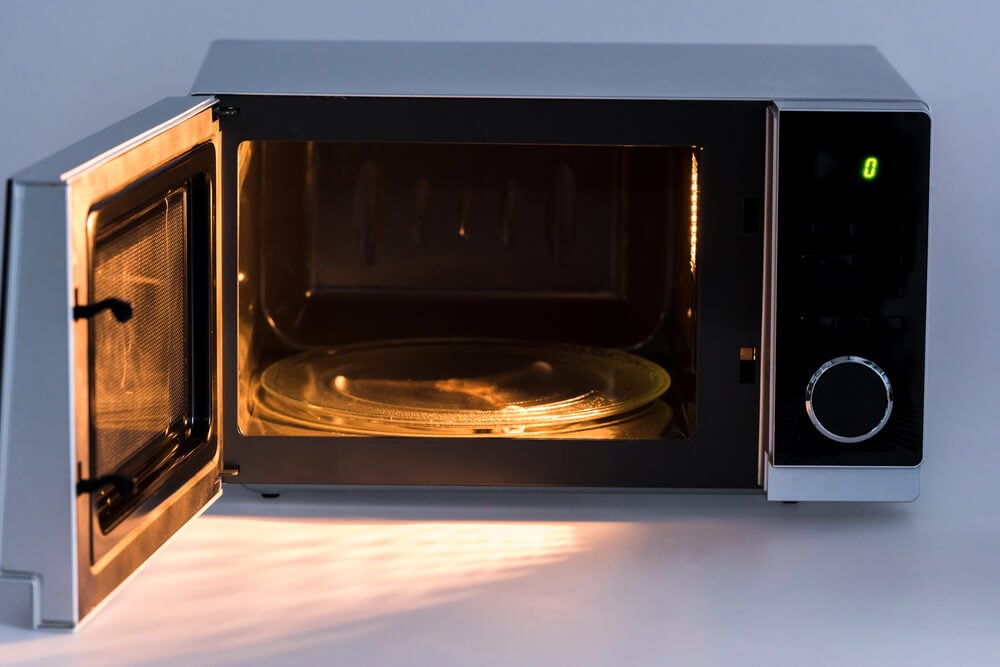
Percy Spencer, an engineer at Raytheon, was working near an active magnetron, a radar component, around 1945 when he noticed the candy bar in his pocket had melted. Curious, he aimed the device at popcorn kernels, which promptly popped, and later at an egg, which reportedly exploded.
Raytheon patented the cooking method and introduced the Radarange in 1947. The first units stood close to six feet tall, weighed hundreds of pounds and cost thousands of dollars, so they went to restaurants and ships.
Countertop models arrived in American homes in the late 1960s and spread widely through the 1970s.
Post-it Notes From a Weak Glue
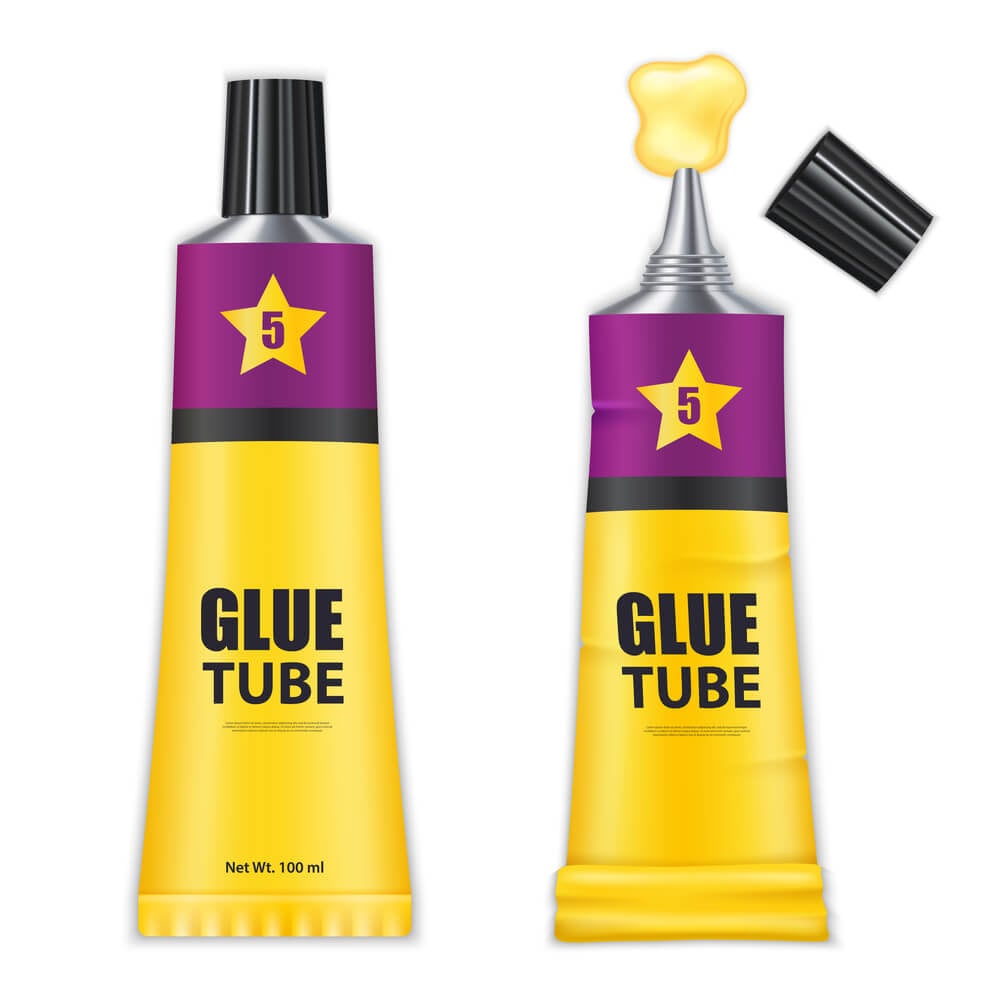
Spencer Silver, a chemist at 3M, was trying to make a super-strong adhesive in 1968 when he produced the opposite: a glue that stuck lightly and peeled away cleanly. For years, nobody at 3M found a use for it.
Then Art Fry, a colleague who sang in a church choir, grew frustrated that his paper bookmarks kept falling out of his hymnal. He realized Silver’s weak glue could hold a bookmark in place without tearing the page.
After test marketing, 3M launched Post-it Notes nationally in 1980, and the canary yellow squares became an office fixture.
Slinky and a Falling Spring
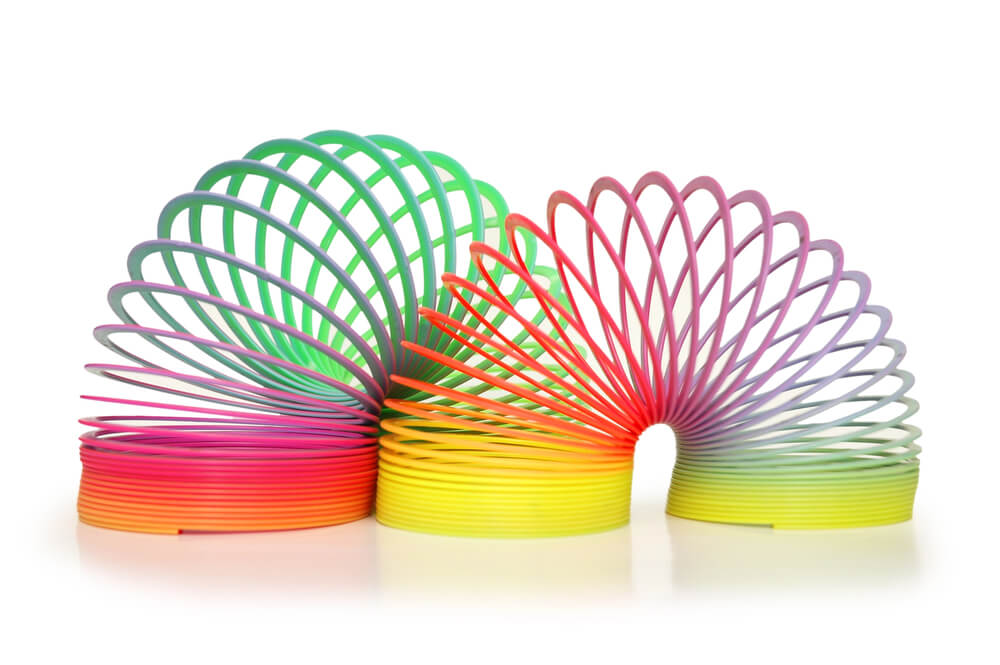
Richard James, a naval engineer in Philadelphia, was working with tension springs meant to stabilize equipment on ships in 1943 when one fell off a shelf. Instead of landing in a heap, the spring kept moving, stepping end over end across the surface.
James and his wife Betty saw a toy in it, and Betty came up with the name Slinky after searching the dictionary. In 1945, the couple set up a demonstration at Gimbels department store in Philadelphia, and the first batch of 400 sold out in about 90 minutes.
The basic design has barely changed since.
Silly Putty From a Rubber Shortage
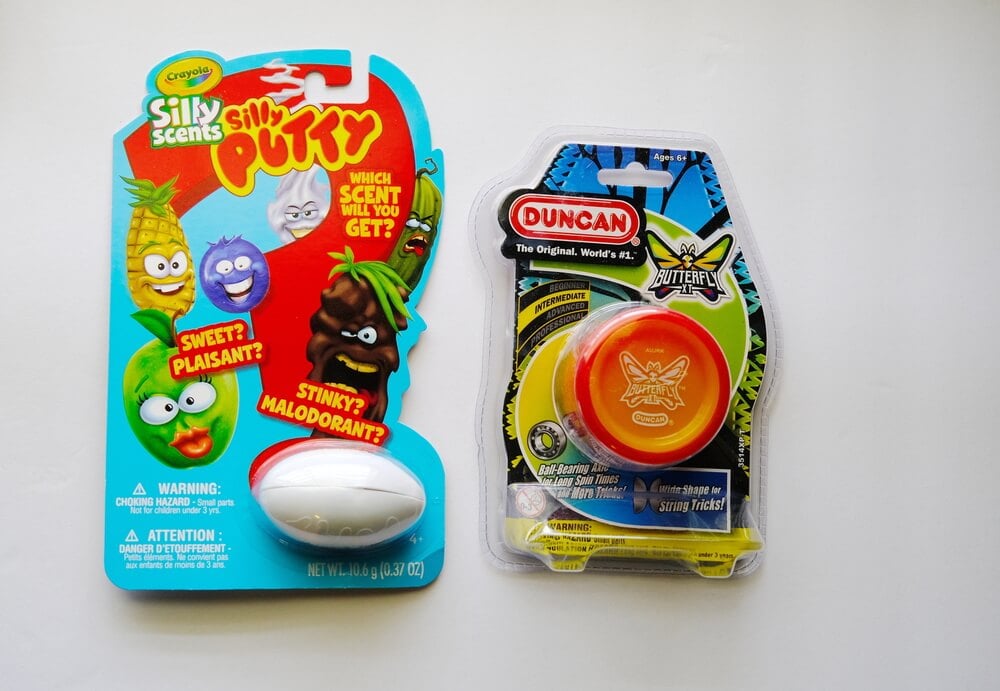
During World War II, rubber was in short supply, and the U.S. government encouraged companies to develop synthetic alternatives. James Wright, an engineer at General Electric in New Haven, Connecticut, mixed boric acid with silicone oil in 1943 and got a strange, stretchy material that bounced and could copy newsprint.
It failed as a rubber substitute. Years later, marketer Peter Hodgson packaged the putty in plastic eggs and began selling it as a toy in 1950.
The material later rode along on Apollo 8, where astronauts used it to keep tools from floating around the capsule.
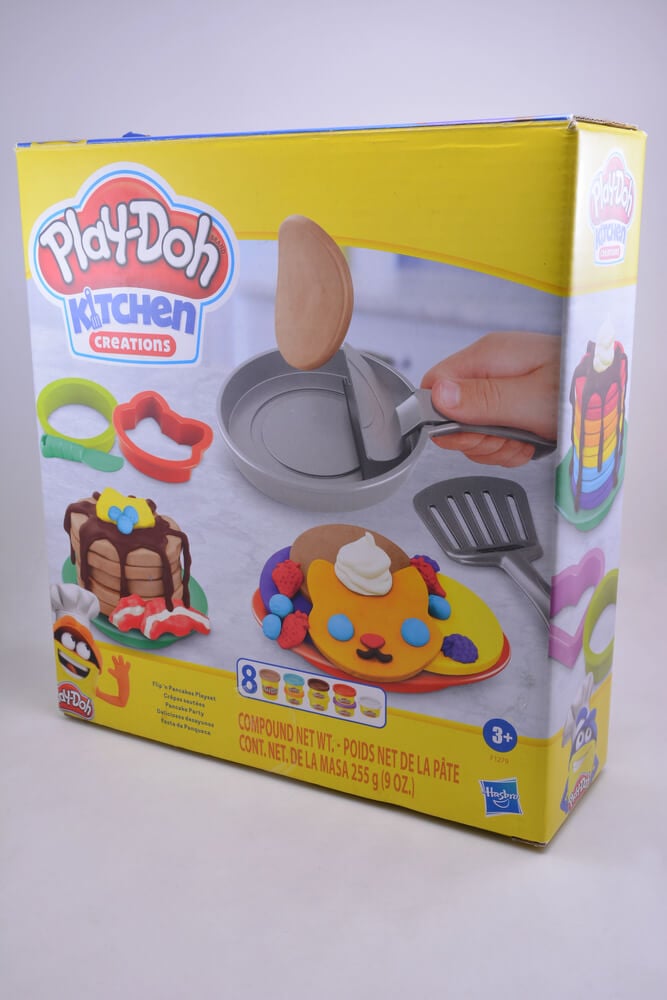
Play-Doh and the Wallpaper Cleaner Problem
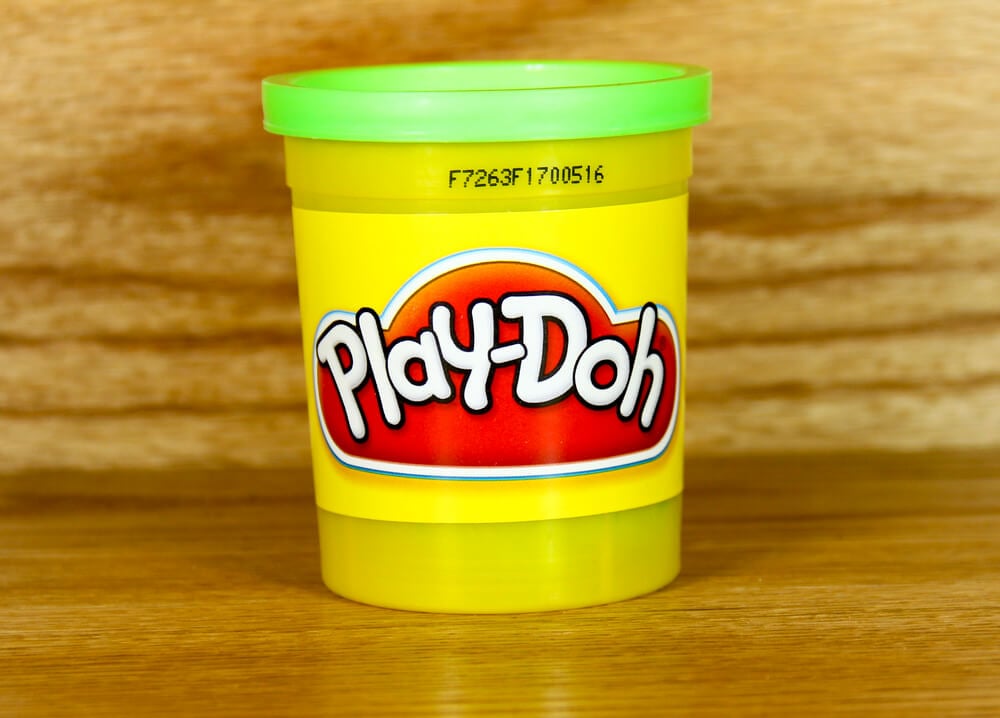
Kutol Products of Cincinnati made a doughy compound used to clean soot from wallpaper, a common chore when homes burned coal. As gas and oil heat replaced coal and washable vinyl wallpaper arrived, sales collapsed.
Kay Zufall, a nursery school teacher and the sister-in-law of Kutol’s Joe McVicker, read that the cleaner could be used for modeling and tried it with her students. She suggested selling it as a toy and helped come up with the name Play-Doh.
The product reached schools in the mid-1950s and toy stores soon after, rescuing the company from near ruin.
Play-Doh and a Picky Diner
According to a popular story, George Crum, a cook at Moon’s Lake House in Saratoga Springs, New York, invented potato chips in 1853 after a diner kept sending back his fried potatoes as too thick. Crum supposedly sliced them paper thin and fried them to a crisp out of spite, and the customer loved them.
Historians treat the tale with caution, since recipes for thin fried potato shavings appeared in English cookbooks decades earlier. Still, Saratoga chips became a regional specialty, and the name stuck.
Potato chips went national after mechanical peelers and slicers arrived in the early 20th century.
Popsicles From a Forgotten Cup
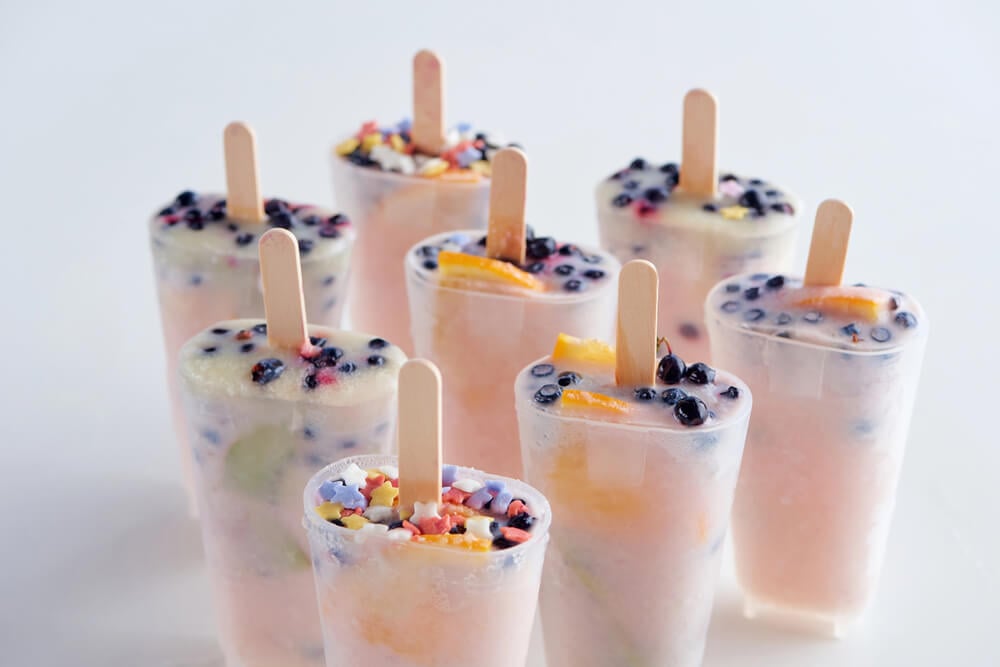
Frank Epperson was 11 years old in 1905, according to the widely repeated account, when he left a cup of soda water powder mixed with water outside on a cold night in the San Francisco Bay Area, with a stirring stick still in it. By morning it had frozen solid, and he pulled it out by the stick.
Epperson didn’t turn the idea into a business until much later. He applied for a patent in 1923 on what he called the Epsicle, and his children reportedly called it Pop’s sicle.
He later sold the rights, and the Popsicle brand grew into a summer staple.
Super Glue From a Failed Gun Sight
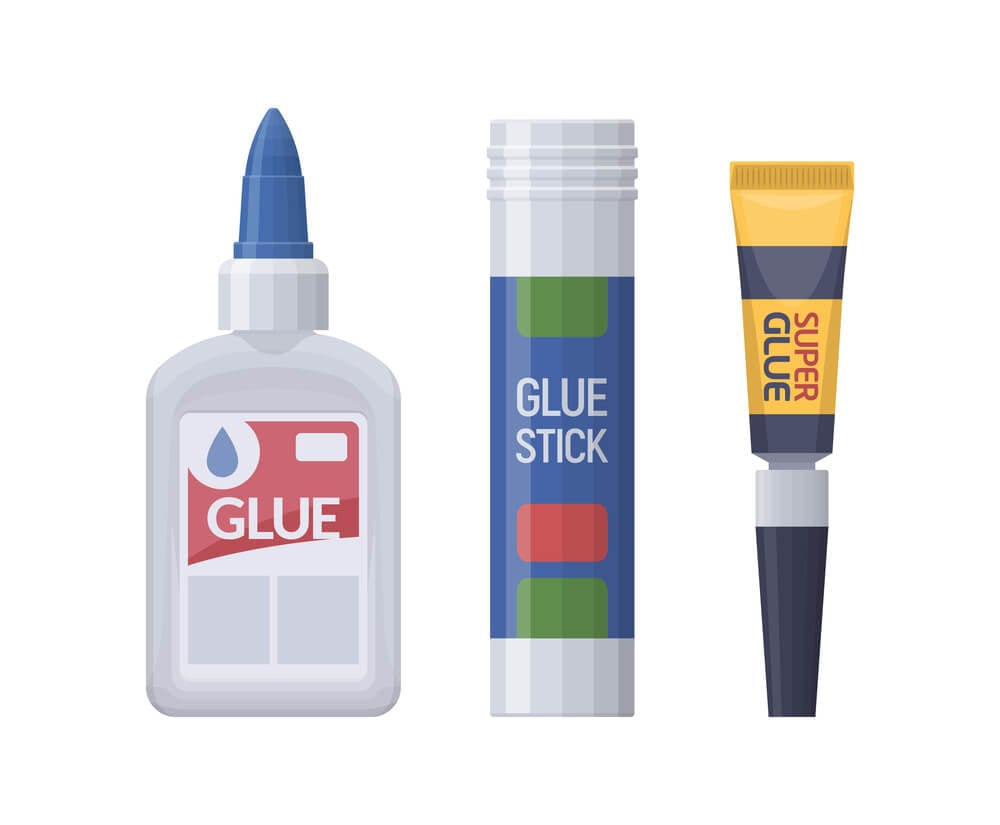
Harry Coover, a chemist at Eastman Kodak, was working on clear plastic gun sights during World War II in 1942 when he tested a group of chemicals called cyanoacrylates. They stuck to everything, which made them useless for his project, and he set them aside.
In 1951, Coover and a colleague, Fred Joyner, encountered the compounds again while researching heat-resistant jet canopies. This time Coover recognized their value as an adhesive that bonded almost instantly without heat.
Eastman Kodak brought it to market as Eastman 910 in 1958, and it later became widely known as Super Glue.
Teflon From an Empty Gas Cylinder
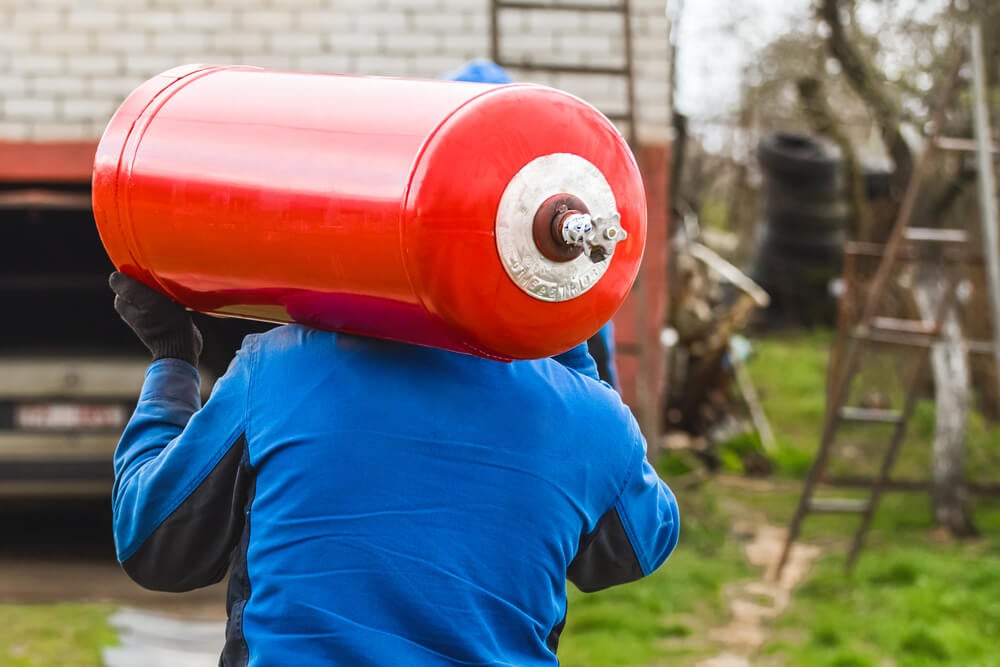
Roy Plunkett, a chemist at DuPont, was working on refrigerant gases in 1938 when a cylinder of tetrafluoroethylene seemed to stop flowing, even though its weight showed it was still full. Plunkett and his assistant, Jack Rebok, sawed the cylinder open and found a slippery white powder coating the inside.
The gas had polymerized into polytetrafluoroethylene, a material that almost nothing would stick to and that resisted heat and chemicals. DuPont trademarked it as Teflon in 1945.
It was used in the Manhattan Project before it reached frying pans, which arrived in American kitchens in the early 1960s.
Saccharin and Unwashed Hands
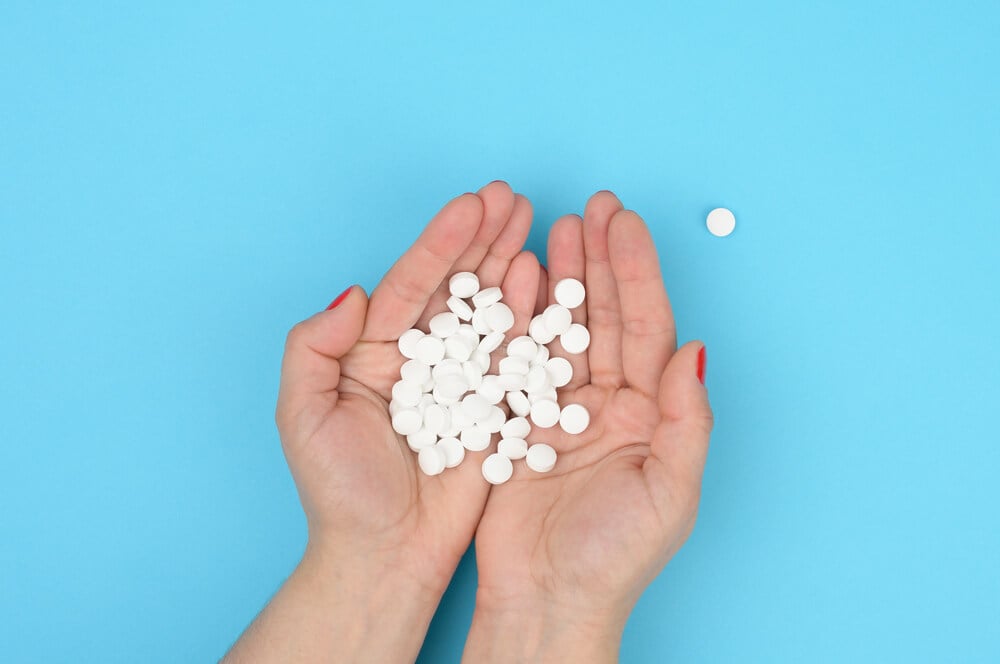
Constantin Fahlberg was working in Ira Remsen’s chemistry lab at Johns Hopkins University in 1879, studying coal tar derivatives, when he sat down to dinner without washing his hands. His bread tasted unusually sweet, and he traced the sweetness back to a compound on his hands from the lab.
Fahlberg identified it as benzoic sulfimide and named it saccharin. He patented it and went into production, a move that soured his relationship with Remsen.
Saccharin became widely used during sugar shortages in both world wars and later as a diet sweetener, most famously in the pink Sweet’N Low packets.
X-Rays and a Glowing Screen
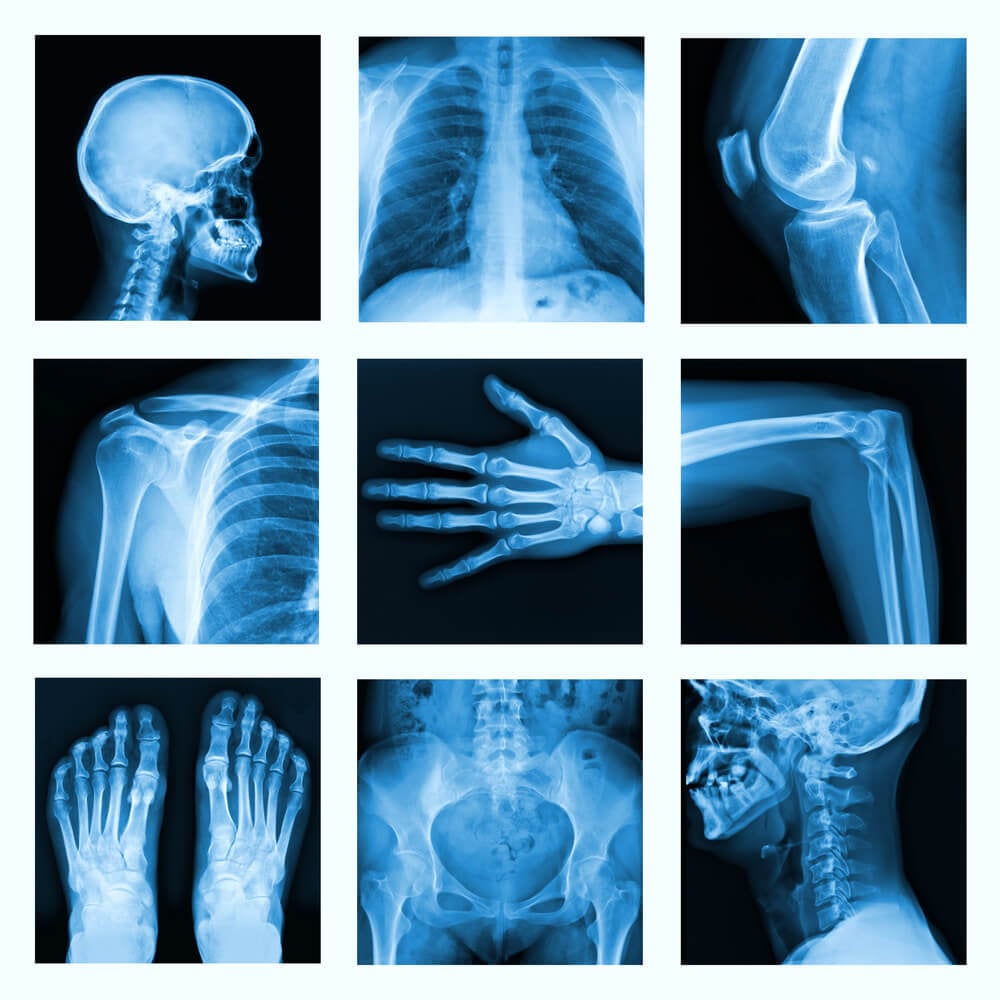
Wilhelm Roentgen, a physics professor at the University of Wurzburg in Germany, was experimenting with cathode ray tubes in November 1895 when he noticed a fluorescent screen across the room glowing, even though the tube was covered in black cardboard. He realized an unknown type of ray was passing through the cardboard, and he called it X for unknown.
Within weeks he produced an image of his wife’s hand, showing the bones and her wedding ring. Doctors adopted the technology with astonishing speed.
Roentgen received the first Nobel Prize in Physics in 1901 and declined to patent his discovery.
Pacemakers and the Wrong Resistor
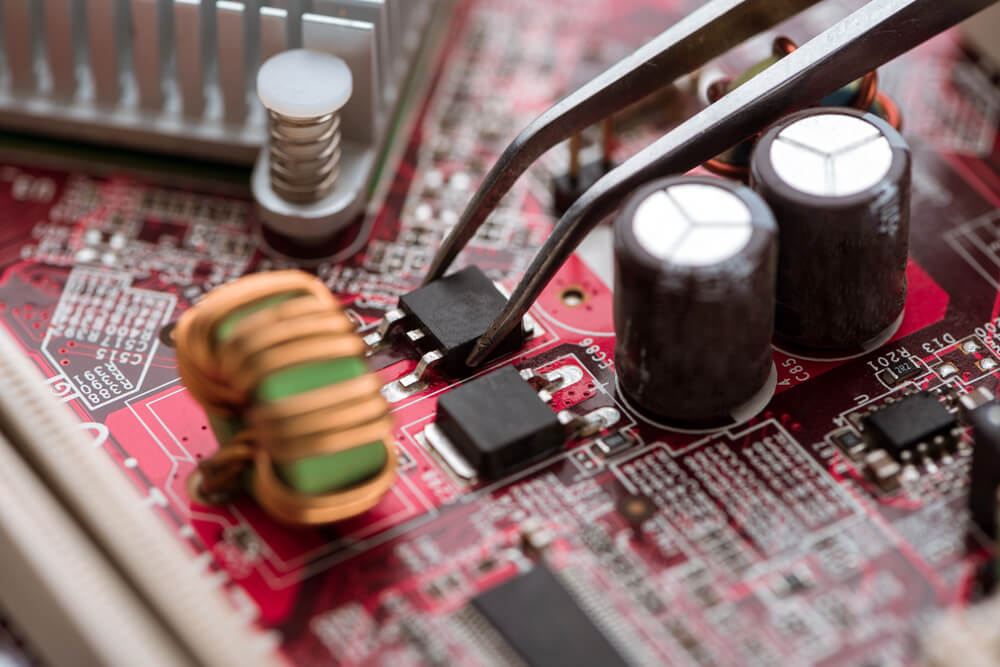
Wilson Greatbatch, an engineer in Buffalo, New York, was building a circuit to record heart rhythms in 1956 when he reached for a resistor and installed the wrong one. The circuit began producing regular electrical pulses instead of recording them, and Greatbatch recognized the rhythm as resembling a heartbeat.
He worked with surgeon William Chardack to develop an implantable pacemaker, and the first successful implant in a patient took place in 1960. Greatbatch also later developed long-lasting lithium batteries for pacemakers.
His mistake has helped keep millions of hearts beating on schedule.
Safety Glass From a Dropped Flask

French chemist Edouard Benedictus knocked a glass flask off a shelf in his laboratory in 1903 and noticed that it cracked but held together. The flask had held cellulose nitrate, a liquid plastic, which had evaporated and left a thin film coating the inside.
Benedictus connected the idea to car accidents, where flying glass caused terrible injuries. He developed a laminated glass sandwich with a plastic layer between two panes and patented it in 1909.
Laminated safety glass was first used in gas mask lenses during World War I and later became standard in car windshields.
Vulcanized Rubber and a Hot Stove
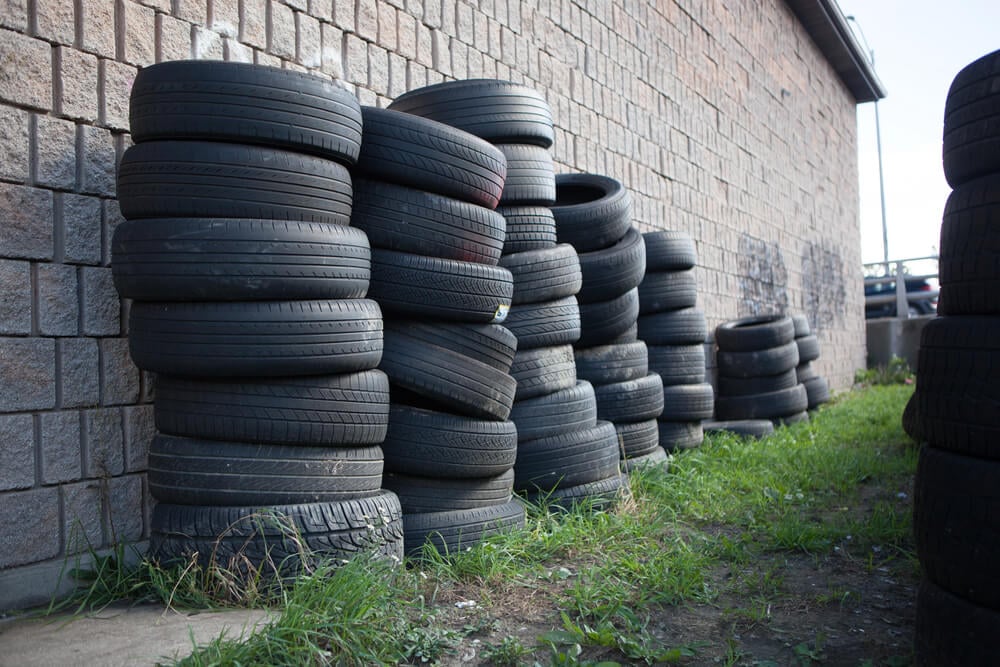
Charles Goodyear spent years trying to make natural rubber useful, since it turned sticky in summer heat and brittle in winter cold. In 1839, he accidentally dropped a mixture of rubber and sulfur onto a hot stove, and instead of melting, it charred like leather while staying flexible.
Goodyear refined the heating process, which became known as vulcanization, and patented it in 1844. Vulcanized rubber made tires, hoses, shoes and countless industrial parts possible.
Goodyear himself died deeply in debt, and the tire company bearing his name was founded decades later with no connection to his family.
Corn Flakes From Stale Wheat
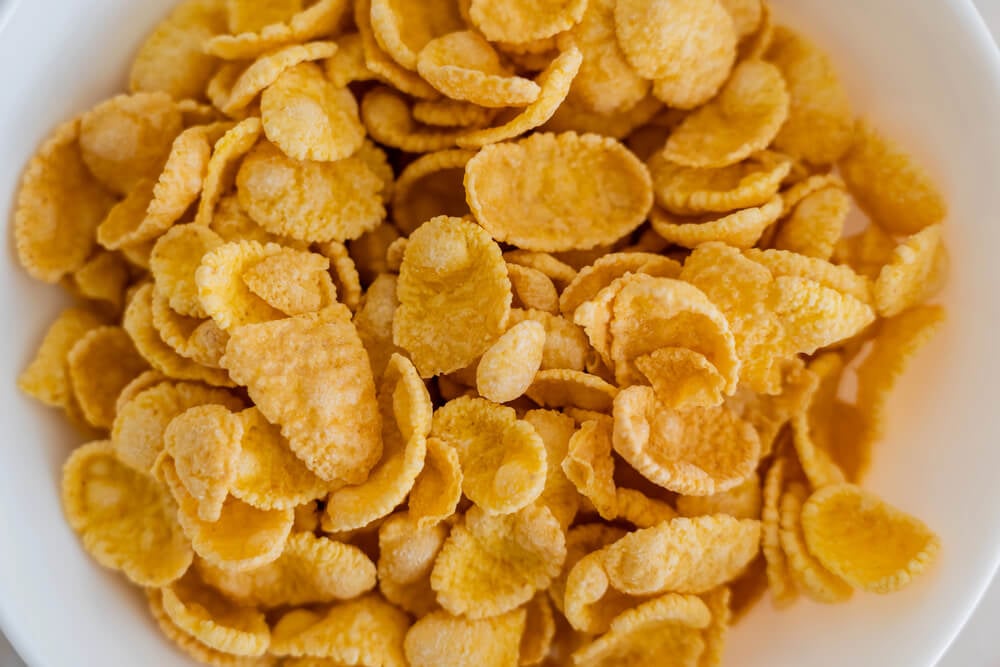
John Harvey Kellogg and his brother Will Keith Kellogg ran the Battle Creek Sanitarium in Michigan, where patients followed a strict vegetarian diet. In 1894, the brothers left a batch of cooked wheat out longer than planned, and when they rolled it, it broke into flakes instead of forming a sheet of dough.
They toasted the flakes and served them to patients, who liked them. The brothers later tried the same process with corn.
Will Keith Kellogg added sugar and founded his own company in 1906, which became the Kellogg Company after a bitter split with his brother.
Stainless Steel and a Scrap Heap
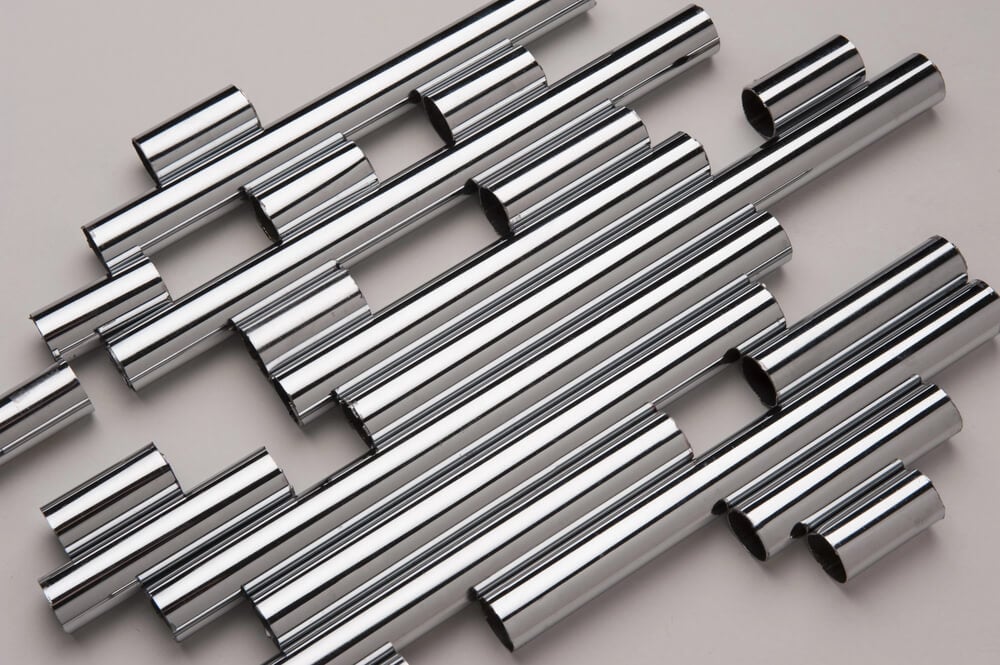
Harry Brearley, a metallurgist in Sheffield, England, was searching for a steel that would resist erosion inside gun barrels in 1913. He experimented with adding chromium to steel, and a popular version of the story holds that he noticed some samples tossed onto a scrap heap had not rusted while others had.
Brearley realized that steel with high chromium content resisted corrosion from water and food acids. Sheffield cutlers turned his discovery into rustless knives, and stainless steel spread into cutlery, kitchen sinks, surgical instruments and building facades.
Sheffield still celebrates Brearley as a local hero.
Scotchgard From a Spilled Experiment
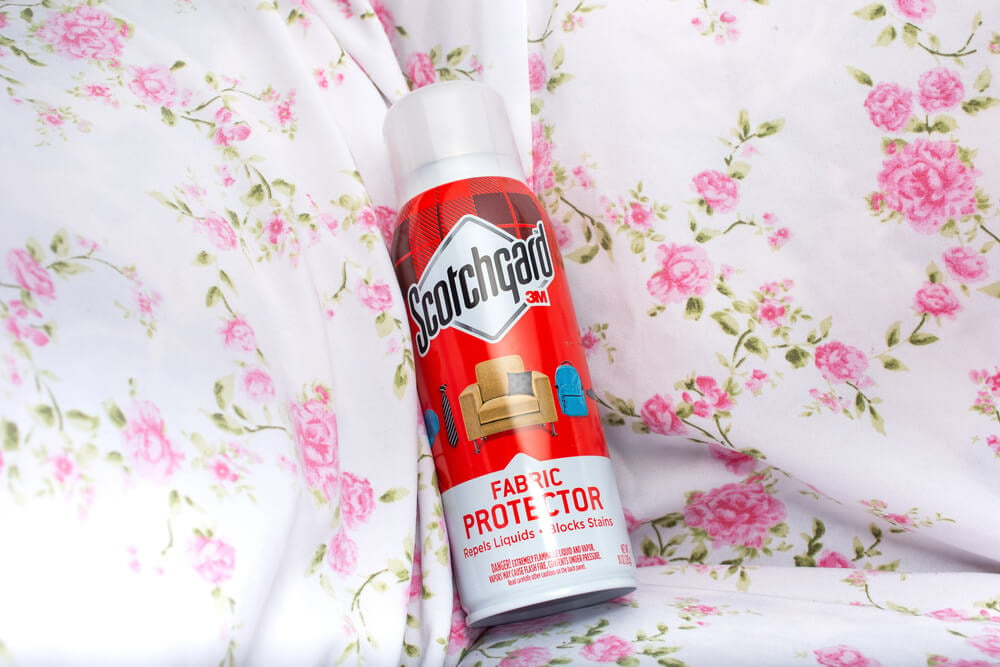
Patsy Sherman, a chemist at 3M, was working on a fluorochemical rubber for jet fuel hoses in 1952 when a lab assistant spilled a drop of the compound onto her canvas sneaker. The spot couldn’t be cleaned with water, soap or solvents, and the patch stayed clean while the rest of the shoe got dirty.
Sherman and her colleague Sam Smith realized they had found a way to make fabric repel stains. 3M introduced Scotchgard in 1956, and it became a common treatment for upholstery, carpet and clothing.
Sherman was later inducted into the National Inventors Hall of Fame for the work.
Inkjet Printers From a Hot Soldering Iron
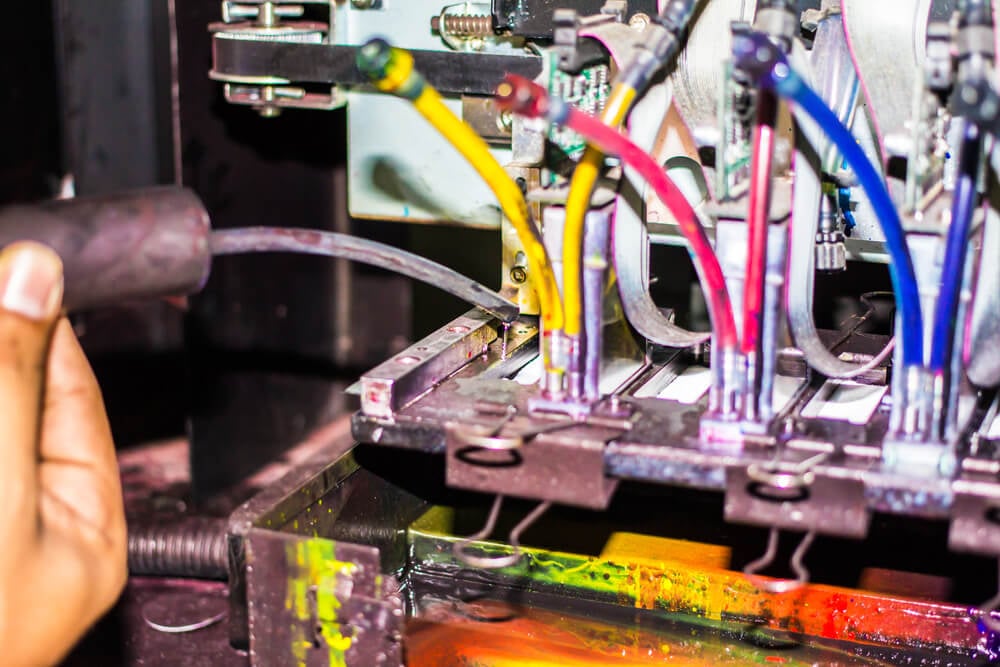
Ichiro Endo, an engineer at Canon in Japan, accidentally rested a hot soldering iron on a syringe filled with ink in 1977. The heat made the ink boil and shoot out of the needle in tiny droplets.
Endo realized that controlled heat could fire precise droplets of ink onto paper. Canon developed the idea into its Bubble Jet printing technology, and the first Bubble Jet printer reached the market in the 1980s.
Hewlett-Packard developed similar thermal inkjet technology around the same time. Inkjet printers became a staple of home offices and school projects.
Synthetic Dye From a Failed Malaria Cure
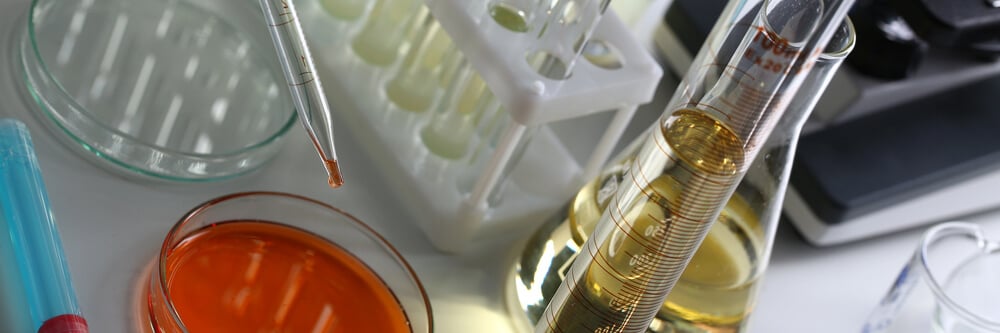
William Henry Perkin was 18 years old in 1856 when he tried to synthesize quinine, the malaria drug, in a makeshift home laboratory in London. Instead, he ended up with a dark sludge.
When he cleaned it out with alcohol, the solution turned a striking purple that stained silk beautifully. Perkin named the color mauveine, and he left his studies to build a factory to produce it.
Mauve became a fashion sensation in Victorian Britain and France. His discovery launched the synthetic dye industry, which later helped give rise to modern chemical and pharmaceutical companies.
Friction Matches and a Scraped Stick
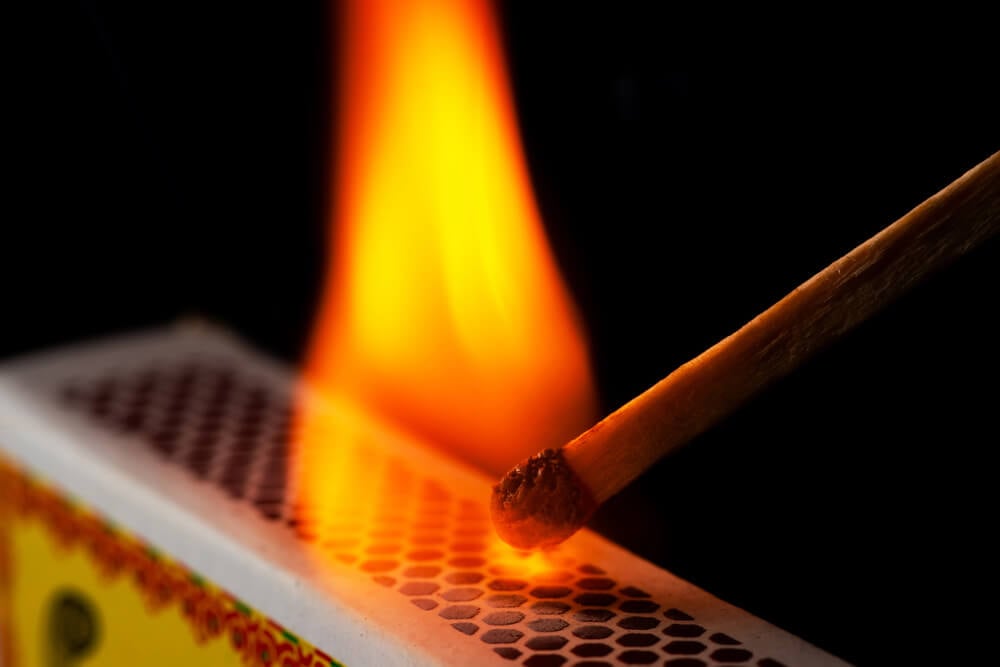
John Walker, a chemist in Stockton-on-Tees, England, was mixing chemicals in 1826 when a stick coated with the mixture dried on its tip. When he scraped it against his hearth, it burst into flame.
Walker realized he had found a way to make fire quickly and began selling friction lights, sticks coated with potassium chlorate and antimony sulfide, from his shop. He never patented the invention, and others soon copied it.
Later versions used safer chemicals, and Swedish manufacturers developed the safety match that strikes only on its box. Walker’s accident made fire portable for ordinary people.
Bubble Wrap From Failed Wallpaper
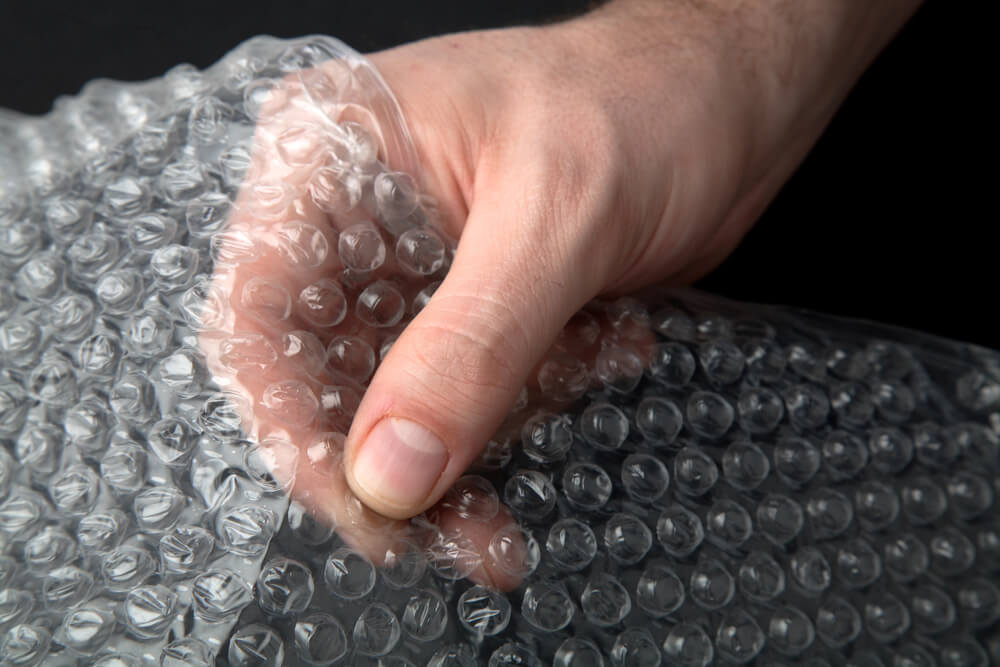
Engineers Alfred Fielding and Marc Chavannes sealed two shower curtains together in a garage in Hawthorne, New Jersey, in 1957, hoping to create textured plastic wallpaper. The wallpaper idea flopped, and so did an attempt to sell the material as greenhouse insulation.
In 1960, the pair founded Sealed Air Corporation and found their market in packaging. A breakthrough came when IBM used the material to protect its 1401 computers during shipping.
Bubble Wrap went on to become one of the most familiar packing materials in the world, and popping the bubbles became a pastime of its own.
Sucralose From a Misheard Word
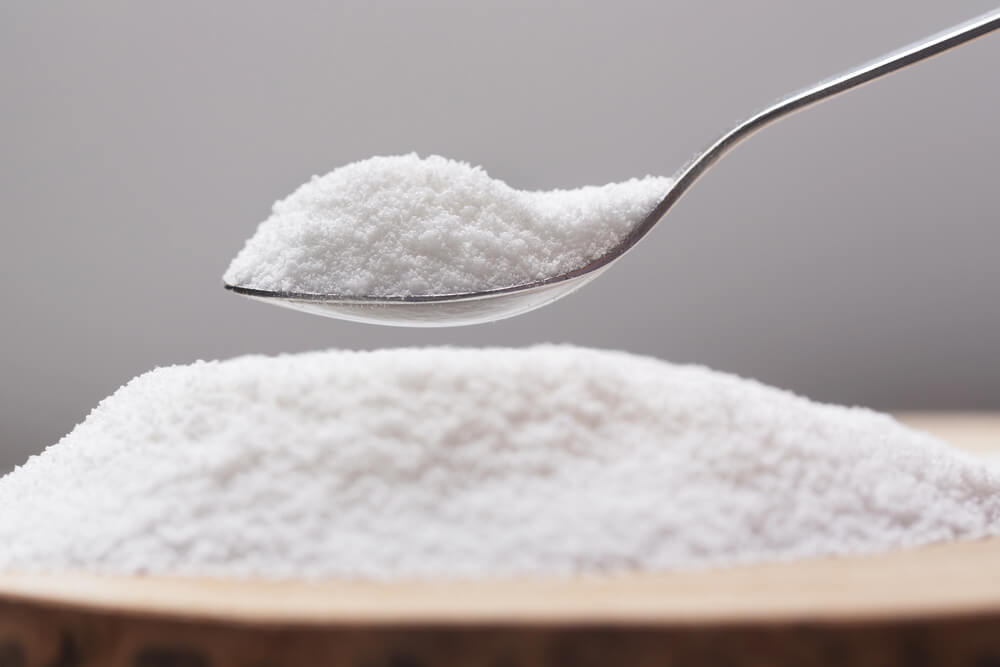
Shashikant Phadnis, a graduate student at Queen Elizabeth College in London, was working on a project with the sugar company Tate and Lyle in 1976 when his supervisor asked him to test a chlorinated sugar compound. Phadnis reportedly misheard the request as taste and sampled it.
The compound was intensely sweet, roughly 600 times sweeter than table sugar. Tate and Lyle developed it into sucralose, which received approval in the United States in 1998.
The sweetener is best known under the brand name Splenda, and its yellow packets became a fixture on restaurant tables everywhere.
Aspartame and a Licked Finger
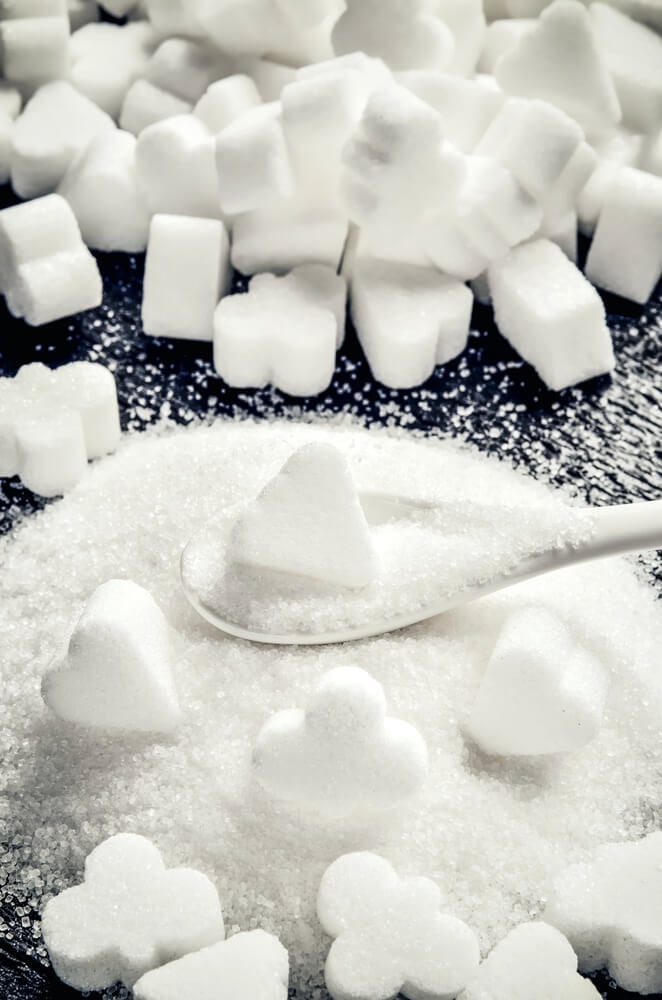
James Schlatter, a chemist at G.D. Searle and Company, was working on an anti-ulcer drug in 1965 when some of the compound got on his finger. Later, he licked his finger to pick up a piece of paper and noticed an intensely sweet taste.
The compound was aspartame, and Searle developed it as a sweetener. It received approval in the United States in the early 1980s and was sold under brand names like NutraSweet and Equal.
Aspartame became widely used in diet sodas, giving the sweetener a central role in the low-calorie drink boom.
Kitty Litter From a Neighbor’s Request
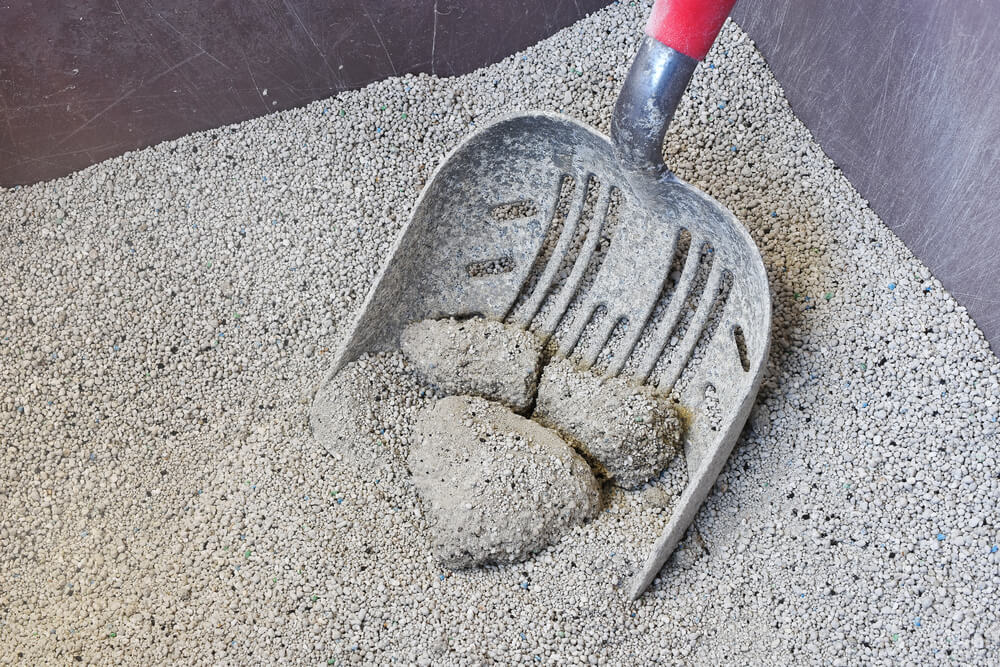
Ed Lowe was working at his family’s business selling absorbent clay in Cassopolis, Michigan, in 1947 when a neighbor, Kaye Draper, asked for some sand for her cat’s box because her sand pile had frozen. Lowe gave her a bag of granulated clay instead.
The clay absorbed odors and moisture far better than sand, and Draper came back for more. Lowe began bagging the clay and selling it as Kitty Litter, driving to pet stores and cat shows to convince owners to try it.
The product made indoor cats far more practical for American households.
CorningWare From an Overheated Furnace
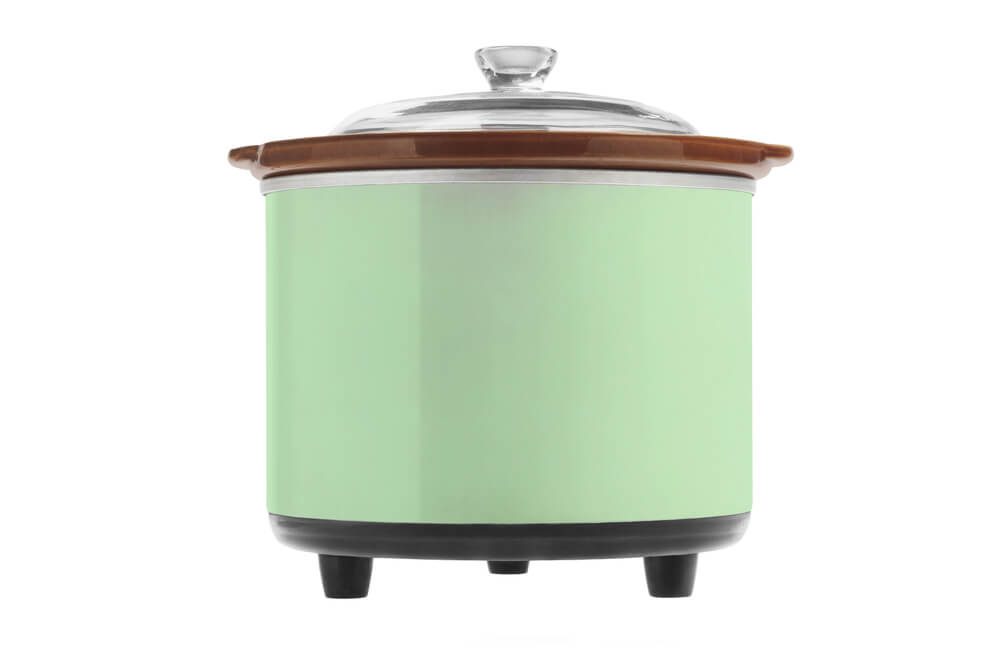
Donald Stookey, a chemist at Corning Glass Works, put a piece of photosensitive glass into a furnace in 1953, intending to heat it to about 600 degrees Celsius. A faulty controller sent the temperature to about 900 degrees.
Expecting a melted mess, Stookey found instead a milky white plate. When he dropped it, it bounced rather than shattered.
He had created a glass-ceramic material that was extremely strong and resistant to thermal shock. Corning used the material in missile nose cones and later in CorningWare cookware, which arrived in 1958 with its familiar blue cornflower design.
Saran Wrap From a Stubborn Residue
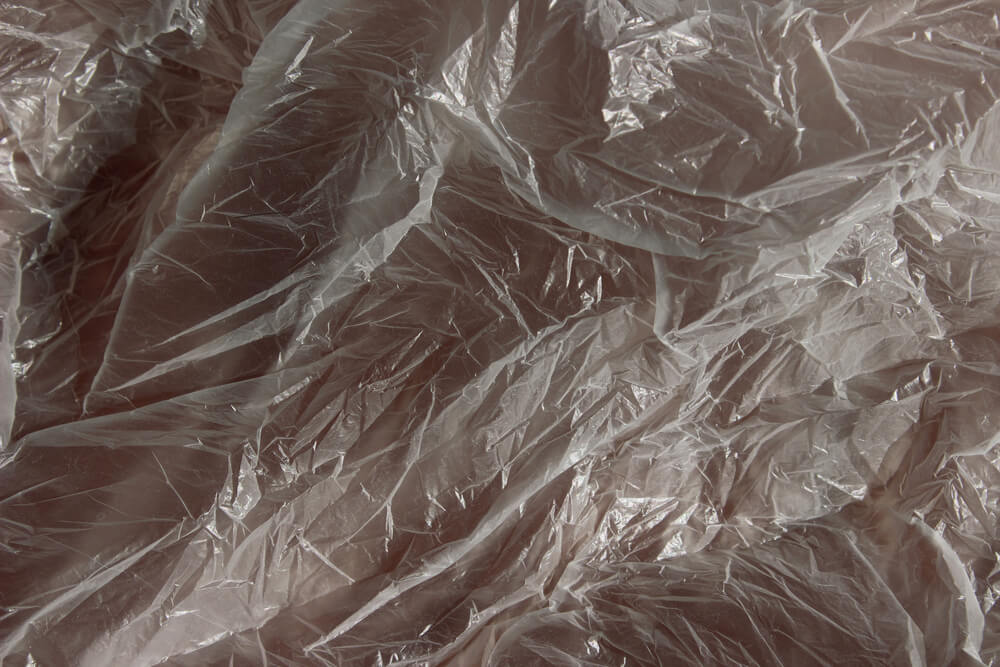
Ralph Wiley, a lab worker at Dow Chemical, was cleaning glassware in 1933 when he found a vial coated with a residue he couldn’t scrub off. The material was polyvinylidene chloride, a tough, clingy plastic.
Dow first developed it into a spray used to protect military equipment and fighter planes from the elements during World War II. After the war, the company refined it into a clear food wrap.
Saran Wrap arrived in American kitchens around 1950 and became a fixture for covering leftovers, sandwiches and casseroles.
Velcro From Burrs on a Dog
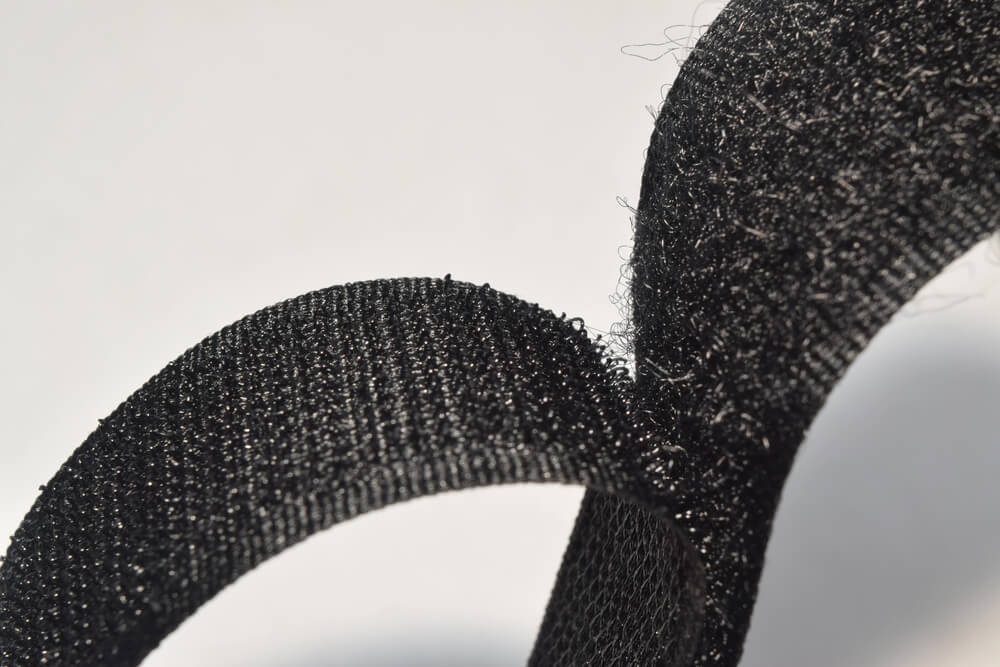
George de Mestral, a Swiss engineer, returned from a hike in the Alps with his dog in 1941 and noticed burrs from burdock plants clinging to his clothes and the dog’s fur. Under a microscope, he saw that the burrs had tiny hooks that caught on loops in fabric and fur.
De Mestral spent years trying to replicate the effect with fabric, eventually using nylon to create durable hooks and loops. He patented the design in the 1950s and named it Velcro, from the French words velours and crochet.
Velcro later found uses from children’s shoes to NASA spacesuits.
Mistakes Need a Prepared Mind

Accidents happen in laboratories, kitchens and workshops every day, and almost all of them end in cleanup. The ones in this list became famous because someone stopped to ask why a spring kept walking or why a sandwich tasted sweet.
Curiosity did the real work.
Many of these inventions also took years, sometimes decades, to reach the public. Teflon needed a war, Play-Doh needed a teacher and Post-it Notes needed a choir singer with a slipping bookmark.
The accident was only the first step, and patience carried each idea the rest of the way.
More from Go2Tutors!

- The Romanov Crown Jewels and Their Tragic Fate
- 13 Historical Mysteries That Science Still Can’t Solve
- Famous Hoaxes That Fooled the World for Years
- 15 Child Stars with Tragic Adult Lives
- 16 Famous Jewelry Pieces in History
Like Go2Tutors’s content? Follow us on MSN.