27 Royal Traditions That Date Back Centuries
Monarchies change slowly, and their rituals change even more slowly. Somewhere in the world tonight, a guard will lock a gate with words that have barely shifted in hundreds of years, and nobody involved will find this odd.
These customs survive wars, revolutions, plagues and television. Some are grand state occasions watched by millions, while others take place in a riverside skiff or a quiet courtroom with only a handful of witnesses.
Locking Up the Tower of London Every Night
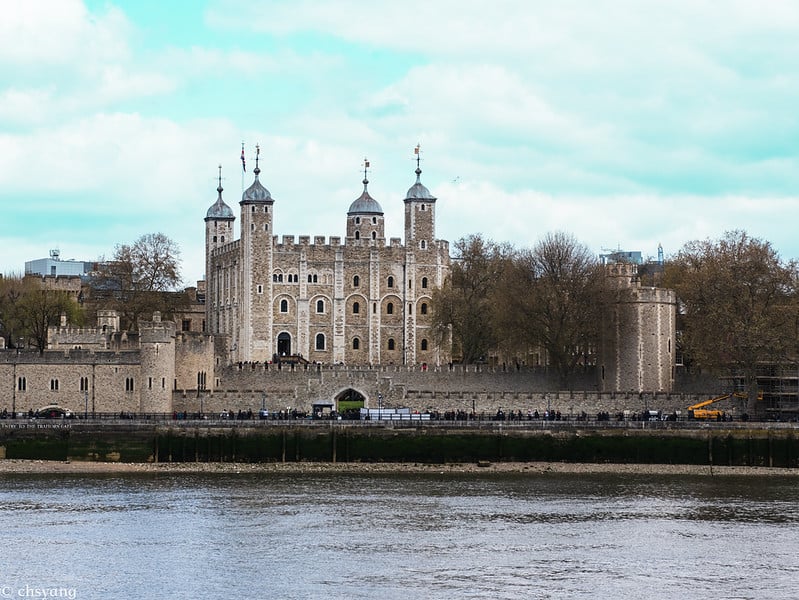
At 9:53 each evening, the Chief Yeoman Warder sets out with a lantern and the King’s Keys to lock the main gates of the Tower of London. A sentry challenges the escort, demands to know whose keys they carry, and only then lets them pass.
The Ceremony of the Keys is widely described as roughly 700 years old and has run nightly with remarkable consistency. During the Blitz in 1941, a bomb fell nearby and knocked members of the escort off their feet, yet they finished the ritual a little late.
Tradition holds that the officer in charge apologized to the King for the delay.
Maundy Money on the Thursday Before Easter
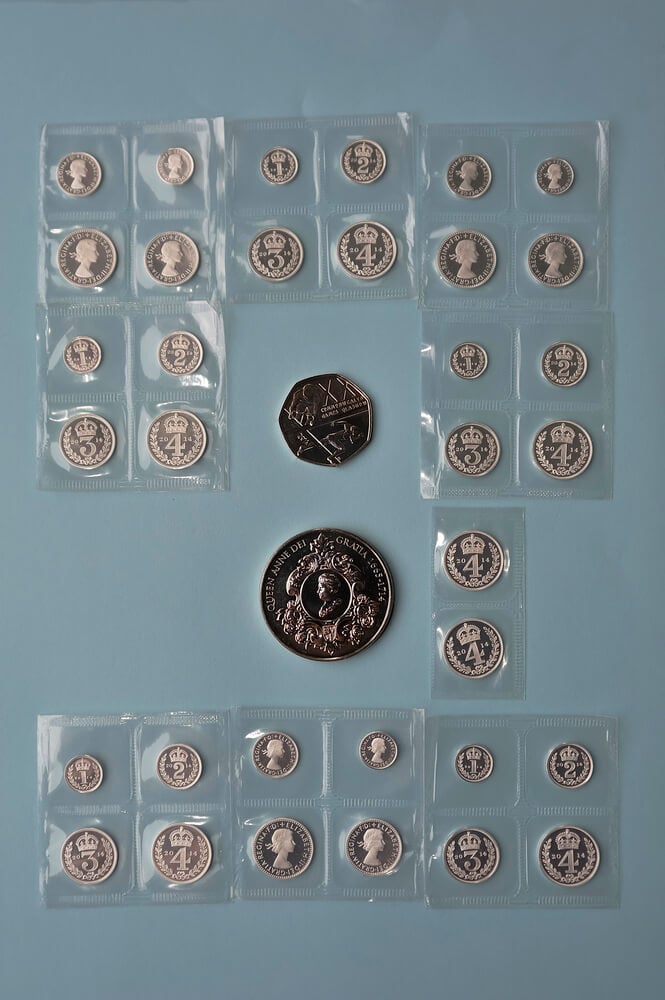
Each Maundy Thursday, the monarch hands out specially minted silver coins to local pensioners chosen for their service to church and community. The number of recipients, and the value of the coins in pence, matches the sovereign’s age.
Records trace a royal Maundy distribution to King John at Knaresborough in 1210. Monarchs once washed the feet of the poor as part of the service, a practice that faded after James II.
Officials still carry small nosegays of fragrant flowers, a holdover from an era when sweet herbs were thought to ward off disease and mask the smell of crowded congregations.
Swan Upping on the River Thames
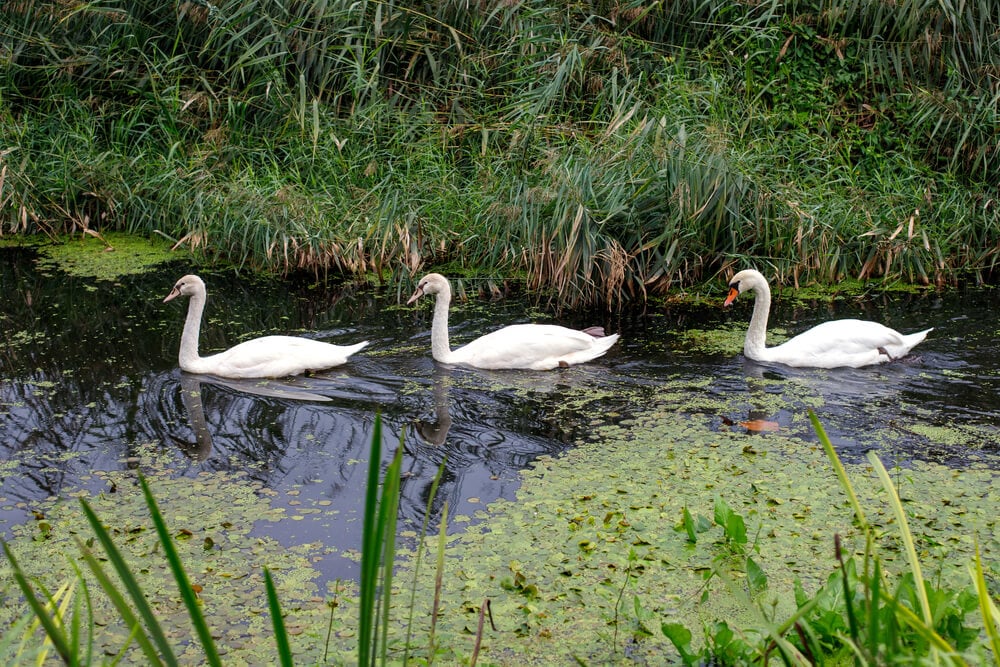
For five days each July, crews in traditional rowing skiffs travel up the Thames to count and check the year’s cygnets. The King’s Swan Marker leads the effort, joined by representatives of two old London livery companies, the Vintners and the Dyers, which have shared ownership rights for centuries.
The Crown’s claim to unmarked mute swans on open water dates to around the 12th century, when swans were a prized banquet dish. Today the exercise works mainly as a wildlife census and a lesson for schoolchildren.
The 2026 count went ahead in mid-July, with officials reporting healthy cygnets alongside a worrying rise in litter.
Black Rod and the Slammed Door
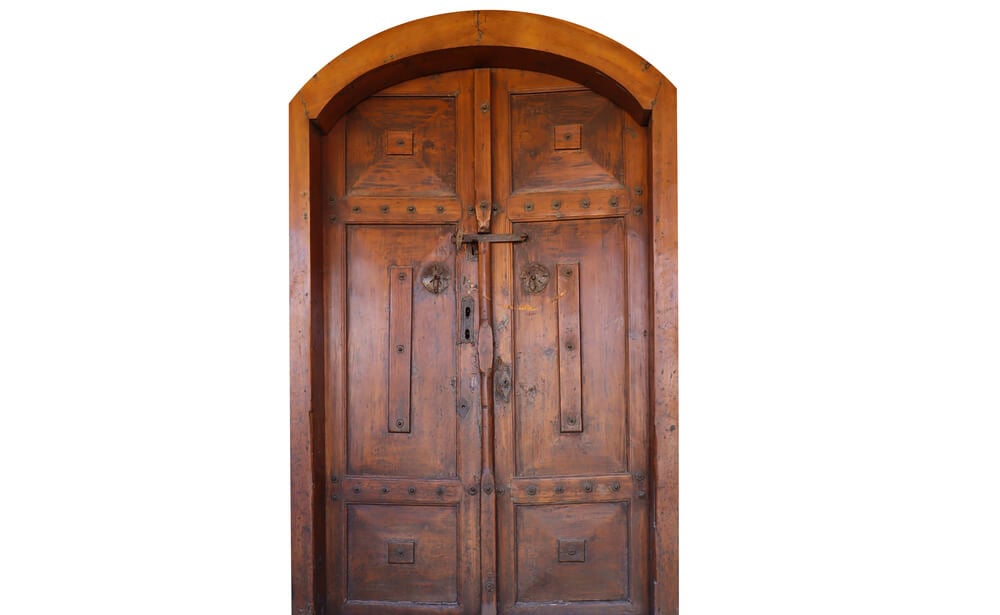
When the monarch opens a new session of Parliament, an official called Black Rod is sent to summon members of the House of Commons. As Black Rod approaches, the Commons door is slammed in that official’s face, and entry comes only after three firm knocks with an ebony staff.
The ritual symbolizes the independence of the Commons from the Crown and recalls 1642, when Charles I burst into the chamber to arrest five members. No reigning monarch has set foot in the Commons chamber since.
A government whip is also customarily held at Buckingham Palace as a ceremonial hostage until the sovereign returns safely.
Searching the Cellars Before Parliament Opens
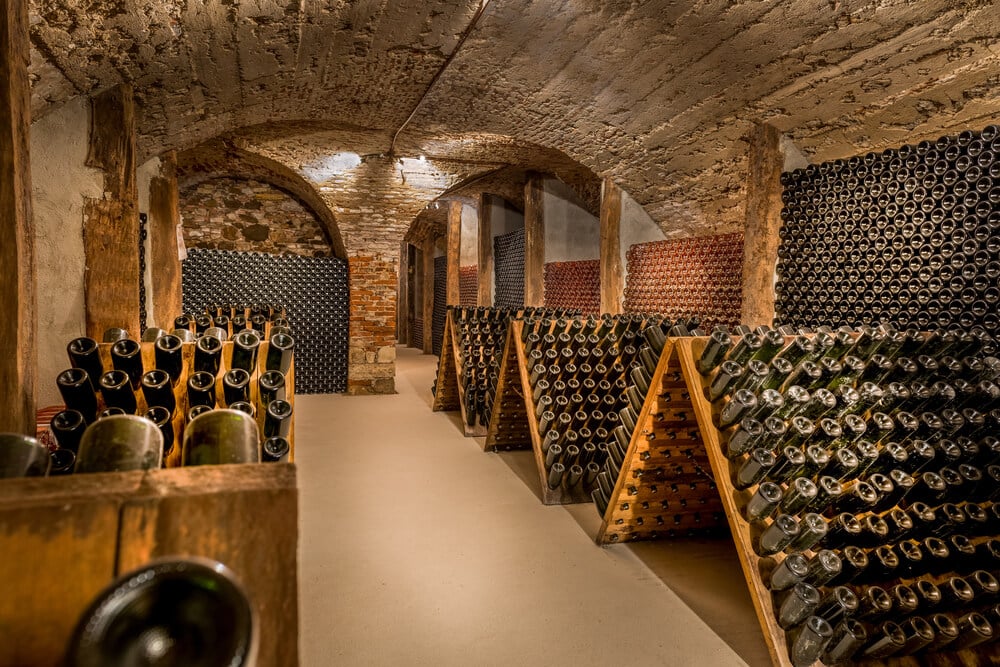
Before every State Opening of Parliament, members of the Yeomen of the Guard carry lanterns through the cellars beneath the Palace of Westminster. The search is a ceremonial echo of the Gunpowder Plot of 1605, when Guy Fawkes was caught guarding barrels of explosives intended to kill James I.
Modern security relies on police and specialist teams, so the lantern patrol is largely symbolic. The Yeomen themselves were formed by Henry VII after the Battle of Bosworth in 1485 and are often described as the oldest surviving British military corps.
Their scarlet and gold Tudor uniforms look much as they did five centuries ago.
Changing of the Guard at Buckingham Palace
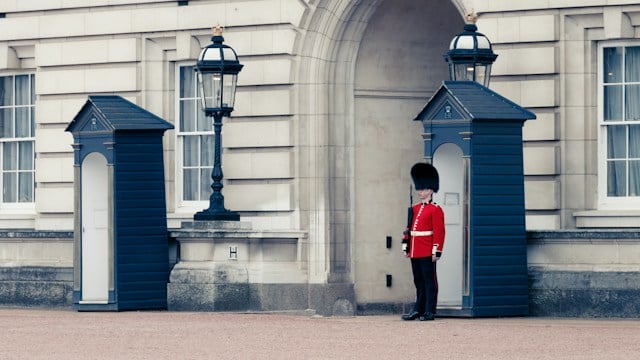
Soldiers of the Household Division have guarded the sovereign since the restoration of Charles II in 1660, and the handover between old and new guards has become one of London’s most watched spectacles. The ceremony moved to Buckingham Palace after Queen Victoria made it her official residence in 1837.
Guardsmen in red tunics and tall bearskin caps march with a military band that may play anything from regimental marches to film themes and pop songs. The exchange takes place on a set schedule through much of the year.
Crowds gather early at the palace railings, often long before the music can be heard.
Garter Day at Windsor Castle
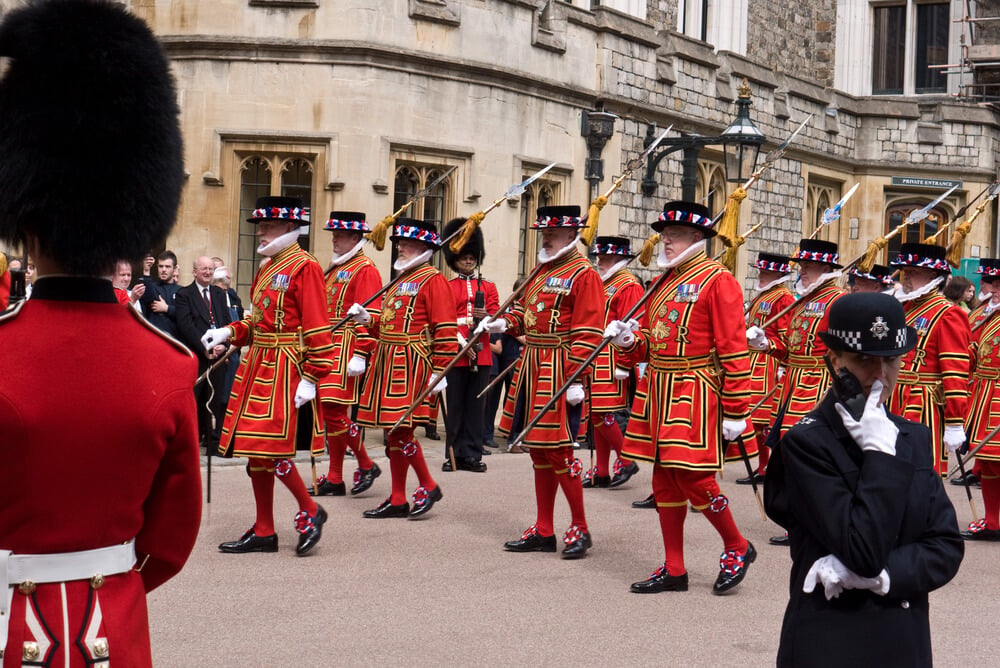
Edward III founded the Order of the Garter in 1348, and it remains the most senior order of chivalry in England. Each June, on the Monday of Royal Ascot week, members walk in procession from Windsor Castle to St. George’s Chapel wearing dark blue velvet robes and hats topped with white plumes.
New knights and ladies are installed during the service, and the order is limited to the sovereign, senior royals and 24 companions. Origin stories involve a lady’s dropped garter at a court dance and a king’s quick defense of her dignity.
Historians treat that tale with caution, though it has endured for centuries anyway.
The King’s Birthday Parade on Horse Guards
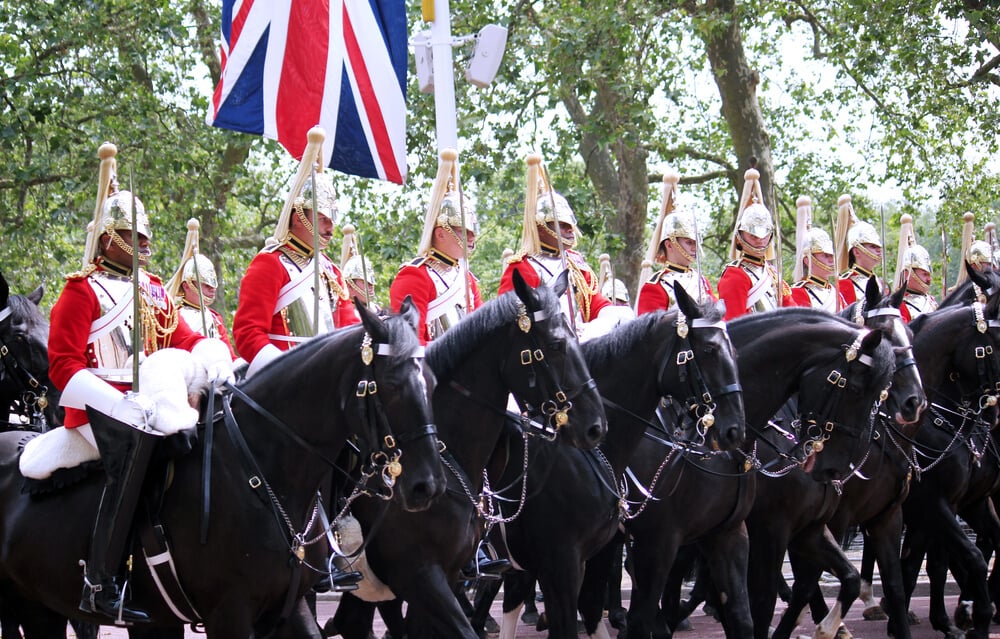
Every June, the monarch’s official birthday is marked with a parade on Horse Guards in London, an event long known as Trooping the Color. Its roots lie in the practice of parading regimental flags so soldiers could recognize them in battle, and it has been linked to the sovereign’s birthday since around 1748.
More than a thousand soldiers, hundreds of horses and several military bands take part. One battalion’s flag is carried along the ranks each year in rotation.
Afterward the royal family gathers on the Buckingham Palace balcony to watch an RAF flypast, a modern addition to a very old routine.
Ravens Kept at the Tower
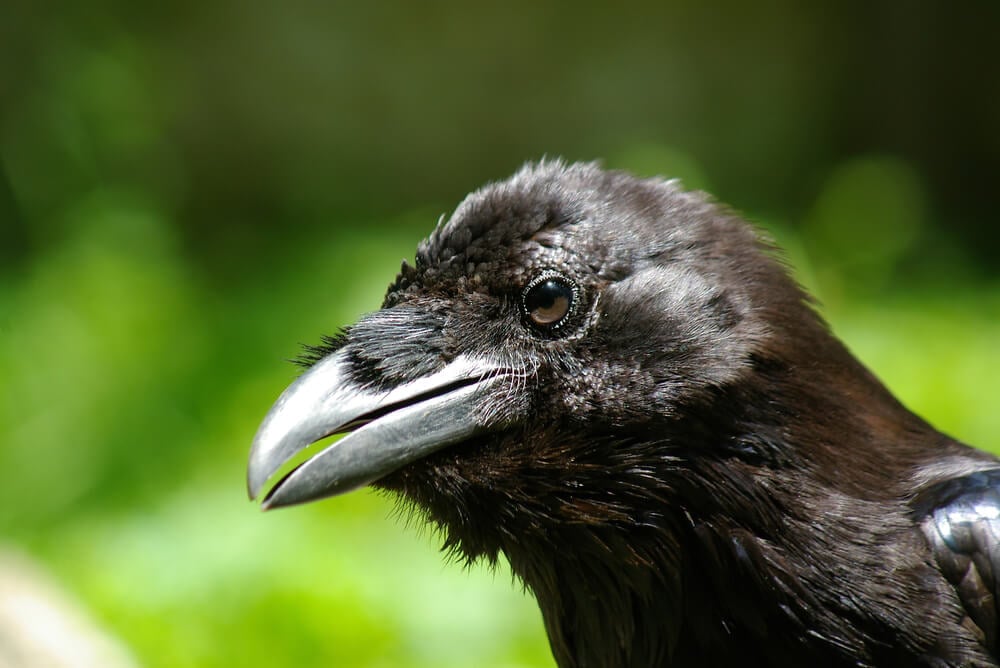
At least six ravens live at the Tower of London at all times, with a few spares kept in case one departs. Legend holds that the kingdom and the Tower will fall if the ravens ever leave, and the story is often linked to Charles II, though historians have found little firm evidence for that origin.
A Yeoman Warder known as the Ravenmaster looks after the birds, feeding them raw meat and biscuits soaked in blood. Each raven has a name and a distinct personality, and some have been dismissed for bad behavior.
Their flight feathers are trimmed to discourage long journeys away from the fortress.
Gold, Frankincense and Myrrh at the Chapel Royal
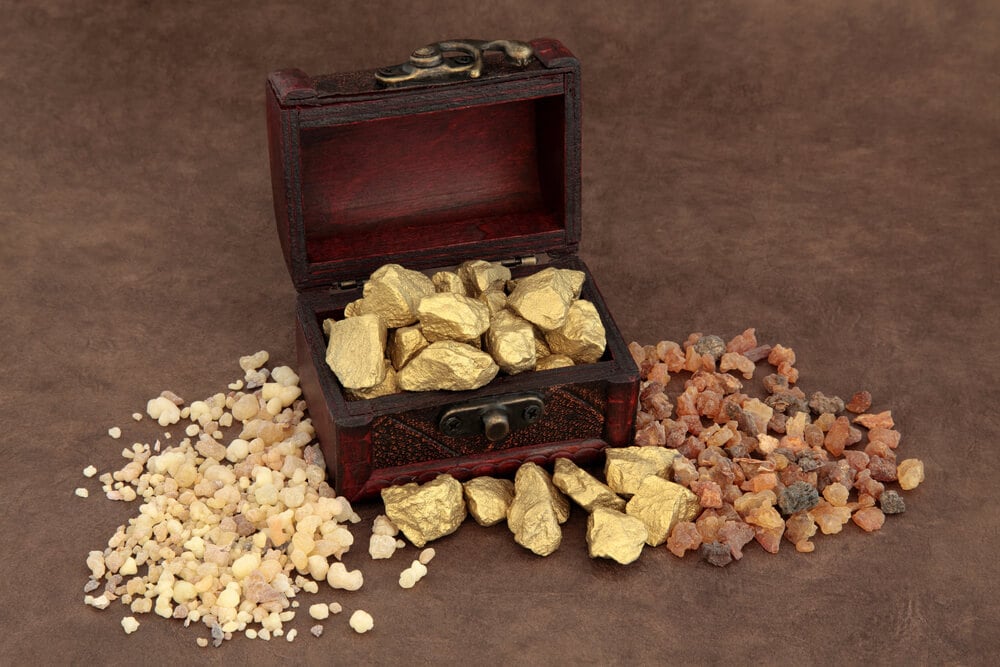
On January 6 each year, a service at the Chapel Royal in St. James’s Palace includes a royal offering of gold, frankincense and myrrh, the three gifts the Magi brought to the infant Jesus. English monarchs made this offering in person for centuries, and the custom is generally traced to the Middle Ages.
In modern times two officers of the royal household present the gifts on the sovereign’s behalf, carrying them forward on silver-gilt dishes. The choir of the Chapel Royal, one of the oldest in the country, sings during the service.
Few outside church circles know the ritual exists at all.
Lilies and Roses for Henry VI
.+++.
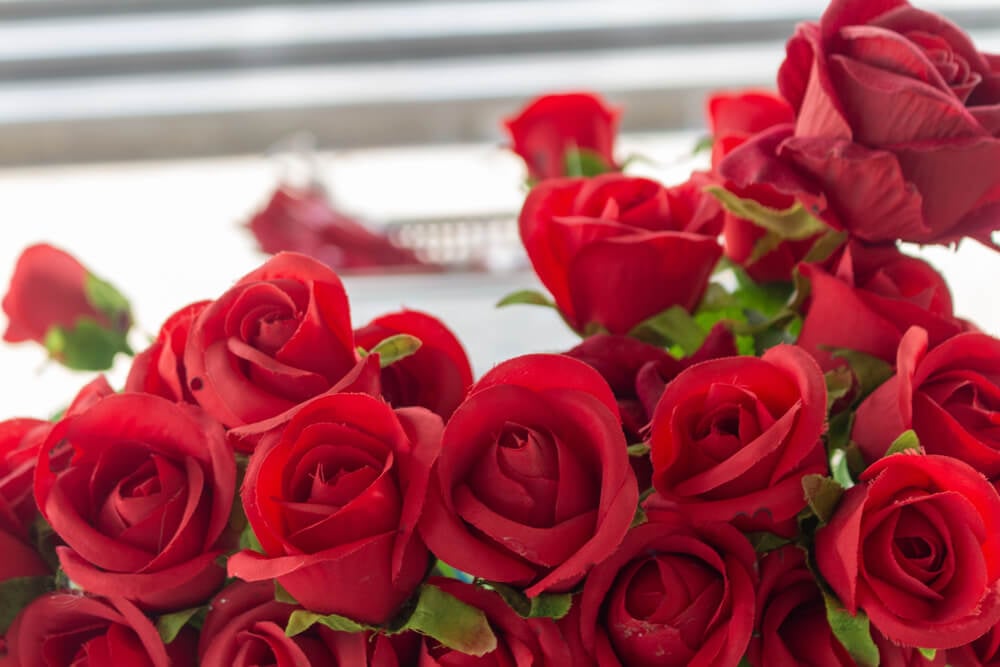
On May 21, representatives of Eton College and King’s College, Cambridge, gather in the Wakefield Tower at the Tower of London. Both institutions were founded by Henry VI, who is said to have been killed there while at prayer on that date in 1471.
Eton lays white lilies tied with pale blue silk, and King’s College lays white roses bound with purple silk. The ceremony in its present form only began in 1923, but it marks a royal death more than 550 years old. The flowers stay in place for a day before being burned, and a short service accompanies the laying.
Paying Rent With Horseshoes and Knives
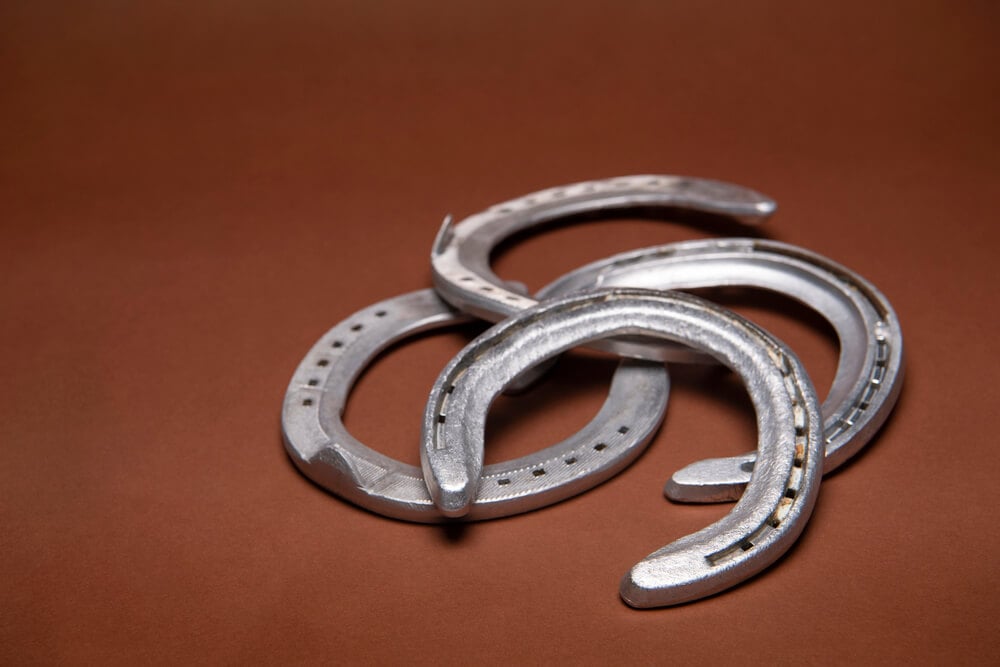
Each autumn at the Royal Courts of Justice in London, the City of London pays rent to the Crown in an extraordinary form. For a piece of land in Shropshire, a city official cuts sticks with a blunt hatchet and a sharp billhook.
For a long-vanished forge near the Strand, the payment is six horseshoes and 61 nails, counted out before the King’s Remembrancer. Records trace these quit rents to the early 13th century, with dates of 1211 and 1235 often cited.
The same horseshoes are reportedly handed back and reused year after year, making the rent a remarkably cheap arrangement.
Royal Warrants Above the Shop Door
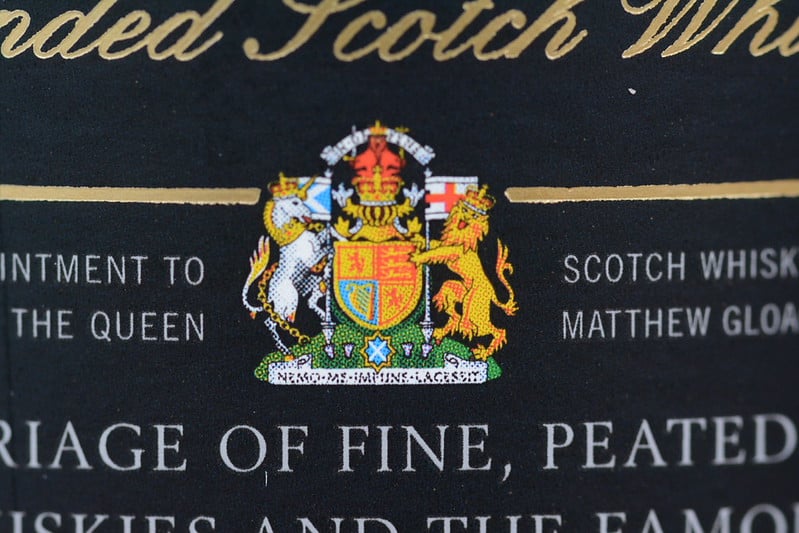
A royal warrant allows a business that supplies the royal household to display the royal arms on its products and premises. The practice reaches back to medieval charters, and Henry II’s grant to the Weavers’ Company in 1155 is often cited as an early example.
The Royal Warrant Holders Association was formed in 1840 to organize the system. When Charles III issued his first list of warrants in December 2024, several famous names, including Cadbury, did not appear on it.
Holders must reapply periodically, and a warrant can be withdrawn, which makes the arms on a jar of marmalade more fragile than they look.
Anointing a New Monarch With Holy Oil
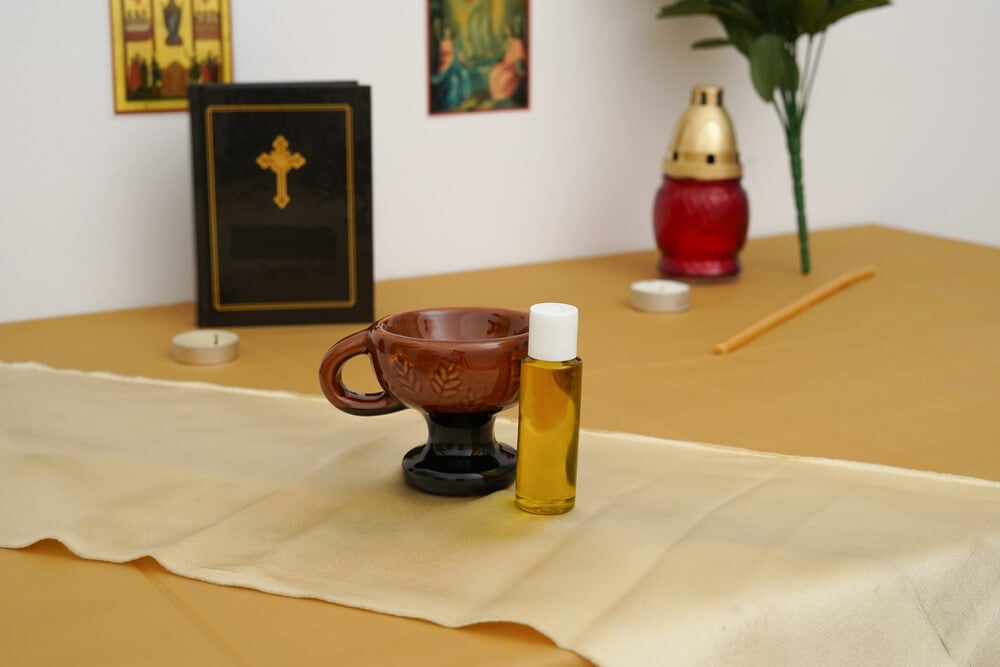
The most sacred moment of a British coronation happens behind a screen. The Archbishop of Canterbury anoints the new monarch on the hands, chest and head using oil poured from the Ampulla, a golden eagle, into the Coronation Spoon.
The spoon dates to the 12th century and is the oldest object among the Crown Jewels, having survived when Parliament melted down most royal regalia in 1649. For the coronation of Charles III in 2023, the oil was consecrated in Jerusalem at the Church of the Holy Sepulchre.
It was made from olives grown on the Mount of Olives.
Crowning Kings Over the Stone of Destiny
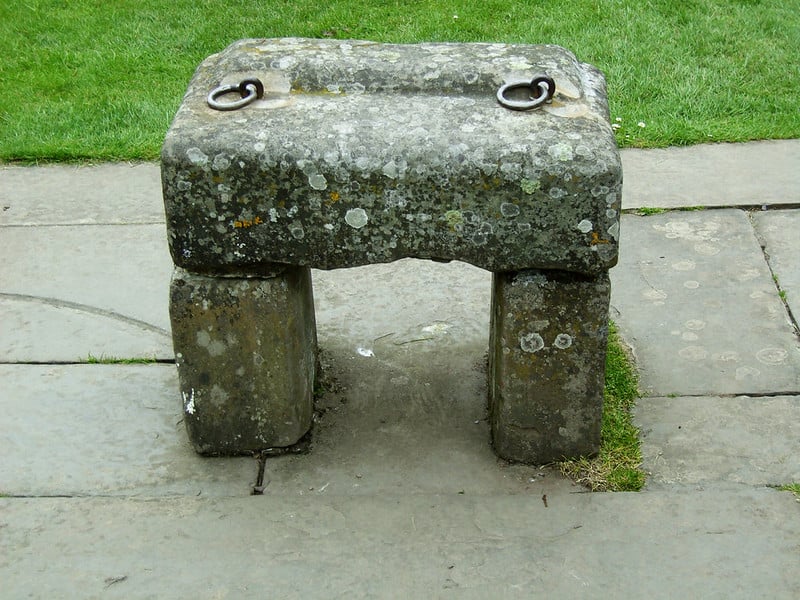
The Stone of Destiny, a block of sandstone long used in the inauguration of Scottish kings, was taken to England by Edward I in 1296. For centuries it sat beneath the Coronation Chair in Westminster Abbey.
On Christmas Day in 1950, Scottish students removed it from the abbey, and it was recovered months later at Arbroath Abbey. The stone was formally returned to Scotland in 1996 and travels south only for coronations, as it did in 2023.
In 2024 it moved from Edinburgh Castle to a new museum in Perth, close to its ancient home at Scone.
Prinsjesdag and the Speech From the Throne
On the third Tuesday of September, the Dutch monarch rides through The Hague in a horse-drawn coach to open the parliamentary year. Before a joint session of parliament, traditionally held in the medieval Hall of Knights but moved to a nearby theater during renovations, the king reads the Speech from the Throne, outlining the government’s plans and budget.
The custom took shape in the early 19th century, after the Netherlands became a kingdom. The famous Golden Coach has been retired from the procession amid debate over its colonial imagery, and the Glass Coach has taken its place.
Female politicians and guests often wear elaborate hats, a habit so established that some locals call it hat day.
Thailand’s Royal Plowing Ceremony
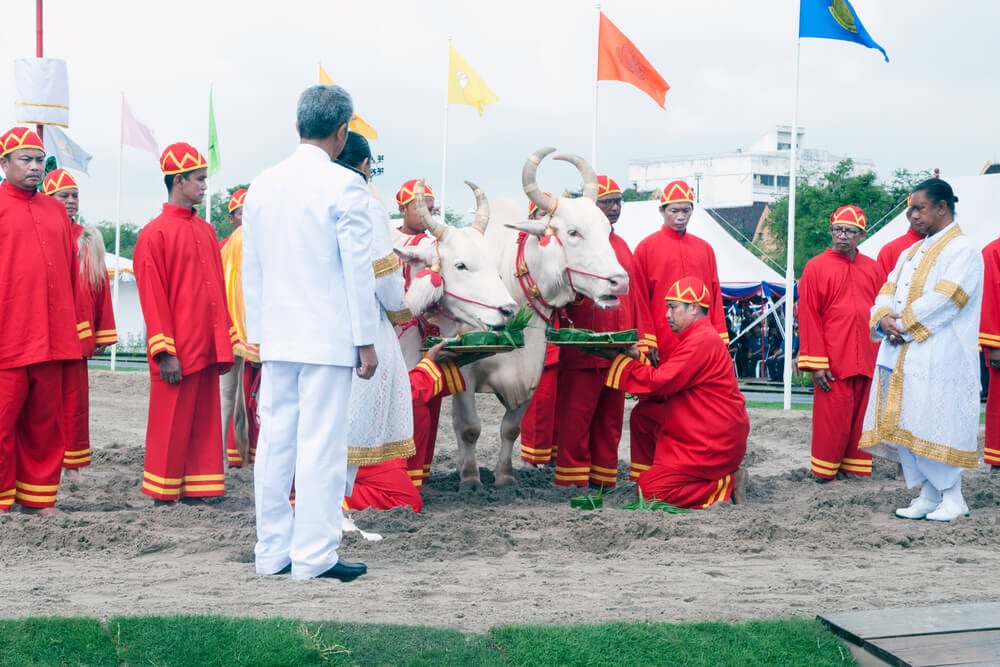
Each May at Sanam Luang in Bangkok, the Royal Plowing Ceremony marks the beginning of the rice-growing season. An official known as the Lord of the Harvest guides a pair of sacred oxen as they plow furrows and scatter rice seed.
Afterward the oxen are offered several foods, including rice, corn, beans, grass, water and liquor, and their choices are read as predictions for the year’s harvest and economy.
The ritual has Brahmin roots and is associated with the Sukhothai era, and it was revived in its modern form in 1960. Spectators rush onto the field to collect seeds for luck.
Royal Barges on the Chao Phraya River
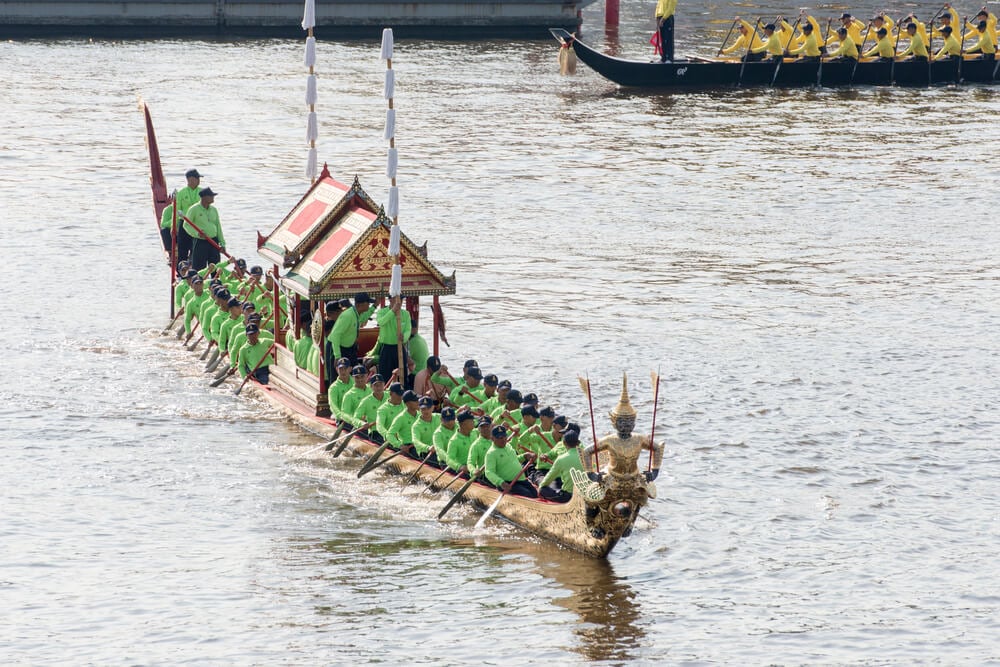
The Royal Barge Procession is one of Thailand’s rarest spectacles, staged only for major royal occasions. Dozens of gilded barges, rowed by more than two thousand oarsmen chanting in rhythm, glide along the Chao Phraya River in Bangkok.
The lead vessel, Suphannahong, has a prow shaped like a mythical swan and was carved from a single tree trunk. Barge processions date back to the Ayutthaya kingdom.
The most recent took place in October 2024, when King Vajiralongkorn traveled by water to Wat Arun for the royal Kathin robe offering during celebrations of his 72nd birthday year.
Japan’s Imperial New Year Poetry Reading

In January, the Japanese imperial family gathers at the Imperial Palace in Tokyo for Utakai Hajime, a formal reading of poems in the classical waka form of 31 syllables. Each year has a set theme, and poems by the emperor, empress and other royals are chanted slowly in a distinctive traditional style.
Imperial poetry gatherings at the New Year are traced back many centuries, and since the Meiji era ordinary citizens have been able to submit verses. A handful of public entries are chosen and read aloud alongside the royal ones.
In 2026, Prince Hisahito took part for the first time.
The Emperor’s Harvest Offering of New Rice

Every November 23, the Emperor of Japan performs Niinamesai, a Shinto rite in which newly harvested rice is offered to the deities and then tasted by the emperor himself. The ceremony is held at a shrine within the Imperial Palace grounds and continues late into the night.
It ranks among the oldest and most important rituals of the imperial household, with roots reaching back well over a thousand years. The same date became a national holiday, Labor Thanksgiving Day, in 1948.
Emperors also plant and harvest rice in a small palace field each year, a newer custom begun by Emperor Showa.
Denmark’s Royal Life Guards March to Amalienborg
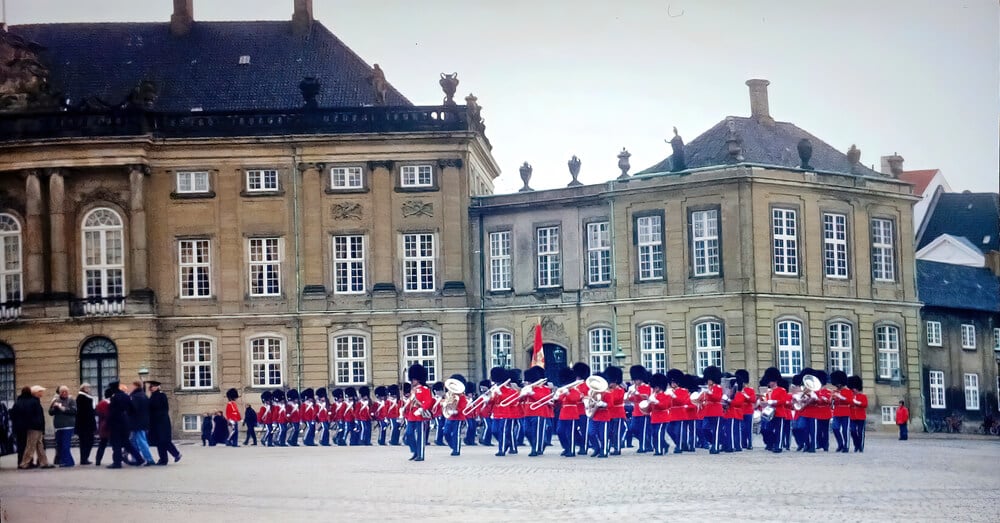
Denmark’s Royal Life Guards were founded in 1658 by King Frederick III, and they still march through central Copenhagen every day. The soldiers leave their barracks near Rosenborg Castle and parade through the streets to Amalienborg Palace, where the guard changes at noon.
Their dark blue uniforms and tall bearskin caps make them easy to spot among cyclists and shoppers. When the monarch is in residence, the guard is accompanied by a band, and the ceremony is noticeably grander.
The march gives one of Europe’s oldest monarchies a daily public moment that costs spectators nothing to watch.
Morocco’s Allegiance Ceremony

Morocco’s monarchy renews its bond with the nation each summer through the bay’ah, an allegiance ceremony rooted in early Islamic tradition. Held around Throne Day at the end of July, it gathers senior officials, governors and local representatives in rows dressed in white robes.
As the king passes on horseback beneath a ceremonial parasol, the assembled ranks bow repeatedly and pledge loyalty. The setting moves between royal palaces in different cities, and recent ceremonies have taken place in Tetouan.
The Alaouite dynasty has ruled Morocco since the 17th century, and the ritual reflects the king’s role as Commander of the Faithful.
Umhlanga, the Reed Dance of Eswatini
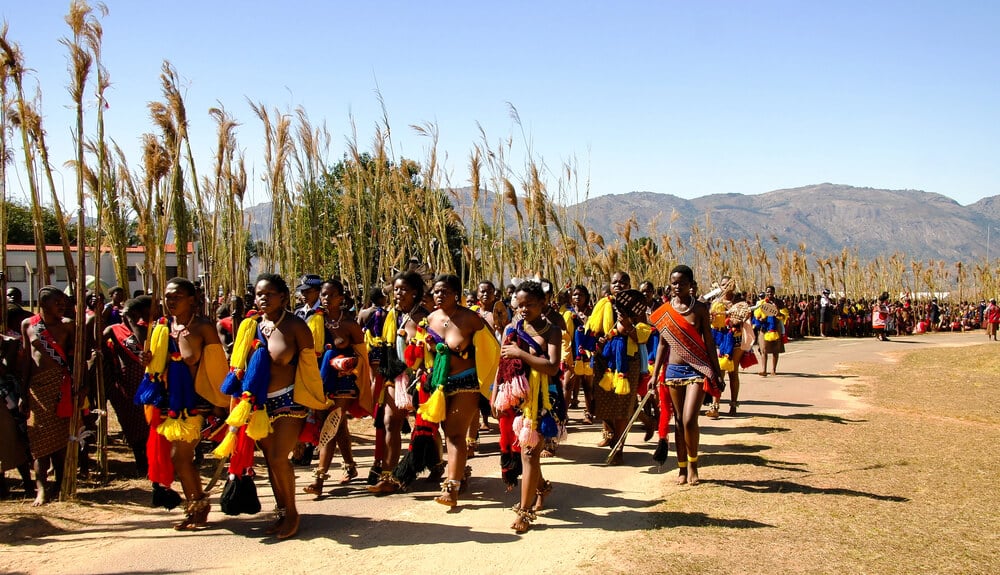
In late August or early September, tens of thousands of young women gather in Eswatini for Umhlanga, the Reed Dance. Over several days they cut tall reeds and carry them to the royal residence at Ludzidzini to repair the windbreak around the Queen Mother’s home.
The event closes with singing and dancing before the king and royal family. The ceremony in its modern form was shaped under King Sobhuza II in the 20th century, though it draws on much older customs tied to age-based regiments.
It remains one of the largest cultural gatherings in southern Africa.
Spain’s Pascua Militar on Epiphany
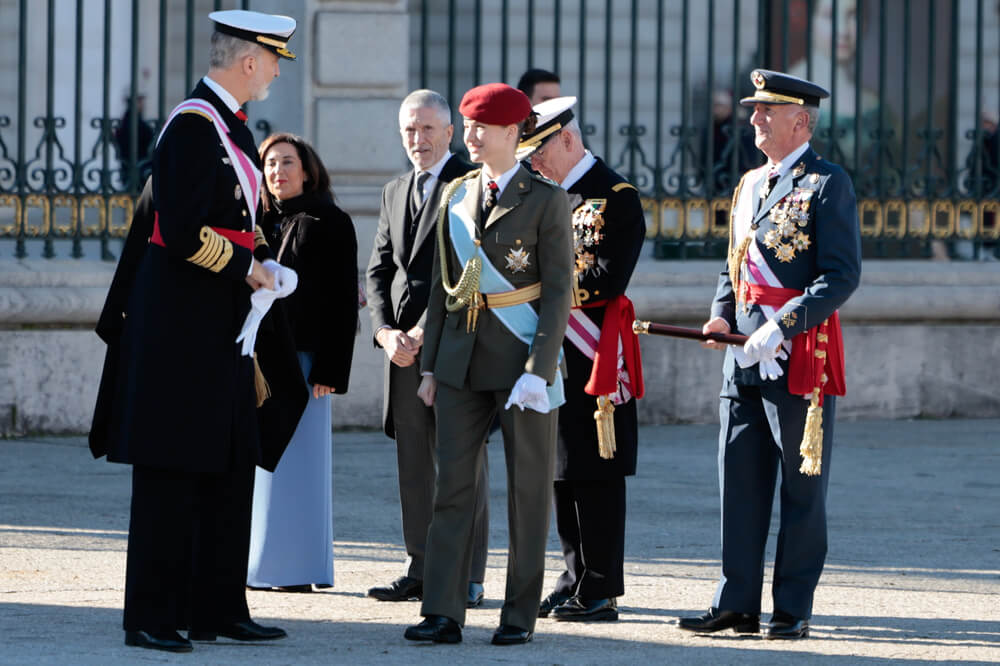
Every January 6, the King of Spain hosts the Pascua Militar at the Royal Palace in Madrid, addressing military leaders and reviewing the state of the armed forces. Charles III created the occasion in 1782 to celebrate the recapture of Menorca from British control.
The king has used the day to praise troops serving abroad and to comment on the nation’s defense priorities. Senior officers arrive in full dress uniform, and the speech is closely watched for its tone.
More than two centuries on, Spaniards still associate Epiphany both with gifts for children and with this formal military reception.
Tonga’s Royal Kava Ceremony
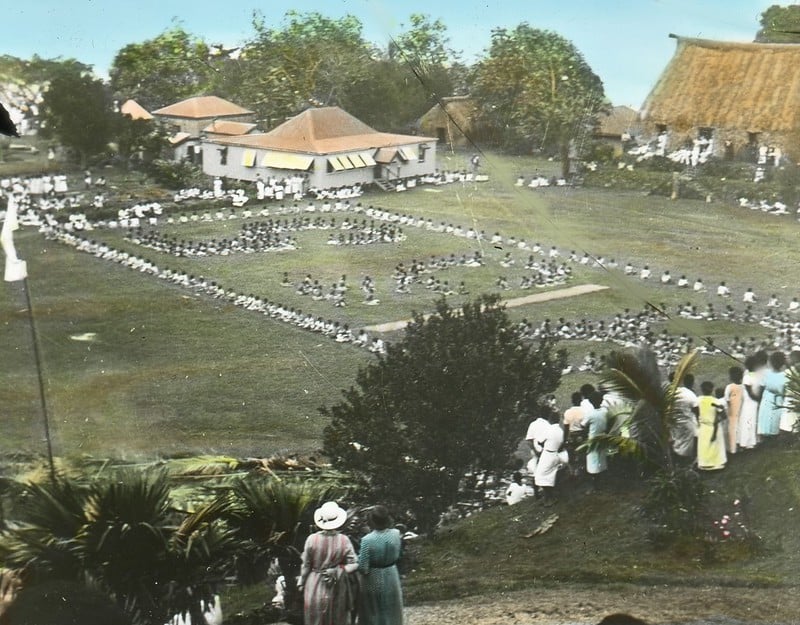
In Tonga, the Pacific’s last remaining kingdom, the taumafa kava ceremony is central to installing a new monarch and marking major royal occasions. Chiefs and nobles sit in a large oval arranged strictly by rank, while kava, a drink made from the root of a pepper plant, is prepared and served in a set order.
The ritual reaffirms the relationships between the monarch, the nobility and the people. Tongan chiefly lineages are often traced back roughly a thousand years.
When King Tupou VI was crowned in Nuku’alofa in 2015, the kava ceremony formed a key part of the proceedings.
Gun Salutes in Hyde Park and the Tower
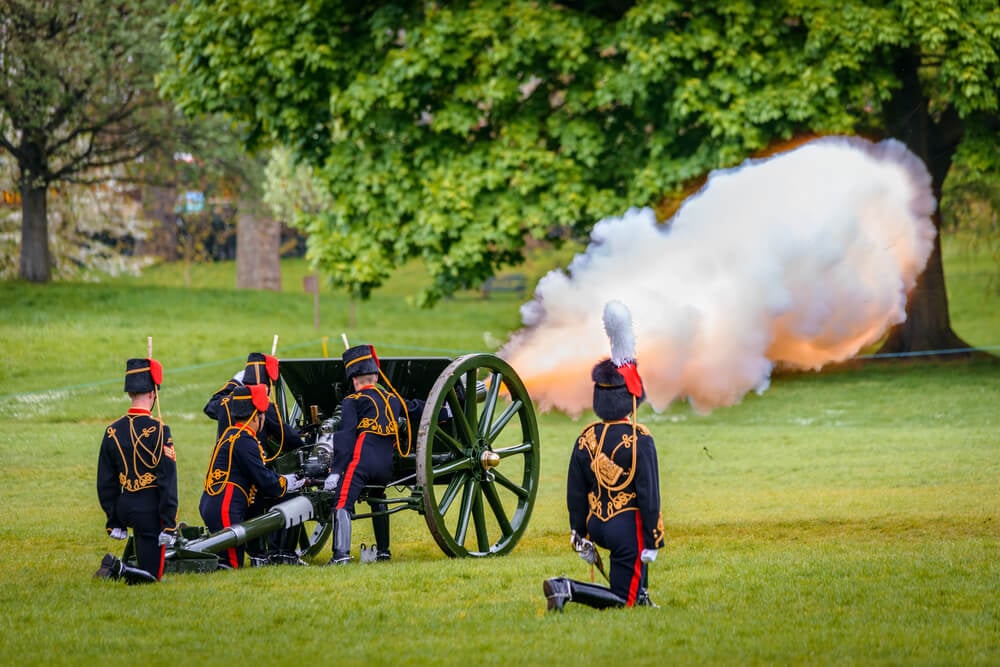
Cannon fire echoes across central London on royal anniversaries and state occasions. The King’s Troop Royal Horse Artillery gallops into Hyde Park with First World War era guns and fires a 41-gun salute.
At the Tower of London, a historic City of London regiment typically fires 62 rounds, because the Tower adds extra rounds for the City of London. Gun salutes have marked royal events in Britain for centuries, and the occasions include the monarch’s birthday, accession day and coronation day.
The guns fire blank charges at ten-second intervals, a rhythm that can be heard well beyond the park.
The Carriage Procession at Royal Ascot
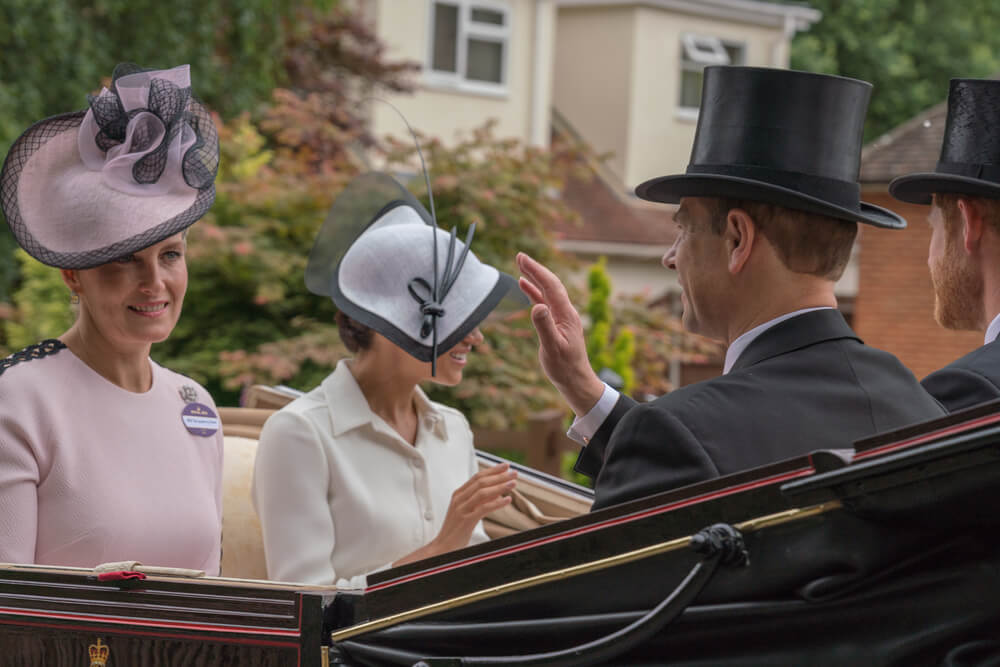
Queen Anne founded Ascot Racecourse in 1711, and royal patronage has shaped it ever since. Each day of Royal Ascot in June, the monarch and guests arrive in open landau carriages that travel up the course before racing begins, a tradition dating to 1825 under George IV.
The procession is greeted by the national anthem and by racegoers in formal dress, including top hats and strict rules on hats for women in the Royal Enclosure. Betting on the color of the Queen’s hat was once a popular sideline.
Royal horses also run at the meeting, and wins are celebrated with genuine enthusiasm.
Pageantry as a Living Archive
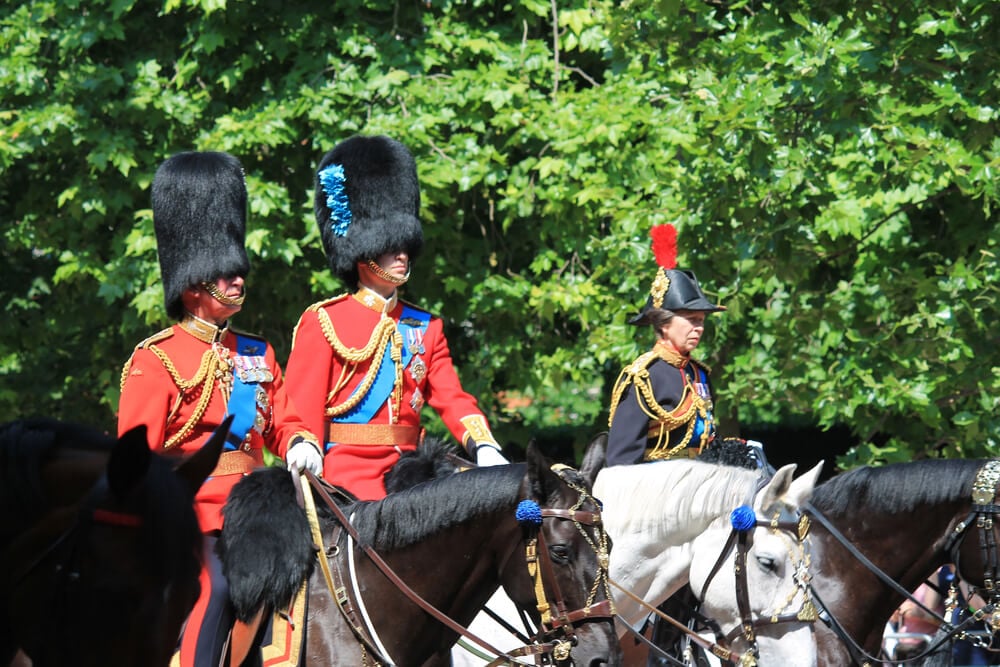
Taken together, these rituals form a kind of archive that walks, rows, kneels and marches. Each preserves a fact that might otherwise be lost, such as a forge rent in horseshoes, an assassination plot or a vanished king’s prayer.
The details rarely make practical sense anymore. That is part of their power.
Monarchies keep these ceremonies because continuity is the main thing they have to offer. A lantern in a cellar or a pair of oxen choosing their dinner links a modern state to its own deep past in a way no statute can.
The people performing them change every generation, and the script barely moves.
More from Go2Tutors!

- The Romanov Crown Jewels and Their Tragic Fate
- 13 Historical Mysteries That Science Still Can’t Solve
- Famous Hoaxes That Fooled the World for Years
- 15 Child Stars with Tragic Adult Lives
- 16 Famous Jewelry Pieces in History
Like Go2Tutors’s content? Follow us on MSN.