Global Apps That Changed Communication
The way people talk to each other today looks nothing like it did twenty years ago. A smartphone in someone’s pocket now holds more communication power than entire office buildings used to have.
Apps have turned the world into a place where distance doesn’t matter anymore, where a person in Tokyo can instantly share a moment with someone in Toronto, and where keeping in touch takes just a few taps. Here are the apps that made it all happen and completely transformed how humans connect.
This green icon has become the primary way billions of people stay in touch across the globe. WhatsApp made international texting free and simple, which was a huge deal when phone companies charged crazy amounts for sending messages across borders.
The app works on pretty much any smartphone and uses internet data instead of traditional text messaging plans. Over 2 billion people use it regularly, making it one of the most popular communication tools ever created.
Skype

Before Zoom meetings became the norm, Skype was the pioneer that proved video calls could actually work. Microsoft’s platform lets families see each other across continents without paying for expensive long-distance calls.
Businesses started holding meetings with people in different countries, saving thousands on travel costs. The blue logo became synonymous with video chatting for an entire generation who grew up seeing grandparents on a computer screen.
Slack

Corporate email was a mess of endless reply chains and buried information until Slack showed up. This workspace messaging app organized conversations into channels, made finding old messages easy, and integrated with countless other work tools.
Teams could chat in real time, share files, and actually get things done faster. The platform changed office culture by making communication more casual and efficient at the same time.

China’s super-app does everything from messaging to mobile payments, and over a billion people use it daily. WeChat combined chat, social media, shopping, and banking into one platform years before Western apps tried similar approaches.
People can order food, pay bills, book doctor appointments, and video call friends all without leaving the app. It essentially became a digital ecosystem that runs daily life for millions.
Telegram
Privacy-focused users flocked to Telegram when they wanted more control over their data and conversations. The app offers encrypted chats, self-destructing messages, and the ability to send huge files that other platforms won’t handle.
Channels let people broadcast to unlimited subscribers, which made it popular for news and community groups. Telegram proved that people care about security and are willing to switch apps to get it.
Discord
Gamers needed a better way to talk while playing, and Discord delivered a platform that went way beyond gaming. Voice channels, text chats, and video calls all work smoothly even during intense gaming sessions.
Communities formed around shared interests, from book clubs to study groups to fan communities. What started as a tool for coordinating raids in video games became a social hub for millions of different groups.
FaceTime
Apple made video calling as easy as making a regular phone call with FaceTime. The app came pre-installed on iPhones and iPads, which meant millions of people suddenly had video chat capability without downloading anything.
Quality was smooth, setup was automatic, and grandparents could see their grandkids with zero technical knowledge required. It normalized video calls in a way that made them feel natural rather than complicated.
Snapchat
The idea of messages that disappear after viewing seemed weird until Snapchat made it the norm for younger users. Photos and videos vanish after being seen, which created a more relaxed and spontaneous way of sharing moments.
Stories gave people a way to broadcast their day to friends without cluttering up permanent feeds. The app changed how a generation thinks about sharing content and created features that other platforms quickly copied.
Messenger
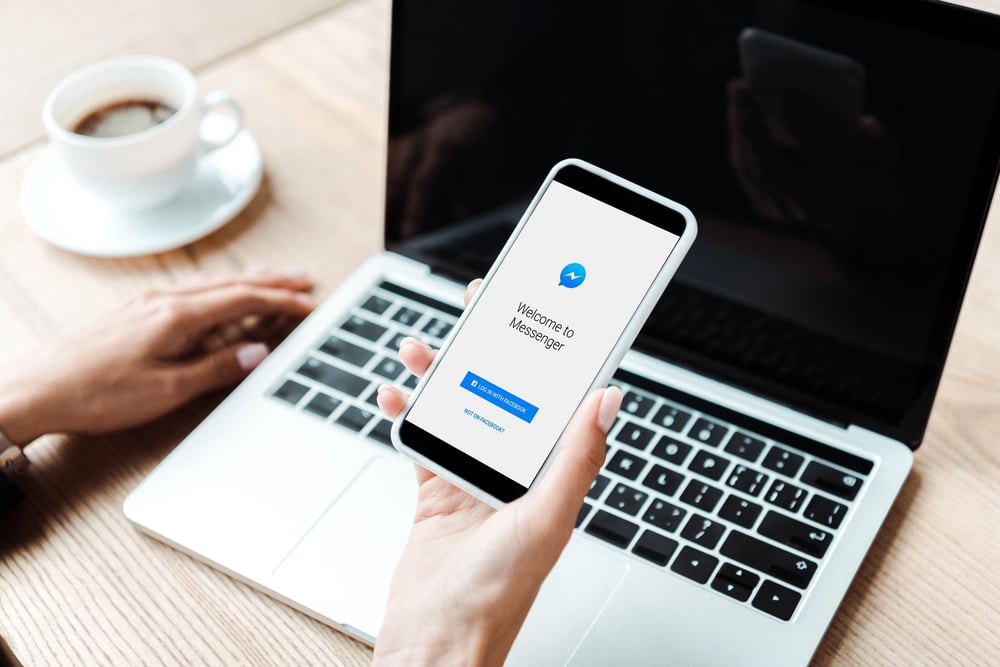
Facebook split off its messaging feature into a separate app, and suddenly everyone had a dedicated chat platform. Messenger let people send texts, photos, voice messages, and video calls all through one familiar interface.
The app connected to Facebook profiles, which meant finding friends was automatic if they were already on the social network. Group chats became easier to manage, and features like reactions and chat themes added personality to conversations.
Viber
This app filled a gap in regions where other messaging platforms hadn’t caught on yet. Viber offered free calls and messages over WiFi or data connections, which helped people in areas with expensive phone plans.
The purple app gained massive popularity in Eastern Europe, parts of Asia, and the Middle East. Stickers and group chats made conversations fun while keeping costs at zero.
LINE
Japan and several Southeast Asian countries embraced LINE as their go-to messaging platform. Cute stickers became a huge part of how people express themselves in chats, with characters like Brown and Cony becoming cultural icons.
The app expanded into mobile payments, news, games, and even taxi services in some regions. LINE showed that messaging apps could evolve into full lifestyle platforms if done right.
Signal
Edward Snowden recommended Signal, and privacy advocates listened. This app uses end-to-end encryption for everything, meaning not even Signal itself can read your messages.
Regular people started caring more about digital privacy, and Signal gave them a tool that was both secure and easy to use. The nonprofit behind it doesn’t sell data or run ads, which built trust with users worried about corporate surveillance.
Google Meet
Out of nowhere, the pandemic pushed Google Meet into classrooms, offices, and living rooms. Because everything shifted online, people leaned on it just to keep talking.
Meetings linked right into calendars and emails – no extra steps needed. Classes kept going because teachers clicked into sessions from home.
Microsoft Teams
Working from home pushed offices to lean on Teams for nearly every task. Chat, video calls, storing files – all tucked inside a single space.
As folks stopped entering actual buildings, that digital corner turned into their workplace. Documents updated live, next to ongoing conversations.
Zoom
Zoom started meaning “to meet online” once lockdowns hit and folks scrambled for ways to talk face-to-face at a distance. Simple controls helped even those who struggle with email join in without help.
People used fake backdrops to cover cluttered spaces, while separate chat zones allowed smaller talks within big meetings. Its crowd of users jumped from 10 million to more than three hundred million in under half a year – growth that rewired how we think about connection.
When Distance Disappeared
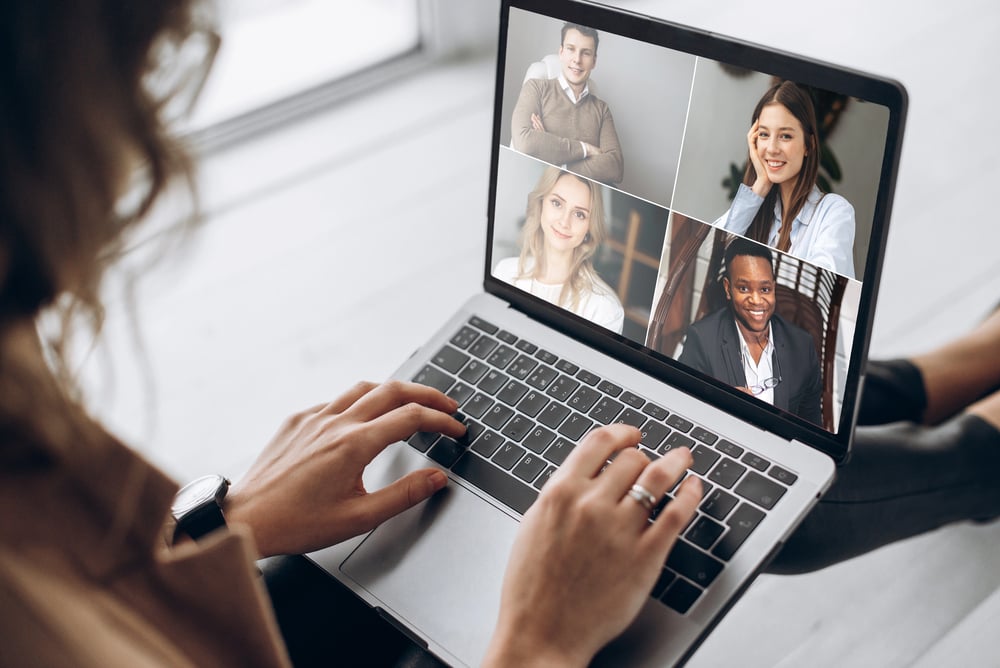
Distance feels different now. From halfway around the globe, a parent sees their baby take those early steps.
Work moves forward even when team members sleep at opposite hours. Friends stay close without sharing the same streets.
Speed and cost played roles, yet something deeper shifted. Being apart isn’t the same as before.
Innovation continues inching ahead. Still, the big change came quietly – when maps lost their power to divide us.
More from Go2Tutors!

- The Romanov Crown Jewels and Their Tragic Fate
- 13 Historical Mysteries That Science Still Can’t Solve
- Famous Hoaxes That Fooled the World for Years
- 15 Child Stars with Tragic Adult Lives
- 16 Famous Jewelry Pieces in History
Like Go2Tutors’s content? Follow us on MSN.