What Neon Signs Reveal About Midcentury US Culture
In the middle of the 20th century, the streets of American cities and towns glowed with bright neon lights. These signs weren’t just for show.
They told a story about what people valued, how businesses competed, and how everyday life was changing fast. From diners to motels to movie theaters, neon was everywhere—and it said more than just “Open.”
Neon signs didn’t just light up the night—they lit up the way people lived, worked, and dreamed. Let’s take a closer look at what they really revealed about midcentury America.
A craving for convenience
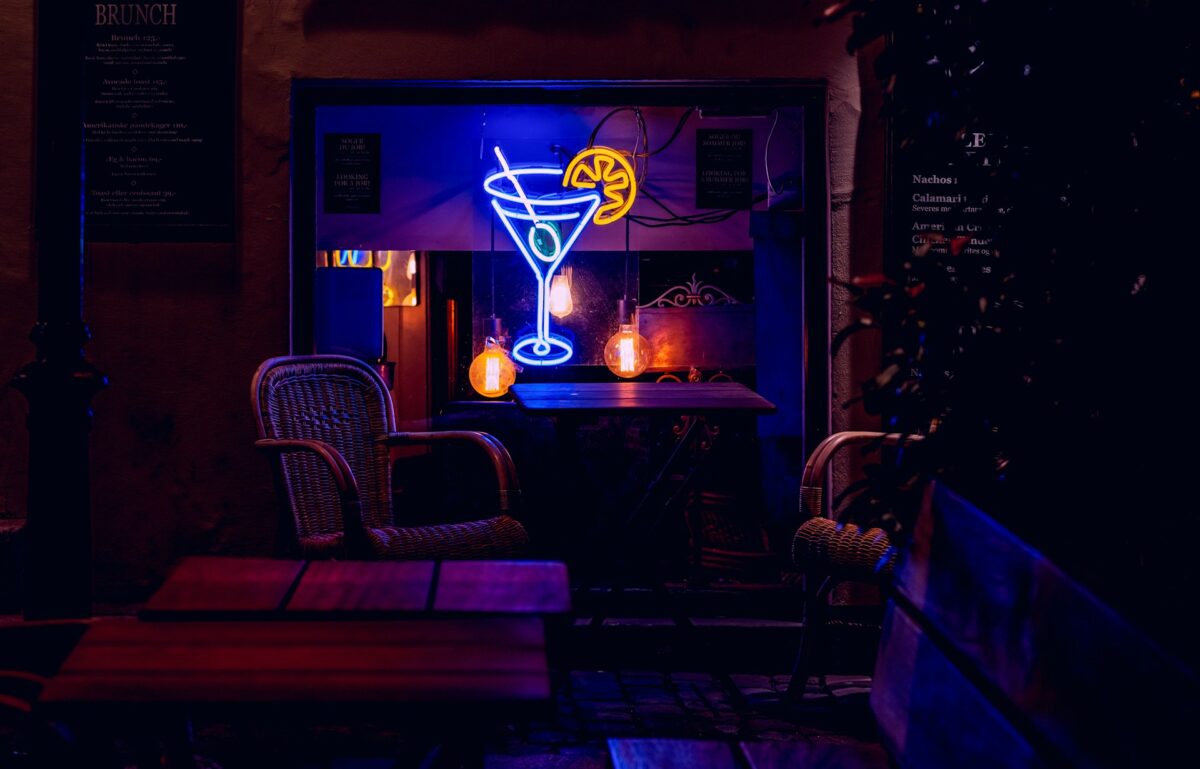
Midcentury America was focused on making life quicker and easier. Neon signs helped businesses stay open late and catch attention even when the sun went down.
This was important in a time when many people started working longer hours or commuting farther. You could spot a glowing pharmacy or diner from blocks away and know you could get what you needed fast.
The signs matched the new, busy lifestyle perfectly.
The power of the car
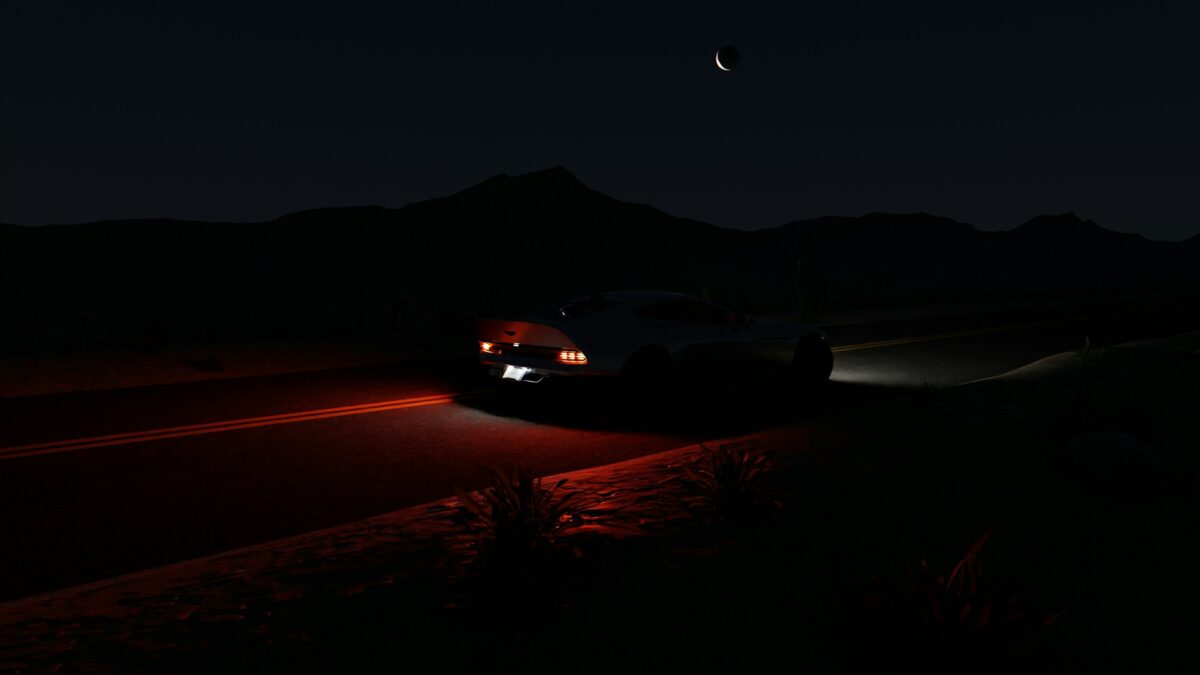
The car became the center of daily life during this period. Neon signs were designed for drivers, not just pedestrians.
They were bigger, brighter, and placed higher so people could see them while speeding down highways. This meant that businesses could attract road travelers, turning a quick stop into a whole experience.
The rise of neon signs shows just how much cars shaped the landscape and how America embraced this freedom of movement.
Like Go2Tutors’s content? Follow us on MSN.
Local pride on display
Small towns and cities wanted to stand out and neon signs helped with that. Instead of plain lettering, many signs had symbols or shapes that reflected what the business was about.
For example, a barbershop might have a glowing pair of scissors or a bakery might flash a pink cupcake. These details showed local character and gave communities a sense of identity.
It wasn’t just advertising—it was a way to celebrate what made a place special.
Color meant something
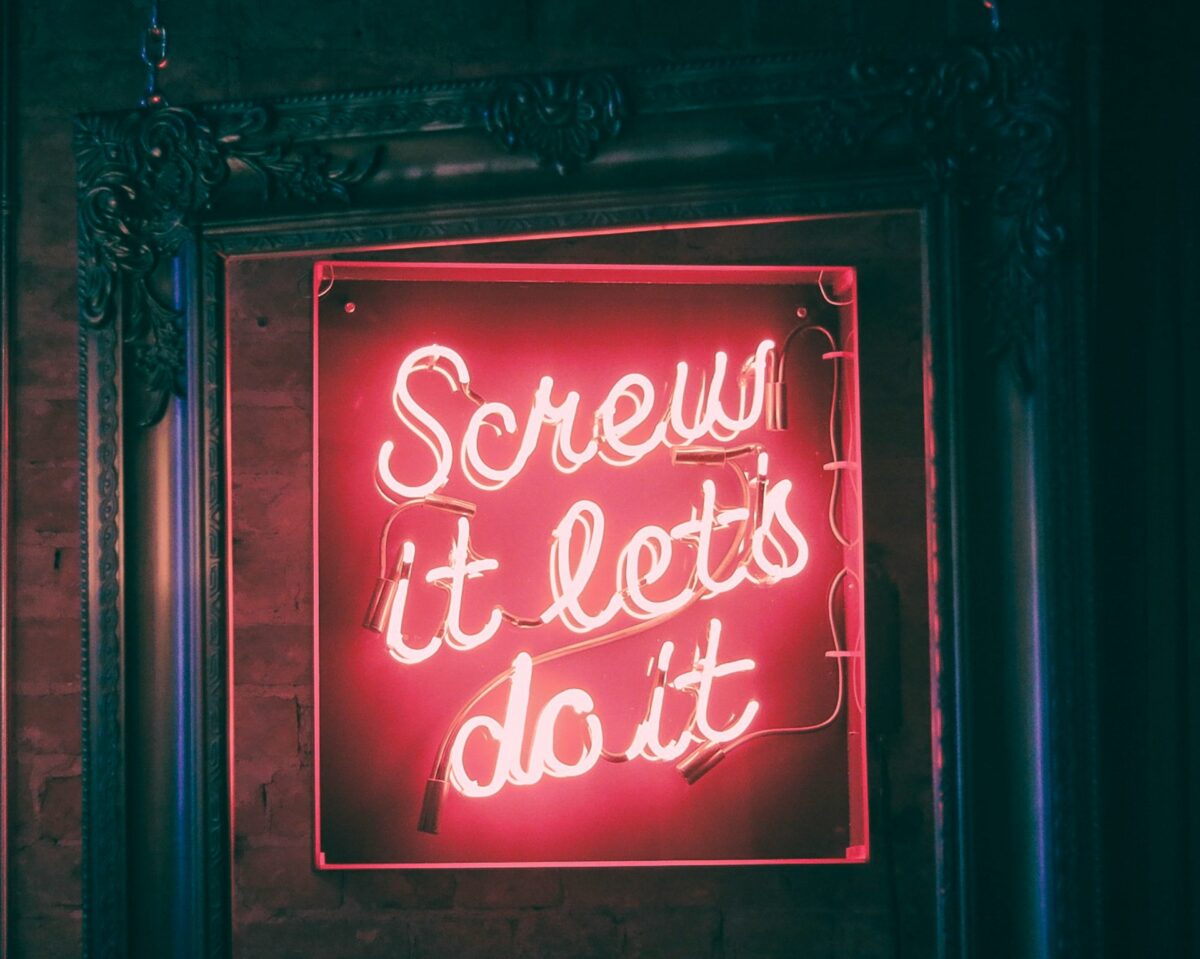
Colors in neon signs weren’t chosen randomly. They sent messages that people understood without words.
Red was often used to grab attention because it’s bold and bright. Blue made people feel calm or safe, so it was common for pharmacies or hotels.
Green suggested freshness or health, perfect for grocery stores or diners. The colors shaped moods and influenced how people felt about the place before even stepping inside.
The rise of the American diner
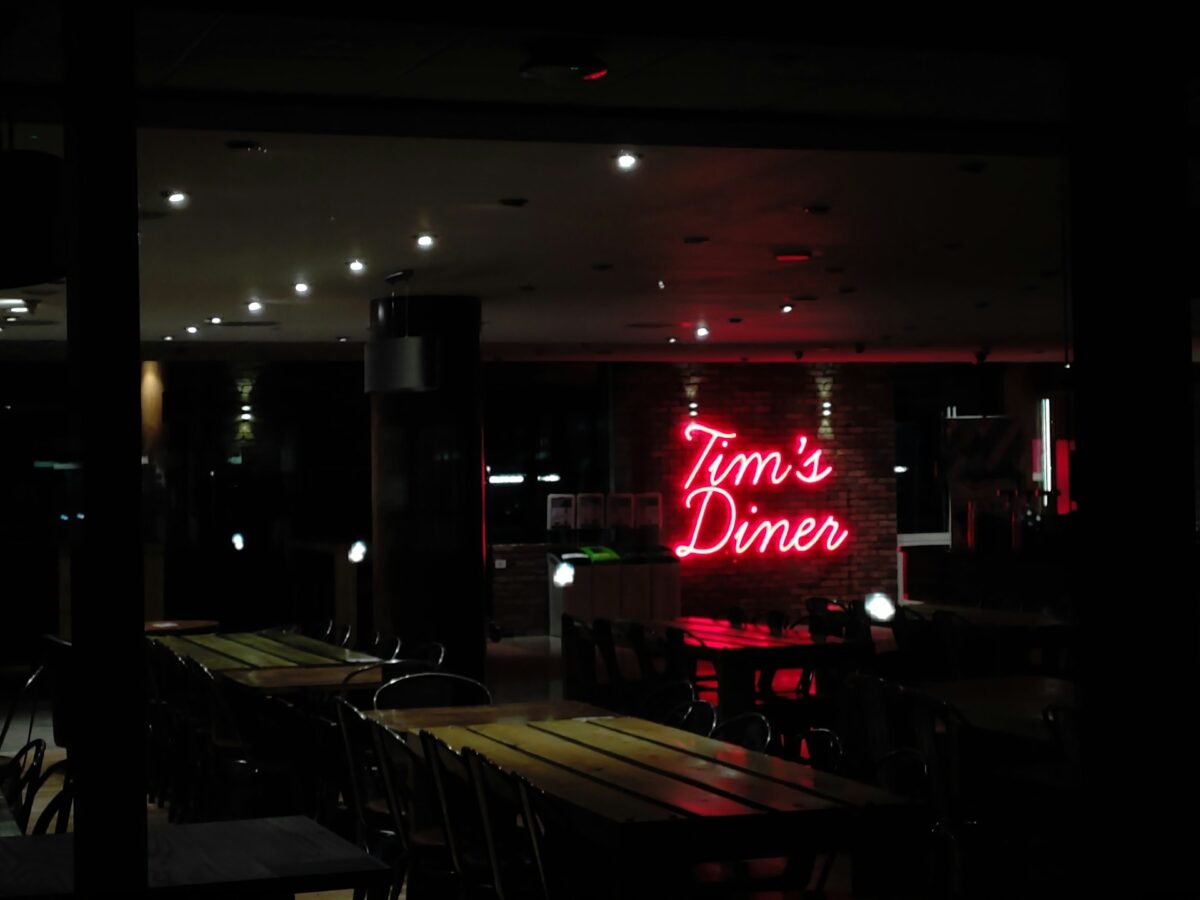
Diners became a symbol of midcentury culture, and their neon signs played a big role in this. These places were open all day and night, offering affordable meals to families and travelers alike.
Neon signs promised warmth and comfort with simple words like “Eat Here” or “Coffee.” Inside, the chrome finishes, checkered floors, and jukeboxes matched the lively, friendly feeling the signs created outside.
They were more than restaurants—they were gathering spots.
Like Go2Tutors’s content? Follow us on MSN.
Entertainment took center stage
Movie theaters and other entertainment venues used neon to look exciting and inviting. A theater’s flashy neon marquee was like a promise of fun and escape from daily life.
Bowling alleys and dance halls did the same, using colorful signs to make the night look alive and buzzing. These signs helped shape the social life of the time, encouraging people to go out and enjoy themselves.
Nightlife got louder
Neon signs were essential for nightlife spots like bars and clubs. Bright signs with shapes like cocktail glasses or musical notes told people where to find live music or a good drink.
Neon helped create an energetic, welcoming vibe that made the streets feel lively after dark. These signs didn’t just mark a place—they set a mood that pulled people in.
Design became a language
In the mid-1900s, neon signs followed certain design trends that people understood instantly. Sharp arrows pointed the way to parking or entrances.
Curvy, loopy cursive fonts suggested a friendly, casual atmosphere. Clean block letters looked modern and trustworthy.
These design choices worked together to tell people what kind of experience to expect, making signs a kind of visual shorthand for businesses.
Like Go2Tutors’s content? Follow us on MSN.
A push for progress
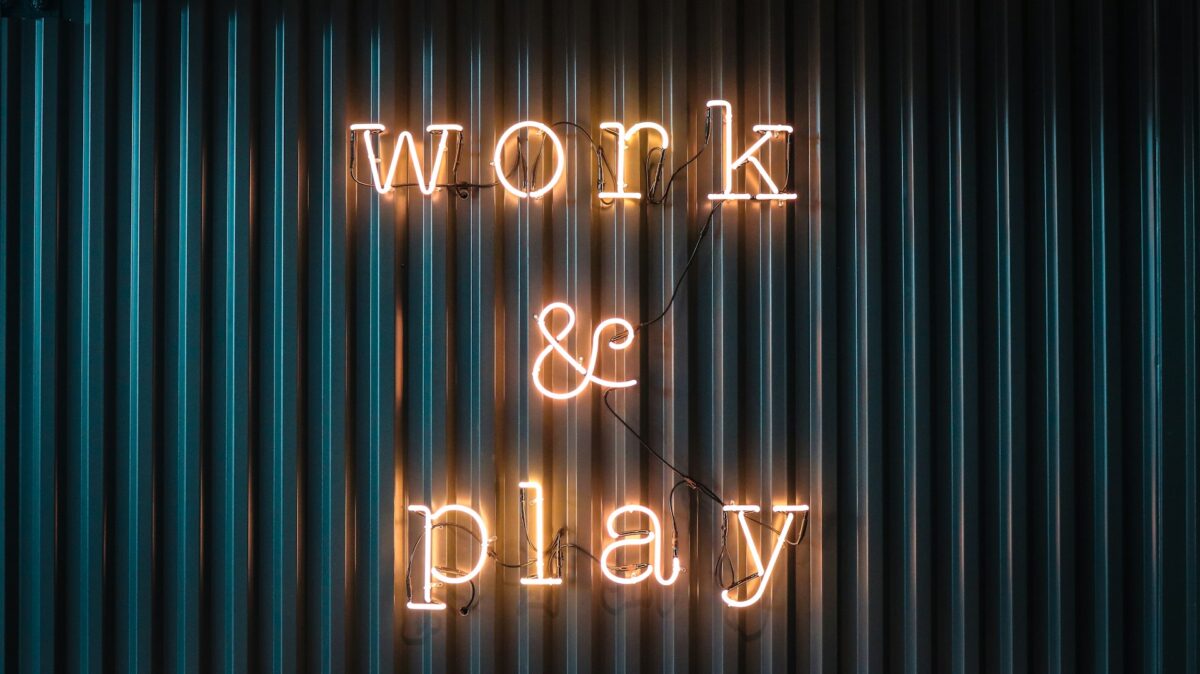
Americans loved looking forward during this time. Neon signs fit perfectly with the idea of progress and modernity.
They looked futuristic, even space-age to many people. Businesses used neon to show they were new, innovative, and ready for the future.
In a time of rapid change, neon was a bright symbol of hope and excitement for what was coming next.
Consumer culture exploded
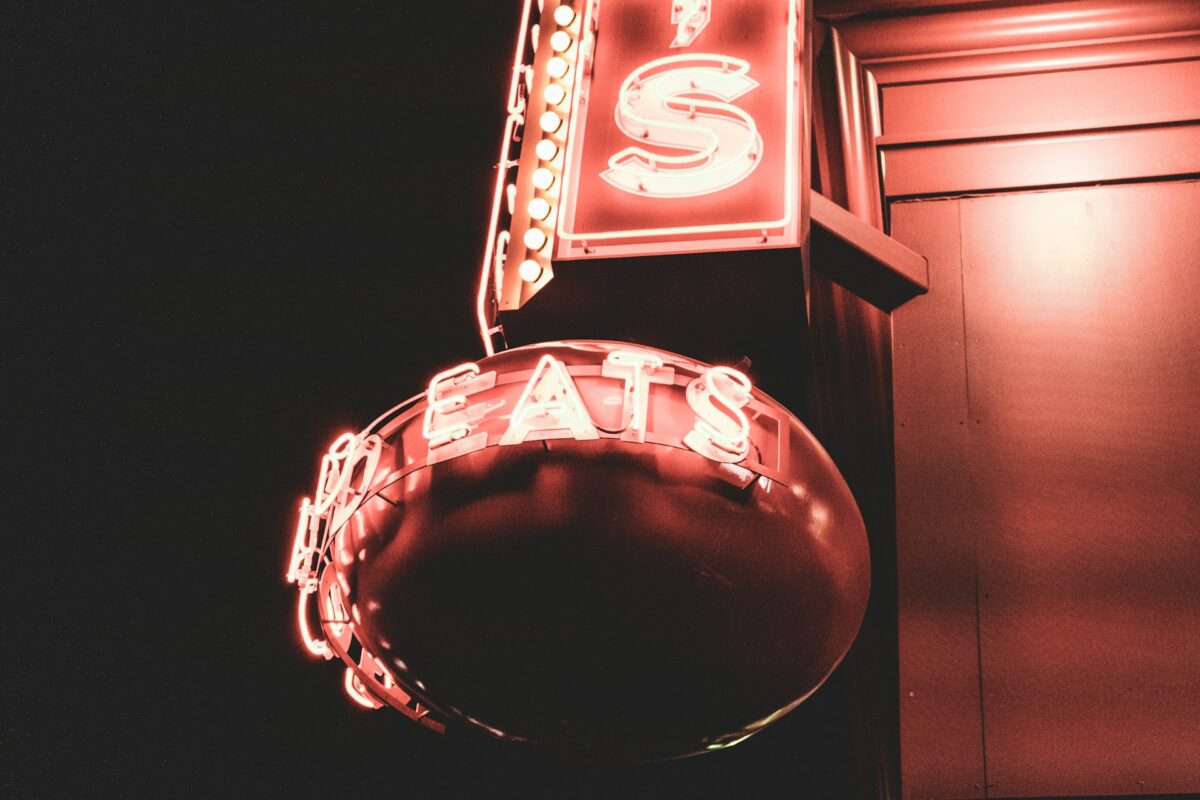
The postwar years saw a huge rise in shopping and consumer choices. Neon signs became tools in this new world, fighting to grab attention in crowded commercial districts.
The brighter and bolder the sign, the more likely customers would stop and spend money. Shopping turned into an experience full of sights and sounds, and neon signs were a big part of that sensory world.
The importance of being seen
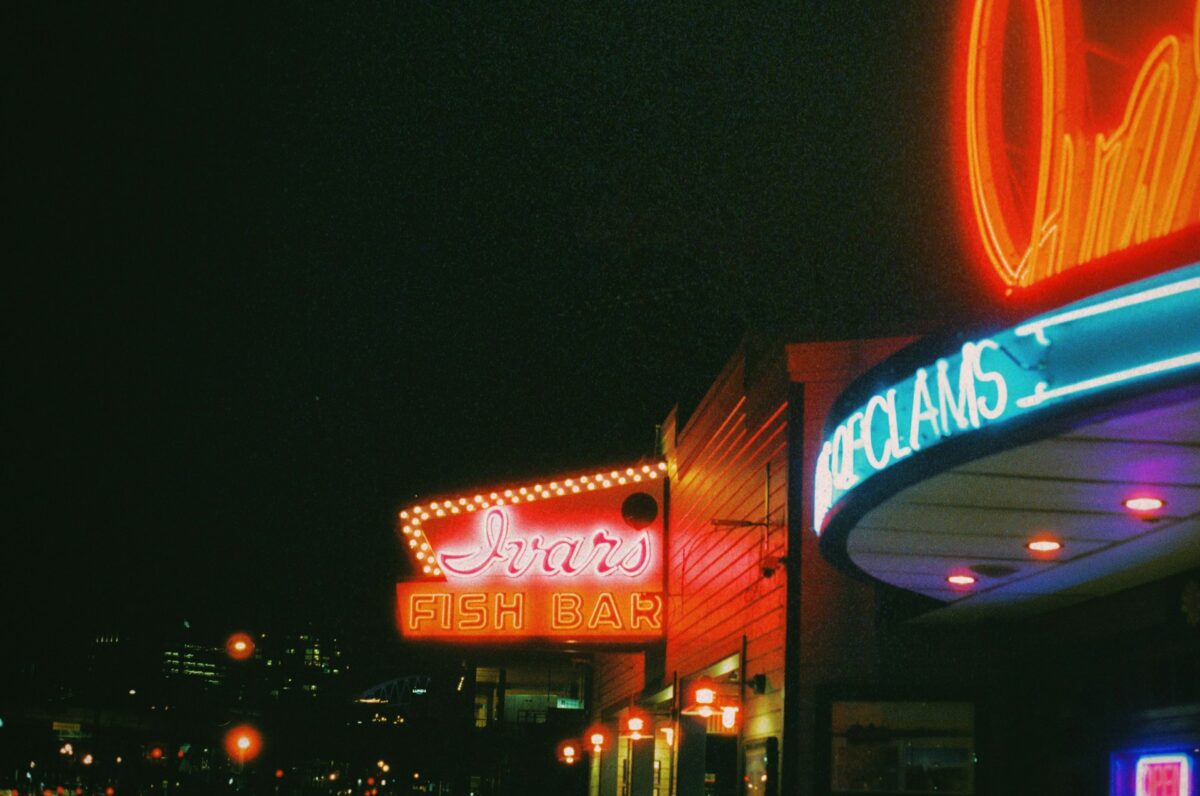
For small businesses, visibility could mean the difference between success and failure. A dim or missing sign might mean no customers at all.
Neon signs gave even the smallest shops a fighting chance by making them stand out in busy streets. They were like a loud, glowing shout saying, “We’re here and ready for you.”
This made neon vital for local economies.
Like Go2Tutors’s content? Follow us on MSN.
The m8otel boom
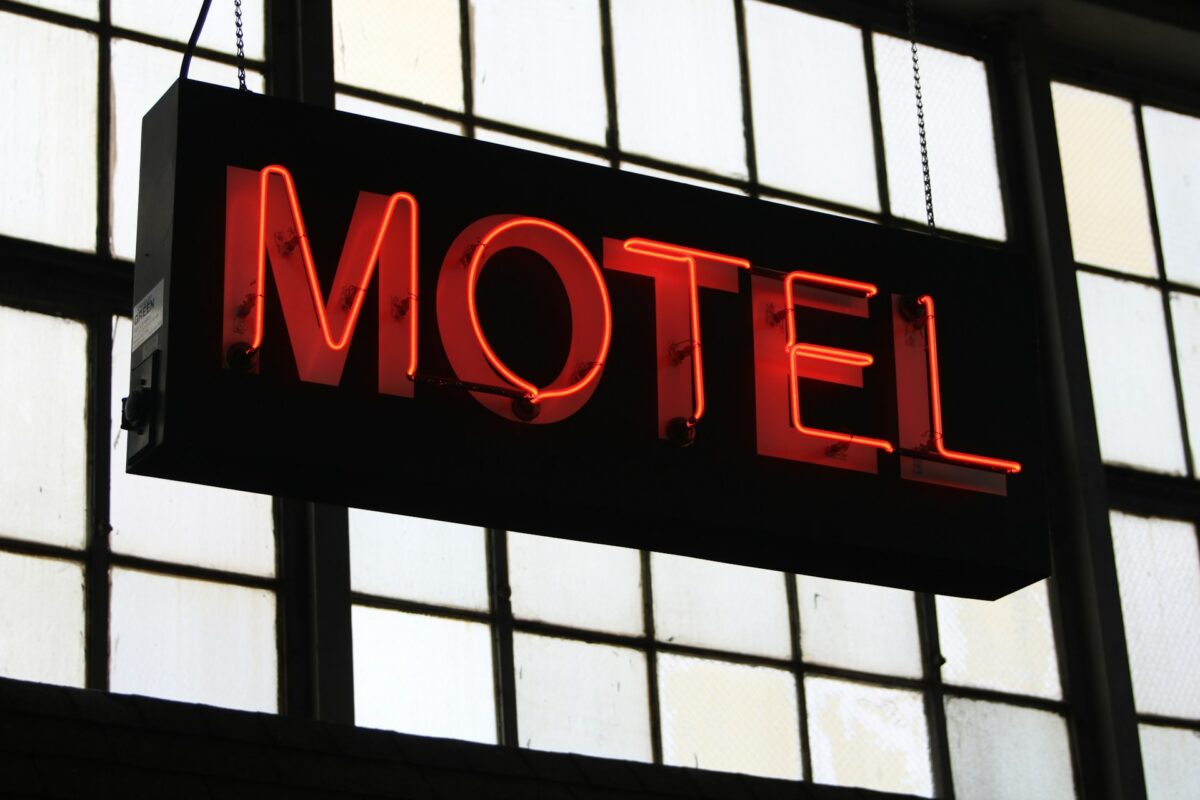
With more Americans traveling by car, motels became a new fixture on highways. Their neon signs were often tall, flashing, and colorful to catch tired drivers’ attention at night.
The classic “Vacancy” sign became part of the road trip experience, offering reassurance and comfort. These signs were essential for motels, helping them compete and guiding travelers safely to a place to rest.
Homemade Americana
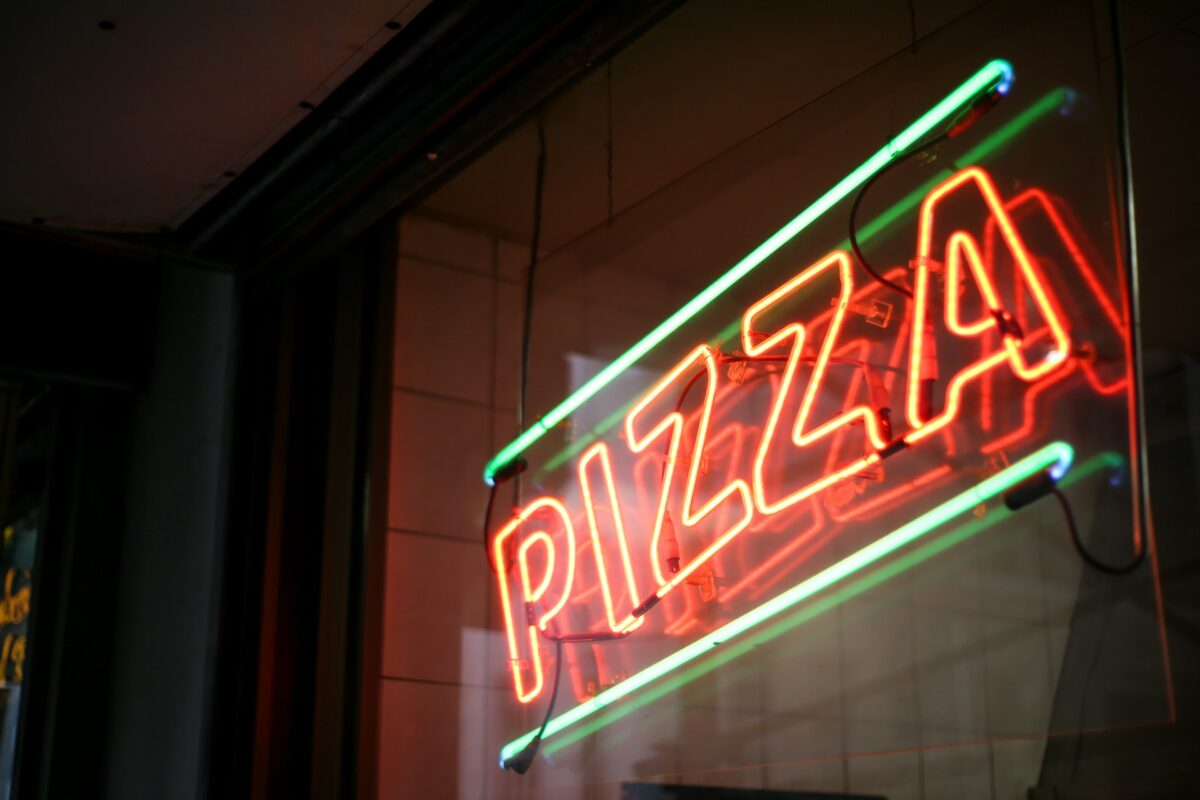
Unlike today’s mass-produced advertising, many neon signs were made locally by skilled artisans. This gave signs a quirky, personal touch.
You might see a flickering neon chicken or an uneven hand-painted slogan. These small imperfections gave the signs character and warmth.
They reflected the spirit of the community, making them feel like part of everyday life rather than just ads.
Jobs and craftsmanship
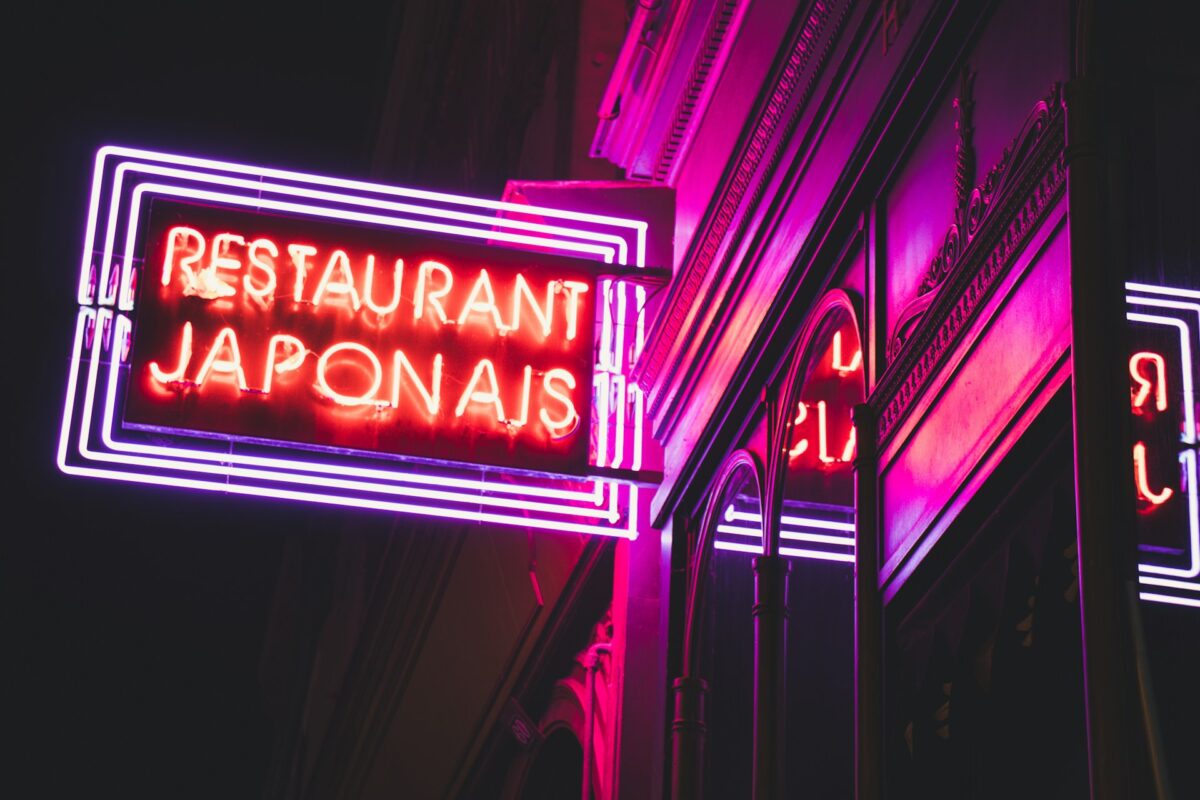
Neon sign making was a skilled craft that required patience and precision. Artisans bent glass tubes by hand, filled them with gases, and wired everything carefully.
It was tricky and delicate work that needed experience to get right. Each glowing sign was the result of hours of effort and expertise.
This craftsmanship is part of why many neon signs still work or are worth restoring today.
Like Go2Tutors’s content? Follow us on MSN.
Where past meets present
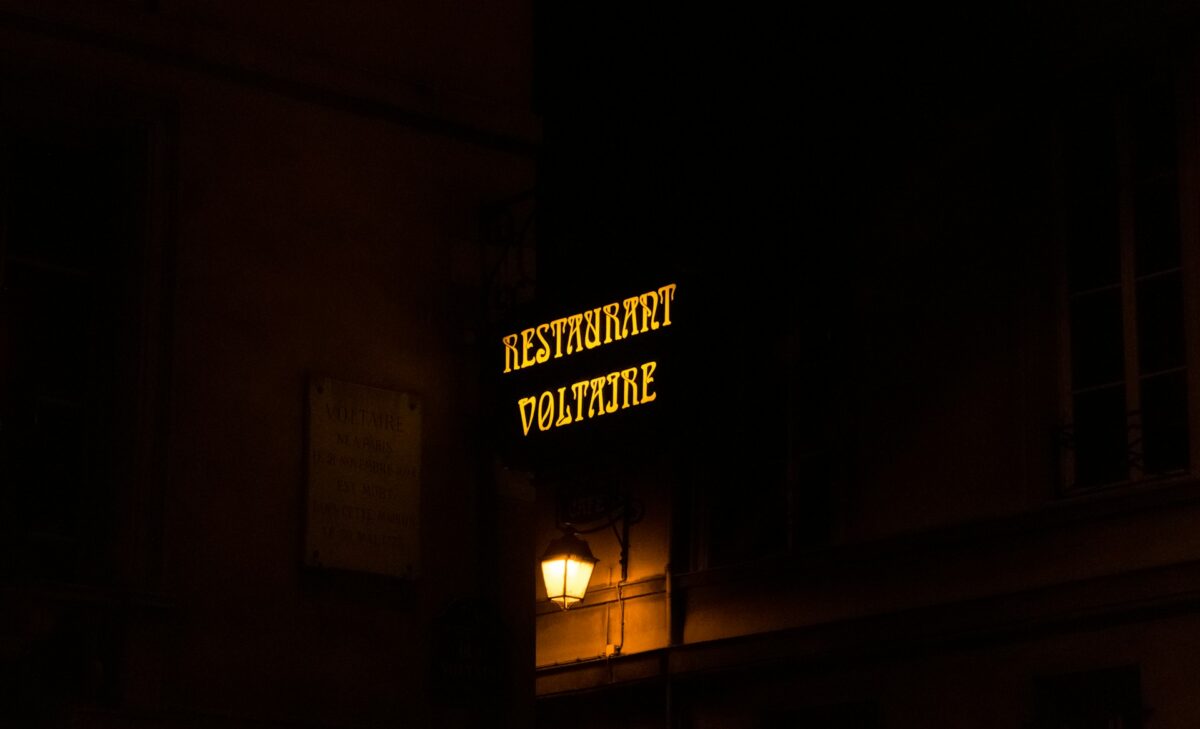
Neon signs might not light up every street corner like they once did, but their impact lives on. Many cities restore old signs or create new ones inspired by midcentury designs.
This blend of old and new keeps the spirit alive. Neon signs once showed the way to a roadside diner or motel, and today they point to memories and stories that still matter.
The light may flicker, but the meaning shines bright.
More from Go2Tutors!

- 16 Historical Figures Who Were Nothing Like You Think
- 12 Things Sold in the 80s That Are Now Illegal
- 15 VHS Tapes That Could Be Worth Thousands
- 17 Historical “What Ifs” That Would Have Changed Everything
- 18 TV Shows That Vanished Without a Finale
Like Go2Tutors’s content? Follow us on MSN.