29 Songs From the ’80s Still Played Today
Some hits fade the moment their chart run ends. Others keep turning up at weddings, stadiums, grocery stores and karaoke bars four decades later, sung loudest by people who were not born when they came out.
The songs below belong to the second group. Each one earned its staying power through a riff, a hook or a cultural moment that refused to stay in the decade that produced it.
Michael Jackson’s Billie Jean
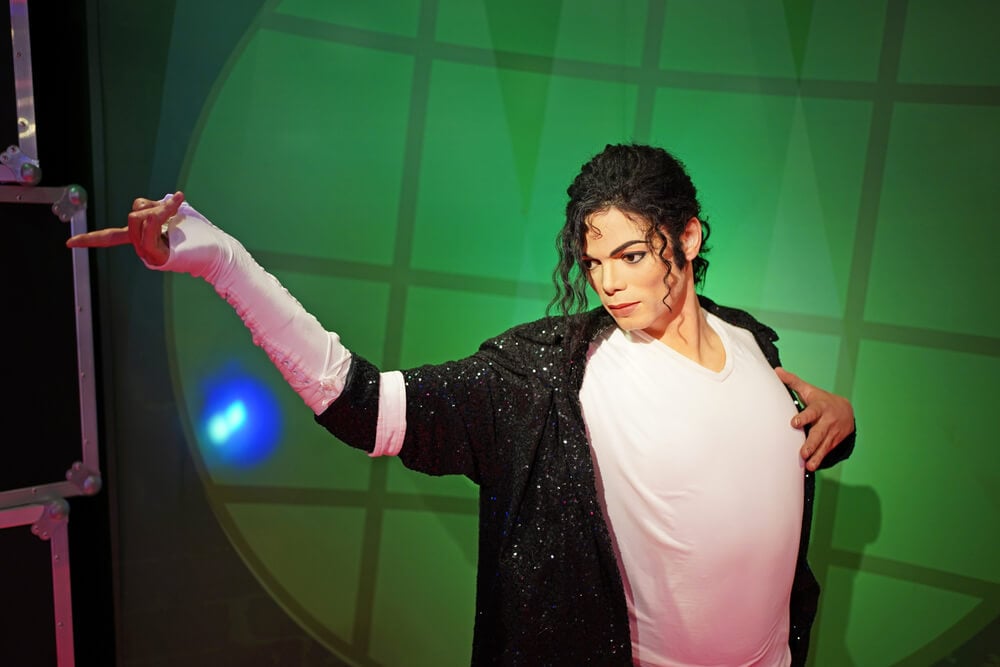
Released in January 1983 as a single from Thriller, Billie Jean spent seven weeks at No. 1 on the Billboard Hot 100 and became the backbone of the best-selling album of its era. Its drum pattern and Louis Johnson’s bass line are recognizable within two seconds, which explains why DJs still drop it at weddings without hesitation.
The song gained a second life that May, when Jackson performed it on the Motown 25 television special and debuted the moonwalk for a national audience. That performance turned a hit song into a piece of shared memory.
Guns N’ Roses and Sweet Child O’ Mine

Slash’s opening guitar figure reportedly began as a joke warm-up exercise that the rest of the band heard and built a song around. Released on Appetite for Destruction in 1987, the track became Guns N’ Roses’ only No. 1 single in the United States in 1988.
Its official video later became the first music video from the 1980s to pass one billion views on YouTube, a milestone it reached in 2019. Guitar store employees have heard that riff attempted by customers more times than anyone could count.
Few rock songs carry such a gentle opening followed by such a ferocious finish.
Bon Jovi’s Livin’ on a Prayer
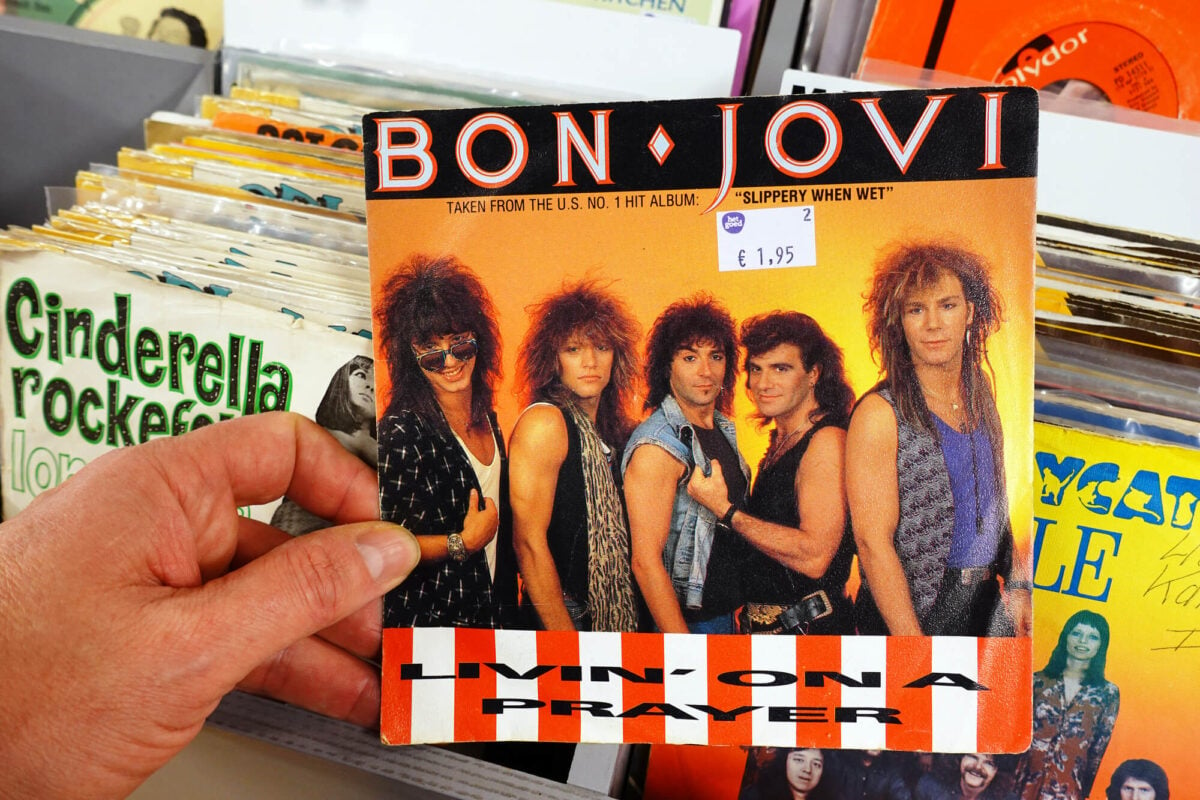
The working-class story of Tommy and Gina, two fictional strugglers holding on through hard times, carried this Slippery When Wet single to No. 1 in early 1987 for four weeks. Richie Sambora’s talk box effect, which shapes guitar notes through a tube in the player’s mouth, gives the intro its eerie, talking sound.
The final key change is the moment entire stadiums wait for, and few amateur singers can hit it. Sports arenas, bachelorette parties and cover bands have kept the song in constant rotation.
Its chorus might be the most reliable crowd unifier of the decade.
Africa by Toto
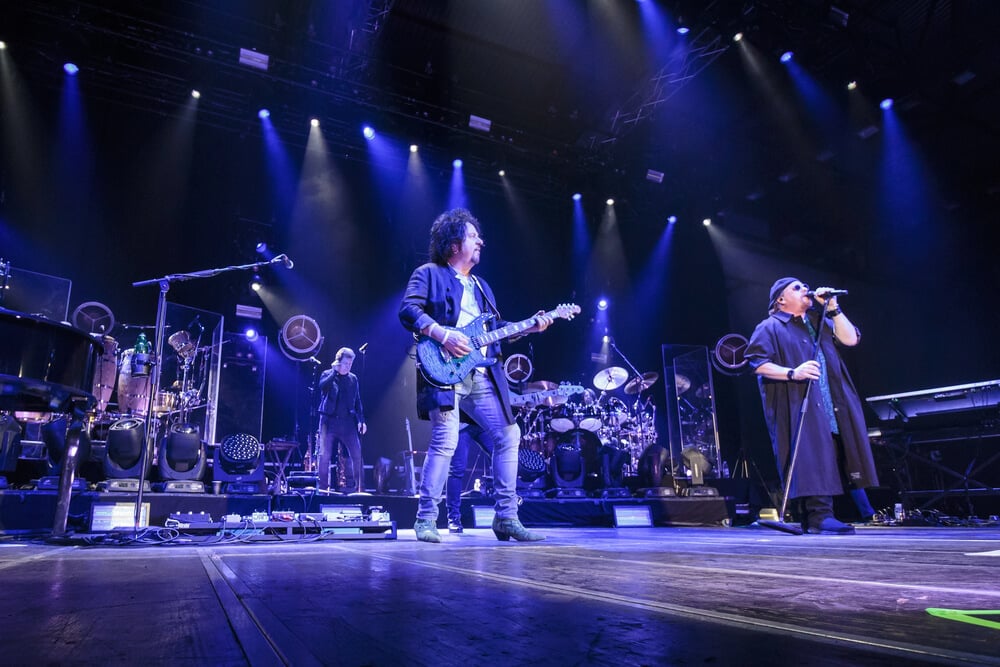
Toto’s soft-rock tribute to a continent the songwriters had never visited reached No. 1 on the Billboard Hot 100 in February 1983, the band’s only chart-topper. The song enjoyed an unlikely revival online decades later, culminating in Weezer releasing a cover in 2018 after a teenage fan’s social media campaign.
In 2019, artist Max Siedentopf installed a sound piece in the Namib Desert designed to play the track on a loop, powered by solar batteries. Memes, covers and singalongs have made it more popular with younger listeners than many songs released this century.
The rain line has become a universal karaoke moment.
Eurythmics and Sweet Dreams
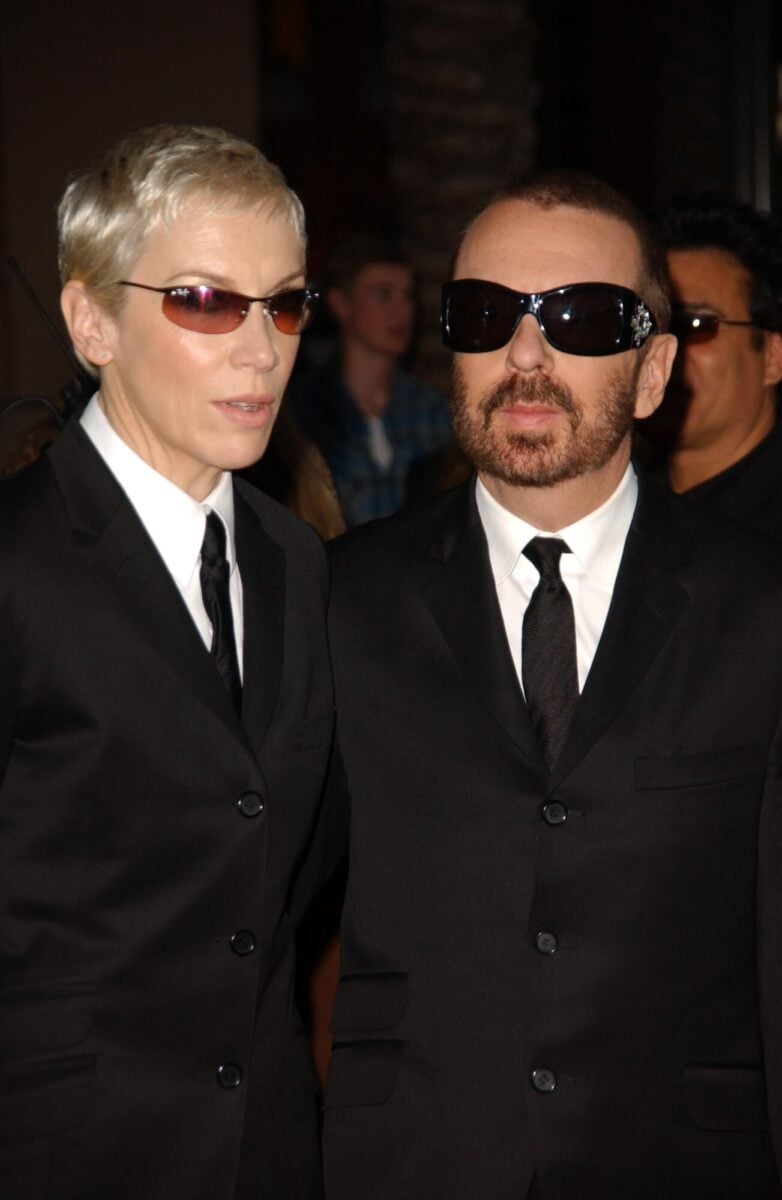
Annie Lennox and Dave Stewart built Sweet Dreams around a chilly synthesizer riff and a drum machine, creating a sound that felt cold and hypnotic next to the warmer pop of 1983. The single reached No. 1 in the United States that September, introducing many American viewers to Lennox’s cropped orange hair and sharp men’s suits through heavy rotation on MTV.
That androgynous look challenged pop star conventions at the time. The song has been sampled, covered and remixed so many times that it rarely leaves the airwaves.
Movie trailers still reach for that opening synth line.
Cyndi Lauper’s Girls Just Want to Have Fun

Robert Hazard wrote and recorded the original version in 1979, but Cyndi Lauper rewrote its perspective into a joyful anthem about women claiming their own good time. Her 1983 version climbed to No. 2 on the Billboard Hot 100 and gave MTV one of its most colorful early videos, which featured Lauper’s real mother and professional wrestler Captain Lou Albano.
The song became a fixture at birthday parties, girls’ nights and campus events. Its synth hook, built on a bouncing rhythm, sounds as cheerful now as it did on day one.
Prince’s When Doves Cry
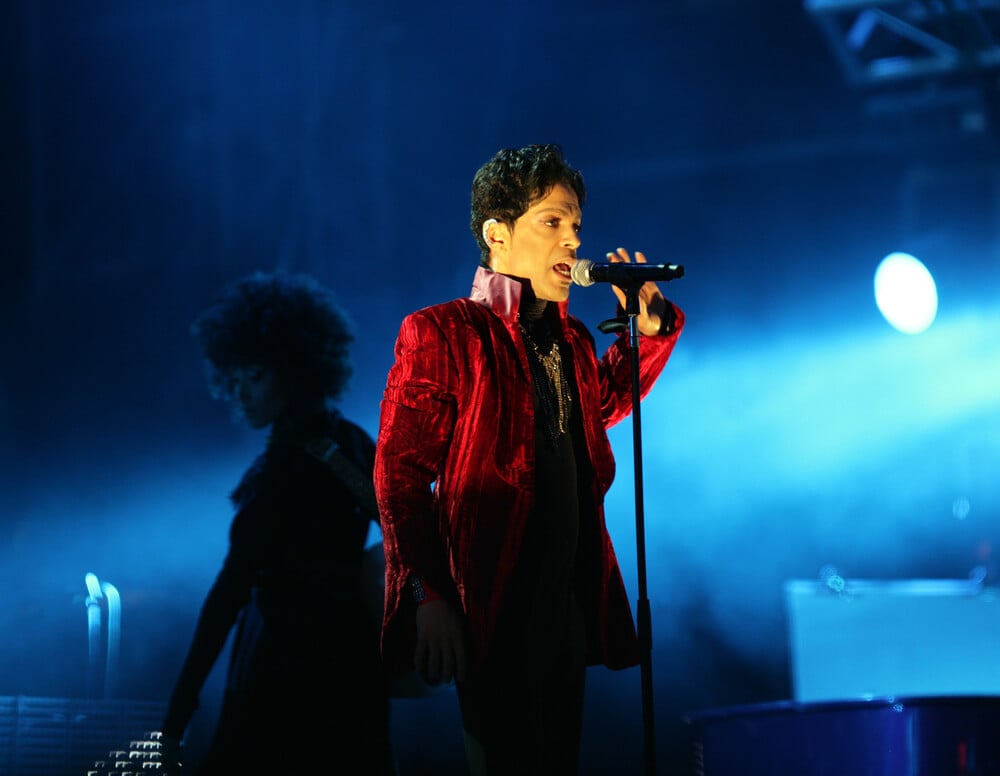
Prince stripped the bass line out of When Doves Cry during mixing, leaving an exposed drum machine, guitar and keyboard arrangement that radio station managers initially found baffling. The gamble worked.
The single from Purple Rain topped the Billboard Hot 100 for five weeks in 1984 and finished as the top song on Billboard’s year-end chart. Its spare sound still feels strange and modern, which keeps it in rotation on stations that would never play deeper Prince cuts.
Every revisit reveals another detail he left out on purpose.
Madonna’s Like a Prayer

Madonna’s 1989 single blended gospel choir, rock guitar and pop melody into a song that reached No. 1 in the United States and many other countries. Its controversial video, filled with burning crosses and religious imagery, prompted Pepsi to pull a television commercial featuring the song after it aired, even though Madonna kept her reported multimillion-dollar fee.
The track rarely leaves dance floors and Pride events, and its gospel-tinged finale works as a closing number for almost any celebration. Few songs combine scandal and joy so neatly.
Survivor’s Eye of the Tiger

Sylvester Stallone asked Survivor to write a theme for Rocky III after he reportedly could not secure the rights to Queen’s Another One Bites the Dust for the film. The band delivered a song built on chugging guitar chords that spent six weeks at No. 1 in 1982 and won a Grammy for best rock vocal performance by a duo or group.
Gyms, boxing events and pep rallies have kept it alive ever since. Its opening chords have become shorthand for training montages in movies, television and commercials, often played for laughs.
Van Halen’s Jump
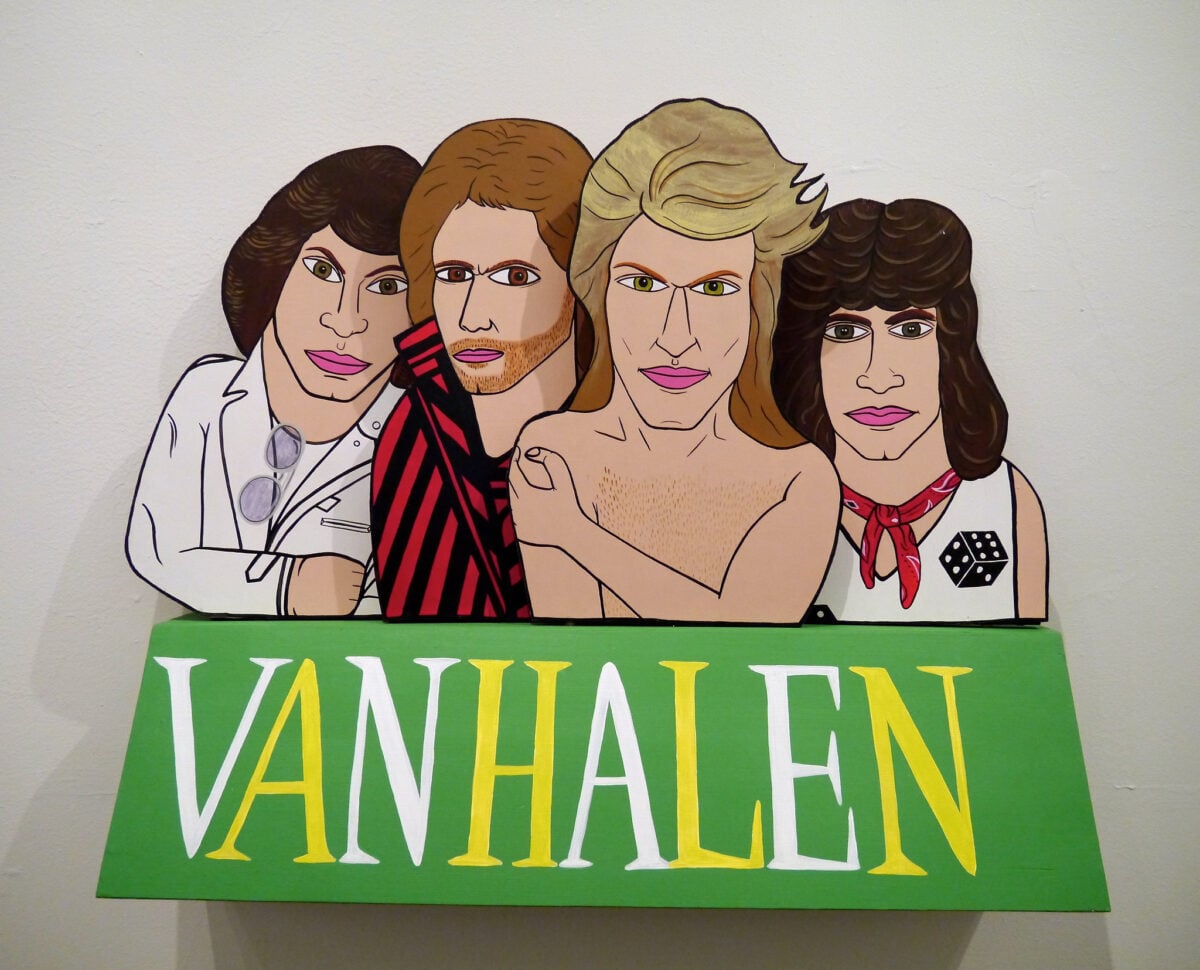
Eddie Van Halen surprised fans by building Jump around a bright synthesizer riff rather than his famous guitar, and the gamble produced the band’s only No. 1 single in early 1984. The track spent five weeks at the top of the Billboard Hot 100 and appeared on the album titled 1984.
Sports teams adopted it as an arena anthem, and it still plays during player introductions and timeouts. David Lee Roth’s goofy charm in the video helped make the song feel like a party rather than a statement.
The synth riff remains instantly recognizable.
Bonnie Tyler’s Total Eclipse of the Heart

Written and produced by Jim Steinman, this sweeping power anthem spent four weeks at No. 1 in the United States in 1983 and topped charts in several other countries. Bonnie Tyler’s raspy voice gave the operatic arrangement real grit, and its theatrical structure makes it a dramatic karaoke challenge for anyone brave enough to try.
Each solar eclipse brings a predictable wave of renewed streams, most memorably during the total eclipse that crossed North America in 2024. The song has outgrown parody and simply become a beloved ritual.
Dexys Midnight Runners and Come On Eileen

With its fiddles, banjo and tempo that speeds up partway through, Come On Eileen sounded unlike anything else on the radio in 1982. The song was the best-selling single of that year in the United Kingdom and reached No. 1 on the Billboard Hot 100 in April 1983.
In the United States, the band became the classic example of a one-hit wonder, since nothing else they released came close. Wedding DJs rely on it because the accelerating chorus gets even reluctant guests moving.
The dungarees from the video became a fashion moment too.
Soft Cell’s Tainted Love
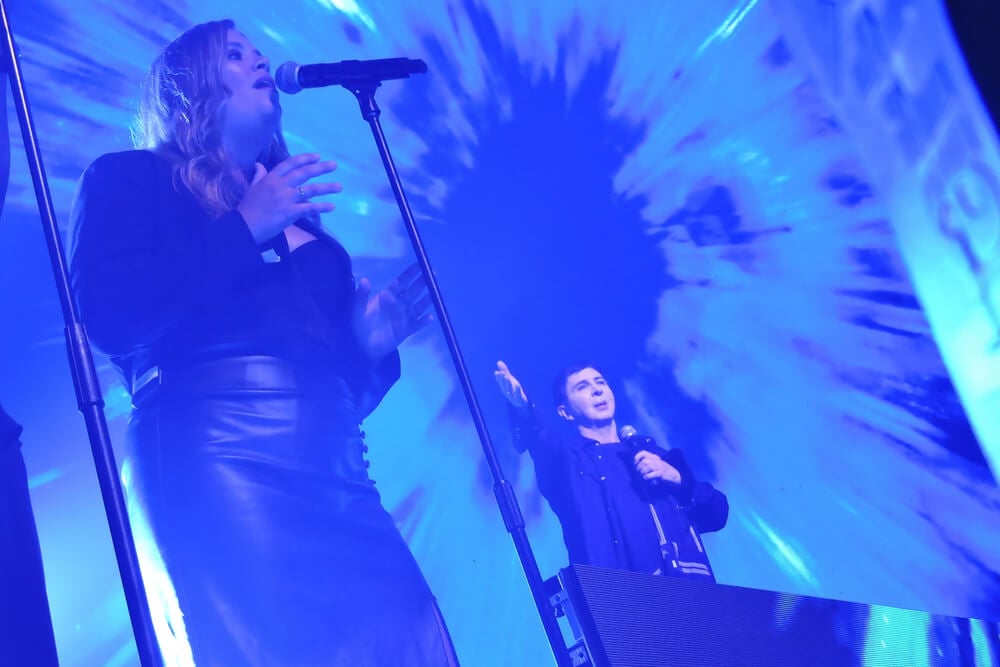
Soft Cell turned Gloria Jones’s 1964 Northern soul song into a cold synth-pop single with a ticking two-note hook. The cover spent 43 consecutive weeks on the Billboard Hot 100, a record for longevity at the time that earned it a spot in the Guinness Book of World Records.
Marc Almond’s detached vocal over the duo’s electronic backing made heartbreak sound strangely danceable. Rihanna sampled the hook for her 2006 hit SOS, introducing it to a new generation of clubgoers.
Alternative dance nights still treat the song as a reliable floor filler.
AC/DC and Back in Black

After singer Bon Scott died in February 1980, AC/DC recruited Brian Johnson and released Back in Black that July as a tribute, with an all-black cover as a sign of mourning. The album is frequently ranked among the best-selling records ever made, and its title track carries one of the most recognizable riffs in rock.
Oddly, the single only reached No. 37 on the Billboard Hot 100. That modest chart run means nothing now, since the riff plays at stadiums, in film trailers and in guitar lessons every single day.
Iron Man brought it to a new audience in 2008.
Queen’s Another One Bites the Dust
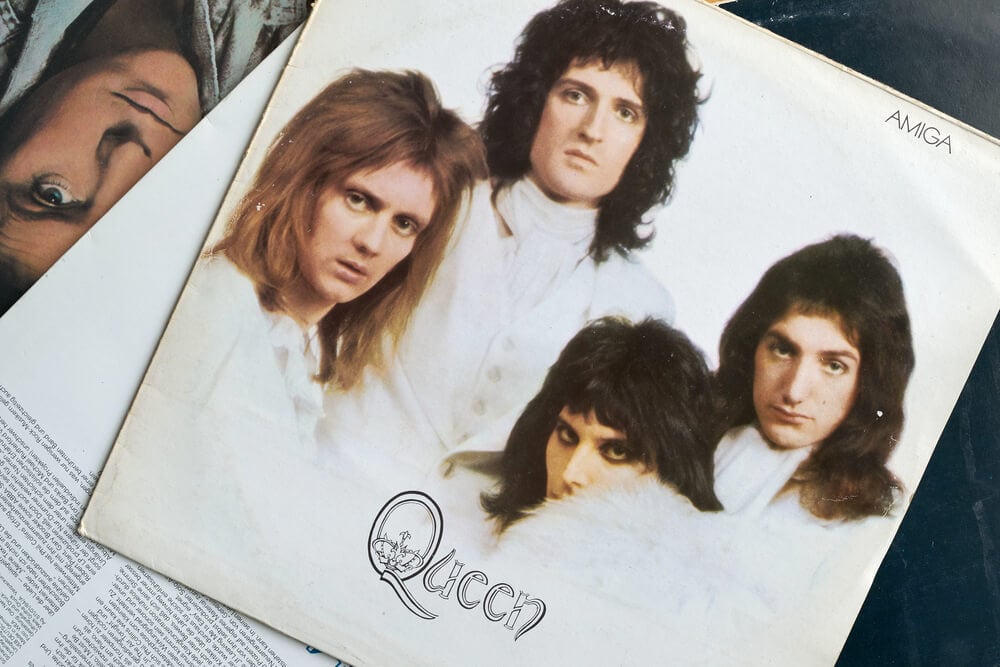
John Deacon wrote the bass line that drives this 1980 single, and Michael Jackson is widely reported to have encouraged Queen to release it after hearing it backstage. The song spent three weeks at No. 1 in the United States and became Queen’s best-selling single.
Major league stadium operators love it for the moment an opposing batter strikes out, and crowds clap along to the stomping groove on cue. The track crossed over to Black radio stations at a time when few rock bands managed that.
Its minimalist funk still sounds lean and confident.
Kenny Loggins and Footloose
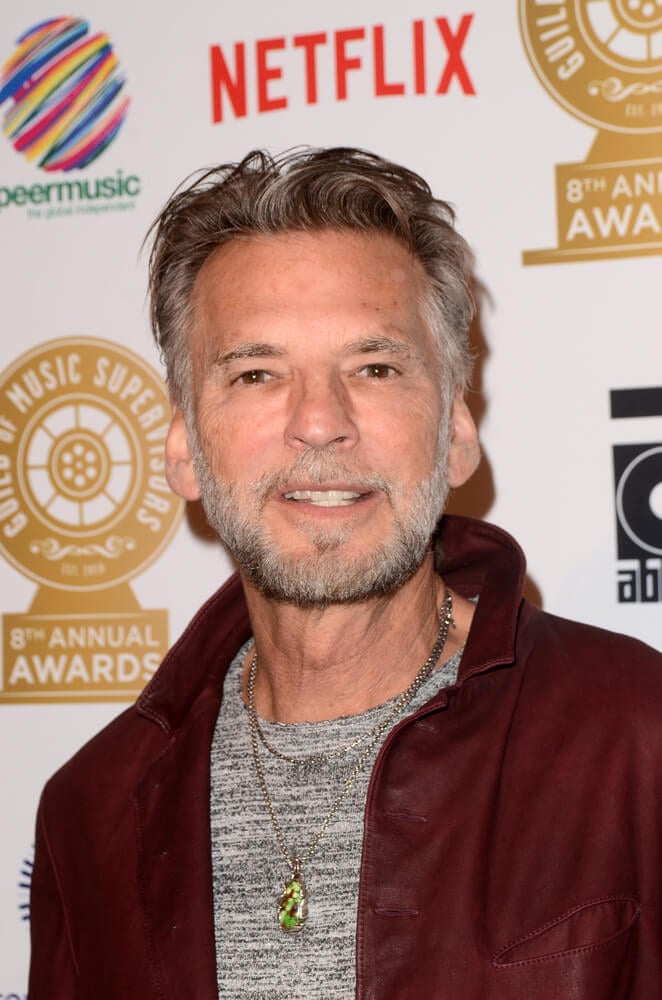
Kenny Loggins wrote the title song for the 1984 film with Dean Pitchford, who also wrote the movie’s screenplay about a town that banned dancing. The single spent three weeks at No. 1 on the Billboard Hot 100 and helped the soundtrack album knock Thriller from the top of the album chart.
Its rockabilly energy makes it a staple of wedding receptions, line dances and school events. Choreographers still use it because the tempo invites even nervous dancers to move.
Few movie themes have carried their film’s premise so directly into real life.
Katrina and the Waves and Walking on Sunshine

Guitarist Kimberley Rew wrote Walking on Sunshine, and the band’s 1985 recording, built on a punchy horn section, reached No. 9 on the Billboard Hot 100. The song has since become one of the most licensed tracks in advertising, film and television whenever a scene needs instant optimism.
Its opening drum fill and brass blast signal good news before a single word is sung. Grocery stores and morning radio shows lean on it heavily.
For a band often filed under one-hit wonders, the single has proved a remarkably durable source of income.
Kate Bush’s Running Up That Hill
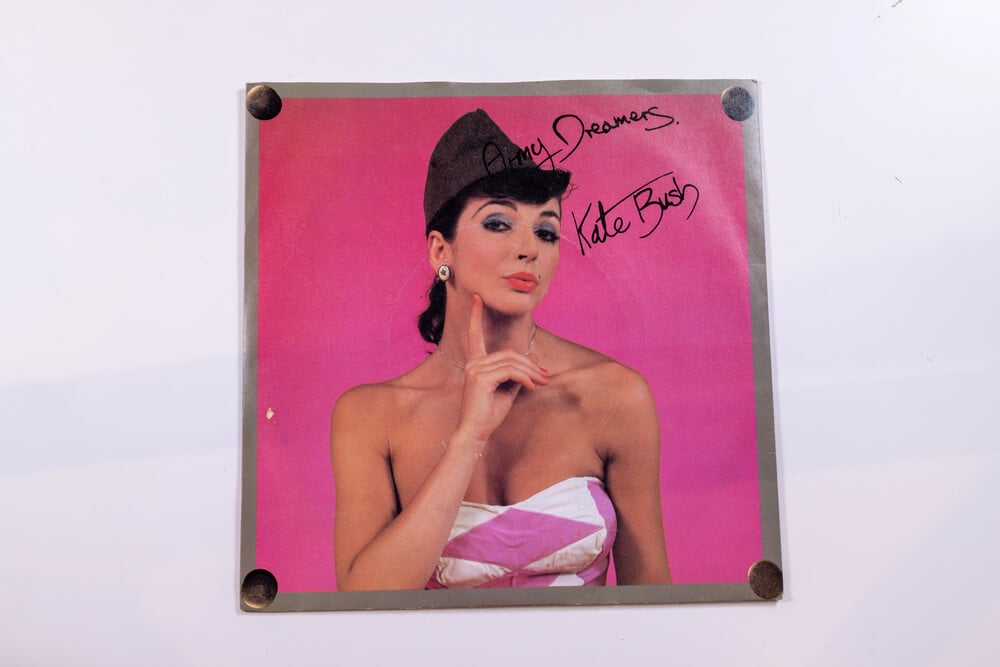
Kate Bush released this song in 1985 under a title her record label requested, after it had originally been called A Deal With God. It reached No. 30 in the United States at the time, a respectable showing that hardly predicted its future.
In 2022, the Netflix series Stranger Things placed it at the emotional center of its fourth season, and the song climbed to No. 1 in the United Kingdom and into the Billboard top five, 37 years after its release. Teenagers who had never heard of Bush made it a personal anthem.
The pulsing drum pattern sounds strikingly current.
Dolly Parton’s 9 to 5
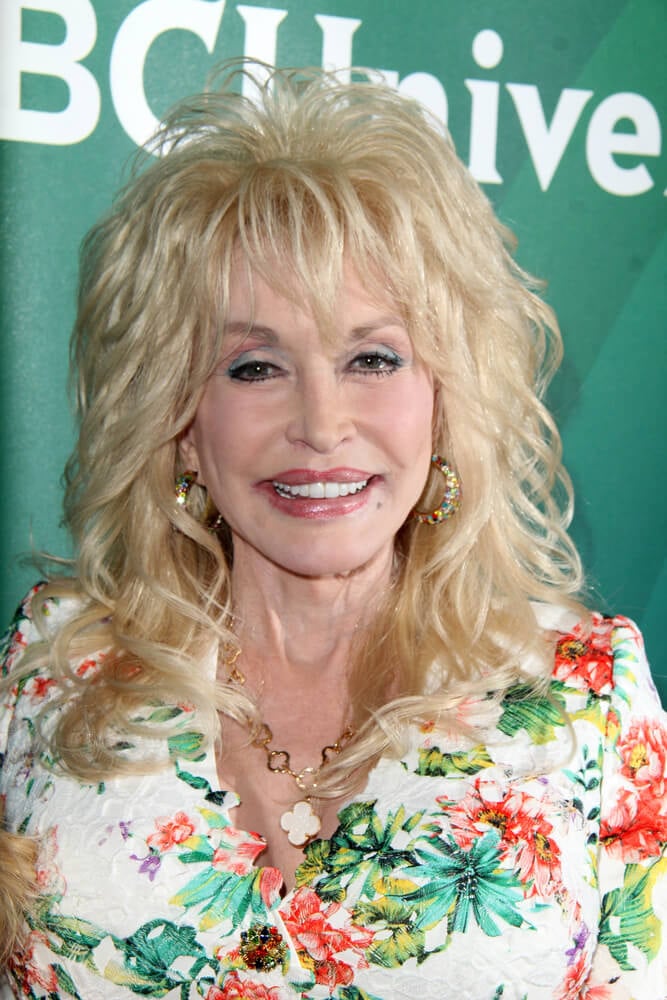
Dolly Parton wrote the theme for the 1980 office comedy in which she costarred, and she has said the clicking rhythm heard in the recording came from tapping her acrylic nails together like a typewriter. The song topped the Billboard Hot 100 in early 1981, won two Grammys and earned an Academy Award nomination.
Office parties and karaoke nights keep it busy, as does every Friday afternoon playlist ever assembled. Its blend of country twang and workplace grievance remains surprisingly relatable.
Few protest songs are this cheerful.
Kool and the Gang’s Celebration
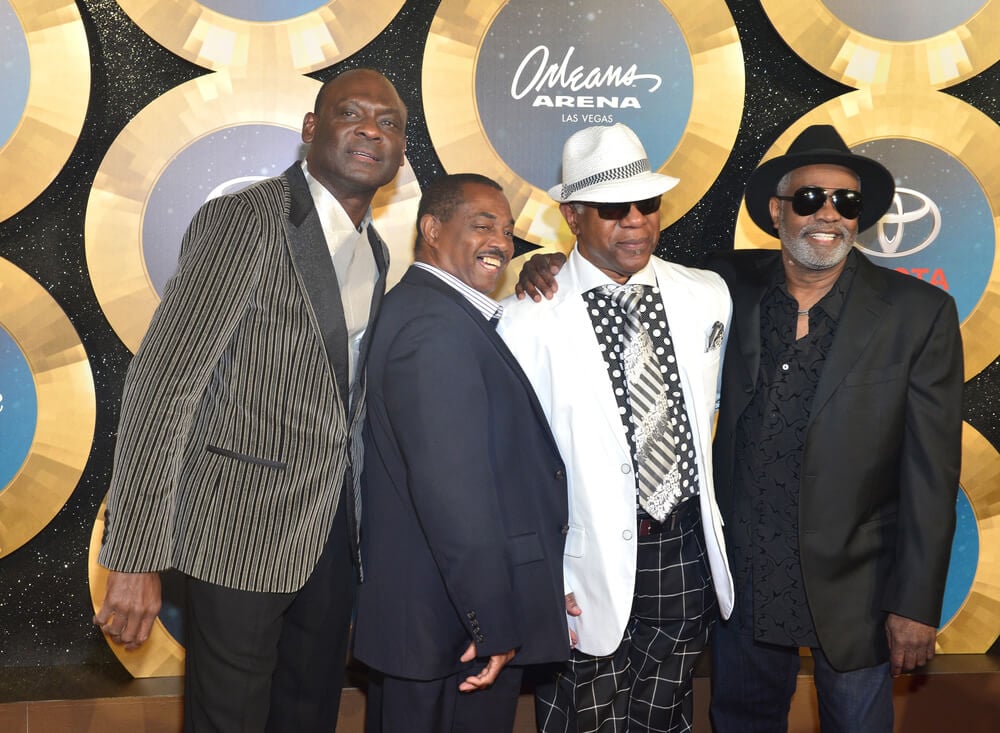
Released in late 1980, Celebration reached No. 1 on the Billboard Hot 100 in early 1981 and became the group’s only chart-topper. Its timing gave it extra meaning, since it was widely played when the American hostages held in Iran came home in January 1981.
Sports teams adopted it for championship parades, and it has become one of the most dependable wedding reception songs ever recorded. The party chant in the chorus requires no musical skill, which explains its popularity with entire families at once.
It is the sound of a party officially beginning.
Ray Parker Jr.’s Ghostbusters
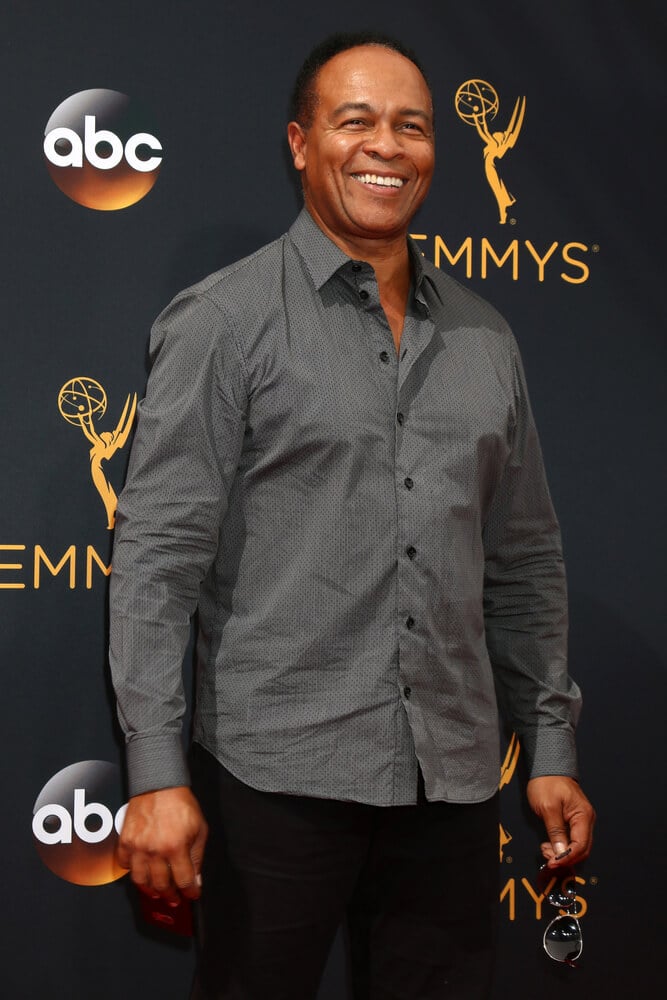
Ray Parker Jr. wrote the theme for the 1984 comedy in a matter of days, and the single spent three weeks at No. 1 on the Billboard Hot 100. Huey Lewis later sued over its similarity to an earlier Huey Lewis and the News hit, and the dispute was settled out of court.
The call-and-response chorus makes it a Halloween essential and a children’s party favorite. Every reboot and sequel in the franchise has brought the song back to radio and streaming charts.
Its synth bass line is pure 1984 in the best possible way.
Toni Basil’s Mickey
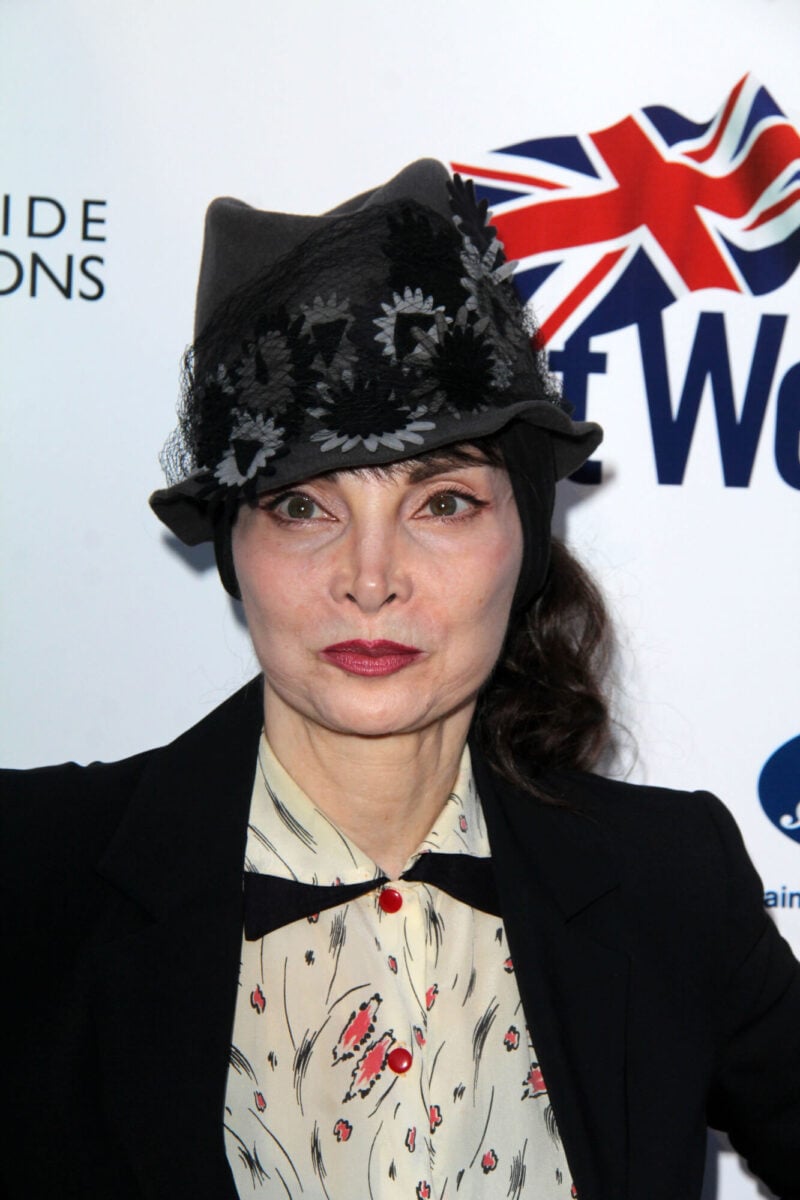
Toni Basil, a choreographer and dancer, recorded Mickey as a cover of a song by the British band Racey, which had originally been called Kitty. Her version reached No. 1 in the United States in December 1982, propelled by a video in which she wore a cheerleader uniform, reportedly from her own high school days.
The chant-style chorus made it an instant pep rally favorite. Stadiums and cheer squads still use it, and it turns up regularly in movies whenever a scene needs instant 1980s flavor.
Basil was nearly 40 when it hit, which surprised plenty of fans.
Salt-N-Pepa’s Push It

Push It began as the B-side of a single called Tramp, but club DJs flipped the record and made the other side a hit. Produced by Hurby Azor, the track reached No. 19 on the Billboard Hot 100 and earned a Grammy nomination in 1989, the first year the Grammys included a rap category.
Its synth riff and call-and-response vocals still fill dance floors, fitness classes and sports arenas. The song helped prove that women in hip-hop could deliver crossover hits on their own terms.
Its opening command is one of the most quoted in rap.
Men at Work and Down Under
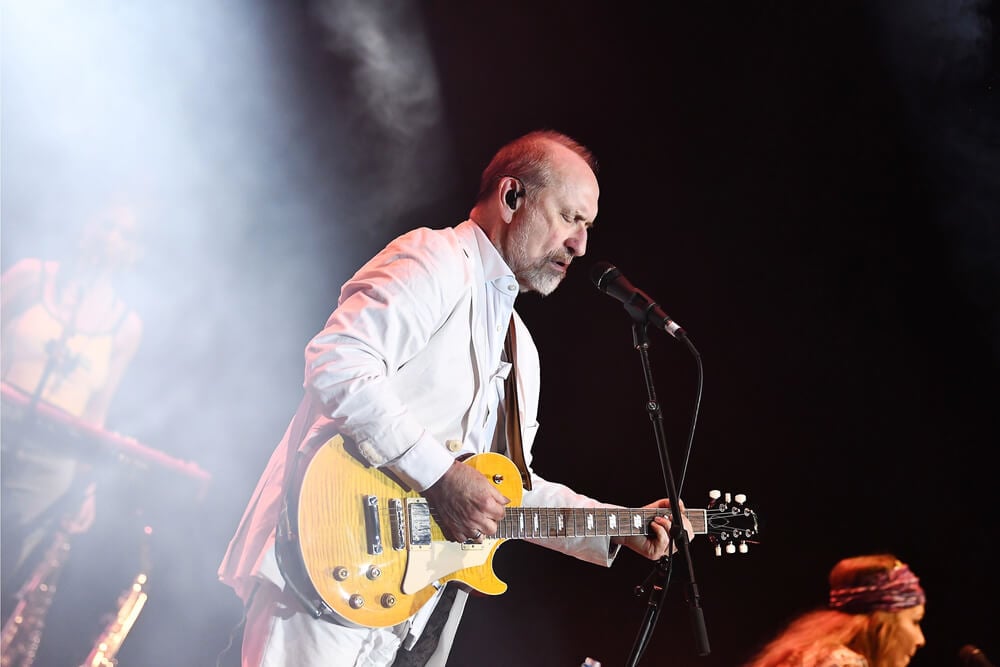
Down Under topped the charts in both the United States and the United Kingdom in early 1983, carrying Australian slang to listeners who had no idea what a Vegemite sandwich was. The song became an unofficial anthem for Australian sports teams and travelers abroad.
In 2010, an Australian court ruled that its flute riff borrowed from the children’s song Kookaburra Sits in the Old Gum Tree, ordering the band’s label and songwriters to pay a share of royalties. The ruling did nothing to slow the song’s popularity.
Bars from Sydney to Seattle still erupt when it plays.
Bruce Springsteen’s Dancing in the Dark
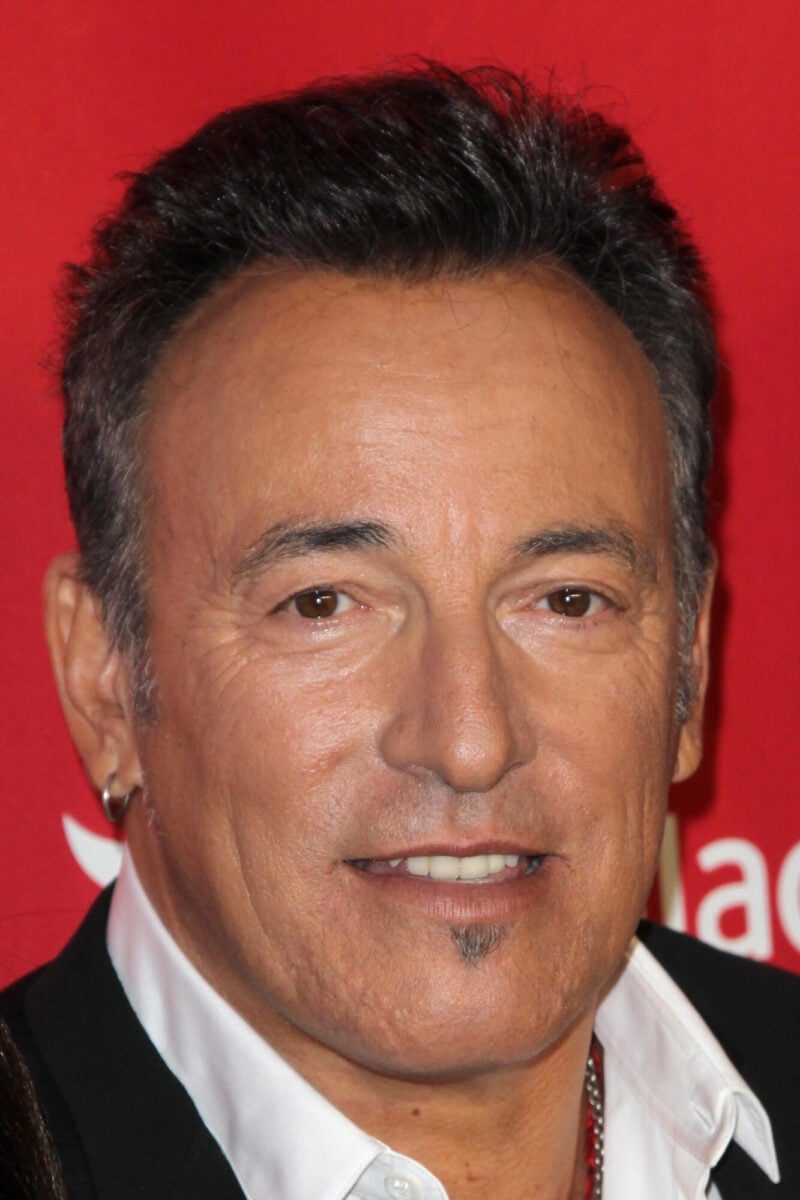
Springsteen wrote Dancing in the Dark after his manager pushed for a radio single for Born in the U.S.A., and the song became his highest-charting hit, spending four weeks at No. 2 in 1984. Brian De Palma directed the video, in which Springsteen pulls a young Courteney Cox onstage to dance with him.
The song won a Grammy for best male rock vocal performance. Its frustration about feeling stuck still resonates with listeners who were not alive in 1984.
Stadium crowds and wedding guests alike recognize the opening synth instantly.
The B-52’s and Love Shack

The B-52’s released Love Shack in 1989 on the album Cosmic Thing, and the single reached No. 3 on the Billboard Hot 100, giving the Athens, Georgia, band its biggest hit. The song was inspired by a rural cabin near Athens where band members had spent time in their early years.
Its call-and-response vocals between Fred Schneider, Kate Pierson and Cindy Wilson turn a dance floor into a group performance. Wedding DJs, college parties and karaoke bars play it constantly.
The video’s riot of color matches the song perfectly.
Tom Petty’s Free Fallin’
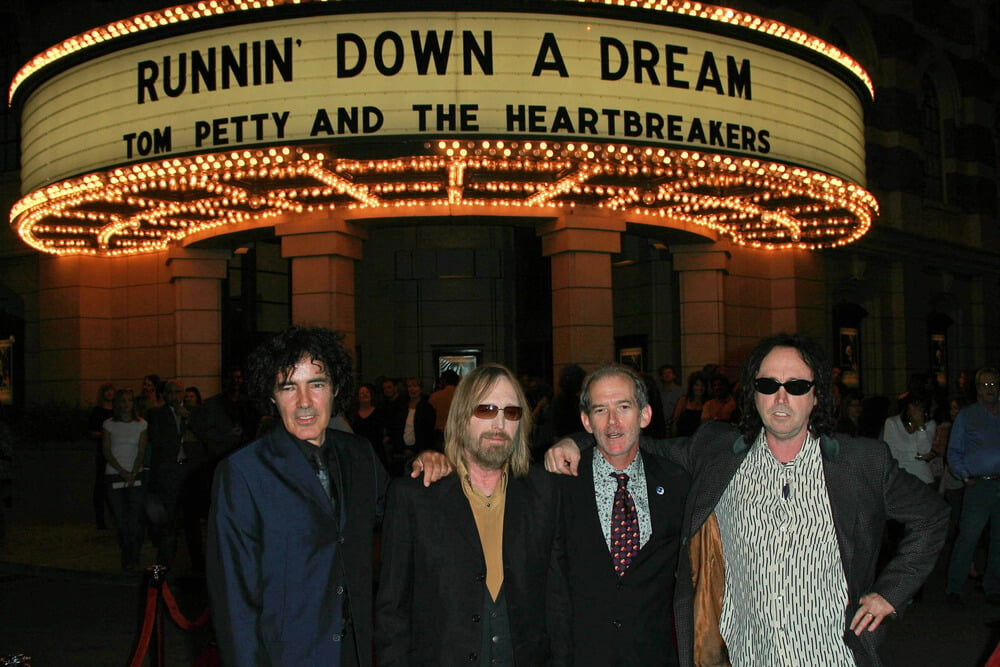
Tom Petty wrote Free Fallin’ with Jeff Lynne for his 1989 solo album Full Moon Fever, and the pair reportedly finished it in a single afternoon. The single reached No. 7 on the Billboard Hot 100 and became one of Petty’s signature songs.
Its gentle acoustic strum and references to Los Angeles landmarks such as Ventura Boulevard give it a strong sense of place. Campfire guitarists learn it early because the chords are simple.
Crowds at Petty tribute shows treat it as a sing-along hymn.
Bobby McFerrin’s Don’t Worry, Be Happy
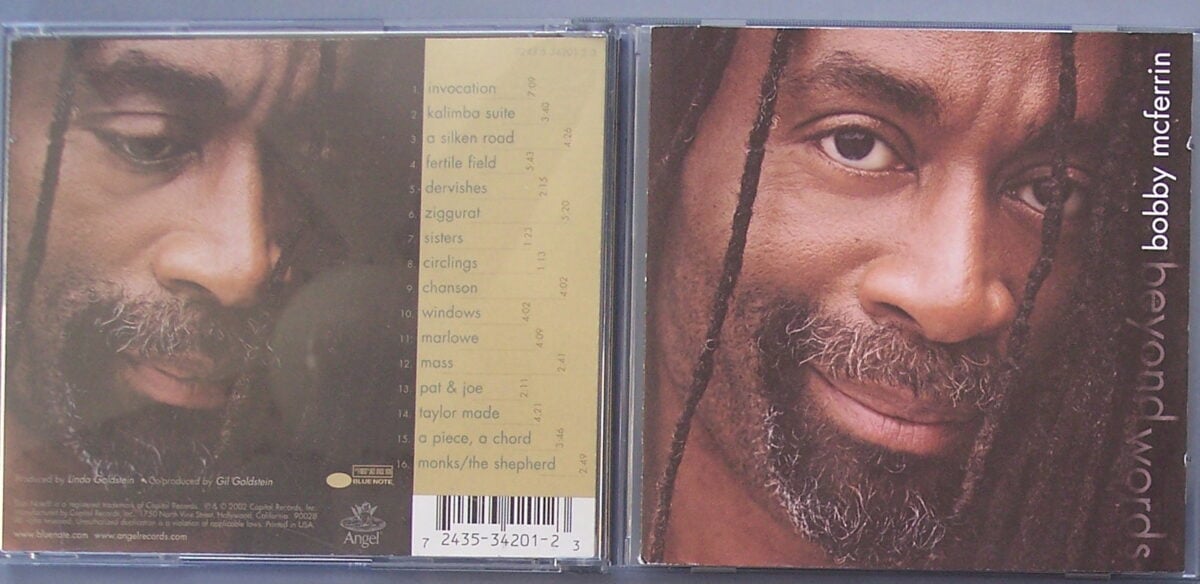
Bobby McFerrin created every sound on this 1988 hit with his voice and body, layering vocal bass, harmonies and percussion without any instruments. The song became the first a cappella recording to reach No. 1 on the Billboard Hot 100, and it won the Grammy for song of the year.
Its title phrase was associated with the Indian spiritual teacher Meher Baba, whose followers had printed it on cards and posters for decades. The breezy whistled melody turns up in waiting rooms, cartoons and commercials.
Few songs this simple have traveled this far.
George Michael’s Careless Whisper
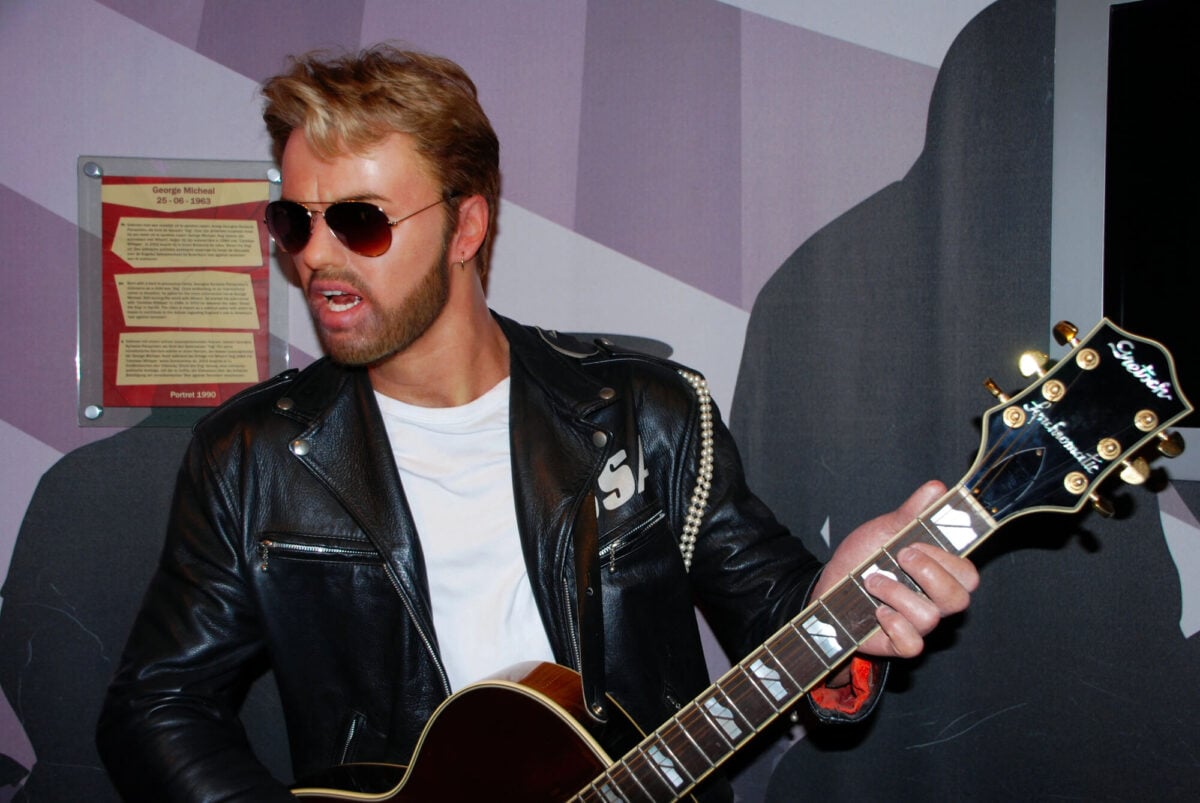
George Michael co-wrote Careless Whisper with Andrew Ridgeley as a teenager, reportedly working out the melody while riding a bus. The 1984 single topped the charts in dozens of countries and spent three weeks at No. 1 in the United States in 1985, credited there to his duo with Michael featured.
Its saxophone riff has become a pop culture punchline, used in countless videos, sketches and memes as shorthand for over-the-top romance. Beneath the jokes, the song remains a beautifully crafted love song.
Wedding bands still get requests for it every season.
Choruses That Refuse to Retire

None of these songs survived on nostalgia alone. Each one has a hook simple enough to recognize in seconds and sturdy enough to work at a wedding, a stadium or a funeral.
Streaming services, movie soundtracks and television placements keep handing them to listeners who have no memory of the decade. Musical eras usually fade with the people who lived through them.
The 1980s have managed something stranger, becoming a shared language across generations. A teenager and a grandparent can now sing the same chorus in a car without either one feeling out of place.
More from Go2Tutors!

- The Romanov Crown Jewels and Their Tragic Fate
- 13 Historical Mysteries That Science Still Can’t Solve
- Famous Hoaxes That Fooled the World for Years
- 15 Child Stars with Tragic Adult Lives
- 16 Famous Jewelry Pieces in History
Like Go2Tutors’s content? Follow us on MSN.