Dangerous Chemicals You May Be Exposed to Without Knowing
Every morning, you brush your teeth, grab a cup of coffee, and head out the door. Simple routine.
But between waking up and stepping outside, you’ve already encountered dozens of chemical compounds that weren’t part of human life just a century ago. Some harmless, others not so much.
The invisible nature of chemical exposure makes it particularly unsettling. You can’t see formaldehyde off-gassing from furniture or feel phthalates leaching from plastic containers.
Your body processes these substances quietly, often for years, before any effects become apparent. And yet they’re everywhere — woven into the fabric of modern convenience in ways that make complete avoidance nearly impossible.
Formaldehyde
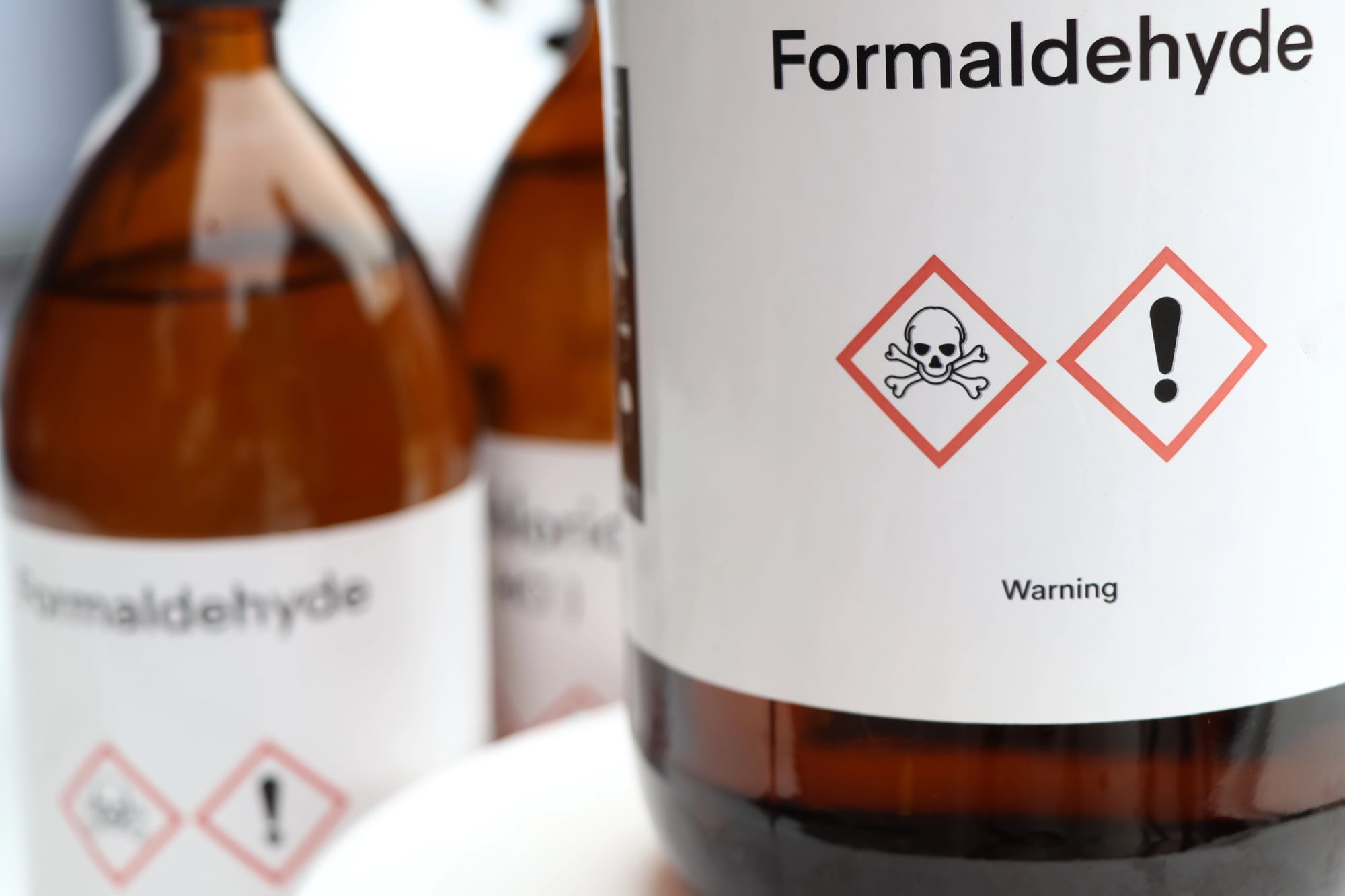
Formaldehyde doesn’t announce itself. It sits quietly in pressed wood furniture, slowly releasing into the air of your living room for months, sometimes years after purchase.
That new bookshelf or dining table carries this colorless gas like an unwelcome passenger.
The chemical serves as a binding agent in many building materials and household products. Particleboard, plywood, some carpets, and even permanent press fabrics contain formaldehyde-based resins.
The levels are typically low, but constant exposure in enclosed spaces creates a cumulative effect that your respiratory system notices before you do.
Triclosan
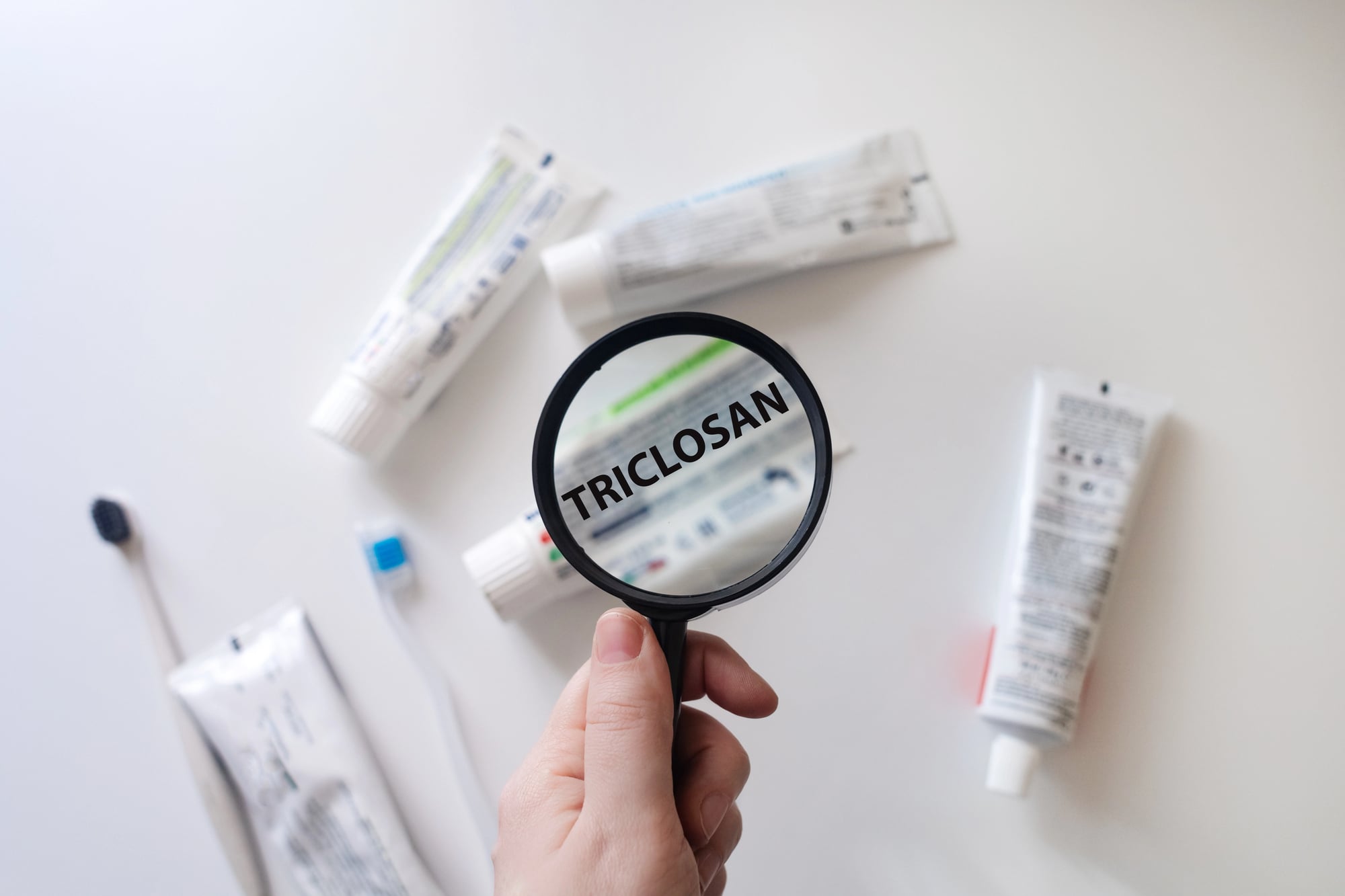
Triclosan was supposed to make everything cleaner and safer. Instead, it created a different kind of problem entirely — and one that took decades to fully understand, which is saying something about how thoroughly this antimicrobial agent infiltrated everyday products.
The chemical appears in antibacterial soaps, toothpastes, deodorants, and countless other personal care items. It kills bacteria effectively, but it also disrupts hormone function and contributes to antibiotic resistance.
To be fair, regular soap and water work just as well for most cleaning purposes, but the marketing appeal of “antibacterial” proved too powerful to resist. The FDA finally restricted triclosan in consumer soaps in 2016, though it still lurks in other products.
Volatile Organic Compounds From Paint
Picture this: a room being painted is like a slow-motion chemical storm, where molecules lift off wet surfaces and drift through the air for days or weeks afterward (longer if ventilation is poor, which it often is in spaces people are eager to use again quickly).
The fresh paint smell that seems so associated with home improvement and new beginnings is actually a mixture of compounds your lungs weren’t designed to process regularly.
These airborne chemicals — toluene, xylene, ethyl acetate, and others — evaporate at room temperature. Normal, expected behavior for these substances.
But normal doesn’t mean harmless. Your respiratory system treats them as foreign invaders, which they are, while your liver works overtime to process what gets absorbed into your bloodstream.
And yet most people accept this as the unavoidable price of having walls that aren’t beige.
Phthalates
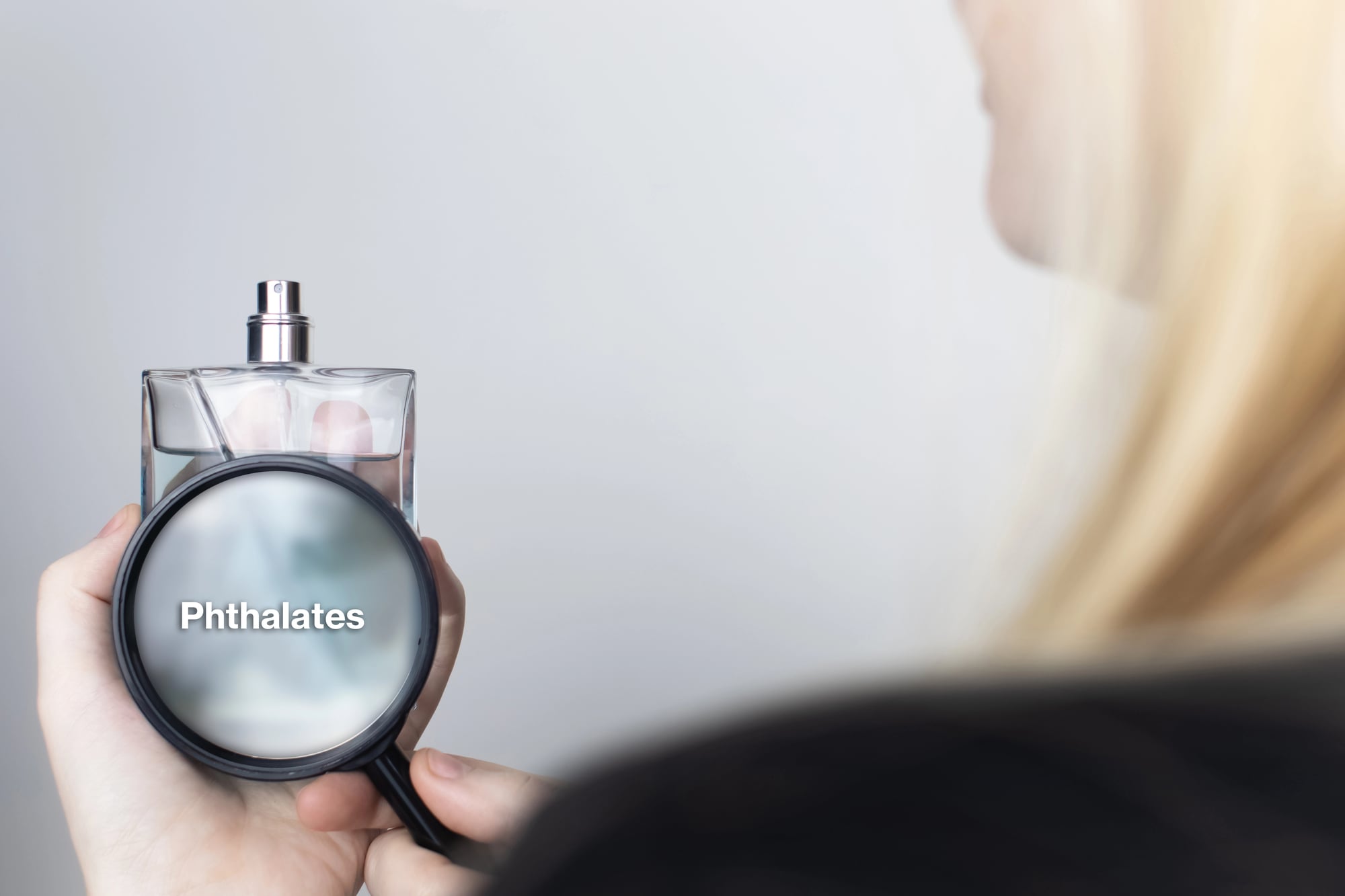
Phthalates make plastic flexible. Without them, vinyl shower curtains would crack, and food containers would shatter.
The problem is that these chemicals don’t stay put — they migrate from plastic into whatever the plastic touches.
That leftover pasta in the microwave-safe container picks up phthalates. The vinyl flooring in the kitchen releases them into household dust.
Children’s toys, cosmetics, and medical equipment all contain various phthalates that slowly leach into the environment around them. The compounds disrupt endocrine function and have been linked to reproductive issues, yet they remain largely unregulated in consumer products.
BPA And BPS
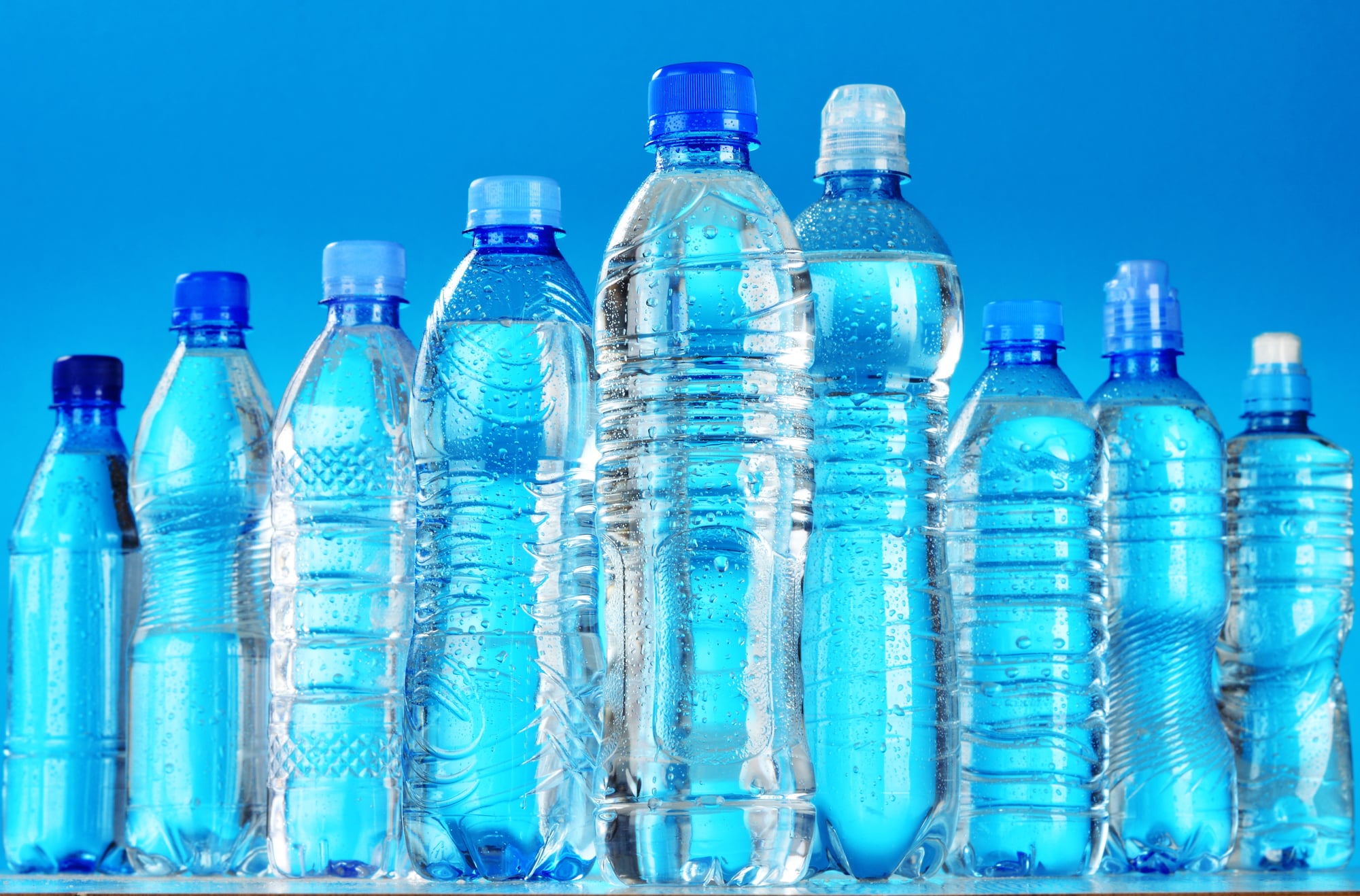
Bisphenol A became a household name once people learned it was everywhere in their households. Canned food linings, water bottles, thermal receipt paper — BPA showed up in products across every aisle of daily life, and it showed up in human blood and urine samples with disturbing consistency.
So manufacturers switched to alternatives. Bisphenol S and other related compounds now serve the same functions that BPA once did.
The chemical structures are similar enough that the health concerns largely remain, but different enough that new safety studies had to start from scratch. Same problems, different letters.
Benzene From Gasoline

There’s something almost quaint about the way benzene exposure happens at gas stations — this holdover from an earlier era when people didn’t think much about breathing in whatever was convenient (back when leaded gasoline was still the norm, which puts current concerns in perspective, though not exactly encouraging perspective).
Every time someone fills up their tank, a small amount of benzene vapor escapes into the air around the pump.
Benzene is a known carcinogen that occurs naturally in crude oil and gets concentrated during the refining process. Gas stations are required to have vapor recovery systems, but these don’t capture everything, and they certainly don’t work when people drive away with their gas caps loose or when older cars have damaged emission control systems.
So the exposure continues, invisible and largely ignored, a few breaths at a time during a routine that most people perform without giving it any thought whatsoever.
Chloroform
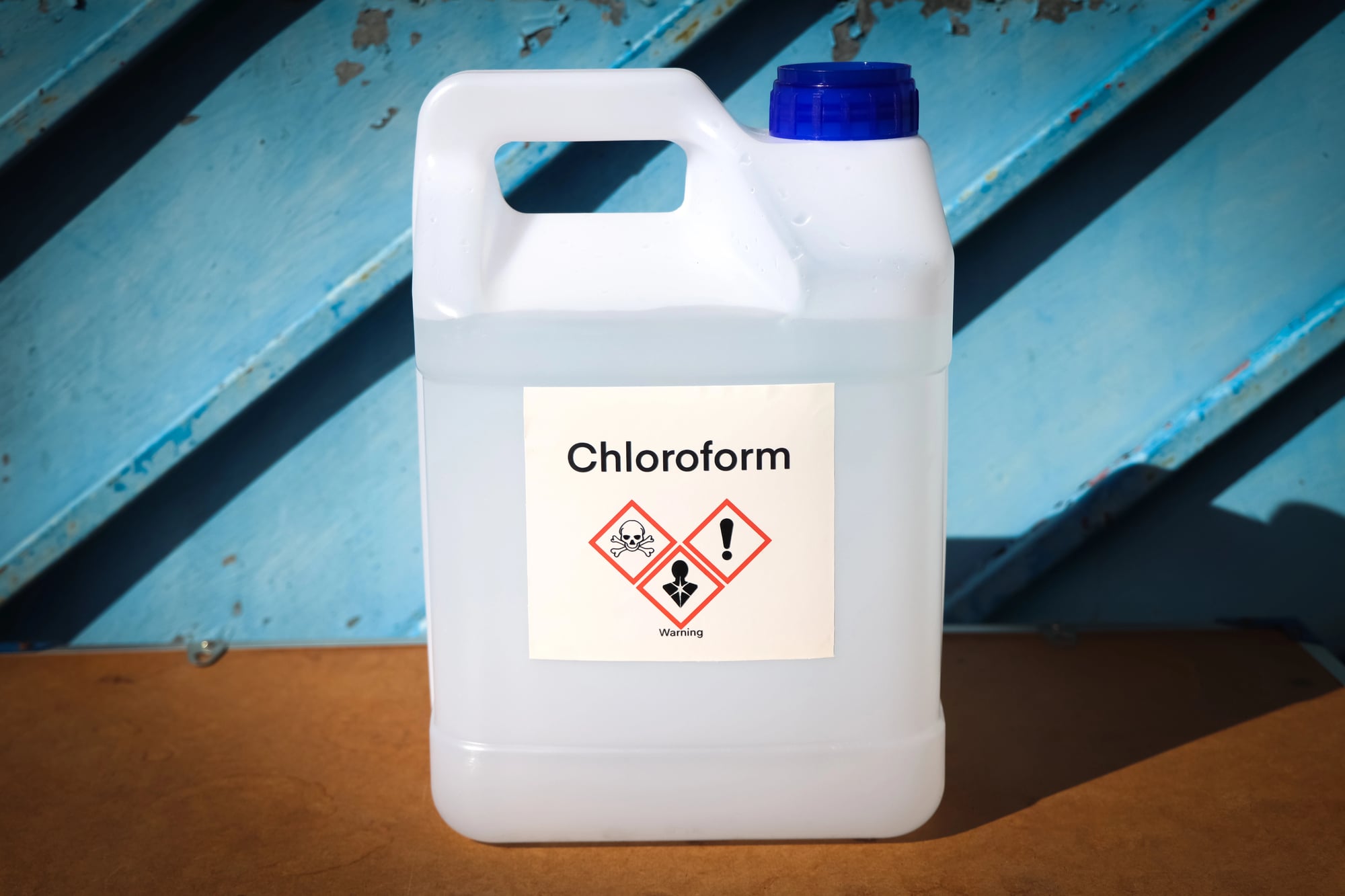
Chloroform forms when chlorine meets organic matter. Your local water treatment plant adds chlorine to kill harmful bacteria, which is undeniably important for public health.
But that same chlorine reacts with naturally occurring organic compounds in the water supply to create chloroform as a byproduct.
Hot showers release chloroform vapor into bathroom air. Washing machines create it when hot water agitates chlorinated water.
Swimming pools practically manufacture the stuff when chlorine breaks down organic matter from swimmers. The levels are typically low, but the exposure is consistent and widespread.
Mercury From Compact Fluorescent Bulbs
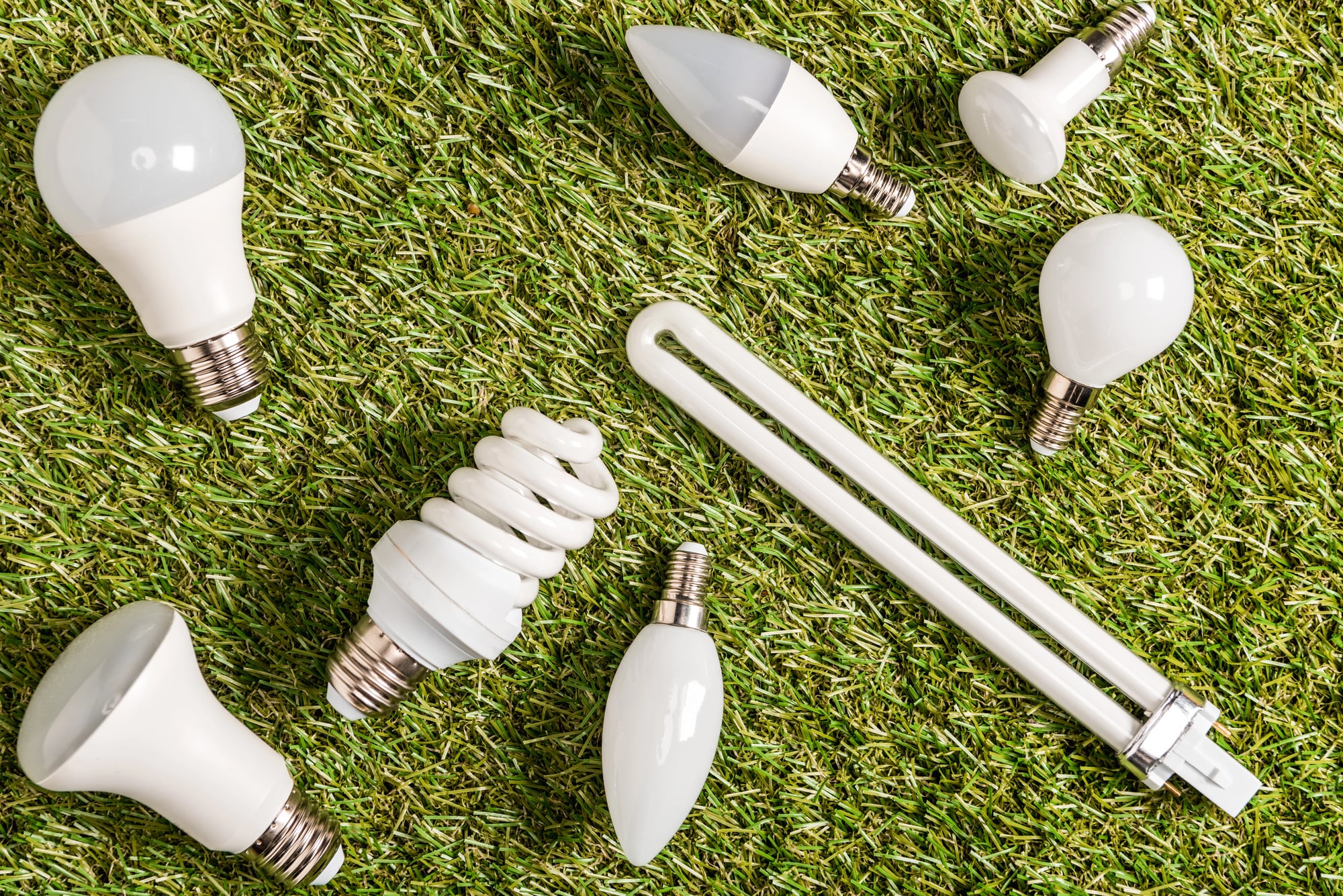
Each compact fluorescent bulb contains roughly four milligrams of mercury — not much, but enough to require special disposal procedures that most people ignore.
When these bulbs break, mercury vapor can linger in indoor air for hours or days, depending on ventilation and cleanup methods.
The risk from a single broken bulb is relatively small. But CFL bulbs broke regularly during their peak popularity, often in homes with children and pets who might encounter mercury droplets before proper cleanup occurred.
LED bulbs have largely replaced CFLs, though millions of mercury-containing bulbs still operate in homes and businesses worldwide.
Asbestos
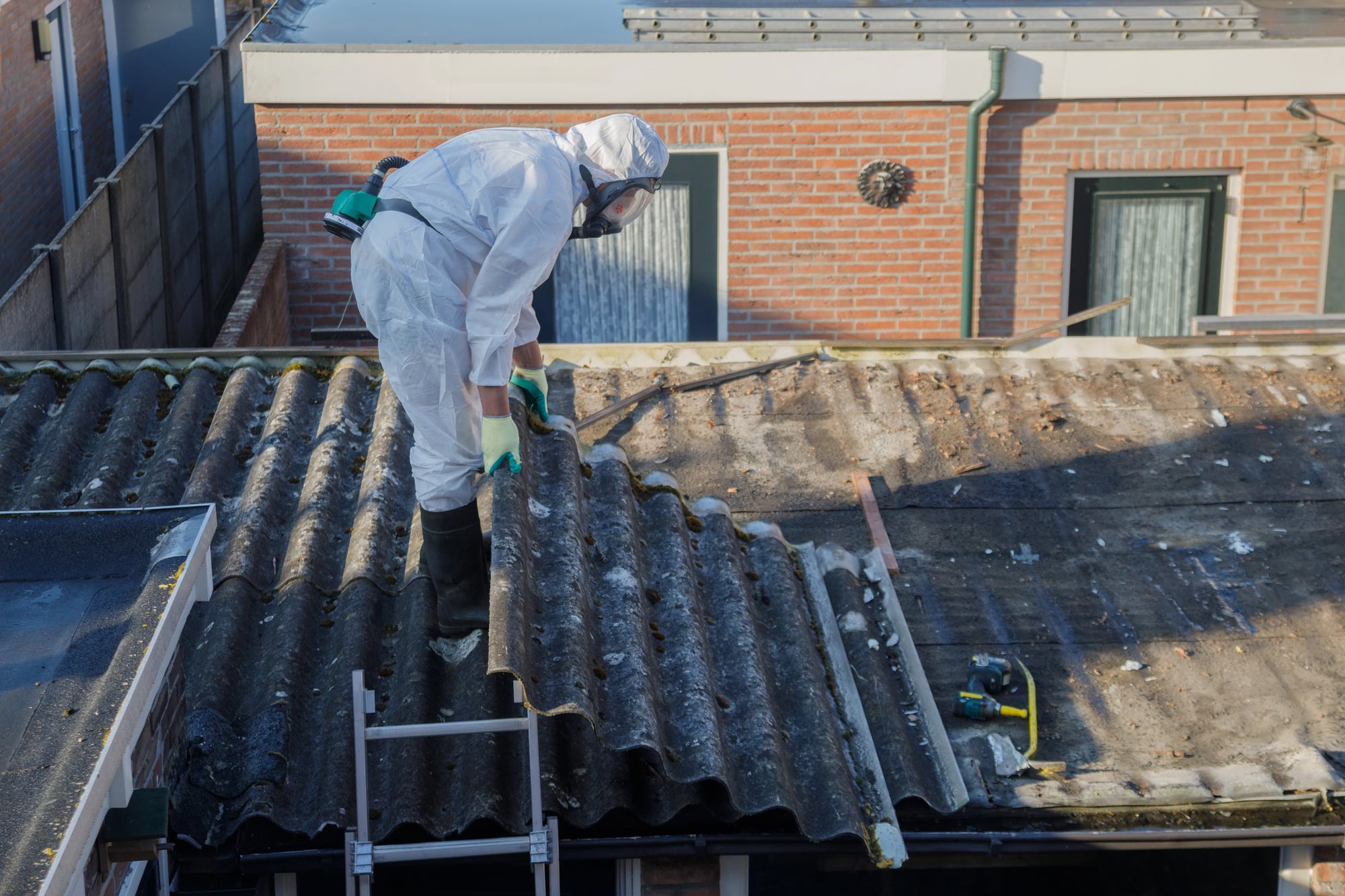
Asbestos doesn’t just exist in old buildings — it exists in old buildings that people live and work in every day.
Houses built before 1980, schools constructed in the mid-20th century, and office buildings from the era when asbestos was considered a miracle material all contain varying amounts of these mineral fibers.
Undisturbed asbestos generally stays put. The danger comes during renovation, demolition, or simple deterioration over time.
Drilling into walls, removing old tiles, or even vibrations from nearby construction can release fibers into the air. Once airborne, asbestos fibers can remain suspended for hours, and once inhaled, they stay in lung tissue permanently.
Lead From Old Paint
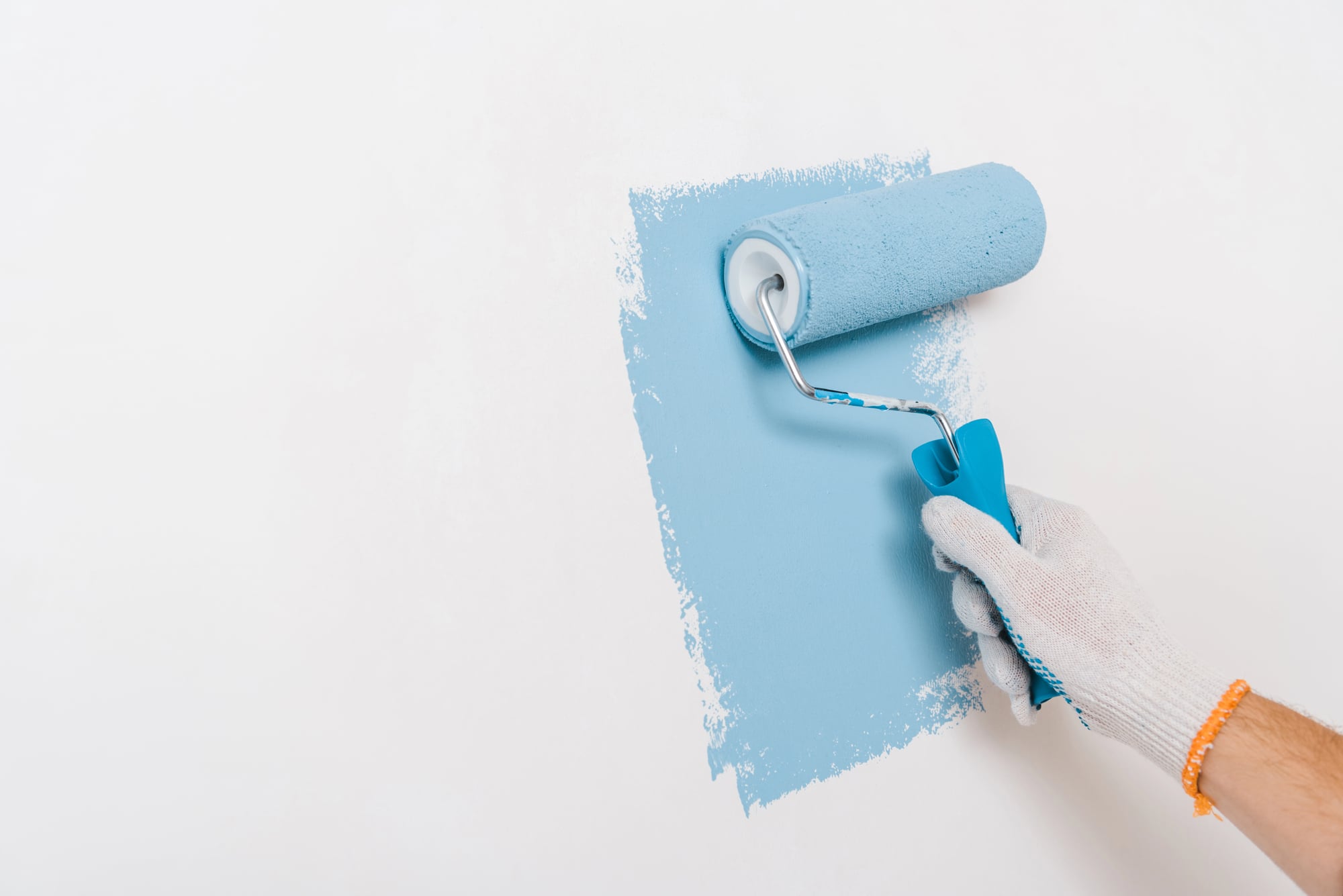
Lead paint was banned in 1978, but houses don’t disappear just because their paint contains hazardous materials.
Millions of homes built before the ban still have lead paint under newer coats, waiting to become a problem during the next renovation project.
Sanding, scraping, or demolishing surfaces with lead paint creates dust that settles throughout the house. Children absorb lead more readily than adults, and even small amounts can affect cognitive development.
The dust is often invisible and can persist in household environments for months after the renovation work ends.
Radon
Radon seeps up through the ground and accumulates in basements and lower floors of buildings.
This radioactive gas occurs naturally as uranium in soil and rock breaks down, but natural doesn’t mean safe.
Long-term exposure to elevated radon levels significantly increases lung cancer risk. The gas is colorless and odorless, so testing is the only way to know if it’s present at dangerous levels.
Many homes have never been tested, and radon levels can vary dramatically even between neighboring houses based on soil composition and building construction methods.
Cleaning Product Fumes
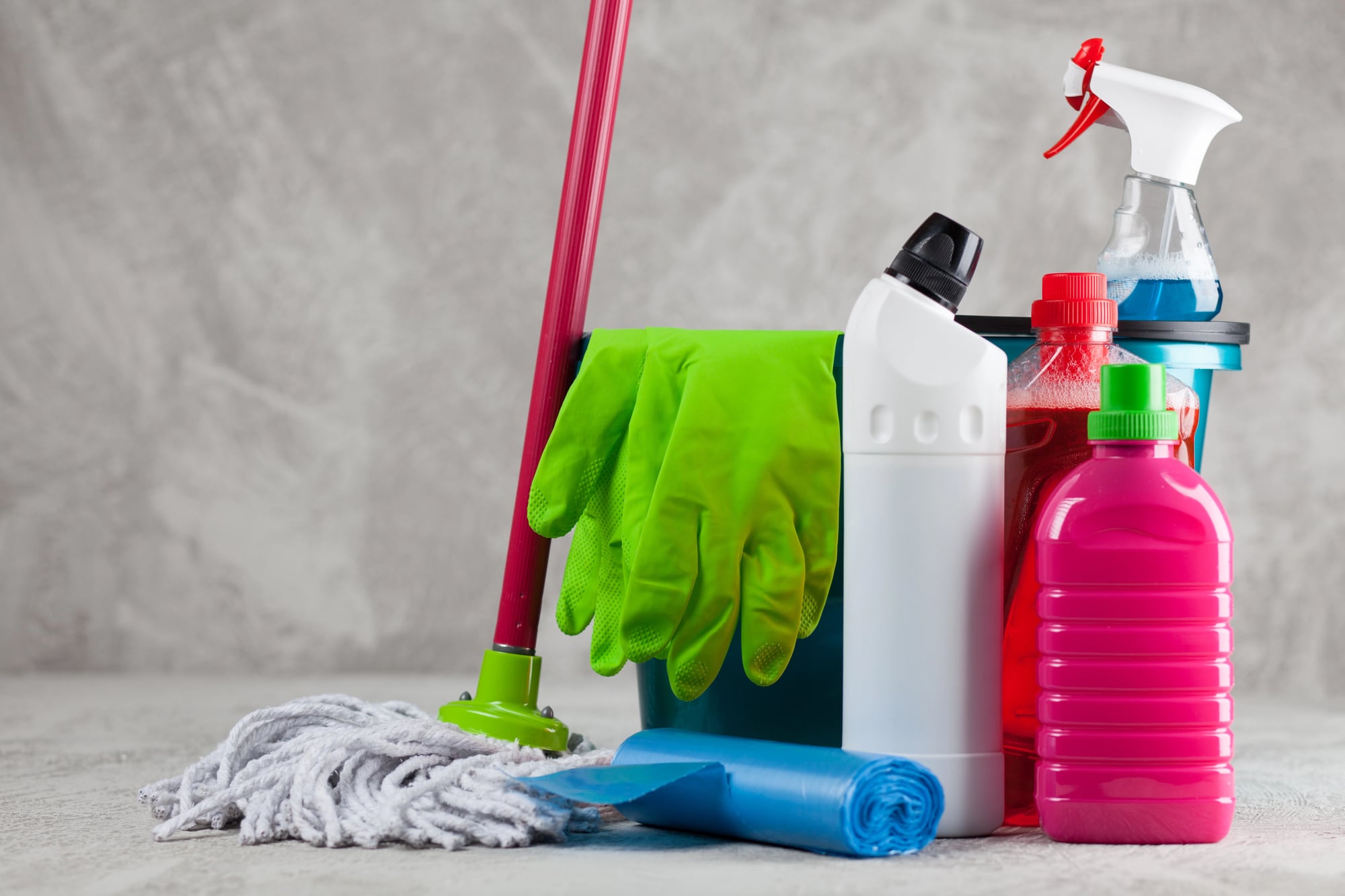
Mixing bleach with ammonia creates chloramine gas, which can cause immediate respiratory damage.
But even using these products separately, as intended, releases chemical vapors that accumulate in poorly ventilated spaces.
All-purpose cleaners, degreasers, and disinfectants contain solvents and other volatile compounds that evaporate during use. The “clean” smell often comes from chemicals designed to mask odors rather than eliminate them.
Regular use in small spaces like bathrooms can create concerning levels of indoor air pollution.
PFAS From Nonstick Cookware

PFAS chemicals make eggs slide effortlessly out of pans and keep rain from soaking through jackets.
These “forever chemicals” don’t break down naturally, which makes them remarkably useful for consumer products and remarkably persistent in human bodies and the environment.
When nonstick cookware overheats, it releases PFAS compounds into kitchen air. Even normal cooking temperatures can cause gradual release over time.
The chemicals accumulate in bloodstream and have been linked to various health problems, yet they remain in widespread use because alternatives often don’t perform as well.
The Quiet Accumulation

Chemical exposure resembles compound interest — small amounts accumulating over time until the total becomes significant.
Your body processes some of these substances effectively, stores others in fatty tissue, and struggles with compounds it simply wasn’t designed to handle.
The effects often don’t appear for years or decades, making it difficult to connect cause and effect.
Reducing exposure entirely isn’t realistic in modern life, but awareness makes targeted improvements possible. Ventilating spaces during cleaning or painting, choosing products with fewer synthetic chemicals when practical alternatives exist, and testing homes for radon or lead when appropriate can meaningfully reduce the chemical load your body manages daily.
More from Go2Tutors!

- The Romanov Crown Jewels and Their Tragic Fate
- 13 Historical Mysteries That Science Still Can’t Solve
- Famous Hoaxes That Fooled the World for Years
- 15 Child Stars with Tragic Adult Lives
- 16 Famous Jewelry Pieces in History
Like Go2Tutors’s content? Follow us on MSN.



