Strange Facts About Snow and Winter Celebrations
Winter brings out something peculiar in people. The cold weather and shorter days seem to inspire the strangest traditions, and snow itself behaves in ways that defy what you’d expect from frozen water.
These oddities have stacked up over centuries, creating a collection of facts that sound made up but turn out to be completely true.
Snow Can Fall in Colors Other Than White

Most people picture snow as purely white, but that’s not always the case. In certain parts of the world, snow falls in shades of pink, orange, red, and even black.
Algae living in the snow causes the pink and red varieties, thriving in the frozen conditions that would kill most other organisms. The Sahara Desert has experienced black snow, created when dust particles mix with the falling flakes during rare winter storms.
Orange snow appeared across Eastern Europe in 2018 when sand from the Sahara traveled north and got caught in snowfall.
Victorian Christmas Cards Featured Dead Robins
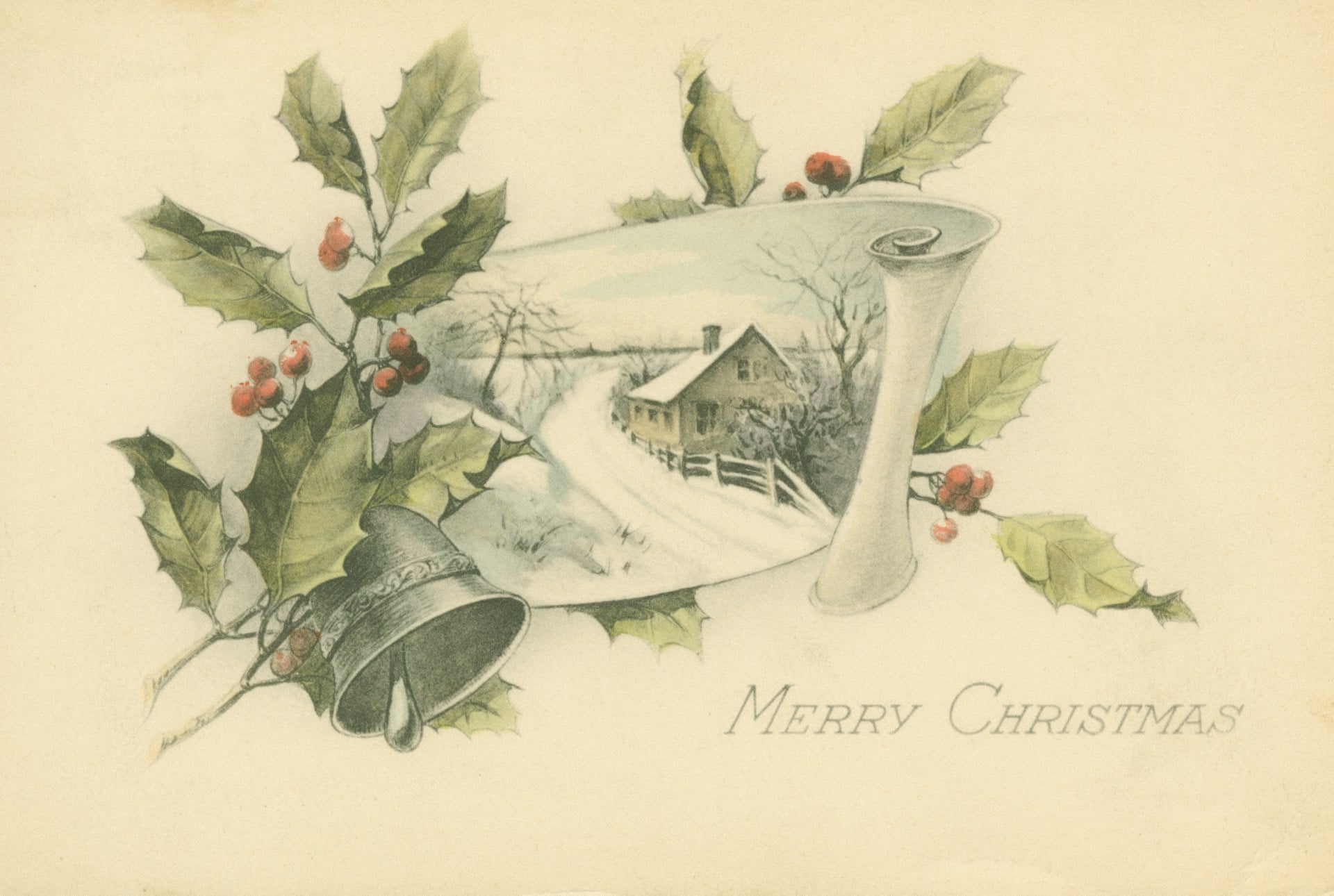
The cheerful robin appears on countless holiday cards today, but Victorian-era cards took a darker approach. Dead robins became a popular image on Christmas cards during the 1800s.
The postmen who delivered cards wore red uniforms and were nicknamed “robins,” and the cards showing dead birds served as dark humor about their exhausting holiday workload. Some cards depicted robins lying in the snow or being attacked by other animals.
These macabre images sold well despite—or perhaps because of—their morbid nature.
A Single Snowflake Contains Up to 180 Billion Water Molecules
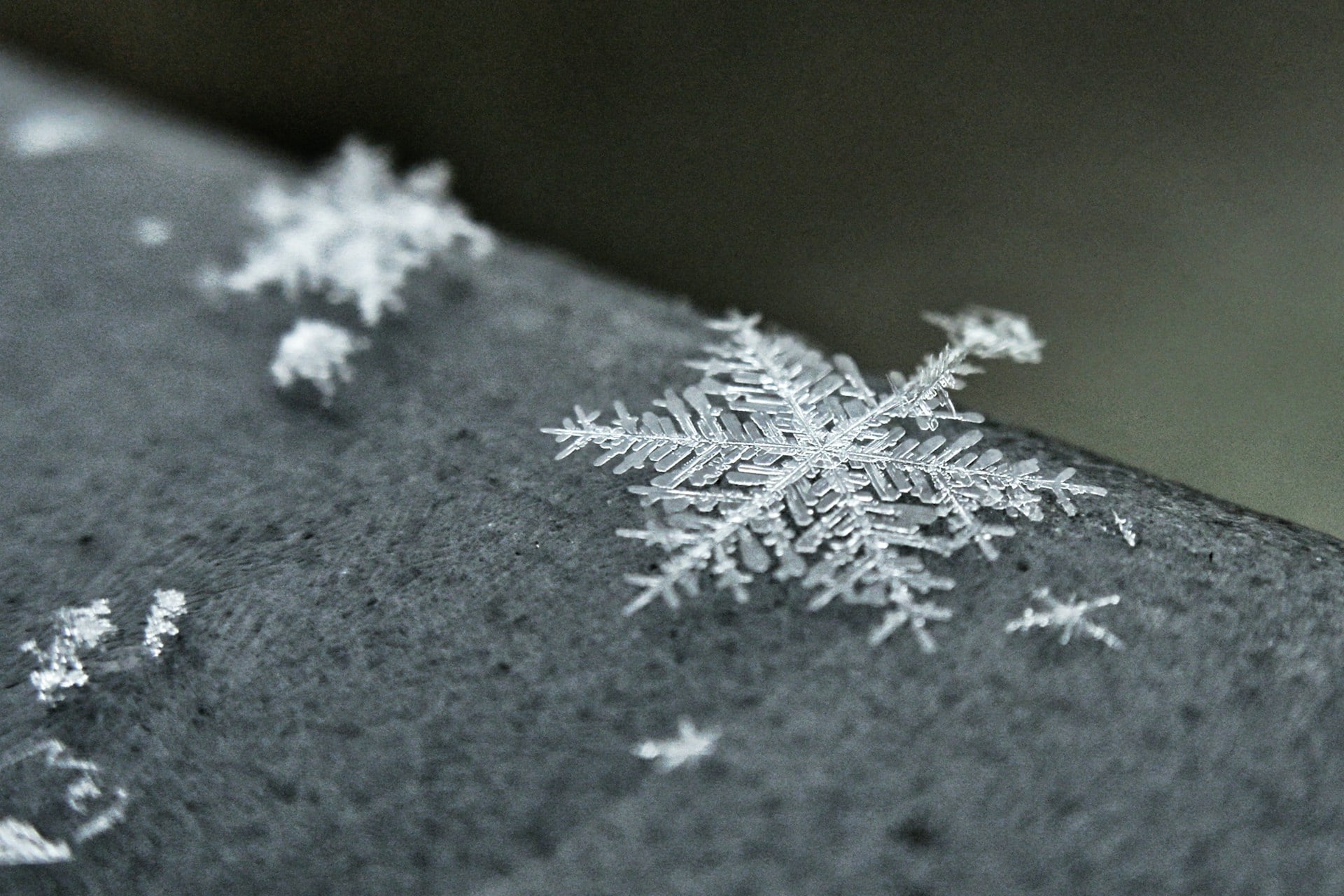
When you catch a snowflake on your glove, you’re holding something more complex than it appears. Each snowflake forms around a tiny particle of dust or pollen, and as it falls through clouds, water vapor freezes onto it in layers.
The process creates the six-sided crystal structures snowflakes are known for, and just one of these tiny crystals can contain 180 billion individual water molecules. The exact number varies based on the snowflake’s size, but even the smallest flakes contain billions of molecules arranged in those distinctive patterns.
The Feast of Fools Turned Churches into Comedy Clubs
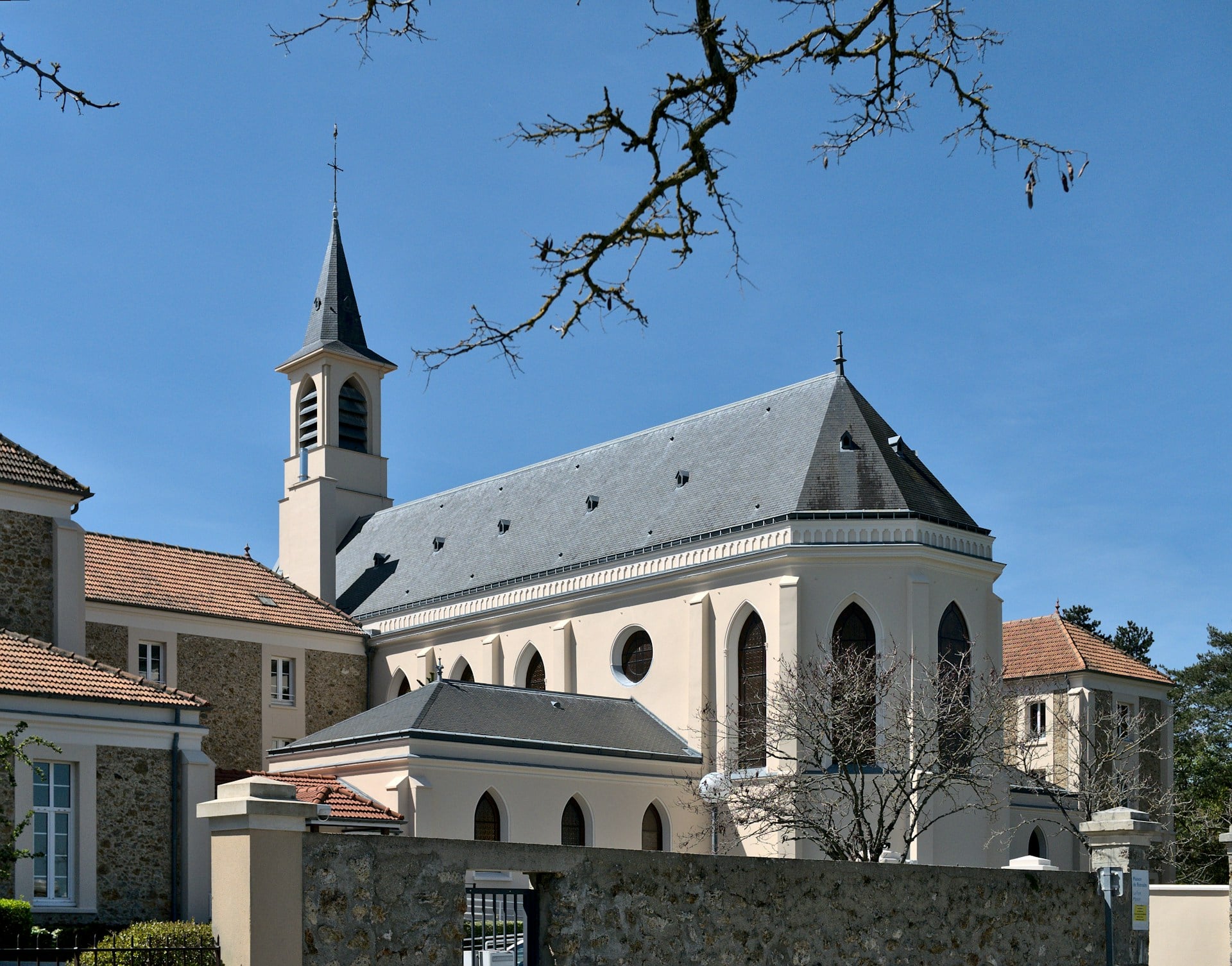
Medieval Europe celebrated a winter holiday that turned religious hierarchy completely upside down. The Feast of Fools took place around January 1st and allowed lower clergy members to mock their superiors.
Priests and deacons would elect a “Bishop of Fools” or “Pope of Fools,” wear masks and costumes, and perform parodies of sacred ceremonies inside actual churches. Some celebrations included bringing donkeys into the church, playing dice on the altar, or singing obscene songs during services.
The Catholic Church tried to ban the festival multiple times, but it persisted for centuries because people enjoyed the chance to mock authority during the dark winter months.
Snow Makes Sound Disappear

Walking through fresh snow creates an unusual silence that’s not just in your head. When snow blankets an area, it absorbs sound waves instead of reflecting them back.
The spaces between snowflakes trap air, and these tiny air pockets dampen noise by converting sound energy into heat through vibration. A thick layer of fresh, fluffy snow can reduce ambient noise by up to 60 decibels.
But this effect only works with new snow—once snow gets packed down or turns icy, it starts reflecting sound waves again and the world gets louder.
Catalonia’s Christmas Log Poops Out Presents

The Caga Tió tradition in Catalonia involves a log that defecates gifts for children. Families bring a hollow log into their homes in early December, draw a face on one end, and cover it with a blanket.
Children “feed” the log small treats like nuts or pieces of fruit each day. On Christmas Eve or Christmas Day, the kids beat the log with sticks while singing traditional songs that command it to defecate presents.
When they lift the blanket, they find candy, small toys, and treats that parents have hidden underneath. The tradition dates back centuries and remains popular across Catalonia today.
Thundersnow Happens During Blizzards

Thunder and lightning during a snowstorm sounds impossible, but thundersnow occurs more often than people realize. The phenomenon happens when the conditions that create thunderstorms—warm air rising rapidly through cold air—occur during winter weather systems.
The snow muffles the sound of thunder, making it audible only within a two to three mile radius of the lightning strike. During thundersnow events, snow often falls at rates of two to four inches per hour.
These storms are rare enough that meteorologists get excited when forecasts predict conditions favorable for thundersnow.
Iceland Celebrates Christmas with Thirteen Troll Santas
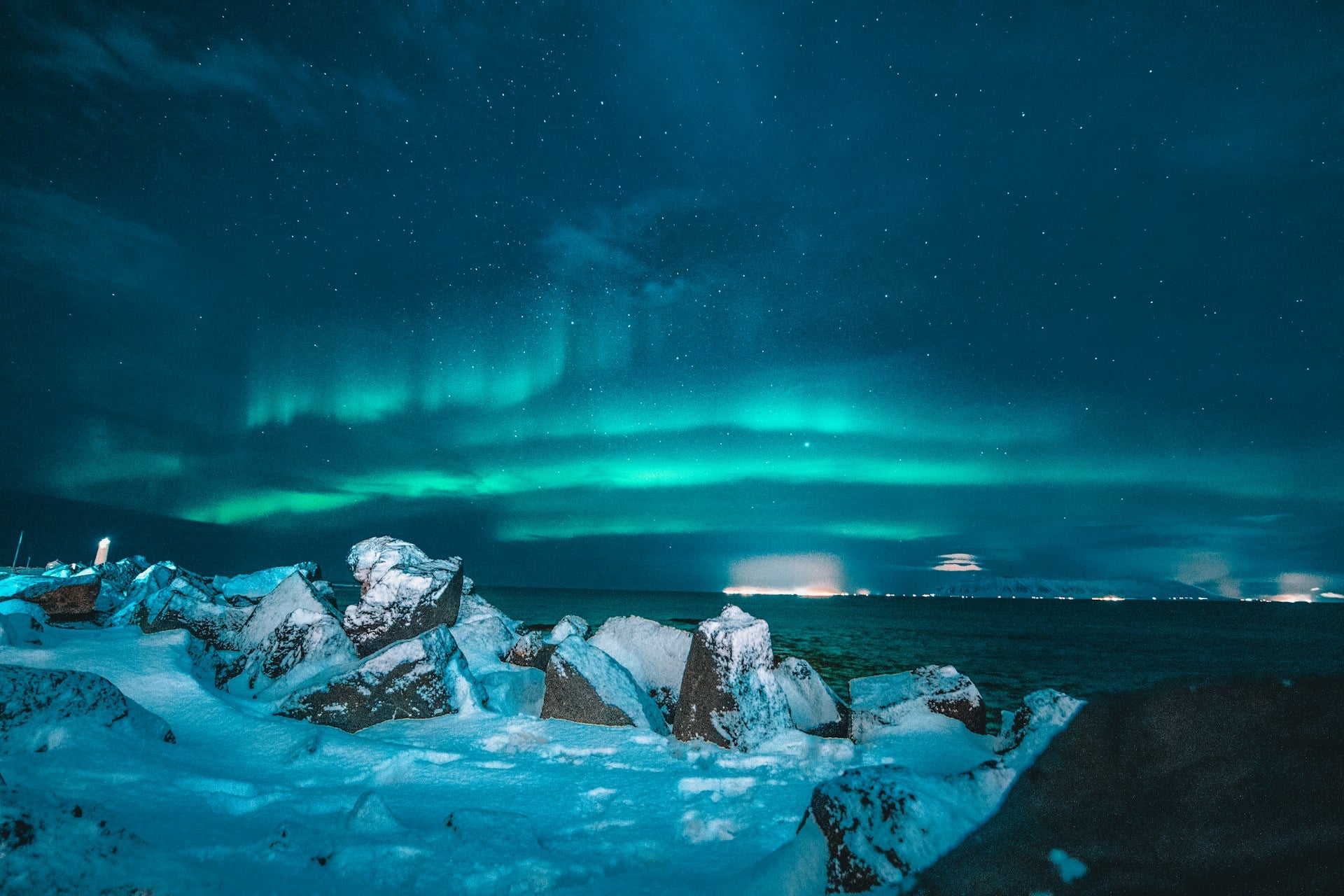
The Yule Lads tradition in Iceland features thirteen mischievous trolls who visit children on the thirteen nights leading up to Christmas. Each troll has a specific personality and prank.
Stekkjarstaur harasses sheep, Giljagaur hides in gullies to steal milk, and Þvörusleikir licks wooden spoons. Children place their shoes on windowsills each night, and if they’ve behaved well, they wake up to find small gifts.
Badly behaved children find rotting potatoes in their shoes instead. The tradition also includes the Yule Lads’ mother, Grýla, an ogre who supposedly eats naughty children, and their pet, the Yule Cat, which devours anyone who doesn’t receive new clothes for Christmas.
Snow Rollers Form Naturally Without Human Help

Nature occasionally creates what looks like someone rolled up snow into cylinders, except no one touched it. Snow rollers form when specific conditions align—a layer of ice covered by wet, loose snow, strong winds, and temperatures near freezing.
The wind picks up chunks of the top snow layer and rolls them across the icy surface like tumbleweeds. These cylinders can grow up to two feet across and often roll until they hit an obstacle or the wind dies down.
The center usually falls out during formation, creating hollow tubes of snow that can last for days if temperatures stay cold.
The Shortest Day Inspired the Strangest Celebrations
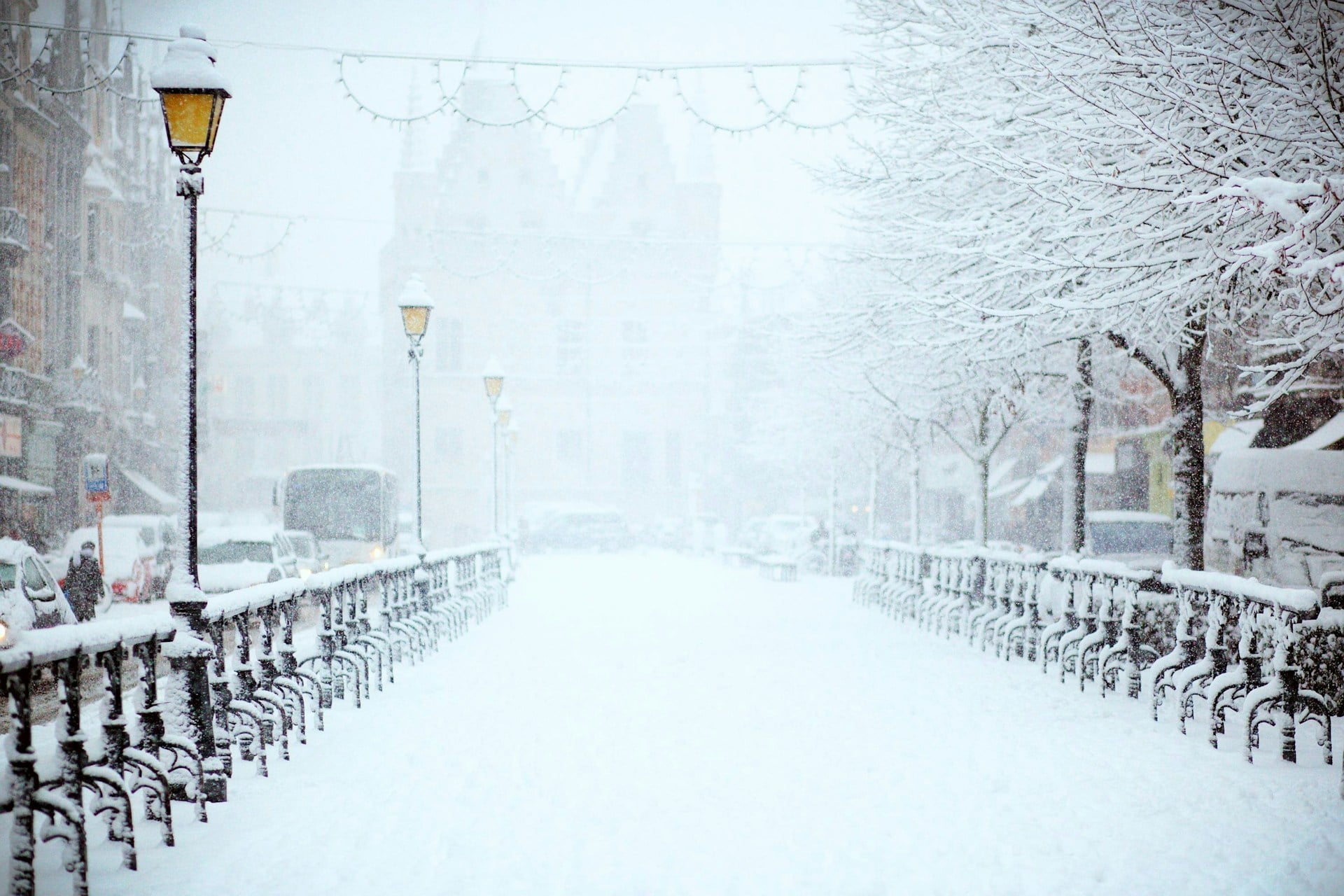
Winter solstice celebrations historically got weird. Ancient Romans held Saturnalia, where masters served their slaves dinner, people gambled openly in the streets, and everyone wore felt caps normally reserved for freed slaves.
The festival lasted up to a week and involved so much public intoxication that laws against drunk and disorderly conduct were suspended. Further north, Scandinavian celebrations of Yule included sacrificing animals and sprinkling their blood on temple walls and participants.
These practices eventually merged with Christmas traditions, but the original winter solstice festivals emphasized chaos and reversal of normal social order.
Some Snowflakes Are Actually Identical
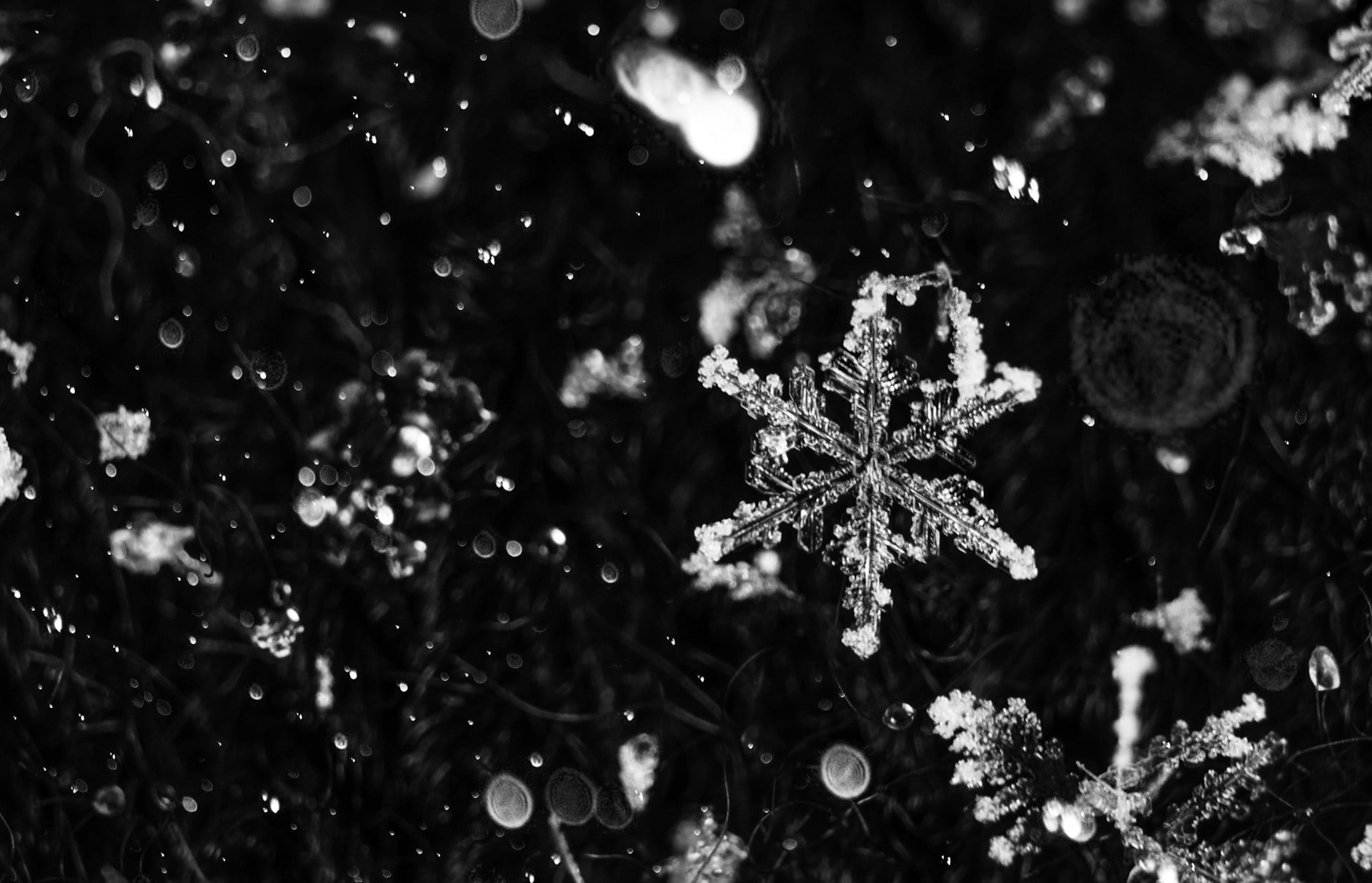
The saying “no two snowflakes are alike” isn’t quite accurate. Scientists have found identical snowflakes on multiple occasions.
In 1988, researcher Nancy Knight discovered two identical snowflakes in a Wisconsin storm. Both formed in the same cloud, fell through the exact same conditions, and developed identical crystal structures.
The chances of this happening are astronomically low, but snowflakes that form in very uniform atmospheric conditions can end up looking the same. Simple snowflakes like small hexagonal plates have better odds of matching than complex stellar dendrites.
Krampus Beats Children with Birch Branches
While Americans imagine Santa bringing coal to naughty children, Alpine regions of Europe have Krampus. This horned creature with a long tongue and hooves visits homes on December 5th, the night before St. Nicholas Day.
Krampus carries chains and birch branches to beat badly behaved children. The most severe punishment involves stuffing kids into his basket and dragging them to his lair.
Modern celebrations include Krampusnacht parades where people dress as the creature and chase spectators through the streets. The tradition has gained popularity in recent years, spreading to countries that never previously celebrated Krampus.
Antarctica Once Had Palm Trees and Warm Winters
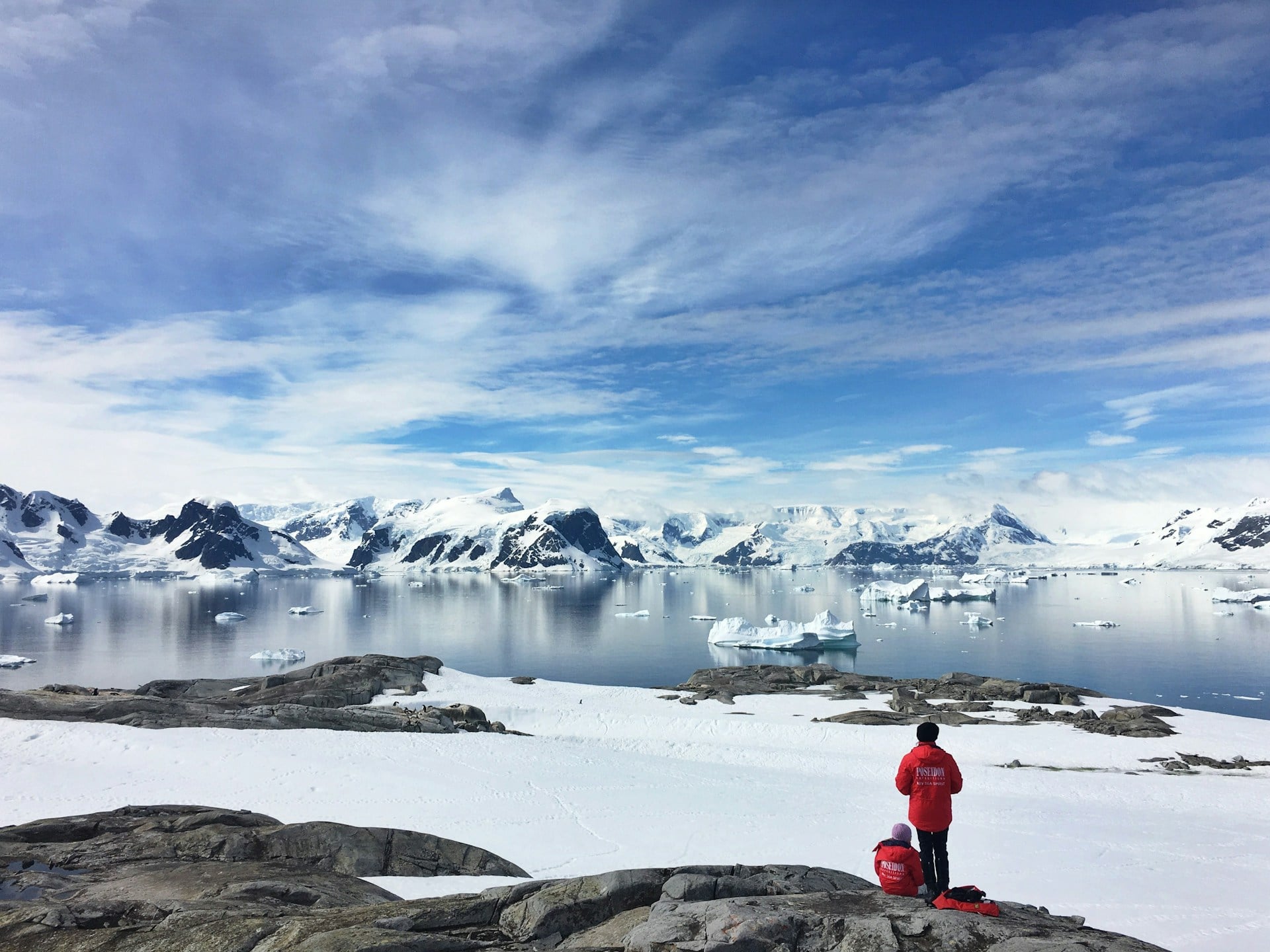
The coldest place on Earth wasn’t always covered in snow. Around 53 million years ago, Antarctica had a subtropical climate with palm trees, no ice sheets, and temperatures that rarely dropped below freezing even in winter.
Scientists have found fossilized palm pollen and ancient rainforest remnants buried under the ice. The continent was positioned differently then and ocean currents distributed heat more evenly across the planet.
The Antarctic ice sheet didn’t form until about 34 million years ago when the continent drifted to its current position and ocean circulation patterns changed.
Snow Creates Its Own Sound When You Walk on It
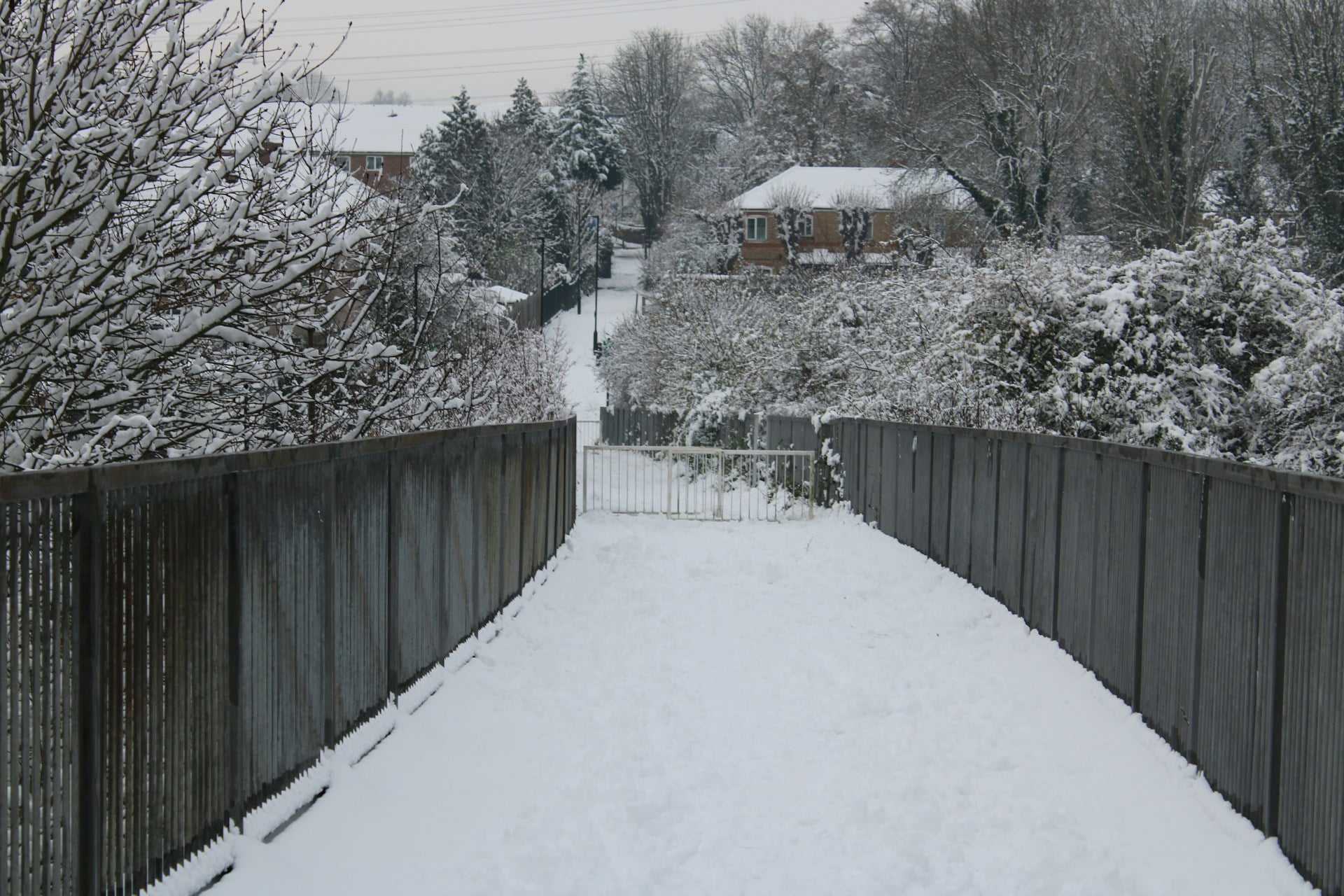
The crunch of footsteps in snow varies based on temperature. Fresh snow at 14 degrees Fahrenheit makes a sharp, loud crunch because the ice crystals are breaking under pressure.
As temperatures drop, the snow gets louder—at -4 degrees Fahrenheit, footsteps sound like squeaking. This happens because colder temperatures make ice crystals harder and more brittle.
They shatter into smaller pieces when compressed, creating higher-pitched sounds. Above 32 degrees, snow barely makes any noise at all because the crystals are too wet and soft to break cleanly.
Japan Celebrates Christmas with KFC Buckets

Out of nowhere, Kentucky Fried Chicken started linking itself to Christmas in Japan. Back in 1974, a slogan – “Kurisumasu ni wa Kentakkii” – began pushing fried chicken as part of the celebration.
Now, households book their festive meals far ahead, often weeks before December even begins. By late December, customers stand waiting outside stores just to grab a box.
It spread so widely, plenty think it’s normal everywhere to eat crispy poultry when carols play. Sales peaked during those days, topping any other time at Japanese KFC spots. Some shops open booking slots way back in autumn.
When the snow finally melts

When spring shows up, it looks different depending on where you are. Still, when winter lets go, it feels heavy wherever snow has been.
Snow lingers under trees or on north-facing hills, getting smaller each day – then vanishes while everyone sleeps. Meltwater from those last flakes soaks into soil, joining a flow that began long ago as ice high above.
Quirky habits tied to frost slip into boxes in basements. Little-known truths about blizzards drift out of mind until colder air comes around once more. Winter things stay tucked away, waiting quietly for the next turn of the seasons.
More from Go2Tutors!

- The Romanov Crown Jewels and Their Tragic Fate
- 13 Historical Mysteries That Science Still Can’t Solve
- Famous Hoaxes That Fooled the World for Years
- 15 Child Stars with Tragic Adult Lives
- 16 Famous Jewelry Pieces in History
Like Go2Tutors’s content? Follow us on MSN.