27 Silver Trays And Teapots Dealers Buy
A tarnished teapot at the back of a china cabinet can look like nothing more than a polishing chore. To a silver dealer, the first question is simple: is it solid sterling or plated base metal with a thin silver skin?
That answer changes everything. Sterling carries melt value before anyone even considers the maker, and a handful of names, patterns and periods push prices far beyond the weight of the metal.
Plated pieces can still sell, but only when quality, design or decorative appeal carries them.
Gorham Martele Hand-Raised Silver
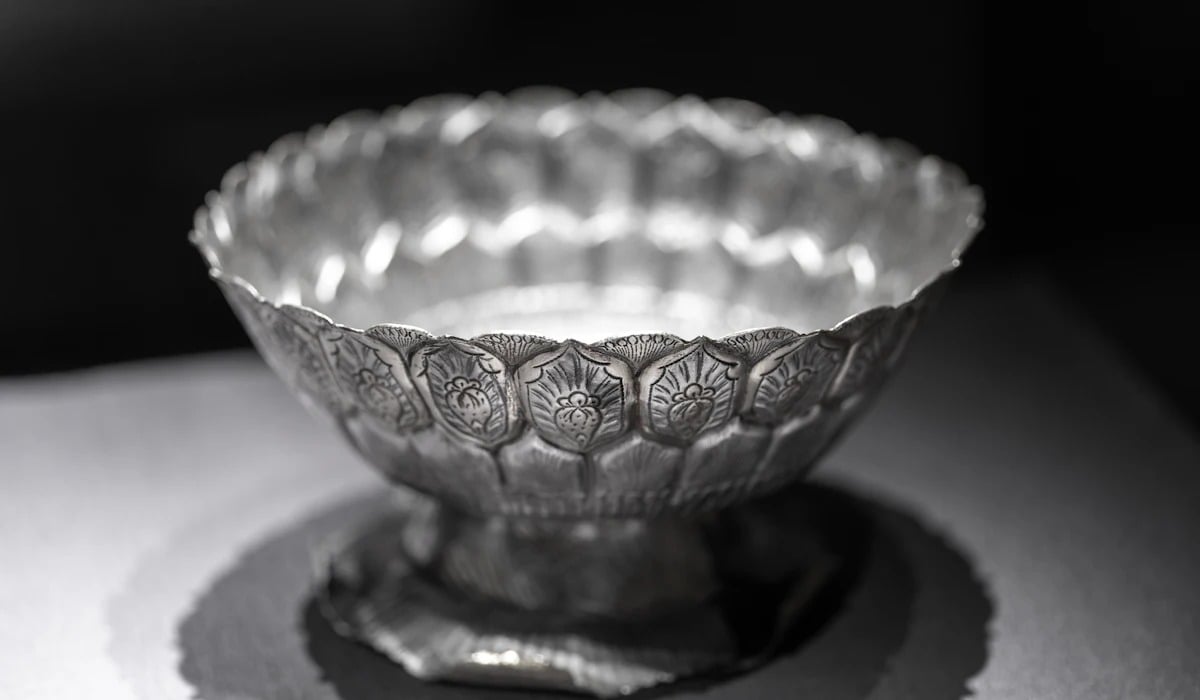
Gorham of Providence, Rhode Island, introduced its Martele line in 1897 under the direction of William Christmas Codman, and every piece was raised and chased by hand. The name comes from the French word for hammered, and the soft planishing marks across the surface are part of the appeal.
Martele used a silver standard higher than sterling, which collectors note when reading the marks. Small pieces often sell for a few thousand dollars, while major teapots, trays and centerpieces have reached tens of thousands.
Heavy polishing that blurs the chasing, dents and later engraving can lower prices considerably.
Tiffany and Co. Tea and Coffee Services
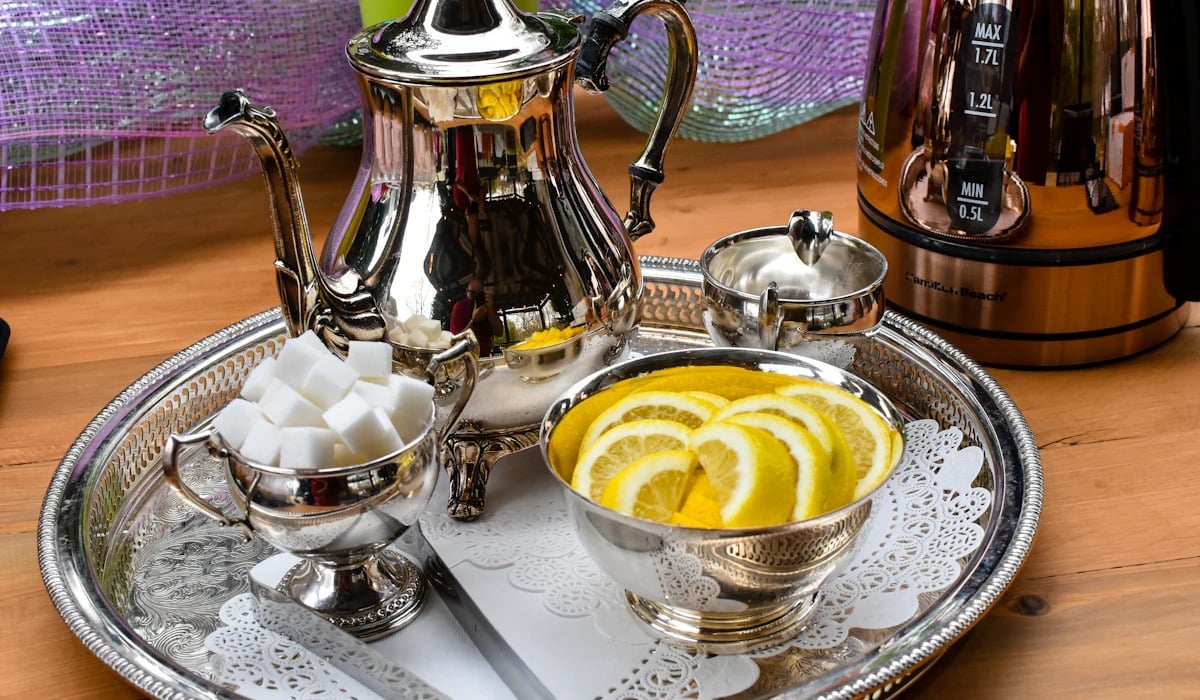
Tiffany and Co. built its silver reputation in the second half of the 1800s, much of it under designer Edward C. Moore, who brought Japanese and Islamic influences into American silver.
Tiffany pieces usually carry the company name along with pattern and order numbers that help date them. Single sterling teapots often sell for about 1,500 to 5,000 dollars, while complete services with a matching tray can bring far more.
Japanesque pieces with applied metals are especially prized. Dents, monograms that have been removed and missing finials all reduce value, and replaced handle insulators are noted by careful buyers.
Georg Jensen Blossom Teapots
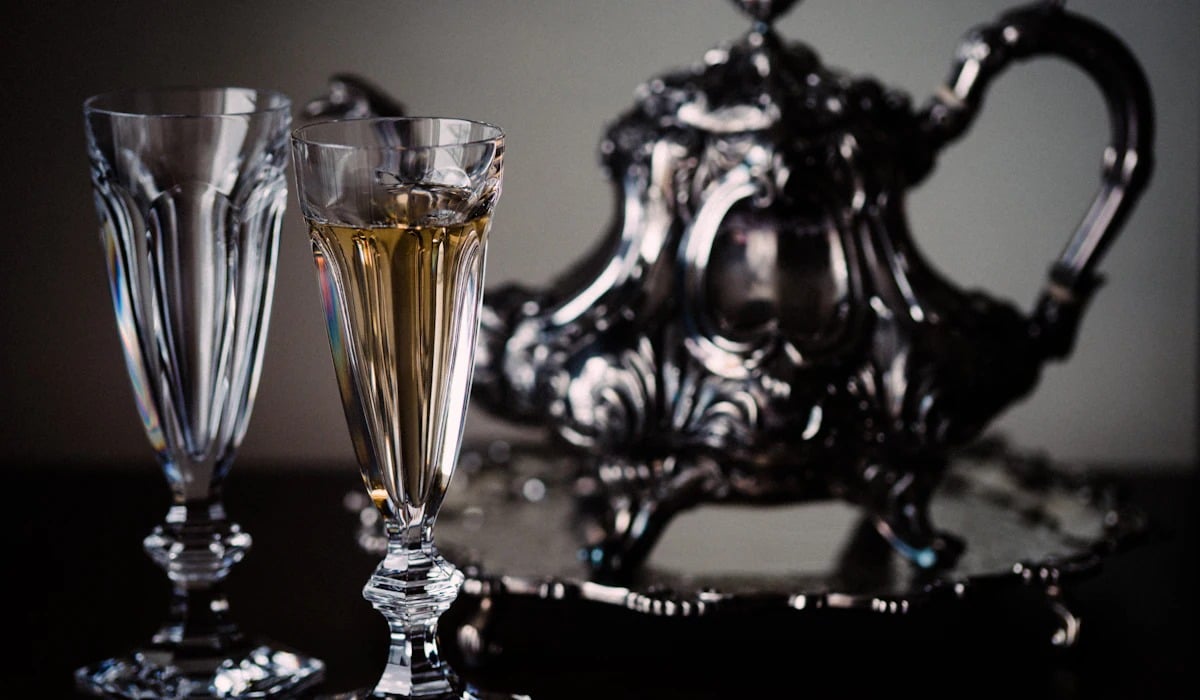
Georg Jensen opened his Copenhagen workshop in 1904, and his Blossom design, with a magnolia bud forming the lid finial, became one of the firm’s signature shapes. The hand-hammered surfaces, organic handles and soft sheen helped define Scandinavian silver for a century.
Jensen pieces carry detailed marks that let experts date them, and early examples from the first decades command the most attention. Blossom teapots often sell for several thousand dollars and up.
Cracked ivory or wood insulators, worn hammering from aggressive polishing and dents to the bulbous body all reduce what a teapot brings.
Kirk Repousse Teapots
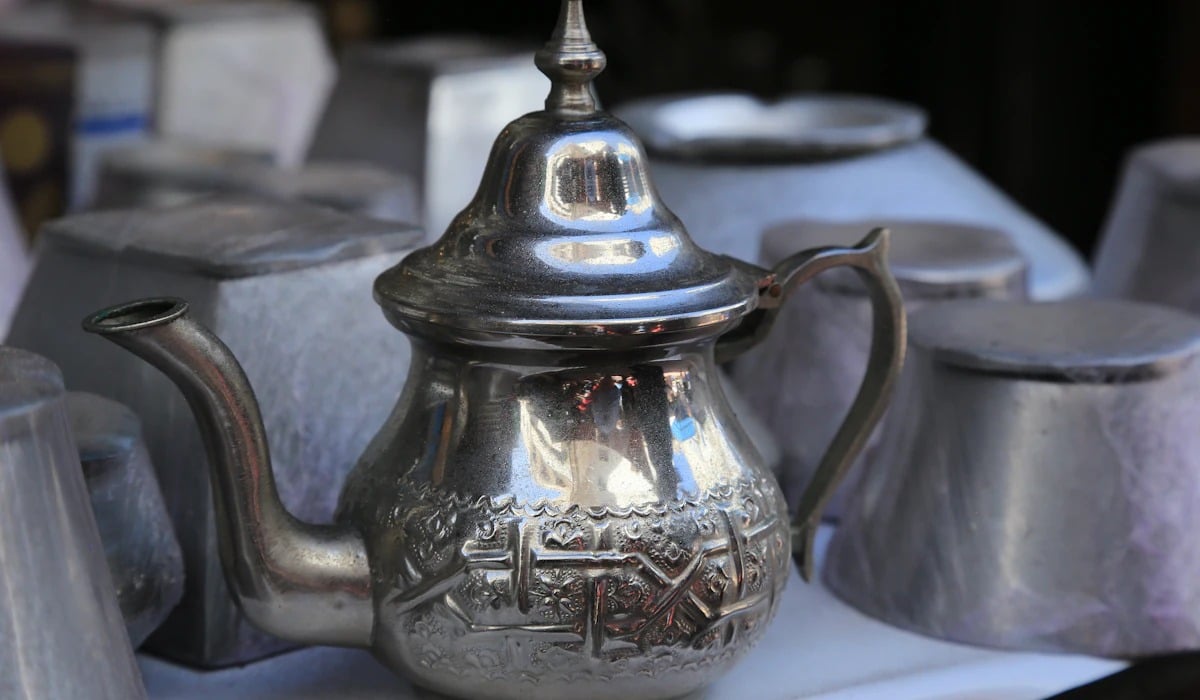
Samuel Kirk opened his Baltimore silver business in 1815, and his repousse decoration, with dense flowers, foliage and scrolls hammered up from the inside, became a regional signature. Baltimore silver became so associated with the style that collectors simply call it Baltimore repousse.
The company later merged with Stieff and continued under the Kirk Stieff name. Sterling repousse teapots often sell for about 1,000 to 3,000 dollars, with early Kirk pieces and full services going higher.
Dealers check for splits in the thin raised areas, because heavy decoration tears easily and repairs are hard to hide.
Reed and Barton Francis I Serving Pieces
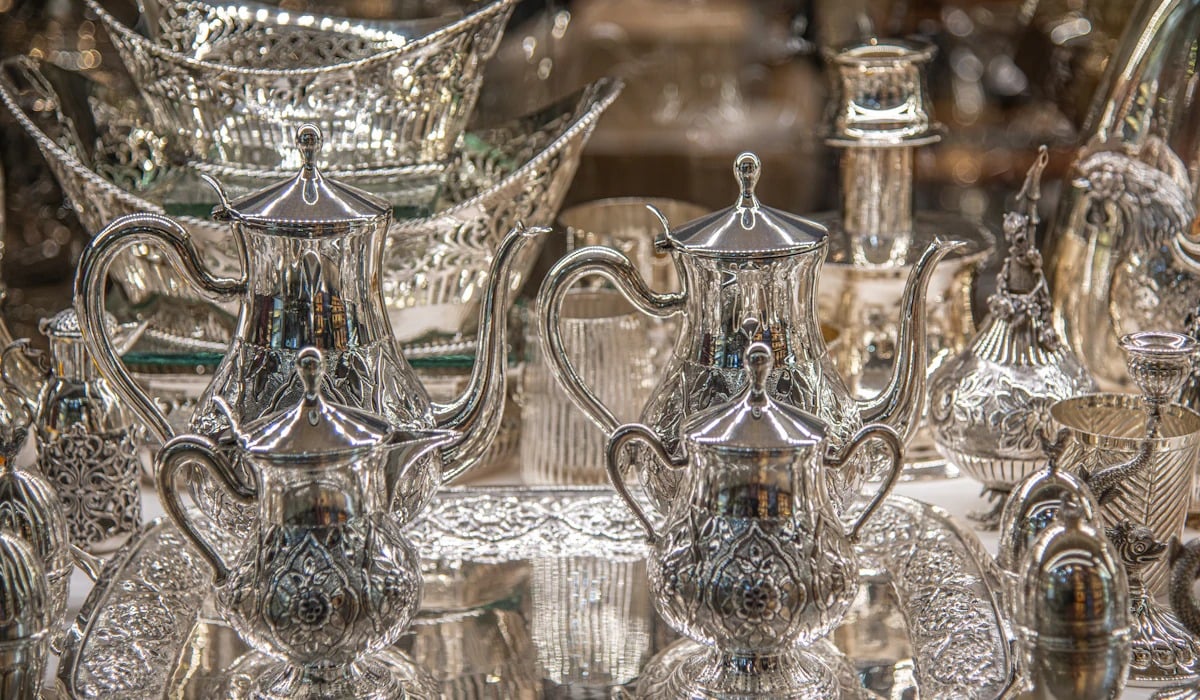
Reed and Barton introduced Francis I in 1907, a heavy, ornate pattern covered with clusters of fruit and flowers. The pattern is best known in flatware, but sterling trays, bowls, tea sets and serving pieces in Francis I are what dealers really want, since the generous weight and rich decoration push them well above melt.
Large sterling Francis I trays often sell for a few thousand dollars, and complete tea sets with trays go higher. Collectors check that pieces are sterling, since Reed and Barton also made plated lines.
Deep scratches across tray surfaces and dented fruit detail reduce value.
Wallace Grande Baroque Tea Services
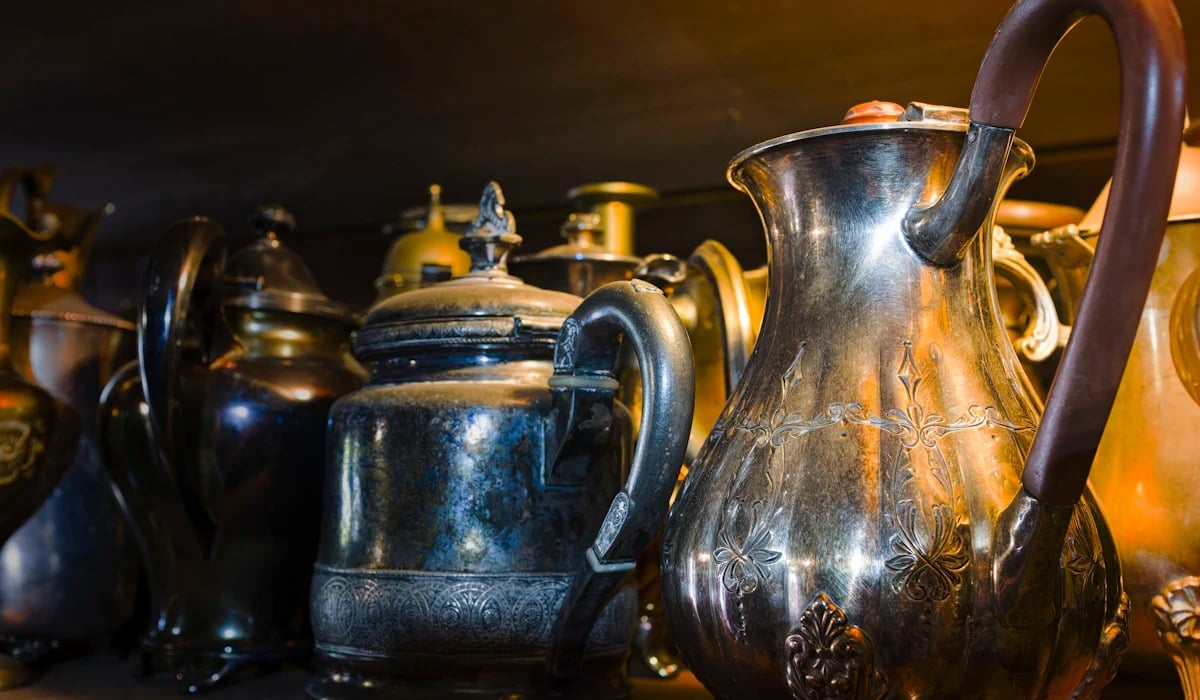
Wallace Silversmiths introduced Grande Baroque in 1941, and the heavy, sculptural acanthus design became one of the most popular American sterling patterns of the postwar years. Brides registered for it in huge numbers, which means flatware turns up often, while full sterling tea and coffee services are far scarcer.
A complete Grande Baroque service often sells for about 3,000 to 10,000 dollars, depending on the number of pieces and total weight. Dealers check every piece for the sterling mark, since Wallace also made plated holloware in similar styles.
Dents, worn high points and replaced handle insulators lower value.
Paul Storr Regency Silver
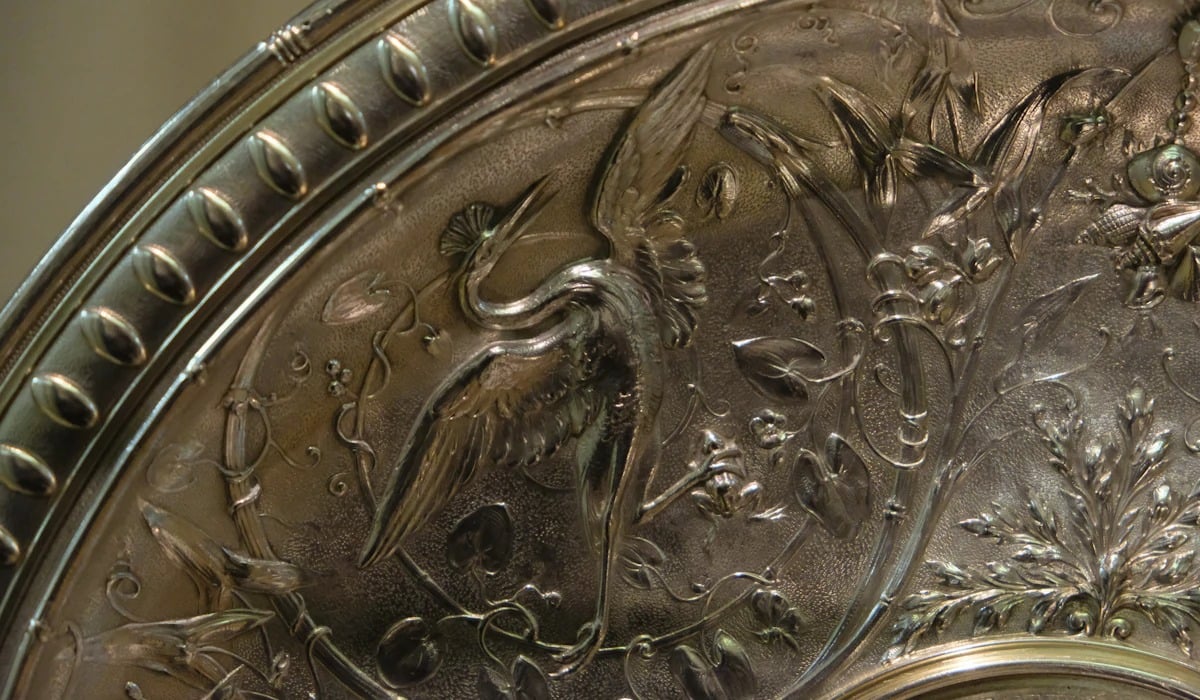
Paul Storr was one of the leading London silversmiths of the Regency era, working for a period with the royal goldsmiths Rundell, Bridge and Rundell. His work, often massive and richly cast with classical motifs, was made for aristocratic and royal households.
Pieces bear his PS maker’s mark alongside London hallmarks. Storr teapots, trays and salvers often sell for many thousands of dollars, with important pieces reaching much higher.
Because the name carries so much weight, serious buyers verify marks with specialists. Erased crests, heavy polishing and repairs lower value, though original armorials can add interest.
Hester Bateman Georgian Teapots
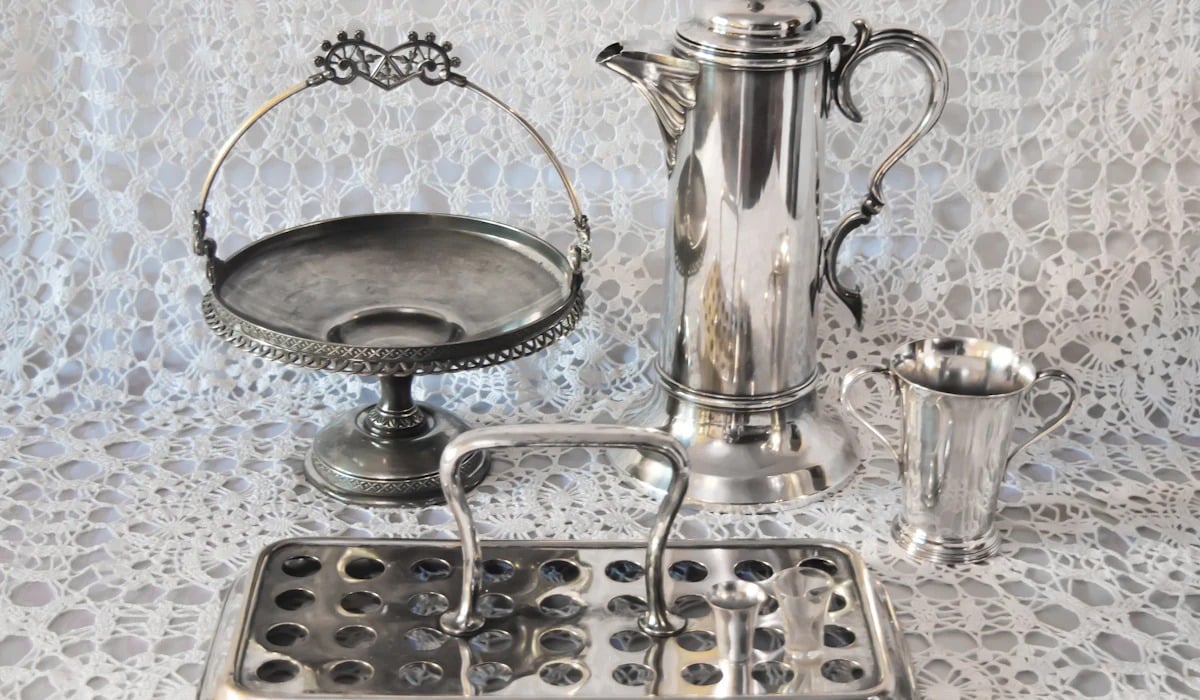
Hester Bateman ran one of the most productive silver workshops in 18th century London after her husband’s death, and her pieces carry an HB mark in script. Her workshop produced graceful neoclassical teapots, sugar baskets and cream jugs with bright-cut engraving.
Few women of the period ran workshops under their own marks, which adds to the collecting interest. Bateman teapots often sell for several thousand dollars, depending on form and condition.
Buyers verify hallmarks carefully, since her name attracts forgeries and misattributions. Dents, worn engraving and replaced handles reduce what a piece brings at auction.
Old Sheffield Plate Trays
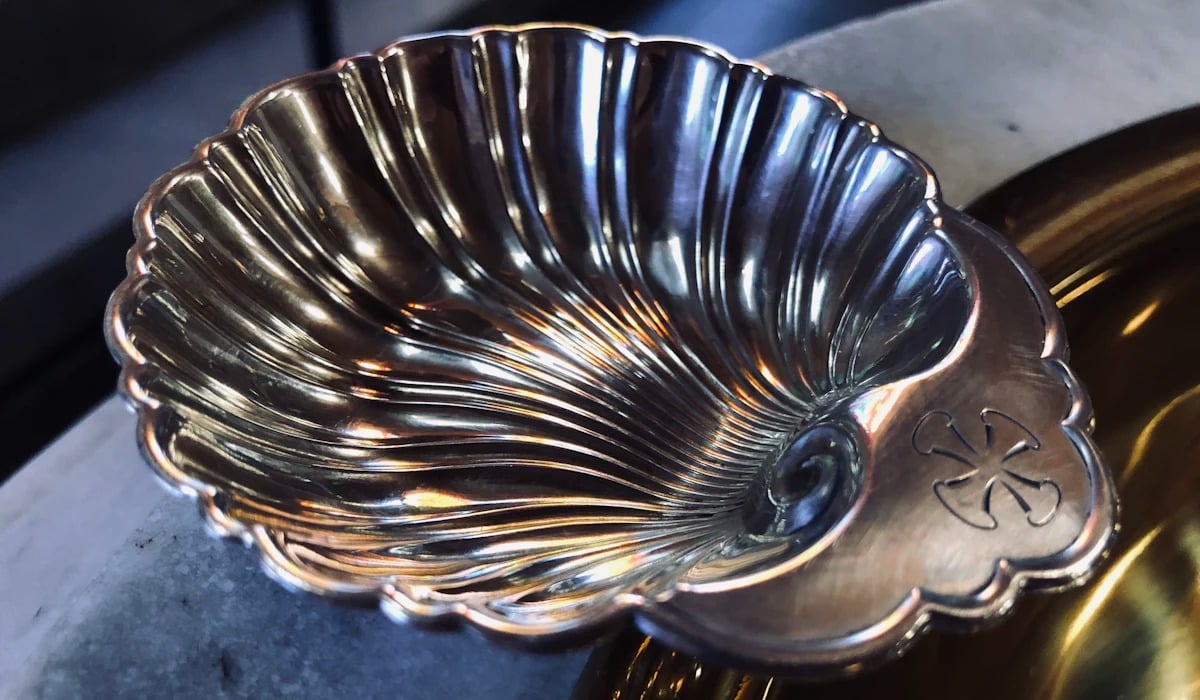
Thomas Boulsover discovered around 1743 that silver could be fused to copper and rolled into sheets, creating Old Sheffield plate, a cheaper alternative to solid silver. The technique was used for trays, candlesticks and teapots until electroplating replaced it in the mid-1800s.
Collectors prize original Old Sheffield pieces for their craftsmanship and age. Trays often sell for about 200 to 1,500 dollars, depending on size and condition.
Wear that reveals copper beneath the silver is common and acceptable in moderation, but heavy wear or modern replating lowers value significantly.
Elkington Electroplated Silver
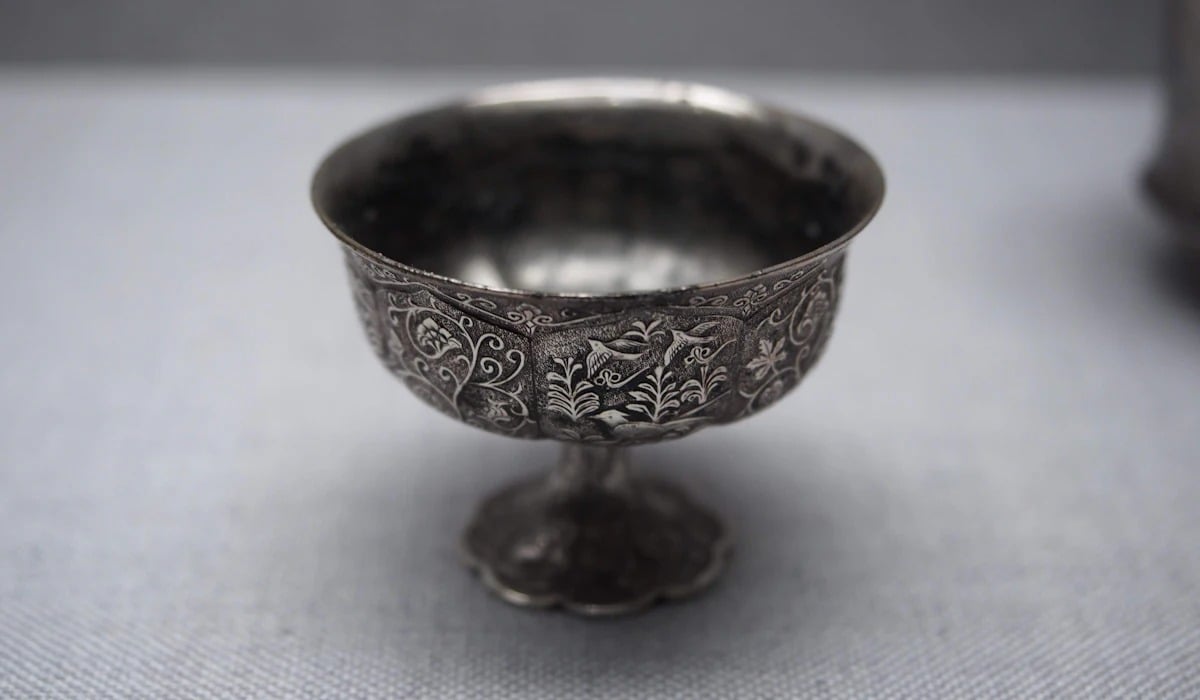
George Richards Elkington and his cousin Henry patented an electroplating process in 1840 in Birmingham, England, that made silver-plated goods far cheaper to produce. Elkington became a major manufacturer of plated tableware, and its designs, often elaborate and high quality, earned medals at international exhibitions.
Elkington pieces typically sell for about 100 to 800 dollars, with exceptional designs bringing more. Dealers look for the company’s marks and date codes.
Worn plating, dents and replaced parts reduce value, and pieces that have been replated lose much of their appeal to collectors.
Christofle Silverplate and Hotel Silver
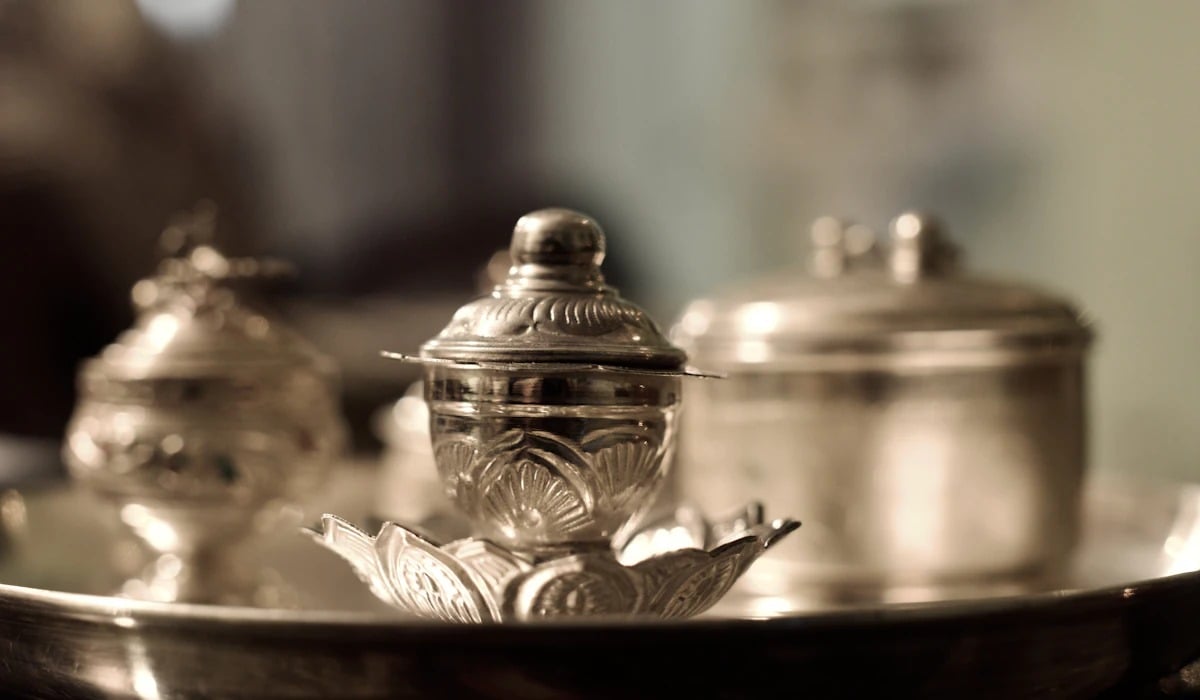
Charles Christofle built his Paris company into a leading maker of silverplate in the 1840s after acquiring rights to electroplating processes. Christofle supplied grand hotels, restaurants and ocean liners, including the Normandie, and its hotel silver is especially popular now.
Teapots, trays and serving pieces often sell for about 50 to 500 dollars, with rare designs bringing more. Dealers check for the Christofle mark and any hotel or ship names stamped into pieces.
Worn plating, dents and missing lids reduce value, while pieces with clear provenance from famous hotels or ships draw strong interest.
Puiforcat Art Deco Tea Sets
Jean Puiforcat, a Paris silversmith who had also trained as a sculptor, created some of the most celebrated Art Deco silver of the 1920s and 1930s. His tea sets rely on pure geometry, with spheres, cylinders and cones meeting at crisp angles, and handles carved from ebony, rosewood, ivory or rock crystal.
Ornament was nearly absent, so the quality of the raising and polishing carries the design. Complete Puiforcat tea sets often sell for many thousands of dollars, and important pieces reach much higher at major auctions.
Collectors confirm marks carefully, since the firm kept producing his designs after his death in 1945. Scratches show badly on such plain surfaces.
Spratling and Taxco Sterling
William Spratling, an American architect and writer, opened a silver workshop in Taxco, Mexico, in 1931 and is widely credited with reviving the town’s silver industry. He trained local artisans, many of whom later opened their own shops, and his designs blended pre-Columbian motifs with clean modern forms.
Spratling tea sets, pitchers and trays often sell for hundreds to thousands of dollars, depending on the design and mark. Other Taxco names, including Los Castillo and Antonio Pineda, also draw steady interest.
Dealers check for the eagle assay mark and the maker’s stamp. Dents, worn rosewood handles and heavy polishing lower value.
Kalo Shop Hand-Beaten Trays
Clara Barck Welles founded the Kalo Shop in Chicago in 1900, and it became one of the longest-running Arts and Crafts silver workshops in the country, operating until 1970. The shop trained many silversmiths, a number of them women, at a time when the trade was dominated by men.
Kalo pieces are often stamped Hand Beaten along with the shop name, and the soft hammer facets across trays and teapots are the signature look. Trays and bowls often sell for several hundred dollars, while teapots and larger pieces reach into the thousands.
Heavy buffing that erases the hammered texture lowers value noticeably.
Unger Brothers Art Nouveau Silver
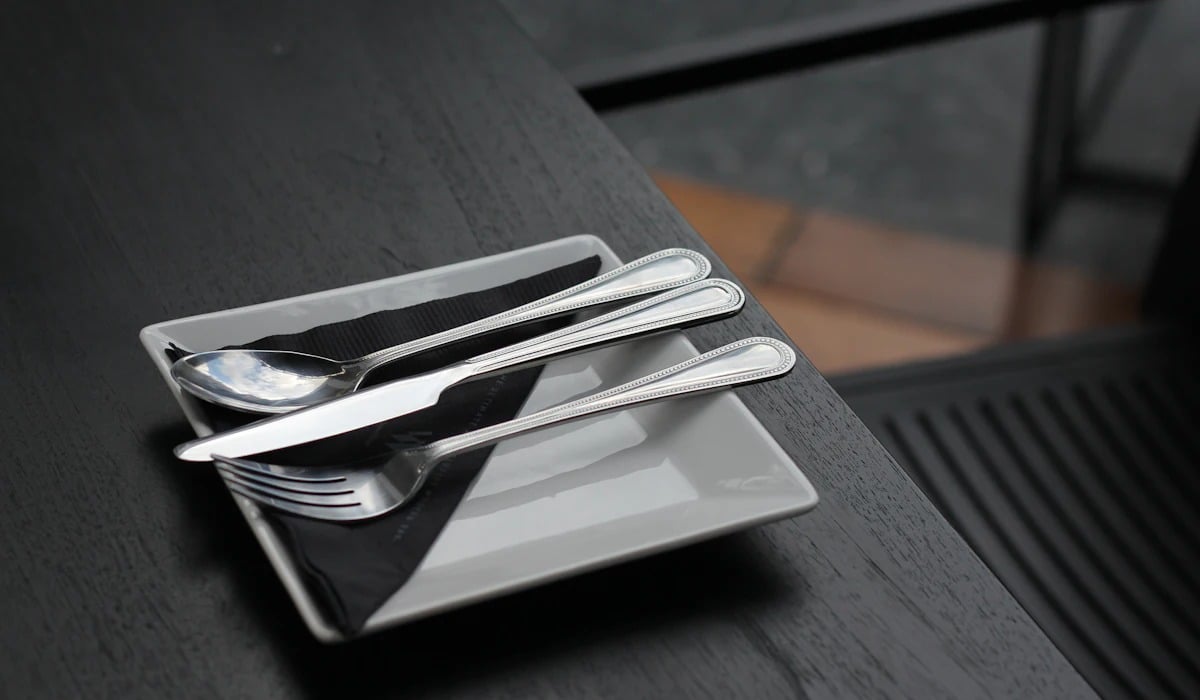
Unger Brothers of Newark, New Jersey, became one of the leading American producers of Art Nouveau silver around the turn of the 20th century. The firm is best known for die-stamped designs featuring women with long flowing hair, poppies, lilies and swirling lines, applied to everything from brushes and buckles to trays and tea pieces.
Unger pieces carry an intertwined UB mark, which dealers look for immediately. Trays and tea pieces often sell for several hundred dollars, with large or unusual designs bringing more.
Because the decoration is crisp but shallow, heavy polishing that softens faces and petals reduces value, as do dents and splits.
Shreve and Co. Hammered Silver
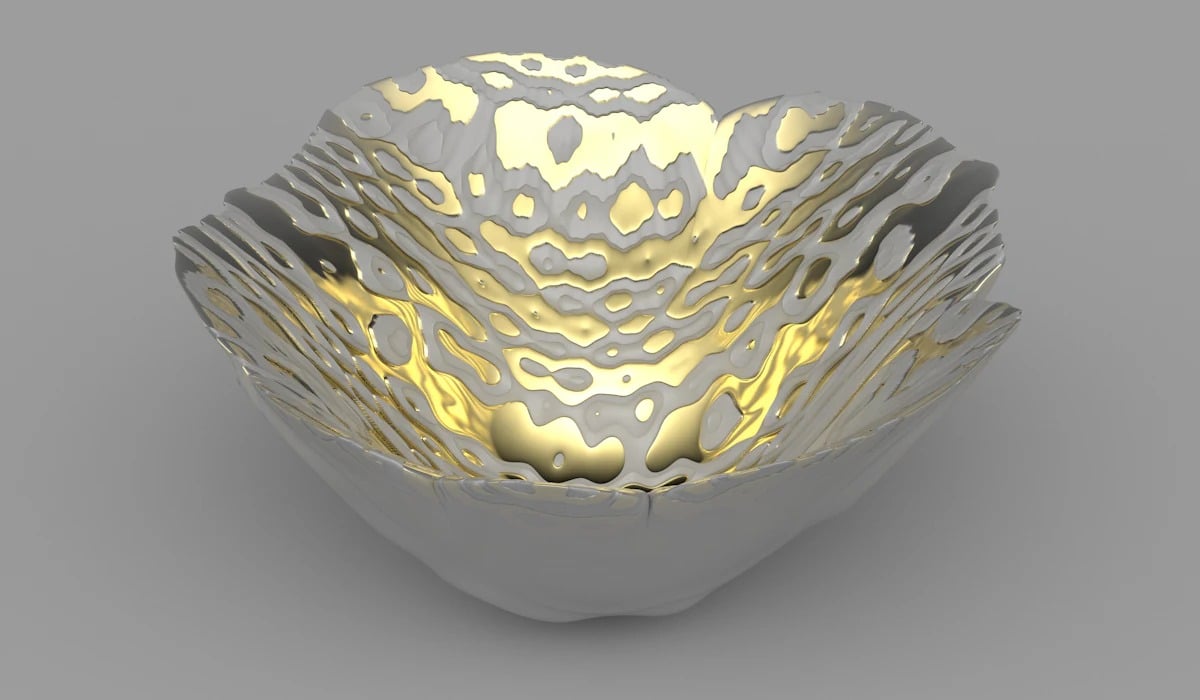
Shreve and Co. was founded in San Francisco in 1852 and grew into one of the leading silver and jewelry firms on the West Coast. In the early 1900s, the company produced hand-hammered Arts and Crafts silver, including trays, pitchers and tea sets with applied strapwork and visible hammer marks.
Pieces made after the 1906 earthquake and fire, when the firm rebuilt, are the ones collectors usually encounter. Shreve trays and teapots often sell from about 400 dollars into the low thousands, depending on size and design.
Dealers check marks and the depth of the hammered surface, since overpolishing flattens the texture.
Russian 84 Silver Tea Glass Holders
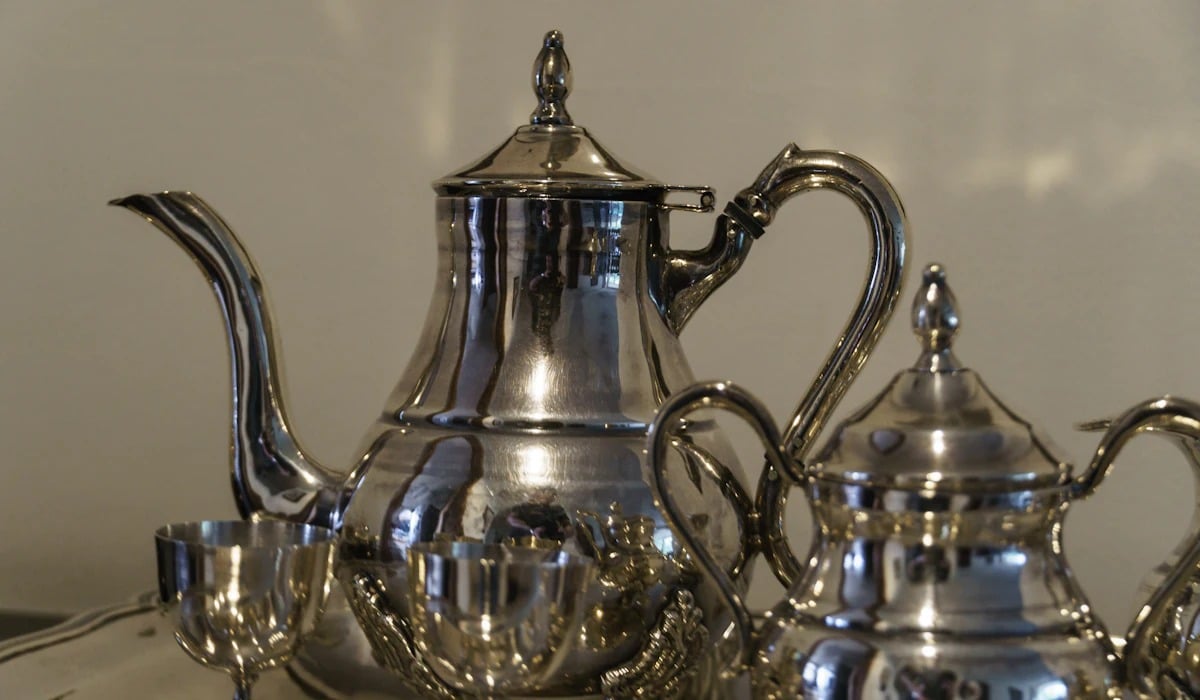
Russians traditionally drank tea from glass tumblers set into metal holders called podstakanniki, and silver versions were made in large numbers before the 1917 revolution. Many carry an 84 zolotnik mark, a standard close to 87.5 percent silver, along with city and maker stamps.
Decoration ranges from engraved architecture and landscapes to black niello work and colorful enamel. Holders often sell for about 150 to 1,000 dollars, with enameled pieces and well-known makers bringing more.
Forged Imperial marks are common, so experienced buyers examine the stamps closely. Dents, worn niello and replaced glass liners reduce value.
Victorian Silverplate Tilting Water Pitchers
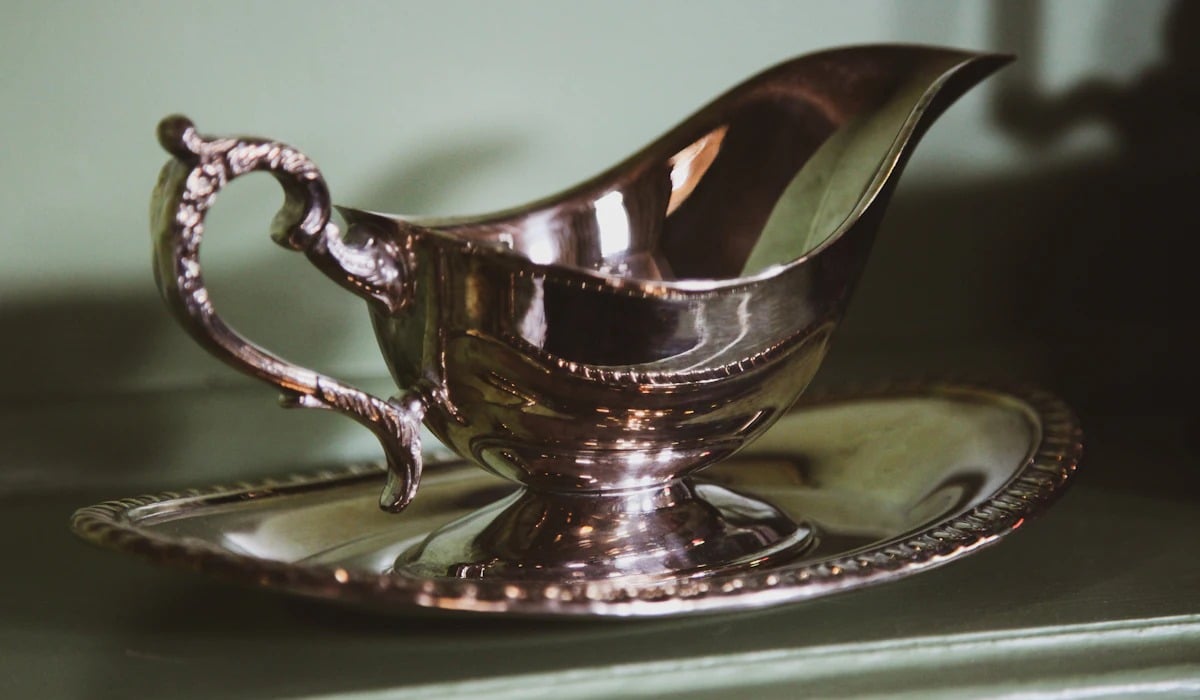
Tilting ice water pitchers were a Victorian dining room showpiece, an insulated pitcher suspended on a stand so it could tip forward to pour without being lifted. Meriden Britannia, Reed and Barton and other American makers produced them in the 1870s through the 1890s, often with an attached goblet and elaborate cast decoration.
Because they are plated, value rests on design and condition rather than metal. Complete examples often sell for about 150 to 600 dollars.
Dealers check that the pitcher swings freely, the goblet is original and the insulated liner is intact. Worn plating that shows the base metal and missing finials reduce value.
American Coin Silver Teapots
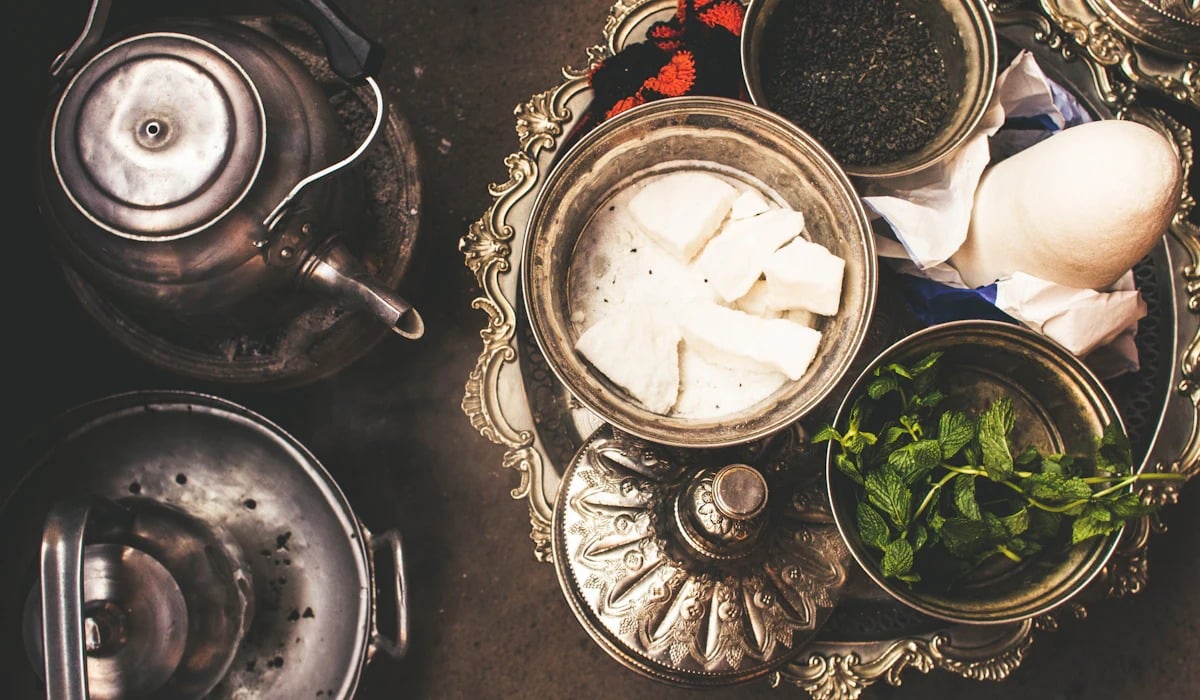
Before sterling became the American standard in the 1860s, many silversmiths worked in coin silver, an alloy often about 90 percent silver that was originally made by melting down coins. Teapots from this era may be marked COIN, PURE COIN or simply carry a maker’s name and city.
Pieces by known makers from Philadelphia, New York, Boston and smaller towns can bring strong prices, often about 1,000 to 4,000 dollars for teapots. Regional collectors prize work from specific towns and smiths.
Dealers check marks against references. Dents, splits along seams, replaced handles and later engraving all lower value.
Chinese Export Silver Tea Sets
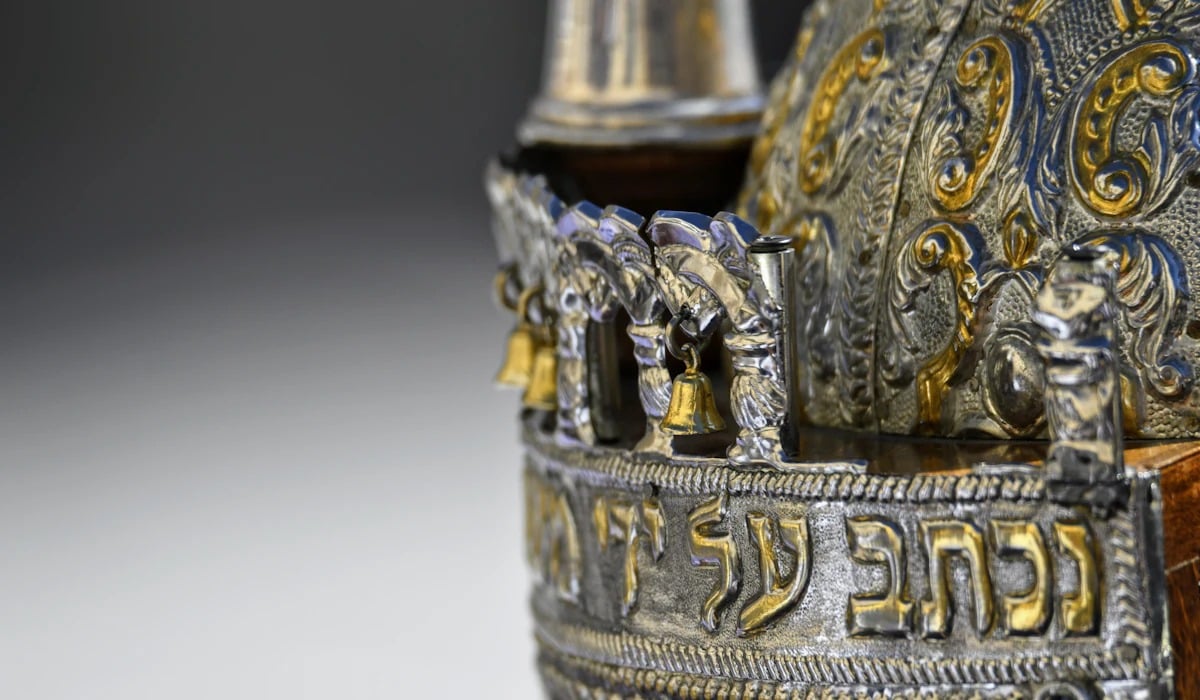
Chinese silversmiths in Canton, Shanghai and Hong Kong produced silver for Western buyers from the late 1700s into the early 1900s. Firms such as Wang Hing made tea sets with dense dragons, bamboo, prunus and village scenes in high relief, often on forms modeled after English or American shapes.
Some pieces carry pseudo-English hallmarks meant to look familiar to foreign customers. Complete tea sets often sell for several thousand dollars, with exceptional pieces reaching much higher.
Collectors check maker marks and the crispness of the relief. Dents, worn high points and missing finials lower value.
Large Sterling Waiters and Salvers With Clear Hallmarks
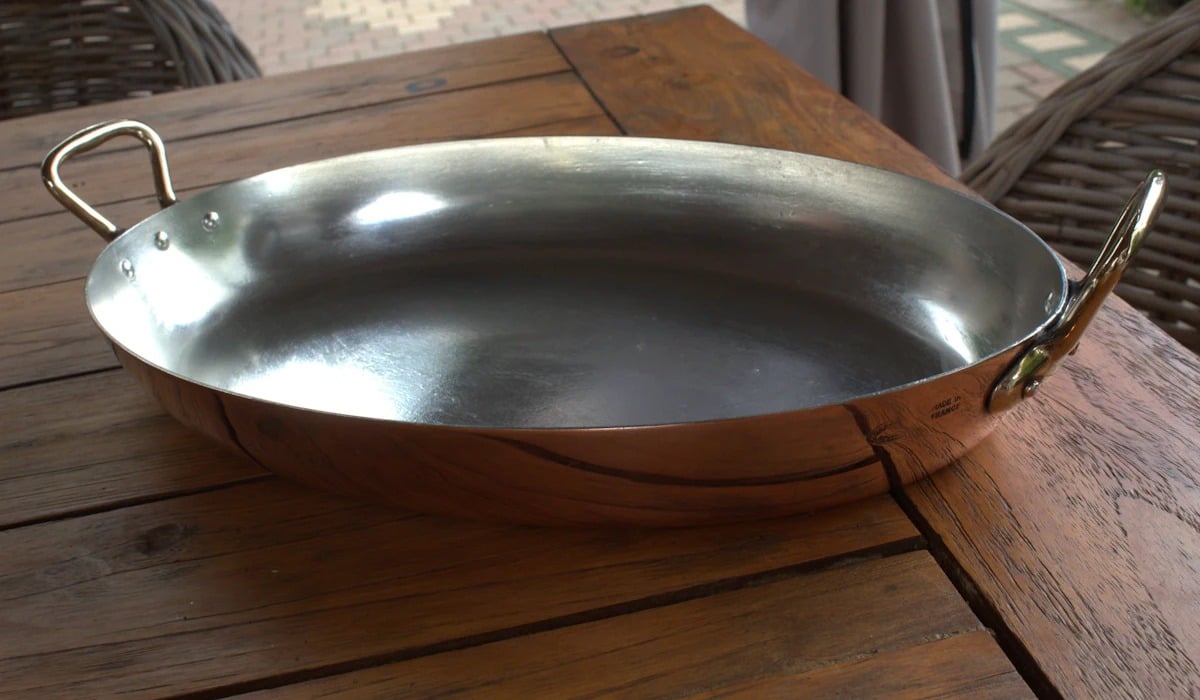
Flat sterling waiters and salvers, often with molded or pierced borders and small feet, were made for serving drinks and presenting letters. English examples carry a set of hallmarks, including the lion passant for sterling, a town mark and a date letter that pinpoints the year.
That system lets dealers date a piece precisely, which helps pricing. Large Georgian salvers often sell for hundreds to several thousand dollars, depending on weight, maker and decoration.
Heavy pieces sell at a premium even without a famous name. Deep scratches, erased armorials that thin the metal and cracked feet reduce value.
Georgian Silver Tea Caddies
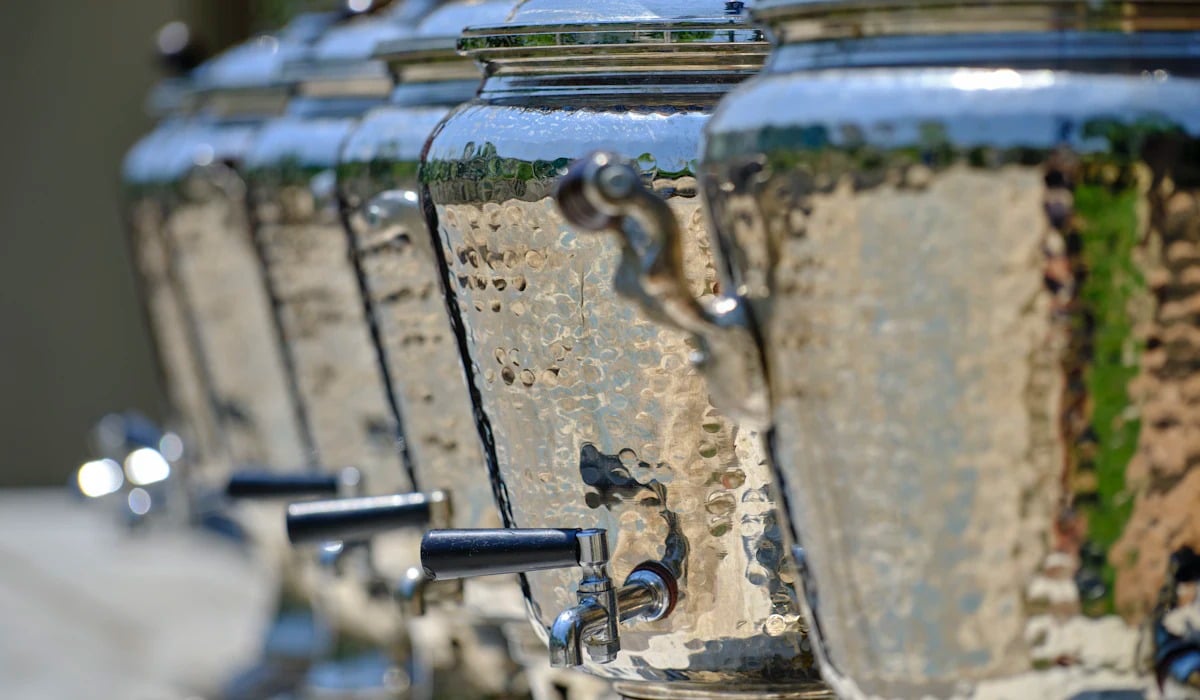
Tea was expensive in 18th century Britain, so it was kept in caddies, often silver ones, sometimes fitted inside locking wooden cases. Silver caddies came in rectangular, oval and vase shapes, with bright-cut engraving, chased flowers or Chinese-inspired scenes.
A caddy with its original lock and key is especially appealing to collectors. Values often range from about 1,000 to 5,000 dollars, with rare forms and known makers bringing more.
Dealers check hallmarks on both the body and lid, since mismatched lids are a common problem. Dents, worn engraving and repaired hinges reduce value.
Sterling Cake Baskets
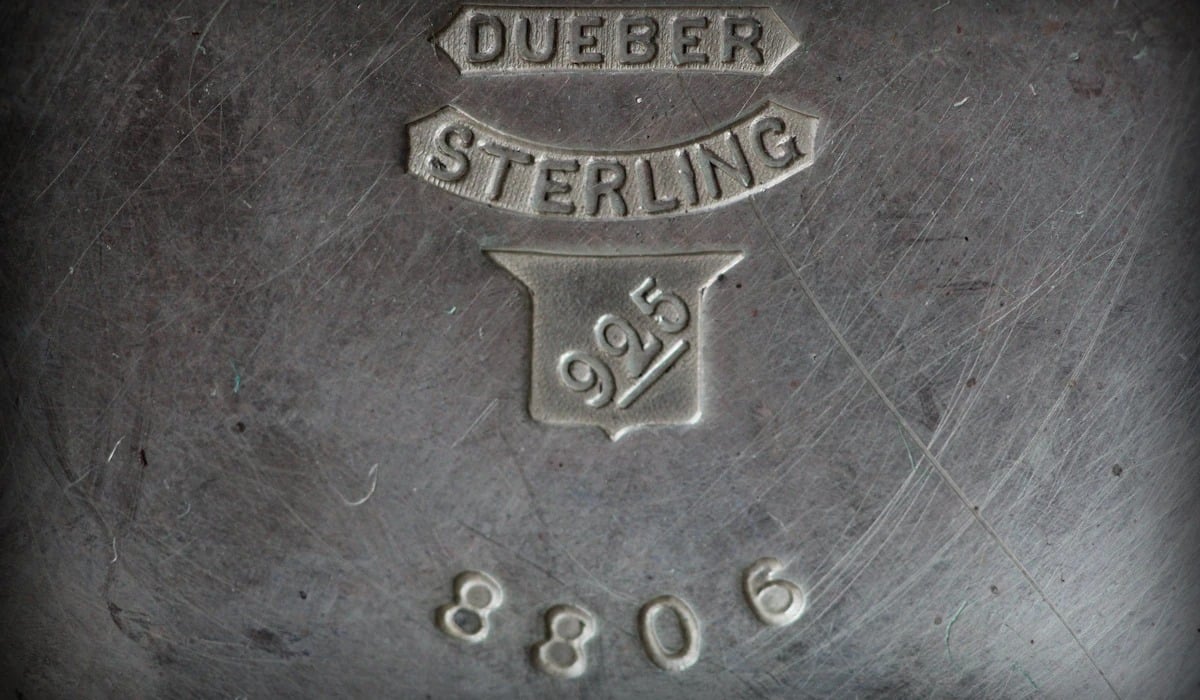
Pierced silver cake baskets with swing handles were fashionable in Georgian England and remained popular through the Victorian era. The piercing, often in scroll or geometric patterns, was cut by hand in early examples and by machine later.
Cake baskets were meant to show wealth, and the best have engraved armorials, cast borders and graceful oval forms. Values often range from about 500 to 3,000 dollars, depending on age, weight and maker.
Dealers check the handle hinge and base for splits, since the pierced sides weaken over time. Broken piercing, dents and loose handles lower value.
Arthur Stone Arts and Crafts Silver
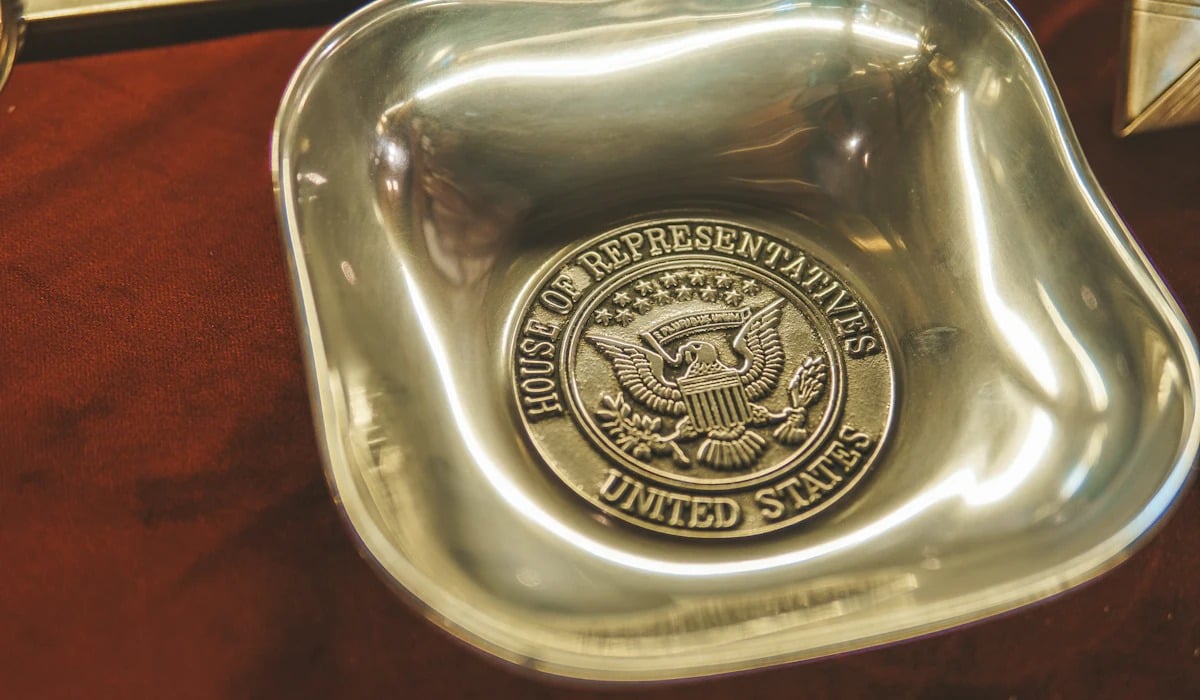
Arthur Stone, an English-trained silversmith, ran a workshop in Gardner, Massachusetts, from 1901 to 1937. His shop produced hand-raised bowls, tea sets, pitchers and trays, often decorated with chased flowers or leaves.
Stone stamped his pieces with his mark and often the initials of the craftsman who made them, an unusual practice that collectors value. Stone pieces often sell for thousands of dollars, with tea sets and major forms reaching more.
Dealers verify the marks and examine the chasing. Heavy polishing that blurs the decoration and dents reduce value.
Sterling Tea Kettles on Stands
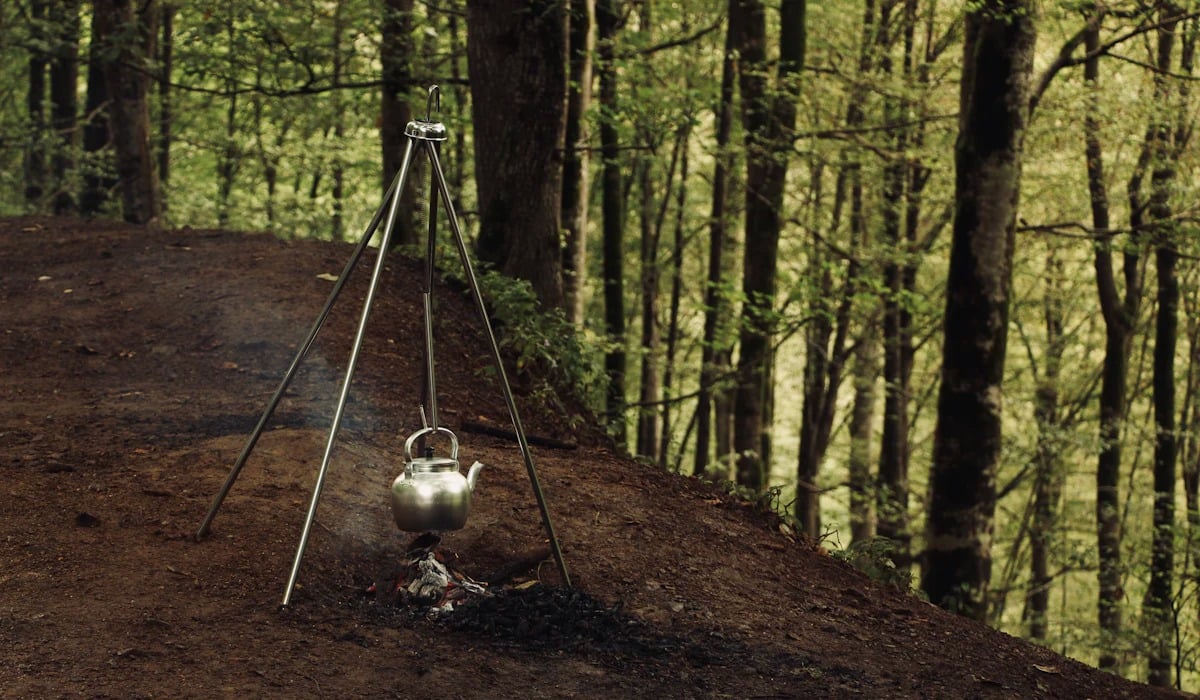
Sterling tea kettles on stands, with a small spirit burner beneath to keep water hot, were a centerpiece of formal tea services. English silversmiths made them from the 1700s onward, and Victorian and American makers continued the form well into the 1900s.
The stands often have elaborate feet, and some kettles tilt on a pivot so the hostess could pour without lifting the hot vessel. Values often range from about 1,500 to 5,000 dollars, with complete examples by known makers bringing more.
Dealers check that the burner is original and the kettle matches the stand. Mismatched parts, dents and replaced handles reduce value considerably.
Victorian Card Receivers
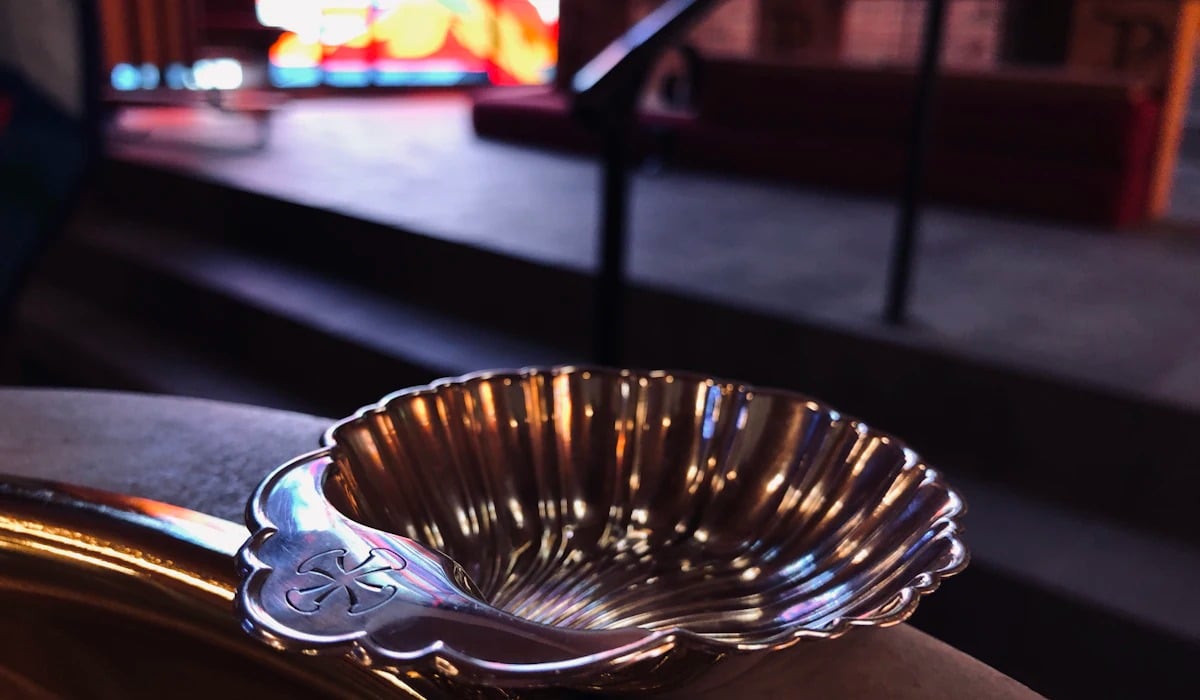
Victorian homes used silver card receivers, small trays or dishes on a hall table, to collect calling cards from visitors. Many were made in sterling, while others were silverplate with figural decoration such as birds, children or animals.
A receiver piled with cards was a quiet signal of a family’s social standing, which is why so many were made with real flair. Sterling examples often sell for about 100 to 400 dollars, while elaborate plated figural examples can bring similar sums.
Dealers check marks and the condition of any figures. Broken figures, worn plating and dents reduce value.
Large Silverplate Gallery Trays
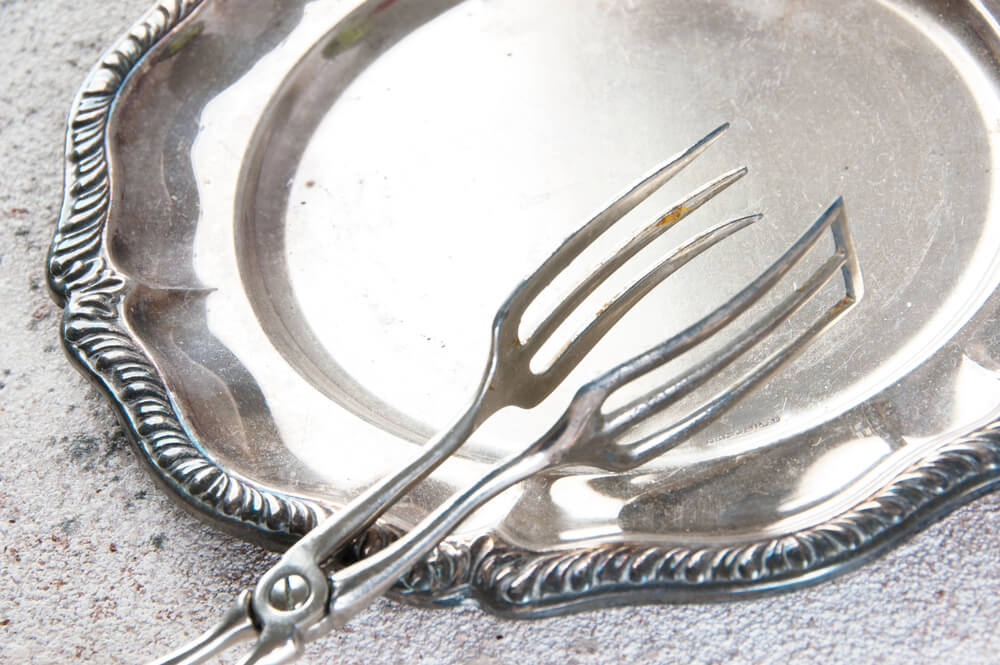
Large silverplate gallery trays, with raised pierced rims and sturdy side handles, were made for serving tea and drinks in middle-class homes, hotels and clubs from the late 1800s onward. Makers such as Reed and Barton, Wallace and English firms in Sheffield produced them in great numbers.
The plating carries almost no metal value, so scrap buyers usually pass. Decorators and stagers feel differently, because a big, softly tarnished tray instantly dresses up an ottoman, bar cart or dining table.
Values often range from about 50 to 250 dollars, depending on size and design. Dealers check plating and handles.
Worn plating, dents and loose handles reduce value.
Tarnish Hides the Hallmark
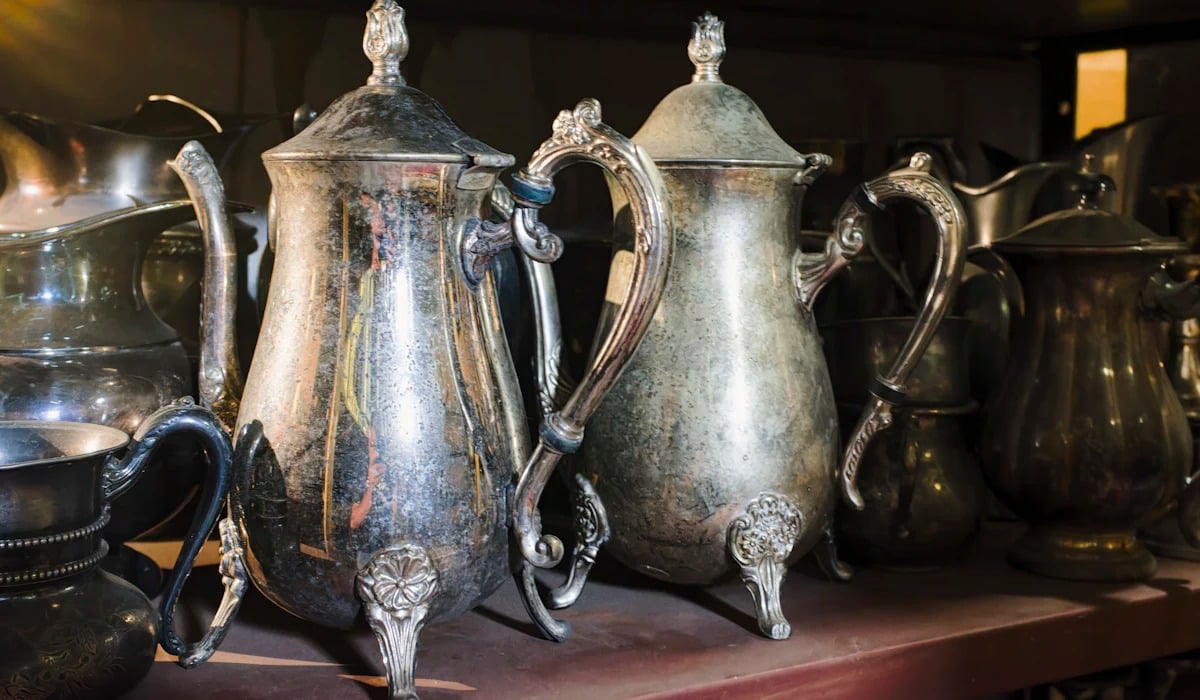
Silver rewards anyone willing to flip a piece over and read the small print on the base. Marks reveal whether a teapot is solid metal or plate, who made it and often the year it left the workshop.
Those few stamps can separate a scrap price from an auction estimate.
Weight still matters, and every sterling piece carries a floor set by the metal market. Yet design, maker and survival lift the best pieces far above melt.
A dark, neglected tray deserves at least one careful look before it goes to a scrap buyer.
More from Go2Tutors!

- The Romanov Crown Jewels and Their Tragic Fate
- 13 Historical Mysteries That Science Still Can’t Solve
- Famous Hoaxes That Fooled the World for Years
- 15 Child Stars with Tragic Adult Lives
- 16 Famous Jewelry Pieces in History
Like Go2Tutors’s content? Follow us on MSN.