29 Antique Clocks Fetching Surprising Prices
Old clocks have a habit of hiding in plain sight. A stopped mantel clock on a bookshelf or a dusty wall clock in a garage can look like a repair bill when it might be a maker’s name collectors have hunted for generations.
Value in clocks comes from a mix of maker, movement, case and survival. Labels inside the case, stamps on the movement and original finishes often matter more than whether the thing still ticks.
Simon Willard Banjo Clocks
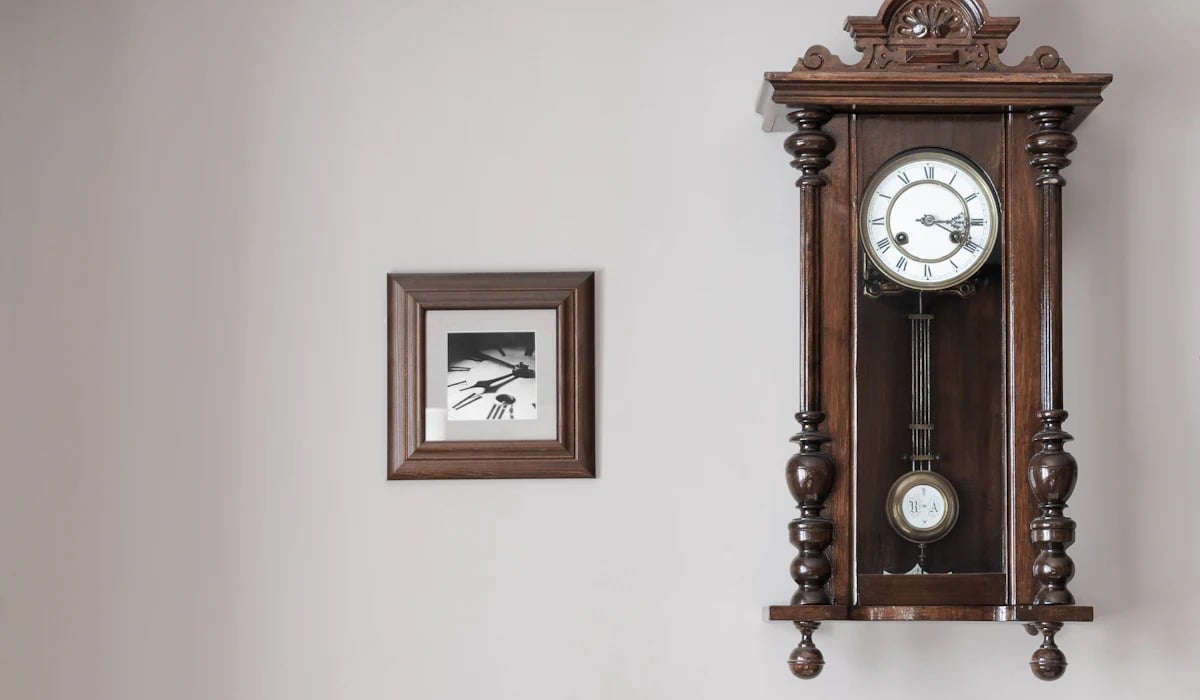
Simon Willard of Roxbury, Massachusetts, patented his improved timepiece in 1802, and its shape soon earned the nickname banjo clock. The design packed a reliable eight-day movement into a slim case with a round dial, a long throat and a painted glass panel below.
Authenticated Willard examples have sold for tens of thousands of dollars, while banjo-style clocks made later by other firms typically sell for about 300 to 2,000 dollars. Original reverse-painted glass is a major factor, since replaced tablets are common.
Cracked glass, refinished cases and replacement movements all pull values down substantially for even a well-made example.
Lighthouse Clocks by Simon Willard
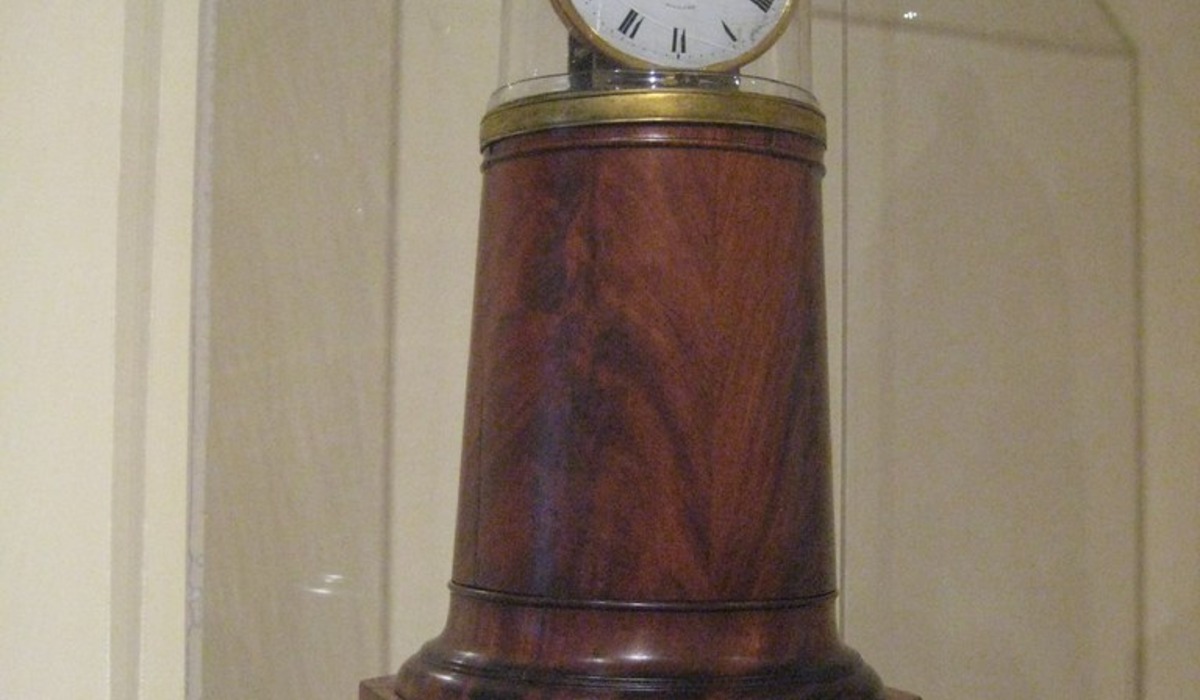
Willard also patented a lighthouse clock in 1822, a tall shelf clock whose movement sat under a glass dome on a tapering base, like a lamp at the top of a lighthouse. The design was ambitious and expensive, and relatively few were made, which explains why they are so scarce now.
Authentic examples are rare and often sell for many thousands of dollars at specialist auctions. Later reproductions and inspired designs exist, so experts check movement details and construction closely.
A cracked or replaced dome is a significant issue, and original finishes are prized by serious buyers.
Eli Terry Pillar-and-Scroll Shelf Clocks
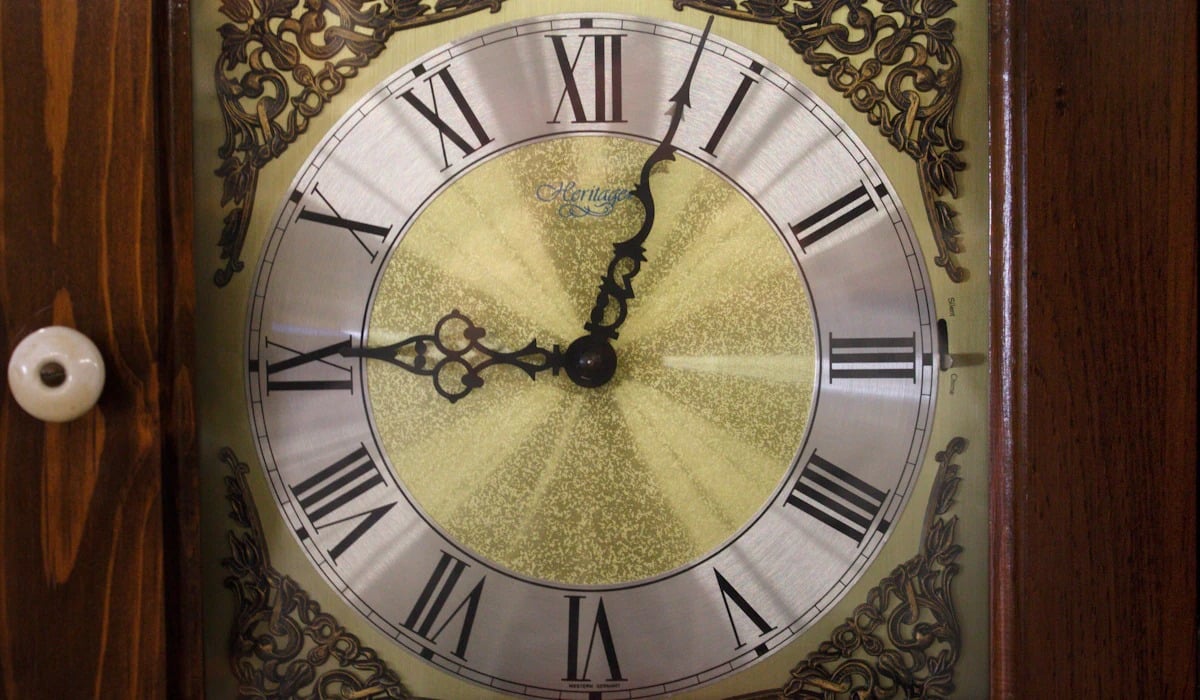
Connecticut clockmaker Eli Terry developed the pillar-and-scroll shelf clock in the late 1810s, and it changed the business of clockmaking. Terry used standardized wooden movements and production methods that let him make clocks in quantities that had seemed impossible, bringing timekeeping to ordinary households.
The clocks feature slender pillars, a scrolled top and a painted glass tablet. Good original examples often sell for about 1,000 to 5,000 dollars.
Original glass, finials and labels matter, and replaced parts lower value. Wooden movements that have been heavily repaired or rebushed with mismatched materials also reduce interest from purists.
Lemuel Curtis Girandole Clocks
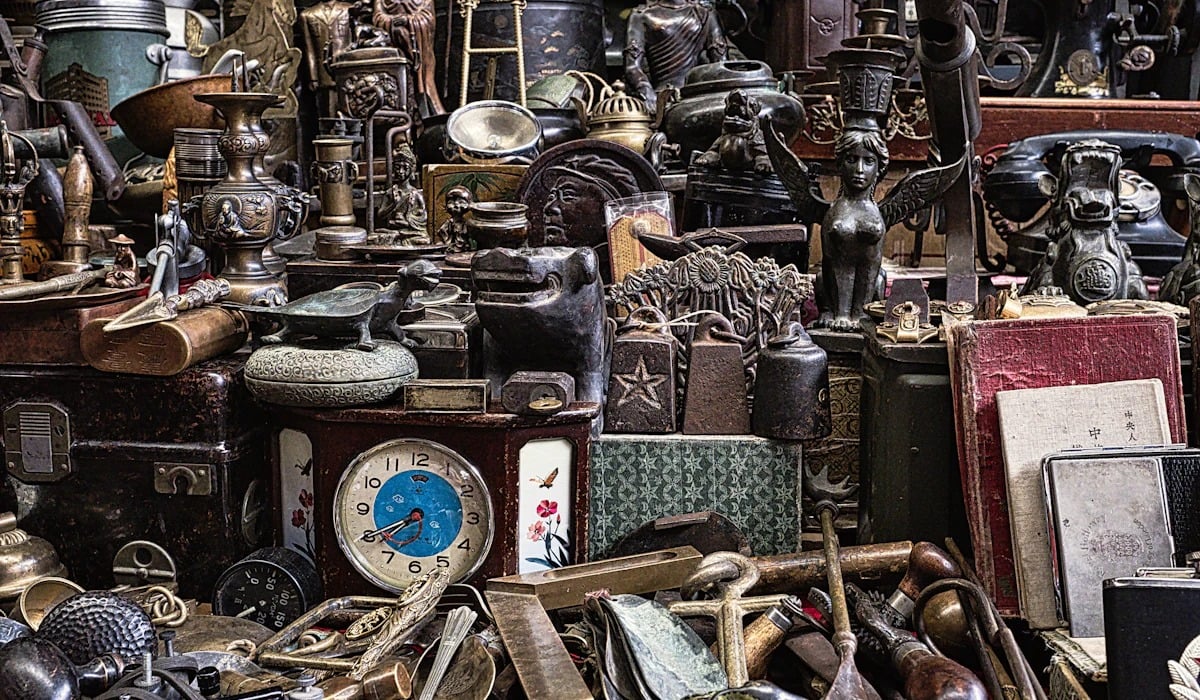
Lemuel Curtis of Concord, Massachusetts, created the girandole clock around 1816, a richly decorated cousin of the banjo clock with a round, convex glass panel at the base framed by a ring of carved and gilded beads. Curtis was related by marriage to the Willard family of clockmakers, and the influence shows in the movement and proportions.
Very few girandoles were made, and surviving examples rank among the most prized American clocks of the period. Authentic pieces have sold for tens of thousands of dollars and more.
Original gilding and reverse-painted glass carry enormous weight, and any restoration must be documented carefully to protect value.
Tall Case Clocks From Early American Makers
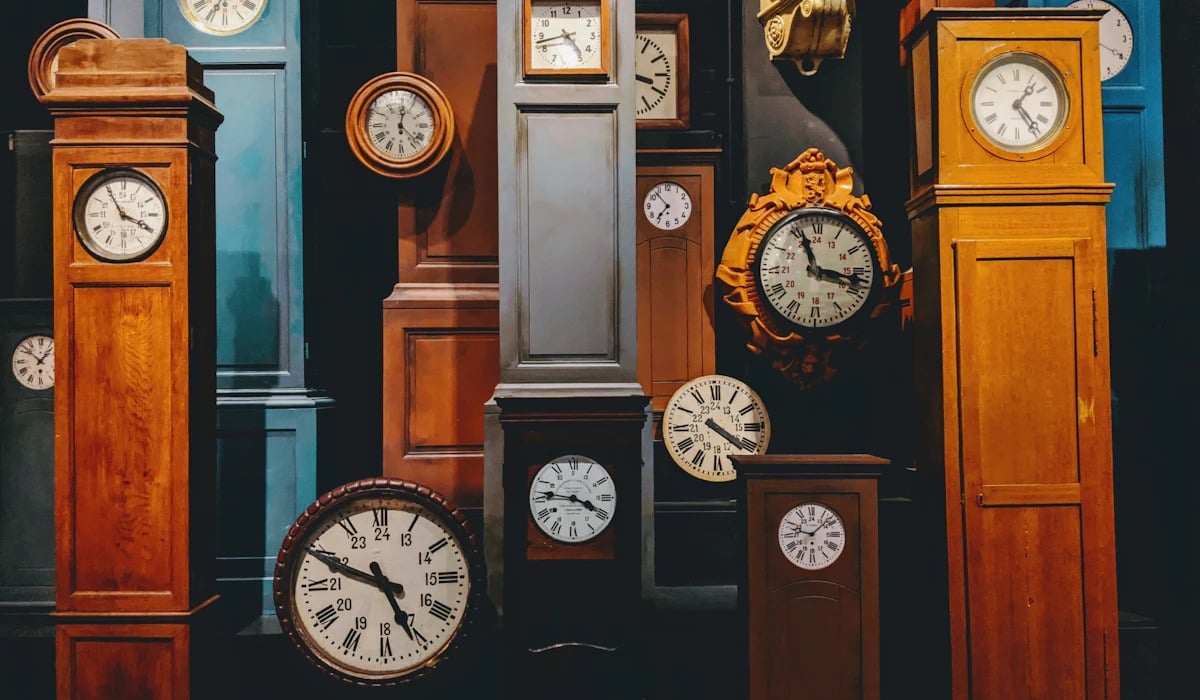
Tall case clocks became known as grandfather clocks after a popular 1876 song by Henry Clay Work about a clock that stopped when its owner died. Early American examples made by known cabinetmakers and clockmakers in places like Philadelphia, Newport and Boston are among the most valuable household antiques.
Pieces with documented makers can sell for tens of thousands of dollars or more, while ordinary 19th century examples often bring about 1,000 to 5,000 dollars. Twentieth century models from mass producers usually sell for far less.
Refinishing, replaced dials and marriages of unrelated cases and movements all reduce value.
Chauncey Jerome Ogee Clocks
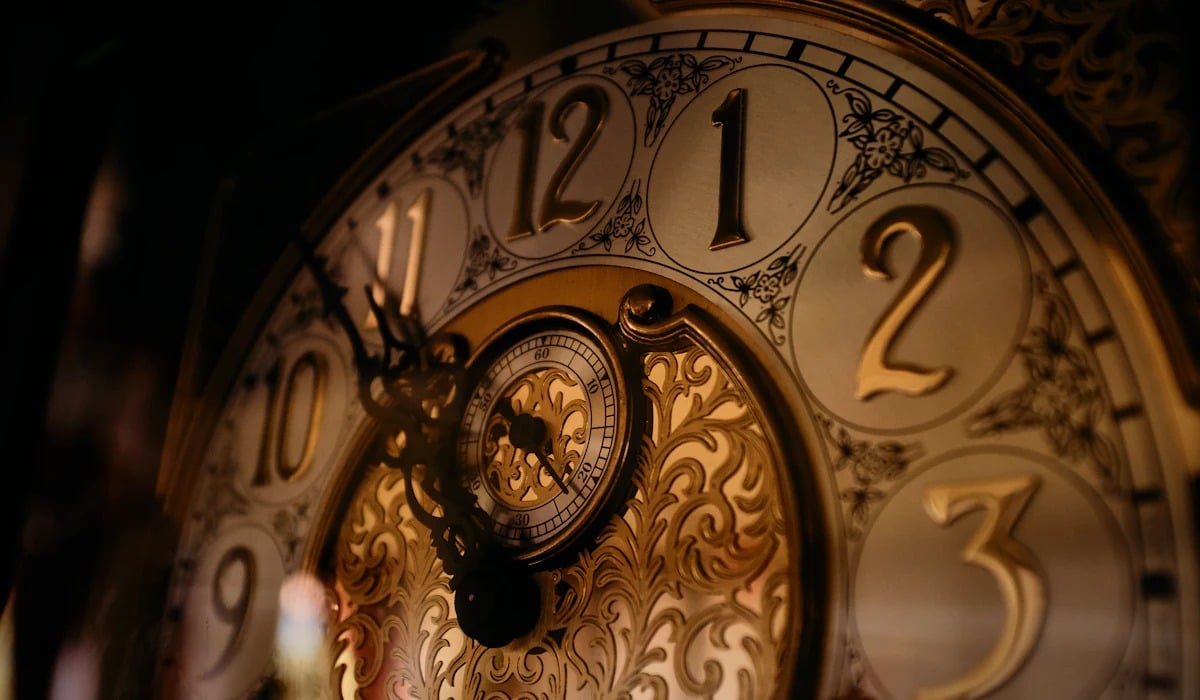
Chauncey Jerome helped popularize inexpensive brass clock movements in the late 1830s, and the ogee clock became the result: a simple rectangular case with S-curved molding and a painted glass panel. The clocks were so cheap that Jerome exported them to England, where buyers were surprised by the low price.
Most ogee clocks sell for about 100 to 400 dollars, and they make good entry points for new collectors. Paper labels inside the case identifying the maker and city add interest.
Flaking veneer, replaced glass and missing labels reduce value, and working movements help.
Seth Thomas Adamantine Mantel Clocks
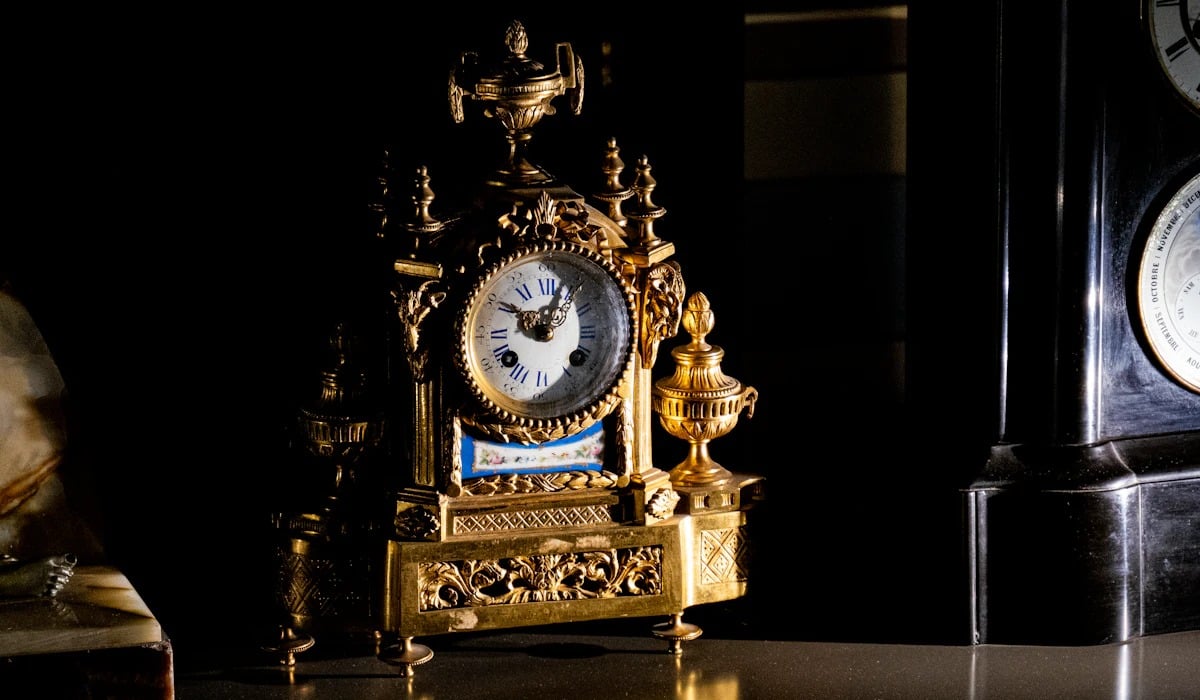
Seth Thomas began covering some mantel clock cases with a celluloid veneer called adamantine in the 1880s, imitating marble, onyx and wood grain at a fraction of the cost. The clocks often have columns, lion head side ornaments and black or colorful patterned finishes.
They were sold widely, so many survive. Most sell for about 100 to 300 dollars, with unusual colors and patterns bringing more.
Collectors look for crisp adamantine surfaces and original hardware. Cracked or peeling celluloid, missing feet and replaced hands lower value, and working chimes help.
Ansonia Crystal Regulators
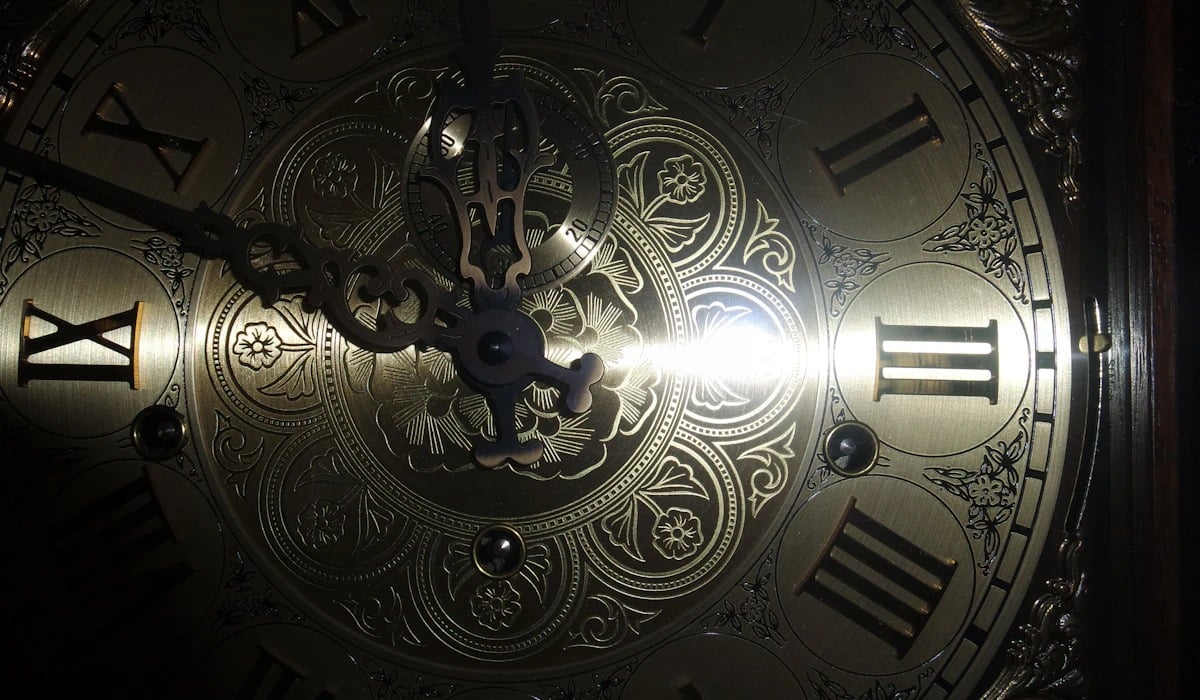
The Ansonia Clock Company produced crystal regulators in the late 19th and early 20th centuries, mantel clocks with beveled glass on all four sides to display the movement and pendulum. Gilded brass frames and porcelain dials gave them an elegant look.
Many models used visible escapements on the dial. Values often range from about 500 to 3,000 dollars, depending on model, size and condition.
Collectors check for original pendulums, cracked glass panels and worn gilding. Replaced dials and incorrect pendulums reduce value, and clean, working movements make a difference.
Ansonia Figural Statue Clocks
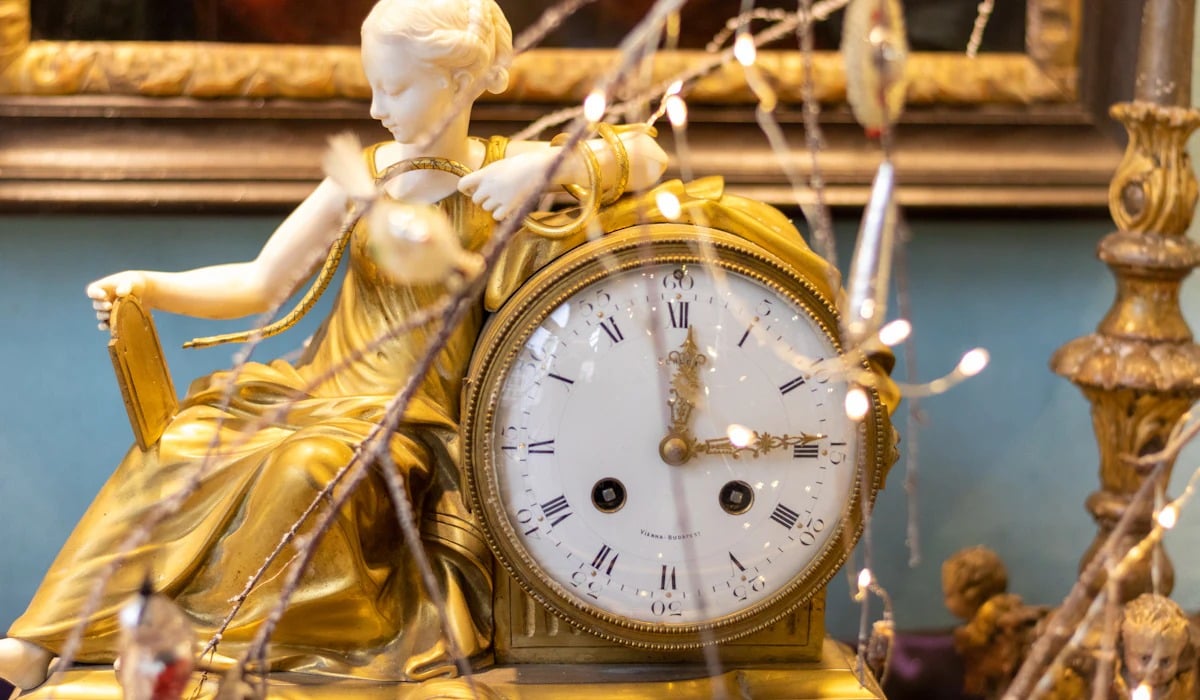
Ansonia also produced figural clocks, with cast spelter statues standing beside or atop the clock case and finished to resemble bronze. The figures depicted classical goddesses, allegorical figures, explorers and sporting themes, and they made the clock the centerpiece of a Victorian parlor mantel.
Values typically range from about 300 to 2,000 dollars, with rare models and larger statues bringing more. Collectors check that the statue is original to the clock, since figures were often swapped or added later to boost appeal.
Broken arms, repaired joints, worn patinas and replaced movements all reduce value, while original paper labels help.
Ithaca Calendar Clocks
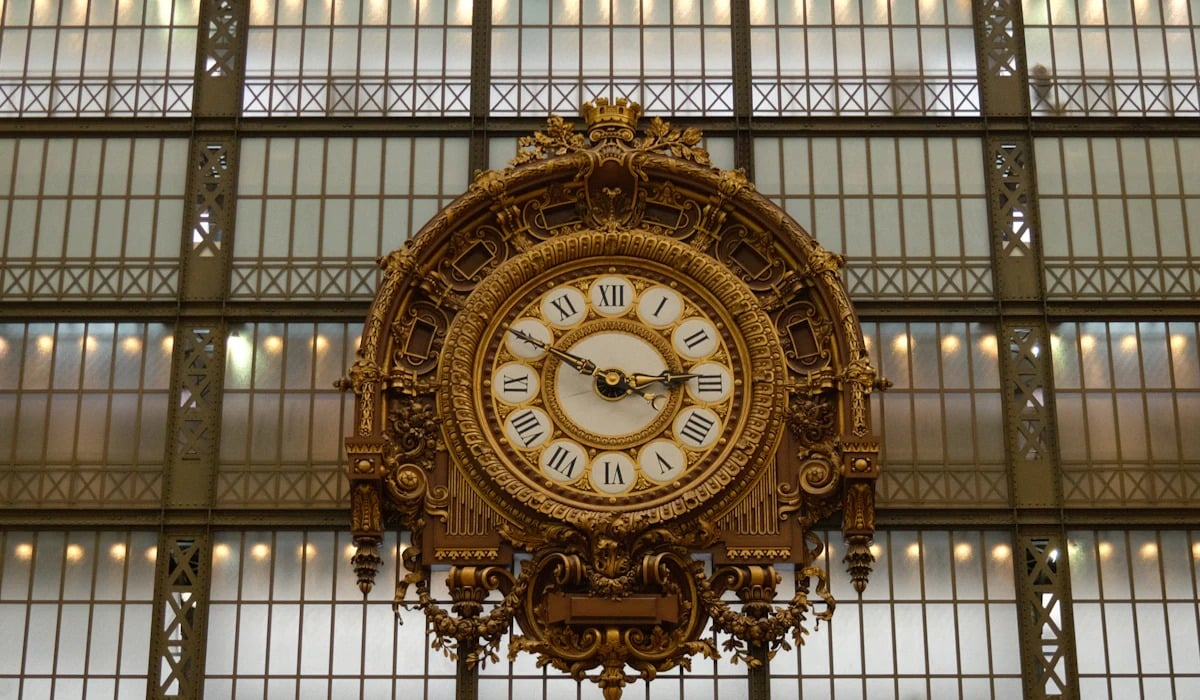
Ithaca, New York, gave its name to the Ithaca Calendar Clock Company, which operated from 1865 into the early 20th century and made clocks with a second dial showing the day, date and month. The patented perpetual calendar mechanism adjusted itself for months of different lengths, a clever trick for a household clock of the era.
The clocks came in shelf and wall styles, many in walnut cases with fine turned and carved details. Good examples often sell for about 1,000 to 5,000 dollars, with rare models bringing more.
Collectors check that both dials are original and the calendar advances correctly. Replaced calendar rolls and missing parts reduce value.
E. Howard Regulators
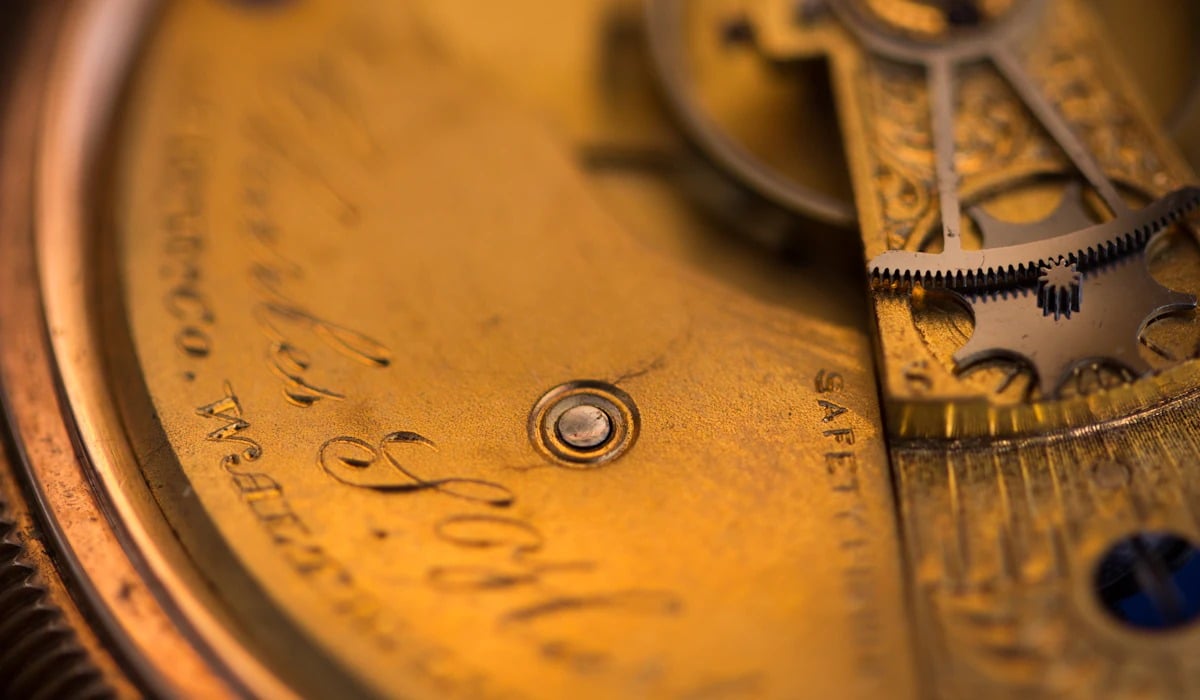
Edward Howard founded his Boston clock company in 1842, and E. Howard became known for precision regulators used in banks, railroad stations, schools and jewelry stores.
Many have large wooden cases, glass doors, heavy weights and long, temperature-compensated pendulums. These clocks were built as professional timekeeping instruments rather than decoration, so the movements are robust and finely finished.
Values range from a few thousand dollars to tens of thousands for large and rare models. Collectors look for original dials, labels and weights.
Refinished cases, replaced pendulums and missing parts lower value, and documented history from a known bank or depot adds appeal.
Herschede Tubular Chime Hall Clocks
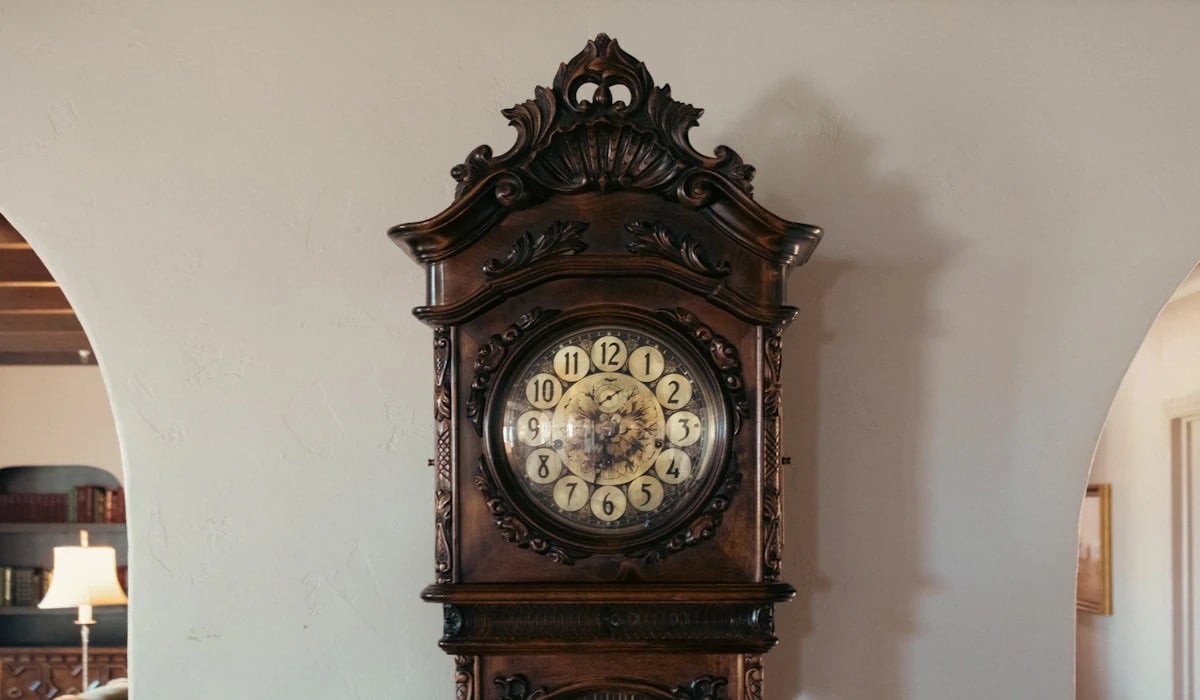
Cincinnati’s Herschede Hall Clock Company made tall case clocks with tubular chimes, long brass tubes that produce rich, church-like tones when struck by small hammers. These clocks were expensive in their day and often stood in the front halls of wealthy homes from the early 1900s onward.
Herschede examples with tubular chimes and fine carved cases can sell for several thousand dollars, depending on model and condition. Collectors check that every tube is present and that the chime mechanism plays through its full sequence.
Missing tubes, replaced weights and heavy refinishing reduce value, while original, working examples bring the best prices.
Gingerbread Kitchen Clocks
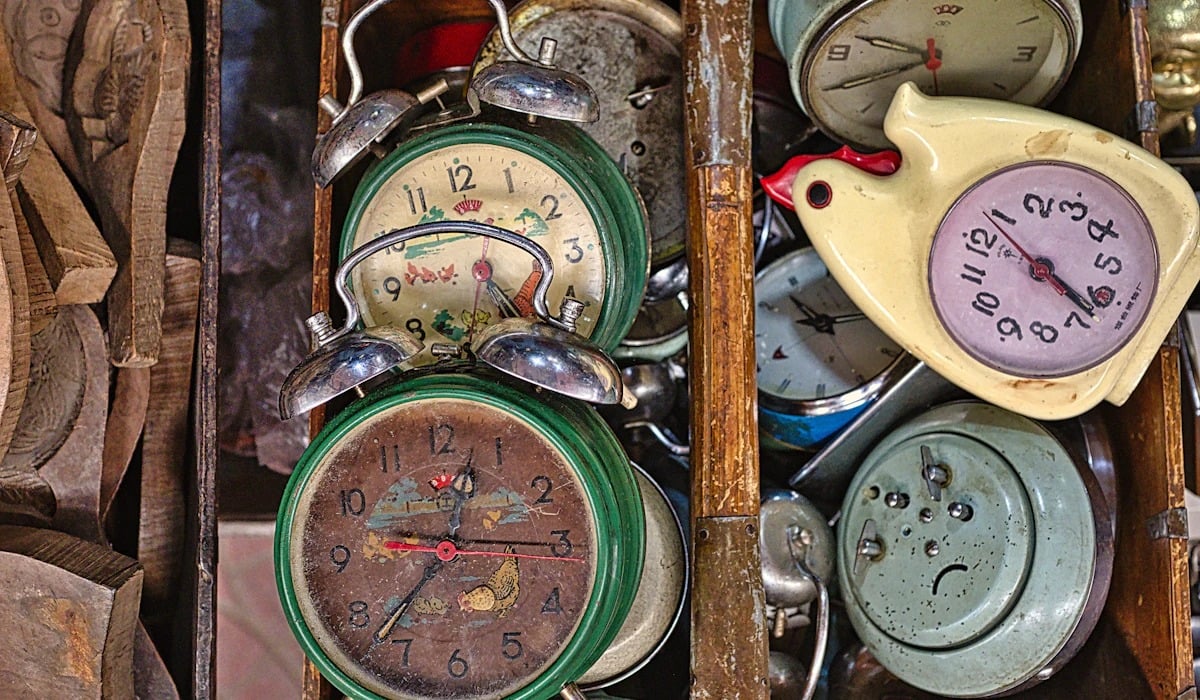
Gingerbread clocks, made from roughly the 1880s to the 1910s, are shelf clocks with pressed oak cases decorated with ornate patterns stamped into the wood. Companies including Ingraham, Waterbury and Sessions made them in enormous numbers, and many were sold through mail order catalogs for a few dollars.
The glass doors often carried stenciled designs in silver or gold. Most sell for about 100 to 400 dollars, with unusual case designs and strong original finishes bringing more.
Collectors check for the original pendulum and door glass. Split pressings, replaced glass and thick modern varnish all lower what these clocks bring.
Vienna Regulators
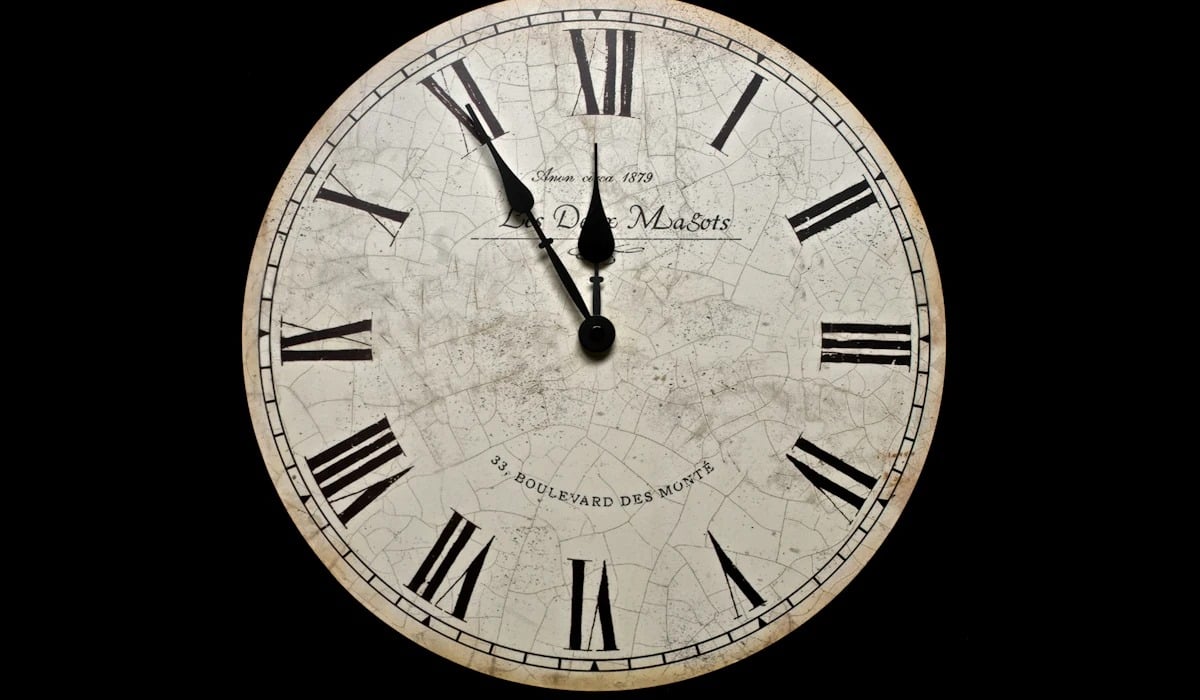
Vienna regulators are precision wall clocks first made in Austria in the early 1800s, with long pendulums visible behind glass doors and slender wooden cases. German makers later produced them in large numbers, and Gustav Becker of Silesia became one of the best known names.
Early Austrian examples, especially those with elegant Biedermeier cases and one-weight movements, are the most prized. Many later German clocks sell for about 500 to 3,000 dollars, with exceptional early pieces bringing much more.
Collectors check for original crests, dials and pendulums. Cracked enamel dials, missing finials and refinished cases reduce value.
Black Forest Cuckoo Clocks
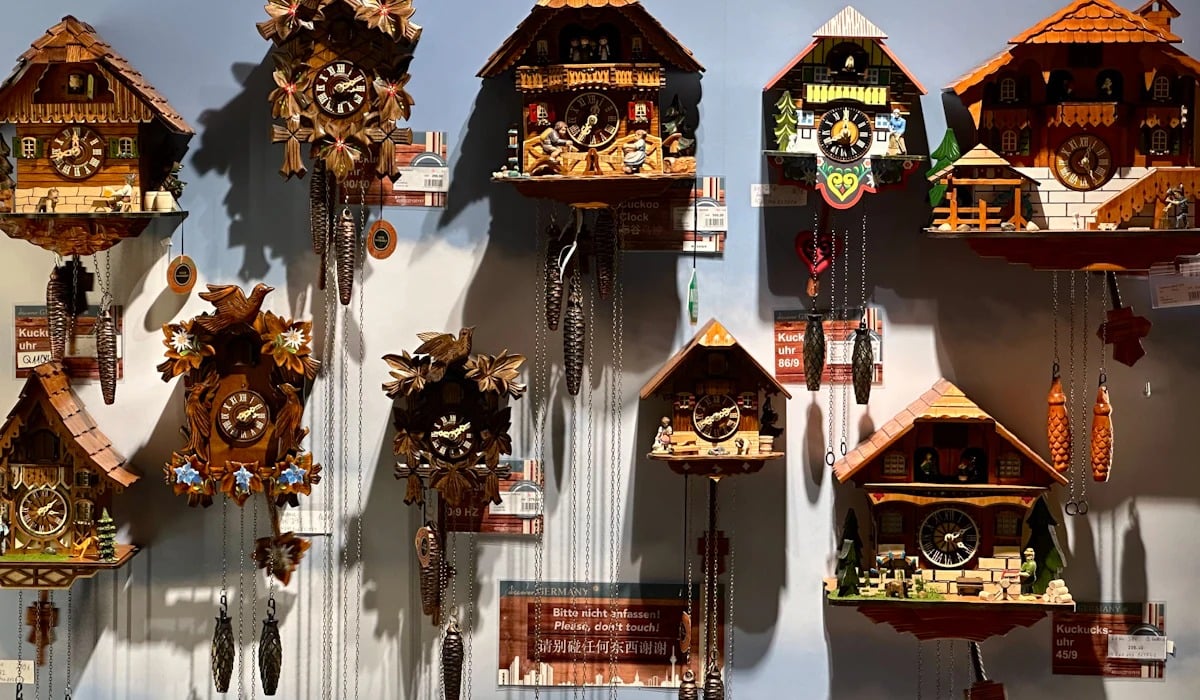
The Black Forest region of southwestern Germany, including towns like Furtwangen, became famous for cuckoo clocks during the 1800s. The clocks feature carved wooden cases, a small mechanical bird and two bellows that produce the two-note call.
Modern cuckoo clocks are common and usually sell for about 100 to 500 dollars. Large 19th century carved examples, especially hunting designs with detailed game animals and birds, can sell for thousands.
The Deutsches Uhrenmuseum in Furtwangen holds a major collection of the region’s work. Torn bellows, broken carvings and replaced movements all lower value considerably.
Comtoise Clocks From Eastern France
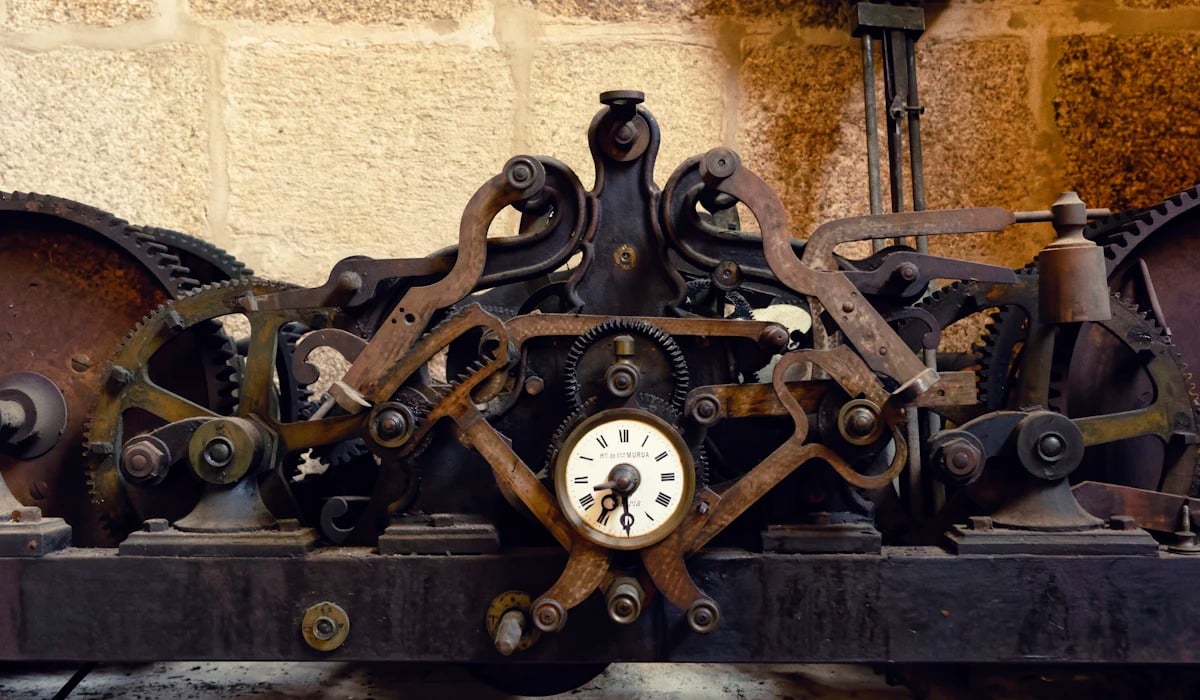
Comtoise clocks, also called Morbier clocks, were made in the Franche-Comte region of eastern France from the late 1600s through the early 1900s. Many have elaborate embossed brass pendulums, enamel dials and ornate brass crests, and the movements are housed in an iron frame.
Some were mounted in tall painted or carved wooden cases, while others hung on the wall without one. They were produced in large numbers for French farmhouses and village homes.
Values often range from about 500 to 2,500 dollars, depending on decoration. Damaged enamel, replaced pendulums and missing crests reduce value.
French Gilt Bronze Mantel Clocks
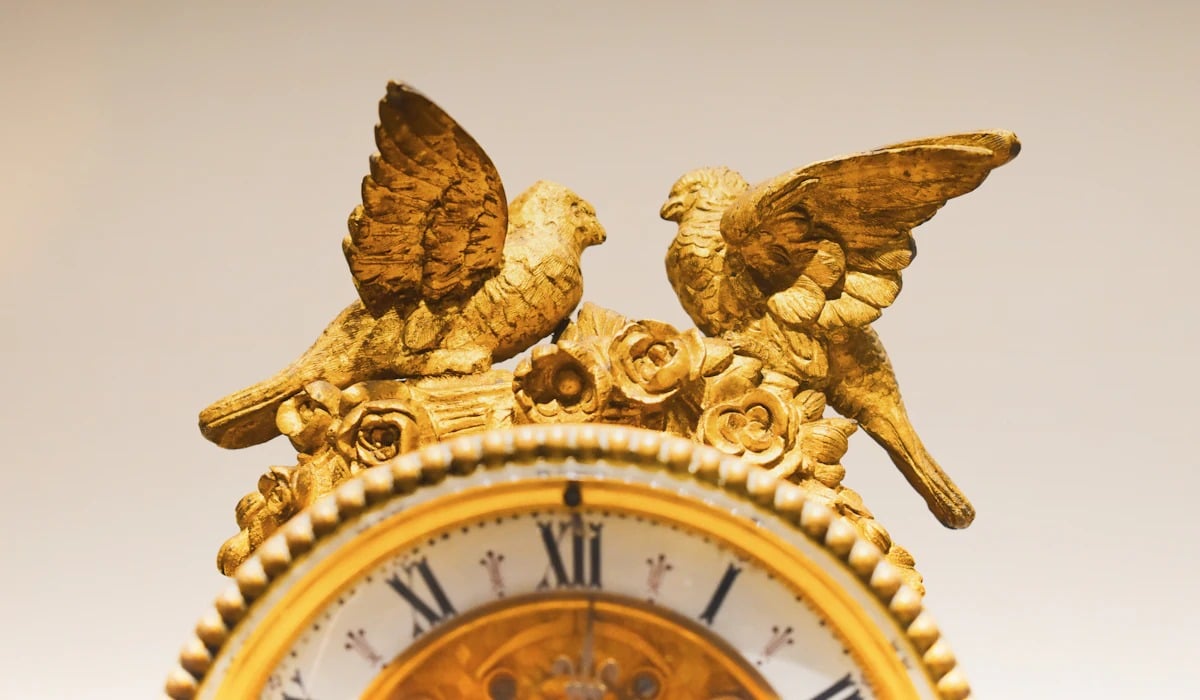
French gilt bronze mantel clocks, often called ormolu clocks, were made from the 1700s through the 1800s for wealthy households. Many feature sculpted figures, columns, urns and elaborate decoration, with movements often supplied by firms such as Japy Freres.
The gilding was originally applied with mercury, a dangerous process that produced a rich, warm finish modern methods struggle to match. Values range from about 1,000 to 10,000 dollars and far more for important pieces.
Collectors check gilding quality and look for maker signatures on the movement. Rubbed gilding, replaced figures and damaged dials reduce value.
French Carriage Clocks
Carriage clocks, small portable clocks with brass cases, glass panels and a carrying handle, became popular in France during the 1800s. Paul Garnier is credited with developing a design suited to production in the 1830s, and French makers soon exported them widely.
Many include features like repeating mechanisms that chime the hour on demand or alarm functions. Values often range from about 300 to 3,000 dollars, with enamel or porcelain panels and complicated movements bringing more.
Collectors look for the original key and leather travel case. Cracked glass, worn gilding and nonworking movements reduce value.
Cartier Mystery Clocks
Cartier began producing mystery clocks in 1912 with clockmaker Maurice Couet. The hands appear to float in a transparent crystal dial with no visible connection to any movement, an illusion created by hidden rotating crystal discs with toothed metal edges.
The idea traces back to the French magician and clockmaker Jean-Eugene Robert-Houdin. These clocks were made with precious materials, enamel and carved hardstones in very small numbers.
They sell for very large sums, sometimes well into six figures or more at major auctions. Collectors rely on documentation and expert examination, and any damage to the crystal is serious.
English Lantern Clocks
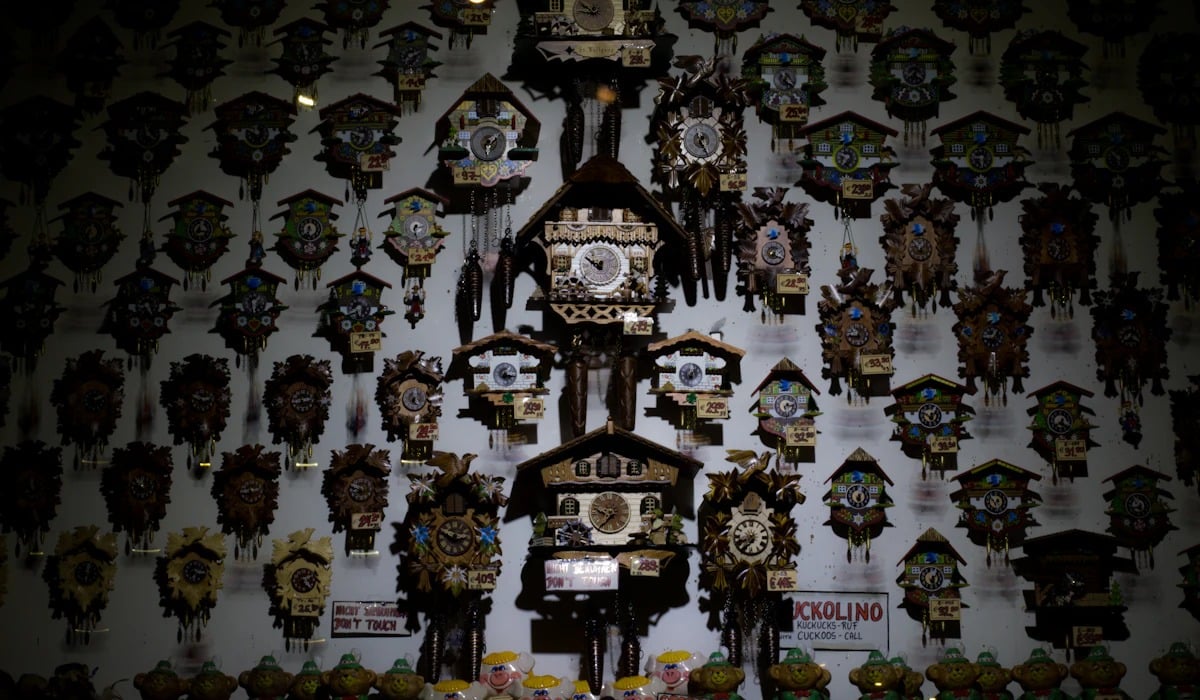
Lantern clocks were made in England from the early 1600s, with brass cases shaped like lanterns, a large bell on top and decorative frets. Many early examples had a single hour hand, which was considered accurate enough for daily life at the time.
These clocks hung on walls or sat on wooden brackets. Authentic early examples often sell for several thousand dollars or more.
Collectors check carefully for originality, since many were converted to newer pendulum systems or rebuilt over the centuries. Replaced movements, later dials and reproduction parts lower value considerably.
English Bracket Clocks
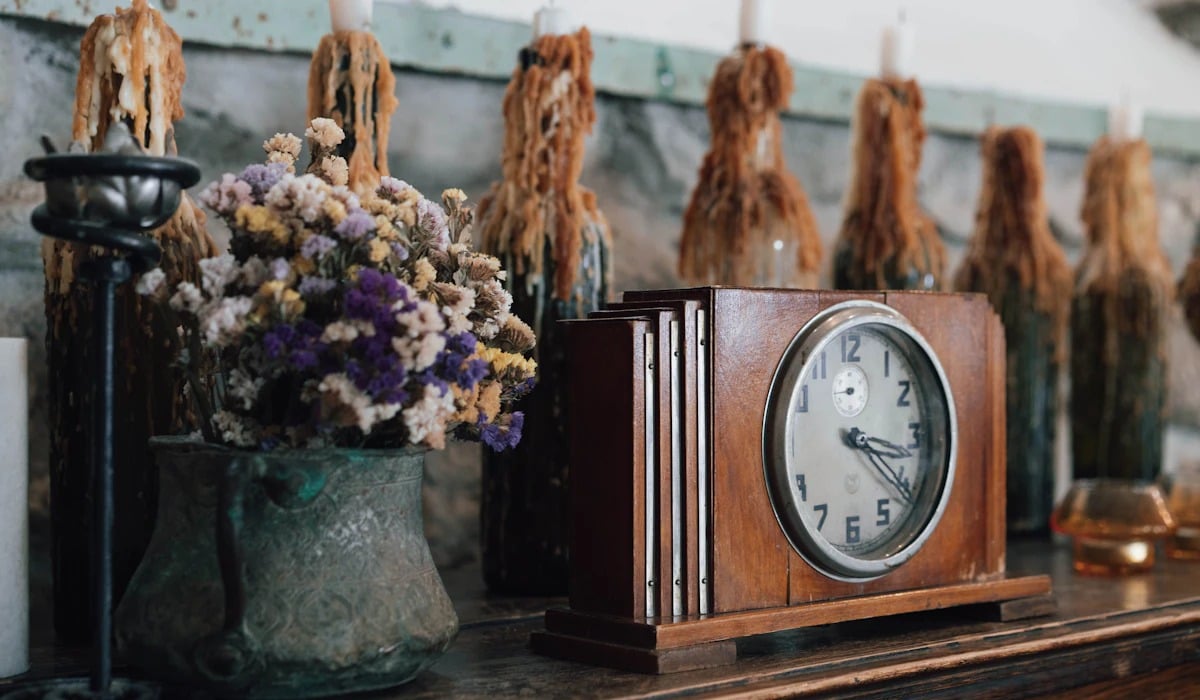
Bracket clocks were spring-driven table clocks made in England from the late 1600s, often in ebonized or mahogany cases with a brass carrying handle on top. Many used a fusee, a cone-shaped pulley that evened out the power of the mainspring as it unwound.
London makers signed their names on the dial and backplate, which helps date and attribute pieces. Values often range from about 2,000 to 10,000 dollars, with important makers bringing much more.
Collectors check for original dials, signatures and engraving on the backplate. Replaced parts and refinished cases reduce value.
Skeleton Clocks Under Glass Domes
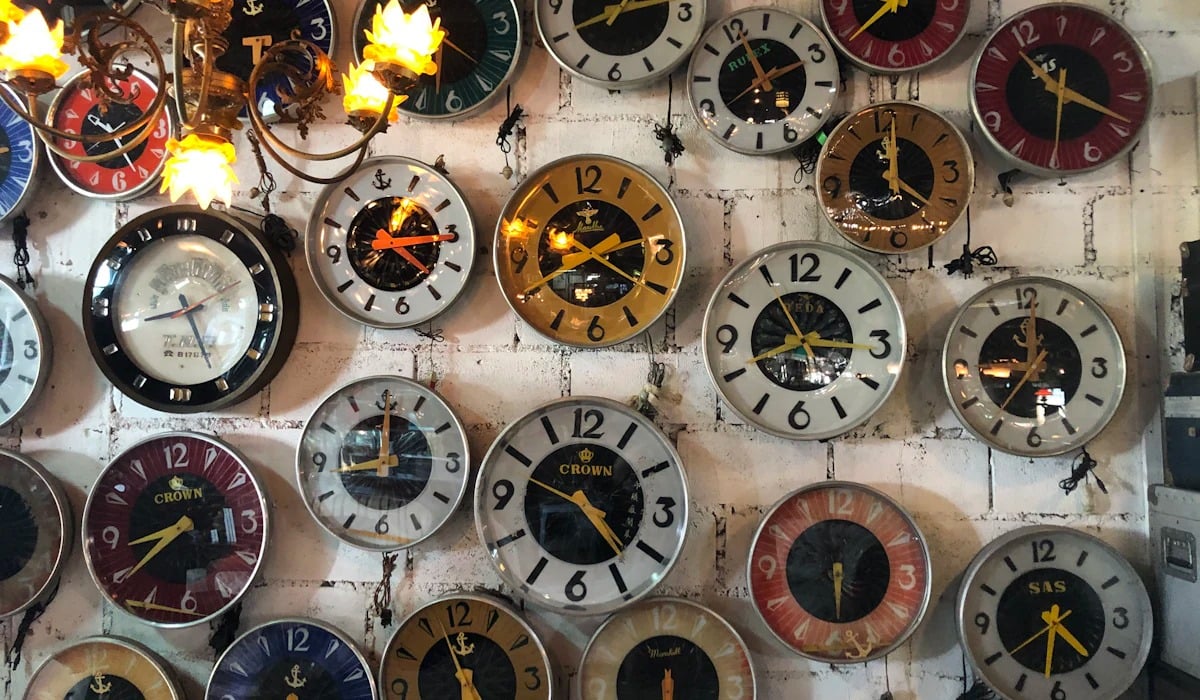
Skeleton clocks display their movements through cut-out brass plates, often under a glass dome on a wooden or marble base. They were especially popular in Victorian England, where makers created elaborate designs based on cathedrals such as York Minster and Lichfield.
The point was to show off the workmanship, so every wheel and spring was on display. Values often range from about 1,000 to 5,000 dollars, with complex designs bringing more.
Collectors check that the dome and base are original. Cracked or replaced domes, heavily polished plates and replaced parts lower value.
Jaeger-LeCoultre Atmos Clocks
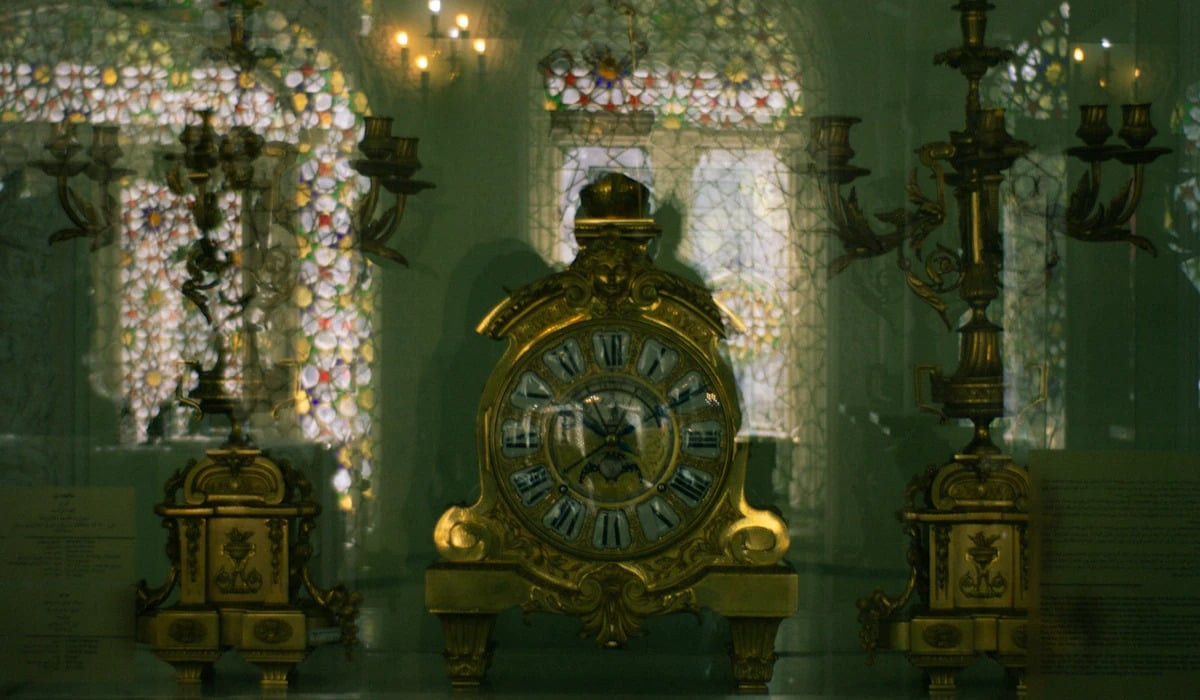
Invented by Jean-Leon Reutter in 1928, the Atmos clock runs on tiny changes in air temperature. A sealed capsule of gas expands and contracts with the room, winding the mainspring without any human help.
Jaeger-LeCoultre began producing it in the 1930s, and the Swiss government has given Atmos clocks as official gifts. Many models sell for about 300 to 1,500 dollars, with special editions bringing more.
Collectors check that the clock runs and that the glass case is intact. Damage to the capsule or case and missing original boxes reduce value.
Anniversary Clocks That Run for 400 Days
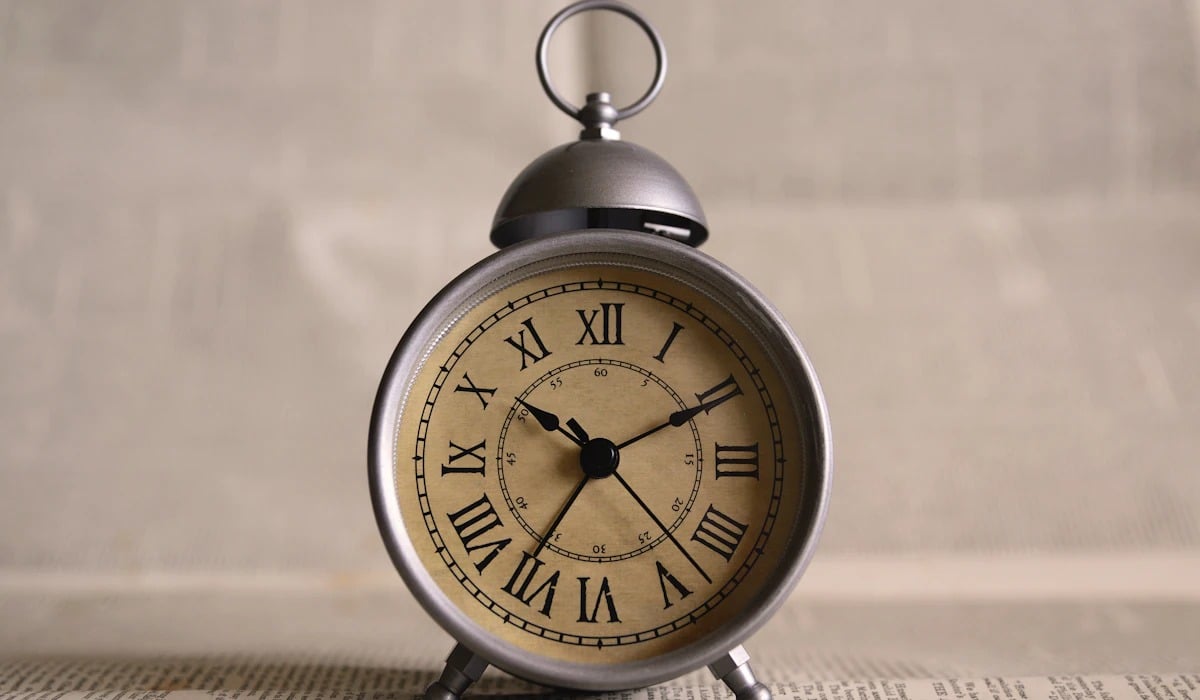
Anniversary clocks run for about a year on a single winding, using a torsion pendulum that rotates slowly under a glass dome. German makers such as Kundo and Schatz produced many in the 20th century, and the clocks became popular wedding and anniversary gifts.
Most sell for about 50 to 300 dollars, with older models and unusual designs bringing more. Collectors check that the delicate suspension spring is intact, since it breaks easily during moves.
Cracked domes, missing pendulum parts and bent suspension springs reduce value and require a specialist to repair.
Japanese Wadokei Clocks
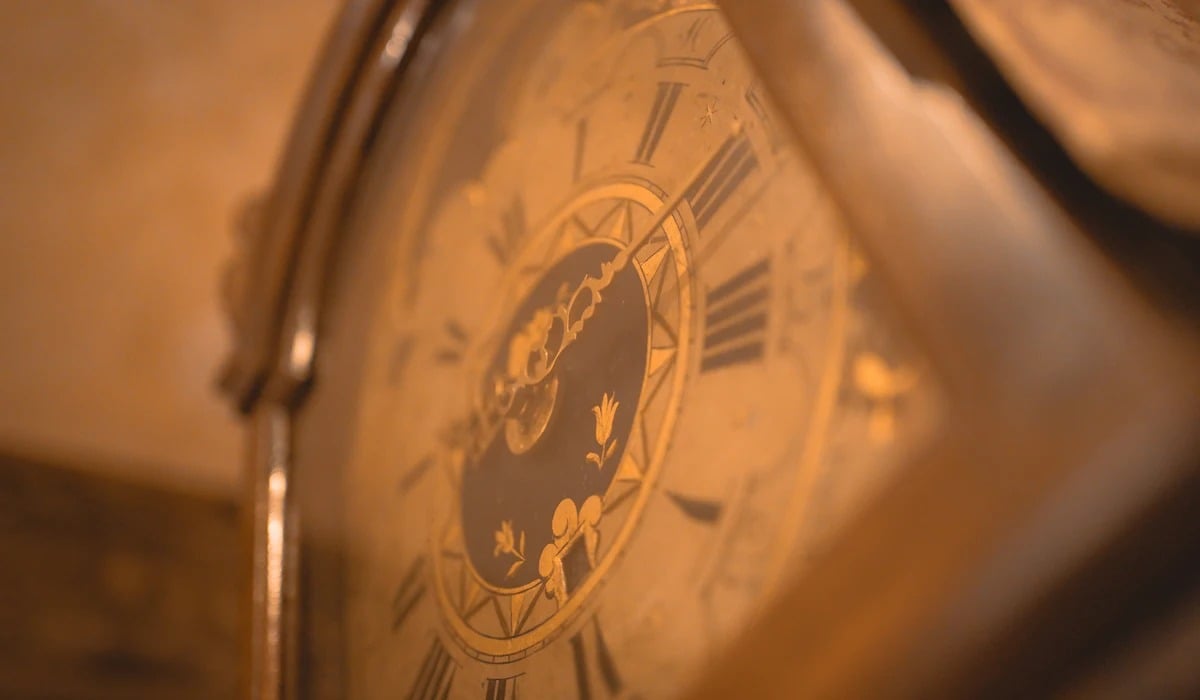
Wadokei were Japanese clocks made during the Edo period that kept temporal hours, which divided daylight and darkness into equal parts that changed length with the seasons. Clockmakers built movements that adjusted to these shifting hours, sometimes with movable hour markers on the dial.
These clocks are rare outside Japan and often sell for thousands of dollars. The Seiko Museum in Tokyo includes Japanese clocks in its collection.
Collectors rely on specialists to verify authenticity. Damage to the case, replaced parts and missing stands reduce value.
Chelsea Ship’s Bell Clocks
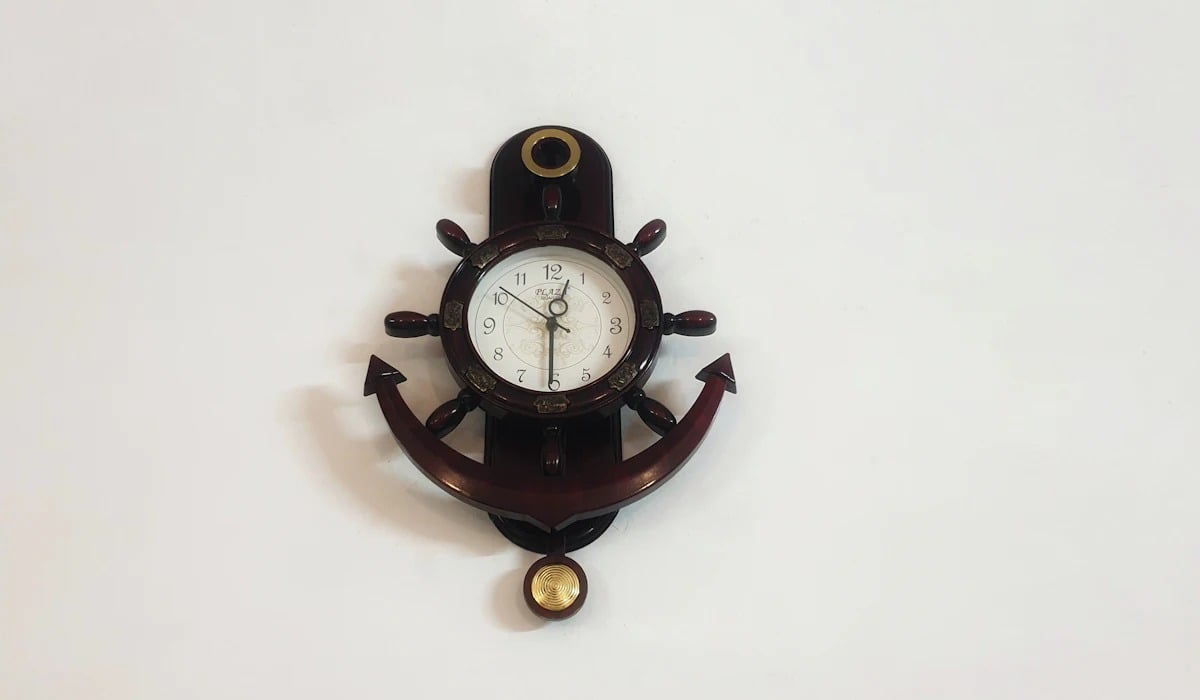
The Chelsea Clock Company of Massachusetts, founded in 1897, became known for ship’s bell clocks that strike the time in bells rather than hours. The system follows naval watches, with one to eight bells in each four-hour period.
These clocks served on ships and in offices, and many later became popular in homes. Values often range from about 500 to 2,000 dollars and more for rare models.
Collectors check that the striking mechanism works and that the dial is original. Corrosion, damaged cases and replaced dials reduce value.
Lux Pendulette Clocks
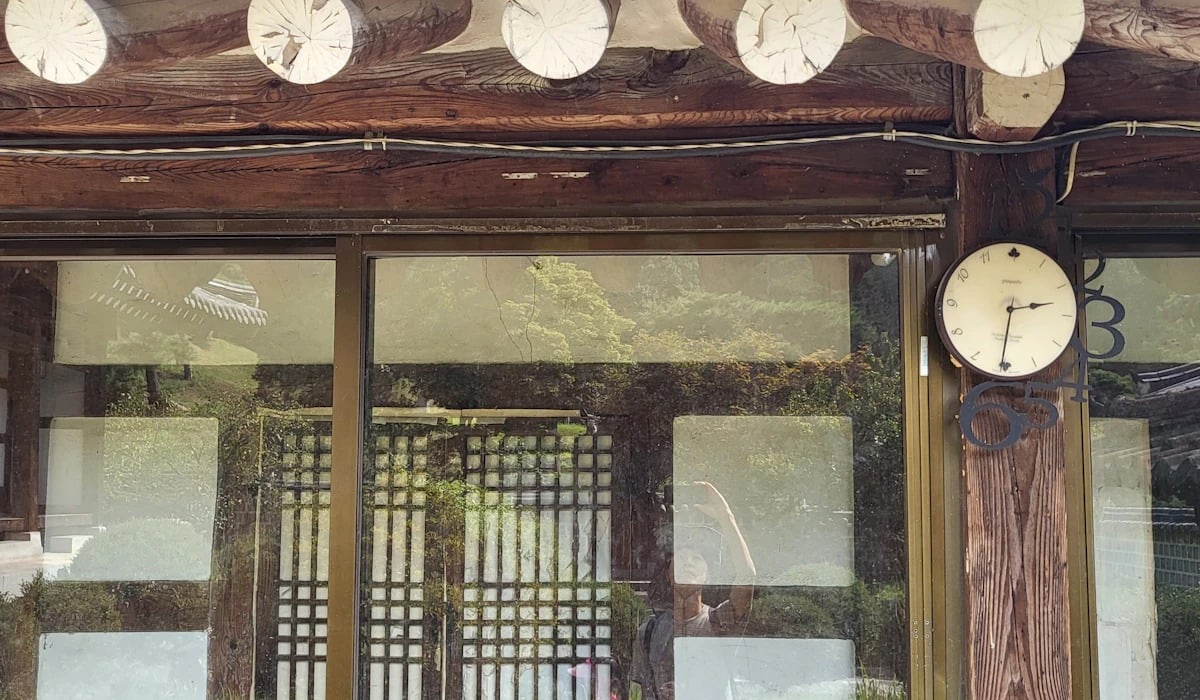
Waterbury, Connecticut, was home to the Lux Clock Manufacturing Company, which made small novelty clocks called pendulettes from the 1930s onward. The designs included animals, flowers and figures, and many had moving parts such as a swinging pendulum or a figure that moved with the clock.
These clocks were inexpensive in their day, which makes surviving examples in good condition notable. Values typically range from about 50 to 300 dollars, with rare models bringing more.
Collectors check that the clock and any moving parts work. Cracked faces, missing pendulums and faded paint reduce value.
George Nelson Clocks for Howard Miller
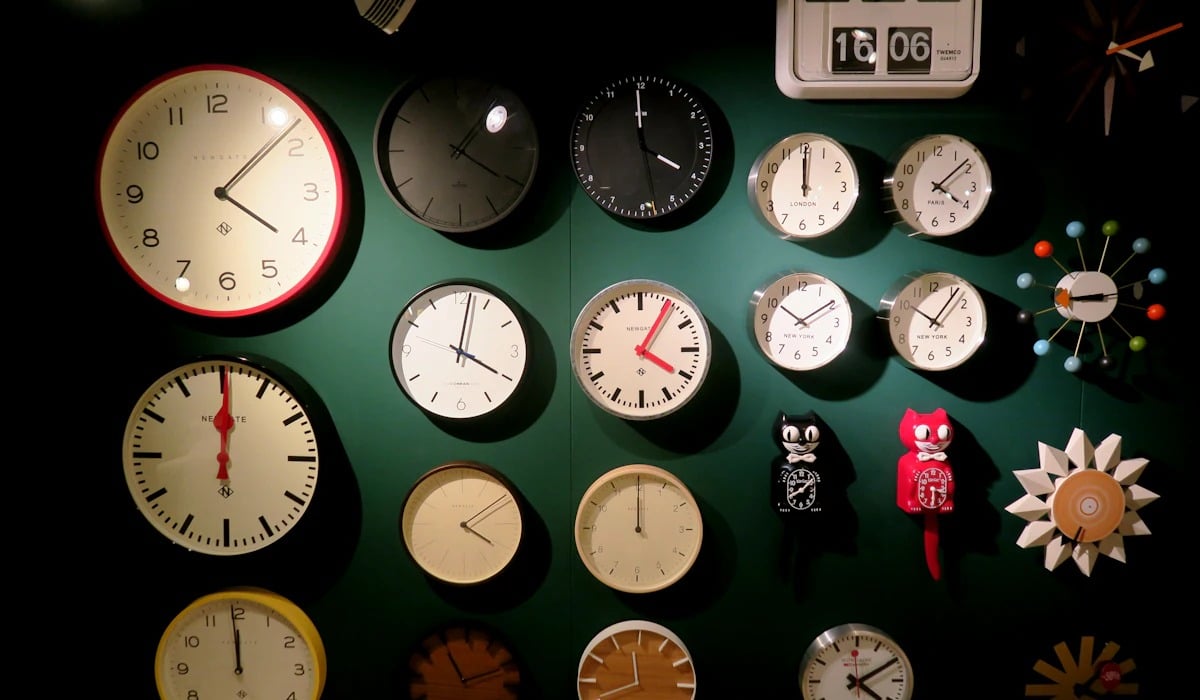
George Nelson and his design office created modern wall clocks for the Howard Miller Clock Company beginning in 1949. Designs such as the Sunburst and Asterisk became symbols of mid-century style.
Vitra later reissued many of the designs, so buyers look carefully at labels and construction. Vintage examples often sell for several hundred dollars, with rare designs and early electric versions bringing more, and original Howard Miller paper labels on the back add confidence for buyers.
Collectors check for original movements, labels and hands. Replaced parts, damaged spokes and repainting reduce value, while documented originals command the strongest interest.
Telechron Electric Clocks
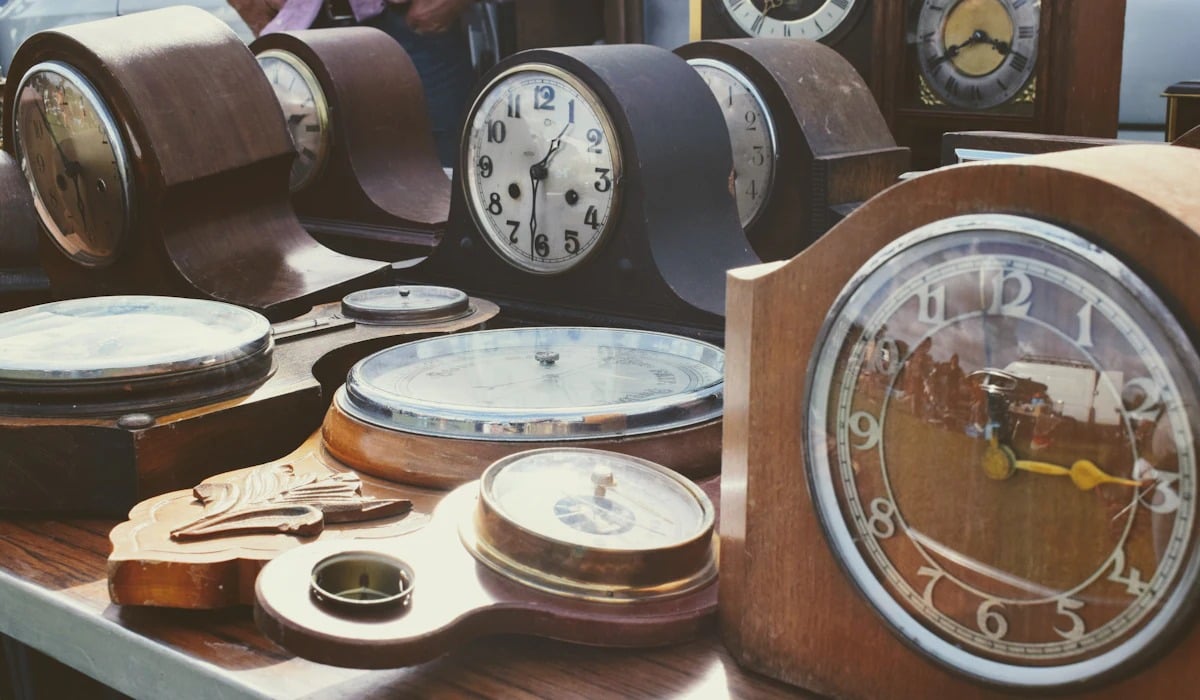
Henry Warren developed a synchronous electric motor that kept accurate time using the frequency of household current, and his Telechron clocks became popular in the 1920s and 1930s. Many models featured Art Deco designs in Bakelite, wood and metal.
Some were sold under the General Electric name after the two companies became linked, and the brand stayed in production for decades. Values range from about 50 to 500 dollars, with rare designs bringing more.
Collectors check that the clock runs and that the motor is quiet. Cracked cases, frayed cords and replaced parts reduce value.
Pendulums and the Patience of Collectors
Clocks reward slow attention more than almost any other antique. The case, the dial, the movement and the label all tell part of the story, and a single replaced part can change the entire picture.
Experienced buyers learn to open the back before they look at the front.
These objects also trace the path from luxury to everyday life. A clock that once marked the wealth of a merchant now sits beside a mass-produced shelf clock that brought time into a farmhouse.
Both survive because someone kept winding them, and both now attract buyers who understand what it took to make them.
More from Go2Tutors!

- The Romanov Crown Jewels and Their Tragic Fate
- 13 Historical Mysteries That Science Still Can’t Solve
- Famous Hoaxes That Fooled the World for Years
- 15 Child Stars with Tragic Adult Lives
- 16 Famous Jewelry Pieces in History
Like Go2Tutors’s content? Follow us on MSN.