29 Weekend Activities Families Did Before Streaming
Weekends used to come with a schedule set by someone else. The cartoons aired when the networks said so, the video store closed at a certain hour, and the radio countdown arrived once a week whether anyone was ready or not.
That scarcity shaped how families spent their free time. Without an endless menu of shows on demand, Saturday and Sunday filled up with errands, outings and games that required leaving the couch, or at least sharing it.
Saturday Morning Cartoons
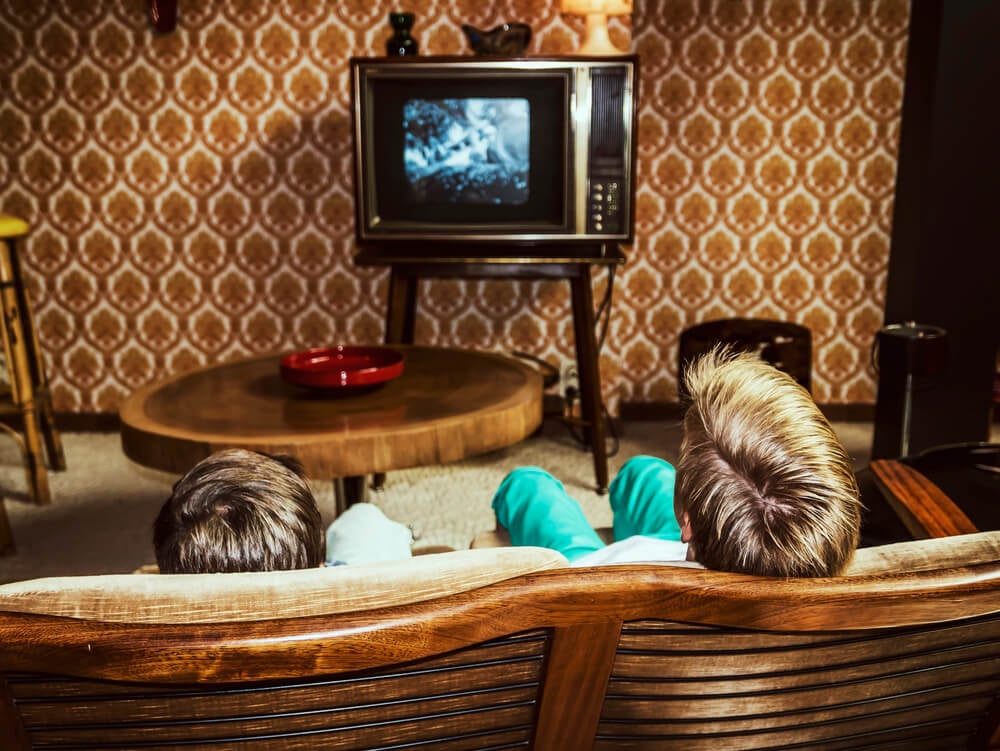
For decades, the three big networks devoted Saturday mornings almost entirely for children, and kids woke up early on the one day they could sleep in. Bowls of sugary cereal, pajamas and a carpet seat too close to the screen were part of the ritual.
Shows like Scooby-Doo, The Smurfs and Schoolhouse Rock filled the hours between dawn and lunch. The tradition faded through the 1990s and 2000s as cable channels and educational rules changed the business.
The last broadcast network cartoon block, the CW’s Vortexx, ended in September 2014, closing a chapter that had lasted more than half a century.
Friday Night at the Video Store

Picking a movie once meant driving to a store, walking the aisles and hoping the new release was not already checked out. Blockbuster opened its first location in Dallas in 1985 and grew into a giant, though countless independent shops filled strip malls as well.
Kids lobbied for the same comedy they had rented three times, while parents studied the backs of the boxes. Stickers reading “Be Kind, Rewind” reminded customers to return tapes ready for the next renter.
Late fees were a household argument of their own. A single Blockbuster in Bend, Oregon, still operates as the last of the chain.
Movies Under the Stars at the Drive-In
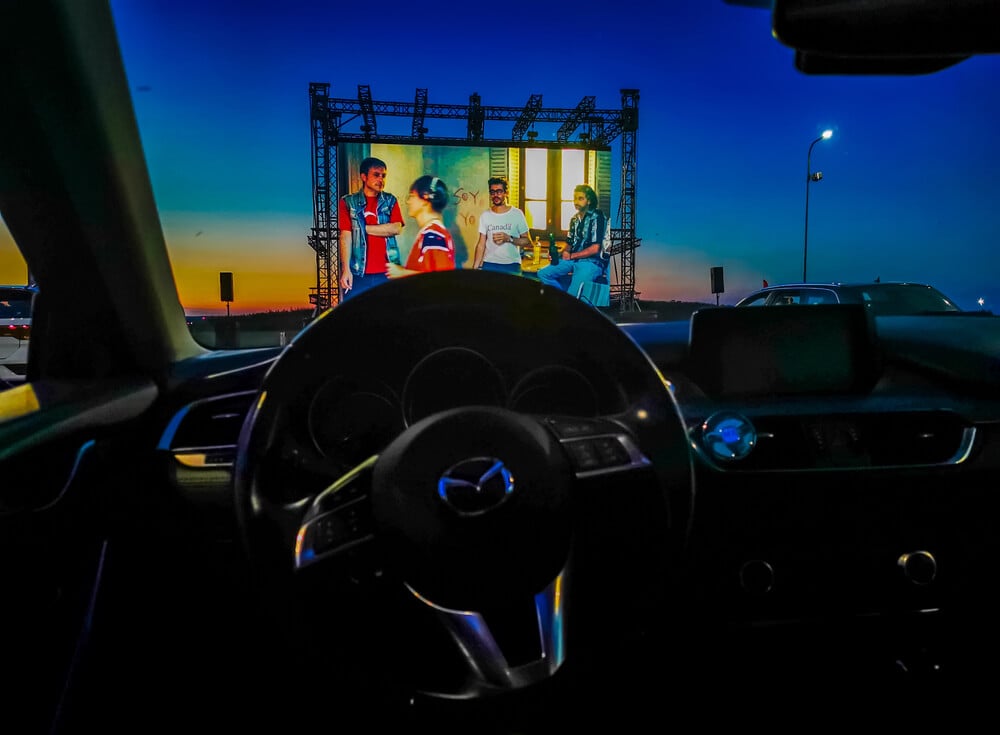
Richard Hollingshead opened the first patented drive-in theater in Camden, New Jersey, on June 6, 1933, after experimenting with a projector mounted on his car in the driveway. The idea caught on slowly, then exploded after World War II.
By the late 1950s, the country had roughly 4,000 drive-in screens, and families loved them because kids could watch in pajamas and fall asleep in the back seat. Early sound came from speakers on poles that hooked onto car windows.
Today only a few hundred remain, many of them using FM radio for the soundtrack.
Aimless Sunday Drives
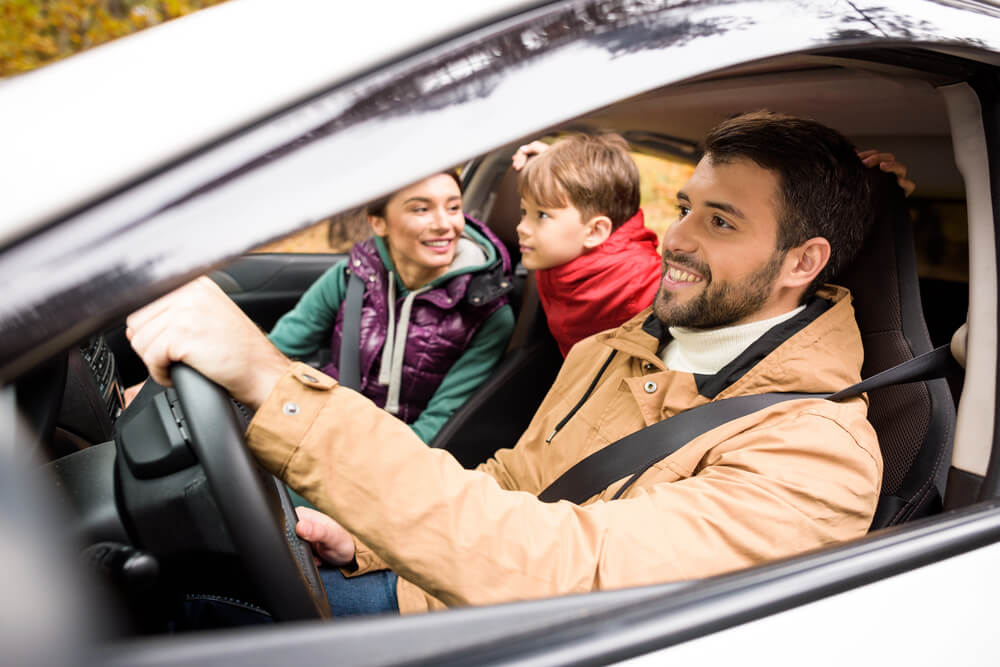
Gas was cheap, the roads were open and nobody needed a destination. A Sunday drive meant loading the family into the car after church or lunch and heading out to look at farmland, fall leaves or the houses in a nicer neighborhood.
Kids in the back seat counted cows, played license plate games and asked how much longer. The habit took a hit during the 1973 oil crisis, when officials urged Americans to stay off the roads on Sundays and many gas stations closed for the day.
It never fully recovered its old status as entertainment in itself.
Couples Skate at the Roller Rink
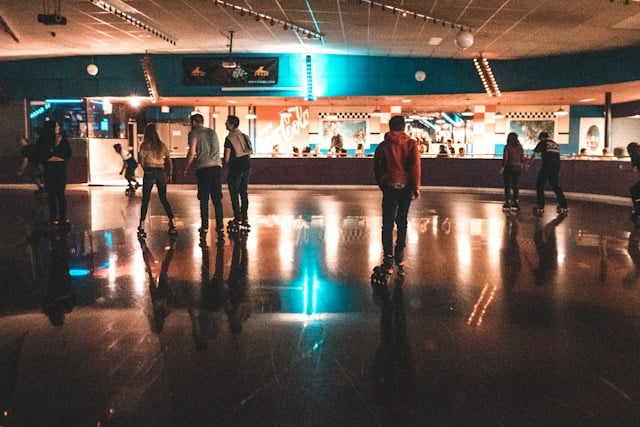
Roller rinks were weekend fixtures across the country, with rented skates, colored lights and a DJ booth spinning the hits. Birthday parties, church youth groups and school fundraisers all ended up there.
The tense moment of the night was the couples skate, when the lights dimmed and a slow song played for pairs only. Everyone else lined the rail and watched.
Kids also learned the Hokey Pokey and the limbo on wheels. Many rinks closed as land values rose, though roller skating has seen periodic revivals since.
Saturday Afternoons at the Bowling Alley
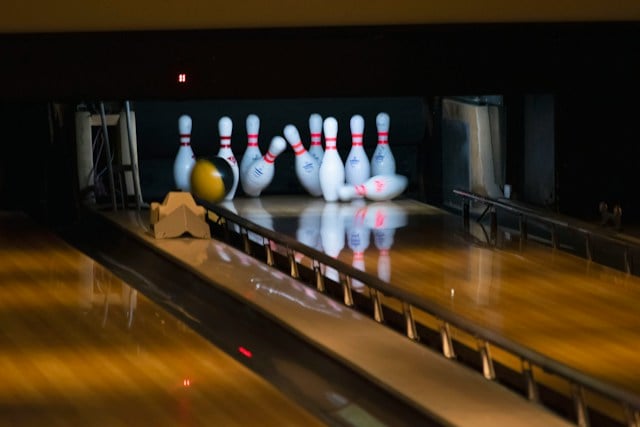
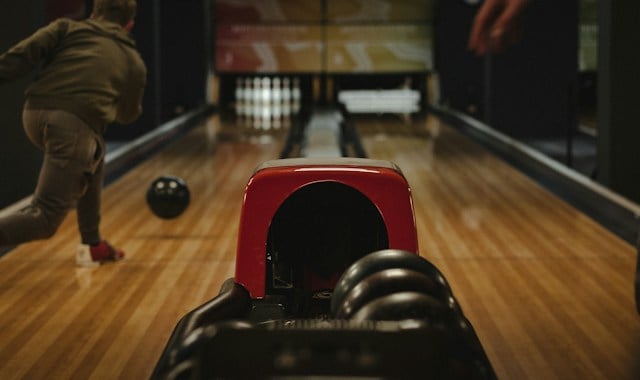
Bowling alleys offered something rare, an indoor sport that grandparents and small children could play together. Families rented shoes with numbers on the heels, typed names into overhead scoring screens or wrote them on paper sheets, and ate nachos between frames. Gutter bumpers became widespread in the 1980s, which meant the youngest players could actually knock down pins. Leagues filled the weeknights, so weekend afternoons belonged to families and birthday parties. The sound of pins crashing, mixed with arcade noise from the corner, made the experience instantly recognizable to anyone who grew up near a lane.
Board Game Night at the Kitchen Table
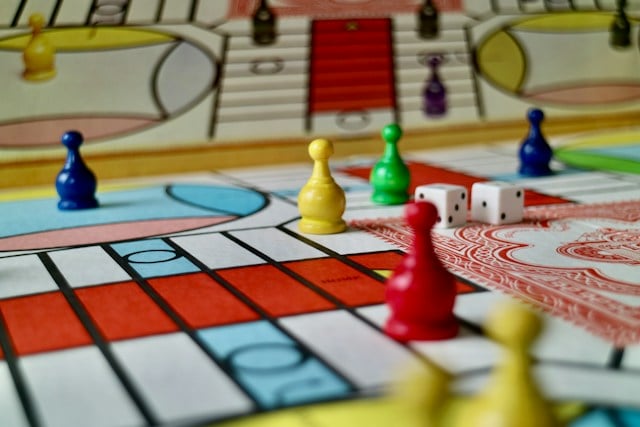
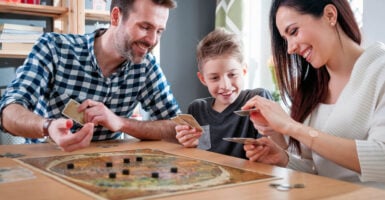
Parker Brothers began selling Monopoly in 1935, and the game went on to anchor family game nights for generations. Other favorites included Clue, Sorry, Scrabble, Candy Land and The Game of Life.
Board games had a way of revealing personalities, from the sibling who hoarded every railroad to the parent who quietly let a small child win. Arguments over house rules, such as collecting money on Free Parking, were nearly universal.
Monopoly sessions in particular were known for lasting hours and ending only when someone flipped the board or wandered off to bed.
Shuffling the Deck for Uno
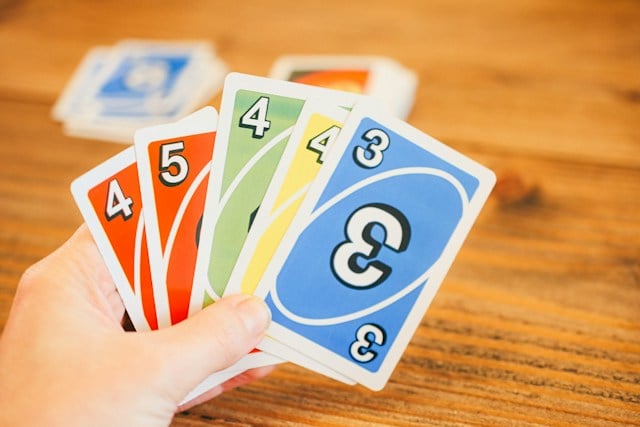
Merle Robbins, a barber in Reading, Ohio, came up with Uno in 1971 after an argument with his son over the rules of crazy eights. The family sold early copies out of their barbershop and other local businesses before the rights were sold.
Uno became one of the best-selling card games in the world, now owned by Mattel. Families also played rummy, Go Fish, War and Old Maid, often with a standard deck that had lost a card or two.
Card games packed easily, which made them a staple of camping trips, rainy afternoons and long holidays at relatives’ homes.
Jigsaw Puzzles Spread Across the Table
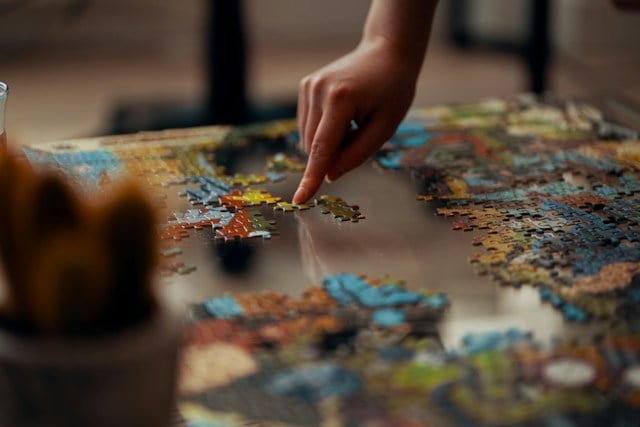
London mapmaker John Spilsbury is generally credited with creating the first jigsaw puzzles in the 1760s by mounting maps on wood and cutting them along country borders. They were meant as geography lessons for children.
Two centuries later, families spread thousand-piece puzzles across card tables and left them up for days, with each person stopping by to add a few pieces. Edge pieces went first, the sky went last, and a single missing piece could ruin a weekend.
Some households glued finished puzzles and framed them as proof of the effort.
Visiting the Grandparents

Before video calls, staying in touch with distant relatives meant visits and phone calls timed carefully. Long-distance rates were cheaper on nights and weekends for many years, so Sunday became the standard time to call grandparents who lived far away, often with every family member taking turns on one receiver.
Grandparents who lived nearby got in-person visits instead, complete with Sunday dinner, a candy dish and the plastic-covered good furniture. Kids learned to sit politely through adult conversation.
The reward was usually dessert or a few dollars slipped into a hand on the way out.
Hunting for Bargains at Garage Sales
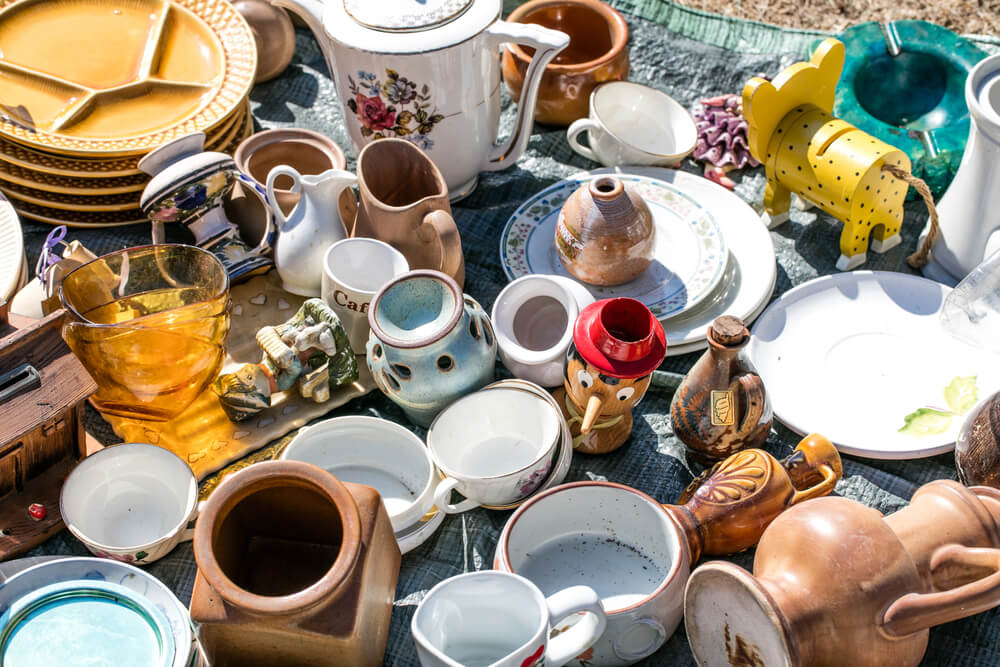
Saturday mornings brought hand-lettered signs on telephone poles and folding tables covered in old toys, books, clothes and kitchen gadgets. Serious shoppers arrived before the advertised hour, while families drifted through later looking for deals.
Kids hunted for action figures and board games priced at a quarter, while parents haggled over lamps and furniture. Neighborhood-wide sales turned entire streets into outdoor markets for a day.
Garage sales also taught children basic math and negotiation when they ran a table of their own outgrown toys and kept the coins in a shoebox.
Packing a Picnic Basket
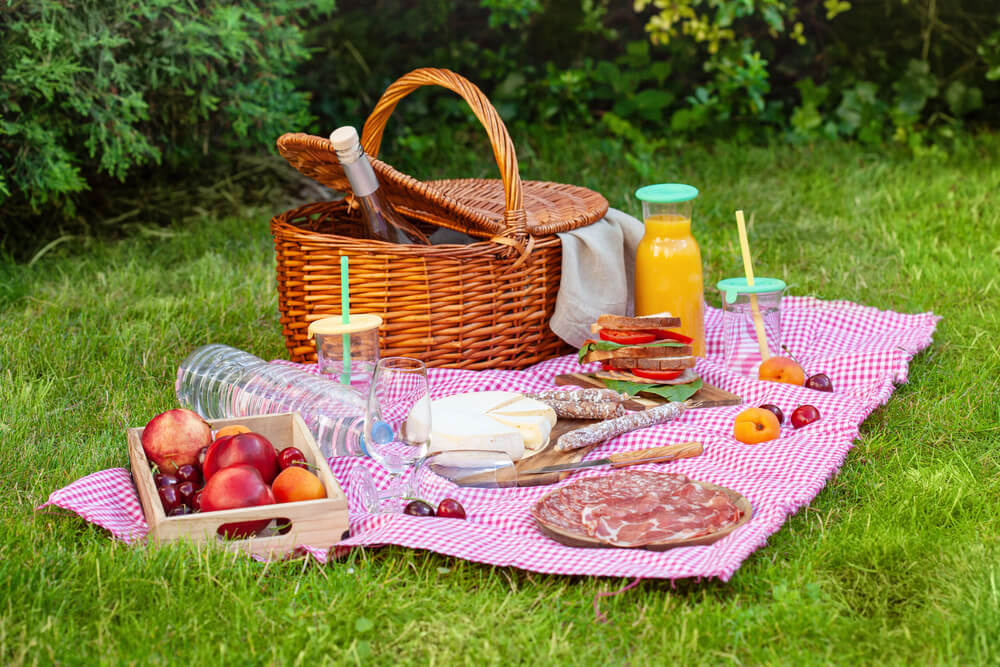
Picnics were cheap, easy and required only a blanket, sandwiches and a park with some shade. The Coleman cooler, introduced in the 1950s, made it easier to bring cold drinks and potato salad along without worrying about spoilage.
Families spread out at state parks, beaches and lakesides, then spent the afternoon playing tag, throwing a frisbee or chasing away ants. Wicker baskets, checkered tablecloths and thermoses of lemonade were common props.
Fourth of July picnics in particular became a fixture, followed by fireworks once the sun went down.
Wandering the Shopping Mall
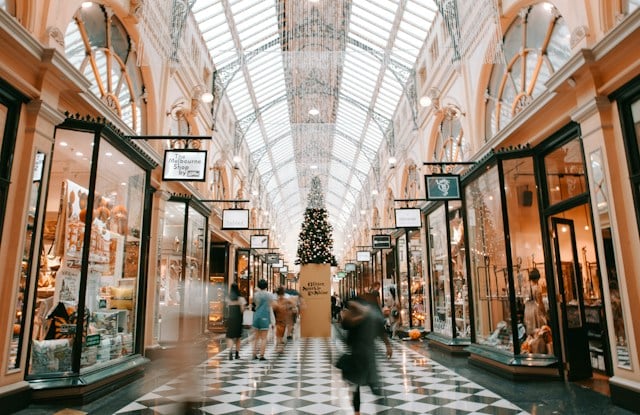
Southdale Center in Edina, Minnesota, opened in 1956 as the first fully enclosed, climate-controlled shopping mall in the United States, designed by architect Victor Gruen. The concept spread nationwide, and by the 1980s, a trip to the mall was a weekend outing in itself.
Families browsed department stores, ate at the food court and tossed coins into fountains. Teenagers lingered near record stores and arcades, sometimes for hours.
Malls also hosted Santa visits, car shows and pet adoptions. Many have since closed or been redeveloped, leaving behind a generation nostalgic for fountains and pretzel stands.
Spending Quarters at the Arcade
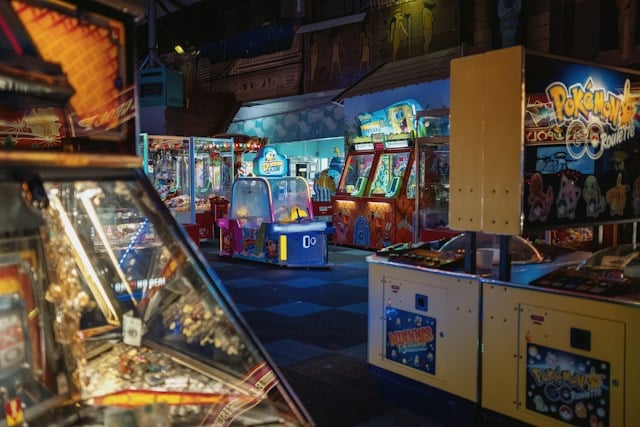
Pac-Man arrived in American arcades in 1980 and became a sensation, joining Space Invaders, Donkey Kong and Galaga among the machines that swallowed allowance money. Kids saved quarters all week for a trip to the arcade, which often sat inside a mall, pizza parlor or bowling alley.
Lining up a coin on the screen ledge was the standard way to claim the next turn. The high score board offered three initials of fame.
Home consoles eventually drew players away, but arcade cabinets have found a new home in retro bars and collectors’ basements.
Rounds of Miniature Golf

Don Clayton opened the first Putt-Putt course in Fayetteville, North Carolina, in 1954, and the brand grew into a national chain. Putt-Putt courses were known for straightforward, skill-based layouts, while competing courses added windmills, castles and giant fiberglass animals.
Families picked colored putters at the counter, kept score with tiny pencils and argued over whether a shot that bounced off a wall counted. The final green often swallowed the last putt into a closed return chute.
Mini golf remained one of the few outdoor activities where small children could occasionally beat their parents.
Weekend Trips to the Library

Public libraries were free weekend outings with no time limit, and families often went together to fill tote bags with books. Children’s rooms offered story hours, puppet shows and summer reading programs that rewarded kids with stickers, certificates or coupons for finishing a list of books.
Library cards were a point of pride for kids old enough to sign their own names. Librarians stamped due dates on cards inside the back cover.
Many families also borrowed records, filmstrips and later videotapes, making the library an early form of free on-demand entertainment.
Washing the Car in the Driveway
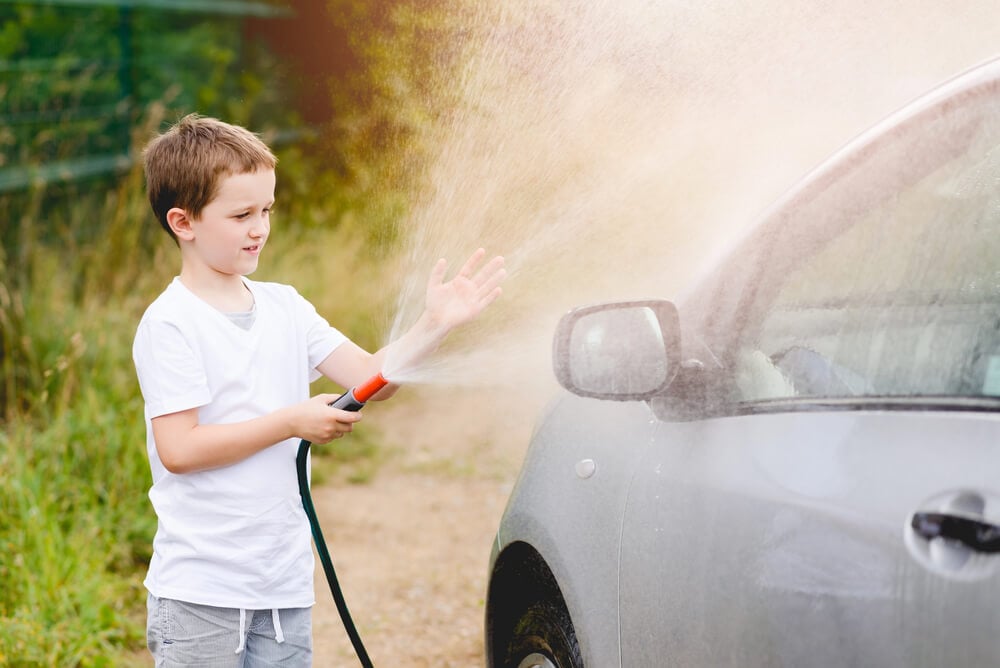
A sunny Saturday often meant pulling the family car into the driveway with a bucket of soapy water, a garden hose and an old towel or chamois. Kids were drafted as helpers, which usually turned into a water fight.
Dads frequently treated the job as a point of pride, finishing with a coat of wax buffed by hand. Neighbors did the same thing at the same time, turning the street into a chorus of radios and hoses.
Charity car washes in school parking lots offered a similar experience for a few dollars.
Tuning In to American Top 40

Casey Kasem launched American Top 40 in July 1970, and the weekly countdown aired on hundreds of radio stations across the country. Families heard it on car radios during errands, and teenagers taped songs off the broadcast with fingers hovering over the pause button.
Kasem’s long-distance dedications, in which listeners sent heartfelt letters to faraway friends or loved ones, became a signature segment. The suspense of finding out the number one song each week was hard to replicate once music charts became instantly available.
The show still airs today with a different host.
Sunday Nights With Disney

Walt Disney launched his television anthology on ABC in October 1954 under the name Disneyland, and the show later moved networks and changed titles several times. Disney himself introduced many episodes, giving families a weekly glimpse of cartoons, nature documentaries and adventure serials such as Davy Crockett.
The show helped finance and promote the Disneyland theme park, which opened in 1955. For many households, the program became the final ritual of the weekend before school on Monday morning.
Kids in pajamas, bowls of popcorn and the opening castle became fixtures of Sunday evening.
Family Slide Show Night
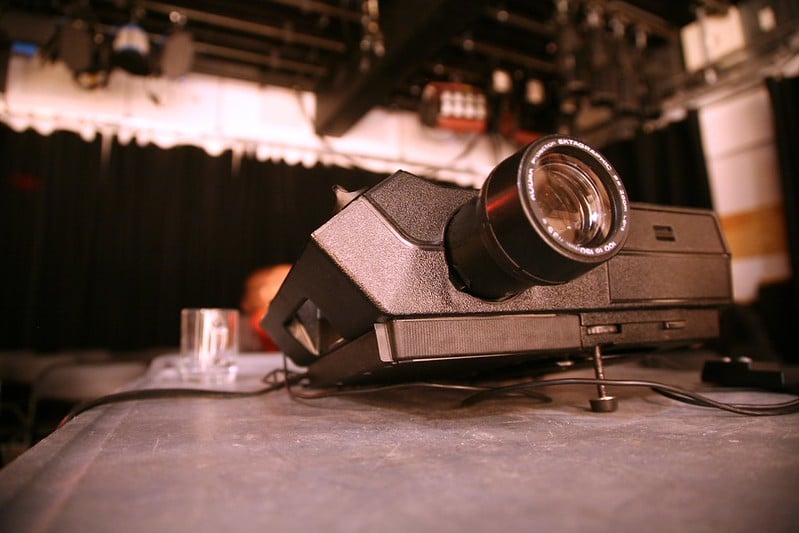
Kodak introduced the Carousel slide projector in 1961, and its round tray made it easy to load dozens of vacation photos in order. Families pulled down a screen or used a bare wall, dimmed the lights and clicked through trips to national parks and beaches.
Relatives were invited over to watch, sometimes against their will. Slides inevitably appeared upside down or backward, and the projector’s fan hummed through every pause.
Kodak stopped making Carousel projectors in 2004, and many families still hold boxes of slides waiting to be digitized.
Dropping Film at the Fotomat
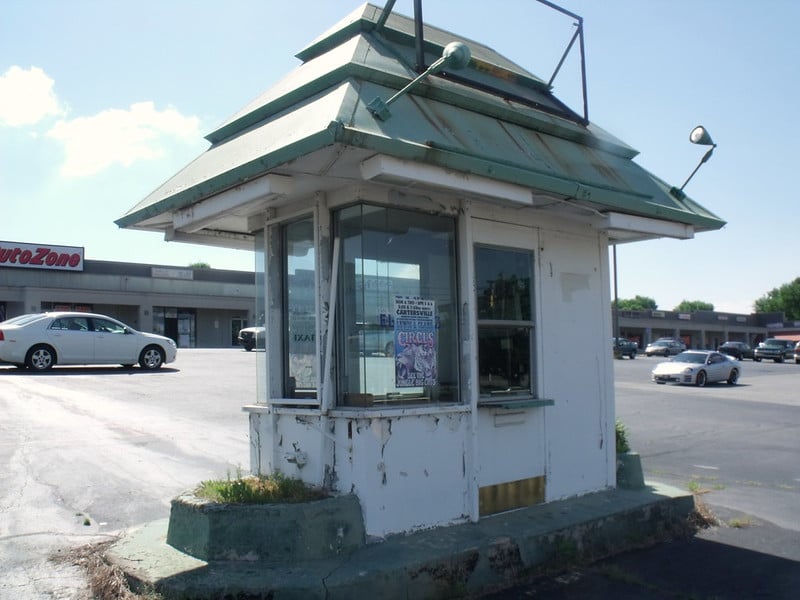
Fotomat kiosks, small booths with pointed yellow roofs, sat in shopping center parking lots across the country, and drivers could pull up to drop off rolls of film. Preston Fleet founded the company in the 1960s, and its network grew to thousands of kiosks by the early 1980s.
Prints usually came back in a day or two, and kids waited eagerly to see whether their snapshots had come out. The rise of one-hour photo labs and video rentals cut into the business.
Many of the old booths were later converted into coffee stands, key shops and other small businesses.
A Day at the County Fair

Elkanah Watson organized an agricultural exhibition in Pittsfield, Massachusetts, in 1811 under the Berkshire Agricultural Society, a model often credited with shaping the American county fair. Over time, fairs added carnival rides, games and grandstand shows to the livestock barns.
Families spent entire Saturdays there eating corn dogs and funnel cakes, admiring prize-winning pigs and pies, and riding the Ferris wheel. Children in 4-H showed animals they had raised all year.
The fairs remain a summer tradition in many rural counties, often running for a week or more.
Weekend Camping at the Campground
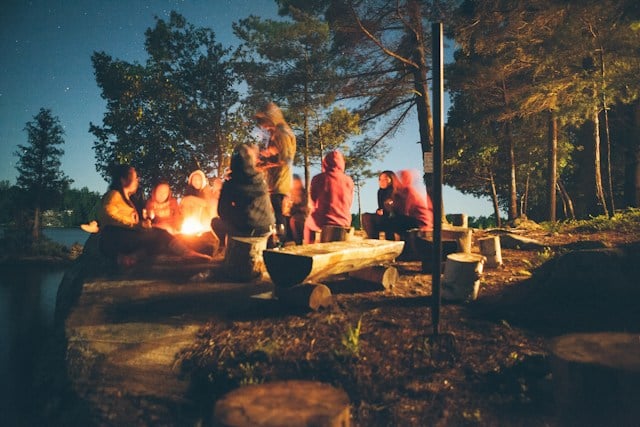
Kampgrounds of America opened its first campground along the Yellowstone River in Billings, Montana, in 1962, aimed at travelers heading toward the Seattle World’s Fair. KOA campgrounds offered hot showers, laundry and a small store, which made camping friendlier for families who were not interested in roughing it.
Other families pitched canvas tents at state parks and cooked over open fires. Kids roasted marshmallows, told scary stories and swatted mosquitoes. The appeal was simple, a weekend away for the cost of gas and a campsite fee.
Early Mornings Fishing at the Lake
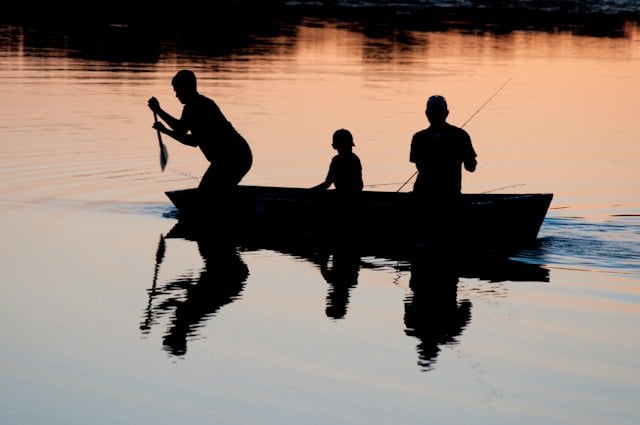
Fishing was a patient, quiet way for parents to spend time with children, and it often began before sunrise on a Saturday. Families dug for worms, bought bait at a gas station and spent hours on a dock or riverbank.
Television advertising made the Ronco Pocket Fisherman, a folding rod and reel combination, a familiar gadget in the 1970s. Small children learned to bait hooks, untangle lines and wait.
Many kids caught their first fish on a simple cane pole or a cheap spinning reel, and the stories about the one that got away grew every year.
Reading the Sunday Funnies

The Sunday newspaper arrived heavy with color comics, and kids often grabbed that section first. The Yellow Kid, which appeared in New York newspapers beginning in 1895, is often credited with helping establish the American comic strip.
By the late 20th century, families read Peanuts, Garfield, The Family Circus and Calvin and Hobbes together on the living room floor. Kids pressed Silly Putty onto the pages to lift copies of the images.
The funnies section also included puzzles and mazes, which kept children busy while parents read the news.
Flying Kites in the Park

A windy spring weekend meant pulling out a kite, often a cheap plastic diamond or a paper model bought at a drugstore. Families headed to parks, beaches or open fields and spent the afternoon trying to get it airborne.
Tangled strings, crashed kites and sore arms were all part of the experience. Kites stuck in trees became a common sight in many neighborhoods.
Some families tried box kites or homemade versions with sticks and newspaper. Kite festivals, including the long-running gatherings on the National Mall in Washington, kept the tradition alive for adults as well.
Summer Days at the Public Pool

Municipal pools were the summer weekend default for families without a backyard pool, and admission usually cost less than a dollar. Kids raced to the diving board, ate snack bar candy and dreaded the whistle that signaled adult swim, a scheduled break that cleared children from the water.
Lifeguards sat on tall chairs and enforced the no running rule. Many families spent entire days there, leaving only when the pool closed or someone got a sunburn. Splash contests off the diving board were a constant source of pride.
Picking Strawberries and Apples at the Farm
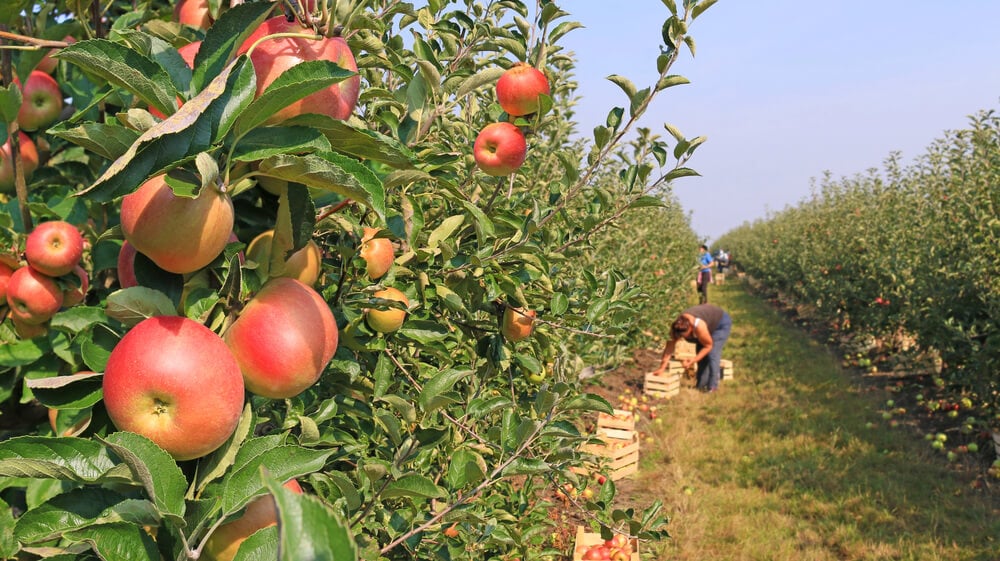
U-pick farms grew popular in the 1970s, partly as a way for growers to cut labor costs and partly as an outing for suburban families. Strawberries in early summer, blueberries later and apples and pumpkins in the fall gave families a reason to drive out to the country.
Kids ate almost as much fruit as they picked, which farmers generally tolerated. Baskets were weighed at the end, and the haul often turned into jam, pies or applesauce.
Many farms later added hayrides, corn mazes and petting zoos to keep visitors coming back.
Running the Model Train Set
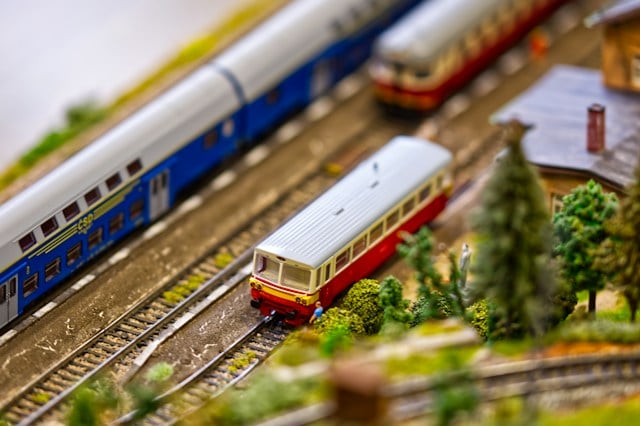
Joshua Lionel Cowen founded Lionel in 1900, and his electric trains became a fixture of American basements and holiday displays. Fathers and children spent weekends building layouts on plywood tables, complete with tiny towns, tunnels and painted mountains.
The trains whistled, smoked from small pellets and occasionally derailed on tight curves. Many families set up tracks around the Christmas tree and left them running for the season.
Some hobbyists still maintain elaborate layouts decades later, and model railroad clubs continue to host public open houses in many cities.
Boredom as a Weekend Engine
None of these activities seemed remarkable at the time. They were simply what families did when there was nothing on and nowhere particular to be.
Boredom pushed people out the door and around the table, and the solutions it produced were usually cheap, social and a little inconvenient.
Streaming solved the problem of having nothing to watch, and in the process it removed one of the main reasons to go anywhere. The fairs, pools and kitchen table games have not vanished, but they now compete with an endless menu on every screen.
Choosing them takes a deliberate decision that used to happen by default.
More from Go2Tutors!

- The Romanov Crown Jewels and Their Tragic Fate
- 13 Historical Mysteries That Science Still Can’t Solve
- Famous Hoaxes That Fooled the World for Years
- 15 Child Stars with Tragic Adult Lives
- 16 Famous Jewelry Pieces in History
Like Go2Tutors’s content? Follow us on MSN.