30 Cars Teenagers Learned to Drive In
The first time behind the wheel involved a familiar vehicle, often an older family car no longer in regular use. Parents chose based on availability and forgiveness—machines that wouldn’t destroy themselves if parallel parking went wrong.
These cars trained an entire generation in manual transmissions, carburetor flooding, and the precise steering required by hydraulic systems without power steering. Learning to drive meant understanding your vehicle’s specific personality and accommodating its quirks.
1978-1986 Ford Fairmont
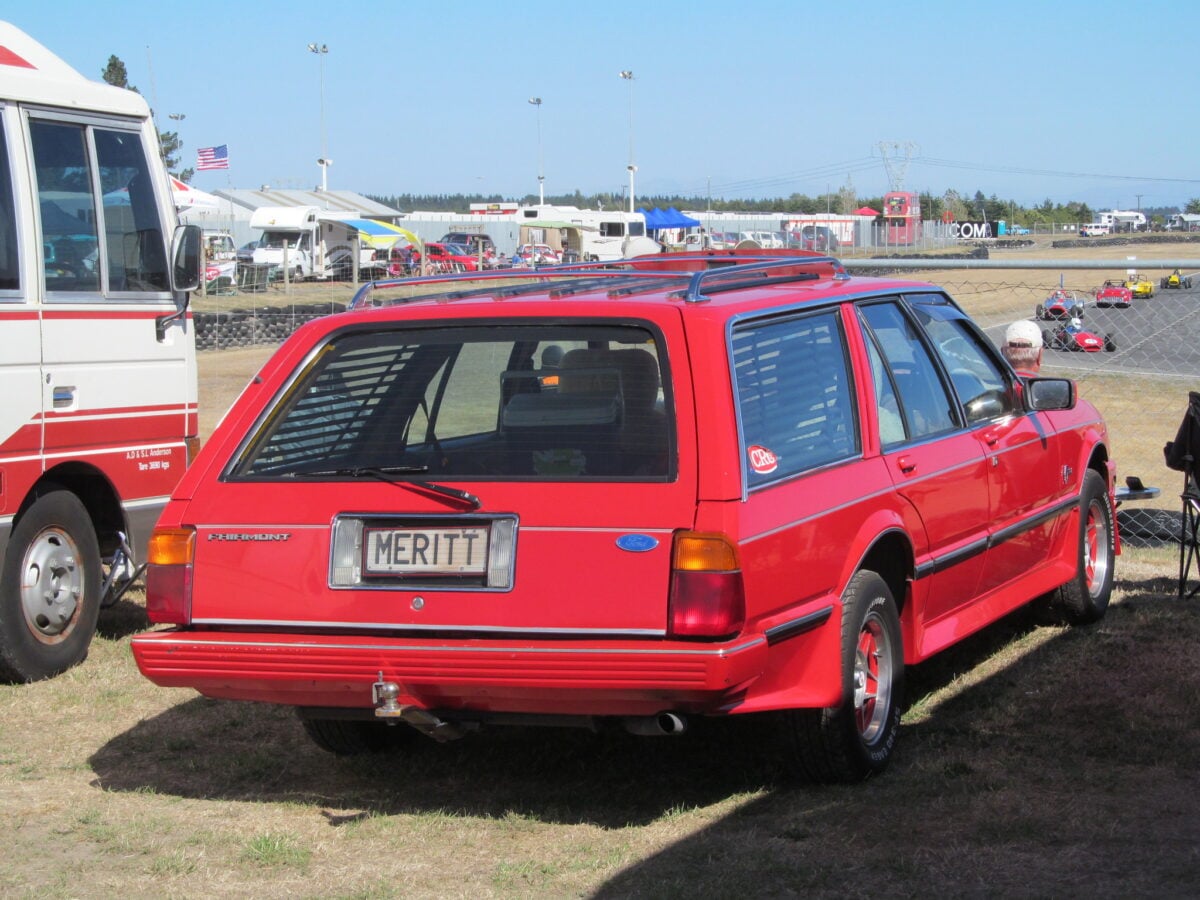
This lightweight sedan offered predictable handling and slow enough speeds for teenage drivers. The boxy design provided clear sightlines. The mechanical simplicity meant parents could diagnose and fix problems without complex diagnostics.
1980-1988 Honda Civic
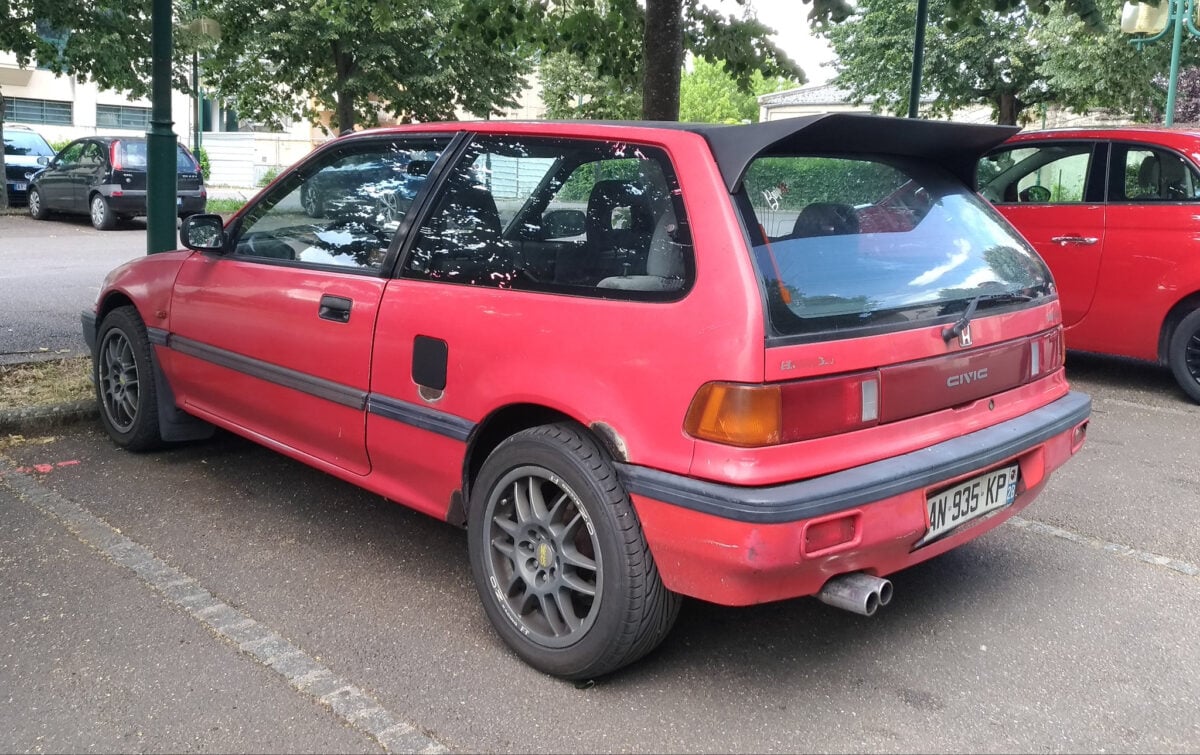
This reliable compact car became popular hand-me-downs for teenage drivers. The solid construction meant years of service despite student abuse. The simplicity of maintenance kept repair costs minimal.
1979-1985 Toyota Corolla
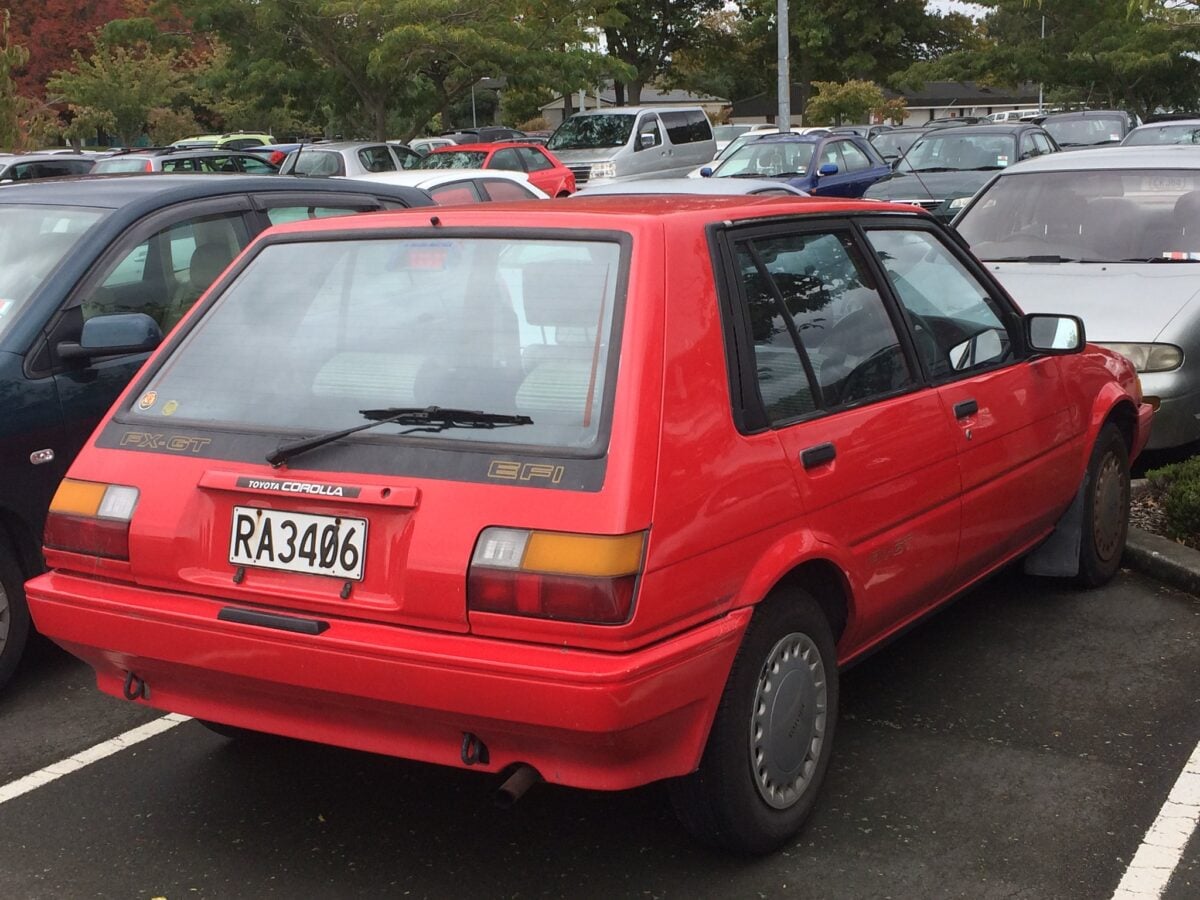
This Japanese sedan with legendary reliability appeared constantly in teenage driver rotations. Parents trusted them to survive driver error. The parts and service accessibility meant affordable repairs.
1976-1986 Chevrolet Nova
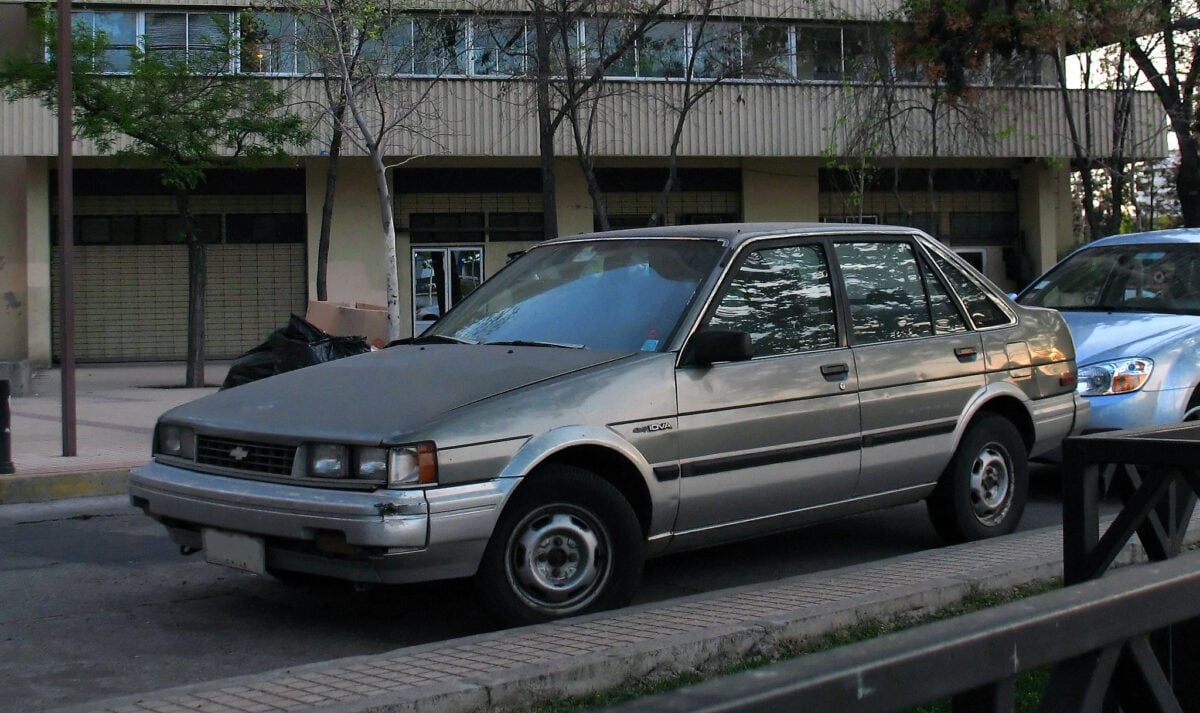
This mid-size sedan provided roomy interiors and powerful engines. The straightforward mechanics made maintenance and repair accessible. The popularity meant parts availability and mechanic familiarity.
1974-1982 Volkswagen Beetle
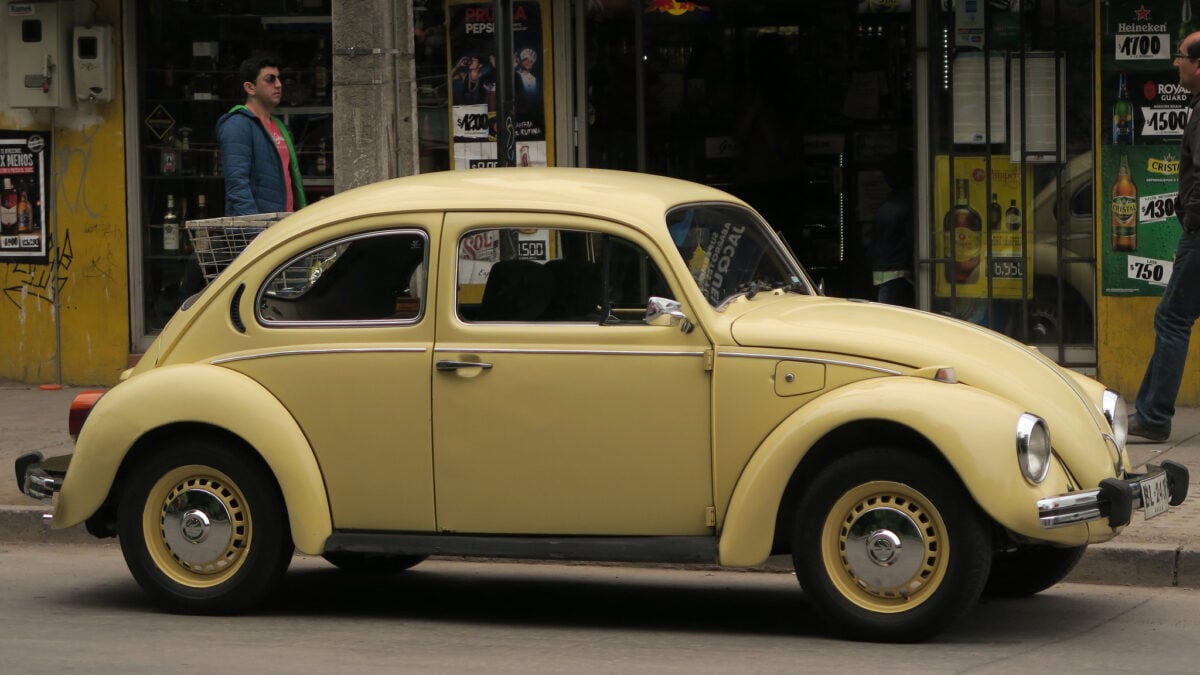
This iconic compact car’s visibility and lightness made it manageable for new drivers. The rear-engine weight distribution required different braking than larger cars. The cultural cachet made driving a Beetle feel special.
1984-1991 Honda Accord
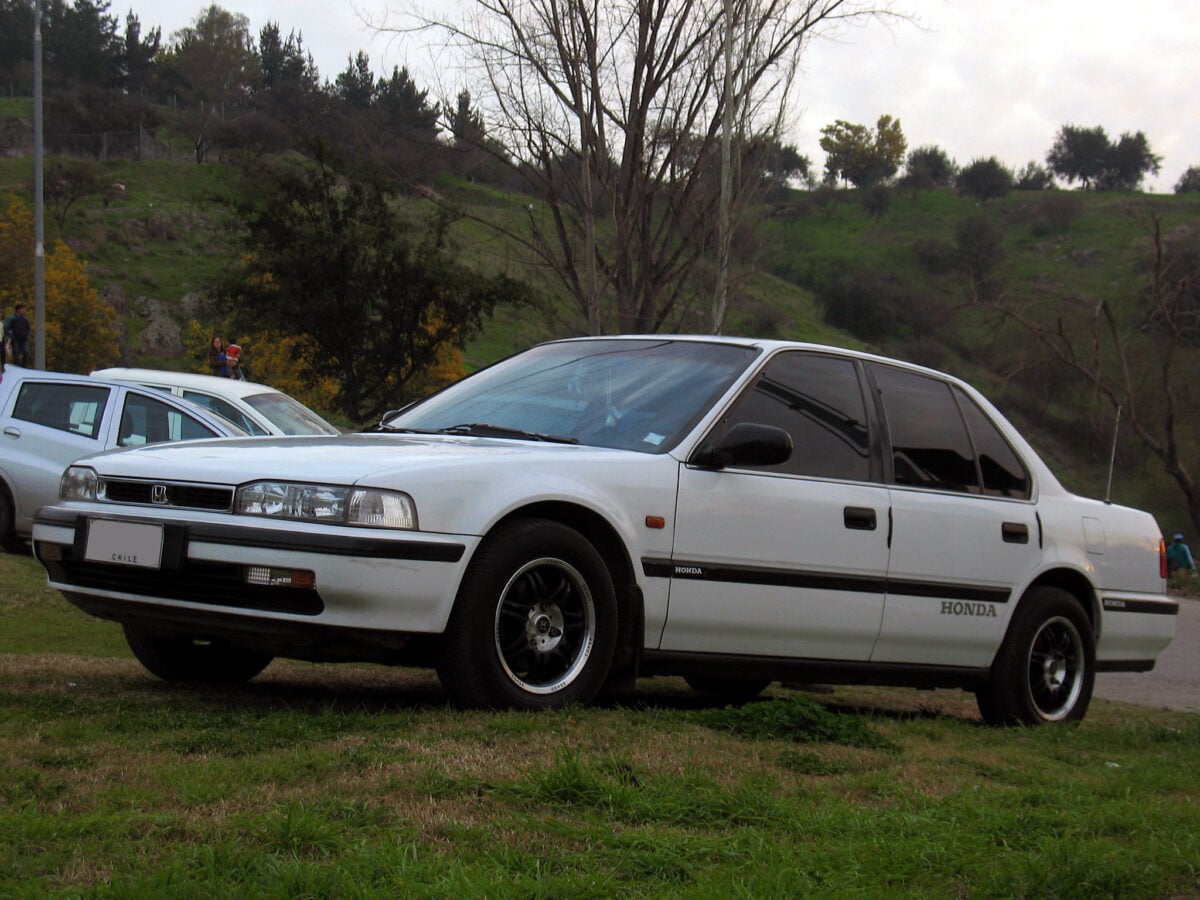
This reliable sedan became increasingly common in teenage driver fleets. The quality construction meant fewer mechanical failures. The comfortable seating and good visibility appealed to cautious drivers.
1980-1986 Toyota Celica
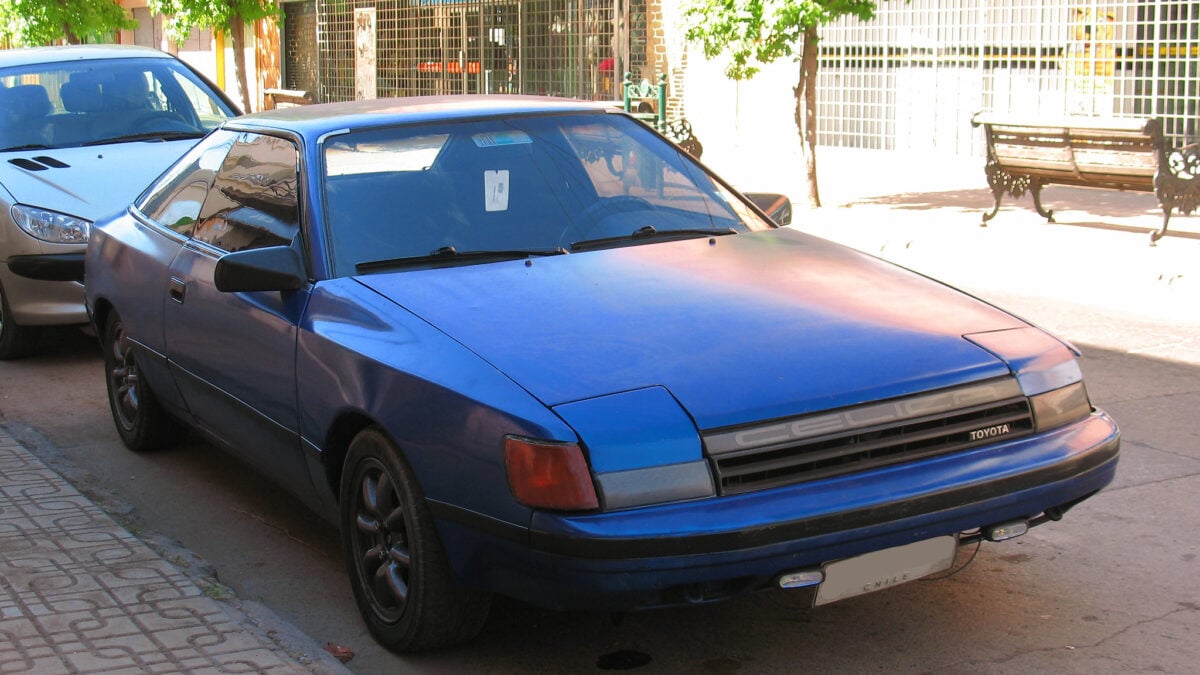
This sport coupe provided more excitement than sedans while remaining relatively forgiving. The styling made ownership feel aspirational despite modest performance. The reliability meant no unexpected failures during learning.
1978-1987 Ford Mustang
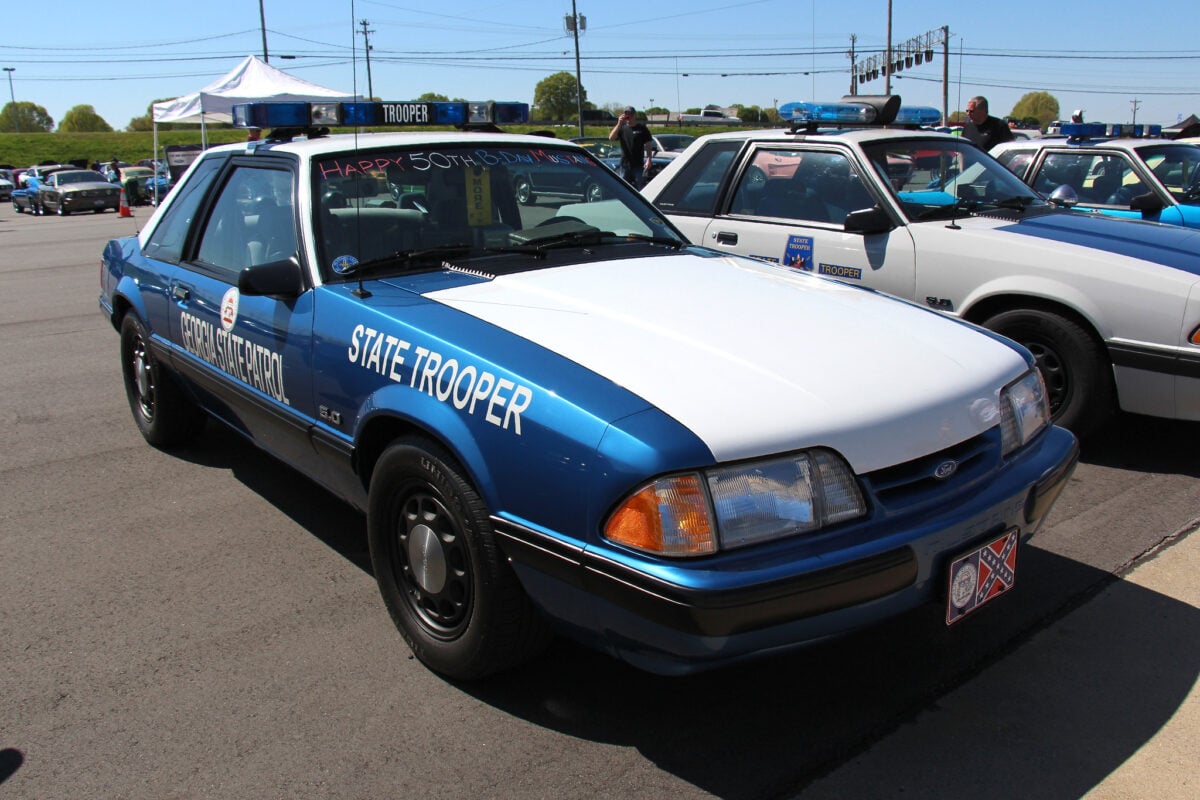
This muscle car in various generations appeared as aggressive learning vehicles. The rear-wheel drive and power required respect and attention. Insurance companies charged premiums reflecting the risk.
1977-1980 Pontiac Firebird
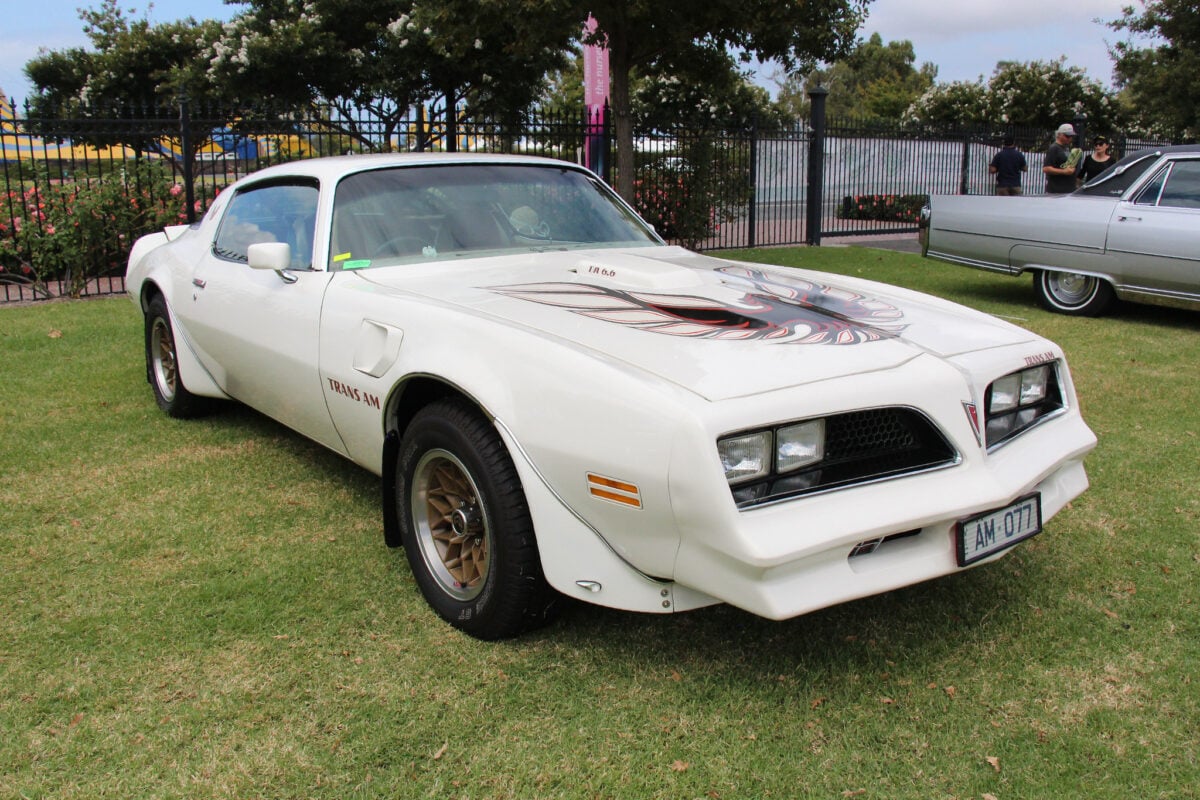
This muscle car variant offered similar aggression to Mustangs. The fastback styling created aesthetic appeal. The power and responsiveness taught steering discipline.
1975-1979 Chevy Monza
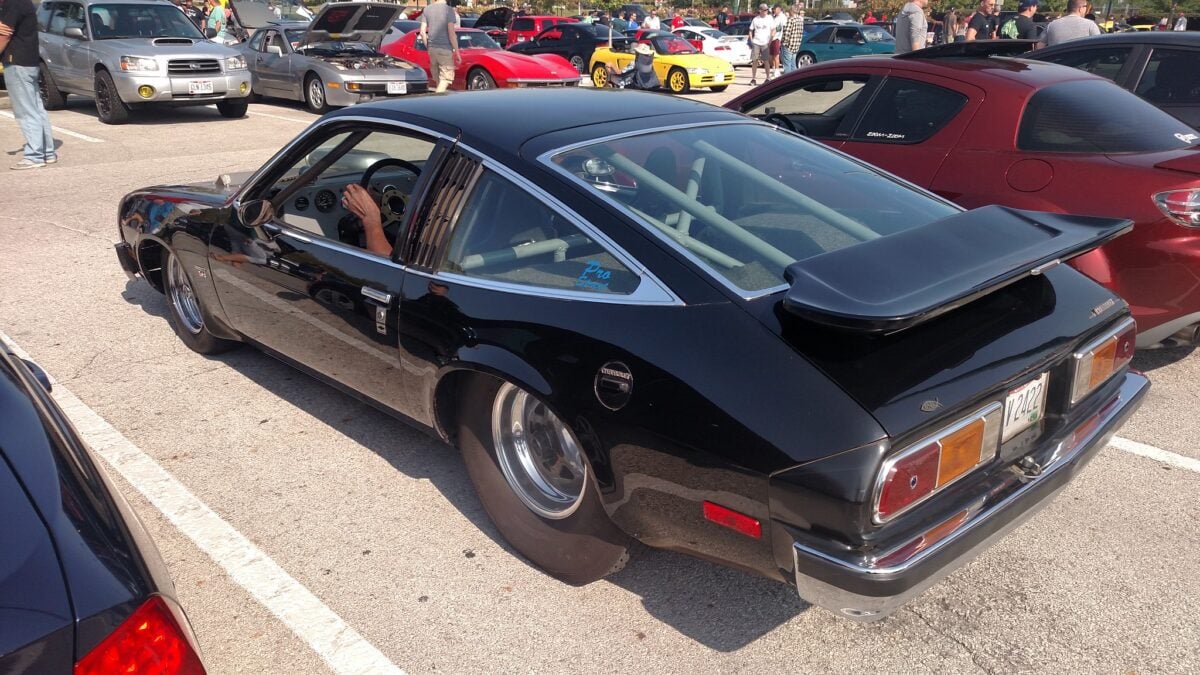
This compact front-engine vehicle provided practice in small car handling. The mechanical simplicity allowed backyard repairs. The light weight and quick response trained precise steering.
1982-1992 Ford Ranger
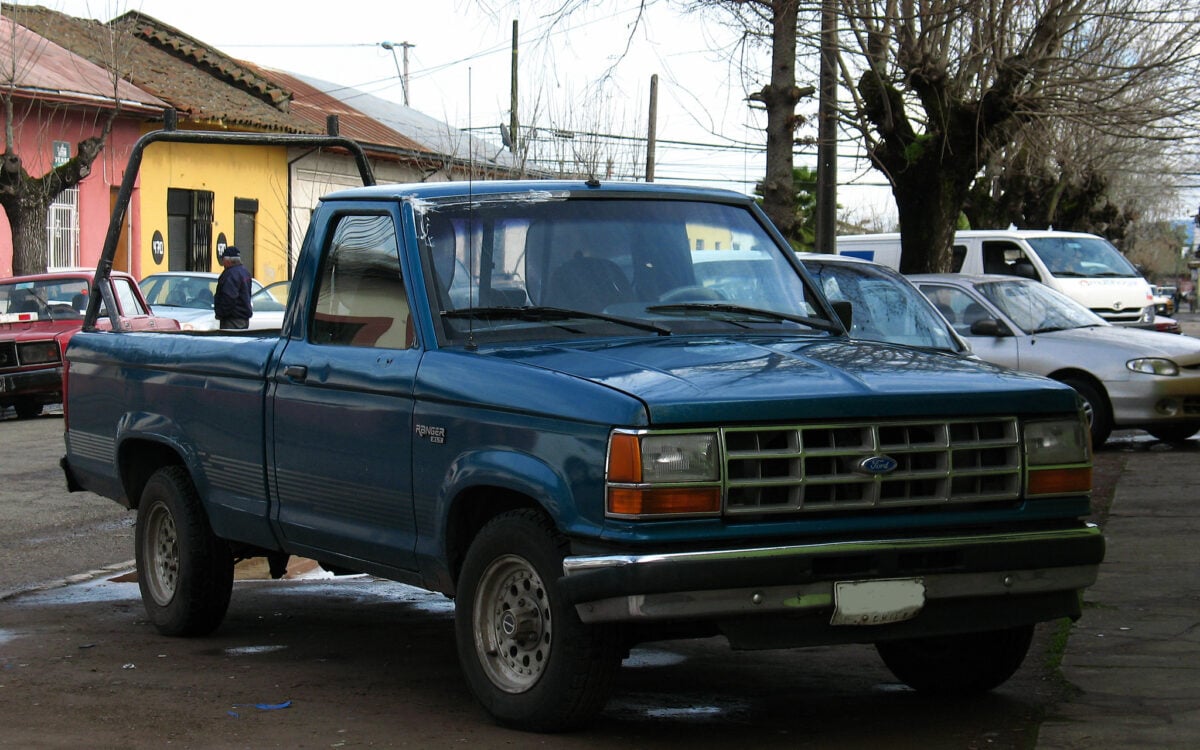
This compact pickup truck appeared frequently in rural teenage driver rotations. The work-truck utility meant parents accepted the learning vehicle’s damage. The manual transmission training occurred routinely.
1968-1979 Volkswagen Type 1 Beetle
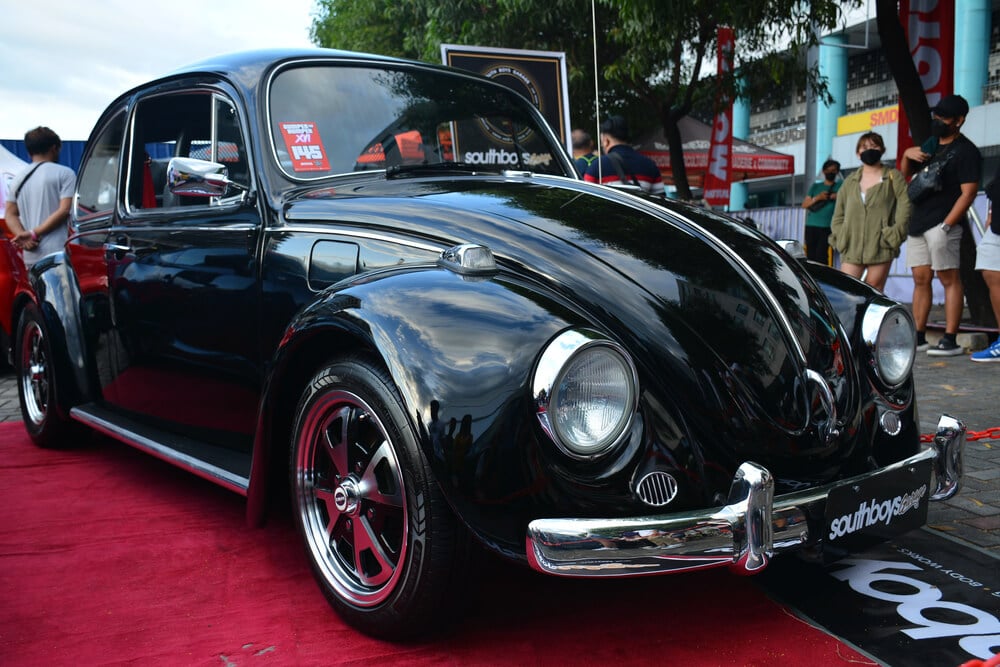
These classic Beetles continued serving as learning vehicles well beyond production. The simplistic mechanics remained accessible. The lightweight design and forgiving behavior made them popular instructor vehicles.
1980-1991 Toyota Tercel
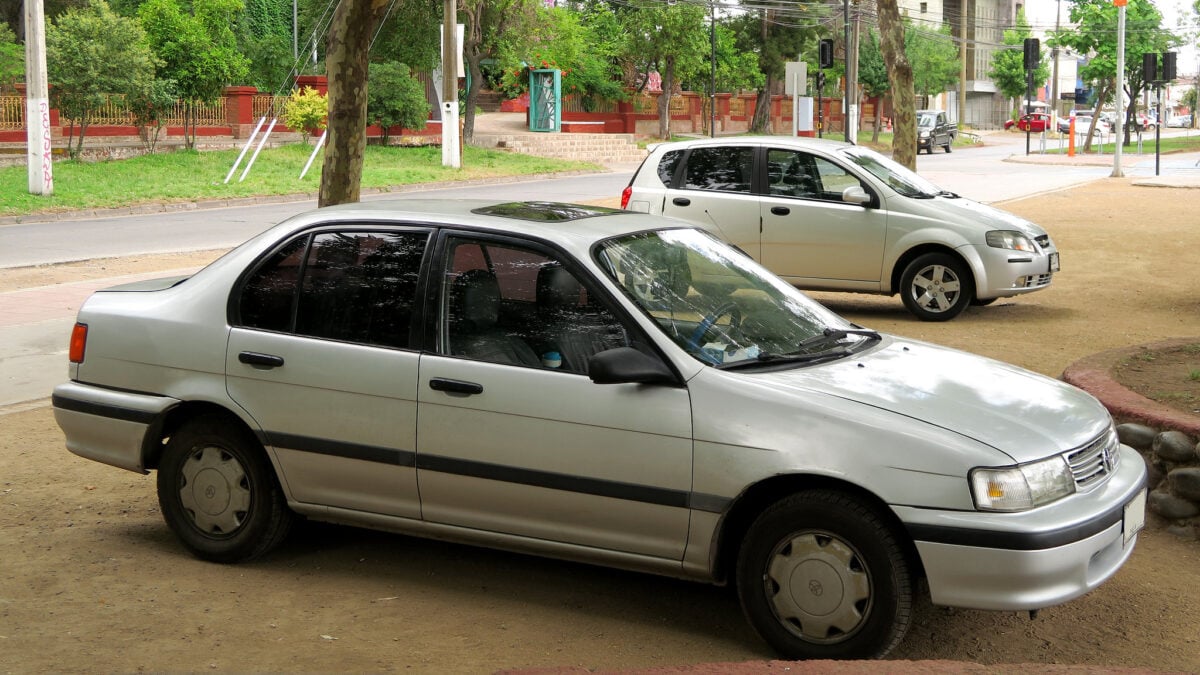
This small practical sedan proved popular in cost-conscious households. The reliability meant limited breakdown risks. The practical interiors provided actual storage for teenage needs.
1977-1984 Honda Civic CVCC
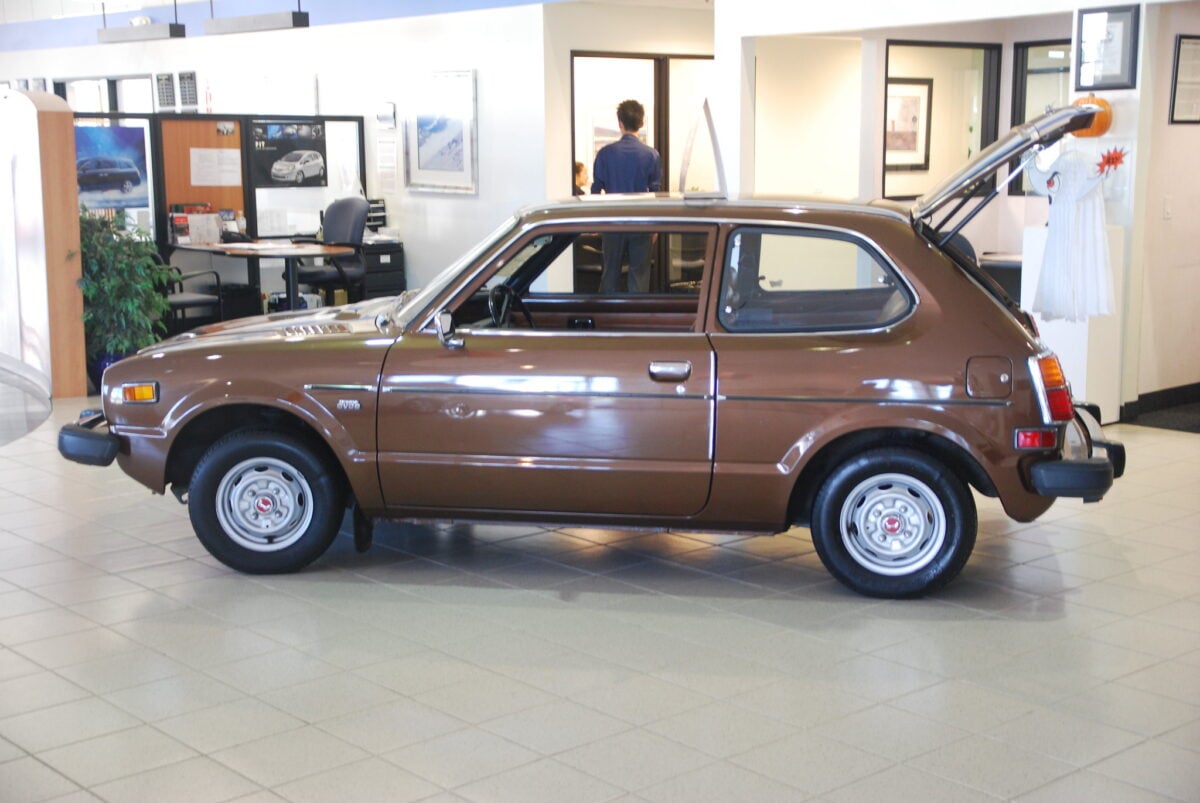
This early Honda version with emissions control systems taught maintenance awareness. The mechanical changes from earlier versions created learning experiences. The solid construction meant years of service.
1975-1979 Datsun 280Z
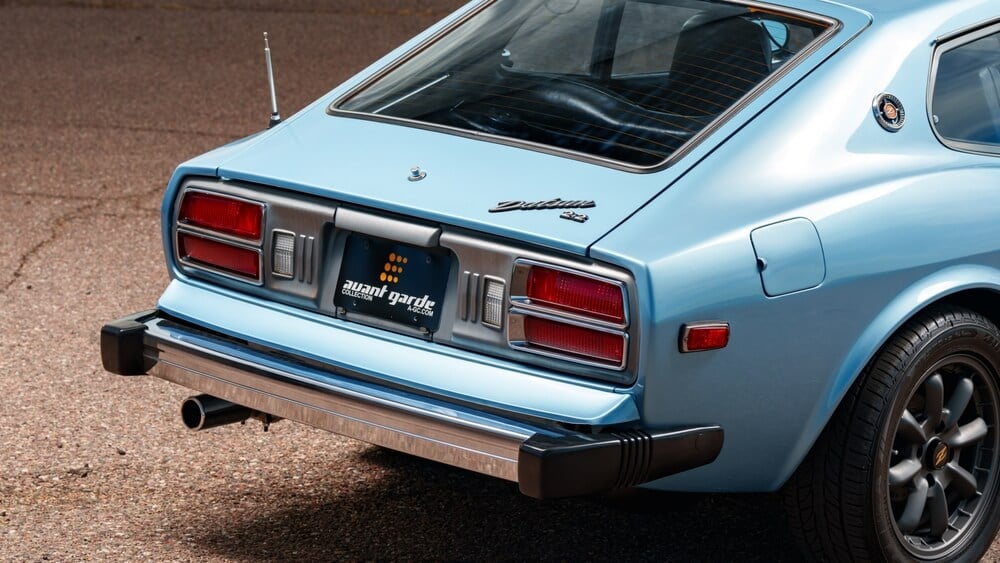
This sports car occasionally appeared as teenage learning vehicles in enthusiast families. The performance and balance required serious driving attention. The expense meant minimal room for error.
1980-1986 Datsun 200SX
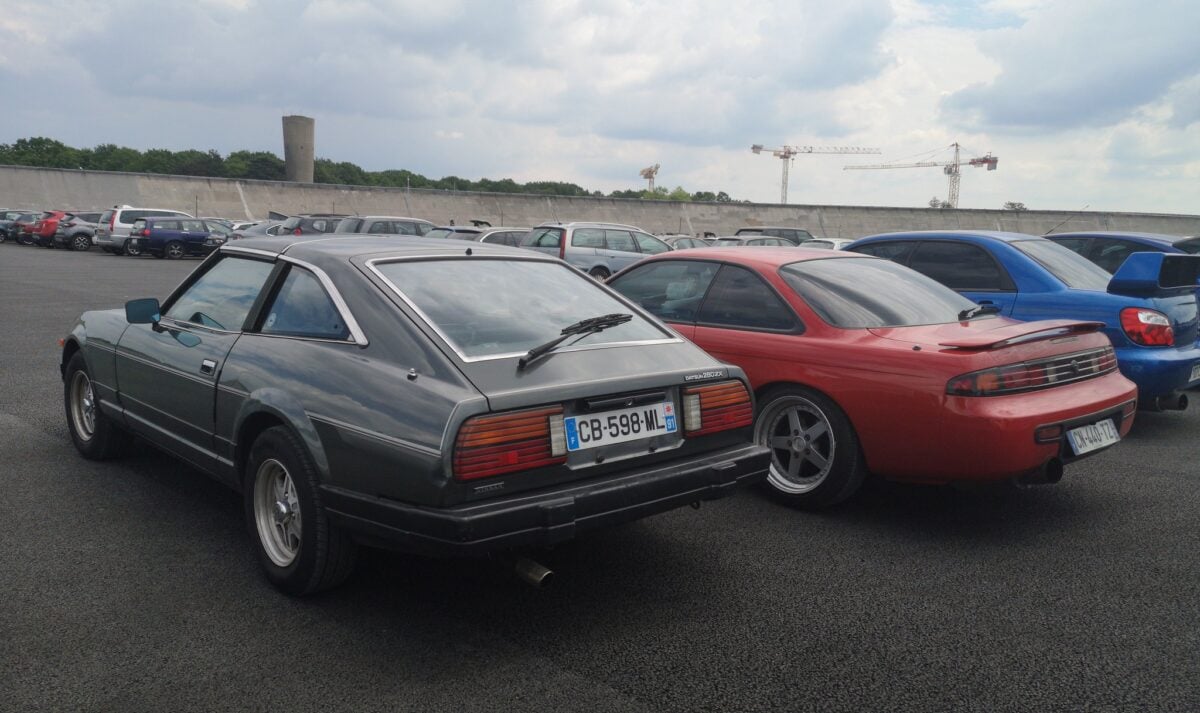
This compact sport coupe provided performance in a smaller package. The handling characteristics required active steering input. The style appealed to image-conscious teenage drivers.
1977-1983 Plymouth Horizon
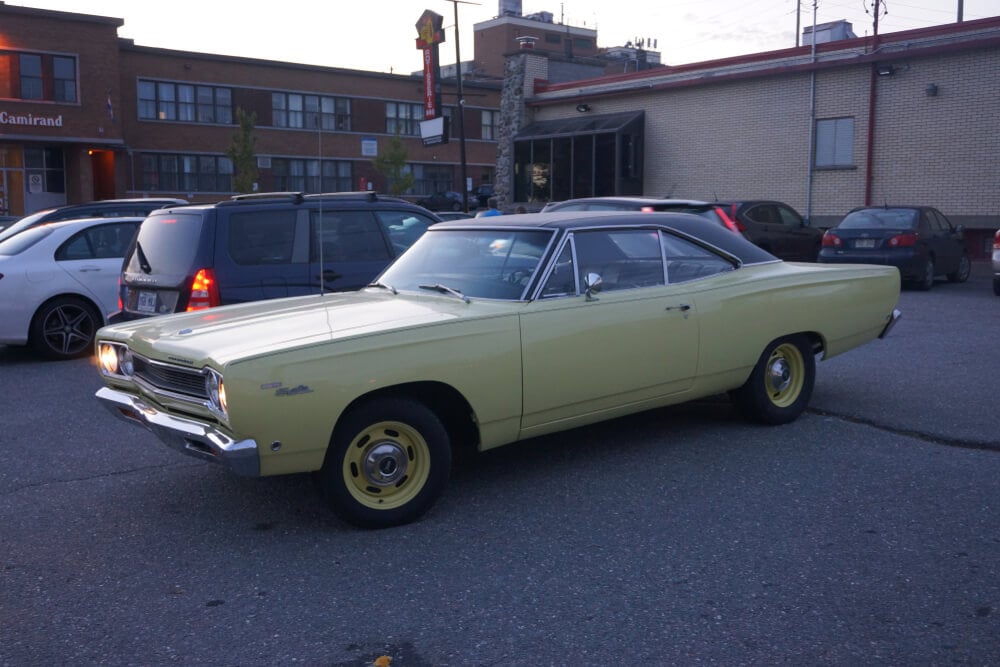
This boxy compact hatchback provided economical transportation. The front-wheel drive differed from rear-wheel drive patterns. The simplicity and affordability made it popular beginner transport.
1980-1989 Chevrolet Citation
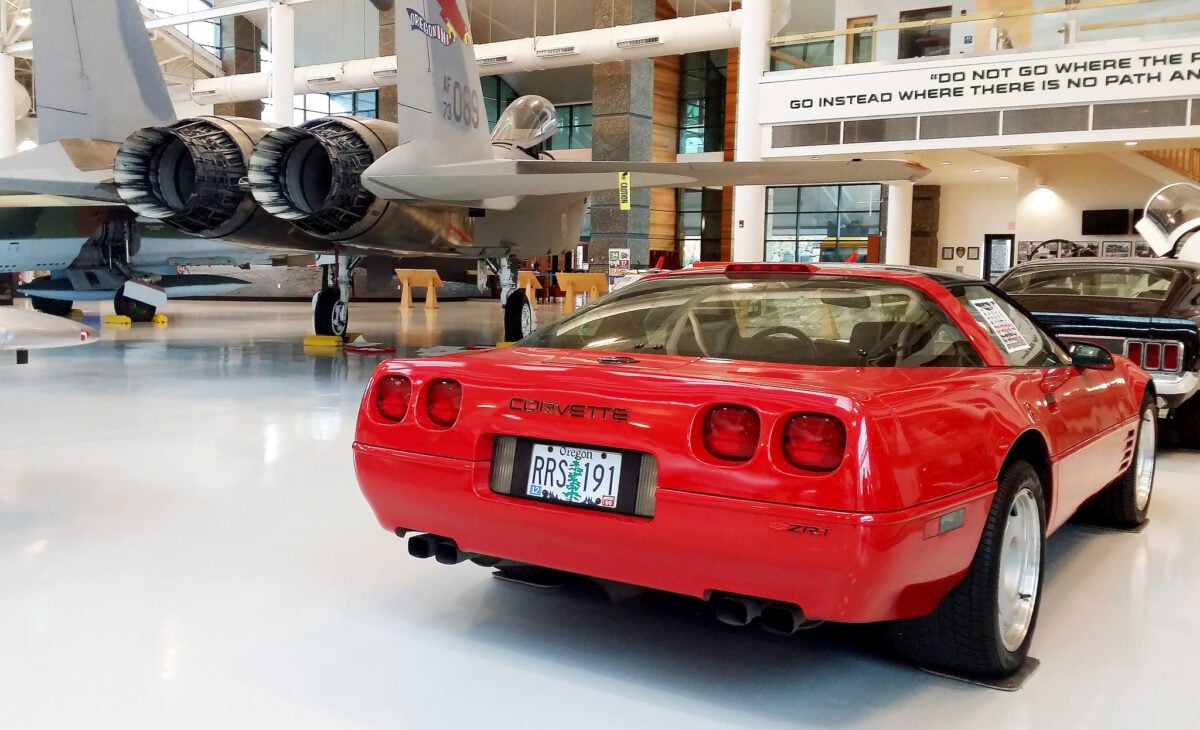
This downsized mid-size sedan served numerous teenage drivers. The reliability varied widely by individual unit. The space and visibility made it comfortable for learning.
1978-1981 Ford Fiesta
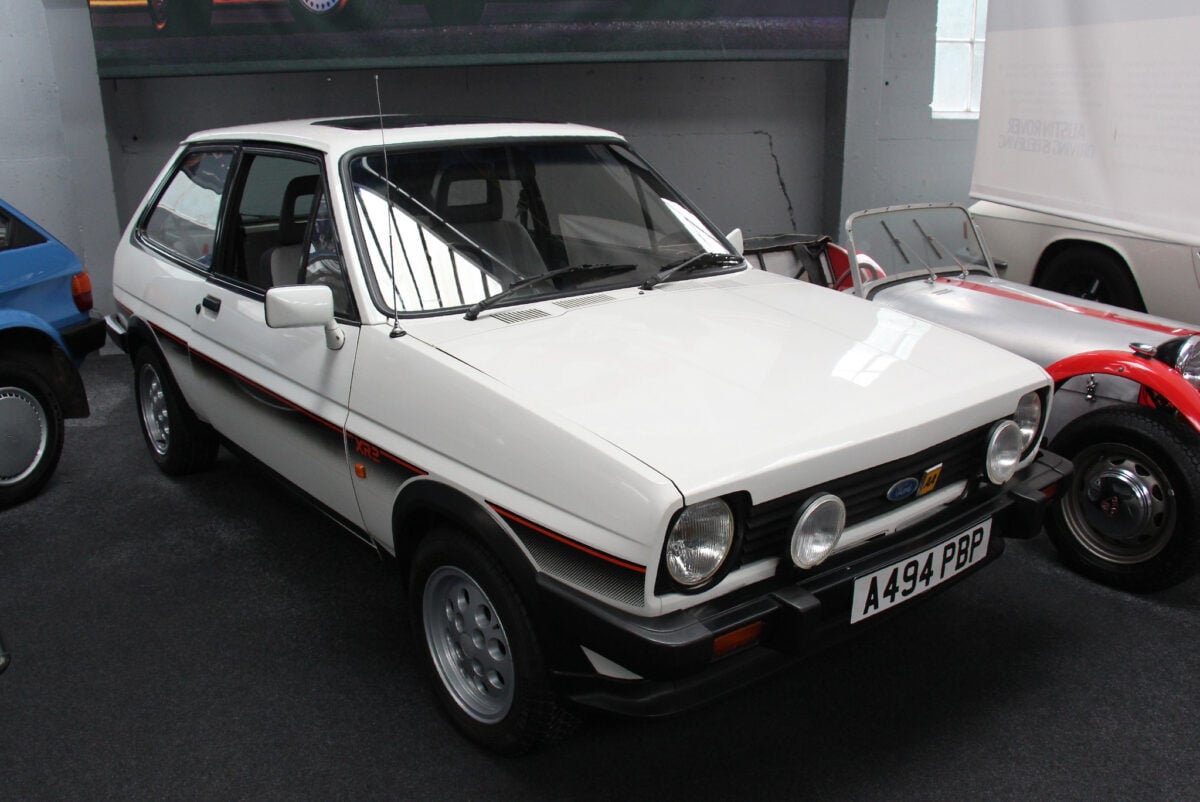
This imported compact provided European-influenced handling. The smaller size meant parking challenges for beginners. The tighter steering required attention and precision.
1981-1989 Toyota Starlet
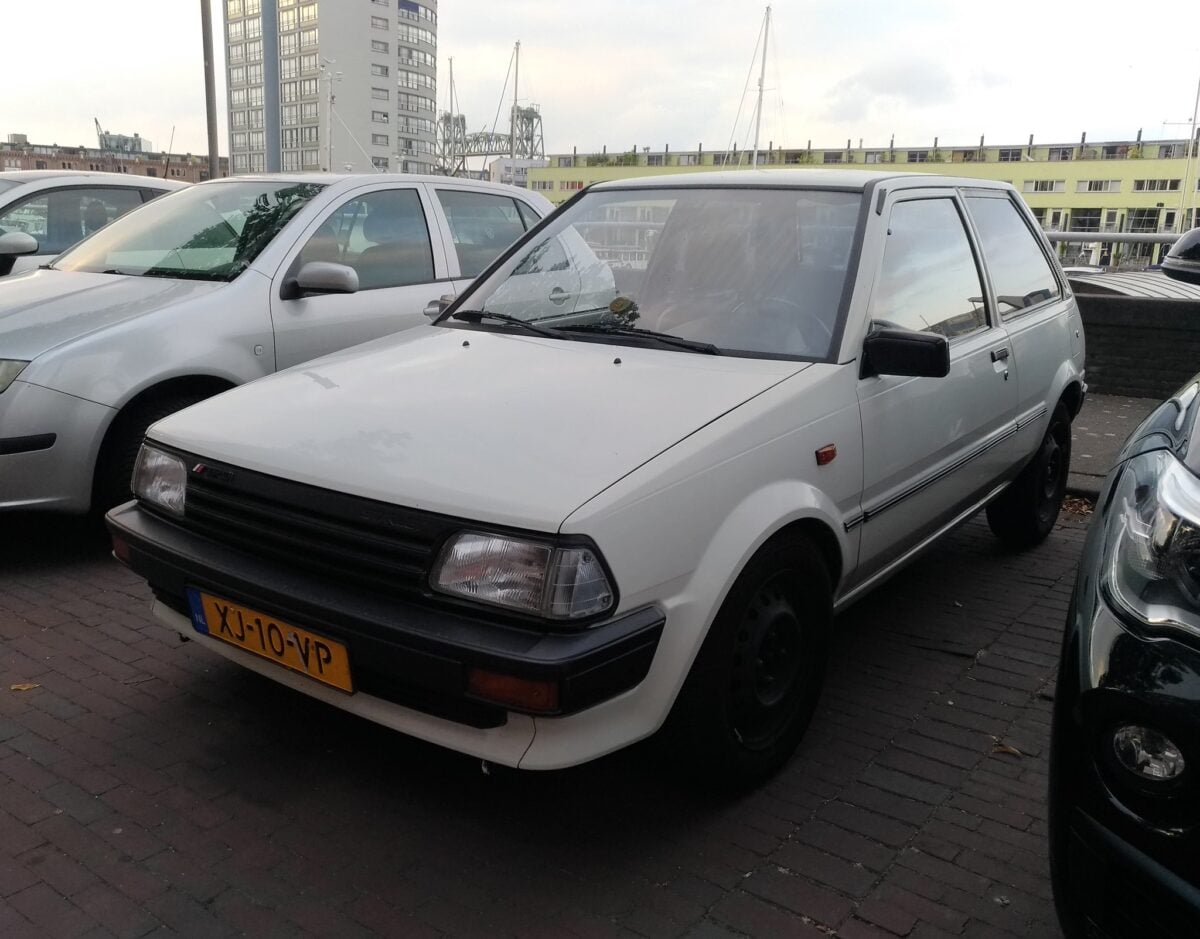
This small imported sedan provided basic transportation. The mechanical simplicity allowed owner maintenance. The modest performance meant forgiving error margins.
1972-1979 Oldsmobile Cutlass
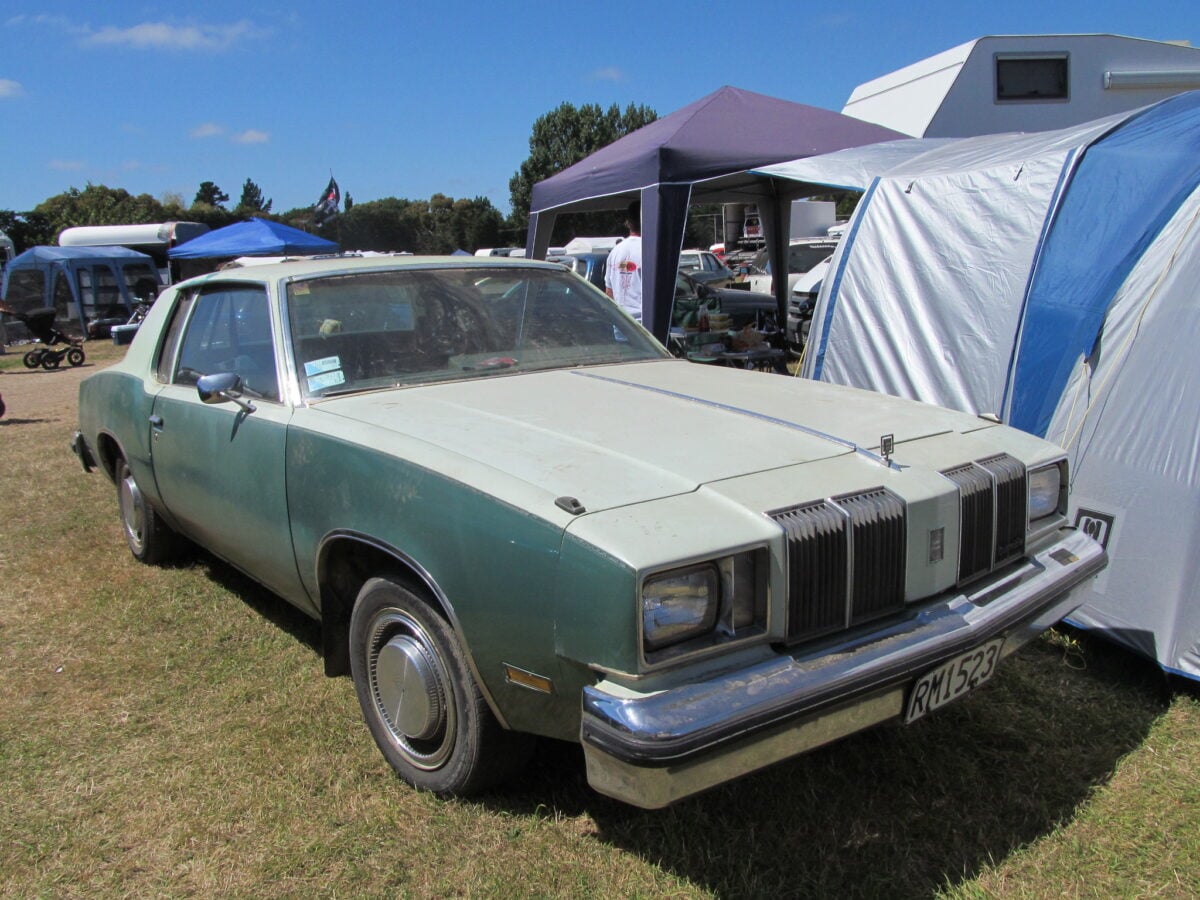
This mid-size sedan provided power and presence. The size required respect in tight parking situations. The powerful engine taught throttle management.
1977-1982 Chevrolet Impala
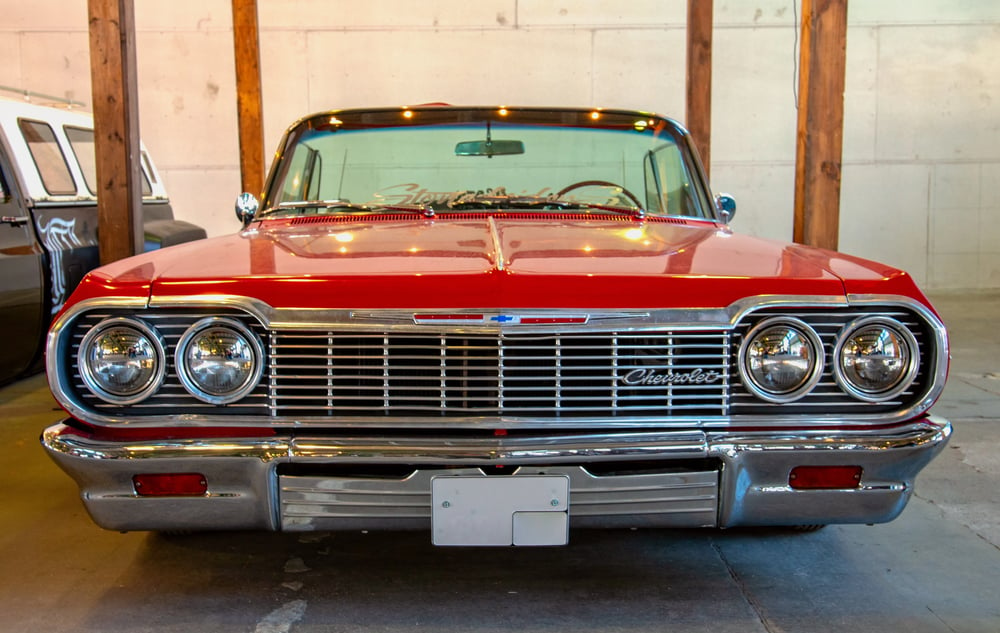
This full-size sedan with boat-like handling taught large vehicle management. The weight and inertia required planning ahead. The powerful engine provided surprising acceleration.
1980-1987 Nissan Stanza
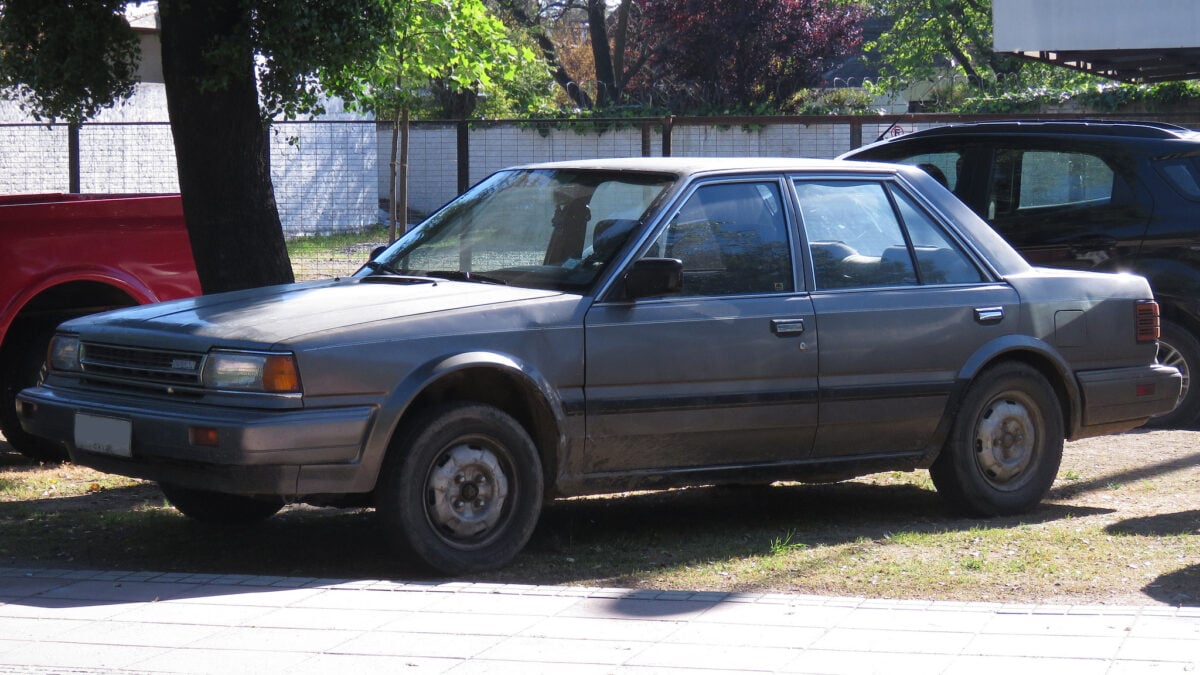
This reliable mid-size sedan appeared in numerous households. The steady performance and safety features appealed to cautious parents. The modest power required smooth operation.
1979-1985 Buick LeSabre
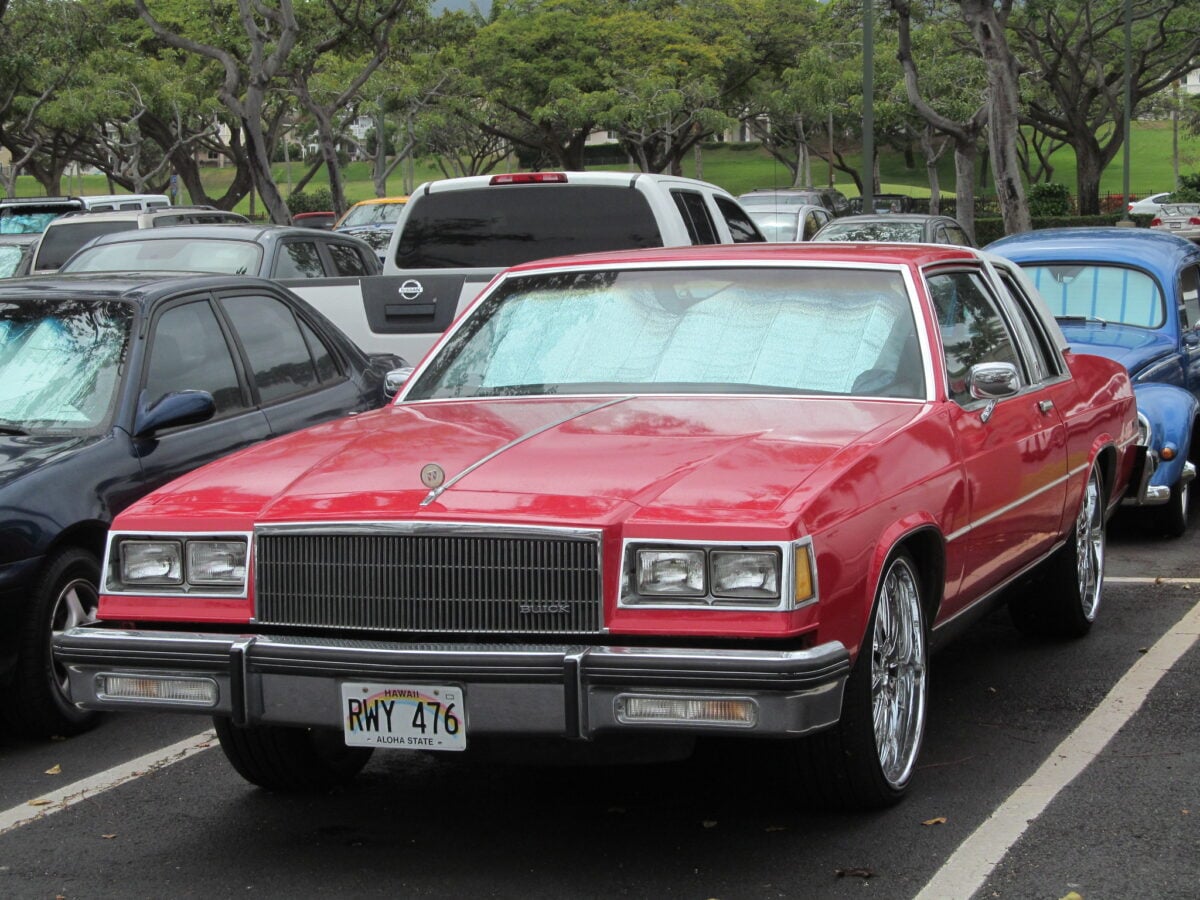
This full-size sedan with soft suspension provided forgiving handling. The massive engine and automatic transmission meant simple operation. The size required respect and planning.
1983-1989 Nissan Sentra
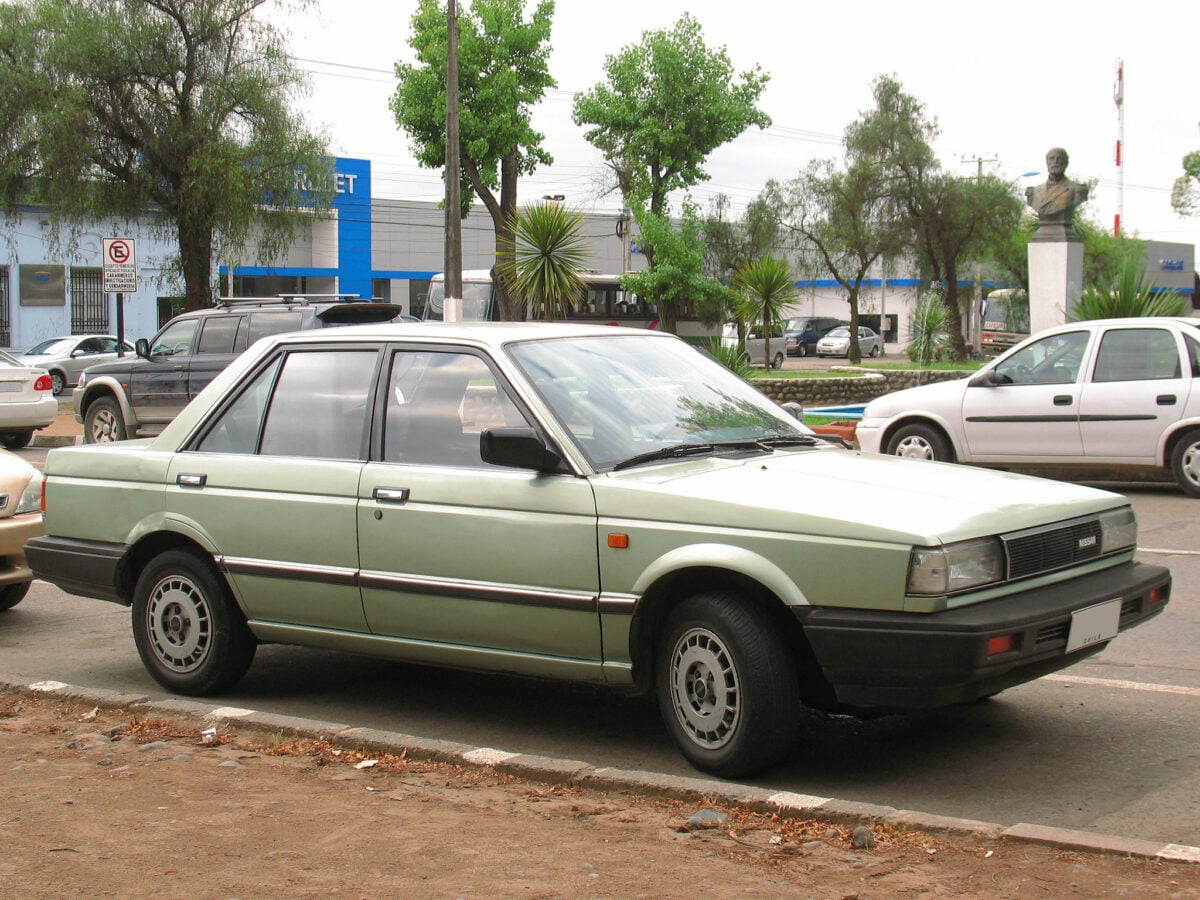
This compact practical sedan appealed to economy-minded households. The modest power and responsive steering provided learning opportunities. The reliability meant mechanical confidence.
1975-1979 Mercury Cougar
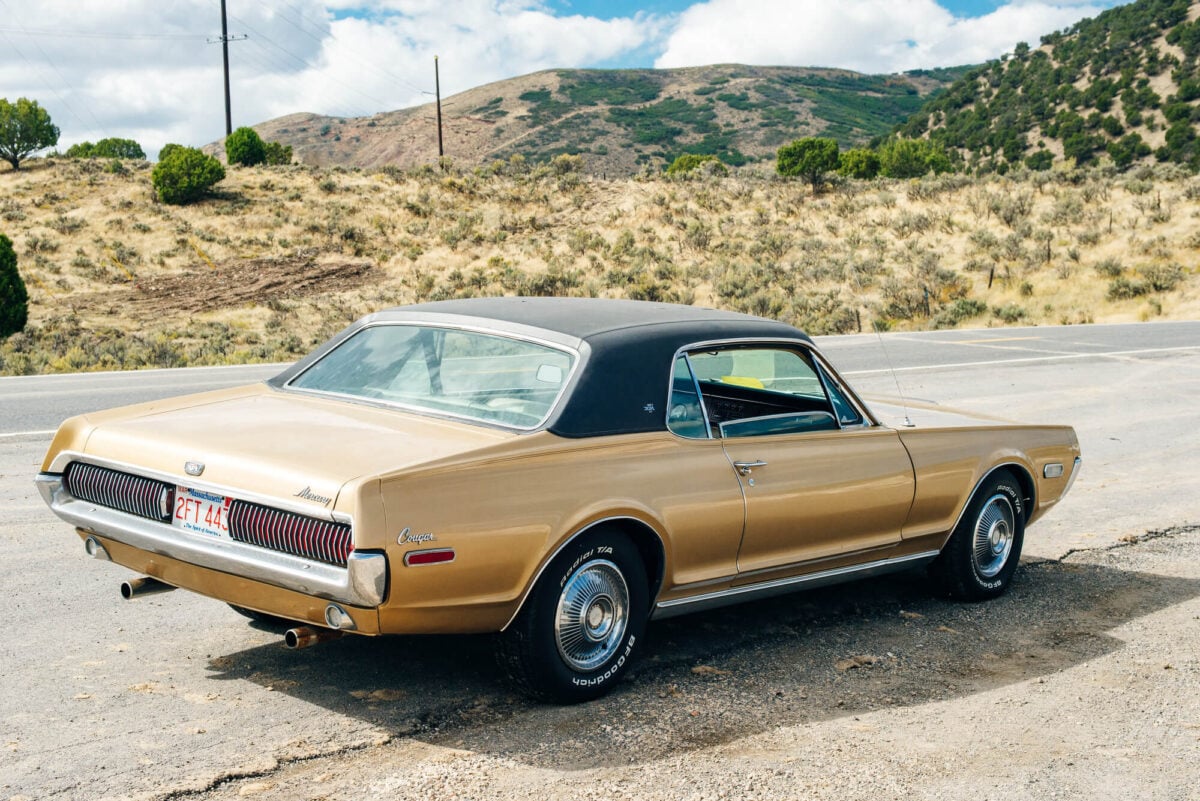
This muscle car variant with mid-range power provided stepping-stone aggression. The handling differed from full pony cars. The styling appealed to teenagers seeking personality.
1978-1987 Toyota Corona
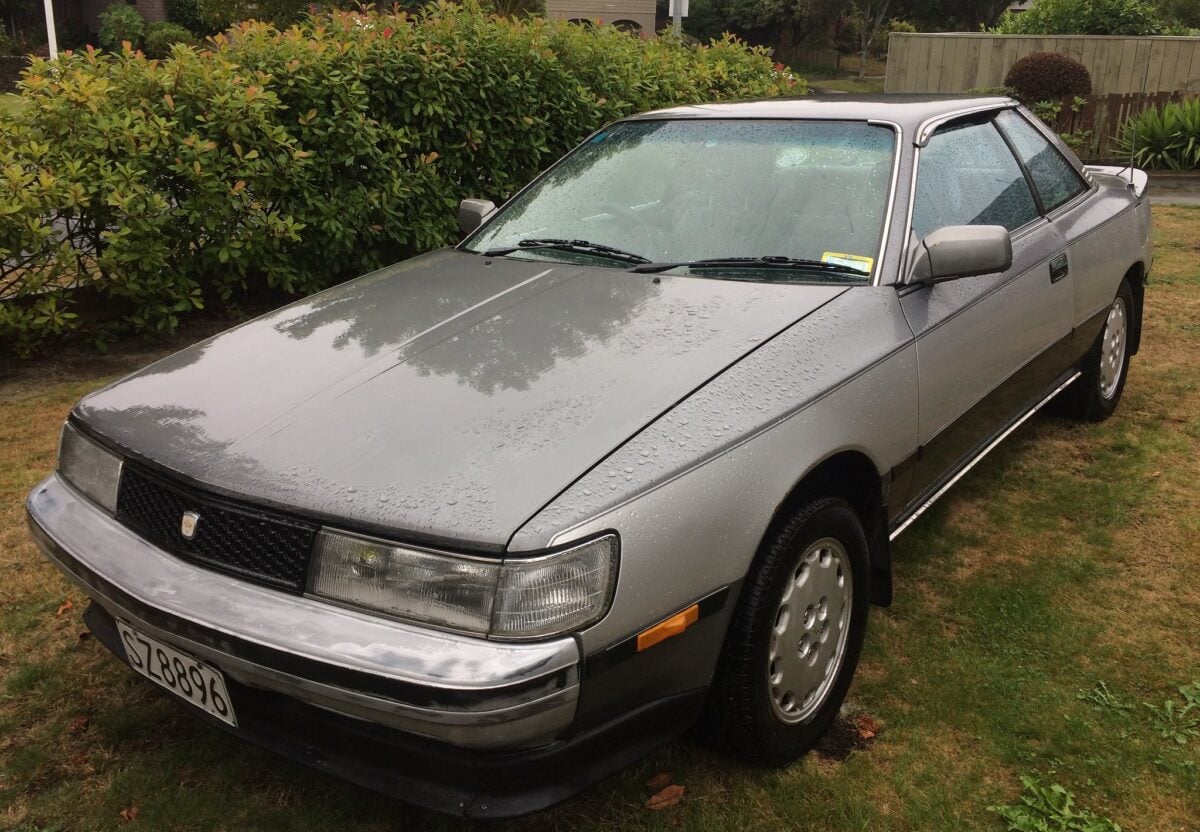
This practical mid-size sedan appeared globally in various markets. The solid construction meant years of use. The balanced handling provided forgiving learning conditions.
1980-1986 Mazda GLC
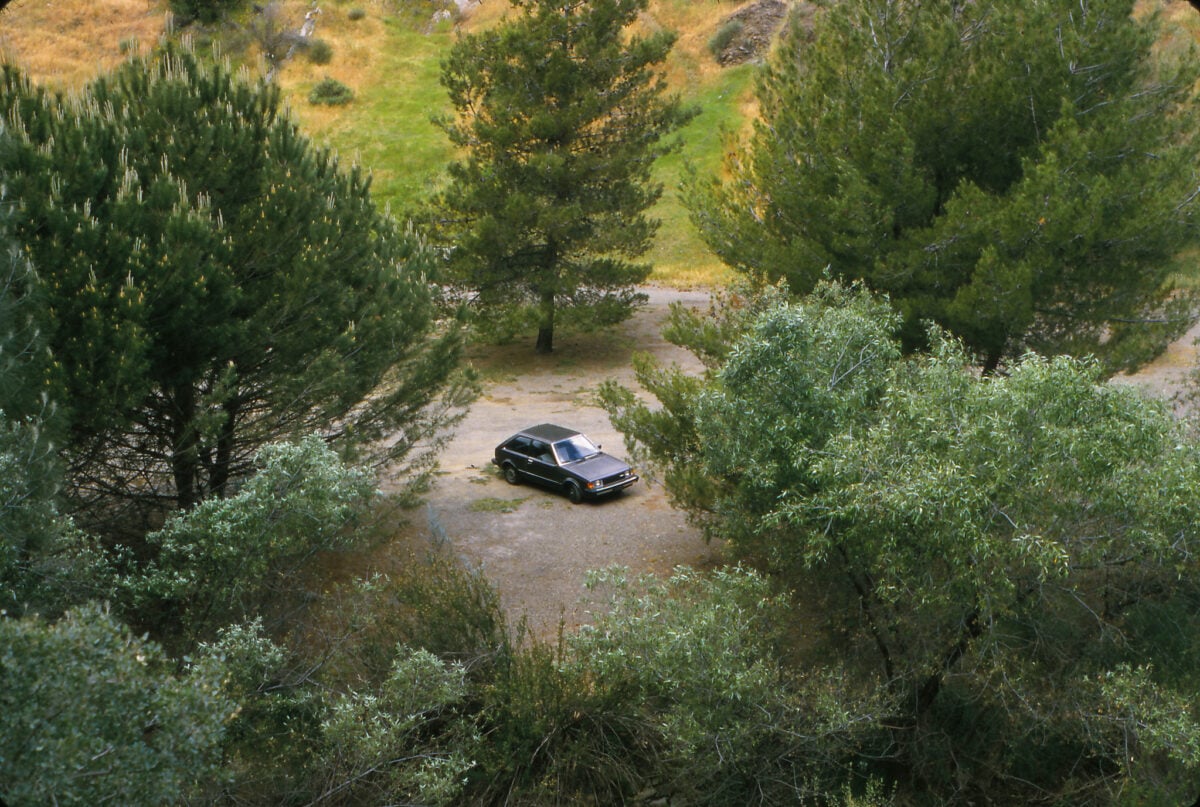
This compact imported sedan provided economical operation. The precise steering required attention. The small size meant parking and traffic navigation challenges.
1972-1979 Plymouth Fury
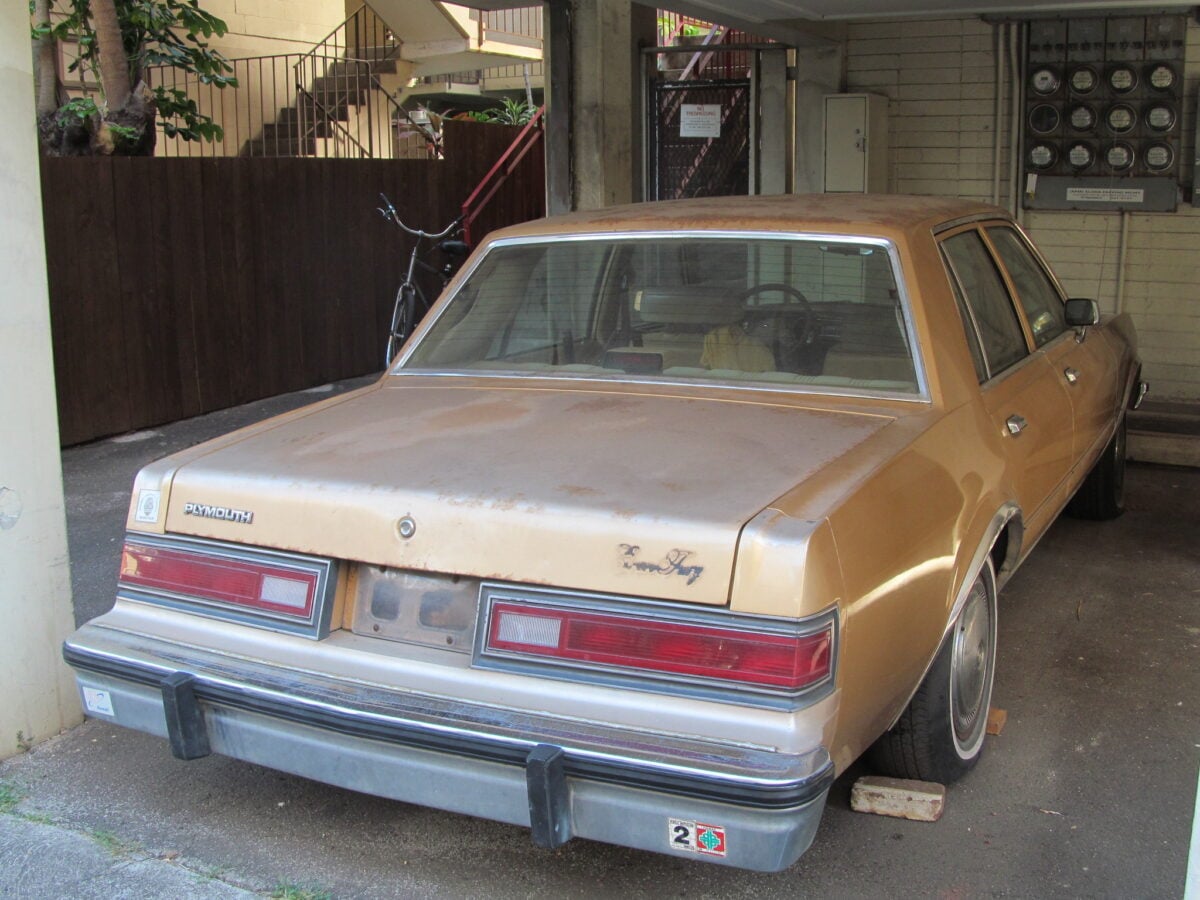
This full-size sedan with traditional American proportions taught respect for size. The powerful engine and automatic transmission meant operation simplicity. The weight required planning for stopping distances.
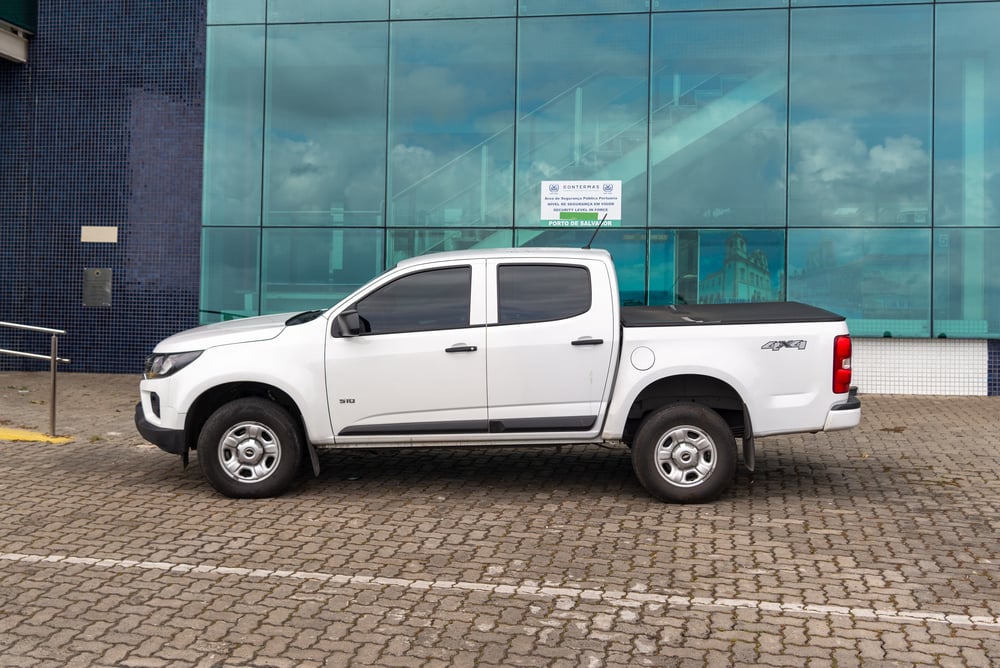
1982-1992 Chevrolet S-10 Pickup
— Photo by tgthales@gmail.com
This compact pickup truck provided basic transportation and work capability. The manual transmission option meant learning stick-shift basics. The truck’s utility appealed to rural teenage drivers needing work vehicles.
The Character of Learning

These vehicles possessed distinct personalities developed through years of accumulated owner adjustments and mechanical quirks. Learning to drive meant understanding individual cars’ preferences and limitations.
Modern cars with computer controls and safety systems operate consistently and predictably. These older vehicles required active engagement, teaching drivers to read and respond to machine feedback in ways modern cars eliminate through automation.
More from Go2Tutors!

- The Romanov Crown Jewels and Their Tragic Fate
- 13 Historical Mysteries That Science Still Can’t Solve
- Famous Hoaxes That Fooled the World for Years
- 15 Child Stars with Tragic Adult Lives
- 16 Famous Jewelry Pieces in History
Like Go2Tutors’s content? Follow us on MSN.