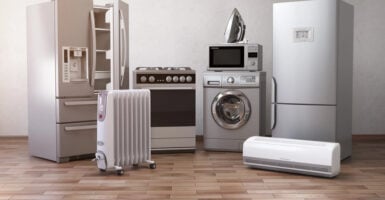
28 Household Inventions Our Grandparents Lived Without
A house from 1950 would look familiar at first glance. There would be a stove, a refrigerator, a radio and probably a telephone bolted to the wall.
The surprises come in the small things, the gadgets and products that now sit in every closet and drawer without anyone giving them a second thought. Most of these arrived quietly, through a lab accident, a weekend tinkering session or a rejected pitch.
‘
Within a generation they went from novelty to necessity, and the older ways of cleaning, storing and staying safe simply disappeared.
Battery-Powered Smoke Detectors
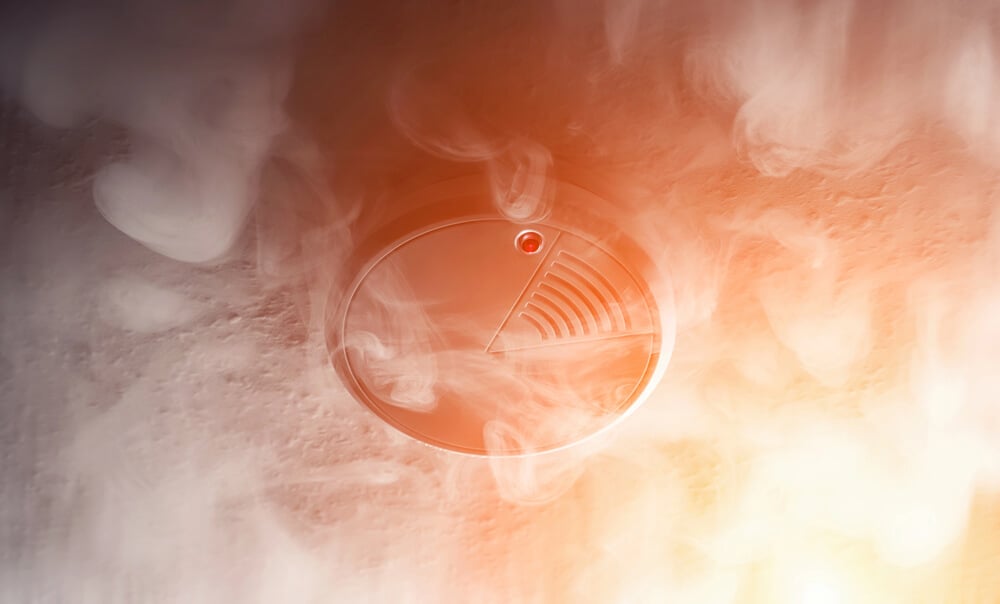
Duane Pearsall, a Colorado engineer whose company Statitrol was building ionization sensors for commercial buildings, helped develop a battery-powered smoke detector for the home in the mid-1970s. The device was later sold under the First Alert name by BRK Electronics, and running on a battery meant homeowners no longer needed an electrician to install one.
Before that, household fire warning systems were rare and expensive. Building codes across the country gradually began requiring detectors in new homes, and replacing the battery when the alarm chirps at three in the morning became one of the more universal rituals of American life.
Ground-Fault Outlets in the Bathroom
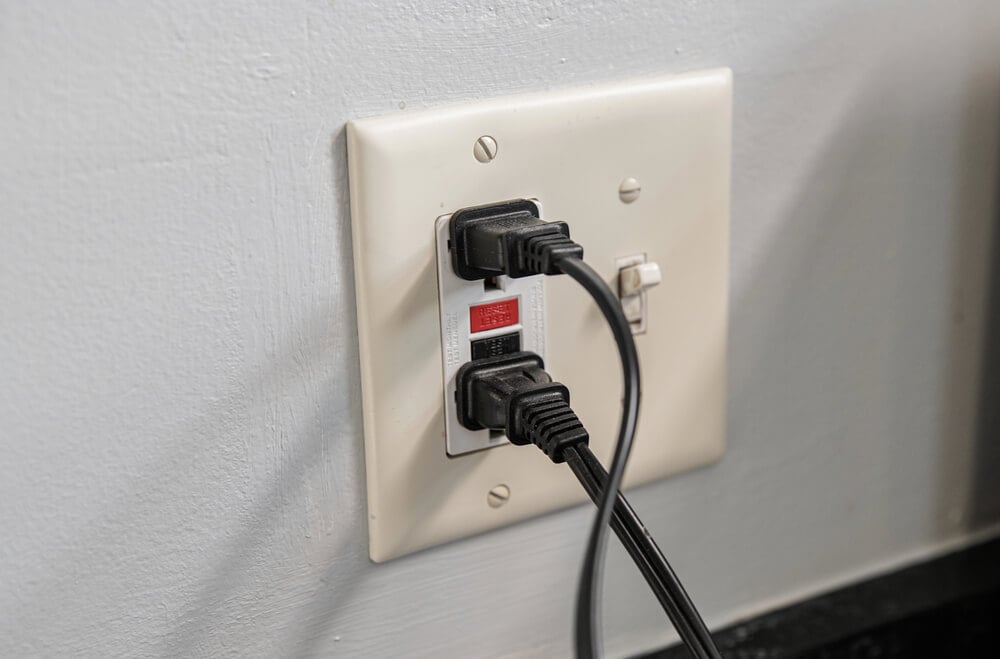
That little outlet with the test and reset buttons traces back to Charles Dalziel, an electrical engineering professor at the University of California, Berkeley, who studied how much current the human body can survive. His ground-fault circuit interrupter compares the current going out with the current coming back and cuts power in a fraction of a second when the two do not match.
The National Electrical Code began requiring this protection for bathroom receptacles in the 1970s, and later expanded it to kitchens, garages and outdoor outlets. A hair dryer dropped into a sink was once a genuine household danger rather than a plot device.
Countertop Microwave Oven
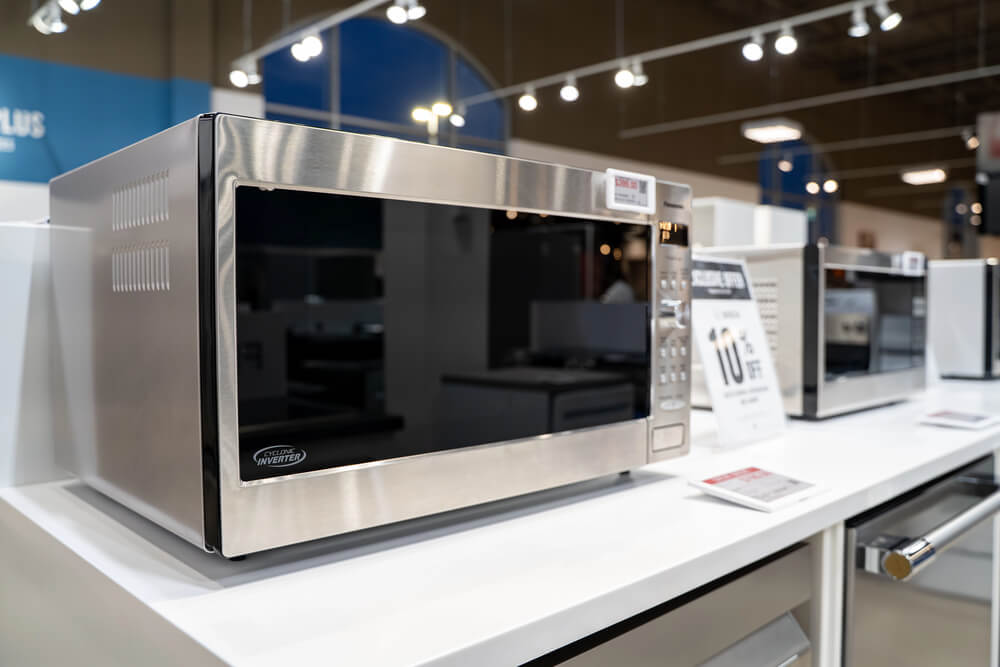
Raytheon owned the technology, but its early microwave ovens were refrigerator-sized machines meant for restaurants and ships. After Raytheon acquired Amana, the company introduced the Radarange countertop model in 1967 at a price of about 495 dollars, a serious sum at the time.
Sales grew slowly because many shoppers worried about radiation and had no idea what to cook in one. By the 1980s the microwave had become standard kitchen equipment, and entire categories of frozen food and popcorn were designed around it.
Reheating leftovers in a saucepan began to look positively old-fashioned.
Handheld Dustbuster Vacuum
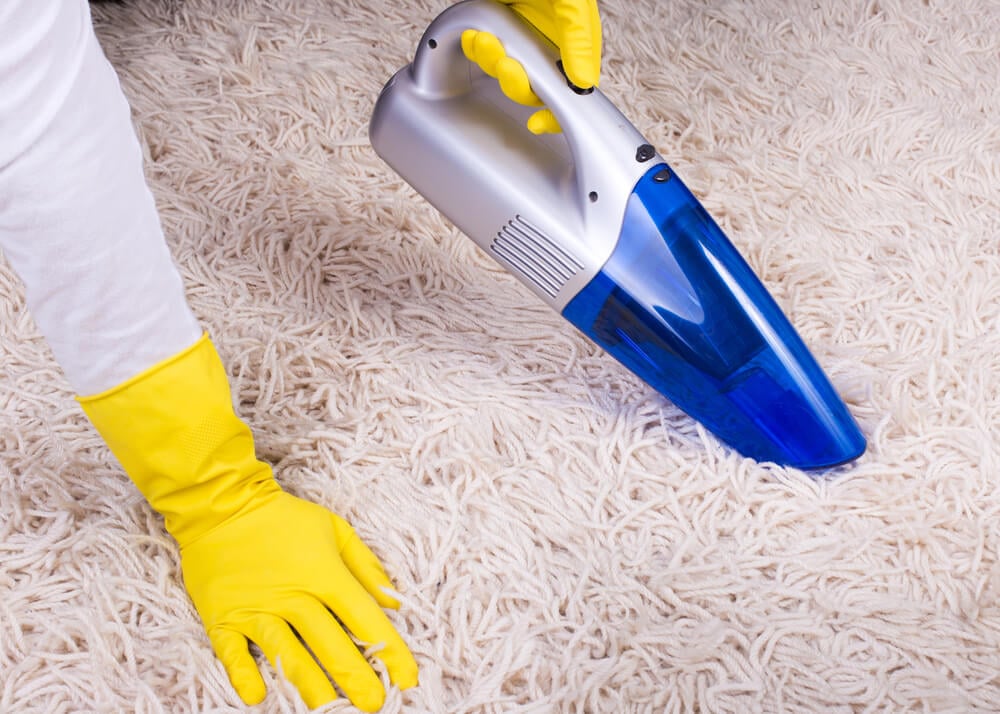
Black and Decker released the Dustbuster in 1979, and its cordless, rechargeable design caught on almost immediately. The industrial designer Carol Gantz led the team that shaped it, and her name appears on the design patent.
Nickel-cadmium battery work the company had done on cordless tools made the small vacuum practical. Its wall-mounted charging base meant it was always within reach for crumbs, cereal spills and car seats.
Earlier generations reached for a broom and dustpan or dragged out a full upright machine for every minor mess, which is exactly the chore the Dustbuster was built to eliminate.
Swiffer Disposable Sweeper
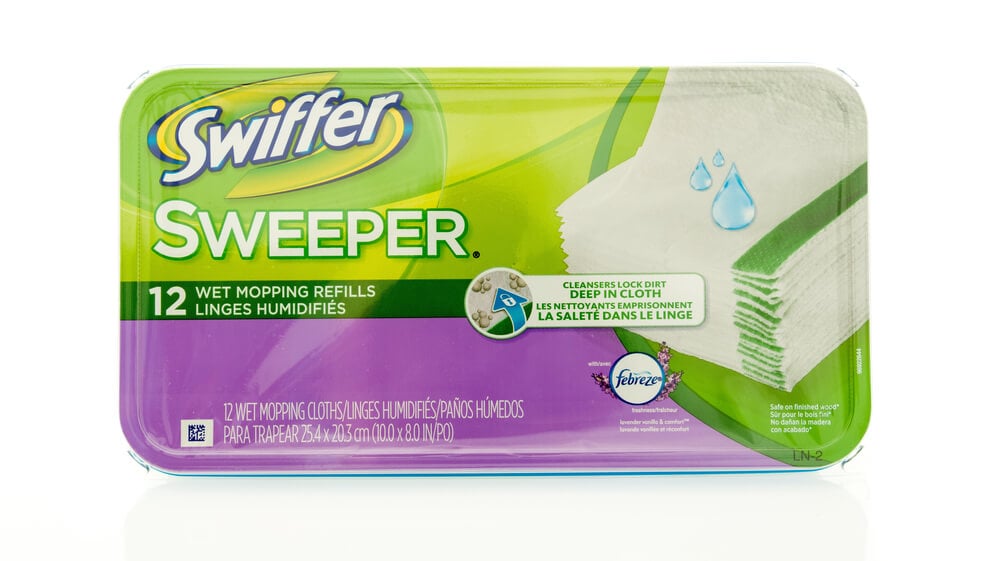
Procter and Gamble launched the Swiffer in 1999, pairing a lightweight mop frame with disposable cloths that trap dust through static electricity. The product grew out of research watching how people actually cleaned their floors, and the company found that much of mopping consisted of rinsing a dirty mop.
A wet version with pre-moistened pads followed, along with dusters for shelves and ceiling fans. Critics point to the steady stream of throwaway pads, but the format proved enormously popular.
Grandparents relied on a string mop, a bucket and plenty of elbow grease for the same job.
Melamine Foam Magic Eraser
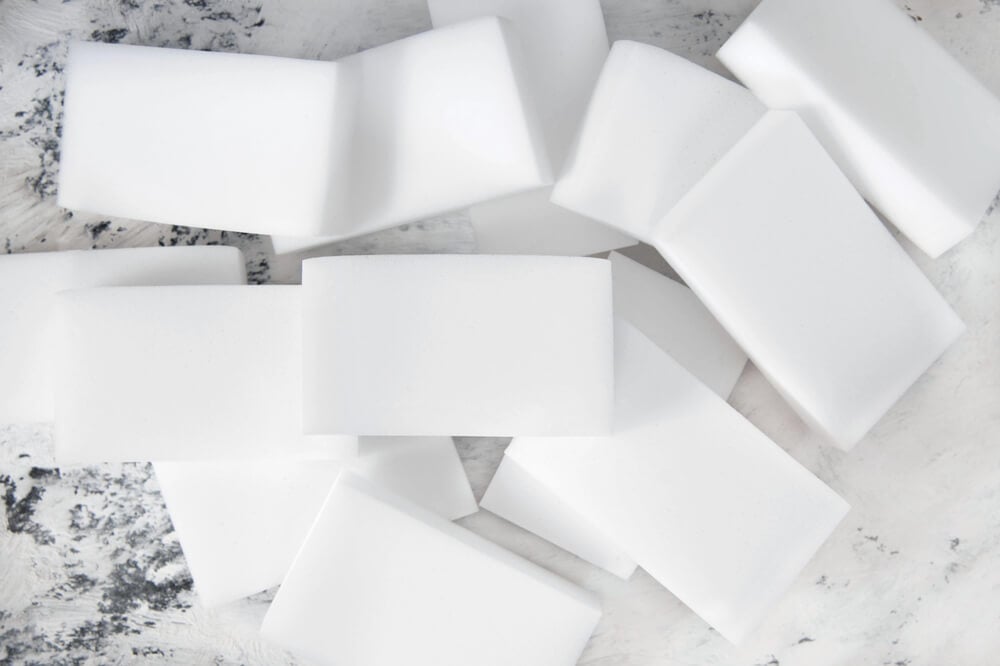
Mr. Clean Magic Eraser reached American stores in 2003, and the white sponge looked too ordinary to do anything special. The material is melamine foam, produced by the German chemical company BASF under the name Basotect and originally used for sound and heat insulation.
Its microscopic structure is extremely hard, so it works like very fine sandpaper that lifts scuffs and crayon marks with only water. That abrasive action is also why it can dull glossy paint and scratch some finishes.
Before it existed, removing marker from a wall usually meant repainting the wall.
Video Doorbell
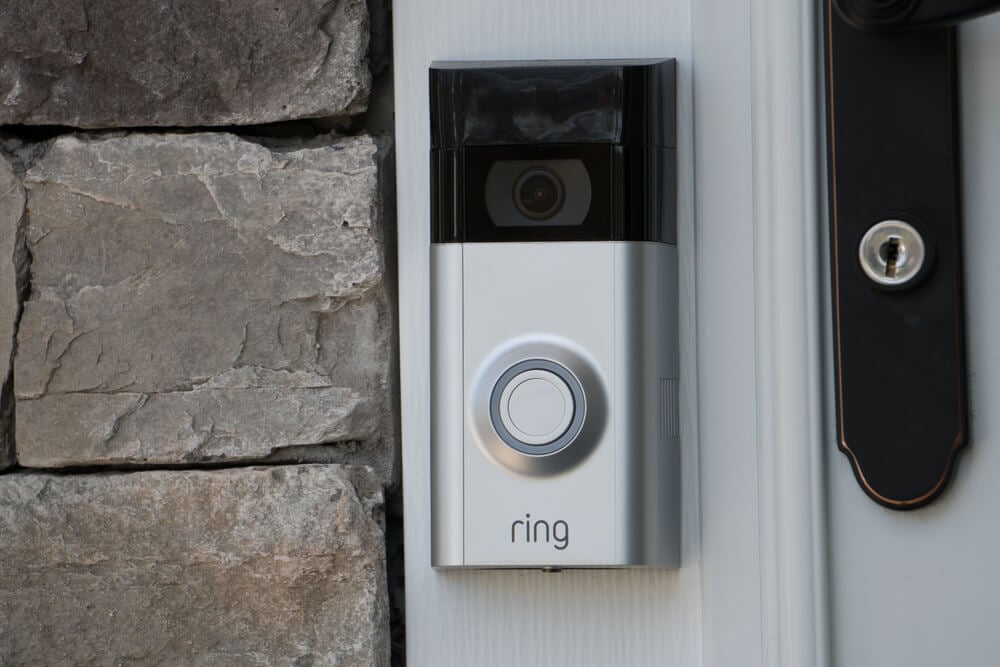
Jamie Siminoff built a Wi-Fi doorbell in his California garage, called it DoorBot and pitched it on Shark Tank in 2013. He left the show without a deal, renamed the product Ring and kept going.
In 2018 Amazon bought the company in a deal reported at around 1 billion dollars, and video doorbells became a familiar sight across suburban porches. The camera lets homeowners see and talk to visitors from a phone anywhere in the world.
A generation earlier, the most advanced front door security available was a small glass door viewer and a chain lock.
Scotchgard Fabric Protector
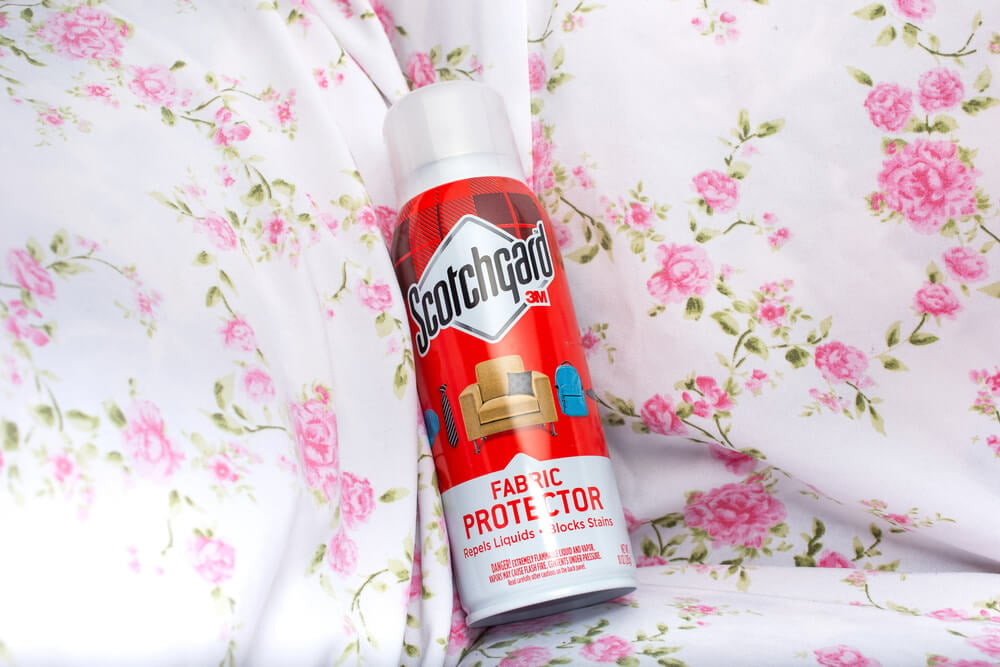
In 1952 a lab assistant at 3M dropped a bottle of experimental fluorochemical on a canvas sneaker, and chemist Patsy Sherman noticed the spot refused to absorb water or get dirty. Sherman and her colleague Samuel Smith spent the next few years turning the accident into a commercial fabric treatment, which 3M launched as Scotchgard.
It went on upholstery, carpets and clothing, making spills bead up and wipe away. Sherman became one of the better-known women chemists of her era.
The fluorochemicals involved later drew regulatory scrutiny, and 3M changed the formula in the early 2000s.
Wireless Television Remote Control
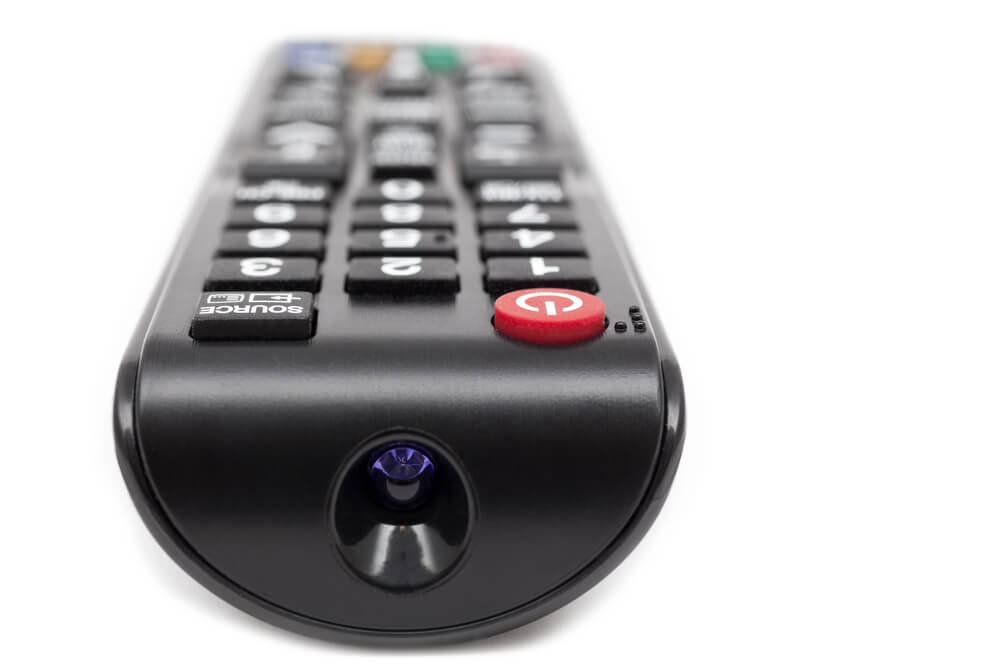
Zenith engineer Eugene Polley designed the Flash-Matic in 1955, a remote shaped like a ray gun that aimed a beam of light at photocells in the corners of the television screen. Sunlight could change channels on its own, so a colleague named Robert Adler developed the Space Command in 1956, which used ultrasonic tones produced by striking small aluminum rods.
The clicking sound is why some people called remotes “clickers” for decades afterward. Earlier sets required a walk across the room, and children were often drafted as the family channel changer.
Self-Cleaning Oven
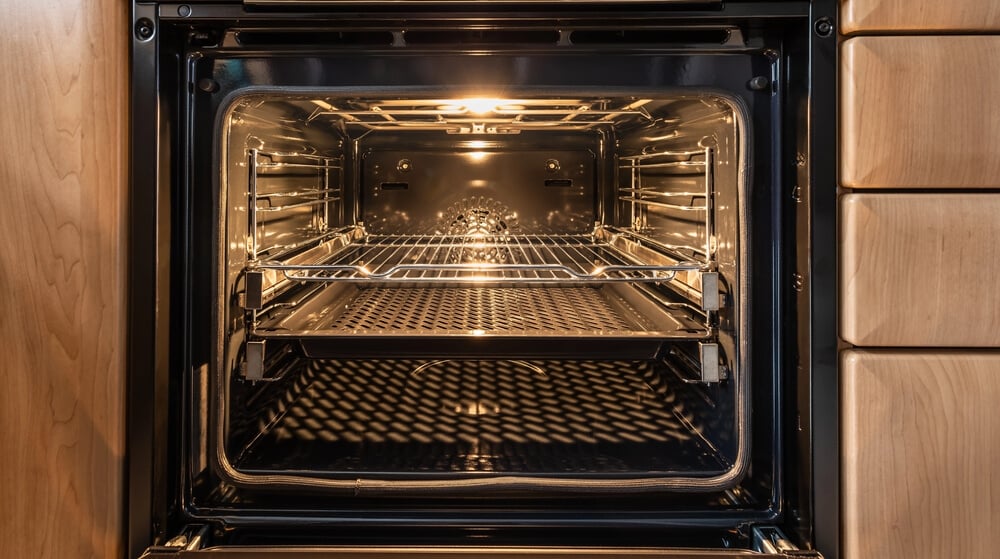
General Electric introduced the pyrolytic self-cleaning oven in 1963, and it changed one of the worst jobs in the kitchen. The oven locks its door and heats to roughly 900 degrees Fahrenheit, reducing spilled grease and food to a fine ash that can be wiped away.
Before this, cleaning an oven meant hours on hands and knees with lye-based cleaners and steel wool. Other manufacturers quickly followed with their own versions, and continuous-clean coatings appeared as a cheaper alternative.
Many owners still find the cleaning cycle produces a memorable smell.
Bubble Wrap Cushioning
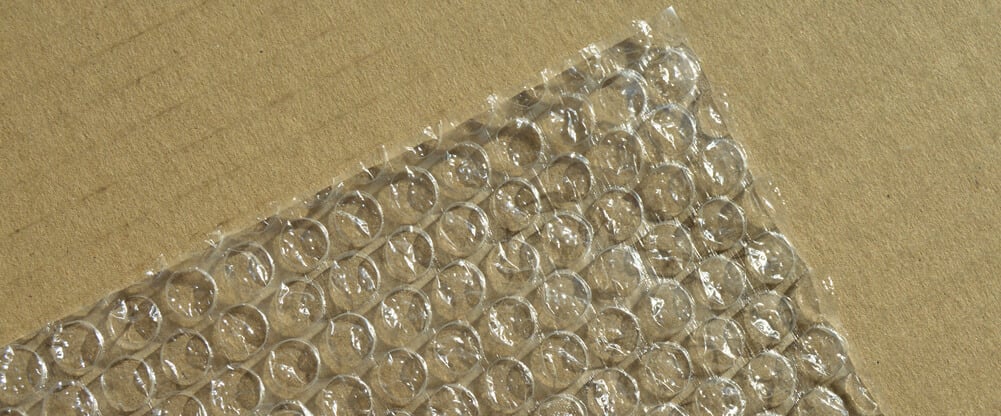
Engineers Alfred Fielding and Marc Chavannes sealed two shower curtains together in a New Jersey garage in 1957, hoping to sell the result as textured wallpaper. Nobody wanted it on their walls, and an attempt to market it as greenhouse insulation also went nowhere.
The pair founded Sealed Air in 1960, and the material finally found its purpose protecting IBM’s new 1401 computer during shipping. Since then it has cushioned everything from dinner plates to moving boxes.
Before Bubble Wrap, households packed breakables in crumpled newspaper, straw and wood shavings.
Bagless Cyclonic Vacuum
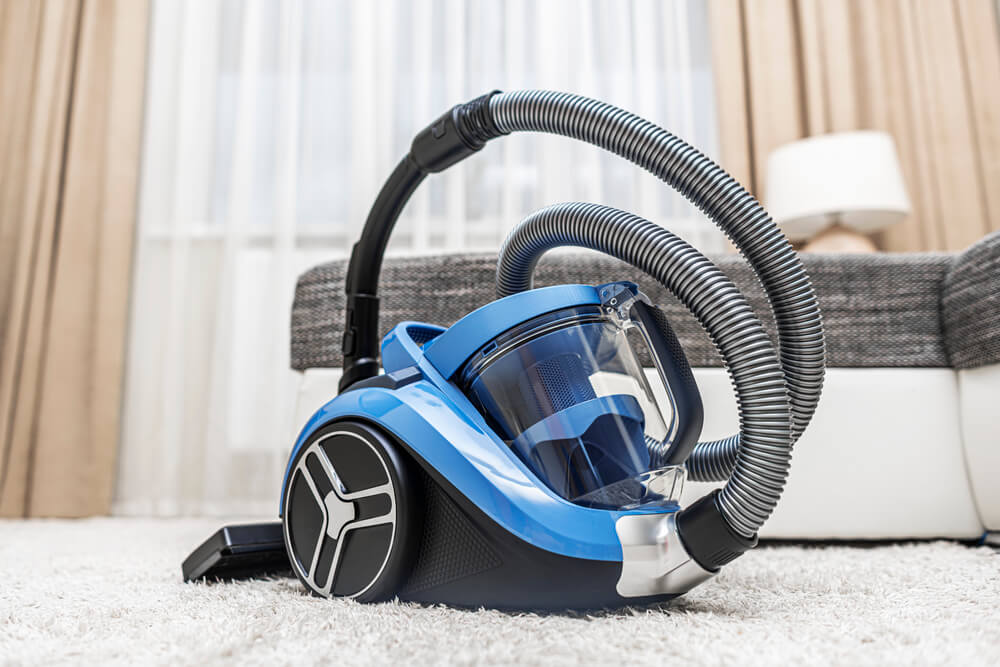
James Dyson grew frustrated with vacuum bags that clogged and lost suction, and he spent years building 5,127 prototypes of a cyclonic design. American manufacturers turned him down, so he licensed the idea in Japan, where it sold as the G-Force.
His own company released the DC01 in Britain in 1993, and Dyson machines later arrived in American stores. The clear bin let owners see exactly how much dirt they had collected, which turned out to be an effective sales tool.
Earlier households emptied heavy cloth bags or replaced paper ones every few weeks.
Robotic Floor Vacuum
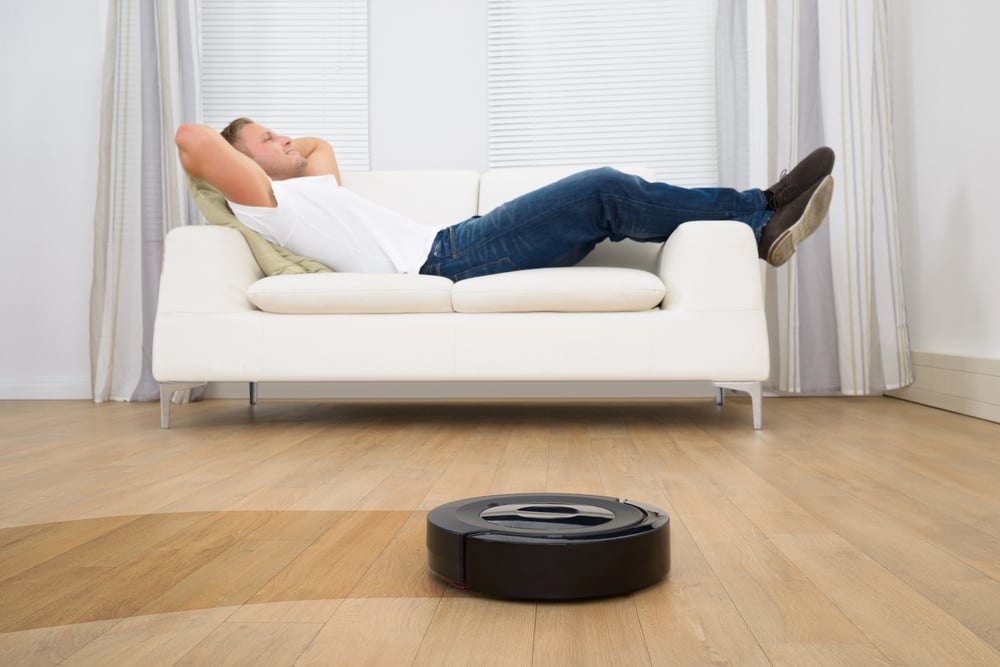
iRobot, a Massachusetts company founded by MIT roboticists, released the first Roomba in 2002 for roughly 199 dollars. Its round shape let it spin away from walls and furniture legs, and it cleaned rooms by bouncing around in patterns rather than mapping them.
Owners quickly began giving their units names, and pets riding on top became an internet staple. Newer models map floor plans, empty their own bins and avoid cords and socks.
For most of the twentieth century, a vacuum that ran itself existed only in science fiction and World’s Fair displays.
Fabric Softener Dryer Sheets
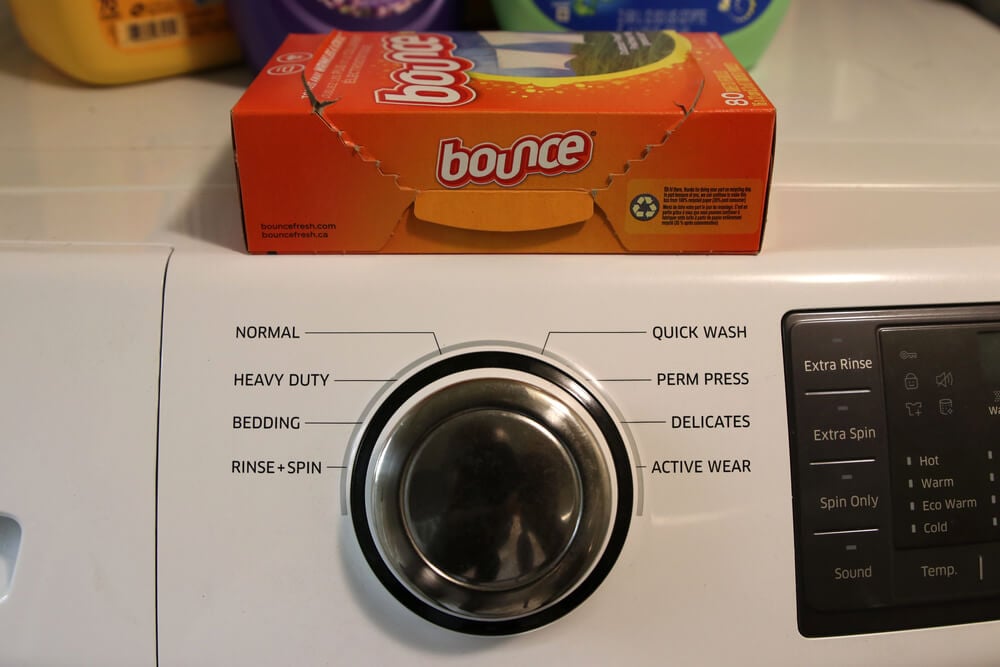
Procter and Gamble’s Bounce dryer sheets arrived in the early 1970s, building on a patent for a nonwoven sheet coated with softening agents. Tossed into a dryer, the sheet releases conditioners that reduce static cling and leave clothes smelling fresh.
The product depended on the spread of the automatic clothes dryer, which itself was far from universal in the 1950s. Before that, laundry hung on outdoor lines and came back stiff in winter or sun-faded in summer.
Liquid softener added to the rinse cycle existed, but it required someone to be there at exactly the right moment.
Single-Serve Pod Coffee Brewer
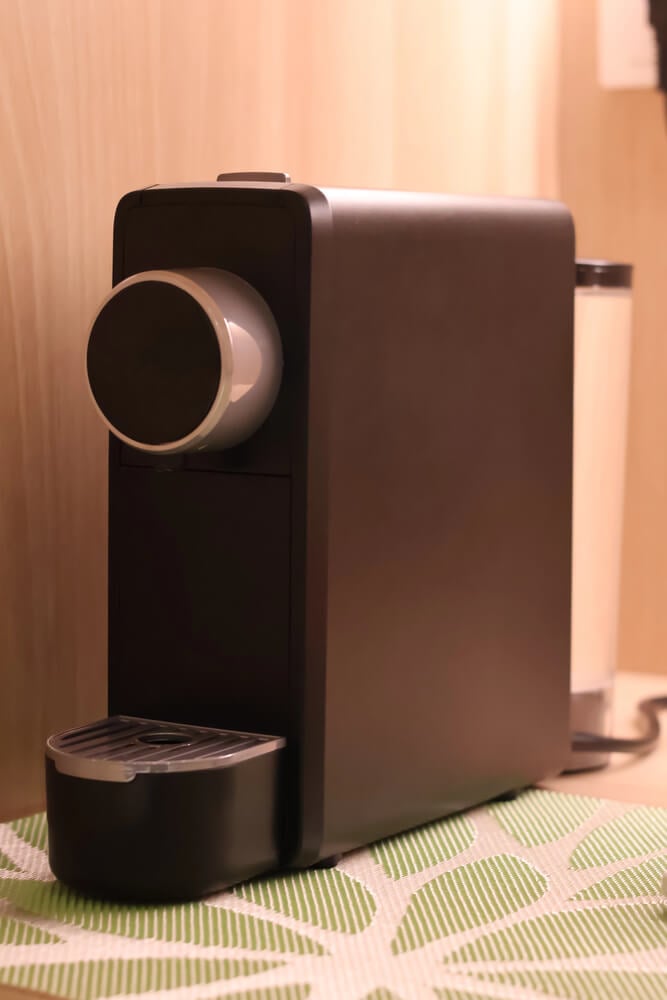
Keurig was founded in Massachusetts in 1992 by John Sylvan and Peter Dragone, who wanted to end the pot of stale office coffee. The company began with commercial brewers for workplaces, then brought a home model to market in the 2000s.
Each sealed K-Cup holds enough grounds for one cup, and the machine punctures it and forces hot water through. Sylvan later said publicly that he sometimes regretted the invention because of the waste from used pods.
Grandparents brewed by percolator or kept a jar of instant crystals on the counter.
Zipper Storage Bags
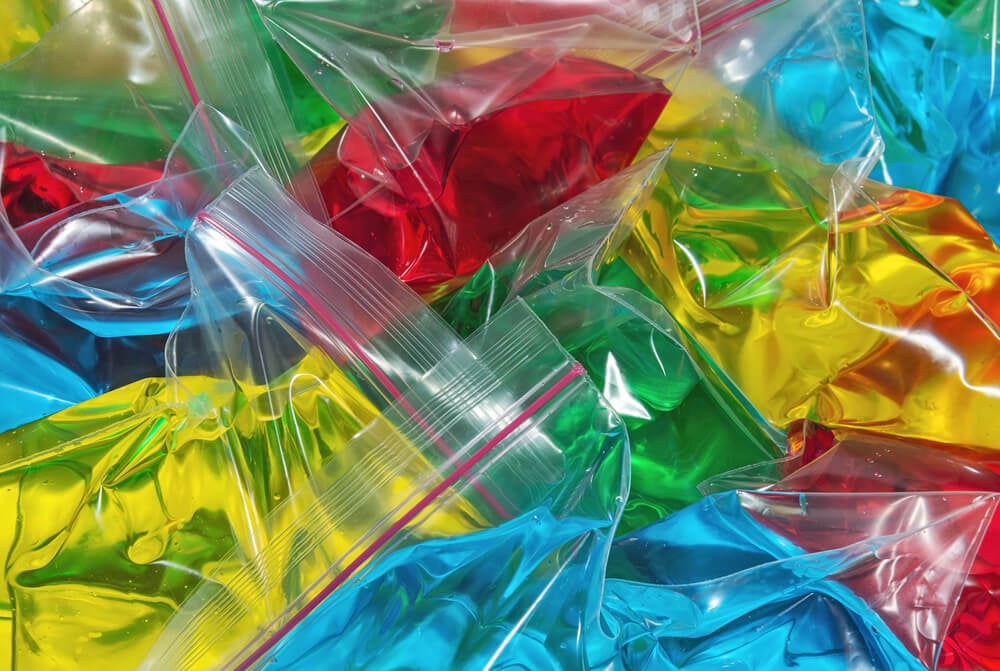
Dow Chemical introduced Ziploc bags in 1968, using an interlocking plastic track originally developed by the Flexigrip company and inventor Steven Ausnit. Early versions were sold for sandwiches and freezer storage, and the colored seal that helps users see when the bag is closed came later.
The bags spread into every corner of the house, holding screws, crayons, travel toiletries and loose photographs. They also became the standard airport container for liquids after 2006.
Earlier generations relied on wax paper, rubber bands, glass jars and tins with tight-fitting lids.
Clear Plastic Cling Wrap
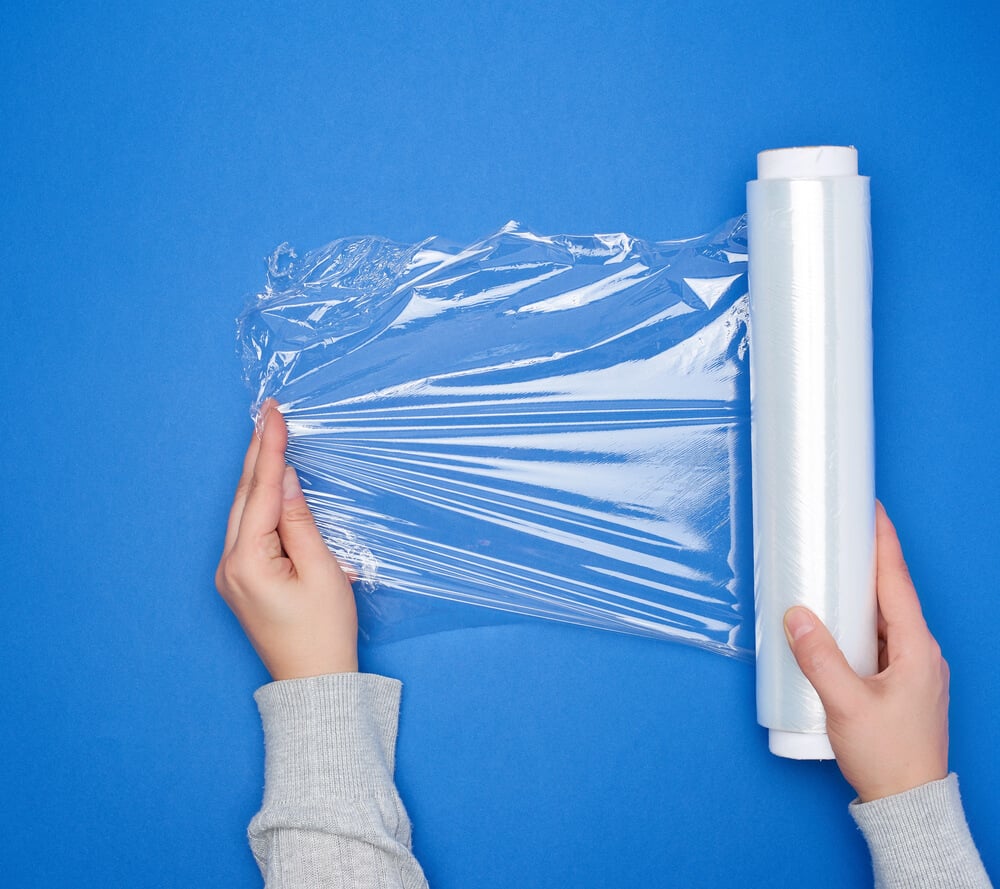
Dow laboratory worker Ralph Wiley stumbled on polyvinylidene chloride in the 1930s while cleaning glassware, and the stubborn film found early use protecting military equipment from moisture. A version for household kitchens arrived as Saran Wrap in the early 1950s.
The clear wrap clings to bowls and keeps air away from leftovers, letting cooks see what is inside without lifting a lid. It became a fixture of postwar refrigerators along with matching plastic containers.
Before that, households covered dishes with plates, damp cloths or shower-cap-style bowl covers.
Nonstick Teflon Skillet
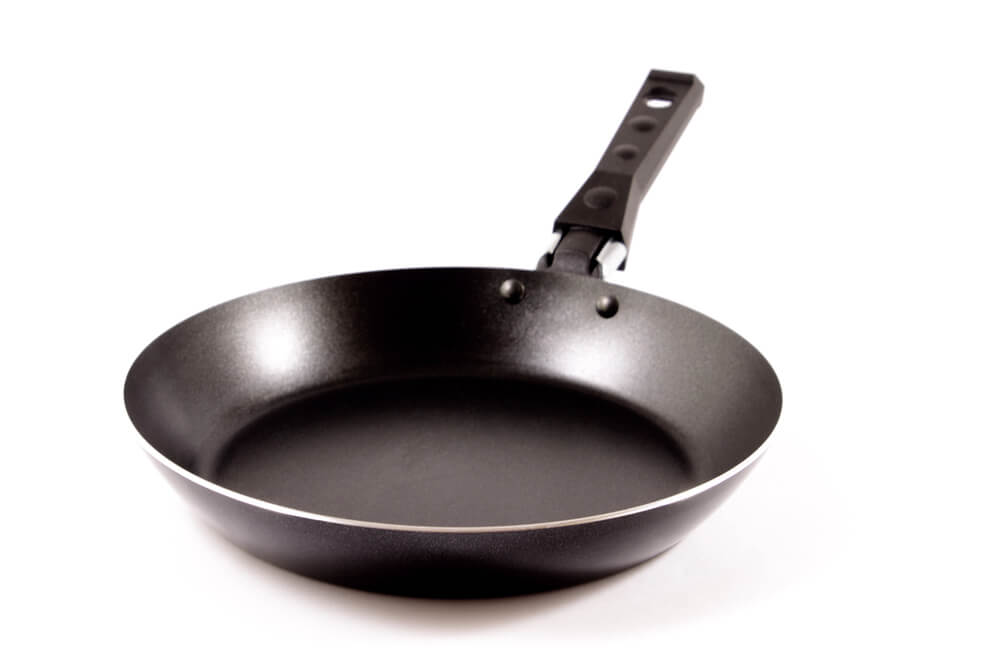
DuPont chemist Roy Plunkett discovered polytetrafluoroethylene in 1938 when a cylinder of refrigerant gas seemed empty but still weighed as much as a full one. French engineer Marc Gregoire later found a way to bond the slippery coating to aluminum, and his company Tefal began selling nonstick pans in the 1950s.
American shoppers got their first widely sold version, the Happy Pan, in 1961. Nonstick cookware made frying an egg without butter possible and cut cleanup time sharply.
Grandparents seasoned cast iron carefully and scrubbed stuck food from steel pans by hand.
Post-it Notes

At 3M, chemist Spencer Silver developed a weak, reusable adhesive in 1968 that nobody at the company could find a use for. Years later his colleague Art Fry, frustrated that paper bookmarks kept falling out of his church choir hymnal, realized the glue could hold a slip of paper in place without damaging the page.
After test marketing, 3M rolled out Post-it Notes nationally in 1980, and the canary yellow square became an office fixture. They now cover refrigerators, monitors and bathroom mirrors.
Earlier reminders went on scrap paper held down with tape or a thumbtack.
Velcro Hook-and-Loop Fastener
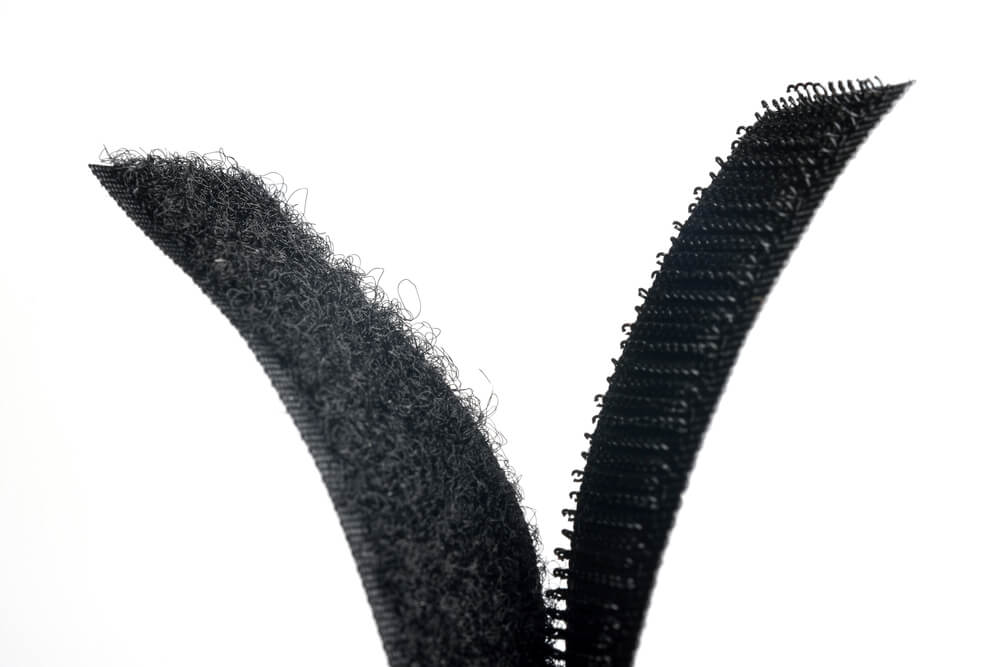
Swiss engineer George de Mestral returned from a walk with his dog in 1941 and studied the burrs stuck to his trousers under a microscope. He saw tiny hooks catching on loops of fabric and spent years reproducing the effect in nylon.
He patented the design in the 1950s and named it Velcro, a blend of the French words velours and crochet. NASA’s use of the fastener during the space program boosted its profile considerably.
It went on to replace laces on children’s sneakers and buttons on everything from wallets to blood pressure cuffs.
Permanent Sharpie Marker
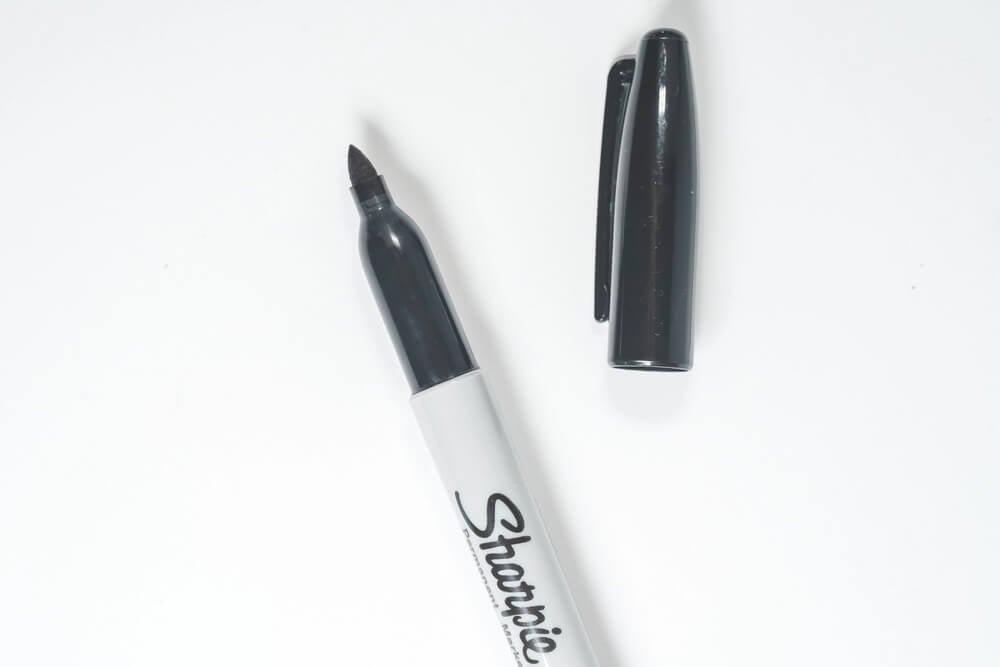
The Sanford Manufacturing Company introduced the Sharpie in 1964 as the first pen-style permanent marker, a claim the brand has repeated for decades. Its fine felt tip and quick-drying ink wrote on plastic, metal, glass and cardboard, surfaces that defeated ordinary pens.
Households used it to label moving boxes, freezer bags and children’s clothing tags. Astronauts, athletes and rock stars made it the default autograph tool.
Grandparents had grease pencils and fountain pens, neither of which held up well on a slick plastic container or a damp freezer bag.
WD-40 Lubricant Spray
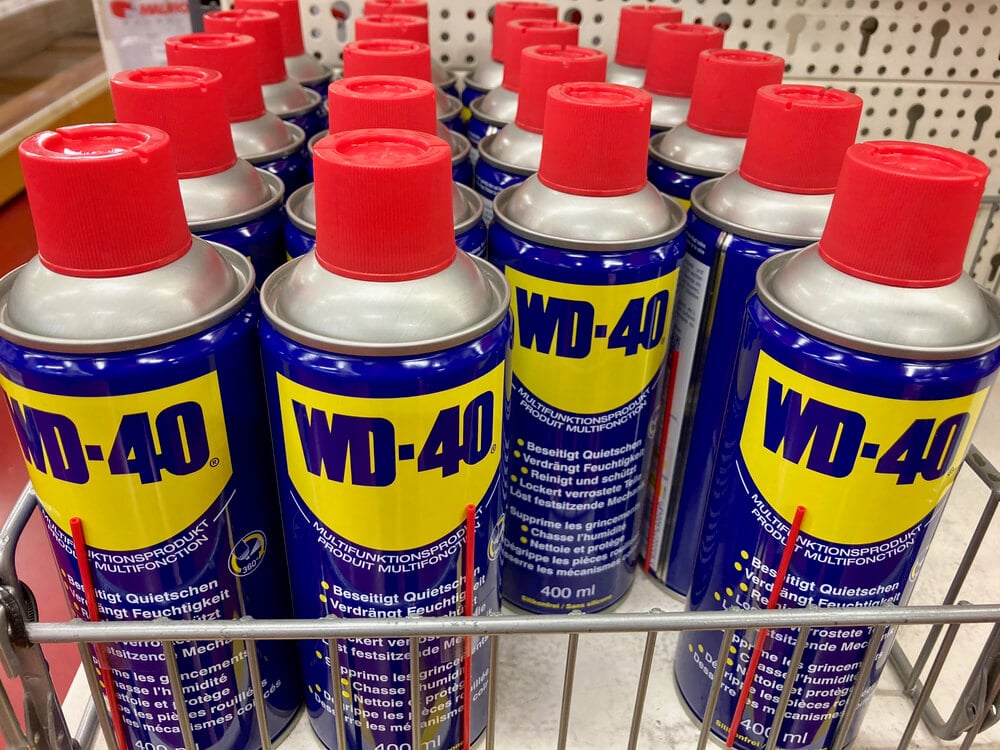
The Rocket Chemical Company in San Diego created WD-40 in 1953 for the aerospace industry, and the name stands for Water Displacement, 40th formula. Chemist Norm Larsen and his team were trying to protect the outer skin of the Atlas missile from rust and corrosion.
Employees reportedly sneaked cans home for their own use, and the company began selling aerosol cans to the public in 1958. It now lives in garages and kitchen drawers, freeing stuck locks and silencing squeaky hinges.
Before that, homeowners reached for an oil can and a rag.
Laundry Detergent Pods
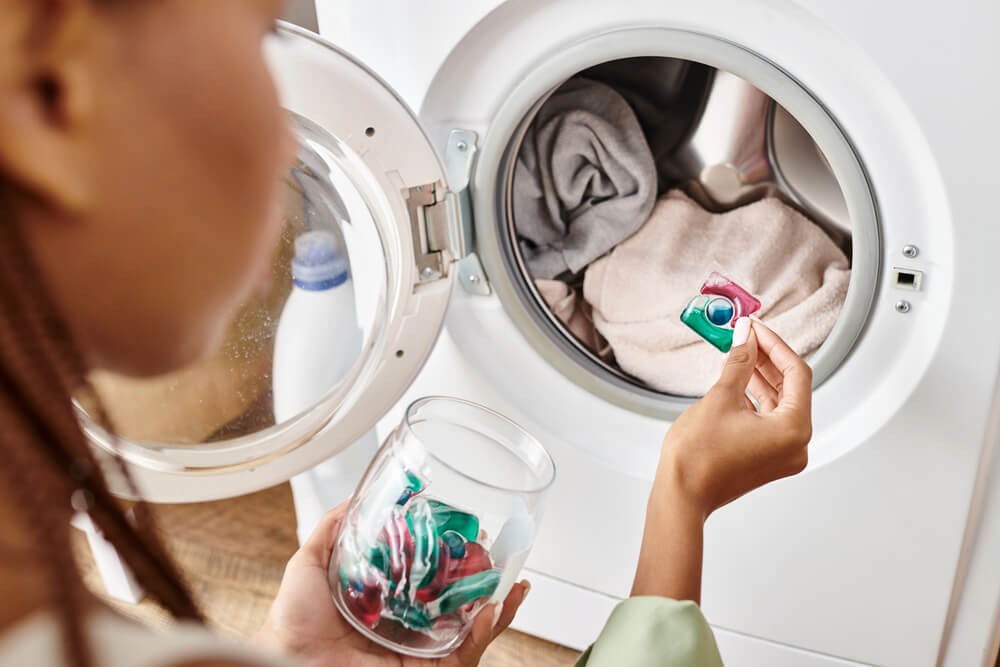
Procter and Gamble introduced Tide Pods in 2012 after years of development on a film that dissolves in water but holds a concentrated liquid detergent. Each pod contains a measured dose, removing guesswork and the sticky mess of pouring from a jug.
The format quickly captured a large share of the detergent market. Safety concerns led the company to switch to opaque packaging and child-resistant closures.
Grandparents used bar soap, washboards and, later, boxes of powdered detergent measured with a plastic scoop that was usually lost.
LED Light Bulbs

Nick Holonyak Jr., working at General Electric in Syracuse in 1962, demonstrated the first visible-spectrum light-emitting diode, a small red glow that his colleagues found fascinating. For decades LEDs served as indicator lights on calculators, stereos and clock radios.
Advances in blue and white LEDs made household bulbs practical in the 2000s, and prices dropped sharply during the 2010s. A typical LED bulb uses a fraction of the electricity of an incandescent bulb and can last for many years.
Grandparents changed hot, fragile glass bulbs several times a year.
Memory Foam Mattress
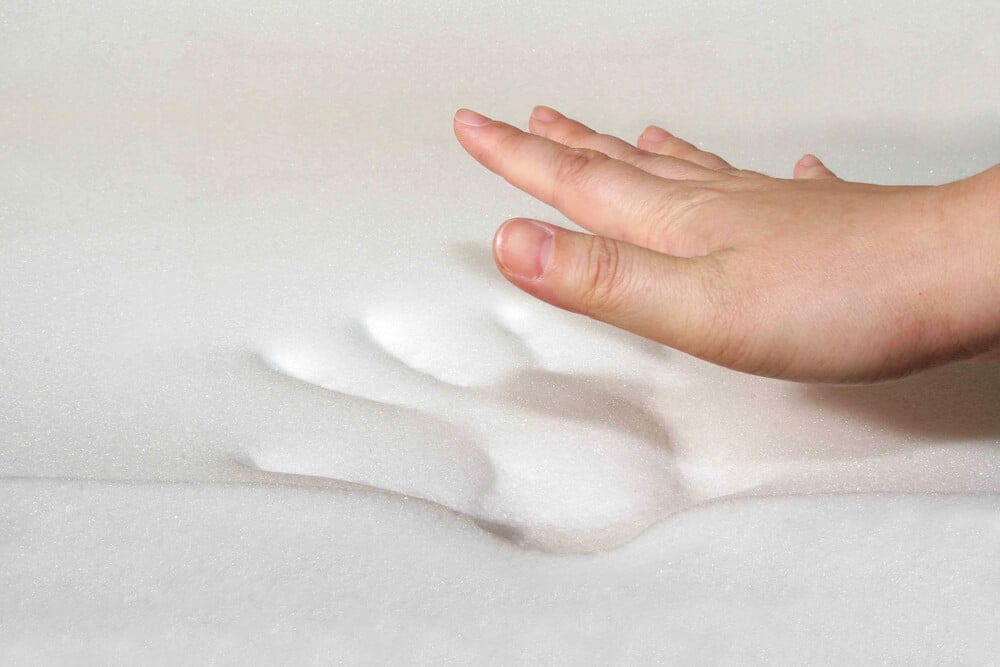
NASA’s Ames Research Center funded work in 1966 by Charles Yost and Chiharu Kubokawa on a slow-recovery foam meant to cushion aircraft seats and improve crash protection. The viscoelastic material softens with body heat and slowly returns to its original shape after pressure is removed.
It spent years in medical settings before Swedish company Fagerdala developed it for mattresses, which were sold in the United States as Tempur-Pedic in the early 1990s. Memory foam later spread to pillows, sofas and bed-in-a-box brands.
Grandparents slept on innerspring mattresses, cotton batting or even feather ticking.
Cordless Power Drill
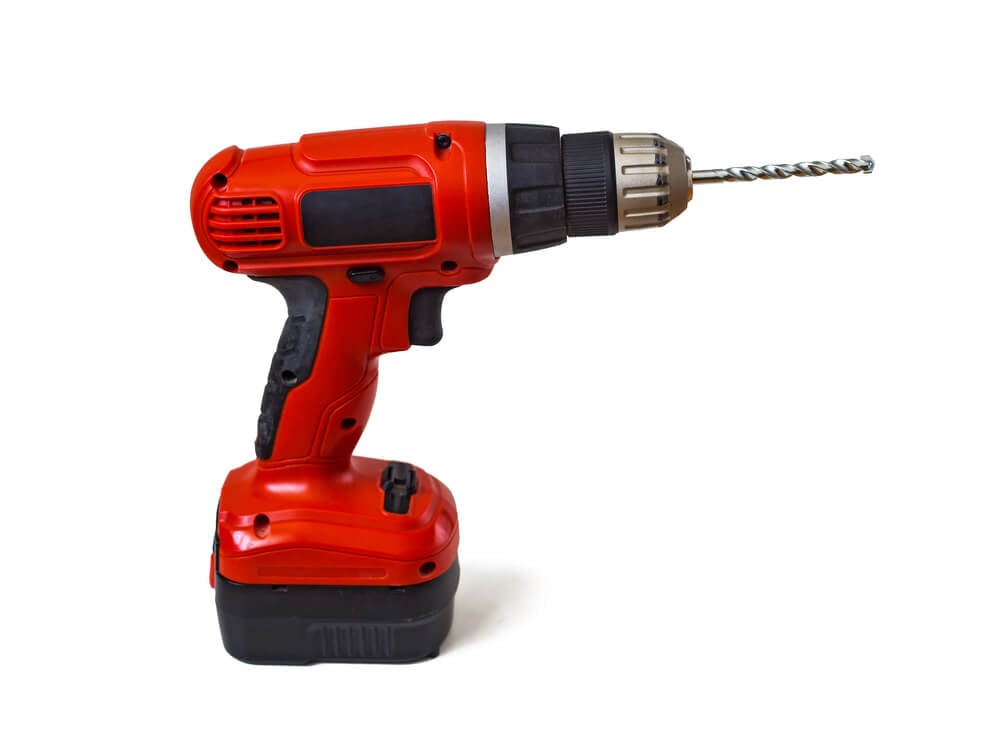
Black and Decker introduced a cordless electric drill in 1961, powered by nickel-cadmium batteries. Early models had limited power and runtime, but the company’s later work with NASA on battery-powered tools for the Apollo program improved the technology.
By the 1980s and 1990s, cordless drills became standard equipment in homes and garages. Lithium-ion batteries in the 2000s made them lighter and far more powerful.
Grandparents used a hand-cranked brace and bit or a heavy corded drill tethered to the nearest wall outlet by an extension cord.
Home Wi-Fi Router
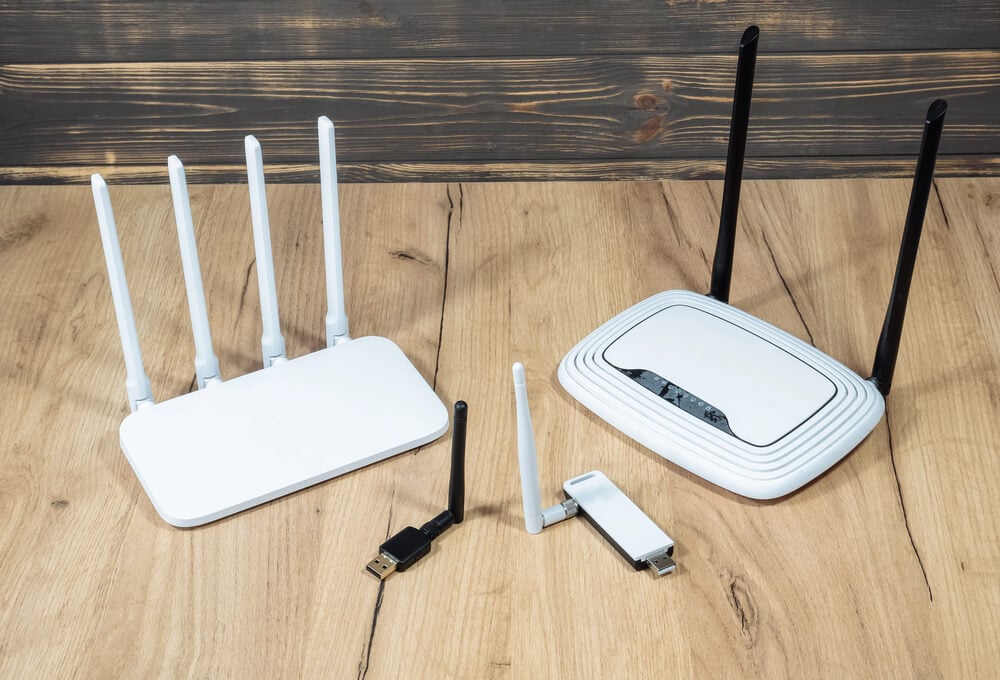
The IEEE published its 802.11 wireless networking standard in 1997, and the industry group that adopted the friendlier name Wi-Fi formed around 1999. Apple helped bring wireless home networking into the mainstream that same year with its AirPort base station, launched alongside the iBook laptop.
Within a decade, routers blinked quietly on bookshelves in most connected homes, linking laptops, phones, televisions, thermostats and doorbells. The phrase “what’s the Wi-Fi password” became a standard houseguest question.
Grandparents had a single telephone line, and later families waited for dial-up modems to screech through a connection.
Learning Smart Thermostat
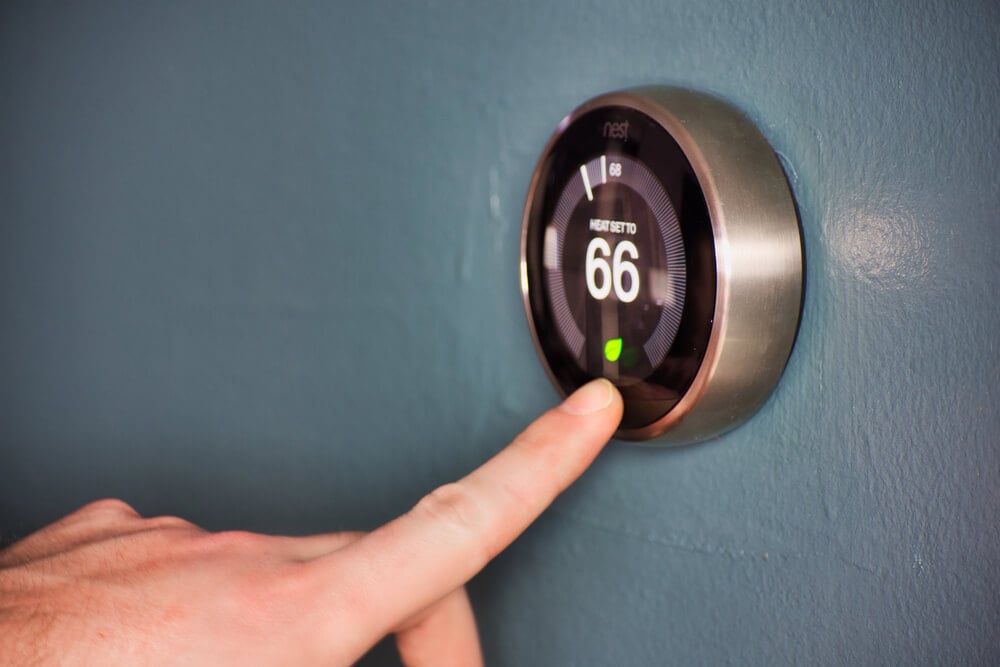
Former Apple engineers Tony Fadell and Matt Rogers released the Nest Learning Thermostat in 2011, applying smartphone-style design to a device most people ignored. The round unit learns household routines, adjusts temperatures automatically and can be controlled from a phone.
Google bought Nest Labs in 2014 for about 3.2 billion dollars. Competitors like Ecobee and Honeywell pushed similar features into the market.
Earlier generations used mercury thermostats with a dial or, before central heating spread, simply added coal or wood to the furnace and opened a window when the house got too warm.
Convenience Becomes Invisible
Almost every invention on this list followed the same path from strange to unremarkable. A microwave once cost as much as a used car, and a doorbell camera sounded like something from a spy film.
Within a few years, each became something people only notice when it breaks. That disappearing act is the clearest sign an invention has succeeded.
Grandparents were not suffering without any of it. They managed with clotheslines, cast iron, newspaper packing and a long walk to the television set.
What changed was the amount of time and attention a household demanded, and those small savings added up to entire evenings handed back.
More from Go2Tutors!

- The Romanov Crown Jewels and Their Tragic Fate
- 13 Historical Mysteries That Science Still Can’t Solve
- Famous Hoaxes That Fooled the World for Years
- 15 Child Stars with Tragic Adult Lives
- 16 Famous Jewelry Pieces in History
Like Go2Tutors’s content? Follow us on MSN.