Global Capitals With Surprising Nicknames
Capital cities accumulate nicknames the way old buildings collect stories. Some names make perfect sense once you learn the history.
Others seem completely random until someone explains the context. These unofficial titles reveal how residents see their cities and how outsiders perceive them.
The nicknames often tell you more about a place than any guidebook description ever could.
Paris Earned Its Light Through Gas Lamps

Everyone calls Paris the City of Light, but the nickname has nothing to do with romance or beauty. In the 1600s and 1700s, Paris became one of the first European cities to install street lighting on a large scale.
Gas lamps lined major boulevards, making nighttime navigation safer and reducing crime. The lighting project coincided with the Enlightenment, when Paris became a center for philosophy, science, and education. Intellectuals gathered in salons and cafes to debate ideas that challenged traditional authority.
The physical light and the metaphorical light of knowledge merged in people’s minds. The nickname stuck because it worked on multiple levels.
Now tourists assume it refers to the sparkling Eiffel Tower at night, which works too.
Bangkok’s Real Name Takes Three Minutes to Say

Thailand’s capital goes by Bangkok in most of the world, but locals call it Krung Thep, which means City of Angels. The full ceremonial name runs to 169 characters in Thai and translates to something like “The city of angels, the great city, the residence of the Emerald Buddha, the impregnable city of God Indra, the grand capital of the world endowed with nine precious gems, the happy city, abounding in an enormous Royal Palace that resembles the heavenly abode where reigns the reincarnated god, a city given by Indra and built by Vishnukarn.”
That name holds the world record for longest place name. Government officials shortened it for practical purposes, but the poetic version appears in formal contexts. The nickname reflects the city’s spiritual significance and royal importance. Bangkok, the name foreigners use, actually refers to a small district and means “village of wild plums.”
Athens Carries the Weight of Western Thought
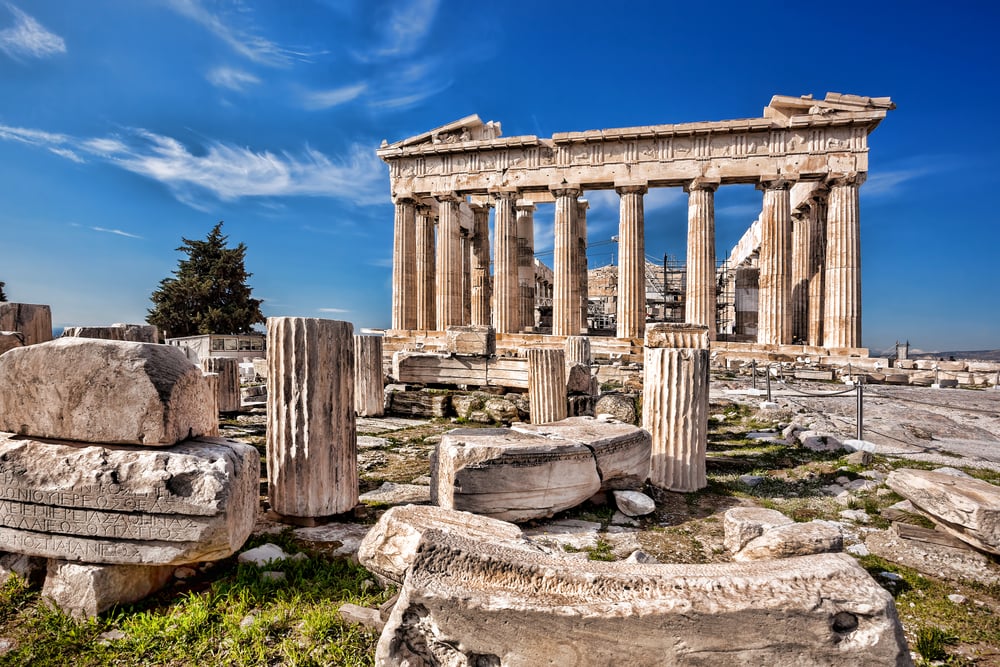
People call Athens the Cradle of Civilization, though civilizations existed long before ancient Greece. The nickname really means the cradle of Western civilization—the birthplace of democracy, philosophy, and classical art that shaped European culture.
Socrates, Plato, and Aristotle walked these streets. The concept of citizens voting on laws started here, even though only free men counted as citizens.
Theater, geometry, and medicine developed in forms that still influence modern practice. The nickname ignores everything that came before—Mesopotamian cities, Egyptian dynasties, Chinese kingdoms—and everything that developed elsewhere.
But it captures what Athens means to European and American identity. The ruins scattered throughout the modern city constantly remind you that major ideas emerged from this specific place.
Rome Refuses to Acknowledge Time

The Eternal City nickname sounds grandiose until you spend time in Rome and realize the name fits. Layers of history pile on top of each other. You find ancient temples inside Renaissance churches built over medieval structures.
The city has been continuously inhabited and politically important for nearly three millennia. Rome survived the fall of its empire, barbarian invasions, plague, sacking, and occupation. It remained relevant through every era of European history.
The Catholic Church maintained the city’s importance even when political power shifted elsewhere. Walk through Rome and you move through time periods that most cities only read about.
The architecture, art, and ruins create a living museum where past and present exist simultaneously. Calling it eternal makes sense when you realize how many civilizations rose and fell while Rome just kept going.
Reykjavik Got Named by Someone Who Didn’t Stay
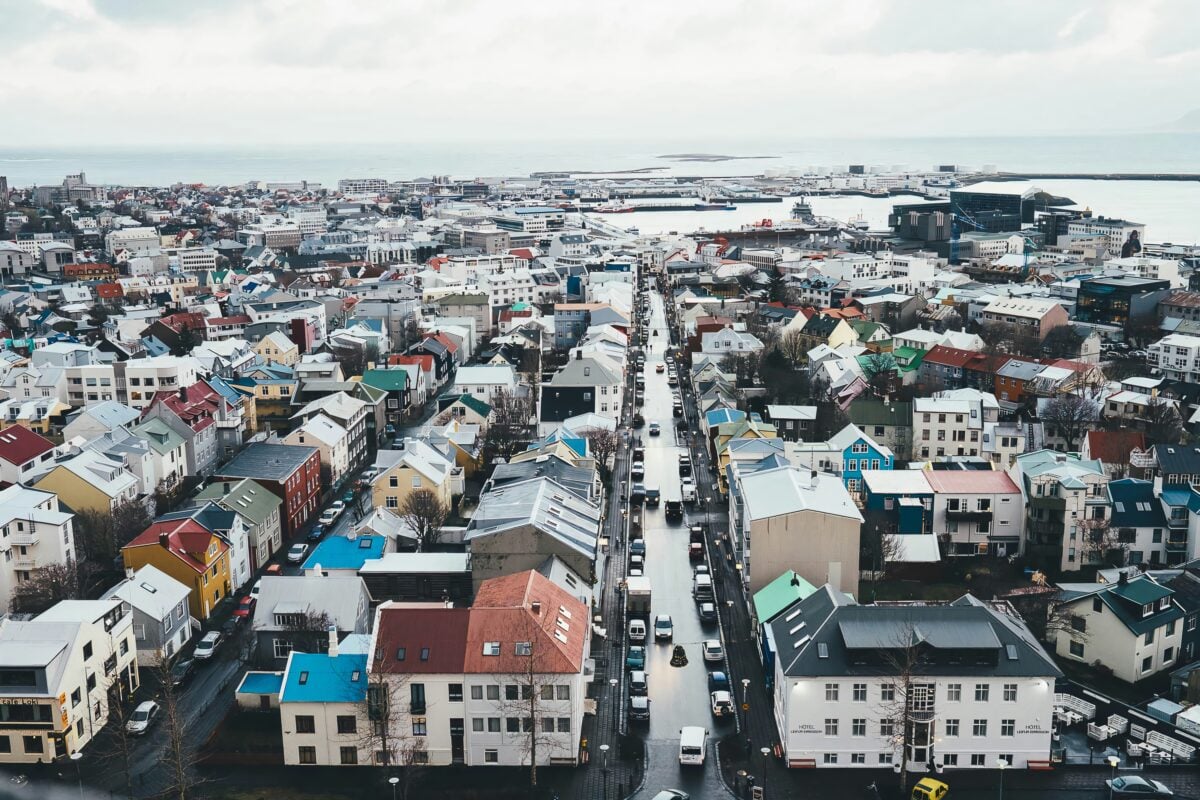
Iceland’s capital translates directly to Smoky Bay. The first Norse settler, Ingólfur Arnarson, saw steam rising from geothermal vents and assumed the bay was heating up.
He named it accordingly and built his farm there anyway. The geothermal activity that confused early settlers now heats most of the city.
Hot water from underground springs gets piped directly to homes and buildings. The “smoke” still rises from vents throughout the area, reminding everyone that they live on an active volcanic island.
The nickname sounds ominous for a capital city, but it describes a feature that makes Reykjavik uniquely sustainable. Geothermal energy provides heat and power without burning fossil fuels.
Wellington Battles Wind Every Single Day

New Zealand’s capital faces the Cook Strait, where wind funnels between the North and South Islands. Windy Wellington experiences gale-force winds regularly.
The gusts knock people over, flip umbrellas inside out, and make walking uphill feel like pushing against an invisible wall. Buildings are designed to withstand the constant battering.
Trees grow at angles, permanently bent by prevailing winds. Locals develop a distinctive walk, leaning forward to compensate for the push.
The wind makes Wellington feel alive and unpredictable. Some days you can barely open car doors.
Other days the air stays calm just long enough to make you forget, then the wind returns with extra force. The nickname warns visitors what to expect and signals to residents that they’ve toughened up by living there.
Canberra Rose From Sheep Pastures

Australia’s capital is called the Bush Capital because the city was built from scratch in the wilderness between Sydney and Melbourne. Neither existing city wanted the other to become the capital, so they compromised by creating a new city in the middle of nowhere.
The site was sheep grazing land before planners arrived. They designed a capital city with government buildings, monuments, and wide boulevards, then built it surrounded by preserved bushland.
The city remains small and spread out, with kangaroos appearing in suburbs and native forest visible from downtown. The bush identity sets Canberra apart from Australia’s coastal cities. Residents embrace the nickname even though it makes the capital sound provincial.
The connection to the landscape matters more than appearing cosmopolitan.
Bern Built Fountains Everywhere
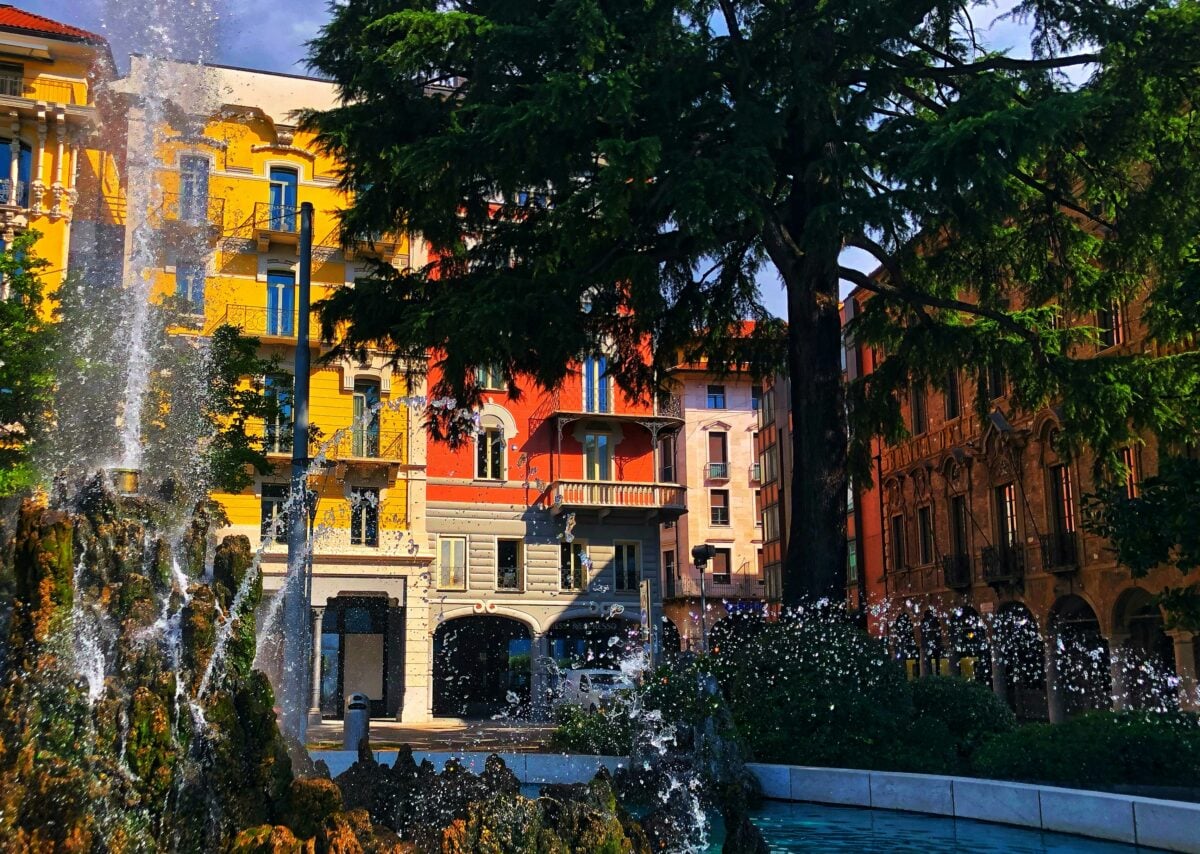
Switzerland’s capital earned the name City of Fountains through sheer numbers. Over one hundred public fountains dot the old town, many dating back to the 16th century.
Eleven fountains feature painted statues depicting historical and allegorical figures. The fountains originally provided drinking water and helped fight fires.
Now they serve as landmarks and meeting points. The water stays cold and clean, flowing constantly from mountain sources.
Residents fill bottles directly from fountain taps. Visitors use them to cool down in summer.
The fountains define the city’s character—practical, beautiful, and meticulously maintained. Bern keeps every fountain working and restores the statues regularly.
The nickname acknowledges this commitment to preserving a functional element that most cities would have removed decades ago.
Oslo Hid Tigers That Never Existed

Norway’s capital is called Tiger City based on a mistranslation and a poem. In the 1800s, a poet described Kristiania (Oslo’s former name) as dangerous.
He used the phrase “å kjempe med tigre,” meaning to struggle or fight with tigers, as a metaphor for urban challenges. People took the tiger reference literally, and the nickname stuck despite zero tigers ever living in Norway.
The city eventually embraced the absurdity. A tiger statue now stands near the central train station. Locals use the tiger in art and marketing.
The nickname transformed from a poetic metaphor to an official symbol through collective acceptance of a misunderstanding. It demonstrates how nicknames develop lives independent of their origins.
Vienna Dreamed Its Way to Fame

Austria’s capital carries multiple nicknames, but City of Dreams stands out for its connection to Sigmund Freud. He lived and worked in Vienna while developing psychoanalysis and theories about dreams revealing unconscious desires.
The nickname also references Vienna’s musical heritage and the romantic atmosphere that inspired composers. The grand architecture, coffeehouses, and cultural institutions create an environment where artistic dreams find support.
Imperial wealth funded opera houses and concert halls that attracted Mozart, Beethoven, and Strauss. The dream label works because Vienna built infrastructure supporting creative ambitions.
The city offered patronage and audiences when other capitals ignored artists.
Damascus Claims Antiquity Others Can’t Match

Syria’s capital calls itself the Pearl of the East, claiming continuous habitation for over 11,000 years. Archaeological evidence supports settlements existing there since at least 6300 BCE.
That makes Damascus possibly the oldest continuously inhabited city on Earth. The pearl reference suggests something precious formed through layers of history.
The old city contains Roman ruins, Umayyad mosques, and Ottoman architecture compressed into winding streets. Different empires left their marks without erasing what came before.
War has damaged much of the city in recent years, but the layers of history remain underneath. The nickname reminds you that Damascus witnessed the rise and fall of civilizations that other capitals read about as ancient history.
Tallinn Coded Its Way to Recognition

Estonia’s capital earned the nickname Silicon Valley of Europe through its tech sector success. Skype was developed in Tallinn.
The government implemented digital services before most countries considered the possibility. Estonian residents can vote, pay taxes, and access medical records entirely online. The small population made digital transformation easier than in larger countries.
The government tested systems on a manageable scale before expanding. Tech companies found that Tallinn offered skilled programmers, reasonable costs, and streamlined regulations.
Startups flourished. The nickname positions Tallinn as a European tech hub competing with bigger, better-known cities.
Estonian pride in the designation shows in how often people mention it.
Buenos Aires Borrowed European Elegance

Buenos Aires earns its nickname as South America’s answer to Paris – not just for the grand buildings, but also the broad avenues where people linger at outdoor cafes. Shaped heavily by newcomers from Europe, particularly Italy and Spain, the city absorbed old-world designs along with daily habits that still echo today.
It feels nice to compare Buenos Aires to big world cities, sure. Still, that label hints at doubt – like proving worth means leaning on Europe.
The city built its voice through tango beats, bold books, and protests in the streets. Saying it’s anyone else’s Paris wipes out its real flavor.
People keep using the name because strangers get it faster than the truth behind the place.
Names That Stick Like Memory
Cities wear nicknames like old jackets – patched up by history, shaped by moments nobody planned. A typo once became true.
Misheard words stuck harder than facts. Officials try to shape labels to sell dreams.
Yet the strongest tags rise without permission. They name what maps never could.
What sticks around often says more than what’s written down. These names skip the need for pages of background by wrapping meaning into something quick to say.
Over time, if people keep using them, they grow beyond slang – they settle into the bones of where they’re used. History piles up like sediment, and nicknames become one more piece buried within.
More from Go2Tutors!

- The Romanov Crown Jewels and Their Tragic Fate
- 13 Historical Mysteries That Science Still Can’t Solve
- Famous Hoaxes That Fooled the World for Years
- 15 Child Stars with Tragic Adult Lives
- 16 Famous Jewelry Pieces in History
Like Go2Tutors’s content? Follow us on MSN.



