Presidents Who Faced Unexpected Hardships After Office
The American presidency comes with power, prestige, and a place in history books. But once the final speech ended and the moving trucks pulled away from the White House, some former commanders-in-chief discovered that life after the Oval Office brought challenges nobody warned them about.
Financial ruin, legal troubles, health crises, and public rejection turned their post-presidential years into something far different than the comfortable retirement most people imagine.
Let’s look at the former presidents who found out the hard way that leaving office was just the beginning of their struggles.
Ulysses S. Grant
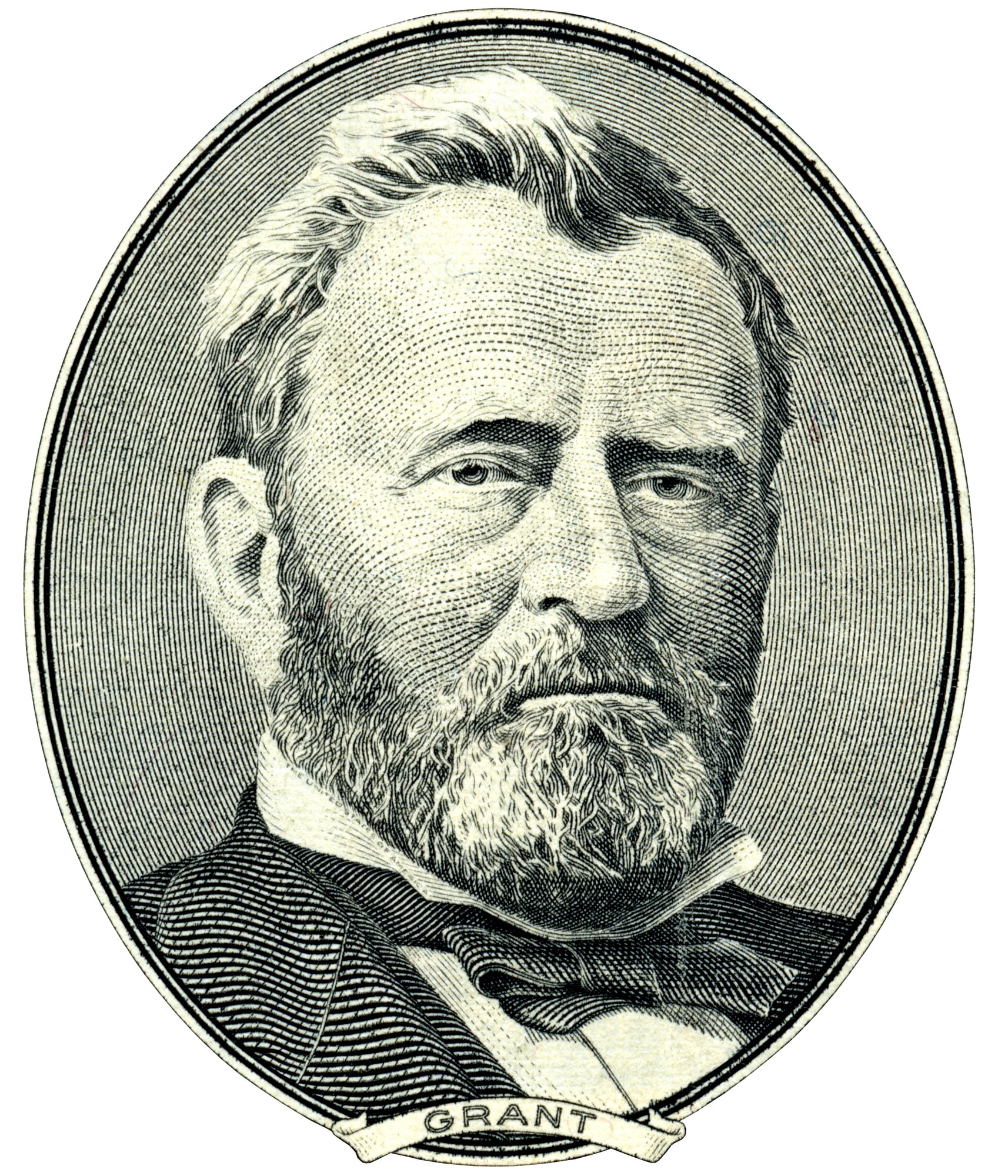
Grant left the presidency in 1877 and promptly lost nearly everything he owned. A business partner named Ferdinand Ward convinced him to invest in a Wall Street firm, but Ward was running a massive fraud scheme.
Grant poured his life savings into the company, and when it collapsed in 1884, he was left completely broke. The former war hero had to borrow money from friends just to pay household bills.
To make matters worse, doctors diagnosed him with throat cancer around the same time. Grant spent his final year racing against death to finish his memoirs, writing in terrible pain because he needed the book royalties to support his wife after he died.
He completed the manuscript just days before passing away in 1885.
Thomas Jefferson

Jefferson died on July 4, 1826, exactly fifty years after the Declaration of Independence, but his final years were marked by devastating financial problems. His lavish lifestyle at Monticello and years of hosting guests had drained his resources.
Jefferson owed roughly $107,000 when he died, which would be millions in today’s money. His family had to sell Monticello and most of his possessions, including his beloved library, just to pay creditors.
His daughter and grandchildren faced poverty because Jefferson never managed to get his finances under control. The man who helped create America couldn’t secure his own family’s future.
Harry Truman
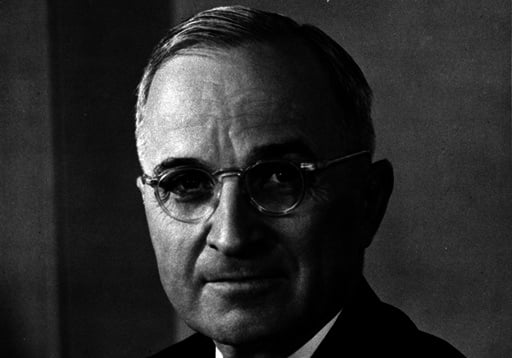
Truman refused to cash in on his presidency through corporate board positions or endorsement deals, believing it would cheapen the office. This principled stance left him struggling financially after leaving Washington in 1953.
His only income was a modest Army pension of about $112 per month. Truman had to take out a bank loan and sell family land to stay afloat.
He spent years living in his mother-in-law’s house in Missouri because he couldn’t afford anything else. Congress eventually passed the Former Presidents Act in 1958, giving Truman a pension, but only after his financial struggles became public knowledge and somewhat embarrassing for the nation.
James Monroe

Monroe died broke and forgotten on July 4, 1831, in New York City. After leaving office in 1825, he discovered that Congress wouldn’t reimburse him for expenses he had covered personally during his presidency and diplomatic career.
Monroe had spent his own money on official duties for years, expecting the government would pay him back. They didn’t.
He was forced to sell his Virginia plantation and most of his belongings. Monroe spent his last years living with his daughter in New York because he had nowhere else to go.
The man who created the Monroe Doctrine died in such poverty that his funeral was poorly attended.
William Howard Taft
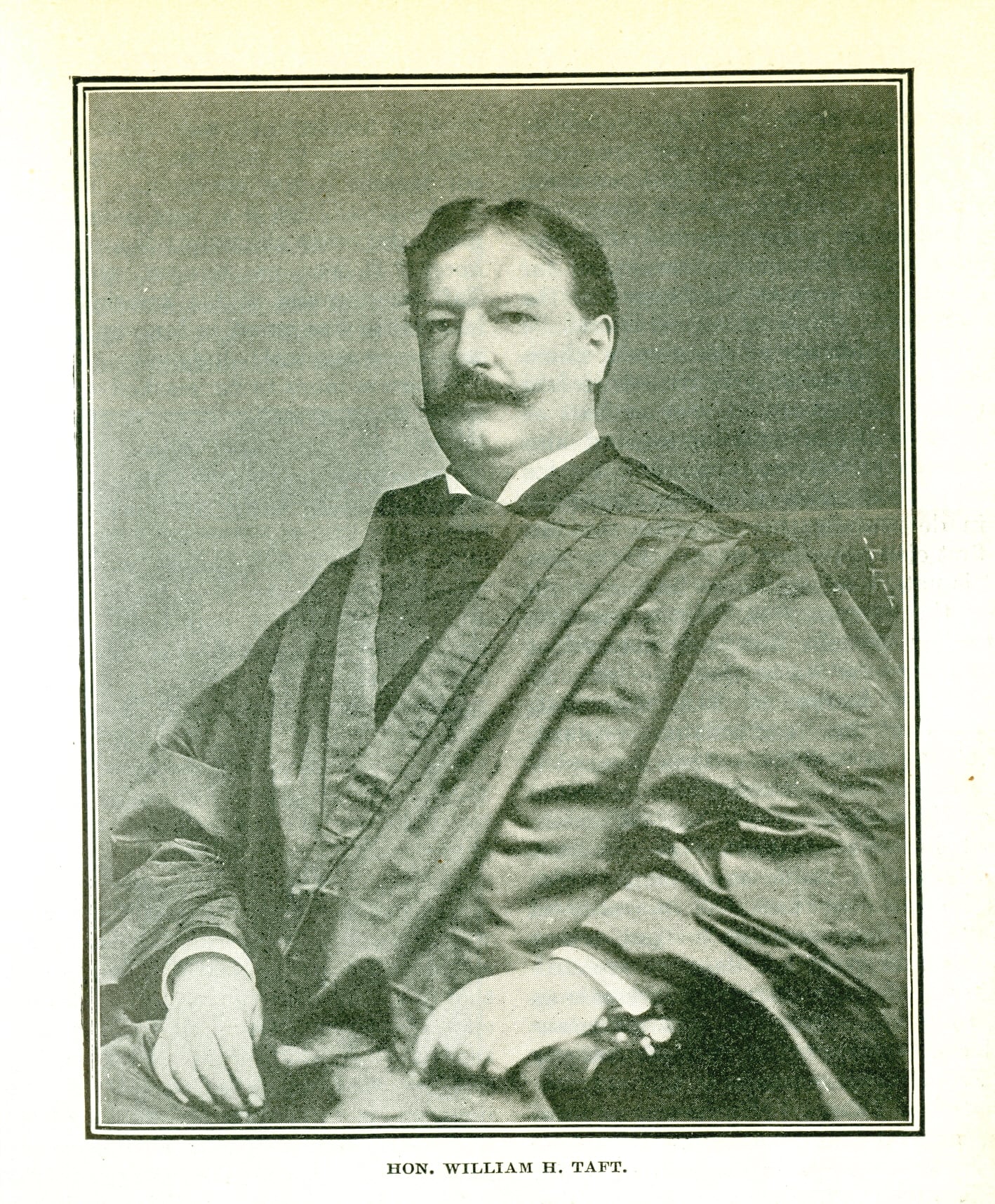
Taft left the presidency in 1913 after a humiliating election loss where he finished third behind Woodrow Wilson and Theodore Roosevelt. The defeat crushed him emotionally.
His weight had ballooned to over 340 pounds, and his health was failing. Taft felt like a failure and spent months in deep depression, struggling to find purpose.
His wife had suffered a stroke shortly after he became president, and caring for her added to his stress. Taft eventually found happiness as Chief Justice of the Supreme Court in 1921, but the years between losing the presidency and getting that appointment were dark and difficult.
Herbert Hoover

Hoover became one of the most hated men in America after leaving office in 1933. The Great Depression destroyed his reputation, and people blamed him for their suffering.
Hoovervilles, the shanty towns where homeless people lived, were named mockingly after him. Hoover received death threats regularly and needed security protection for years.
He spent decades trying to rebuild his image, writing books and taking on humanitarian projects. Most Americans refused to forgive him.
Hoover lived until 1964, but for most of those three decades, he remained a symbol of failure and hardship in the public mind.
John Tyler

Tyler became so unpopular during his presidency that his own party kicked him out. After leaving office in 1845, things got worse.
He sided with the Confederacy during the Civil War and was elected to the Confederate House of Representatives in 1861. Tyler died in January 1862 before he could take his seat, but the damage to his legacy was done.
The federal government refused to acknowledge his death because he was considered a traitor. No official mourning occurred in Washington.
Tyler’s coffin was draped with a Confederate flag, and the United States government pretended he had never existed.
Andrew Johnson
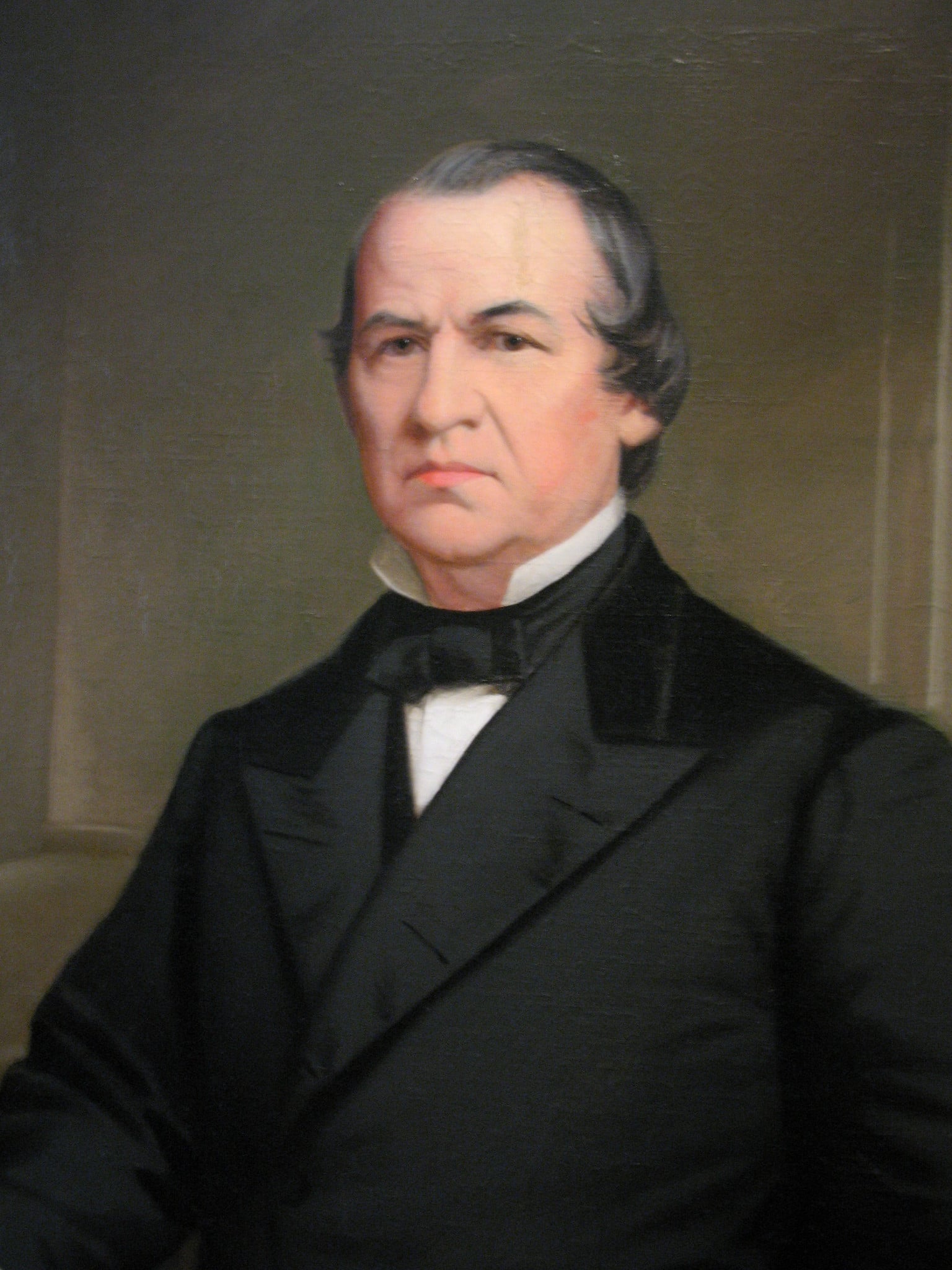
Johnson became the first president impeached by the House of Representatives in 1868. Though the Senate acquitted him by a single vote, his reputation was destroyed.
After leaving office in 1869, Johnson tried desperately to return to politics to clear his name. He ran for Senate twice and lost both times.
The rejection hurt him deeply. Johnson finally won a Senate seat in 1875, six years after leaving the presidency, but he died just months later.
His brief return to Washington didn’t repair the damage to his reputation, and history has continued to judge him harshly.
Benjamin Harrison

Harrison left office in 1893 and immediately faced a personal crisis. His wife Caroline had died of tuberculosis just two weeks before the 1892 election, and Harrison was devastated.
He spent his first year out of office grieving and barely left his Indianapolis home. Harrison eventually remarried in 1896, but the union caused a scandal because his new wife was his deceased wife’s niece and 25 years younger.
His own children refused to attend the wedding and stopped speaking to him. Harrison died in 1901, somewhat estranged from his family and with his personal life overshadowing his presidential legacy.
Grover Cleveland
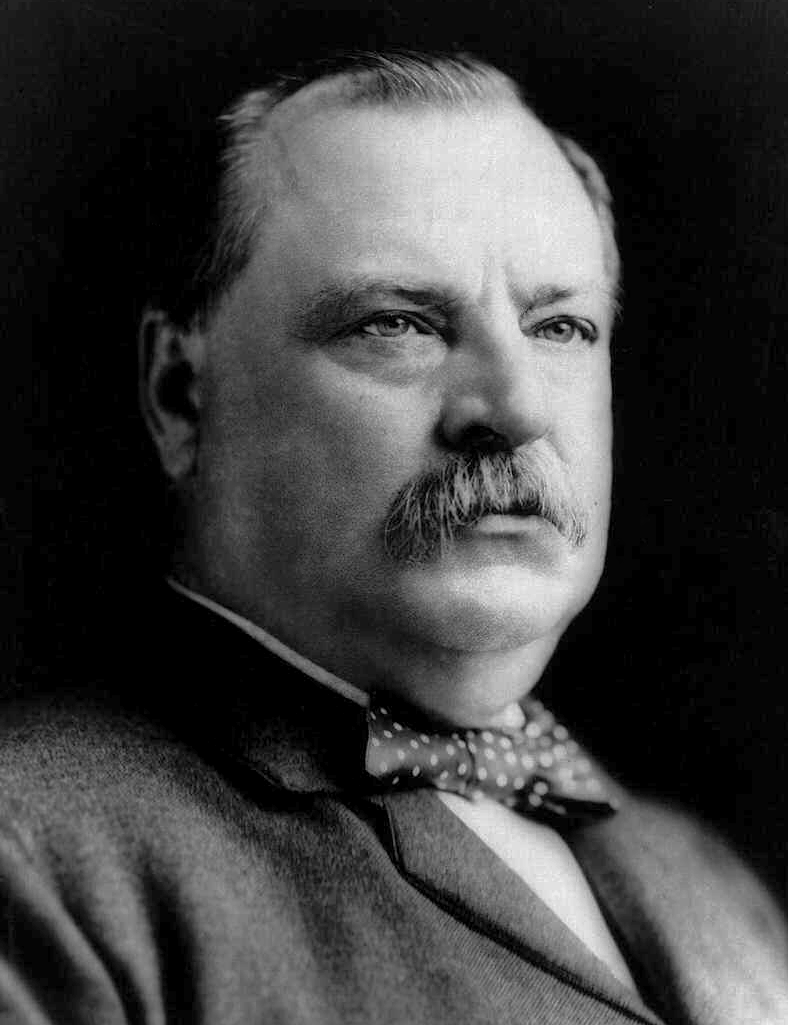
Cleveland left office for the second time in 1897 and almost immediately developed serious health problems. Doctors discovered a cancerous tumor in his mouth in 1893, and they performed secret surgery aboard a yacht to remove part of his jaw.
Cleveland lived in fear that the cancer would return. By 1907, his health had declined significantly.
He suffered from heart and kidney problems that left him weak and in pain. Cleveland died in 1908 at age 71, but his final years were marked by physical suffering that he tried to hide from the public.
Millard Fillmore

Fillmore’s presidency ended in 1853, and his life fell apart shortly after. His wife Abigail died just weeks after leaving the White House, likely from pneumonia she caught at the cold outdoor inauguration ceremony.
His daughter Mary died the following year. Fillmore was left alone and depressed.
He tried to run for president again in 1856 with the anti-immigrant Know Nothing Party, which destroyed what remained of his reputation. Fillmore spent his remaining years in Buffalo, where many people viewed him as a bigot and a failure.
He died in 1874 with few mourners.
John Quincy Adams
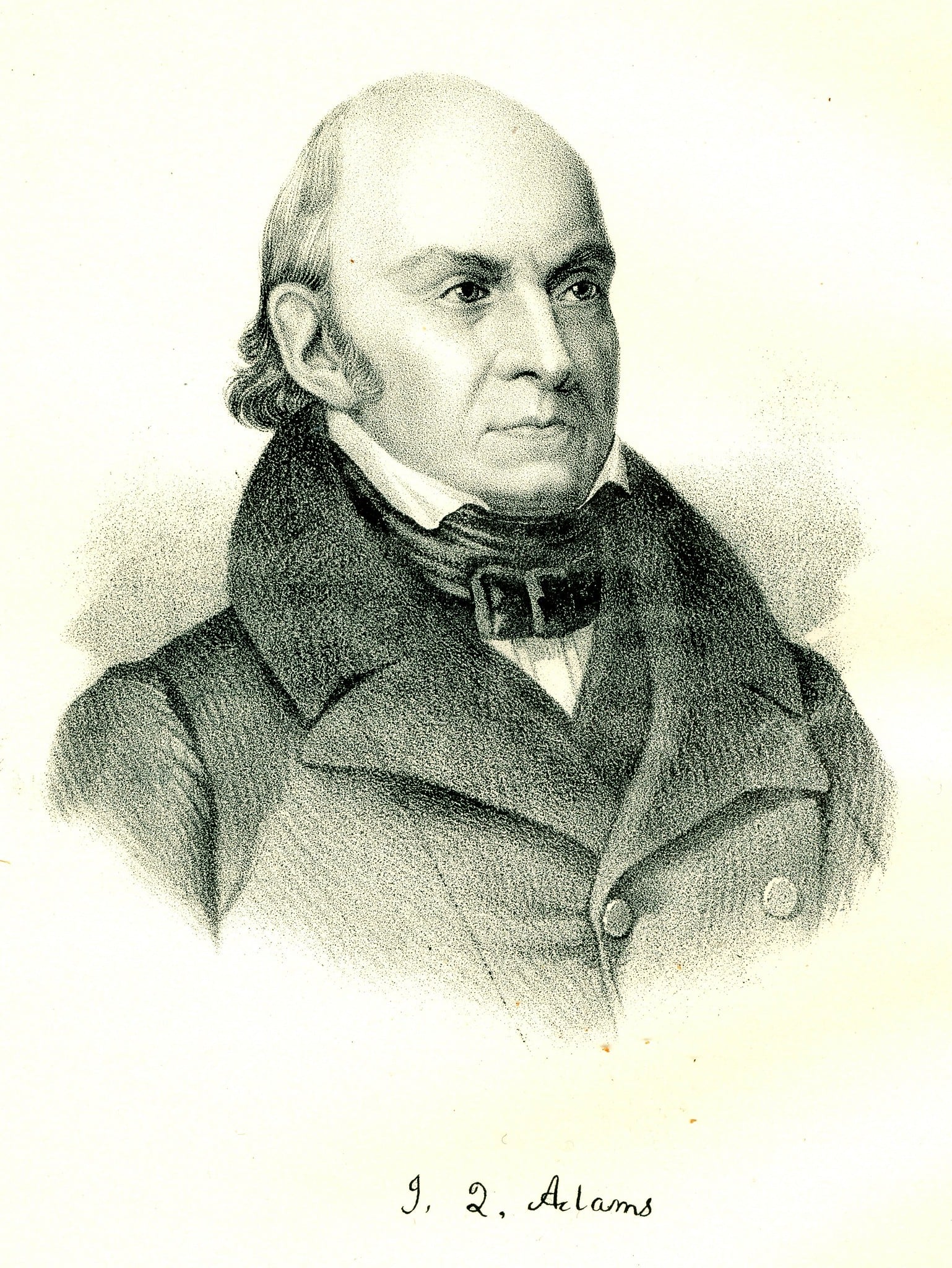
Adams left the presidency in 1829 after losing to Andrew Jackson in a bitter campaign. Most former presidents retired quietly, but Adams couldn’t let go of public life.
He won election to the House of Representatives in 1831, which many people thought was beneath the dignity of a former president. Adams spent 17 years in Congress, often clashing with colleagues who resented his presence.
In 1848, at age 80, Adams suffered a stroke on the House floor. He died two days later in the Capitol building, having worked himself literally to death because he couldn’t accept retirement.
Woodrow Wilson

Wilson left office in 1921 as a broken man, both physically and emotionally. He had suffered a massive stroke in 1919 that left him partially paralyzed and mentally impaired.
His dream of American participation in the League of Nations had failed, and the Senate rejected his vision for world peace. Wilson spent his final years in a Washington townhouse, rarely leaving and seeing few visitors.
His health continued to decline, and he died in 1924. The man who had led America through World War I spent his last years as an invalid, watching his life’s work crumble.
Franklin Pierce

Pierce left office in 1857 with the country on the brink of civil war, and many people blamed him for the crisis. His presidency had been a disaster, and his political career was over.
Pierce’s personal life was equally tragic. His son had died in a train accident just weeks before his inauguration, and Pierce’s wife never recovered emotionally.
Pierce turned to alcohol to cope with the pain and guilt. He spent his final years drinking heavily and traveling aimlessly through Europe and America.
Pierce died in 1869, largely forgotten and unmourned by the public.
Richard Nixon

Nixon resigned in disgrace in 1974 to avoid impeachment over the Watergate scandal. He left Washington as the only president ever forced from office.
Nixon faced possible criminal prosecution and spent months in legal limbo before President Ford pardoned him. His health collapsed from the stress.
Nixon developed phlebitis and nearly died from a blood clot in 1974. He spent years trying to rehabilitate his image, writing books and giving interviews.
Many Americans refused to forgive him. Nixon died in 1994, but the word Watergate remains attached to his name, overshadowing everything else he accomplished.
Calvin Coolidge

Coolidge left office in 1929 and returned to Massachusetts, where he quickly fell into a deep depression. His younger son had died from blood poisoning in 1924, and Coolidge blamed himself for not being there enough.
The stock market crash of 1929 and the start of the Great Depression made him feel like his presidency had been a failure. Coolidge wrote in his autobiography that when his son died, ‘the power and the glory of the Presidency went with him.’
He died suddenly of a heart attack in 1933, just four years after leaving office, worn down by grief and disappointment.
Lyndon Johnson

Four years after walking out of the White House, Johnson was gone – taken by a heart attack in January 1973. Once out of office, he retreated to his land in Texas, worn down and hollowed out by what Vietnam had cost him.
His body began to fail soon after returning home, burdened by old cardiac issues worsened under presidential strain. Eating badly, letting his hair grow past his collar, self-neglect became routine.
The man who once held immense power spent his last days fading quietly on the ranch, until one morning it stopped altogether. Few thought he’d go so soon at just 64.
Those close to him noticed Johnson had changed – some say it took two decades off his life by the time he left office, worn down by a war that crushed his hopes and reshaped his spirit.
John Adams

Out of power by 1801, Adams walked away following a harsh election loss to Thomas Jefferson – once close friends, now divided. Back in Massachusetts, he carried bitterness like a heavy coat.
Years passed with him convinced time had treated him poorly. The death of his son Charles in 1800, lost to drink, deepened wounds already raw from defeat.
Slowly, though, words on paper mended what silence could not – one letter at a time, peace grew between him and Jefferson. On July 4, 1826, exactly fifty years after the Declaration of Independence, both men passed away.
Though Adams found more peace later in life compared to most ex-presidents, his first retirement days carried bitterness and sorrow instead.
The weight of history

Power shifts every leader who steps into the role, yet walking away often feels heavier than getting there. Each one learned that life after the Oval Office brings no automatic calm, no sure wealth, no steady honor.
A few reshaped their days with fresh goals, whereas some stayed caught in the shadow of what was lost. Their difficulties show that reaching the top still leaves room for pain when the spotlight fades.
More from Go2Tutors!

- The Romanov Crown Jewels and Their Tragic Fate
- 13 Historical Mysteries That Science Still Can’t Solve
- Famous Hoaxes That Fooled the World for Years
- 15 Child Stars with Tragic Adult Lives
- 16 Famous Jewelry Pieces in History
Like Go2Tutors’s content? Follow us on MSN.



