27 Foods That Were Once Banned in America
The American grocery store looks like a place of unlimited choice, but its shelves have been shaped for more than a century by regulators, legislators and trade negotiators. Some foods were pulled for real health risks.
Others vanished over pests, politics, dairy lobbying or a wartime shortage of steel blades.
A surprising number of those once forbidden items are back on menus today. A few are still waiting at the border.
Raw Milk Across State Lines
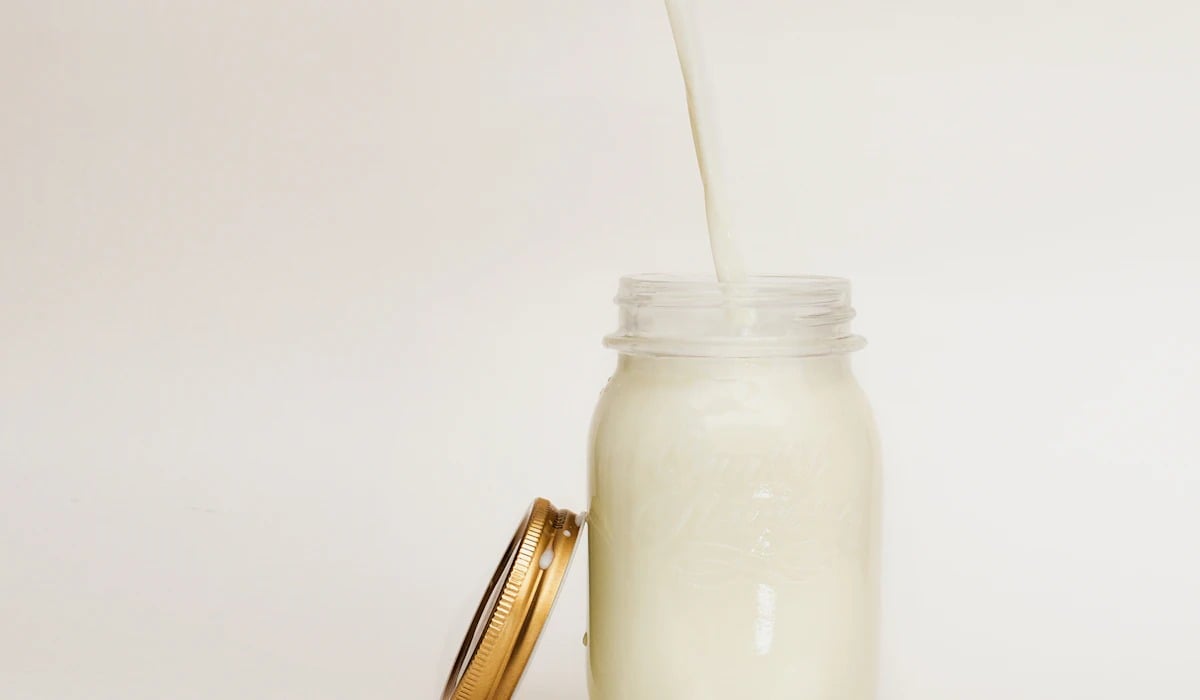
Unpasteurized milk is legal to sell in some form in many states, but it cannot cross state lines in final packaged form for direct sale to consumers. The FDA adopted that interstate rule in 1987 after a federal court ordered the agency to act, citing illnesses linked to bacteria such as Salmonella, E. coli and Listeria.
The result is a patchwork. A farm in Pennsylvania can sell raw milk at its own store, while a shopper across the border in a stricter state may have to buy a cow share to get it legally.
Raw milk remains one of the most fiercely debated foods in the country.
Kinder Surprise Eggs
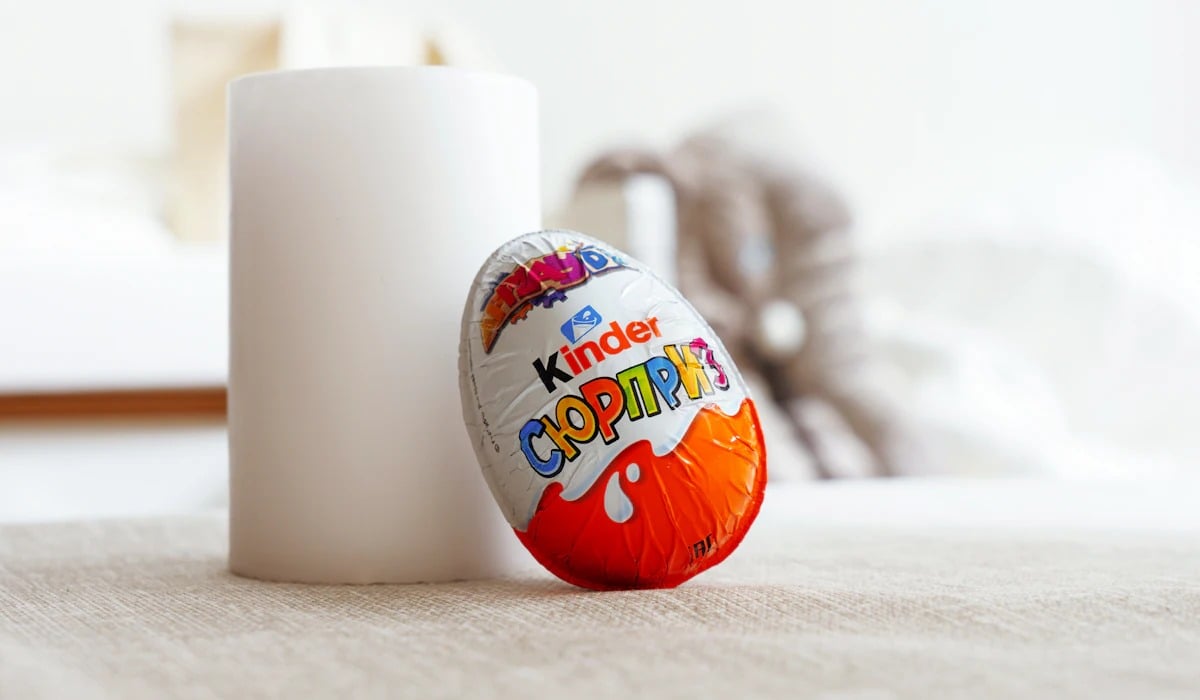
A hollow chocolate egg with a toy inside, sold across Europe and beyond, has long been kept out of the United States. The obstacle is the Federal Food, Drug, and Cosmetic Act of 1938, which bars confections that contain a non-nutritive object embedded in them.
Customs officers have seized thousands of the eggs from travelers over the years. Ferrero eventually found a workaround with Kinder Joy, which splits the egg into two sealed halves, one holding a creamy treat and the other holding the toy.
Kinder Joy reached American stores in the late 2010s and sidestepped the rule entirely.
Scottish Haggis
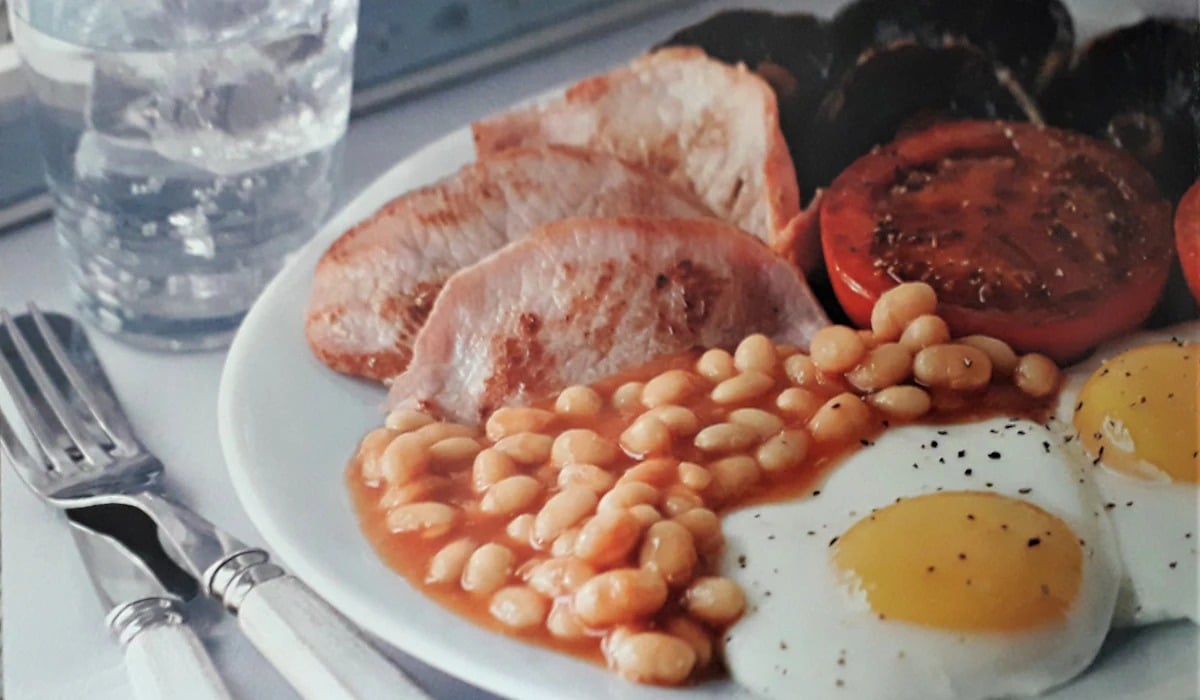
Traditional haggis combines sheep heart, liver and lungs with oats, onion and spices, cooked in a casing. The lungs are the problem.
The USDA prohibited livestock lungs in food in 1971, reasoning that they can collect fluids and contaminants during slaughter. The rule effectively barred authentic Scottish haggis, and a separate ban on British meat imports during the mad cow crisis added a second barrier.
American producers sell lung-free versions that substitute other cuts, and Scottish makers have lobbied for years to change the rule. Burns Night suppers in the United States usually feature a domestic stand-in.
Absinthe and the Green Fairy
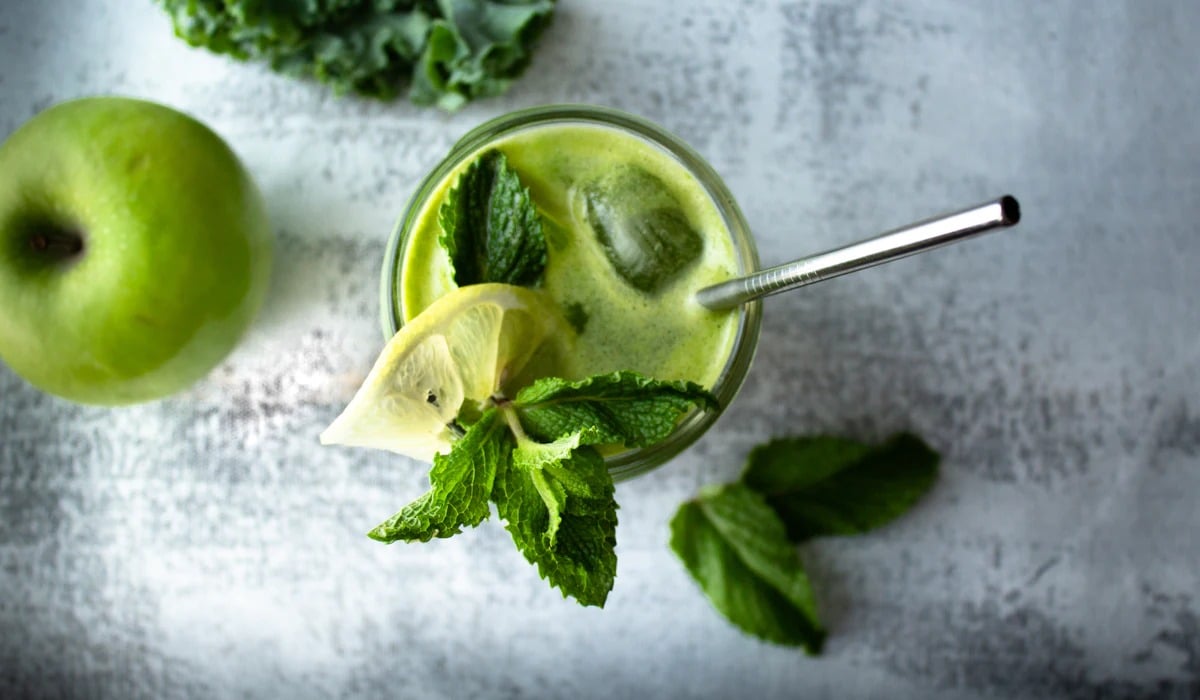
Absinthe, the anise-flavored spirit made with wormwood, was banned in the United States in 1912, following similar bans in several European countries. Critics blamed it for hallucinations and madness, pinning the effects on thujone, a compound found in wormwood.
Later research suggested that the real culprit was its very high alcohol content and that thujone levels in typical absinthe were too low to cause the reported symptoms. In 2007 federal regulators approved absinthe for sale as long as it was essentially thujone-free under testing limits.
Bottles of real absinthe returned to American liquor stores, nearly a century after the ban.
Yellow Margarine
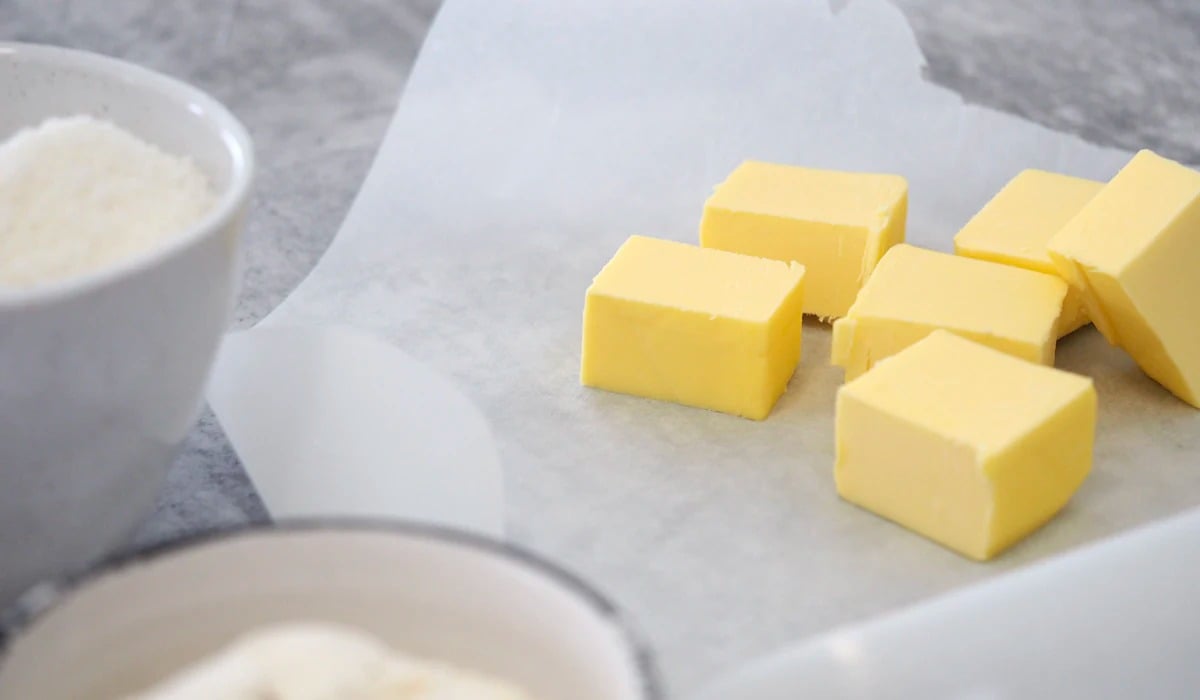
Dairy interests fought margarine almost from the moment it arrived. The Oleomargarine Act of 1886 taxed the spread, and many states went further by banning margarine that was colored yellow to look like butter.
New Hampshire even required margarine to be dyed pink, a rule the Supreme Court struck down in 1898. Families got around the restrictions by buying white margarine with a packet of dye and mixing it in at home.
Wisconsin, the self-styled Dairy State, held out longest, finally lifting its ban on colored margarine in 1967, long after most of the country had moved on.
Foie Gras in Chicago and California

Fattened duck or goose liver has been the target of animal welfare campaigns because of force-feeding. Chicago banned restaurant sales in 2006, which drew protests from chefs and ridicule from the mayor, and the City Council repealed it in 2008.
California went further with a state law that took effect in 2012 and bars the production and sale of foie gras made by force-feeding. The California ban was briefly overturned in court and then reinstated, and the Supreme Court declined to hear the industry challenge in 2019.
Some California diners still order it online from other states.
Sliced Bread During World War II
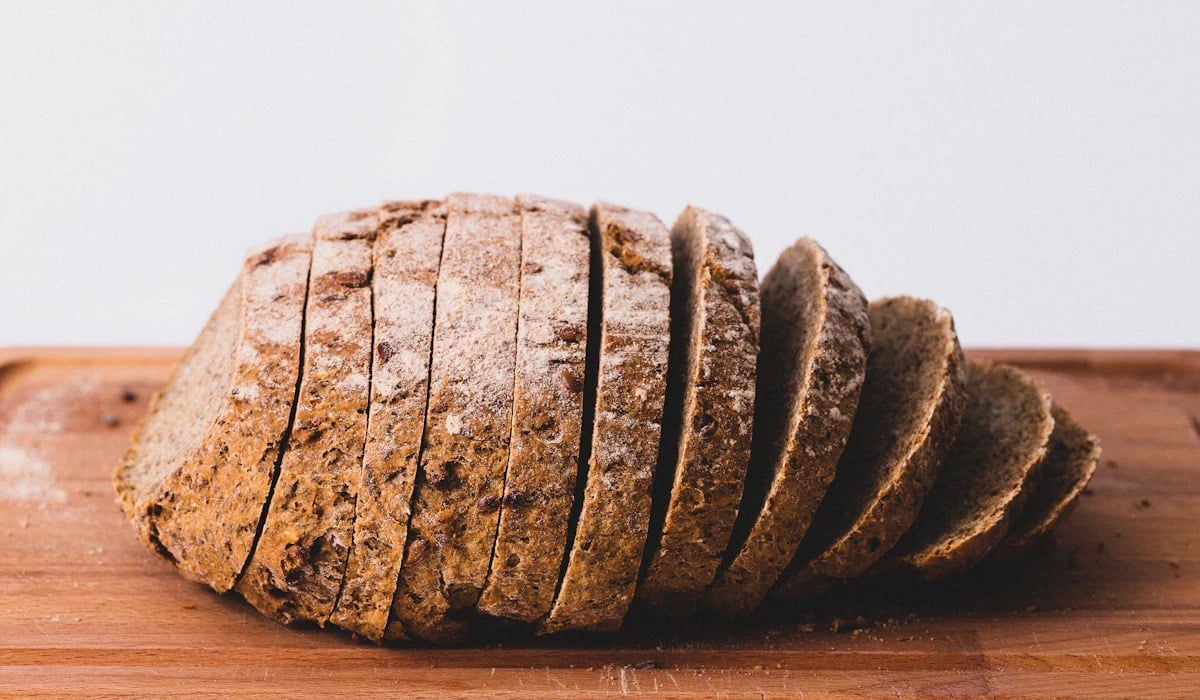
On January 18, 1943, Secretary of Agriculture Claude Wickard banned the sale of sliced bread as a wartime conservation measure. Officials said it would save wax paper, steel for slicing machine parts and some wheat, since sliced loaves needed heavier wrapping.
The public reaction was immediate and fierce. Newspapers ran letters from homemakers complaining about cutting loaves for every lunch and breakfast, and bakers said the savings were negligible.
The ban was rescinded on March 8, 1943, less than two months after it began. Few wartime rules were so short-lived or so widely mocked.
Jamaican Ackee
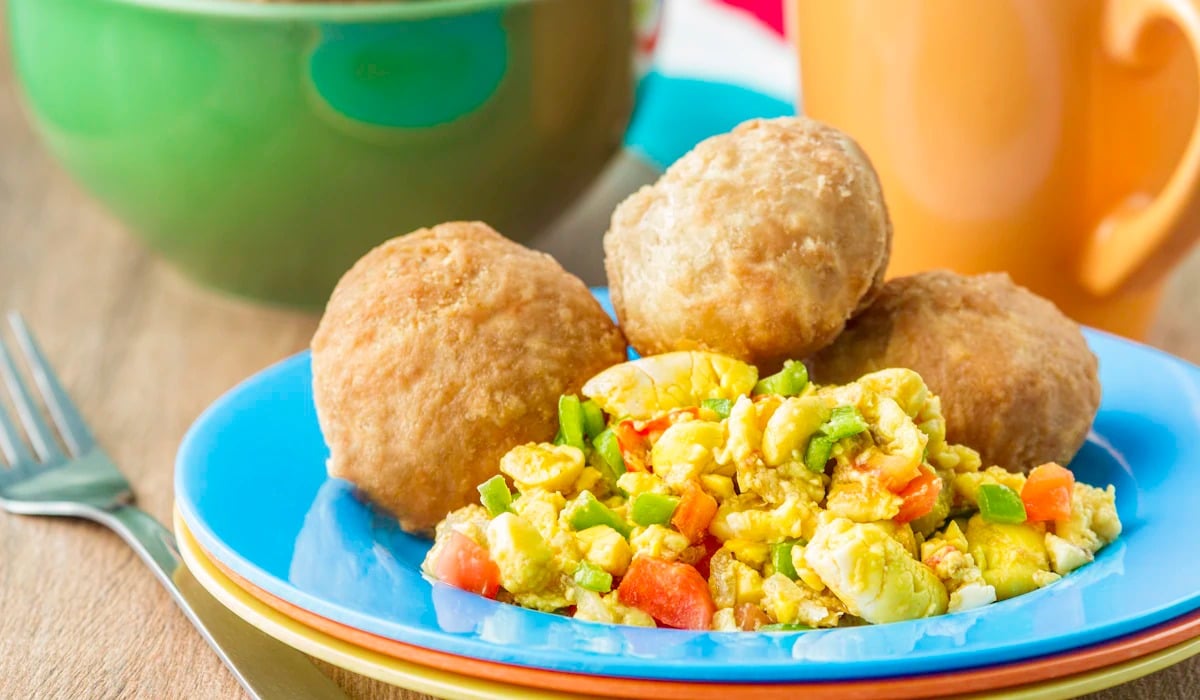
Ackee is Jamaica’s national fruit and half of the island’s national dish, ackee and saltfish. It is also dangerous if eaten unripe, because the fruit contains hypoglycin, a toxin that can cause severe drops in blood sugar.
The FDA blocked imports of ackee in 1973. In 2000 the agency began allowing canned and frozen ackee from processors that meet strict safety standards and appear on an approved list.
Jamaican communities in the United States had long relied on smuggled cans or travel suitcases. The fruit is still subject to tight controls, but supermarkets in many cities now carry it legally.
Casu Marzu From Sardinia
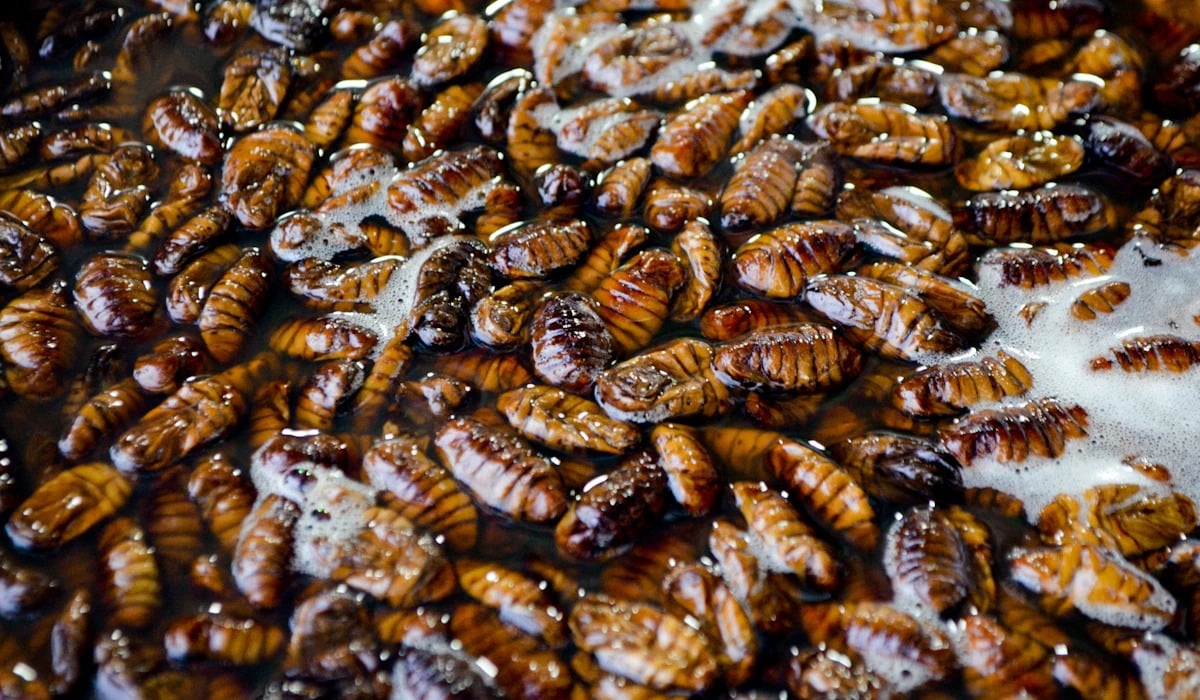
Casu marzu is a sheep milk cheese from Sardinia that is deliberately infested with the larvae of the cheese fly, which break down the fats and create an intensely soft, pungent paste. Fans eat it with the larvae still alive and wriggling.
The cheese is illegal to sell in the United States because it does not meet food safety standards for contamination, and it cannot be imported legally. It has a complicated legal status even in Italy, where it is mostly made and shared privately.
The cheese appears regularly on lists of the world’s most dangerous foods, a reputation its fans tend to enjoy.
Shark Fin
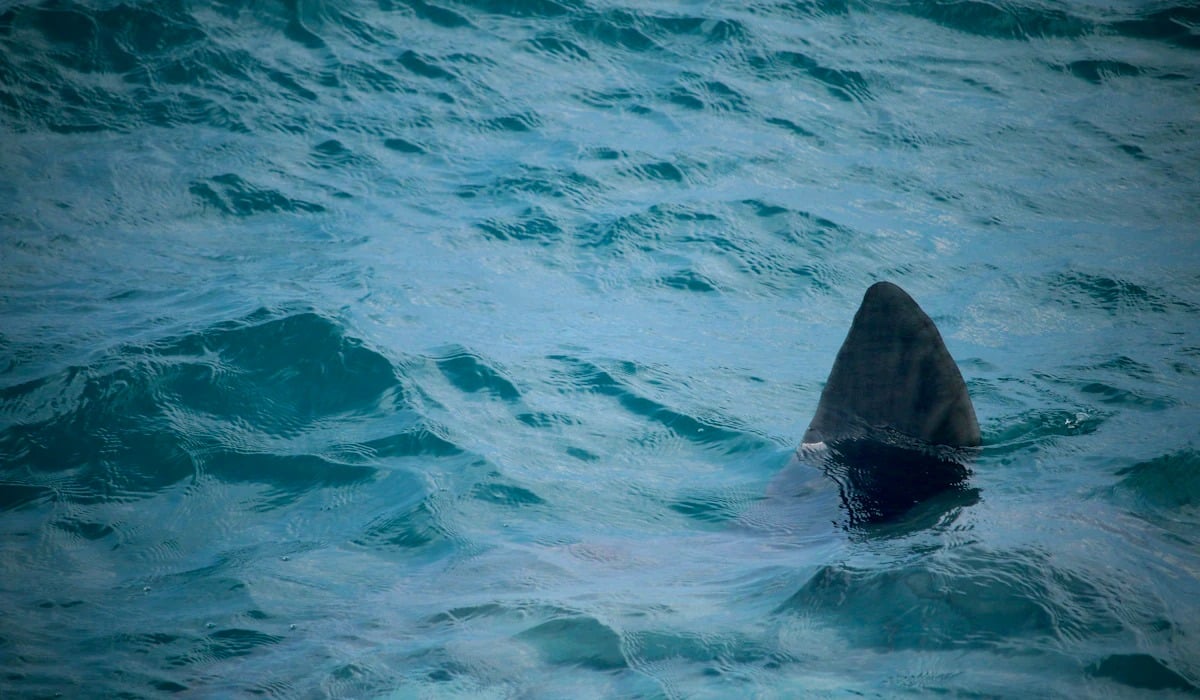
Shark fin soup is a prized dish at Chinese banquets and weddings, but harvesting the fins has been linked to finning, a practice in which fins are cut off and the rest of the animal discarded at sea. Hawaii became the first state to ban the sale and possession of shark fins in 2010, and states including California and New York followed.
In December 2022 the Shark Fin Sales Elimination Act was signed into law as part of a defense spending bill, making the buying and selling of shark fins illegal nationwide. Restaurants that once served the soup turned to imitation versions.
Horse Meat
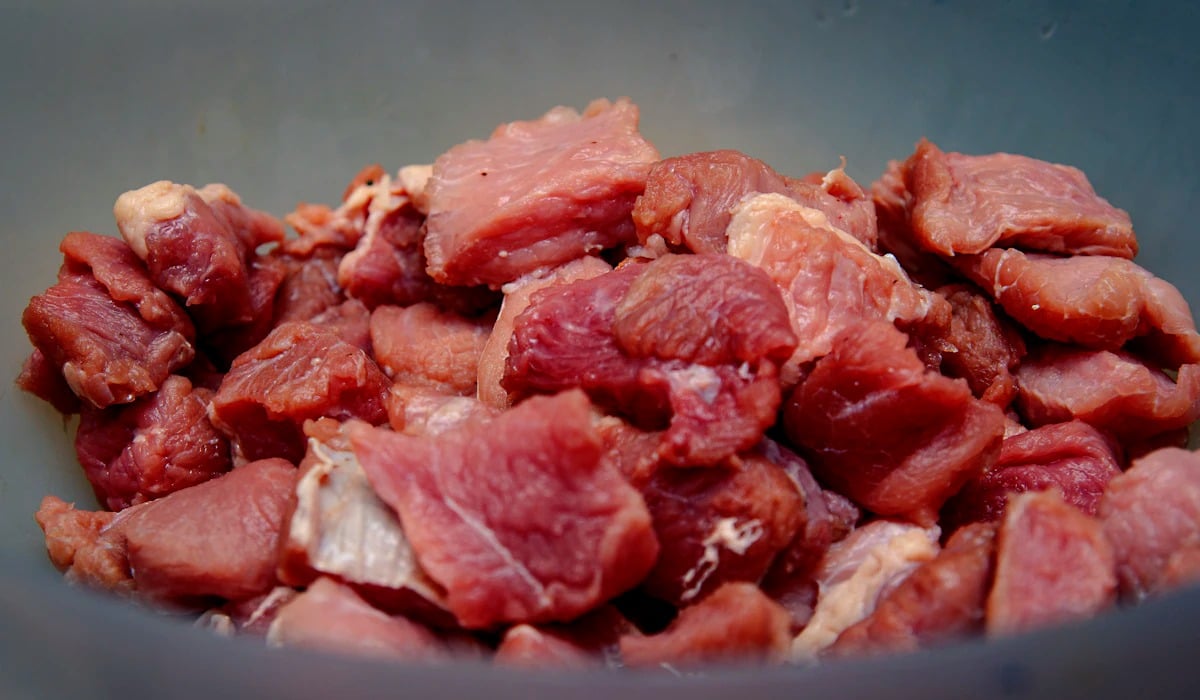
Horse meat was never a mainstream American food, but the country once had slaughterhouses that processed horses for export to Europe and Asia. In 2006 Congress cut off funding for the federal inspections that the meat legally required, and the last remaining plants, in Texas and Illinois, closed in 2007 after legal battles.
Funding was restored for a brief period in the early 2010s, but no plant reopened before Congress blocked it again. The result is a practical ban on producing horse meat for human consumption.
American horses are still shipped to Canada and Mexico, where the trade continues.
Cyclamate Sweetener
Cyclamate was a widely used artificial sweetener in the 1950s and 1960s, helping power early diet sodas and low-calorie foods. In 1969 a study linked it to bladder cancer in rats, and the FDA moved to ban it, removing it from the food supply by 1970.
Later research questioned whether the findings applied to humans, and cyclamate is approved in Canada, the European Union and many other countries. Manufacturers have petitioned for decades to bring it back in the United States without success.
The ban pushed diet soda makers toward saccharin and later aspartame, reshaping what diet drinks taste like.
Red Dye No. 2 and the Missing Red M and M’s
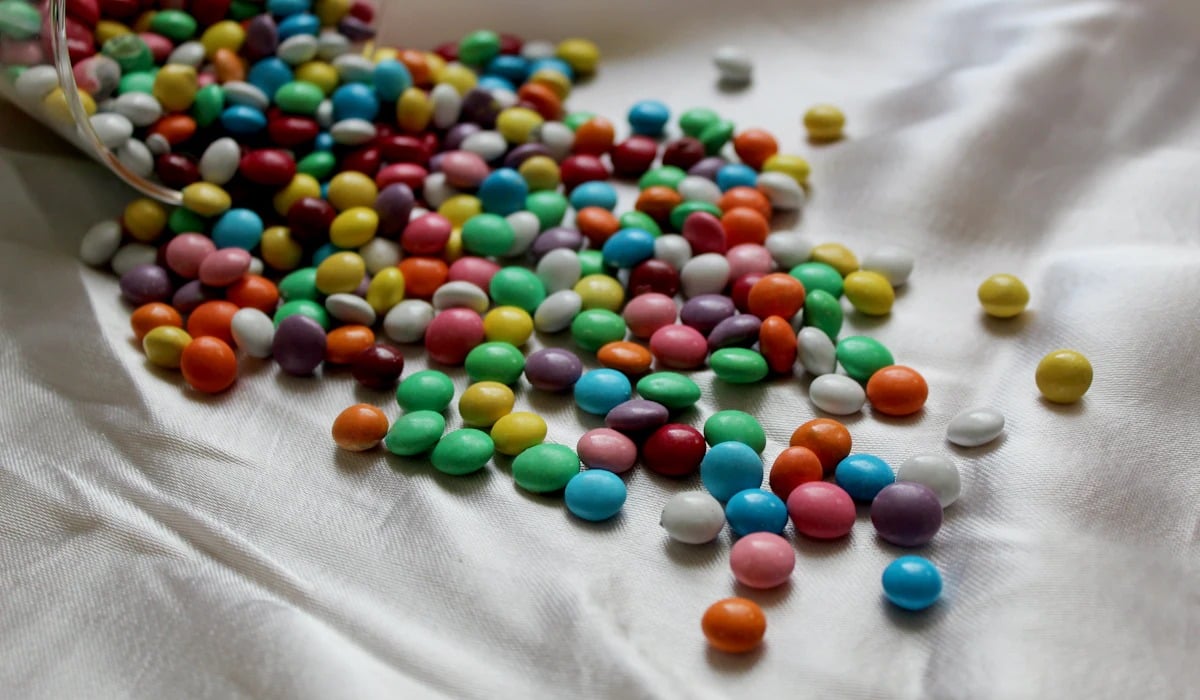
The FDA banned Red Dye No. 2 in 1976 after studies suggested it caused tumors in rats. The dye had been used widely in candies, sodas and processed foods.
Mars responded by pulling red M and M’s from the bag that same year, even though the candy did not use Red No. 2, because the company worried that customers would assume it did. Red M and M’s stayed out of circulation until 1987, when the company brought them back after years of lighthearted campaigning by fans.
The episode became a classic example of public perception driving a business decision as much as science.
Red Dye No. 3
Red Dye No. 3 gave a bright cherry color to candy, maraschino cherries, frosting and some medications for decades. The FDA banned it in cosmetics in 1990 after a study linked high doses to thyroid tumors in male rats, but it remained allowed in food for another 35 years.
In January 2025 the agency revoked its authorization in food and ingested drugs, citing the Delaney Clause, which prohibits food additives found to cause cancer in animals. Food manufacturers have until January 2027 to reformulate.
California had already passed its own ban in 2023, which added pressure on federal regulators to act.
Brominated Vegetable Oil
Brominated vegetable oil was used for decades to keep citrus flavoring evenly mixed in sodas, preventing it from floating to the surface. It appeared in drinks including Mountain Dew and some versions of Sun Drop, though most major soda makers had already dropped it before regulators moved.
Concerns grew over bromine accumulation in the body and potential effects on the thyroid. In July 2024 the FDA revoked authorization for its use in food.
California had already banned it, and many beverage companies quietly reformulated in the years before the federal ruling, so most drinkers never noticed the change.
Sassafras Root Beer
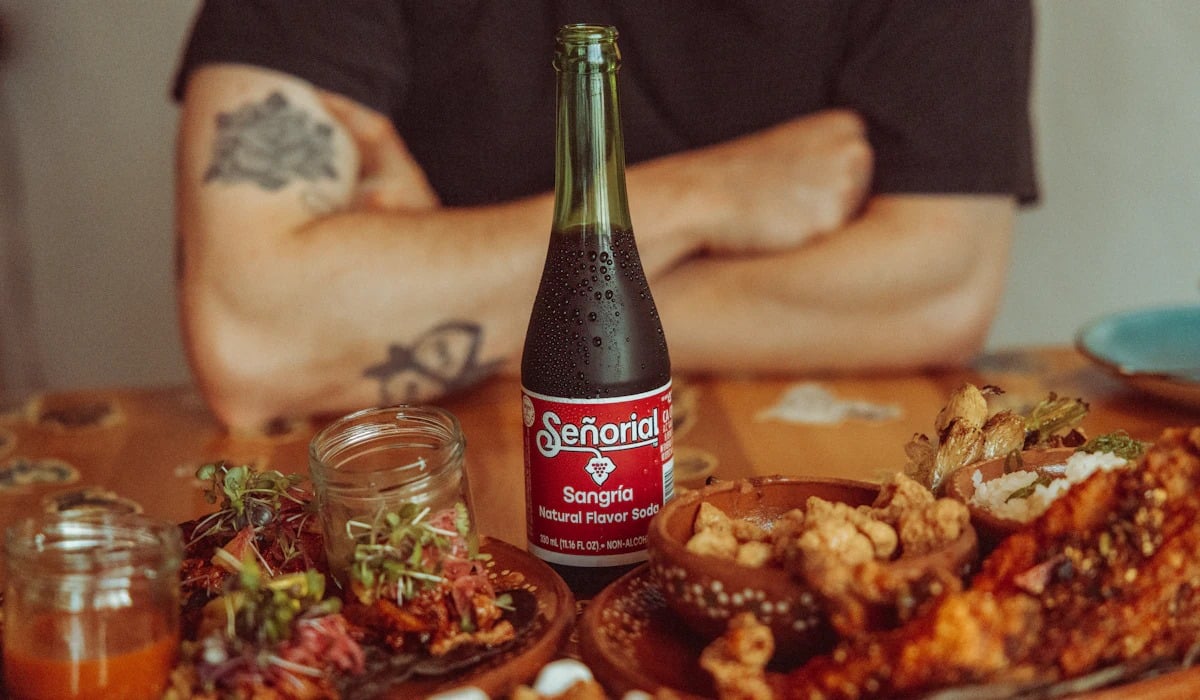
Root beer was originally flavored with the root bark of the sassafras tree, which gave the drink its distinctive taste. In 1960 the FDA banned safrole, the main compound in sassafras oil, as a food additive after studies found that high doses caused liver cancer in rats.
Root beer makers switched to artificial flavoring or to sassafras extract with the safrole removed. Many old-timers insist that modern root beer has never tasted quite right since.
Sassafras tea, once a common spring tonic in Appalachian homes, became harder to buy legally as a commercial product after the ruling.
Beluga Caviar
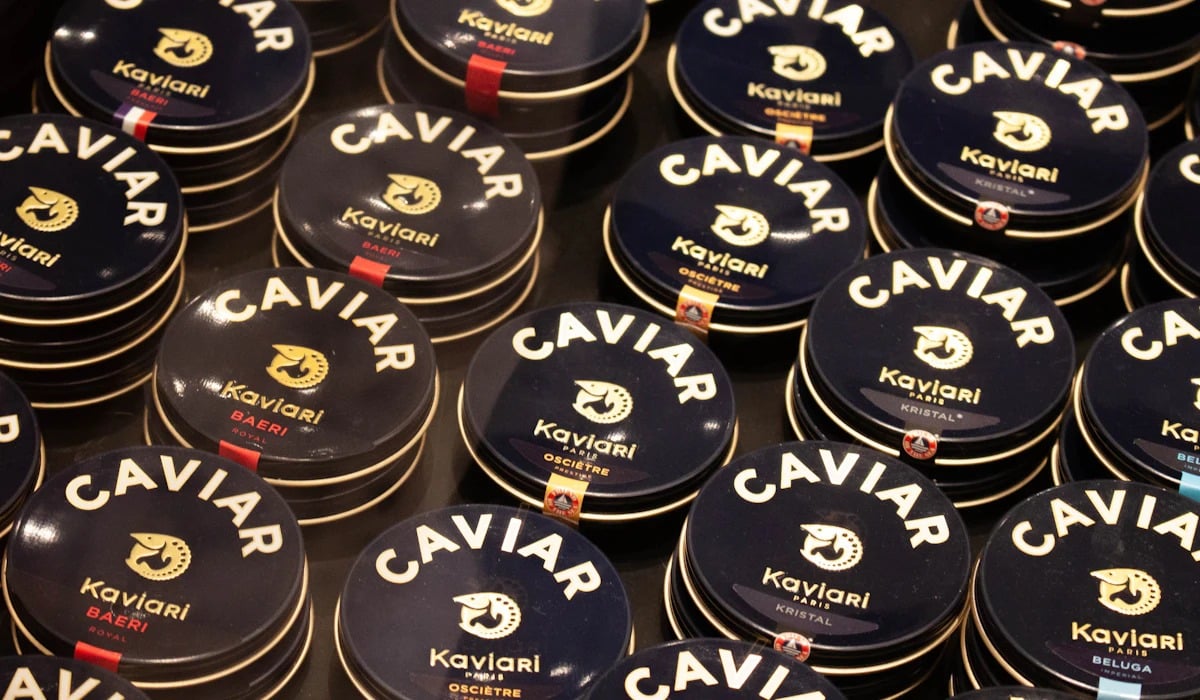
Beluga sturgeon from the Caspian and Black Seas produce some of the most expensive caviar in the world. Overfishing and poaching drove the species toward collapse, and in 2005 the U.S.
Fish and Wildlife Service banned imports of beluga caviar from the Caspian Sea region. The United States had been one of the largest markets for the delicacy, so the decision was a serious blow to the trade.
American diners shifted toward farmed caviar from other species, including American paddlefish and white sturgeon. Beluga sturgeon is still listed as critically endangered, and the restrictions remain largely in effect.
Chinese Mitten Crab
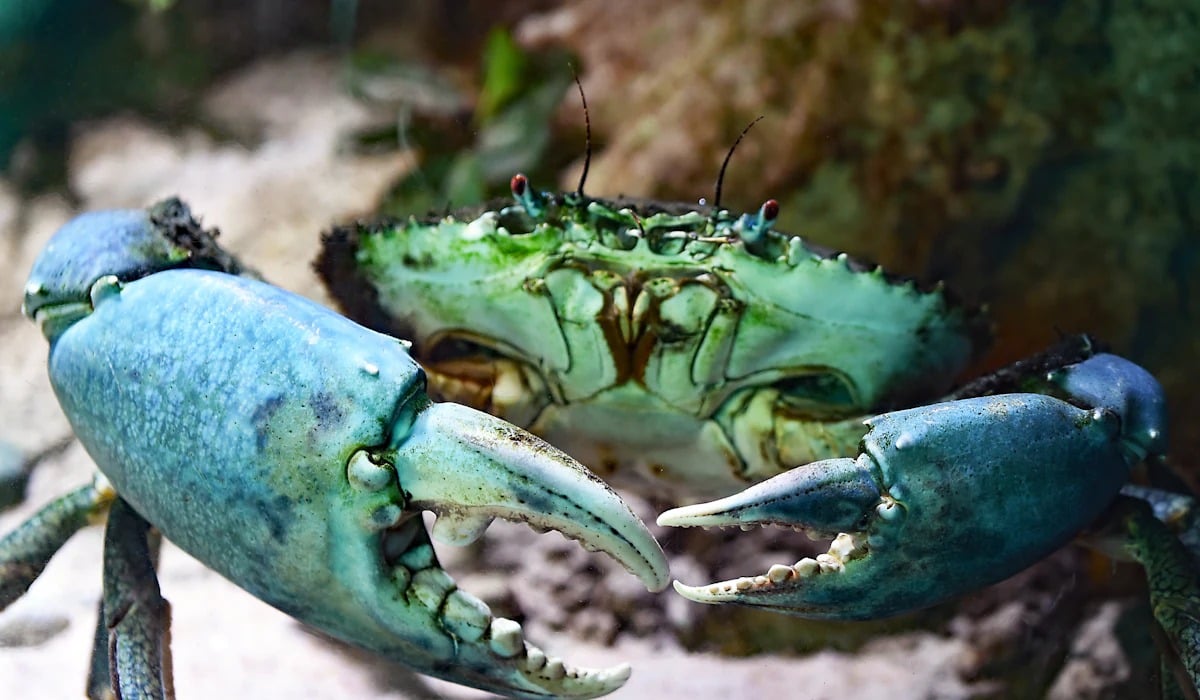
Named for furry claws that look like mittens, the Chinese mitten crab is a delicacy in Shanghai and other parts of China, especially in the fall. In the United States it is listed as an injurious species under the Lacey Act, which makes it illegal to import or transport live crabs without a permit.
The concern is ecological. The crabs burrow into riverbanks and levees, damage fishing gear and compete with native species, and they have already established a population in the San Francisco Bay area.
Federal agents have intercepted shipments of live crabs smuggled in luggage and packages for years.
Japanese Wagyu Beef
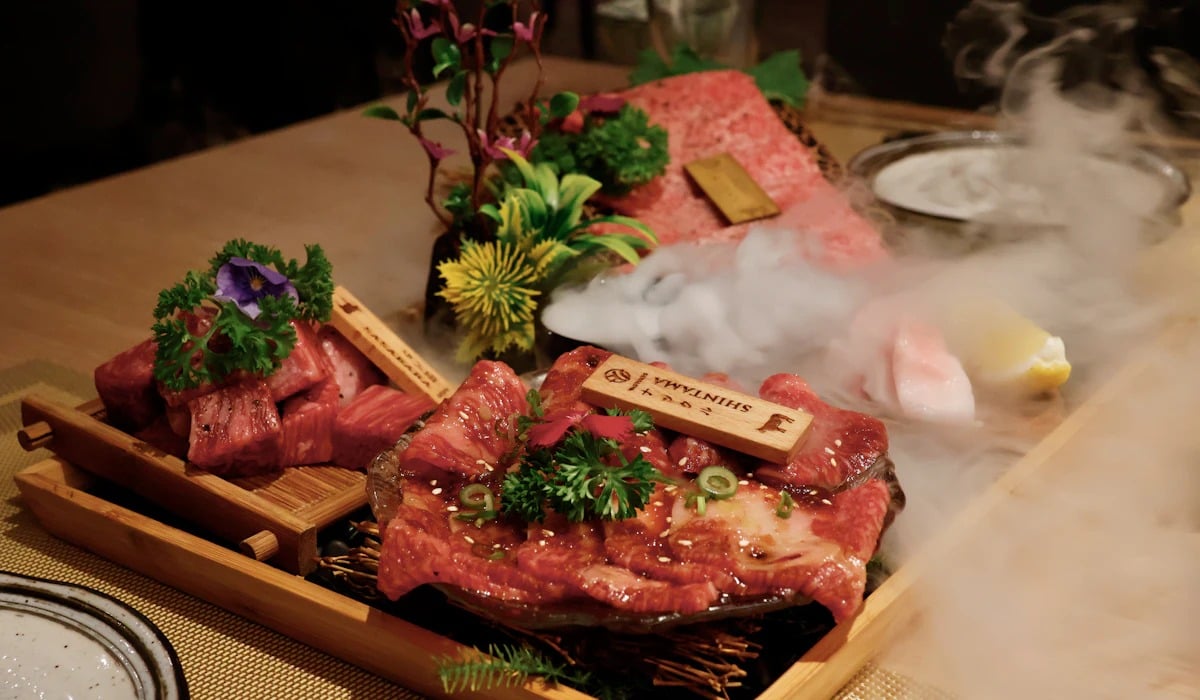
Highly marbled Japanese wagyu, including the famous Kobe beef, commands some of the highest prices of any meat in the world. In 2010 an outbreak of foot-and-mouth disease in the Miyazaki Prefecture led the United States to halt imports of Japanese beef.
The ban lasted about two years, and imports resumed in August 2012 under strict conditions. Even before the halt, earlier mad cow concerns had interrupted the trade.
Today authentic Japanese wagyu is available in high-end American restaurants, though it is often confused with domestic wagyu-cross beef raised in the United States.
British Beef
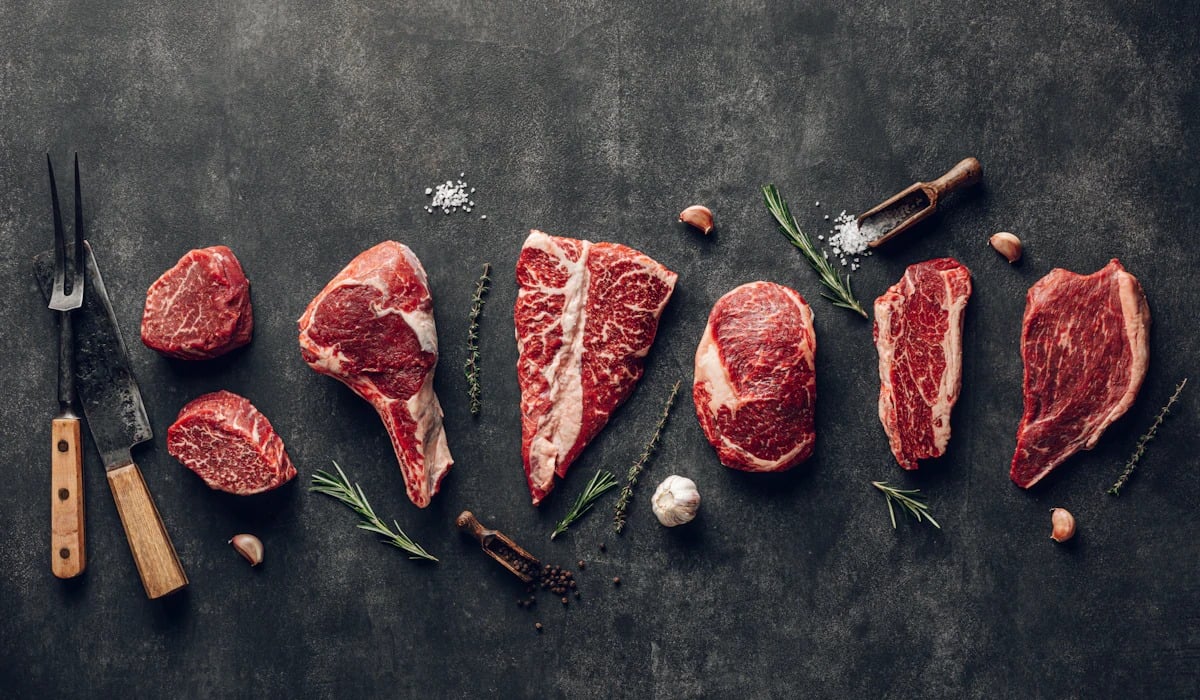
After bovine spongiform encephalopathy, better known as mad cow disease, spread through British cattle, the United States barred imports of ruminant animals and their products from affected countries beginning in 1989. British beef stayed off American plates for decades as regulators worked through testing and trade negotiations.
The United States finally opened its market again in 2020, and the first shipments of British beef arrived that fall after a gap of more than two decades. The reopening was celebrated in the United Kingdom as a long-awaited trade win, though the volume of exports has remained modest compared with other markets.
Indian Mangoes
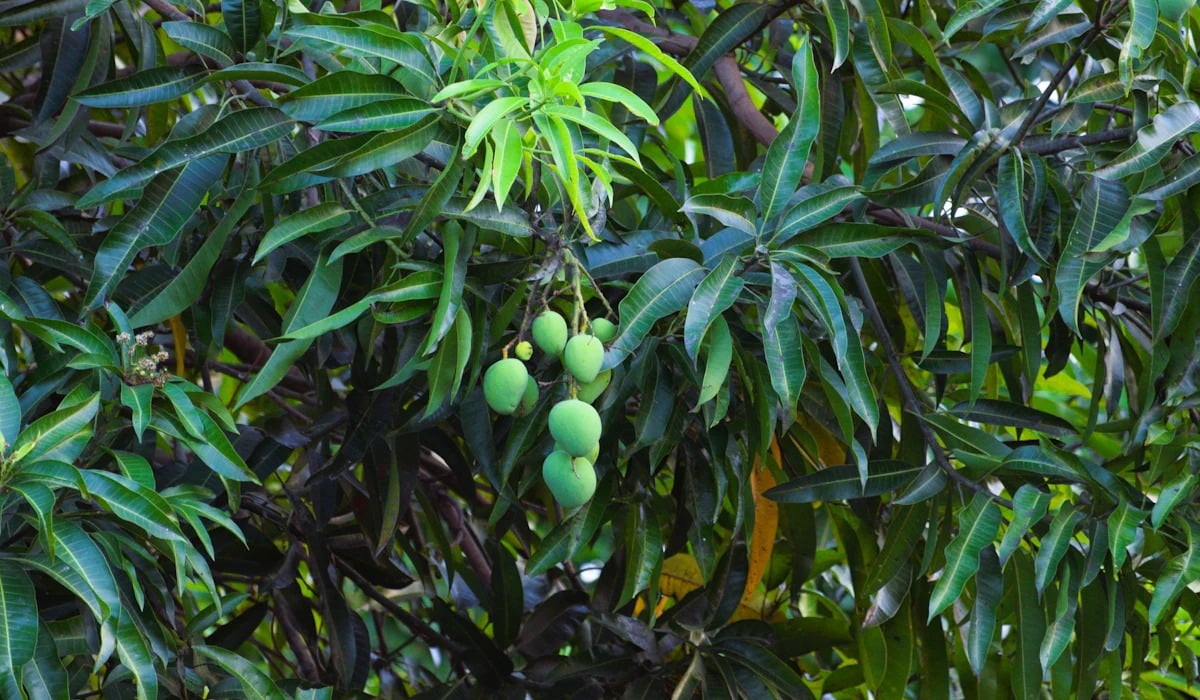
Indian mangoes, including the prized Alphonso variety, were kept out of the United States from 1989 because of concerns over pests such as fruit flies and seed weevils. The ban ended as part of a broader trade deal in which India agreed to allow imports of American motorcycles, a swap popularly summed up as mangoes for Harley-Davidsons.
The first legal shipments of Indian mangoes arrived in 2007, after the fruit was treated with irradiation to kill pests. Indian-American communities had long waited for the fruit, and early shipments sold out quickly despite high prices and a short season.
Mexican Avocados
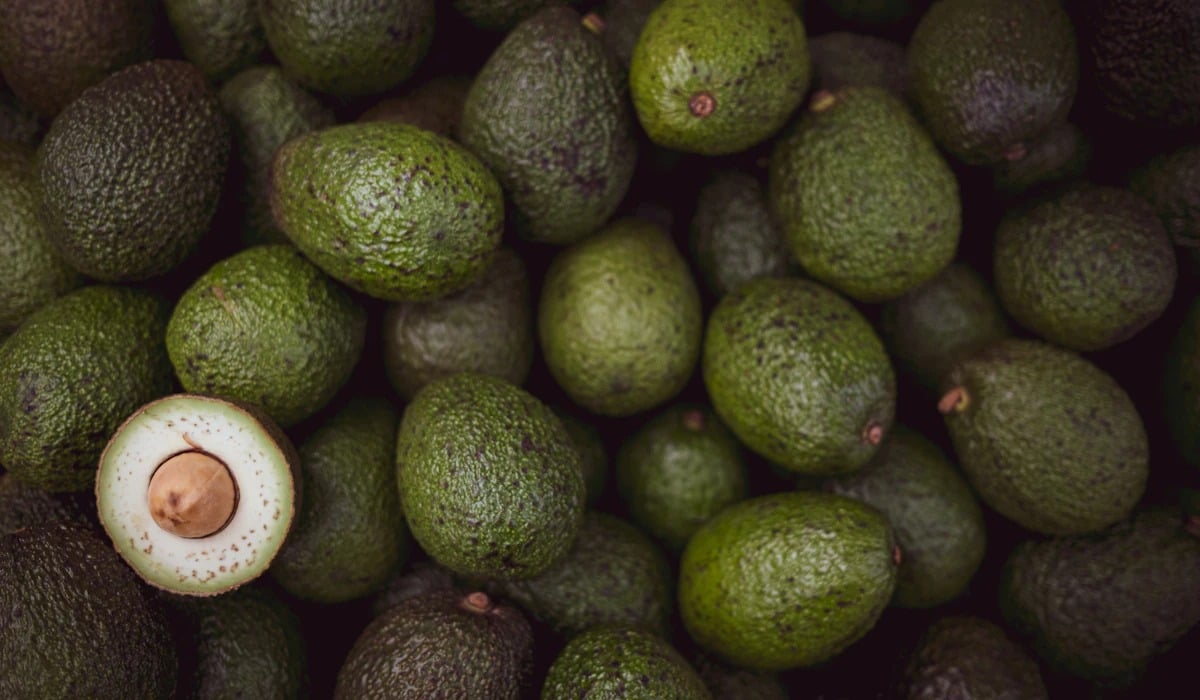
The United States banned Mexican avocados in 1914, citing concerns over pests including seed weevils that could threaten domestic orchards. The ban lasted more than 80 years.
In 1997 the USDA began allowing Mexican avocados into a limited number of northern states during winter months, when the pests were thought to pose less of a risk. Access expanded gradually, and by 2007 Mexican avocados could be sold in all 50 states.
Today Mexico supplies the vast majority of avocados eaten in the United States, and the fruit has become a fixture of American menus in the form of guacamole and avocado toast.
Jamon Iberico
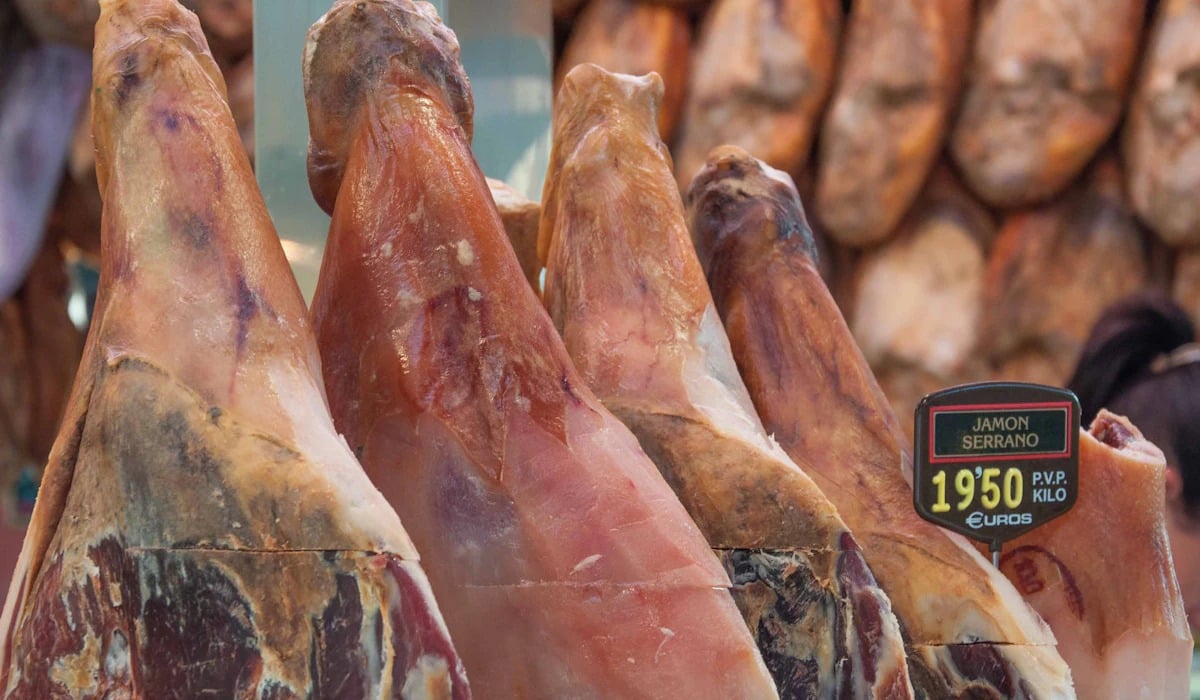
Spanish jamon Iberico comes from black Iberian pigs that are often fattened on acorns, producing a cured ham with an intensely nutty, rich flavor. For decades it could not be sold in the United States because Spanish producers did not have USDA-approved facilities for export.
The first legal imports arrived in 2007, after a Spanish producer built a facility that met American inspection requirements. Bone-in hams followed later, after the long curing process had run its course.
Before then, travelers returning from Spain sometimes tried to sneak hams through customs, and American chefs had to settle for domestic or other imported cured pork.
Prosciutto di Parma
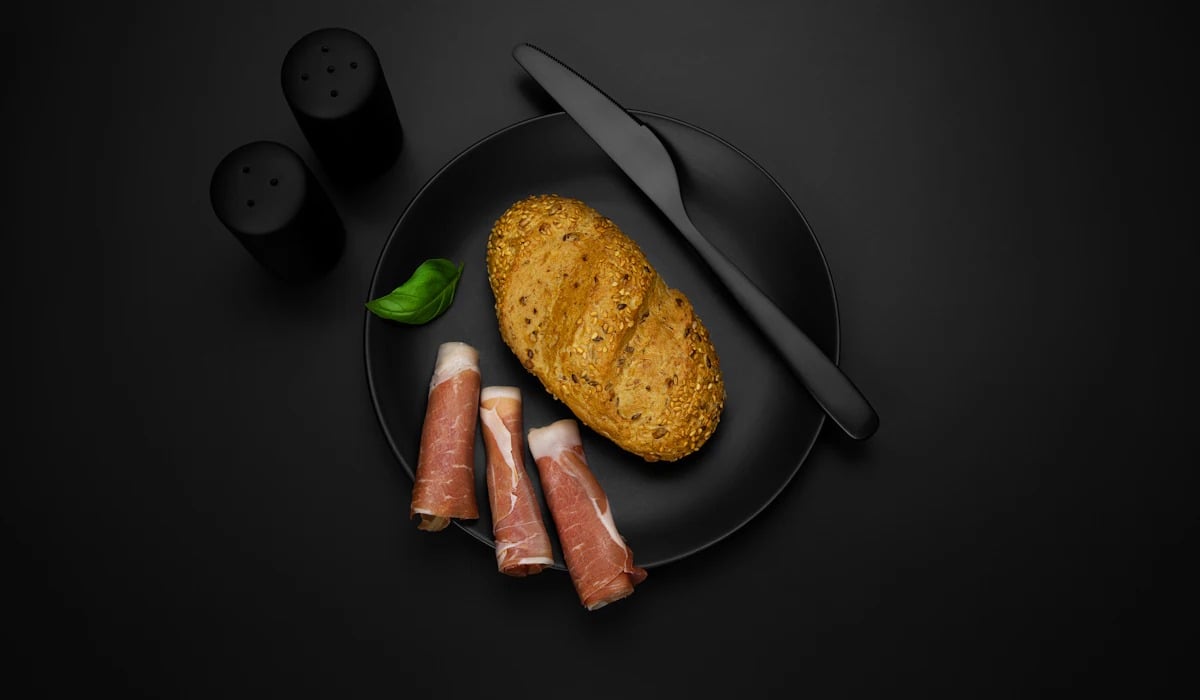
Italian prosciutto di Parma, the cured ham from the Parma region, was kept out of the United States for years over concerns about swine diseases in Italy. American shoppers relied on domestic prosciutto made in a similar style.
The USDA allowed prosciutto di Parma into the country in 1989, after Italian producers met inspection standards. The ham’s arrival helped spark a broader American interest in Italian cured meats and specialty deli products.
Other Italian cured meats remained restricted for longer, and some, such as certain salumi from specific regions, were only cleared much later, in the 2010s.
Artificial Trans Fats
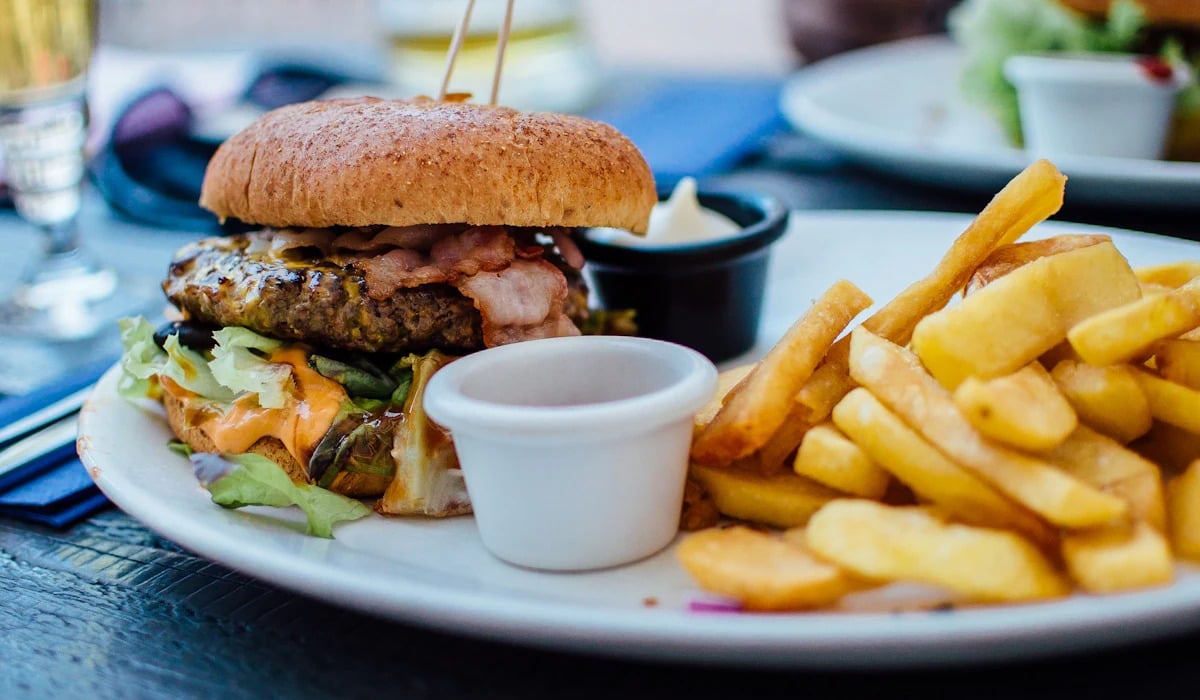
Partially hydrogenated oils, the main source of artificial trans fats, were common in margarine, frying oil, baked goods and snack foods for decades. New York City moved first on a large scale, adopting a rule in 2006 that phased trans fats out of restaurant food.
In 2015 the FDA determined that partially hydrogenated oils were no longer generally recognized as safe, giving manufacturers until 2018 to remove them from most products. The move followed research linking trans fats to heart disease.
Crackers, cookies and microwave popcorn quietly changed recipes, and few shoppers noticed any difference in taste.
Lab-Grown Meat
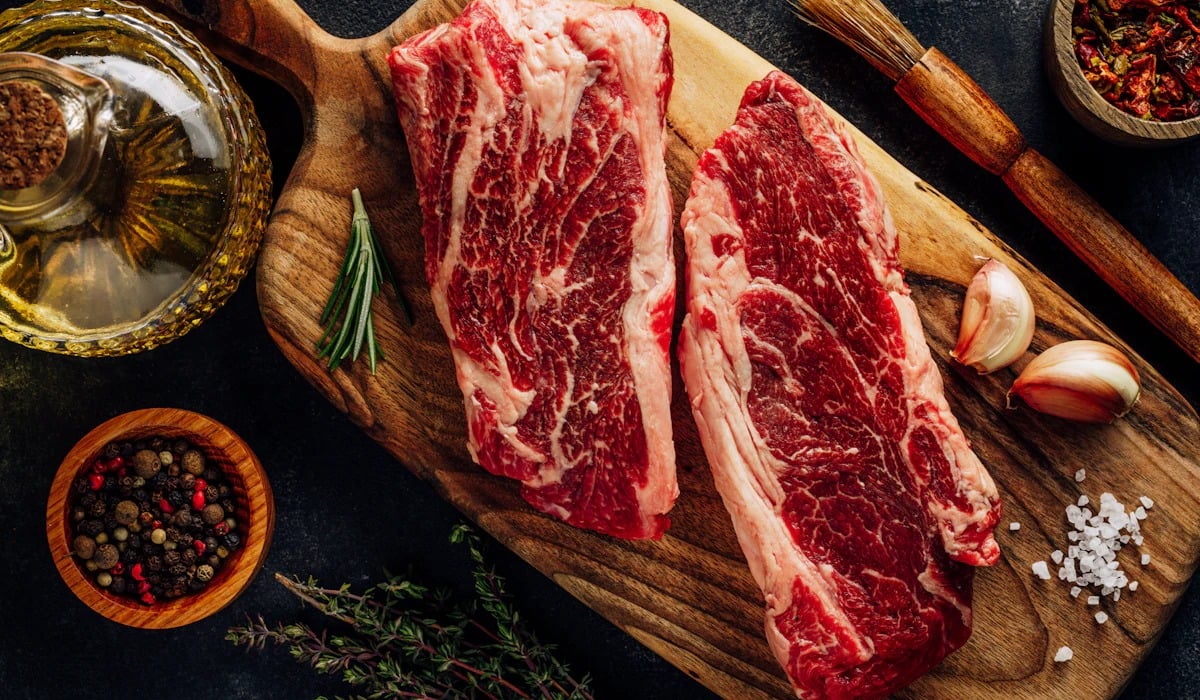
Cultivated meat, grown from animal cells in bioreactors, received federal approval for sale in 2023, when two companies were cleared to sell cultivated chicken. Within a year Florida and Alabama passed laws banning its sale, making them the first states to do so in 2024.
Supporters of the bans framed them as protecting traditional farmers and ranchers, while critics called them a restriction on consumer choice and innovation. Other states followed with similar laws in 2025.
The fight is unusual because it concerns a food that most Americans have never seen in a store, banned before it had a chance to reach the shelves.
Mangosteen
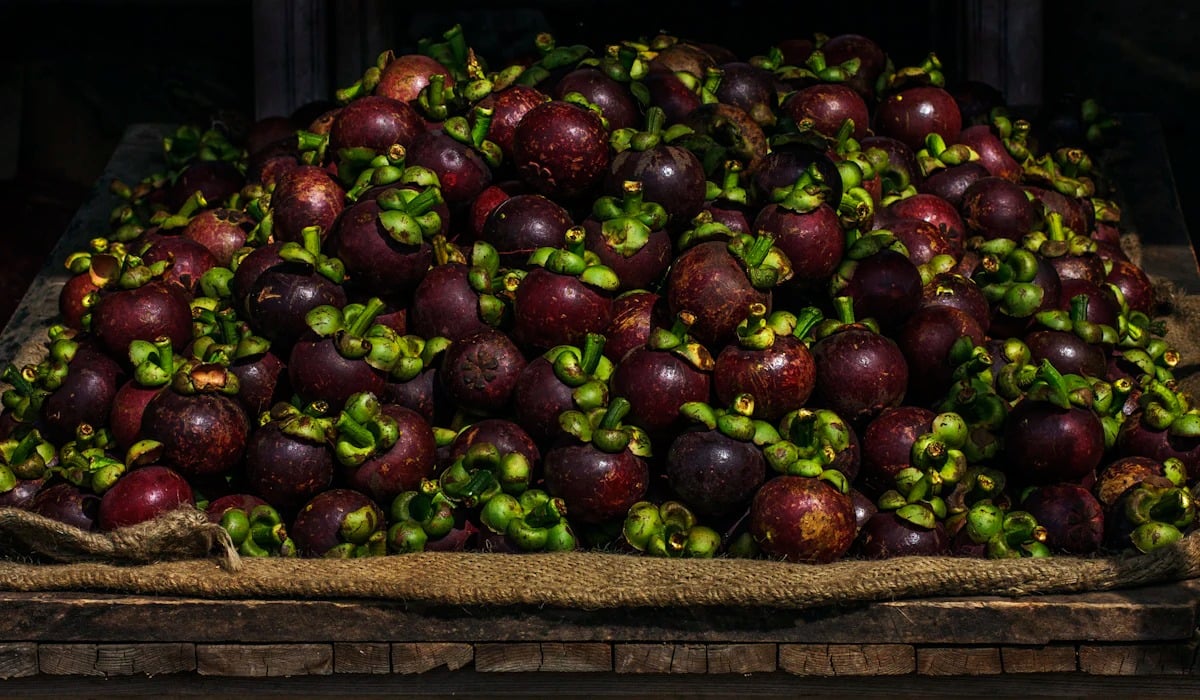
The mangosteen, a purple-skinned Southeast Asian fruit with sweet white segments, is often called the queen of fruits. It was long barred from the United States over concerns about fruit flies and other pests that could hitch a ride in imports.
In 2007 the USDA began allowing mangosteens from Thailand that had been treated with irradiation to kill any pests. Before then, travelers returning from Asia sometimes tried to bring the fruit home in their luggage, only to have it confiscated.
Mangosteens are now available in specialty markets in the United States, though they remain expensive and seasonal.
Contraband on the Dinner Plate
The list of foods once banned in America reads like a record of shifting fears. Pests, cancer studies, wartime shortages, mad cow disease and dairy lobbying each left a mark on what Americans could buy.
Some bans were based on solid science, while others reflected politics or economic protectionism more than any genuine threat.
Many of the restrictions lifted once regulators found ways to manage the risk, through irradiation, approved processors or improved inspection. Others remain in place, and new ones are still being written.
The grocery aisle is not a neutral space but a negotiated one, shaped by decades of arguments over what is safe, fair and worth eating.
MORE FROM GO2TUTORS!

- The Romanov Crown Jewels and Their Tragic Fate
- 13 Historical Mysteries That Science Still Can’t Solve
- Famous Hoaxes That Fooled the World for Years
- 15 Child Stars with Tragic Adult Lives
- 16 Famous Jewelry Pieces in History
Like Go2Tutors’s content? Follow us on MSN.