25 Museums Preserving Recent American History
Most people picture a history museum as a building full of things that happened generations before anyone alive today was born. A newer kind of museum has emerged over the past few decades, built instead to preserve events that many visitors actually remember living through.
The museums below cover roughly the last eighty years of American life: the Cold War, the civil rights movement, immigration in the modern era, and the cultural shifts that followed. All are real, physical institutions currently open to the public.
National September 11 Memorial and Museum
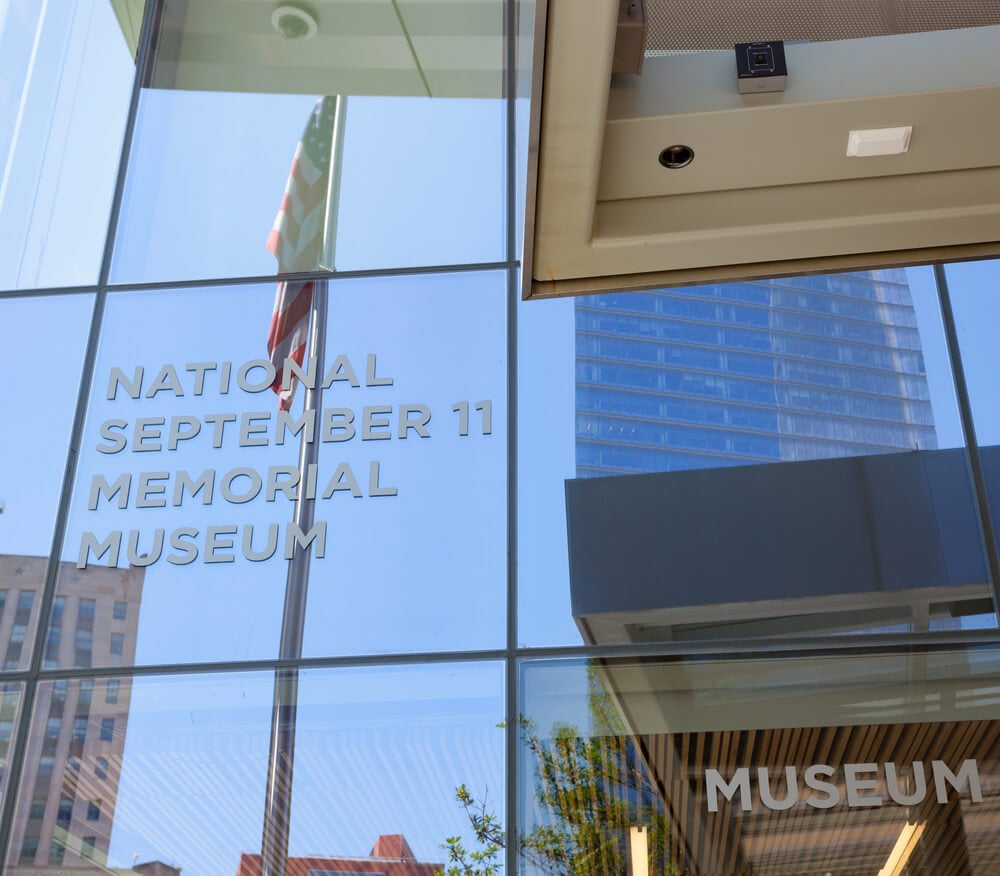
Located at the site of the World Trade Center in Lower Manhattan, this museum holds recovered steel, personal artifacts, and recorded testimony documenting the September 11, 2001, attacks and the 1993 World Trade Center bombing. Its collection includes more than 40,000 objects, ranging from a crushed fire truck to voicemail recordings left by people inside the towers.
National Museum of African American History and Culture
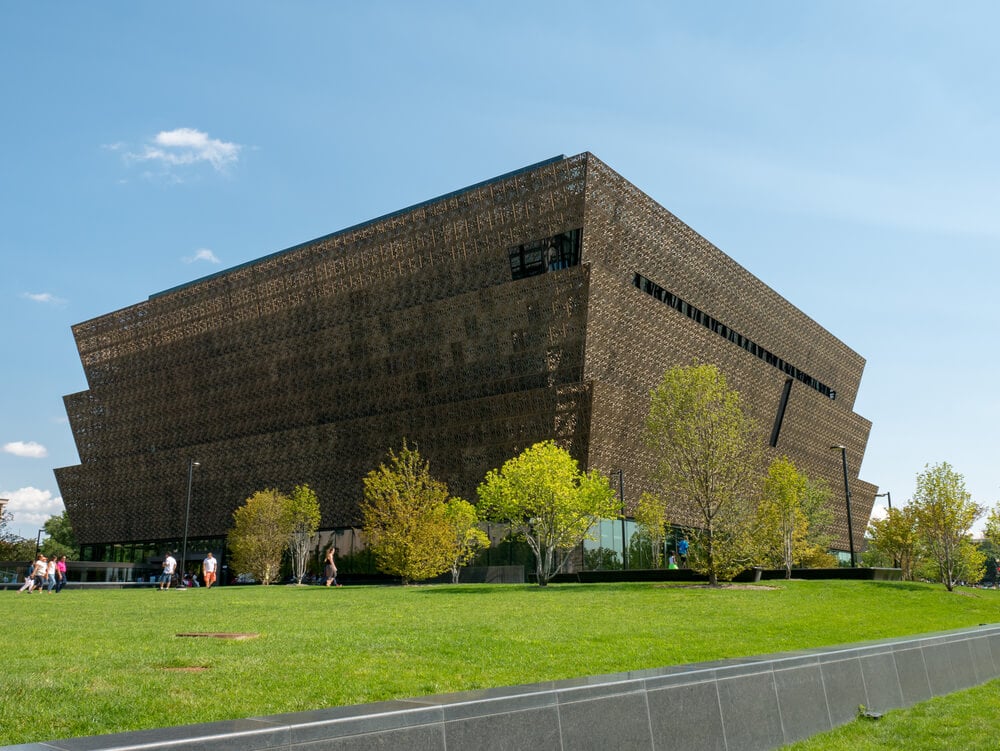
Opened on the National Mall in Washington, D.C., in 2016, this Smithsonian museum traces Black American history from the transatlantic slave trade through the civil rights movement and into the present day. Its lower levels move chronologically underground before visitors ascend into galleries covering more recent culture, music, and achievement.
National Civil Rights Museum
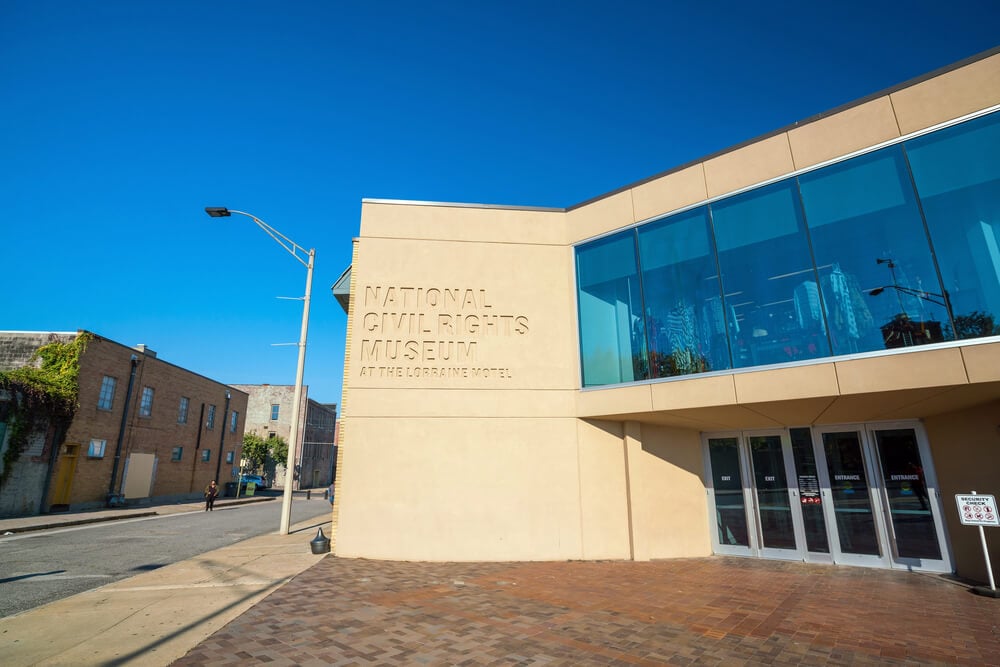
Built around the former Lorraine Motel in Memphis, Tennessee, where Martin Luther King Jr. was killed in 1968, this museum traces the civil rights movement from the era of enslavement through the present. The preserved motel room where King stayed remains part of the exhibit, viewable from behind glass.
The Legacy Museum
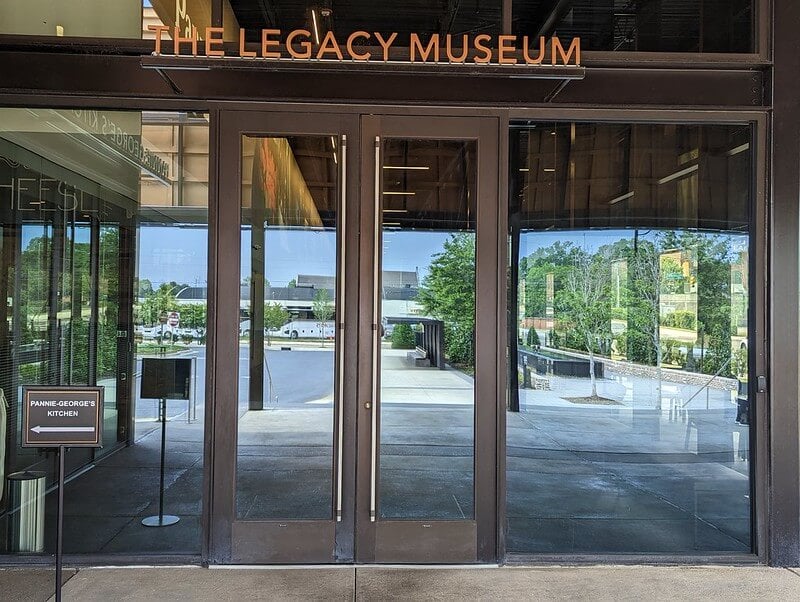
Opened in Montgomery, Alabama, in 2018 as a companion to the nearby National Memorial for Peace and Justice, the Legacy Museum traces a direct line from slavery through lynching, segregation, and mass incarceration using immersive exhibits and first-person narratives. The museum sits on the site of a former warehouse where enslaved people were once held before sale.
Birmingham Civil Rights Institute
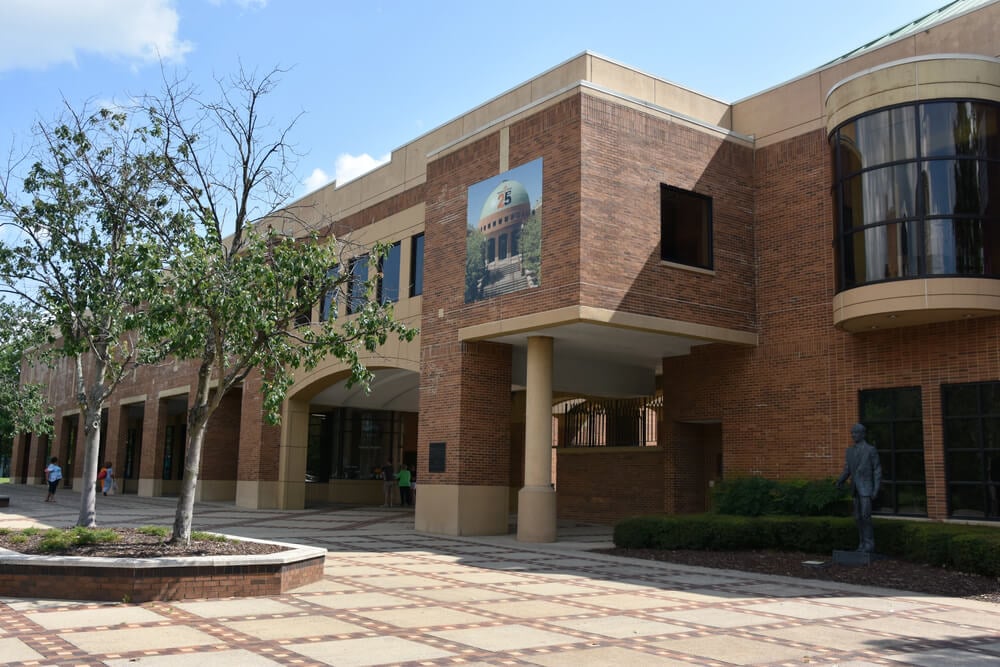
Located across the street from the 16th Street Baptist Church in Birmingham, Alabama, this museum documents the civil rights struggle in a city that became one of the movement’s most contested battlegrounds in the early 1960s. Exhibits include a re-created segregated water fountain and jail cell alongside oral histories from participants in the Birmingham campaign.
International Civil Rights Center and Museum
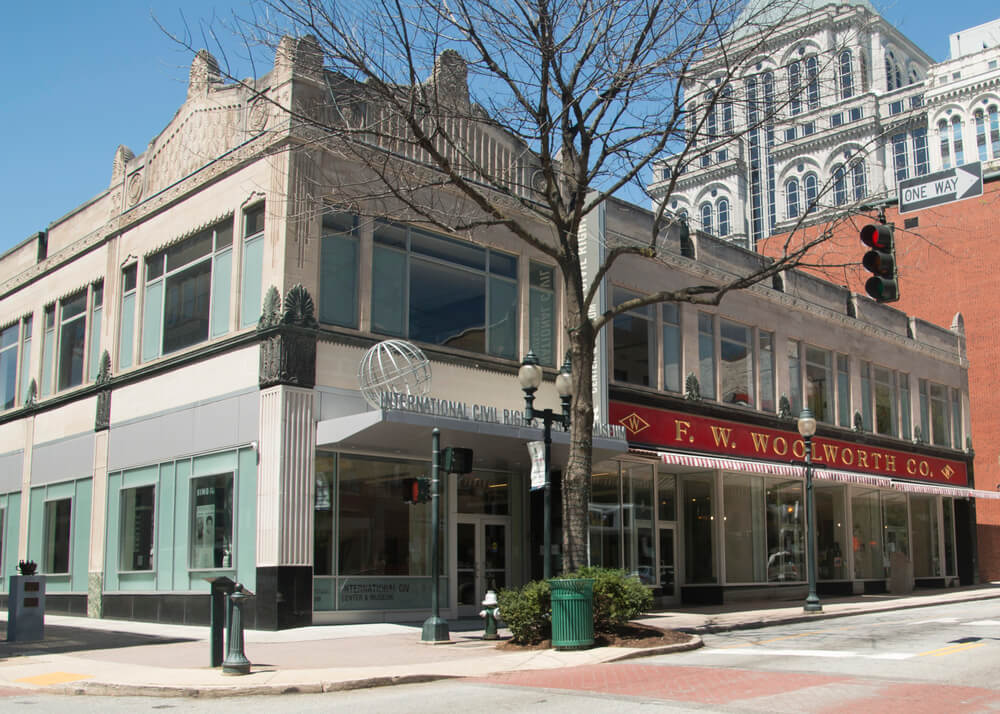
Housed in the former Woolworth’s building in Greensboro, North Carolina, this museum preserves the actual lunch counter where four Black college students staged a sit-in in 1960, sparking similar protests across the South. The counter and stools remain in their original location inside the building.
The National WWII Museum
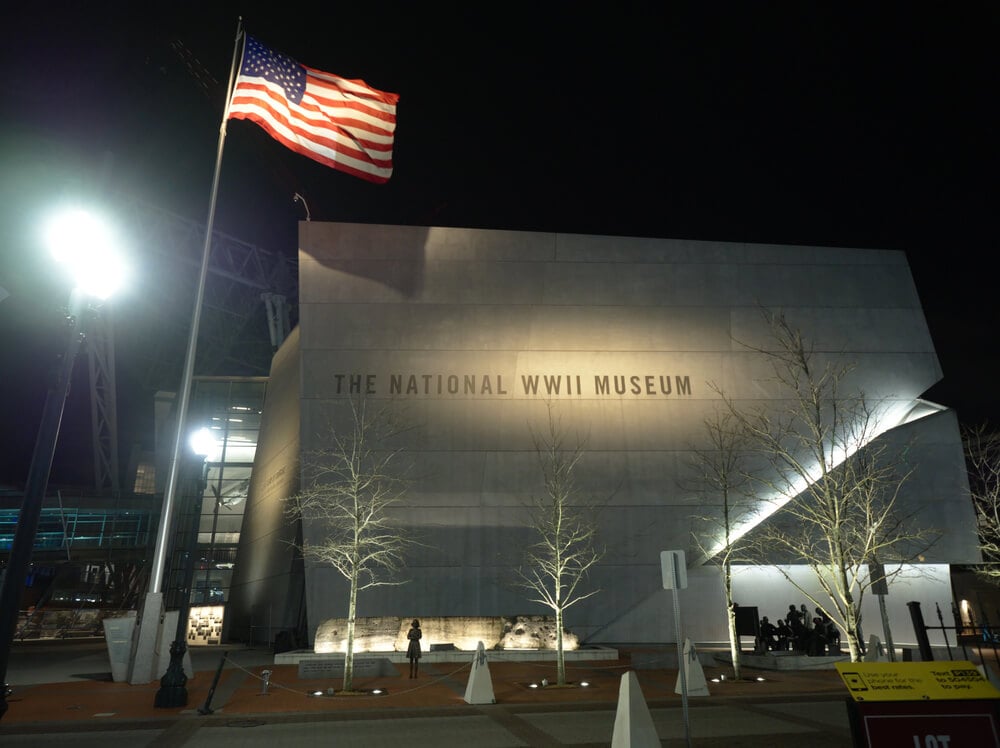
Founded in New Orleans, Louisiana, near where thousands of the Higgins landing craft used in the D-Day invasion were manufactured, this museum has grown into one of the largest institutions dedicated to the Second World War in the country. Its collection relies heavily on recorded oral histories from veterans, many gathered before that generation had largely passed.
The Sixth Floor Museum at Dealey Plaza
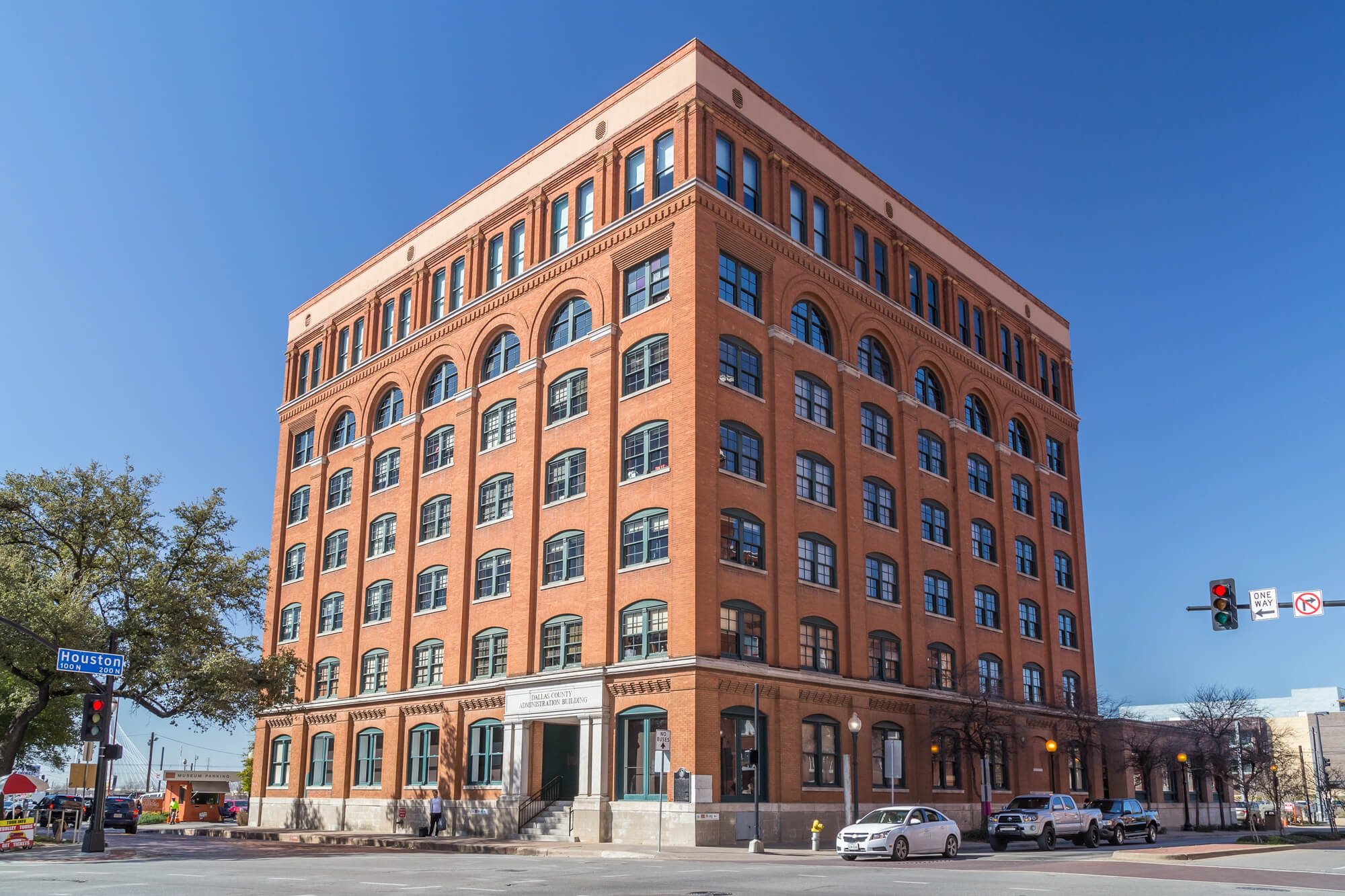
Located in the former Texas School Book Depository in Dallas, this museum occupies the floor from which Lee Harvey Oswald fired the shots that killed President John F. Kennedy in 1963. The window near the sniper’s position has been preserved behind glass in its original configuration.
The Cold War Museum
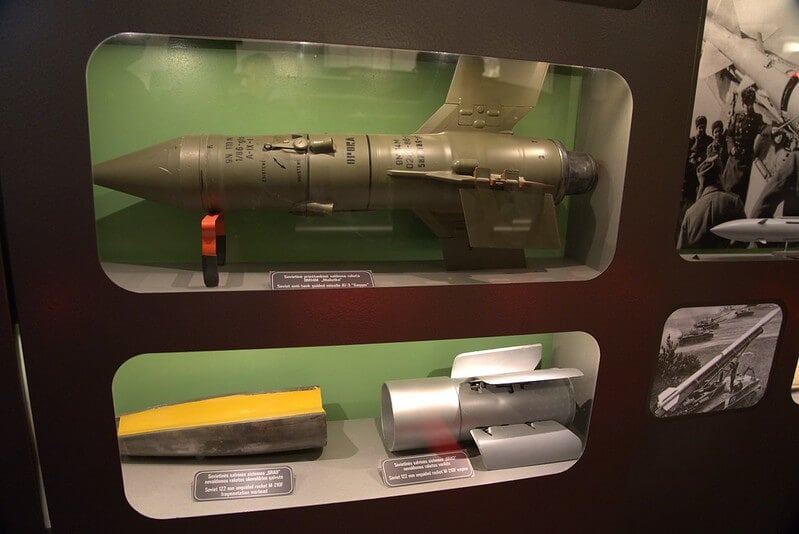
Housed in a former Army communications base at Vint Hill Farms Station in Warrenton, Virginia, this museum preserves artifacts from the decades-long standoff between the United States and the Soviet Union. Its collection includes items connected to the U-2 incident, the Cuban Missile Crisis, and the Berlin Airlift, along with the largest known collection of American civil defense material.
National Cryptologic Museum
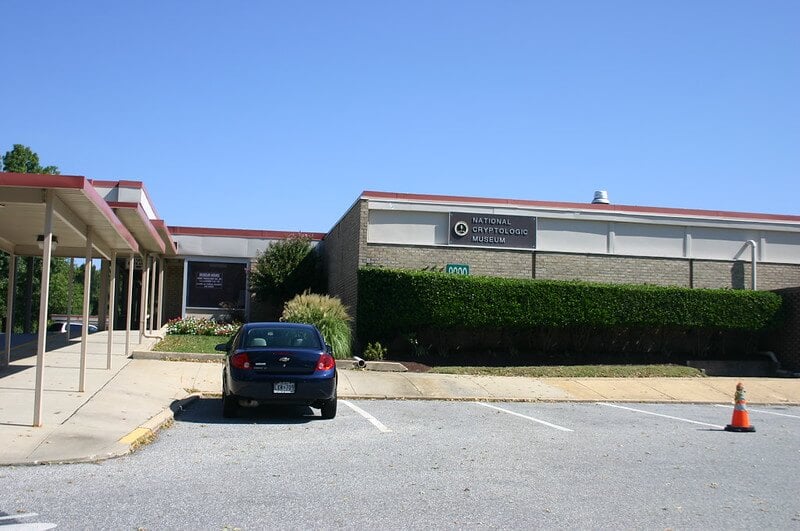
Operated by the National Security Agency near its headquarters at Fort Meade, Maryland, this museum displays declassified code-breaking equipment and espionage artifacts spanning from the Second World War through the Cold War and beyond. Several of the machines on display, including an original Enigma device, remained classified for decades before being released for public exhibit.
National Museum of Nuclear Science and History
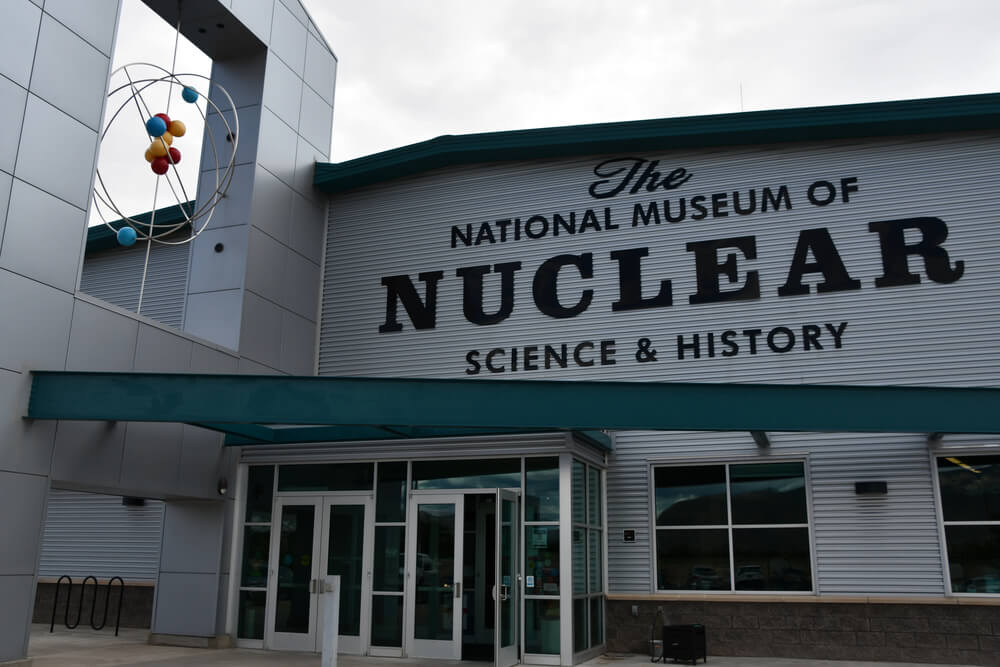
Located in Albuquerque, New Mexico, this Smithsonian-affiliated museum documents the development of nuclear technology from the Manhattan Project through the Cold War arms race and into modern nuclear medicine and energy. Its outdoor exhibit yard includes full-scale replicas of the bombs dropped on Japan in 1945 alongside decommissioned missiles from later decades.
Ellis Island National Museum of Immigration
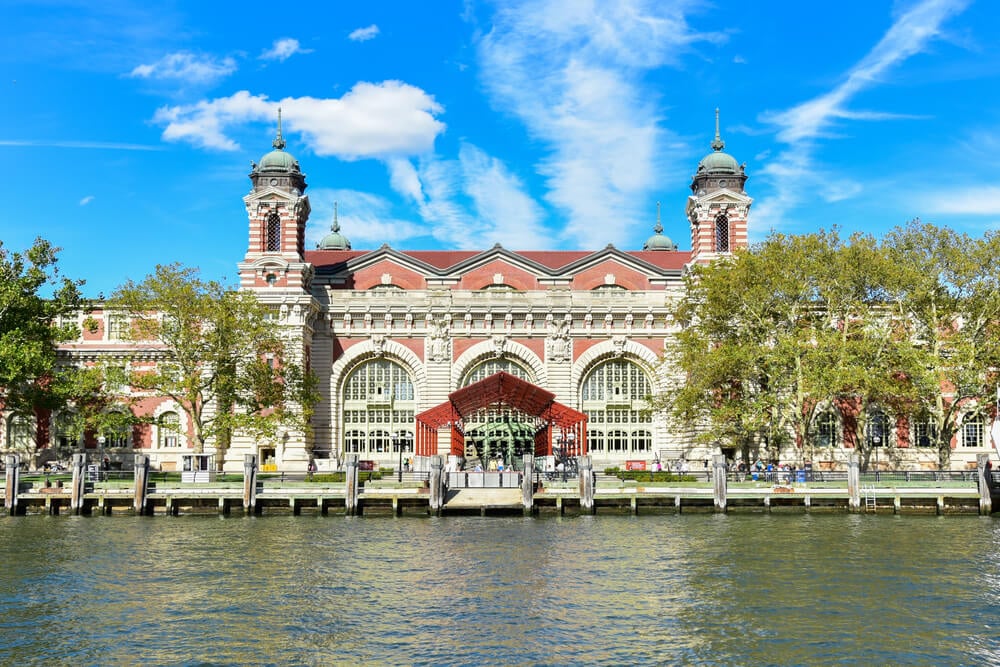
Housed in the restored main building of the former immigration station in New York Harbor, this museum documents the roughly twelve million immigrants who passed through Ellis Island between 1892 and 1954. The Great Hall where new arrivals were once processed and questioned remains largely intact.
Tenement Museum
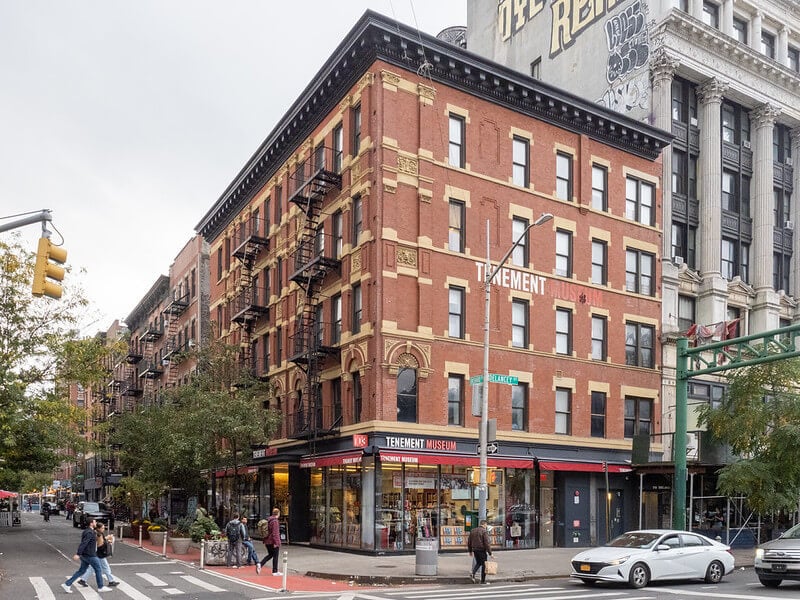
Set inside a preserved 19th-century apartment building on Manhattan’s Lower East Side, this museum reconstructs the lived experience of immigrant and working-class families across more than a century, extending its interpretation into the mid-20th century. Visitors tour restored apartments furnished to reflect specific families who once lived in the building.
Japanese American National Museum
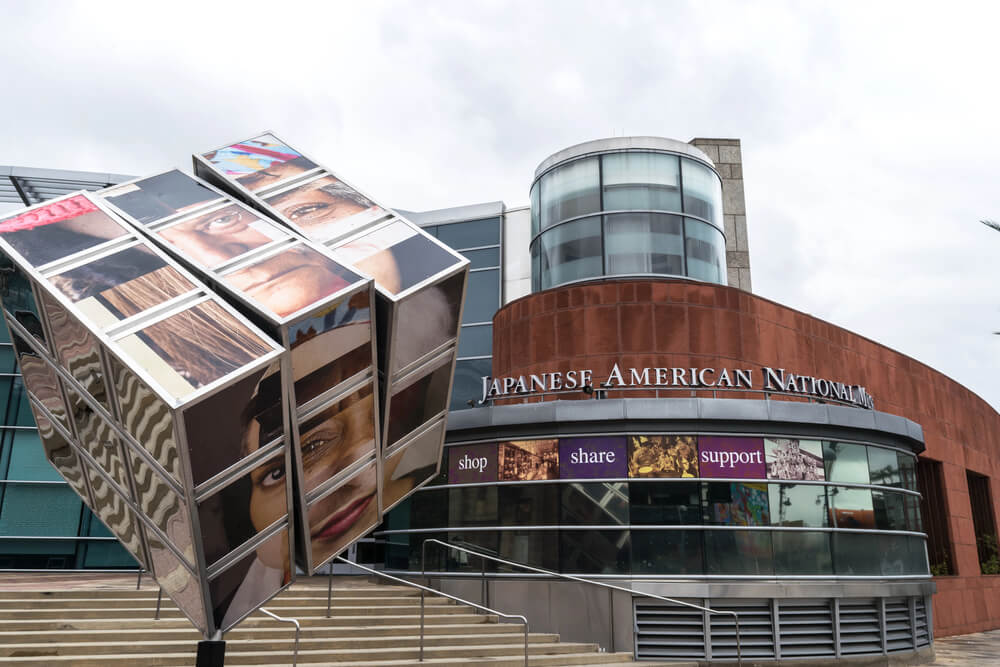
Located in the Little Tokyo neighborhood of Los Angeles, this museum documents the incarceration of more than 110,000 Japanese Americans by the federal government during the Second World War, alongside the broader history of Japanese immigration to the United States. Its collection includes artifacts made by people held in the camps, often from scavenged materials.
Stonewall National Monument Visitor Center
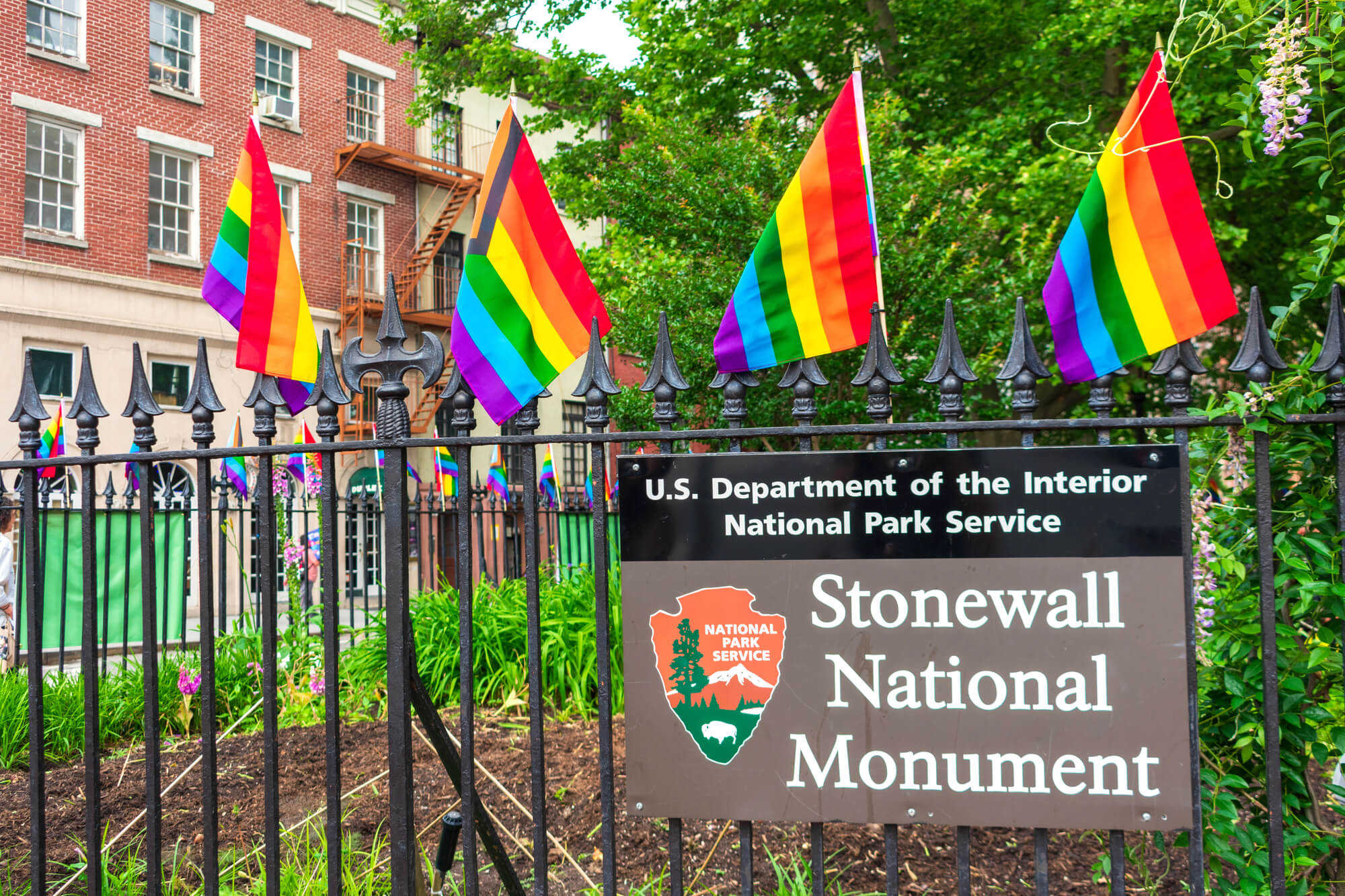
Opened in 2024 inside the former Stonewall Inn building in New York City’s Greenwich Village, this center interprets the 1969 uprising that became a catalyst for the modern LGBTQ+ rights movement. It operates as the visitor center for the surrounding Stonewall National Monument, the first national monument dedicated to LGBTQ+ history.
Rock and Roll Hall of Fame
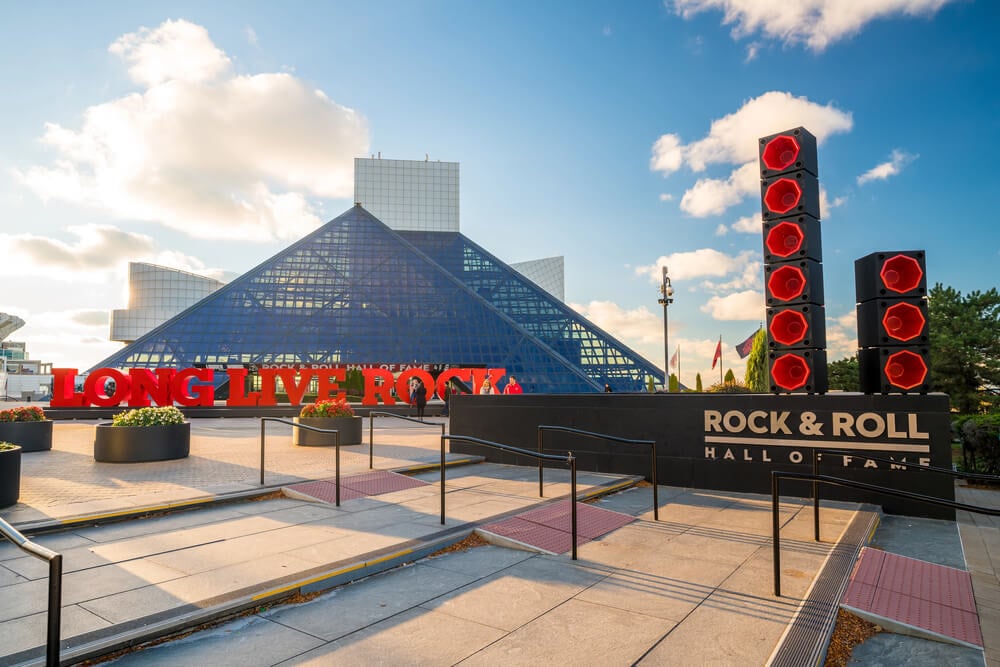
Located on the shore of Lake Erie in Cleveland, Ohio, this museum documents the history of rock music from its mid-20th-century origins through the present, housing instruments, handwritten lyrics, and stage costumes donated by inducted artists. The museum’s location in Cleveland traces back to the city’s early embrace of rock radio in the 1950s.
Motown Museum
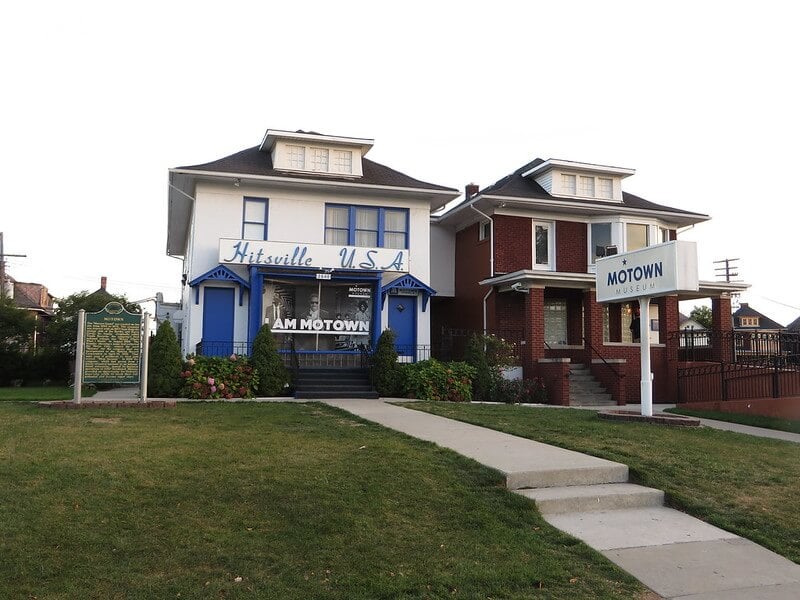
Housed in the original Hitsville U.S.A. recording studio in Detroit, Michigan, this museum preserves the space where Motown Records produced hundreds of hit recordings beginning in 1959. The original Studio A recording room remains intact, including the piano used on many of the label’s biggest releases.
Grammy Museum
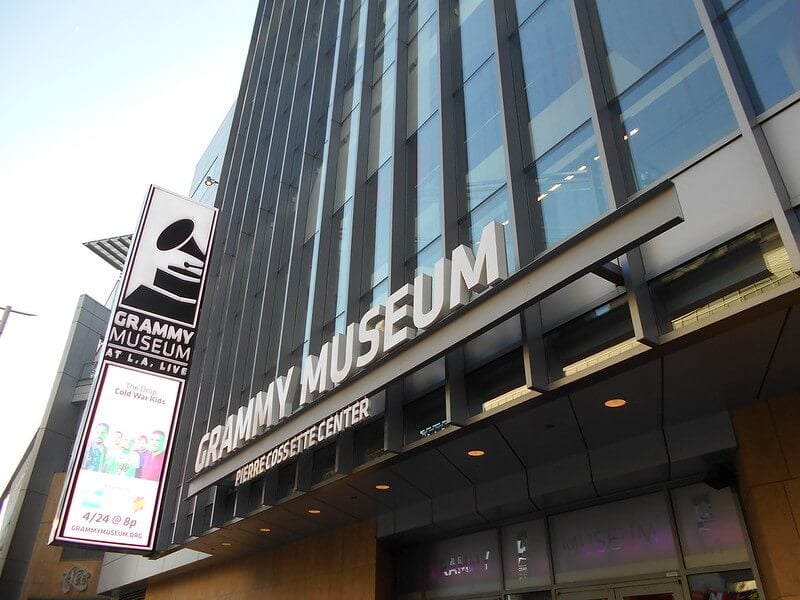
Located in downtown Los Angeles, this museum documents the history of recorded music and the Grammy Awards through interactive exhibits and rotating displays of instruments and memorabilia donated by musicians. Its collection spans genres and decades rather than focusing on a single era or style.
National Comedy Center
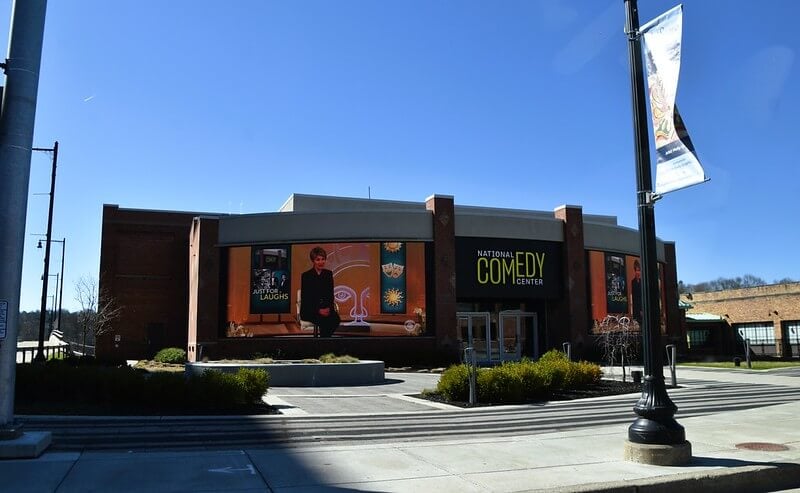
Opened in 2018 in Jamestown, New York, the hometown of a beloved comedy pioneer of early television, this museum traces the history of American comedy across film, television, and stand-up performance using interactive, personalized exhibits. Visitors receive a wristband that customizes displays based on their comedic preferences as they move through the building.
The Strong National Museum of Play
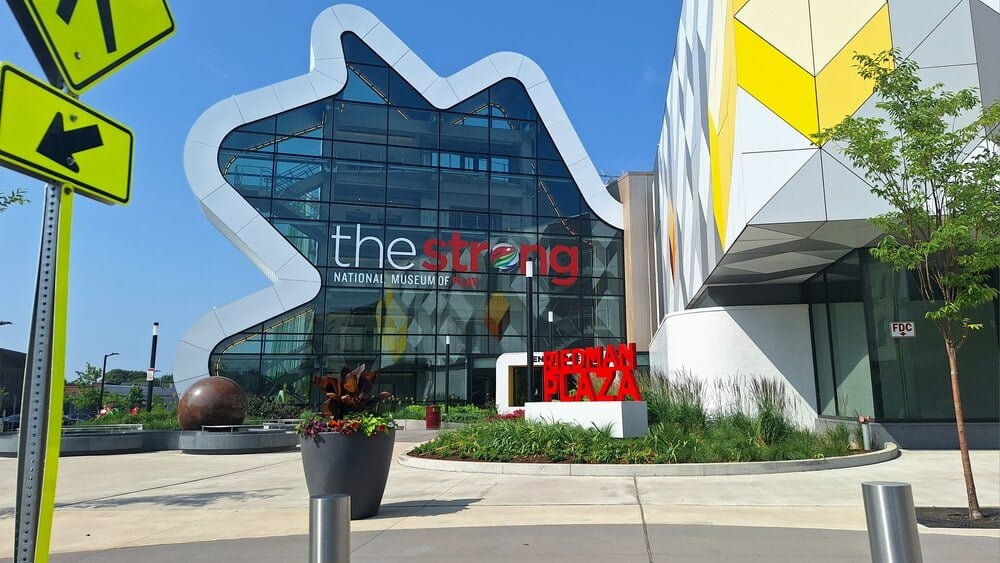
Located in Rochester, New York, this museum documents the history of toys, games, and play in American life, including a dedicated wing for video game history. Its collection includes early arcade cabinets and home consoles alongside toys spanning more than a century.
Computer History Museum
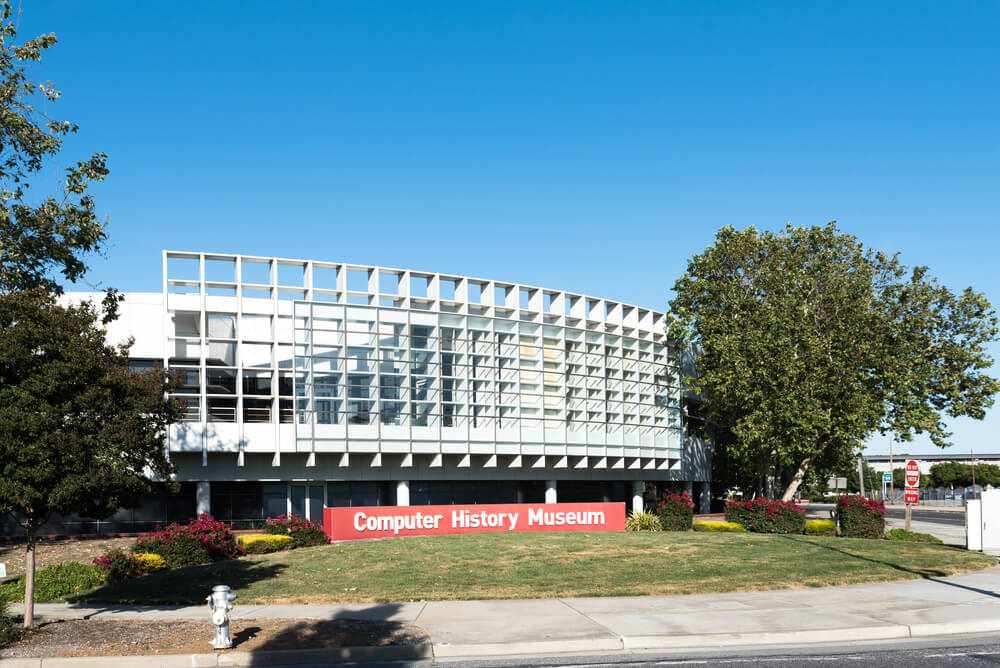
Located in Mountain View, California, in the heart of Silicon Valley, this museum traces the development of computing from early mechanical calculators through the personal computer and internet era. Its collection includes an original Apple I circuit board and a working replica of the Babbage Difference Engine.
Intrepid Sea, Air and Space Museum
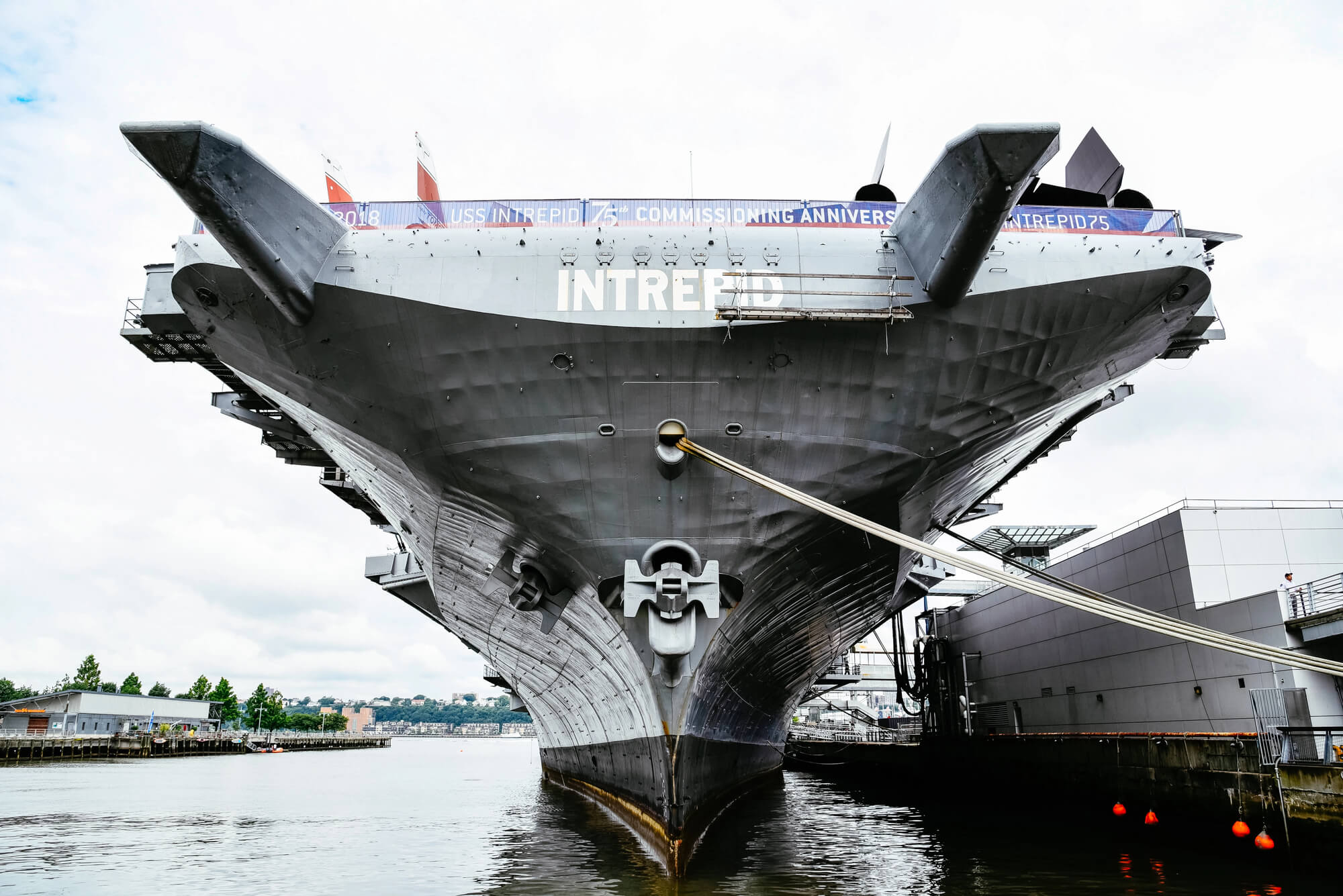
Docked on the Hudson River in New York City, this museum is built around the USS Intrepid, an aircraft carrier that served in the Second World War and later supported Cold War-era space missions. The museum’s collection includes a retired space shuttle and a decommissioned supersonic passenger jet, both open for public tours.
Ronald Reagan Presidential Library and Museum
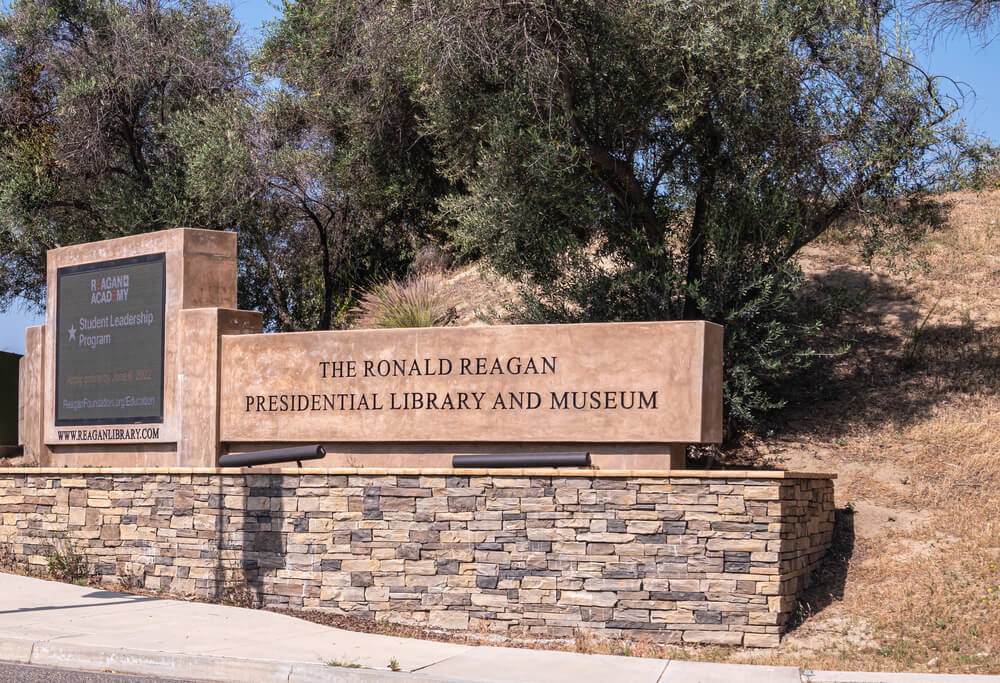
Located in Simi Valley, California, this museum documents the presidency of Ronald Reagan alongside broader Cold War history, including a section of the actual Berlin Wall displayed on its grounds. Reagan is buried on the museum property, overlooking the surrounding hills.
Richard Nixon Presidential Library and Museum
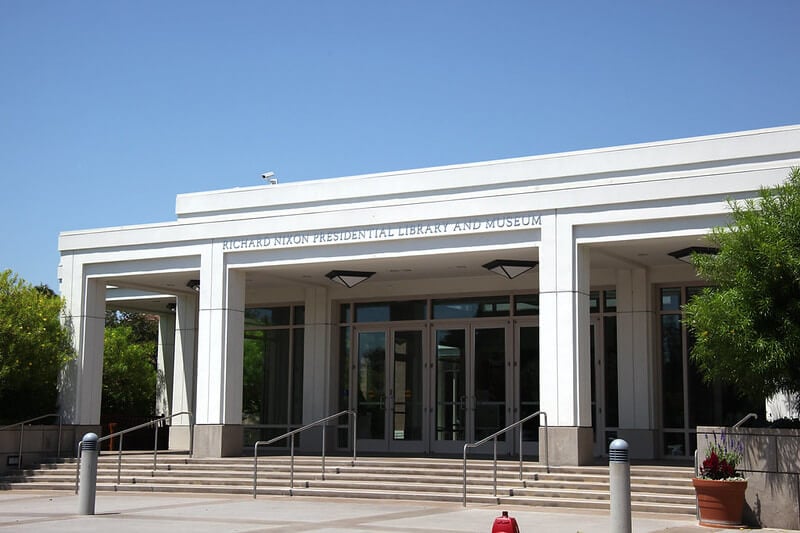
Located in Yorba Linda, California, at Nixon’s birthplace, this museum documents his presidency including the Watergate scandal that led to his resignation in 1974. The museum’s Watergate gallery was significantly revised in 2011 to provide a more complete account after years of criticism that earlier exhibits had minimized the scandal.
George W. Bush Presidential Library and Museum
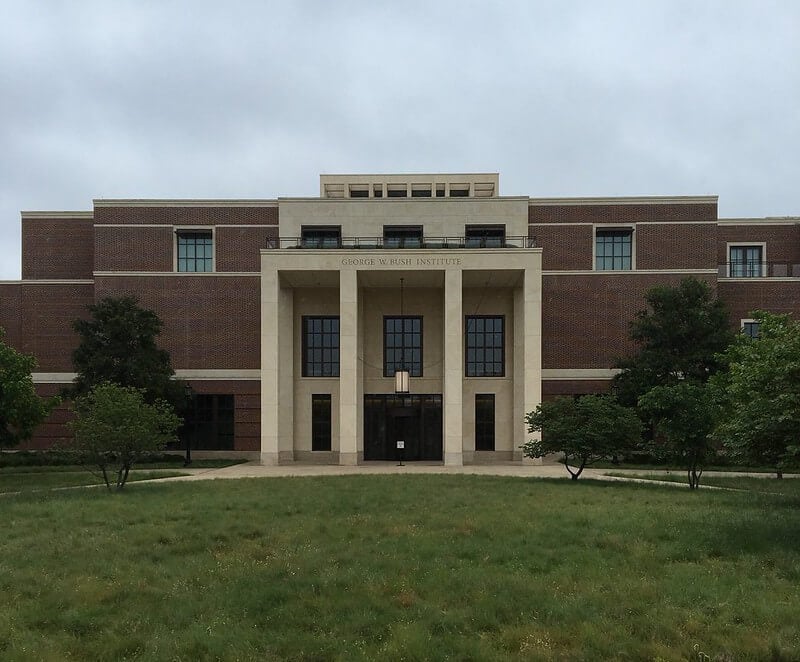
Located on the campus of Southern Methodist University in Dallas, Texas, this museum documents the Bush presidency, including a dedicated exhibit on the September 11, 2001, attacks that features a twisted steel beam recovered from the World Trade Center. The museum opened in 2013 and includes a full-scale replica of the Oval Office as it appeared during his administration.
Preserved Rather Than Remembered
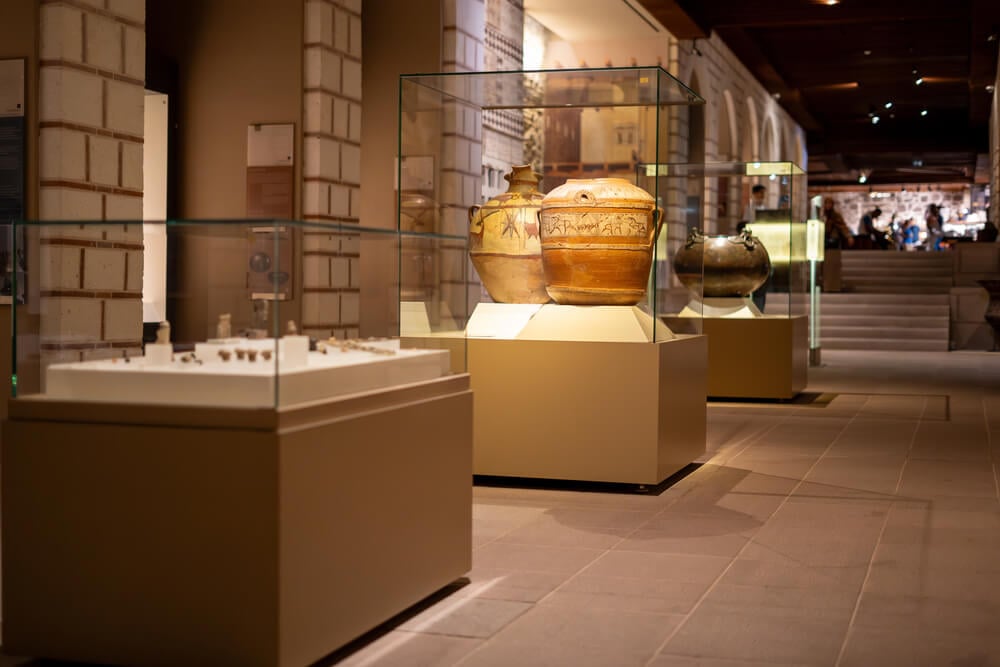
What separates these museums from older institutions is proximity. Many of the people who lived through the events on display can still walk through the exhibits themselves, which changes what a museum is allowed to leave out.
That proximity will not last. As the decades pass, these collections will shift from documenting living memory to documenting history in the more distant sense, and the work being done now, while witnesses are still available to correct the record, may end up mattering more than any exhibit design.
More from Go2Tutors!

- The Romanov Crown Jewels and Their Tragic Fate
- 13 Historical Mysteries That Science Still Can’t Solve
- Famous Hoaxes That Fooled the World for Years
- 15 Child Stars with Tragic Adult Lives
- 16 Famous Jewelry Pieces in History
Like Go2Tutors’s content? Follow us on MSN.



