29 Wartime Food Rules Families Lived By
A grocery list in 1943 required arithmetic. The price in cents was only half the equation, because nearly every can, chop and pat of butter also carried a point value, and the family allotment of points ran out faster than anyone liked.
On both sides of the Atlantic, the kitchen became part of the war effort. Governments issued rules, slogans and recipes, and households were expected to take all three about as seriously as a blackout order.
Half a Pound of Sugar a Week
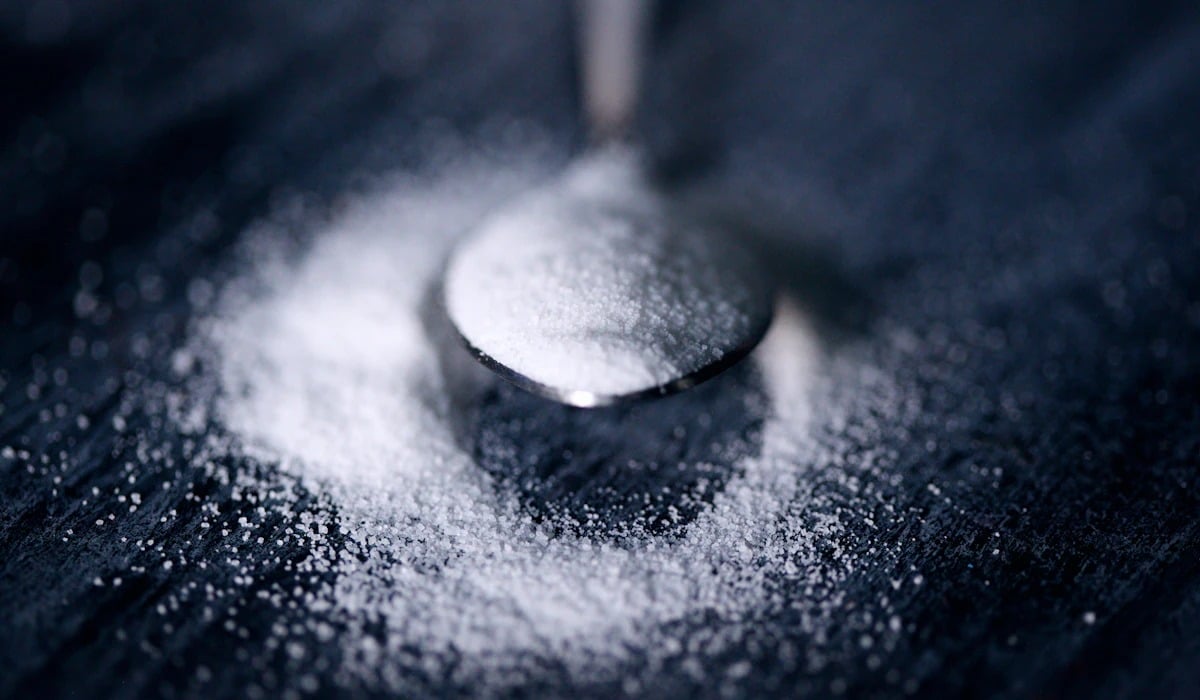
Sugar was the first food rationed nationwide in the United States during World War II. Families registered in May 1942, usually at local schools staffed by teachers and volunteers, and received War Ration Book One.
The standard allowance settled at half a pound per person per week, a figure that turned birthday cakes into planned events and sent home bakers hunting for honey, corn syrup and molasses. Imports from the Philippines had been cut off by the Japanese occupation, and cargo ships were needed elsewhere.
Sugar was also the last food to come off the list, finally freed in 1947.
One Pound of Coffee Every Five Weeks
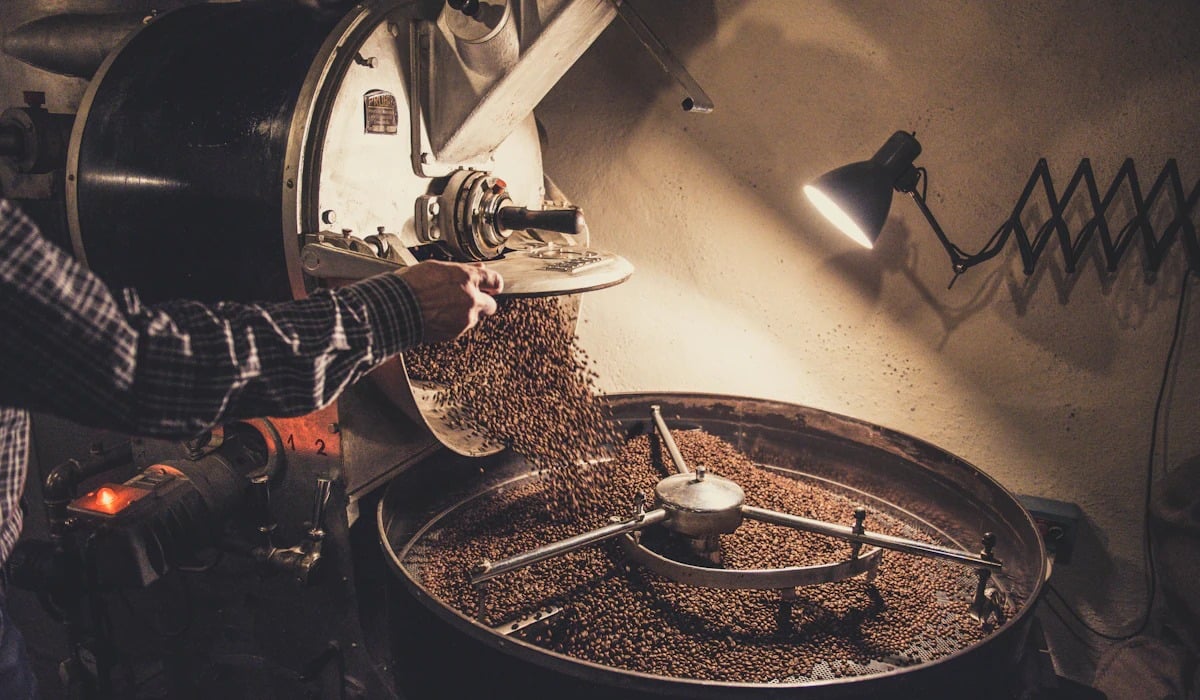
Coffee rationing in the US began on November 29, 1942, and allowed each person aged 15 and older one pound every five weeks. The shortage came less from the beans themselves than from shipping, since German U-boats were sinking freighters coming north from Brazil and other Latin American growers.
Families stretched supplies by reusing grounds for a second, weaker pot, and chicory and roasted grain blends found new customers. The rule proved short-lived.
President Roosevelt ended coffee rationing in July 1943 once shipping improved, making it one of the briefest food rationing programs of the war.
Red Stamps for Meat, Butter and Cheese
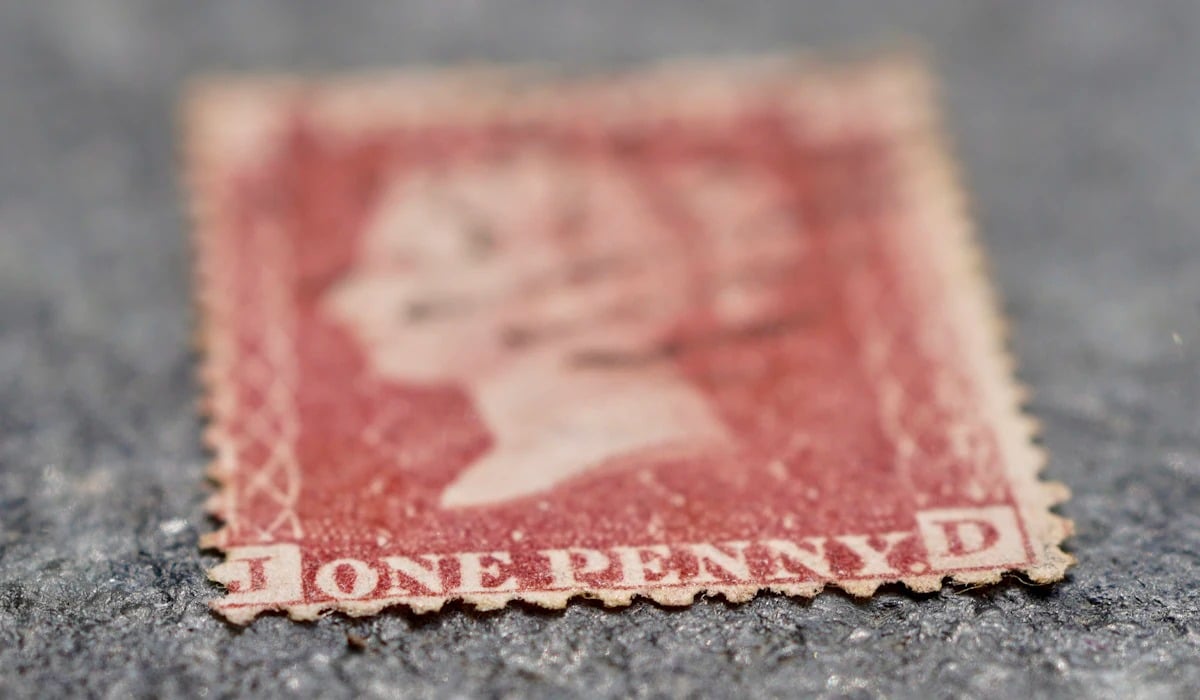
In March 1943 the Office of Price Administration put meat, butter, fats, cheese and canned fish on a point system paid for with red stamps. Each cut of meat carried its own point cost, and those values were adjusted as supplies rose and fell, so a pork chop might be cheap in points one month and dear the next.
A shopper needed both cash and enough red points to complete a purchase. Stamps expired on fixed dates to discourage hoarding.
Butter often cost so many points that plenty of households gave up on it and saved their red stamps for meat, which stayed rationed until November 1945.
Blue Stamps for Anything in a Can

Processed foods got their own color. From March 1, 1943, canned, bottled and frozen fruits and vegetables, along with soups, juices and dried beans, required blue stamps from War Ration Book Two.
Grocers posted official point charts near the shelves, and the government revised the values as supplies changed, which made a can of peas a moving target. Fresh produce stayed unrationed, a quiet nudge that sent many families back to the farm stand and the backyard garden.
Commercial canneries were shipping much of their output to the armed forces and to allies, which is why the humble tin can became a controlAled item.
Red and Blue Fiber Tokens

Making change in ration points was a headache until February 1944, when the Office of Price Administration introduced small red and blue tokens, each worth one point. Under the revised system, stamps carried a value of 10 points apiece, and grocers handed back tokens to cover the difference, much like coins.
The tokens were about the size of a dime and made of pressed fiber, since metal was needed for the war. Red tokens went with meat and fats, blue with processed foods.
They were produced in enormous quantities, and they still turn up today by the jarful at flea markets and estate sales.
Declaring the Pantry
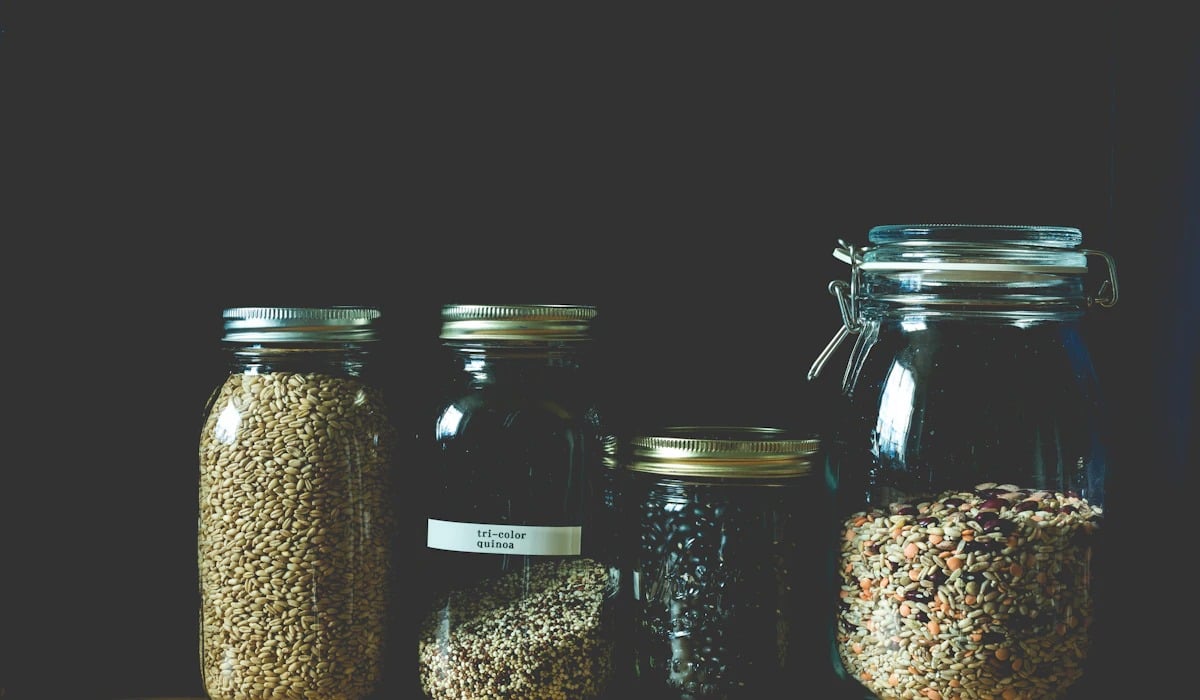
Before War Ration Book Two was handed out in early 1943, every household had to report how much commercially canned food it already owned. Anyone holding more than five cans per person had stamps removed from the new book to cover the excess, so a family that had stockpiled dozens of cans of peaches before the program paid for them in points anyway.
Home-canned food did not count toward the limit. The system relied heavily on honesty, and newspapers ran stern reminders that a false declaration was a federal offense.
Registration took place over several days at local schools, which closed for the purpose.
Tearing Stamps Only at the Counter
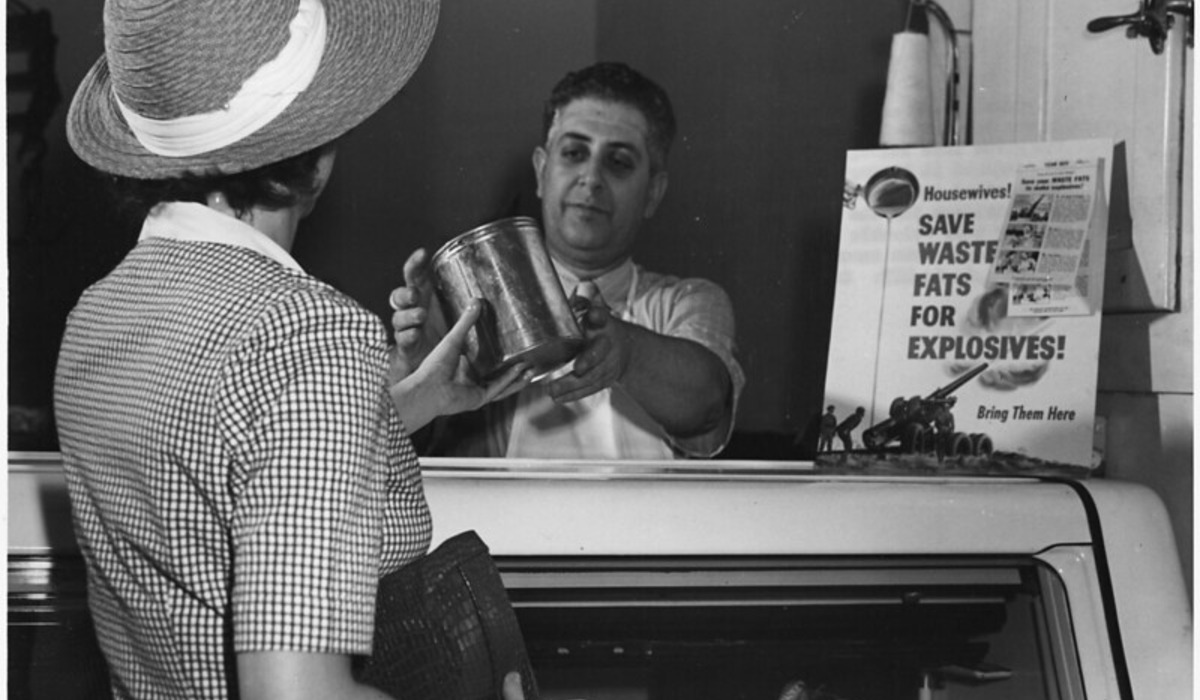
Ration stamps were not loose currency. Instructions printed on the books warned that stamps were valid only when torn out by the grocer or butcher at the time of purchase, and a pile of detached stamps brought from home could be refused.
Each book also belonged to the person named on its cover. When a son or husband joined the armed forces, his book went back to the local ration board, since the military was now feeding him.
Books for family members who died had to be surrendered as well, a grim bit of paperwork that closed off one of the more tempting tricks on the home front.
The Home Front Pledge
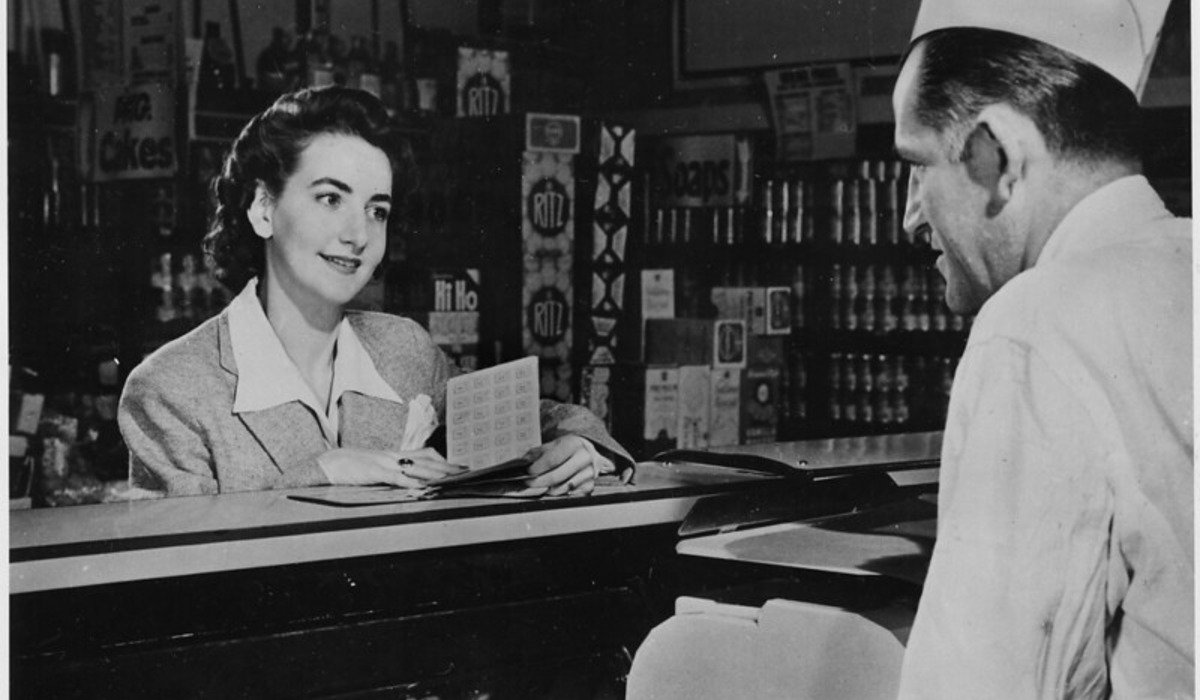
Homemakers were asked by the Office of Price Administration to take a simple two-part pledge, promising to pay no more than top legal prices and to accept no rationed goods without handing over ration stamps. Signers could display a decal in the front window announcing their commitment to legal prices.
Volunteers spread the pledge through neighborhood drives, and posters bearing its wording hung in grocery stores across the country. The pledge was aimed squarely at the black market, which thrived on meat, sugar and gasoline.
It worked partly through peer pressure, since a missing decal on a block full of them was easy to notice.
Price Ceilings on the Shelf
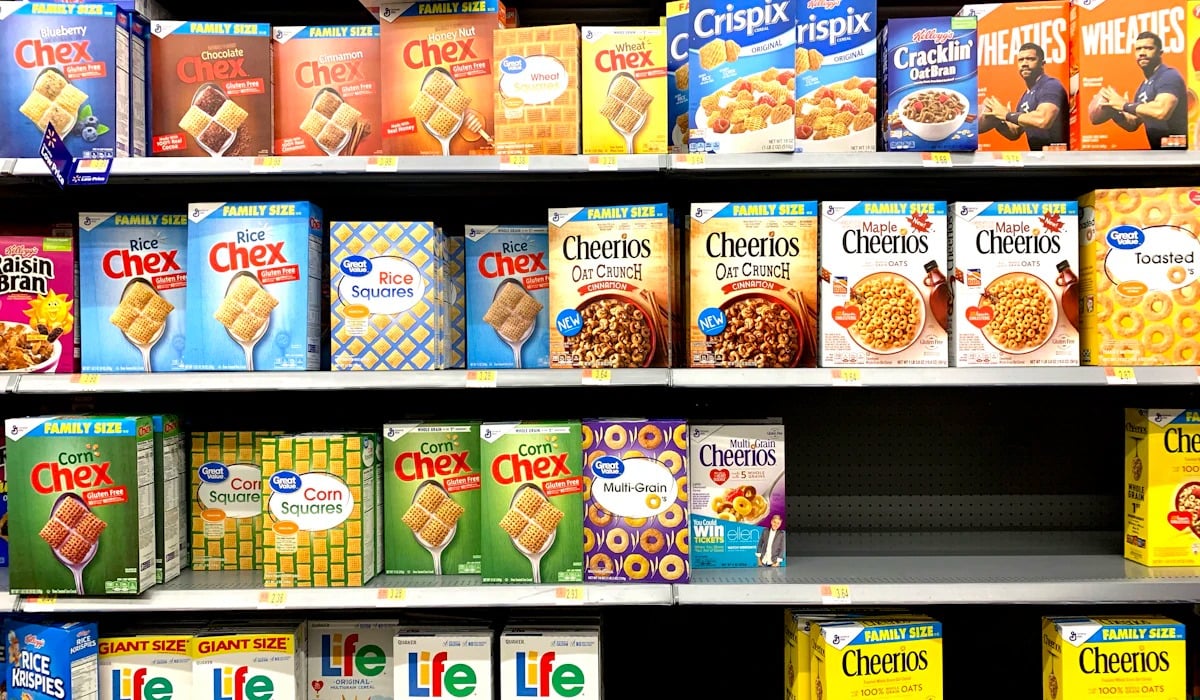
In April 1942 the Office of Price Administration issued the General Maximum Price Regulation, quickly nicknamed General Max. It froze most retail prices at the highest level each store had charged in March 1942, and grocers were required to post ceiling prices where customers could see them.
Volunteer price panels checked stores and reported violations to the local war price and rationing board. Later in the war the government shifted many foods to specific dollars-and-cents ceilings, which were easier for shoppers to verify.
Keeping prices in check mattered because wartime factory jobs had put more money into family pockets than there were goods to buy.
Saving Every Spoonful of Kitchen Fat

Used cooking fat had a military purpose, because the glycerin it contained could be turned into explosives. Homemakers were asked to strain bacon drippings and roast fat into a clean can and take it to the butcher, who paid four cents a pound.
From late 1943 the government added two red ration points per pound, a far more persuasive reward. Disney contributed a 1942 short called “Out of the Frying Pan Into the Firing Line,” featuring Minnie Mouse and Pluto, to explain the process.
The American Fat Salvage Committee coordinated the drive through meat dealers nationwide, and posters promised that a skillet of grease could help fire artillery shells.
Rinsing, Peeling and Flattening Tin Cans
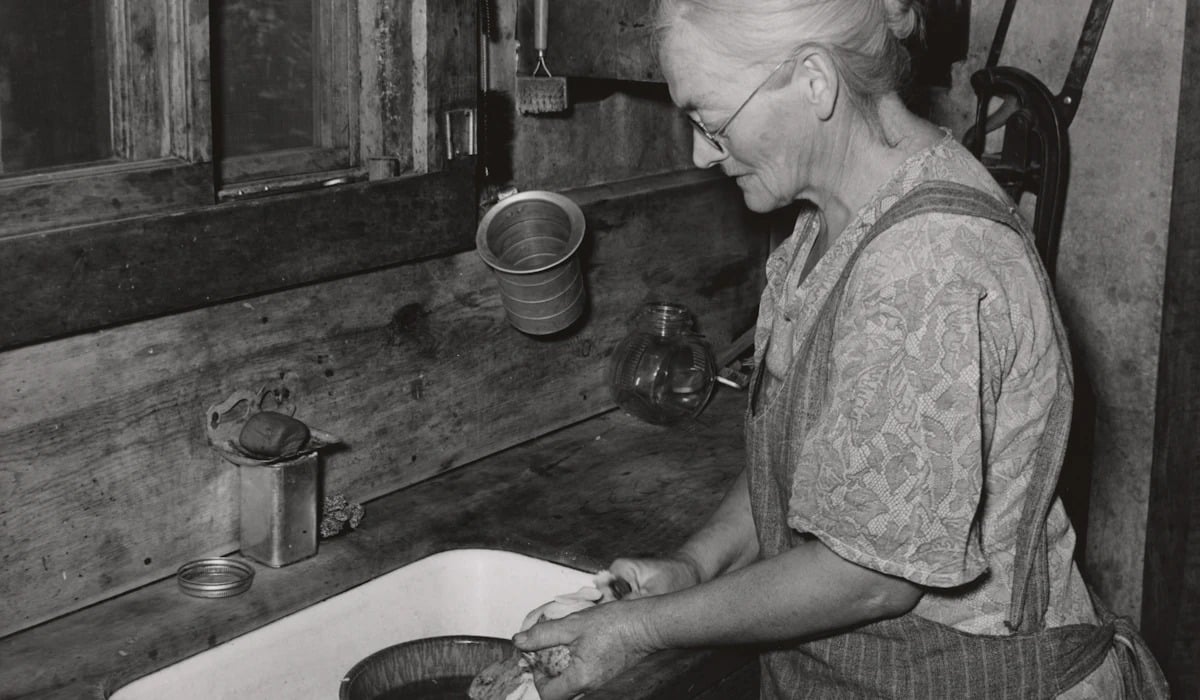
Japan’s seizure of Malaya and the Dutch East Indies cut the US off from most of its tin supply, so used food cans became a salvage priority. Families followed a set routine: remove the paper label, wash the can, cut out both ends, tuck the ends inside and step on the can until it was flat.
The prepared cans went to curbside collections or school drives. A food can is mostly steel with a thin tin coating, and both metals were recovered.
Flattening mattered more than it sounds, since a crushed can took up a fraction of the space in a collection truck or rail car.
Planting a Victory Garden

Victory gardens sprang up in backyards, vacant lots, schoolyards and even rooftops during World War II. Commonly cited estimates put the total at around 20 million gardens producing roughly 40 percent of the fresh vegetables Americans ate, though the figures came from government promotion rather than careful counting.
Eleanor Roosevelt planted one on the White House grounds in 1943, despite objections from Agriculture Department officials who worried the program would hurt commercial farmers. The idea was not new.
During World War I similar plots were promoted as war gardens, and seed companies and magazines ran planting guides through both conflicts.
Extra Sugar for Home Canning

The half-pound weekly sugar ration would never have covered a summer of preserving, so the government made an exception. Home canners could apply to their local ration board for extra sugar based on how much fruit they planned to put up, and boards issued special certificates or stamps for the purpose.
The policy reflected a practical calculation, since every jar of homemade peaches meant one less commercial can drawn from the national supply. Community canning centers opened in many towns, offering pressure canners and expert help.
Glass canning jars and replacement lids became scarce in turn, and families reused every sound jar they owned.
Coloring the Margarine at Home

With butter rationed and expensive, margarine moved onto many more American tables during World War II. It generally reached stores pale white, thanks to taxes and regulations long pushed by the dairy industry, so the color was added at home.
Packages came with a small packet of yellow dye that had to be worked into the spread by hand in a bowl. Later, some brands sold margarine in a plastic pouch with a dye capsule inside, which could be broken and kneaded until the color was even.
Children were often handed the job, and many remember it as one of their first kitchen chores.
Share the Meat
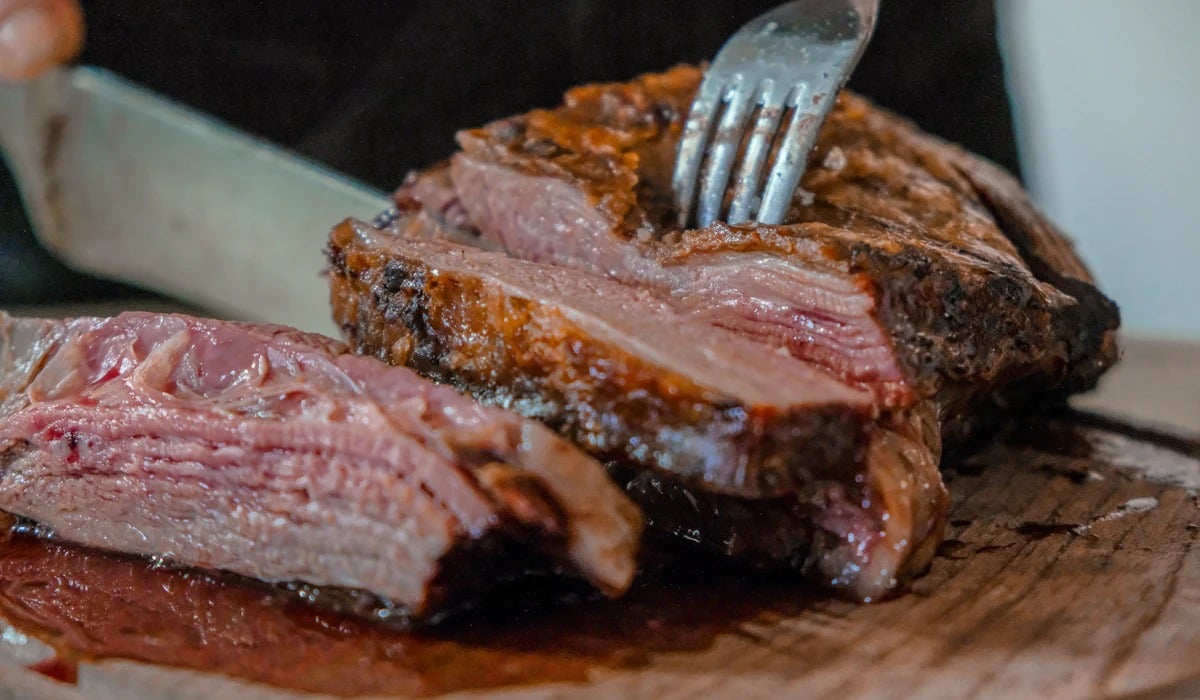
Before meat went on red stamps, the government tried asking nicely. The Share the Meat campaign, launched in the fall of 1942, asked adults to hold themselves voluntarily to about two and a half pounds of meat per week, with smaller amounts suggested for children.
Newspapers printed charts showing what that allowance looked like in chops, roasts and hamburger. Civilian demand had surged with wartime wages while the military was buying huge amounts of beef and pork.
The voluntary approach did not close the gap, and formal point rationing for meat took effect in the spring of 1943.
Learning to Love Liver and Kidneys

The National Research Council set up a Committee on Food Habits early in the war, with anthropologist Margaret Mead serving as executive secretary, to study how to change what Americans ate. One major goal was steering families toward hearts, kidneys, liver, tongue and sweetbreads, the parts of the animal that were plentiful and lightly rationed.
The committee helped rebrand them as variety meats. Psychologist Kurt Lewin ran experiments for the effort and found that homemakers who discussed the idea in small groups were far more likely to serve beef hearts than those who simply heard a lecture.
Women’s magazines followed with recipes for kidney stew and liver loaf.
Use It Up, Wear It Out
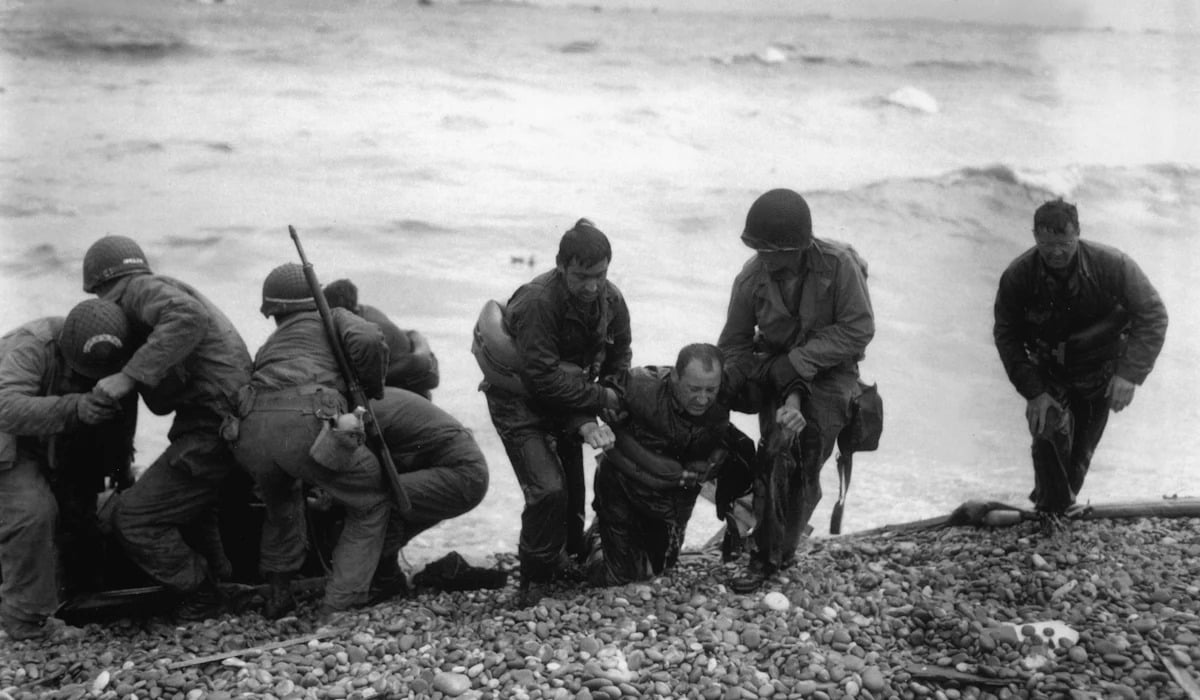
The rhyme “Use it up, wear it out, make it do or do without” is usually traced to old New England thrift, and World War II posters turned it into a national motto. In the kitchen, it meant stale bread became bread pudding, bacon grease went back into the skillet and leftover vegetables ended up in soup.
Government pamphlets and cookbooks offered tips for stretching meat with oatmeal, beans and breadcrumbs. Some of the habits stuck around for decades afterward.
Many families who grew up under rationing kept a coffee can of drippings by the stove long after the war ended.
War Cake Without Eggs or Butter
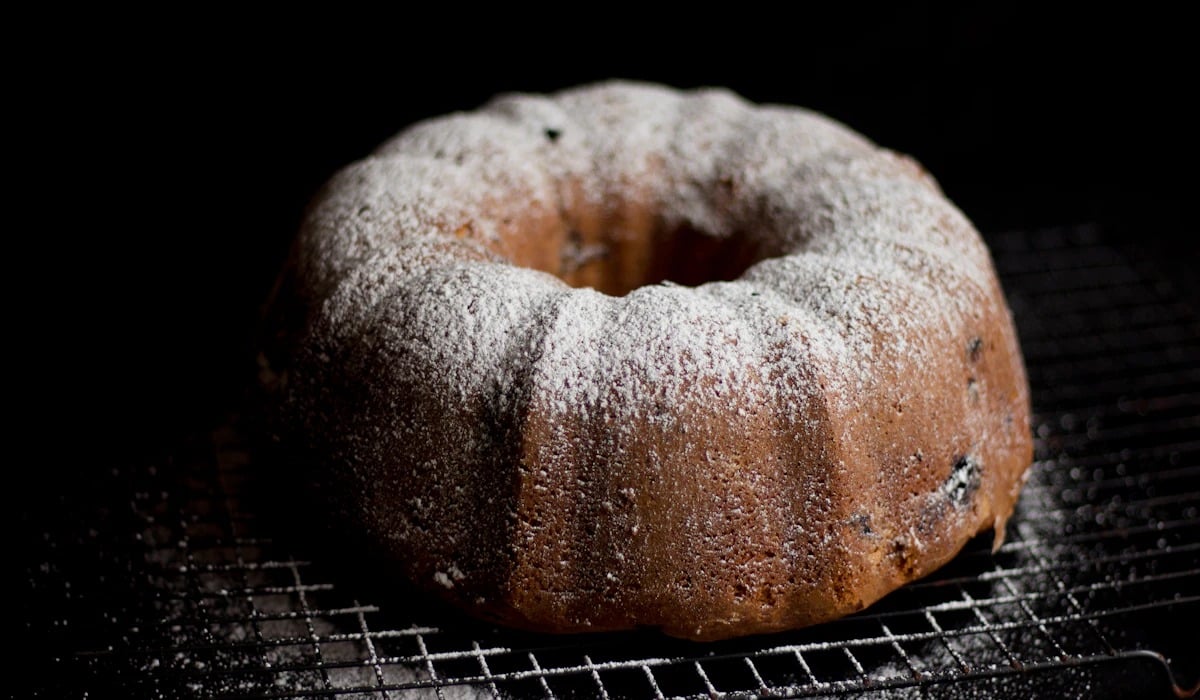
War cake, also known as boiled raisin cake, was built to dodge the scarcest ingredients. Raisins, brown sugar, water, shortening and spices such as cinnamon and cloves were boiled together, cooled, then mixed with flour and baking soda before going into the oven.
The result was dense, moist and surprisingly durable, which made it popular for packages mailed to soldiers overseas. The recipe circulated during World War I, returned during the Great Depression and came back again in World War II.
Versions are still sometimes labeled eggless, milkless, butterless cake on recipe cards handed down through families.
Enriched Bread by Federal Order
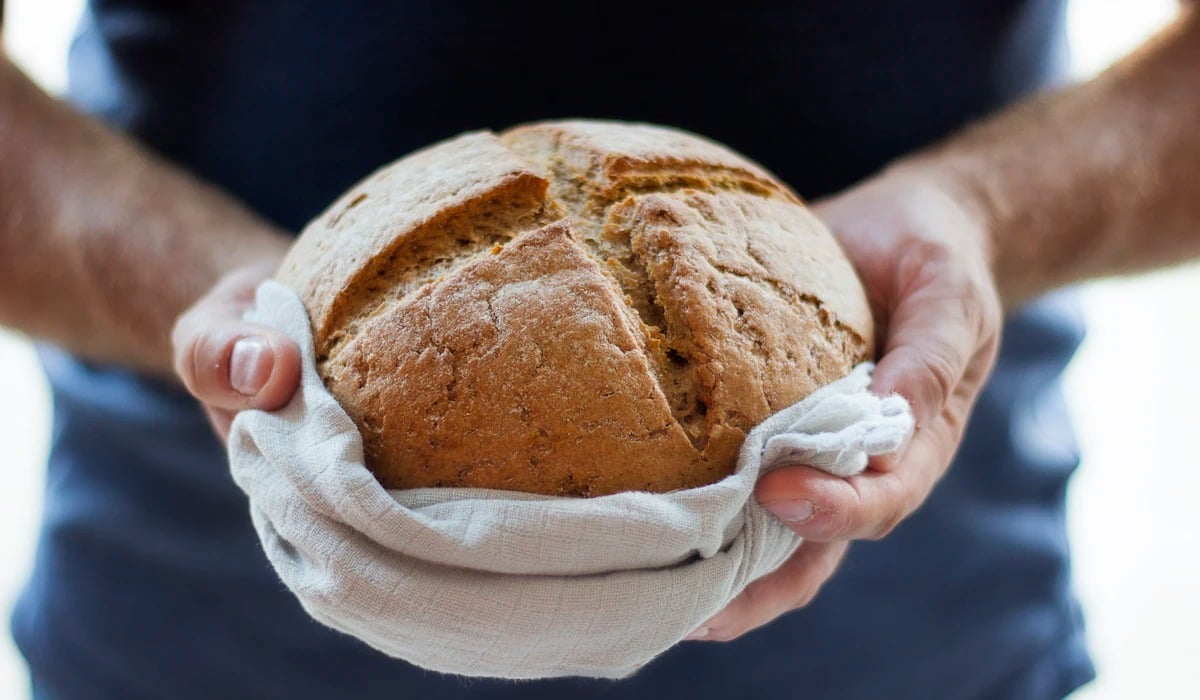
War Food Order No. 1, which took effect in January 1943, required commercially baked white bread sold in the US to be enriched with added vitamins and iron. Officials were alarmed by draft examinations that turned up young men with signs of poor nutrition, and white bread was the most widely eaten food in the country.
The required nutrients included thiamin, niacin, riboflavin and iron, which milling had largely stripped away. Bakers had been enriching voluntarily since 1941, but the order made it mandatory.
The wartime rule expired after the war, yet enrichment was by then standard practice and many states kept it in law.
Meatless Tuesdays and Wheatless Wednesdays

During World War I the US did not ration food by stamp. Instead, Herbert Hoover’s US Food Administration, created in 1917, asked Americans to follow a weekly calendar of voluntary sacrifices.
Tuesdays were meatless, Mondays and Wednesdays were wheatless and Saturdays were porkless for much of the program. Restaurants and hotels signed on, printing the restrictions on menus, and cookbooks filled with recipes for breads made from corn, barley, oats and rye.
The goal was to free up wheat, meat and fats to ship to troops and to allies in Europe, where farming had been badly disrupted.
Hooverizing the Household
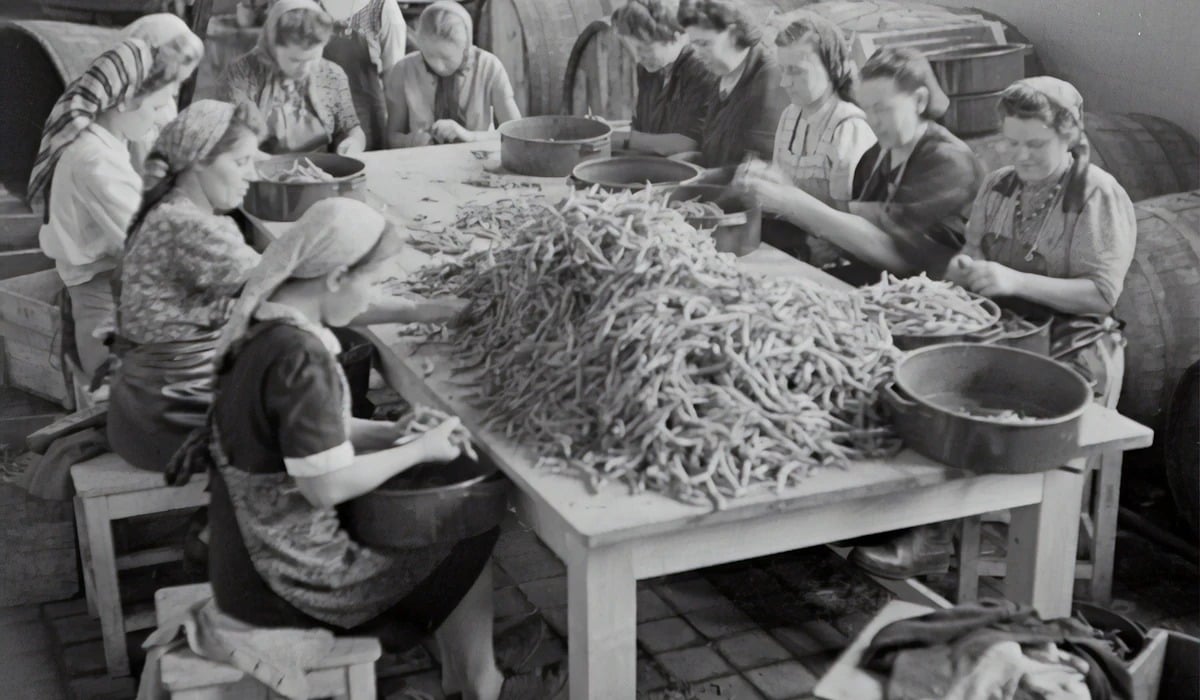
Herbert Hoover became so closely tied to food conservation during World War I that his name turned into a verb. To Hooverize meant to economize at the table, and the word appeared in newspapers, songs and advertisements.
The Food Administration asked homemakers to sign pledge cards promising to follow its guidelines, and members received a card to display in the front window. Volunteers canvassed neighborhoods to collect signatures by the millions.
Hoover had earlier run the Commission for Relief in Belgium, which fed civilians in occupied territory, and that reputation made him the natural choice to lead the home front effort.
The Gospel of the Clean Plate
Herbert Hoover’s Food Administration preached what it called the gospel of the clean plate, and schools carried the message straight to children. Leaving food uneaten was framed as a small betrayal of soldiers overseas and hungry civilians in Europe.
The idea survived the war and resurfaced in 1947, when President Truman’s Citizens Food Committee urged Americans to conserve grain to feed postwar Europe. That campaign revived meatless Tuesdays and added poultryless and eggless Thursdays.
Generations of children later heard the same instruction at the dinner table, often with a reference to starving children somewhere far away.
Registering With One Grocer and One Butcher
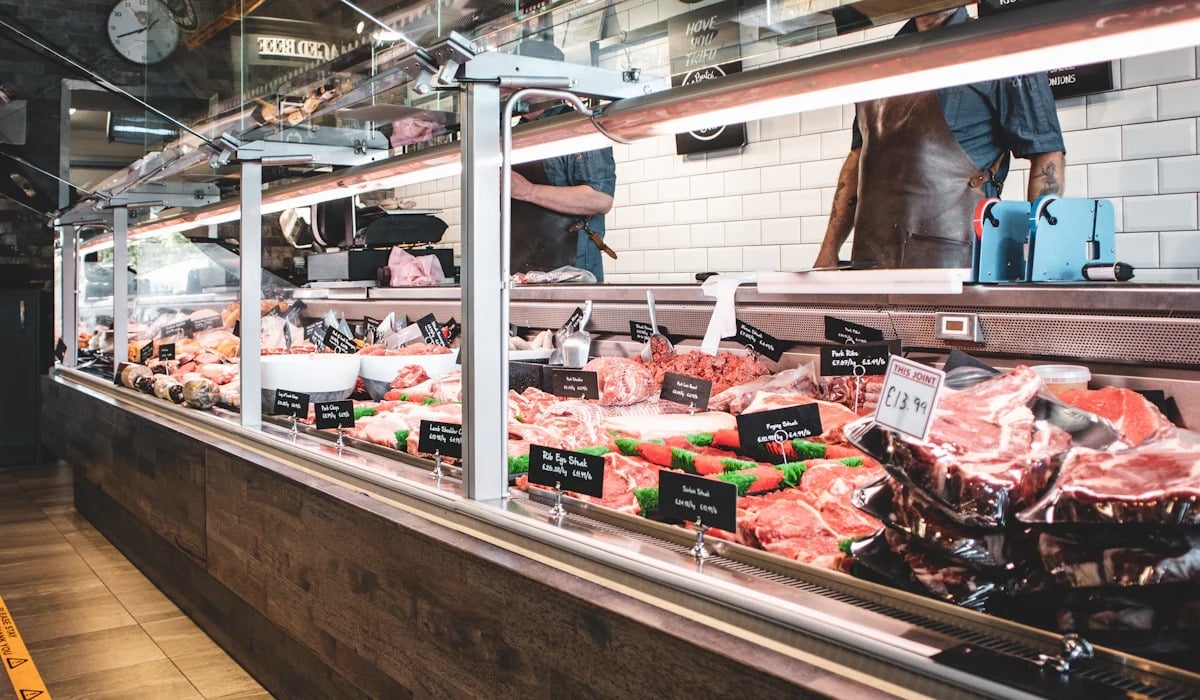
British food rationing began on January 8, 1940, with bacon, butter and sugar. Every person had to register with a specific grocer and butcher, and shops received supplies based on the number of customers signed up with them.
Switching shops required formal paperwork, so loyalty was enforced by law. Ration books came in different colors, with buff for most adults, green for pregnant women and young children and blue for older children, who received extra fruit and milk.
Shopkeepers marked or cut out coupons with each purchase. The arrangement made queues predictable, though queues remained a constant feature of wartime shopping.
The National Loaf
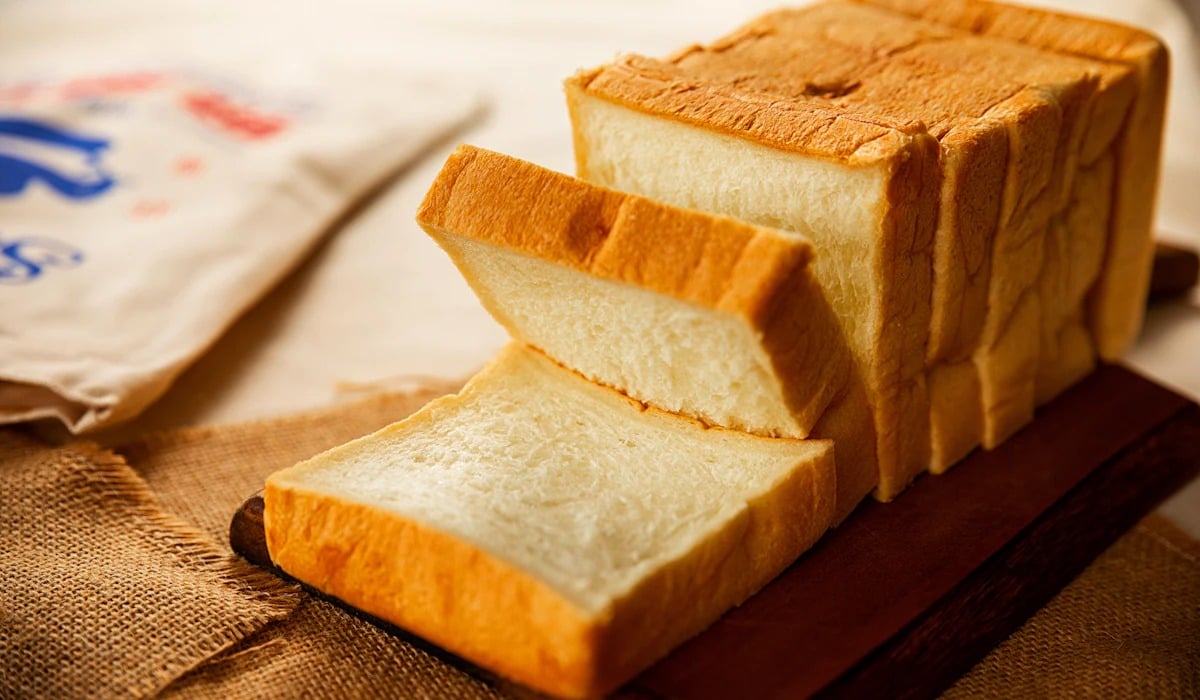
Introduced in 1942 to save shipping space for imported wheat, the National Loaf was made from flour milled to a much higher extraction rate, keeping more of the bran and germ. It came out grayish and coarse, and many Britons disliked it intensely, with some calling it Hitler’s secret weapon.
White bread effectively disappeared from bakeries for the duration. The loaf did have nutritional advantages over the refined bread it replaced, which nutritionists noted at the time.
It stayed in production well after the war and was not formally abolished until 1956, two years after rationing ended entirely.
One Fresh Egg a Week

Fresh eggs in Britain were allocated rather than strictly rationed, and adults typically received about one a week when supplies allowed, sometimes fewer. Priority went to children, expectant mothers and invalids.
To fill the gap, dried egg powder arrived from the US beginning in 1942, sold in tins roughly equal to a dozen eggs. The Ministry of Food published recipes for using it in omelets, cakes and scrambled egg, with mixed results.
Many households also kept backyard hens and could trade in their egg ration for chicken feed, a deal that suited anyone with garden space.
Orange Juice and Cod Liver Oil for Children

Under the Welfare Foods Scheme, British children under five received concentrated orange juice and cod liver oil, distributed through clinics and food offices. The orange juice largely came from the US under Lend-Lease, and the scheme was in full operation by 1942.
The goal was to protect growing children from vitamin deficiencies at a time when fresh fruit was hard to find. Many adults who grew up in wartime Britain recall the taste of both, rarely fondly.
The program built on earlier provision of milk for mothers and children and helped shape the welfare policies that followed the war.
Bananas Off the Menu

In late 1940 Britain stopped importing bananas, since refrigerated cargo space was needed for more essential food. For the rest of the war bananas were essentially unavailable, and a generation of young children grew up without tasting one.
Cooks improvised mock banana by mashing boiled parsnips with sugar and banana flavoring, a substitute that fooled almost nobody. When shipments resumed after the war, the first cargoes drew crowds and newspaper photographers.
Reports from the time described children puzzling over how to peel the fruit, a small detail that captured how long the shortage had lasted.
British Restaurants and the Ninepenny Meal
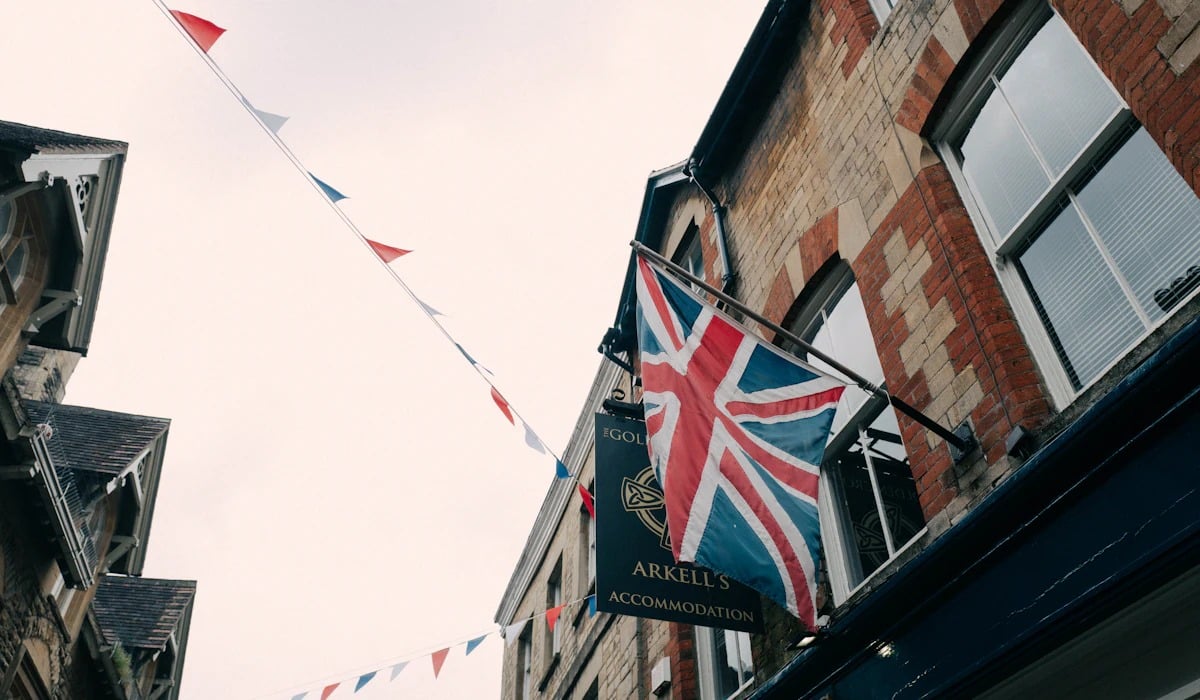
Britain set up communal dining halls during the war to provide cheap, nourishing meals without using up ration coupons. The government originally called them Communal Feeding Centers, but Winston Churchill objected that the name sounded grim and pushed for British Restaurants instead.
By 1943 there were roughly 2,000 of them, often run by local councils in schools, church halls and other borrowed spaces. A meal was capped at ninepence, and a typical plate offered meat, potatoes and vegetables followed by a pudding.
The restaurants helped factory workers, bombed-out families and anyone whose home kitchen could not stretch the ration far enough.
Feeding the Pig Bin

British households were urged to waste nothing, and food scraps had their own place in the system. Councils placed communal pig bins on streets so residents could deposit potato peelings, vegetable trimmings and other kitchen waste.
The scraps were collected, boiled and fed to pigs, many of them raised by neighborhood pig clubs whose members pooled scraps and shared the meat at slaughter. Pig clubs grew into thousands of small cooperative groups during the war.
Throwing away usable food could also bring a fine, which gave the humble pig bin a certain authority.
Stamps, Points and the Clean Plate
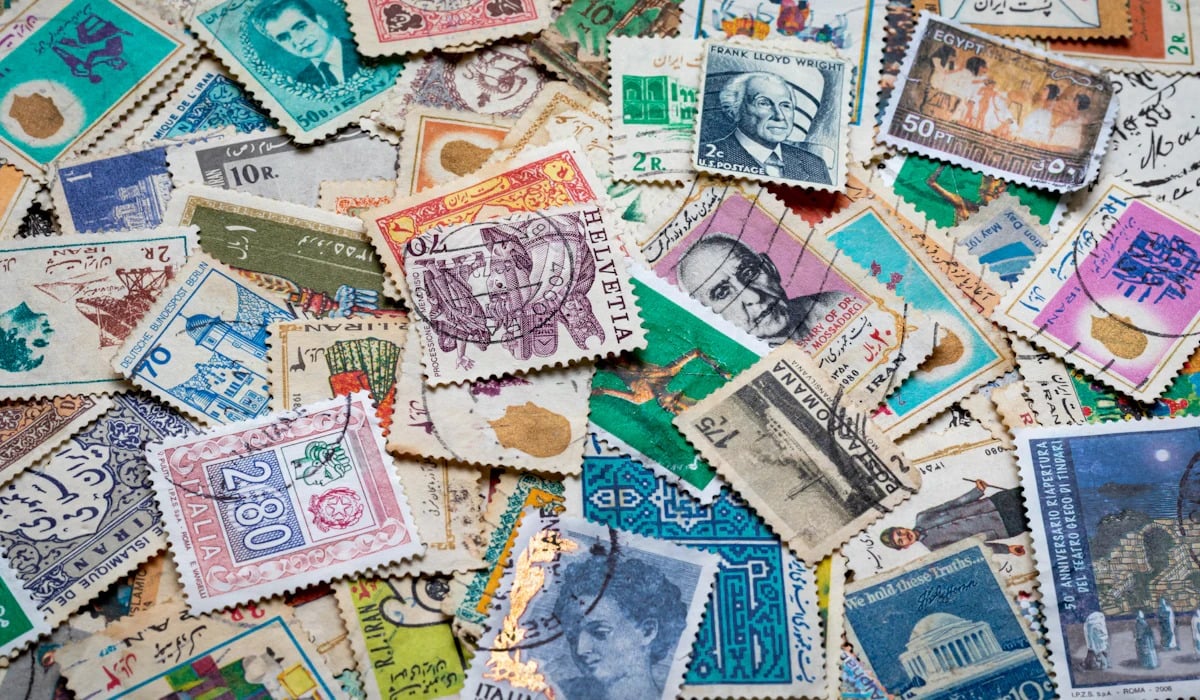
Rationing in the United States wound down within a couple of years after the war, with sugar the last food released in 1947. Britain kept going much longer, and food rationing there did not fully end until July 4, 1954, when meat finally came off the list.
Children born during the war reached their teens before they could buy sweets and bacon freely.
The rules themselves faded, but the habits they built proved stubborn. Saved drippings, scraped plates and leftover bread turned into pudding became family customs passed down without explanation.
Long after anyone needed to count points, kitchens still ran on the idea that food was too valuable to waste.
MORE FROM GO2TUTORS!

- The Romanov Crown Jewels and Their Tragic Fate
- 13 Historical Mysteries That Science Still Can’t Solve
- Famous Hoaxes That Fooled the World for Years
- 15 Child Stars with Tragic Adult Lives
- 16 Famous Jewelry Pieces in History
Like Go2Tutors’s content? Follow us on MSN.