15 Animals That Thrive in Earth’s Harshest Places
When we think of comfortable living conditions, we imagine temperate climates, accessible food sources, and gentle environments. Yet across our planet, remarkable creatures have evolved to not just survive but actually flourish in some of the most extreme conditions imaginable.
Here is a list of 15 animals that have mastered the art of living where others simply cannot, demonstrating nature’s incredible adaptability in the face of seemingly impossible challenges.
Tardigrade
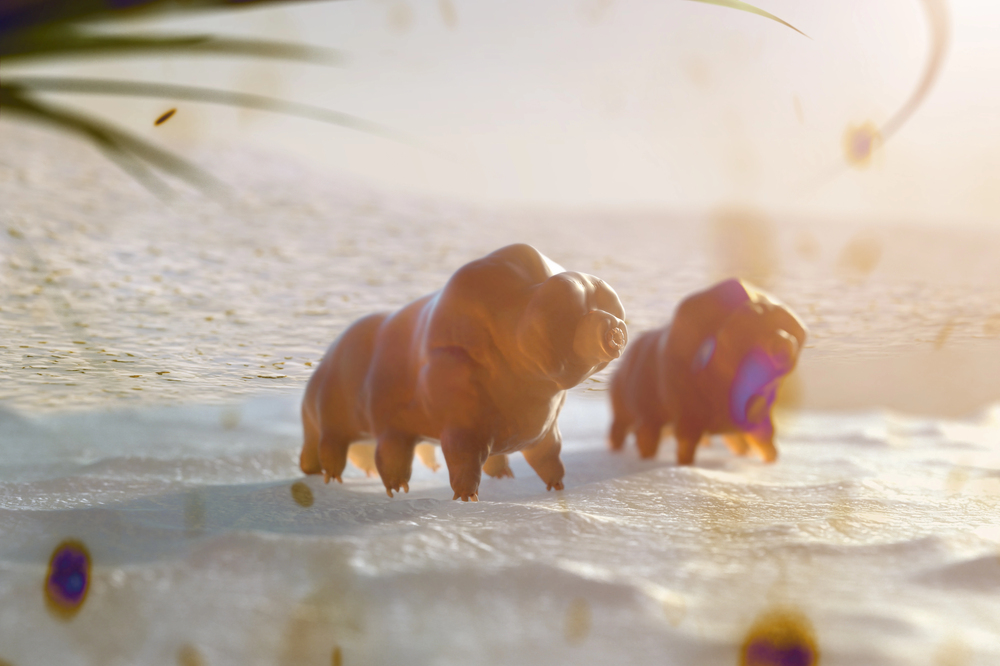
These microscopic creatures, also known as water bears, might be the toughest animals on Earth. Tardigrades can survive being completely dried out, exposed to radiation levels thousands of times higher than what would kill a human, and can even live in the vacuum of space.
Their secret lies in their ability to enter a state called cryptobiosis, where they essentially pause all metabolic processes until conditions improve.
Emperor Penguin
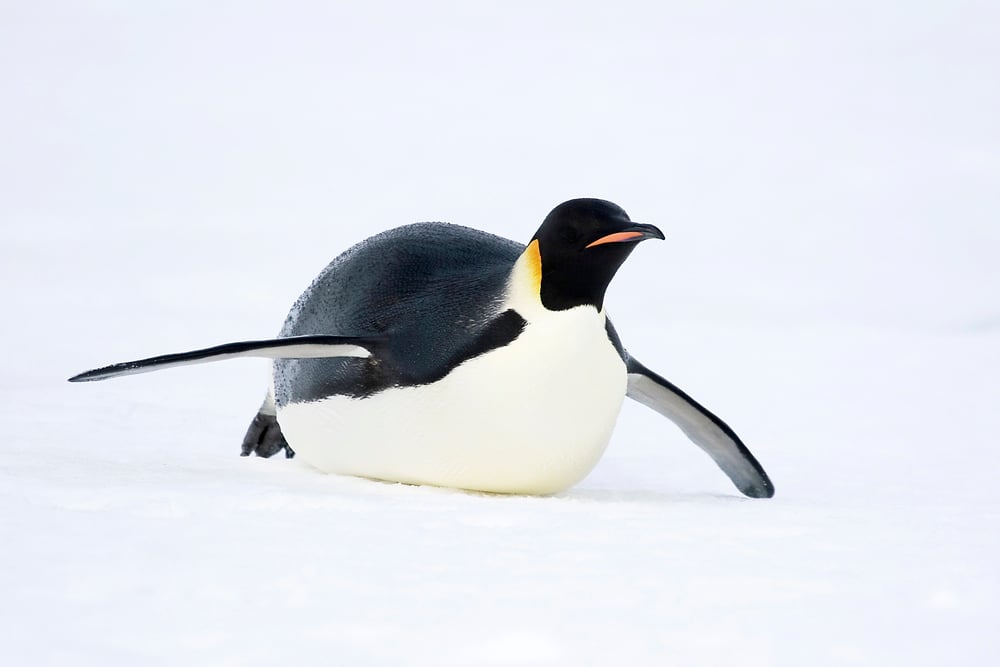
In the brutal Antarctic winter, where temperatures plummet to minus 40 degrees Fahrenheit, emperor penguins huddle together in massive groups, taking turns moving from the frigid outside to the warmer interior positions. Their specialized feathers and thick layer of fat allow them to endure the coldest environment on Earth while they incubate their eggs directly on their feet to keep them off the ice.
Saharan Silver Ant
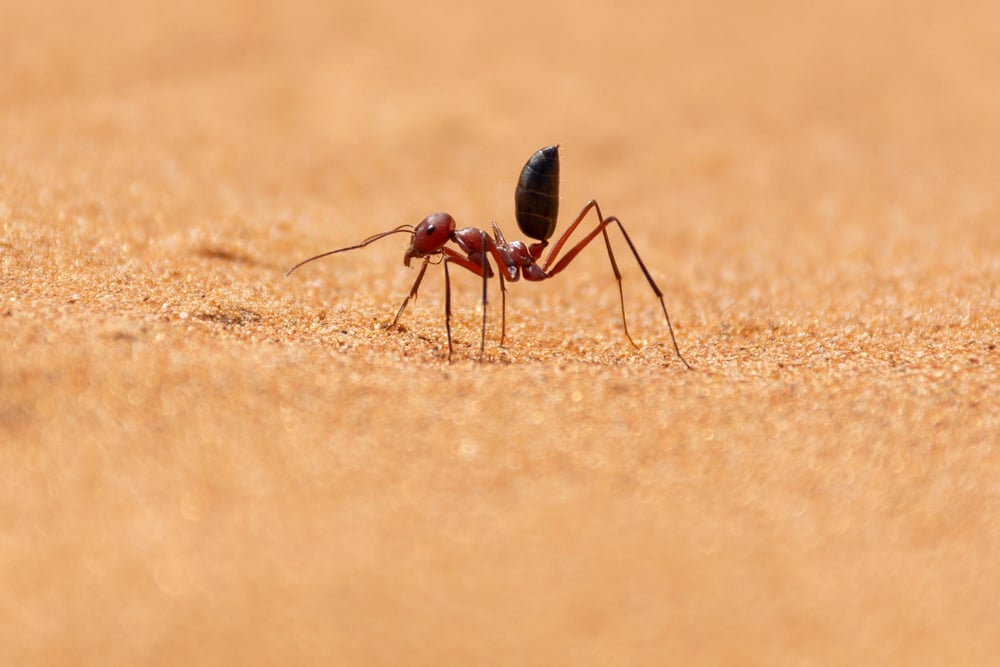
These remarkable insects venture out onto scorching desert sands reaching temperatures of 140 degrees Fahrenheit—conditions that would kill most animals within minutes. Their silvery hairs reflect sunlight and dissipate heat, while their long legs keep their bodies elevated above the burning sand.
They’ve even developed a unique thermal navigation system that prevents them from getting lost in the featureless desert landscape.
Pompeii Worm
Living in hydrothermal vents deep in the Pacific Ocean, these worms experience one of the most extreme temperature gradients on the planet. Their heads sit in cool 72-degree water while their tails endure scalding 176-degree conditions near superheated vents.
The worms form a symbiotic relationship with heat-resistant bacteria that create a protective fleece-like coating on their bodies.
Wood Frog
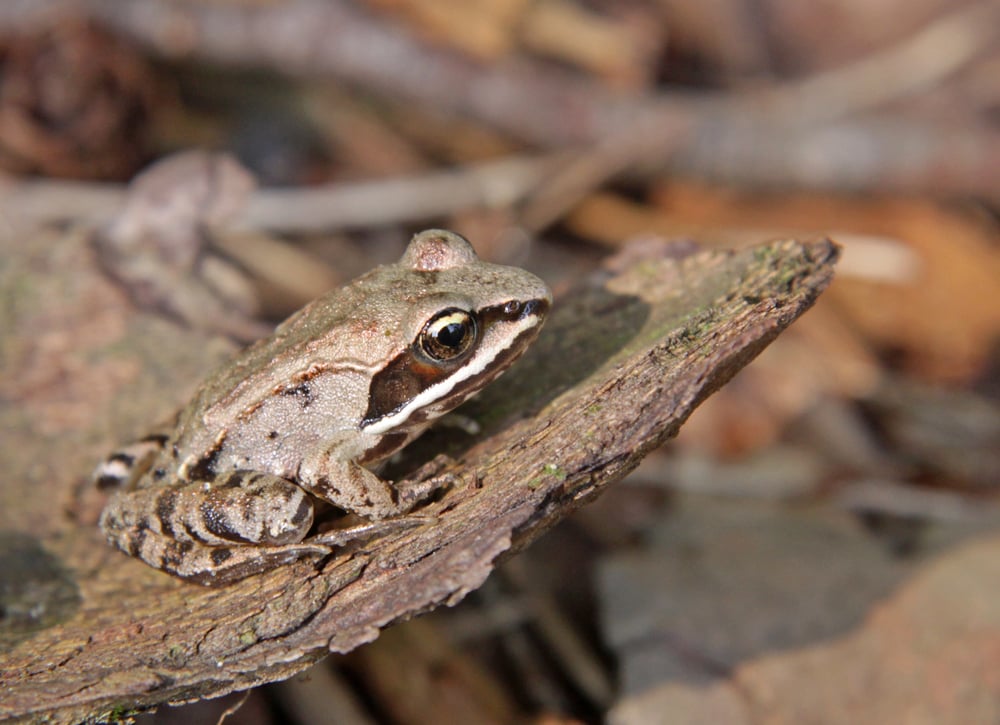
These remarkable amphibians take winter survival to an extraordinary level by allowing themselves to freeze solid. During winter months, their hearts actually stop beating and their blood stops flowing as ice crystals form throughout their bodies.
Special proteins in their cells prevent fatal damage, and when spring arrives, they simply thaw out and hop away as if nothing happened.
Tibetan Yak
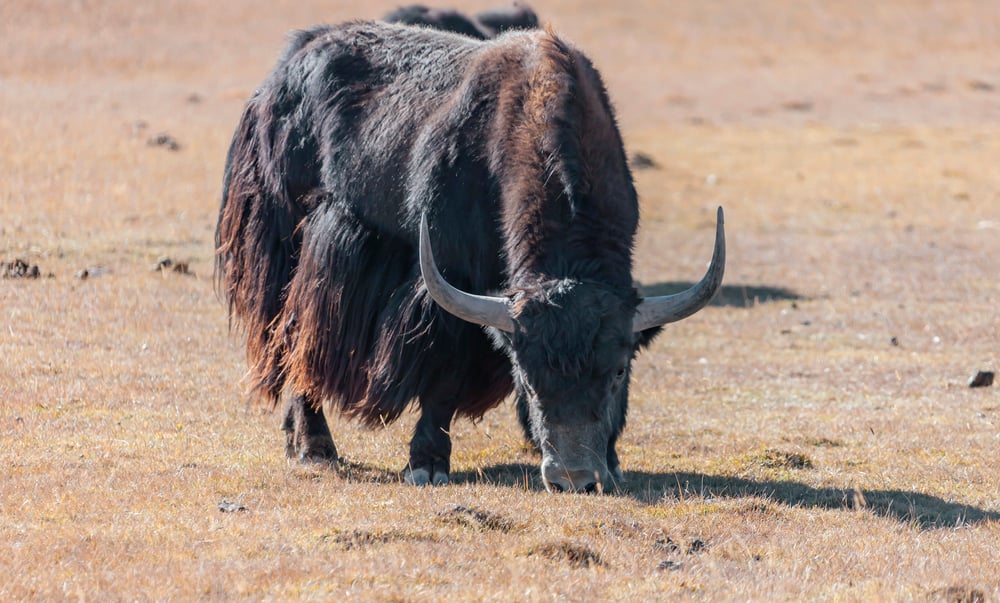
At elevations exceeding 16,000 feet where oxygen levels are roughly 40% lower than at sea level, these massive bovines thrive where humans struggle to breathe. Their specialized hemoglobin captures oxygen more efficiently, and their large lungs and hearts pump more blood with each beat.
Their long, thick hair—which can grow to nearly 12 inches—protects against temperatures that regularly fall below zero.
Kangaroo Rat
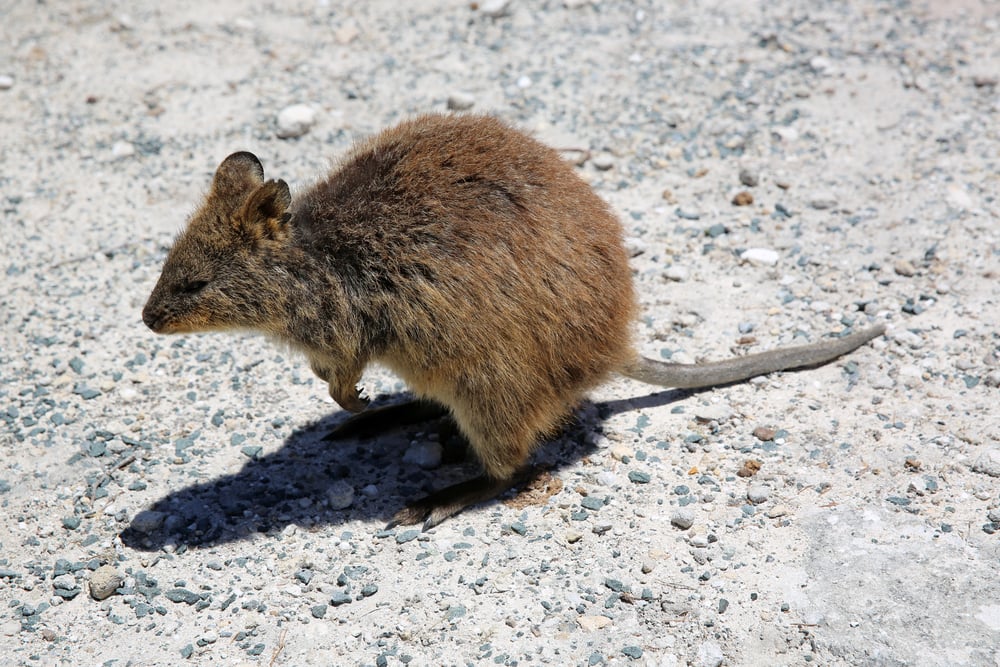
In the American Southwest deserts, these nimble rodents have perfected the art of water conservation. They can live their entire lives without ever taking a single drink of water, instead getting all their moisture from the seeds they eat.
Their specialized kidneys produce highly concentrated urine, and they’ve evolved to be nocturnal to avoid water loss during scorching daytime temperatures.
Snailfish
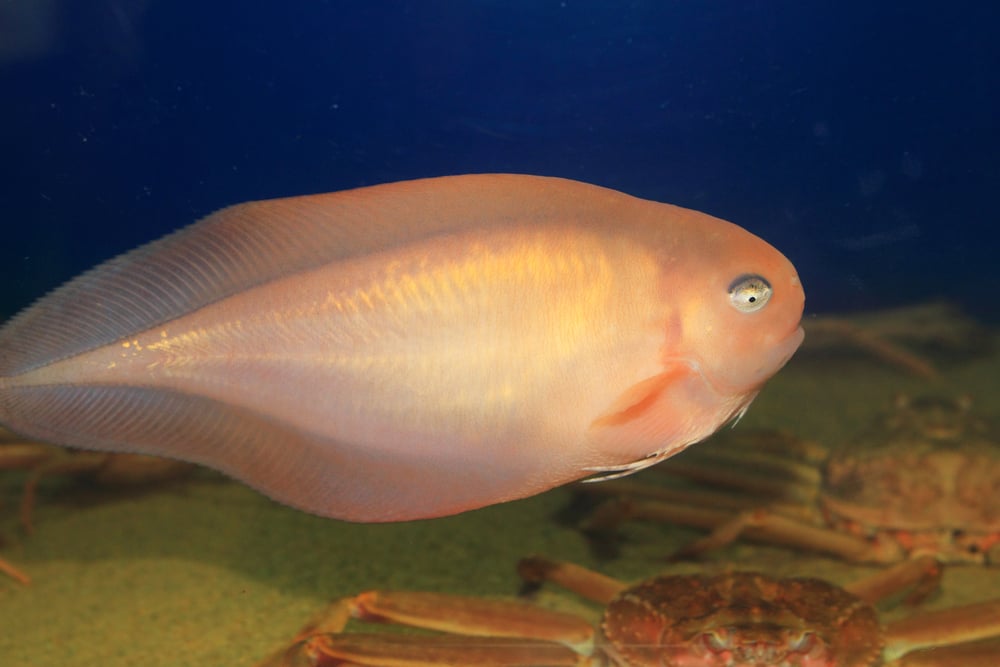
At depths of nearly 27,000 feet below sea level, these deep-sea fish withstand crushing pressures more than 800 times greater than at the surface. Their bodies contain special compounds that prevent proteins from being squeezed out of shape, and they’ve developed gelatinous muscles instead of a rigid skeleton.
This allows them to move freely in conditions that would crush conventional fish.
Bar-Headed Goose
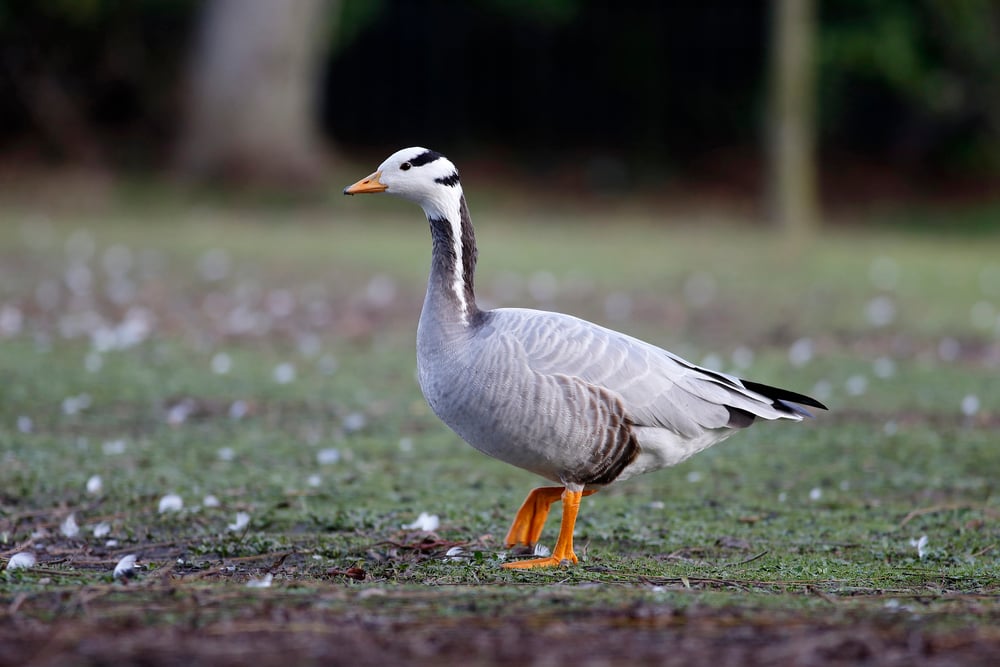
These remarkable birds fly over Mount Everest during their migration, soaring at altitudes where jumbo jets cruise. Their specialized lung structure extracts oxygen with extraordinary efficiency, and their hemoglobin binds oxygen more effectively than other birds.
They’ve even developed stronger wing muscles to maintain flight in the thin air where other birds would quickly become exhausted.
Camel
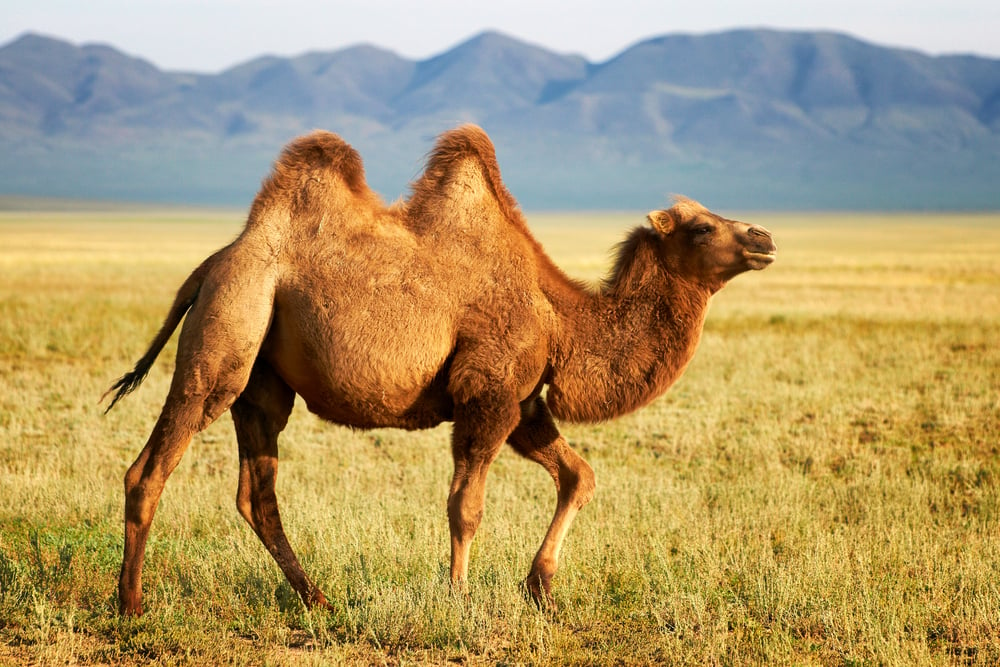
Beyond their famous humps that store fat (not water), camels have multiple adaptations for desert survival. Their red blood cells are oval-shaped to flow more easily when dehydrated, and they can tolerate body temperature fluctuations of up to 6 degrees throughout the day.
They can lose up to 30% of their body weight in water and still function—a loss of just 15% would be fatal to most mammals.
Sperm Whale
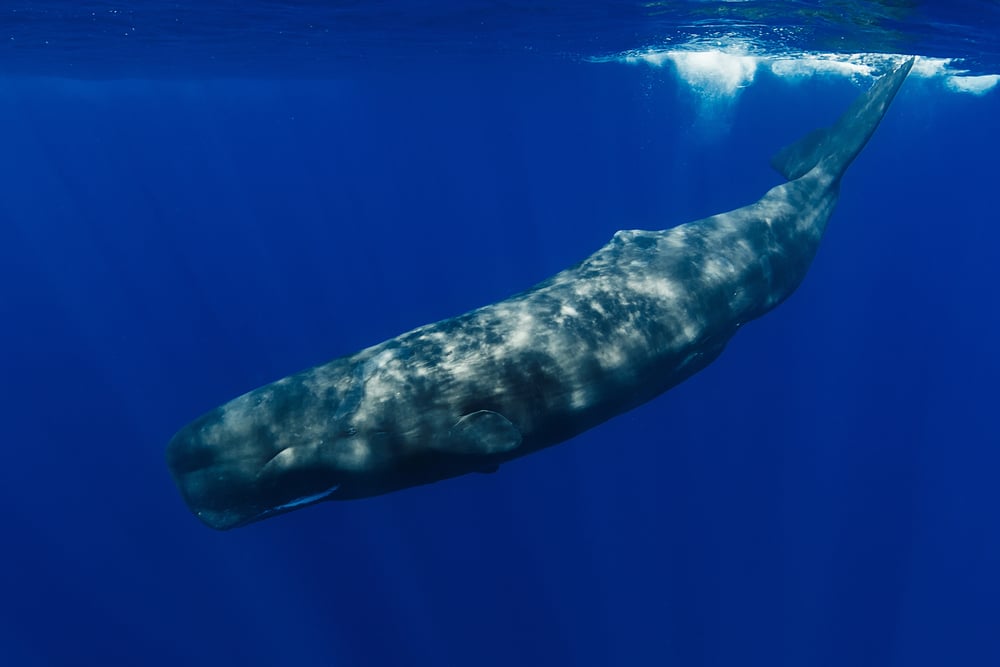
These deep-diving champions routinely plunge to depths of 3,000 feet and can reach 10,000 feet below the surface. Their ribcages can collapse under pressure without causing damage, and special oil in their massive heads adjusts buoyancy during dives.
Most impressively, they can hold their breath for up to 90 minutes thanks to enormous oxygen stores in their specialized muscles.
Desert Pupfish
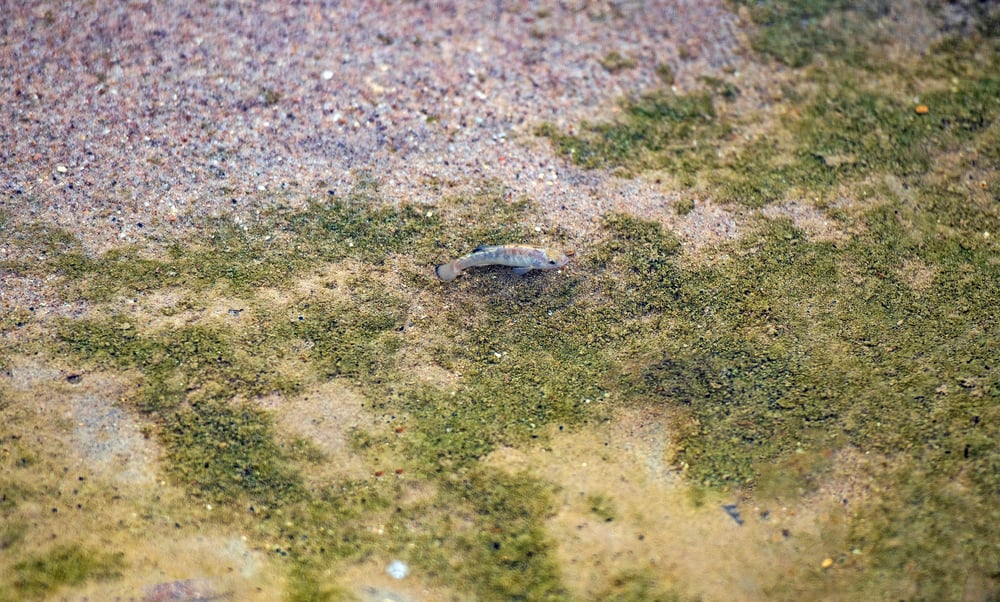
In California’s Death Valley, these tiny fish survive in isolated springs where water temperatures fluctuate between a cool 50 degrees in winter to a scalding 108 degrees in summer—often within the same day. They’ve developed remarkable temperature tolerance genes and can withstand salinity levels higher than seawater.
Some populations have been isolated for so long they’ve evolved into entirely separate species.
Snow Leopard
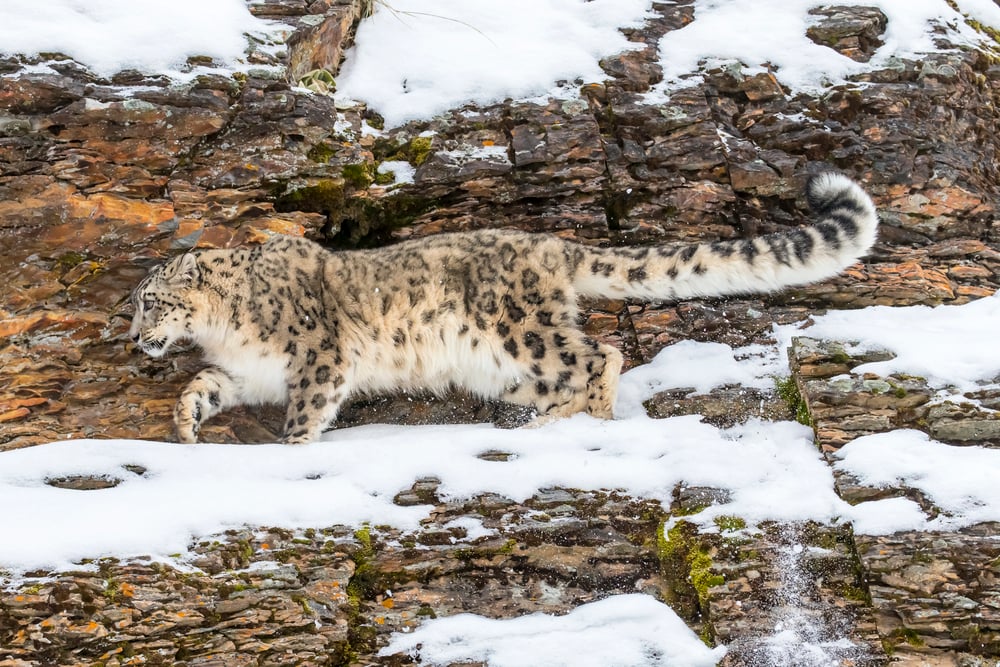
These elusive cats make their home in the harsh mountain ranges of Central Asia at elevations up to 18,000 feet. Their extra-large nasal cavities warm freezing air before it reaches their lungs, and their enormous paws act like natural snowshoes.
Their tail, nearly as long as their body, serves as both a balance aid on steep terrain and a cozy scarf they can wrap around themselves while sleeping in sub-zero temperatures.
Arctic Fox
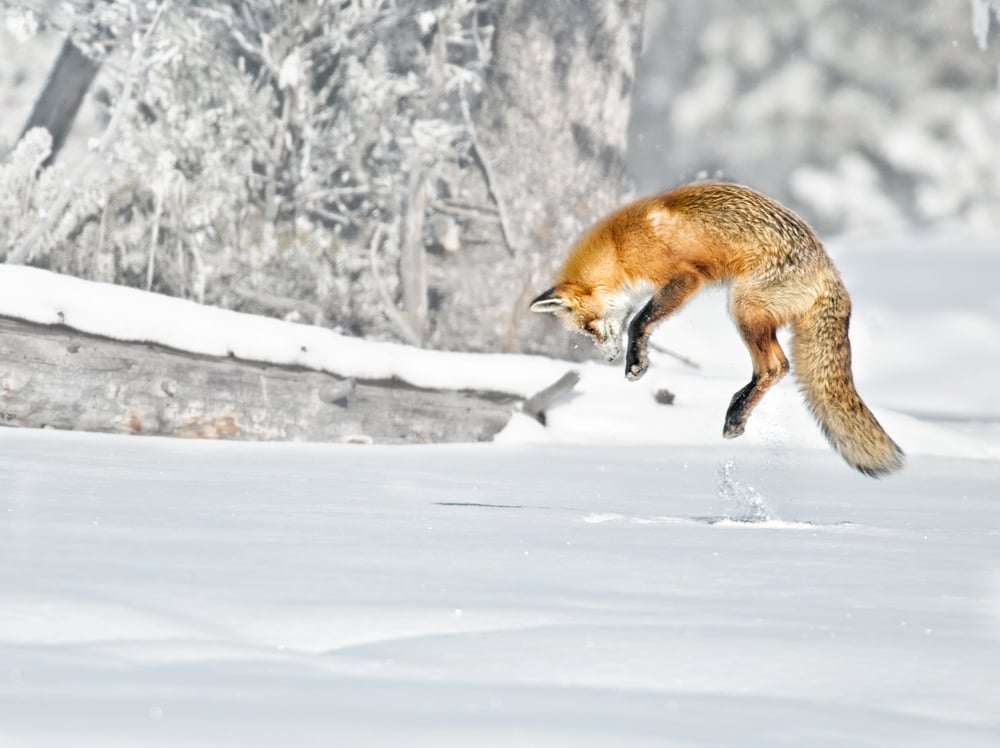
With ears much smaller than other fox species to reduce heat loss, these cold-weather specialists can maintain body temperature even when external temperatures drop to minus 70 degrees Fahrenheit. Their fur is the most insulating of any mammal, changing from brown in summer to pure white in winter for camouflage.
They can reduce blood flow to their paws to maintain core temperature, allowing them to walk comfortably on ice for hours.
Wandering Albatross
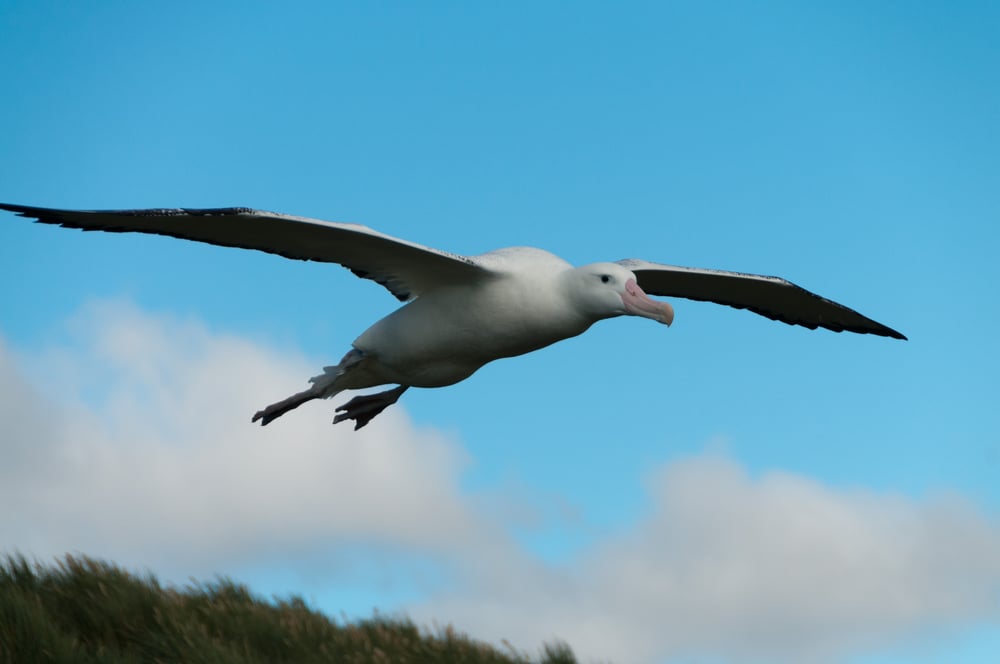
Spending 90% of their lives soaring above the Southern Ocean’s frigid, storm-tossed waters, these birds have the largest wingspan of any living bird at over 11 feet. They can lock their wings in an extended position and sleep while gliding, traveling thousands of miles without ever needing to land.
Their specialized salt glands filter seawater, allowing them to drink directly from the ocean during journeys that can span 6,000 miles without touching land.
Nature’s Ultimate Survivors
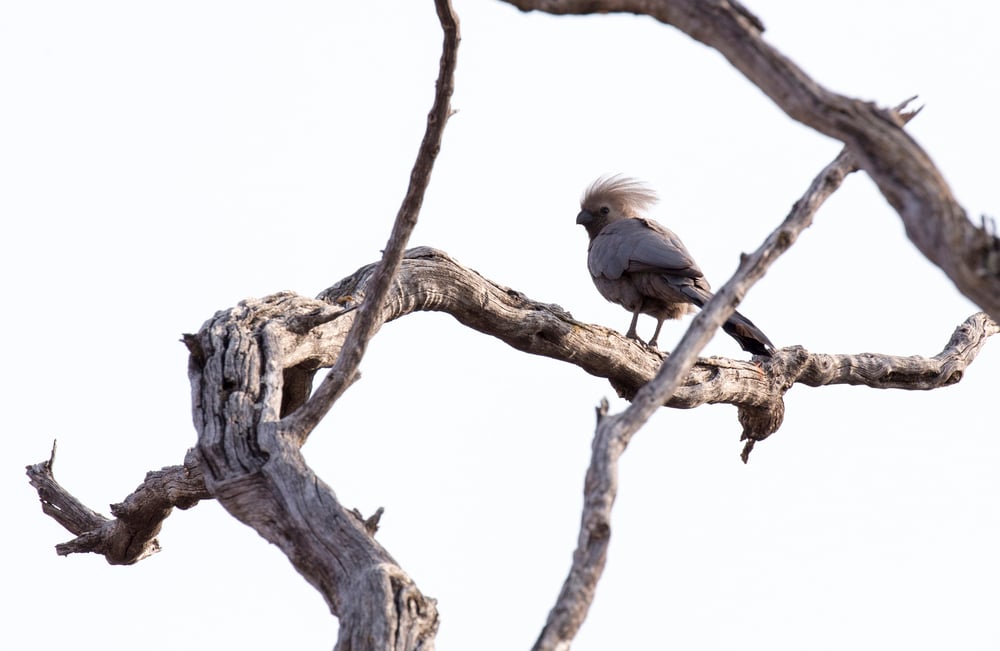
These extraordinary animals remind us of life’s remarkable resilience and adaptability. Through millions of years of evolution, they’ve developed specialized solutions to environmental challenges that would quickly prove fatal to humans and most other creatures.
While we rely on technology to venture into these extreme habitats, these animals have biological adaptations that enable them to call Earth’s most forbidding places home—a testament to nature’s ingenious engineering in the face of seemingly impossible odds.
More from Go2Tutors!

- The Romanov Crown Jewels and Their Tragic Fate
- 13 Historical Mysteries That Science Still Can’t Solve
- Famous Hoaxes That Fooled the World for Years
- 15 Child Stars with Tragic Adult Lives
- 16 Famous Jewelry Pieces in History
Like Go2Tutors’s content? Follow us on MSN.



