Manners Grandparents Taught That Faded Away
Somewhere in a kitchen drawer, there is probably still a box of blank notecards that nobody has touched in years. A generation ago those cards would have been used up by February.
Grandparents carried around a dense rulebook of small courtesies, most of it never written down and all of it enforced with a raised eyebrow. Plenty of those rules made sense, a few were baffling even then, and many have quietly slipped out of daily life.
Handwritten Notes of Thanks
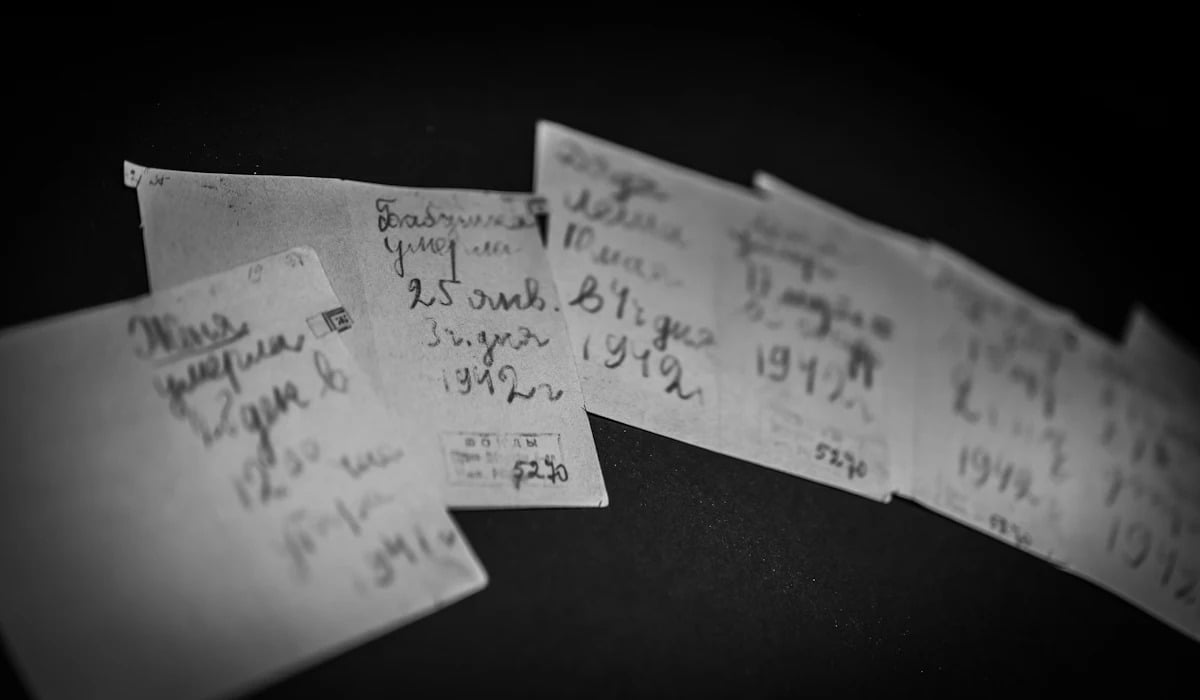
A gift once required a written reply, ideally within a few days and always by hand. Emily Post’s “Etiquette in Society, in Business, in Politics and at Home,” published in 1922, treated the note of thanks as a basic obligation, and generations of children spent the week after birthdays and Christmas at the kitchen table with a pen and a stack of cards.
The note had to mention the specific gift and say something about how it would be used. A phone call did not count.
Today a text message or a quick social media post usually covers the same ground, and many recipients would be surprised to find a stamped envelope at all.
Hats Off Indoors

Men and boys were expected to remove their hats on entering a home, a church, a classroom or a restaurant, and to take them off for the national anthem and when a funeral procession passed. The custom is often linked to the old practice of knights raising their visors to show they meant no harm, though that origin story is more folklore than documented history.
Hats were nearly universal for men until the 1960s, so the rule came up constantly. Now that backward caps are standard weekend wear, the custom survives mostly at stadiums during the anthem and in schools that still enforce it.
Rising When Someone Entered the Room
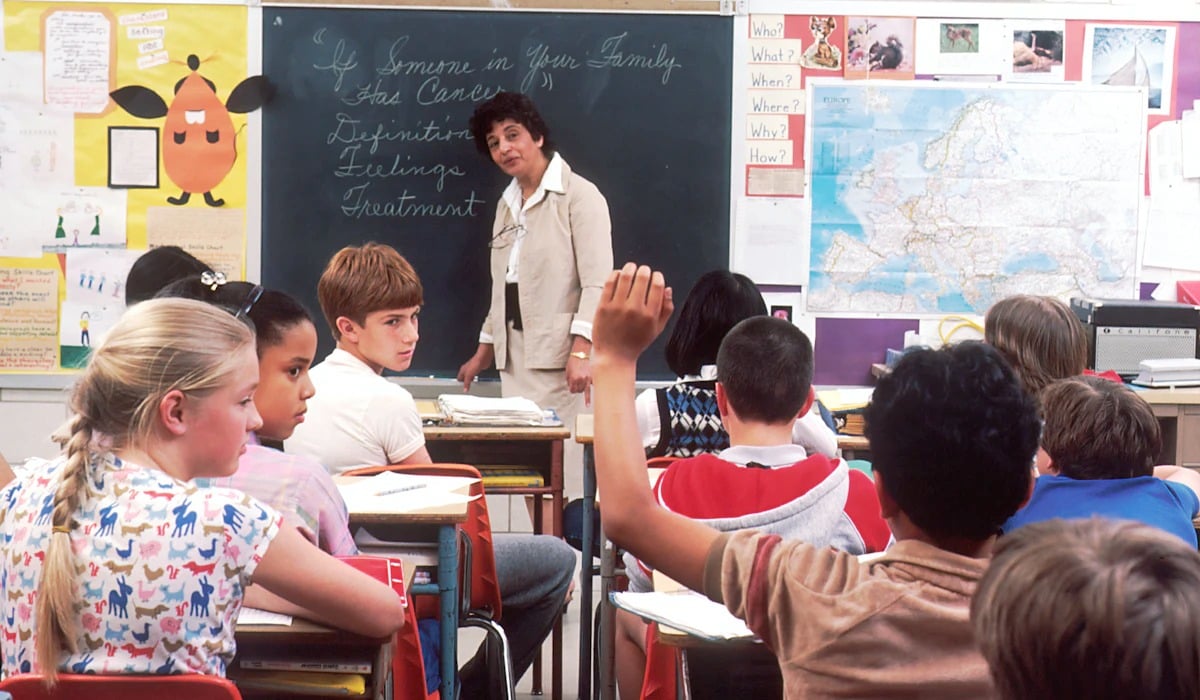
Children were taught to stand when an adult walked into the room, and men stood when a woman arrived at or left the table. The gesture signaled attention and respect, and failing to do it could earn a sharp look from across the room.
Guests at a dinner party often rose in a ripple as the hostess approached. The habit lasted longest in formal settings and in the military, where standing for a senior officer is still required.
In ordinary living rooms it has largely disappeared, and a teenager who leaps up for a visiting aunt today would likely puzzle everyone present.
Calling Adults Mr. and Mrs.
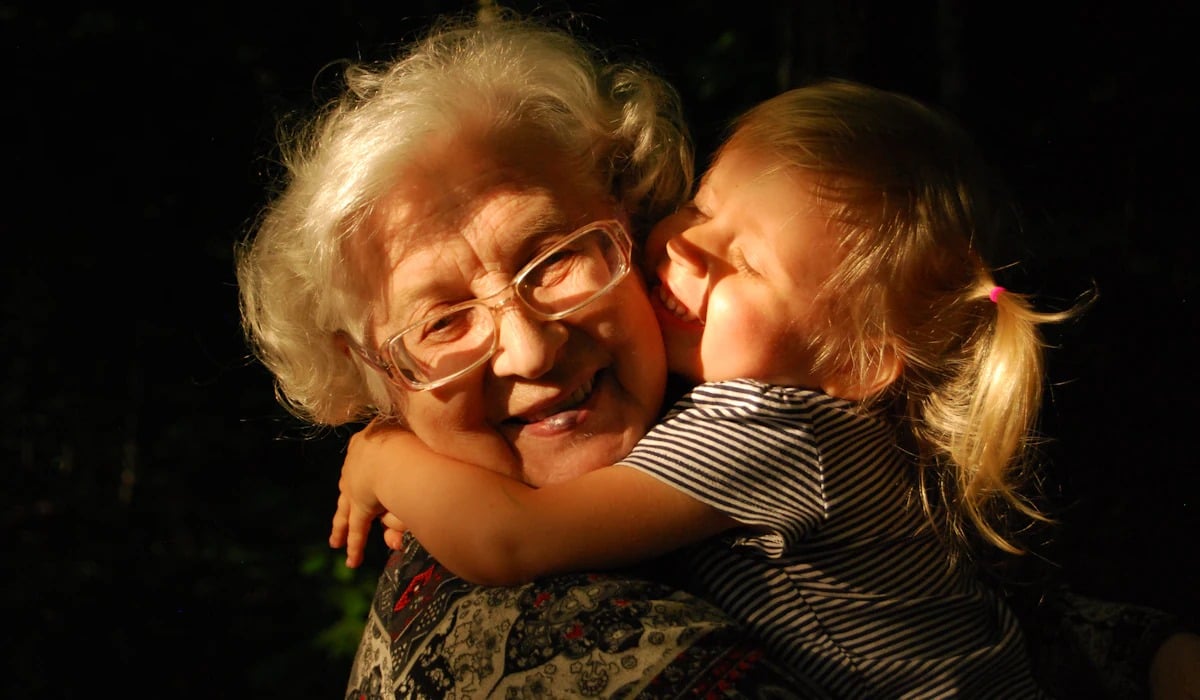
Children once addressed nearly every adult by an honorific and a last name, whether a teacher, a neighbor or a parent’s friend. A first name had to be offered explicitly, and some adults never offered it at all.
Women were sorted by marital status into Miss and Mrs. until Ms. gained ground, helped along by the launch of Ms. magazine in 1972. Southern families often softened the rule with Miss or Mr. followed by a first name, as in Miss Ruth.
Many parents now introduce themselves to their children’s friends by first name, and the formal version survives mainly in classrooms.
Asking to Be Excused From the Table
Dinner did not end when a child’s plate was empty. It ended when a parent said so, and the polite way to leave was to ask permission to be excused, always with a please attached.
Permission was usually granted, but not always, especially if vegetables were left behind or a guest was still eating. The rule reinforced the idea that a family meal was a shared event with a clear beginning and end.
With more families eating at different times, in front of screens or in the car between activities, the formal request has largely gone the way of the dinner bell.
Elbows Off the Table
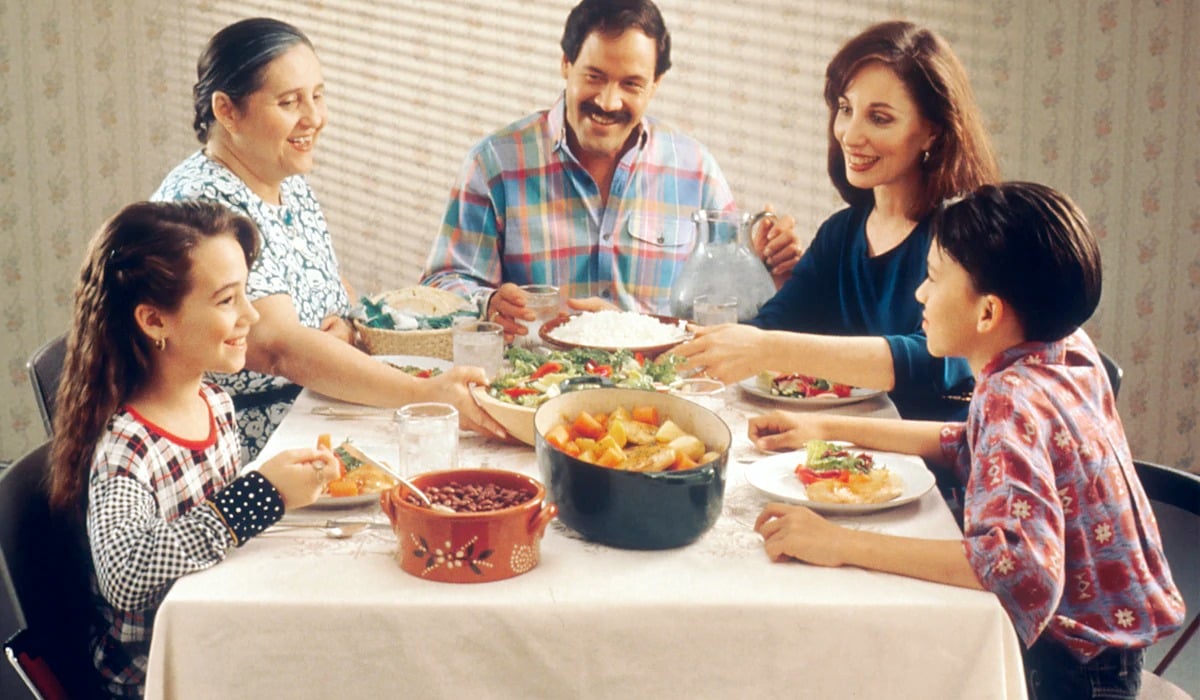
Few table rules were repeated as often as this one, sometimes with a playful rhyme about Mabel and her elbows. The concern was partly practical, since crowded tables left little room, and partly about posture, as leaning forward looked lazy.
Modern etiquette has loosened considerably. The Emily Post Institute now says resting elbows on the table is acceptable when no food is in front of the diner, such as between courses or during conversation after the meal.
During actual eating, elbows are still supposed to stay down, a fine distinction that most grandparents never bothered to make.
Napkin in the Lap and Waiting for the Host
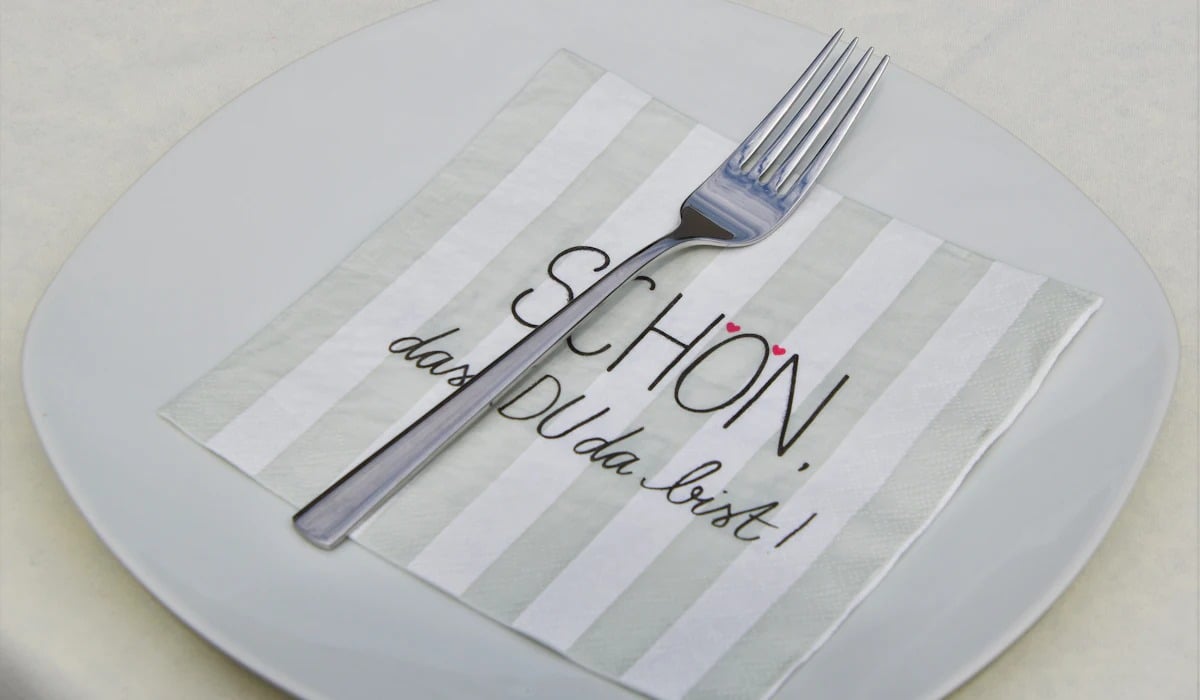
A proper meal began with the napkin unfolded in the lap, and no one lifted a fork until the host or hostess did. At family dinners, that often meant waiting until everyone was seated and grace had been said.
Taking a bite early was considered a small but noticeable act of greed. The napkin itself had rules too, such as placing it on the chair if leaving temporarily and loosely beside the plate at the end.
Restaurant meals with food arriving at different times have eroded the waiting rule, and many diners now tell others to go ahead while the food is hot.
Answering the Phone With the Family Name

When the family had one telephone, often mounted on the kitchen wall, answering it was a small performance. Children were taught to pick up with a greeting like “Smith residence” or “Hello, this is the Johnson home,” and then to take a message carefully on a pad kept nearby.
The caller had no idea who would answer, so identifying the household was helpful as well as polite. Caller ID and personal cell phones changed everything.
Most people now answer by name only when they recognize the number, and many simply let unknown callers go to voicemail.
No Calls During Dinner or After Nine

Telephoning a household during the dinner hour or late in the evening was considered rude unless there was an emergency. A ring after 9 p.m. usually meant bad news, and families treated it that way.
The rule was common enough that federal law eventually borrowed it for telemarketers. Under the Telephone Consumer Protection Act of 1991, telemarketing calls to homes are restricted to the hours between 8 a.m. and 9 p.m. local time.
With text messages arriving at all hours and silenced phones the norm, the household calling curfew has faded, though the law still stands.
Holding the Door
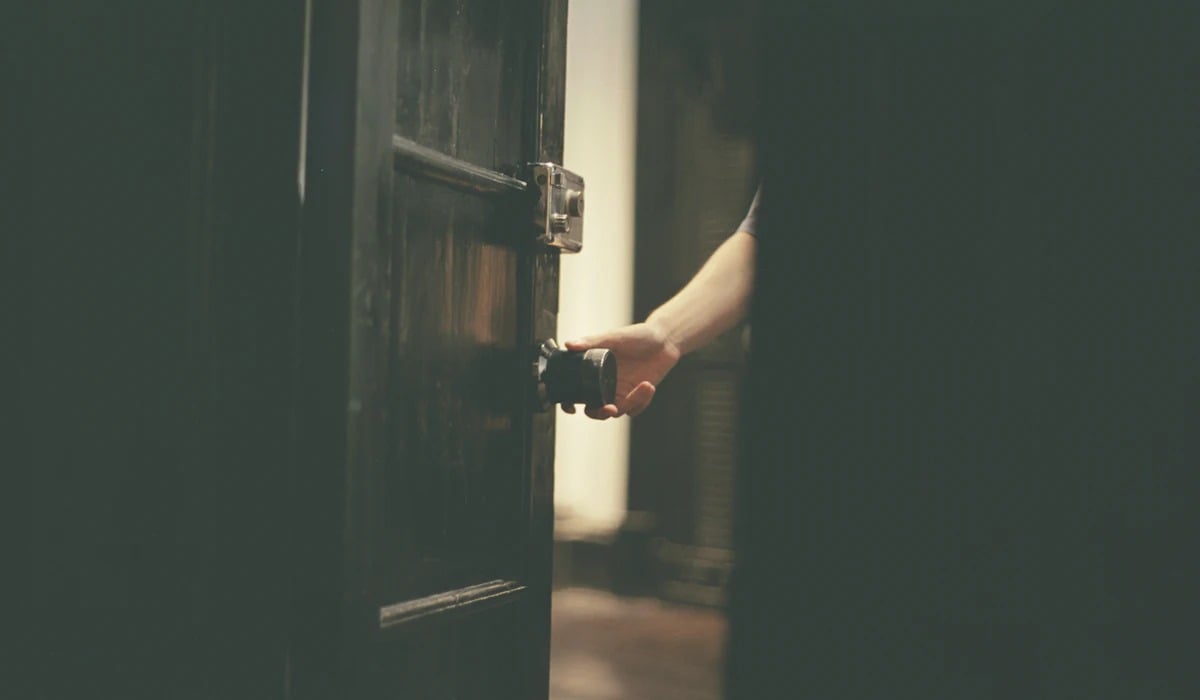
Holding a door for the person behind was basic courtesy, and boys were specifically taught to open doors for women and elders, including car doors. The act often prompted a small exchange of thanks that served as a moment of connection between strangers.
Automatic doors at supermarkets and offices removed many of the opportunities. Debates in the 1970s over whether the gesture was gallant or patronizing also changed how it was done, and today door holding is generally expected from anyone toward anyone.
The car door version, once a standard part of a date, has become rare enough to draw comment.
Walking on the Curb Side
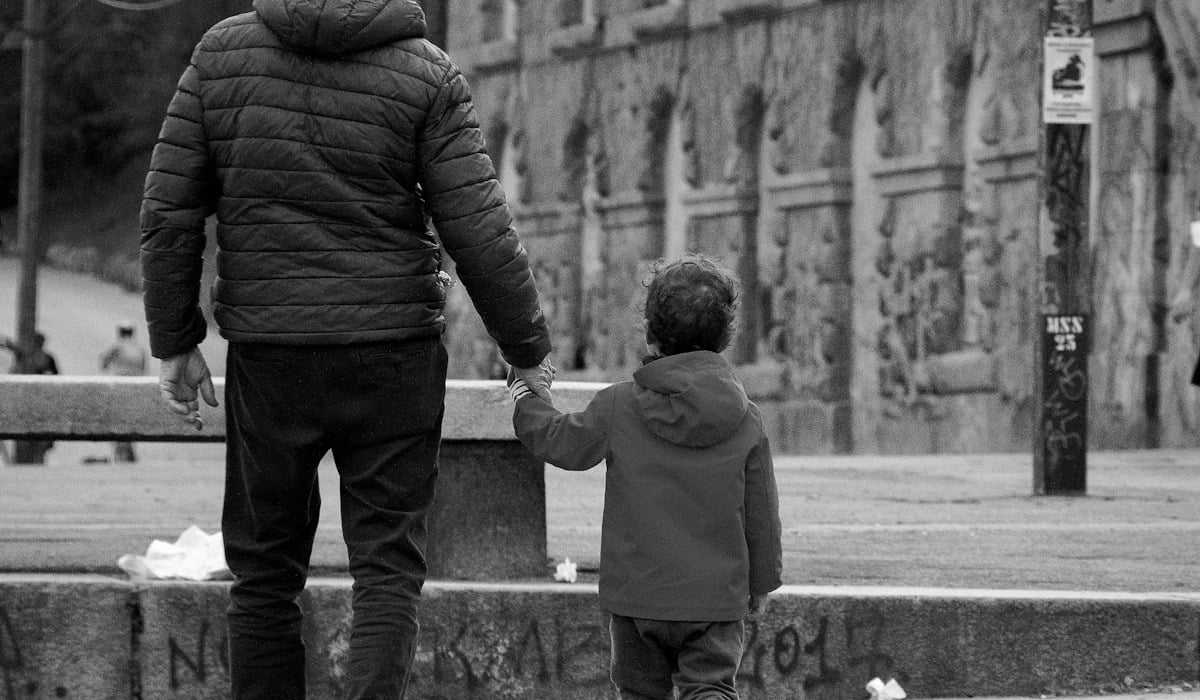
A gentleman walking with a woman was expected to take the side nearest the street. The popular explanation is that this shielded her from splashes thrown up by passing horses and carriages, and from anything tossed out of upper windows, although the true origin is hard to pin down.
Etiquette books repeated the rule well into the 20th century, long after the carriages were gone. Boys who forgot were sometimes steered over by a quick hand on the shoulder.
The practice is still observed by some couples, but few under 40 have heard of it, let alone follow it.
Never Arriving Empty-Handed
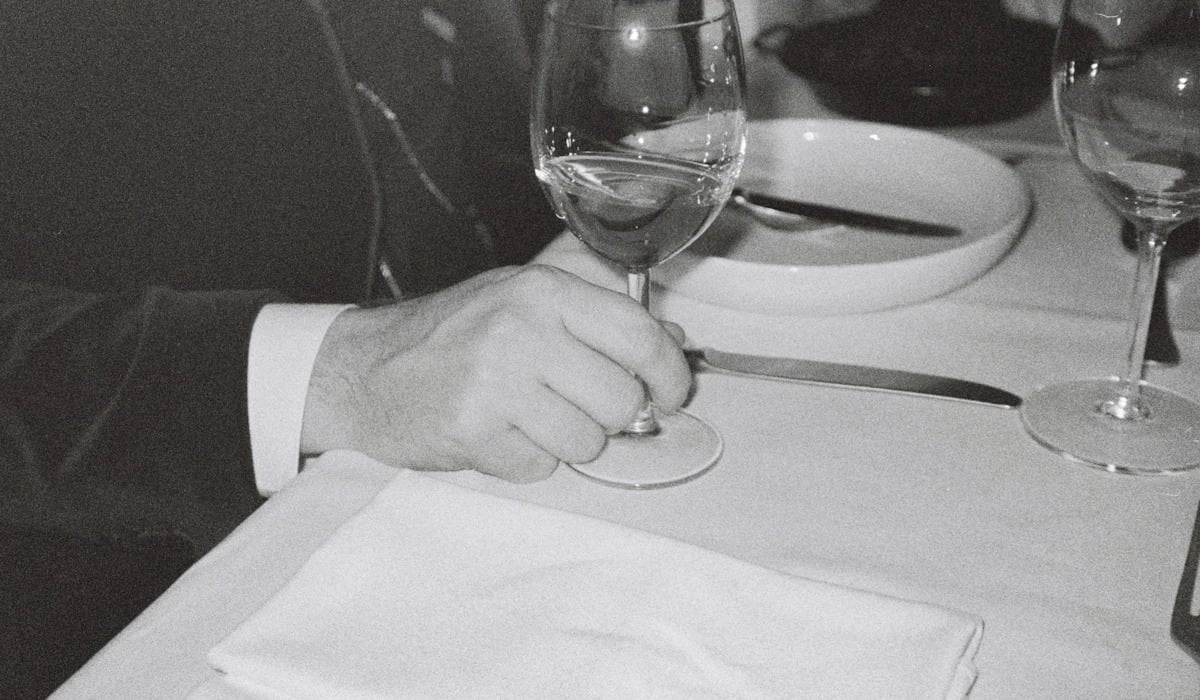
Dinner guests were expected to bring a small gift for the host, often a box of chocolates, a jar of homemade preserves, a bottle of wine or flowers from the garden. The hostess gift was meant as an expression of thanks rather than a contribution to the meal, so it did not need to be served that evening.
Some etiquette writers recommended sending flowers ahead so the host would not have to find a vase in the middle of greeting guests. The custom persists in many circles, but potluck culture and casual gatherings have blurred the line between a gift and simply bringing a dish.
Responding Promptly to an RSVP
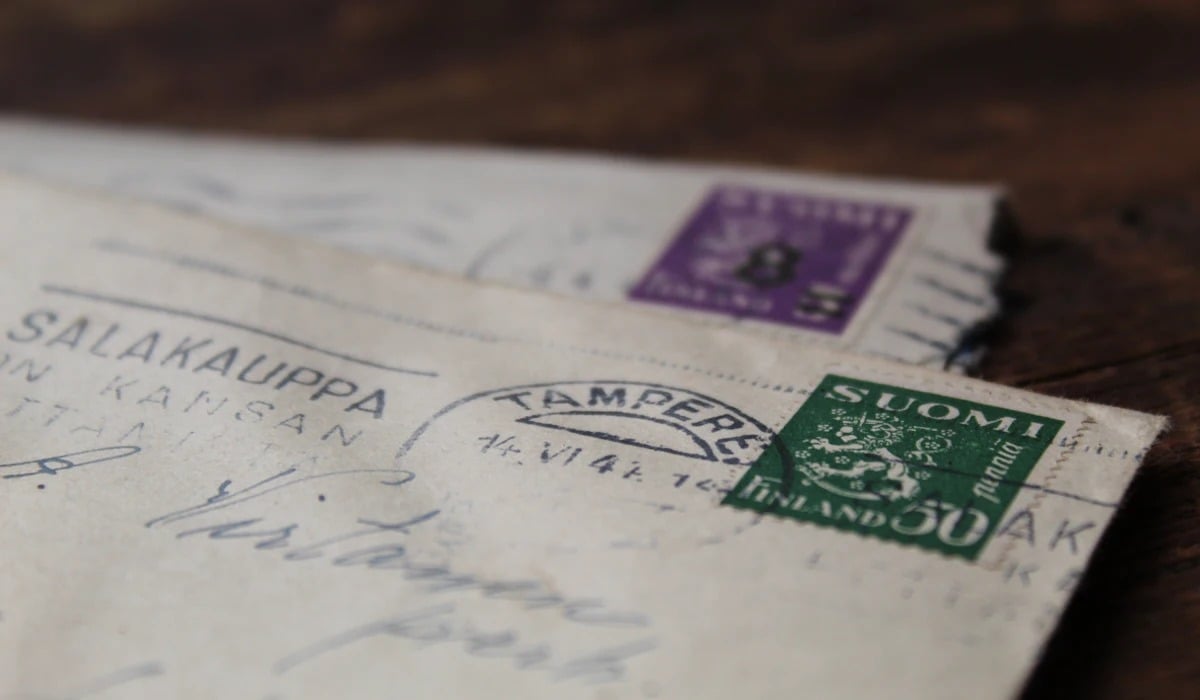
The letters RSVP come from the French “repondez s’il vous plait,” meaning “please respond,” and grandparents treated them as a firm request. Invitations arrived by mail, and a reply was expected within a few days, often by handwritten note or a telephone call.
Failing to respond, or responding and then not showing up, was considered a serious social offense. Event planners and hosts now regularly complain that guests ignore RSVP requests altogether or reply at the last minute.
Digital invitations with one-click responses made replying easier, yet many hosts say they still end up chasing down answers.
Dressing Up to Fly
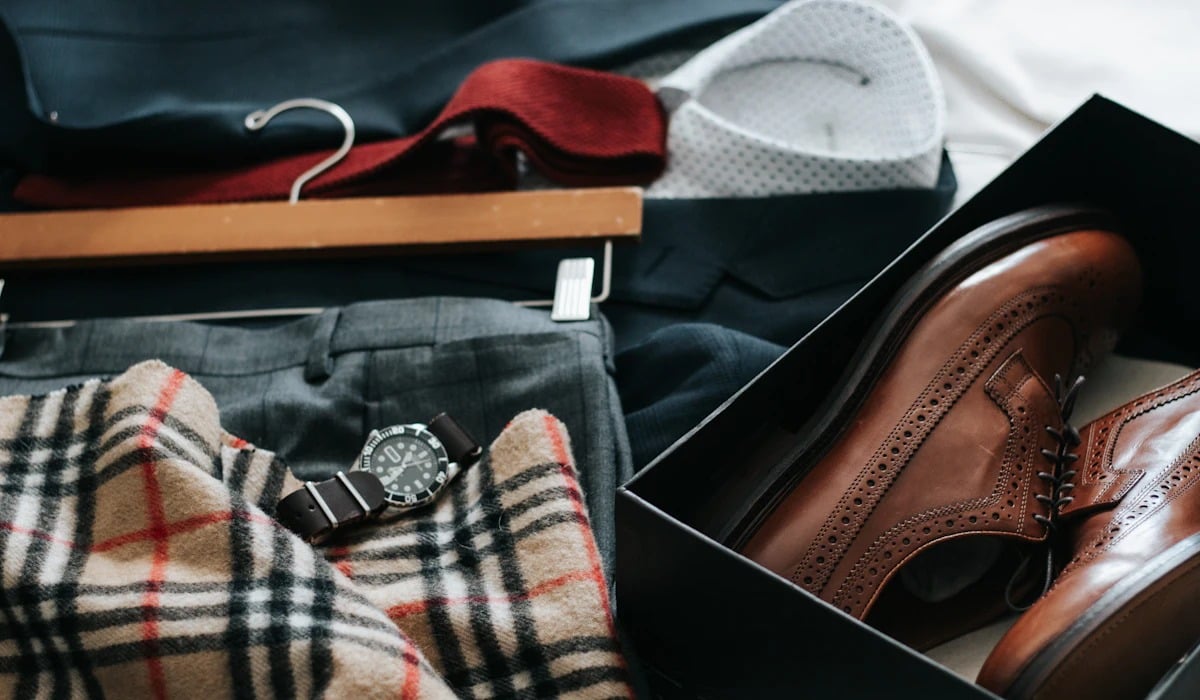
In the early days of commercial aviation, a plane trip was an occasion, and passengers dressed for it. Men wore suits and ties, women wore dresses, gloves and hats, and children were scrubbed and combed for the trip.
Fares in the 1950s and 1960s were high enough that flying itself signaled a certain status. Airline deregulation in 1978 helped bring fares down and opened air travel to far more people, and the dress code relaxed along with it.
Today sweatpants and slippers are common in the terminal, and the jacket-and-tie traveler is usually on a business trip.
Sunday Best for Church

Many families kept a set of clothes reserved for church services, known as Sunday best. Boys wore pressed slacks, collared shirts and sometimes clip-on ties, while girls wore dresses, white gloves and patent leather shoes that were polished the night before.
The outfits were often worn on Easter for the first time, and the annual Easter parade turned the custom into a public event. Many congregations have relaxed their expectations, and some churches now advertise casual dress explicitly.
Grandparents who remember starched collars sometimes still dress up out of habit, even if those around them do not.
Giving Up a Seat for Elders

On a crowded bus, train or waiting room, children and young adults were expected to stand and offer their seat to an older person, a pregnant woman or anyone carrying a heavy load. Failure to do so could draw a scolding from a parent or even a stranger.
Many transit systems still post signs reserving priority seats for those who need them, which suggests the courtesy no longer happens automatically. Riders absorbed in phones and earbuds often simply do not notice who has boarded.
When the gesture does happen now, it is frequently greeted with surprised gratitude.
Keeping Money, Politics and Religion Off the Dinner Table

Polite conversation once avoided three subjects entirely: money, politics and religion. The theory was simple, since those topics were the most likely to spark arguments and spoil a meal, especially with guests or extended family present.
Asking someone about salary or the price of a house was considered especially crude. Holiday dinners still sometimes come with a request to avoid politics, though social media has made opinions harder to hide.
Salary transparency has also gained ground, with several states now requiring pay ranges in job postings, a shift that would have stunned earlier generations.
Casseroles for the Grieving

When a family suffered a death, neighbors and church members arrived with food, often before anyone had a chance to ask. Casseroles were the standard offering because they were filling, traveled well and could be reheated over several days.
In Utah and parts of the Mountain West, a cheesy potato dish topped with cornflakes became so closely associated with these gatherings that it is widely known as funeral potatoes, and it appeared on a souvenir pin at the 2002 Salt Lake City Winter Olympics. Meal train websites now organize much of this help, which is efficient but loses some of the spontaneity.
Never Returning a Dish Empty
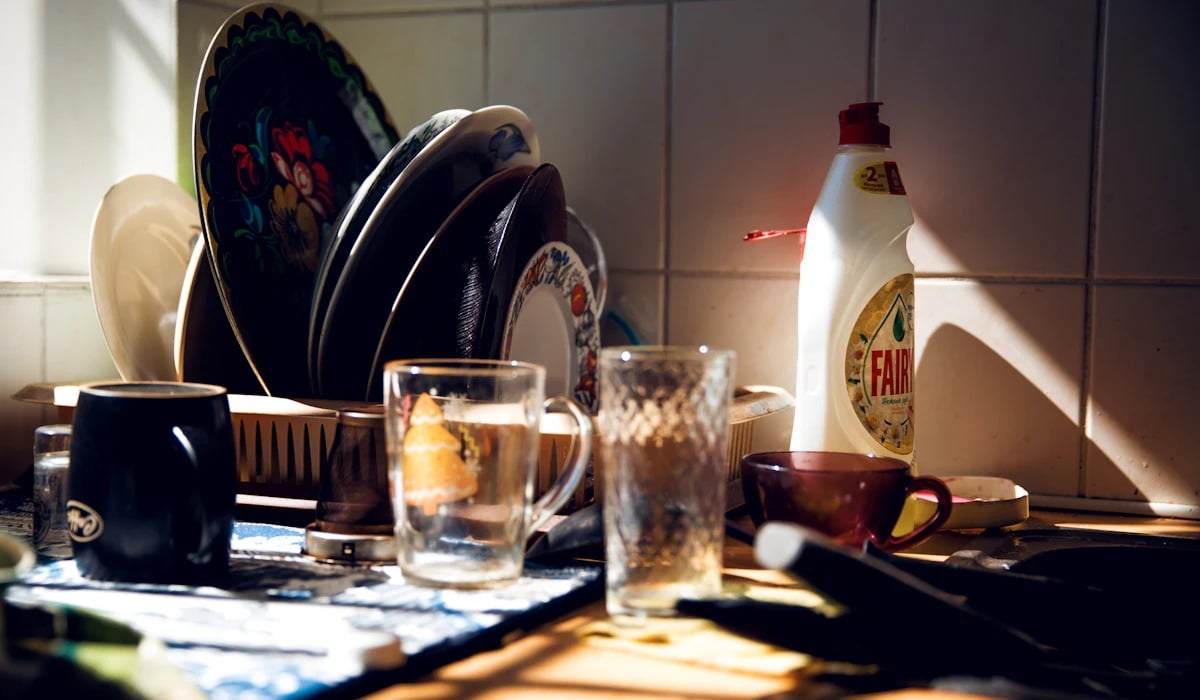
When a neighbor brought food in a casserole dish or on a plate, returning it was a small ritual. Sending it back empty was considered thoughtless, so the dish usually went home with cookies, a slice of pie or some garden vegetables.
Families sometimes labeled the bottoms of their dishes with masking tape to make sure they found their way home. The custom kept a steady exchange going between households and doubled as a reason to visit.
Disposable containers and foil pans have made the tradition rare, though it lingers in small towns and the South.
Yes Ma’am and Yes Sir

In much of the American South, and in many military families elsewhere, children were taught to answer adults with “yes, ma’am” and “no, sir.” Leaving off the title could be seen as sassy or disrespectful.
The habit was so ingrained that many adults used it with anyone older, including store clerks and police officers. Outside the region, the phrases were sometimes taken the wrong way, since some women heard “ma’am” as a remark about their age.
The custom remains strong in parts of the South, though it has become less automatic elsewhere, and some parents now treat it as optional.
Children Seen and Not Heard

Few phrases capture old-fashioned discipline better than “children should be seen and not heard.” The idea is centuries old, with an early version recorded in a 15th-century English collection of sermons that applied it to young women rather than children.
By the Victorian era it had settled on children and become a standard household instruction. At adult gatherings children were expected to sit quietly, answer when spoken to and otherwise stay out of the way.
Modern parenting advice tends to encourage children to speak up and join conversations, which would have struck many grandparents as an invitation to chaos.
Introductions in the Proper Order

Introducing two people once followed specific rules. A man was presented to a woman, a younger person to an older one and a junior colleague to a senior one, so a mother would present her son to an older neighbor by naming the neighbor first.
Etiquette books, including Emily Post’s, spent pages on the correct sequence. The person being honored was named first, a subtle signal of rank.
Today most introductions are casual, often consisting of a quick “this is” and two first names, and many people skip the step altogether and let strangers sort it out.
No Gum in Public

Chewing gum in public, especially in church, school or a formal setting, was frowned upon. It was considered unattractive, with the open-mouthed chewing and popping sounds drawing particular disapproval, and teachers kept a wastebasket handy for confiscated wads.
The attitude was strict enough in some places to become law. Singapore banned the sale of chewing gum in 1992, partly over gum stuck in the doors of its new subway trains, and later allowed limited sales of therapeutic gum.
In most of the US, gum chewing is now accepted almost everywhere, though still unwelcome in job interviews.
Calling Before Dropping By

Earlier generations often dropped in on neighbors and relatives without warning, but there was a courtesy involved. A well-mannered visitor telephoned first, or at least stopped by during reasonable hours, and left quickly if the household seemed busy.
In smaller communities the drop-in was common, and front doors were often unlocked to receive friends. Today, unannounced visits are often viewed as intrusive, and a text message usually comes first.
A knock on the door without warning now tends to bring suspicion rather than a welcome, a shift that would have puzzled many rural grandparents.
The Two-Finger Wave on Country Roads
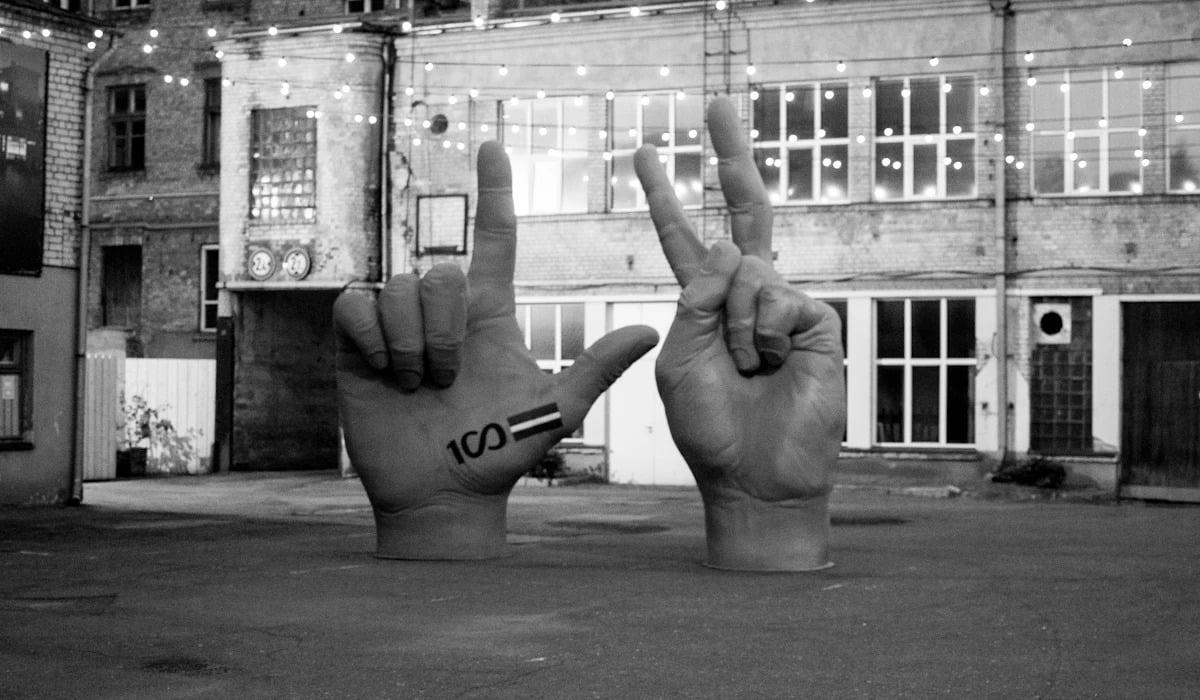
On rural roads, drivers greet each other by lifting one or two fingers off the top of the steering wheel as they pass. The gesture, often called the farm wave or the steering wheel wave, signals acknowledgment without requiring a driver to let go.
In farming communities where most people knew one another, failing to return the wave could be noticed and remembered. The custom is still common across parts of the Midwest, the South and rural Canada.
As more traffic passes through on highways and fewer drivers know the people around them, the wave has become less automatic.
Courtesy as a Shared Language
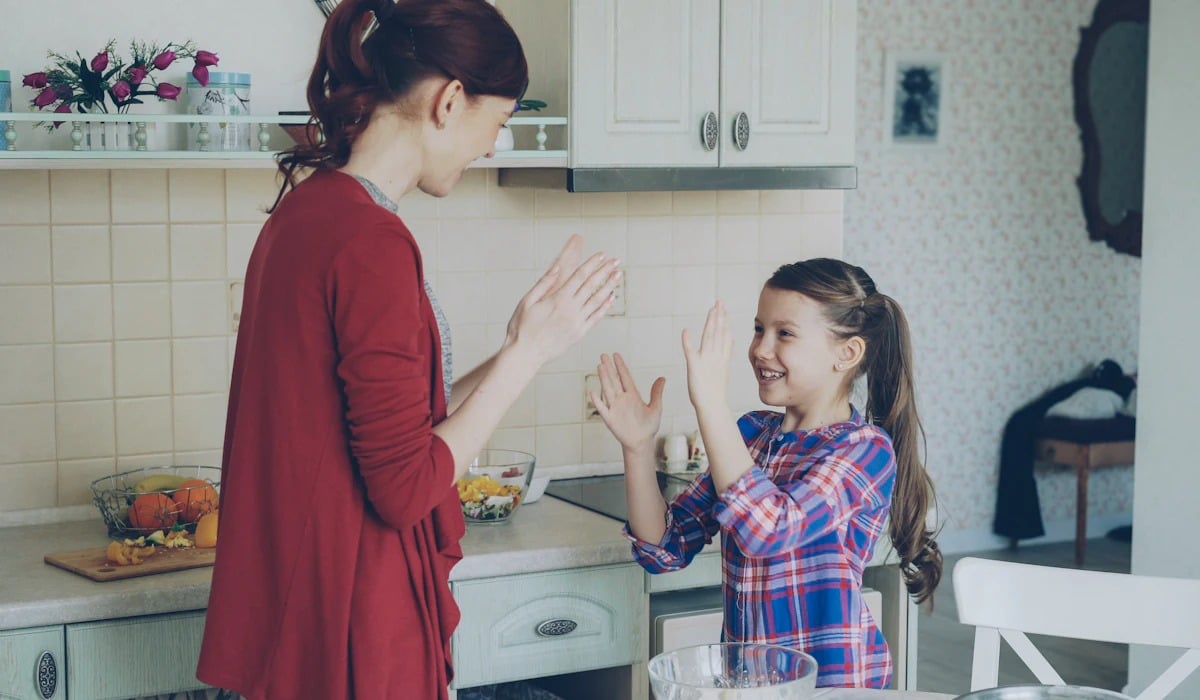
Most of these rules were less about the specific gesture than about attention. Standing up, writing a note or returning a dish all said the same thing, that another person’s presence had been noticed and valued.
The details were often arbitrary, but the message underneath them was consistent.
Manners change because the settings that produced them change. Telephones moved into pockets, hats came off for good and fewer families sit down to dinner at the same time.
Yet the impulse behind the old rules has not vanished, and it tends to reappear in new forms whenever people decide that small kindnesses are still worth the effort.
MORE FROM GO2TUTORS!

- The Romanov Crown Jewels and Their Tragic Fate
- 13 Historical Mysteries That Science Still Can’t Solve
- Famous Hoaxes That Fooled the World for Years
- 15 Child Stars with Tragic Adult Lives
- 16 Famous Jewelry Pieces in History
Like Go2Tutors’s content? Follow us on MSN.