Weekend Rituals Families Shared in the ’60s
Friday evening in the 1960s had a sound to it. Screen doors slapped, a television warmed up in the living room, and somebody in the kitchen was already planning Sunday dinner.
The weekend ran on a schedule nobody wrote down but everybody followed. Network executives, grocery chains, churches and drive-in owners all knew it by heart, and they built their week around the two days families had together.
Pot Roast After Church on Sunday Afternoon
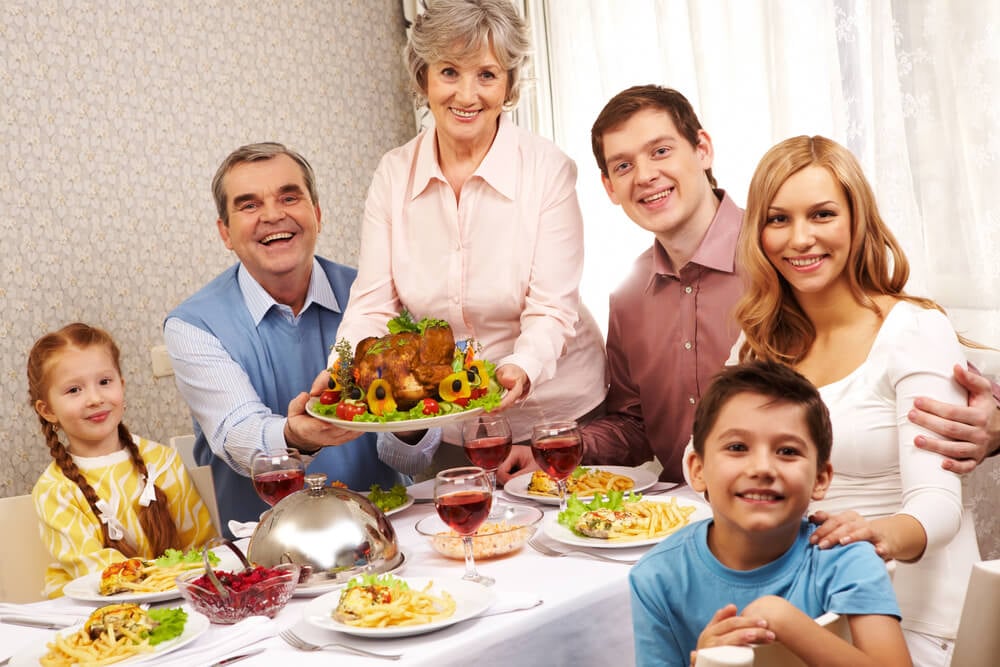
Sunday dinner was usually served in the early afternoon, not the evening, because it followed church and fed a family that had skipped a big breakfast. A chuck roast went into the oven with potatoes, carrots and onions before everyone left the house, and it was ready when they came back in their good clothes.
Betty Crocker’s Picture Cook Book, first published in 1950, sat in countless kitchens as the reference for timing and gravy. The meal mattered less for the menu than for the rule attached to it.
Nobody left the table early, and the good dishes came out of the cabinet.
Saturday Mornings in Front of the Cartoon Block
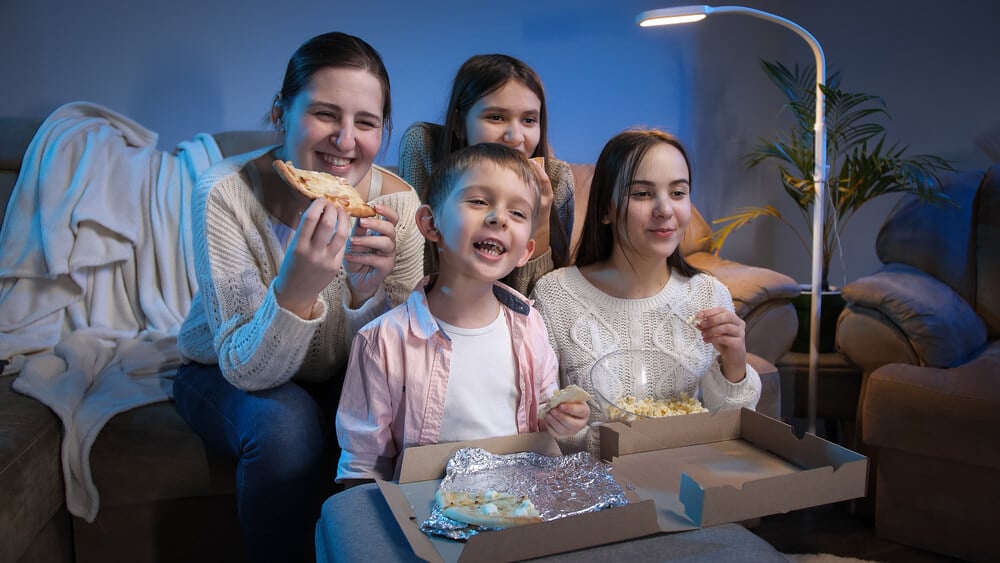
Children woke up early on Saturdays without being asked, which no parent could make sense of. Networks discovered in the early 1960s that young viewers would watch animation all morning, so they filled the hours with cartoons, including reruns of shows such as The Flintstones and The Jetsons that had first aired in prime time.
Hanna-Barbera, the studio behind both, turned limited animation into a production line that could feed that schedule. Kids sat close to the screen in pajamas while parents slept in, and the arrangement suited everyone.
By lunch the set went quiet and the yard took over.
Ed Sullivan on Sunday Night at Eight
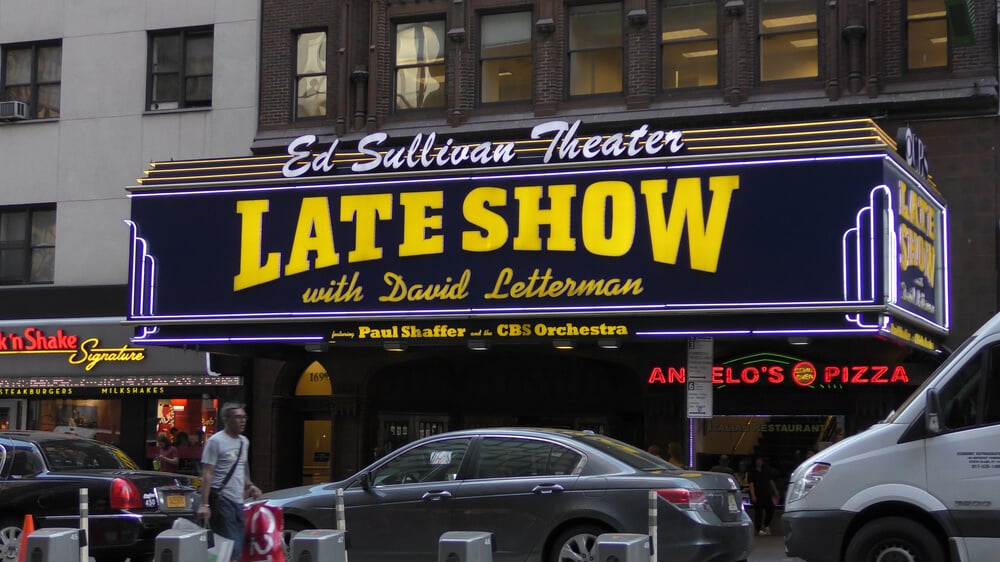
CBS aired Ed Sullivan’s variety hour on Sunday nights from 1948 to 1971, and for most of that run families planned bath time around it. The host was famously stiff on camera, yet he booked everything from plate spinners and ventriloquists to opera singers and comedians in a single hour.
On February 9, 1964, the Beatles made their first live American television appearance on the program, drawing an audience estimated at about 73 million people. Parents and teenagers rarely agreed on music, but they watched that night together.
Monday morning conversations at school and work often began with what had happened on the show.
Disney Switching to Color on NBC
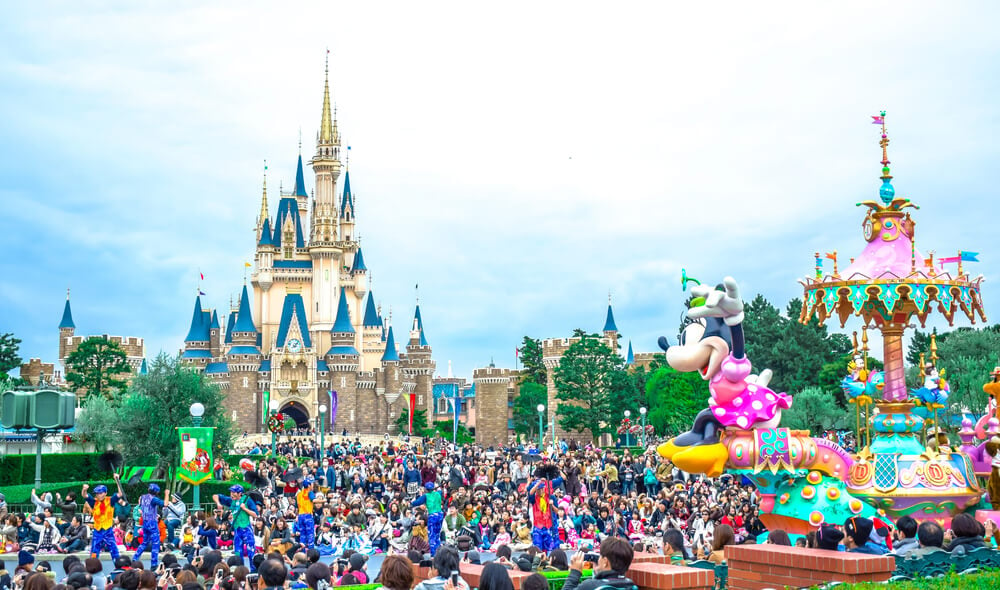
Walt Disney moved his weekly anthology to NBC on September 24, 1961, under a new title built around one selling point, Walt Disney’s Wonderful World of Color. NBC’s parent company, RCA, manufactured color television sets, and the show was a showcase for them.
Most families still owned black-and-white sets, so they watched a program about color in shades of gray. The premiere introduced Professor Ludwig Von Drake, a lecturing duck voiced by Paul Frees.
Walt Disney himself hosted the episodes, which gave the hour the feel of a visit from a well-known uncle on Sunday evening.
Gathering for the Cartwrights on Bonanza

Bonanza debuted on NBC in 1959 on Saturday nights and moved to Sunday nights in 1961, where it became a fixture of family viewing. The western followed widower Ben Cartwright, played by Lorne Greene, and his three sons on the Ponderosa ranch near Lake Tahoe.
NBC filmed it in color from the beginning, partly to help RCA sell color sets. From 1964 to 1967 it was the top-rated program in the country for three seasons running.
The stories leaned on family loyalty and moral lessons, which made it one of the few shows grandparents and grandchildren could agree on.
Lawrence Welk and the Bubble Machine
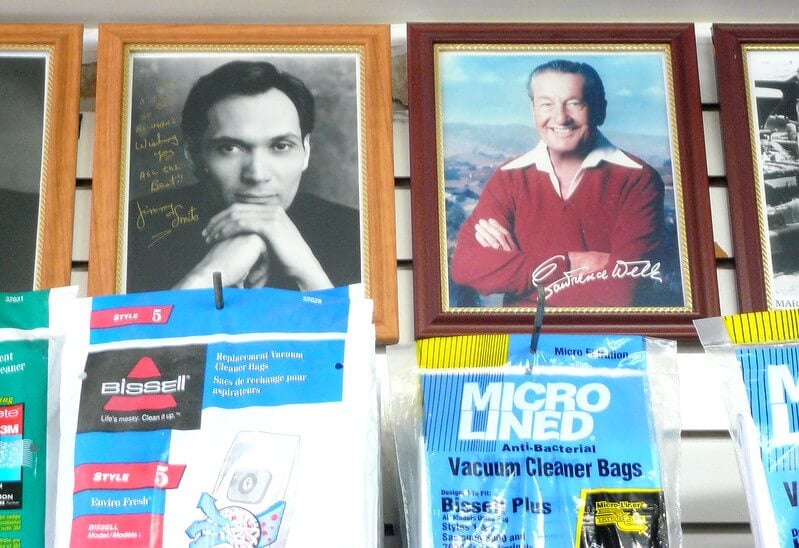
Saturday night belonged to Lawrence Welk for a large share of older viewers, and grandchildren visiting for the weekend often watched along. ABC carried the program nationally from 1955 to 1971, and the bandleader called his gentle, polished sound champagne music.
Bubbles drifted across the stage from a machine, and Welk’s accented count-in became something kids loved to imitate. The Lennon Sisters, a family singing group from Southern California, were regulars for years.
The show felt old-fashioned even then, which was precisely the point for the audience that adored it.
Wide World of Sports on Saturday Afternoon
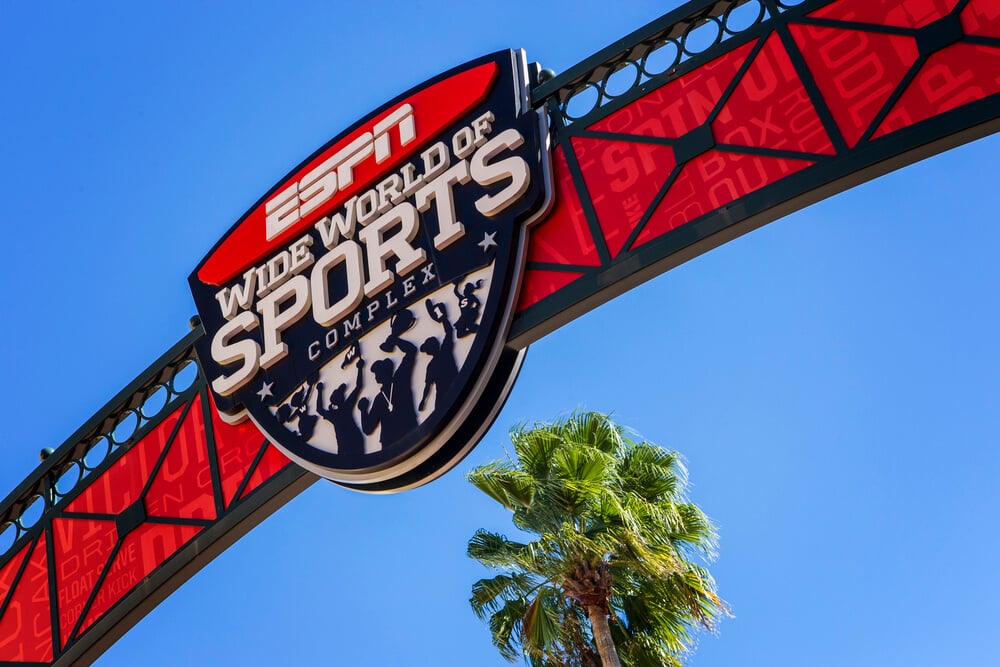
ABC launched Wide World of Sports on April 29, 1961, with Jim McKay as host. The program carried events most Americans had never watched on television, including ski jumping, cliff diving, figure skating, rodeo and demolition derbies.
Its opening narration promised the thrill of victory and the agony of defeat, and the footage of ski jumper Vinko Bogataj crashing off a ramp in 1970 later became its most replayed image. Fathers and kids watched it on Saturday afternoons after the chores were done.
The show treated obscure competitions with the seriousness usually reserved for championships.
Double Features at the Drive-In
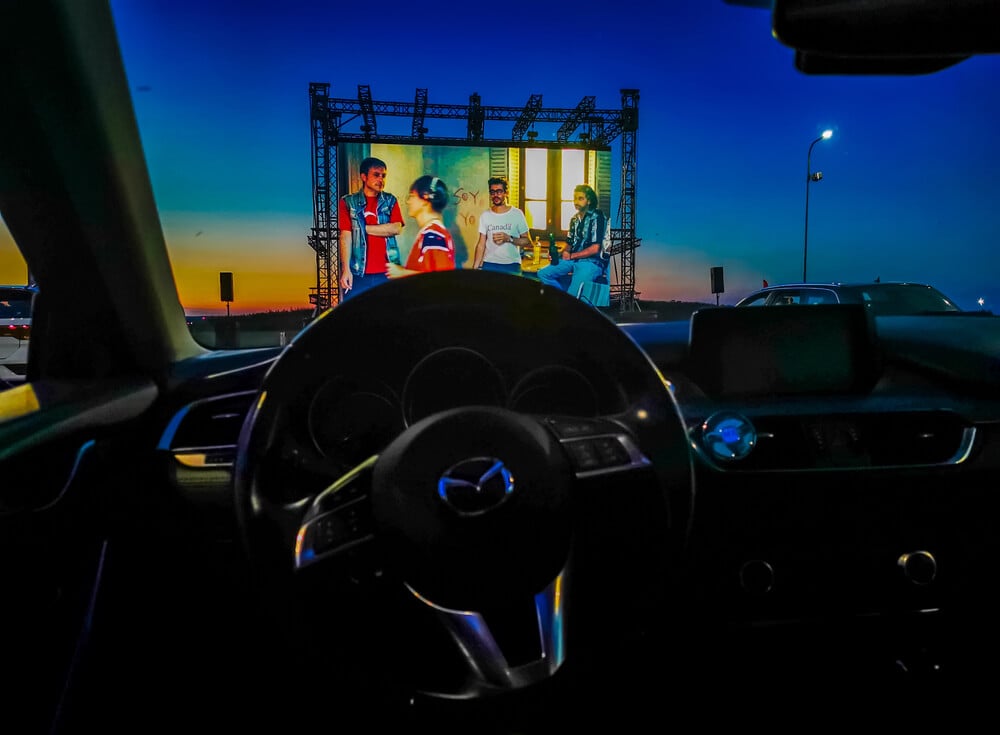
Drive-in theaters peaked at roughly 4,000 screens across the United States around the late 1950s, and they were still everywhere in the 1960s. Families loaded children into the back seat in pajamas, expecting them to fall asleep before the second feature.
A metal speaker hung on the car window, and intermission brought animated ads urging everyone to the snack bar. Admission was often charged per car rather than per person, which made it one of the cheapest nights out for a large family.
The second movie usually ended long after the youngest passengers were out cold.
Washing the Car in the Driveway

Saturday afternoon meant a bucket of soapy water, a garden hose and the family car parked in the driveway. Fathers treated the job as maintenance, and kids treated it as a chance to spray each other.
A coat of Turtle Wax, sold under that name since the 1950s by a company Ben Hirsch had founded in Chicago, finished the work. Neighbors often washed their cars at the same time, turning the street into a low-key social event.
A clean car also mattered for practical reasons, because the Sunday drive and the church parking lot were coming next.
Splitting Up the Sunday Funnies

The Sunday newspaper arrived thick enough to fight over, and the comics section went to whoever reached it first. Color strips filled several pages, including Peanuts, which Charles Schulz had launched in 1950 and expanded with a Sunday page in 1952.
Prince Valiant, Hal Foster’s Sunday-only adventure strip, ran in large painted-style panels that rewarded slow reading. Kids pressed Silly Putty onto the pages to lift copies of the characters.
Parents claimed the front section and the ads, and by noon the living room floor was covered in newsprint.
Kids’ Saturday Matinees at the Neighborhood Theater
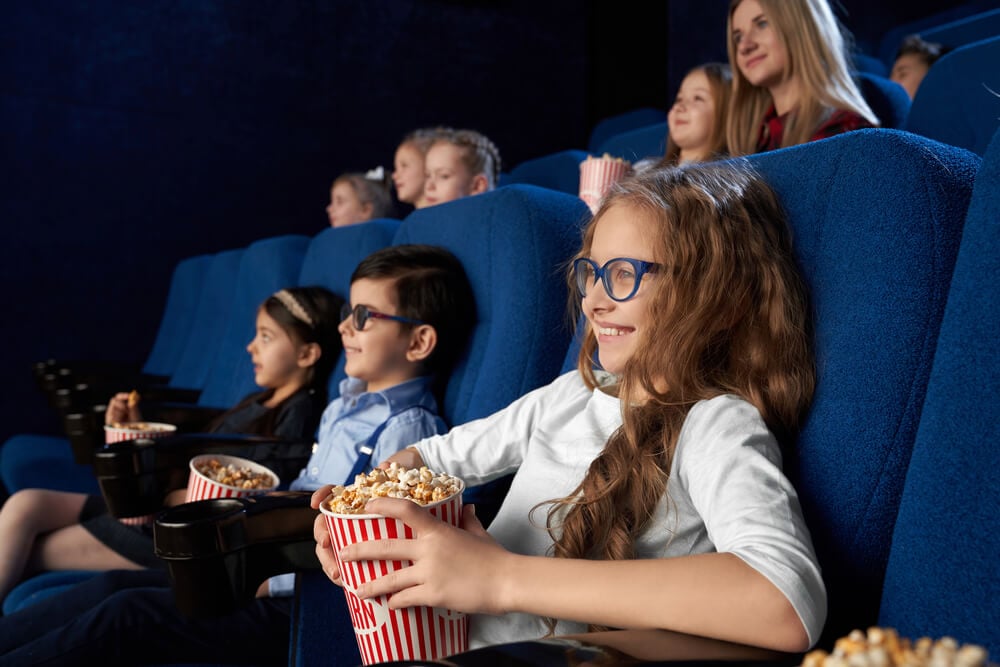
Downtown and neighborhood movie houses ran Saturday matinees aimed squarely at children, and parents happily dropped them off for the afternoon. A typical bill stacked cartoons, a short or two and a feature, often a western, a monster movie or a Disney release.
Admission was cheap, usually well under a dollar, and the snack bar sold candy by the box. Theater managers sometimes ran contests or giveaways to pack the seats.
For parents, the real attraction was three quiet hours at home, which made the matinee a weekend ritual for both generations.
League Night at the Bowling Lanes
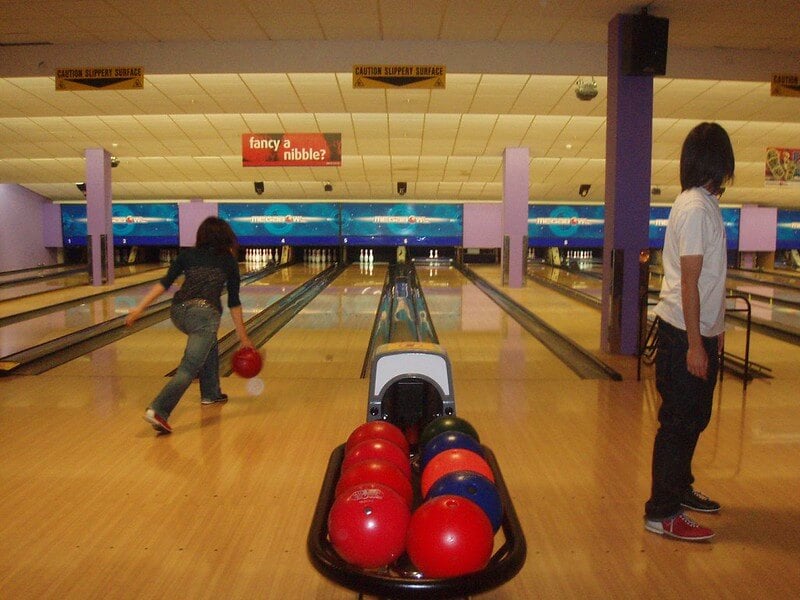
Bowling grew enormously in the years after AMF introduced its automatic pinspotter commercially in 1952, which replaced the teenage pinsetters who had reset lanes by hand. New suburban bowling centers opened with air conditioning, restaurants and nurseries, and leagues filled them on weeknights and weekends.
Husbands, wives and teenagers joined teams with matching shirts embroidered with sponsor names. Children’s leagues met on Saturday mornings in many towns.
The bowling alley became a neighborhood gathering place in a way few other businesses managed, part sports venue and part community center.
Licking Green Stamps Into Saver Books

S and H Green Stamps, issued by the Sperry and Hutchinson Company since 1896, came with purchases at supermarkets and gas stations. Families saved them in drawers until a quiet evening or weekend afternoon, then pasted them into saver books at the kitchen table.
Each filled book held 1,200 stamps. The company’s catalog listed lamps, toasters, luggage and toys, and redemption centers let shoppers trade books for merchandise in person.
Choosing what to get was a family negotiation that could stretch on for months. Kids learned delayed gratification one sticky page at a time.
TV Dinners on Folding Trays
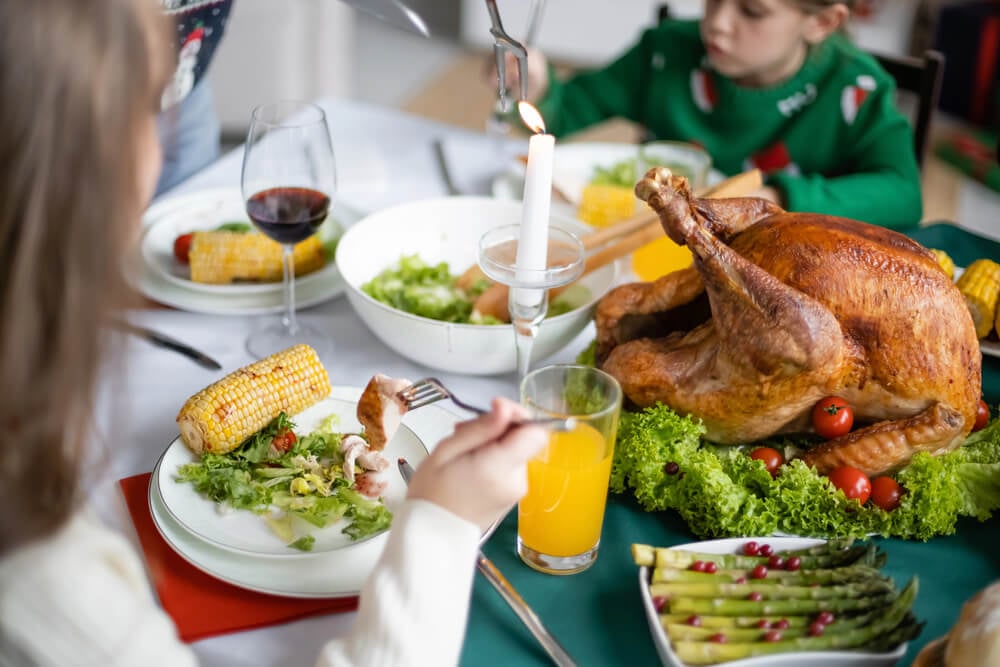
Swanson introduced its TV Dinner in 1953, and by the 1960s the aluminum tray of turkey, cornbread dressing, peas and sweet potatoes was a weekend treat in many homes. Salesman Gerry Thomas is usually credited with the idea, which grew out of a surplus of unsold Thanksgiving turkey.
The meals fit a new piece of furniture, the folding metal TV tray, which let families eat in the living room facing the set. Mothers got a night off from cooking, and children got to choose their own dinners.
Saturday night was the favorite time to break the dining table rule.
Charcoal Smoke Over the Backyard Grill
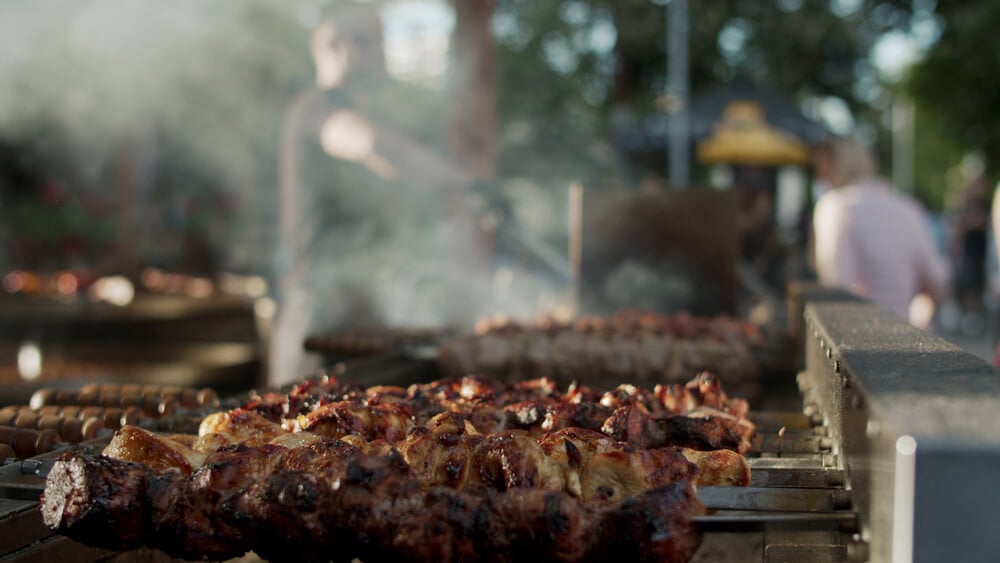
Backyard barbecues spread with the suburbs, and the Weber kettle grill helped them along. George Stephen, who worked at Weber Brothers Metal Works near Chicago, built the first kettle in 1952 by cutting a metal buoy in half and adding legs and a vent.
The domed lid kept heat steady and the wind out, which made grilling far more reliable than open braziers. Fathers who rarely cooked indoors took charge of hamburgers, hot dogs and steaks outside.
Neighbors came over with lawn chairs and potato salad, and the evening lasted until the mosquitoes won.
Long Visits to Grandma’s House

Many families spent part of the weekend at a grandparent’s house, often for Sunday dinner or a long afternoon on the porch. Grandparents were frequently a short drive away in the same town or county, since fewer families had moved across the country for work.
Children learned card games, helped in the garden and heard the same stories for the twentieth time. Long-distance calls were expensive, so relatives who lived farther away were often phoned on Sundays when rates were lower.
The visit ended with leftovers wrapped in foil and a promise to come again next week.
Rolling Super 8 Home Movies
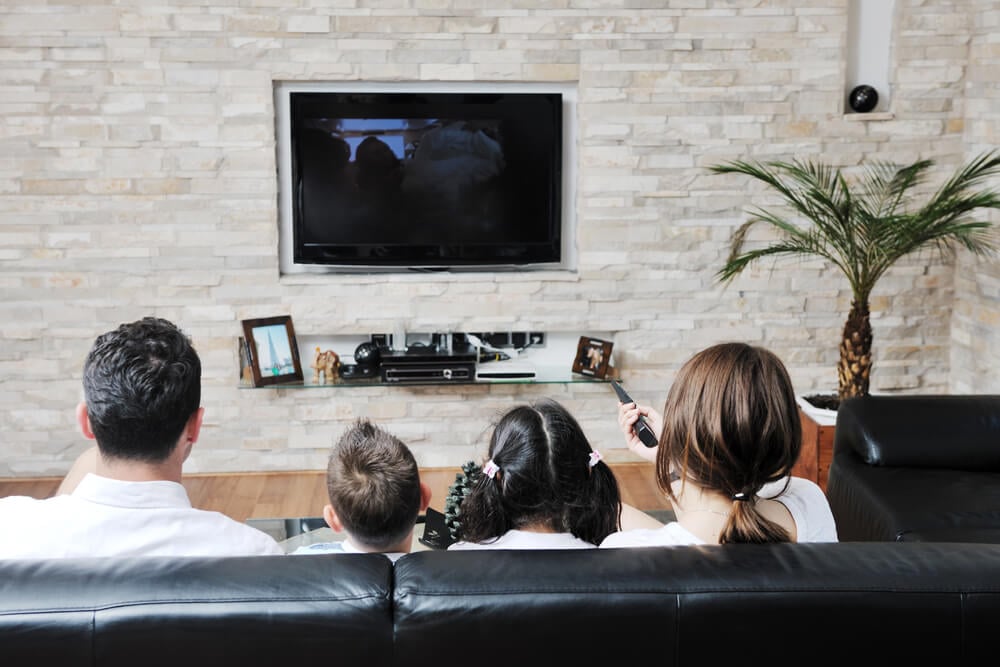
Kodak introduced Super 8 film in 1965, and its drop-in cartridges made home movies far easier than the older 8mm reels that had to be threaded and flipped. Fathers filmed birthday parties, Easter egg hunts and summer trips with cameras that whirred loudly and recorded no sound.
The footage came back from the lab a week or so later and was screened on a portable projector against a bedsheet or a pull-down screen. Children made faces and waved because nobody knew what else to do on film.
Those silent reels now hold some of the most vivid records of the decade.
Slide Shows on the Kodak Carousel
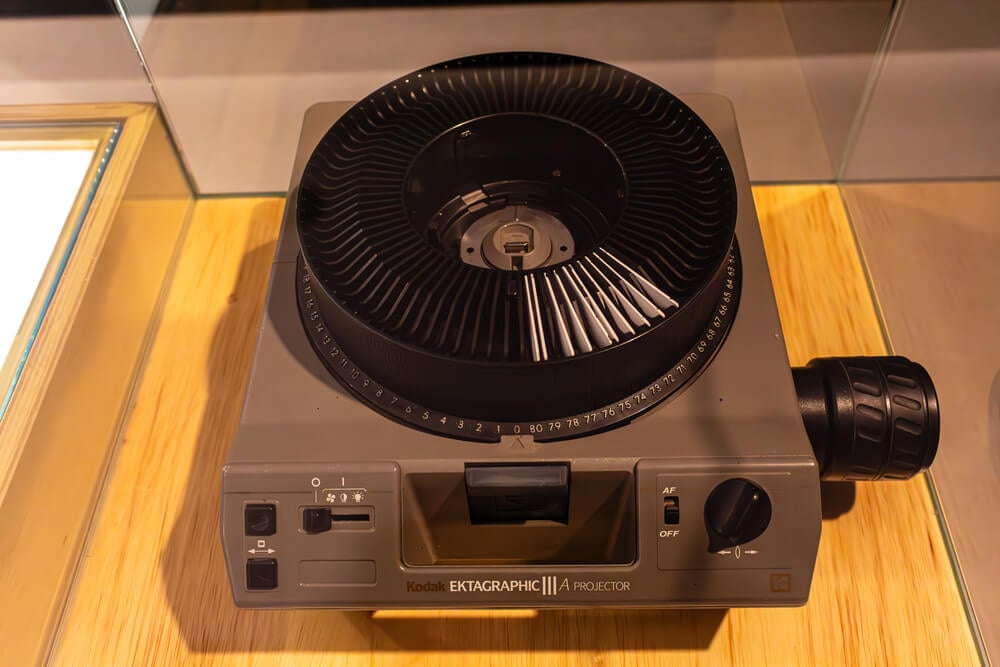
Kodak’s Carousel slide projector, introduced in 1961, used a round tray that held 80 slides and dropped them in by gravity. Engineer David E. Hansen is credited with its design.
After a vacation, families invited relatives or neighbors over for an evening of slides projected onto a living room wall. A single upside-down slide always caused laughter, and an uncle usually fell asleep halfway through the Grand Canyon.
The format turned family photography into a shared performance, complete with narration from whoever had held the camera.
Teenagers Watching American Bandstand
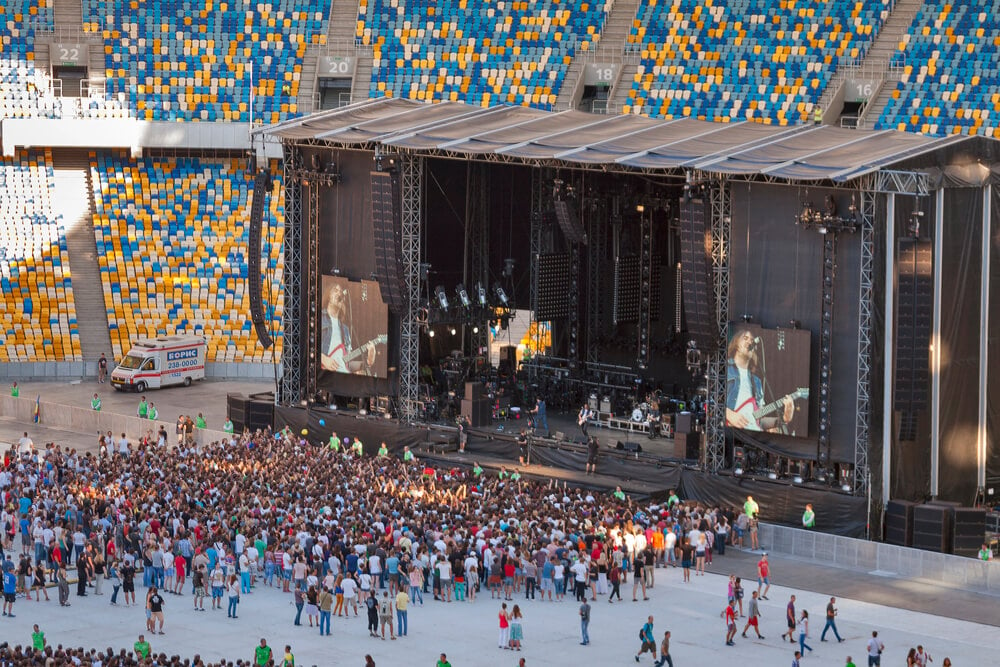
American Bandstand began as a weekday afternoon show, but ABC moved it to a weekly Saturday slot in 1963, and the program relocated from Philadelphia to Los Angeles the following year. Teenagers watched to learn the newest dances and hear the records that would dominate the radio that week.
The show’s Rate-a-Record segment let studio teens score new singles, often with the line that a song had a good beat. Younger siblings watched too, copying the moves in the living room.
Parents usually tolerated it, since the host kept the show clean and well groomed.
Friday Night Fish Fry

For Catholic families, Friday meant no meat, and the custom shaped restaurant menus, school cafeterias and church halls across the country. Parishes and taverns, especially in the Midwest, ran fish fries that became social events for entire neighborhoods.
The demand was strong enough that McDonald’s franchisee Lou Groen in Cincinnati created the Filet-O-Fish in 1962 to win back Catholic customers on Fridays. In 1966, American bishops relaxed the year-round rule, keeping meatless Fridays mainly for Lent.
Many fish fries simply kept going, because the crowds had come for the company as much as for the cod.
Game Night Around the Living Room Floor
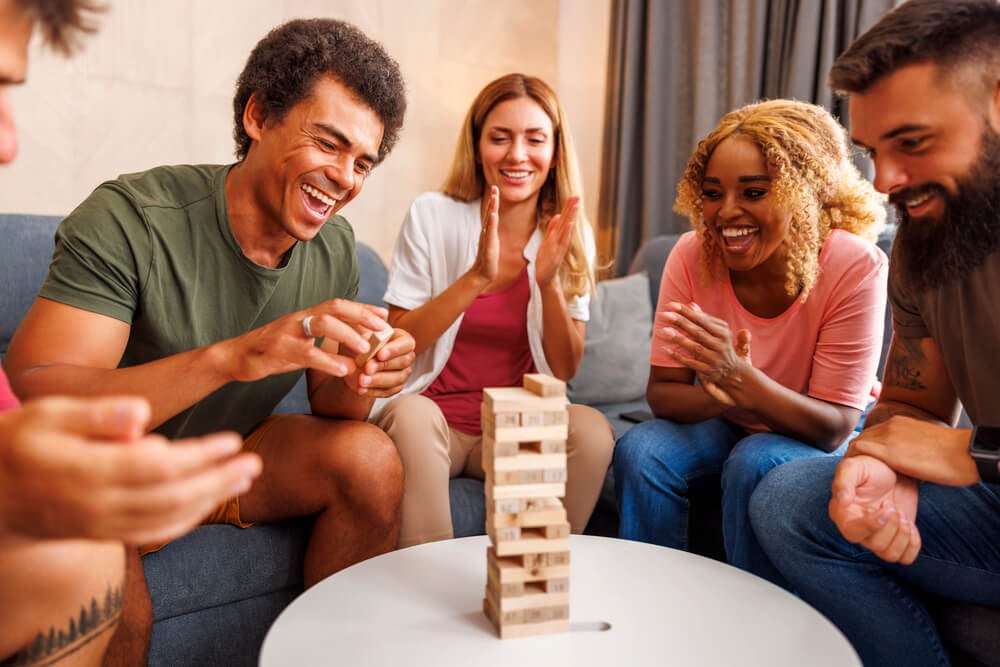
Board games filled Saturday nights when there was nothing worth watching. Monopoly, Scrabble and Clue were already household staples, and Milton Bradley added Twister in 1966.
Sales of Twister took off after Johnny Carson played it with Eva Gabor on The Tonight Show that May, a moment widely credited with saving the game. Unlike most board games, it put parents and children on the floor in tangled heaps.
Card tables came out for longer games, and arguments over the rules became part of the tradition.
Aimless Sunday Drives
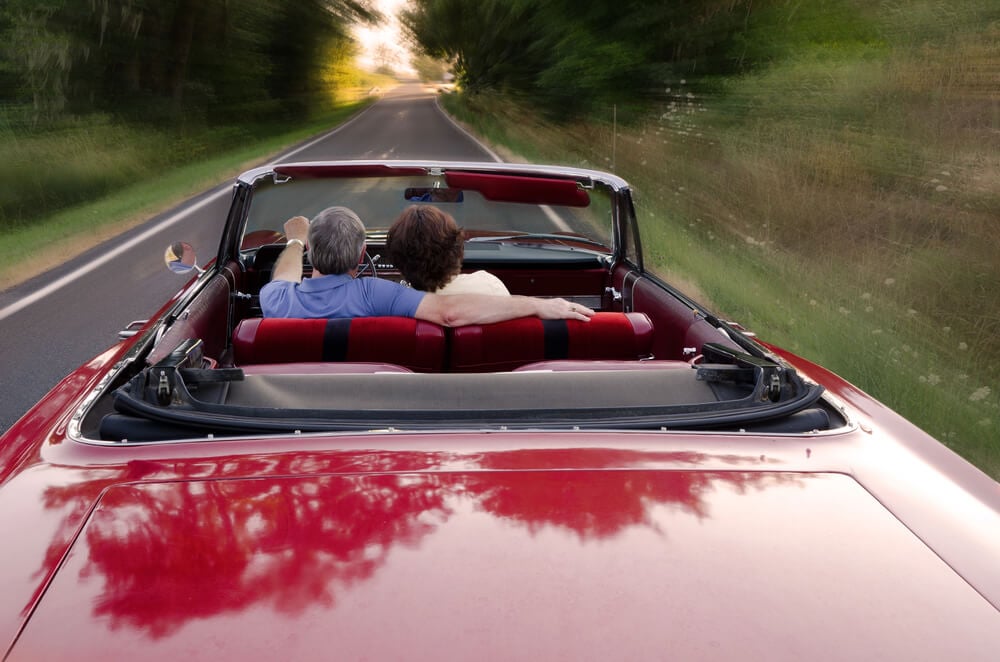
The Sunday drive had no destination, which was the entire idea. Gas was cheap, often around 30 cents a gallon, and the new interstate highways funded by the Federal-Aid Highway Act of 1956 opened up fresh routes every year.
Families rolled through farm country, looked at new subdivisions or toured fall foliage. A stop at a Howard Johnson’s, with its orange roof and its 28 ice cream flavors, could turn an ordinary afternoon into an event.
Children in the back seat without seat belts asked how much longer, even when there was nowhere to go.
Church in Sunday Best
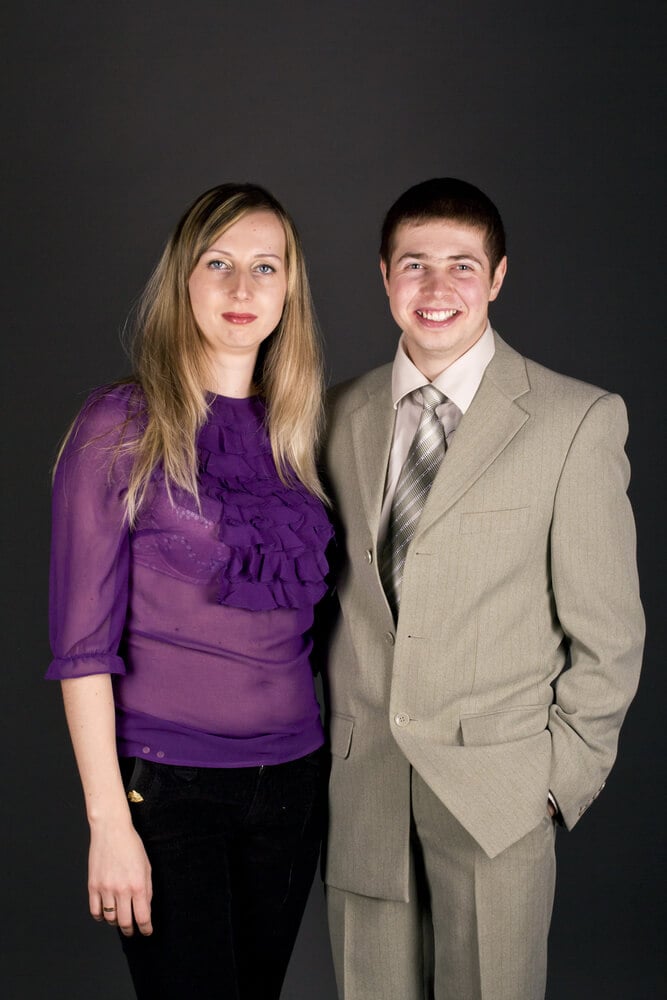
Sunday morning began with polished shoes, pressed dresses, clip-on ties and sometimes white gloves and hats for women and girls. Church attendance in the early 1960s was high across denominations, and dressing up was considered a sign of respect.
For Catholics, the decade brought a major change when the Second Vatican Council allowed Mass in local languages, and English Masses spread through American parishes beginning in late 1964. Children squirmed through sermons and waited for the coffee hour or the doughnuts afterward.
The clothes came off the moment the family got home, just in time for the roast.
Lassie and Wild Kingdom Before Supper

Sunday evening television opened gently in many homes. Lassie, the collie drama, aired on CBS on Sunday evenings from 1954 to 1971, and children worried every week that someone would fall down a well.
Over on NBC, Mutual of Omaha’s Wild Kingdom premiered in 1963 with zoologist Marlin Perkins as host. Perkins often narrated from a safe distance while his co-host Jim Fowler wrestled the animals, a division of labor viewers noticed and joked about.
The shows made a calm prelude to the bigger Sunday night programs and to the dread of Monday morning.
Sundays Built Around a Single Screen

Every one of these rituals assumed the family would be in the same place at the same time. A single television, a single car and a single dinner table made that almost automatic.
Networks scheduled for it, churches counted on it and the supermarket stamp counter depended on it. Togetherness was less a value than a logistical fact.
That structure loosened as households added second sets, second cars and busier calendars. Few of the habits disappeared outright, but they stopped being shared at the same hour by the entire street.
Nostalgia for the 1960s weekend is partly nostalgia for that synchronization. Families now gather on purpose rather than by default, which makes the gathering a choice instead of a schedule.
Do you like this personality?
More from Go2Tutors!

- The Romanov Crown Jewels and Their Tragic Fate
- 13 Historical Mysteries That Science Still Can’t Solve
- Famous Hoaxes That Fooled the World for Years
- 15 Child Stars with Tragic Adult Lives
- 16 Famous Jewelry Pieces in History
Like Go2Tutors’s content? Follow us on MSN.