Vintage Barbie Accessories Worth Money
The doll gets the attention, but the doll was never the only valuable part of the collection. Mattel built its business on the clothes, the cases, the cars and the tiny plastic objects that were sold separately, played with hard and lost in sofa cushions by the thousand.
More than 60 years later, a scuffed doll is easy to find and a complete 1959 outfit with its cardboard hatbox is not.
That gap is where the money sits. Collectors pay for the pieces that were smallest, most fragile and most likely to be thrown out, and they pay a premium when every button, hanger and booklet is still present.
Black Open-Toe Mules From the First Doll
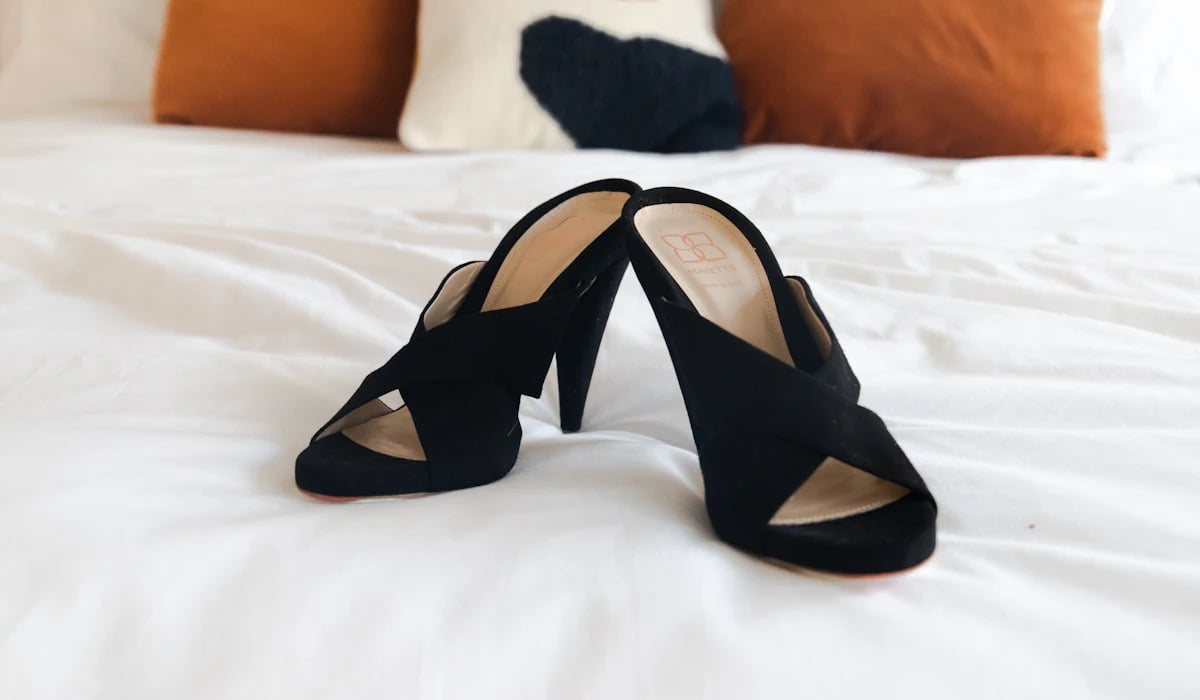
The earliest 1959 Barbie wore black open-toe mules with a tiny molded heel, and those shoes were easily separated from the doll during play. The No.
1 Barbie had holes in the soles of her feet that fit the prongs of her special stand, and the shoes had corresponding openings. Genuine early pairs should be checked for the correct construction and markings, rather than identified by appearance alone.
A matched pair in good shape can sell for more than a later, more common pair, with the price climbing for examples that show no chewing, splitting or paint loss. Anniversary reproductions, including the 1994 reproduction, can resemble vintage examples, so markings and construction matter.
Cat-Eye Sunglasses With Blue Lenses
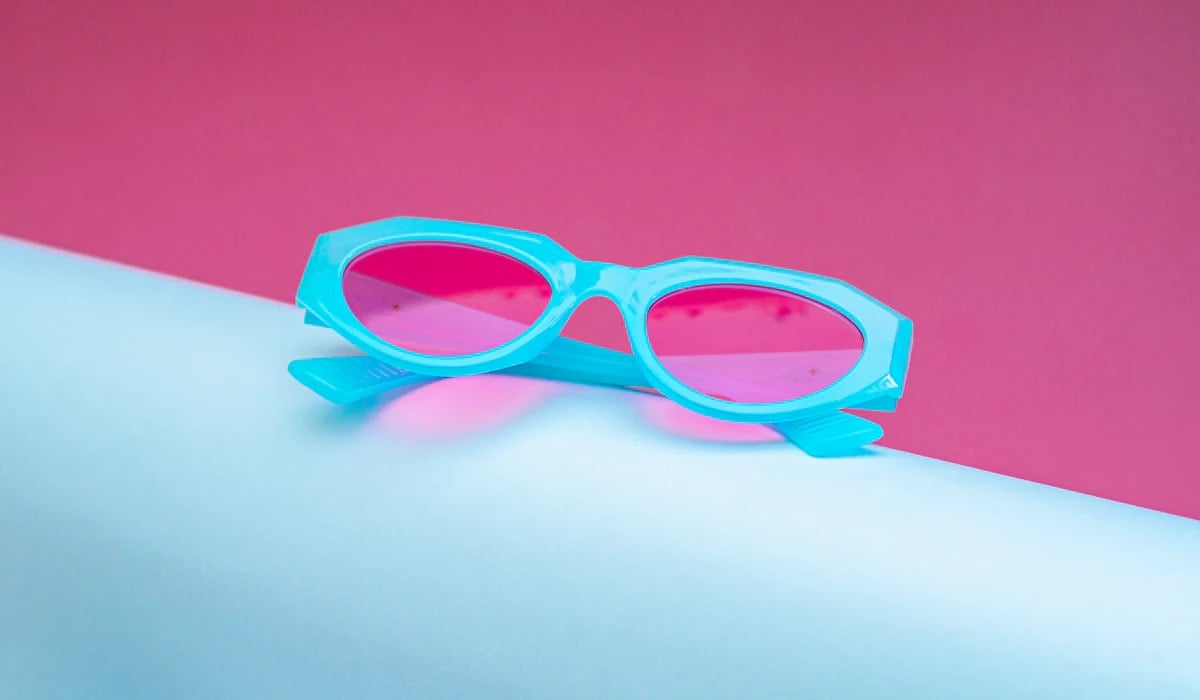
The original 1959 Barbie came with white cat-eye sunglasses with blue lenses. They are among the small accessories collectors look for when assessing an early doll.
Their delicate frames can crack or lose an arm, making intact examples more desirable. However, material flexibility alone is not a reliable way to distinguish an original from a reproduction.
A genuine early pair can bring a surprising price from collectors who assume a tiny piece of plastic cannot be worth much. Scratched lenses, a stress mark at the bridge or a missing arm can reduce its value considerably.
Two-Prong Stand for the No. 1 Barbie
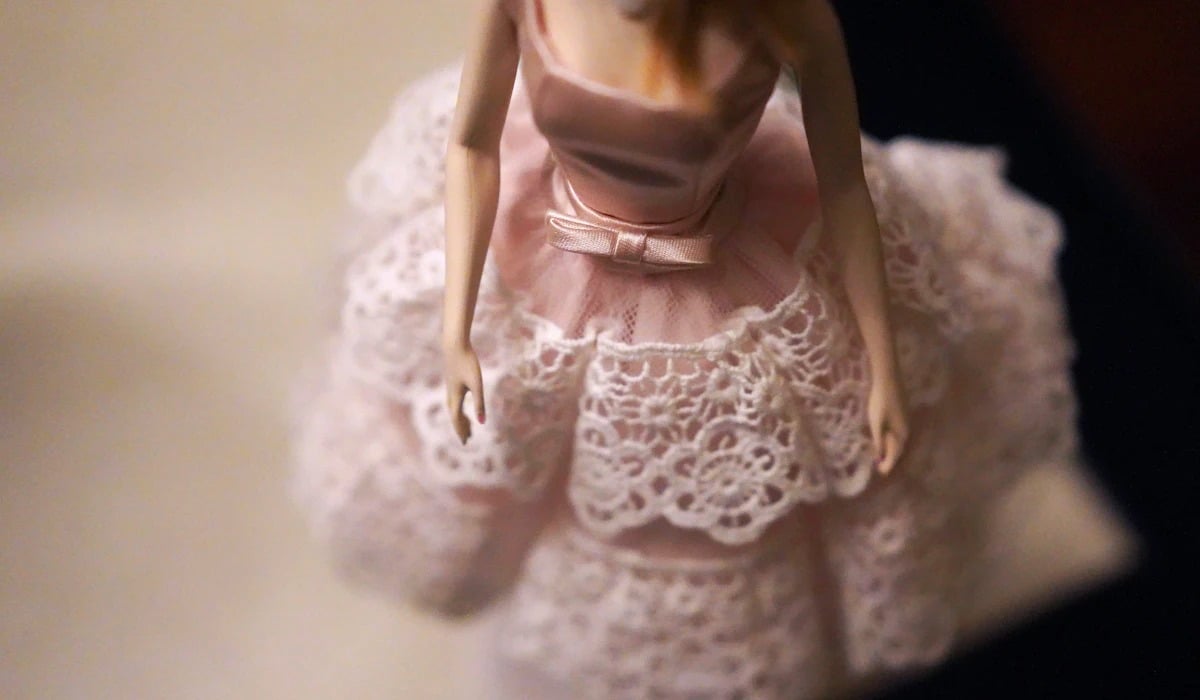
The No. 1 Barbie, introduced in 1959, came with a black stand featuring two metal prongs that fitted into openings in the doll’s feet.
Later versions of Barbie used different stand designs, so the exact type matters when assembling a complete first-edition set. Because stands were easy to misplace once the doll was redressed, many surviving dolls are missing theirs.
Collectors who own a No. 1 Barbie may pay a premium to reunite it with the correct stand.
Rust, bent prongs and other damage lower what a buyer will offer, and reproduction stands exist.
Gay Parisienne With the Dark Blue Bubble Dress
Gay Parisienne, stock number 964, was a 1959 fashion and ranks among the most sought-after Barbie outfits. The outfit paired a dark blue bubble-hem dress with a white rabbit fur stole, a veiled headband, long gloves, pearls and a gold clutch.
Collectors distinguish versions by their fabric and construction, but claims that one fabric variation is always the most valuable need to be supported by comparable sales. A complete, well-preserved example with the original fur stole can sell for hundreds or even thousands of dollars, depending on condition and completeness.
Auction records show that exceptional examples can bring substantial sums, but those results are not typical prices for every outfit. Boxed examples with the cardboard liner intact are rarer still.
Roman Holiday Travel Ensemble
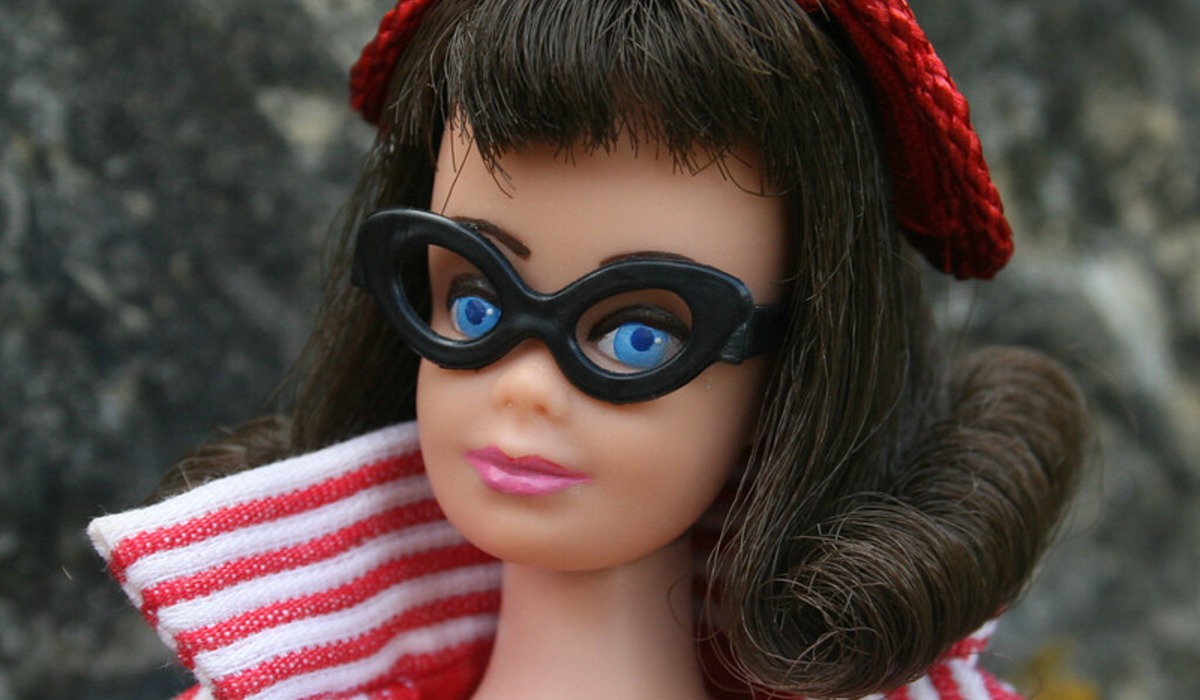
Roman Holiday, number 968, was another 1959 fashion that disappeared from the line after its initial release. The set included a striped dress, a matching coat, a hat, a purse and small accessories that are easily lost, including a compact and other travel items.
The small pieces are what separate a decent example from a complete one, because the dress and coat survive far more often than the accessories. Complete sets have sold for hundreds of dollars and, in some cases, more at auction and through specialist dealers.
The final price depends on the exact version, completeness and condition. Fading on the stripes, moth damage to the coat and missing pieces can pull the price down considerably.
Easter Parade Black Sheath and Coat
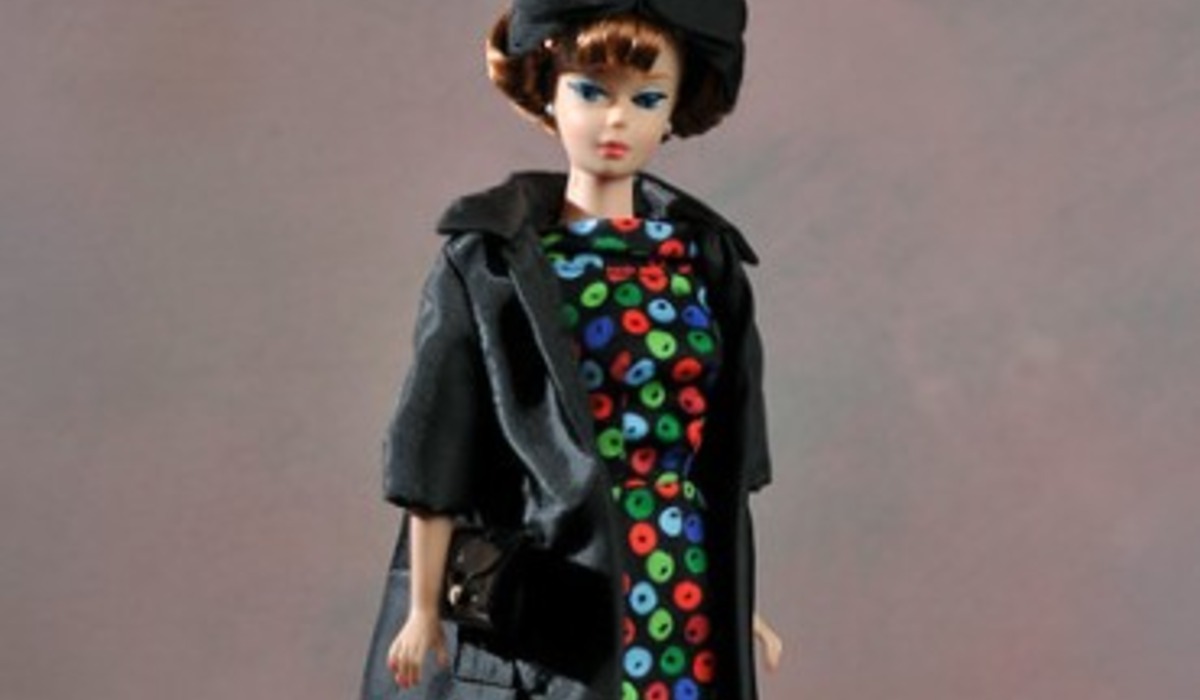
Easter Parade, number 971, is one of the best-known fashions from Barbie’s 1959 debut year. The look was a black sleeveless sheath under a black coat, finished with a flowered hat, short gloves, a pearl necklace and black open-toe shoes.
It appeared in the earliest fashion booklets and then vanished from the line, leaving collectors with fewer complete examples than incomplete ones. A complete example with the hat can sell for hundreds of dollars or more, depending on condition and the sale.
The hat is the piece most often lost, and sellers who find only the dress and coat may still have something valuable, although the price depends on fabric condition, labels and authenticity.
Solo in the Spotlight Sequined Gown
Solo in the Spotlight, number 982, was introduced in 1960 and became the fashion many people picture when they think of early Barbie. The strapless black gown was covered in tiny sequins and ended in a tulle flounce, and it came with a long pink chiffon scarf, long black gloves, a pearl necklace and a microphone on a stand.
Because it stayed in production for several years, the gown itself is not necessarily rare, but the microphone and scarf were easily lost. Complete sets can sell for hundreds of dollars, particularly when the sequins have not dulled, the tulle is uncrushed and the microphone is original rather than a reproduction.
Enchanted Evening Pink Satin Gown
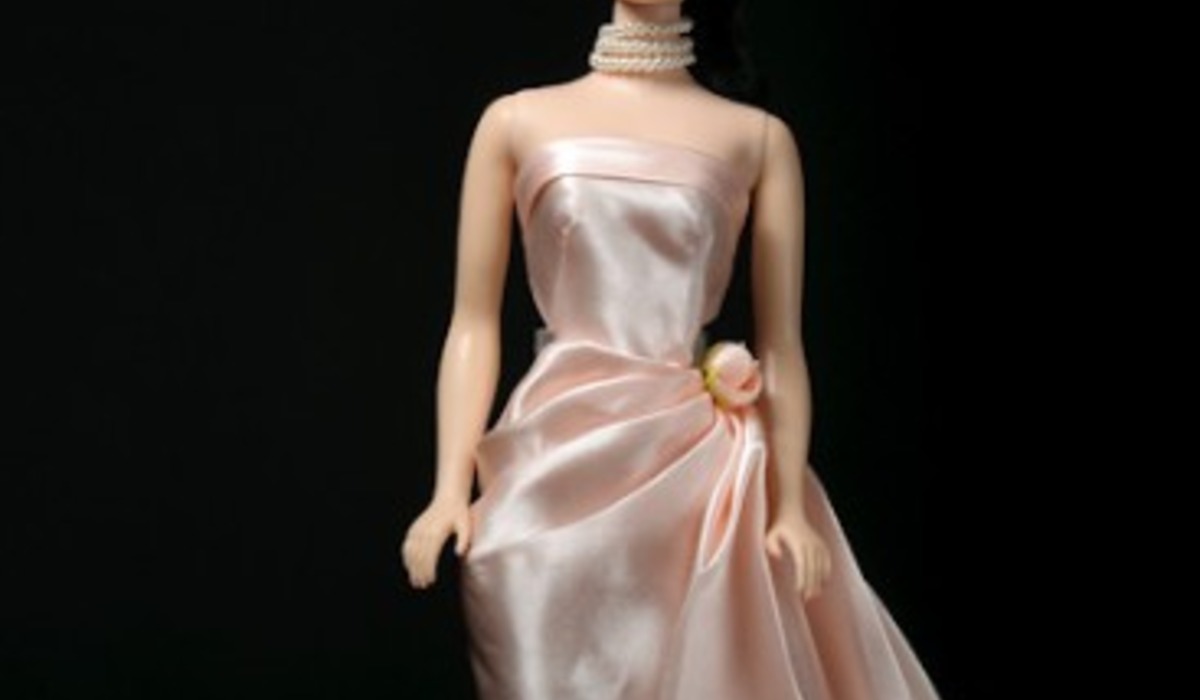
Enchanted Evening, number 983, was introduced in 1960 and remains one of the signature pink gowns of early Barbie. The outfit combined a long pink satin dress with a train, a white rabbit fur stole, a three-strand pearl choker, pearl drop earrings, long white gloves and clear open-toe shoes with glitter.
The satin was prone to water spotting, and the fur stole could yellow or shed with age, so bright, clean examples stand out from the crowd. A complete set in strong condition can sell for hundreds of dollars, though prices vary by version and condition.
Reproduction stoles and pearls are common and can reduce value when substituted for original pieces.
Commuter Set With the Cardboard Hatbox
Commuter Set, number 916, was one of the original 1959 fashions and included a particularly fragile cardboard hatbox. Alongside a navy suit, a white satin blouse and a short jacket, Mattel packed a tiny hatbox holding a flowered hat, plus a beaded necklace and gloves.
The hatbox was made of thin card and was easily crushed, lost or damaged. Examples that still have the hatbox, lid and hat can sell for substantially more than the suit alone.
Dealers tend to describe condition in terms of whether the box corners are sharp and whether the satin blouse has yellowed.
Plantation Belle Sheer Pink Dress
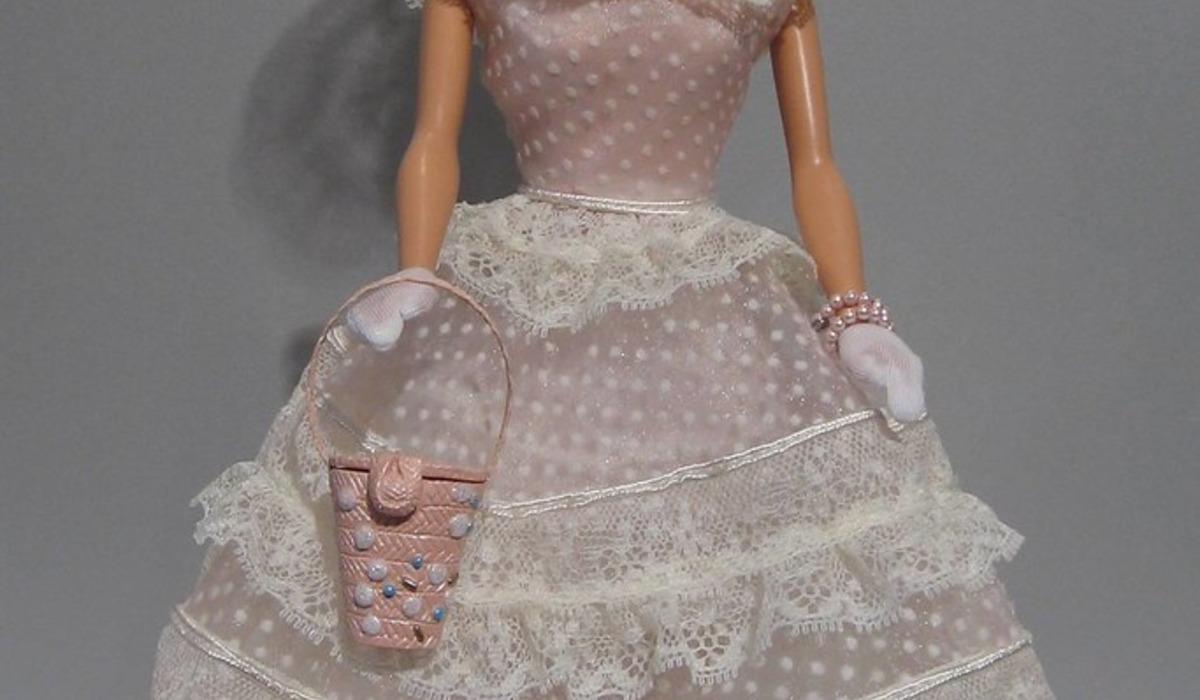
Plantation Belle, number 966, was a vintage Barbie fashion sold around the turn of the 1960s, built around a sheer pink dotted dress with a layered skirt and a wide-brimmed hat of matching pink straw. The set also included pink pumps, a pearl necklace and bracelet, short gloves and a pink purse.
The hat is an important piece, since the straw could crack and the brim lose its shape when stored flat under heavier clothes. An example with a crisp hat, sound fabric and original accessories can attract offers in the hundreds of dollars.
Faded pink, a torn underskirt or replacement shoes from later sets can lower the price considerably.
Busy Gal With the Fashion Sketch Portfolio
Busy Gal, number 981, was released in 1960 and gave Barbie a career-themed outfit early in the doll’s history. The outfit was a red linen suit with a striped bodice, a hat, navy pumps and a red portfolio containing miniature fashion sketches.
The portfolio and its paper sketches are the pieces buyers check first, because loose sketches were easily lost or drawn on by children. A complete example can sell for several hundred dollars in especially good condition, although prices vary.
Collectors also check that the striped bodice and suit pieces are original to the outfit and have not been separated or replaced.
Picnic Set With the Fishing Pole and Fish
Picnic Set, number 967, from 1959 is a favorite because its accessories are so unusual. The outfit was simple, a checked shirt and denim jeans with a straw hat and woven wedge sandals, but it came with a wicker basket, a fishing pole with a line and a tiny plastic fish on the end.
The fish is easily lost, and a set with the original fish can command a premium over one without it. Complete examples can sell for hundreds of dollars, depending on whether the straw hat is intact and the jeans remain in good condition.
Check the fish carefully against reference examples, since replacement parts can be mistaken for originals.
Silken Flame Red Velvet and White Satin
Silken Flame, number 977, arrived in 1960 and stayed in the line for several years, which makes the dress itself less scarce than some first-year fashions. What makes a set desirable is the full group of accessories, including a gold belt, a gold clutch purse and black open-toe shoes, as well as the condition of the white satin skirt, which stains and yellows easily.
The red velvet bodice often holds its color well, so a bright bodice over a dingy skirt is a frequent sight. A clean, complete Silken Flame can be an accessible vintage collectible, while a particularly well-preserved example with the original accessories may bring considerably more.
It is a good entry point for new collectors.
Ken Tuxedo With the Boxed Corsage
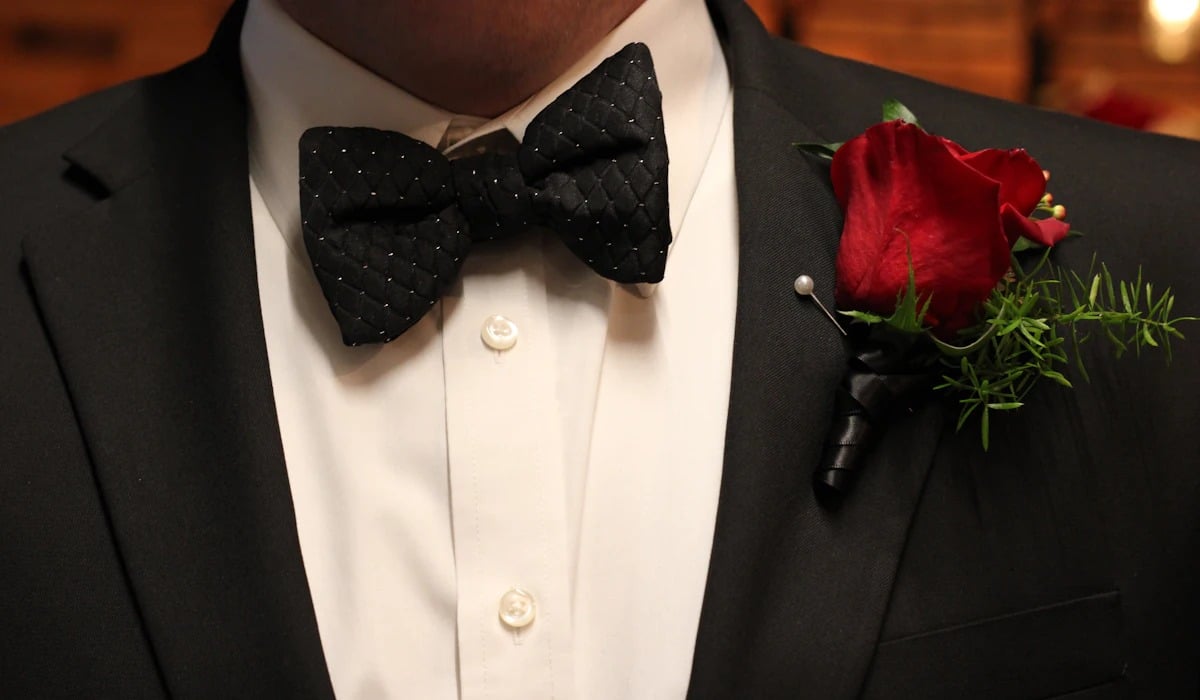
Ken was introduced in 1961, and his tuxedo, number 787, is an outfit worth checking from his early years. The set included a black jacket and trousers, a white shirt, a cummerbund, a bow tie, black socks and shoes, and a carnation corsage in a small clear box in versions that included it.
The corsage and its box are easy to lose, and a set retaining them can be worth more than the jacket and trousers alone. Early versions came with a flocked-hair Ken whose hair could rub off, so the clothes sometimes survived in better shape than the doll.
Moth damage and a missing cummerbund are common condition problems.
Cardboard Dream House From 1962
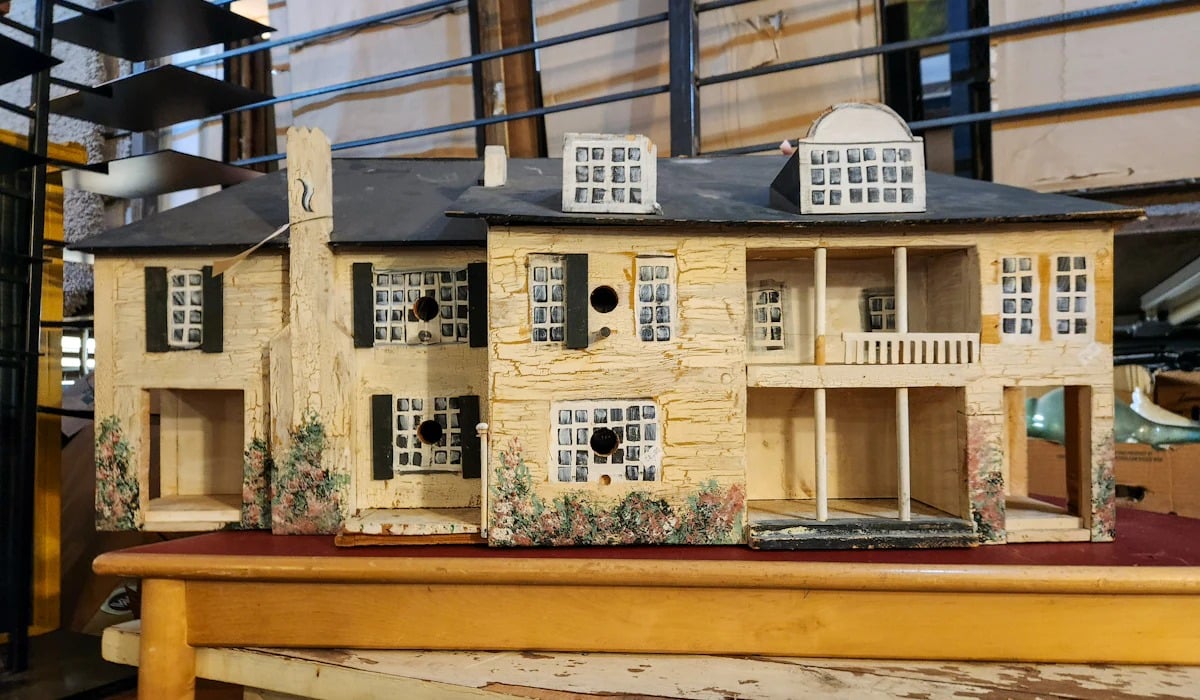
Mattel sold the first Barbie Dream House in 1962, and it was a folding cardboard studio apartment with a carrying handle. The lithographed interior showed bookshelves, a hi-fi and wall art, with cardboard furniture that slotted together, including a sofa, a chair and a bed.
Mattel has confirmed the 1962 release and later produced an officially licensed reproduction, so collectors should distinguish the original from the anniversary version. Because cardboard tears, warps and fades, a house with sound corners, intact fasteners and its furniture can sell for considerably more than a damaged shell with missing pieces.
Prices vary widely, and the condition of the artwork and completeness of the set matter.
Irwin Austin-Healey Convertible
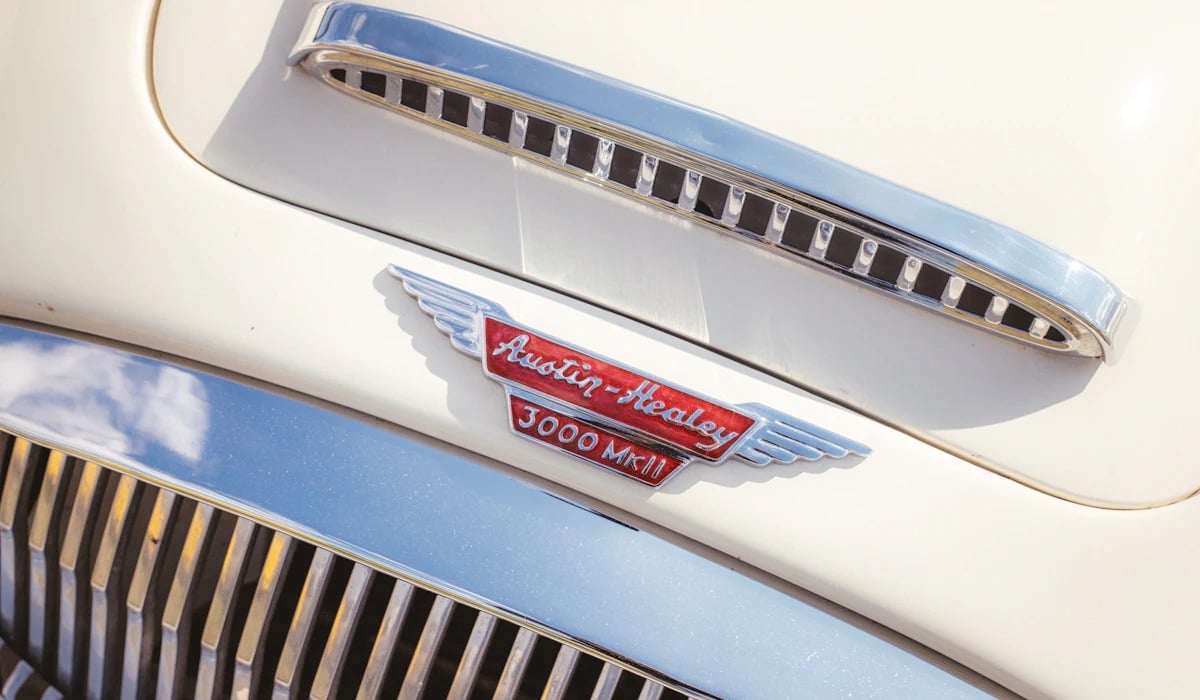
Barbie’s early car lineup included a hard-plastic Austin-Healey roadster made by the Irwin Corporation under license from Mattel in the early 1960s. It came in a salmon-pink body with turquoise seats and a matching steering wheel, with chrome-finish bumpers and a windshield that could become detached.
The windshield and hubcaps are parts to check, and the plastic body can warp if it spent decades in an attic. A complete car with its windshield, both bumpers and original packaging can bring hundreds of dollars or more, depending on condition.
Irwin also produced versions in other colors, so sellers should check the underside markings and details before assuming they have the earliest issue.
Fashion Shop Cardboard Boutique
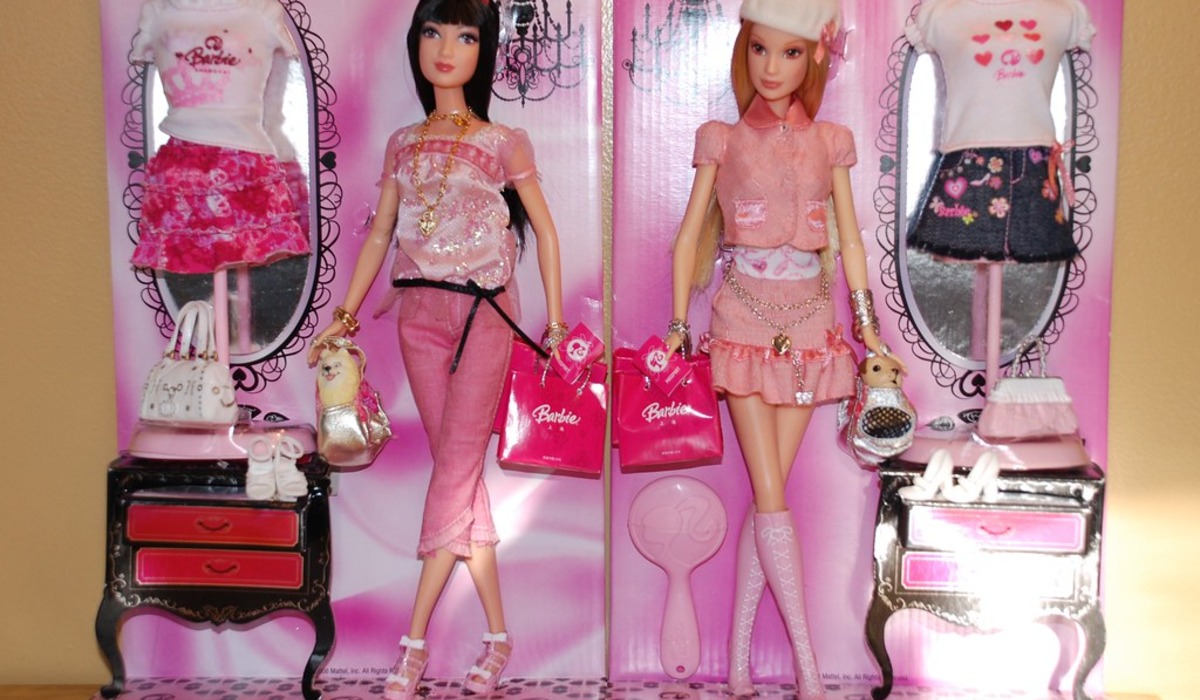
Vintage Barbie playsets included cardboard shops and wardrobe-related accessories, which collectors often value for their original graphics and completeness. The Fashion Shop described in collector listings had a display window, a counter, a dressing-room area and cardboard mannequins for showing off outfits.
It folded into a carrying case and included cardboard furnishings and small hangers. Children used such playsets as wardrobes for their fashions, which means surviving examples may have crushed corners and missing mannequins.
A complete example with its original components can be worth substantially more than an incomplete one. Before assigning a value, verify the exact product name, release year and included pieces against a period catalog or collector reference.
Examples in original packaging can attract additional interest.
Little Theater Stage and Costume Sets
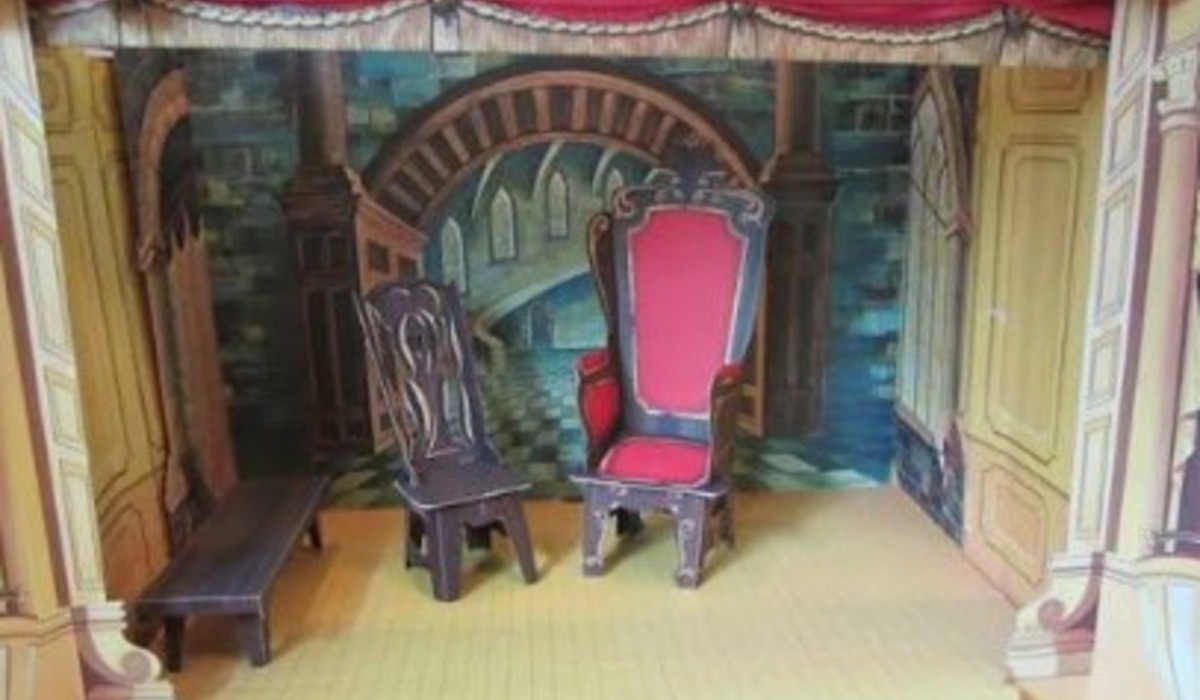
Mattel’s vintage Barbie range included theatrical and costume-themed fashions, which are now collectible alongside the dolls and everyday outfits. The Little Theater and its associated costume sets should be identified by the exact version and catalog documentation, since descriptions of the stage and included costumes can vary among listings.
The costumes associated with fairy tales and historical characters can be particularly appealing to collectors. Complete sets are generally more desirable than examples missing their accessories.
Missing crowns, veils and tiny slippers are common gaps, and the value of a stage with costumes depends on how many original pieces remain. Check recent completed auction sales before relying on a four-figure estimate.
Fashion Queen Wigs and Head-Shaped Stand
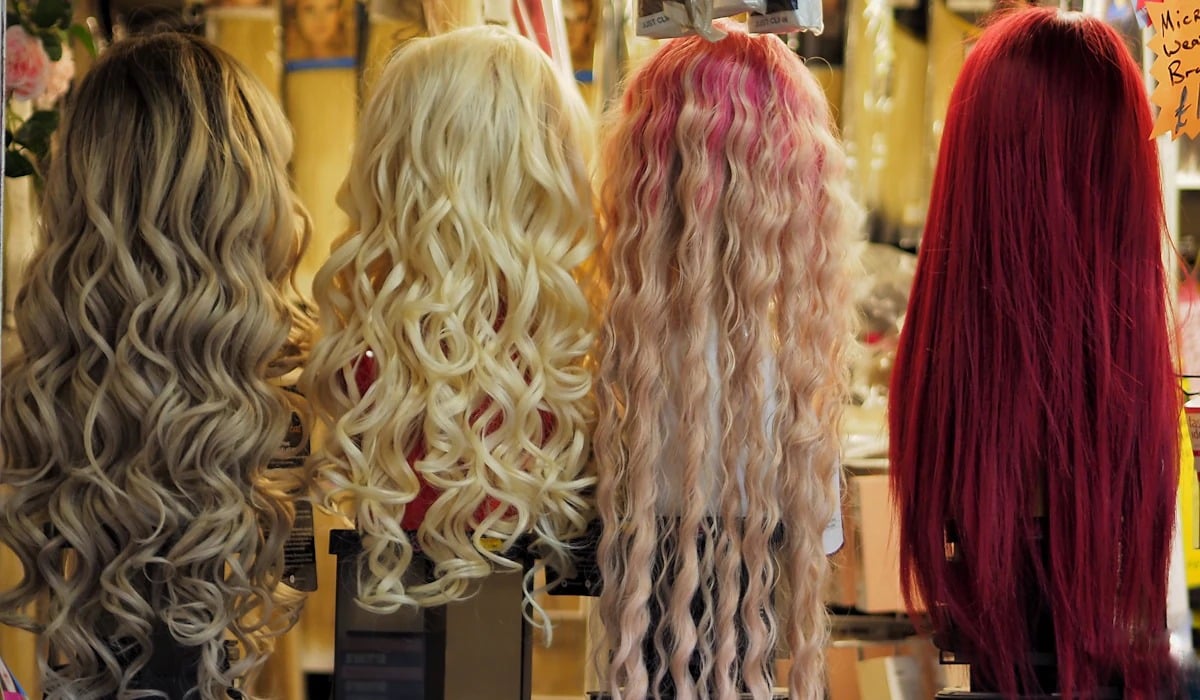
The 1963 Fashion Queen Barbie had molded, painted hair and came with three interchangeable wigs. The wigs and their stand are worth checking separately, since loose examples can become mixed with accessories from other dolls.
Mattel also sold wigs separately as the Wig Wardrobe, number 871, with its own stand. The wigs can be more desirable than the doll they came with, because the hair fibers could frizz, mat and lose their shape in play.
A full set of three wigs on the correct stand is more appealing to collectors, especially when the wigs retain their original shape. Missing wig caps and a replaced stand can reduce what buyers will pay.
Barbie Pak Mix-and-Match Separates
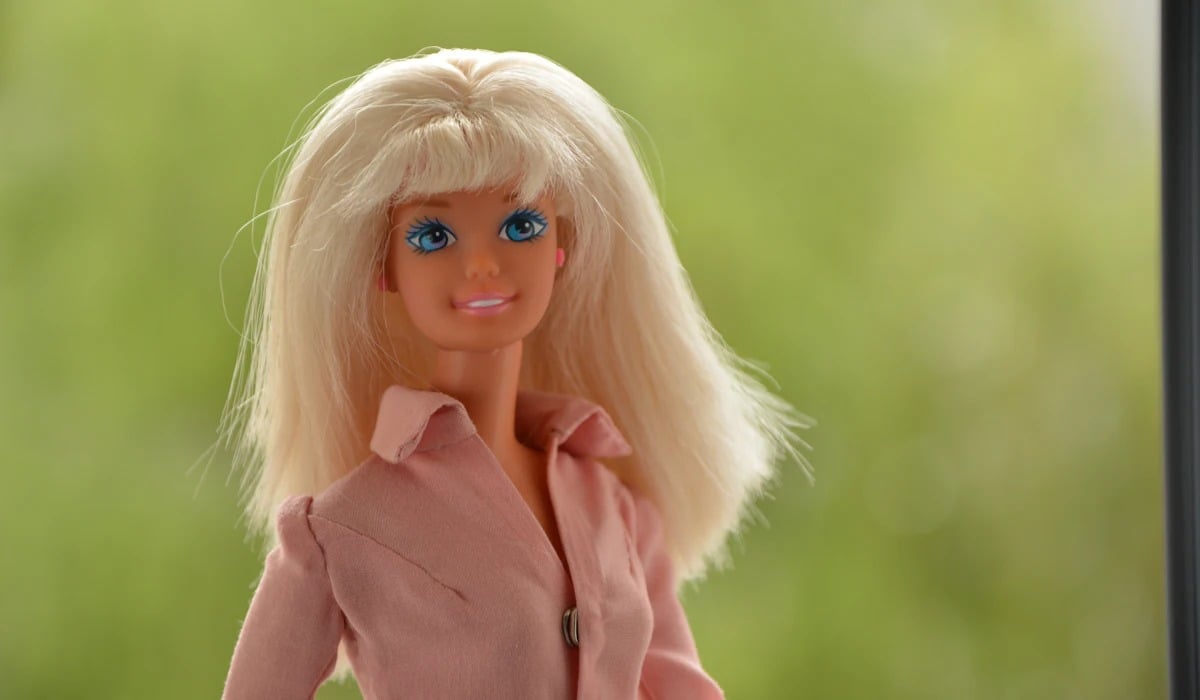
From 1962, Mattel sold Pak items, cheaper carded separates such as sheath skirts, sweaters, slips, shoes and purses that let children build outfits around the main fashions. Because they were inexpensive, Paks were bought in quantity and discarded just as freely, so sealed examples on the original card can be scarcer than many loose outfits.
Certain Pak pieces in unusual colors, especially shoes and accessory cards, can sell for more than the fashions they were meant to supplement. A sealed Pak with the card uncreased and the clear cover intact can attract the highest prices.
Opened Paks are valued largely by how many original pieces remain.
Ponytail Vinyl Carrying Cases From 1961
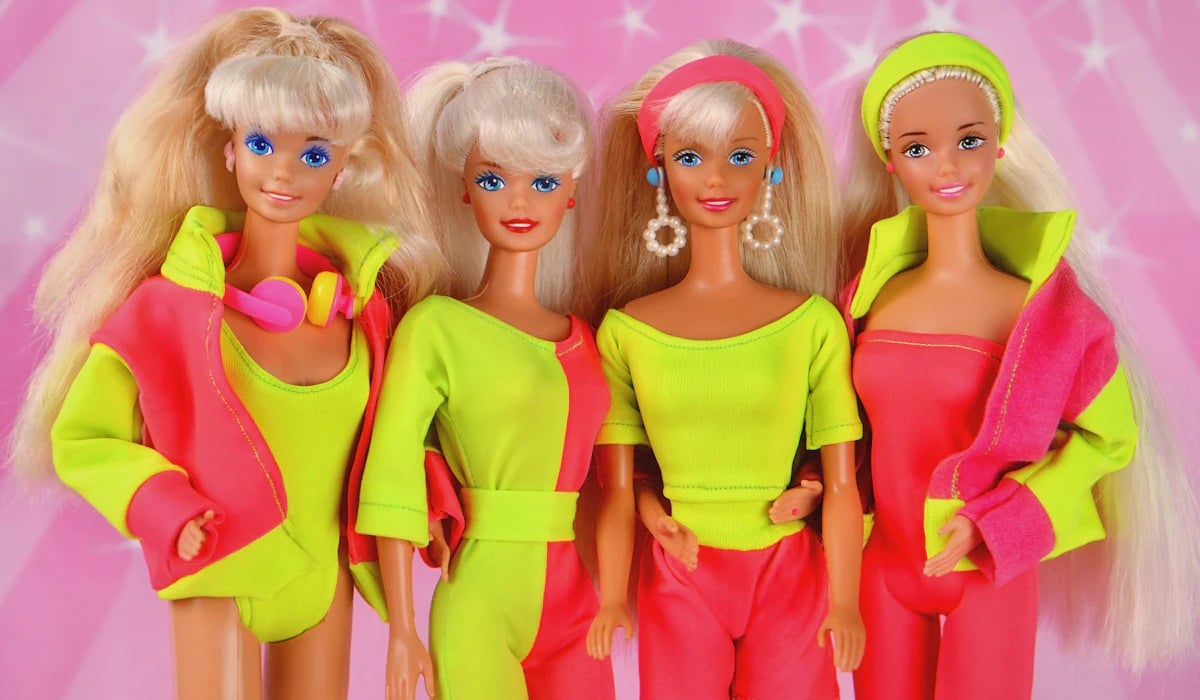
Vintage Barbie carrying cases featured portraits of the doll on the front and opened to reveal space for storing dolls, clothes and accessories. Cases from the early 1960s came in different designs, so the year and model should be verified before identifying a particular case as a 1961 release.
Vinyl can split at the hinges and the printed artwork can rub away, so a case with bright graphics, working clasps and intact interior components is worth more than a damaged one. Prices range from modest sums to hundreds of dollars, depending on the exact model, color, condition and whether original hangers remain inside.
Later cases can be more common, but rarity should be checked against the specific design rather than assumed from the date.
Irwin Sports Plane From 1964
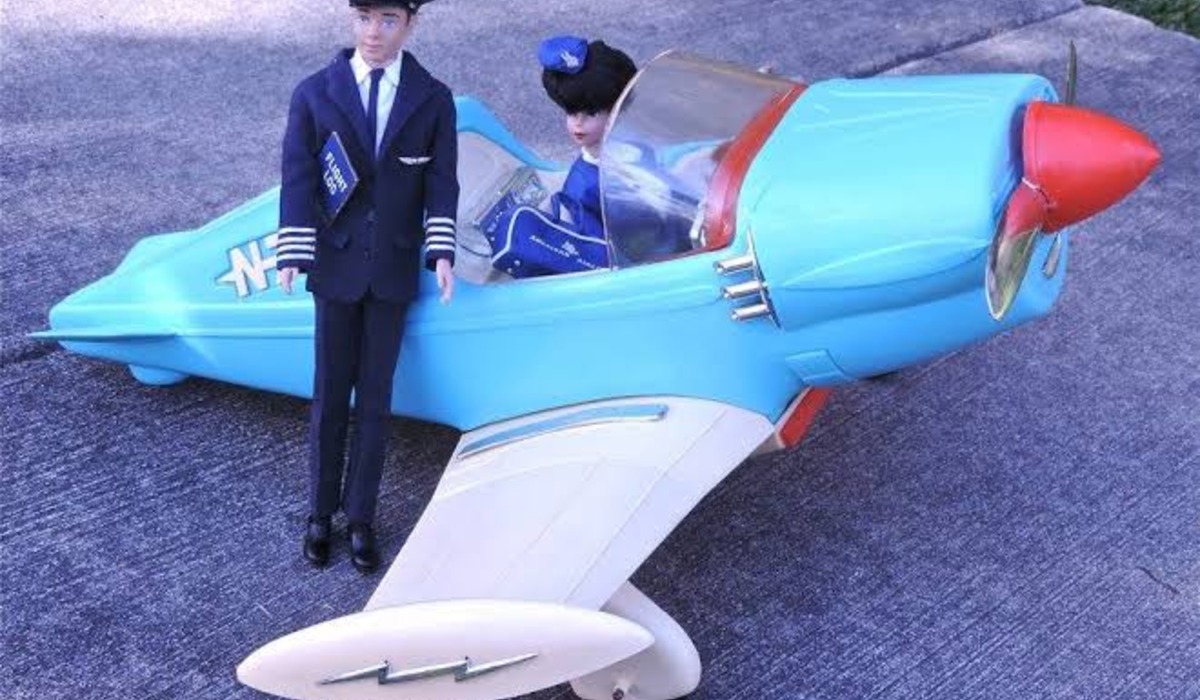
Irwin produced Barbie vehicles beyond the Austin-Healey, including a vintage sports plane associated with the mid-1960s. Before describing a particular example as a 1964 issue, confirm its release date and identifying marks using a reliable collector reference.
Surviving toy planes may be missing the propeller or small structural pieces. A complete example with its original box can attract serious collector interest, while incomplete planes may still appeal to people seeking parts.
Warped wings and cracked plastic are common concerns with older toys. Claims that boxed examples routinely sell for four figures should be supported by completed sales of the same model.
Country Camper With the Pop-Out Tent
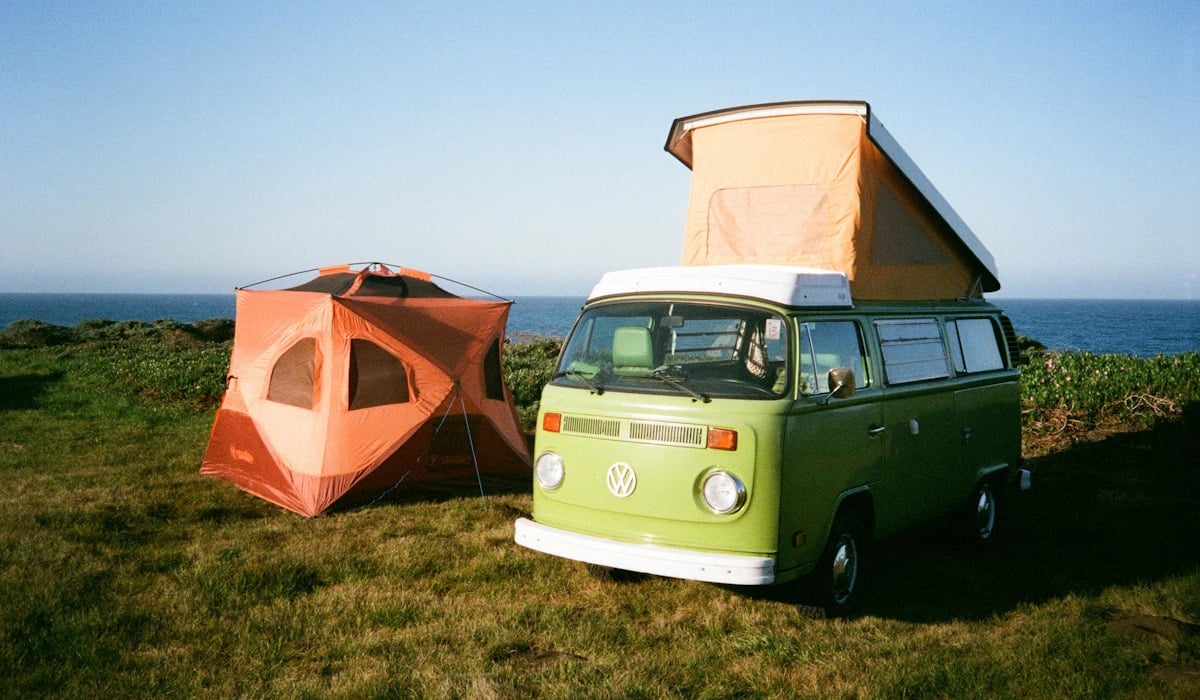
In the early 1970s, Mattel released the Country Camper, a van-style vehicle with a side door, a pop-out tent and molded camping gear. It was a popular playset, so camper bodies are easier to find than some of their smaller components, but the tent fabric could tear, the poles could snap and tiny sleeping bags and dishes were easily scattered.
A boxed example with its tent, accessories and unbroken poles can be worth considerably more than a loose, incomplete camper. Loose campers with cracked plastic and few accessories generally bring less.
The box graphics are collectible in their own right, so sellers should keep the original cardboard insert when possible.
Star Traveler Motorhome Modeled on the GMC

Sold in the mid-1970s, the Star Traveler was a licensed miniature of the GMC Motorhome, molded in yellow with orange striping and fitted with a door, a sunroof, bench seats, a kitchen area and a bathroom. Its size meant many were stored in basements and garages, where large plastic panels could warp or crack under pressure.
A complete example with its roof, seats and cushions can sell for hundreds of dollars, and boxed examples can draw more from collectors who want the period packaging. Missing cushions and seat pieces are common faults.
Because replacement parts circulate, check whether the components are original before describing a set as complete.
Fashion Booklets and Wire Hangers
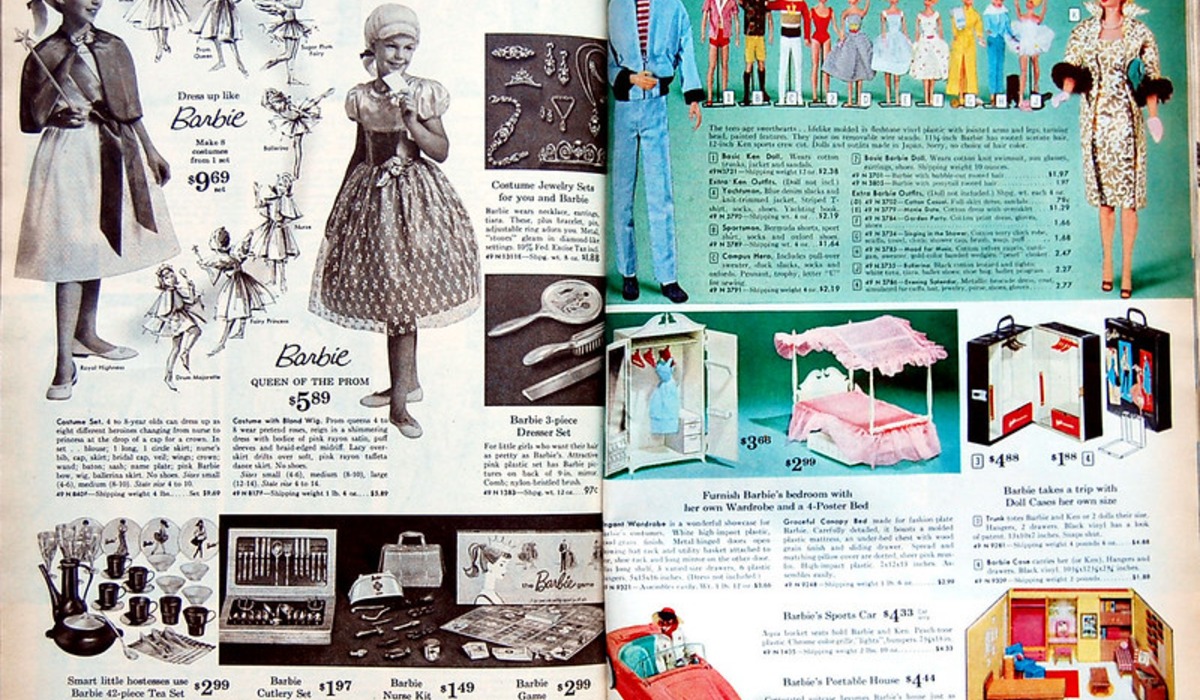
Early Barbie dolls and many fashions came with small folded booklets picturing outfits, and individual fashions were often displayed or stored on tiny hangers. Both types of item were easily discarded, which is why they matter to collectors assembling complete sets.
Early booklets from 1959 and 1960 can sell on their own, depending on condition and the outfits pictured. Original hangers have details that can differ from later examples, so collectors compare their shape and finish with documented originals.
A dealer may value an outfit more highly when its correct hanger and booklet are present. Water stains, torn folds and missing pages reduce booklet value.
Barbie Fan Club Membership Items
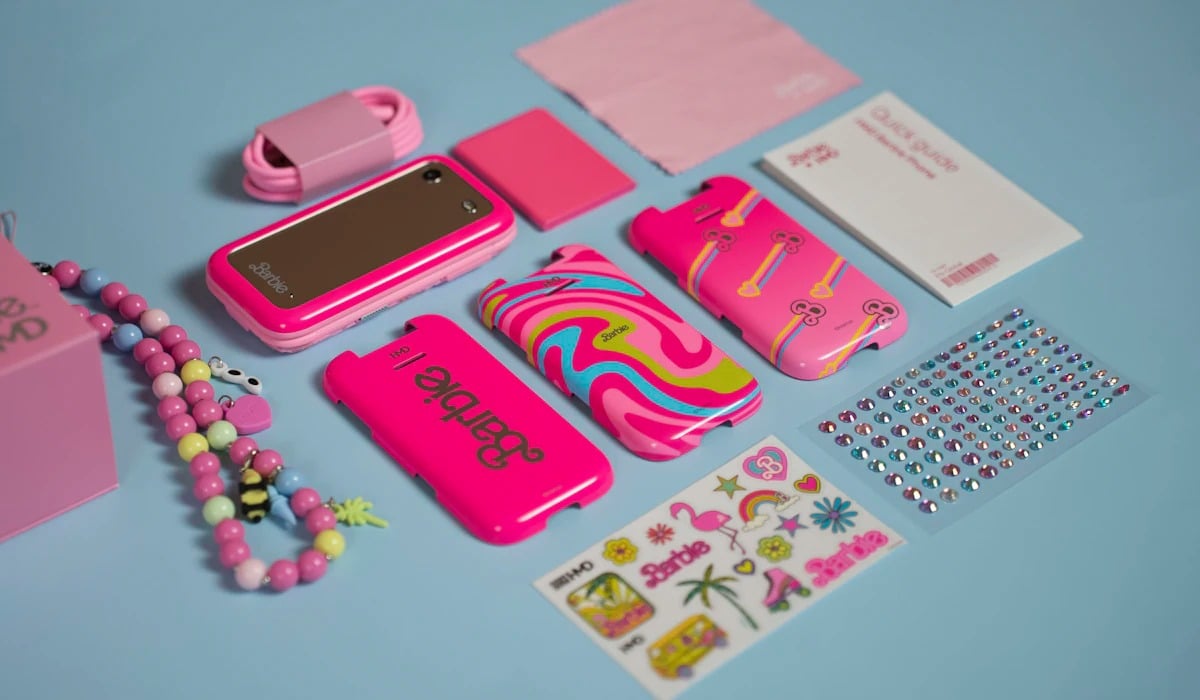
Paper ephemera associated with Barbie clubs, promotions and fan activities can interest collectors, but the precise date and contents of a supposed 1961 Barbie Fan Club kit should be verified before treating them as established facts. Membership cards, pins, envelopes and magazines can be desirable because paper and small metal items were easily lost.
A documented set with matching pieces may attract more interest than a loose item, while early issues of magazines and promotional materials can appeal to collectors of period advertising. Check the item’s printed date, publisher and provenance, particularly if it is described as an original club membership kit.
Foxing on paper and a bent pin back can lower value.
Shoes Went Missing First and Pay Best Now
Shoes, hats, fish and cardboard boxes were the first things to disappear from many toy boxes, and the hobby’s prices reflect that scarcity. The dolls were made in large numbers and many survive, but the small pieces were easy to lose.
Scarcity here was not planned by Mattel. It was manufactured by children.
That is why a complete outfit from 1959 can be worth more than the doll that wore it, and why serious buyers ask about the hanger and the booklet before they ask about the dress. Anyone sorting through a family collection should resist throwing out the loose plastic and paper in the bottom of the case.
The bits that look like trash may be the bits a collector cannot easily find anywhere else.
Before selling, compare completed sales for the exact item and version, not just asking prices. Originality, condition, completeness and packaging can all affect value, and a reproduction or replacement accessory can change what a buyer is willing to pay.
MORE FROM GO2TUTORS!

- The Romanov Crown Jewels and Their Tragic Fate
- 13 Historical Mysteries That Science Still Can’t Solve
- Famous Hoaxes That Fooled the World for Years
- 15 Child Stars with Tragic Adult Lives
- 16 Famous Jewelry Pieces in History
Like Go2Tutors’s content? Follow us on MSN.