Kitchen Gadgets That Changed Cooking Forever
Every kitchen drawer is a museum nobody bothered to label. The peeler, the can opener and the glass baking dish all arrived at some specific moment, usually because one irritated person decided a chore had gone on long enough.
Some of these tools came from laboratories, some from bandleaders and a few from home cooks who simply refused to accept the way things were done. Together they rewrote what dinner costs in time, effort and skill.
Dover Rotary Egg Beater
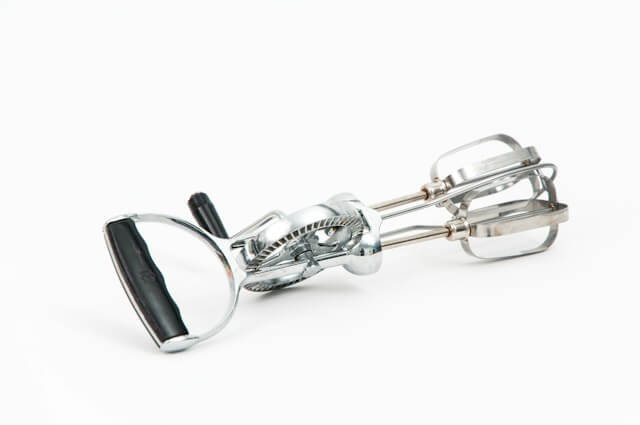
Before rotary beaters, whipping egg whites meant a bundle of twigs or a fork and a very tired wrist. The Dover Stamping Company of Boston became the best-known maker of two-whisk rotary beaters in the decades after the Civil War, with interlocking blades driven by a hand crank and a pair of gears.
The design worked well enough that “Dover” became a generic word for egg beaters in American recipe books, and cookbook authors of the era sometimes specified it by name. Meringues, sponge cakes and whipped cream suddenly took minutes instead of half an hour.
Versions of the same crank-and-gear layout are still sold today, barely changed in a century and a half.
Nancy Johnson’s Hand-Crank Ice Cream Freezer
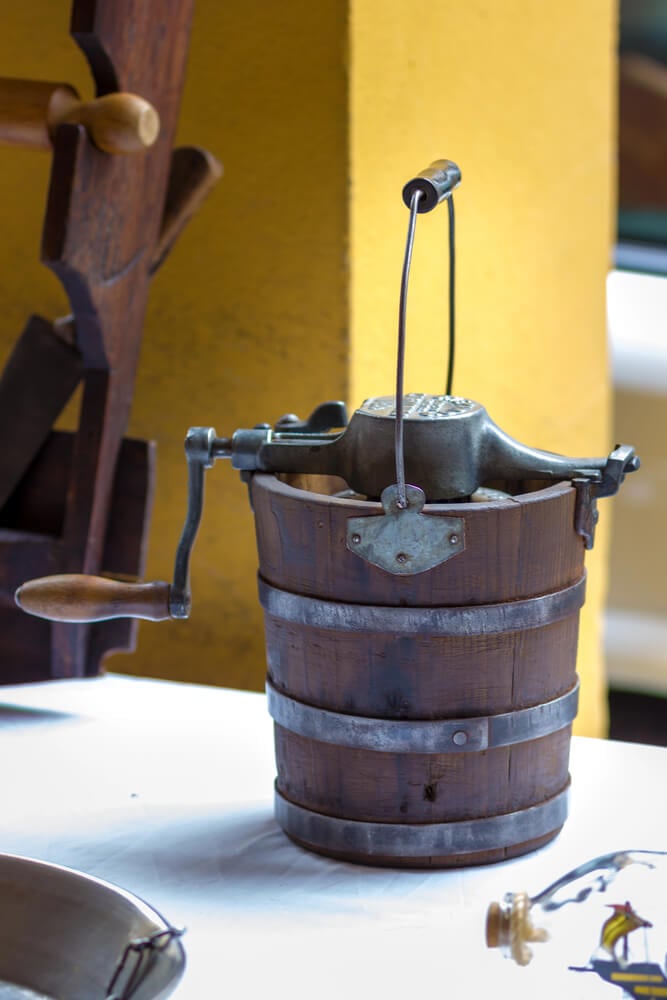
Ice cream was a luxury for the rich until a Philadelphia woman named Nancy Johnson patented a hand-cranked freezer in 1843. Her design placed a cream canister inside a wooden tub packed with ice and salt, with a dasher inside that scraped and stirred the mixture as the handle turned.
The salt lowered the temperature of the ice, and the constant churning kept large crystals from forming. Johnson sold her patent rights rather than manufacturing the machine herself, and the basic arrangement went on to dominate American summers for generations.
Backyard ice cream makers sold today, electric motors aside, follow her layout almost exactly.
Lyman’s Wheel Can Opener
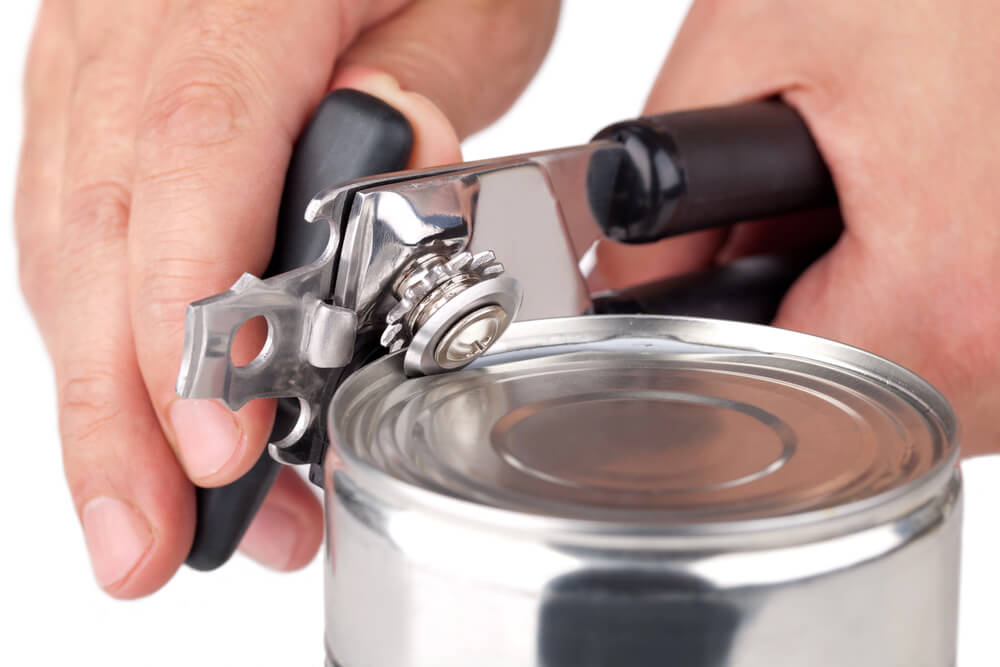
Tin cans existed for roughly half a century before anyone produced a convenient way to open them, and soldiers used bayonets, chisels and rocks. William Lyman of Meriden, Connecticut, patented a can opener in 1870 that used a rotating wheel to cut around the rim of the lid.
It was awkward by modern standards, since the user had to pierce the center of the can first to anchor the device. The Star Can Opener Company of San Francisco later refined the idea with a serrated wheel that gripped the rim.
That improvement produced the basic shape found in nearly every kitchen drawer today.
Papin’s Steam Digester and the Pressure Cooker
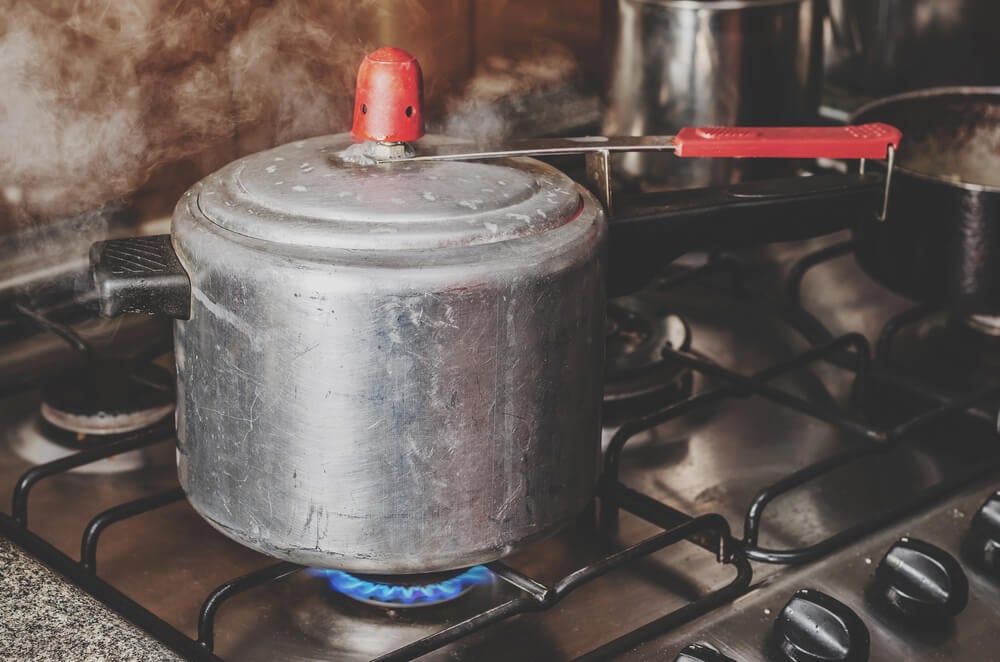
French physicist Denis Papin demonstrated his “steam digester” to the Royal Society in London in 1679, sealing bones and water in a heavy vessel until they softened. Papin also added a safety valve after early experiments proved alarming, a feature every pressure cooker still relies on.
The idea stayed mostly scientific for more than two centuries. National Presto Industries, then known as the National Pressure Cooker Company, showed a home model at the 1939 New York World’s Fair.
Higher pressure raises the boiling point of water well above its usual temperature, which explains why tough cuts of beef and dried beans cook in a fraction of the usual time.
Melitta Bentz’s Paper Coffee Filter
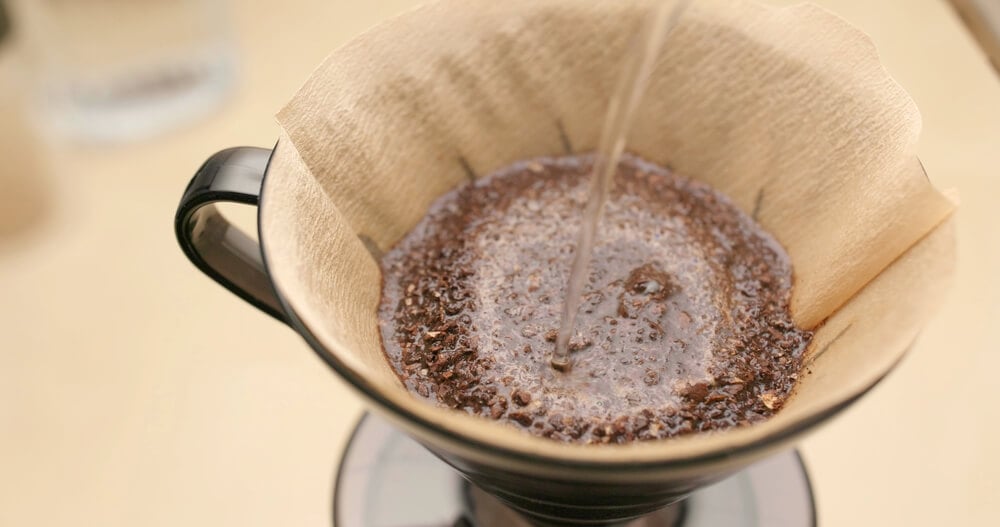
Coffee in early 1900s Germany was often bitter and gritty, brewed in linen bags or percolators that over-extracted the grounds. Melitta Bentz, a Dresden homemaker, punched small openings in the bottom of a brass pot with a nail and lined it with blotting paper torn from her son’s school exercise book.
She received a German utility model registration for the filter in 1908 and founded a company around the invention that same year. The Melitta company is still family-controlled and remains one of the best-known coffee brands in Europe.
Pour-over brewing, now a specialty cafe ritual, traces straight back to that blotting paper.
Pyrex Glass Bakeware
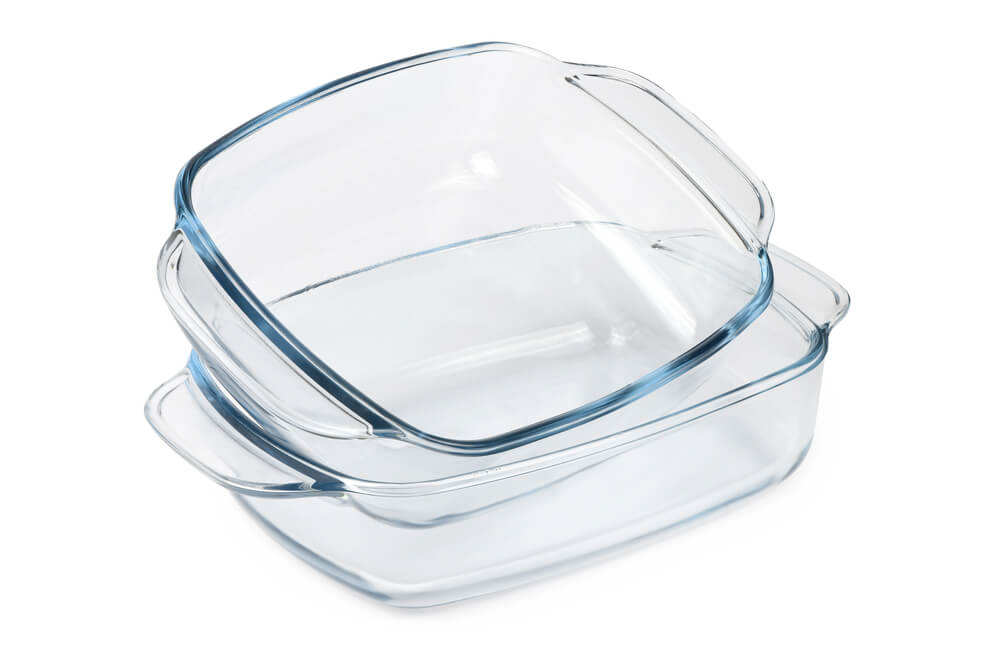
Corning Glass Works originally developed heat-resistant borosilicate glass for railroad lantern globes, which had to survive cold rain hitting hot glass. In 1913, Corning physicist Jesse Littleton brought home a sawed-off battery jar and asked his wife Bessie to bake a cake in it.
The cake baked evenly, browned nicely and could be watched through the sides of the dish. Corning launched the Pyrex line in 1915 with a dozen or so pieces, and glass bakeware moved from novelty to standard equipment within a decade.
Clear casserole dishes made it possible to judge doneness without opening the oven and guessing.
KitchenAid Stand Mixer
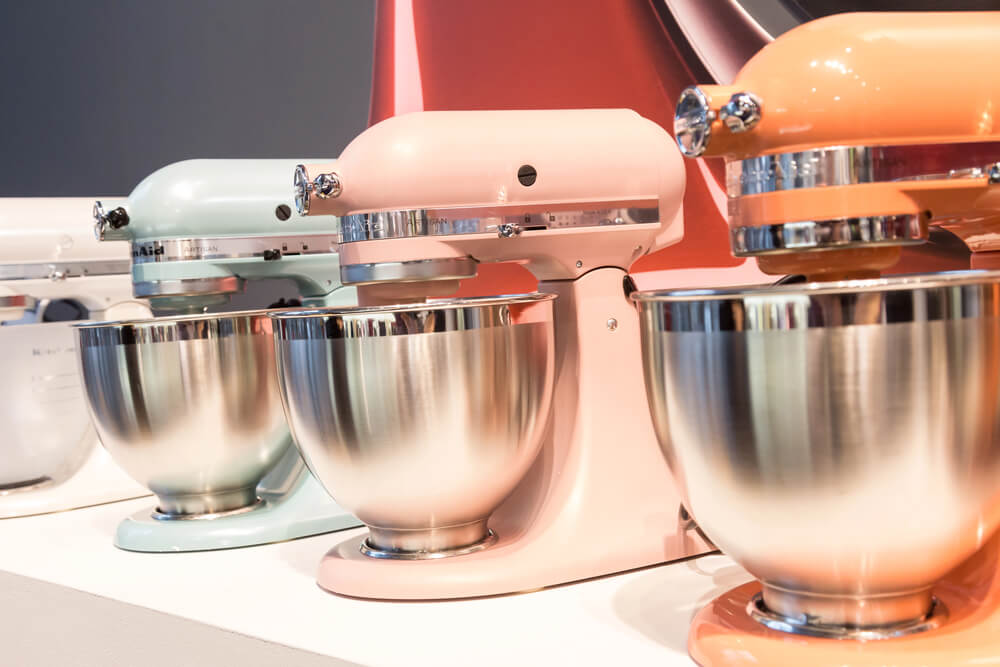
Hobart Manufacturing engineer Herbert Johnston designed a large commercial mixer for bakeries in the 1910s, and the company followed it with the home H-5 model in 1919. The brand name reportedly came from an executive’s wife who tested an early unit and called it the best kitchen aid she had ever had.
Industrial designer Egmont Arens reshaped the machine in the late 1930s, and the Model K outline he drew remains close to the mixer sold today. Its planetary motion, in which the beater spins while also orbiting the bowl, reaches almost every part of the dough.
Attachments for pasta, grinding and slicing use the same front hub.
Charles Strite’s Pop-Up Toaster
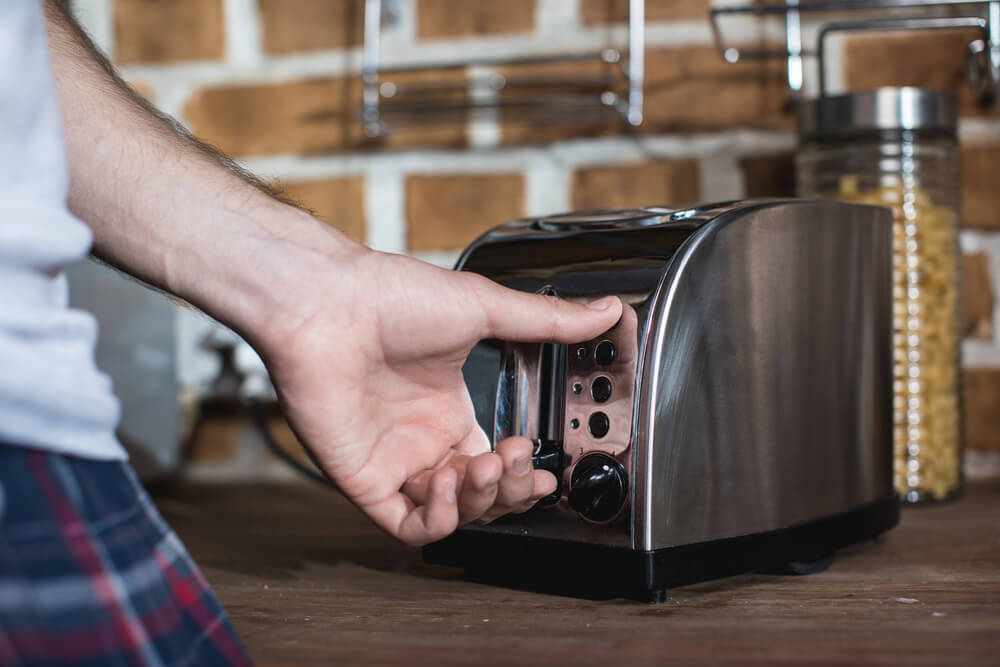
Early electric toasters required someone to stand guard and flip the bread by hand, and burned toast was routine. Charles Strite, a Minnesota mechanic annoyed by the scorched toast in a factory cafeteria, filed for a patent on an automatic pop-up toaster with a timer and springs, granted in 1921.
His first machines went to restaurants. The Toastmaster, a home version from the Waters-Genter Company, reached consumers in 1926.
Sliced bread arrived commercially a couple of years later, in 1928, and the two products fed each other’s sales. Breakfast became something that could be made while doing three other things at once.
Bialetti Moka Pot
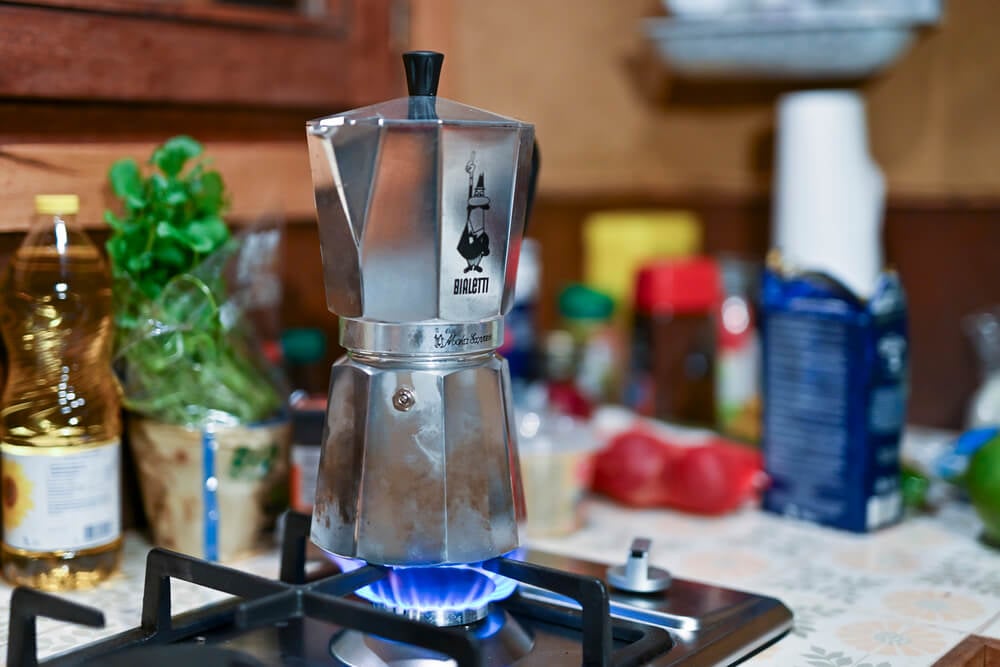
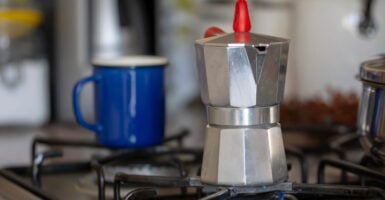
Alfonso Bialetti introduced the Moka Express in 1933 in Italy, an eight-sided aluminum pot that pushes boiling water up through coffee grounds using steam pressure. It let ordinary households make a strong, espresso-style coffee on a stovetop without a cafe machine.
The octagonal body was designed to grip a flame evenly and became one of the most widely copied shapes in kitchenware. His son Renato turned it into a mass-market product after World War II, and the little mustached man on the logo is a caricature of Renato.
When Renato died in 2016, his ashes were reportedly placed in an oversized Moka pot at his funeral.
Waring Blendor
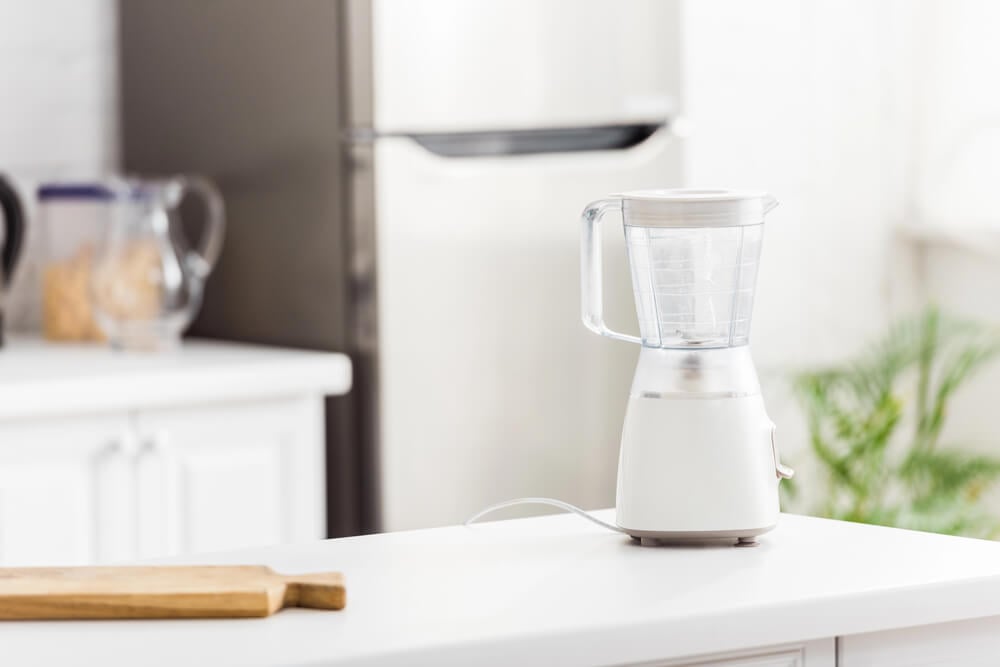
The blender arrived with an unlikely sponsor. Bandleader Fred Waring financed and promoted a design by inventor Fred Osius, and the Waring Blendor, spelled with an “o”, went on sale in 1937.
Waring pitched it first to bars for mixing frozen drinks, and only later did it move into home kitchens for smoothies, soups and sauces. The machine also found work in laboratories, where Jonas Salk reportedly used Waring blenders during polio vaccine research.
A single spinning blade in the bottom of a tall jar turned out to be enough to puree almost anything. The company still sells blenders under the Waring name.
Tupperware Containers and the Burping Seal
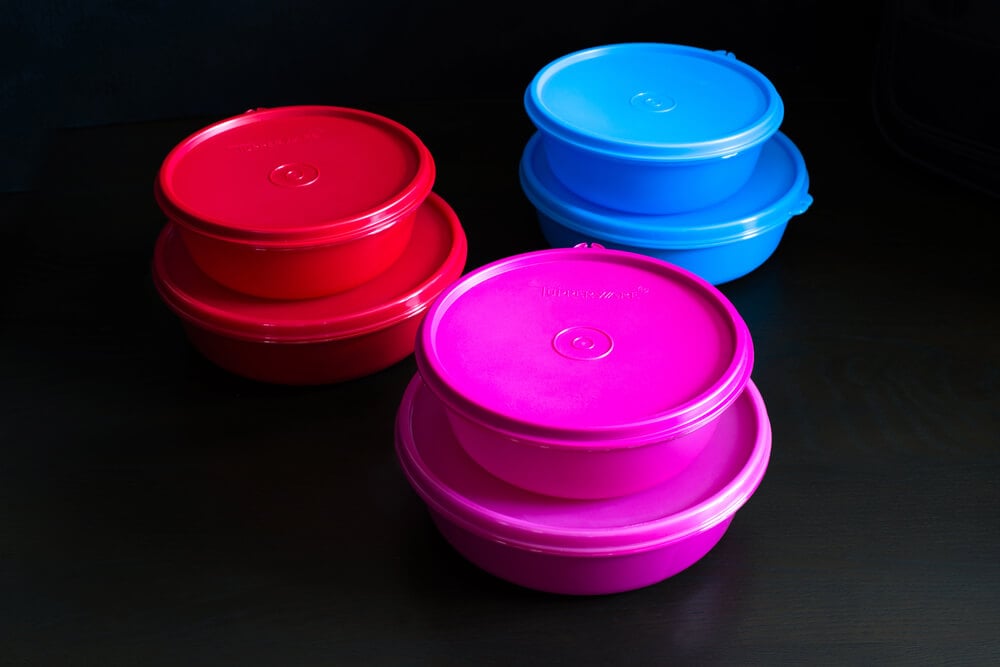
Earl Tupper, a former DuPont employee, began molding household containers from polyethylene in 1946. His real breakthrough was an airtight lid inspired by the inverted rim of a paint can, which sealed with a small push that released trapped air.
Store sales were weak because shoppers did not understand how the seal worked. Brownie Wise, a Detroit-area saleswoman, built a network of home demonstration parties, and Tupperware pulled its products from retail shelves in 1951 to sell almost entirely through parties.
Leftovers suddenly kept for days, and plastic storage containers became a basic household category.
Reynolds Wrap Aluminum Foil
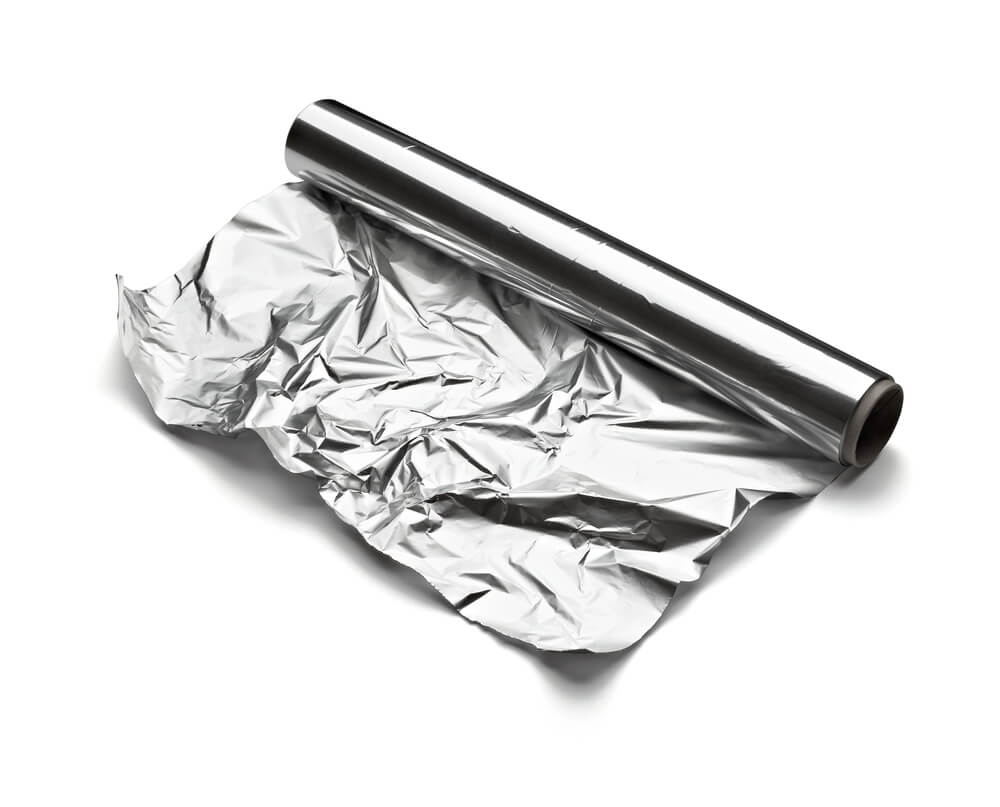
Reynolds Metals originally made foil for packaging, including wrappers for candy and other products. In 1947 the company introduced Reynolds Wrap, a roll of household aluminum foil sold in a dispenser box with a cutting edge.
Home cooks found uses quickly, from lining pans to covering roasts to wrapping leftovers. Foil also made grilling and campfire cooking far simpler, since food could be sealed in packets and steamed in its own juices.
Its arrival lined up neatly with the postwar boom in suburban backyards and covered dishes carried to neighborhood gatherings.
Rex Swivel-Blade Peeler
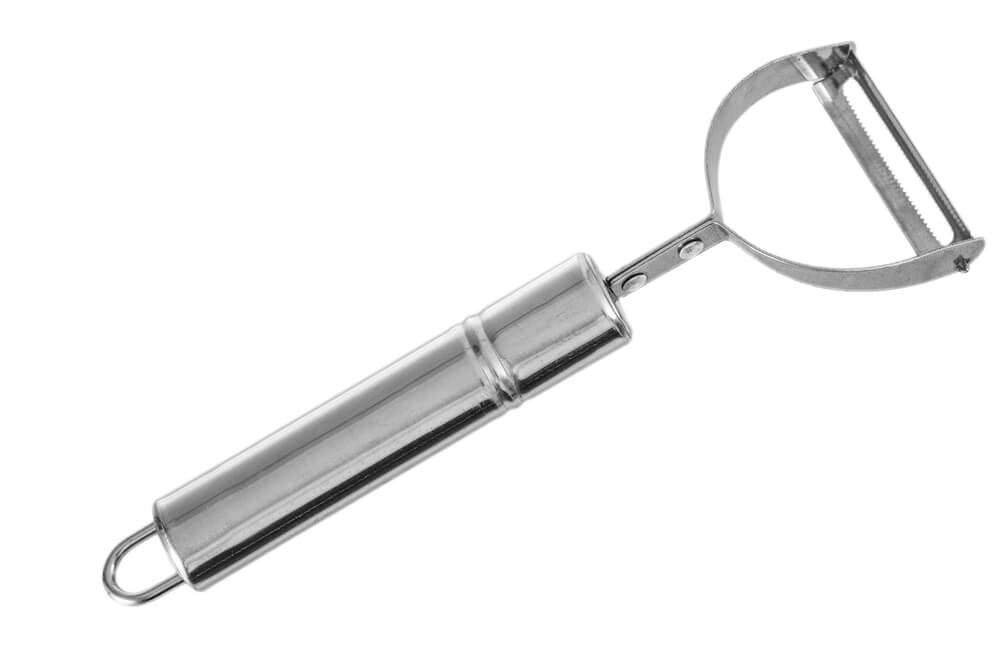
Swiss inventor Alfred Neweczerzal designed the Rex peeler in 1947, a simple aluminum frame holding a swiveling blade set across a U-shaped handle. The pivoting blade follows the curve of a potato or carrot and removes a thin, even layer instead of carving off chunks the way a paring knife often does.
Zena, the company Neweczerzal founded, has produced it in Switzerland for decades with very few design changes. Swiss households treat it as a basic utensil, and millions of copies have left the factory over the decades.
Its Y-shaped cousin is now standard equipment in professional kitchens.
Amana Radarange Countertop Microwave
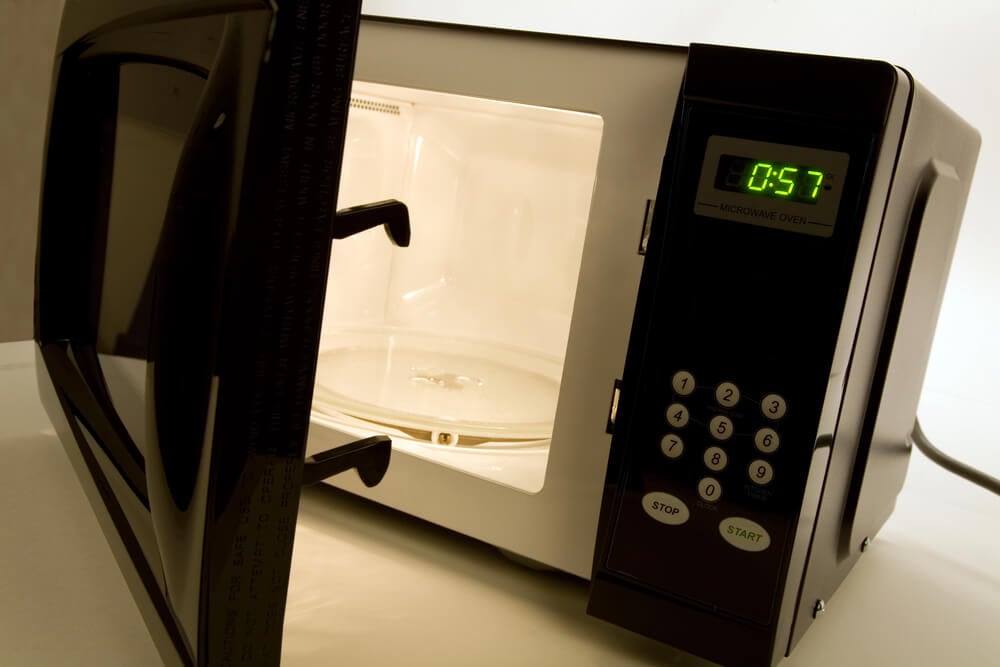
Raytheon engineer Percy Spencer noticed that a candy bar in his pocket melted while he worked near magnetron tubes in the mid-1940s. Raytheon’s first commercial microwave ovens were refrigerator-sized machines that stood close to six feet tall and cost thousands of dollars.
The company bought appliance maker Amana and in 1967 introduced the countertop Radarange for homes at about 495 dollars. The price was high, but it was finally small enough for an ordinary kitchen.
By the mid-1980s, microwaves had become common in American homes, changing everything from leftovers to popcorn to the frozen-food aisle.
Russell Hobbs K1 Automatic Kettle
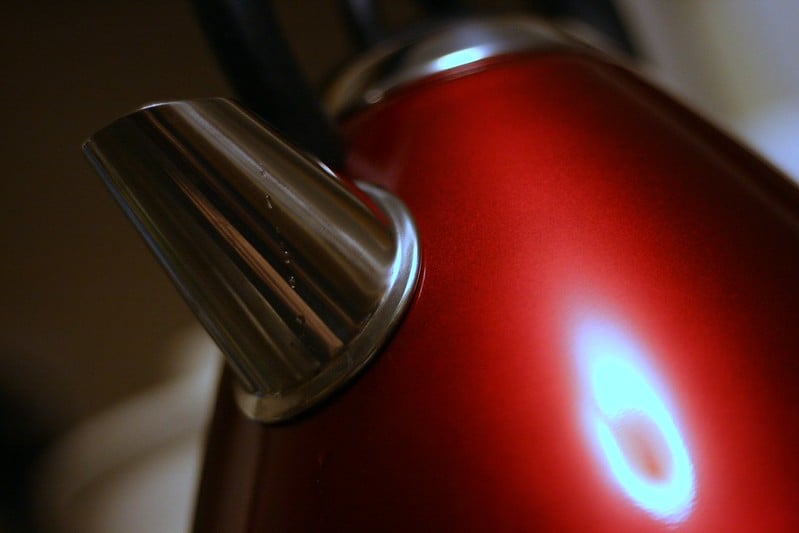
British engineers Bill Russell and Peter Hobbs founded their company in Croydon in the early 1950s and introduced the K1 electric kettle in 1955. The K1 is often cited as the first automatic kettle, using steam from the boiling water to trigger a bimetallic strip that switched off the power.
Before it, an electric kettle left unattended could boil dry and damage itself or worse. The automatic shutoff became so standard that modern kettles almost universally use some version of the same principle.
In Britain, where the kettle runs several times a day, the change was hard to overstate.
Toshiba Automatic Rice Cooker
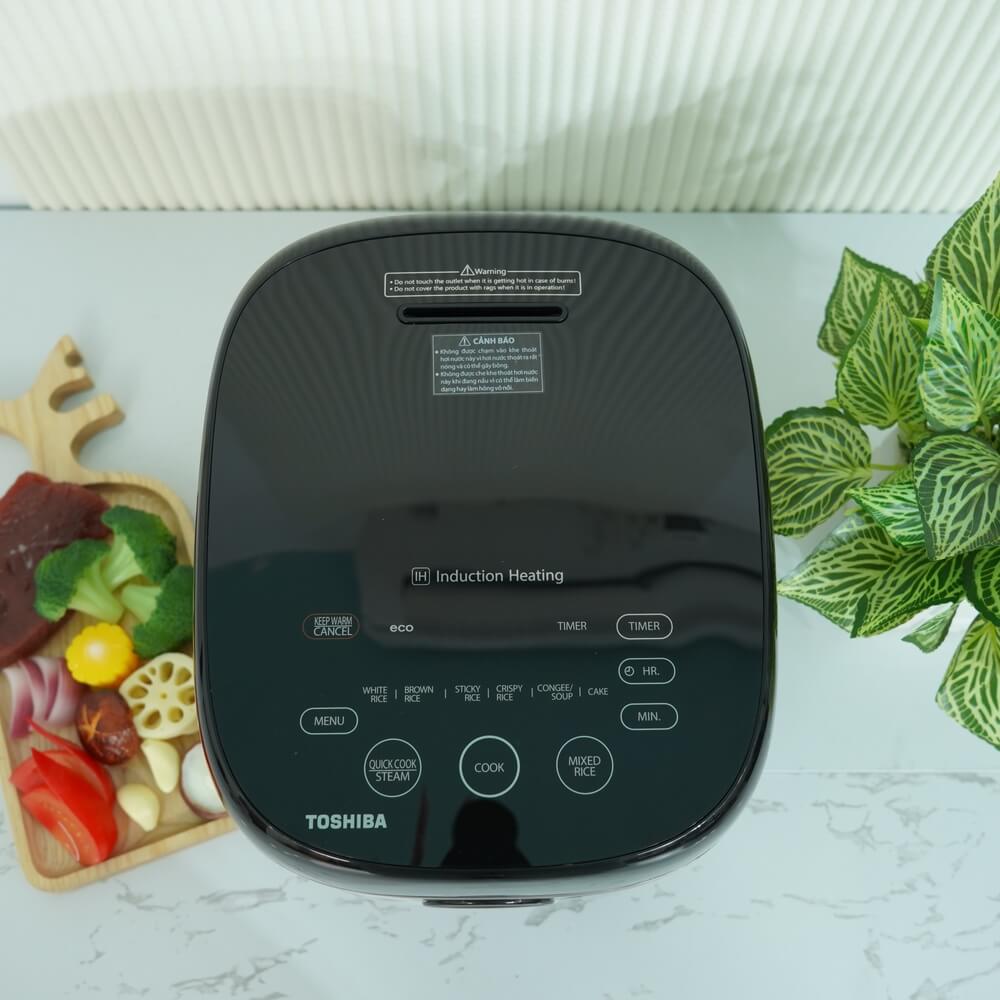
Cooking rice well on a stove requires constant attention, and in Japan that work fell overwhelmingly to women who rose before dawn to tend it. Toshiba began selling an automatic electric rice cooker in 1955, developed largely by Yoshitada Minami with his wife Fumiko, who ran many of the cooking trials at home.
The design used a double pot and a thermostat that switched off once the water had been absorbed and the temperature rose. Sales grew quickly, and within a few years millions of Japanese households owned one.
The machine is now recognized as an IEEE Milestone in engineering history.
Tefal Nonstick Pan
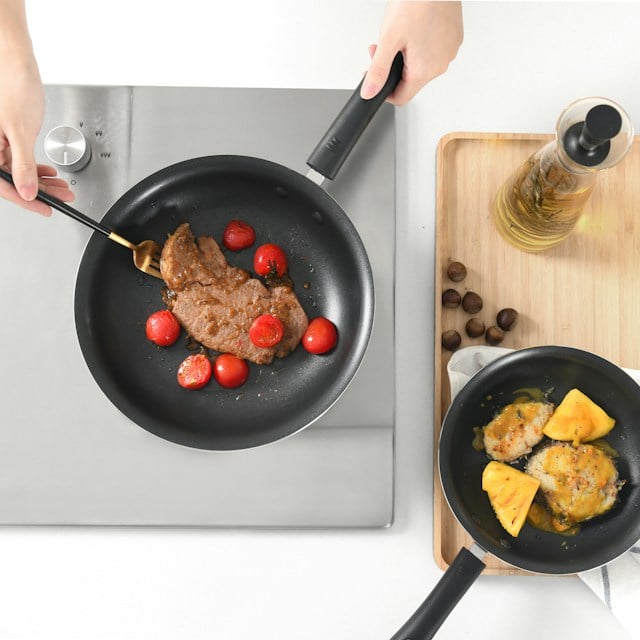
French engineer Marc Gregoire had been coating his fishing tackle with PTFE, the slippery polymer sold under the Teflon name, to keep lines from tangling. His wife Colette suggested trying the same coating on her cooking pans.
Gregoire worked out a way to bond the polymer to aluminum, patented the process and founded Tefal in 1956, with the name combining Teflon and aluminum. Nonstick pans made eggs, crepes and fish dramatically easier and cut down on the fat needed for cooking.
Cleanup also became a quick wipe rather than a lengthy scrub with steel wool.
Rival Crock-Pot Slow Cooker
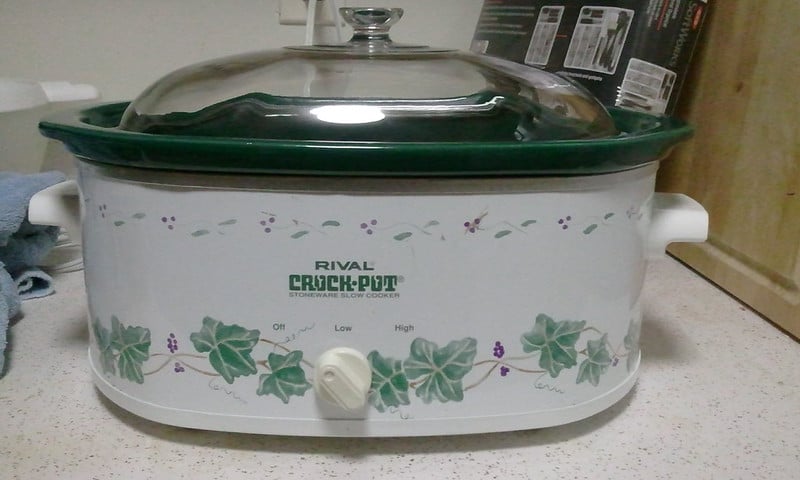
Chicago inventor Irving Naxon patented an electric bean cooker in 1940, inspired by a slow-simmered Sabbath stew his grandmother made in a Lithuanian village oven. He sold the device as the Naxon Beanery for years with modest success.
The Rival Manufacturing Company of Kansas City bought Naxon’s business in 1970 and relaunched the cooker as the Crock-Pot in 1971. Its timing was ideal, since more women were working outside the home and wanted dinner ready when they walked in.
A pot could be loaded in the morning and left alone for eight hours or more.
Mr. Coffee Automatic Drip Machine

Cleveland businessmen Vincent Marotta and Samuel Glazer launched Mr. Coffee in 1972, bringing automatic drip brewing into American homes. Before it, most households used percolators, which recirculated boiling water through the grounds and often produced bitter coffee.
Marotta hired engineers to work out the ideal brewing temperature, and the machine heated water just below boiling before dripping it over a paper filter. Joe DiMaggio served as spokesman in a long-running series of television commercials.
Within a few years, drip machines had largely displaced percolators on American countertops.
Cuisinart Food Processor
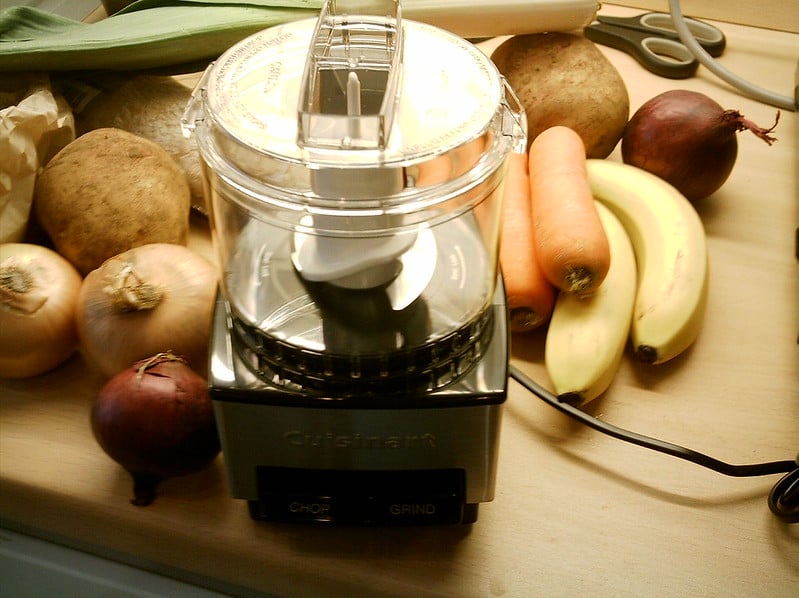
Retired engineer Carl Sontheimer spotted a French restaurant machine called the Robot-Coupe at a housewares show in Paris and saw potential in a home version. He refined the design, and Cuisinart introduced its food processor at the National Housewares Exposition in Chicago in 1973.
Early sales were slow until food writers including Craig Claiborne and James Beard praised it. The machine chopped, sliced, shredded and kneaded in seconds, opening up recipes that once required a professional’s knife skills.
Pesto, pie dough and coleslaw all became far quicker to make at home.
Microplane Rasp Grater
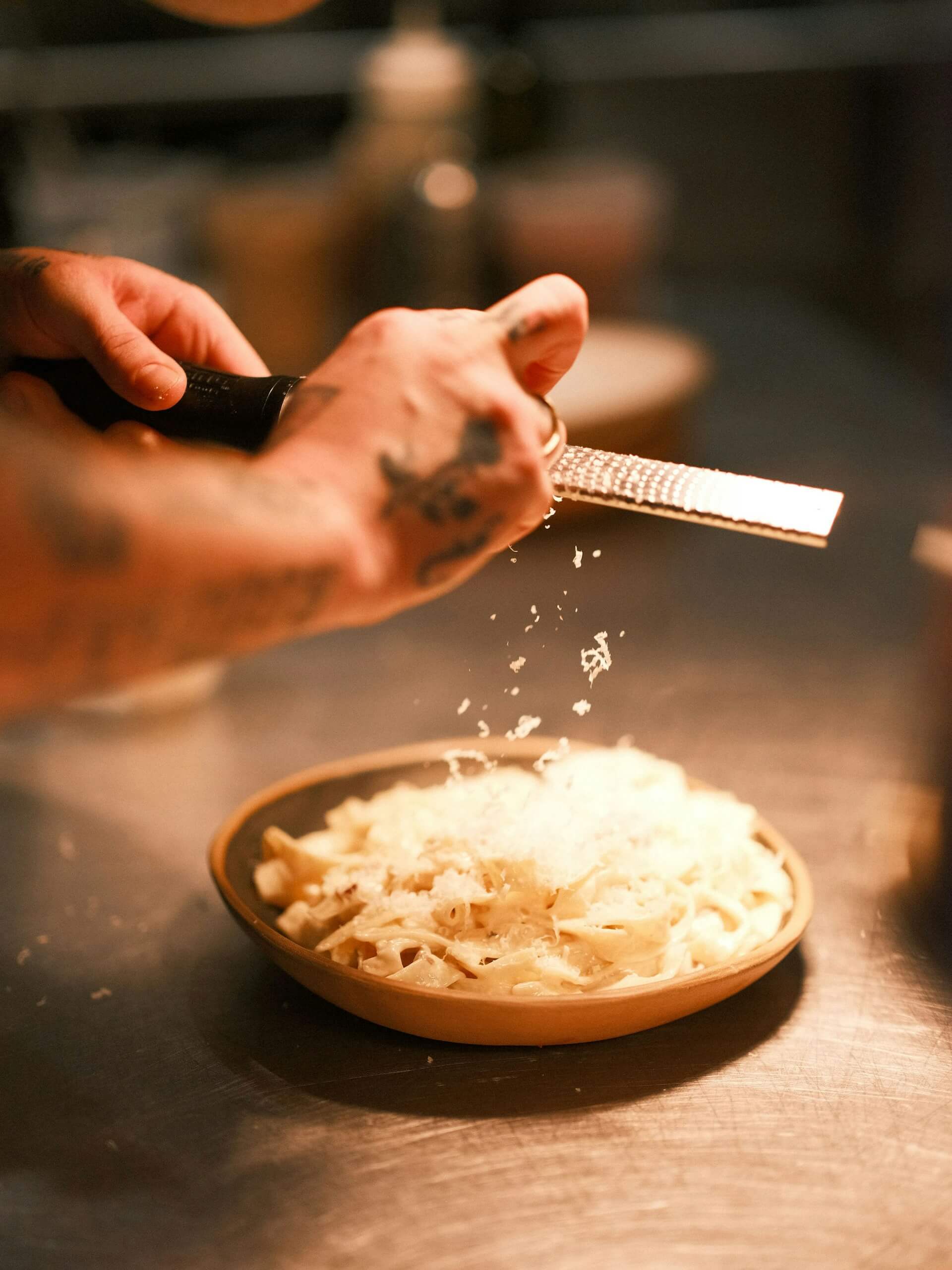
The Microplane began as a woodworking tool. Grace Manufacturing in Arkansas developed a photo-etched rasp with razor-sharp teeth, sold through the Lee Valley tools catalog. Around 1994, a home cook named Lorraine Lee grabbed one of her husband’s rasps while making an orange cake and discovered it removed zest without the bitter white pith.
Lee Valley noticed customer interest and began marketing it to cooks. Its ultrafine shreds of citrus, nutmeg, garlic and hard cheese changed the texture of countless dishes.
Chefs now use it to finish plates with a dusting of Parmesan.
Chemex Coffeemaker
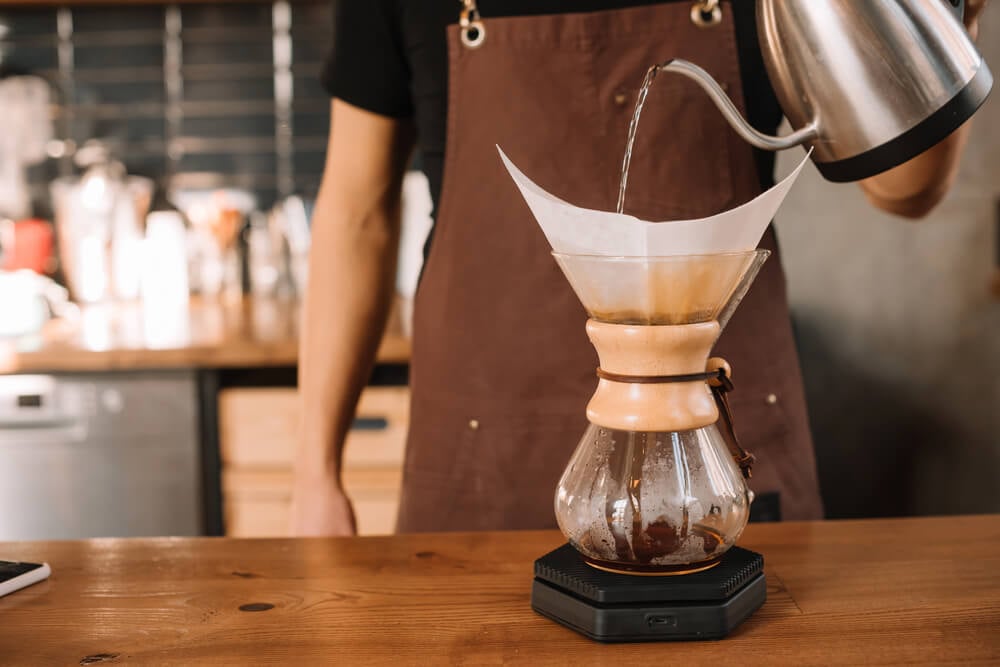
German chemist Peter Schlumbohm designed the Chemex in 1941, a one-piece glass vessel shaped like a laboratory flask and funnel combined. A wooden collar tied with a leather thong lets the user handle the hot glass, and the brewer uses heavy bonded paper filters thicker than ordinary ones.
The thick filters remove more of the oils and sediment, producing an unusually clean cup. The Museum of Modern Art in New York includes the Chemex in its collection as an example of industrial design.
It remains in production with hardly any changes to the original shape.
Instant Pot Multicooker
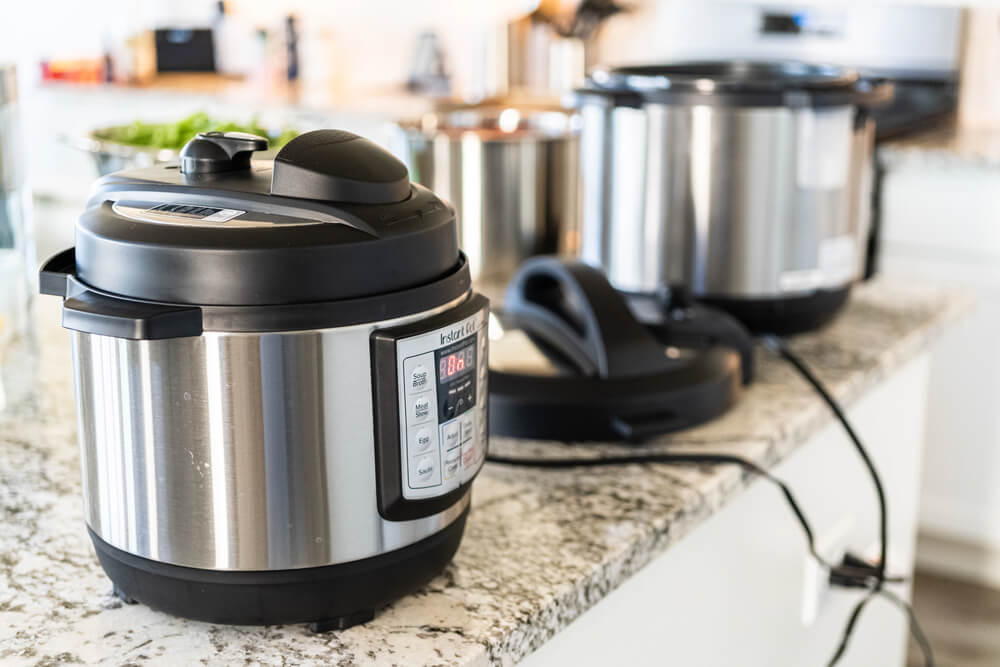
Canadian engineer Robert Wang and a pair of colleagues launched the Instant Pot in 2010 from the Ottawa area, combining an electric pressure cooker, slow cooker, rice cooker and steamer in one appliance. Microprocessor controls and multiple sensors made pressure cooking far less intimidating than stovetop models with rattling valves.
The company relied heavily on online reviews and Amazon sales rather than traditional retail advertising. During Amazon’s Prime Day promotions it became one of the site’s top sellers.
Fan communities online shared thousands of recipes, creating a cooking subculture almost overnight.
Philips Airfryer
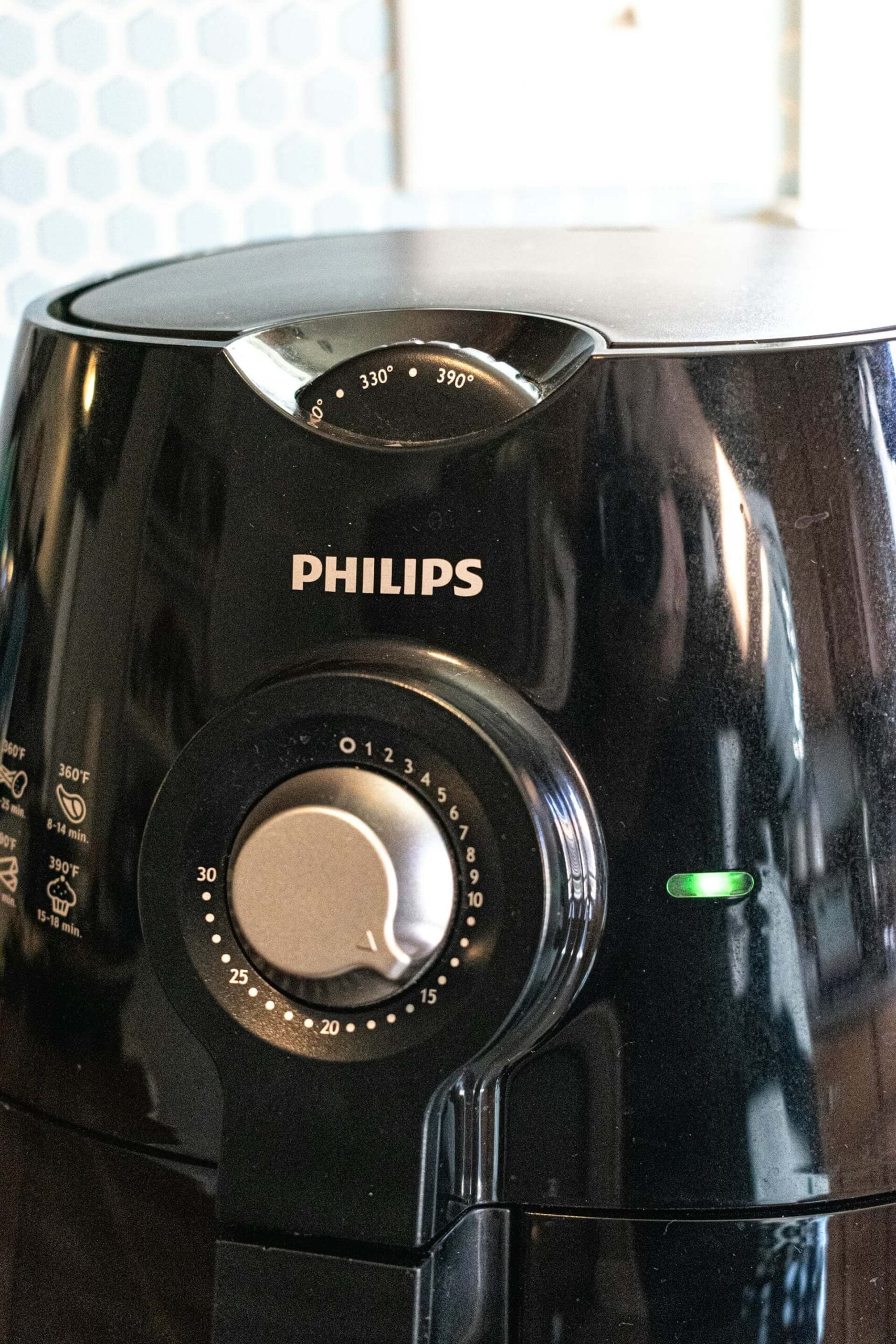
Dutch inventor Fred van der Weij wanted crisp fries without a pot of hot oil, and spent several years testing ways to circulate superheated air. Philips licensed his design and unveiled the Airfryer at the IFA electronics fair in Berlin in 2010.
The machine is essentially a compact convection oven, using a powerful fan and a heating element directly above a basket of food. Competing brands followed within a few years, and air fryers moved from gadget to common appliance.
Frozen-food makers now print air fryer instructions on packaging next to oven times.
Countertops as a Record of Impatience
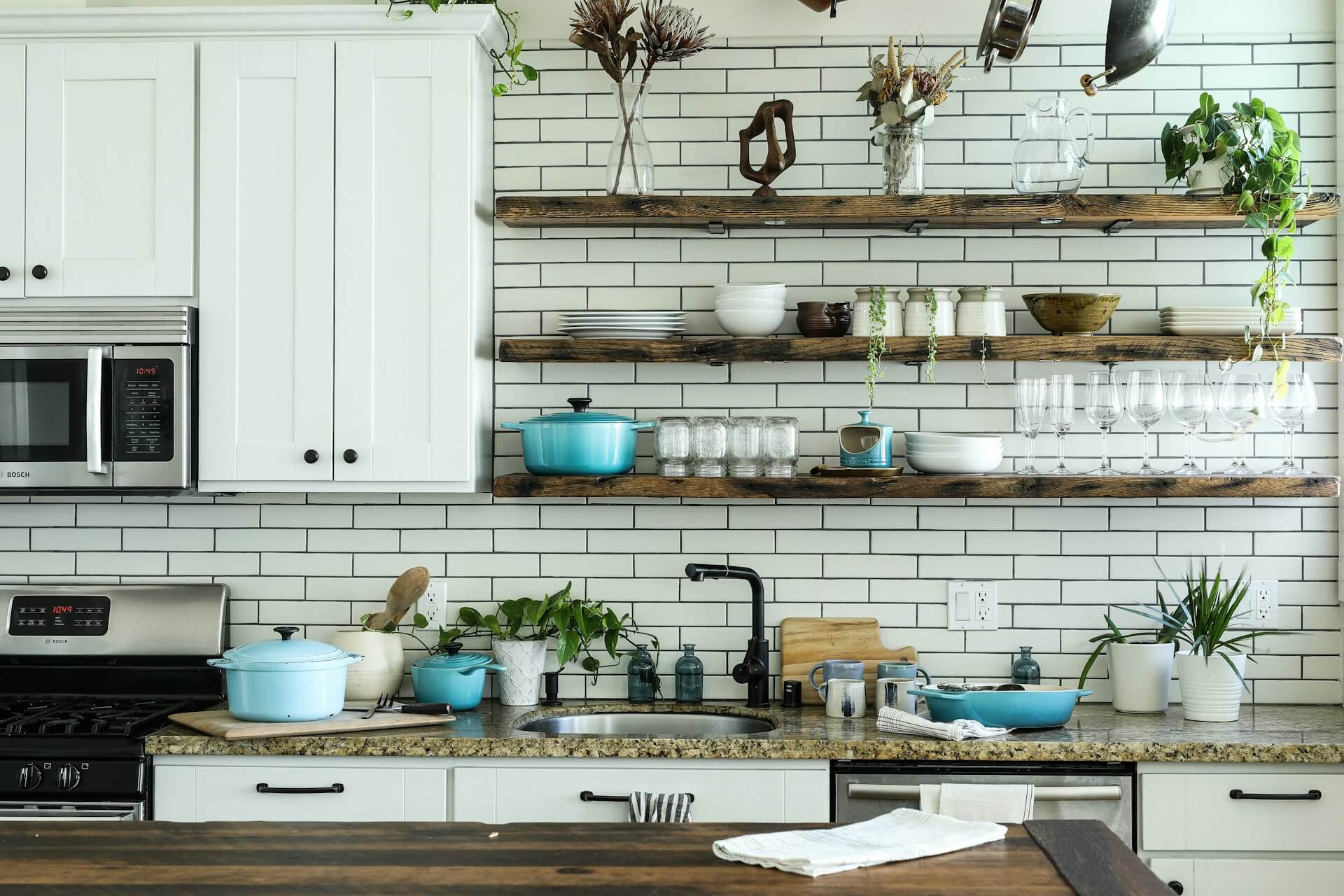
Almost every machine on this list solved a single irritation, whether bitter coffee, scorched toast, a can that refused to open or a pot that boiled dry. The inventors were rarely chefs, and several were simply people who wanted dinner without the drudgery.
Each device took a task that once demanded skill and attention and turned it into a button, a crank or a timer.
The effect added up to a quiet revolution in household time. Hours once spent stirring, whisking and watching moved into other parts of life, from paid work to leisure.
Kitchen counters still display the evidence, one appliance at a time, each a small argument that cooking should not be harder than it needs to be.
More from Go2Tutors!

- The Romanov Crown Jewels and Their Tragic Fate
- 13 Historical Mysteries That Science Still Can’t Solve
- Famous Hoaxes That Fooled the World for Years
- 15 Child Stars with Tragic Adult Lives
- 16 Famous Jewelry Pieces in History
Like Go2Tutors’s content? Follow us on MSN.