16 Prohibition rules that shaped history
From 1920 to 1933, America embarked on what Herbert Hoover called ‘a great social and economic experiment, noble in motive and far reaching in purpose.’ The Eighteenth Amendment banned alcohol nationwide, but it was the specific rules and regulations that followed which truly transformed American society. These weren’t just legal technicalities—they were the building blocks of a massive social experiment that touched every corner of American life and beyond.
The enforcement mechanisms, definitions, and exceptions created during Prohibition didn’t just regulate alcohol; they fundamentally altered how Americans viewed federal authority, individual rights, and the relationship between law and morality. Here’s a list of 16 prohibition rules that left permanent marks on history, shaping everything from organized crime to constitutional law—some in ways nobody saw coming.
The 0.5% Alcohol Definition
The Volstead Act set the legal threshold for ‘intoxicating liquor’ at anything containing more than 0.5% alcohol by volume. This seemingly arbitrary number shocked many Americans who had assumed the amendment would only target hard liquor, not beer and wine. By contrast, Canadian prohibition laws set the limit at 2.5 percent, making the American standard exceptionally strict. This low threshold meant that even light beer and communion wine fell under the ban, creating immediate conflicts with religious communities and casual drinkers who never considered themselves heavy consumers.
Federal Agents Gained Unprecedented Search Powers

The Act granted federal Prohibition agents the power to enforce its requirements throughout the United States, marking a dramatic expansion of federal law enforcement. Before Prohibition, most policing was handled at the local level. These agents could search homes, businesses, and vehicles suspected of housing illegal alcohol, fundamentally changing the relationship between citizens and federal authority. The expansion of search powers during this era would later influence Fourth Amendment jurisprudence for decades to come.
Property Forfeiture Became Standard Practice
Declaring every place where liquor was illegally manufactured, sold, or kept to be a ‘nuisance,’ the Volstead Act established civil and criminal penalties, including property forfeiture, for violations of Prohibition. This meant that entire buildings, vehicles, and equipment could be seized by the government if alcohol was found on the premises. The concept of civil asset forfeiture, now controversial in modern law enforcement, traces its roots directly back to these Prohibition-era policies. Talk about unintended consequences.
Religious Wine Exemptions Created Legal Loopholes

Religious use of wine was permitted under the Volstead Act, but this exception required careful regulation. Pastors, priests, ministers, rabbis and others who practiced religious actions could acquire a permit to provide alcohol for sacramental purposes only. This rule led to a surge in people claiming religious affiliation, and some unscrupulous individuals established fake congregations solely to obtain legal alcohol. The exemption highlighted the tension between religious freedom and secular law enforcement—a balance that remains tricky today.
Medical Alcohol Required Prescription Limits

Physicians could prescribe alcohol for medical purposes, but patients were allowed one pint of spirits every ten days, a restriction the American Medical Association opposed for being inadequate. Doctors suddenly found themselves in the unusual position of alcohol dealers, complete with federal oversight and paperwork. Many physicians protested these limitations as insufficient for treating various ailments. Even so, others exploited the system by writing unnecessary prescriptions for healthy patients willing to pay.
Industrial Alcohol Remained Legal Under Title III
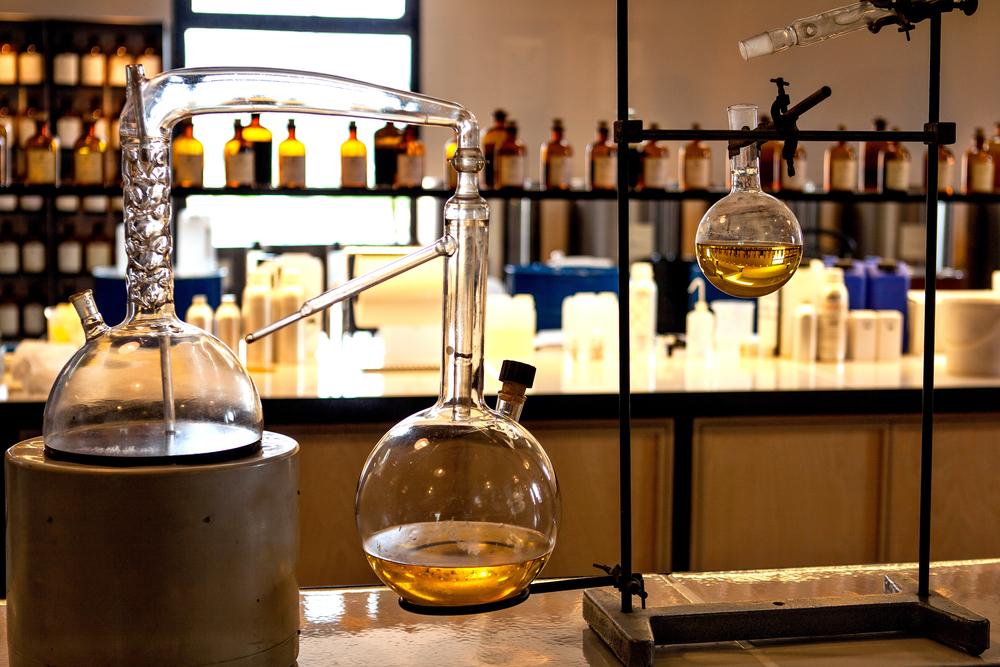
Alcohol for any industrial purposes were allowed in Title III of the Volstead Act, titled ‘Industrial Purposes’. This exception was crucial for maintaining American manufacturing, as alcohol was essential for producing everything from perfumes to antifreeze. Still, the rule required extensive tracking and licensing systems to prevent industrial alcohol from being diverted to beverage use. Some criminals learned to ‘denature’ industrial alcohol to make it drinkable again, often with dangerous results.
Purchasing Alcohol Remained Legal

While the production, transport and sale of intoxicating liquor was illegal, their purchase was ruled legal in United States v. Norris. This created the bizarre situation where buying alcohol was perfectly legal, but selling it was a federal crime. Strange but true. The rule meant that consumers faced no criminal penalties for possession or consumption, only sellers and distributors risked prosecution. This legal oddity encouraged a thriving black market since demand remained completely legal while supply was criminalized.
States Could Enact Stricter Local Laws
Private ownership and consumption of alcohol were not made illegal under federal law, but local laws were stricter in many areas, and some states banned possession outright. This created a patchwork of different enforcement levels across the country. Some states like Maryland refused to enforce Prohibition at all, while others imposed even harsher penalties than federal law required. The variation in local enforcement made geography a crucial factor in how severely Prohibition affected different communities.
Enforcement Agencies Shifted Between Departments

The Bureau of Internal Revenue initially exercised primary responsibility for the Volstead Act’s enforcement. In 1927, Congress reorganized the Treasury Department and created a separate component, the Bureau of Prohibition, to enforce the Act. Three years later, Congress moved the Bureau into the Department of Justice. This bureaucratic shuffling reflected the government’s struggle to find an effective enforcement strategy, with each move representing a different philosophy about whether Prohibition was primarily a tax issue, a treasury matter, or a criminal justice problem—nobody could quite figure it out.
Wartime Prohibition Extended Beyond the War
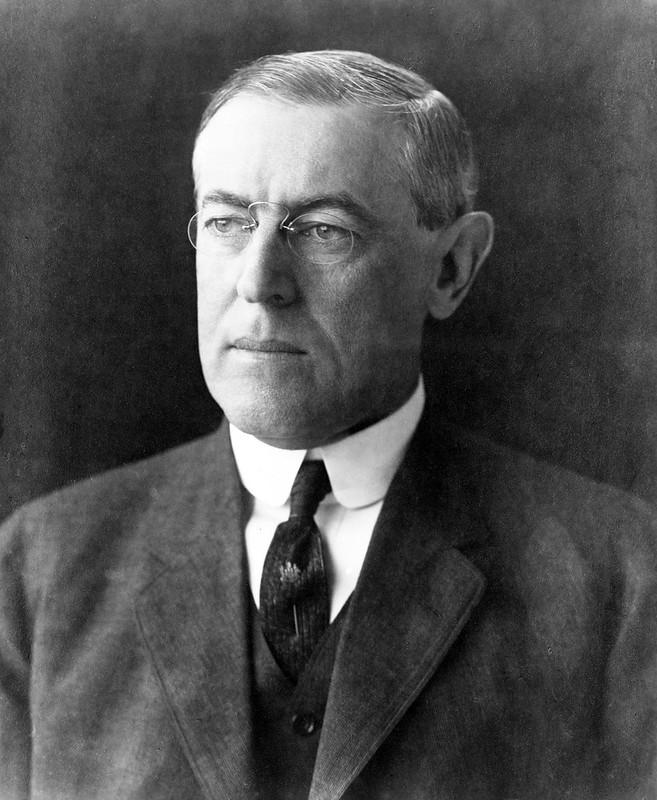
Congress enacted the Volstead Act over President Woodrow Wilson’s veto. Wilson apparently objected to the Volstead Act’s extension of wartime prohibition measures to cover the time period between the end of mobilization for World War I and the entry into force of the Eighteenth Amendment. The wartime prohibition had been sold as a temporary grain conservation measure, but the Volstead Act extended these restrictions even after the war ended. This expansion demonstrated how temporary emergency measures could become permanent policy.
International Smuggling Required Coast Guard Expansion
The Coast Guard also played a role in implementation, pursuing bootleggers attempting to smuggle liquor into America along its coastline. America’s extensive coastline became a highway for illegal imports. Ships from Canada, the Caribbean, and Europe regularly attempted to smuggle alcohol into American ports, forcing the Coast Guard to dramatically expand its operations. This maritime enforcement challenge led to some of the era’s most dramatic chases and confrontations on the high seas.
Home Production Rules Created Gray Areas
While the Volstead Act prohibited manufacturing alcohol for sale, the rules around home production remained murky. Many Americans interpreted the law as allowing personal production for family consumption, leading to a boom in home brewing and winemaking. The government struggled to define the line between illegal manufacturing and traditional household practices like making fruit preserves that naturally fermented. This ambiguity allowed millions of Americans to continue producing alcohol while technically staying within legal boundaries—a convenient loophole that many families quietly exploited.
Business License Revocation Became Automatic

Any business caught selling alcohol faced immediate license revocation and closure, regardless of how minor the violation. Restaurants, hotels, and pharmacies that had operated legally for decades could lose everything with a single Prohibition violation. This rule created a climate of fear among business owners and led many to avoid any activities that might be construed as alcohol-related. The threat of losing business licenses often proved more effective than criminal penalties in deterring violations.
Banking Rules Prohibited Alcohol-Related Transactions
Financial institutions were forbidden from knowingly facilitating alcohol-related transactions, forcing banks to scrutinize their customers’ activities. This rule pushed much of the alcohol trade toward cash-only transactions and alternative financial networks. So banks developed elaborate procedures to avoid accidentally financing illegal alcohol operations, while criminals learned to disguise their transactions through shell companies and coded communications.
Federal Court Jurisdiction Expanded Dramatically
Prohibition overwhelmed the federal judicial system, which was ill-equipped to handle the deluge of cases that flooded the courts. Before Prohibition, most criminal cases were handled in state courts, but alcohol violations were federal crimes requiring federal prosecution. The massive increase in federal cases forced the expansion of the federal court system and established precedents for federal jurisdiction that extended far beyond alcohol. This institutional growth permanently altered the balance between federal and state judicial authority.
International Treaties Restricted Enforcement
Judge Arthur Tuttle of the U.S. District Court for the Eastern District of Michigan ruled in Hiram Walker & Sons, Ltd. v. Lawson that U.S. officials cannot prevent a Canadian distillery from shipping liquor through the United States to Mexico as to do so would violate the terms of an 1871 treaty between the United States and Great Britain. International agreements dating back decades suddenly became relevant to domestic law enforcement. These treaty obligations created legal corridors that smugglers could exploit, forcing American officials to navigate complex diplomatic relationships while trying to enforce domestic prohibition.
The Unintended Revolution in American Law
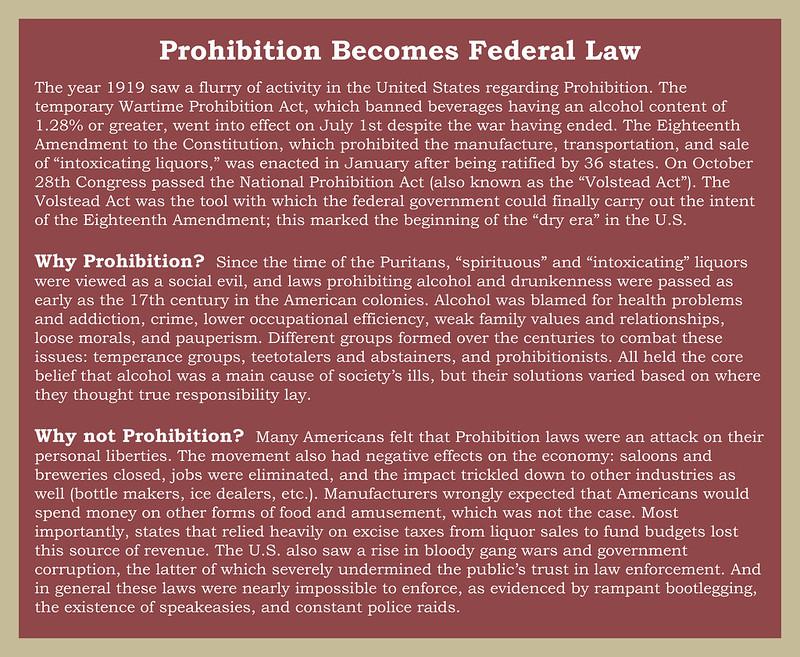
The Prohibition era ended in 1933, but its legal innovations continue shaping American society today. Modern asset forfeiture laws, federal law enforcement powers, and the relationship between federal and state authority all trace their roots to this 13-year experiment. The separate sovereigns or dual sovereignty doctrine has survived, providing a significant example of how Prohibition helped to reshape American constitutional criminal law. What began as a moral crusade against alcohol became a laboratory for expanding government power, creating legal precedents that outlasted the amendment itself by nearly a century. The rules that once governed speakeasies and bootleggers now influence everything from drug enforcement to financial crimes, proving that even failed experiments can leave permanent marks on history.
More from Go2Tutors!

- The Romanov Crown Jewels and Their Tragic Fate
- 13 Historical Mysteries That Science Still Can’t Solve
- Famous Hoaxes That Fooled the World for Years
- 15 Child Stars with Tragic Adult Lives
- 16 Famous Jewelry Pieces in History
Like Go2Tutors’s content? Follow us on MSN.