28 Halloween Candies That Disappeared From Stores
Every Halloween haul has a few pieces that nobody will ever see again. Candy companies retire products quietly, usually with no announcement beyond an empty slot on the store shelf.
Some of these bars lasted decades and some barely made it through two trick-or-treat seasons. All of them left behind fans who still remember the wrapper, the flavor and the exact moment they realized it was gone.
Marathon and Its Printed Ruler
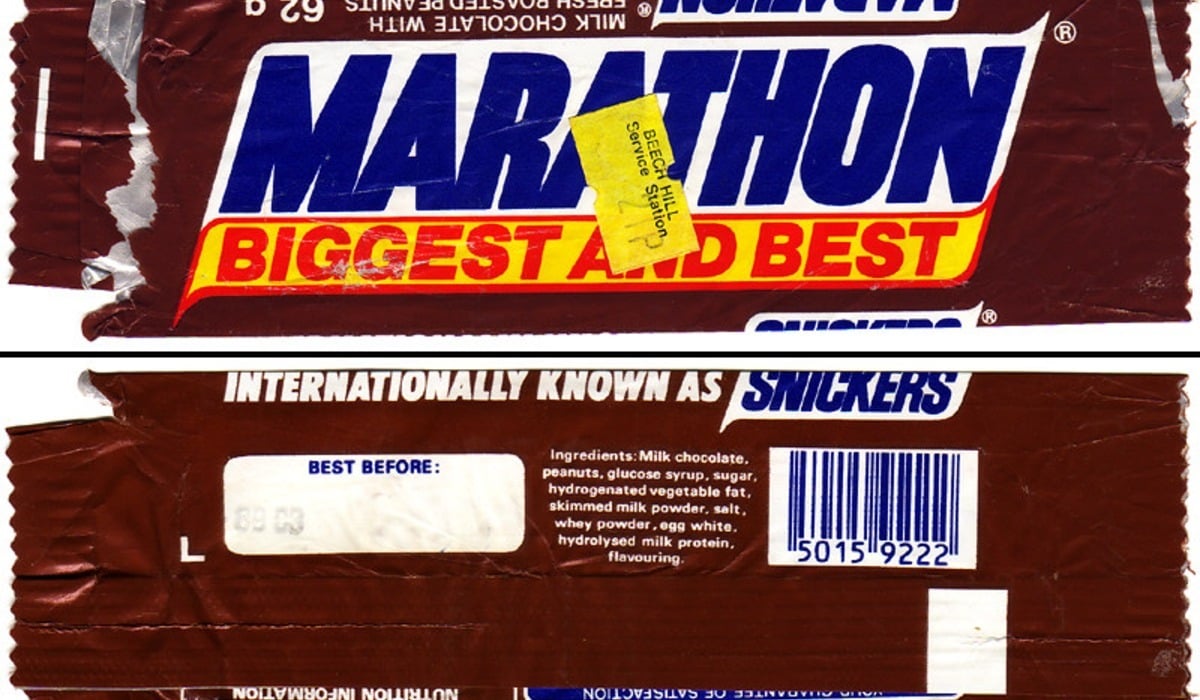
Mars introduced the Marathon bar in 1973, and its selling point was length. A braid of chewy caramel coated in milk chocolate ran about 8 inches, and the wrapper carried a printed ruler so kids could prove it.
The bar lasted only until 1981 in the United States, which makes it one of the shortest runs for a Mars product that so many people remember. Adding to the confusion, British shoppers knew the bar now called Snickers as Marathon until 1990, so two completely different candies carried the same name at the same time.
Many fans compare the braid to the Curly Wurly, a similar bar Cadbury sells in Britain.
A Candy Bar Named for Reggie Jackson
Reggie Jackson once joked that if he played in New York, somebody would name a candy bar after him. Standard Brands made the joke real in 1978 with the Reggie bar, a round patty of caramel and peanuts covered in chocolate, released after his three home runs in the deciding game of the 1977 World Series.
Fans at Yankee Stadium received free bars on opening day that year, and after Jackson homered, many of them tossed the candy onto the field. The stunt became more famous than the product itself.
Within a few years the bar had faded from stores, gone by around 1980.
Hershey’s Swoops in Curved Slices
Hershey introduced Swoops in 2003 as thin, curved slices of chocolate stacked in a plastic tray, a shape that invited constant comparison to Pringles. The slices came in flavors tied to familiar Hershey brands, including Reese’s peanut butter, Almond Joy and York peppermint.
Each package held a handful of slices meant to be eaten one at a time, which made them feel slightly fancier than an ordinary candy bar. Sales never matched the novelty, and Hershey dropped the line around 2006.
Today the name survives mostly on lists of discontinued candy, usually beside a photo of that distinctive tray.
PB Max and Its Oat Cookie Base
Around 1989, Mars launched PB Max, pairing a layer of creamy peanut butter with a crunchy oat cookie base and coating both in milk chocolate. The square bar looked nothing like the rest of the Mars lineup, and it built a loyal following through the 1990s.
Mars discontinued it in 2004 even though it was still selling, and a widely repeated story claims members of the Mars family simply disliked peanut butter. That explanation has never been formally confirmed by the company.
Copycat recipes for homemade versions circulate widely online, a sign of how much fans still miss it.
Butterfinger BB’s From the Simpsons Era
Nestle introduced Butterfinger BB’s in 1992 as small round bites of the familiar crispy peanut butter center coated in chocolate. The candy arrived with television ads starring Bart Simpson, part of a long Butterfinger partnership with the animated series.
The pieces rattled in their box like marbles and were a common sight at movie theater concession stands. Nestle phased them out in the mid-2000s and replaced them with Butterfinger Bites, which used a different shape and texture.
Fans still argue that the originals had a better ratio of chocolate to filling, a debate that never seems to end.
Hershey’s Bar None and Its Wafer Layers
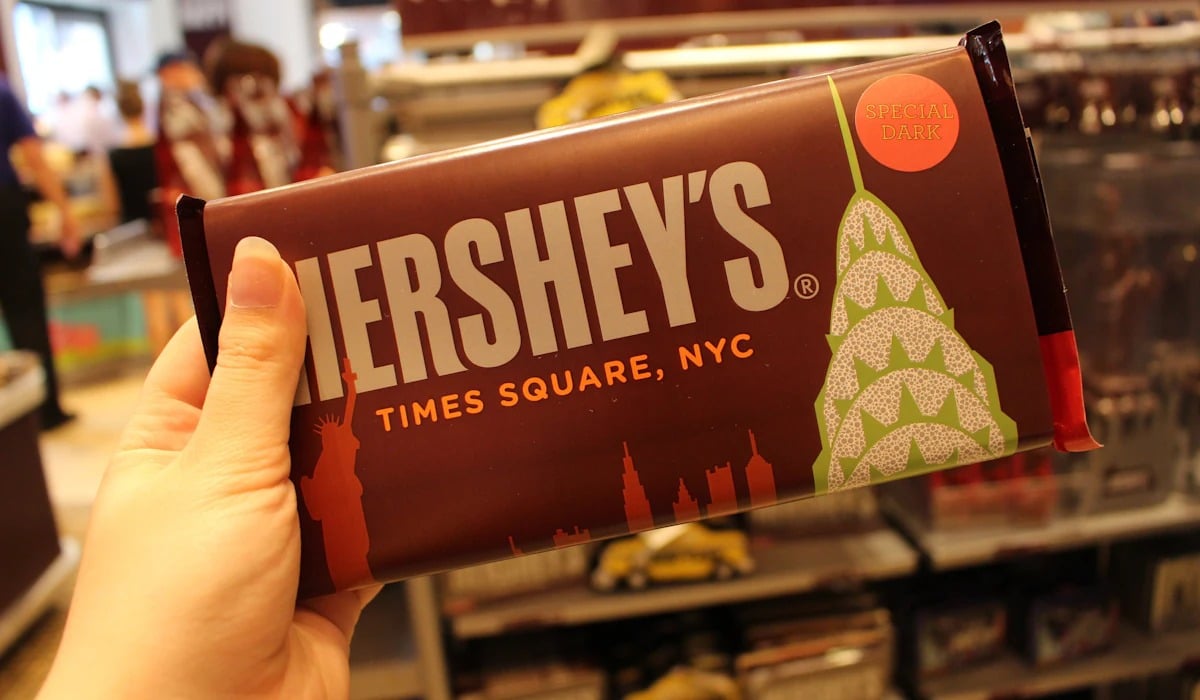
Hershey released Bar None in 1987 as a layered bar of chocolate wafers, chocolate filling and chopped peanuts, all coated in milk chocolate. The name played on the phrase for the best of all, and early advertising leaned into that bravado.
In the early 1990s Hershey reworked the recipe, adding caramel and splitting the product into two smaller bars in one wrapper. The changes did not save it, and the bar disappeared from shelves in the late 1990s.
Its mix of wafer and peanuts left a gap that fans say no current Hershey bar fills, which keeps it on nostalgia lists.
Nestle Alpine White With Almonds
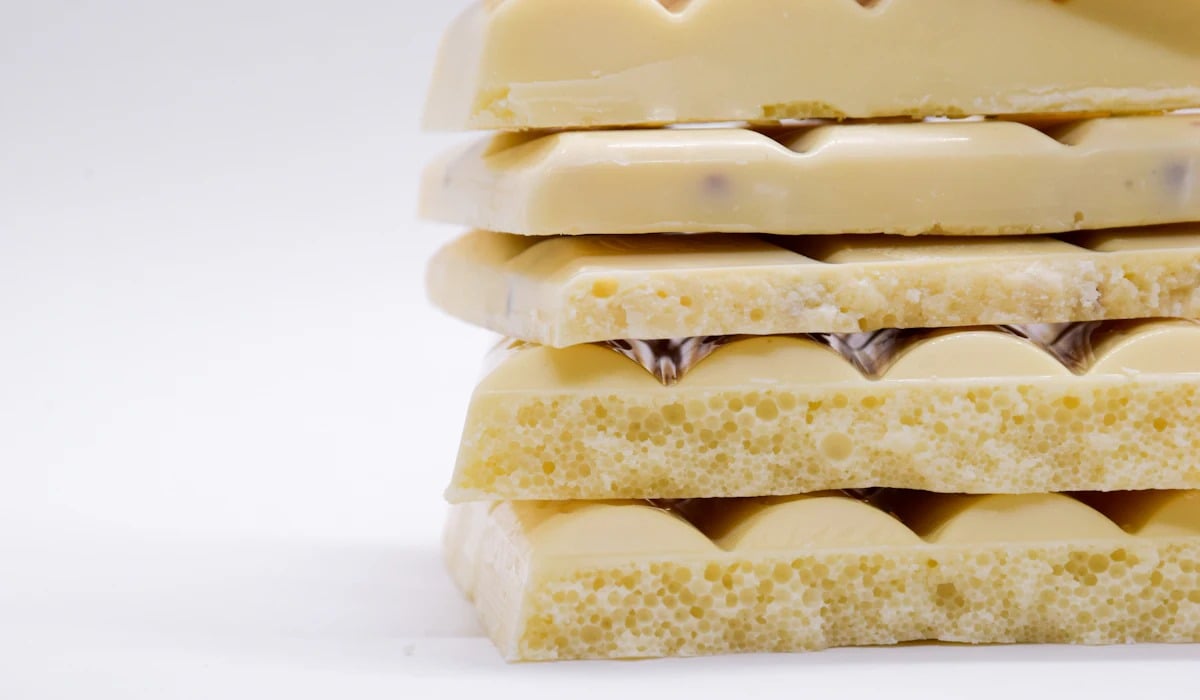
Alpine White arrived from Nestle in the mid-1980s as a white chocolate bar studded with almonds and sold in a pale, wintry wrapper. White chocolate was still a novelty in American candy aisles at the time, and the bar was pitched as something closer to a premium treat than a lunchbox staple.
The almonds gave the sweet white chocolate some welcome crunch. The bar quietly vanished in the 1990s, and Nestle never reintroduced it in the United States.
Nestle sold its U.S. candy business to Ferrero in 2018, so any revival would now depend on a different company entirely.
Hershey’s Kissables in Candy Shells
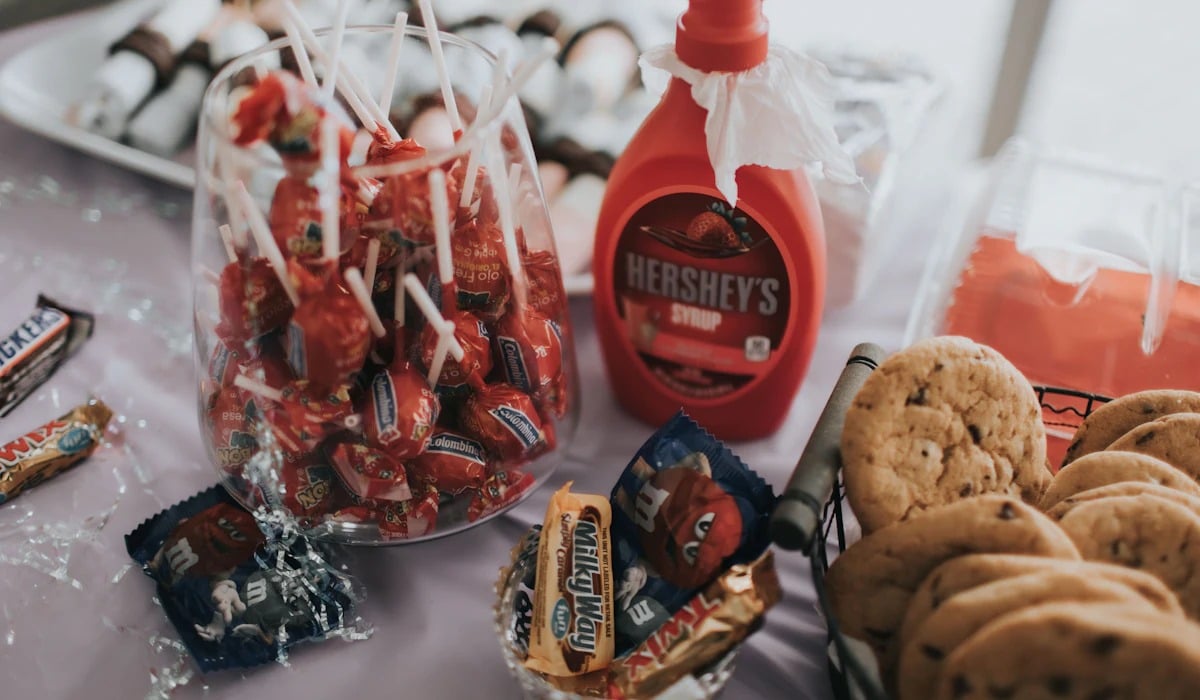
Hershey launched Kissables in 2005, shrinking its famous Kisses shape to a bite-size piece and wrapping it in a colorful candy shell. The format put them in direct competition with the candy-coated chocolates from Mars.
Around 2008 Hershey changed the recipe, and the label shifted from milk chocolate to chocolate candy, a switch that drew complaints from fans who noticed the difference. The original product disappeared soon after.
A later revival under the same name also failed to stick, so the tiny colored Kisses remain a memory for most shoppers.
Fruit Stripe Gum and Its Zebra Mascot
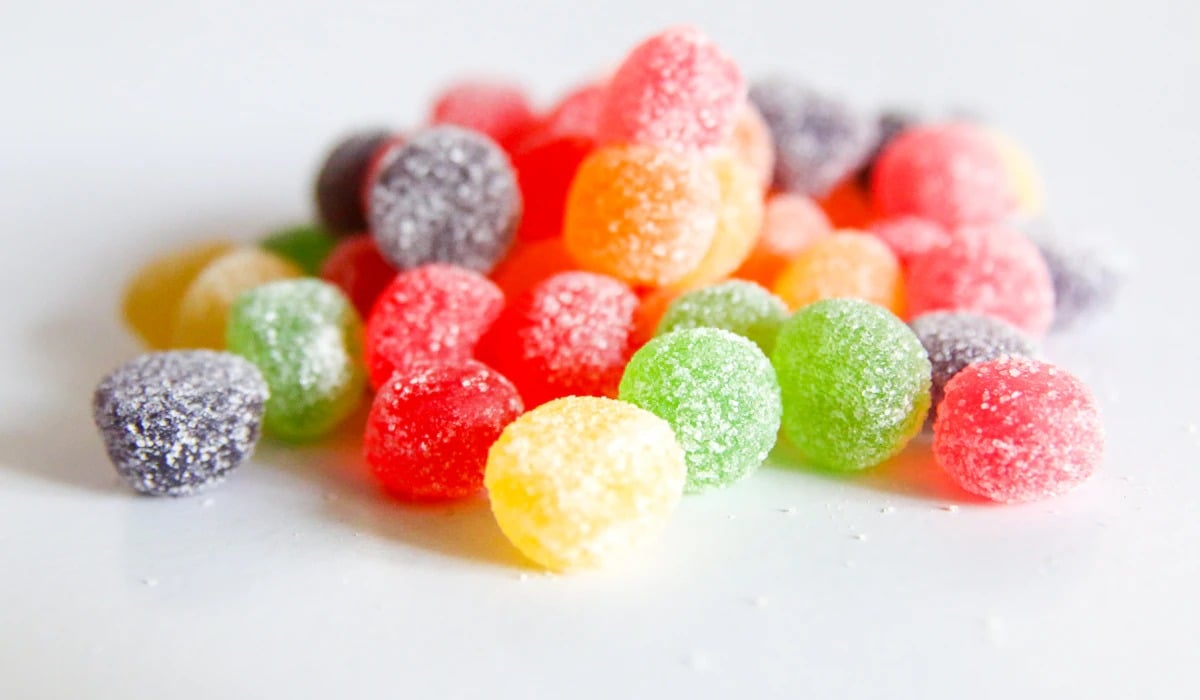
Fruit Stripe gum spent more than 50 years in American stores before Ferrara confirmed in January 2024 that it had been discontinued. The gum came in brightly striped sticks, and its wrappers carried temporary tattoos featuring Yipes, the zebra mascot.
The flavor was intense for a few chews and then faded fast, a quirk that became the gum’s running joke. Fruit Stripe dates to the 1960s, when Beech-Nut made it, and it changed hands several times before landing at Ferrara.
For many kids, the tattoo on the wrapper mattered more than the gum inside.
Mars Almond Bar of the American Aisle
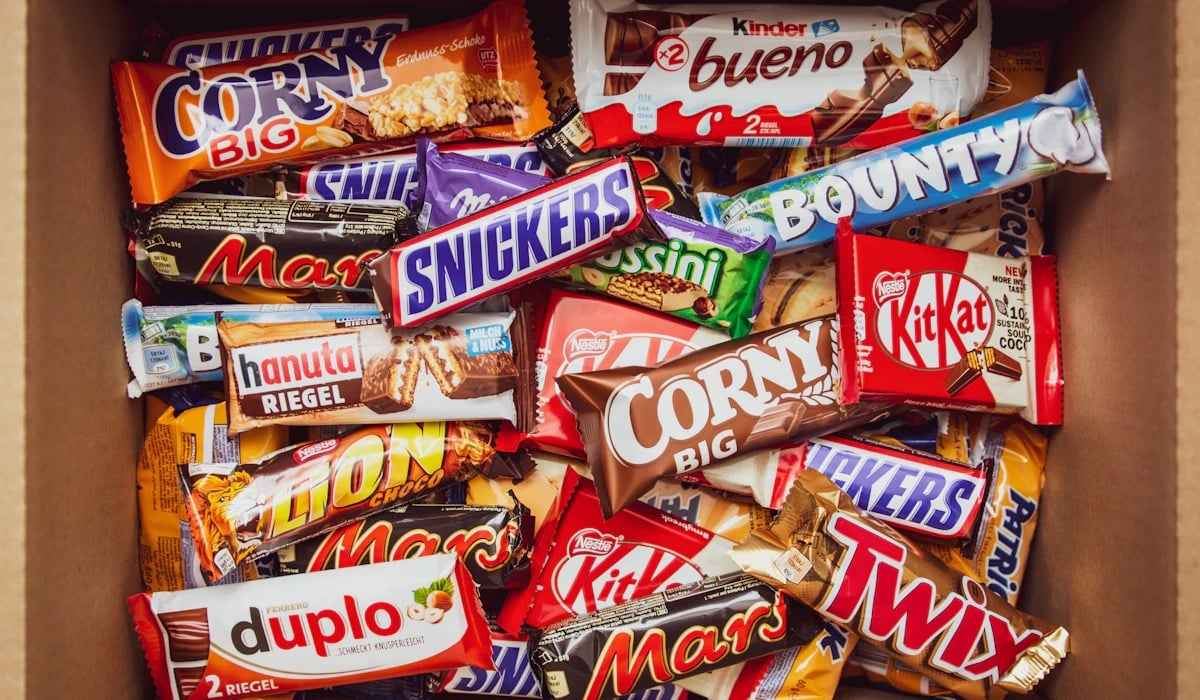
In the United States, the Mars bar was a different candy from the British one, made with nougat and toasted almonds under milk chocolate. It dated to the 1930s, when it was sold as the Mars Almond Bar.
Mars retired it in 2002 and replaced it with Snickers Almond, which kept the nut but added caramel. The original has resurfaced only briefly since then, including a limited run from Ethel M Chocolates, a Mars-owned chocolatier in Nevada.
For many older candy fans, the almond version remains the one they picture whenever the Mars name comes up.
Forever Yours and Its Dark Chocolate Coat

Forever Yours was a Mars bar of vanilla nougat and caramel wrapped in dark chocolate, essentially a darker cousin of the Milky Way. Mars discontinued it in 1979, and the decision prompted a steady stream of letters from fans who wanted it back.
A decade later, in 1989, Mars returned the recipe to stores under the name Milky Way Dark. That bar was later renamed Milky Way Midnight, so the candy technically survives even though the original name and wrapper do not.
Ethel M Chocolates later offered a limited Forever Yours revival for longtime admirers.
Wonka Oompas From the Candy Factory Era
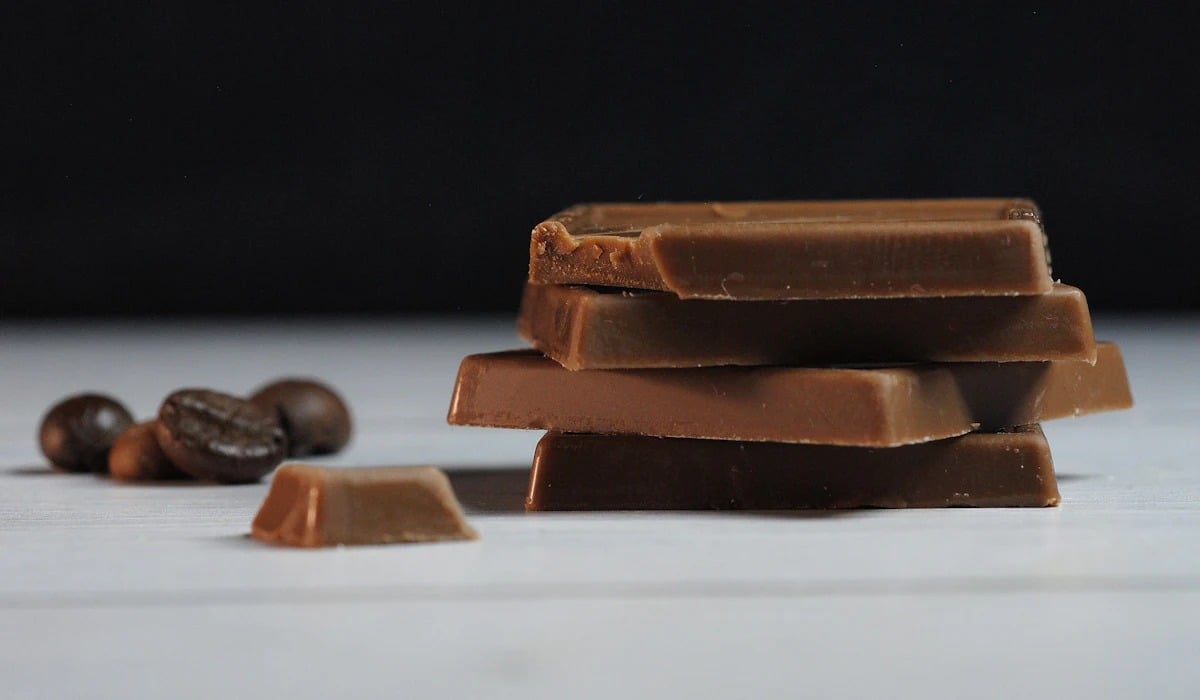
Oompas took their name from the Oompa-Loompas of the 1971 film Willy Wonka and the Chocolate Factory, and they were sold under the Wonka candy brand during the 1970s and 1980s. The small candy-coated pieces came in colorful packaging aimed squarely at kids who had seen the movie.
Recipes and packaging shifted over the years as the Wonka brand passed between owners. The candy eventually faded from shelves without much notice.
Its fate shows how quickly a movie-inspired candy can vanish once the company behind it moves on to newer ideas.
Wacky Wafers in Fruit Flavors
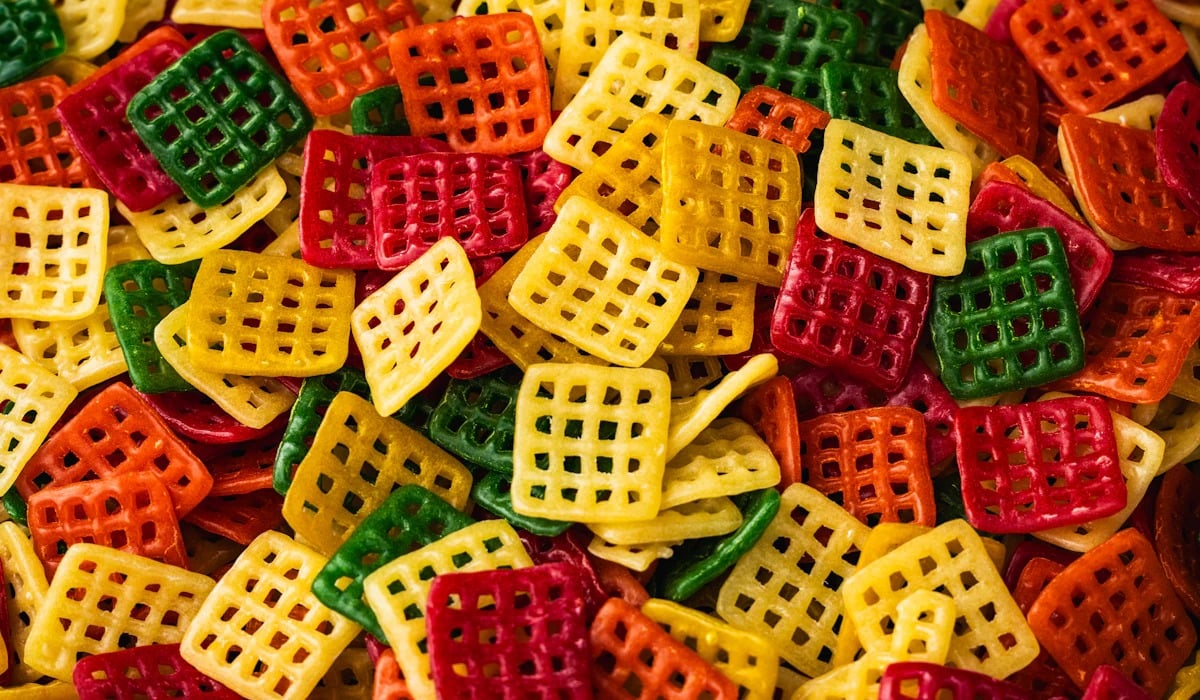
Wonka sold Wacky Wafers in the 1970s, small fruit-flavored discs with a chalky snap similar to other candy wafers of the era. The packaging leaned on goofy cartoon humor, matching the playful tone of the Wonka brand at the time.
The candy faded from stores in the following years and became one of those names that adults half remembered from childhood. That memory proved valuable, because Leaf Brands relaunched Wacky Wafers in 2018, citing demand from fans who had never stopped asking.
The revival made it one of the rare discontinued candies to get a second life.
Dweebs and Their Goofy Faces
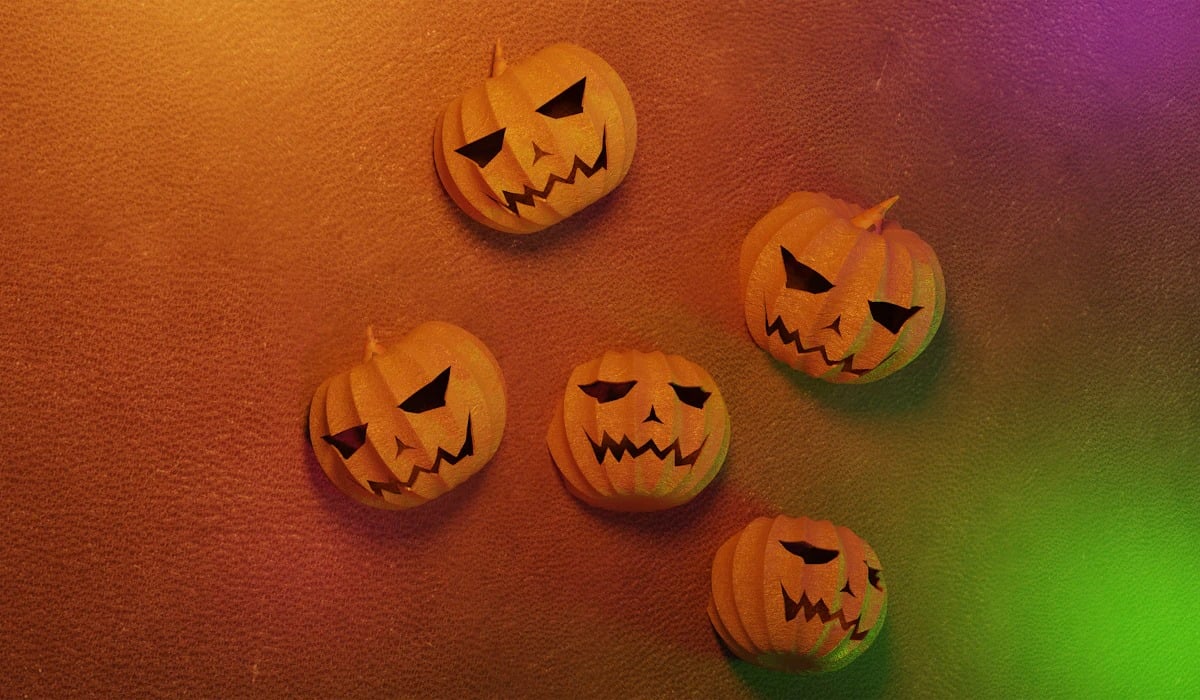
Dweebs belonged to the 1990s Wonka lineup, a chewy fruit candy sold in small boxes that suited Halloween bags and checkout lanes. The name borrowed a popular insult of the decade and turned it into a brand built on silliness.
The pieces were bright and sugary, and the packaging carried cartoon faces that matched the name. Dweebs never reached the staying power of Nerds or Runts, two other Wonka candies of the same family.
Its wrappers are now preserved by online candy wrapper archives, which is about the only place the name still appears.
Kudos Granola Bars With Candy Pieces
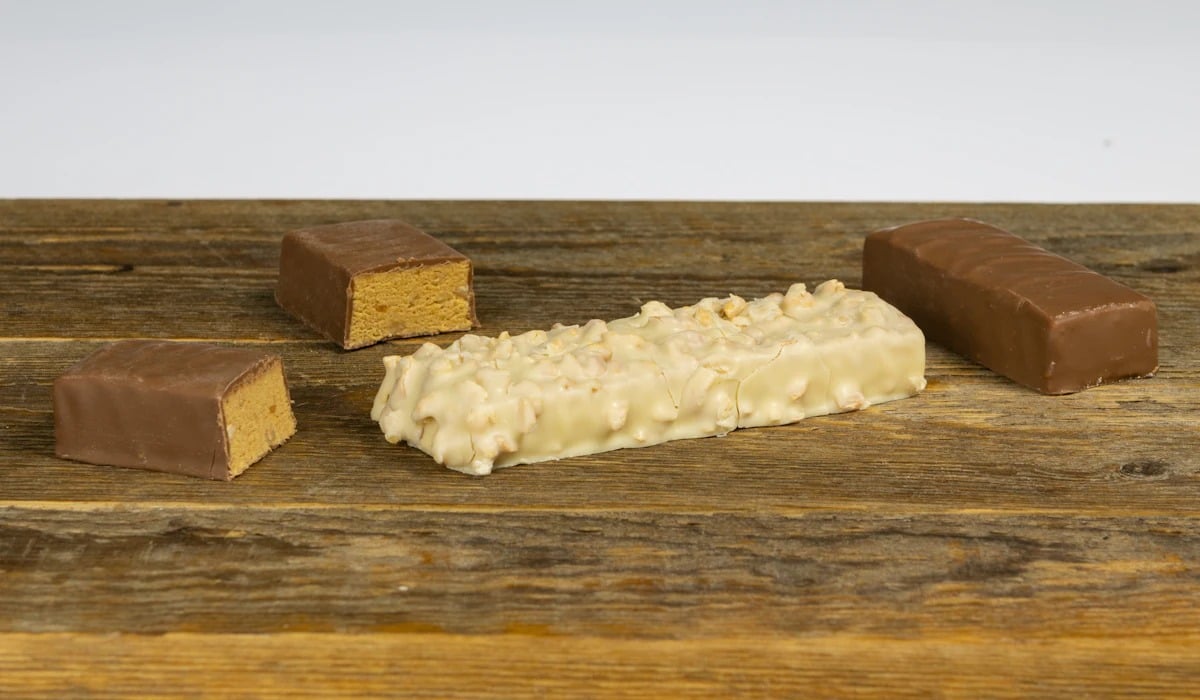
Kudos arrived from Mars in 1986 as a granola bar dipped in chocolate and studded with pieces of familiar Mars candies. The bars were marketed as a lunchbox option for kids, even though the chocolate coating and candy pieces put them closer to dessert.
Over the years the lineup included versions with Snickers and with the company’s candy-coated chocolates. Mars discontinued Kudos in 2017 after more than three decades on shelves.
Fans who grew up with them often point out that the bars sat in the cereal aisle, a clever bit of placement that made candy feel like breakfast.
Seven Up Bar With Seven Fillings
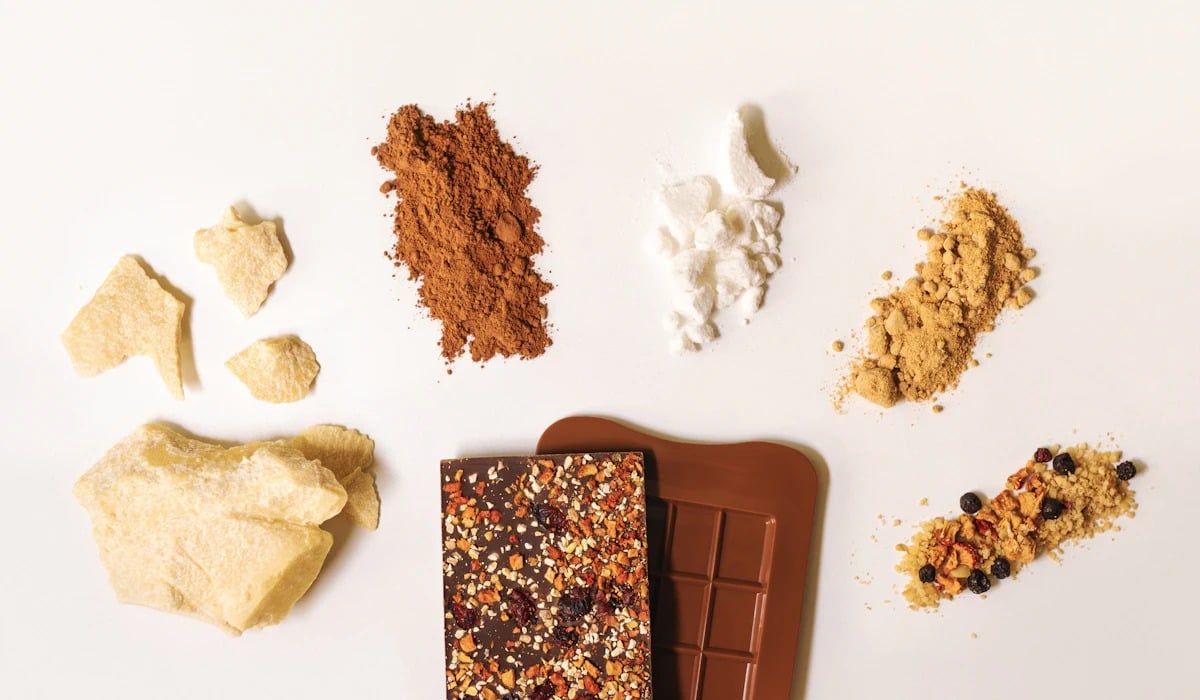
The Seven Up candy bar came out of St. Paul, Minnesota, and it was divided into seven connected pieces, each with a different filling.
Biting through the bar meant moving through flavors like caramel, coconut and fudge in a single wrapper. The bar was later made by Pearson’s, the St.
Paul company also known for the Nut Goodie and Salted Nut Roll. Production ended in the late 1970s.
Its name had nothing to do with the soft drink, but the overlap has caused decades of confusion among people trying to look it up.
Summit Bar and Its Peanut Wafers
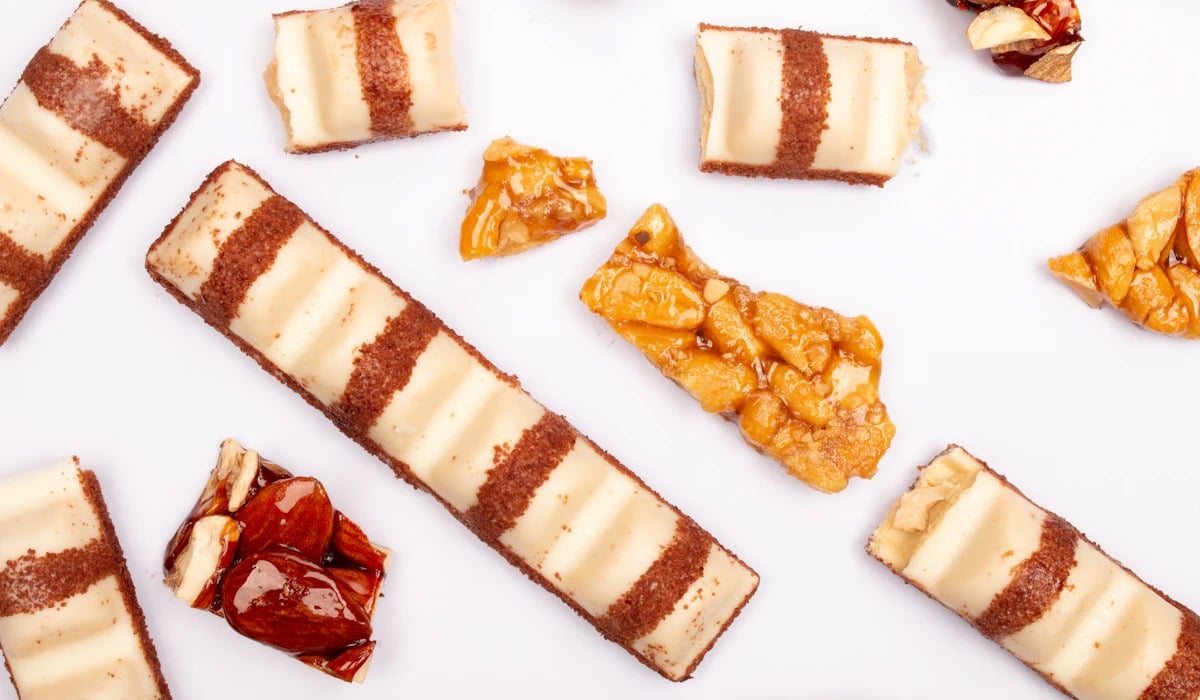
Sold by Mars in the 1980s, the Summit bar was a pair of wafer sticks topped with peanuts and coated in milk chocolate. The bar competed directly with Kit Kat, which made a crowded corner of the candy aisle even more crowded.
The peanuts set it apart, giving the bar a saltier finish than most wafer candies. Summit never built a strong following, and Mars pulled it by the end of the decade.
Its brief life makes it one of the harder candies to remember accurately, and fans often confuse it with Bar None.
Nestle Triple Decker in Three Chocolates
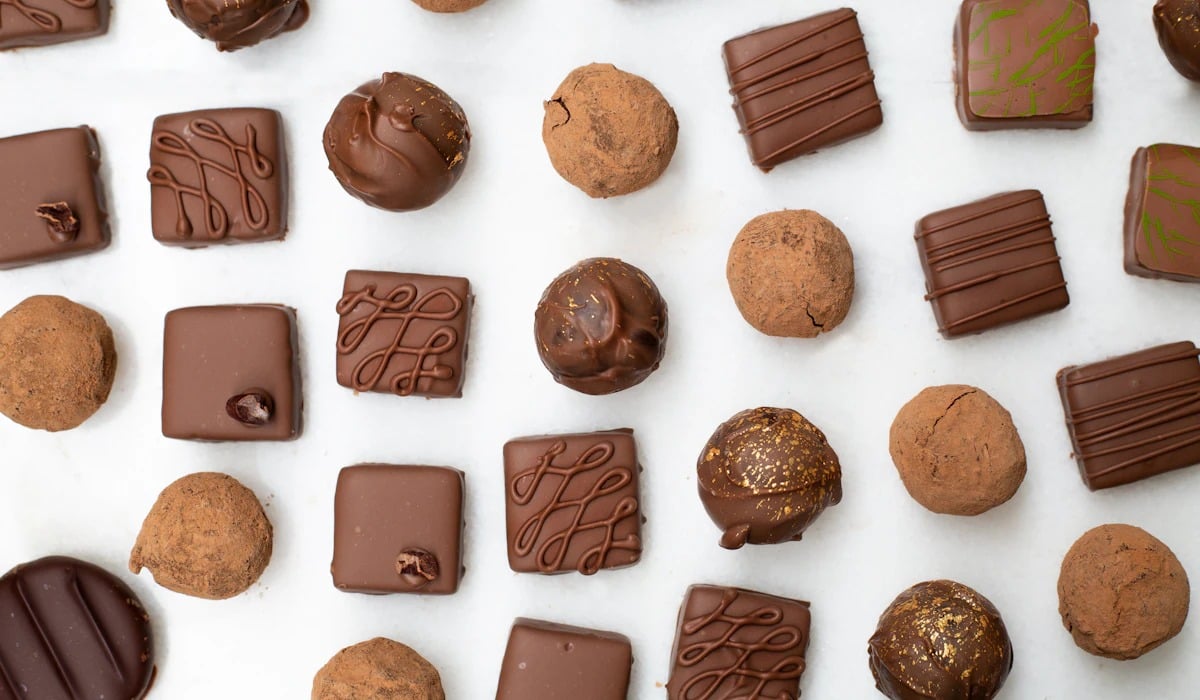
Nestle released the Triple Decker bar in the 1990s, stacking three layers of chocolate in a single bar. Milk chocolate, white chocolate and dark chocolate sat on top of one another, so every bite combined all three.
The bar looked impressive in cross section and was easy to spot on a shelf. It lasted only a short time before Nestle dropped it, and no other major brand has offered quite the same layered format since.
Fans who remember it usually describe the white chocolate middle as the reason they bought it.
Original Three-Piece 3 Musketeers Bar
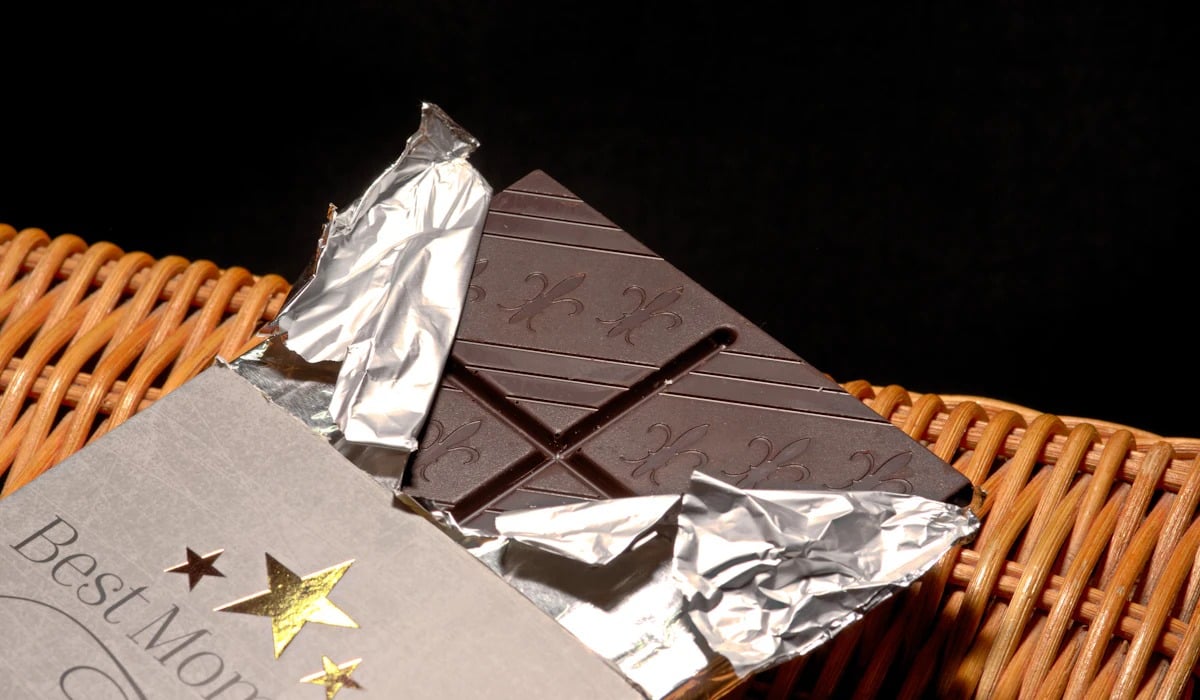
When Mars introduced 3 Musketeers in 1932, the name made literal sense. Each package held three separate pieces, one chocolate, one vanilla and one strawberry nougat, all covered in chocolate.
Wartime shortages and rising costs in the 1940s pushed Mars to simplify, and the bar became a single chocolate nougat piece. The three-flavor version has been gone for about 80 years, yet the name still hints at it.
Most people who buy a 3 Musketeers today have no idea the title once referred to three different candies sharing a wrapper.
Crispy Candy-Coated Chocolates From Mars
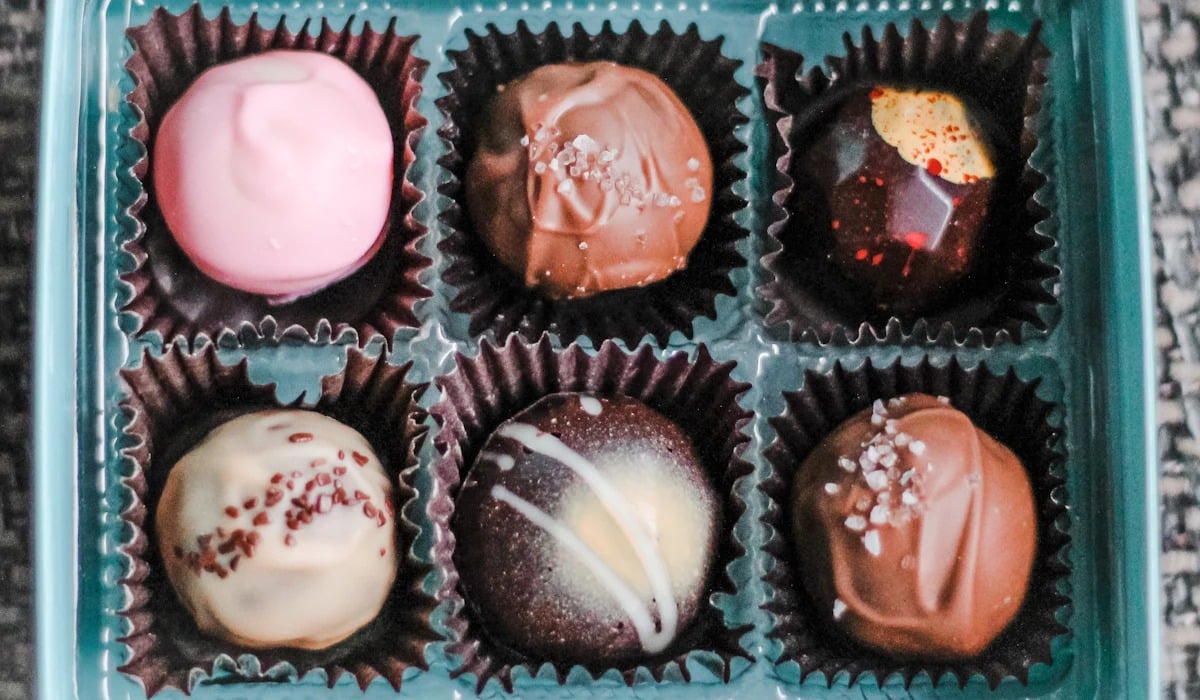
In 1999, Mars launched the crispy version of its candy-coated chocolates, putting a crisped rice center inside the familiar colored shell. The pieces were larger and lighter than the plain version, and they became a favorite in mixed Halloween bags.
Mars discontinued them in 2005, and fans spent a decade asking for their return. The company brought them back in 2015, making this one of the few cases where an online campaign appeared to work.
The ten-year gap still lands them on lists of candies that vanished, even though they are sold again today.
Necco Wafers During the Factory Shutdown
Necco Wafers disappeared from stores in 2018 when the New England Confectionery Company closed its plant in Revere, Massachusetts. The thin, pastel discs had been a fixture of penny candy counters and Halloween bowls for generations, and their sudden absence triggered panic buying online.
Spangler Candy of Bryan, Ohio, bought the brand and restored production in 2020 after rebuilding the manufacturing process. The two-year gap reminded fans that even a very old candy can vanish overnight.
Opinions on Necco Wafers were always divided, but plenty of people discovered they missed them.
Clark Bar After the Necco Closure
The Clark bar dates to 1917, when David L. Clark of Pittsburgh developed a crispy peanut butter center coated in milk chocolate.
The bar passed through several owners and ended up with the New England Confectionery Company, so it vanished when that company closed in 2018. For a stretch, a candy that had been sold for more than a century simply could not be found.
Boyer Candy Company of Altoona, Pennsylvania, acquired the brand and brought it back in 2019. The return kept the bar close to its western Pennsylvania roots.
Space Dust and the Popping Candy Panic
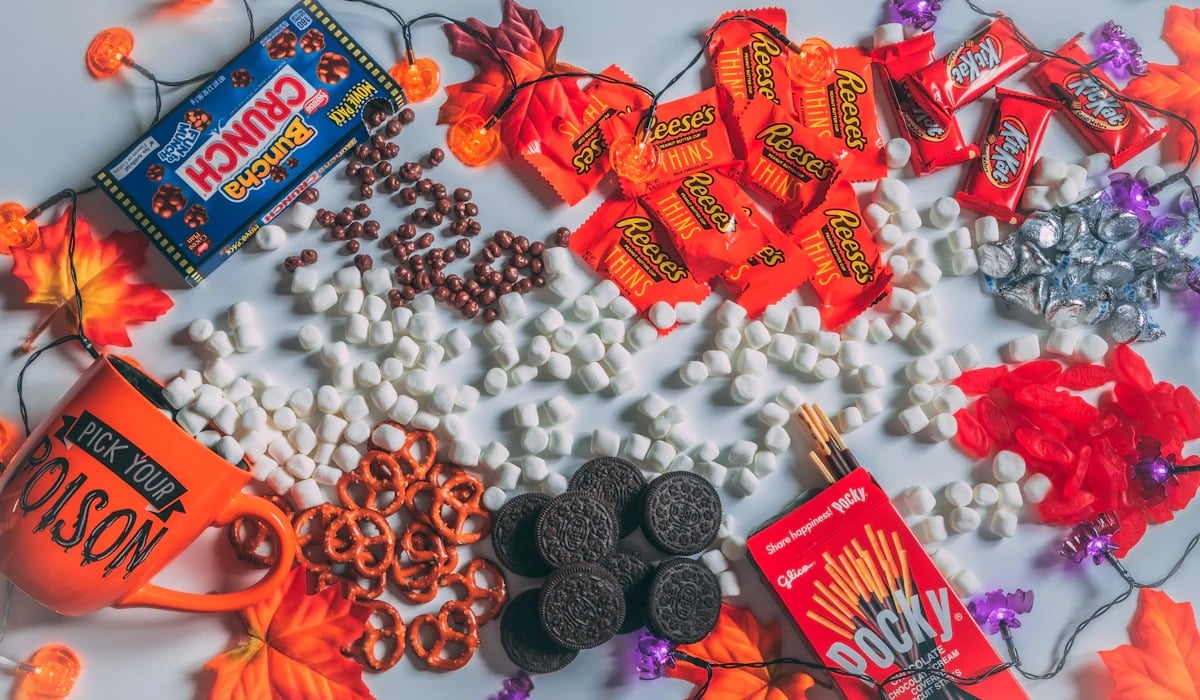
Space Dust was the powdered relative of Pop Rocks, sold by General Foods in the 1970s. Like its rock-shaped cousin, it crackled on the tongue thanks to carbon dioxide trapped in the candy during production.
The popping sensation fueled a playground rumor that mixing the candy with soda could make a stomach explode, and General Foods spent real money trying to debunk it. Sales suffered under the cloud of rumors, and General Foods stopped making its popping candies in the early 1980s.
Pop Rocks later returned under new owners, but Space Dust never regained its place.
Bonkers Fruit Chews and Their Ads
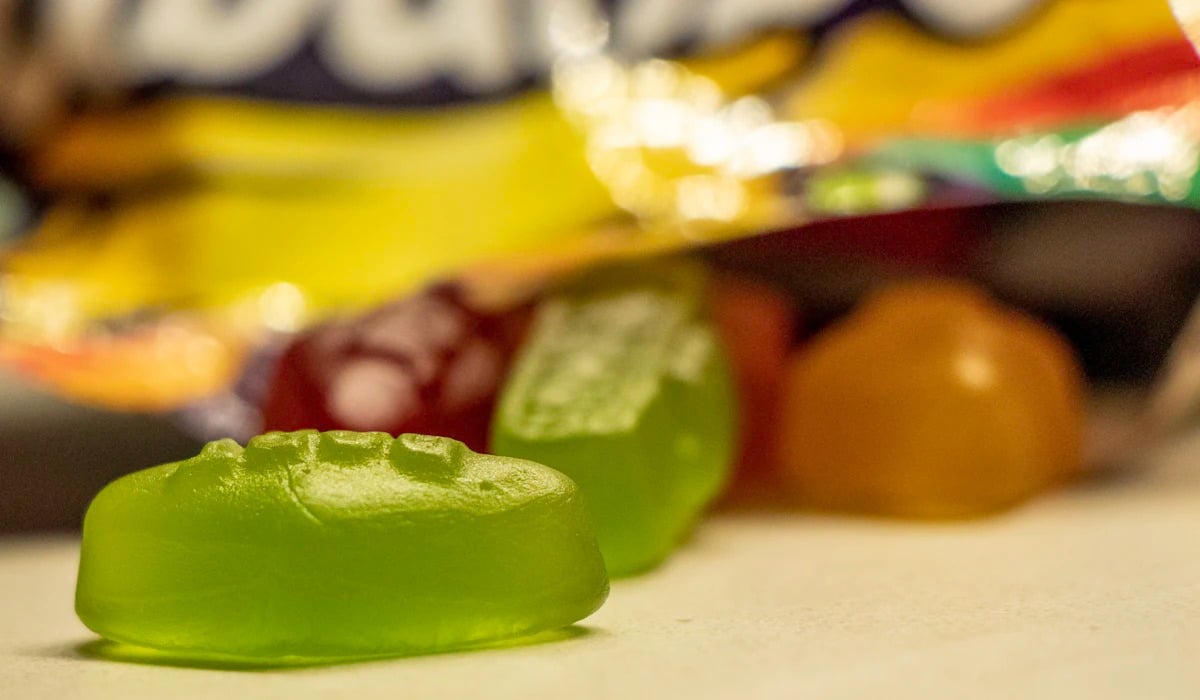
Nabisco introduced Bonkers fruit chews in the mid-1980s, and the candy became famous for its television ads. In the commercials, giant pieces of fruit dropped onto unsuspecting people, making the brand impossible to forget even for kids who rarely ate it.
Each square had a fruity outer layer with a softer center. Bonkers disappeared from shelves in the 1990s as Nabisco moved away from candy.
A smaller company later revived the name, but the original version and its slapstick advertising remain tied to a specific decade.
Wonka Exceptionals Bars
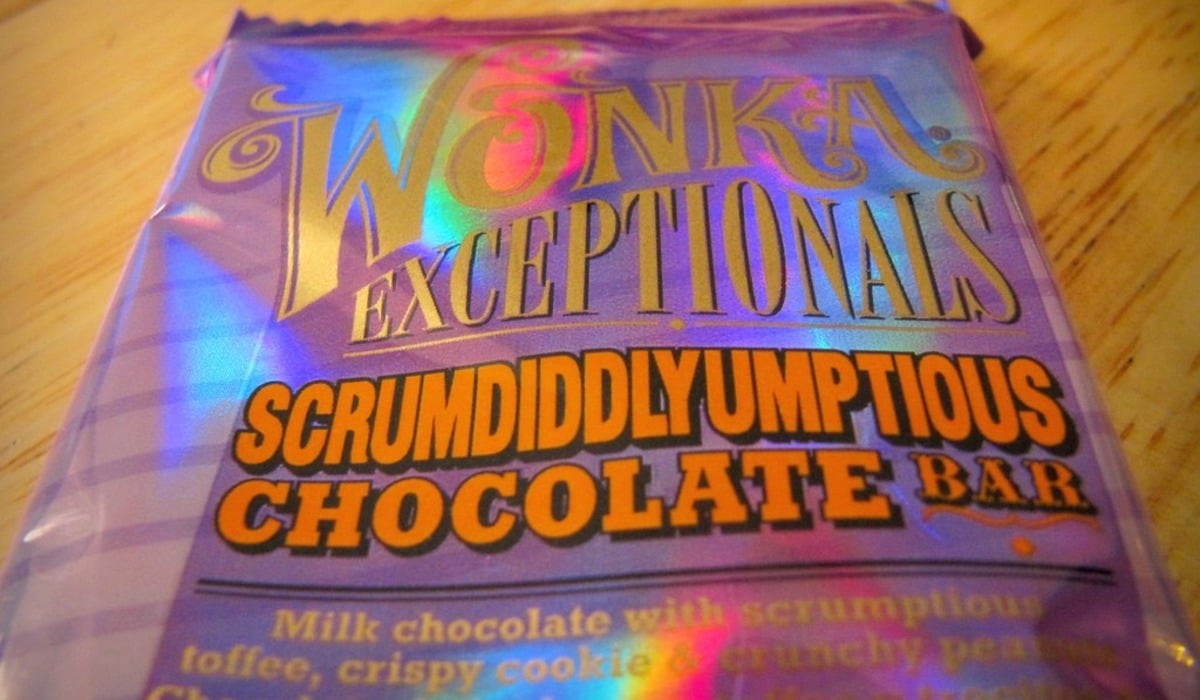
In 2005, Nestle launched the Wonka Exceptionals line, timed to the release of the film Charlie and the Chocolate Factory that same summer. The premium chocolate bars came in elaborate packaging and leaned into the whimsy of the story, with flavors and wrappers designed to feel like factory inventions.
The line aimed at adults as much as children, a shift from the brand’s usual kid focus. Sales did not justify the effort, and Nestle discontinued the Exceptionals around 2010.
The bars remain the closest thing to a real Wonka chocolate bar that most American shoppers ever saw.
Milky Way II and Its Lighter Recipe
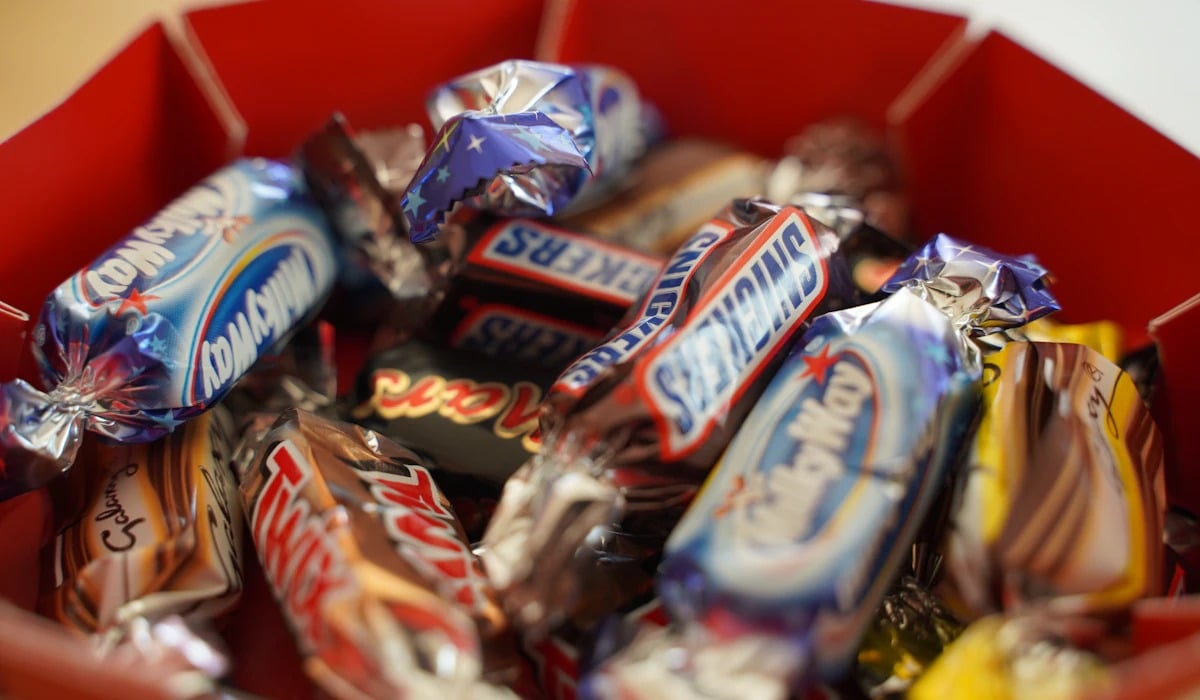
Mars introduced Milky Way II in the late 1980s as a lighter take on its classic bar, with fewer calories than the original. The candy arrived during a broader push toward diet and reduced-calorie foods in American supermarkets.
The lighter recipe never matched the appeal of the full version, and shoppers who wanted candy mostly reached for the real thing. Mars dropped the product after only a few years.
Its short life helped show candy makers that a lighter Halloween treat was a harder sell than a lighter soda.
Altoids Sours in Round Tins
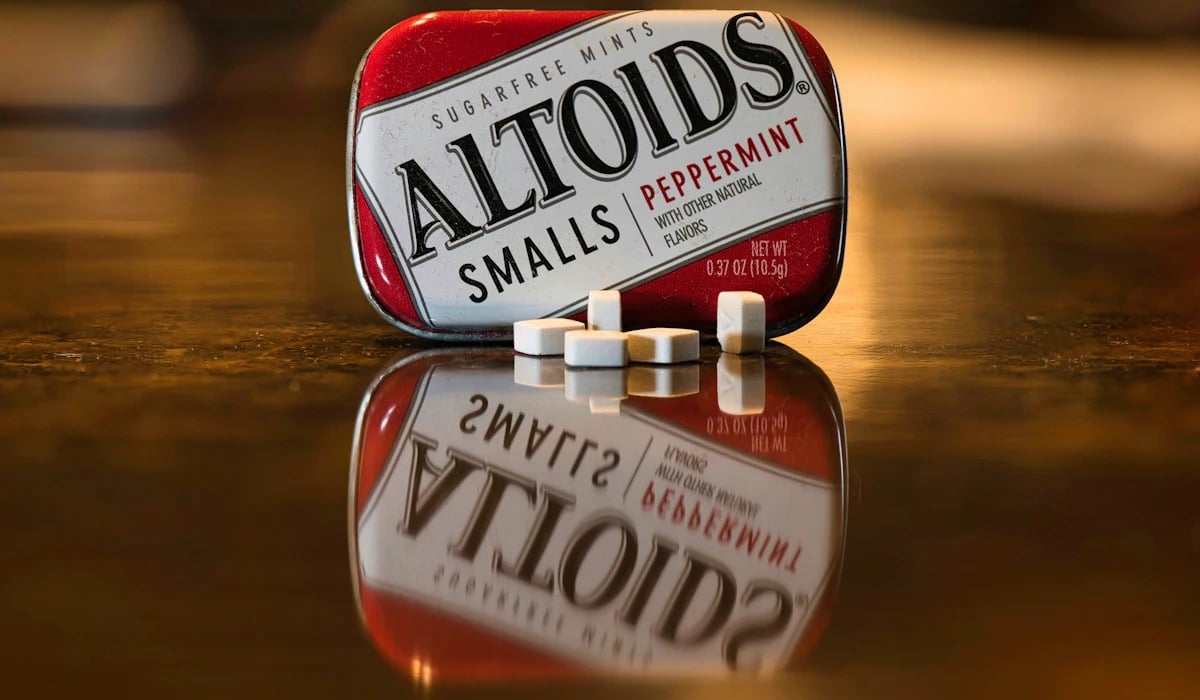
Altoids Sours arrived in the mid-2000s as a sour fruit candy sold in small round tins, a departure from the brand’s famous rectangular mint boxes. Flavors included tangerine, raspberry and mango, and the candies had a sugar-dusted bite that balanced sweet and sour.
The tins were sturdy and colorful, and crafters reused them long after the candy was gone. The Altoids owner discontinued the line in 2010, which sent prices for leftover tins climbing on resale sites.
For a few years the empty containers were easier to find than the candy that came in them.
Wrappers Remember What Shelves Forget
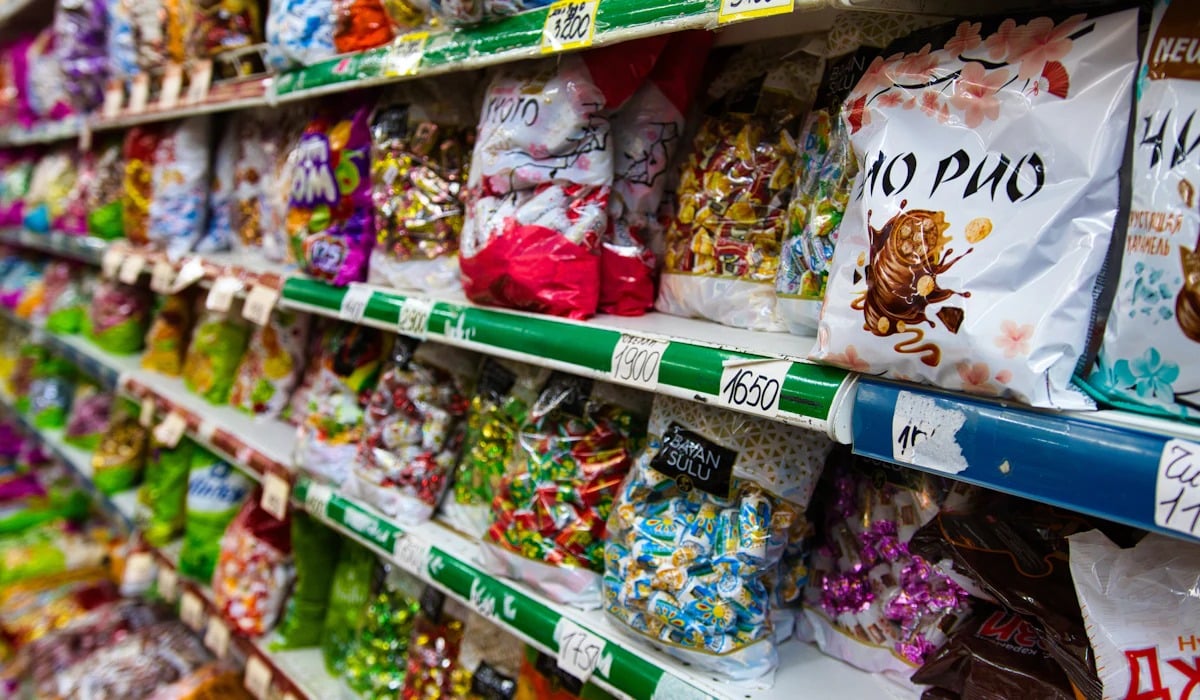
Candy disappears for ordinary reasons. Sales slip, factories close, recipes get cheaper and new owners clean house.
None of that registers with a child sorting a pillowcase of loot on the living room floor.
That gap explains why these candies keep returning in conversation long after the last box shipped. The wrapper and the flavor stay linked to a particular Halloween, a particular street and a particular age.
When a company retires a candy, it also retires a small piece of somebody’s childhood, and fans rarely let that go without a fight.
MORE FROM GO2TUTORS!

- The Romanov Crown Jewels and Their Tragic Fate
- 13 Historical Mysteries That Science Still Can’t Solve
- Famous Hoaxes That Fooled the World for Years
- 15 Child Stars with Tragic Adult Lives
- 16 Famous Jewelry Pieces in History
Like Go2Tutors’s content? Follow us on MSN.