Summer Jobs Teens Had Decades Ago
Ask anyone over fifty about their first job and watch their face change. The story usually starts with a bicycle, a uniform that never fit, or a boss who barked instructions and then disappeared for the afternoon.
Those jobs paid very little. They also taught more than most school subjects ever did.
In the northern hemisphere, summer meant June to August. In South Africa, the long break landed over December and January, when schools closed, the shops filled with holiday crowds and every teenager with a pulse wanted pocket money for the coast.
The work looked different depending on where you grew up. The lessons stayed the same.
Plenty of those jobs have vanished. Machines took some.
Television, the internet and the smartphone took others. A few survived but changed so much that the old version would be unrecognisable to a teenager today.
Here are twenty of them, with what the work involved, roughly when it thrived and what finally pushed it aside. If you did any of these, you already know the feeling of earning your first wages.
If you didn’t, you’re about to meet the jobs that shaped a few generations.
1. The Paper Route
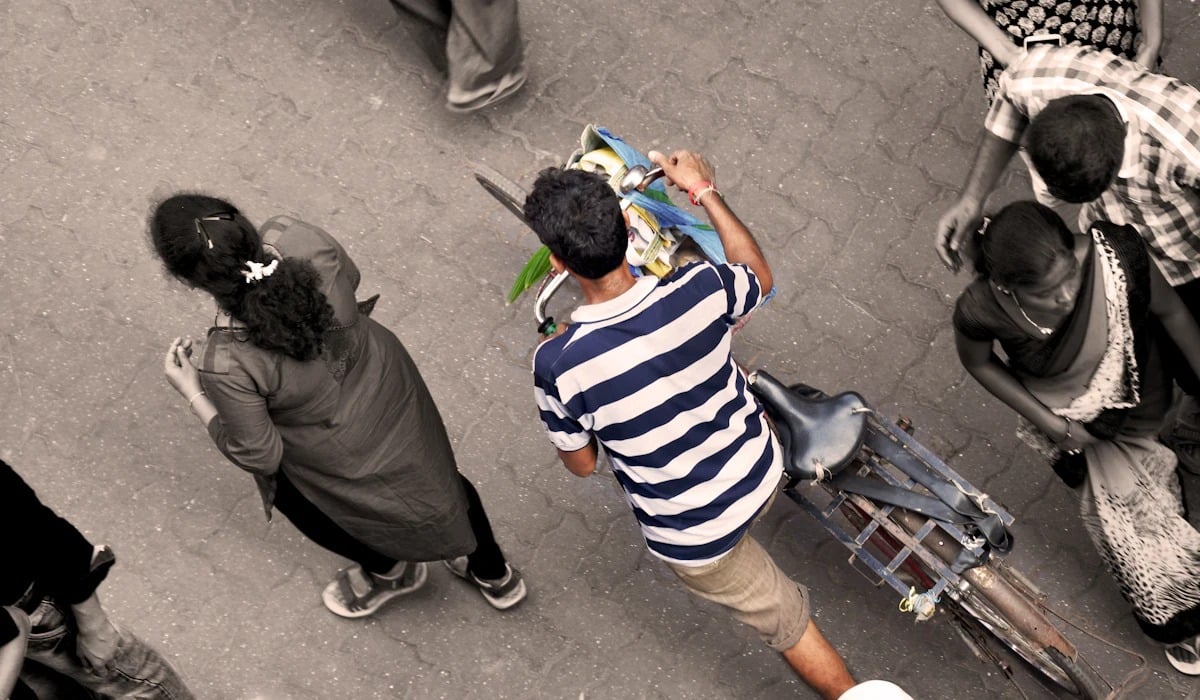
Before sunrise, a kid on a bicycle with a canvas bag slung across the handlebars was as reliable as the milk. Paperboys and papergirls folded each newspaper, sometimes wrapped it in a rubber band, and flung it onto porches and driveways along a set route.
The job had more to it than throwing. Many carriers also collected subscription money door to door, which meant knocking on the same house three weeks running because the owner kept saying “come back Friday.”
You learned bookkeeping, patience and how to talk to adults who didn’t want to pay you.
The route peaked from the 1930s through the 1970s. As afternoon papers folded and morning circulation dropped, publishers switched to adult contractors with cars who could cover far more ground.
Then the internet cut the readership itself. A kid flinging papers from a bike now looks like a scene from an old film.
2. Soda Jerk

The soda fountain was the social centre of a small town. Behind a marble counter stood a teenager in a white paper hat, pulling taps, mixing syrups and building milkshakes, floats and sundaes to order.
The name came from the jerking motion used to pull the soda tap handle. Good soda jerks put on a show.
They flipped scoops, slid glasses down the counter and invented their own slang for orders. The job ran strongest from the 1920s into the 1950s, often inside a pharmacy.
What ended it? Bottled and canned soft drinks, fast-food chains and supermarkets that sold ice cream by the tub.
Once you could get a cold drink anywhere, nobody needed to sit at a counter for one. A few nostalgic diners keep the tradition going, mostly as theatre.
3. Bowling Alley Pinsetter
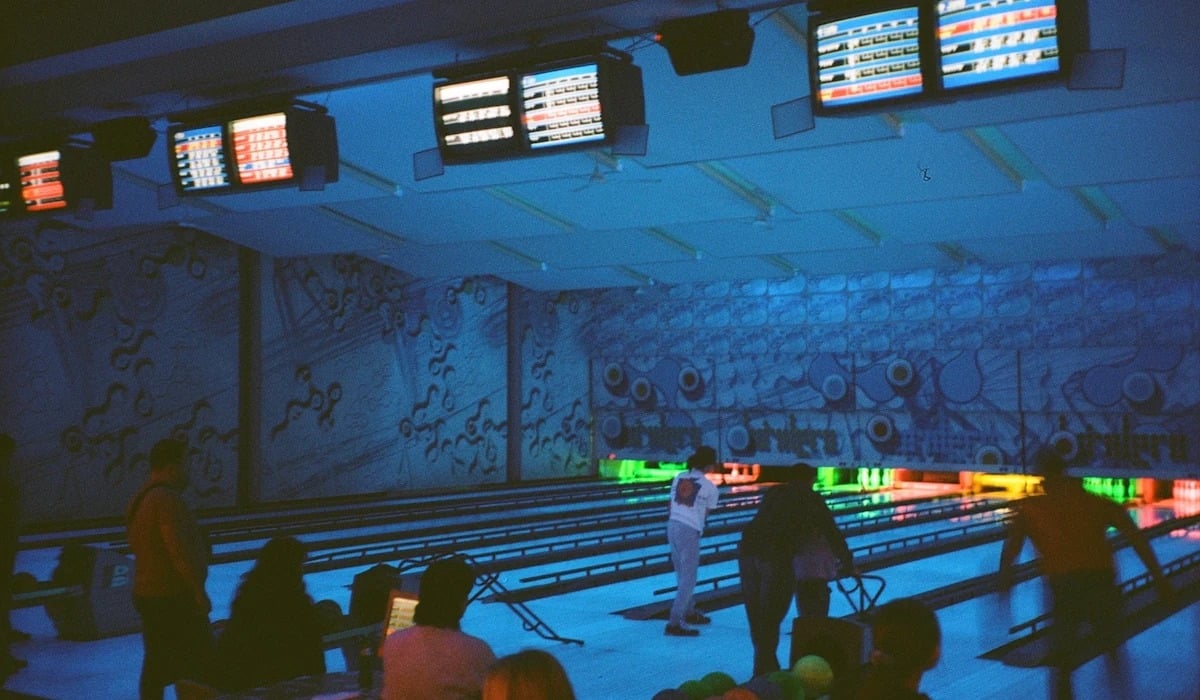
This one was hard, loud and genuinely risky. Before machines took over, a pinsetter (often called a pinboy) sat in a pit at the far end of the lane.
After each roll, he hopped down, cleared the fallen pins, returned the bowler’s heavy delivery along the track and reset all ten pins by hand.
You had to move fast and stay alert. Pins flew.
A careless bowler who rolled before you climbed back up could leave you with bruised shins or worse. Teenage boys did most of this work through the 1930s and 1940s, often late into the night.
The automatic pinsetter, which spread through alleys in the 1950s, made the job obsolete within about a decade. No one mourned the shin injuries.
But an entire rite of passage disappeared with them.
4. Drive-In Carhop

Pull into a drive-in restaurant in the 1950s and a carhop would walk, or roll on skates, straight to your window. You ordered without leaving your seat.
The carhop came back with a tray that clipped onto the half-open window and balanced burgers, chips and a shake for the whole car.
Teenagers loved the job because it put them right in the middle of the social scene. Friday nights meant packed lots, music on the radio and tips that sometimes beat the wages.
Roller skates added speed and a certain swagger, though plenty of trays ended up on the tarmac.
The drive-through window killed it. Once diners could order through a speaker and collect at a window, chains no longer needed staff running between cars.
The carhop survives in a handful of retro chains, but the bustling lot is mostly gone.
5. Movie Theatre Usher
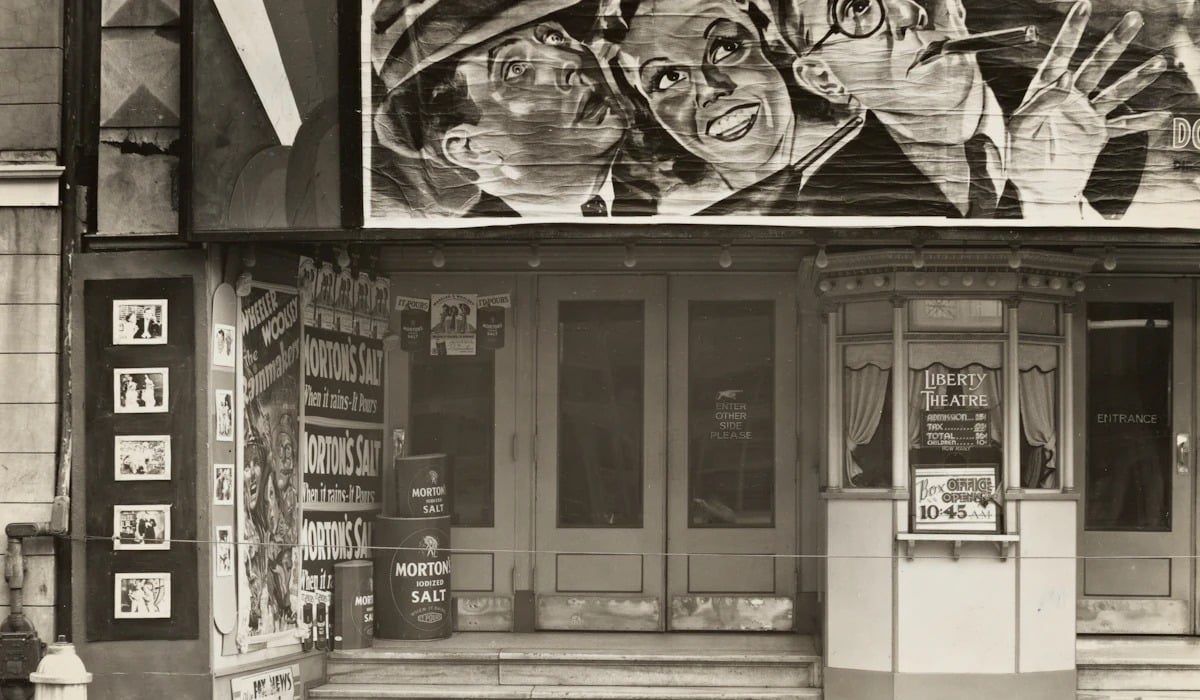
Ushers once wore proper uniforms, sometimes with brass buttons and a little cap. Their main tool was a torch.
You walked patrons down the dark aisle, found them a seat, and kept order during the film by shining that light on anyone talking too loudly.
The big picture palaces of the 1930s to 1950s employed whole teams of them. Teenagers liked the job for an obvious reason: you watched every film for free, often a dozen times.
You learned the dialogue by heart and grew to hate certain scenes.
Multiplexes with numbered seats, brighter aisle lighting and leaner staffing made ushers unnecessary. Today, one person tears tickets for eight screens and sweeps up between sessions.
The torch is long retired.
6. Full-Service Petrol Attendant
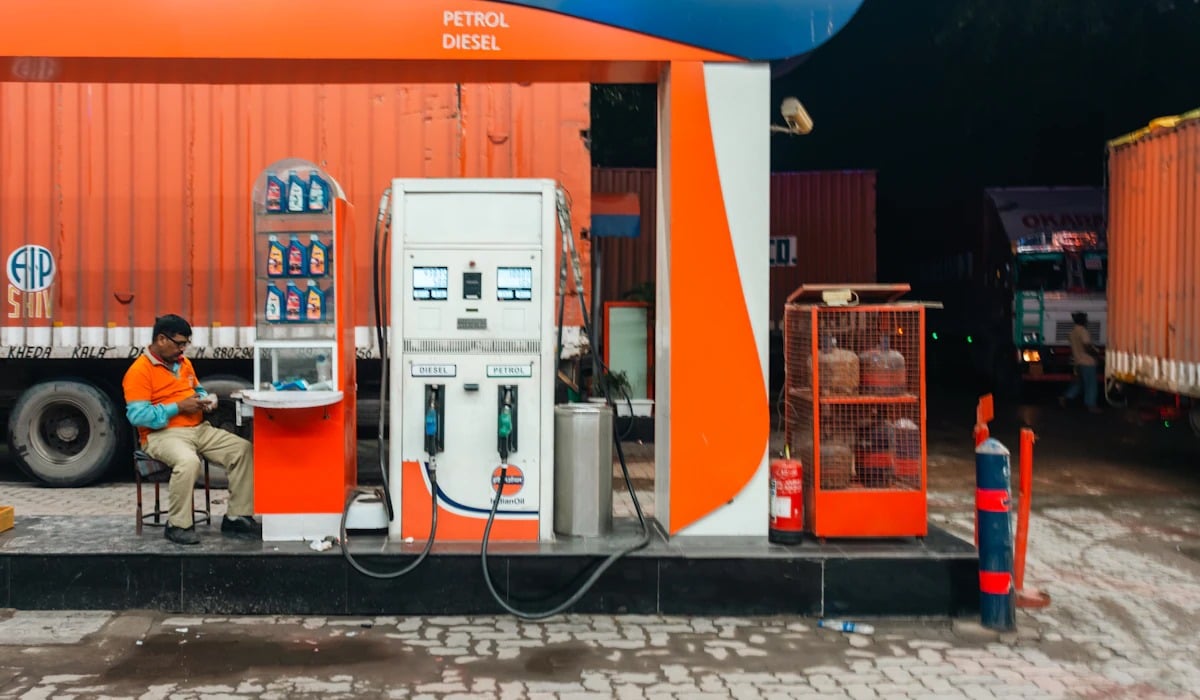
In most of the world, this job has nearly disappeared. In South Africa, it never left.
Drive into any SA forecourt and an attendant still fills your tank, checks your oil and water, and wipes your windscreen. Many countries switched to self-service decades ago.
In the United States and Europe, teenagers once did exactly this work at the corner garage. They pumped fuel, checked tyre pressure and sometimes changed a flat.
The job taught you basic mechanics and how to chat with strangers while doing three things at once.
The 1970s oil crises pushed many countries towards self-service to cut costs, and the change stuck. South Africa kept attendants, partly because the job supports a huge number of livelihoods.
So if you live here, you still see a living version of something that turned into a museum piece elsewhere. Next time you tip the attendant, remember you’re watching a job most of the world has forgotten.
7. Door-to-Door Encyclopedia Sales

Picture a teenager in a borrowed tie, standing on a doorstep with a sample volume and a brochure, trying to convince a tired parent that their child’s future depended on a twenty-volume set.
Encyclopedia sales thrived from the 1950s into the 1980s. Companies recruited young people, trained them in sales scripts and sent them out on commission.
Some teens earned well. Many earned almost nothing and quit after a fortnight of slammed doors.
The job did teach resilience. You learned to handle rejection a hundred times a day.
CD-ROM encyclopedias arrived in the 1990s, followed by the internet and free online reference sites. The leather-bound set on the family shelf turned into a decoration, and the doorstep pitch went with it.
8. Telegram Messenger
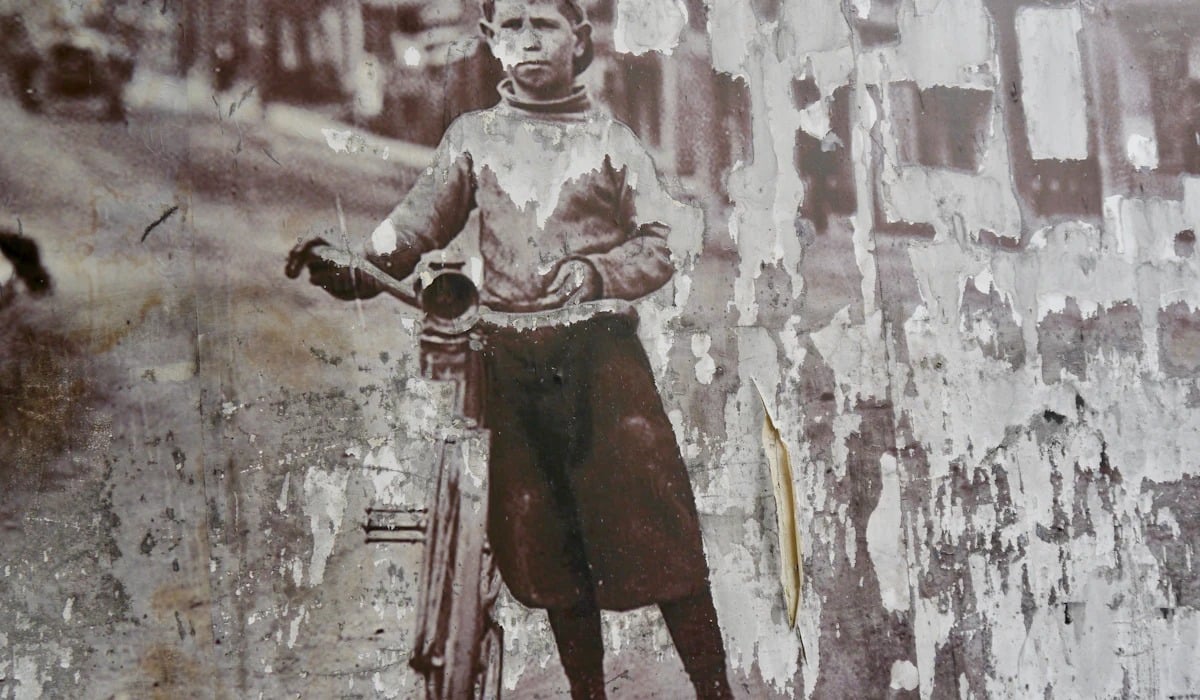
Before the telephone reached every house, urgent news travelled by telegram. Messenger boys, usually teenagers in uniform, cycled the printed message from the telegraph office straight to the recipient’s door.
That message carried weight. It announced births, deaths, exam results and wedding congratulations.
During wartime, families dreaded seeing a messenger turn into their street. In South Africa, the Post Office handled telegrams for generations, and they stayed in use for weddings and formal occasions long after phones became common.
Home telephones, then fax machines and email, emptied the job of purpose. Telegram services shut down country by country.
The uniformed boy on the bike now lives only in old photographs.
9. Milk Delivery Helper
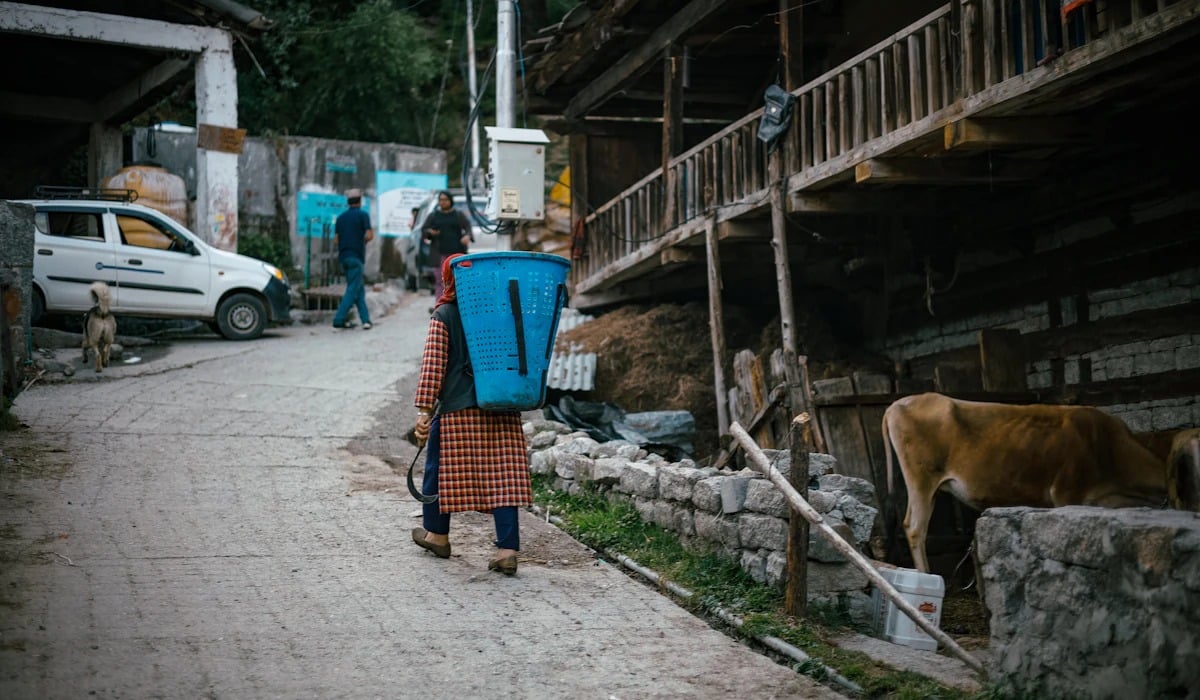
Milkmen started work in the dark. A teenager riding along as helper jumped off at each stop, left the right number of glass bottles on the doorstep and collected the empties, often with a note or coins tucked inside.
In South Africa, the milkman was a fixture in many suburbs through the middle of the twentieth century, and plenty of older readers remember the clink of bottles at dawn. The helper learned the route by heart and knew which houses wanted extra cream on a Sunday.
Home fridges, supermarkets and cartons that lasted longer on the shelf finished it off. Milk became something you bought with the groceries.
A few niche dairies have revived home delivery, but it’s a premium service now, not a teenager’s holiday job.
10. Switchboard and Answering Service Operator

Before direct dialling and voicemail, a real person connected your calls. Switchboard operators sat in front of panels full of jacks and cords, plugging lines together and saying “Hold, please” a thousand times a shift.
Many young women started their working lives this way. Hotels, hospitals and large offices all ran switchboards.
Answering services, which took messages for doctors and small businesses after hours, also hired teenagers for evening and holiday shifts.
You needed a clear voice, a good memory and steady hands. Automatic exchanges, then voicemail and mobile phones, removed the need for nearly all of it.
Today a recorded voice asks you to press one.
11. Typing Pool Temp

Offices once kept rows of typists who turned handwritten drafts and dictation into clean letters and reports. Over the school holidays, a teenager who could type fast found easy temporary work filling in for staff on leave.
The pressure was real. One typo near the bottom of a page meant retyping the whole thing, or reaching for correction fluid and hoping the boss didn’t notice.
Carbon paper made copies, and you smudged your fingers every day.
Word processors in the 1980s, then personal computers on every desk, turned everyone into their own typist. The pool dissolved.
Typing speed remains useful, of course, but nobody pays a teenager to do it for them any more.
12. Fotomat Booth Attendant
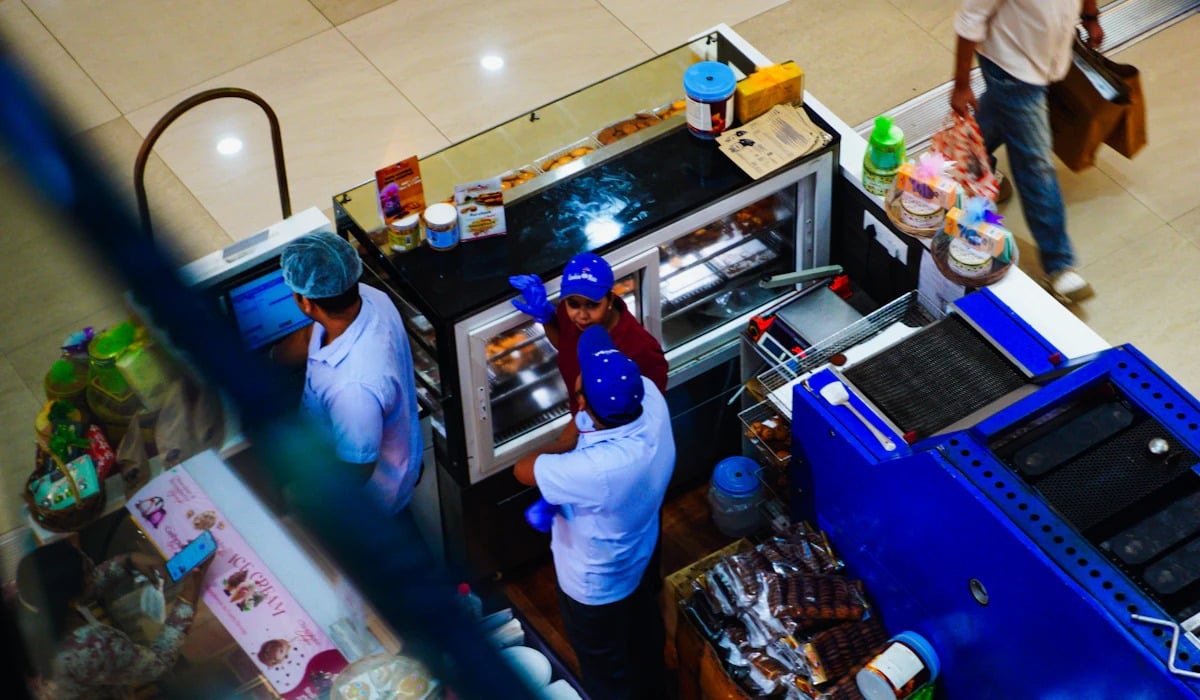
This one belongs mostly to American memory. Fotomat ran small drive-up kiosks with pointed yellow roofs in shopping centre car parks.
You handed over your film through a window and collected the prints a day or two later.
Each booth had a single attendant, often a teenager or young adult, sitting in a space barely bigger than a phone booth. The work was quiet, repetitive and lonely, but simple to learn.
The kiosks spread fast in the 1960s and 1970s.
One-hour photo labs inside supermarkets and pharmacies undercut them by the 1980s. Why wait two days when you could wait sixty minutes?
Then digital cameras ended the film business altogether.
13. Photo Lab Clerk
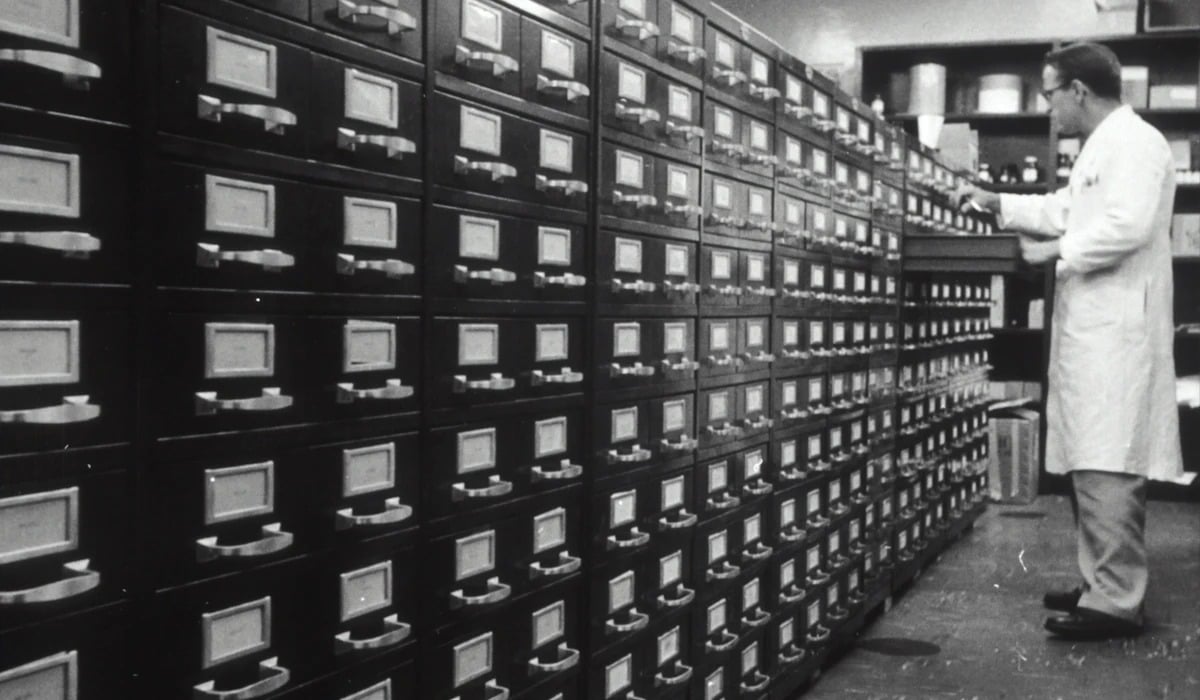
Film had to go somewhere. Through the 1980s and 1990s, the one-hour photo counter at the chemist or shopping centre needed staff to take orders, run the processing machine and hand over the envelopes of prints.
You saw everything. Holidays, birthday parties, school sports days, blurry shots of thumbs.
Clerks learned to keep a straight face and say nothing, because people trusted you with their private moments. In South Africa, these counters were a December rush job, when families came back from the coast with roll after roll of beach photos.
The work had a technical side too. You checked colour balance, dealt with jammed machines and handled chemicals with care.
Digital cameras, then smartphones, emptied those counters. Some print kiosks remain, but the clerk who once sorted your memories into paper envelopes has largely moved on.
14. Video Store Clerk

Friday night, the shelves were already picked clean of new releases, and a teenager behind the counter had to break the news to a queue of disappointed customers. That was the video store job in a nutshell.
From the 1980s into the 2000s, video rental shops were everywhere, including in almost every South African suburb and small town. Clerks checked tapes in and out, chased late returns and reminded people to rewind.
They also became unofficial film critics. Ask a clerk for a recommendation and you got an opinion, whether you wanted one or not.
The shift went from tapes to DVDs, then to online rental and streaming. Once you could pick a film from your couch, the store had no reason to exist.
Most closed during the 2000s and 2010s. Whole teams of film-mad teenagers lost the best part-time job they ever had.
15. Record Shop Assistant

Record shops paid poorly but carried status. If you worked the counter, you knew which albums were arriving, who had bought what, and which customers came in every Saturday to flick through the same crates.
The job meant shelving vinyl and later cassettes and CDs, setting up listening stations, and fielding questions like “What’s that song that goes da-da-da?” A good assistant could name the track from three hummed notes.
Those skills mattered.
Digital downloads, then streaming, hollowed out the business. Vinyl has staged a comeback, and some independent shops survive on it, but they rarely hire a crew of holiday teens the way chain stores once did.
16. Ice Cream Seller
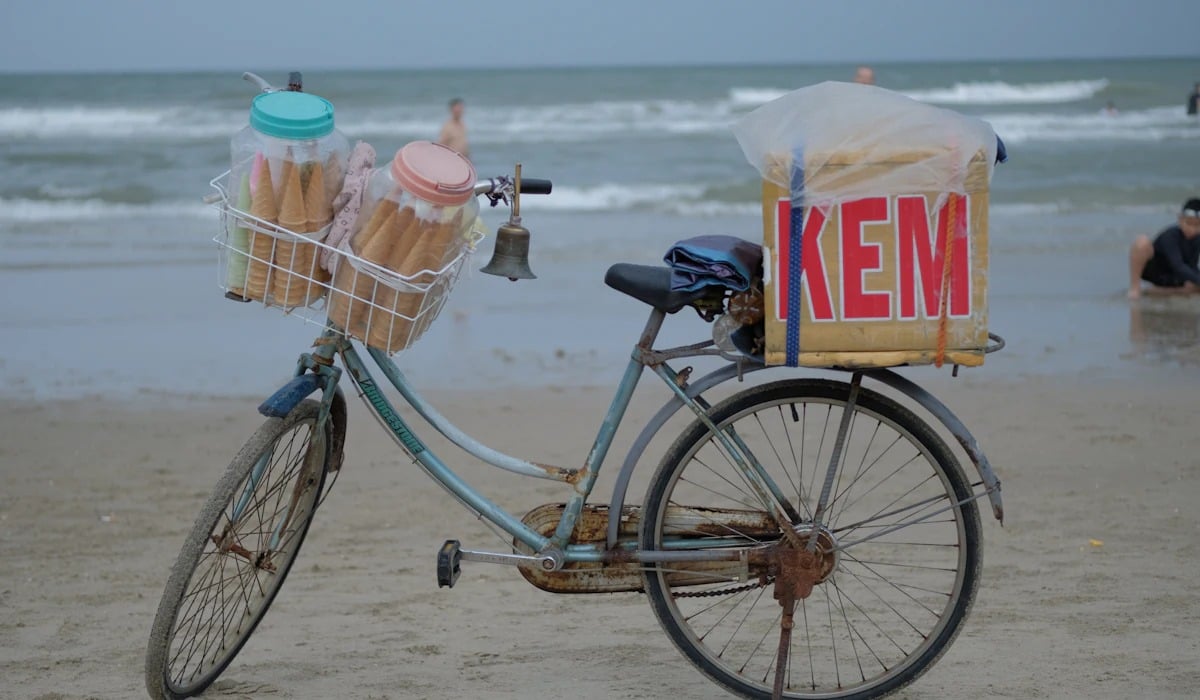
Think of a bicycle with a cool box mounted on the front, a bell clanging down the street, and kids sprinting out of their gates with coins in hand. In South Africa, plenty of ice cream sellers worked this way, especially near beaches and parks over the hot December holidays.
In other countries, the ice cream van played its tinny tune through the suburbs and hired teenagers to serve through the hatch. The work was sticky, sunny and surprisingly tiring.
You had to keep stock cold, count change fast and handle a crowd of impatient children.
Supermarket freezers stocked with multipacks made the roving seller less essential. Food safety rules and fuel costs added pressure.
Some vendors still ride the beachfront, but the steady neighbourhood round is far rarer than it was.
17. Lifeguard at the Town Pool

The municipal swimming pool was the summer hub of countless towns. Teenage lifeguards perched on tall chairs with whistles, watching for trouble and shouting at anyone running on the wet tiles.
This one hasn’t vanished, but it has changed a lot. The job now demands formal certification, first aid training and serious responsibility.
Many municipal pools have closed or cut hours because of maintenance costs, and home pools and water parks drew crowds away. The days when half the town’s teenagers spent the holiday on duty at the local pool are mostly over.
18. Detasseling Corn

Farm kids and town kids alike in the American Midwest knew this work well. Every July, crews of teenagers walked the rows of seed corn and pulled the tassels off the top of certain plants to control pollination and produce hybrid seed.
It was hot, muddy and hard on the arms. You started at dawn, pushed through rows taller than you, and came home with scratches and sunburn.
But the pay drew teenagers year after year, and it built a real sense of solidarity among the crews.
Machines now handle a large share of the detasseling, and seed companies have changed their methods. Some hand crews still work the fields, but far fewer teenagers spend their summers there than in earlier decades.
19. Fruit Picking

Before the season ended, farms needed extra hands fast. Teenagers picked strawberries, raspberries, cherries and apples, often paid by the basket or the crate.
Pick quickly and you earned more. Eat too many and you earned less.
In South Africa, fruit and grape harvests in the Western Cape fall in the summer months, and generations of local teens took holiday work on nearby farms, sorting fruit in packhouses or helping during the harvest. In Britain and the United States, school holidays aligned with the berry season, so the same pattern played out.
The work still exists, but the workforce has shifted. Larger commercial farms rely more on seasonal adult workers and, increasingly, on machines for some crops.
Labour laws around young workers also tightened. The casual week of picking for pocket money has become harder to find.
20. Caddying

Golf courses once employed swarms of teenage caddies. You carried a member’s heavy bag for eighteen greens, handed over the right club, raked the bunkers and tracked down stray shots in the long grass.
The best caddies did more than carry. They read the slope of a green, judged the wind and knew when to keep quiet after a terrible shot.
Members tipped well when things went right. They also blamed you when things went wrong.
Motorised carts and pull trolleys reduced demand from the 1960s onwards. Many clubs now keep only a handful of professional caddies for special events, while ordinary rounds go ahead without one.
In South Africa, caddies still work at some established courses, but the role has largely moved to adults who do it as a full-time living. The teenager on the fairway for holiday money is now the exception.
What the Old Jobs Still Teach

Look across this list and a pattern appears. Nearly every job here involved dealing with real people, face to face, under pressure.
You knocked on doors, served impatient customers, handled money and fixed problems with your own hands.
The machines, apps and online services that replaced these jobs work well. They’re faster and often cheaper.
But they removed many of the places where a fifteen-year-old learned to look an adult in the eye and say, “That’ll be two rand fifty.”
If you’re a parent or grandparent, tell these stories. Not as a lecture, but as a reminder that first jobs build character in ways no classroom can.
And if you’re a teenager today, look for the modern equivalent. A holiday job at the local café, the garden centre or the petrol station will teach you the same things those paper routes did.
Somewhere, a retired pinsetter still flinches at the sound of falling pins. That’s what a first job does.
It stays with you long after the pay is spent.
MORE FROM GO2TUTORS!

- The Romanov Crown Jewels and Their Tragic Fate
- 13 Historical Mysteries That Science Still Can’t Solve
- Famous Hoaxes That Fooled the World for Years
- 15 Child Stars with Tragic Adult Lives
- 16 Famous Jewelry Pieces in History
Like Go2Tutors’s content? Follow us on MSN.