31 Vintage Halloween Costumes Kids Wore in the 70s
A 1970s Halloween costume usually came in a thin cardboard box with a cellophane window, bought at the drugstore or the five-and-dime a week before October 31. Inside sat a printed vinyl smock and a molded plastic mask held on by an elastic string that snapped by the third block of trick-or-treating.
The other option was the linen closet, the ragbag and a parent with a free Saturday afternoon. Both approaches produced a generation of kids who could barely see out of their masks and did not care in the slightest.
Darth Vader in Printed Vinyl
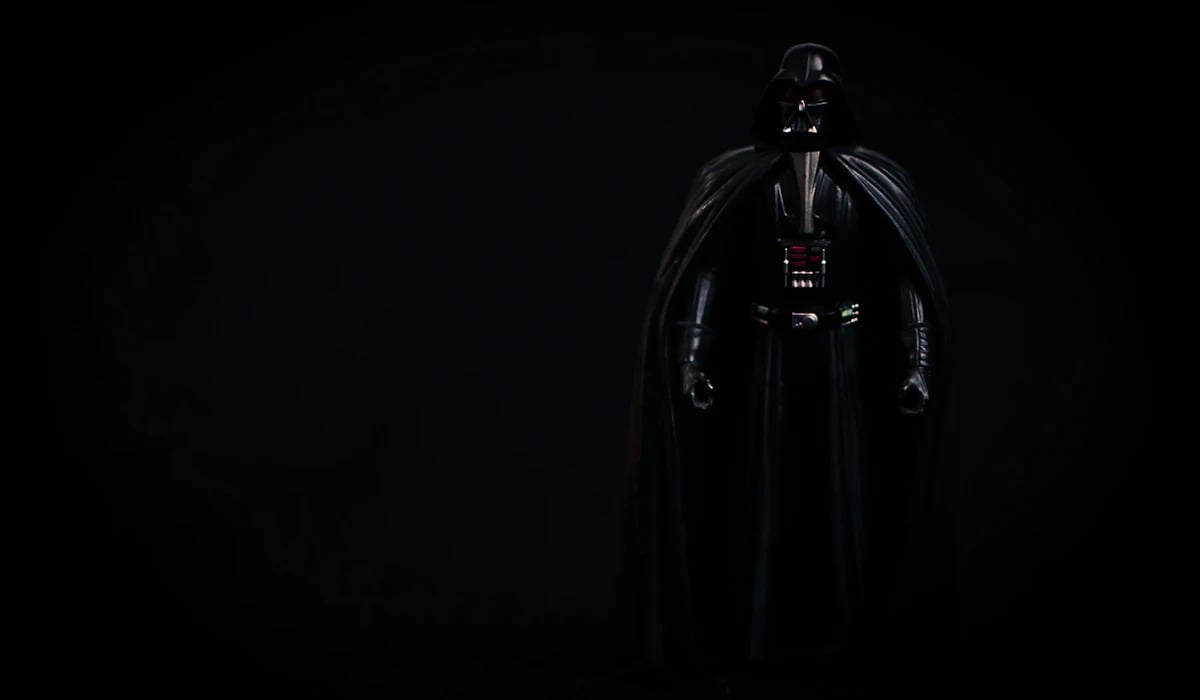
Star Wars opened on May 25, 1977, and Ben Cooper had a Darth Vader costume on store shelves in time for that Halloween. The set paired a glossy black plastic helmet-and-face mask with a vinyl smock printed with a cartoon version of the Sith lord’s chest panel, plus his name in large letters across the front in case anyone missed the point.
Few kids complained that the cape was printed on. A boxed 1977 Vader set in clean shape typically trades for roughly 100 to 250 dollars today, though cracked masks, missing elastic and crushed boxes drag that figure down quickly.
C-3PO With a Gold Plastic Face

A fussy protocol droid made a surprisingly popular costume, partly because his gold mask looked closer to the film than most licensed faces of the era. Ben Cooper issued its C-3PO set alongside Vader in 1977, with a vinyl body printed in metallic gold to suggest Anthony Daniels’ plating.
In practice, the paint on those masks rubbed off at the nose and chin within an evening of wear. Surviving examples with bright, unscuffed gold are scarce, and collectors pay noticeably more for a mask without creases, flaking or the yellowed tape repairs that many families applied the morning after Halloween.
Princess Leia and the Cinnamon Bun Hair

Leia gave girls in 1977 a lead character from the biggest film of the year who carried a blaster and gave orders. The Ben Cooper version came with a smock printed in white and a plastic mask with her two side buns molded directly into the face, which looked slightly alarming in a dim porch light.
Some kids skipped the box entirely and wore a white nightgown with their own hair coiled over each ear. Boxed sets turn up regularly on auction sites, usually priced by how intact the thin mask is, since splits around the eyes are common.
Steve Austin and His Bionic Eye
ABC aired The Six Million Dollar Man from 1974 to 1978, and its hero, Lee Majors as Colonel Steve Austin, was an easy sell to boys who liked running in slow motion. Ben Cooper’s 1974 costume featured a printed smock and a mask with his face and neatly feathered hair.
The real fun came from the sound effect, which every wearer supplied by mouth while leaping off front steps. Complete sets in the original box often land somewhere around 75 to 150 dollars, depending heavily on tears, fading and whether the mask still holds its shape.
Evel Knievel, Daredevil in Stars
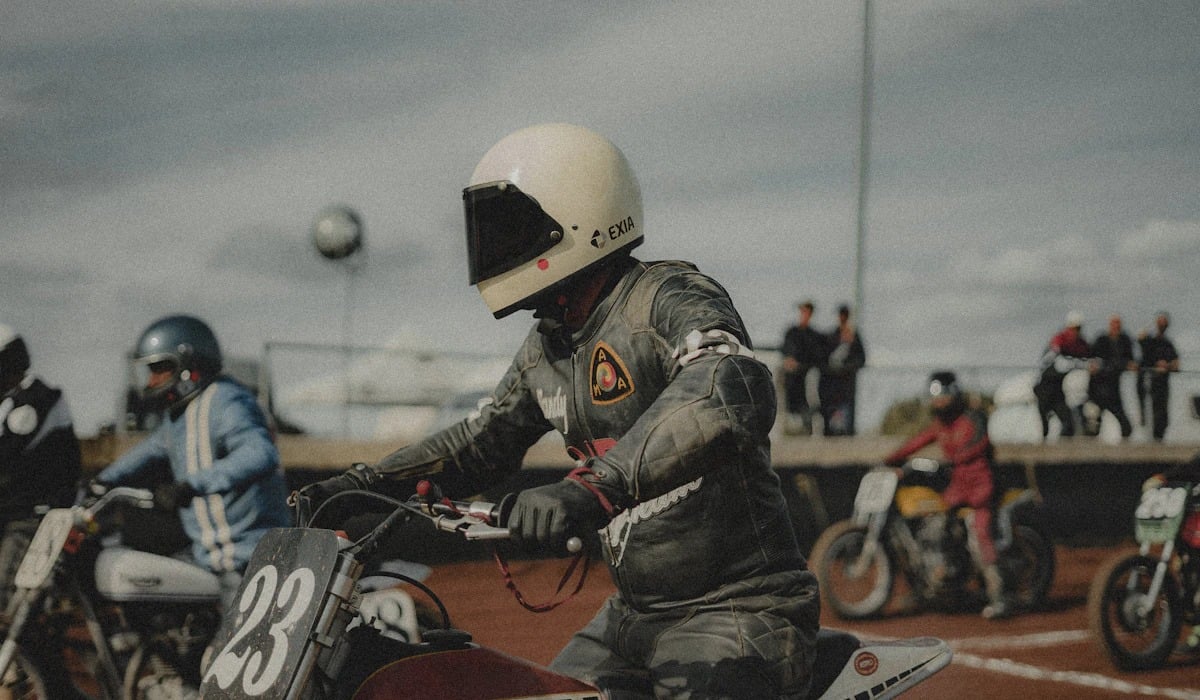
Evel Knievel was at the peak of his fame in 1974, the year he tried to jump Idaho’s Snake River Canyon in the steam-powered Skycycle X-2. Ben Cooper sold an Evel Knievel costume that same year, with a white smock covered in red and blue stars and a mask modeled on his helmeted face.
Kids paired it with the Ideal stunt cycle toy that zipped across kitchen floors. Nobody’s parents seemed troubled that the costume celebrated a man famous for breaking bones, and a clean example now draws steady interest from both Halloween and motorcycle collectors.
Gene Simmons and the Kiss Craze
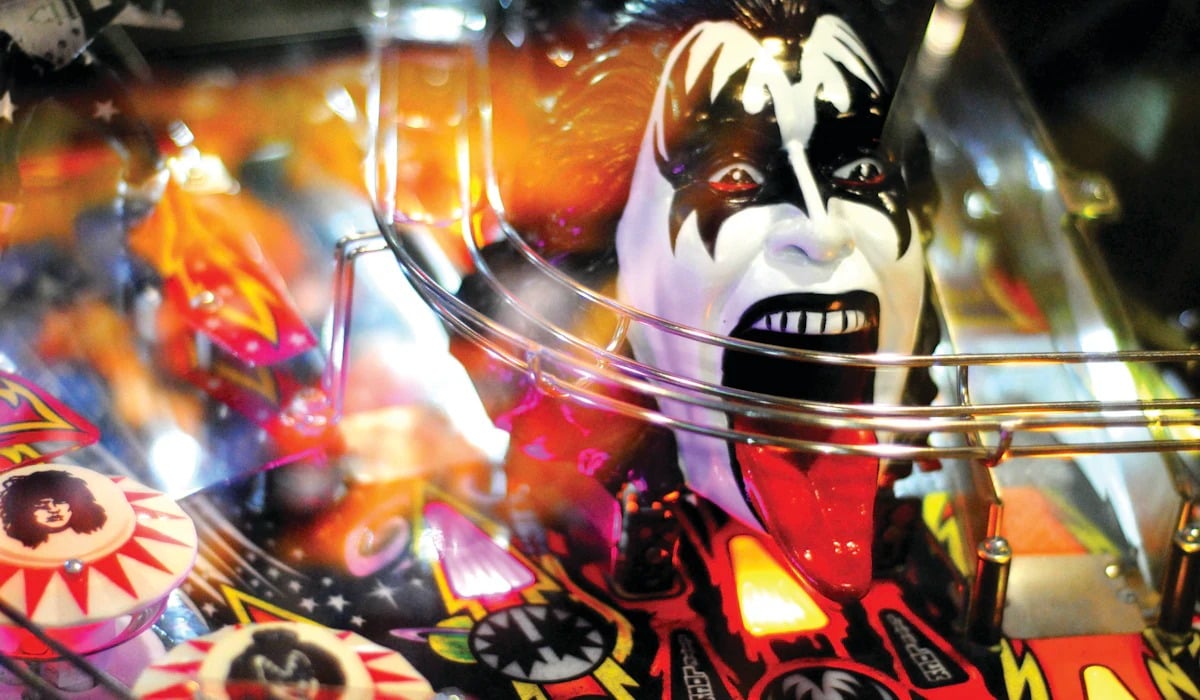
Kiss reached peak kid appeal in 1978, the year all four members released solo albums on the same day and starred in the NBC movie Kiss Meets the Phantom of the Park. Collegeville, a Pennsylvania company that rivaled Ben Cooper, sold licensed Kiss costumes with masks of each member’s painted face.
Gene Simmons, the fire-breathing Demon, was a popular pick among boys who liked the tongue and the platform boots. Parents who disliked the band still bought the boxes.
Collegeville Kiss sets are among the more sought-after 1970s costumes now, with value tied closely to mask cracks and box condition.
Jaws, Worn as a Full Shark

Steven Spielberg’s Jaws became a summer phenomenon in June 1975, and by October kids were trick-or-treating as the shark itself. Ben Cooper’s version used a gray mask with an open mouth full of white teeth, so the wearer looked out from somewhere near the gums.
The smock was printed with a shark body and waves. It is one of the stranger licensed costumes of the decade, since the film’s main character was a predator that ate swimmers, yet stores sold plenty of them.
The costume proved memorable enough that action figure maker NECA later reissued it in miniature for the film’s 50th anniversary.
Sleestak From Land of the Lost
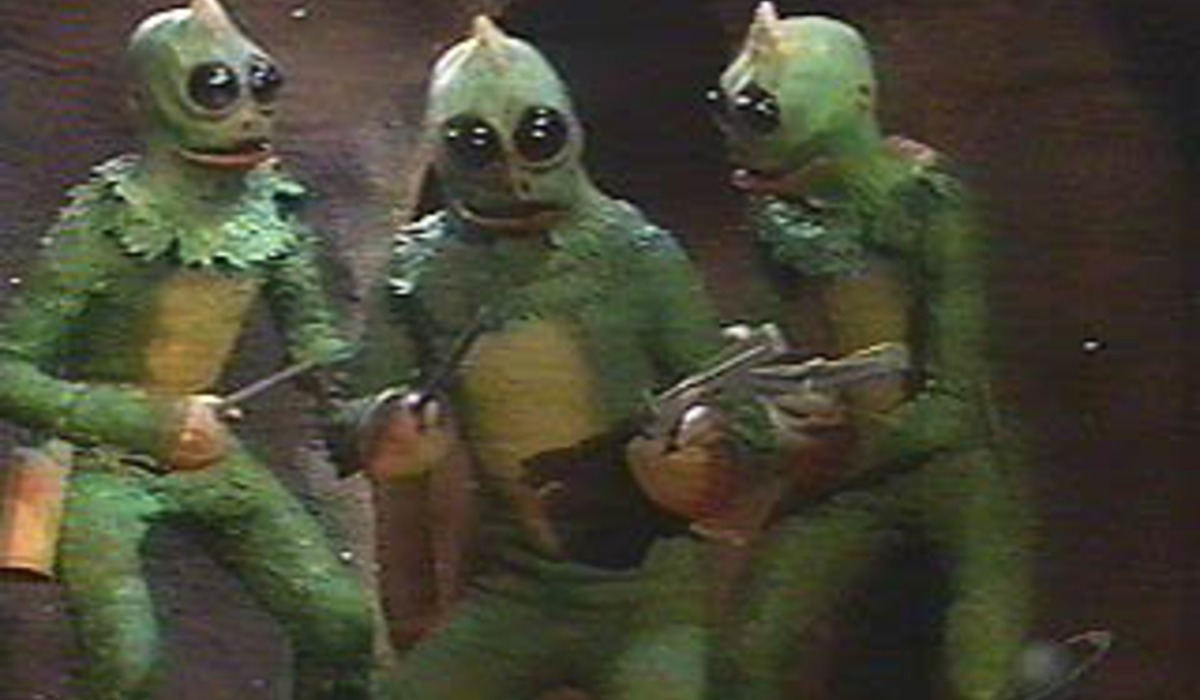
Land of the Lost aired on NBC Saturday mornings from 1974 to 1976, and its hissing, lizard-like Sleestak gave a generation of kids genuine nightmares. Ben Cooper turned the creature into a 1975 Halloween costume, complete with a green mask featuring the Sleestak’s oversized black eyes.
The choice made sense for kids who wanted to be the scary thing rather than the hero. The show came from Sid and Marty Krofft, whose producing credits also included H.R.
Pufnstuf. Examples today vary widely in price, with faded green paint and splits at the mask edges common problems.
Spider-Man for the Electric Company Crowd
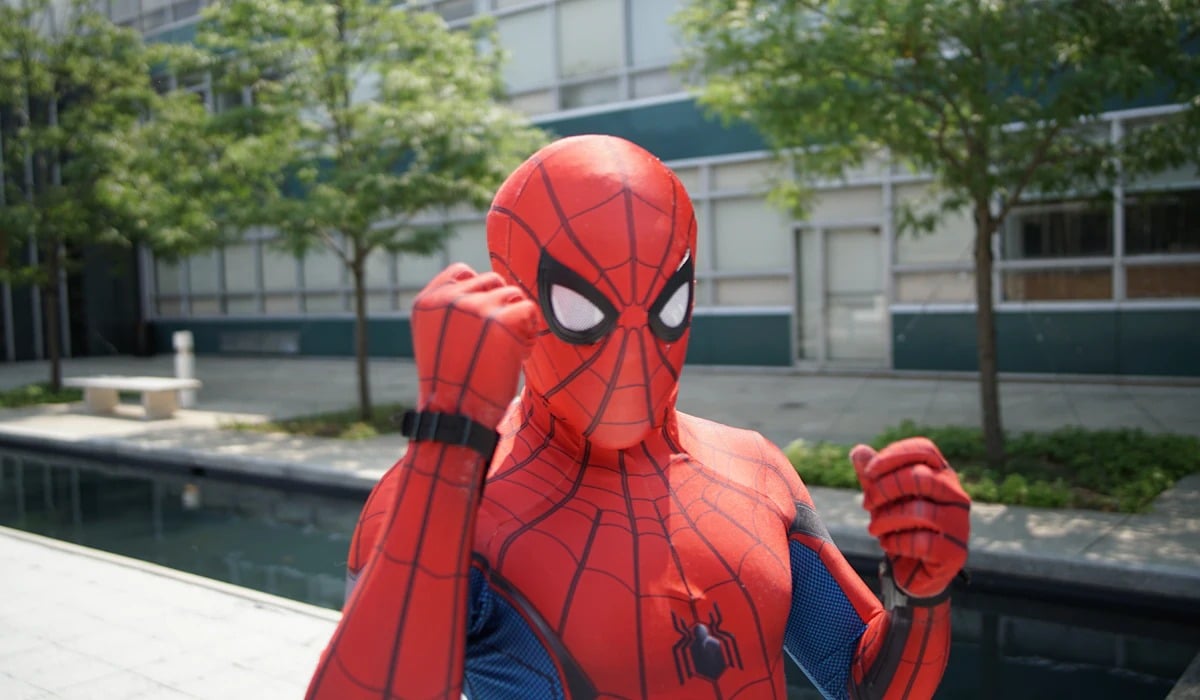
Spider-Man reached young children in the 1970s largely through Spidey Super Stories, a recurring segment on PBS’s The Electric Company that ran from 1974 to 1977. Ben Cooper sold a Spider-Man costume through the decade, with a 1976 version featuring a red and blue smock and a mask printed with the web pattern.
The mask’s large white eyes made it one of the easier ones to see through. Collectors rate the Spider-Man sets as common rather than rare, and loose costumes without boxes usually change hands for modest sums, with paint loss being the main thing that knocks value down.
Superman Before Christopher Reeve
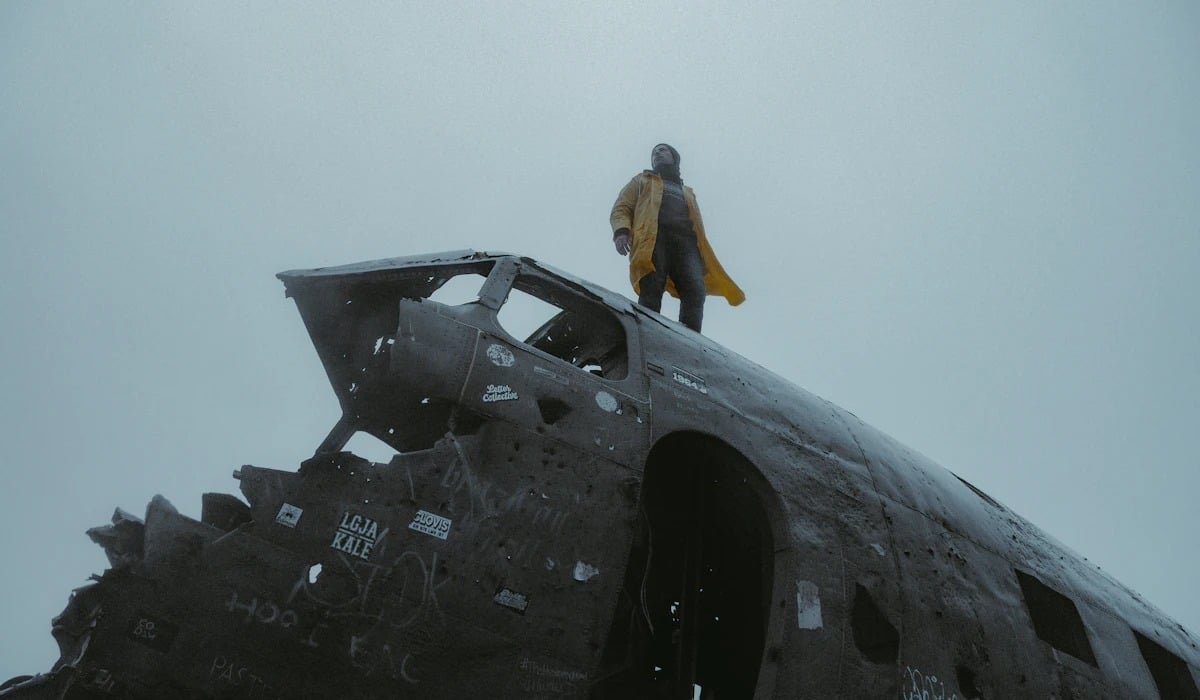
Superman was already a Ben Cooper staple by 1976, two years before Christopher Reeve flew onto movie screens in December 1978. The vinyl smock reproduced the red and blue suit and the shield emblem, and the cape was sometimes a separate piece of thin plastic that tore at the shoulders.
The mask showed a square-jawed face with the trademark curl of black hair on the forehead. Kids wore these over winter coats in colder states, which made Superman look unusually bulky.
Boxed 1976 examples appear for sale often, typically with some fading and wear priced in.
Batman From the Saturday Cartoons
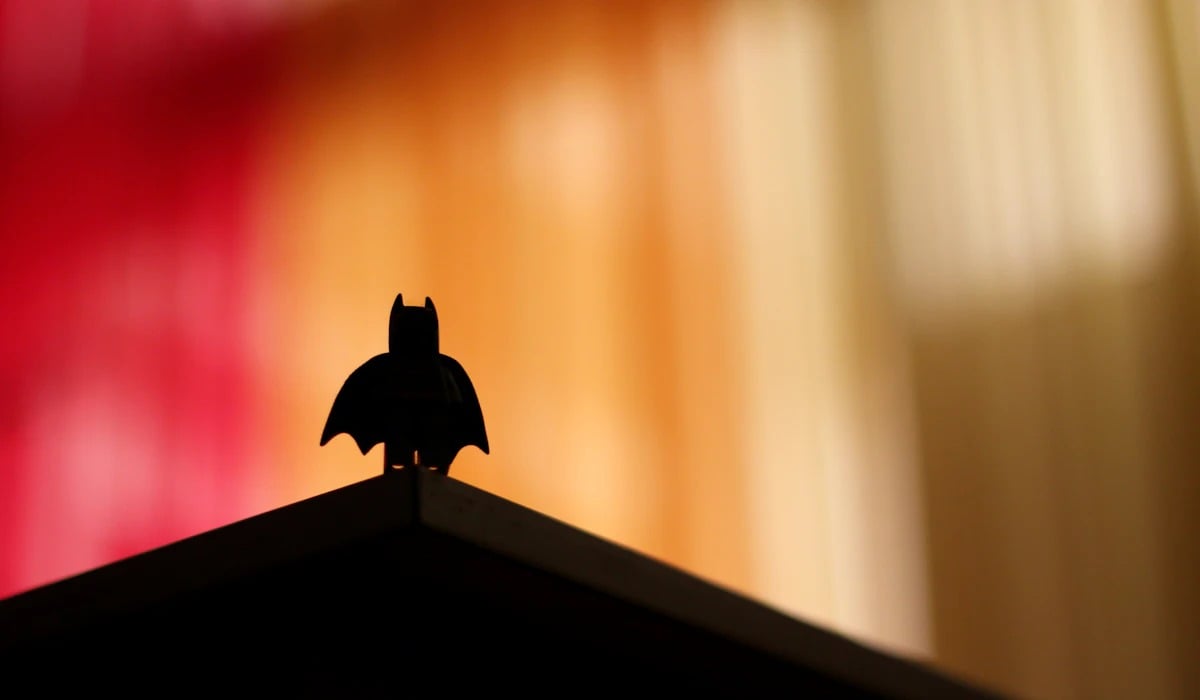
Batman reached 1970s kids through reruns of the 1960s Adam West series and through Super Friends, which debuted on ABC in 1973. Ben Cooper’s 1976 costume reproduced the gray and blue look with a printed utility belt and a cowl mask with pointed ears.
The ears were thin plastic and bent easily, so many surviving masks have one ear creased or missing. Plenty of families also improvised a cape from a dark towel and safety pins.
Boxed examples are fairly common, and bent ears, brittle elastic and fading on the gray areas all affect what a set brings today.
Mr. Spock and the Pointed Ears
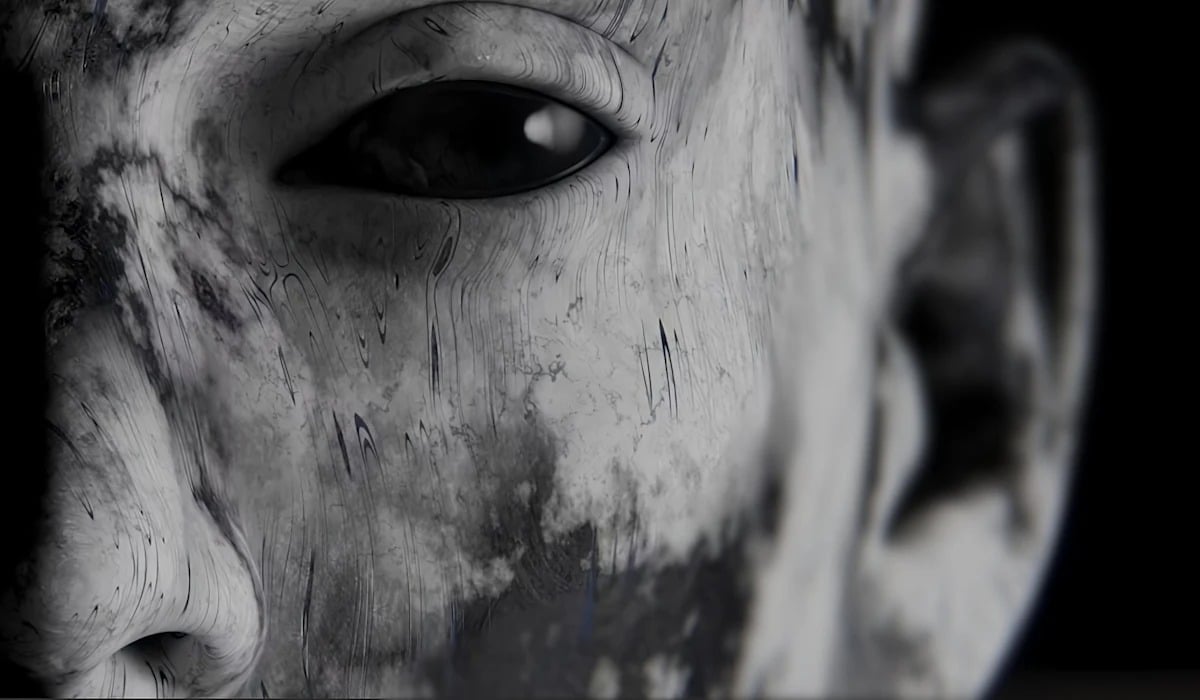
Star Trek left NBC in 1969, yet it grew more popular during the 1970s through syndicated reruns and the animated series that aired from 1973 to 1974. Spock costumes were common at Halloween throughout the decade, usually built around a mask with slanted eyebrows, pointed ears and Leonard Nimoy’s straight-cut bangs.
The smock showed the blue science officer’s tunic with the Starfleet emblem. Some kids skipped the mask and wore taped-on ears with a blue shirt.
Collectors who look for these sets value intact ear tips, because the thin plastic often snapped long before the box was thrown away.
Ponch From CHiPs
CHiPs premiered on NBC in 1977 and turned Erik Estrada’s Officer Frank Poncherello into a heartthrob for the Saturday morning crowd. Ben Cooper produced a Ponch costume around 1978, with a tan uniform printed on the smock and a mask of Estrada’s grinning face beneath a helmet.
It is one of the few 1970s costumes based on a police officer from a prime-time show. Kids added toy sunglasses and made motorcycle noises on the walk between houses.
Surviving boxes are less common than the superhero sets, and missing inserts or a split mask reduce the asking price noticeably.
Cylon From Battlestar Galactica
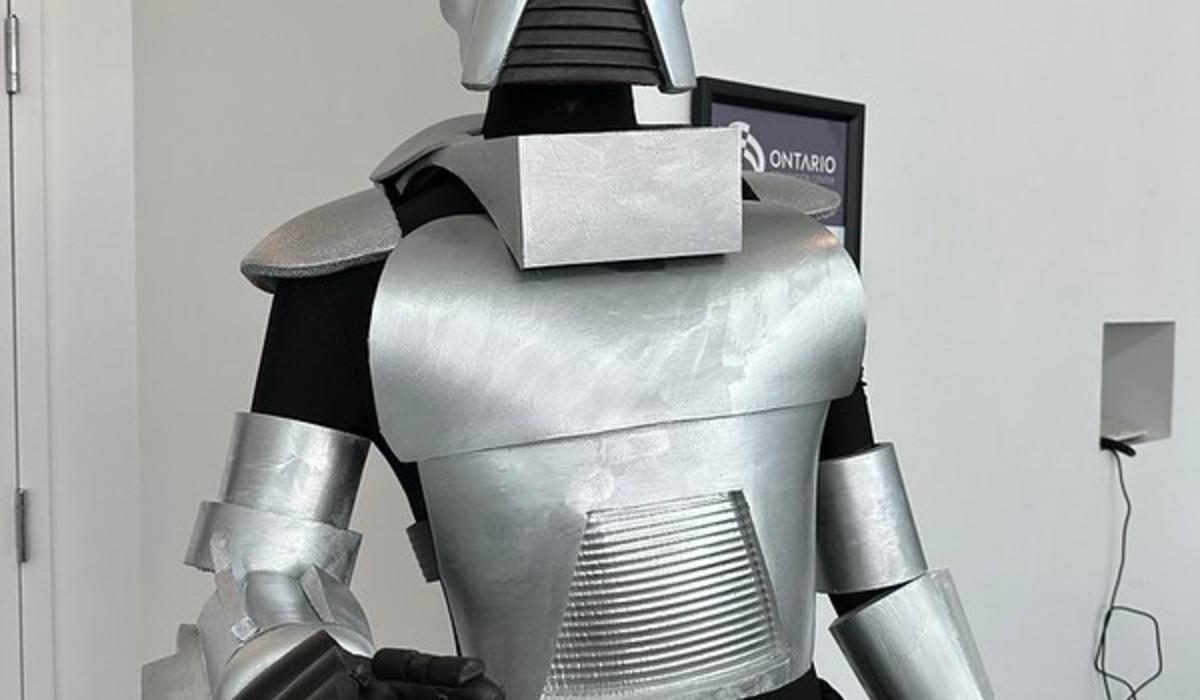
Battlestar Galactica lasted only one season on ABC, from 1978 to 1979, but its chrome Cylon Centurions with a sweeping red eye left a deep impression. Boxed Cylon costumes reached stores during the show’s run, with a silver mask and a smock printed to suggest armor plating.
The visor slot was easier to see through than most masks of the decade. Kids mimicked the Cylons’ flat, droning voice from under the plastic, which made them unusually easy to identify in a crowd of superheroes on the same street.
Today these sets attract both Halloween and science fiction collectors, though silver paint scuffs easily and the boxes rarely survive intact.
Galen From Planet of the Apes
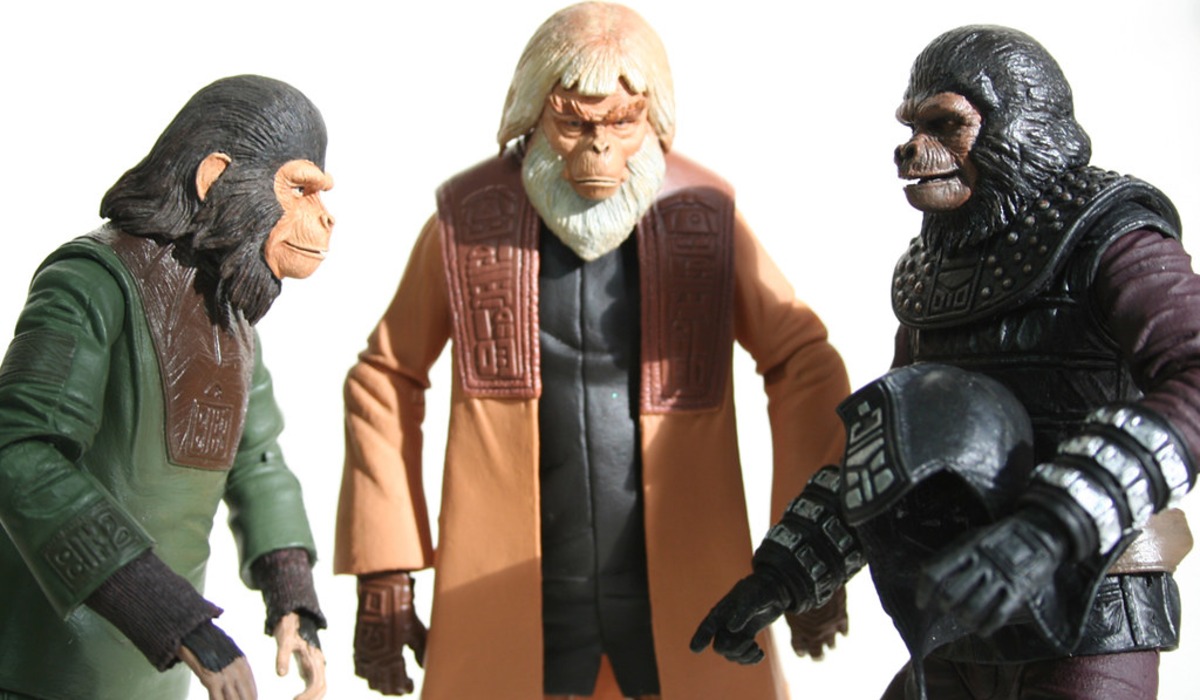
CBS aired just 14 episodes of the Planet of the Apes television series in 1974, but the film franchise had already made talking chimpanzees a fixture of kid culture. Ben Cooper sold ape costumes that year, and Galen, the chimpanzee played by Roddy McDowall on the show, was a natural subject.
The mask had a molded ape face that was far more convincing than most human-face masks of the era. A smock printed with a tunic completed the look.
Ape costumes remain popular with collectors, and value depends heavily on whether the mask has cracked around the muzzle.
The Thing From the Fantastic Four
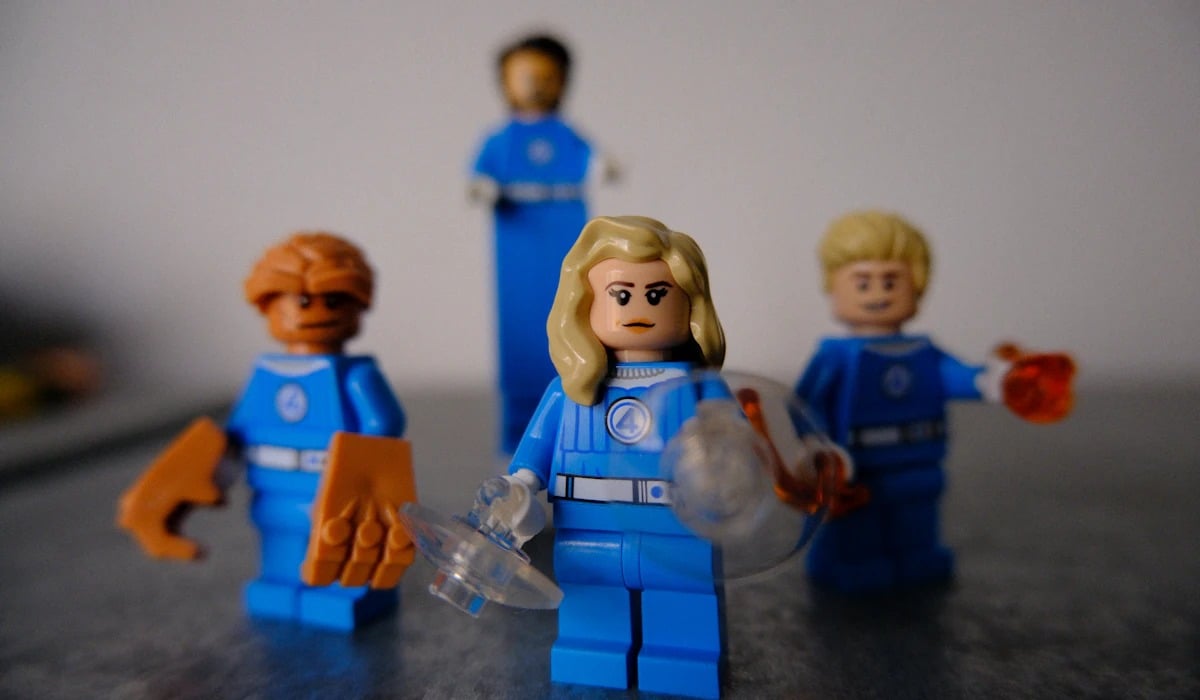
Orange, rock-skinned and grumpy, the Thing of the Fantastic Four made a satisfying costume for kids who preferred brute force to capes. Ben Cooper produced a Thing costume in the 1970s, with a mask molded in craggy orange plates and a smock printed with his blue shorts.
The character also appeared in a 1978 animated Fantastic Four series on ABC, which kept him in front of young viewers. The mask was heavier-looking than most and gave its wearer a permanent frown.
Surviving examples show up for sale with some regularity, usually discounted for chipped paint and torn boxes.
Tarzan of the Jungle

Ben Cooper issued a Tarzan costume around 1975, at a time when the character still turned up in TV movie airings and later in Filmation’s 1976 cartoon Tarzan, Lord of the Jungle on CBS. The smock was printed with a loincloth and bare chest, which allowed kids to dress as a jungle hero over a sweater in late October.
The mask showed a stern face with long dark hair. It was a gentler option than the monsters on the same shelf.
Boxed Tarzan sets now appear for sale occasionally, with fading and creases common after 50 years.
Ernie From Sesame Street
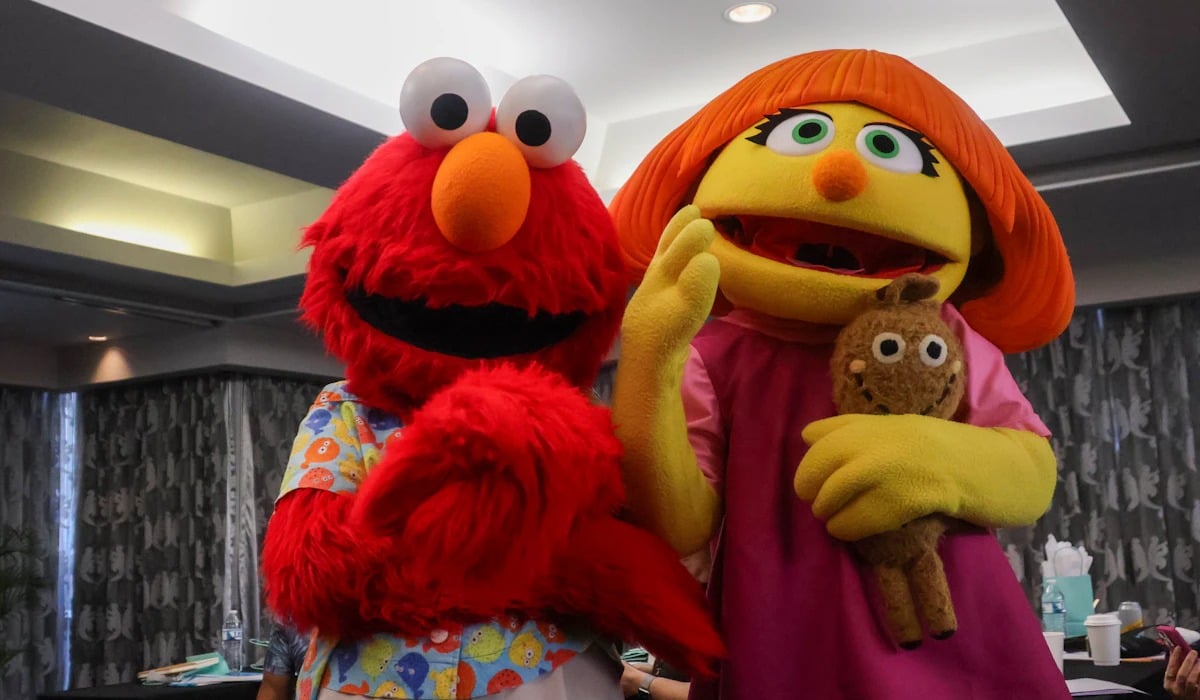
Sesame Street premiered on public television in 1969, and its first wave of viewers were trick-or-treaters by the 1970s. Ben Cooper made Sesame Street costumes for toddlers, including a 1979 Ernie set sold in a Tiny Tot size.
The mask captured Ernie’s wide grin and orange face, with a smock printed in his striped shirt. Jim Henson performed Ernie on the show, and the character’s laugh was imitated at many doorsteps.
These smaller costumes rarely survived because younger children were rough on them, so clean examples with intact boxes are harder to find than adult collectors might expect.
Wonder Woman With Lynda Carter’s Smile
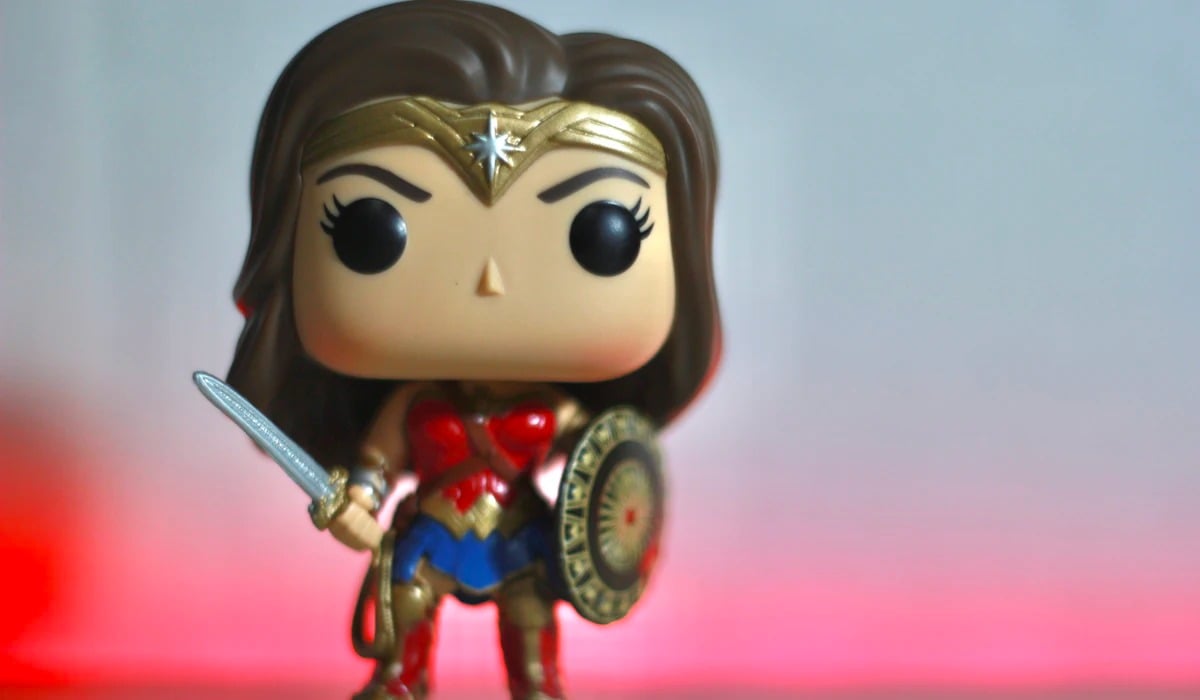
Lynda Carter’s Wonder Woman series aired on ABC beginning in 1975 and moved to CBS in 1977, and her costume was copied on porches nationwide. Store-bought versions printed the red bodice, gold eagle and star-spangled shorts on a vinyl smock, paired with a mask featuring dark hair and a gold tiara.
Many girls skipped the box and made bracelets from cardboard tubes covered in foil. The show’s spinning transformation was reenacted endlessly on front lawns.
Boxed examples remain popular with collectors of 1970s TV merchandise, with value depending on mask condition and whether the colors have faded.
Jaime Sommers, the Bionic Woman

Spun off from The Six Million Dollar Man, The Bionic Woman ran from 1976 to 1978, with Lindsay Wagner as tennis pro turned agent Jaime Sommers. Costume makers followed with a set that printed her outfit on a smock and topped it with a mask of her face and long, feathered hair.
For girls in the late 1970s, it was a rare chance to dress as a TV action lead with superhuman strength. Kids supplied the bionic hearing sound effect themselves.
Sets in good order now attract fans of both shows, with brittle elastic and missing boxes common issues.
Fonzie From Happy Days
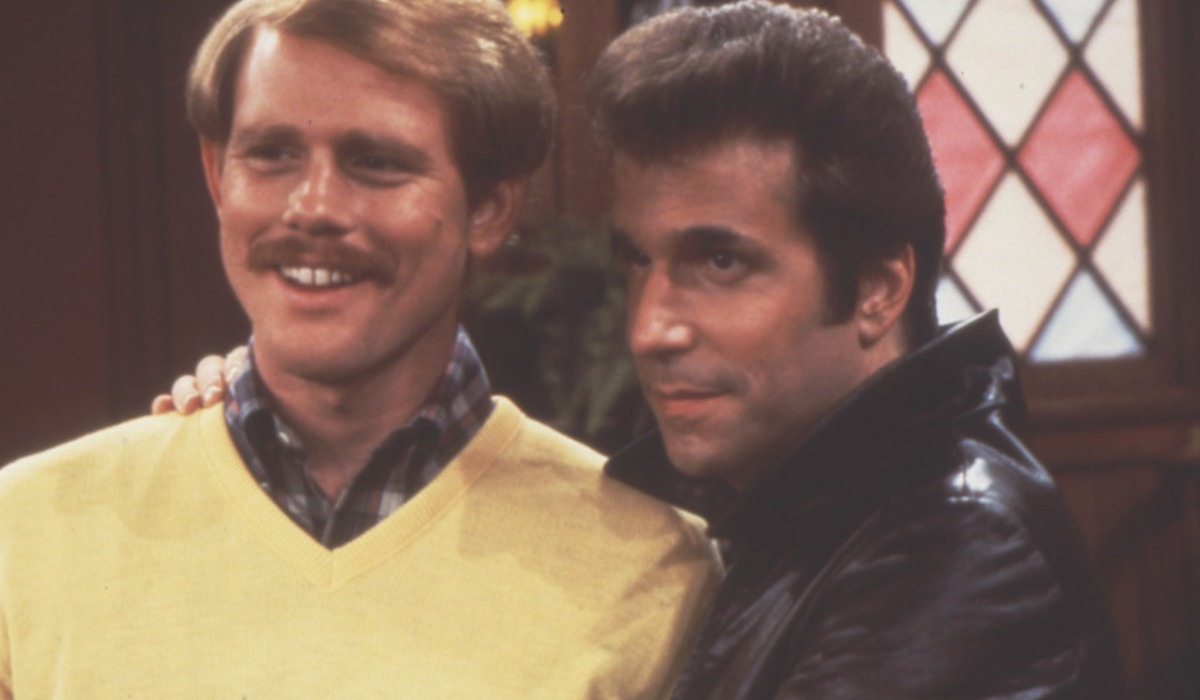
Henry Winkler’s Arthur Fonzarelli was the coolest character on 1970s television, and his leather jacket was such a symbol that one was donated to the Smithsonian. Halloween costumes reproduced the jacket on a black vinyl smock and paired it with a mask of Winkler’s face and slicked-back hair.
Thumbs up was the only accessory needed. Plenty of boys simply wore a real or borrowed leather jacket with jeans and a white T-shirt instead.
Licensed Fonzie sets now appear on auction sites from time to time, with tears and fading lowering prices noticeably.
Frankenstein’s Monster in a Box
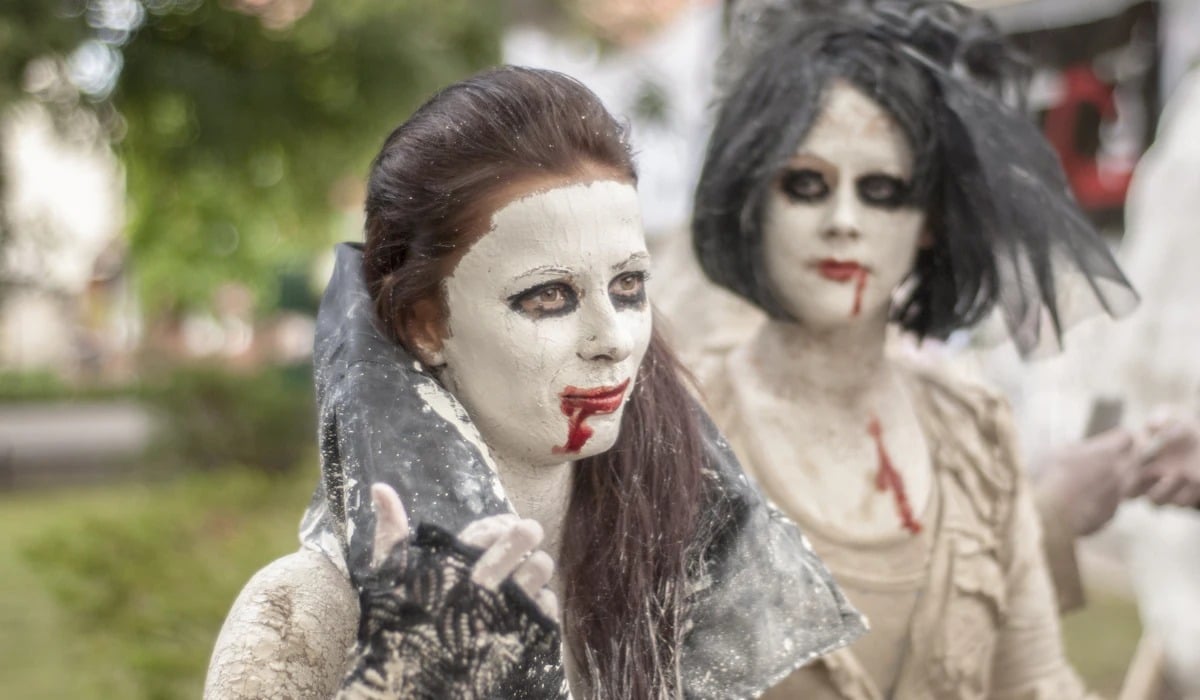
Universal’s classic monsters never really left Halloween, and Ben Cooper’s 1976 catalog still included them alongside the newer TV and movie heroes. The Frankenstein monster costume used a green mask with a flat head, heavy brow and neck bolts, based on the look Jack Pierce created for Boris Karloff in 1931.
The smock was printed with a dark jacket and stitched patches. Horror hosts on local television kept the old films in rotation for young viewers.
Monster sets from the 1970s are reasonably common, though masks with splits or flaking green paint are worth considerably less.
Casper the Friendly Ghost
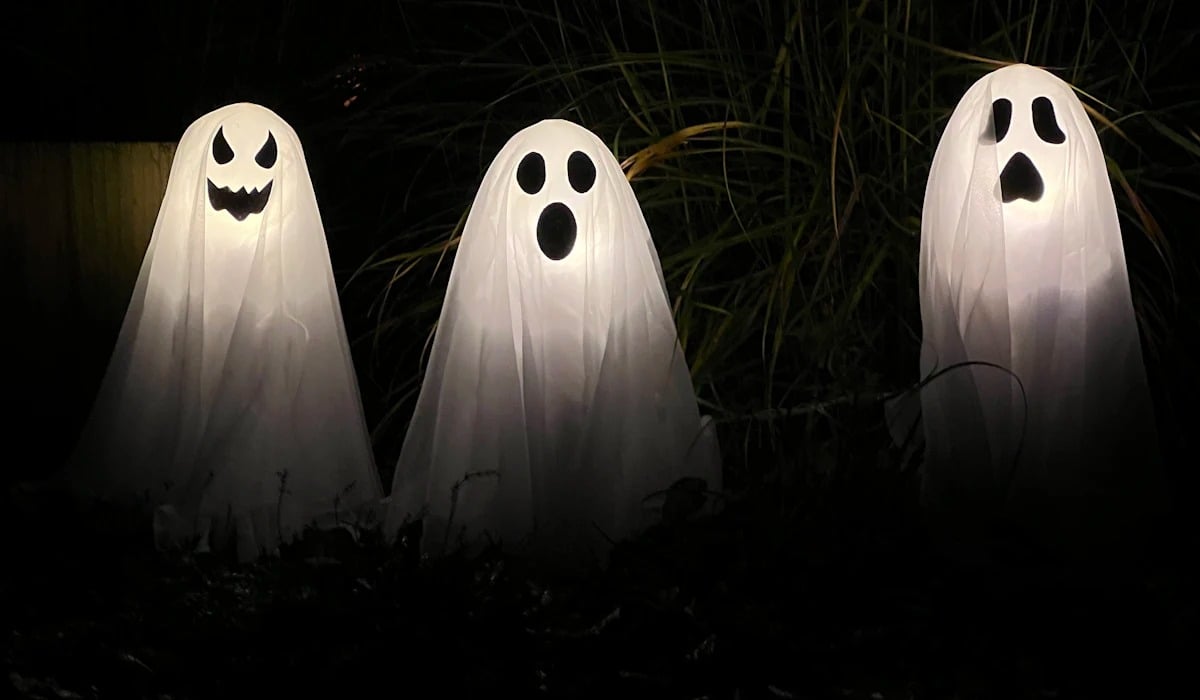
Casper had been a Harvey Comics star since the 1950s and remained a gentle option for younger trick-or-treaters through the 1970s. The boxed costume was mostly white, with a smock printed with Casper’s small body and a mask of his round, smiling face.
For parents worried that a sibling would be frightened, Casper solved the problem neatly. The character’s cartoons were still in syndication, so kids recognized him easily.
Vintage Casper costumes are sold regularly online and tend to be affordable, with yellowing of the white vinyl being the most common flaw.
Bedsheet Ghost
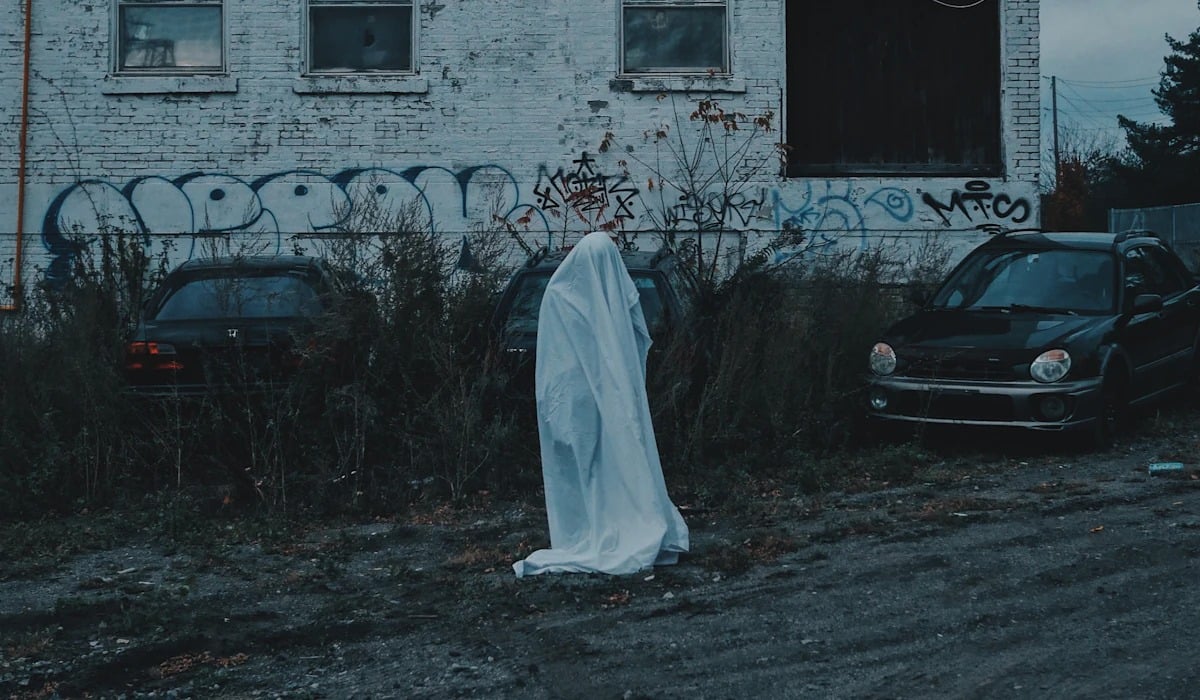
Making the simplest costume of the decade required one old white sheet, a pair of scissors and a parent willing to sacrifice linens. Eye openings were cut at roughly the right height, though they tended to slip sideways within a few minutes of walking.
Ghost costumes were popular across every decade, but in the 1970s they also offered a cheap alternative during years of high inflation. Kids frequently tripped on the hem.
The costume was revived on screen in 1982 when E.T. wore one in Steven Spielberg’s film, which gave the sheet ghost a second life.
Hobo With a Bindle
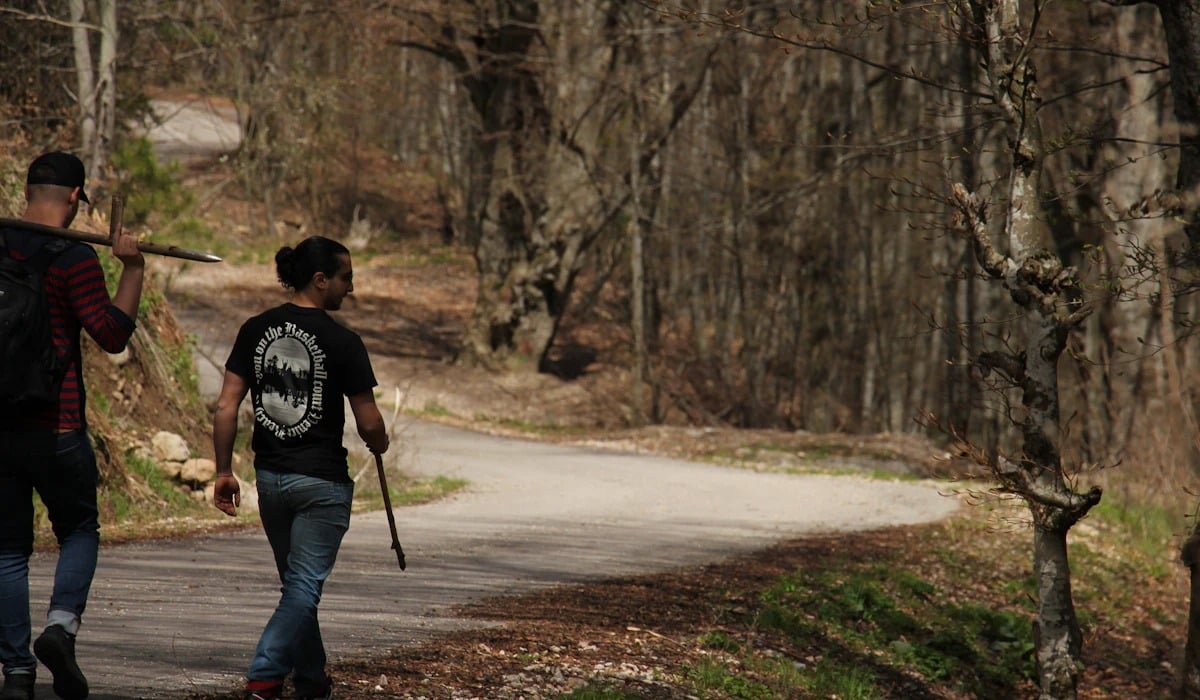
Hobo outfits were a 1970s staple because they could be assembled entirely from things already in the house. Kids wore oversized flannel shirts, patched trousers held up with rope and an old hat, then added a beard drawn on with burned cork or an eyebrow pencil.
A bandanna tied to a stick formed the bindle. It cost nothing and required no shopping trip.
The costume reflected older Depression-era imagery that many parents grew up with, and it gradually faded from use in later decades as attitudes toward homelessness changed.
Garbage Bag Costume
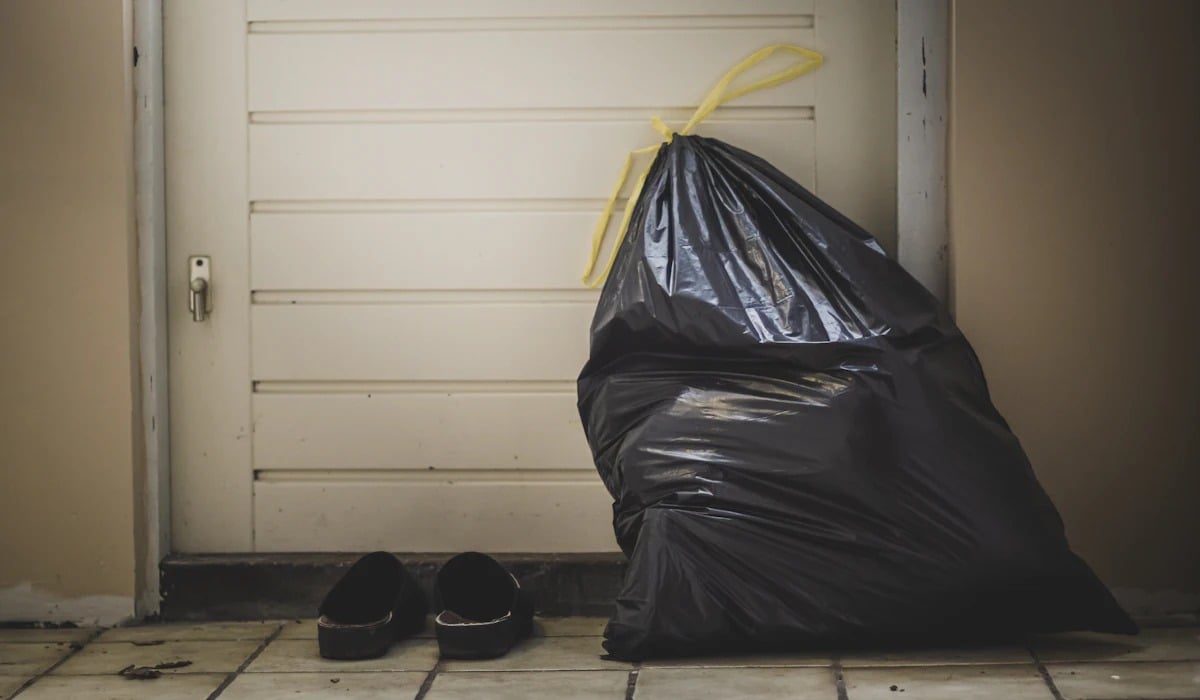
Plastic trash bags became common household items in the 1960s and 1970s, and creative parents quickly discovered they made a decent costume material. A black bag with arm and neck openings became a raisin, a bat or a night sky with foil stars taped on.
Orange bags stuffed with newspaper produced a wearable pumpkin. The costumes were cheap, waterproof and disposable, which suited rainy Octobers.
They did tend to rustle loudly and tear on fences. Few survive, since they were thrown away the next morning, but they show up often in family photographs from the decade.
Witch With a Pointed Hat
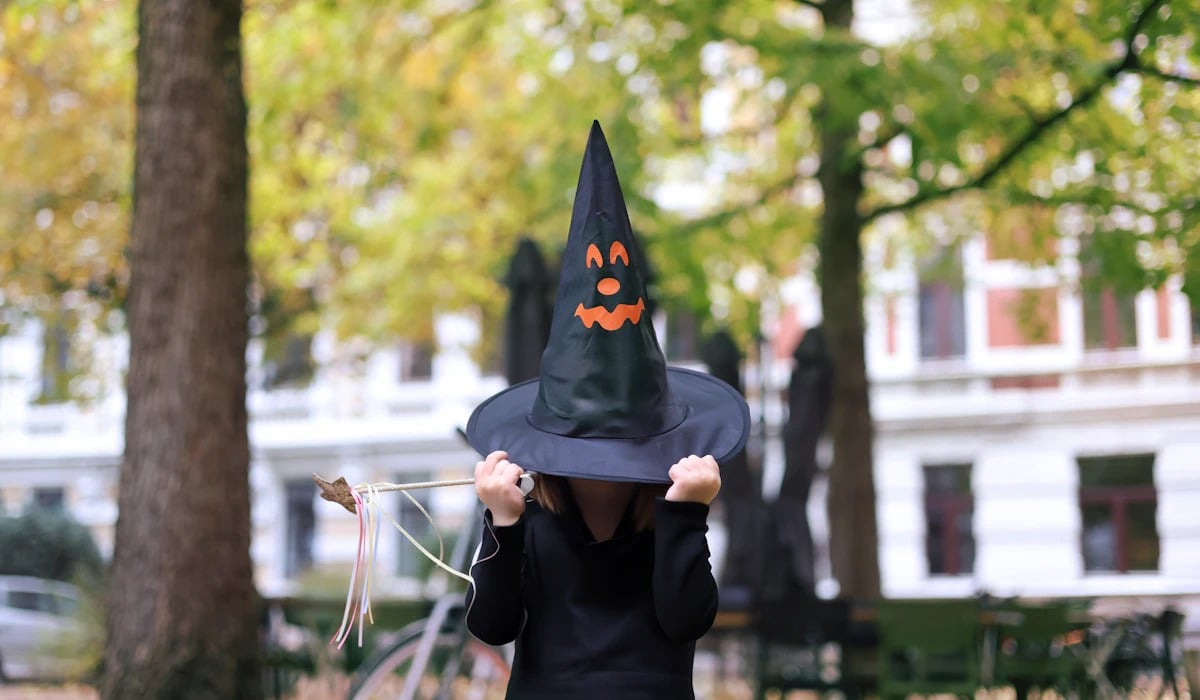
Witches were a perennial favorite, helped in the 1970s by annual network broadcasts of The Wizard of Oz, which kept Margaret Hamilton’s Wicked Witch of the West in front of children every year. Store-bought witches came with a green or warty mask and a black smock printed with a cape.
Homemade versions used a black skirt, a construction paper hat and a broom from the kitchen closet. Green face paint was a messy but popular addition.
Vintage boxed witch sets are fairly common, though fragile hat brims and cracked masks reduce their appeal.
Cowboy With a Cap Gun

Westerns had dominated television in the 1950s and 1960s, and by the 1970s they were fading, with Gunsmoke ending its 20-season run on CBS in 1975. Cowboy costumes remained popular anyway, built from a felt hat, a bandanna, jeans and a plastic holster.
Many kids carried cap guns that snapped and left a sulfur scent hanging in the air. Toy stores still stocked fringed vests and sheriff badges.
The costume needed almost no purchase, since most of the pieces were already in a toy chest, and it faded slowly as space and superheroes took over.
Pirate With an Eye Patch
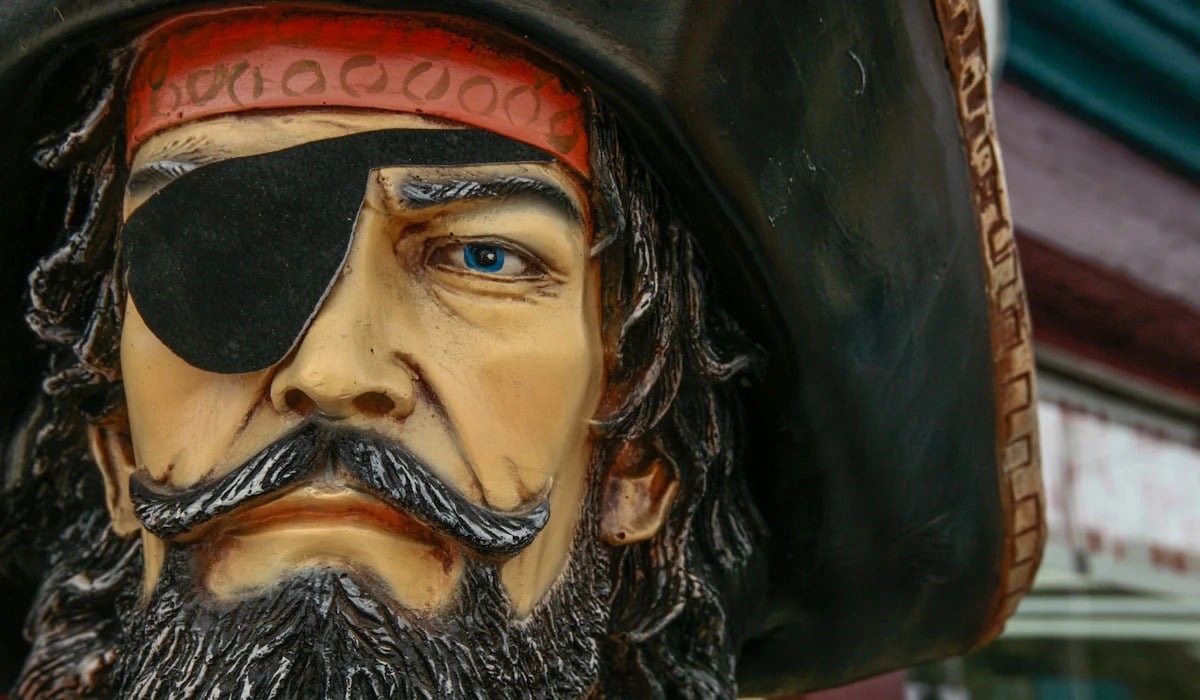
Pirate costumes required little more than a striped shirt, a bandanna and an eye patch made from black construction paper and string. Some kids added a curtain-ring earring, a cardboard sword covered in foil and a mustache drawn in eyeliner.
Disneyland’s Pirates of the Caribbean ride had opened in 1967, and its later twin at Walt Disney World arrived in 1973, which kept pirate imagery in circulation. Store-bought boxed pirates existed as well, with masks showing a scarred, grinning face.
The homemade versions were usually more convincing and far more comfortable to wear.
Devil in Red Pajamas
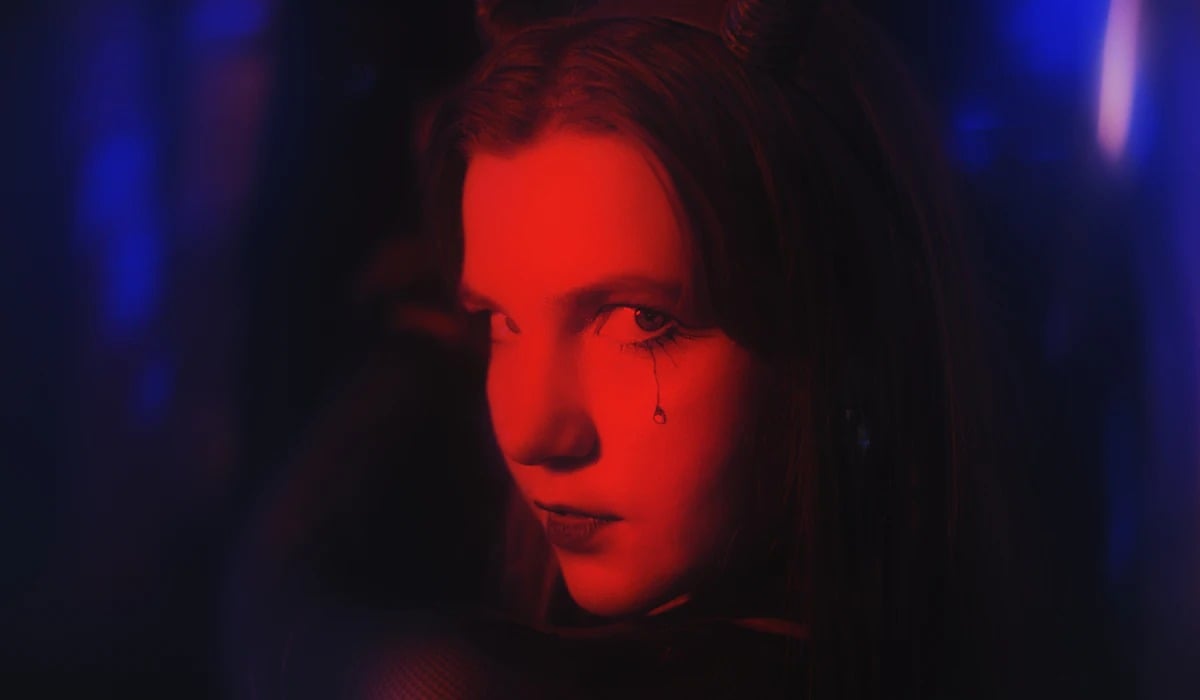
Red pajamas made the devil a reliable homemade option, finished with a pair of horns on a headband and a pitchfork cut from cardboard. A tail made of stuffed red fabric was safety-pinned to the back.
Store-bought versions came with a red mask featuring a pointed beard and arched eyebrows. Kids enjoyed the chance to dress as something mildly forbidden.
The costume rarely drew complaints in the 1970s, and it remains common in some form today, though the plastic boxed versions from the decade are now collectible in their own right.
Raggedy Ann With Yarn Hair
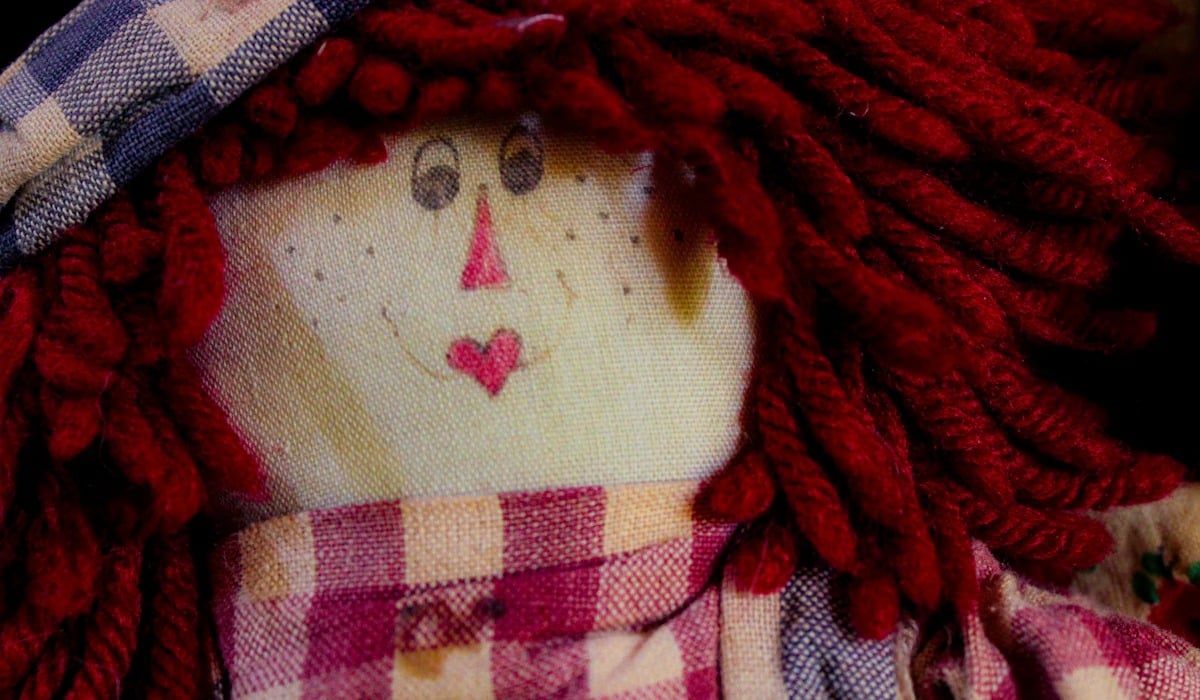
Raggedy Ann was created by Johnny Gruelle, who patented the doll in 1915, and she enjoyed a strong revival in the 1970s with new dolls and a 1977 animated film. Homemade costumes used a blue dress, a white apron and a wig made from red yarn sewn onto a cap.
Painted red triangle noses and freckles completed the look. Store versions came boxed with a mask of her round, stitched smile.
Many girls wore their own homemade version for several years in a row. Vintage boxed examples appear for sale occasionally, with faded red hair and tears common.
Vinyl, Elastic and a Pillowcase Full of Candy
The 1970s costume was rarely accurate, often uncomfortable and usually destroyed within a single night. That was part of the point.
Kids did not need a perfect replica of Darth Vader or Wonder Woman, only enough printed vinyl to announce which character they had chosen. The rest was filled in by imagination and a parent with safety pins.
Those same flimsy boxes now draw real interest from collectors, precisely because so few survived intact. The homemade ghosts, hobos and garbage bag pumpkins left no trace beyond family photographs.
Together they capture a decade when Halloween was cheap, improvised and built around whatever was on television that year. The masks cracked, but the memory held up fine.
MORE FROM GO2TUTORS!

- The Romanov Crown Jewels and Their Tragic Fate
- 13 Historical Mysteries That Science Still Can’t Solve
- Famous Hoaxes That Fooled the World for Years
- 15 Child Stars with Tragic Adult Lives
- 16 Famous Jewelry Pieces in History
Like Go2Tutors’s content? Follow us on MSN.