28 Discontinued Cereals Fans Still Miss
The cereal aisle has always been a place of quick fame and quicker exits. A box could arrive with a cartoon, a movie or a mascot behind it, dominate a kitchen table for two years, and then vanish before the prize inside had been lost under the couch.
Some of these cereals tasted remarkable and some tasted mostly like sugar with a license attached. All of them left behind people who can still describe the box from memory.
Quake Lost a Popularity Contest and Paid for It
Quaker Oats launched Quake in 1965 as the earthbound partner to the alien-fronted Quisp, with commercials produced by Jay Ward, the studio behind Rocky and Bullwinkle. The mascot was a burly miner in a hard hat, later slimmed down and given an Australian-style bush hat when sales lagged.
The two cereals were pitched as rivals, although both were sweetened corn cereals that tasted a good deal like Cap’n Crunch. Quaker eventually asked kids to vote for a favorite in the early 1970s, and Quisp won.
Quake was pulled soon afterward, which makes it one of the few cereals retired by its own customers.
Freakies and the Seven Creatures Who Lived in a Tree
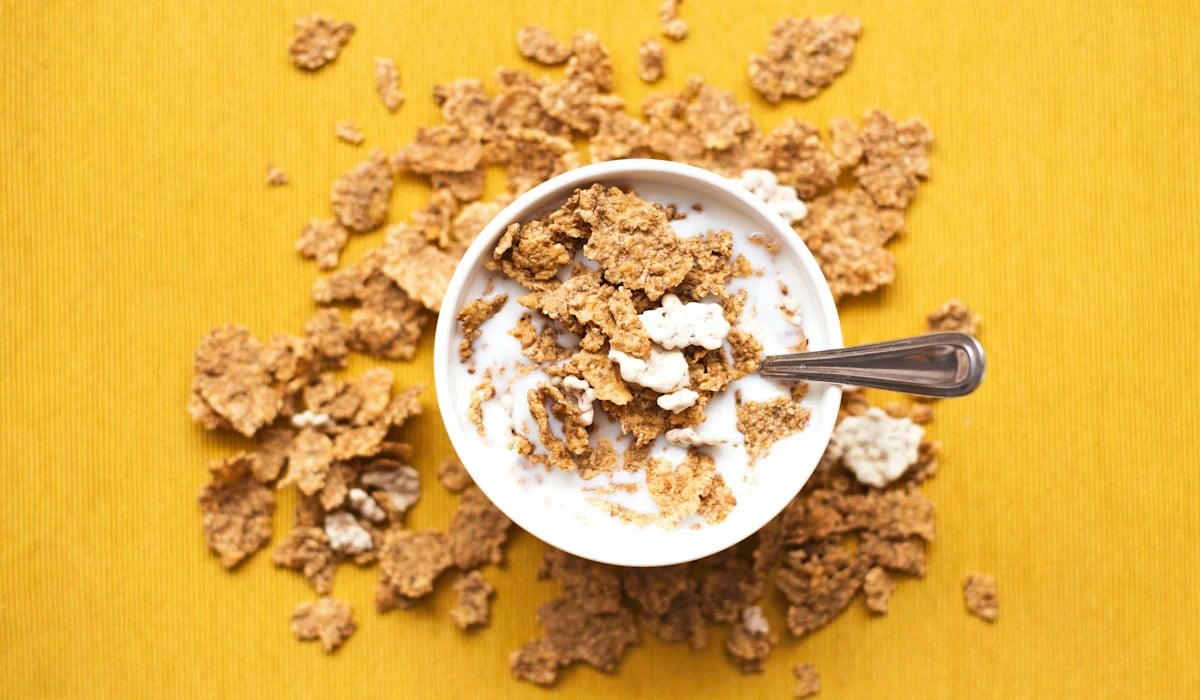
Ralston introduced Freakies in the early 1970s and built the entire brand around seven lumpy creatures who had found a magical tree that grew cereal. BossMoss led the group, joined by Snorkeldorf, Hamhose, Gargle, Cowmumble, Grumble and Goody-Goody, all created by advertising copywriter Jackie End.
The crunchy sweetened rings were pleasant enough, but the characters were the product, and the small plastic figures and magnets packed in the boxes are still traded by collectors. The original run ended around 1976.
A short revival in the 1980s recast the creatures as space aliens and disappeared quickly, leaving the tree-dwelling originals as the version people remember.
Kaboom Kept a Clown on Shelves for Four Decades
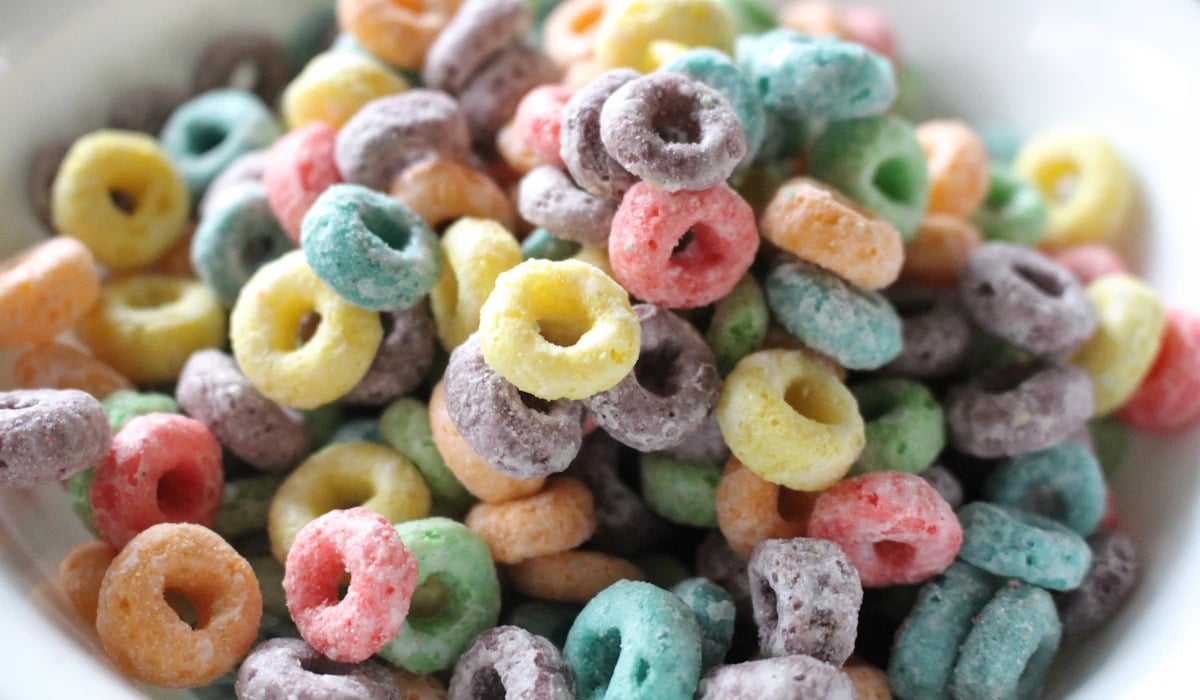
Few cereals on this list lasted as long as Kaboom, which General Mills sold from 1969 until about 2010. The oat pieces were shaped like smiling clown faces in bright colors and mixed with marshmallow stars, and the box carried a grinning circus clown for most of its run.
Kaboom rarely had the advertising budget of the bigger brands, so it survived as a quiet regular on the bottom shelf. It earned an odd screen credit in 2003, when a box of it concealed a handgun during a kitchen fight in Quentin Tarantino’s Kill Bill Vol.
1. General Mills retired it without ceremony a few years later.
Crazy Cow Turned a Bowl of Milk Into Dessert
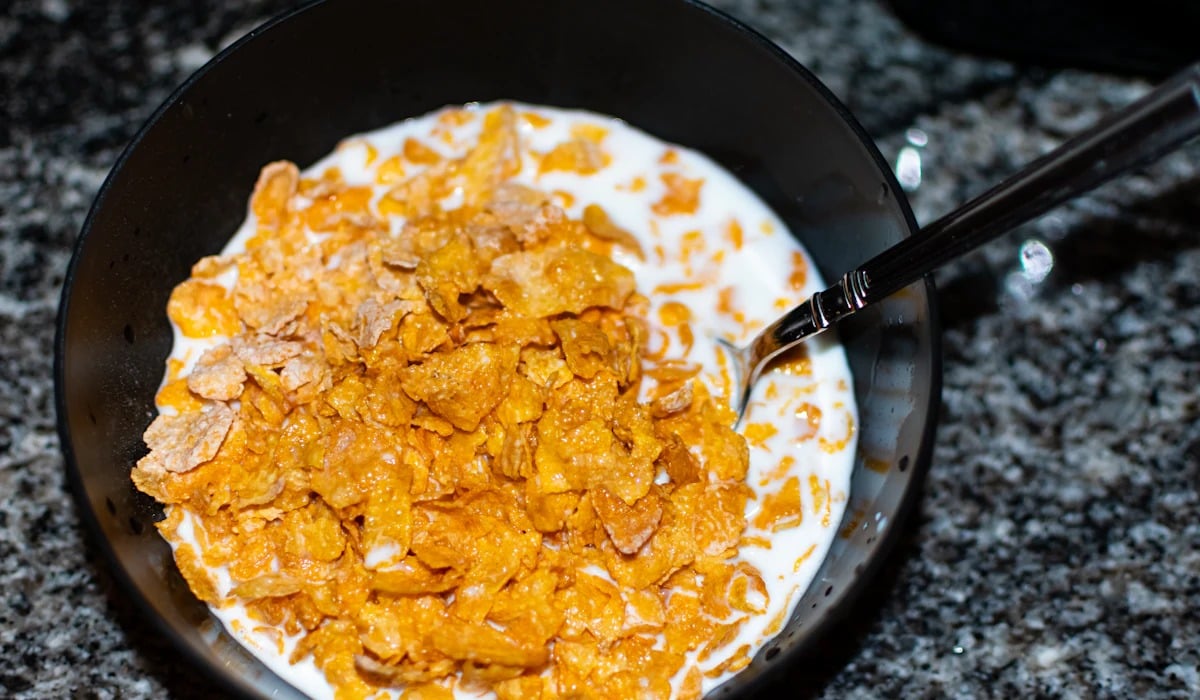
General Mills rolled out Crazy Cow in the late 1970s with a simple gimmick that did most of the selling. The round puffs were coated in a flavored powder, so pouring milk over them produced chocolate milk or strawberry milk within a minute or so, depending on the variety.
The mascot was a cartoon cow, and the commercials leaned hard on the color change in the bowl. The cereal itself went soft fast once the coating washed off, which may explain why it lasted only a few years.
People who grew up with it tend to remember the milk far more clearly than the cereal.
Pink Panther Flakes Dyed Breakfast to Match the Cartoon
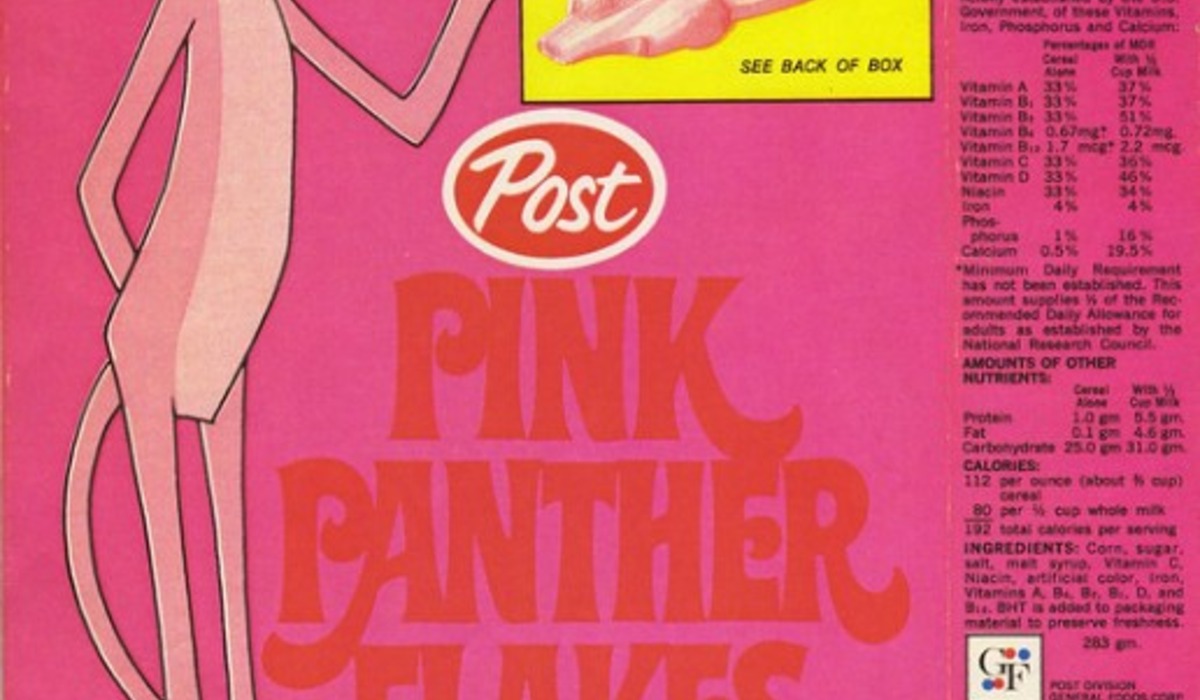
Post tied this early 1970s cereal to the cartoon Pink Panther, who by then had his own Saturday morning show on NBC. The product was essentially frosted corn flakes with a bright pink sugar coating, and the color washed off into the bowl and left the milk pink.
Boxes featured the character lounging in his usual unbothered way, and Post offered mail-away and in-box premiums built around him. The cereal was gone by the middle of the decade.
Surviving boxes are scarce and prized by collectors of both cereal memorabilia and Pink Panther merchandise, since flimsy cardboard from that era rarely made it out of the kitchen.
Sir Grapefellow Flew for Britain and Tasted Like Grape
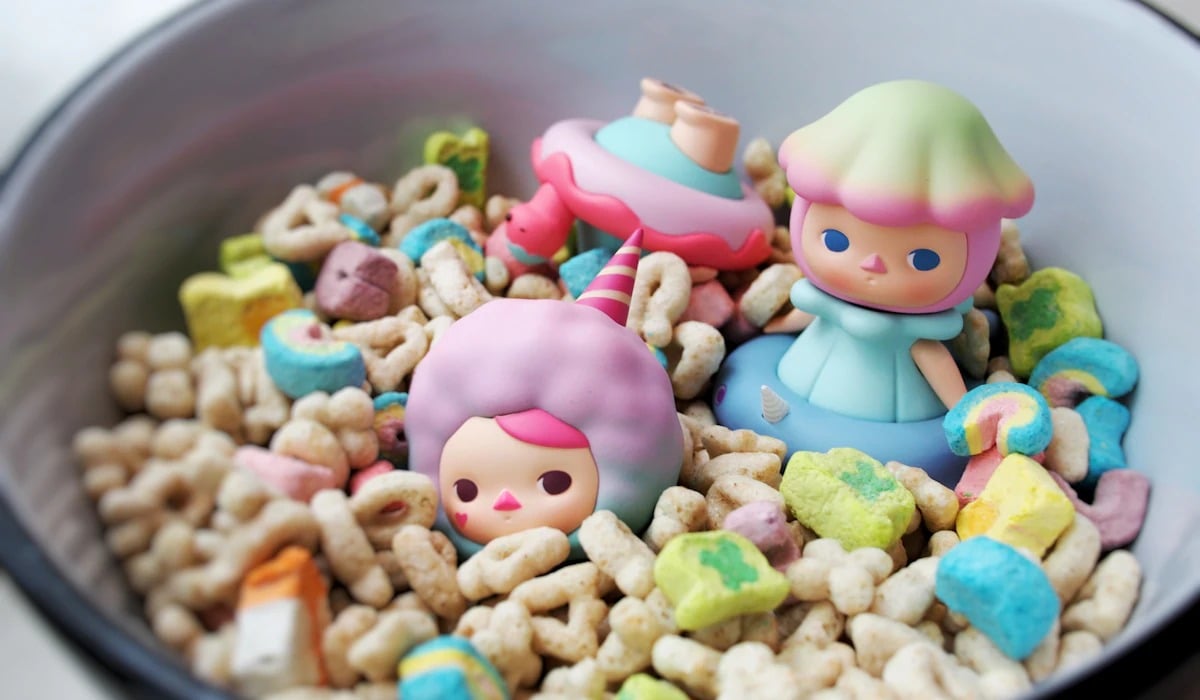
In 1972, General Mills introduced a pair of rival aviator cereals, and Sir Grapefellow was the British half. The mascot was a World War I flying ace in goggles and a scarf, pictured in a purple biplane on a purple box.
Inside was a grape-flavored oat cereal dotted with marshmallow pieces the company called starbits. Grape has never been an easy flavor to sell at breakfast, and the cereal did not last beyond the early 1970s.
Its short life and odd premise have made the box a favorite among collectors, who regularly rank it among the more sought-after cereal packages of the decade.
Baron Von Redberry Was the Rival in the Red Triplane
Baron Von Redberry arrived alongside Sir Grapefellow in 1972 as the German adversary, a cartoon ace clearly modeled on the Red Baron of World War I. General Mills gave him a berry-flavored oat cereal with its own marshmallow starbits, and the commercials staged dogfights between the two pilots over which cereal was better.
Selling a breakfast food with a comic German fighter pilot was a choice very much of its era. Neither cereal outsold the other by enough to matter, and both were grounded within a couple of years.
The pair now tend to be remembered together, like the two halves of a single odd idea.
Fruit Brute Was the Monster Cereal That Got Cut
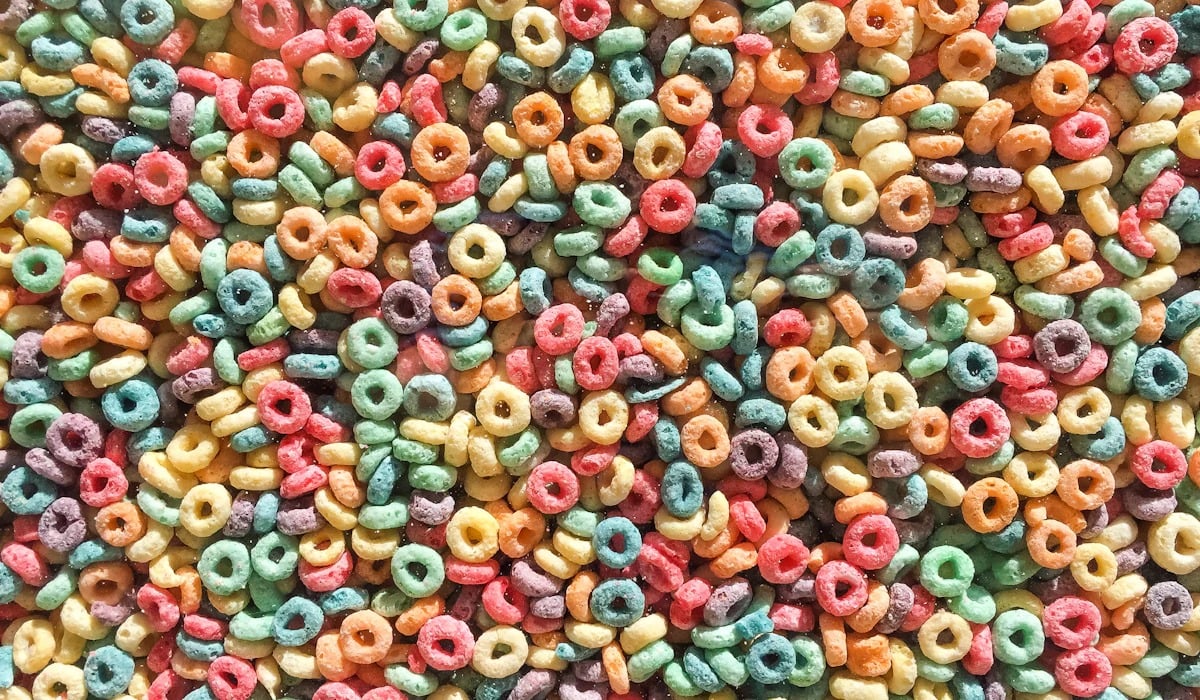
General Mills added a werewolf to its monster cereal lineup in 1974, joining Count Chocula, Franken Berry and Boo Berry. Fruit Brute wore striped overalls and fronted a fruit-flavored cereal with lime-flavored marshmallows, and the brand held on until about 1982 before the company dropped it.
The box later turned up in Quentin Tarantino’s Reservoir Dogs and Pulp Fiction, which gave the cereal a second life as a piece of trivia. General Mills brought it back for Halloween 2013 under the spelling Frute Brute, and the werewolf returned for another seasonal run in 2022.
Neither comeback lasted beyond a single Halloween.
Yummy Mummy Filled the Empty Slot for a Few Years
Several years after Fruit Brute departed, General Mills introduced another monster to take the vacant place. Fruity Yummy Mummy appeared in the late 1980s with a mascot wrapped in multicolored bandages and a fruit-flavored cereal mixed with vanilla-flavored marshmallows.
The name was soon shortened on the box, and the cereal lasted until about 1992. It then sat in the vault for two decades until the 2013 Halloween season, when all five monsters were sold together for the first time.
That revival was seasonal and brief, and the mummy remains the least seen member of the group.
C-3PO’s Brought Star Wars to the Breakfast Table
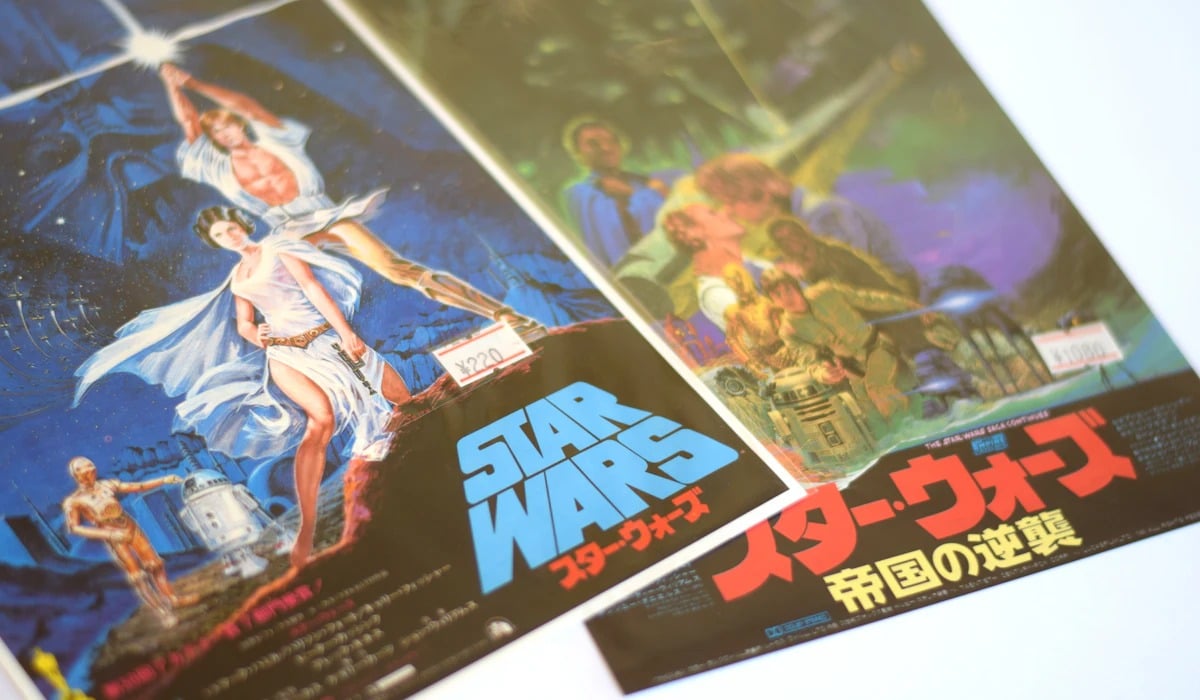
Kellogg’s released C-3PO’s in 1984, a year after Return of the Jedi, with the golden droid front and center on the box. The pieces looked like two small rings fused side by side, a shape the advertising made much of, and the sweetened oat, wheat and corn blend tasted pleasantly sweet without being especially memorable.
The real draw was the packaging. Boxes carried cut-out masks of characters on the back panel, along with offers for stickers and trading cards.
The cereal was off shelves within about two years, and intact boxes with uncut masks are the ones collectors look for.
Mr. T Cereal Pitied Anyone Who Skipped Breakfast
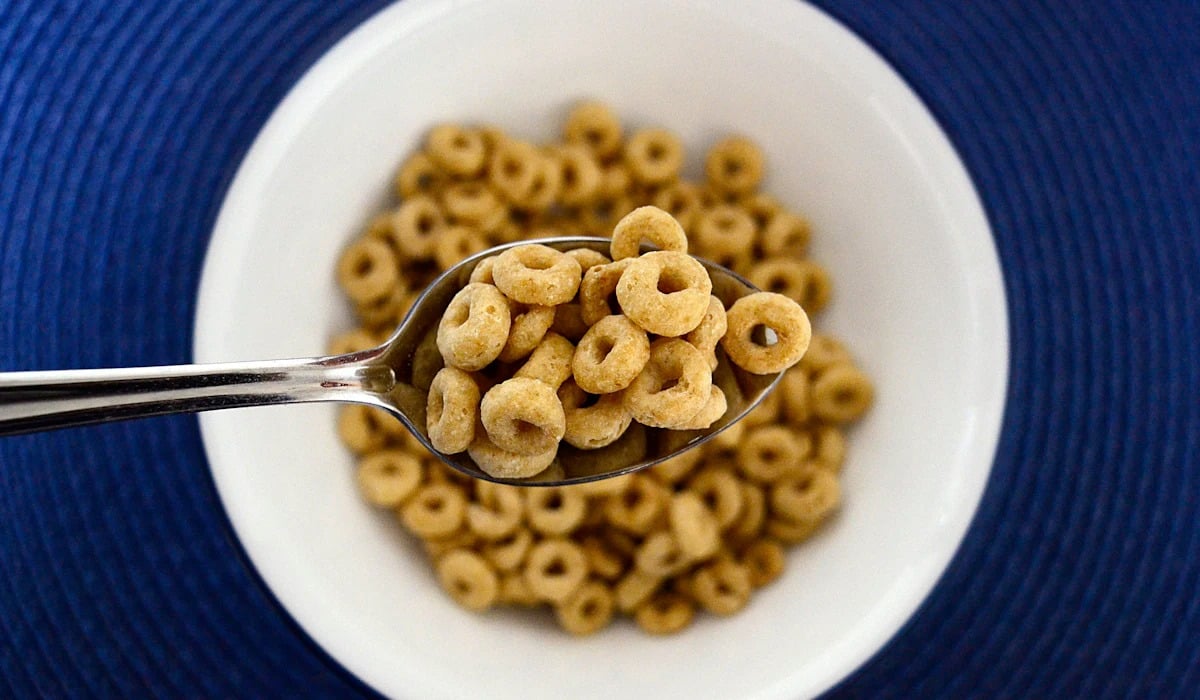
Quaker Oats put Mr. T on a cereal box in 1984, when the actor was starring in The A-Team and had his own Saturday morning cartoon.
The pieces were shaped like the letter T and made from sweetened corn and oats, with a flavor many people compared to Cap’n Crunch, another Quaker product. A cartoon version of the star appeared on the front, gold chains included.
The cereal has a memorable cameo in the 1985 film Pee-wee’s Big Adventure, where it gets poured over a plate of pancakes during the elaborate breakfast scene. It stayed in stores for several years before quietly disappearing.
Smurf-Berry Crunch Came in Red and Blue
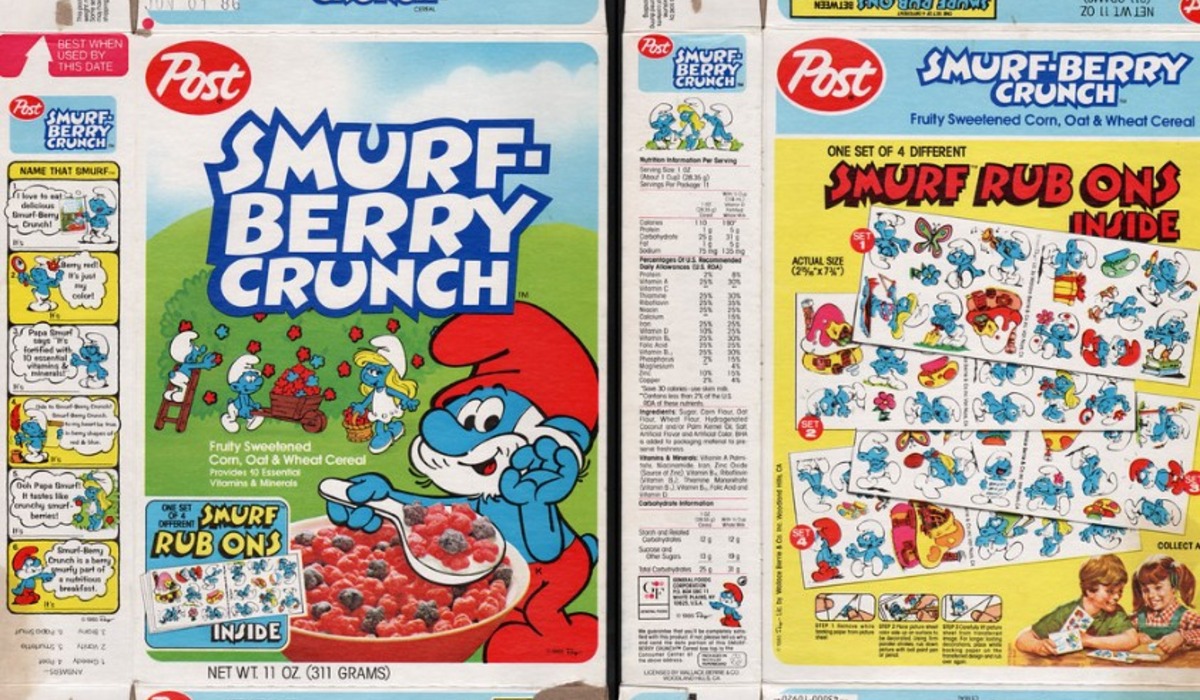
Post introduced Smurf-Berry Crunch in 1983, two years after the Hanna-Barbera cartoon made the small blue characters a Saturday morning fixture on NBC. The cereal was a mix of red and blue berry-flavored puffs, named for the smurfberries the characters ate on the show.
Commercials used the animated cast and a song set to the familiar theme tune. In 1987 Post reworked the idea as Smurf Magic Berries, a fruit-flavored cereal with marshmallow stars added.
Both versions were gone by the end of the decade. The cartoon itself ended its original run in 1989.
Pac-Man Cereal Fed the Arcade Craze
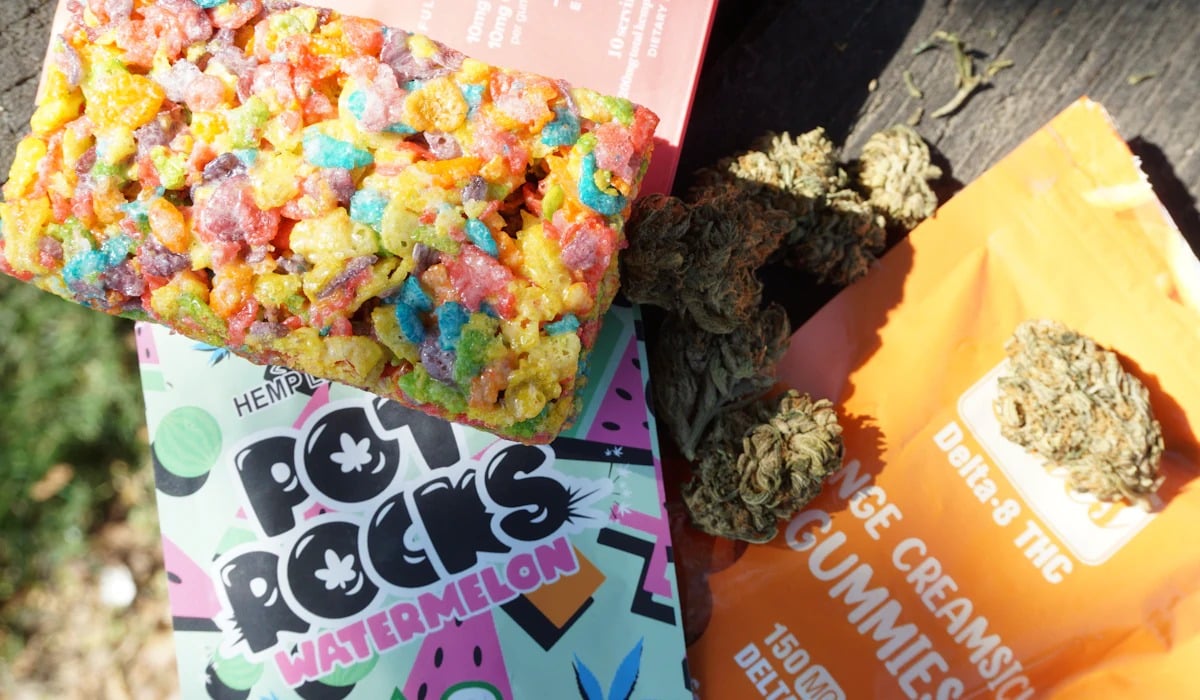
By 1983 the yellow arcade character was on lunch boxes, bedsheets and a hit novelty record, so a cereal was inevitable. General Mills made it as a sweetened corn puff with marshmallows shaped like Pac-Man and the four ghosts, Blinky, Pinky, Inky and Clyde.
Later boxes added Ms. Pac-Man marshmallows with a pink bow and a larger Super Pac-Man piece to keep things fresh.
The cereal held on for several years, longer than much of the other merchandise from the fad. It faded in the later 1980s as home consoles replaced the arcade as the center of video game culture.
Donkey Kong Cereal Poured Barrels Into the Bowl
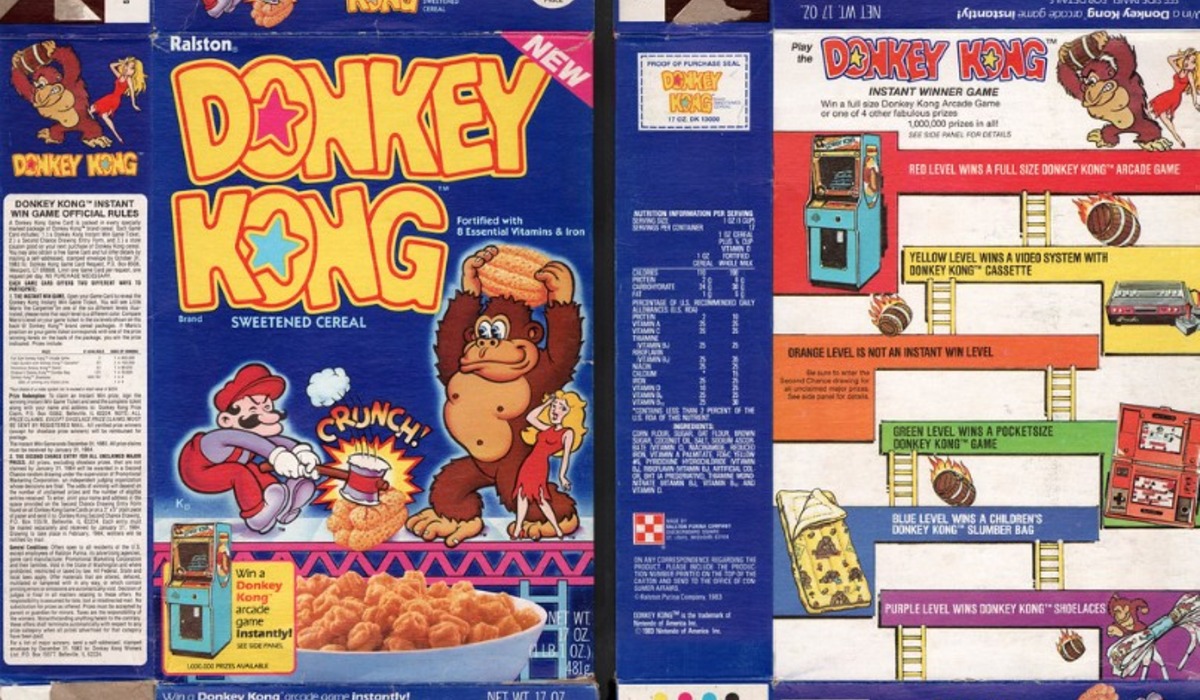
Ralston licensed Nintendo’s arcade hit in 1982, a year after the game arrived in American arcades. The cereal pieces were shaped like the barrels the ape hurls down the girders, and the sweetened corn recipe drew frequent comparisons to Cap’n Crunch.
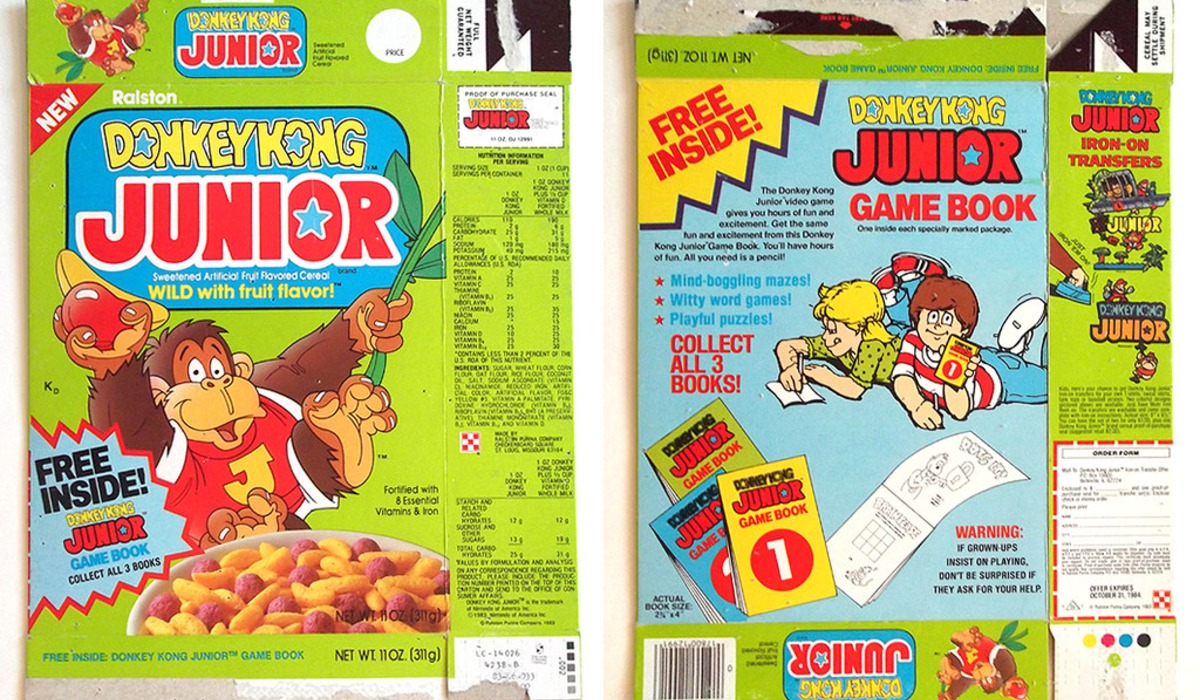
Box art showed Donkey Kong and Mario, the jumping hero who was still a carpenter and had yet to become a plumber. A fruit-flavored Donkey Kong Junior cereal followed in 1983 to match the sequel game.
Neither stayed on shelves long, but together they were among the earliest video game cereals, opening a category that would crowd the aisle for the rest of the decade.
Nintendo Cereal System Packed Two Games in One Box
Ralston’s 1988 follow-up took its name from the Nintendo Entertainment System and its format from a console with two cartridges. Each box held two separate bags.
One side was the fruity Super Mario Bros. cereal, with pieces shaped like Mario, mushrooms and enemies from the game, and the other was a berry-flavored Legend of Zelda cereal with Link, hearts, keys, boomerangs and shields. Boxes also carried trading cards and stickers featuring Nintendo characters.
The cereal lasted only about a year. Sealed boxes have become serious collectibles, and well-preserved examples have sold for several hundred dollars, depending heavily on condition and completeness.
E.T. Cereal Borrowed Its Flavor From the Movie
General Mills released E.T. cereal in 1984, two years after Steven Spielberg’s film became the biggest box office hit of its time. The pieces were shaped like the letters E and T and flavored with peanut butter and chocolate, an obvious echo of the Reese’s Pieces the alien follows in the movie.
The box showed the character’s face, and promotions included posters and other film merchandise. The cereal disappeared after roughly two years as the film’s merchandising wave receded.
The flavor pairing proved durable, though, and General Mills later had a long-running success with Reese’s Puffs.
Urkel-Os Gave a Sitcom Neighbor a Cereal
Ralston launched Urkel-Os in 1991, when Steve Urkel had grown from a one-episode guest on Family Matters into the main attraction of the ABC sitcom. The cereal was a mix of strawberry-flavored and banana-flavored rings, and the box showed actor Jaleel White in character with suspenders, oversized glasses and a spoon.
Few live-action sitcom characters have ever received a cereal, which says something about how popular the role had become. Sales cooled quickly and the product was gone within a year or two.
Family Matters ran until 1998, long after the breakfast version of its star had left the aisle.
Hidden Treasures Made Every Spoonful a Guess
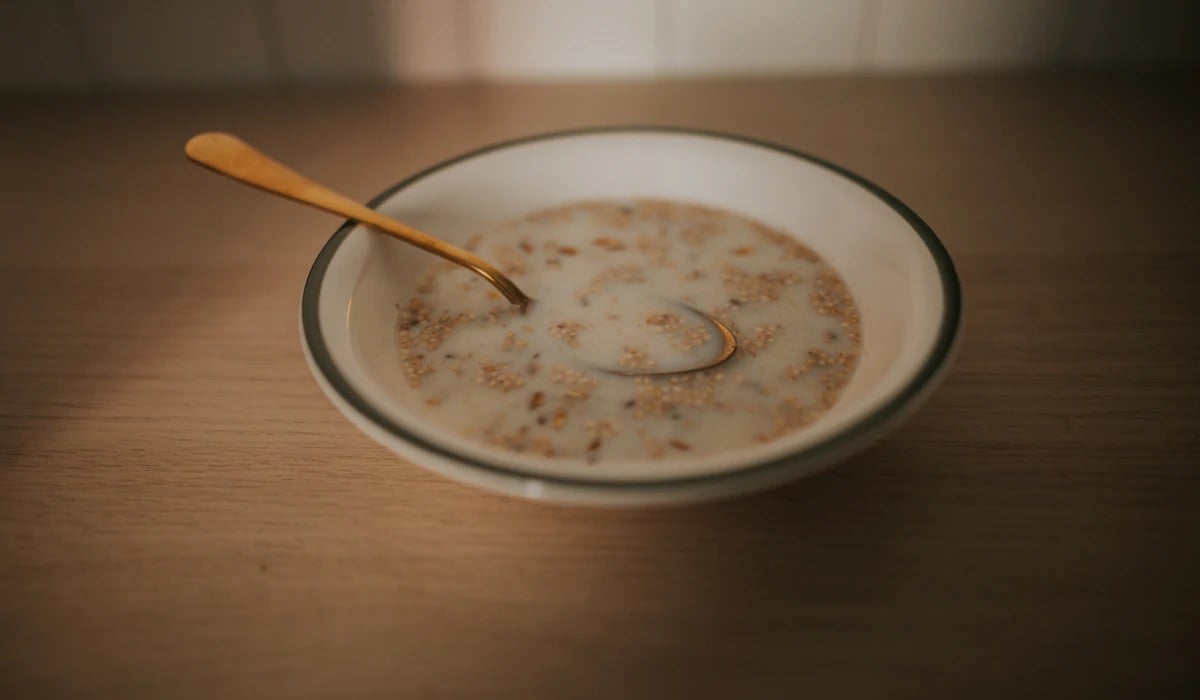
Hidden Treasures arrived from General Mills in 1993 with a gimmick borrowed from a box of chocolates. The cereal looked like plain sweetened corn squares, but some pieces held a fruit-flavored icing center in cherry, orange or grape, and nothing on the outside revealed which ones.
Commercials played up the hunt, and kids were encouraged to guess before biting. The filling turned out to be the kind of thing people either loved or picked around.
The cereal was discontinued around 1995, about two years after it arrived. It still shows up regularly on fan lists of cereals that General Mills ought to bring back.
Sprinkle Spangles Tasted Like a Sugar Cookie
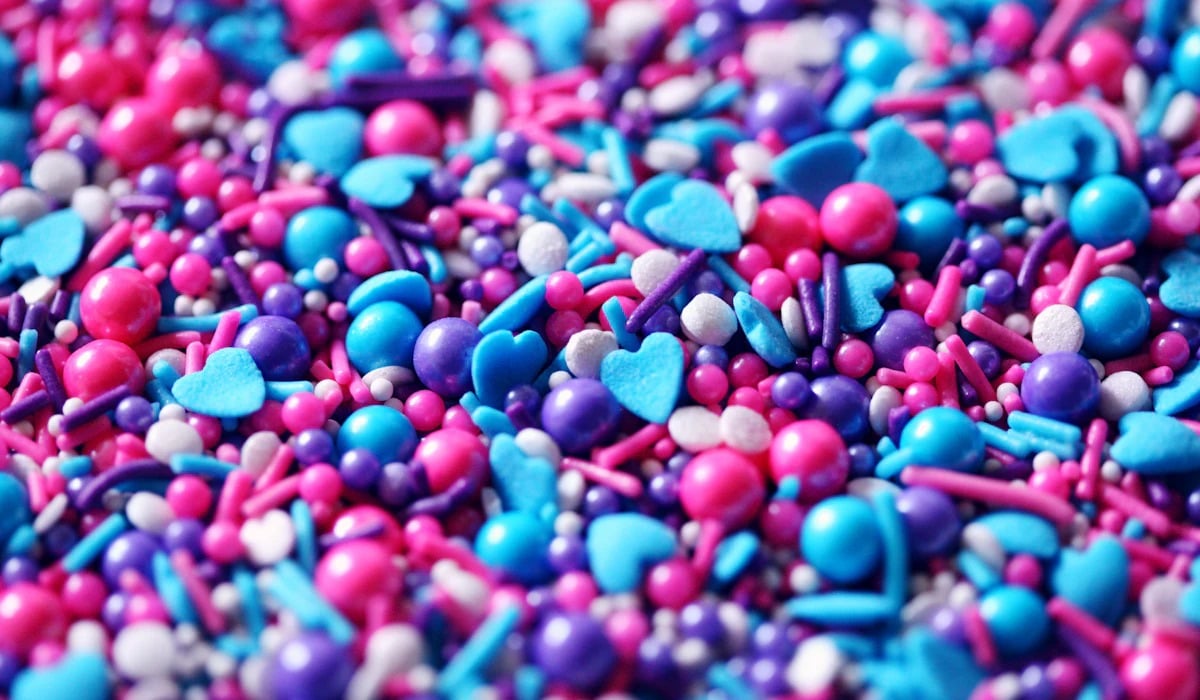
Arriving in 1993 alongside Hidden Treasures, Sprinkle Spangles was General Mills’s attempt to turn a decorated sugar cookie into breakfast. The pieces were star-shaped sweetened corn puffs covered in multicolored sprinkles.
Television spots featured a purple genie voiced by comedian Dom DeLuise, who granted wishes for cereal covered in sprinkles and delivered the tagline with considerable gusto. The cereal lasted only a year or two before it was pulled.
Its short life has not hurt its reputation, and it remains one of the most frequently named cereals of the 1990s whenever people list the ones they would like to taste again.
Cinnamon Mini Buns Shrunk a Bakery Favorite
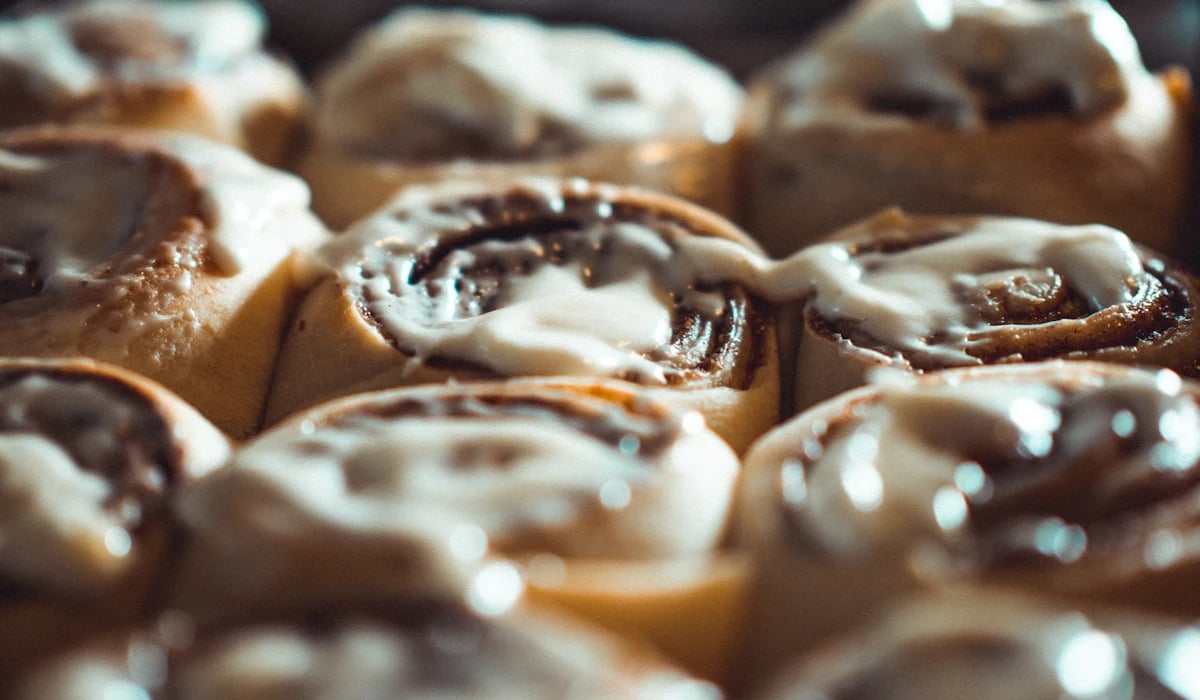
Cinnamon Mini Buns came from Kellogg’s in 1991, at a moment when mall cinnamon roll counters were at the height of their popularity. Each piece was a tiny spiral meant to look like a cinnamon roll, made from sweetened corn and oats with a heavy dusting of cinnamon.
The advertising leaned on the swirl shape and the smell of a bakery. The cereal lasted only a couple of years, though the idea kept coming back in other forms under other names.
Fans of the original maintain that the later versions never quite matched its flavor, a claim that is conveniently impossible to test.
Ice Cream Cones Cereal Promised Dessert at Dawn
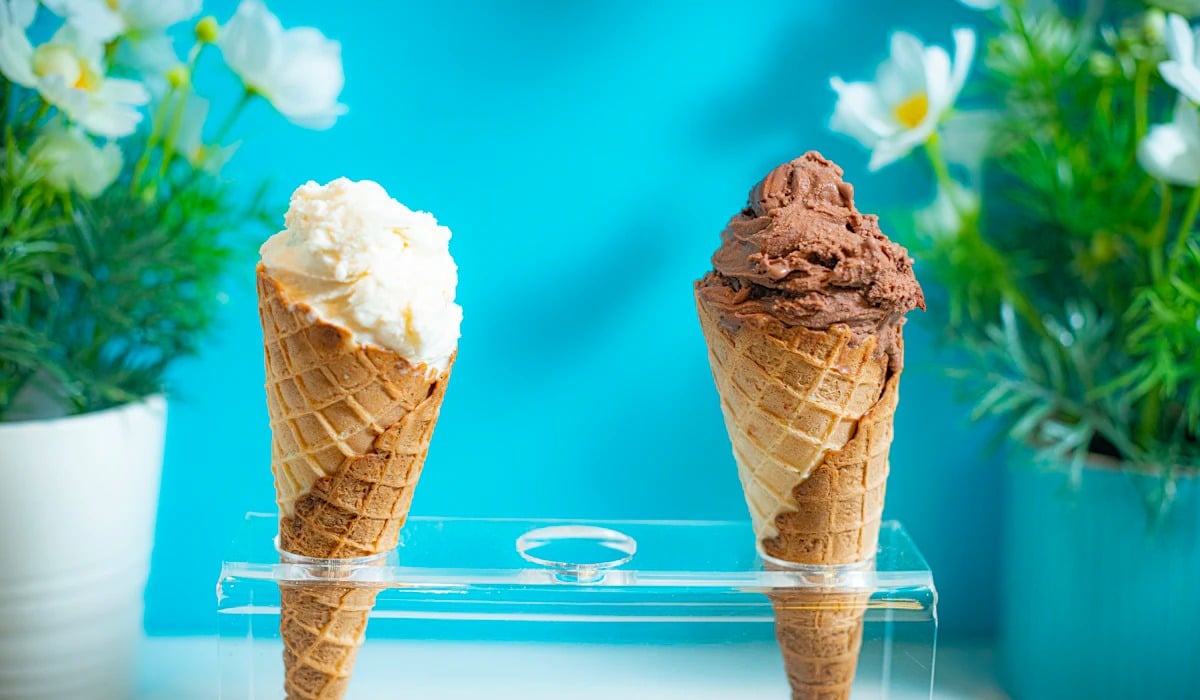
In 1987 General Mills tried selling ice cream for breakfast, or at least a crunchy impression of it. Ice Cream Cones cereal combined cone-shaped pieces with round puffs meant to resemble scoops, and it came in vanilla and chocolate chip varieties.
The mascot, Ice Cream Jones, delivered the cereal by bicycle in animated commercials with a jingle that people who heard it still recall. The product lasted only a year or two.
General Mills brought it back for a short run in 2003 to mark the centennial of the ice cream cone, and it has not been a regular item since.
Nerds Cereal Split the Box Down the Middle
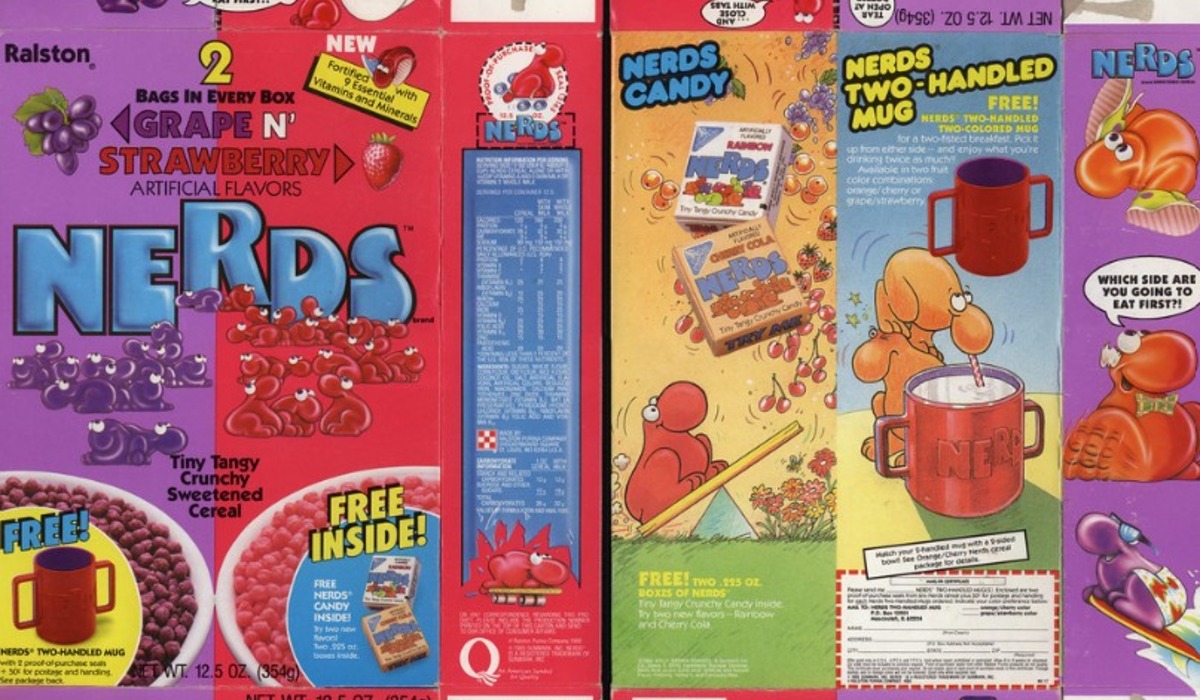
In 1985 Ralston adapted the tiny Wonka candy into a cereal and kept the candy’s best feature, a package divided into two flavors. One version paired orange with cherry, and the other paired strawberry with grape.
Each side had its own inner bag, so the flavors could be eaten separately or mixed. A mail-away premium carried the idea even further with a bowl divided by a small gate.
The pieces were small, sweet, tangy and brightly colored. The cereal was gone within a couple of years, while the candy it came from is still sold today.
Teenage Mutant Ninja Turtles Cereal Rode the Sewer Wave
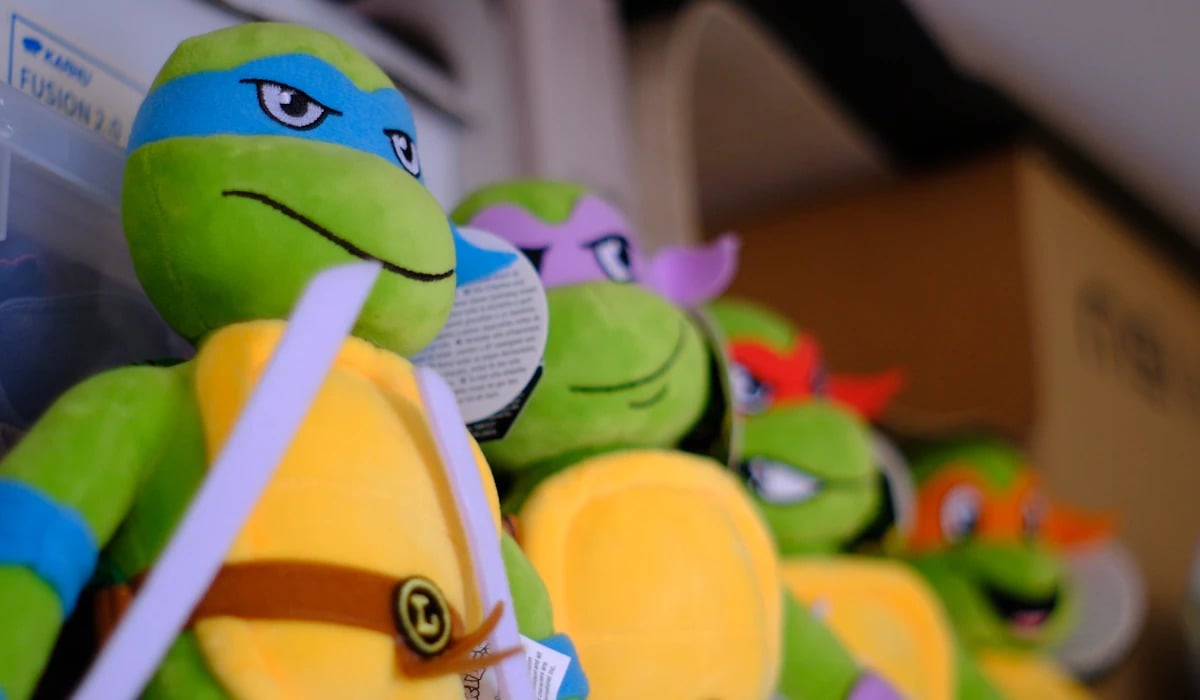
When the animated series turned four comic book reptiles into a sensation, Ralston followed in 1989 with a cereal. It mixed crisp squares the company called ninja nets, which closely resembled Chex, with marshmallows in turtle-themed shapes.
Later boxes added pizza-shaped marshmallows in honor of the characters’ favorite food. Some packages came shrink-wrapped with a plastic cereal bowl featuring one of the four turtles, a premium that still turns up at flea markets.
The cereal lasted into the early 1990s, about as long as the first wave of the craze. Ralston’s Chex expertise made it one of the better-tasting licensed cereals of its time.
Ghostbusters Cereal Changed Names With the Franchise
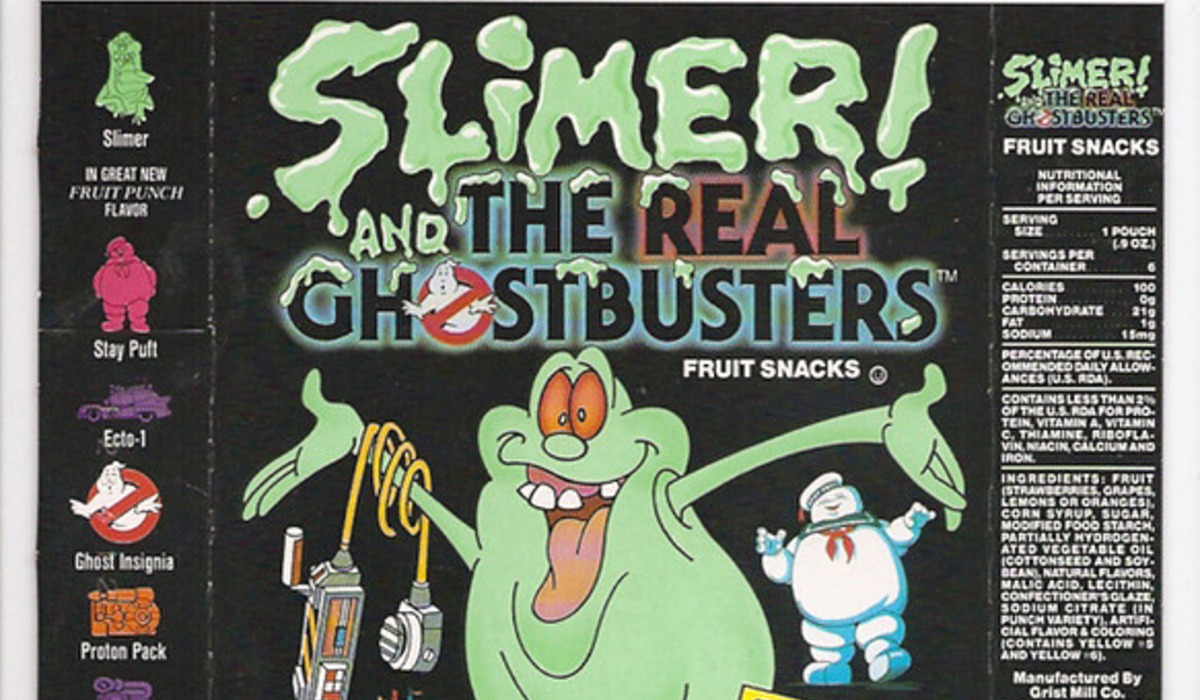
A year after the film opened, Ralston released Ghostbusters cereal in 1985. The fruit-flavored oat pieces were shaped like the red slashed circle from the logo and mixed with marshmallow ghosts.
When the animated series arrived, the box was renamed The Real Ghostbusters to match, and a later version gave top billing to Slimer, the green ghost. Some boxes carried a hologram on the front, a novelty that was expensive enough to be notable on a cereal package.
The cereal lasted until about 1990, a long run for a product tied to a movie. Most licensed cereals of the era were gone inside two years.
Bill and Ted’s Excellent Cereal Was Briefly Most Triumphant
Early in the 1990s, Ralston made a cereal out of two time-traveling teenagers from San Dimas, California. The tie-in was officially to the animated series that followed Bill and Ted’s Excellent Adventure, and the box showed the cartoon versions of the pair.
Inside were cinnamon-flavored oat squares with marshmallows shaped like musical notes, a reference to the duo’s band, Wyld Stallyns. Some boxes included a plastic cassette holder shaped like the pair’s time-traveling phone booth.
The cereal was sold for only a short period and vanished without much notice. Its name alone has kept it on lists like this one ever since.
Croonchy Stars Let the Swedish Chef Run the Kitchen

Post gave the Muppets’ Swedish Chef his own cereal in 1988, and the box read like it had been written by the character. The name was spelled the way he would pronounce it, and the side panels were filled with jokes, mock facts and gag puzzles.
The cereal itself was a cinnamon-flavored star shape, sweet and perfectly agreeable. The packaging carried the same anarchic humor as the character’s sketches on The Muppet Show.
Croonchy Stars lasted only about a year in its original run. Fans of the Muppets remember it as one of the rare licensed cereals that was funny on purpose.
OJ’s Tried to Put Orange Juice in the Bowl
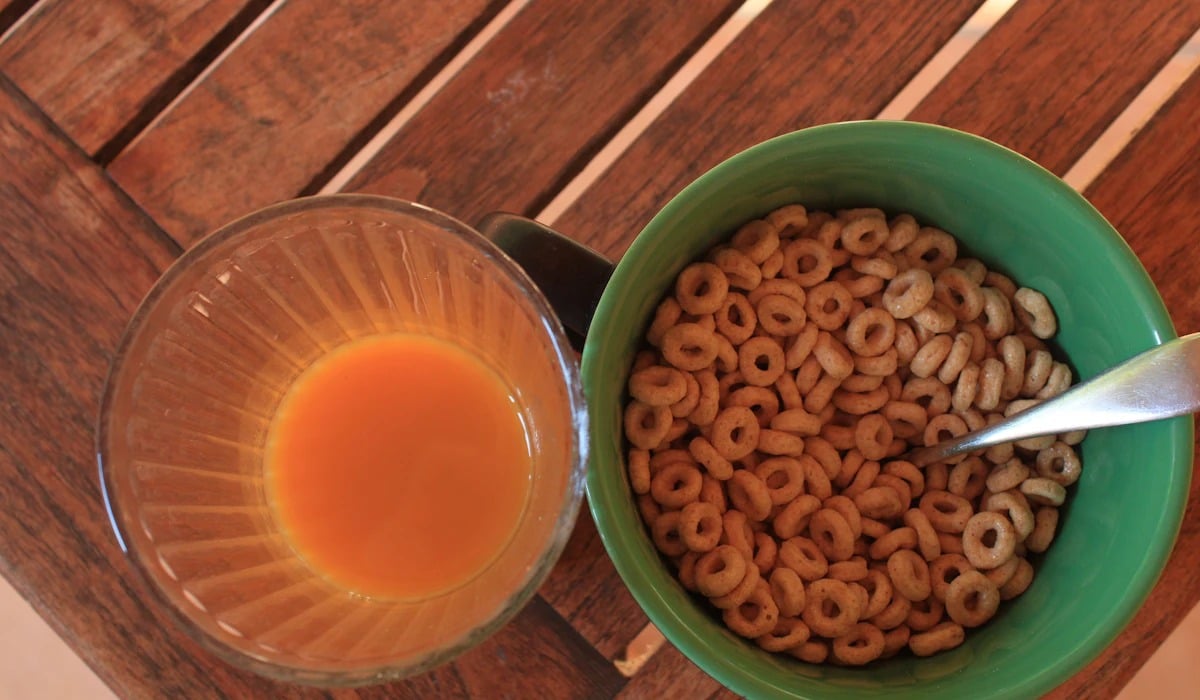
Kellogg’s reasoned in 1985 that if orange juice belonged at breakfast, it might as well be in the cereal. OJ’s were orange-colored puffs and rings that the company advertised as containing real orange juice, with a vitamin C claim printed prominently on the box.
The mascot was O.J. Joe, a cartoon rancher who herded oranges the way a cowboy herds cattle.
Orange flavor and cold milk turned out to be a difficult combination for many households, and the cereal was withdrawn after about a year. It remains a favorite example for anyone discussing breakfast ideas that sounded better in the meeting.
Product 19 Never Explained Its Name
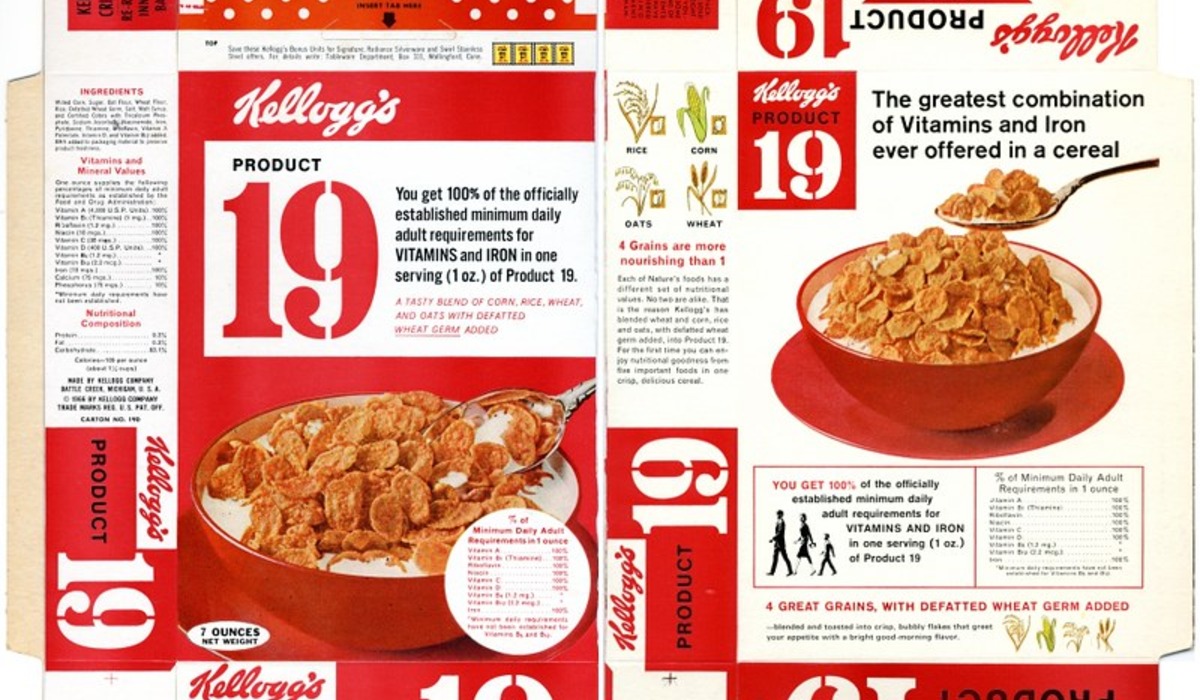
Kellogg’s introduced Product 19 in 1967 as a vitamin-fortified answer to General Mills’s Total. The flakes were made from a blend of corn, oats, wheat and rice, and the plain red and white box aimed squarely at adults.
Nobody has ever settled where the name came from, although the most repeated story holds that it was the nineteenth product the company developed that year. It sold steadily for decades with almost no advertising.
Kellogg’s confirmed in 2016 that production had ended, and loyal buyers responded by paying steep prices online for the last remaining boxes.
Saturday Mornings in a Cardboard Box
Most of these cereals were never built to last. They were launched to ride a movie, a cartoon or an arcade craze, and the companies that made them expected to clear the shelf space within a year or two.
The recipes were often close cousins of one another, which is why so many are remembered as tasting like something else. The box, the mascot and the prize did the real work.
That may be why the loyalty runs so deep. A cereal was one of the few products a child was allowed to choose, and the choice sat on the table every morning for weeks.
Petitions and seasonal revivals show that manufacturers know the affection is real. Bringing back the cereal is the easy part, and bringing back the morning is harder.
More from Go2Tutors!

- The Romanov Crown Jewels and Their Tragic Fate
- 13 Historical Mysteries That Science Still Can’t Solve
- Famous Hoaxes That Fooled the World for Years
- 15 Child Stars with Tragic Adult Lives
- 16 Famous Jewelry Pieces in History
Like Go2Tutors’s content? Follow us on MSN.