Odd Jobs From the Digital Economy
The internet changed how people make money. That statement sounds obvious now, but the specific ways it changed things keep getting stranger.
You can earn a living doing tasks that didn’t exist five years ago, serving needs that nobody knew they had until someone offered to fill them. Some of these jobs sound made up.
Others sound boring until you realize someone gets paid decent money to do them. The digital economy created thousands of tiny niches where people found ways to turn weird skills into income.
Virtual Jury Consultant

Lawyers need practice before trial. They need to test their arguments, see which points land and which ones confuse people.
Virtual jury consultants sit through mock trials online, give feedback on legal arguments, and help attorneys figure out what works. You watch video presentations, read case summaries, and answer questions about what you think.
Law firms pay for this because real juries are expensive to study. The work happens in chunks—a few hours here, a project there.
Some consultants make it regular income.
Podcast Editor Who Removes Filler Words

Podcasters say “um” and “uh” and “like” constantly. Listeners notice.
A whole job exists just to cut those sounds out of audio files. The work takes patience.
You listen to hours of conversation, mark every filler word, delete them, and smooth the audio so the cuts don’t sound jarring. Good editors make podcasters sound smarter without changing what they said.
The pay depends on experience and speed, but high-volume editors handle dozens of shows.
Online Plant Care Consultant

People buy houseplants, then watch them die. They want help but don’t want to hire someone to come to their house.
Online plant consultants look at photos, diagnose problems, and give advice through video calls. You need to know plants.
Brown leaf tips mean different things than yellow leaves. Drooping differs from wilting.
Consultants ask about watering schedules, check for pests in photos, and recommend fixes. Some charge per consultation.
Others offer monthly memberships where clients can ask unlimited questions.
Social Media Moderator for Niche Communities

Big platforms have content moderators. But small online communities need them too—and they want people who understand their specific culture.
A moderator for a rare disease support group needs different judgment than someone moderating a vintage car forum. You learn the community rules, watch for spam, handle conflicts, and keep discussions on track.
The job requires understanding context that algorithms miss. Pay varies widely.
Some moderators work for gaming companies. Others work for membership sites or online course creators.
Virtual Event Coordinator

Online conferences, workshops, and networking events need someone to manage the technology. Virtual event coordinators handle Zoom rooms, troubleshoot audio problems, manage breakout sessions, and make sure speakers get unmuted at the right time.
The work happens in real time. You can’t fix mistakes later.
You need to stay calm when someone’s video freezes or their slides won’t share. Coordinators often work evenings and weekends when events happen.
The pay reflects that scheduling challenge. Companies prefer hiring specialists rather than asking employees to add this to their regular duties.
Transcript Cleaner

Automatic transcription services make mistakes. They hear “their” when someone says “there.”
They miss technical terms. They create garbage text when multiple people talk over each other.
Transcript cleaners fix the mess. You read through auto-generated text while listening to audio, correct errors, and format everything properly.
The work requires good ears and attention to detail. Medical and legal transcripts pay more because accuracy matters more.
You can do this work anywhere with headphones and a quiet space.
Digital Fortune Cookie Writer

Restaurants, apps, and novelty websites need fortune cookie messages. Someone writes them.
That someone works from home in their pajamas, thinking up vaguely wise-sounding sentences. The job requires creativity within tight constraints.
Messages need to be short, generally positive, and broad enough to apply to anyone. You write in batches—fifty fortunes at a time, maybe.
Companies buy them in bulk. Some writers specialize in custom fortunes for events or branded messages for marketing campaigns.
Pet Webcam Checker
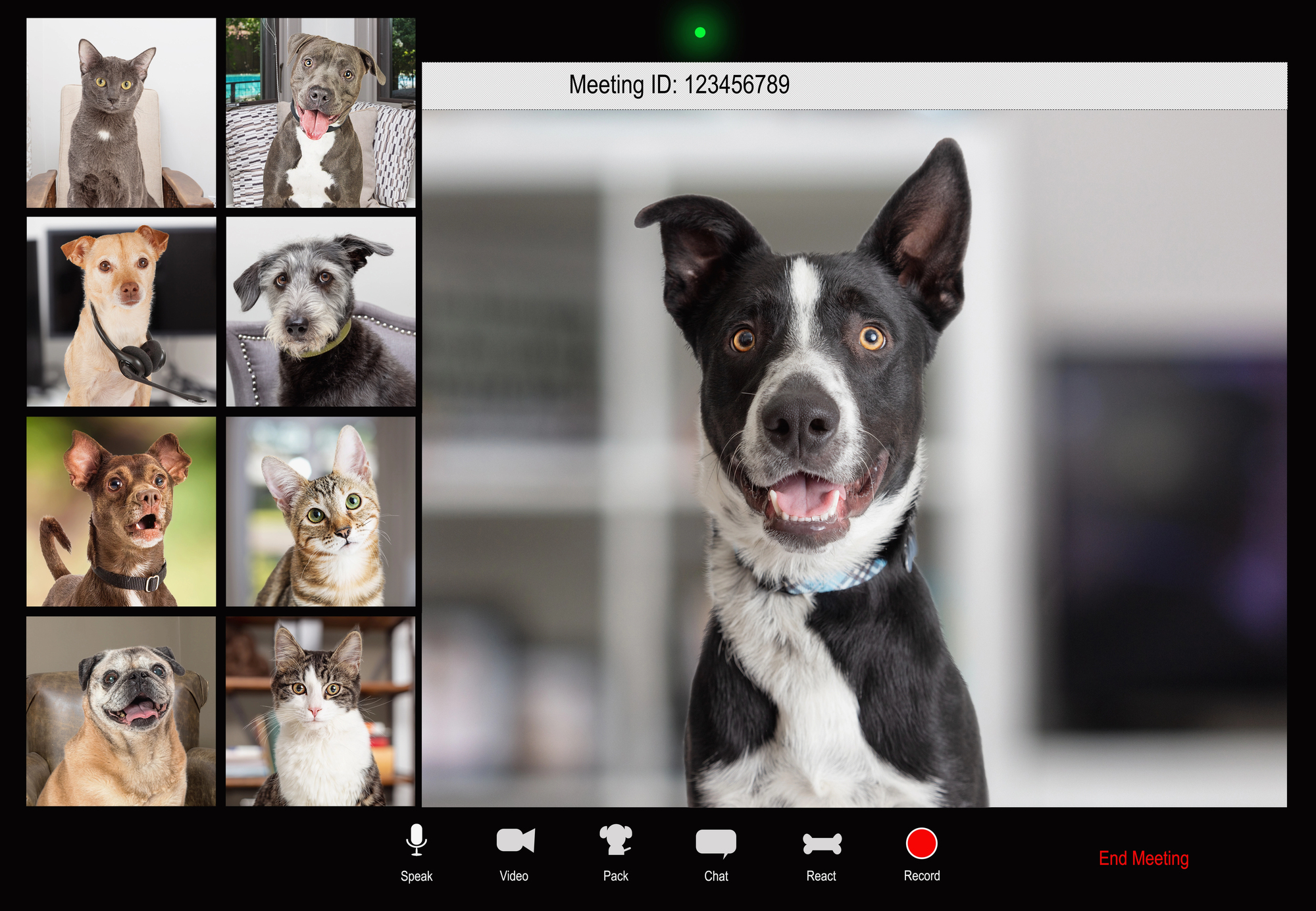
Pet owners install cameras to watch their animals during the day. But they can’t watch the feed constantly while working.
Pet webcam checkers do it for them. You get paid to monitor someone’s dog or cat through a webcam, watch for concerning behavior, and notify the owner if something looks wrong.
Most of the time nothing happens. Dogs sleep. Cats sit in boxes.
But occasionally you catch a pet getting into something dangerous or acting sick. Owners pay for peace of mind.
Rental Property Listing Photographer

Airbnb hosts and vacation rental owners need their properties to look good online. Professional real estate photography costs too much for a single listing.
Property listing photographers fill the gap. You show up with a decent camera, take flattering photos that follow platform guidelines, and deliver edited images.
The work varies by location. Urban areas have more short-term rentals.
You can do several properties in one day if they’re close together. Some photographers add virtual staging or drone shots for extra fees.
Video Game Bug Tester

Game studios need people to play their unfinished games and break them on purpose. Quality assurance testers look for glitches, document how to reproduce them, and help developers fix problems before release.
The work involves repetition. You might spend hours trying to jump through the same wall from different angles.
You walk into corners to see if you fall through the map. You test every weapon against every enemy type.
The job sounds fun until you realize you’re playing broken versions of games that aren’t fun yet. Remote testing positions increased as studios adapted to distributed teams.
Online Handwriting Analyst

Companies selling fonts want to know if their typefaces look friendly or professional. Apps teaching penmanship need feedback on letter formation.
Handwriting analysts review writing samples and provide assessments. Some work focuses on graphology—personality analysis from handwriting.
Other projects involve technical evaluation of letterforms, spacing, and legibility. You need training in handwriting analysis and a good eye for detail.
The work comes through specialized platforms that connect analysts with clients who need this specific skill.
Stock Photo Tagger

Millions of stock photos need accurate descriptions so people can find them in searches. Photo taggers write those descriptions—adding keywords, categories, and metadata to images.
You look at photos all day and describe what you see. A picture of a woman on a laptop becomes tagged with: woman, laptop, working, office, desk, computer, professional, business casual, indoor, daytime.
The more accurate tags you add, the more likely photographers earn money when someone licenses their image. Tagging platforms pay per image or per batch.
Voice Actor for Apps and Audiobooks

Text-to-speech technology improved, but people still prefer human voices for many projects. Voice actors record everything from meditation app scripts to audiobook narration from home studios.
You need decent recording equipment and a quiet space. Some voice work pays flat rates per project.
Audiobooks often pay per finished hour of audio. The competition got tougher as remote recording became standard, but demand grew too.
Apps, online courses, and corporate training all need voice talent.
Data Annotation Specialist

Machine learning requires training data. Someone needs to label thousands of images, telling computers what they’re looking at.
Data annotation specialists do exactly that—they tag pictures, mark objects in video frames, or label text for natural language processing. The work feels tedious.
You draw boxes around cars in photos. You mark which parts of sentences are nouns.
You categorize emotions in text messages. But the pay can be steady, and remote positions are common.
Tech companies outsource this work because they need massive volumes of labeled data to train algorithms.
Online Escape Room Designer

When live events stopped, people started playing games on screens instead. Some folks began making these digital challenges as side work.
Puzzles came together through trial and error, stories unfolded step by step, interactions clicked without needing real space. What grew was something built only for browsers, never paper.
Hard problems keep people interested, yet they must still crack them with a bit of effort. Creativity matters just as much as clear thinking when shaping these challenges.
Companies focused on team activities hire creators, also those arranging birthdays or running live events. A few build only around one idea – like solving crimes, scaring players, or revisiting old times.
Writing scenes comes first, then adding small bits of code if needed, while keeping track of how attention holds during online play.
Where These Jobs Lead

Out here, work doesn’t fit neatly into old categories. Because online networks link niche demands with rare abilities, new roles pop up.
When tools shift, a few of these fade away. Meanwhile, some grow roots deep enough to support whole fields.
Working these gigs usually isn’t about building a future checking webcams for pets or drafting messages inside cookies. It’s more often about covering rent, patching gaps in income, or testing paths when nothing else feels certain.
What stands out isn’t how long each role lasts but how online life reshaped daily labor into shapes we didn’t expect. Old ideas of jobs don’t fit quite right anymore.
More from Go2Tutors!

- The Romanov Crown Jewels and Their Tragic Fate
- 13 Historical Mysteries That Science Still Can’t Solve
- Famous Hoaxes That Fooled the World for Years
- 15 Child Stars with Tragic Adult Lives
- 16 Famous Jewelry Pieces in History
Like Go2Tutors’s content? Follow us on MSN.



