15 Strangest Foods Astronauts Ate
Imagine being strapped into a rocket, blasting off to space, and then realizing your dinner comes from a toothpaste tube. While we dream about the wonders of space exploration, the reality of eating in zero gravity has been far stranger than science fiction ever imagined. From chocolate sauce squeezed like toothpaste to ramen noodles reformed into bite-sized pieces, astronauts have consumed some truly bizarre meals over the decades.
Space agencies worldwide have wrestled with the challenge of feeding humans in an environment where crumbs can damage million-dollar equipment and where your sense of taste goes haywire. The solutions they’ve come up with range from ingenious to downright weird.
Here is a list of 15 strangest foods astronauts have eaten during their missions.
Pureed Meat in Toothpaste Tubes

The very first space meal was about as appetizing as it sounds. When Soviet cosmonaut Yuri Gagarin became the first human to eat in space during his 1961 Vostok 1 mission, he squeezed pureed beef and liver paste directly from aluminum tubes into his mouth. Think brushing your teeth, but with meat instead of toothpaste. American astronaut John Glenn followed suit the next year, consuming pureed beef and vegetables the same way. These tubes were heavy, often weighing more than the food inside, and astronauts couldn’t smell or see what they were eating.
Chocolate Sauce Dessert Tubes
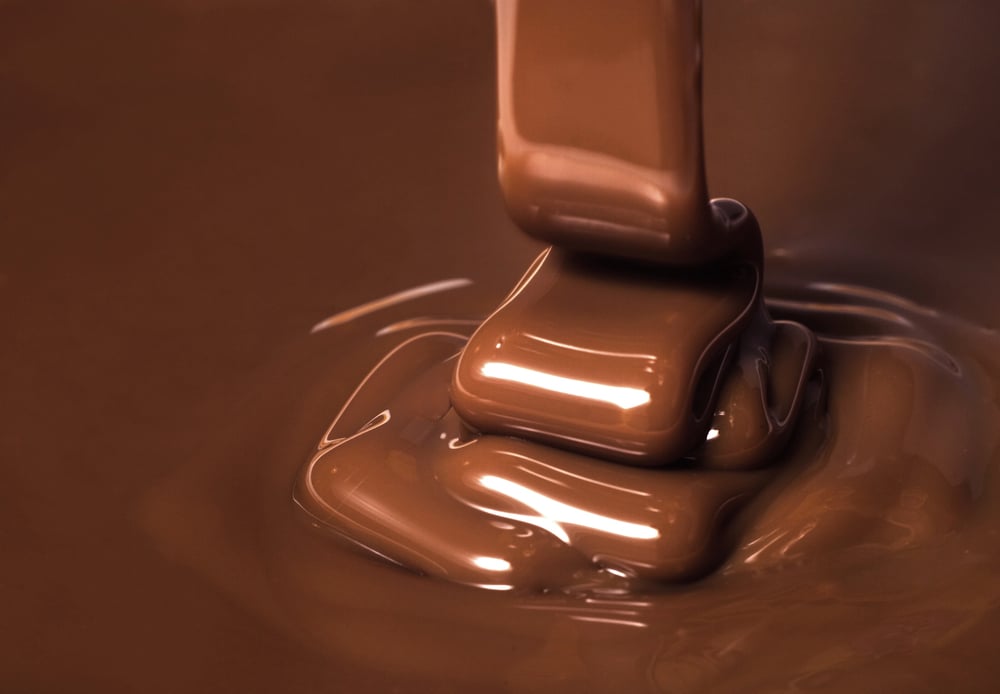
Not all tube food was savory nightmare fuel. Gagarin’s space dessert consisted of chocolate sauce squeezed from yet another aluminum tube. While this might sound more appealing than meat paste, imagine trying to enjoy chocolate without being able to smell it or control how much comes out at once. The texture was reportedly thick and gooey, nothing like the smooth chocolate sauces we’re used to on Earth. At least it proved that space travel didn’t have to be completely joyless.
Applesauce from Aluminum Containers

John Glenn’s historic meal aboard Friendship 7 included applesauce served from what NASA described as a ‘toothpaste-like tube.’ This represented one of the first attempts to bring familiar Earth flavors to space, though the delivery method was anything but familiar. Glenn had to squeeze the tube carefully to avoid creating a floating applesauce explosion in the cramped Mercury capsule. The experience proved that humans could swallow and digest food in weightlessness, which wasn’t a given at the time.
Bite-Sized Gelatin-Coated Cubes
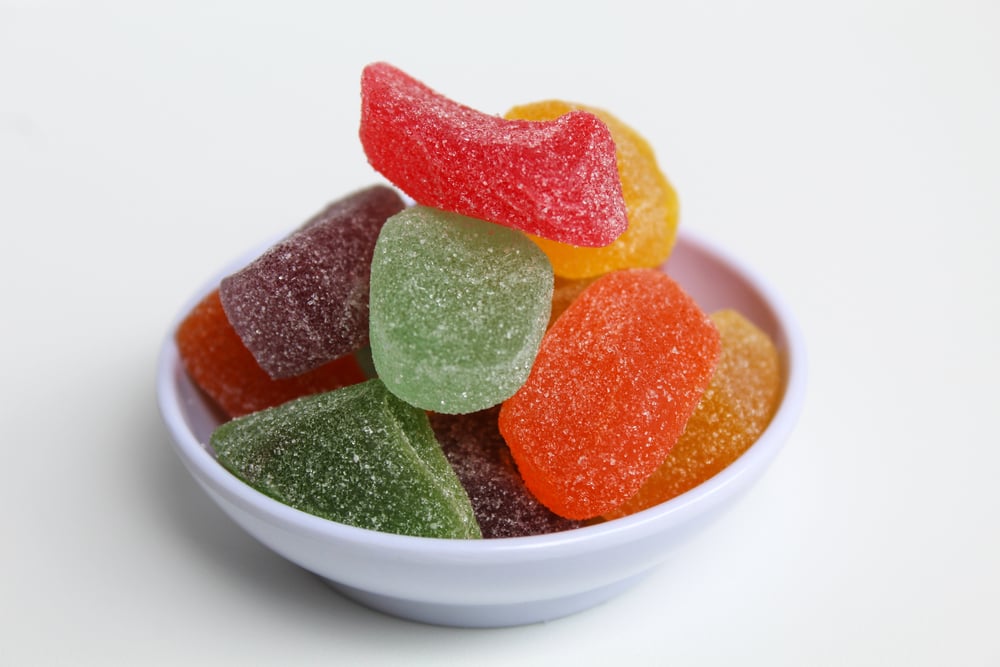
Early astronauts dealt with what can only be described as space croutons from hell. These bite-sized food cubes were coated in gelatin to prevent them from crumbling and potentially damaging spacecraft equipment. The cubes contained compressed nutrients but tasted about as appetizing as edible cardboard. Scott Carpenter became the first astronaut to eat solid food in space when he consumed these cubes during his 1962 Aurora 7 mission. Astronauts found them difficult to chew and even harder to enjoy.
Tang Orange Drink Mix

— Photo by homank76
While Tang wasn’t actually invented for space (contrary to popular belief), it became synonymous with astronaut cuisine after John Glenn brought it on his 1962 mission. The powdered drink mix was practical because it added flavor to the bland water produced by spacecraft fuel cells. However, mixing Tang in zero gravity wasn’t as simple as stirring it in a glass. Astronauts had to inject water into vacuum-sealed pouches, then shake or knead the mixture while trying to prevent orange powder from escaping and floating around the cabin.
Space Food Sticks

— Photo by imwaltersy
These Tootsie Roll-like energy bars were specifically created by Pillsbury as space-age nutrition. The sticks came wrapped in shiny foil and were marketed to consumers as the same food astronauts ate, though the reality was less glamorous. They were dense, chewy, and came in flavors like peanut butter and caramel. Skylab astronauts tested modified versions in 1972 for what NASA diplomatically called ‘gastrointestinal compatibility.’ The sticks disappeared from store shelves in the 1980s, probably for good reason.
Liquid Salt and Pepper
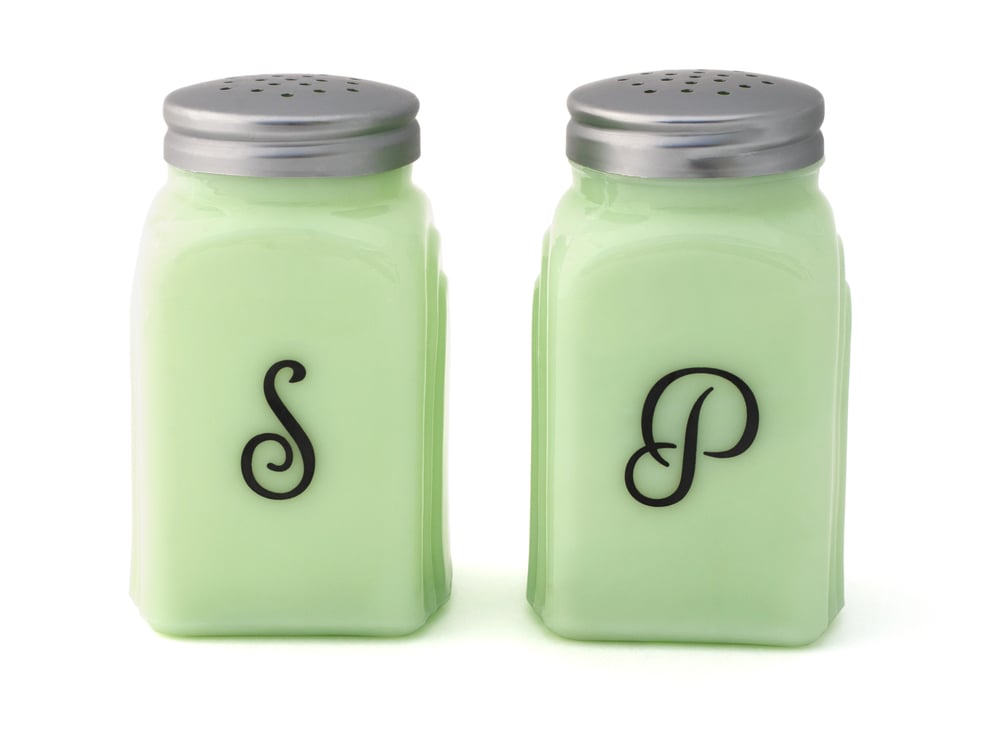
Regular salt and pepper became dangerous projectiles in space, so NASA created liquid versions that astronauts could squeeze from bottles. The salt was dissolved in water, while pepper was mixed into oil. This meant seasoning your space meal involved squirting oily pepper liquid and salty water onto your food. While practical, it fundamentally changed how familiar seasonings tasted and felt. Astronauts had to get creative about where and how much to squeeze, since there was no going back once the liquid left the bottle.
Soviet Borscht Labeled as Vodka

During the 1975 Apollo-Soyuz Test Project, Soviet cosmonauts shared their space food with American astronauts, including tubes of borscht that were mischievously labeled ‘vodka.’ The beet soup was thick and came in the same aluminum tubes used for other Soviet space foods. American astronauts were probably disappointed to discover their ‘vodka’ was actually vegetable soup, though the prank demonstrated that space food humor transcended international boundaries. The borscht reportedly had an unusual texture that was nothing like the traditional soup served on Earth.
Canned Beef Tongue
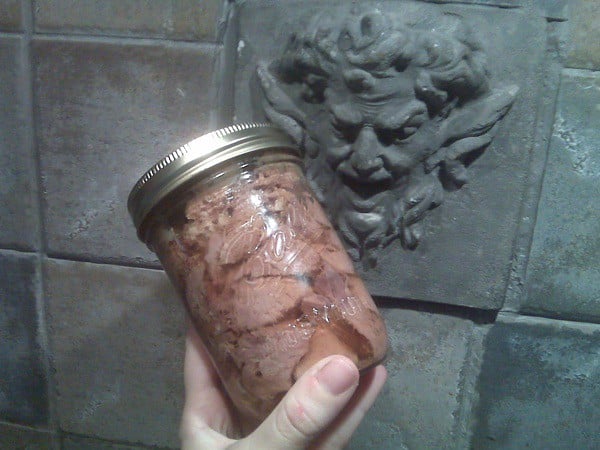
The Soviets brought some truly adventurous protein options to space, including canned beef tongue that was shared during joint missions. While beef tongue is considered a delicacy in many cultures, eating it from a can in zero gravity probably didn’t enhance the experience. The meat had to be soft enough to eat easily in weightlessness but firm enough not to fall apart and create floating particles. Soviet cosmonauts seemed to handle these unconventional protein sources better than their American counterparts.
Irradiated Beef Steaks

NASA developed a method of sterilizing beef steaks using ionizing radiation to prevent spoilage without refrigeration. While the process doesn’t make food radioactive, the idea of eating radiation-treated meat in space adds a science fiction element to astronaut dining. The steaks maintained their nutritional value and didn’t spoil, but astronauts reported that the texture was different from regular steaks. NASA required special FDA dispensation to use this sterilization method, highlighting how unusual these space food preservation techniques really were.
M&Ms as Floating Snacks
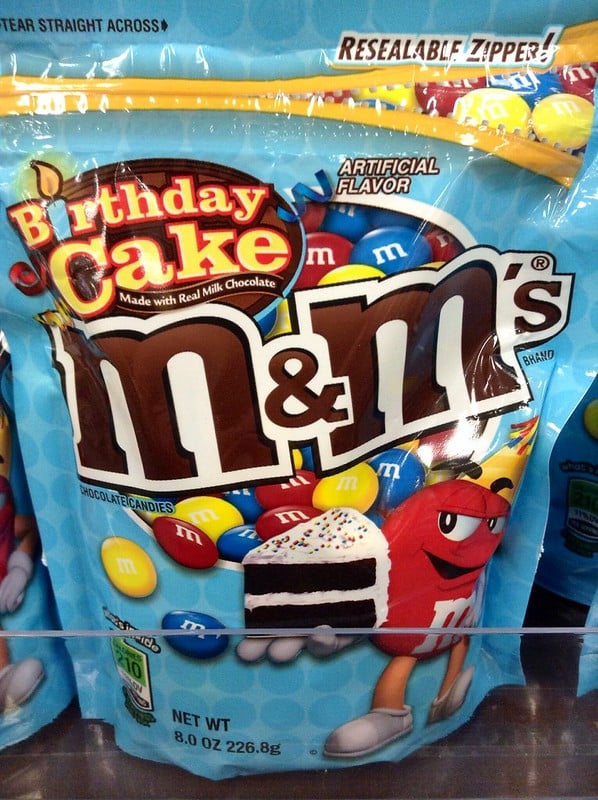
M&Ms became a space station favorite not because of their taste, but because their candy shell prevented the chocolate from crumbling or melting all over astronauts’ hands and equipment. The colorful candies provided entertainment value as astronauts could chase and catch them with their mouths in zero gravity. This turned snack time into a game where food literally floated in front of you waiting to be captured. It’s probably the most fun anyone has ever had eating candy.
Smuggled Corned Beef Sandwich

During the Gemini 3 mission, astronaut John Young surprised his crewmate Virgil Grissom with a corned beef sandwich on rye that he had secretly purchased from a delicatessen and smuggled aboard. The sandwich created crumbs that floated around the cabin, proving exactly why bread was banned from space missions. NASA was not amused by this unauthorized food experiment, as the floating bread particles could have damaged sensitive equipment or been inhaled by the astronauts. It became one of the most famous food violations in space history.
Space Ramen Noodles

Japanese company Nissin Foods created special ‘Space Ram’ noodles for astronauts, but they had to completely redesign the familiar instant noodles for zero gravity consumption. The noodles were reformed into small, fork-friendly pieces that wouldn’t float away, and extra spices were added because space dulls astronauts’ sense of taste. Since there’s no boiling water in space, these noodles are cooked at just 70 degrees. The result was something that technically qualified as ramen but bore little resemblance to the college dorm staple.
Freeze-Dried Ice Cream

Despite what gift shops at space museums might suggest, freeze-dried ice cream was only sent to space once during the Apollo era, and no astronaut has requested it since. The cube-shaped dessert was created using the same compression and coating techniques as other early space foods. One astronaut tried it and apparently decided that was enough freeze-dried ice cream for the entire space program. The chalky, crumbly texture and artificial taste made it less appealing than the novelty suggested.
Pickled Perch for Breakfast
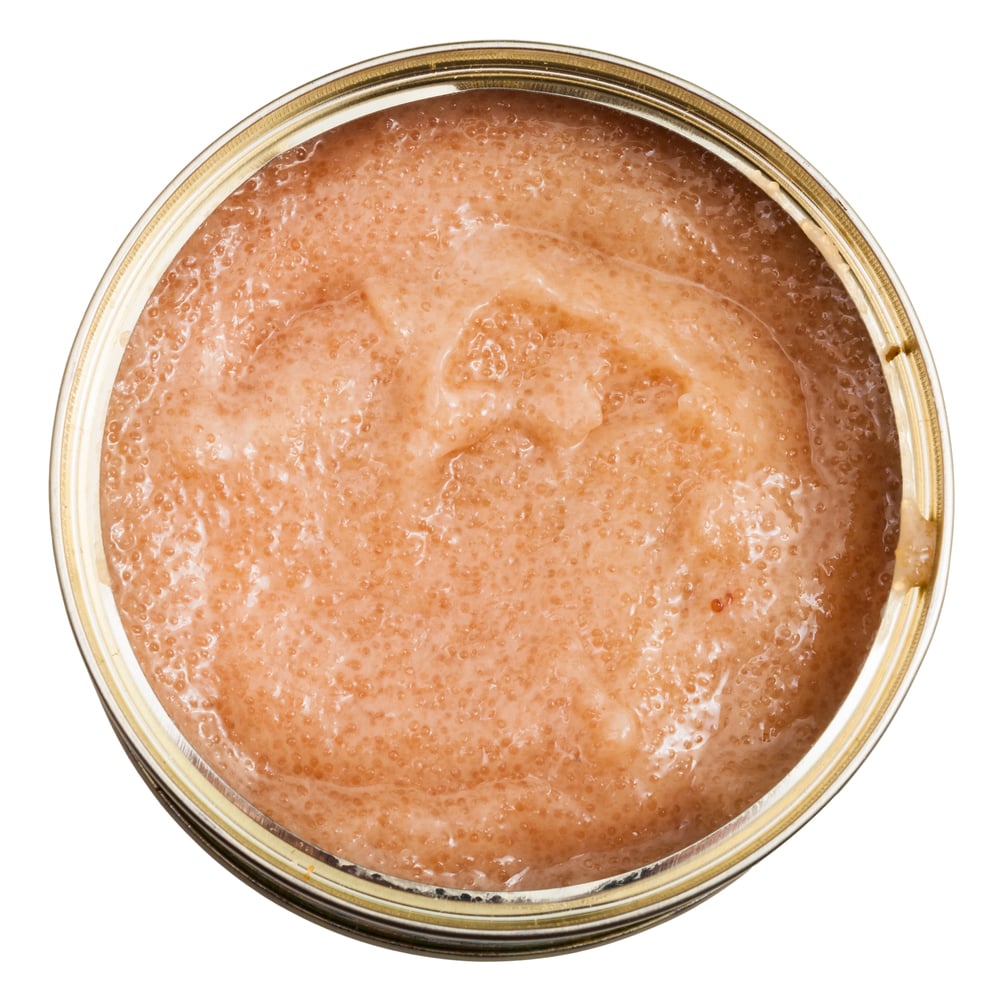
Russian cosmonauts brought their own cultural food preferences to space, including pickled and spiced perch for breakfast. While Americans typically eat eggs and bacon in the morning, Russians traditionally prefer fish products to start their day. The pickled perch came canned and had to maintain its flavor and texture after being processed for space storage. It’s hard to imagine a more distinctly Russian way to begin a day of orbiting the Earth than with preserved fish and strong tea.
From Tubes to Tables

The evolution of space food tells a story of human ingenuity meeting the harsh realities of life beyond Earth’s atmosphere. What started as barely edible paste squeezed from tubes has gradually transformed into more recognizable meals, though they still come with their own unique challenges. Today’s astronauts enjoy a much wider variety of foods, from thermostabilized beef stew to fresh fruit delivered by cargo missions, but they still deal with the fundamental weirdness of eating in a place where crumbs can be deadly and hot sauce is liquid gold. The strangest chapter of space dining may be behind us, but the quest to make extraterrestrial meals both nutritious and enjoyable continues as we prepare for longer missions to Mars and beyond.
More from Go2Tutors!

- The Romanov Crown Jewels and Their Tragic Fate
- 13 Historical Mysteries That Science Still Can’t Solve
- Famous Hoaxes That Fooled the World for Years
- 15 Child Stars with Tragic Adult Lives
- 16 Famous Jewelry Pieces in History
Like Go2Tutors’s content? Follow us on MSN.



