Most Unusual Burial Sites Ever Discovered
Death rituals have always reflected the living — their fears, beliefs, and ambitions. Yet, every so often, archaeologists stumble upon burial sites so bizarre they rewrite what we thought we knew about ancient life (and death).
Below are some of the most unusual burial sites ever discovered, each revealing strange glimpses into how humanity has said goodbye over the centuries.
The Vampire Graves of Sozopol
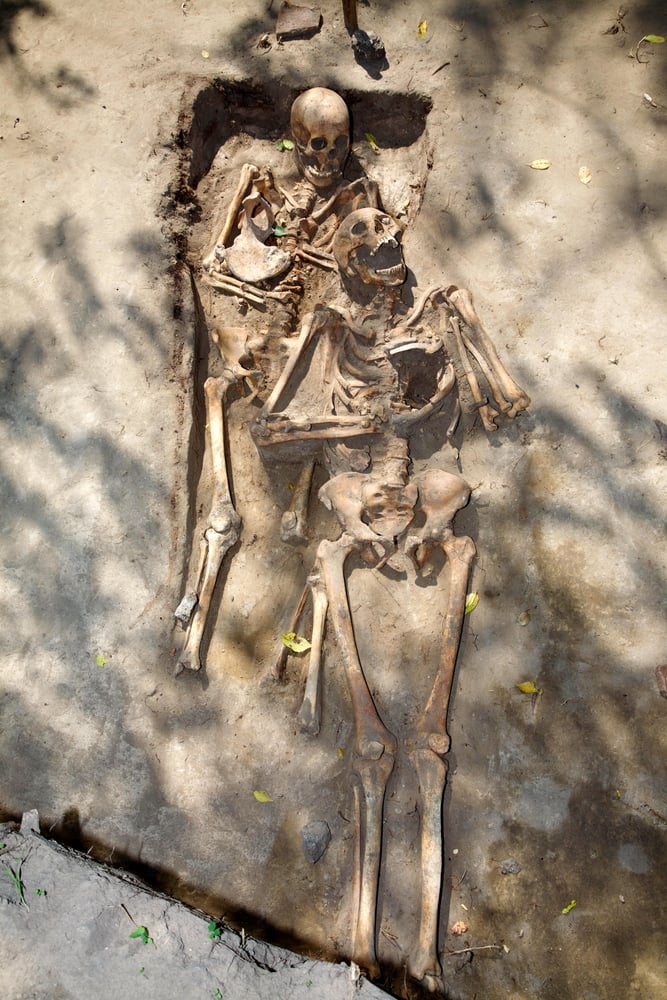
In Bulgaria’s seaside town of Sozopol, two skeletons were found with iron rods driven through their chests — a practice meant to keep the dead from rising again. The so-called “vampire burials” date back to the Middle Ages, when superstition blurred easily into social order.
Still, the eerie sight of ribcages pierced by iron makes you wonder how deep the fear of the undead ran — and whether anyone ever felt truly safe after dark.
The Boat Graves of Salme

Off the coast of Estonia, archaeologists uncovered two Viking-era ships buried side by side. Inside lay dozens of warriors, their swords beside them, their helmets polished for eternity.
No women, no animals — just fighters, arranged with precision.
It wasn’t a casual burial.
More like a maritime send-off, a fleet turned funeral.
• One ship held the younger men.
• The other, the older — leaders, perhaps, or kin.
Salt and steel, resting together beneath the soil.
Like Go2Tutors’s content? Follow us on MSN.
The Headless Vikings of Dorset

Discovered near Weymouth in southern England, this mass grave of over fifty decapitated Viking warriors left historians puzzled. The heads were stacked neatly in one pile.
The bodies — tossed carelessly nearby.And here’s the twist: the beheadings weren’t battle wounds.
They were executions. Some skulls showed signs of humiliation — teeth filed down, jaws broken.
Not the glorious death Vikings hoped for. Brutal. Yet hauntingly organised.
The Sunken Cemetery of Camiguin
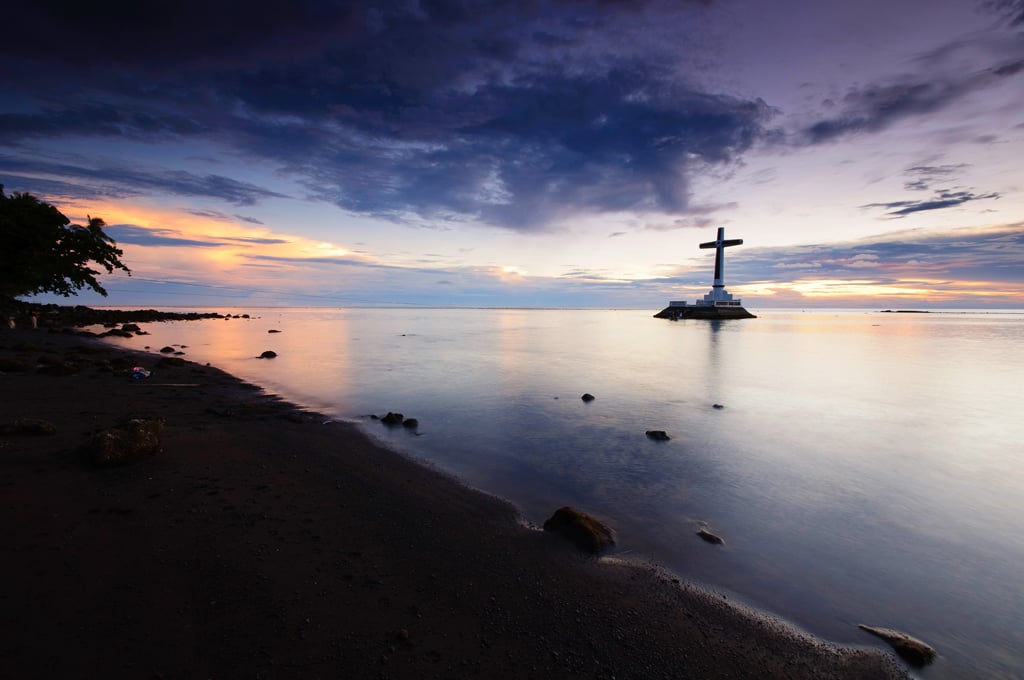
Just off the coast of Camiguin Island in the Philippines, a cemetery sank beneath the sea after a volcanic eruption in the 1870s. Today, divers can still see gravestones resting eerily on the seabed, coral-encrusted and silent.
Visitors can swim among them — a surreal mix of marine life and mortality. The giant white cross above the waves marks where land once held the dead.
A strange peace, half above water, half below.
The Tomb of the Terracotta Army
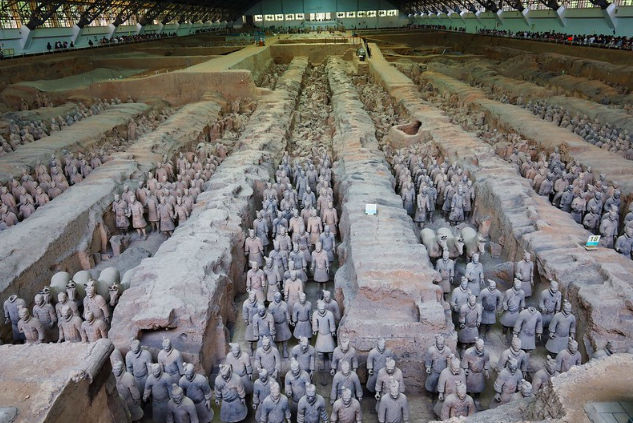
In Xi’an, China, a farmer digging a well struck the entrance to what would become one of the world’s most famous tombs — the resting place of Emperor Qin Shi Huang. Thousands of clay soldiers stand guard, each one unique down to the wrinkles.
It’s not the scale that’s unsettling, but the silence of it all. A frozen army, eternal and watchful. Some figures were painted in bright colours once, now long faded — a ghost of splendour lost to dust and time.
Like Go2Tutors’s content? Follow us on MSN.
The Catacombs of Paris

Beneath the city’s chic streets lies an ossuary housing the remains of over six million Parisians. Bones stacked like artwork, skulls arranged in decorative rows.
It’s oddly beautiful — and deeply macabre. The air down there is thick, damp, and still.
Tourists whisper, as if sound itself might wake the walls. Not quite peaceful, not quite terrifying. Something in between.
The Bronze Age “Lovers of Valdaro”

In an ancient tomb near Mantua, Italy, two skeletons were found locked in an embrace. Male and female, face to face, their arms around each other for five thousand years.
The scene feels staged, yet it isn’t.Scientists say they were likely buried that way intentionally — a farewell gesture frozen in limestone.
Love, literally set in stone. And maybe, just maybe, proof that sentiment outlives flesh.
The Horse Burial at Sintashta

In Russia’s southern Urals, archaeologists uncovered chariots buried with horses still harnessed, as if waiting for orders. The Bronze Age site revealed an early culture obsessed with speed, warfare, and status.
Imagine it — the earth opening to show steeds poised mid-charge, nostrils flared, skeletal hooves lifted toward a sky long gone. It’s equal parts epic and eerie.
Like Go2Tutors’s content? Follow us on MSN.
The “Alien” Skeleton of Atacama

When a six-inch mummified skeleton was discovered in Chile’s Atacama Desert, its elongated skull and small stature sent theories spiralling. Alien, some said.
But genetic testing later revealed it was human — a female infant with rare mutations.
Still, the sight of it unsettles.
The desert preserved her perfectly, even the fine folds of her clothing. A child’s story, trapped in dust and myth.
The Bog Bodies of Northern Europe

Across Denmark, Ireland, and Germany, peat bogs have yielded bodies preserved for millennia — skin intact, hair still soft, even expressions visible. They weren’t buried accidentally.
Many were sacrificed, their last meals still inside them.The most famous, Tollund Man, looks asleep.
Peaceful, even. But look closer, and you’ll see the noose. Time didn’t erase it. It just pressed pause.
Where Life Meets the Unknown
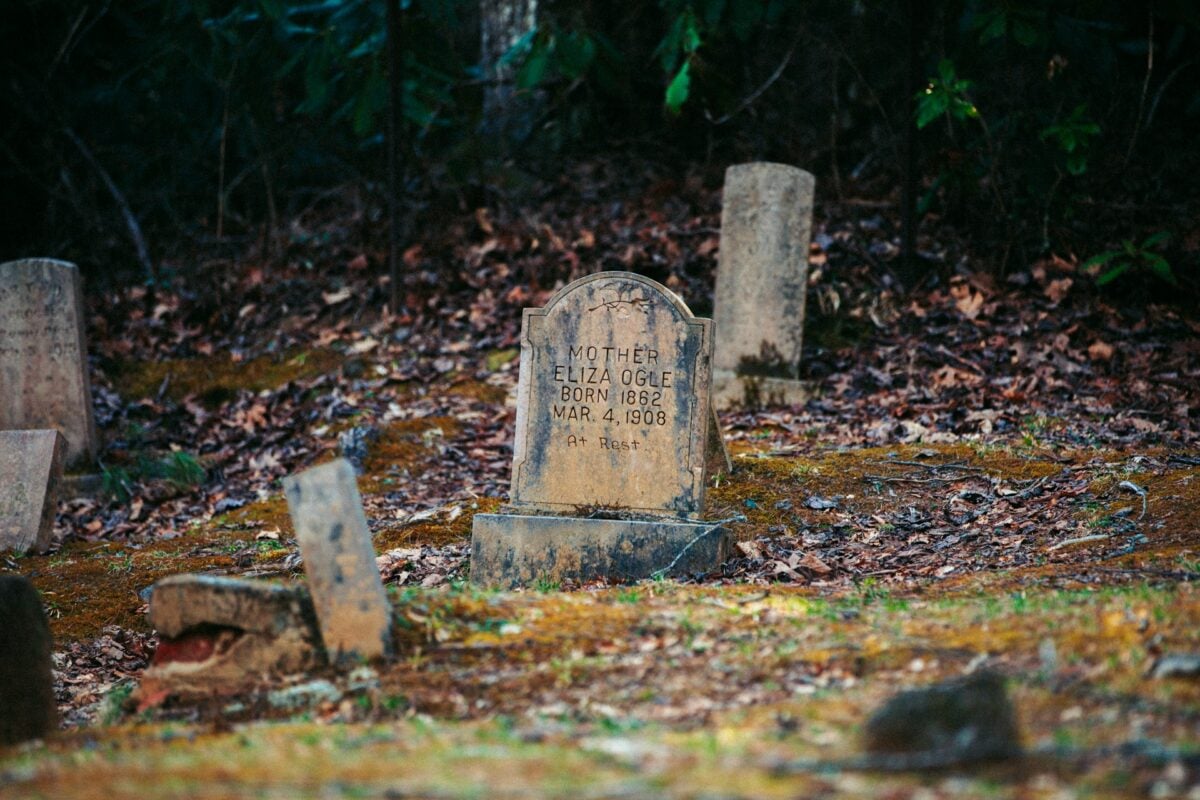
Every strange burial tells a story not just of death, but of what people feared — or hoped for — beyond it. Some sites speak of love, others of terror, power, or devotion.
Together, they form an uneasy reminder: the past never really stays buried.
More from Go2Tutors!

- 16 Historical Figures Who Were Nothing Like You Think
- 12 Things Sold in the 80s That Are Now Illegal
- 15 VHS Tapes That Could Be Worth Thousands
- 17 Historical “What Ifs” That Would Have Changed Everything
- 18 TV Shows That Vanished Without a Finale
Like Go2Tutors’s content? Follow us on MSN.



