25 Restricted Sites Tourists Can’t Enter
Modern travel has made almost everywhere reachable. A passport, a credit card and a little patience can get a traveler to Antarctica, the summit of Kilimanjaro or a guesthouse in Bhutan.
A short list of places still refuses. Some are guarded by soldiers, some by priests, some by venomous snakes, and a few by nothing more than a fragile layer of ancient paint that human breath would ruin.
Lascaux’s Original Painted Cave in France
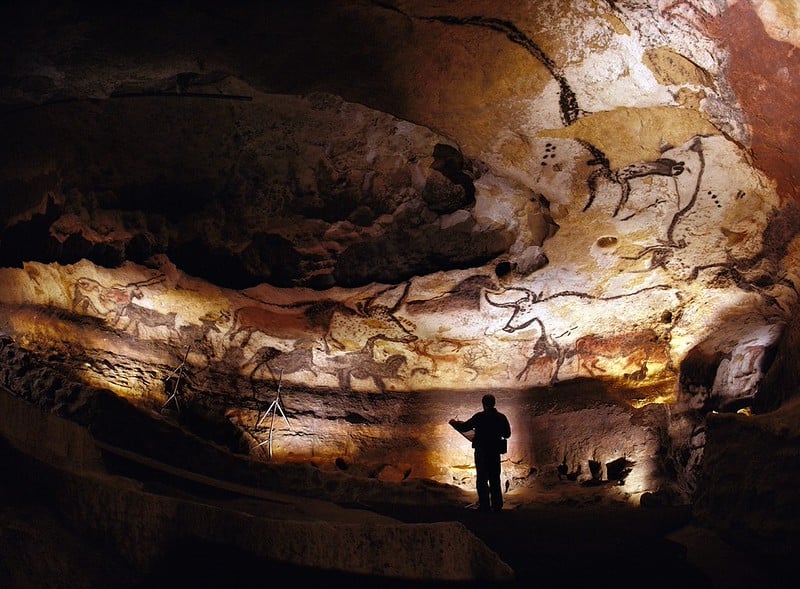
Four teenagers stumbled into the Lascaux cave in the Dordogne in September 1940 and found walls crowded with Ice Age horses, aurochs and deer. The cave opened to visitors in 1948, and within fifteen years the carbon dioxide and humidity from crowds had encouraged green algae and other growths across the paintings.
France closed it in 1963, and the original has stayed sealed to the public ever since. Visitors now tour Lascaux IV, a full-scale replica that opened at Montignac in December 2016.
Only a small number of scientists and conservators are allowed into the real chambers, and even they keep their visits brief.
Chauvet Cave in the Ardeche Gorge
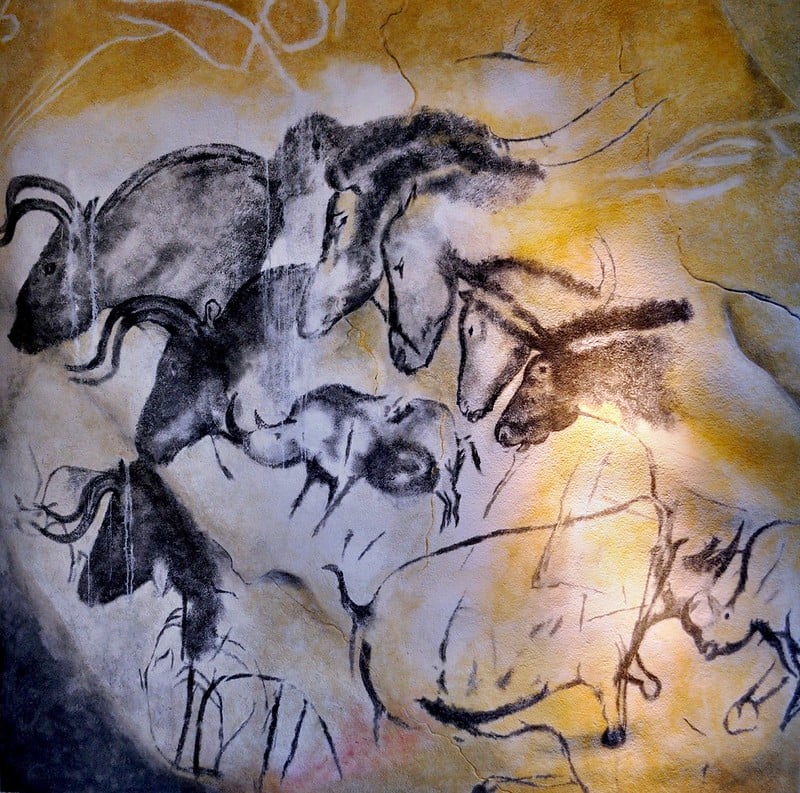
Three cavers, Jean-Marie Chauvet, Eliette Brunel and Christian Hillaire, discovered this cave in southern France in December 1994. Its charcoal lions, rhinoceroses and mammoths are generally dated to more than 30,000 years ago, roughly twice the age of the Lascaux art.
Having watched Lascaux decay, French authorities never opened Chauvet to the public at all. A steel door guards the entrance, and access is limited to researchers working under strict schedules.
In 2015 a replica opened nearby, now known as Grotte Chauvet 2, recreating the cave’s walls and floor at a reduced scale. UNESCO added the original to its World Heritage List in 2014.
Movile Cave Near Romania’s Black Sea Coast
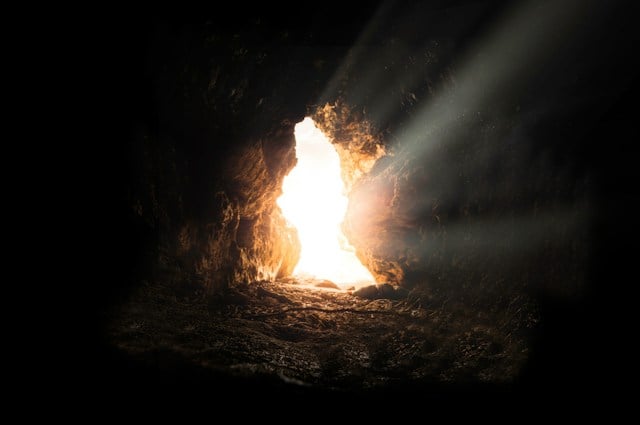
Workers surveying ground for a power plant near Mangalia, Romania, broke into Movile Cave in 1986. Scientists believe it had been cut off from the surface for roughly 5.5 million years.
Its air is poor in oxygen and rich in carbon dioxide and hydrogen sulfide, and its food chain runs on bacteria that draw energy from chemicals instead of sunlight. Researchers have identified dozens of invertebrate species there that are found nowhere else on Earth, including spiders, leeches and water scorpions.
Entry is tightly controlled by Romanian scientists, and the descent involves a narrow shaft and a flooded passage. Outside contamination is the main fear.
Area 51 in the Nevada Desert
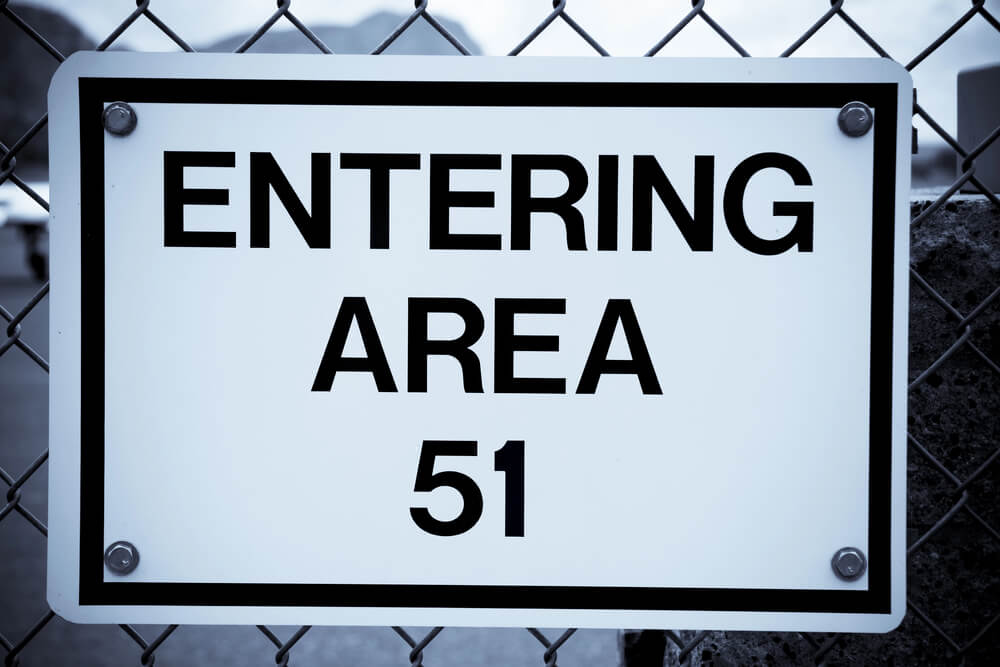
The base at Groom Lake, Nevada, was set up in 1955 to test the U-2 spy plane, and the U.S. government spent decades declining to confirm it existed. CIA documents declassified in 2013 finally acknowledged the site by name.
The perimeter is marked by warning signs stating that the use of deadly force is authorized, and the surrounding land is patrolled by private security contractors. In 2019 a joke Facebook event urging people to storm the base drew more than two million online sign-ups.
A few thousand people actually traveled to the desert, mostly for music festivals, and nobody got through the gate.
Pine Gap Outside Alice Spring
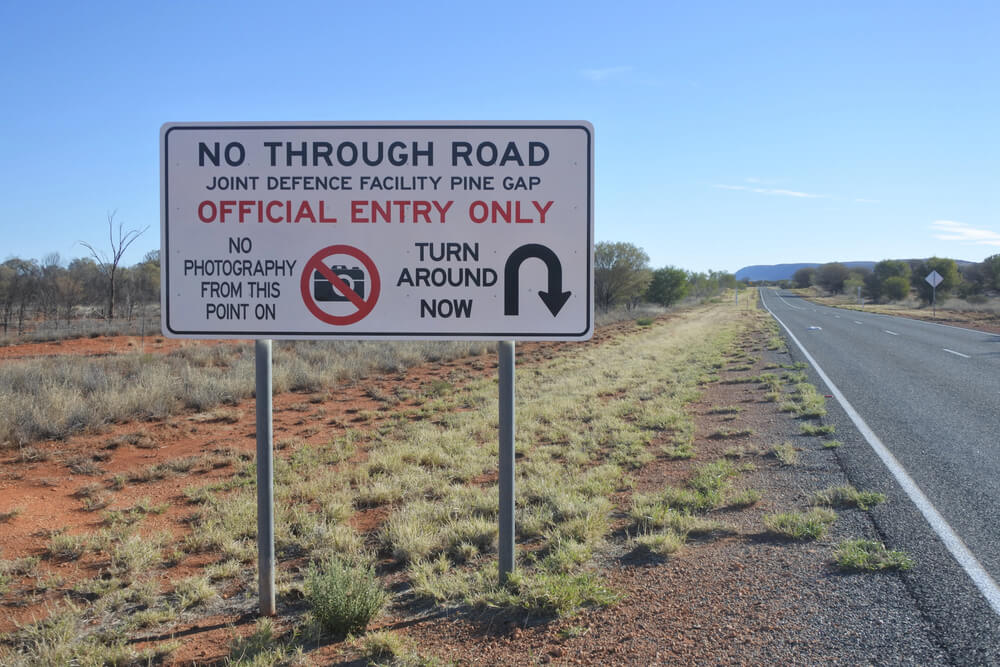
Roughly 18 kilometers southwest of Alice Springs, in Australia’s Northern Territory, sits a cluster of white radomes run jointly by the United States and Australia. The facility was established under a 1966 treaty and began operating around 1970.
It is widely reported to control signals intelligence satellites and to support U.S. missile warning and military operations. The airspace above it is restricted, and the access road is blocked by guarded checkpoints well before the domes come into view.
Protesters have been arrested there over the years. Officials in both countries say little about what the base does, which has only sharpened public curiosity.
Menwith Hill in North Yorkshire
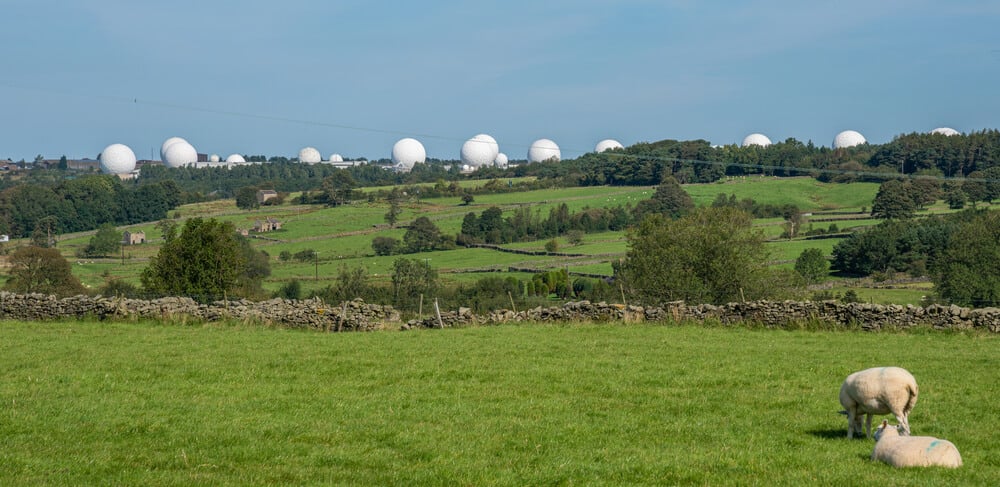
Drivers on the road between Harrogate and Skipton pass a field of large white domes that look faintly like giant mushrooms. This is RAF Menwith Hill, a base on British soil that has hosted U.S. intelligence operations since the 1950s, with the National Security Agency as its main tenant.
It is generally described as a key listening post for satellite and communications intercepts. Reporting based on documents leaked by Edward Snowden in 2013 described its role in global surveillance programs.
The perimeter fence is close enough to the road for a clear view, yet the inside remains strictly off limits to anyone without clearance.
Mount Weather in the Virginia Hills
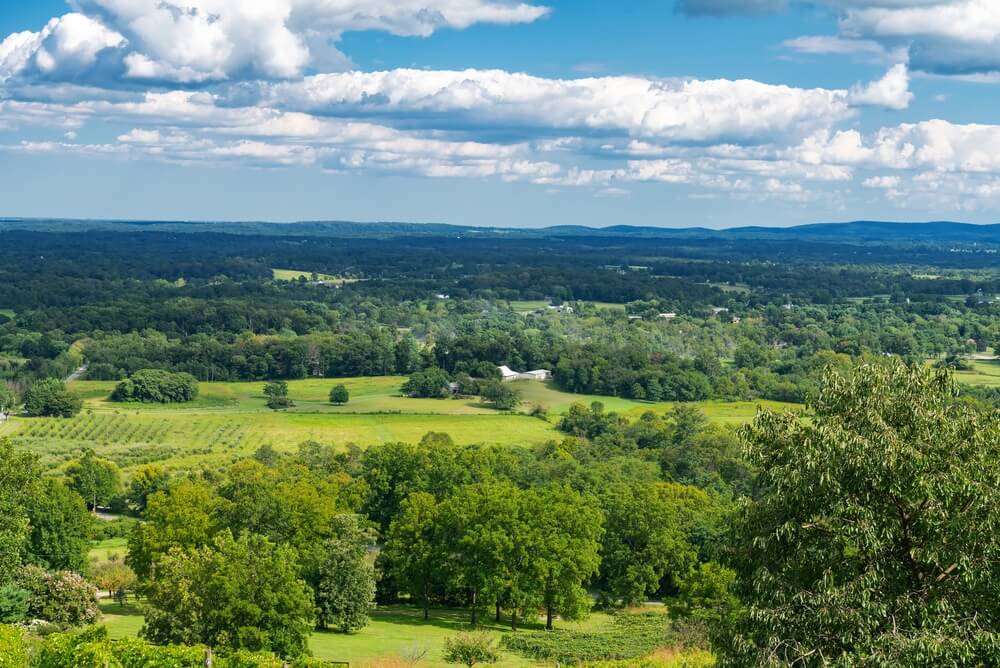
The Mount Weather Emergency Operations Center sits near Bluemont, Virginia, about an hour’s drive from Washington. Operated by FEMA, it was built during the Cold War to keep the federal government functioning after a nuclear attack, with bunkers dug into the mountain.
For years the public knew almost nothing about it. That changed after December 1, 1974, when TWA Flight 514 crashed into the side of the mountain in bad weather, killing everyone aboard and drawing reporters to a site the government had kept quiet.
The facility remains active today, and visitors are turned away well before they reach the gate.
Raven Rock Mountain Complex in Pennsylvania
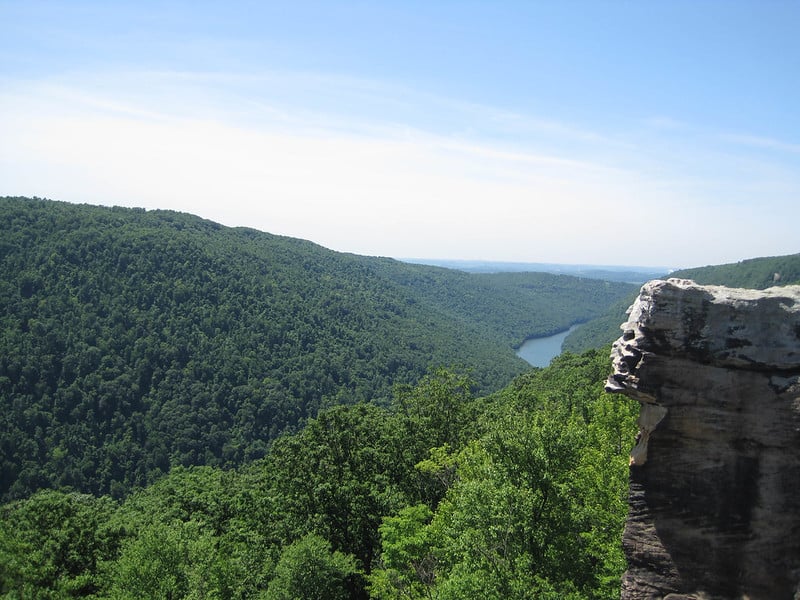
Often called the underground Pentagon, Raven Rock lies near Blue Ridge Summit, Pennsylvania, just north of the Maryland line and a few miles from Camp David. It was hollowed out of a granite mountain in the early 1950s as an alternate command post for the Defense Department in case Washington was destroyed.
The complex holds multistory buildings inside its excavated caverns, along with its own water and power supplies. Journalist Garrett Graff described the site at length in his 2017 book on government doomsday planning. Signs and fences keep the curious at a distance, and the main portals are visible only from afar.
Fort Knox Bullion Depository in Kentucky
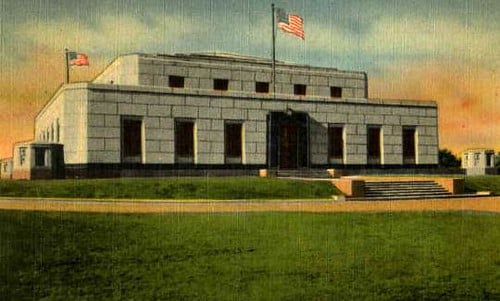
Completed in 1936, the U.S. Bullion Depository holds a large share of the country’s gold reserves, often put at about 147 million troy ounces. During World War II it also sheltered the Declaration of Independence and the Constitution.
No member of the public has ever been given a tour. The first outside visitors came in September 1974, when members of Congress and journalists were let in to dispel rumors that the gold had vanished.
Treasury Secretary Steven Mnuchin made a rare visit in 2017. Reportedly, no single staff member knows the full combination to the vault door, which requires several people to open.
Svalbard Global Seed Vault in the Arctic
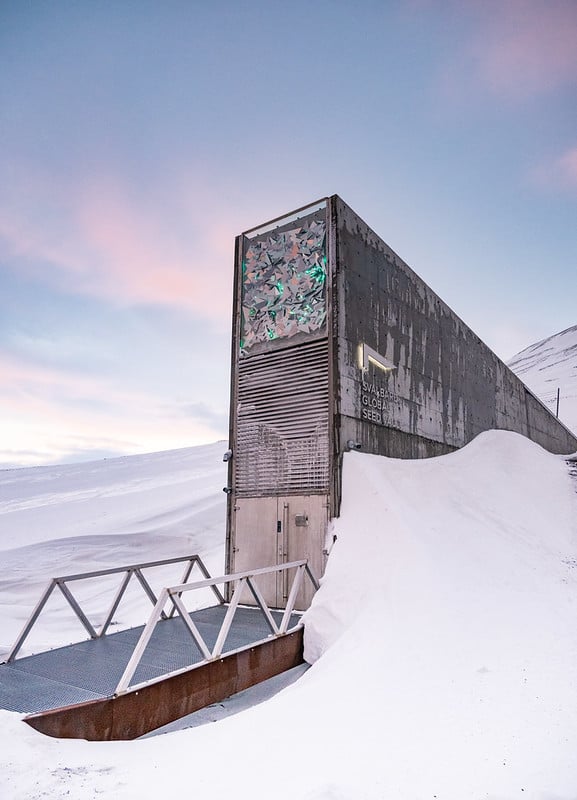
Dug into a mountainside near Longyearbyen on the Norwegian archipelago of Svalbard, the seed vault opened in February 2008 as a backup for the world’s crop gene banks. Its chambers are kept at about minus 18 degrees Celsius, and the vault has capacity for roughly 4.5 million seed samples.
It now holds more than a million.
The first withdrawal came in 2015, when researchers displaced from Aleppo by Syria’s civil war requested seeds they had deposited. The public cannot go inside, and the doors open only a few times a year for deposits.
Tourists photograph the angular concrete entrance and its light installation instead.
Ise Grand Shrine’s Inner Sanctuary
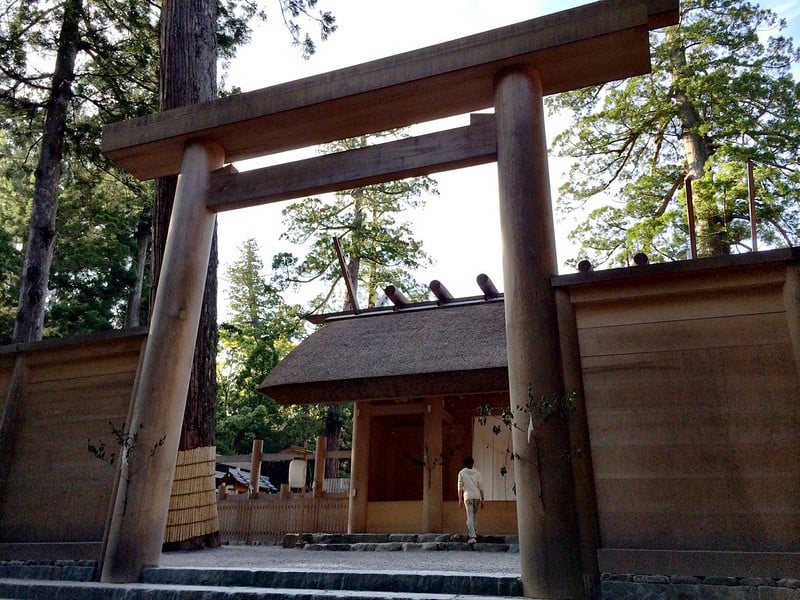
Japan’s most sacred Shinto site lies in the forests of Mie Prefecture and is dedicated to the sun goddess Amaterasu. The inner shrine, called Naiku, is said to house the Sacred Mirror, one of the three imperial regalia.
Pilgrims can walk the cedar-lined paths and pray at an outer gate, but the main sanctuary behind its wooden fences is reserved for priests and members of the imperial family. Photography is banned near the main buildings.
Every 20 years the main shrine buildings are rebuilt from fresh cypress on an adjacent plot, a ritual called Shikinen Sengu. The most recent rebuilding took place in 2013.
Chapel of the Tablet in Aksum
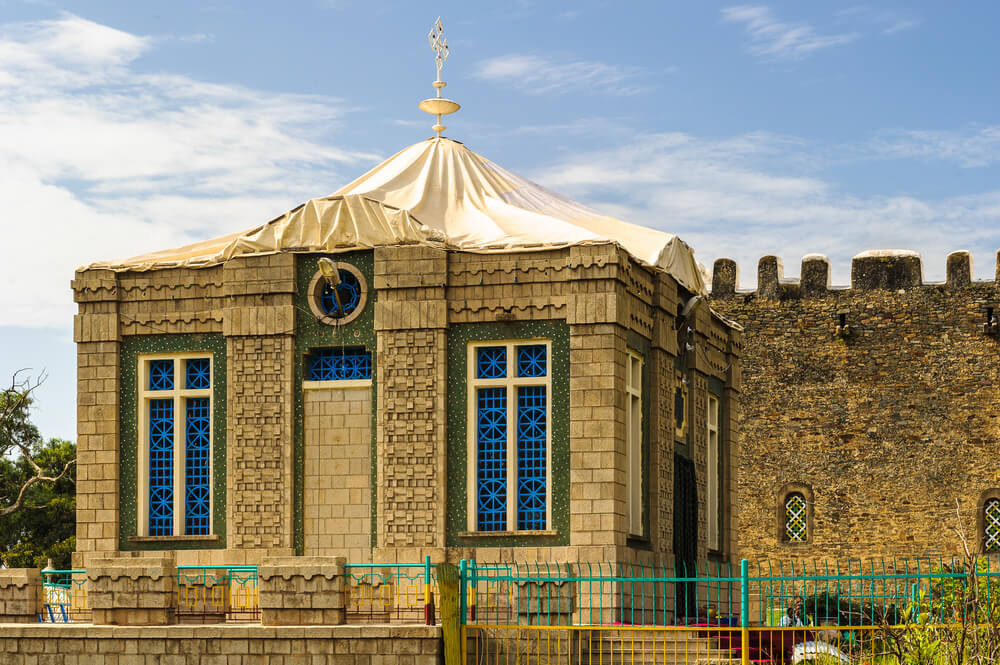
In the Ethiopian city of Aksum, a modest chapel beside the Church of Saint Mary of Zion is said by the Ethiopian Orthodox Church to hold the original Ark of the Covenant. The building dates to the mid-1960s, during the reign of Emperor Haile Selassie.
Only one person is permitted inside, a monk chosen as guardian, who serves for life and is expected never to leave the chapel grounds. Before he dies, he names his successor. Nobody else, including the patriarch, is said to have seen the relic, so the claim cannot be tested.
Visitors can view the exterior fence and nothing more.
Mecca for Non-Muslims
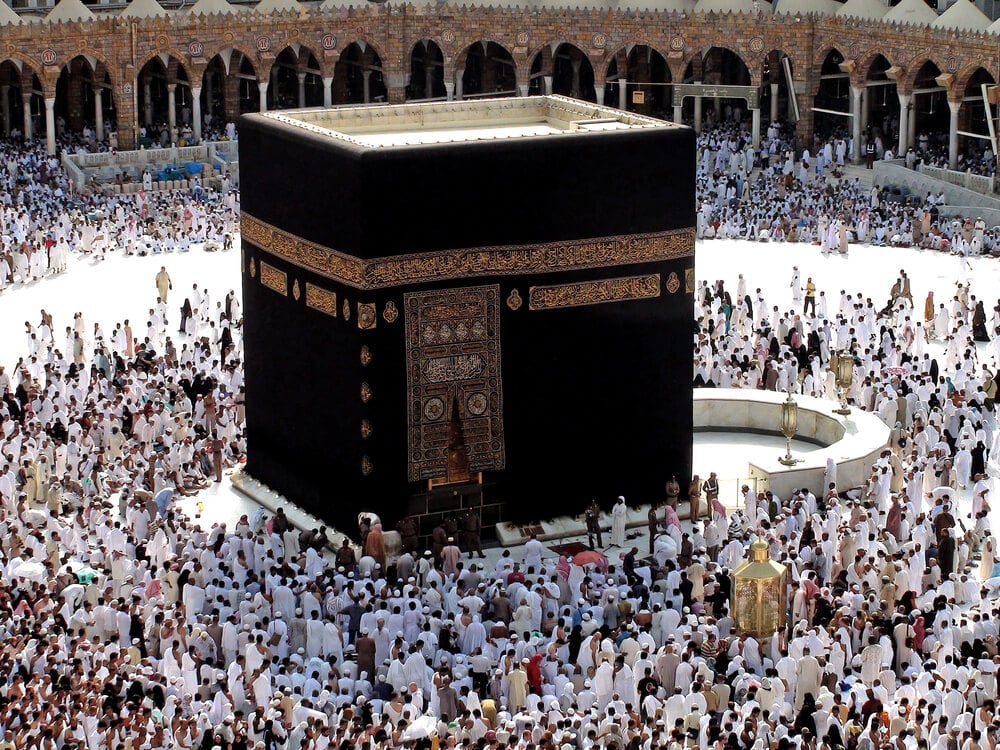
Saudi Arabia bars non-Muslims from entering Mecca, the holiest city in Islam and the destination of the annual Hajj pilgrimage. Highway signs on the approach direct non-Muslim drivers onto a bypass, and checkpoints on the roads into the city enforce the rule.
The restriction covers the entire city, which draws well over a million pilgrims during the Hajj season and millions more for the lesser Umrah pilgrimage throughout the year. The British explorer Richard Francis Burton famously entered in disguise in 1853 and wrote about it.
Saudi Arabia has opened up to leisure tourism in recent years, but Mecca’s status has not changed.
Mount Athos for Women
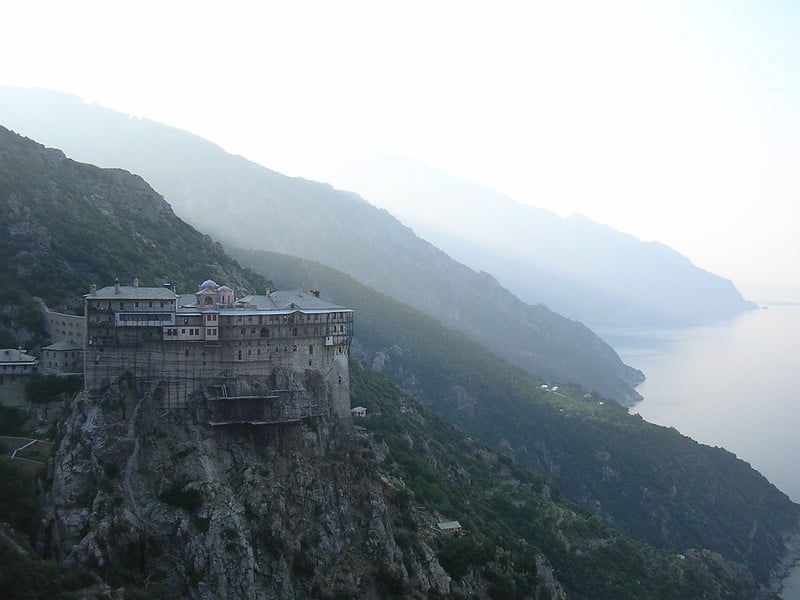
Northern Greece’s rugged Athos peninsula has been a self-governing monastic community for more than a thousand years, home to 20 Orthodox monasteries. Its rule known as the avaton bars women from setting foot on the peninsula at all.
Men may visit with a special entry permit, issued in limited daily numbers. Women can only view the monasteries from tour boats, which are expected to keep their distance from the shore.
The ban is often said to extend to most female domestic animals as well, though cats are commonly reported as an exception. Calls from European politicians to lift the ban have gone nowhere.
North Sentinel Island in the Andaman Sea
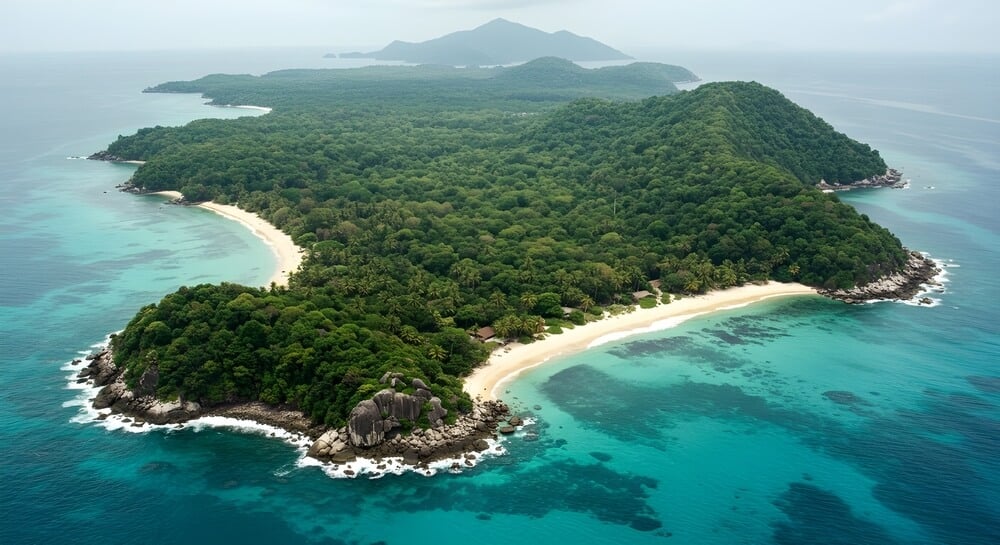
The Sentinelese people of this Indian island have rejected nearly all contact with outsiders, and Indian law forbids anyone from approaching. After the 2004 Indian Ocean tsunami, a helicopter checking on the islanders was famously met by a man aiming a bow and arrow at it.
In 2018 the American missionary John Allen Chau was killed after illegally landing there. In 2025 another American, Mykhailo Polyakov, was arrested after reaching the shore and leaving a can of Diet Coke and a coconut as offerings.
Indian officials enforce an exclusion zone to protect the islanders from outside diseases.
Ilha da Queimada Grande Off the Coast of Brazil
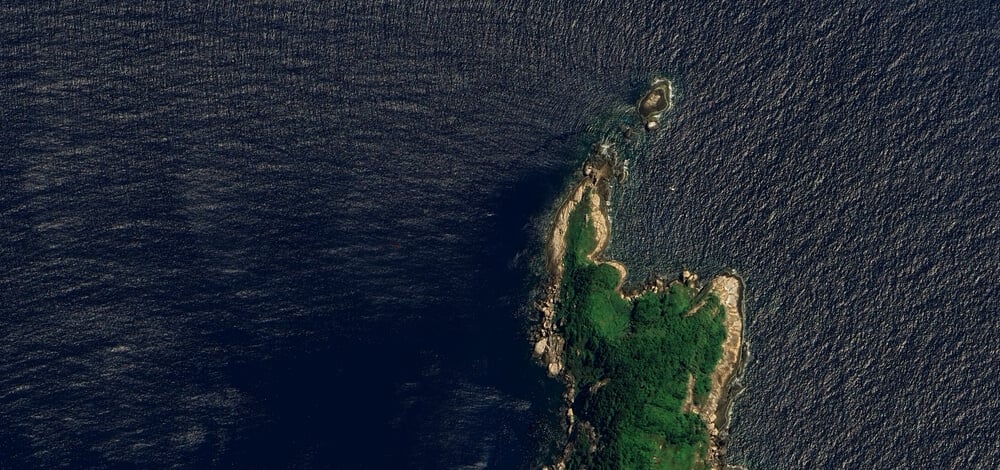
About 33 kilometers off the coast of Sao Paulo state lies a small, forested island better known as Snake Island. It is the only home of the golden lancehead, a critically endangered pit viper whose venom is considered highly potent.
Population estimates have ranged into the low thousands, packed into an area of under half a square kilometer. Brazilian authorities forbid public landings, and access is limited to the Brazilian Navy, which maintains a lighthouse there, and to approved researchers.
The snakes evolved in isolation after rising sea levels cut the island off from the mainland thousands of years ago.
Surtsey in Iceland’s Westman Islands
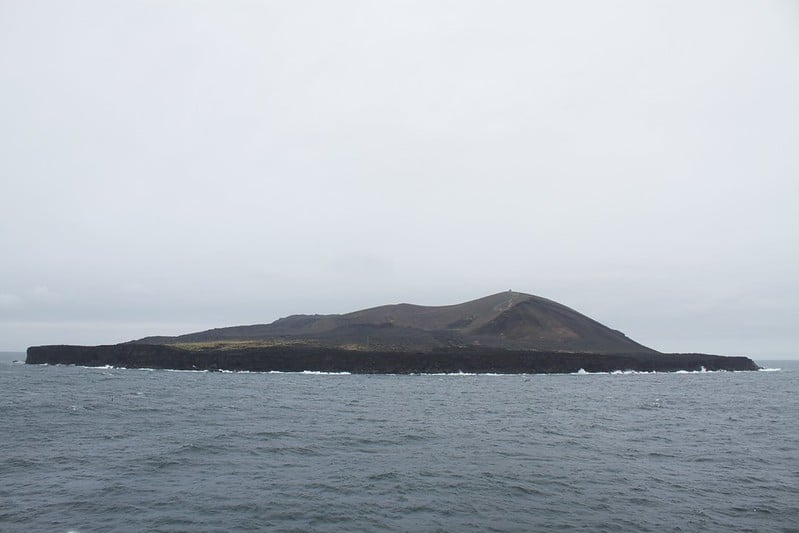
Surtsey did not exist before November 1963, when an undersea eruption began building it off Iceland’s southern coast. The eruptions continued until June 1967, and the island was protected almost from the beginning.
Scientists have used it ever since as a natural laboratory to study how plants, insects and birds colonize bare volcanic rock.
Only researchers with permits may land, and they are expected to bring nothing that could seed new life. A well-known story describes a tomato plant that sprouted after a visitor relieved himself, and it was promptly pulled up.
UNESCO added Surtsey to its World Heritage List in 2008.
North Brother Island in New York City
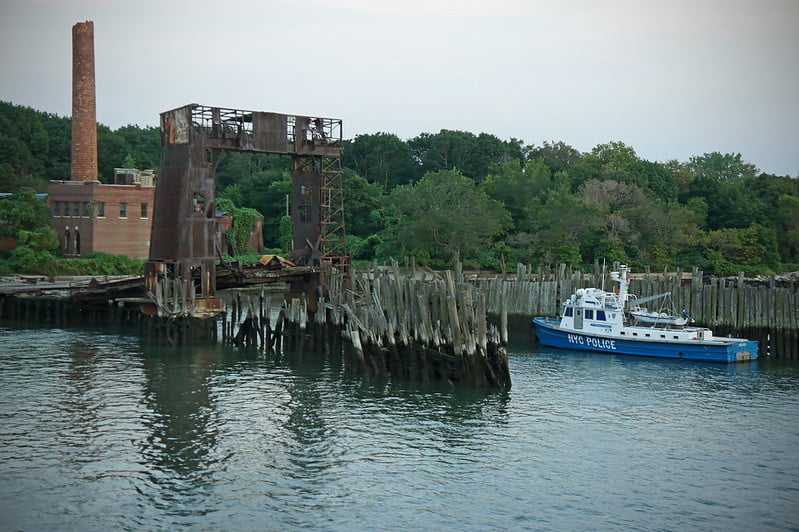
A short distance from the Bronx in the East River sits an abandoned island where Mary Mallon, known as Typhoid Mary, was confined at Riverside Hospital until her death in 1938. In 1904 many of the more than one thousand victims of the General Slocum steamboat fire washed up on its shore. The island later served as housing for veterans and then as a treatment center for young drug users before being abandoned in the early 1960s.
It is now a bird sanctuary managed by New York City Parks, closed to the public. Proposals to open it have surfaced occasionally, but visits require special permission.
Heard Island in the Southern Ocean
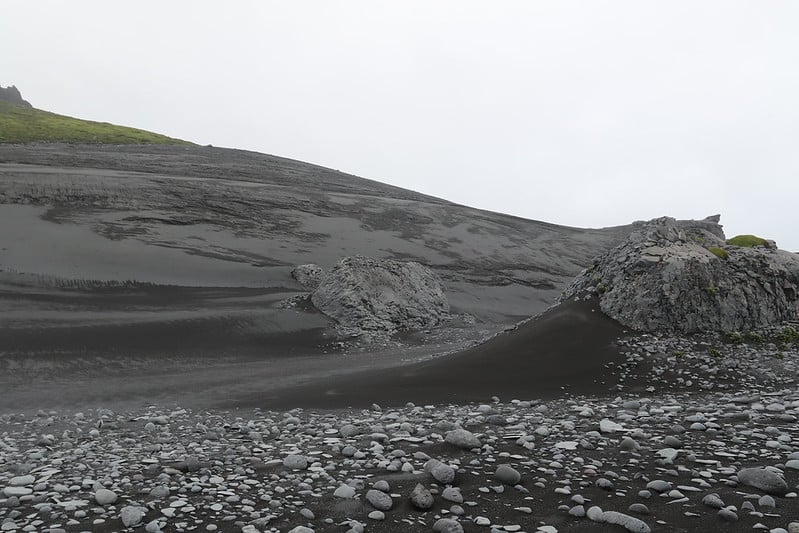
Some 4,000 kilometers southwest of Perth, Heard Island is an Australian external territory dominated by Big Ben, an active volcano. Its summit, Mawson Peak, rises 2,745 meters, which makes it taller than Mount Kosciuszko on the mainland and the highest Australian peak outside the Antarctic claim.
The island has no permanent residents, only penguins, seals and seabirds. It was added to UNESCO’s World Heritage List in 1997, and landings require a permit from the Australian Antarctic Division.
In April 2025 Heard and the neighboring McDonald Islands made headlines when they appeared on a list of U.S. tariff targets despite having no human inhabitants.
Qin Shi Huang’s Burial Chamber
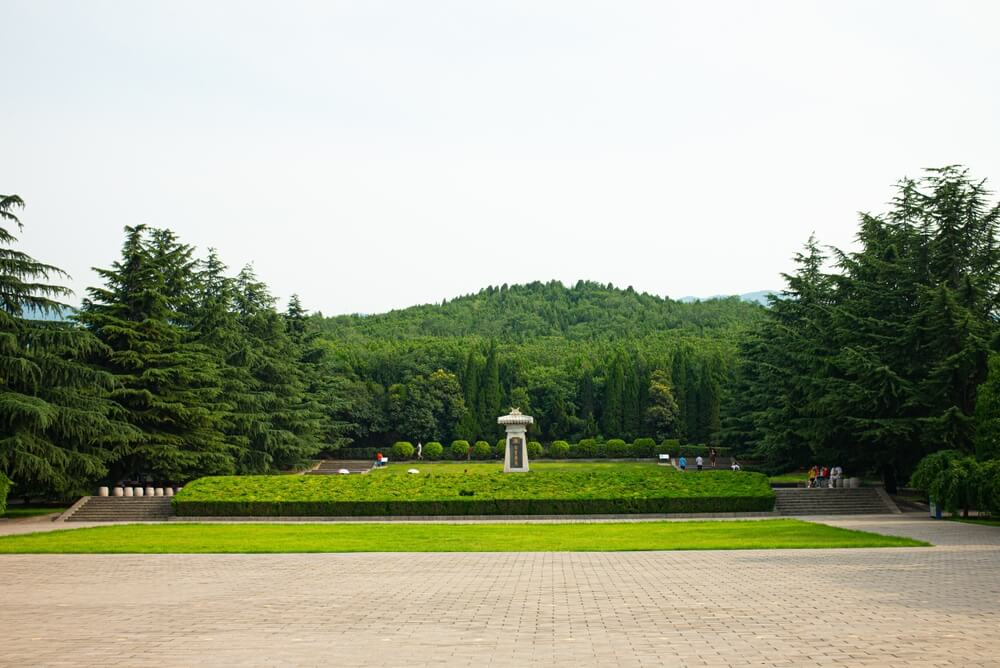
China’s first unifying emperor died in 210 BC and was buried beneath a large earthen mound near Xi’an. Farmers digging a well in 1974 found the first figures of the Terracotta Army, which tourists now visit by the millions.
The emperor’s own burial chamber, however, has never been opened. The historian Sima Qian wrote that it contained rivers of flowing mercury and crossbows rigged to fire at intruders.
Soil tests around the mound have found unusually high mercury levels. Chinese authorities have said they will not excavate until technology can protect whatever lies inside.
Daisen Kofun in Osaka Prefecture
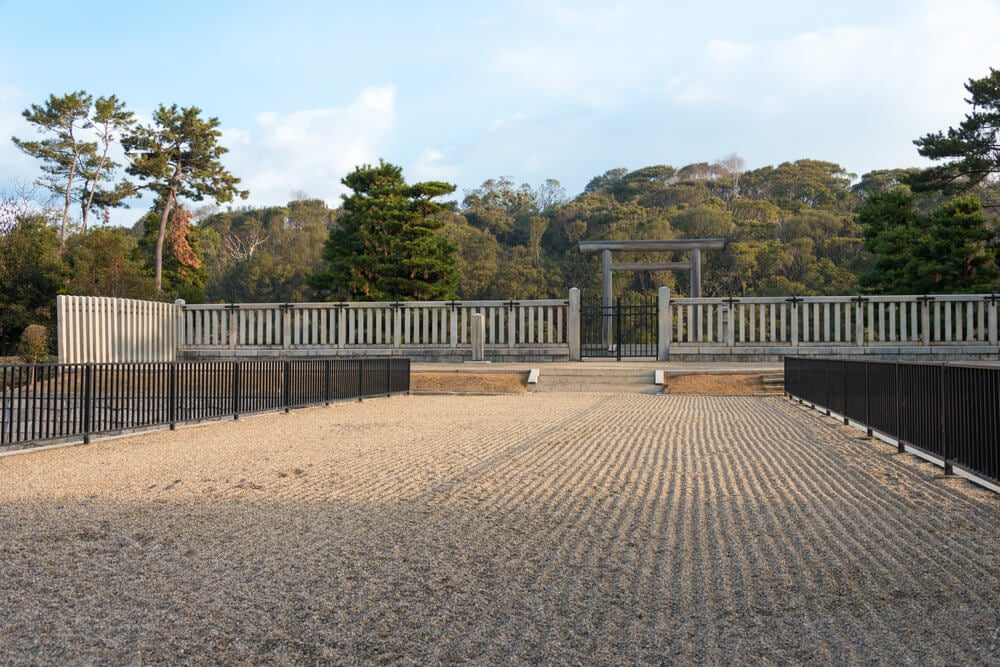
In the city of Sakai, south of Osaka, a forested mound ringed by moats stretches about 486 meters from end to end, making it one of the largest burial sites in the world by footprint. Japan’s Imperial Household Agency attributes it to Emperor Nintoku and dates it to the fifth century.
Because the agency treats it as an imperial tomb, nobody may enter, and most scholarly excavation has been forbidden. In 2018 the agency and the city of Sakai carried out a limited joint dig on the outer embankment only.
Visitors can walk the perimeter, and an observation deck at Sakai City Hall offers a partial view.
Vatican Apostolic Archive in Rome
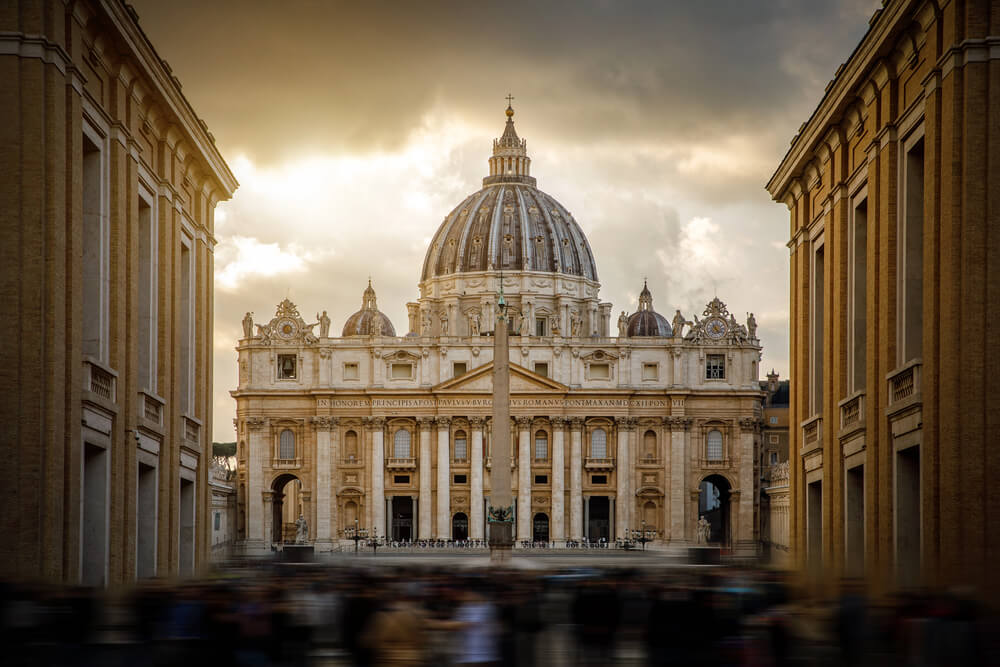
For centuries this collection was called the Vatican Secret Archive, though the word secret came from a Latin term closer to private. Pope Francis changed the name to the Vatican Apostolic Archive in 2019. Its shelving is often said to run about 85 kilometers, holding papal letters, trial records and diplomatic correspondence.
Access is limited to qualified scholars who apply with credentials and a specific research purpose, and tourists are not admitted. Documents are generally released by papal reign, and the files of Pope Pius XII were opened to researchers in March 2020.
Even approved scholars must request items rather than browse the stacks.
Club 33 at Disneyland
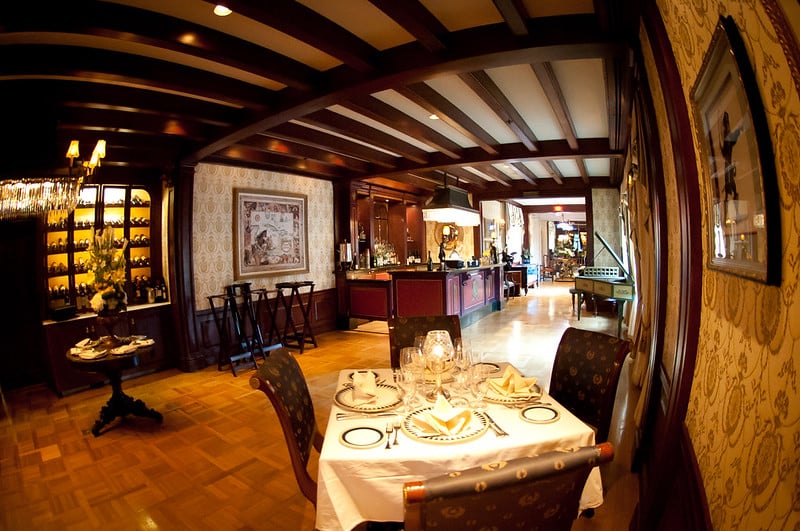
Behind an unmarked door in Disneyland’s New Orleans Square is a private dining club that most park guests walk past without noticing. Walt Disney conceived it as a place to entertain business partners and dignitaries, but he died in December 1966, months before it opened in 1967.
For decades it was the only spot in the park where alcohol was served. Membership is by invitation, and published reports have put initiation fees in the tens of thousands of dollars, with waiting lists said to run for years.
Without a member as host, even a full-price park ticket will not get anyone inside.
Bohemian Grove in Sonoma County
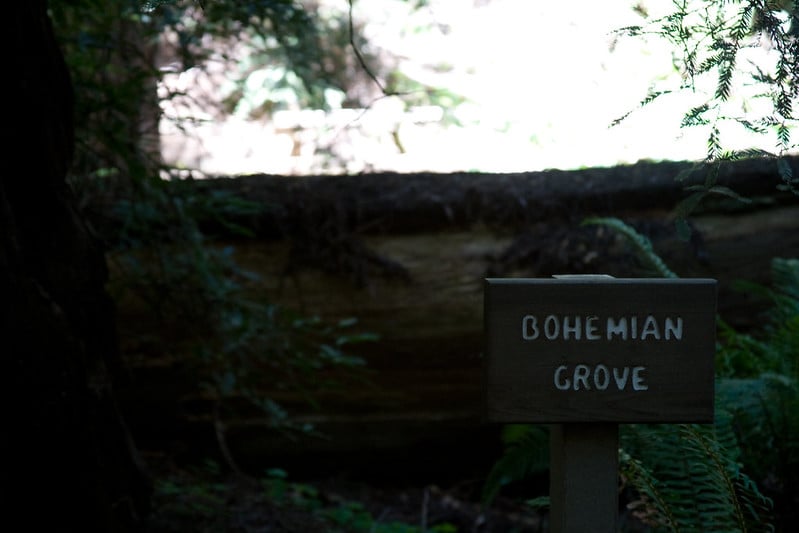
Among the redwoods near Monte Rio, California, the private Bohemian Club, founded in San Francisco in 1872, holds a two-week summer encampment each July. Its members have included U.S. presidents, business executives and artists, and women are not admitted as members.
The gathering opens with a ritual called the Cremation of Care, staged before a large owl statue beside a lake. Outsiders who tried to sneak in, including journalists, have been caught and escorted out.
A frequently repeated motto, borrowed from Shakespeare, forbids weaving spiders from coming near, a reminder that members are meant to leave business talk at the gate.
Russia’s Closed Cities
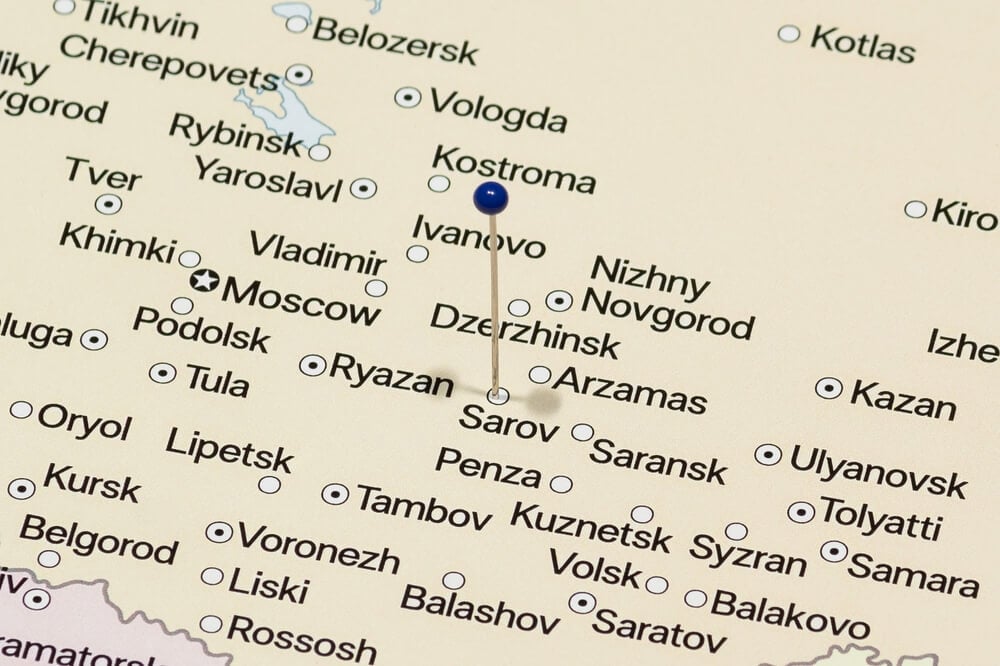
Russia still maintains dozens of closed administrative-territorial formations, fenced towns tied to nuclear, military or space programs. The best known is Sarov, east of Moscow, which the Soviet Union once disguised under the code name Arzamas-16.
The first Soviet atomic bomb was designed there in the 1940s. Residents need permits to come and go, relatives must apply in advance to visit, and foreigners face strict limits.
Other examples include Zheleznogorsk and Seversk in Siberia. The closed cities often enjoyed better supplies and services than ordinary Soviet towns, a privilege that came with silence and a fence.
Locked Doors and the Value of Absence
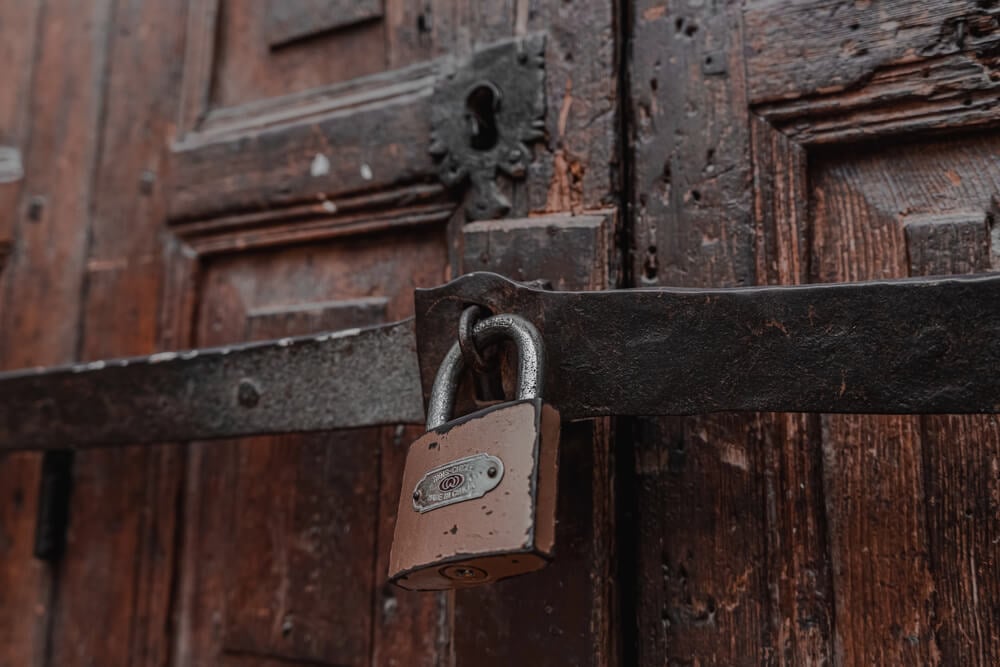
Most of these sites are closed for practical reasons. Breath destroys cave paint, outsiders carry disease, and governments prefer not to give tours of their bunkers.
A few are closed simply because a faith says they must be, and no amount of money or fame changes that.
Each one, though, gains something from the refusal. A replica cave or a view from a boat or a photo of a fence carries a charge that an open door rarely matches.
In an age when nearly everything can be booked, the places that say no have become some of the most talked about on the planet.
More from Go2Tutors!

- The Romanov Crown Jewels and Their Tragic Fate
- 13 Historical Mysteries That Science Still Can’t Solve
- Famous Hoaxes That Fooled the World for Years
- 15 Child Stars with Tragic Adult Lives
- 16 Famous Jewelry Pieces in History
Like Go2Tutors’s content? Follow us on MSN.