28 Time Capsules Opened Decades Later and What People Found Sealed Inside
Sealing objects away for the future is an act of optimism. Whoever packs a time capsule is betting that someone, someday, will care enough to open it and read what was left behind.
Some capsules were planned with ceremonies and exact opening dates. Others were forgotten entirely, only to turn up inside statues, cornerstones and demolished walls when nobody was expecting them.
A Copper Box From 1726 in Wschowa, Poland
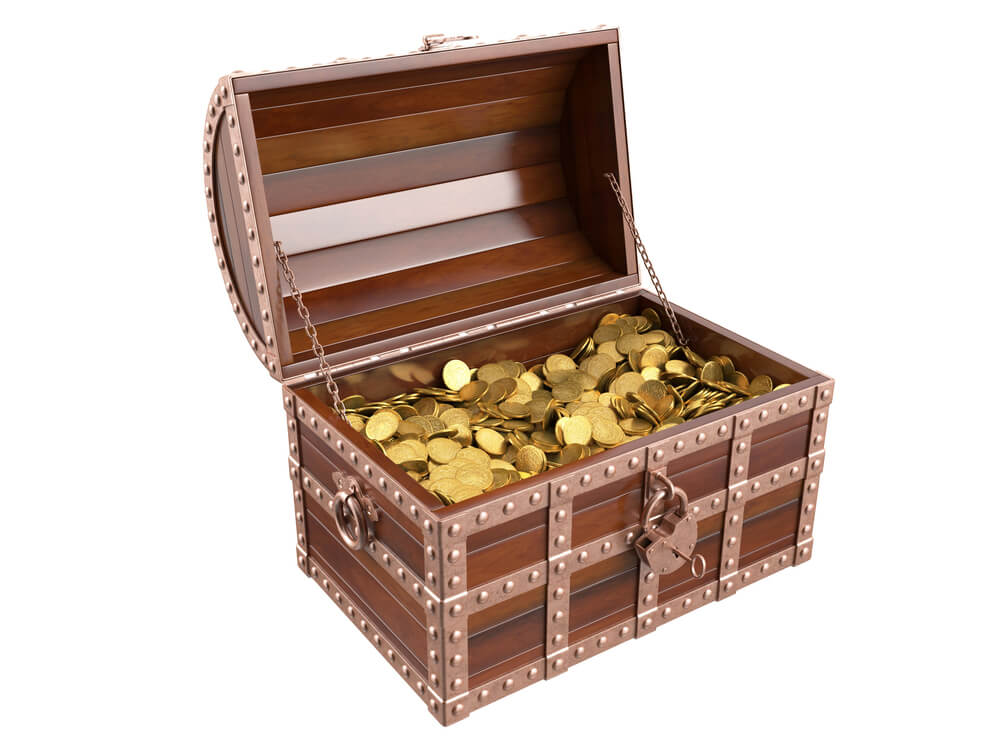
During renovation work in the historic town of Wschowa, in western Poland, workers in 2023 found a copper box inscribed with the year 1726. Inside were roughly 300 coins, commemorative medals and old printed documents, including newspapers, left by residents nearly three centuries earlier.
Historians were delighted because the box offered a snapshot of the town’s economy and news at the time. The find showed that the custom of hiding records for future generations inside buildings is far older than the term time capsule itself.
A Letter Inside a Wooden Christ in Spain
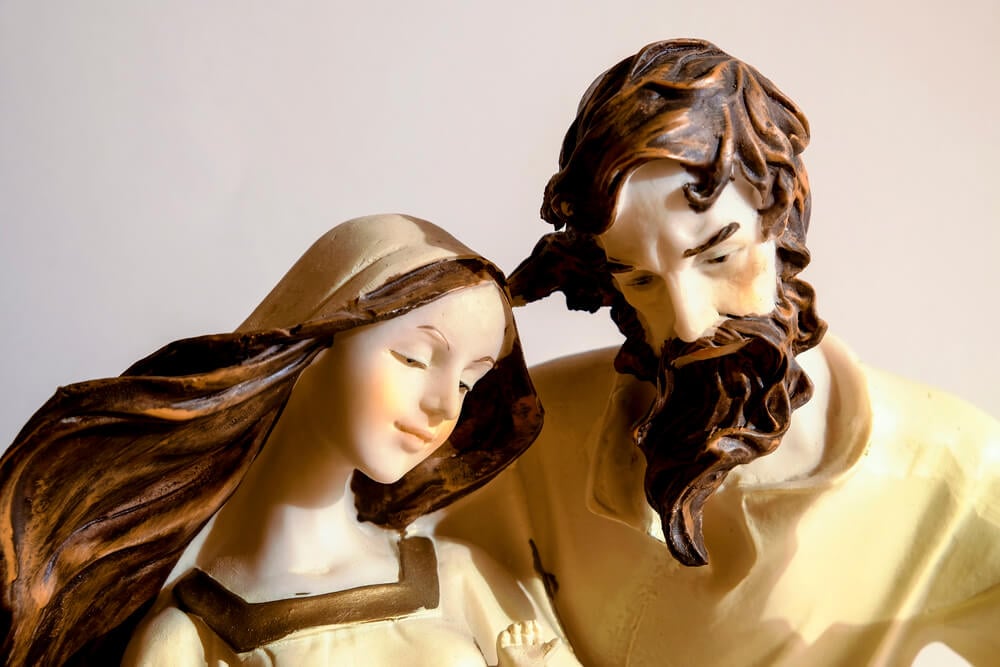
In November 2017, restorers working on a wooden statue of Christ in a church in Sotillo de la Ribera, near Burgos in northern Spain, found a handwritten letter hidden inside its backside. It was written in 1777 by Joaquin Minguez, a chaplain of nearby Burgo de Osma Cathedral.
The two pages described the harvests of the time, the popular card games, the Inquisition and the diseases that plagued the region. Experts called it an unusually candid glimpse of ordinary life in eighteenth-century Spain.
Paul Revere’s Capsule at the Massachusetts State House
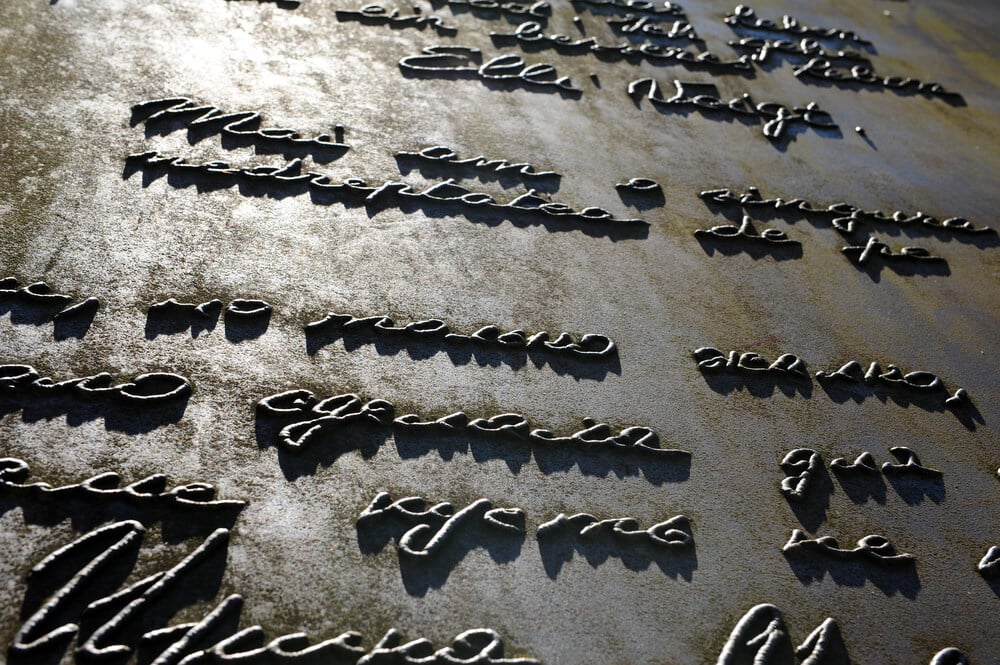
///-78In 1795, Samuel Adams and Paul Revere placed a time capsule in the cornerstone of the new Massachusetts State House in Boston. It was briefly retrieved and resealed in 1855 during repairs.
In January 2015, conservators at the Museum of Fine Arts opened it carefully, finding a silver plaque likely engraved by Revere, coins including a rare 1652 pine tree shilling, a medal bearing George Washington’s image and newspapers. The contents were later returned to the cornerstone along with new additions.
Baltimore’s Washington Monument Cornerstone
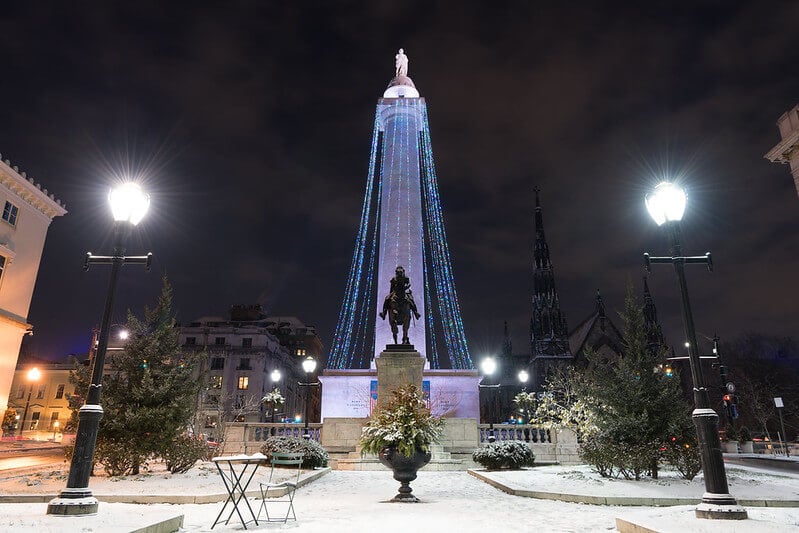
When the cornerstone of Baltimore’s Washington Monument was laid in 1815, organizers sealed a small collection of items inside, the first major monument to George Washington in the country. During restoration work two centuries later, conservators examined the capsule.
Its contents included a copper plate, newspapers, coins and a sealed glass bottle holding a likeness of Washington and a printed copy of his Farewell Address. The discovery connected modern Baltimore to the same civic pride that inspired the column.
West Point’s Seemingly Empty Lead Box
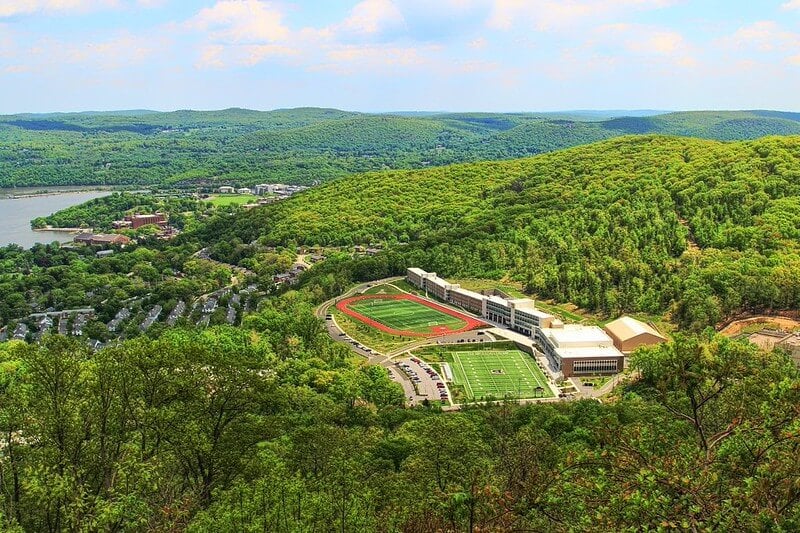
Viewers of a livestream from the United States Military Academy at West Point in August 2023 watched officials open a lead box believed to date from around 1828, found in a monument base on campus. When the lid came off, the box appeared to contain nothing but silt.
The disappointment was short-lived. Conservators sifting through the sediment later found six silver coins, including an 1800 Draped Bust dollar, along with a commemorative medal, reminding everyone that old capsules rarely give up their secrets instantly.
An 1843 Capsule at Singapore’s Oldest Cathedral
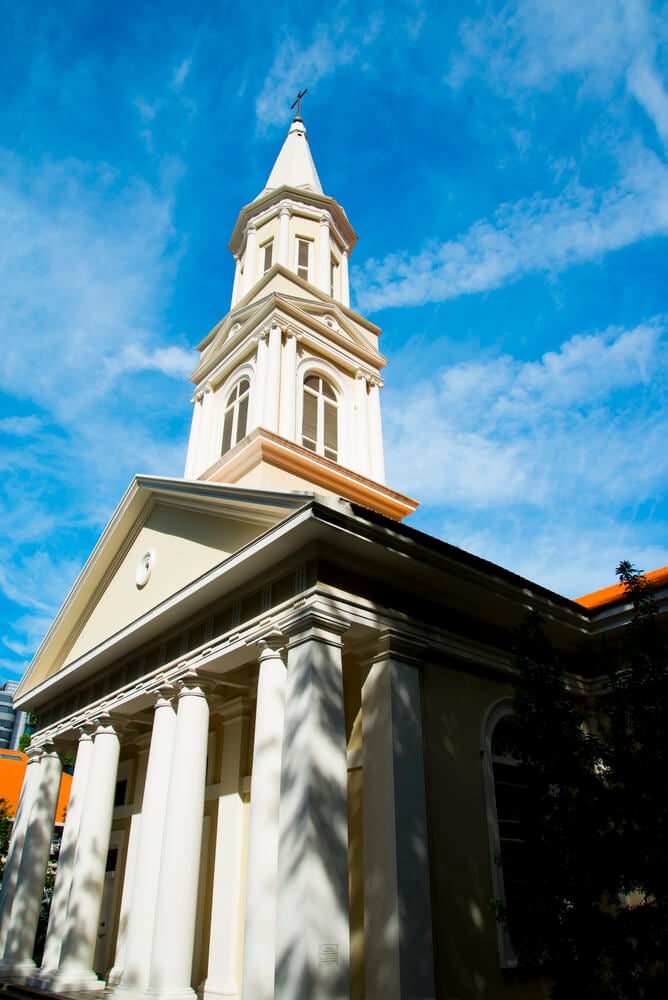
When the Cathedral of the Good Shepherd in Singapore was restored in the 2010s, workers uncovered a time capsule placed in its foundation in 1843. It had been sealed when the church, now the oldest Roman Catholic church in the city, was under construction.
Inside were a small prayer booklet, newspapers printed in 1843 and 24 coins from the period. The finds gave historians a direct link to the early years of colonial Singapore, when the city was a young trading port.
A Message From Nozownicza Street in Wroclaw
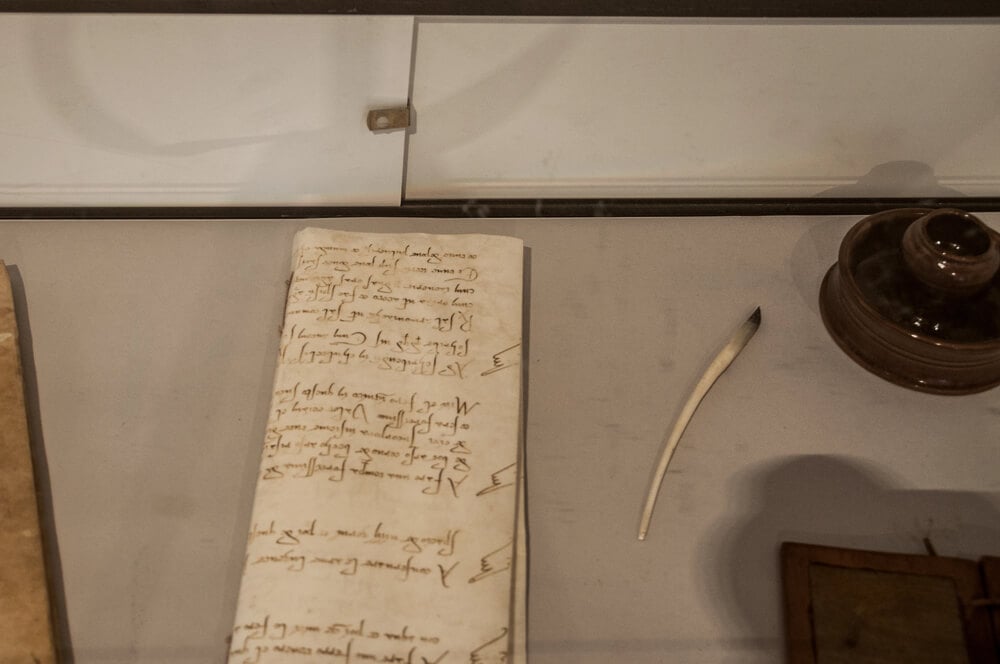
In the mid-1990s, a metal tube was found during work on a building on Nozownicza Street in Wroclaw, Poland, then left unopened for decades. When specialists finally examined it in 2024, they discovered that it dated to 1865, when the city was the German city of Breslau.
Inside were a newspaper and a letter from three neighbors on the street, addressing whoever would find it in the future. Researchers treated the letter as a rare personal voice from the city’s German past.
The Century Safe From America’s Centennial
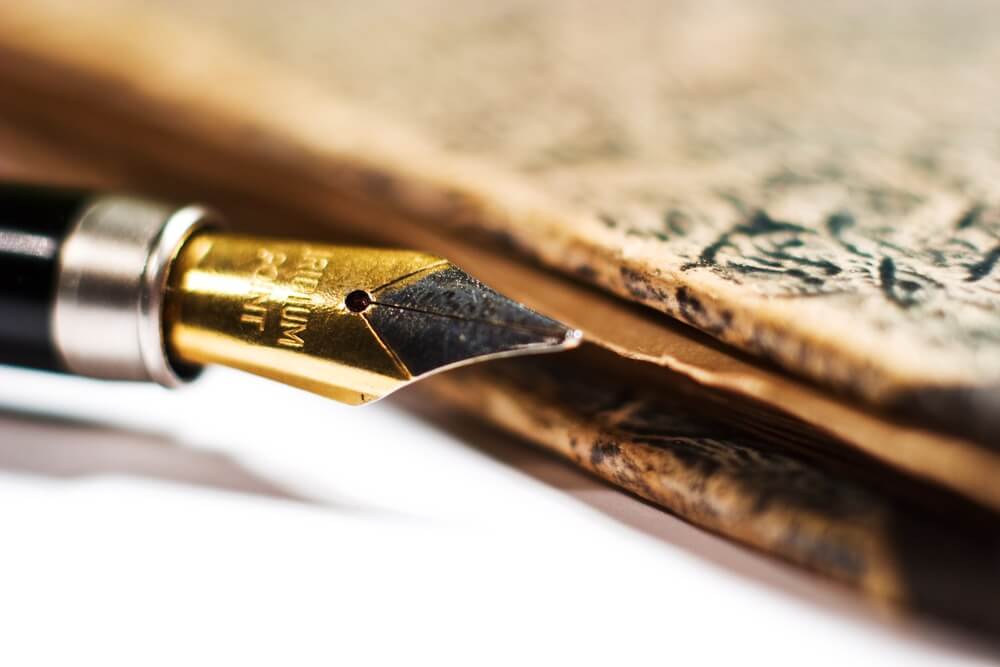
Organizers at the Centennial Exposition in Philadelphia in 1876 filled a large safe with memorabilia and instructions that it should be opened a century later. The safe was kept at the United States Capitol and opened there in 1976 as part of the Bicentennial celebrations.
It contained a gold pen said to have belonged to poet Henry Wadsworth Longfellow, photographs by Mathew Brady, a temperance book and a scroll signed by members of the 44th Congress.
Boxes Beneath the Lee Monument in Richmond
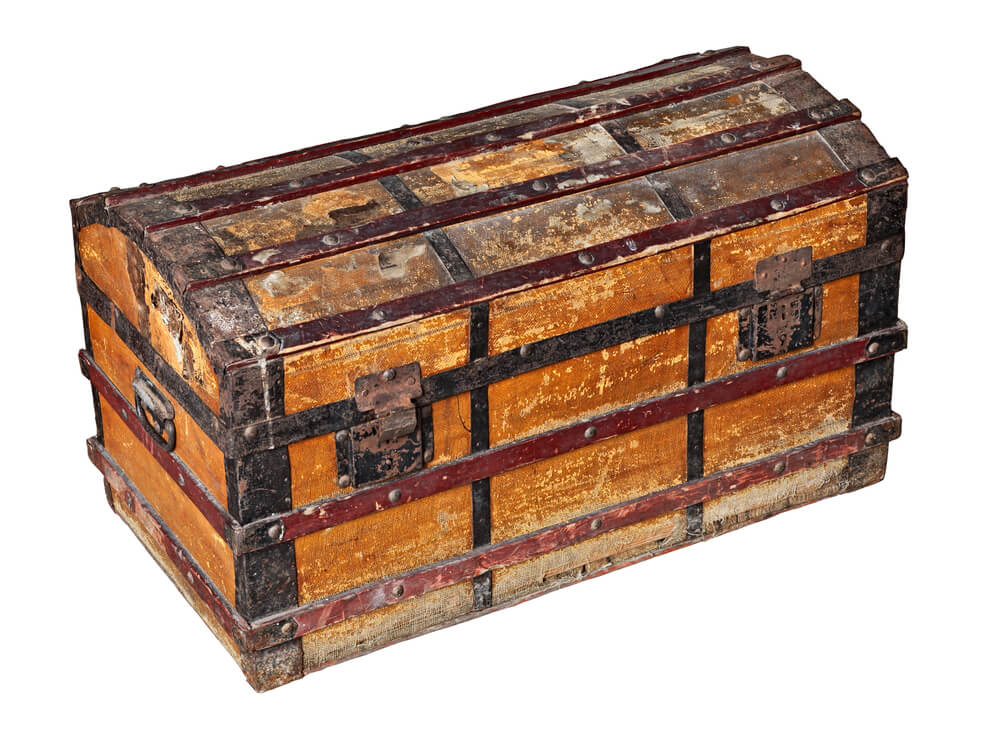
When the statue of Robert E. Lee was removed from Richmond, Virginia, in 2021, crews searched for a time capsule rumored to have been placed in its base in 1887. A first lead box, found that December, held an almanac from 1875, a cloth envelope, a silver coin and a book.
A larger copper box discovered later that month contained damp books, currency, ammunition and documents. Many had hoped for a rumored photograph of Abraham Lincoln in his coffin, but the soggy contents disappointed that expectation.
Carpenters’ Whiskey Bottle Note in Boston
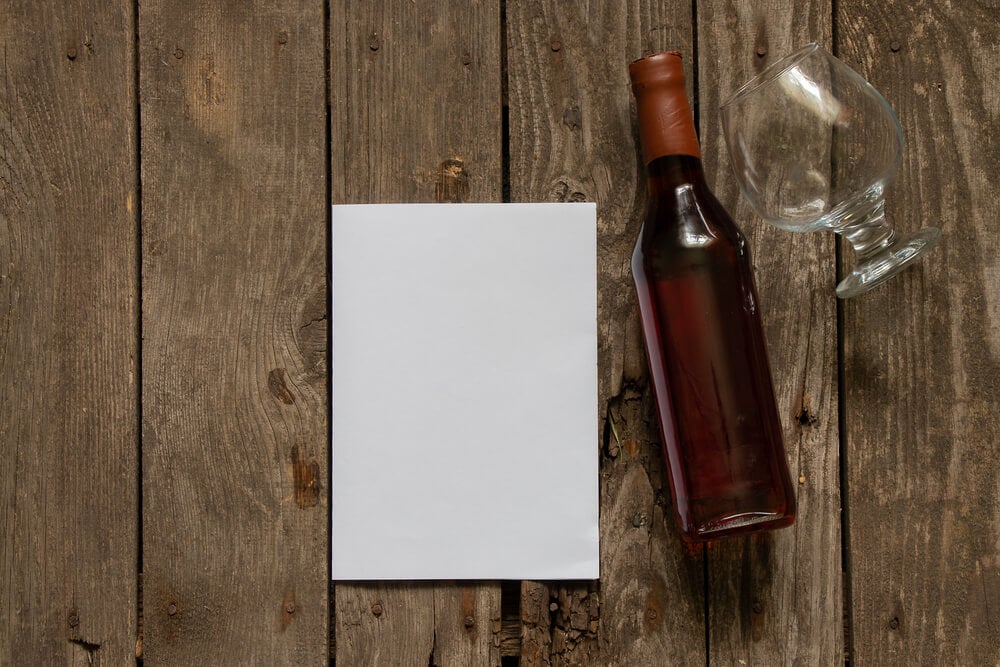
Renovating a house in Boston’s Back Bay in December 2020, a homeowner found an old rye whiskey bottle tucked inside a wall. Rolled up inside was a note dated September 23, 1894, left by carpenters working on the house, one of whom signed himself Tom Ford.
The note recorded the names of the workers and the date of their work. The little capsule offered a rare, human glimpse of the working men who built one of Boston’s grandest neighborhoods.
The Lion Atop Boston’s Old State House
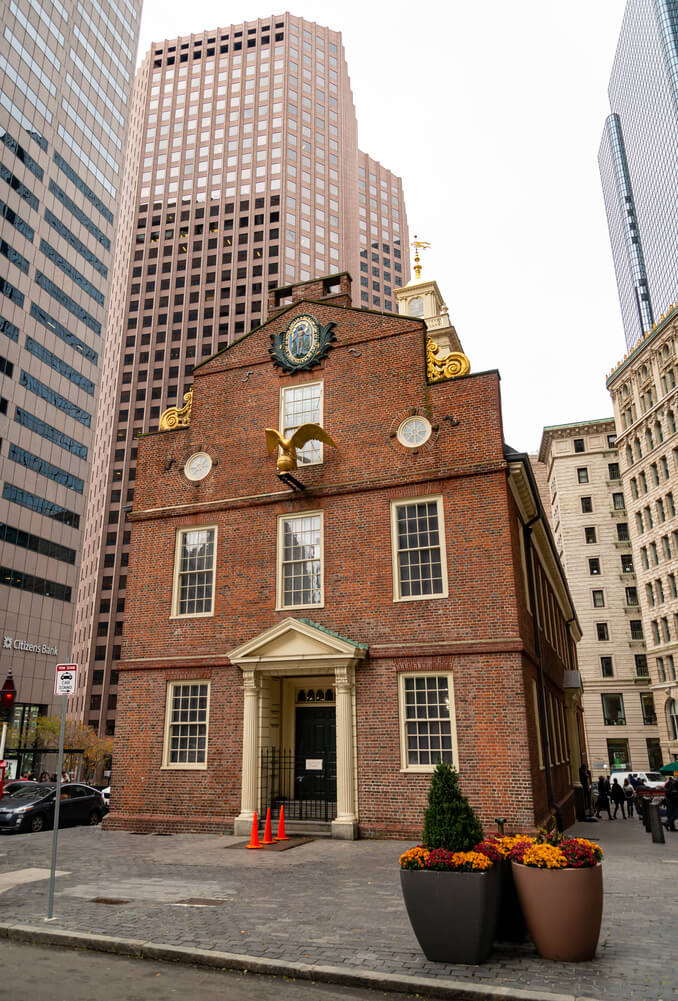
Conservators removed the copper lion statue perched on the Old State House in Boston in 2014 and opened a box that had been placed in its head in 1901. Inside they found photographs, campaign buttons, letters, newspaper clippings and a mysterious red book.
Researchers set about identifying the people named in the documents, whose descendants took an interest in the discovery. The capsule revealed how Bostonians at the turn of the century chose to present their city to the future.
Detroit’s Century Box Opened in 2000
On December 31, 1900, Detroit Mayor William Maybury sealed a copper box filled with letters from local officials and residents, addressed to the people of the city a century later. It was opened on the last day of 2000 by Mayor Dennis Archer.
Maybury’s own letter wondered how much faster people would be traveling and whether the city had changed. Letters from 56 residents offered predictions, hopes and complaints, giving modern Detroiters a vivid sense of the confident city that would soon build the auto industry.
North Toronto Station’s 1915 Cornerstone
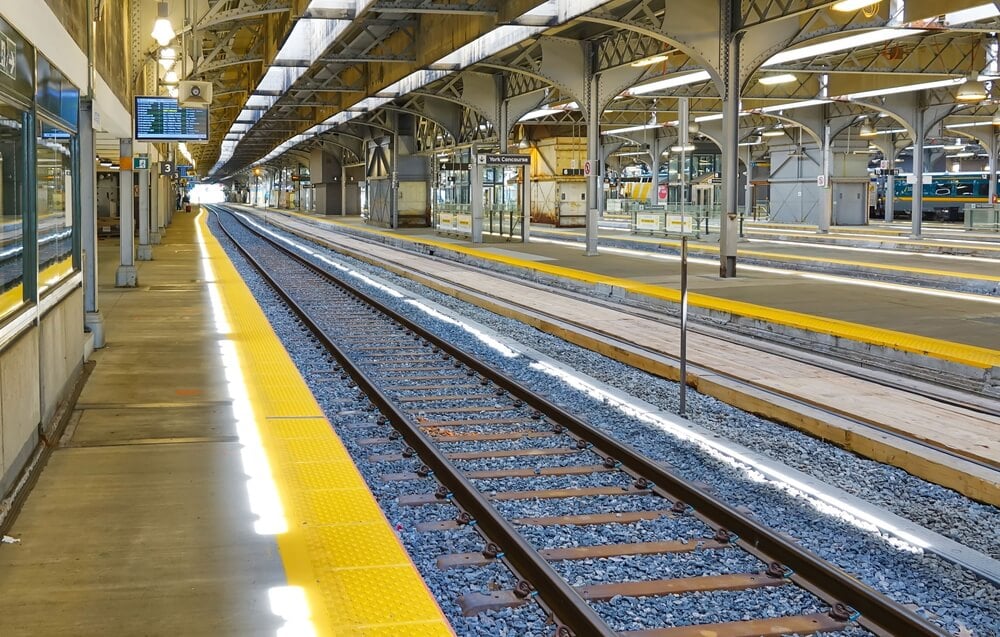
During restoration of the old North Toronto railway station in 2015, workers opened a time capsule placed in its cornerstone in 1915, when the station was built for the Canadian Pacific Railway. Inside were about 50 items, including ten blueprints for the building, six newspapers and a municipal handbook from 1915.
The box had sat undisturbed through a century of changes to the building. The station had long been converted into a liquor store, and the capsule reminded shoppers of its origins as a grand railway terminal.
Arlington’s Memorial Amphitheater Box
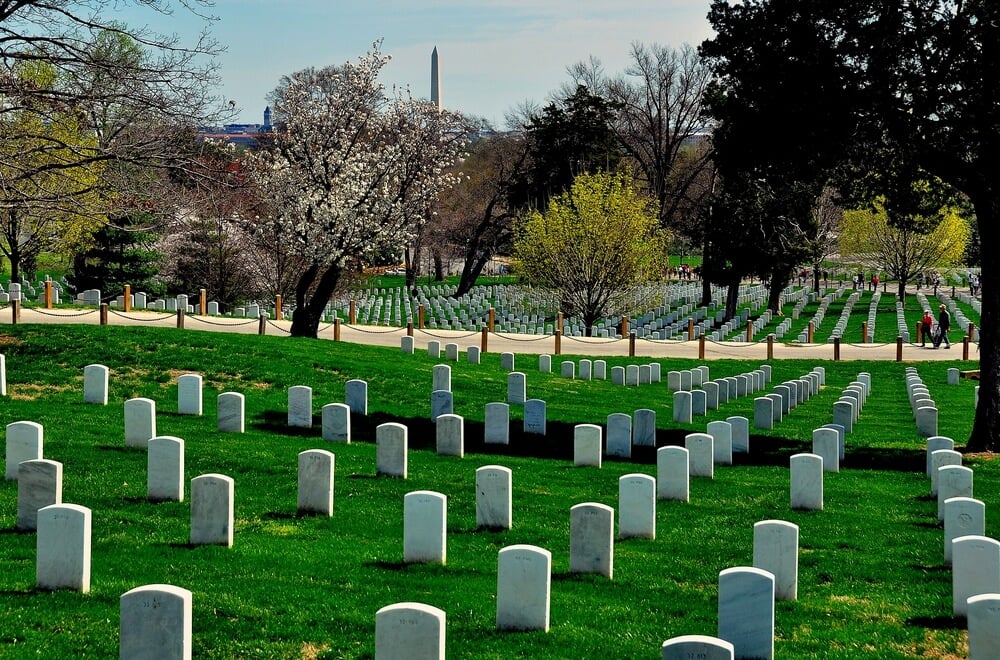
Preparations for the centennial of the Memorial Amphitheater at Arlington National Cemetery led officials in April 2020 to open a box sealed in its cornerstone in 1915. Among the contents was a copy of the Constitution that ended with the 17th Amendment, because later amendments had not yet been ratified.
An American flag inside carried 48 stars, since Alaska and Hawaii had yet to become states. The items illustrated how much the country had grown and changed in a century.
Capsules Revealed by the Christchurch Earthquake
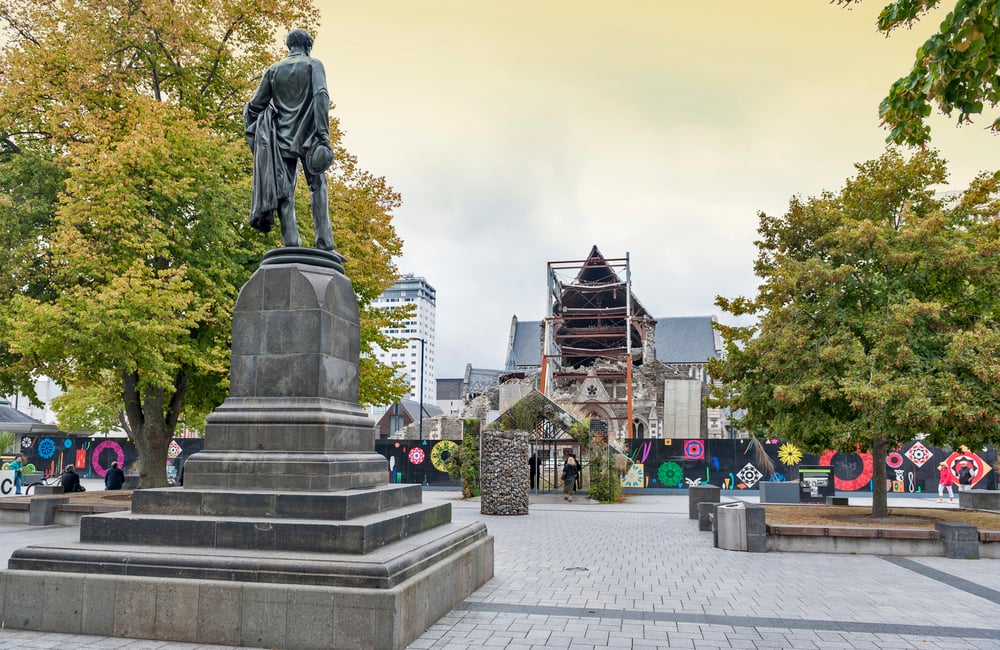
After the devastating earthquake in Christchurch, New Zealand, in 2011, a crane driver named Barry Riley helped remove a statue of city founder John Robert Godley that had toppled from its plinth. Beneath it he spotted a glass bottle containing a rolled vellum scroll and a copper tube, capsules left when the statue was moved in 1918 and returned in 1933.
The documents recorded details from those earlier moves. For a devastated community, the discovery was a small gift from the past during a very dark time.
Owatonna High School’s Cornerstone Box
While demolishing the old high school in Owatonna, Minnesota, in early 2024, crews found a metal box encased in a cornerstone marked with the year 1920. The district held a public event that April, and a school official cut the box open before a crowd of curious residents.
Inside were well-preserved newspapers from 1920, district and city documents, coins and the charters and bylaws of local organizations. Former students watched as their old school gave up a final record of its past.
Westmount City Hall on the Exact Date
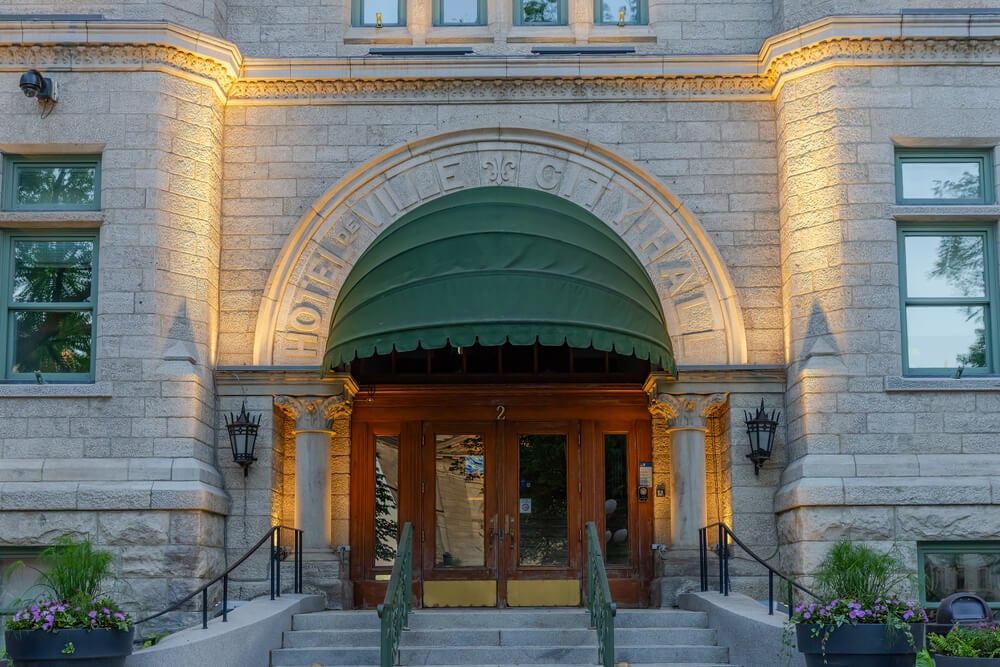
The city of Westmount, near Montreal, sealed a time capsule in its city hall in 1922, and officials opened it on the same date one hundred years later in 2022. Inside they found urban planning documents, a list of municipal employees and a speech by the mayor of the time.
Residents gathered to see how their predecessors had imagined their community. Opening it on the exact anniversary gave the event the sense of a promise kept across a century.
Liberty Memorial’s Capsule in Kansas City
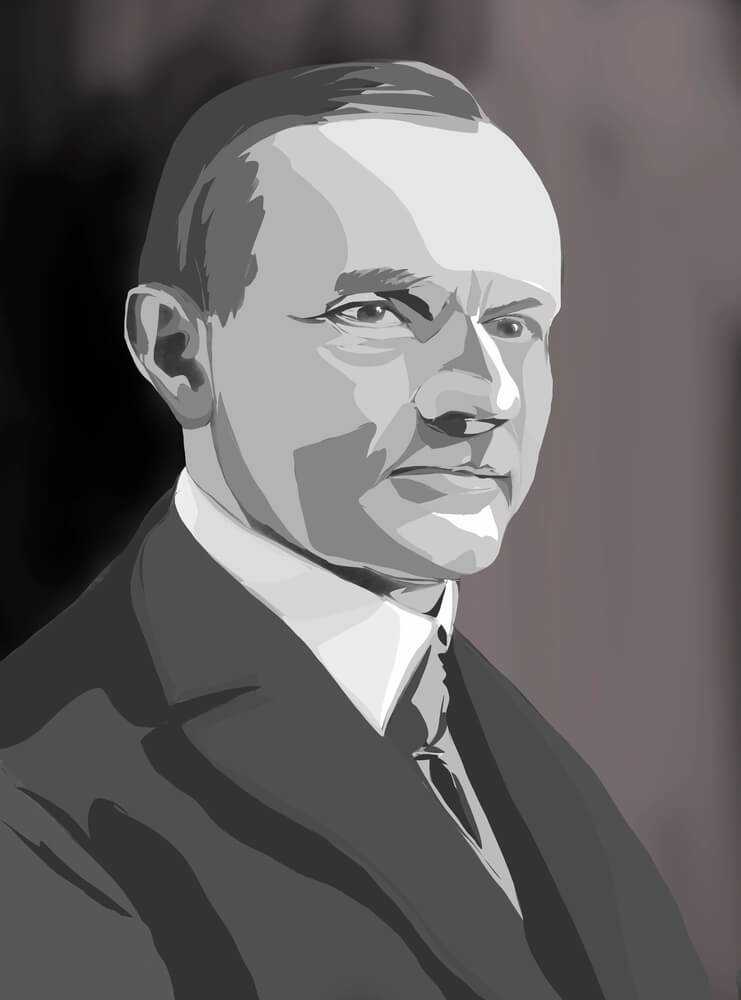
Officials at the National World War I Museum and Memorial in Kansas City opened a box in October 2024 that had been sealed in 1924 during the building of the Liberty Memorial. A bomb squad stood by because old nitrate film inside could be unstable.
The contents included a letter from President Calvin Coolidge, messages from Allied military commanders, a Bible, a copy of the Constitution, a copy of the 1917 declaration of war and a printing plate from The Kansas City Star.
Bibles in a Salt Lake City Church Cornerstone
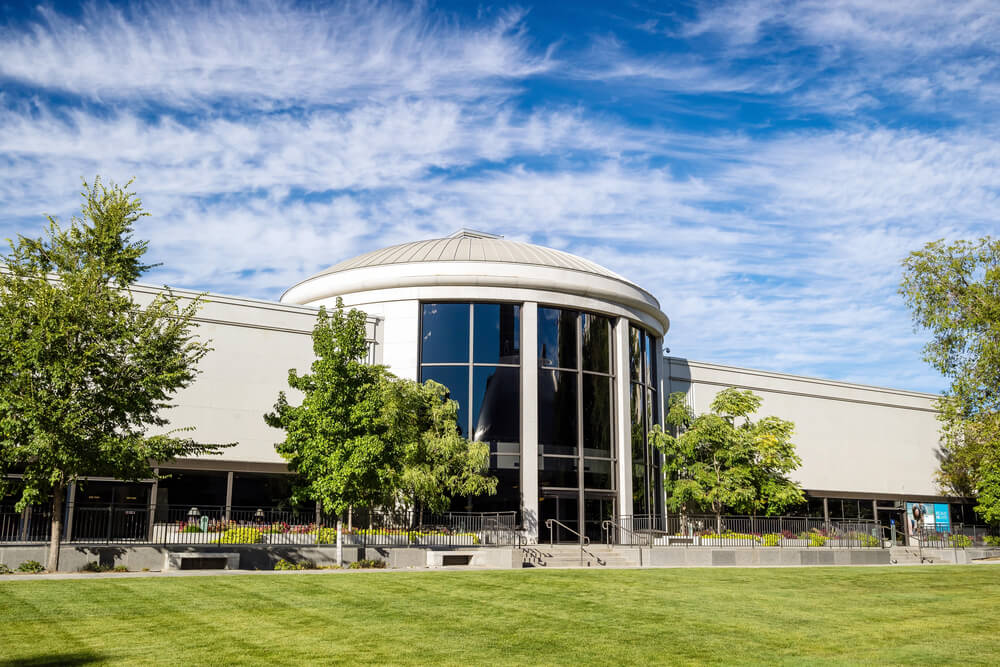
Members of the Japanese Church of Christ in Salt Lake City opened a time capsule in 2025 that had been sealed in the building’s cornerstone in 1924. The church had served generations of Japanese American families, including during the difficult years of the Second World War.
Among the items inside were Bibles, including one belonging to the Hashimoto family, early members of the congregation. Descendants described the opening as an emotional reconnection with the families who founded the church a century earlier.
An Artillery Shell From a Veterans’ Club
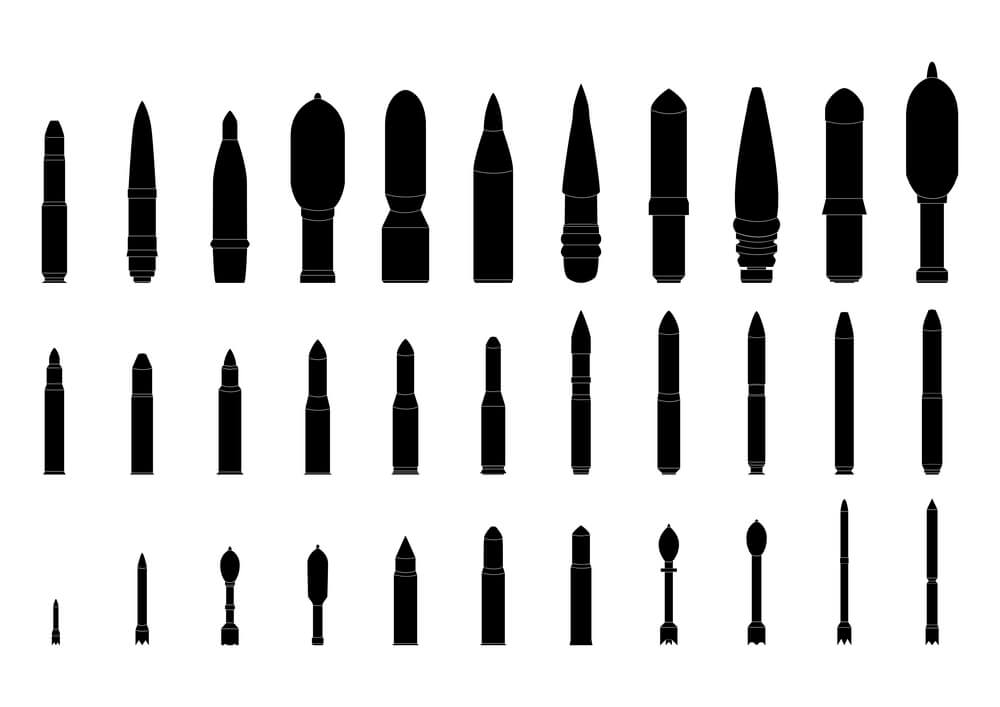
Workers at the American Legion Post 76 in Arlington, Washington, found a hollowed artillery shell in November 2015 that had been sealed in 1934. Inside were a trench lighter, an Indian head nickel, a menu from the Monte Cristo Hotel and a handwritten note thanking someone for the brandy.
There was also a letter from the Last Man’s Club, a group of First World War veterans who pledged to meet until only one of them remained. The shell captured the humor and loyalty of men who had served together.
Tulsa’s Buried Plymouth Belvedere
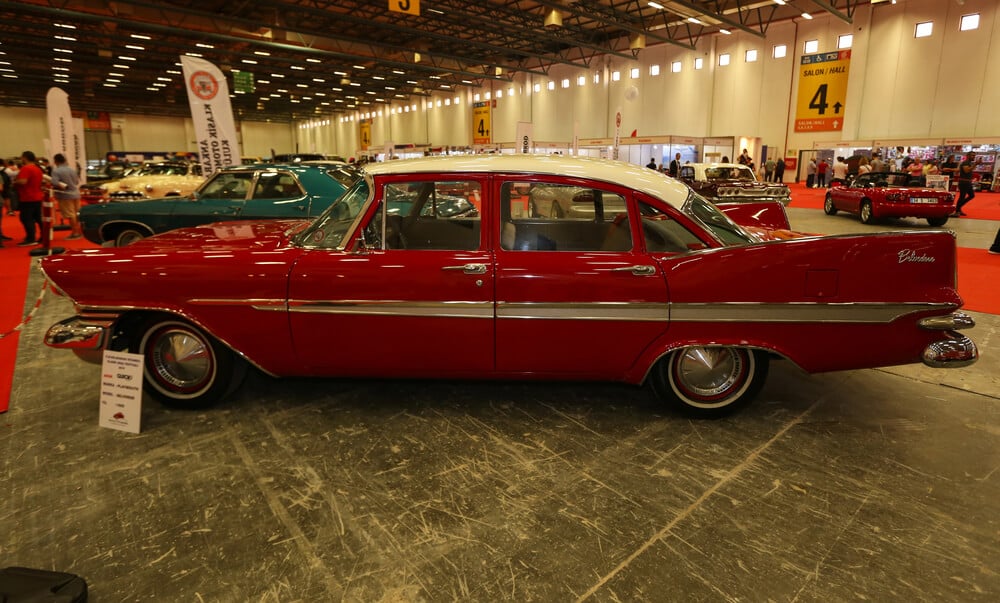
To celebrate Oklahoma’s 50th anniversary of statehood in 1957, Tulsa buried a brand-new Plymouth Belvedere in a concrete vault, planning to give it to whoever came closest to guessing the city’s population in 2007. When the car was lifted out in 2007, crowds were dismayed to find it badly rusted after water had seeped into the vault.
Also inside was a supply of gasoline in case the fuel was no longer sold. The prize eventually went to relatives of the man whose guess had been closest.
MIT’s Thousand-Year Cylinder
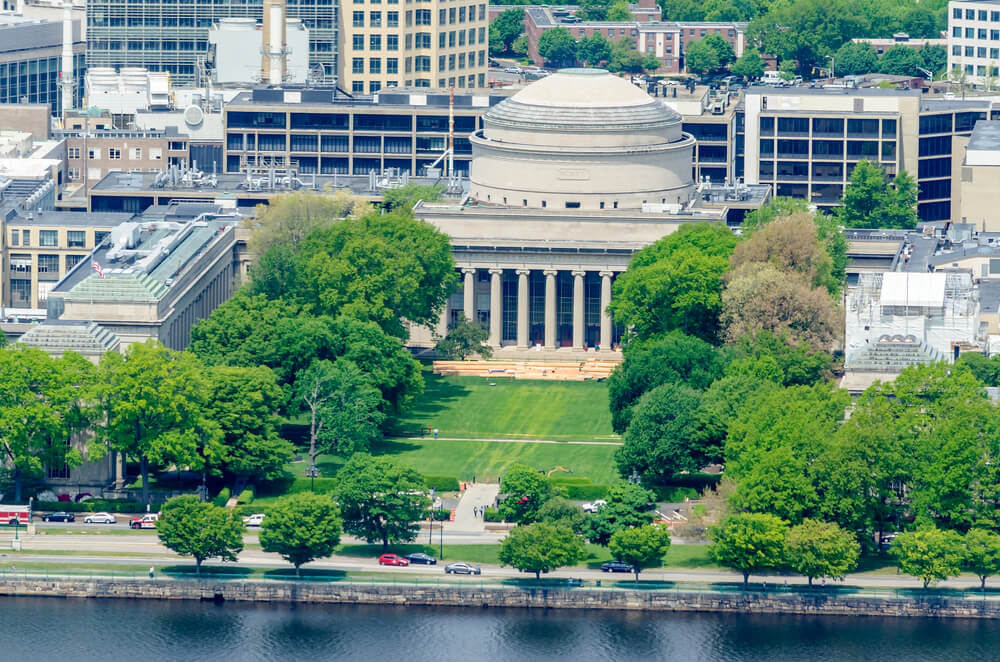
Crews excavating the site of a new nanotechnology building at the Massachusetts Institute of Technology in 2015 unearthed a glass cylinder sealed in 1957 and intended to remain buried for a thousand years. It contained a sample to help future scientists calibrate carbon dating, along with a letter from MIT President James Killian.
The capsule had been forgotten by nearly everyone on campus. Its discovery came more than nine centuries ahead of schedule, a lesson in how quickly institutions lose track of their own plans.
Derby Almshouse Workers’ Note From 1959
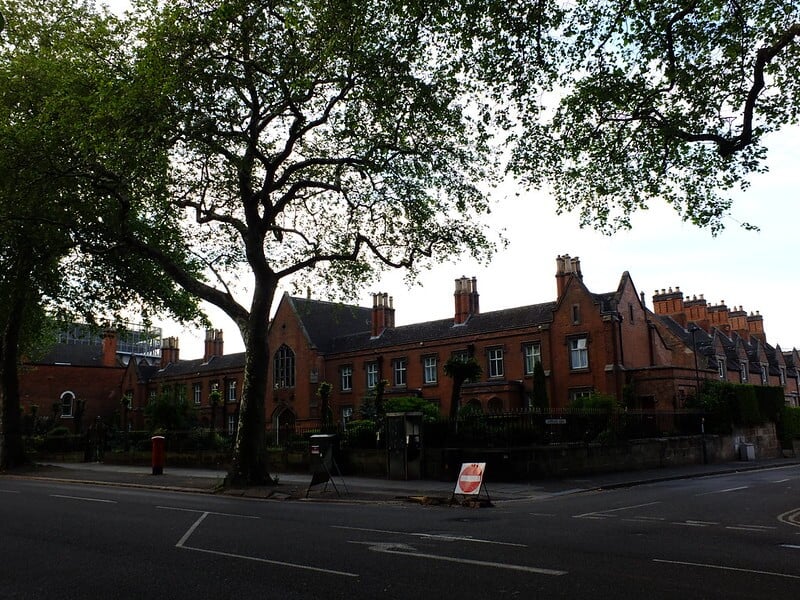
Work on almshouses in Derby, England, in 2026 uncovered a note left alongside an empty whisky bottle by workmen in 1959. It was signed by a W H Braid, who wrote that he hoped the country would not be at war when the message was found.
The author also commented on the general election held that year, in which the Conservatives won a large majority. The simple note offered a rare view of how ordinary tradesmen saw their world after the Second World War.
The Twin Capsules of Expo 70 in Osaka
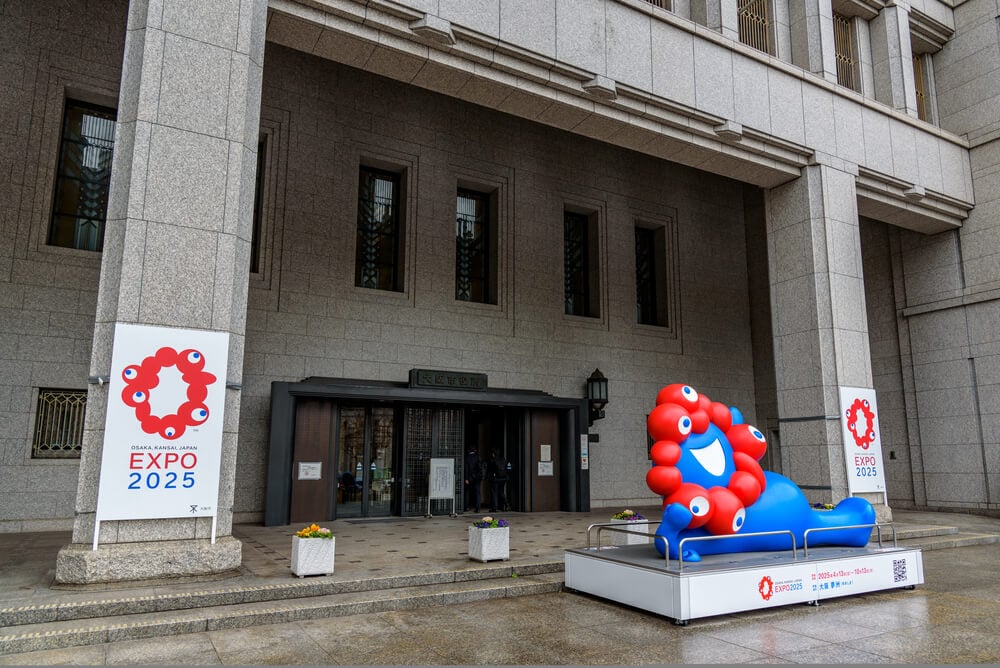
For the World Exposition held in Osaka, Japan, in 1970, the Mainichi newspaper and the Panasonic company buried two identical capsules, each holding 2,098 items reflecting life at the time. One was opened in 2000 to check the condition of its contents and then resealed to be opened again at regular intervals.
The other is intended to remain sealed until the year 6970, making it one of the longest-lasting planned time capsules in the world.
Blue Peter’s Waterlogged Capsule
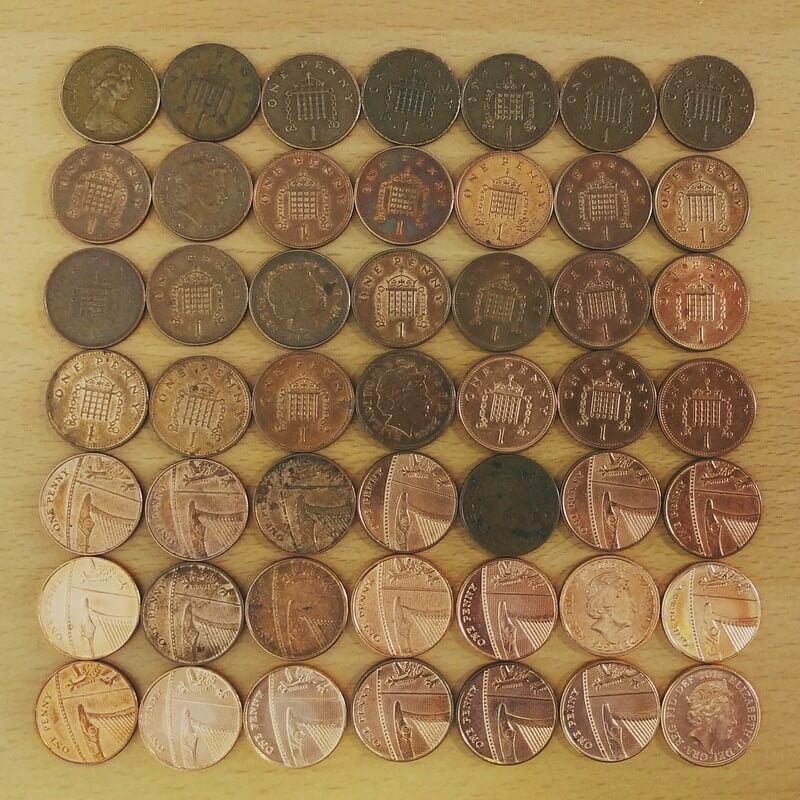
Presenters of the British children’s program Blue Peter buried a time capsule on June 7, 1971, in the grounds of the BBC’s television studios in west London. It contained newly minted decimal coins, a Blue Peter annual from 1970 and photographs of the presenters.
The capsule was moved in 1984 during construction work, and when it was dug up in 2000, water had seeped in and damaged much of its contents. Former presenters gathered to open it before viewers who remembered the original broadcast.
Harold Davisson’s Giant Vault in Seward, Nebraska
Businessman Harold Davisson of Seward, Nebraska, created what he billed as the world’s largest time capsule in 1975, filling a concrete vault with more than 5,000 items. It was opened in 2025 before large crowds.
Among the contents were a yellow 1975 Chevrolet Vega with zero miles, a Kawasaki motorcycle, a leisure suit, pet rocks and thousands of letters. The capsule had once been at the center of a dispute with a university in Georgia over which held the record for the largest capsule.
Aspen’s 1983 Time Tube
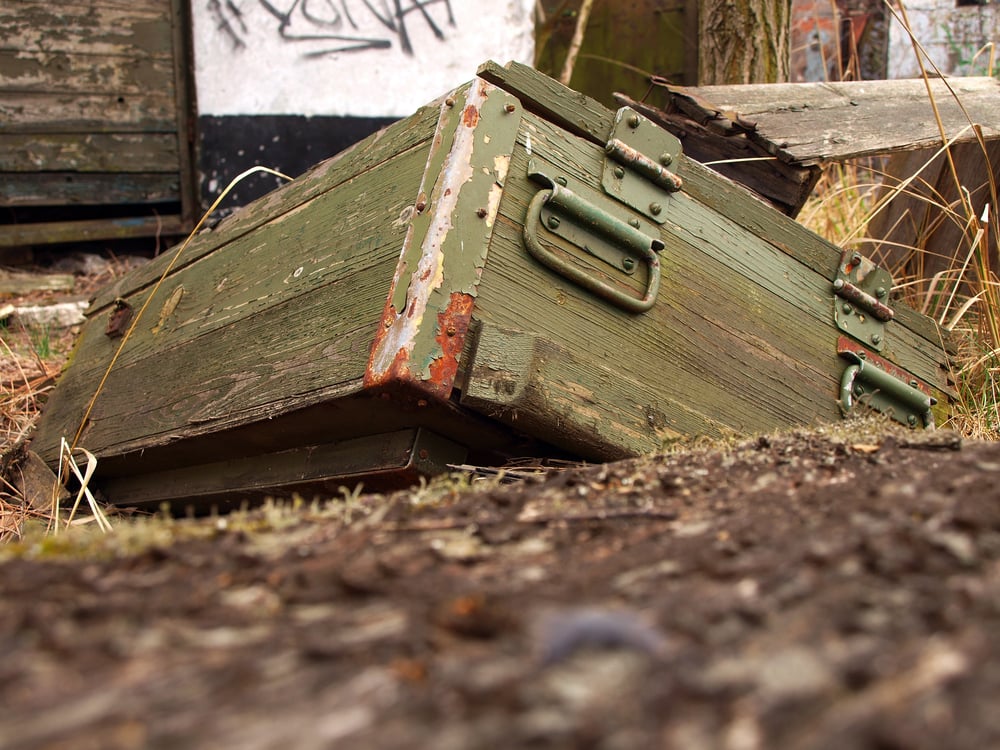
At the International Design Conference in Aspen in 1983, organizers filled a 13-foot tube with items representing contemporary culture and buried it. The capsule was forgotten until a television crew dug it up in 2013.
Its contents included a computer mouse from the Apple Lisa said to have been contributed by Steve Jobs, a Moody Blues eight-track tape, a Rubik’s Cube, a June 1983 issue of Vogue and a six-pack of beer. It offered a perfect snapshot of the early computer age.
Franklin County’s Sealed Letter From 1892
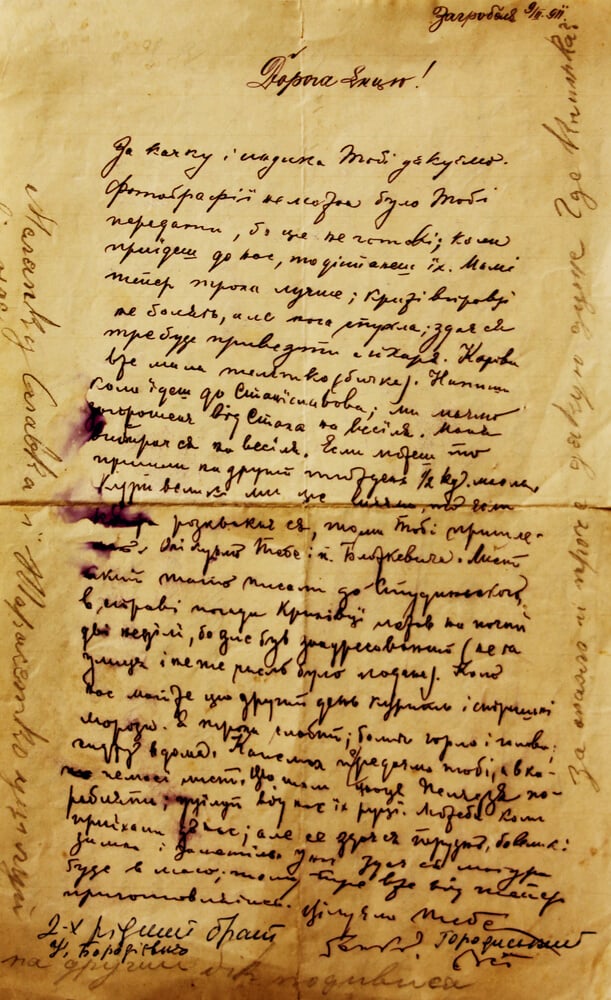
Officials in Franklin County, Kansas, opened a time capsule in 2025 that had been placed in the cornerstone of the county courthouse in Ottawa in 1892. Inside they found a penny and other items, along with a sealed letter from 1892 that came with instructions for it to remain unopened for a further period.
Officials chose to honor the request of the people who wrote it more than a century earlier. That decision turned the courthouse capsule into a second time capsule for future residents.
Messages That Outlive Their Senders
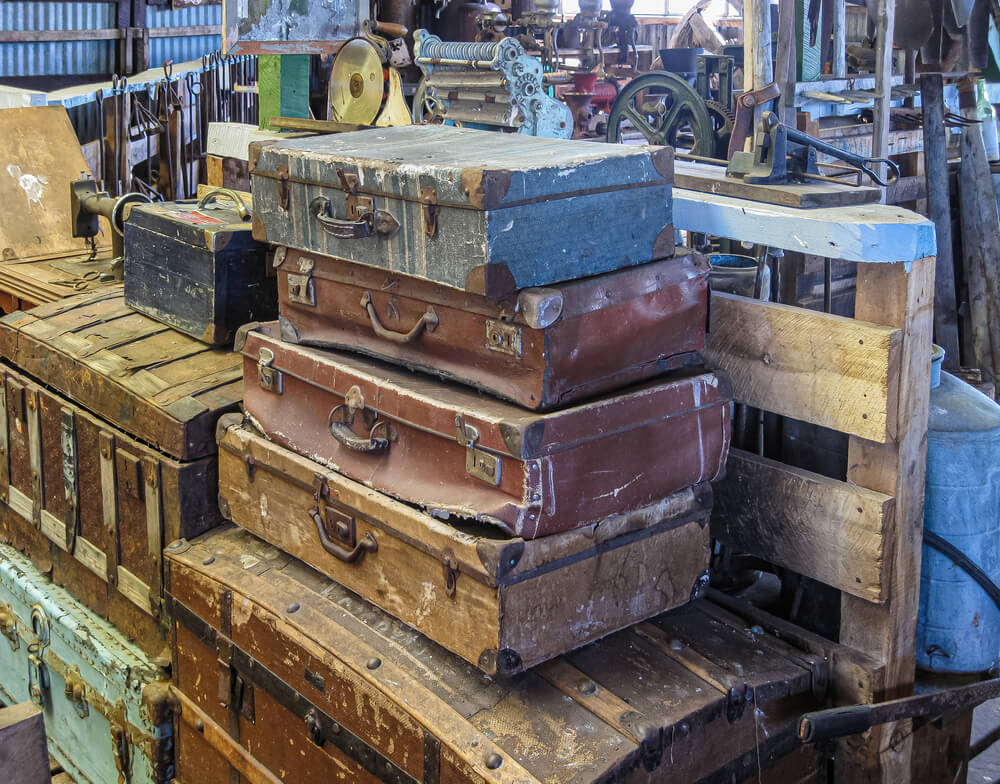
Time capsules rarely contain anything valuable in the usual sense. Their power comes from ordinary things, a newspaper, a handwritten note or a coin, chosen by people who wanted to be remembered.
What they choose to include reveals as much as the objects themselves. The best capsules speak directly to the future, sometimes with humor and sometimes with worry.
Across centuries, the questions tend to stay the same, asking whether the world is peaceful and how life has changed. The answers change, but the impulse to leave a message behind appears to be permanent.
More from Go2Tutors!

- The Romanov Crown Jewels and Their Tragic Fate
- 13 Historical Mysteries That Science Still Can’t Solve
- Famous Hoaxes That Fooled the World for Years
- 15 Child Stars with Tragic Adult Lives
- 16 Famous Jewelry Pieces in History
Like Go2Tutors’s content? Follow us on MSN.