14 Photos Of Daily Life During Prohibition
For thirteen years, from 1920 to 1933, federal law prohibited the manufacture, sale and transportation of intoxicating liquor for beverage purposes, with certain exceptions, and nearly everyone had a story about getting around it. Photographers followed the chase, the cleanup and the quiet absurdities that grew up between the law and the thirst.
The pictures that survive are often more candid than the speeches of the era. They show agents at work, boats on busy rivers and ordinary people hiding drinks in places no drink was ever meant to go.
Agents Pour Liquor Into a Sewer in New York
A Library of Congress photograph shows New York City Deputy Police Commissioner John A. Leach, on the right, watching agents pour liquor into a sewer.
Every seized bottle and barrel had to go somewhere, and the gutter was an easy answer. The picture captures an odd official ritual, with a city police executive standing by as evidence disappeared down the drain.
Enforcement, in this frame, looks less like a battle than a chore.
The Washington Liquor Squad Shows Off a Fair Haul
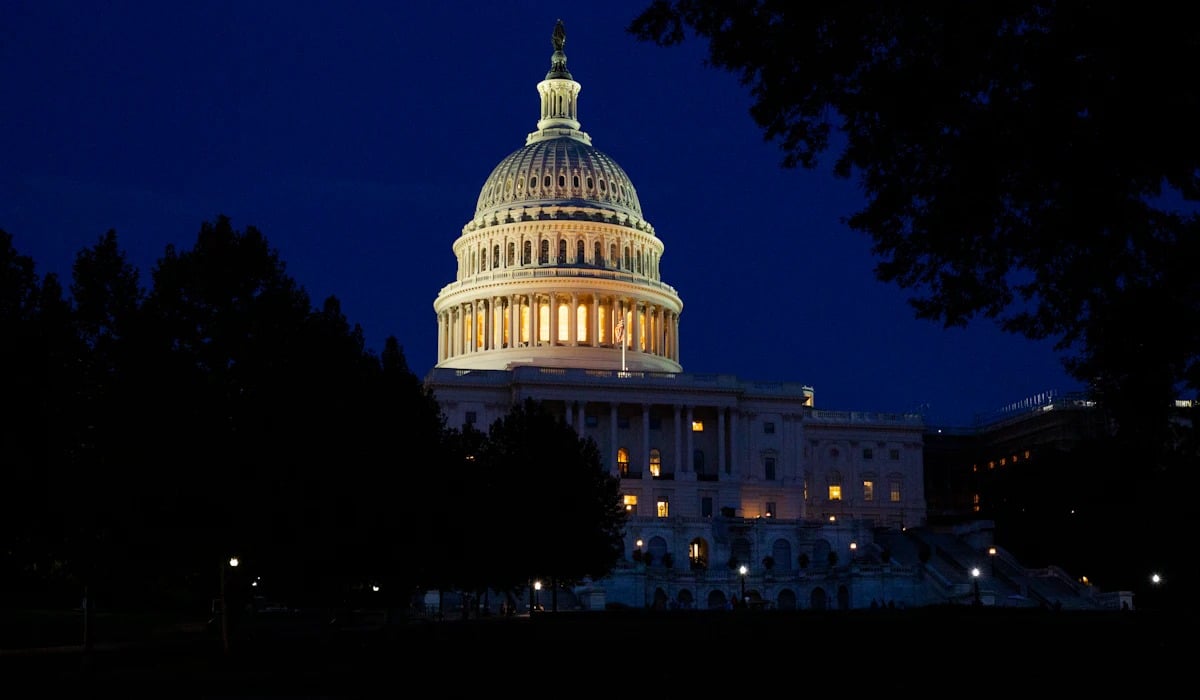
Washington police photographed in 1922 appear in a Library of Congress picture titled “A fair haul by the liquor squad.” The title reads like a hunting trophy, and the officers are arranged to match.
In the capital itself, the squad’s job was to catch violations within sight of the very Congress that had passed the law. The photograph reads as a proud record of work done, though the supply on the other side of the line never seemed to run low.
A Raid on a Lunch Room on Pennsylvania Avenue
Prohibition officers raiding the lunch room at 922 Pennsylvania Avenue in Washington, D.C., are the subject of a Library of Congress photograph from 1923. A lunch room is about the least dramatic setting imaginable for a liquor raid, which is what makes the picture so useful.
It shows that illegal drinking was not confined to hidden cellars or gangster hideouts, since a place serving meals could be raided in the middle of the nation’s capital. Daily life and lawbreaking shared the same counter.
A Soda Fountain Customer and the Liquor Hidden in a Cane
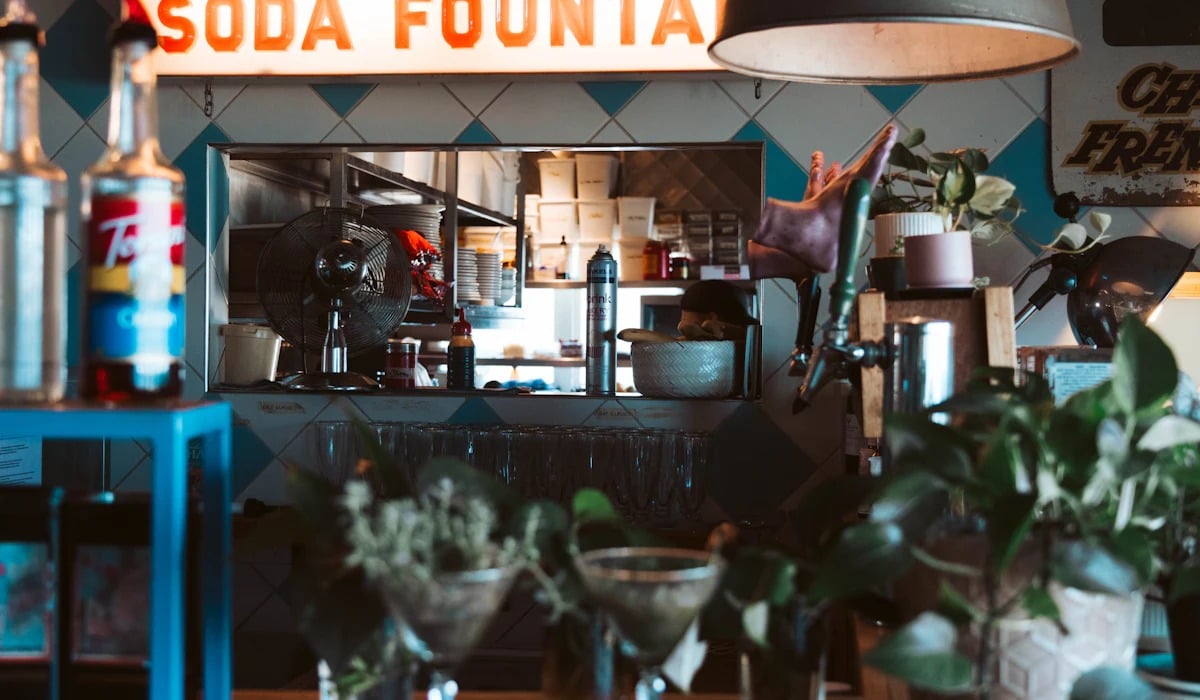
A Library of Congress photograph dated February 13, 1922, shows a woman seated at a soda fountain table, pouring alcohol into a cup from a cane. A large Coca-Cola advertisement hangs on the wall behind her.
The cane served as a concealed container, an example of the ways people could hide alcohol during Prohibition. Set against a soda fountain, an American symbol of clean-cut refreshment, the image makes the joke without a word of caption.
A Flask Tucked Into a Russian Boot in Washington
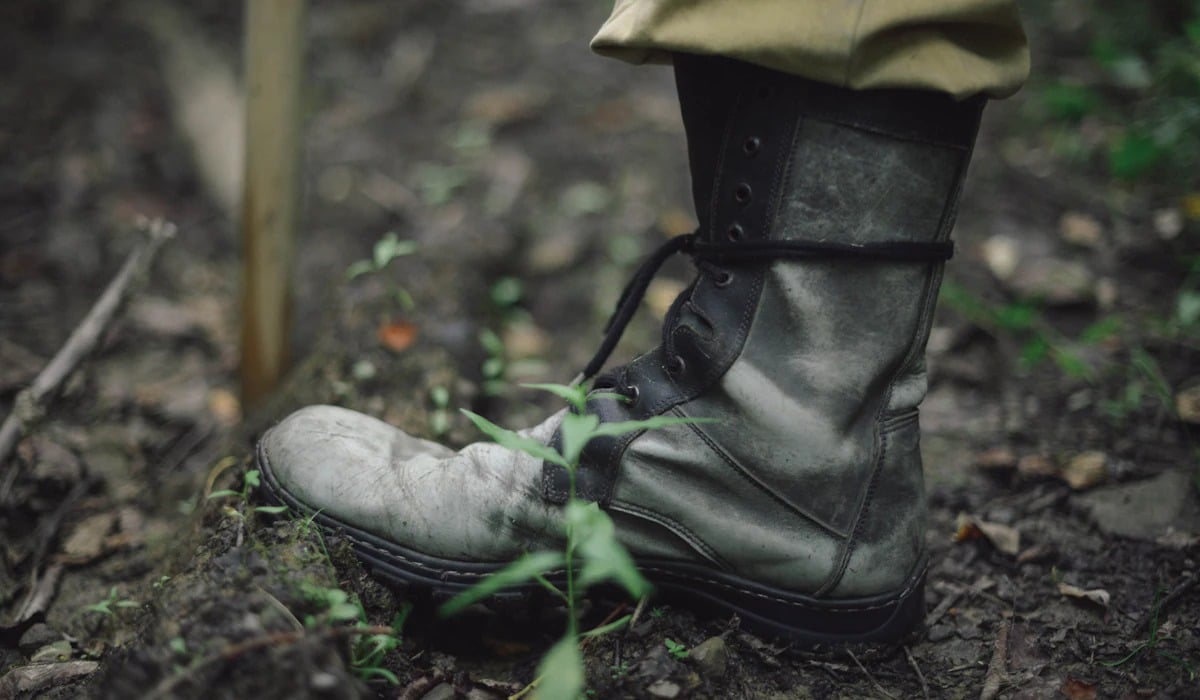
Titled “Woman putting flask in her Russian boot, Washington, D.C.,” a Library of Congress photograph was taken on January 21, 1922. A tall boot offered a place to carry a flask that no casual glance would catch.
The picture was taken in the capital, within easy reach of the agencies charged with enforcing the law. It stands as a small reminder that some attempts to evade Prohibition were as simple as concealing a single flask.
A Confiscated Moonshine Still Posed for the Camera
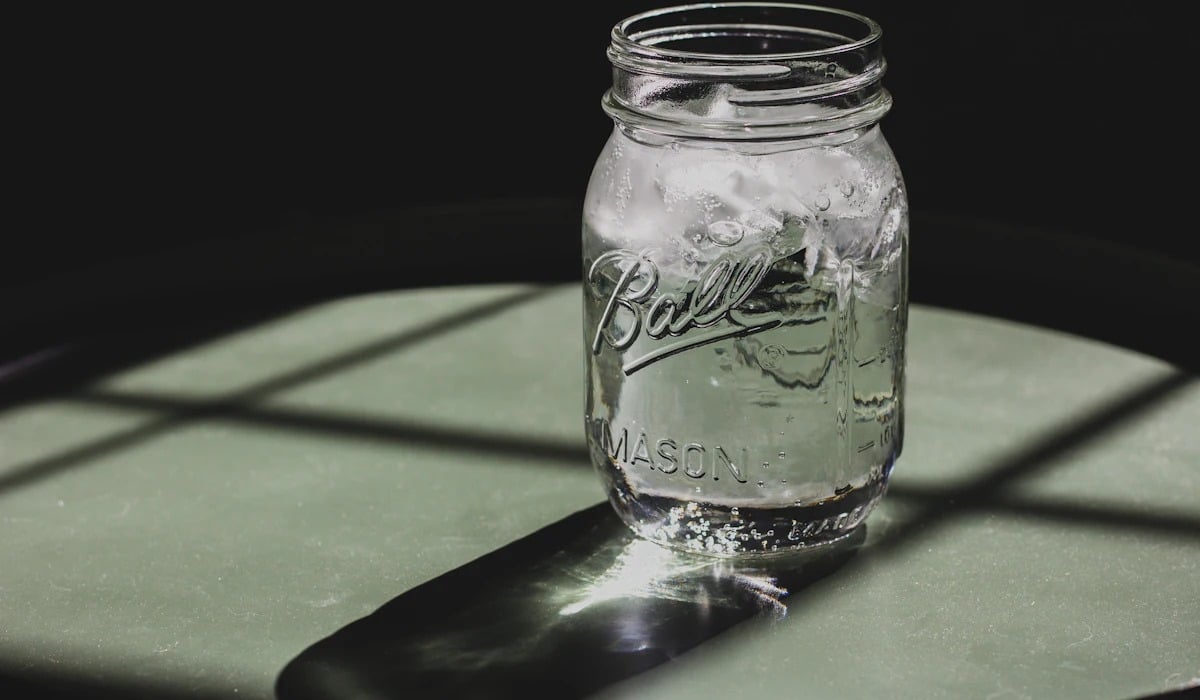
The Library of Congress holds a photograph of a moonshine still recently confiscated by the Internal Revenue Bureau. Seized equipment was often photographed as evidence, and the apparatus gave officials a tangible trophy to show for their work.
The copper and tubing look like plumbing for a very small, very secret factory. The photograph’s archival caption identifies the still as having been photographed at the Treasury Department, showing how officials documented equipment seized during enforcement.
A Thrilling Chase Ends With Capitol Police
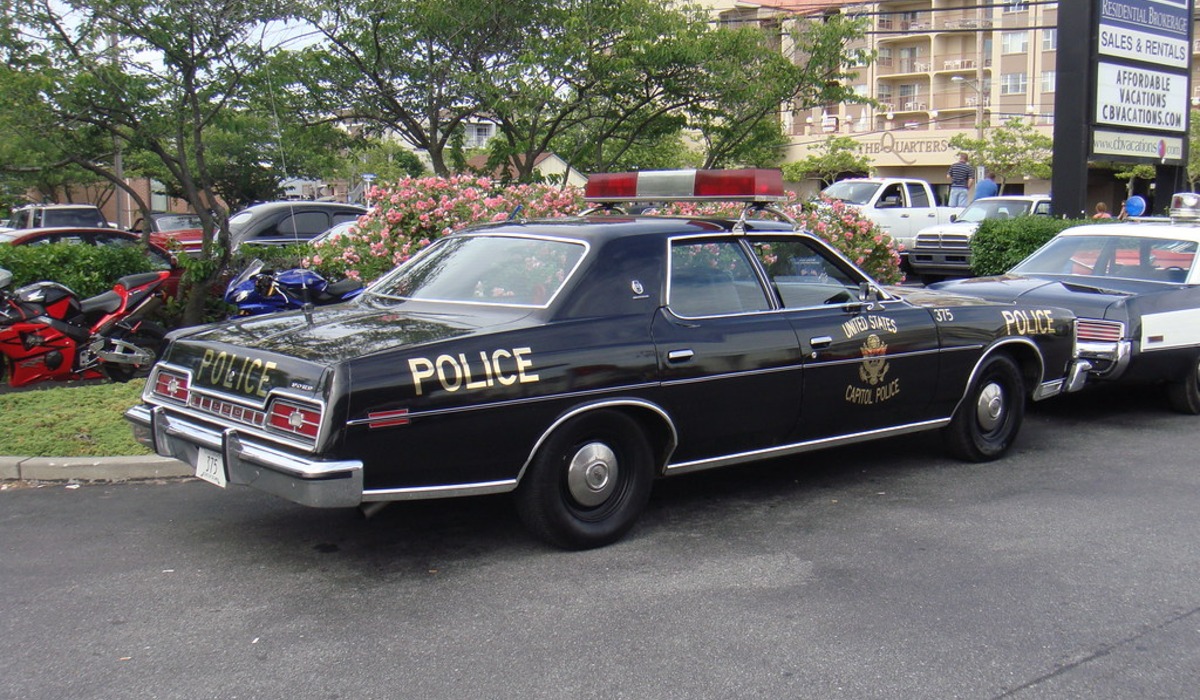
A Library of Congress photograph carries a caption describing a thrilling chase through the busiest streets of Washington that ends with a couple of bootleggers and their car coming to grief at the hands of the Capitol police. The wording alone captures the tone of the press coverage, which treated pursuits as public entertainment.
Capitol police were not a distant federal agency here but part of the city’s daily traffic. For bootleggers hauling liquor through the capital, the final block could end within sight of the legislators who wrote the law.
Elise and Roy Olmstead Pose Together in Seattle in 1925
The Museum of History and Industry in Seattle holds a 1925 photograph of Elise and Roy Olmstead. Olmstead was a former Seattle police officer who became one of the Pacific Northwest’s best-known bootleggers.
His case later reached the U.S. Supreme Court in 1928, over the government’s use of wiretaps.
The portrait shows a couple in a quiet moment before the legal storm that would make his name part of American constitutional history.
Roy and Elise Olmstead Arrive at a Seattle Courthouse in 1926
The same museum holds a 1926 photograph of Roy Olmstead and his wife Elise with Roy’s mother Sarah at a Seattle courthouse. The family portrait softens the image of a man at the center of a major bootlegging conspiracy case.
Seattle was the stage for one of the era’s most closely watched trials, and the courthouse steps were where private life met public record. The presence of his mother in the frame is the sort of detail no court record would have included.
A Federal Grand Jury Sits in the Olmstead Bootlegging Case
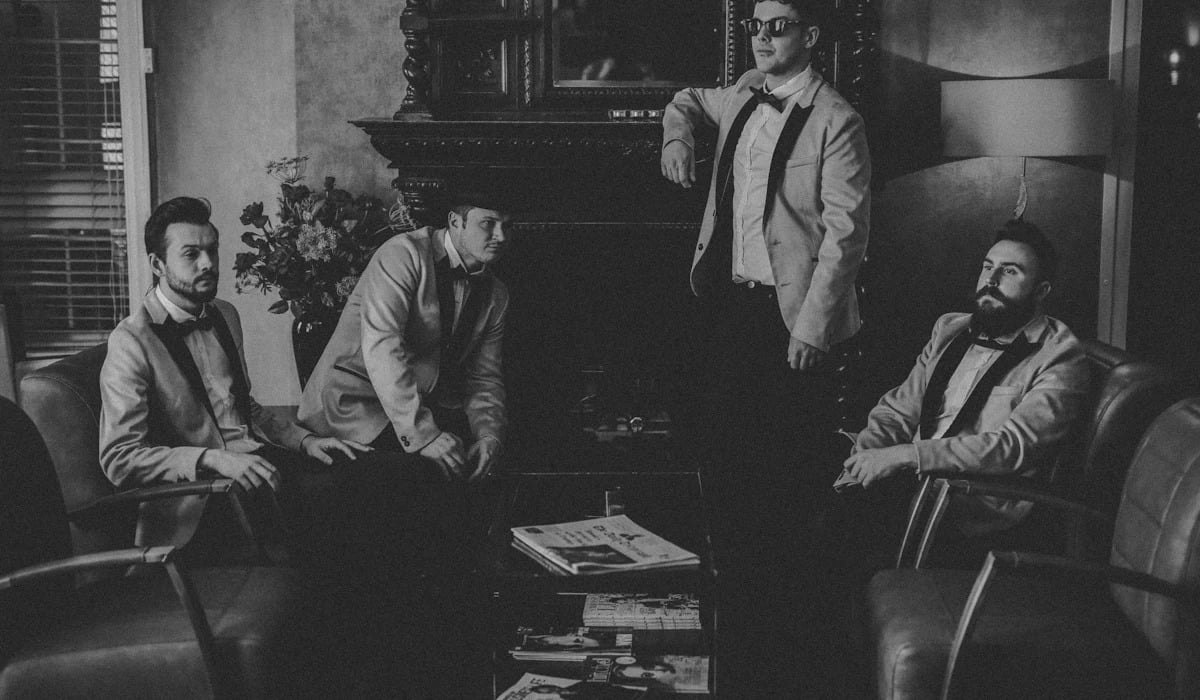
The Museum of History and Industry also preserves a 1926 photograph of the federal grand jury in the Roy Olmstead bootlegging case in Seattle. The jurors sit as ordinary citizens who had been asked to weigh evidence against one of the region’s most famous liquor smugglers.
Most Prohibition images focus on the crime or the raid, which gives a picture of the jury room extra value. The image shows the legal machinery that stood behind each seizure and arrest.
Rum-Runners at Work on the Detroit River in 1929
The Walter P. Reuther Library at Wayne State University holds a photograph from 1929 documenting Prohibition-era smuggling on the Detroit River.
Detroit sat across a narrow stretch of water from Canada, and the river became an everyday route for illicit cargo. The year of the photograph falls late in the era, when smuggling had grown into a settled trade.
Seen from the Michigan side, the water was less a border than a commercial highway.
Dry Agents Seize a Liquor-Laden Ship in 1922
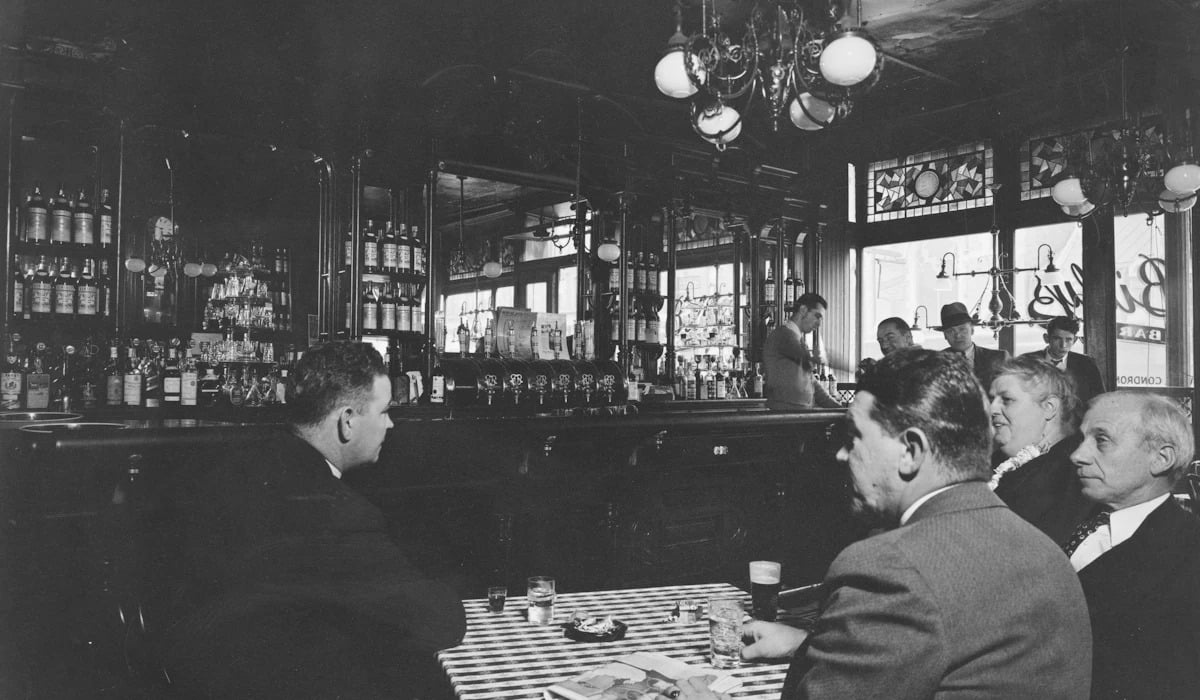
The Red Hook Water Stories archive includes an image from 1922 titled “Dry Agents Seize Liquor-Laden Ship.” The archive identifies the vessel as the ocean-going tug Ripple, seized on June 3, 1922, near the foot of Clinton Street in Brooklyn.
Red Hook is a Brooklyn waterfront neighborhood long tied to harbor commerce, which made it a natural place for such a seizure. Taking an entire vessel is a different order of enforcement from confiscating a single flask.
The accompanying account describes a larger operation involving motorboats gathered to take liquor from the tug.
Beer Destroyed in a Washington Landfill
An image circulated by Bonsell Americana, titled “Beer Destroyed in a Washington D.C. Landfill,” dates from around 1923.
Beer was among the common targets of enforcement, and the scale of its disposal gave raids a strange logistical side. Destroying seized liquor meant hauling it away, emptying it and doing the work in view of officials and onlookers.
The picture turns a drink into a disposal problem.
Broadway Celebrates Repeal
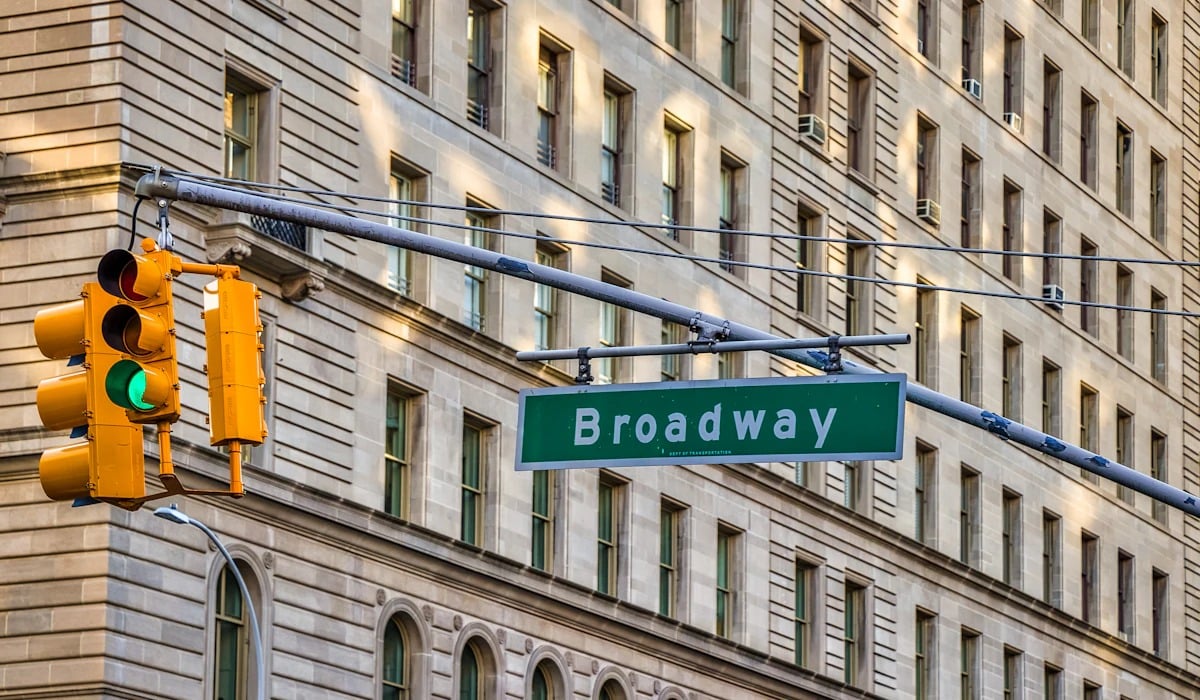
A Library of Congress photograph titled “Broadway celebrates repeal” captures the public mood when the dry era finally ended. The photograph dates to December 5, 1933, when the 21st Amendment was ratified, repealing the 18th Amendment.
The image places the celebration on Broadway, the street most associated with New York nightlife and entertainment. After thirteen years of hidden bars and back-door deliveries, the repeal celebration brought crowds into public view.
What the Camera Kept of a Dry Country
Taken together, the photographs show a nation that never quite agreed on what it was doing. Agents emptied barrels into rivers and sewers while ordinary people slipped flasks into boots and canes, and each side seemed to understand the other perfectly.
The camera caught enforcement and evasion with equal patience, and neither one looks ashamed.
The same pictures that record raids and chases also record the humor, the paperwork and the stubborn routine of daily life. A lunch room, a soda fountain and a river crossing all became part of the story.
By the time Broadway celebrated repeal, the images had already made the case that the law lived in ordinary places, not just in courtrooms and speeches.
More from Go2Tutors!

- The Romanov Crown Jewels and Their Tragic Fate
- 13 Historical Mysteries That Science Still Can’t Solve
- Famous Hoaxes That Fooled the World for Years
- 15 Child Stars with Tragic Adult Lives
- 16 Famous Jewelry Pieces in History
Like Go2Tutors’s content?Follow us on MSN.